
I came into Nagoya planning one meal between Tokyo and Kyoto. I left three days later, full of red miso, with a notebook of bar addresses I still had not visited. The city does not market itself the way Osaka markets street food or Kyoto markets tea. It just feeds you, hard, with a regional cuisine so distinct that locals gave it its own name – Nagoya meshi – and pours you cold draught beer from 16:00 onwards. Plan two nights minimum and you will eat better, for less, than in either of the cities everyone tells you to stop in instead.
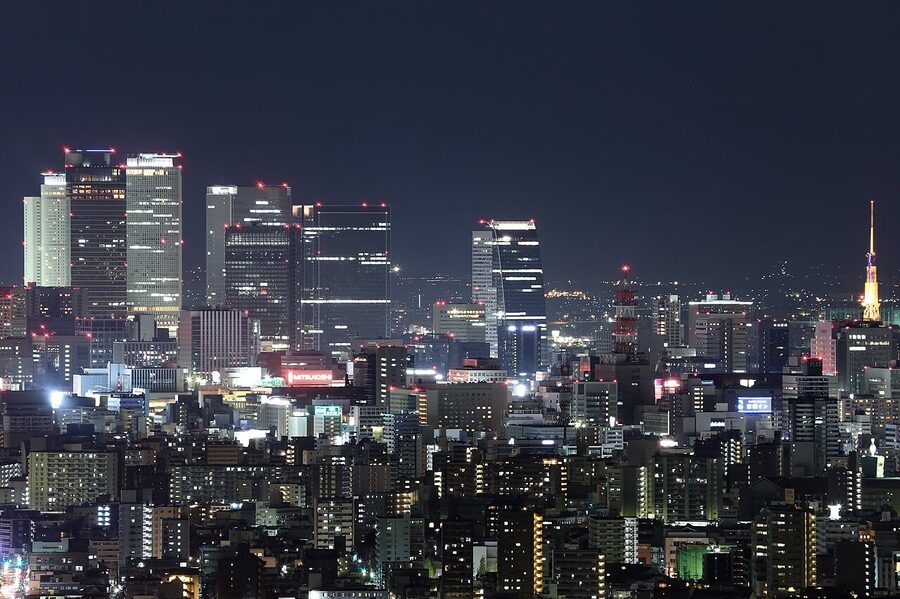

Nagoya is Japan’s fourth-largest city and probably its most under-rated stop for travellers who care about food. The reasons are simple: a stubborn local taste for aka miso (red miso) that runs through almost every signature dish, two regional eel and chicken specialties you cannot get anywhere else, an Italian-Chinese fusion of pasta that exists nowhere else, and a clutch of drinking neighbourhoods that turn over fast enough to keep prices in check. If you have come from Tokyo on the bullet train, you will notice the difference inside the first izakaya: the menu is shorter, the regulars are louder, and the otoshi is more likely to be miso-glazed than dressed.
In This Article
- Why Nagoya tastes different from anywhere else in Japan
- How to think about the city’s eat-and-drink neighbourhoods
- The signature dishes you should actually order
- Hitsumabushi: grilled eel, three ways, in one bowl
- Miso katsu: pork cutlet, drowned in dark sauce
- Tebasaki: Nagoya’s chicken wings
- Miso nikomi udon: a clay pot of comfort
- Tenmusu: the rice ball that travels
- Kishimen: flat noodles, often eaten standing
- Ankake spaghetti: the dish nobody else does
- Taiwan ramen: spicier than its name suggests
- Doteni: red miso, slow-cooked offal, served at the bar
- Ogura toast and the morning service
- Nagoya as a drinking city: where to actually go
- Sakae and Nishiki: the city’s drinking core
- Nagoya Station and the skyscraper bars
- Osu and the daytime drinking
- Kanayama and Imaike: the local drinking
- Sake, beer and shochu in Nagoya: what locals actually drink
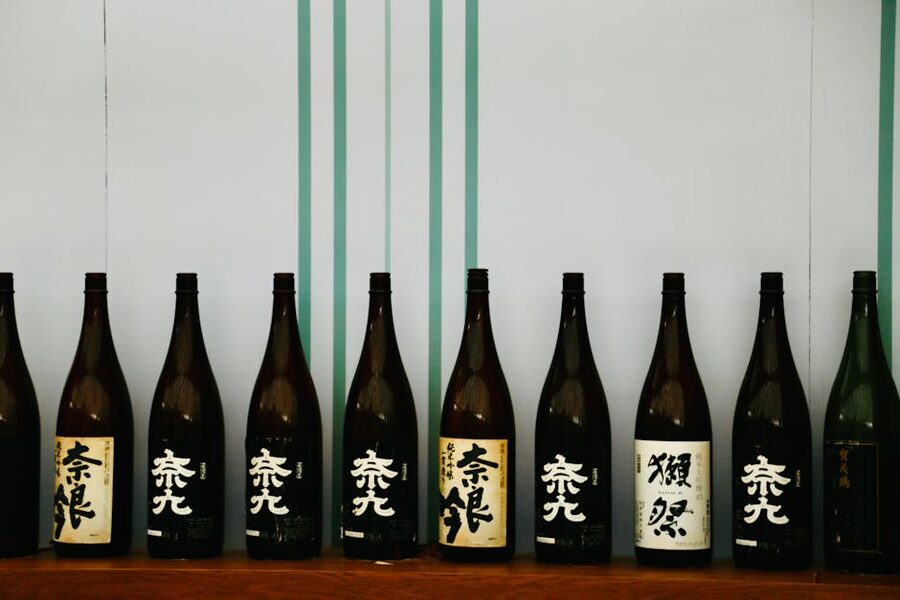
- Sake from Aichi: the under-rated regional list
- Beer: chains, taps and the local pub circuit
- Whisky and shochu: secondary but worth a night
- Practical things that catch travellers out
- Otoshi and the rules of the izakaya
- Reservations, cash, and the language gap
- The last-train rule
- The morning after
- Day-trips for drinkers based in Nagoya
- What to skip
- A two-night plan that covers the city
Why Nagoya tastes different from anywhere else in Japan
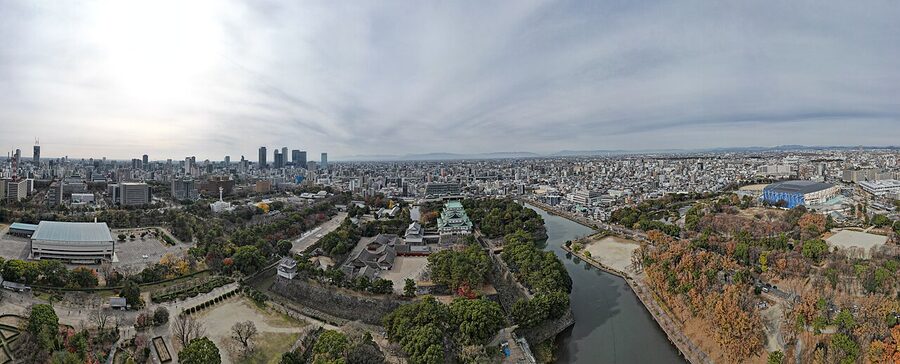

Two ingredients explain most of what is on the plate. The first is hatcho miso, an unusually dark red miso made with only soybeans, salt, and water, fermented for at least two years (often three) in cedar barrels weighted down with river stones. It comes from Okazaki, 30 minutes east on the JR Tokaido Line, where the original producers have been pressing it since the Edo period. It is denser, deeper, and saltier than the rice-koji shiro miso most travellers know from miso soup, and it is the reason your tonkatsu arrives drowned in a sauce the colour of black coffee.
The second is tamari soy sauce, the by-product of that same fermentation: thicker and sweeter than regular Kikkoman-style shoyu, and the lacquer that gives the local hitsumabushi its sticky exterior.
Aichi gives the city its raw materials too. The prefecture is Japan’s largest producer of freshwater eel and the home of Nagoya Cochin, a heritage chicken breed crossbred from Chinese cochin and a Mikawa farmyard fowl. The meat is firm and tastes of itself; raw Cochin sashimi is on a few izakaya menus, which is something very few cities still do.
The city’s manufacturing-town heritage shows in the portions: a miso katsu set lunch routinely runs to 200 grams of pork, and a bowl of miso nikomi udon arrives with the noodles still chewy and a raw egg cracked on top. The food is generous because the customers historically were factory and rail workers who needed feeding.
How to think about the city’s eat-and-drink neighbourhoods
The good news for a traveller with two or three days: Nagoya’s food and drink concentrate in five walkable areas. You will not need a taxi unless you are out past 24:00. The subway covers everything for ¥210–330 a hop, and an unlimited day pass costs ¥760.
| Neighbourhood | What it does best | Vibe | Best for |
|---|---|---|---|
| Meieki (Nagoya Station) | Hitsumabushi, kishimen, skyscraper bars | Polished, salaryman after-work, English-friendly | First night, one-meal stopover, sky views |
| Sakae & Nishiki | Izakayas, cocktails, clubs, tebasaki | Loud, crowded, late, the city’s drinking core | Bar-hopping, second night, anything after 21:00 |
| Osu | Street food, miso katsu, vintage shops | Daytime, scruffy, multicultural | Lunch crawls, casual snacking, Yabaton main shop |
| Kanayama | Izakaya cluster, late tebasaki | Compact, transit-hub, locals only | Train-station drinking, eating before a Shinkansen out |
| Imaike & Chikusa | Sake bars, small whisky bars, residential izakayas | Quieter, neighbourhood, lower prices | Slower drinking, conversation, no scene |
The two cores are Meieki and Sakae. Everything else is a useful add-on if you have time. If you are only here for one night, stay near Sakae and walk south into Nishiki for drinks, the density of decent izakayas inside that one square kilometre is higher than anywhere I have eaten between Osaka and Sapporo.

The signature dishes you should actually order
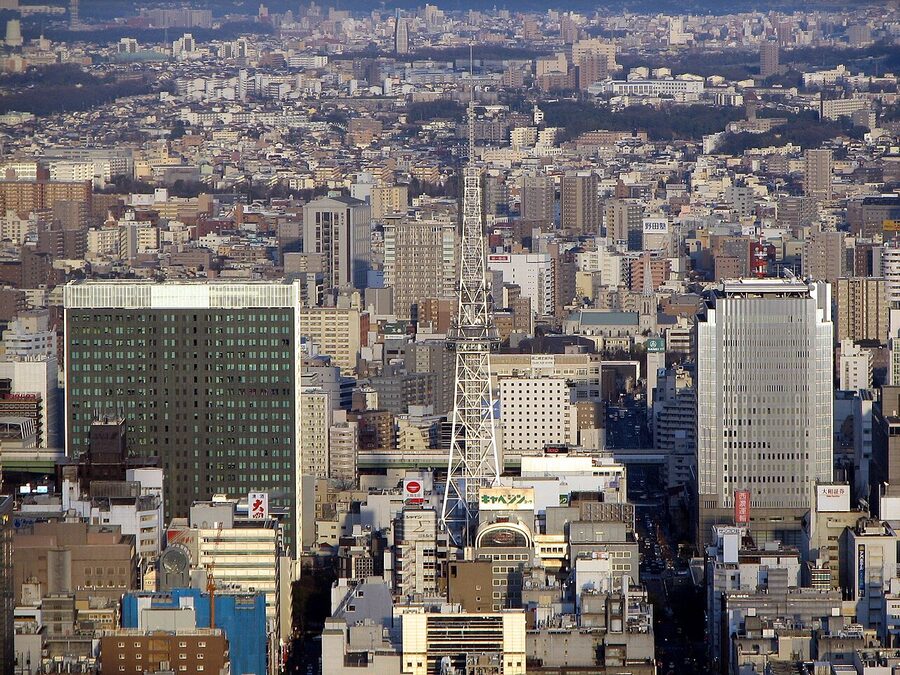
Nagoya has its own canon. Locals call the full set nagoya meshi, and there is even an official tourism-board list of 22 dishes. You do not need all 22. Six will give you the city; eight will make you feel slightly ill in a satisfied way. These are the ones I think justify their reputation.
Hitsumabushi: grilled eel, three ways, in one bowl
.jpg)
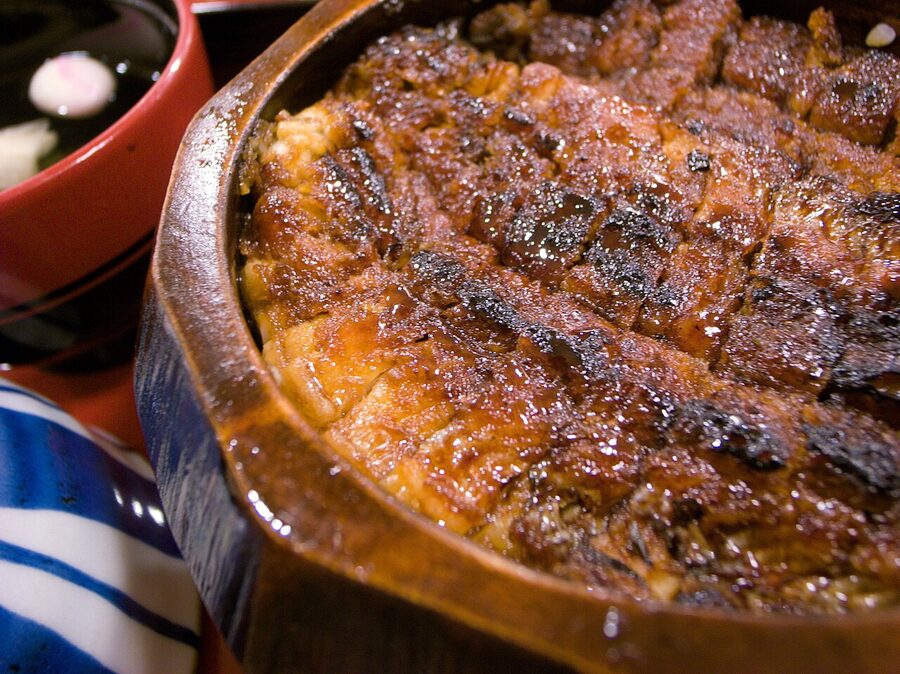
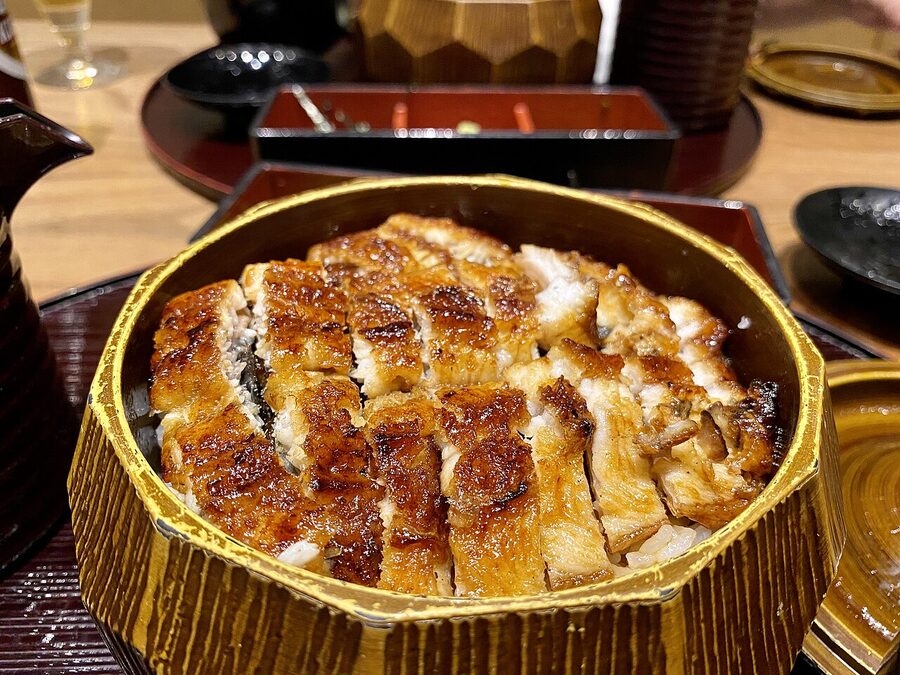
If you only eat one thing in Nagoya, eat this. Hitsumabushi is grilled freshwater eel, sliced thin, served over rice in a wooden ohitsu (rice tub) at ¥3,500–6,000 a portion. It is expensive. It is worth it. The dish was invented in the late Meiji period at Atsuta Horaiken, when the kitchen was struggling to keep delivery eel hot and decided to slice it thin, layer it dense, and serve in lacquered tubs that held heat better than plates.
The eating ritual is the point. You divide the bowl into four portions with the wooden paddle. First portion plain: just eel and rice, charred, sticky, sweet from the tamari glaze. Second portion with condiments: chopped negi, sliced wasabi, dried nori. Third portion with the same condiments plus a pour of dashi or hot tea over the top, the chazuke technique most regulars consider the best of the three. The fourth is whichever you liked best.
Where to go: Atsuta Horaiken is the original, still in business near Atsuta Shrine, but the queue runs an hour at lunch and bookings are not taken. Maruya Honten at JR Nagoya Station has six branches across the city, decent quality, and runs ¥3,800 for a standard set, the most efficient option if you are stopping over. Hitsumabushi Bincho in Lachic department store (Sakae) does an evening hitsumabushi with charcoal-grilled Nagoya Cochin chicken instead of eel for diners who do not eat fish, also ¥3,800.

Miso katsu: pork cutlet, drowned in dark sauce
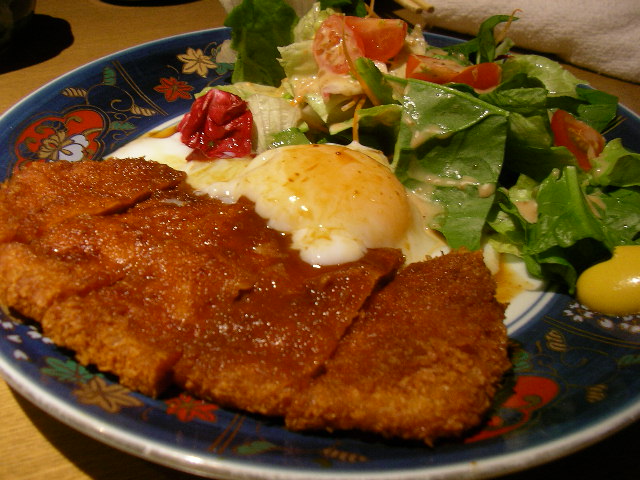

Tonkatsu (deep-fried breaded pork cutlet) exists everywhere in Japan. Miso katsu exists nowhere except Aichi. The difference is the sauce: a thickened, darkly sweet, faintly bitter glaze made by simmering hatcho miso with sake, mirin, and dashi until it ladles like a pancake batter. It pours dense and stays put. The cutlet is the same quality breaded pork loin you would get in Tokyo, the sauce is what turns it into something else.
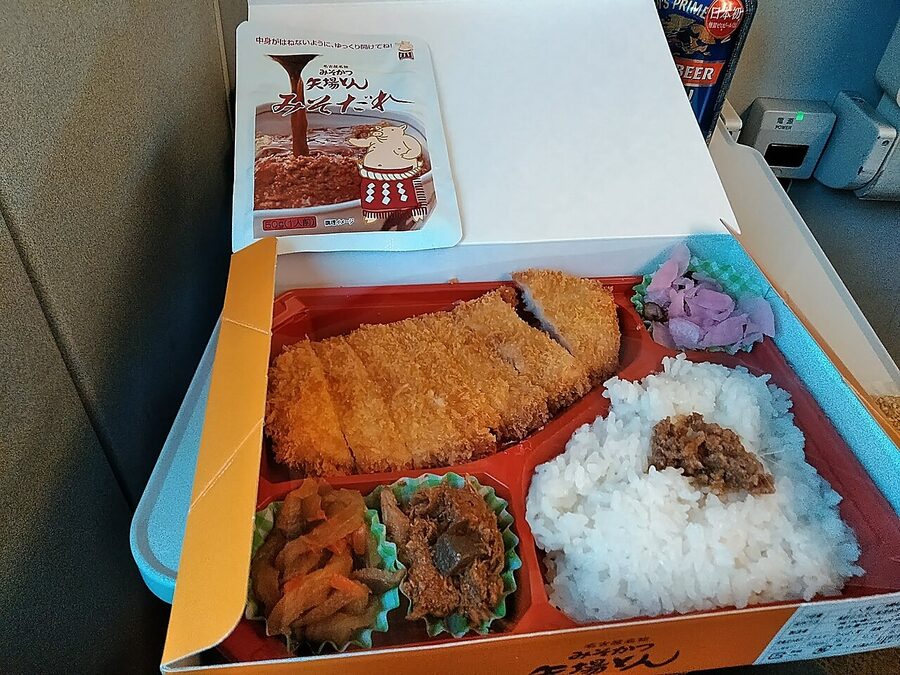
Yabaton is the obvious answer. Their Yabacho main shop (3-6-18 Osu, 5-minute walk from Yabacho subway, 11:00–21:00) has been doing this since 1947, now with 14 branches plus airport and station outlets. The waraji-tonkatsu set is two long fillets, one drenched in miso, one with regular tonkatsu sauce on the side, for ¥2,200. It lets you compare without committing. Cash and cards. Lunch queue 20–40 minutes. The Yabacho shop is the one with the pig-in-a-sumo-belt mascot on the wall.
If Yabaton is too queued, walk twelve minutes north to Misokatsu Yabaton Esca in the basement of Nagoya Station. Same chain, same quality, half the wait. For something less mainstream, Tonkatsu Karatsu in Sakae uses a more hatcho-forward sauce closer to what locals eat at home, plus thicker pork that benefits from being cut with a sharper sauce.

Tebasaki: Nagoya’s chicken wings
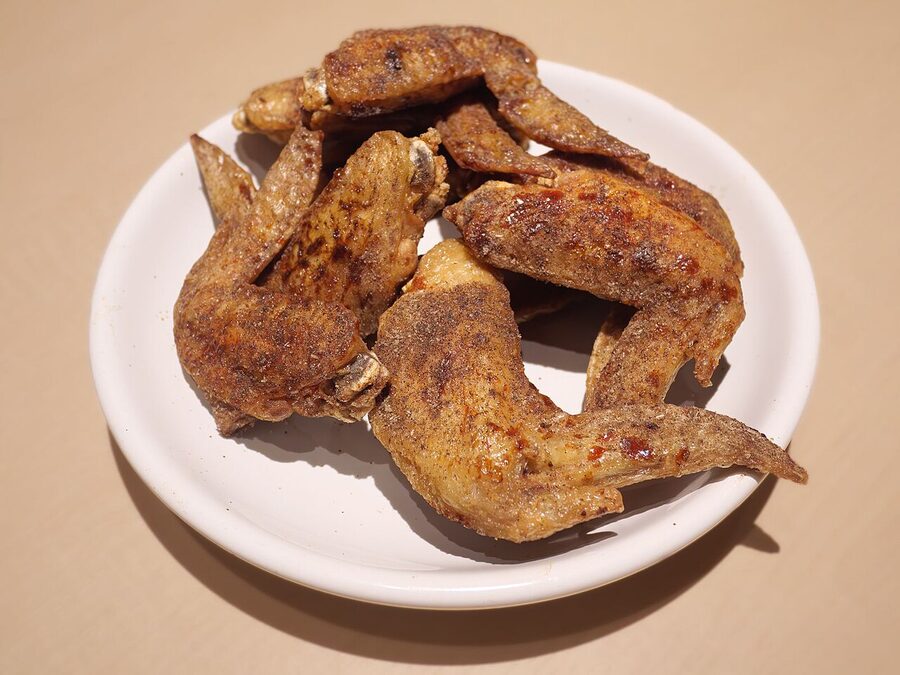

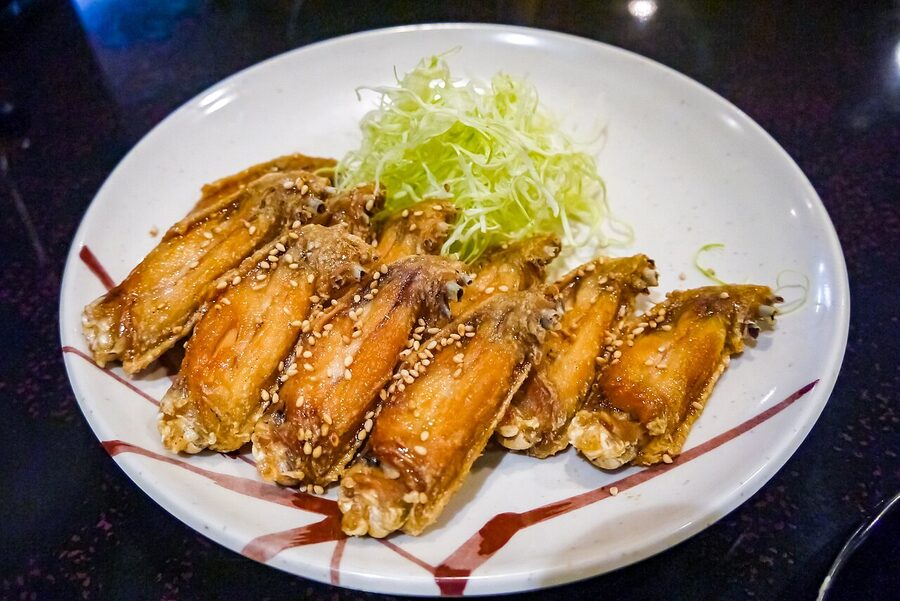
Deep-fried chicken wings, double-fried without batter, glazed with a sweet-savoury soy-based sauce, dusted with white pepper and sesame. They are how Nagoyans drink beer. The dish was invented at Furaibo in 1963 when a kitchen ordered the wrong cut of chicken and improvised. The recipe spread; in 1981 a chain called Sekai no Yamachan (literally “the world’s Yamachan”) opened and made tebasaki a national snack with a more aggressive pepper kick. Both still operate. Both have main branches in Sakae you can walk between in fifteen minutes.
The local way to eat them: pinch the wing at the joint, twist, slide one bone out, then chew the rest off the second bone. Watch a salaryman next to you and copy. Wings run ¥500–700 for five at most izakayas. They are designed to be ordered with beer in three rounds, not finished in one go.
Furaibo Honten (3-23-15 Sakae, 17:00–24:00, closed Sundays): the original, milder, more soy than pepper, with a deeper smoke from the older fryers. Sekai no Yamachan Honten (4-9-6 Sakae, 17:00–1:00): louder, brighter, harder pepper hit. Order the maboroshi no tebasaki set: five wings, otoshi, draught Asahi, ¥1,580. Torigin Honten in Marunouchi runs the high-end version using Nagoya Cochin chicken, a different beast, almost gamy, ¥900 for three.

Miso nikomi udon: a clay pot of comfort
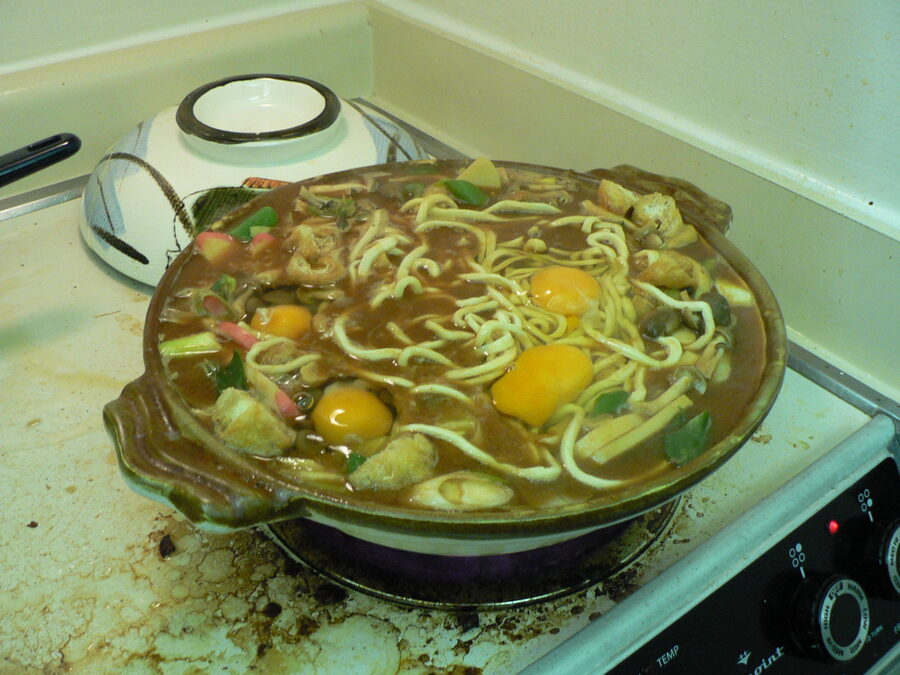

Thick udon noodles simmered in a hatcho-miso broth, served in a small donabe (clay pot) that comes to your table still boiling. The noodles are made specifically for this dish, salt-free dough, half-cooked at the noodle factory so the second simmer in your pot finishes them, which gives them an oddly chewy, almost al-dente bite that regular udon do not have. The standard toppings: sliced negi, kamaboko fish cake, abura-age, often a piece of grilled chicken, and a raw egg cracked on top.
It is a winter dish first, but locals eat it year-round. Yamamotoya Honten, founded 1925 in Osu, is the place that codified the modern style and still runs the most consistent version, standard nikomi-udon ¥1,650, with chicken ¥1,980. Their main shop at 3-12-19 Sakae has 10:30–15:00 lunch and 17:00–22:00 dinner service, closed irregularly. Cash only. Walk-ins. There are usually no Western languages on the menu but a pointing-finger system works. Yamamotoya Sohonke is a different chain (similar name, different family, also good), do not confuse them.
Tenmusu: the rice ball that travels
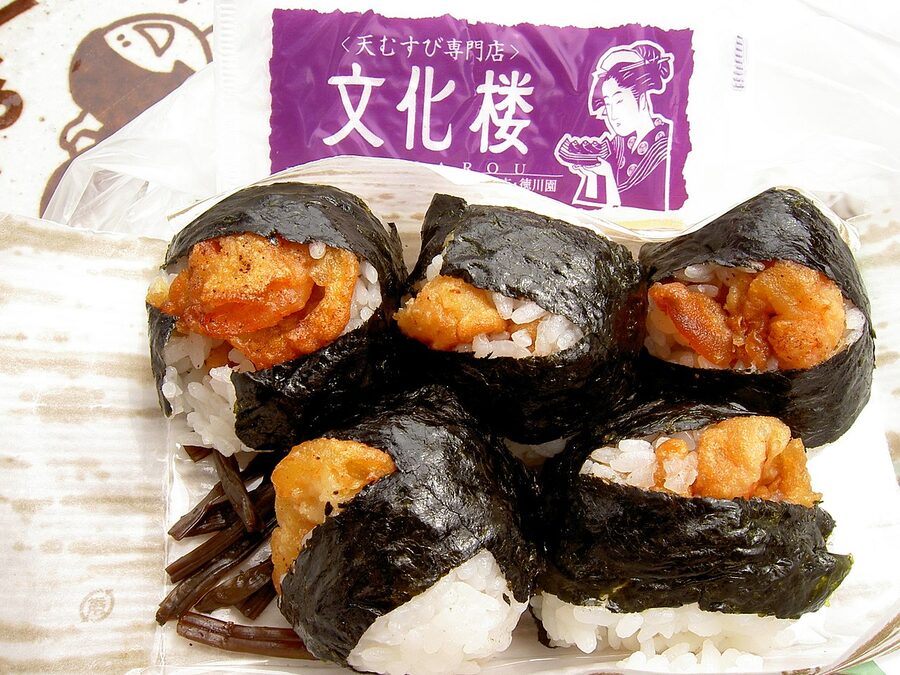

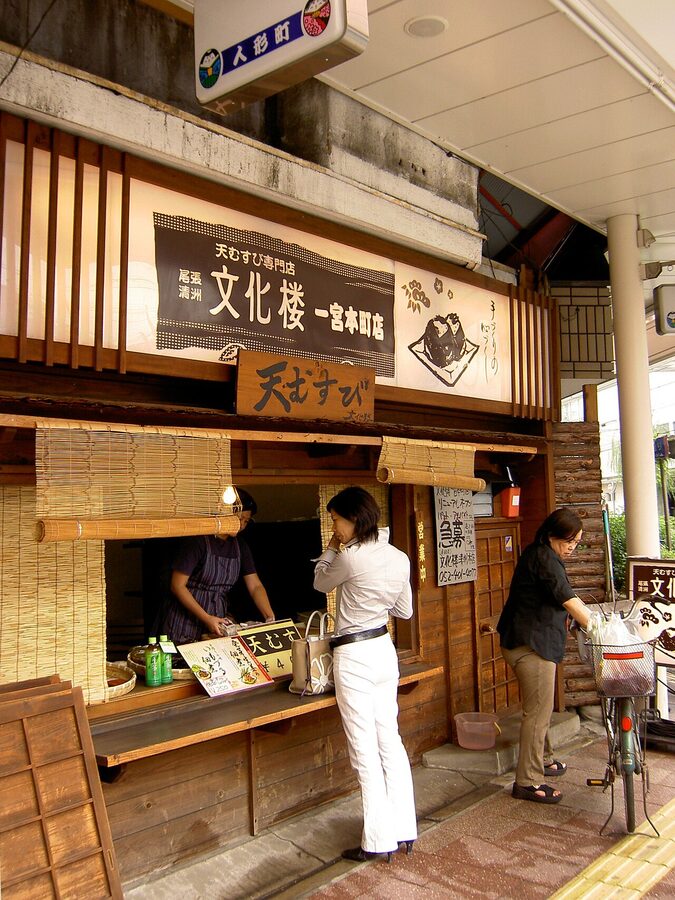
A small triangular onigiri stuffed with a single piece of shrimp tempura. The dish was actually invented in Tsu (Mie Prefecture) in the 1950s, but a branch opened in Osu, the Nagoya media adopted it, and it has been a Nagoya signature ever since. Five tenmusu run ¥800–1,000 at most station kiosks. They come boxed with kyarabuki (soy-simmered Japanese butterbur stems) on the side, which sounds dull and is in fact extremely good with the shrimp.
Ganso Tenmusu Senju in Osu is the original Nagoya branch (2-21-29 Osu, 09:00–17:00, closed Tuesdays and Wednesdays). Their pack of five costs ¥860. The shop also runs a counter at JR Nagoya Station’s Gourmet Concourse on the basement level, same product, longer hours (07:00–22:00), open every day, which is the more useful option if you are planning a train picnic. Get them within four hours of buying; the rice firms up after that.
Kishimen: flat noodles, often eaten standing
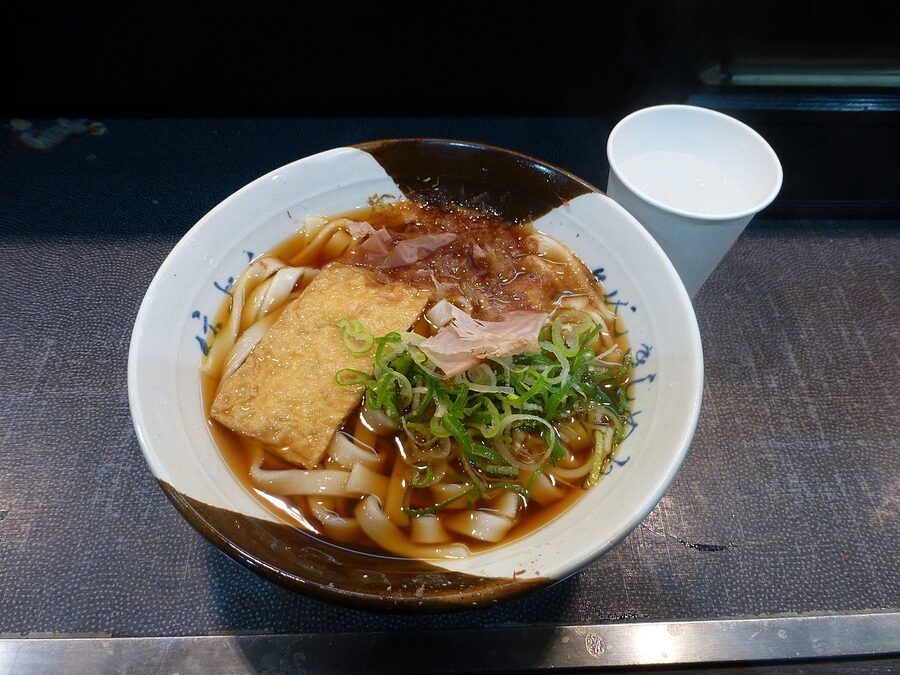

Flat, ribbon-like udon noodles, JAS-regulated to be at least 4.5mm wide and under 2mm thick. They cook in 90 seconds and slurp better than regular udon because there is more surface area for the broth to grip. Served in a tamari-soy dashi with bonito flakes, kamaboko, and chopped greens, ¥500–800. Eaten cold in summer with a dipping sauce, hot in winter.
The famous spot is Nadai Kishimen Sumiyoshi on the platform between tracks 10 and 11 at JR Nagoya Station. Standing-room only, six seats, open 06:00–22:00, ¥540 for the basic bowl. It is one of the cheapest and best meals in central Japan if you are arriving or departing by train. Miya Kishimen, located inside Atsuta Jingu shrine grounds, is the slower version: served in a wooden interior under the cedar trees, the noodle made fresh that morning, ¥850 for the cold dipping set, 09:00–16:30. If you are visiting the shrine anyway, eat here.
Ankake spaghetti: the dish nobody else does
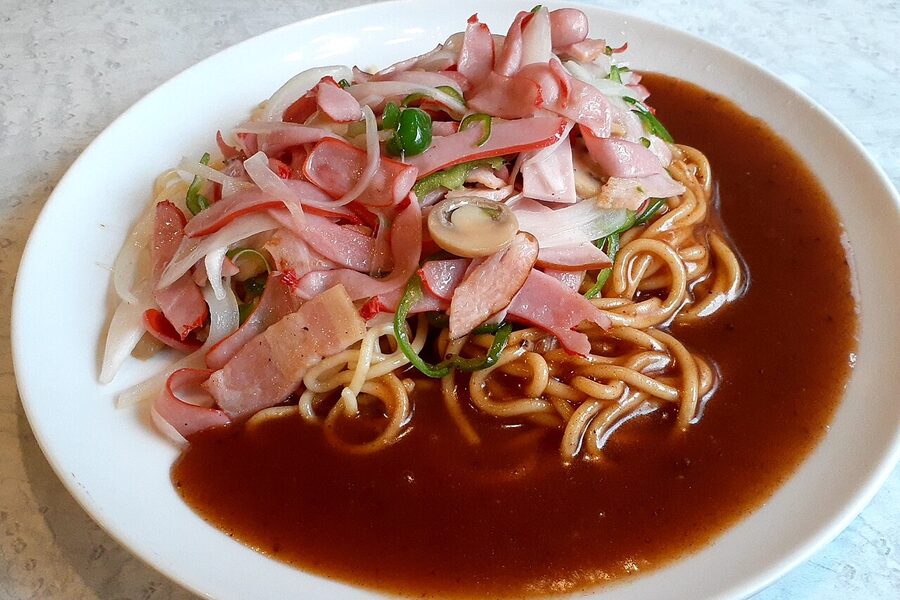

If miso katsu is the most representative Nagoya dish, ankake is the strangest. It is 2.2mm spaghetti (roughly twice the diameter of normal dry Italian pasta), boiled then pan-fried in lard, topped with a starch-bound sauce flavoured with tomato, beef, garlic, and an aggressive amount of black pepper. The two standard variants are “Milanese” with sausage and “Country” with vegetables; “Mira-Kan” gets both. Plates run a generous 350 grams.
Spaghetti House Yokoi Sumiyoshi (3-10-11 Sumiyoshi, 11:00–15:00 and 17:00–21:00, closed Mondays), the inventor’s branch, is the canonical place to eat it. Mira-Kan large ¥1,180. Cash only, no English, but the menu has photos. The shop sits on a side street five minutes’ walk from Yabacho subway station. Bring patience for the lunch queue.
Taiwan ramen: spicier than its name suggests
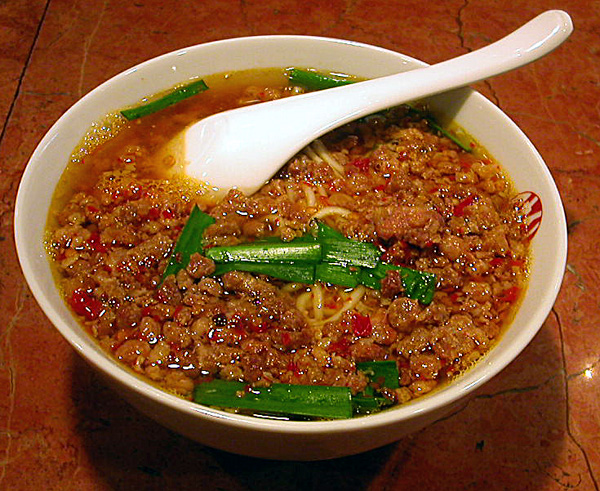

Despite the name, this dish does not exist in Taiwan. It was invented in 1971 at Misen, a Taiwanese restaurant in Imaike, where the owner ran a chilli-and-garlic minced-pork topping (originally for staff meals) on a chicken-stock noodle soup. Customers wanted in. Taiwan ramen became a citywide standard within a decade and is now sold in cans and convenience stores across Aichi.
The base is a clear chicken broth thinned with garlic. The topping is minced pork stir-fried hard with red chilli, green chives, and bean sprouts, ladled in last. It is hot. Misen Imaike Honten (3-25-9 Imaike, 11:30–14:30 and 17:00–3:30, closed Sundays) is the original; bowl ¥780. There is also a Misen branch inside JR Nagoya Station, useful for a quick stop. Sake will not save you here. Order beer.
Doteni: red miso, slow-cooked offal, served at the bar
Doteni is the dish that connects food to drink here. It is beef tendon, sometimes pork intestine, sometimes daikon and konnyaku, simmered for hours in a hatcho-miso broth thickened by a “wall” (dote) of miso paste smeared around the inside rim of the pot. The wall slowly dissolves into the stock as it cooks. By the time it reaches your bowl it is somewhere between stew and savoury jam.
This is bar food, not lunch food. Most Nagoya izakayas have it in the late evening, sometimes from a heated counter pot you can see from the bar stool. It pairs aggressively well with cold draught beer or a cup of dry junmai sake. Gomitori Honten in Sakae (3-9-13 Sakae, 17:00–5:00 nightly, the late closing is real) ladles a generous portion for ¥680. Shimaya in Marunouchi runs a more refined version with house-pickled daikon for ¥780. If a sign outside an izakaya advertises doteyaki alongside the doteni, that is the same broth used as a dip for grilled tofu skewers, equally good and slightly more visual.
Ogura toast and the morning service
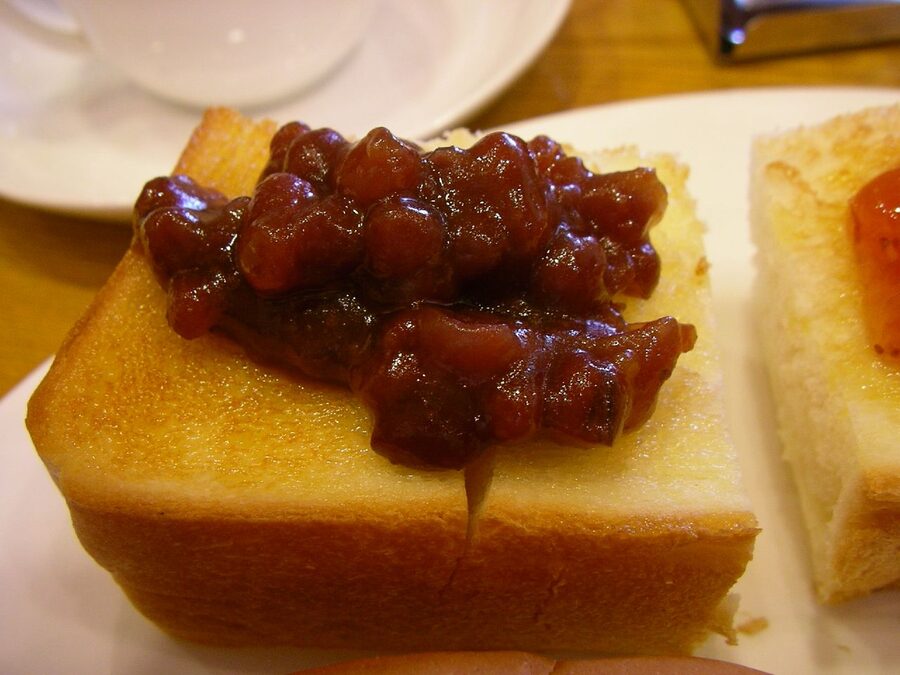

This is where the city’s drinking and eating loop closes. The morning service (mōningu) is a 1950s Nagoya invention: kissaten (old-school coffee shops) started giving free toast and a boiled egg with every coffee order to feed early-shift factory workers. The tradition stuck. Order a ¥450–500 coffee at almost any kissaten before 11:00 and you get thick-cut buttered toast, a hard-boiled egg, sometimes a small salad. No upcharge.
The local twist is to spread the toast with ogura-an, sweet red bean paste, instead of jam. Komeda’s Coffee, the chain that started in Nagoya, runs the morning service every day until 11:00 at all city branches. The Komeda Shiro Noir, a chilled brioche topped with soft-serve vanilla and ogura-an, is ¥700 and easily a meal. Coffee Shop Kako in Sakae and Kissako in Imaike are the best small-shop morning sets if you want something less chain-feeling.
Nagoya as a drinking city: where to actually go
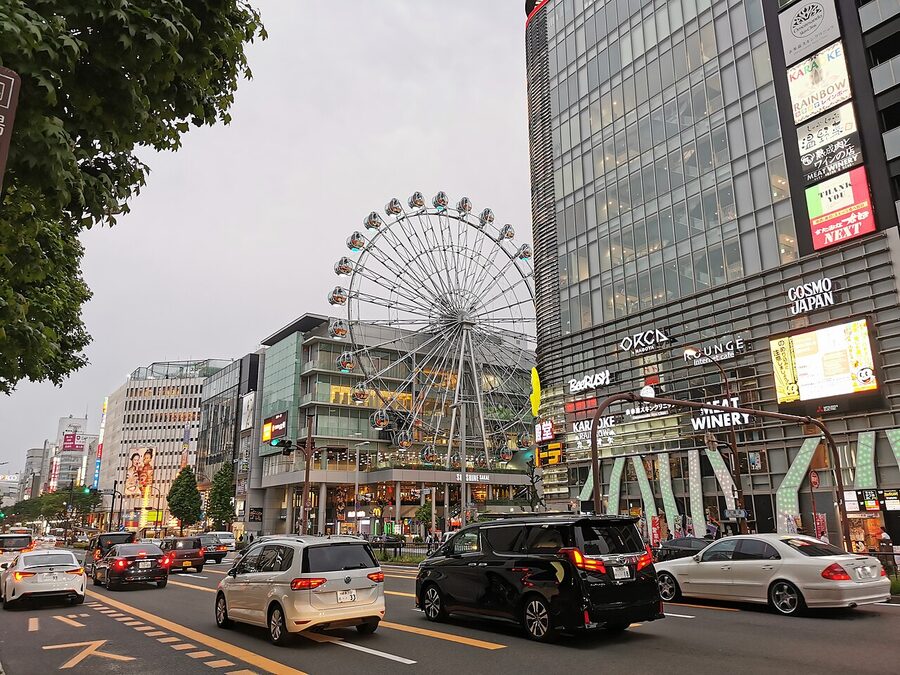

The drinking culture here splits in three. There is the salaryman izakaya world, which runs from 17:00 until the last train (around 24:00 from Sakae). There is the late-night cocktail-bar and craft-spirit scene, which lives in tiny upstairs and basement rooms in Sakae and Nishiki and runs until 3:00 or 4:00 on Fridays and Saturdays. And there is the skyscraper-lounge tier, concentrated around Nagoya Station, where the view is the point and the price tag follows. You can walk between all three in a single night if you pace yourself.
One quick rule that the city follows more than other Japanese ones: most izakayas charge an otoshi cover, ¥300–500 per head, and serve a small dish (often miso-glazed something) with it. The cover is mandatory and not negotiable. If you want to skip the cover, drink at a tachinomi standing bar, see our standing-bar guide for how the format works, or pick a chain like Wabar or HUB.
Sakae and Nishiki: the city’s drinking core
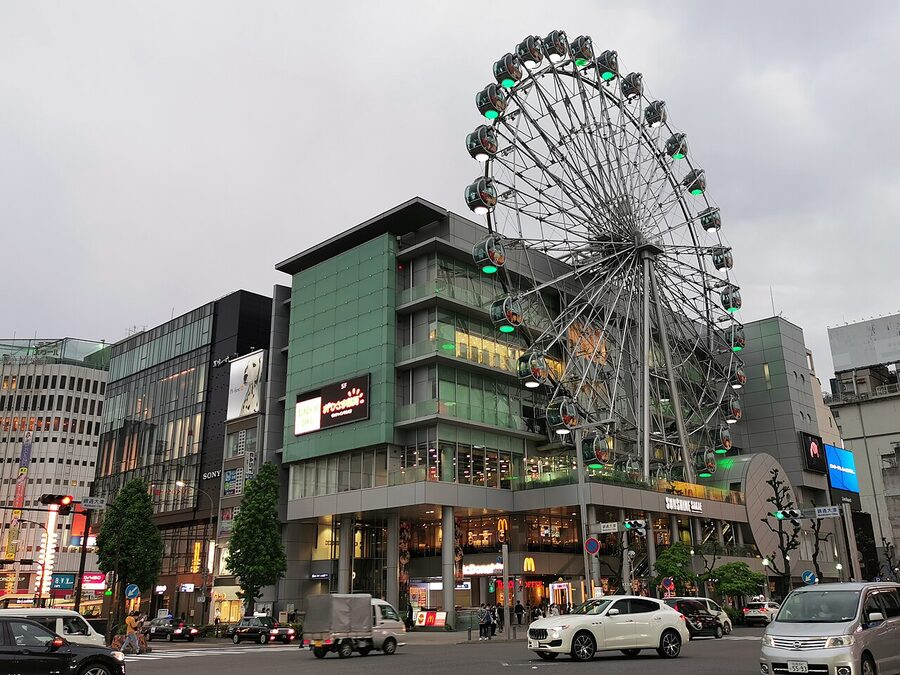

Sakae station (Higashiyama and Meijo lines) puts you in the middle of it. The blocks immediately south of Hisaya-odori, west of Otsu-dori, are where most of the after-work drinking happens. Nishiki is the next block north, denser still, and tilts a little later: cocktail bars there often do not open until 19:00.
Mizukami (5-3-12 Sakae, 18:00–1:00, closed Sundays) is the city’s quietest serious sake bar, the kind that slides into the cluster of Tokyo specialists you may already know from our Tokyo sake-bar guide. The list runs around 40 breweries, half from Aichi and Mie, with detailed cards on each. Glass pours start at ¥700; a tasting flight of three runs ¥1,800. The owner speaks reasonable English and will guide you through pairings if you ask. No reservations; about ten counter seats. If our sake guide is your starting point, this is where to test what you have read.
Bar Barns (3-25-1 Nishiki 4F, 19:00–3:00, closed Mondays) is the cocktail benchmark. The owner Junichi Hayashi has been hand-cutting ice diamonds for over twenty years; the shaker work is technical without being theatrical. Cocktails ¥2,200–2,800. A flat ¥1,500 charge replaces the otoshi. Counter seating, no walk-ins after 22:00 on weekends. Reservations advised.
Highland (4-15-30 Sakae, 19:00–2:00, closed Tuesdays) is for whisky. Around 250 bottles, weighted toward Japanese whisky, with a generous Yamazaki and Yoichi back catalogue and a real Karuizawa or two if you ask. Pours from ¥1,200, charge ¥1,000. The owner studied at a Ginza institution for a decade before returning, and the highballs are textbook, see how the technique works.
Kakuuchi-style sake at Yagi-Sake (1-5-15 Sakae, irregular hours, usually 17:00–22:00): one of the rare Nagoya kakuuchi, a sake shop that lets you drink your purchase at the counter, with a small fee added. See our guide to the kakuuchi format for what to expect. The cup-by-cup model means you can taste five or six Aichi-prefecture breweries in an hour for under ¥3,000.
Nagoya Station and the skyscraper bars
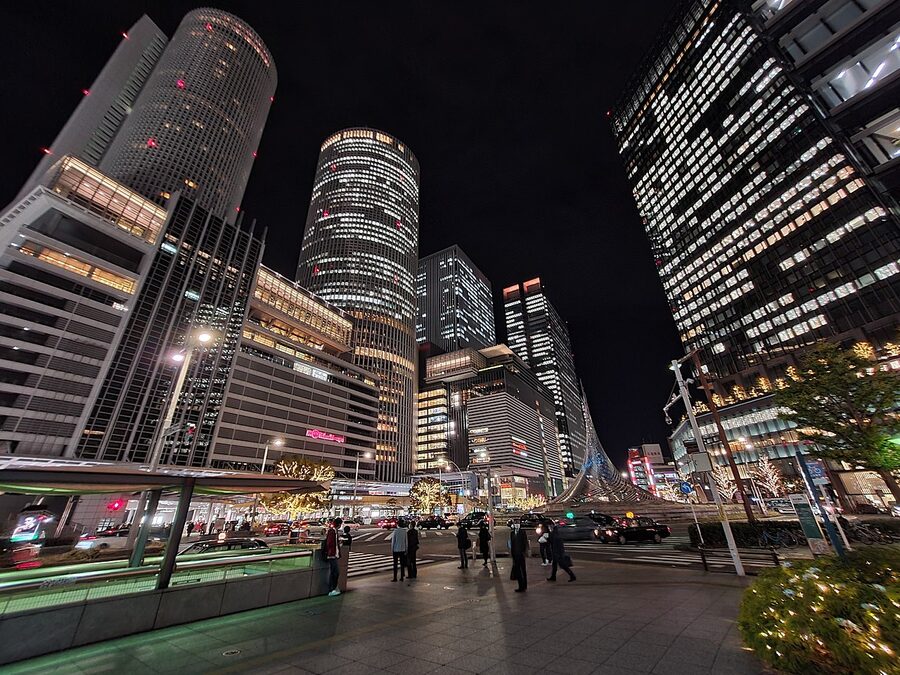

If you want a view, this is the cluster. Three floors above the station you have the JR Central Towers; one block south is Midland Square; another four minutes east is JR Gate Tower. Between them they hold most of the city’s high-altitude drinking.
Sky Lounge ZENITH, 52nd floor of the Marriott Associa above Nagoya Station (1-1-4 Meieki, 13:00–24:00), is the obvious choice. Cover ¥500 before 20:00, ¥1,250 after; drink minimum ¥1,800. The cocktails are competent, not extraordinary; the view is the product. On a clear evening you can see the Yoro Mountains 25 km west.
Blue’dge, 41st floor of Midland Square (4-7-1 Meieki, lunch 11:00–14:00, dinner 17:30–23:00), is the marginally more interesting option for drinks alone, the bartender mixes a passable Japanese-whisky old fashioned and the cover is ¥1,000 in the evening. The view is east, toward Sakae. Lunch sets run ¥4,400; dinner ¥6,500 if you want to combine it with food, but you can also walk in for cocktails only after 22:00.
For something at street level near the station, Kanayama Komachi (a 5-minute subway ride south, 4-6-9 Kanayama) is a faux-Edo-period restaurant compound with 16 small izakayas under one roof. Most cap entries at 23:00 and most do tebasaki and doteni well. The compound is a useful single-stop if you arrive late and only have one hour before bed.
Osu and the daytime drinking

Osu is the city’s old shopping district, ten minutes walk from Sakae, and the only place in Nagoya I would recommend for a daytime food-and-drink crawl. The shotengai (covered shopping streets) hold the Yabaton Yabacho main shop, Ganso Tenmusu Senju, Yamamotoya’s miso-nikomi udon, the original Spaghetti House Yokoi, and a clutch of taiyaki and oyaki street food. Walk it in the order I just listed and you have lunch and a snack pile in three hours.
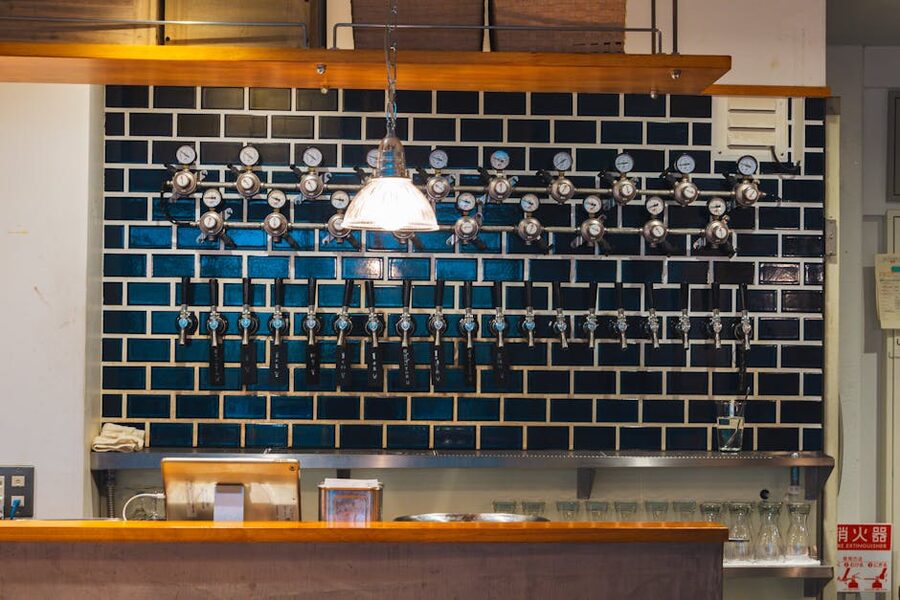
For the drinking side, Y. Market Brewing (4-7-2 Marunouchi, 17:00–23:00, closed Tuesdays) is the city’s most respected craft brewery taproom, eight to twelve of their own taps plus four guest taps from across Japan’s expanding craft scene. The tasting flight (4 x 100ml) runs ¥1,200. They do a serious tebasaki to pair, run by a chef poached from a Sakae izakaya. Hannya Beer Yard, also in the Osu area, runs more low-key with a single L-shaped bar and 6 taps; pints ¥900.
Kanayama and Imaike: the local drinking
If Sakae is the city’s downtown drinking and Meieki is its skyline drinking, Kanayama and Imaike are where Nagoyans actually drink on a Tuesday. Kanayama is a transit hub south of the centre; Imaike is a residential district east, on the Higashiyama subway line. Neither has tourist signage. Both are excellent.
Sake Bar Tatsumi in Imaike (1-2-7 Imaike, 18:00–1:00, closed Sundays) is unsigned from outside, second-floor walk-up, eight seats. The owner pours a rotating selection of small Aichi breweries no Tokyo bar would have heard of: Kuheiji from Banjō Brewing, Hokai from Sekiya. Cup pours ¥800–1,200; tasting flights of four for ¥2,400. He pairs each pour with one of three pre-assembled snack plates. Weeknight cap is around ¥5,000 a head.
Pair the snack plates by reading our guide on food pairings for sake beforehand, since they lean toward cured fish and miso-pickled cheese.
If you have the energy for one more, walk fifteen minutes north along the Higashiyama line to Bar Crawler, a half-cellar cocktail bar with seven seats, 19:00–3:00 nightly except Mondays. Cocktails ¥1,800–2,400. The bartender does an unusual Negroni with hatcho-miso syrup that I ended up ordering twice. See how this style developed in Tokyo for context.
Sake, beer and shochu in Nagoya: what locals actually drink
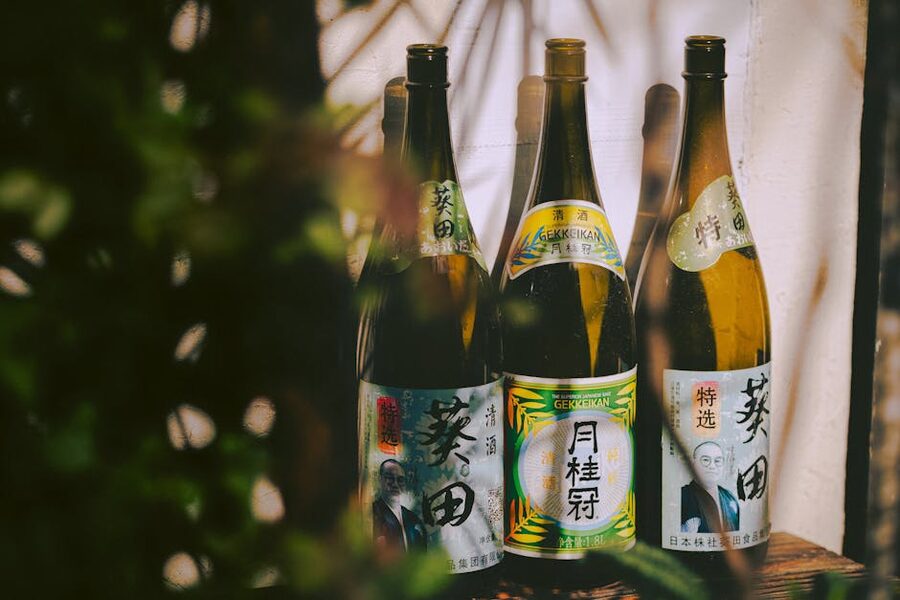
For a city that drinks heavily, Nagoya is not famous for its alcohol production. There are no globally known Aichi sake breweries (the prefecture has 39, but most are tiny and regional). There is no signature Nagoya beer (the city’s craft scene is recent and good, but not yet defining). And whisky is a Tokyo and Hokkaido story, not a central-Japan one. What Nagoya has instead is a population that drinks more sake per capita than most of Japan, knows what they like, and rewards bars that pour it well.
Sake from Aichi: the under-rated regional list
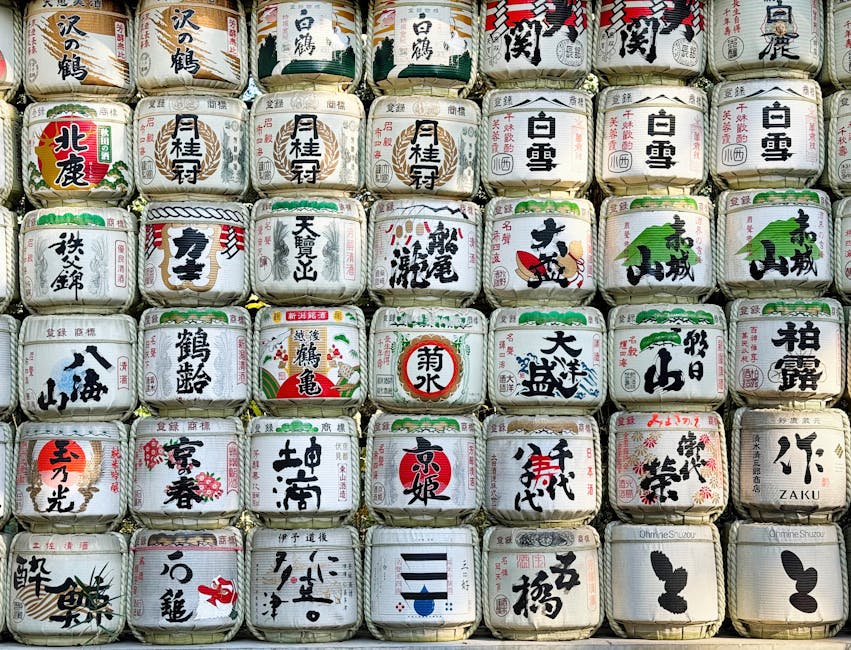
The Aichi prefecture name to know is Kuheiji from Banjo Brewing in Nagoya itself. Their EAU DU DESIR Yamada Nishiki is one of the better dry junmai daiginjo bottles you can buy in Japan, and Tatsumi (above) usually has a glass open. Outside Nagoya, Hokai from Sekiya Brewing in Handa City and Atago no Matsu from Niwa Brewing are the names to look for. None of these are exported in any quantity. The city is the place to drink them.
For a brewery visit, Sekiya Jozo in Handa runs reservation-only tours twice a week (book three weeks ahead). Handa is a 30-minute Meitetsu Limited Express from Nagoya Station and worth a half-day. For the broader case, see our brewery-tour guide.
Aichi follows what most of Japan does seasonally: cold sake in summer, hot sake in winter, hanami sake in spring, see how the spring picnic ritual works. The Nagoya Sake Brewery Association runs public tasting events in October for ¥3,000.
Beer: chains, taps and the local pub circuit
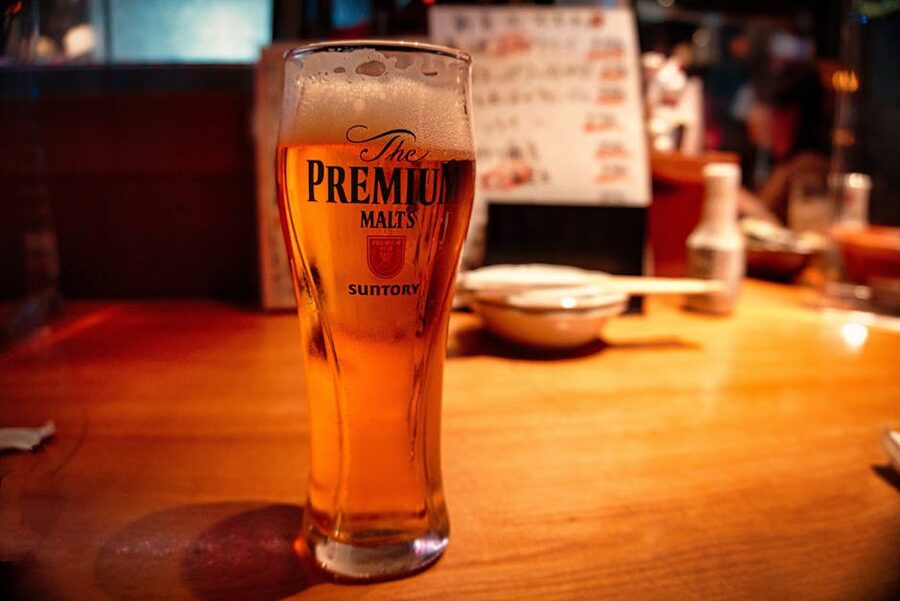
Most izakayas pour Asahi or Kirin draught at ¥500–700 a glass. The Nagoya-distinctive options are the craft taprooms: Y. Market Brewing in Marunouchi (covered above) is the flagship; Owl Brewing in Imaike runs eight house-brewed taps and a small kitchen with miso-glazed pork ribs; Aichi Brewing on the eastern edge of the city does serious IPAs (a 20-minute taxi for beer travellers only). The wider context fits inside the broader story of Japanese craft beer; Aichi is a small producing region, but the ratio of taprooms to drinkers is unusually good.
Whisky and shochu: secondary but worth a night
Whisky drinkers should head to Highland (above) and to Bar Acidity in the Marunouchi area, a 12-seat counter with a 200-bottle list weighted toward Japanese distilleries but with a serious Scotch back catalogue. Pours from ¥1,200, charge ¥1,200. If you want to compare Yamazaki against Yoichi at the same counter, this is the single best Nagoya bar to do it; for the broader story see our piece on picking between the two distilleries.
Shochu is genuinely under-represented in Nagoya. The drink belongs more to Kyushu and to Okinawa; Nagoya bars stock it but rarely make it the centrepiece. The exception is Imo to Tan (1-2-22 Sakae 3F, 17:00–1:00, closed Mondays), a sweet-potato shochu specialist with about 60 bottles and a 1,200-yen tasting flight of three. The owner, originally from Kagoshima, will explain the differences between imo, mugi, and kome shochu without making it boring, the same conversation our shochu primer covers in writing.
Practical things that catch travellers out
Otoshi and the rules of the izakaya
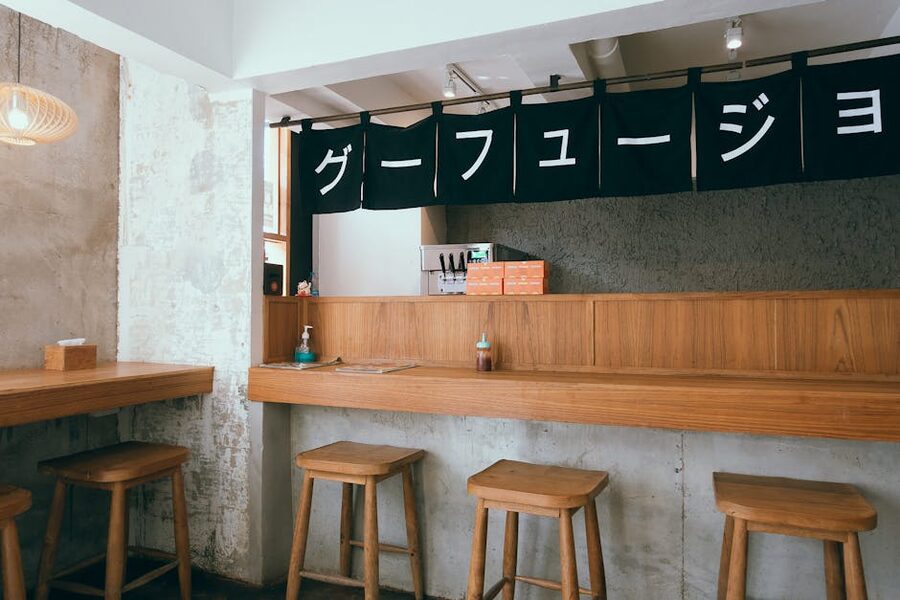
The cover charge dish lands on your table without you ordering it. It is ¥300–500. It is non-negotiable. Eat it, usually it is a small dish of marinated daikon, a tiny portion of doteni, a piece of grilled fish, and consider it the price of the seat. If you are not used to the format, see our izakaya etiquette walkthrough for the full set of conventions. The basics: pour for others before yourself, wait for everyone’s drink before the first toast, ask the staff before walking around with your beer.
For ordering specifics, the Nagoya izakaya menu often runs longer than what you would meet in Tokyo (more local specialties, more region-specific terms). If reading kanji is going to be a problem, skip ahead to our ordering guide, which covers what to point at and how the standard set-meal structure works.
Reservations, cash, and the language gap
Lower-tier izakayas (¥3,000 a head) do not take reservations, work cash-only, and have menus only in Japanese. High-tier cocktail and sake bars (¥6,000 a head) take reservations, accept cards, and often have an English-speaking owner. The middle tier is hit and miss. Two practical rules:
- Always carry ¥15,000 in cash for an evening if you are bar-hopping. ATMs at 7-Eleven (everywhere) and at Family Mart take foreign cards; ATMs at Lawson are flakier.
- Tabelog is the most reliable reservation app. Hot Pepper works for chains. Google Maps reservations are unreliable in Nagoya specifically, about 30% of the listings are out of date.
The last-train rule
Nagoya subway runs until roughly 24:00 across all lines. JR commuter trains run later but the last reliable JR Tokaido Line train to Nagoya Station is around 23:30. After that, taxi base fare is ¥500 and a Sakae-to-Meieki ride runs ¥1,500–1,800. Uber works in central Nagoya but with thinner coverage than Tokyo. Do not assume you can walk it: Sakae to Meieki is a 30-minute walk through quiet office blocks at 1:00 with no convenience stores along most of the route.
The morning after
_(8919269455).jpg)
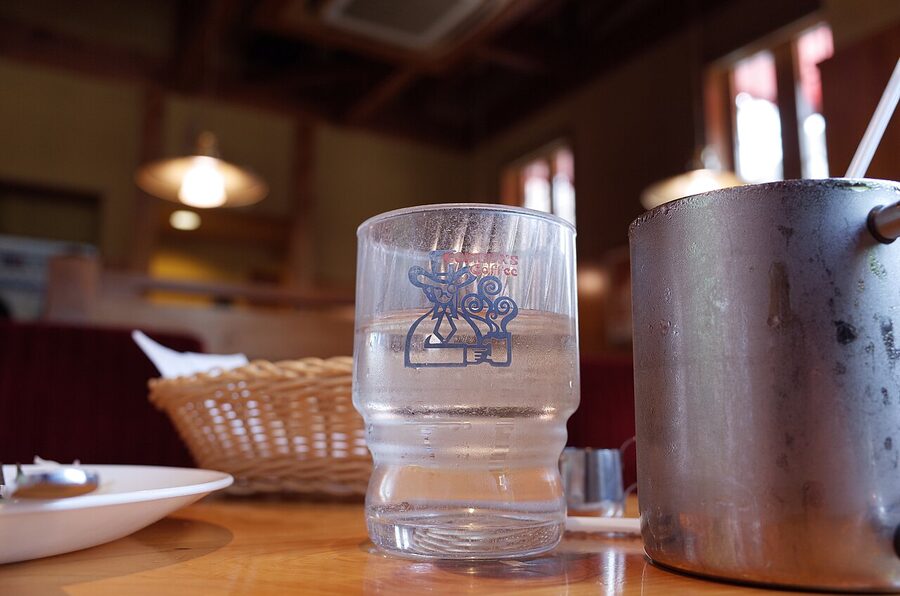
The morning service is the saving grace. A hangover in Nagoya is fixed by walking into any kissaten before 11:00, ordering coffee, and letting the toast and egg do the rest for under ¥600. If you have nothing else planned, a Komeda’s branch will have you sorted before noon. The locals do this. So should you.
Day-trips for drinkers based in Nagoya
Two are worth the train fare from a drinking perspective. Inuyama, 30 minutes north on the Meitetsu line, is a small castle town with three working sake breweries you can visit walk-in (Kotobuki Toraya, Hayashi Honten, and a smaller counter behind the main shrine). Okazaki, 30 minutes east on the JR Tokaido Line, is home to the two original Hatcho Miso producers, Kakukyu and Maruya, both of whom run free factory tours four times a day with English audio guides. Tour time 90 minutes; expect to leave with a 200g jar of dark hatcho miso for ¥800.
The longer-form drinking-trip itineraries on the site cover how to fold a Nagoya stop into a wider Tokyo-Kyoto-Osaka route without losing days to transit.
What to skip
Two things tend to get oversold to first-time visitors.
Tebasaki tours that sell themselves on Sekai no Yamachan alone. The chain has a hundred-plus branches across Japan now. The Honten in Sakae is fine, but you do not need a guided tour to find it, a Google Maps search will do. The same money on a serious sake-tasting hour at Tatsumi or Mizukami is a better use of an evening.
The expensive omakase hitsumabushi at the very high-end places. The dish was invented as solid working-class food. A ¥9,000 hitsumabushi at a fancy ryotei is mostly the room. The ¥3,800 version at Maruya is the same dish minus the lacquer and the surcharge.
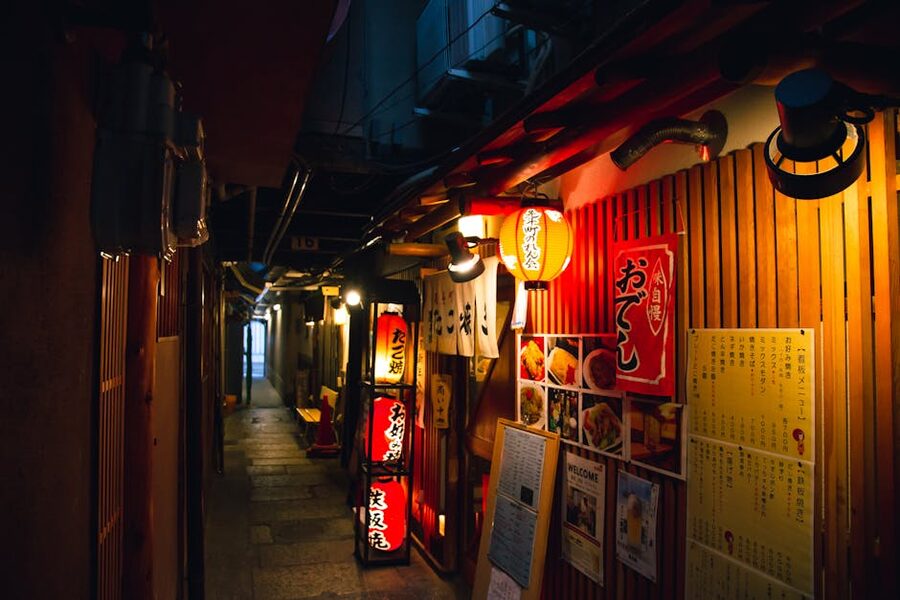
And one quieter call: do not feel obligated to do the ¥6,000 skyscraper-bar circuit. The view from the 52nd floor is genuinely good, but if you have one or two nights only, an extra hour at a tachinomi or kakuuchi will tell you more about how Nagoya actually drinks. The skyline is always available; the okami at a small standing-bar is not.
A two-night plan that covers the city
If you have two nights and three days, this is the routing that gets you the eat-and-drink core without burning out.
Day 1 arrival. Drop bags. Nagoya Station kishimen at Sumiyoshi (¥540) for a quick stand-up lunch. Walk through Osu shotengai. Yabaton Yabacho main shop for early dinner (¥2,200 plus draught beer, 17:00). Evening at Mizukami in Sakae for sake; if it is full, walk five minutes to Bar Barns. Last train back at 23:30.
Day 2 full day. Komeda’s morning set (¥500). Atsuta Shrine in the morning, with a Miya Kishimen lunch on the grounds (¥850). Subway to Sakae for a tebasaki and beer crawl: Furaibo for the original (¥1,500), then a 15-minute walk to Sekai no Yamachan for the louder version (¥1,580). Hitsumabushi dinner at Maruya at the station (¥3,800). Late drinks at Highland for whisky, or Bar Crawler in Imaike if you have the legs.
Day 3 morning, then on. Last morning service somewhere quiet (Coffee Shop Kako). Spaghetti House Yokoi for a 12:00 ankake spaghetti lunch (¥1,180). Tenmusu pack from Ganso Tenmusu Senju (¥860) for the Shinkansen out. You will miss six things; you will have eaten the city.

Three days in, what surprised me was the consistency. Nagoya does not have a single signature meal you came to find. It has six, a roster of bars to wash them down with, and a city that takes its red miso more seriously than anything else. The traveller who treats it as a stopover is right that you can eat the place in 48 hours. They are wrong that 48 hours is enough.
 CitiesWhy Tohoku Took Over Japan’s Sake SceneThe trip almost didn't happen. I'd booked an Aomori brewery visit at the end of a rushed week, the second…
 CitiesWhy Kansai, Not Niigata, Is the Sake CapitalHyogo and Kyoto produce more sake than the next eight prefectures combined. Two of Kansai's six prefectures, side by side,…
 CitiesHokkaido Has More Whisky Distilleries Than You ThinkAsk anyone who knows a little about Japanese whisky to name a Hokkaido distillery and they’ll say Yoichi. Push them…