
Is umeshu actually wine? Short answer: no, despite the bottle saying so. Long answer is the entire reason this drink is worth a chapter of your trip.
I’ve ordered umeshu in shoulder-to-shoulder izakayas in Shinjuku, in a quiet ryokan room above a hot spring in Wakayama, on a rooftop terrace in Osaka, and out of a 200ml bottle bought from a Lawson at midnight while waiting for a shinkansen. The drink was different every time. The label was almost always Choya, except when it wasn’t, and the times it wasn’t are the ones I remember best. This guide is my attempt to give you a route into the same set of choices, before you stand at a depachika shelf in Tokyo Station and feel briefly overwhelmed.
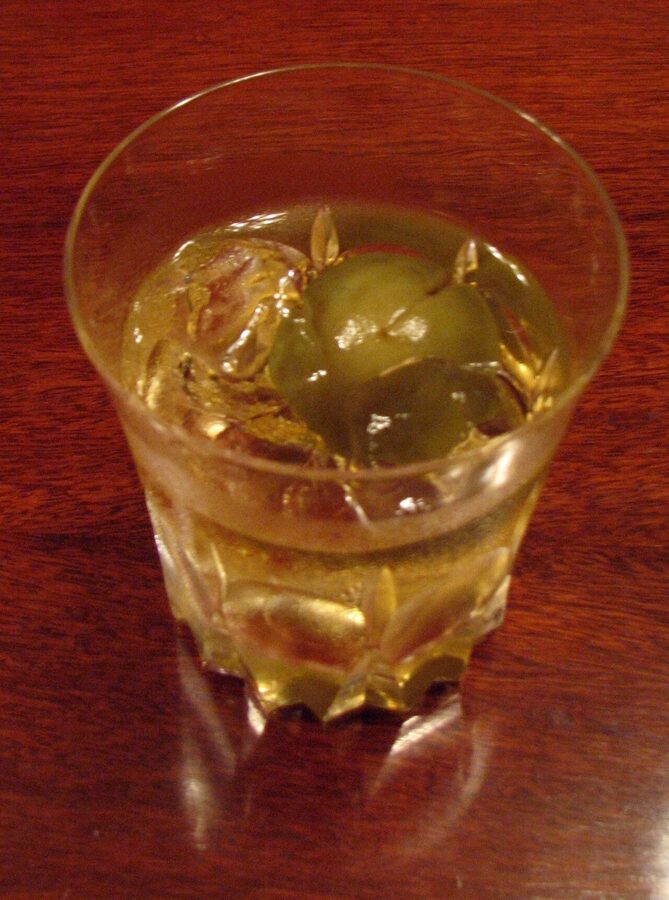

What you’ll get below: what umeshu is and isn’t, how it stacks up against sake and other Japanese drinks, the styles you’ll see on shelves and bar menus, named producers worth seeking out, where to drink it on a trip, what to eat with it, and a quick answer to the question of whether to bring a bottle home. I’m assuming you’re a traveller, not a homebrewer. If you want to make your own at the kitchen sink, the recipe sites have you covered. This is about drinking it well in Japan.
In This Article
- Umeshu vs other Japanese drinks at a glance
- What umeshu actually is, in one minute
- The history twist competitors leave out
- The styles you’ll see on shelves and menus
- Honkaku umeshu (本格梅酒)
- Nigori umeshu (にごり)
- Sparkling umeshu
- Genshu (原酒)
- Koshu (古酒)
- Kokuto / kuro (黒糖 / 黒)
- Base-spirit-driven (whisky, brandy, sake)
- Producers worth seeking out
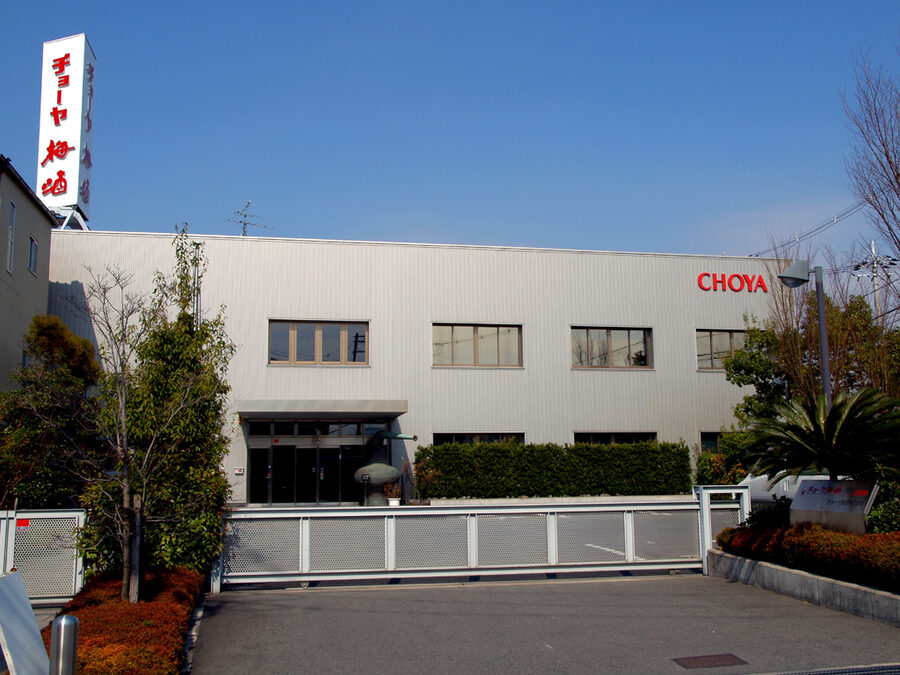
- Choya (Osaka)
- Suntory (Osaka / Yamazaki)
- Hakkaisan (Niigata)
- Umenoyado (Nara)
- Kamotsuru (Hiroshima)
- Mitobe Sake Brewery (Yamagata)
- Kobori Shuzō / Banzairaku (Ishikawa)
- Niwa no Uguisu / Yamaguchi Shuzō (Fukuoka)
- Where to drink umeshu on a trip
- 1. Any izakaya
- 2. Specialist umeshu bars (rare but real)
- 3. The depachika
- 4. The brewery shop
- 5. The Choya workshop
- 6. The konbini
- How to actually drink it
- On the rocks (rokku, ロック)
- With soda (soda-wari, ソーダ割り)
- With hot water (oyu-wari, お湯割り)
- With green tea (ocha-wari, お茶割り)
- What about straight or warmed?
- What to eat with umeshu
- The seasonal calendar
- Regional plums and where the fruit comes from
- The price ladder
- Bringing umeshu home
- Common questions, brief answers
- The point of the drink
Umeshu vs other Japanese drinks at a glance
If you’re trying to plan a drinking week in Japan and umeshu is one of half a dozen things you’re sampling, this is the cheat sheet. The full pictures live in their own guides; I’ll link them as we go.
| Drink | What it is | Typical ABV | Best served | Trip placement |
|---|---|---|---|---|
| Umeshu | Ume (Japanese plum) steeped in distilled spirit + sugar. Liqueur, not wine. | 10–15% | On the rocks, with soda, or warm | An izakaya order, an after-dinner pour, a hotel-room nightcap |
| Sake (nihonshu) | Rice fermented with koji + water. A brewed drink. | 15–17% | Cool, room temp, or warm depending on style | A meal companion, a brewery visit |
| Shochu | Distilled spirit from rice, barley, sweet potato, or buckwheat. | 20–35% | On the rocks or with hot water | An izakaya regular’s drink, the base for most umeshu |
| Japanese whisky | Distilled grain spirit, often blended; mizunara cask is the local twist. | 40–46% | Highball, neat, or rocks | A bar evening, a distillery day |
| Awamori | Okinawan distilled spirit from long-grain rice + black koji. | 25–43% | With water, on the rocks, or aged neat | An Okinawa-only stop |
The thing the table doesn’t show: umeshu is the drink everyone in Japan has at home. Sake gets the headlines, but the bottle hiding in a Japanese kitchen cupboard is more often a Choya pet bottle of umeshu, sometimes one the household made themselves the previous June. That domesticity colours how it shows up in bars and on supermarket shelves. It’s the everyday drink, not the special-occasion one.
What umeshu actually is, in one minute
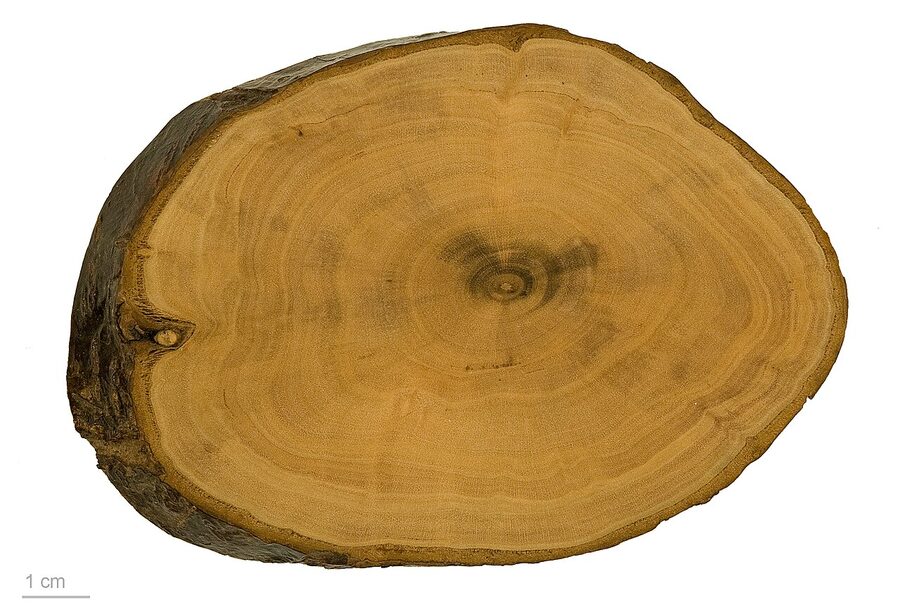

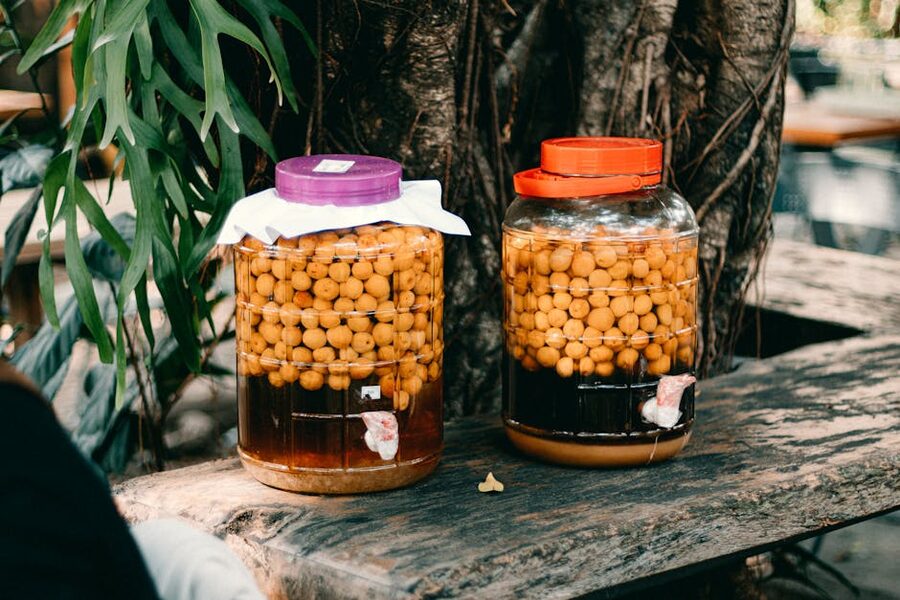
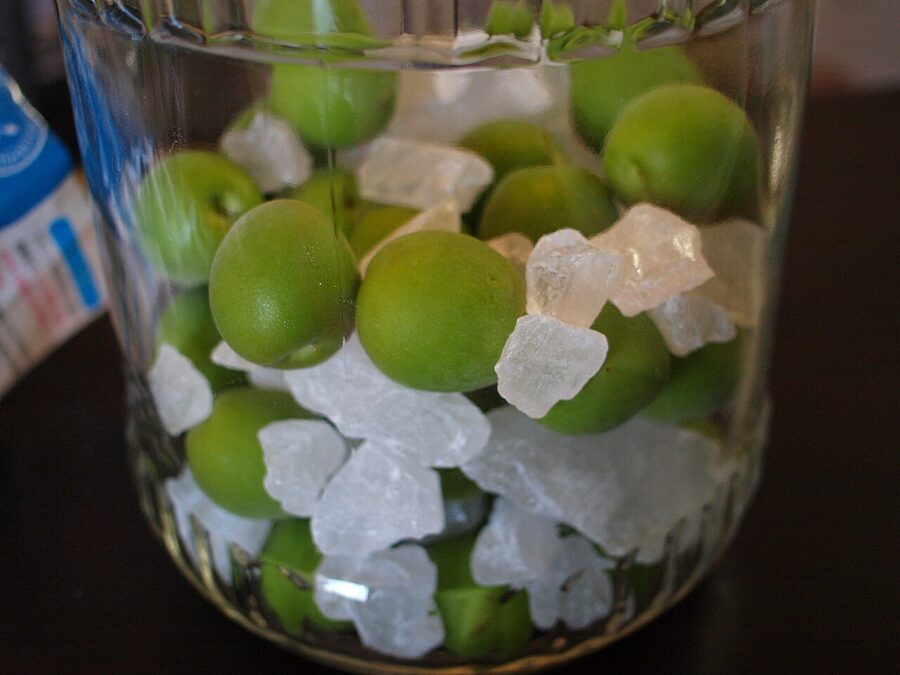
Take green, unripe ume fruits (Prunus mume, botanically much closer to apricot than to the plum you eat raw). Layer them in a jar with rock sugar. Pour in a 35% ABV neutral white liquor (or shochu, or brandy, or sake). Seal. Wait six months. Strain. The result is a faintly almond-scented, sweet-tart liqueur that sits between an aperitif and a digestif. The translation “Japanese plum wine” comes from the Japanese characters: 梅 (ume, the fruit) plus 酒 (shu, alcohol). 酒 also covers sake and gets translated “wine” in English by old convention. There’s no fermentation in umeshu, it’s pure infusion, so calling it a liqueur is closer to the truth.
The base spirit matters more than people think. White-liquor umeshu is the Choya-shelf default: clean, sweet, easy. Shochu-base umeshu has a savoury edge from the grain or sweet-potato distillate underneath the fruit. Brandy-base umeshu reads as fruitcake and Christmas. Sake-base umeshu (using nihonshu as the alcohol) tastes lighter and less sticky, almost like a fruit wine in the Western sense. Whisky-base umeshu, which Suntory popularised, tastes like a high-end old-fashioned with the sweetener replaced by ume.
You’ll see the alcohol percentage on every bottle, and it’s usually 10–15%. That’s lower than sake. It’s lower than shochu. It’s much lower than whisky. A 200ml glass of umeshu on the rocks puts you somewhere between a pint of beer and a glass of wine in alcohol terms. Useful to know if you’re pacing through a long izakaya evening.
The history twist competitors leave out
Umeshu is older than the law that lets you make it. Both halves of that sentence are interesting.
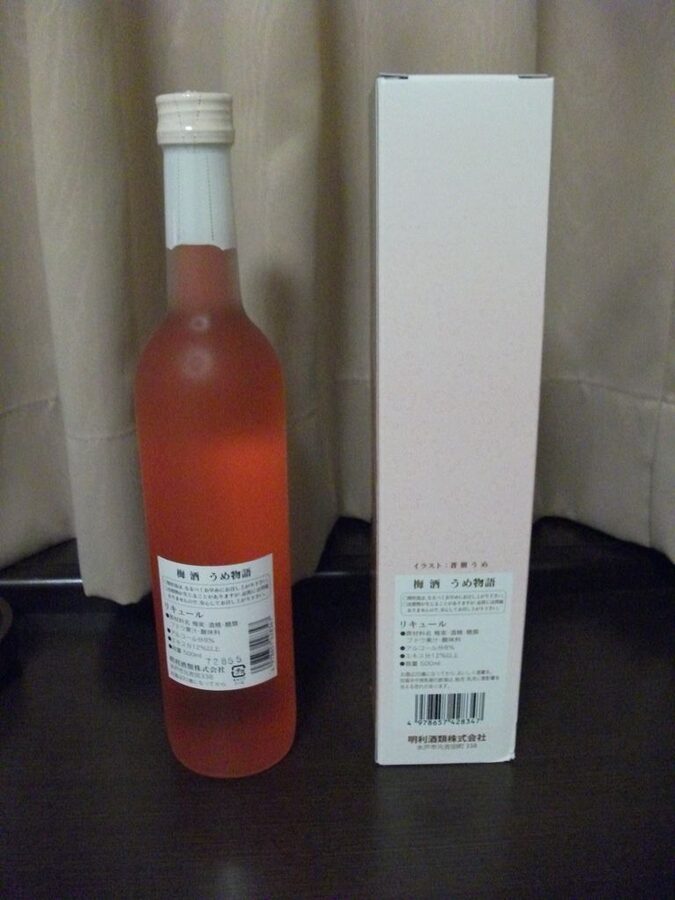

The earliest recipe sits in Honchō Shokukan, a food encyclopaedia from the Genroku era (the late 1600s). For most of the period after that, umeshu was a household drink, brewed in farmhouse kitchens, dosed out in summer, and treated as half-medicine. It was technically illegal under modern Japanese tax law, because the law treated mixing alcohol with anything else as “manufacturing”, which required a license.
That changed in 1962. The Liquor Tax Law was amended to carve out a household exemption: as long as you start with a pre-taxed spirit of 20% ABV or higher, add only sugar and ume (plus a short list of other approved ingredients), and don’t generate any new fermentation, the result isn’t legally “manufactured” and you don’t need a license. June supermarket shelves with bags of green ume next to cartons of white liquor are a 1962 phenomenon. The home-brew umeshu boom is the same age as the Beatles.
The second amendment came in 2008. A special provision added to the tax law lets bars and restaurants make their own umeshu on premises, up to 1,000 litres a year, with a permit. This is why a number of indie bars in Tokyo and Osaka now stock house-made umeshu alongside the commercial bottles. If a bartender pours you something from an unmarked decanter and tells you it’s their own batch, this is the law that makes it legal.
The legal framework matters because it shapes what’s on offer. The supermarket bottle, the depachika premium gift box, the bar’s house ferment, and the homebrew jar a Japanese friend hands you in July are all the same drink, just routed through different parts of the regulation.
The styles you’ll see on shelves and menus
.jpg)
Walk into any depachika or large supermarket and you’ll see the same handful of style words on labels. They’re worth knowing because the difference between two bottles at the same price point is almost always one of these words.
Honkaku umeshu (本格梅酒)
“Real” or “authentic” umeshu. The legal definition: only ume, sugar, and alcohol, no flavourings, no acidity adjusters, no added perfume. This is the thing you want to default to. Anything labelled simply “umeshu” without the honkaku qualifier might contain artificial plum essence stretching out a smaller dose of real fruit. Choya The CHOYA Shigoku no Ume is honkaku. Most premium bottles are. Cheap supermarket pet-bottle umeshu often isn’t.
Nigori umeshu (にごり)
Cloudy. Made by blending in pulverised ume flesh, so the bottle looks the colour of unfiltered apple juice and has that fruit-purée body. Umenoyado Aragoshi Umeshu is the prototype: a sake-base, fruity, almost yoghurty mouthfeel. Pours thick. Drinks well over ice and is brilliant in soda water. If you order one thing on this list at an izakaya, make it a nigori.
Sparkling umeshu
Either bottle-conditioned (rare and expensive) or carbonated post-blend (common and pleasant). Choya Sakurao Sparkling Umeshu and Suntory’s bottle-conditioned Umeshu Sparkling are the most-seen examples. A good summer aperitif. Don’t pay champagne prices for it.
Genshu (原酒)
Undiluted. Most commercial umeshu is cut with water before bottling to land at a tax-friendly ABV; genshu skips that step. Higher alcohol (often 18–20%), denser fruit concentration, more expensive. You’ll find it in 500ml bottles in the gift section of a depachika. Drink it like a digestif, in 30ml pours.
Koshu (古酒)
Aged. The sweet spot for most home umeshu is two years; commercial koshu stretches to three, five, sometimes ten years. The colour deepens from straw to amber to dark caramel. The flavour rounds out and picks up oxidative notes, raisins, almonds, a touch of soy. Meiri Shurui’s Hyakunen Umeshu (“100-year umeshu”) is a long-aged honkaku worth the gift-shop price tag if you’re picking up a present.
Kokuto / kuro (黒糖 / 黒)
Made with brown sugar (kokutō) instead of rock sugar, often using Okinawan kokutō specifically. The flavour goes muscovado-cane, with a darker body. Sapporo’s Nōkō Kuro Umeshu at around ¥720 is the budget version; you can find premium kokutō umeshu from small Wakayama producers in the ¥2,000–3,000 range.
Base-spirit-driven (whisky, brandy, sake)
Increasingly common since the late-2010s. Suntory’s Yamazaki Cask Umeshu Blend (around ¥2,750 in 750ml) ages umeshu in mizunara whisky casks before blending with regular umeshu. The result is unmistakably whisky-touched without becoming a flavoured whisky. Brandy-base umeshu (try Choya’s brandy line) hits Christmas-cake territory. Sake-base umeshu, Hakkaisan and Kamotsuru both make excellent ones, is lighter and less sweet, sometimes labelled “for serving with food”.
.jpg)
Everything else, red-shiso umeshu, hojicha umeshu, Earl Grey umeshu, yuzu-co-infused umeshu, sits in the “individuality / specialty” bucket. These are the bottles you take home as gifts to people who already know what umeshu is. Don’t open them as your first bottle of the trip; they’re variants on a theme.
Producers worth seeking out
The list is short, on purpose. There are hundreds of producers; the seven below are the ones I’ve drunk often enough to have an opinion about, and they’re available in most decent depachika and bar inventories. Read the label guide for sake first if you want to be able to read what’s on the bottle, the kanji conventions overlap.
Choya (Osaka)
.jpg)
The default. Choya makes everything from a ¥500 supermarket pet bottle to bottle-shop pours that retail at ¥5,000+. The line worth knowing: The CHOYA Shigoku no Ume (極の梅, “ultimate ume”) at around ¥1,200–1,500 is honkaku, three-year aged, and reliably the best entry point. Skip the orange-bottle “Umeshu” if you can; it’s fine but the pet-bottle version of the brand. Choya also runs hands-on workshops in Kyoto Sanjo and Kamakura where you can layer your own jar to take home; bookable through Klook or GetYourGuide.
Suntory (Osaka / Yamazaki)
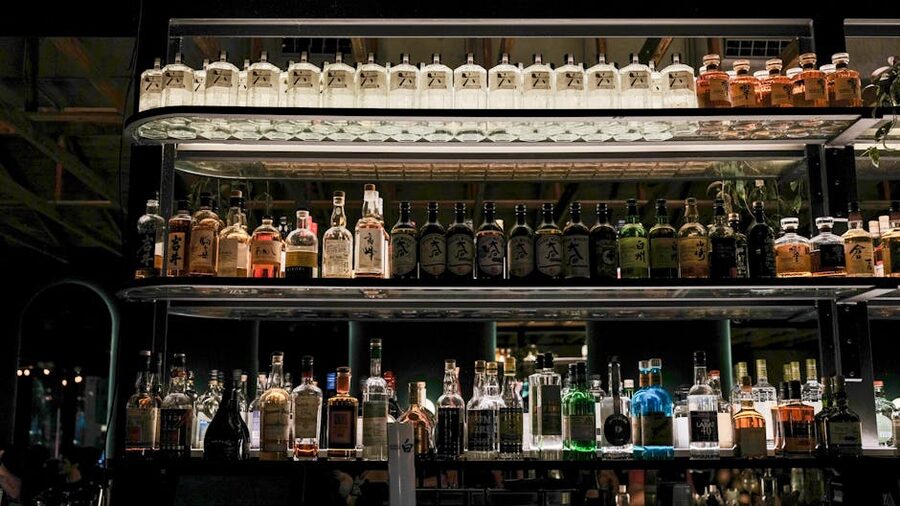
Suntory’s umeshu line piggybacks on the whisky operation: the headline product is the Yamazaki Cask Umeshu Blend, where umeshu is finished in mizunara whisky barrels before bottling. At about ¥2,750 it’s not cheap, but the result is one of the most distinctive umeshu I’ve had, the cask brings a smoke-and-vanilla layer the fruit on its own can’t deliver. If you’ve done a Yamazaki distillery tour already, you’ll taste the connection.
Hakkaisan (Niigata)
.jpg)
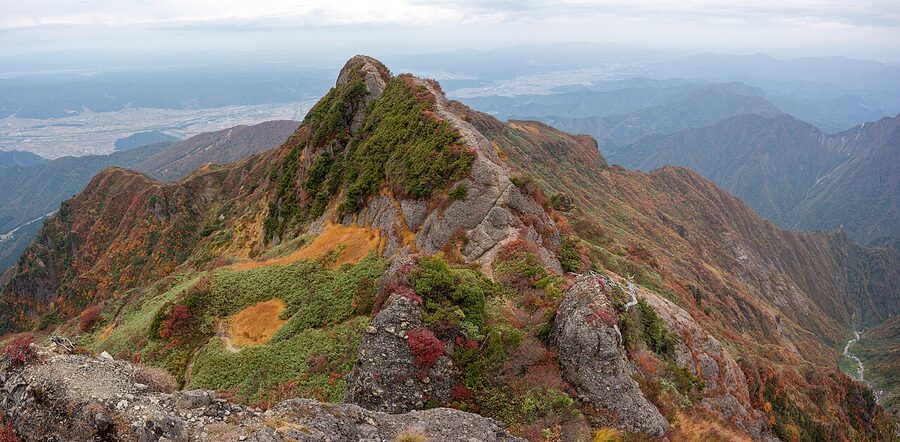
Better known for sake, but their three-line umeshu series is worth seeking out. They make a sake-base, a kome-shochu-base, and a higher-ABV version. The sake-base, served chilled, is what I’d hand to someone who said “umeshu is too sweet for me”, it isn’t, in this version. Available in any decent Niigata depachika; harder to find outside the region.
Umenoyado (Nara)
Umenoyado Aragoshi Umeshu is the most-recognised nigori on the market: pulverised ume flesh suspended in a sake base, sold in a 720ml bottle for around ¥1,660–1,760. Cloudy, fruit-forward, lower in alcohol (around 12%), and forgiving in cocktails. Pour over crushed ice with soda for a 10-minute summer drink that beats anything an izakaya will pour you premixed.

Kamotsuru (Hiroshima)
The Junmai Ginjō Koshu Jikomi Umeshu uses aged junmai ginjō sake as the base, which makes the umeshu taste closer to a stone-fruit wine than a sweet liqueur. Around ¥4,100 for 720ml, expensive, but a bottle you’d give as a gift if the recipient already knew sake. Available at the Kamotsuru shop in Saijō, the brewing district near Hiroshima.
Mitobe Sake Brewery (Yamagata)
Their Yamagata Masamune Torotoro Umeshu is what you order when you want the most ume-flavour-per-mL on the menu. It’s a nigori, the flesh is mashed not just suspended, and it pours with the consistency of a thick syrup. 10% ABV. Around ¥2,200. Drinks on the rocks; absolutely transformative in soda water. If you see this on an izakaya menu in Tokyo, order it.
Kobori Shuzō / Banzairaku (Ishikawa)
The Banzairaku Kaga Umeshu uses Hokuriku-region beni-bai (red-fleshed plums) instead of the standard Nankōbai. Two-year aged, 14% ABV, around ¥1,624. Slightly more astringent than Wakayama-base umeshu, with a redder colour. A regional bottle, mostly available in Kanazawa depachika.
Niwa no Uguisu / Yamaguchi Shuzō (Fukuoka)
A small Fukuoka brewery making a sake-lees-based shochu and using it as the umeshu base. Their flagship umeshu is aged 10+ months and gets a fresh-plum-pulp finish. Less commercially distributed; you’ll see it in Fukuoka bars and specialist Tokyo bottle shops. Worth an order if you spot it on a menu, it tastes more like the homebrew you’d get from a friend than the depachika gift box.
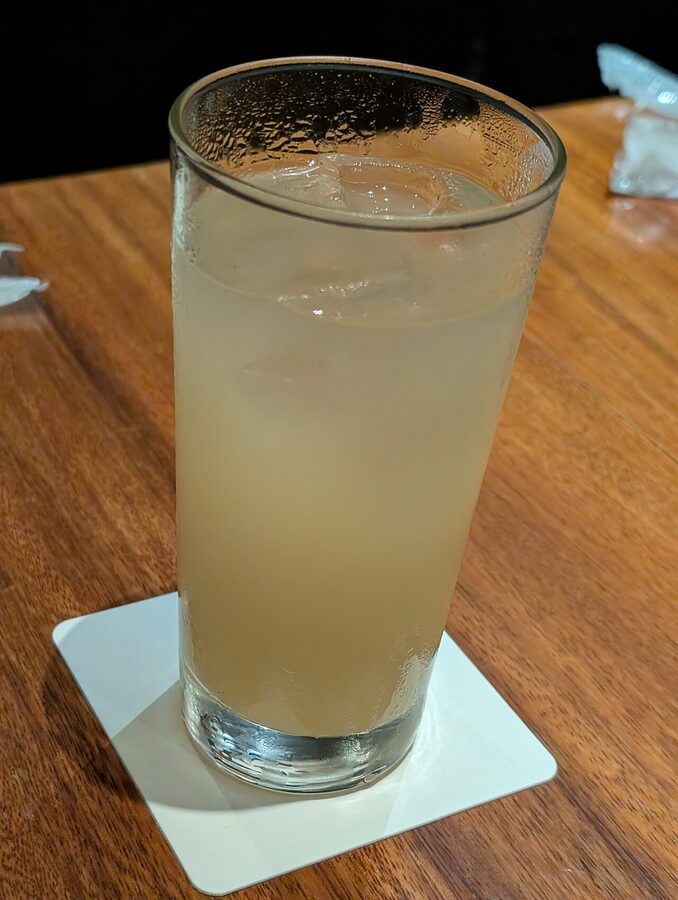

Where to drink umeshu on a trip
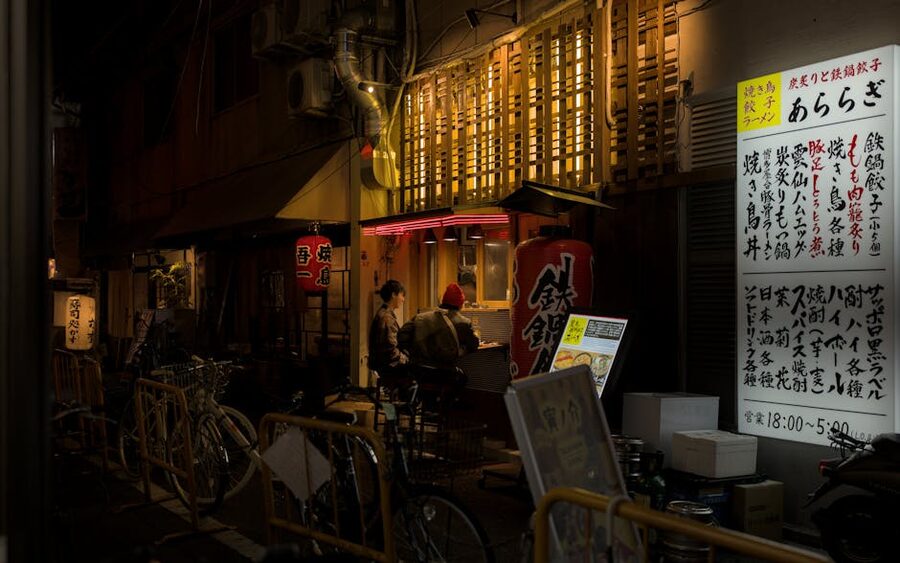
The honest answer: most of your umeshu on a trip will be drunk in places that aren’t dedicated bars. The drink is too pedestrian, too domestic, too cheap. That’s not a bug. It just changes how to plan around it.
1. Any izakaya
Order it on the rocks (roku) or with soda (soda-wari). The default pour at a chain izakaya is going to be Choya or a comparable shelf brand. The price will be ¥500–700 for a glass. Don’t expect a long umeshu list at a yakitori counter or a chain like Torikizoku, one or two options is normal. The izakaya ordering guide covers the script for actually ordering it; if you’ve never said “umeshu rokku de” in a noisy bar, the easiest move is just point at the menu.

2. Specialist umeshu bars (rare but real)
A handful of bars specialise. Tokyo’s Umeshu Bar in Ginza Corridor and Osaka’s Umesyu Hyakkaten (literally “umeshu department store”) in Tennoji are the names worth knowing. They keep 50–200 different bottles, charge ¥700–1,500 per pour, and serve flights of three or five. This is the only place on the trip where you can compare a Wakayama Nankōbai genshu against a Niigata sake-base nigori without buying both bottles. If your trip is umeshu-heavy, build one of these into the itinerary.
3. The depachika
Underground food halls in major department stores are where you’ll buy bottles to take home (or drink in the hotel room). Tokyo’s Isetan Shinjuku, Mitsukoshi Nihombashi, and Takashimaya Shinjuku all have full sake-and-spirit corners with 30+ umeshu options. Same in Osaka’s Hankyu Umeda depachika and Kyoto’s Daimaru. Staff in these corners are drink specialists, not generic floor staff, ask for a recommendation in the ¥1,500–3,000 range and they’ll point you at something good.
4. The brewery shop
If your itinerary includes a sake brewery (and if it doesn’t, see the brewery-day-trip guide for why it should), most of them make a side-line umeshu using their own sake or shochu as the base. Hakkaisan, Kamotsuru, and Niwa no Uguisu all have brewery shops where you can taste the umeshu before buying. The bottles are often only sold on-site or in the immediate region.
5. The Choya workshop
Choya’s hands-on workshop spaces in Kyoto Sanjo and Kamakura let you build your own jar, layer green ume, rock sugar, and a base spirit of your choice into a 1L jar to take home and steep yourself. About ¥5,500 per person, 60-minute session. The jar is yours to carry back to your hotel and onward. If the home-brew thing has ever crossed your mind, this is the lowest-friction way to find out.
6. The konbini
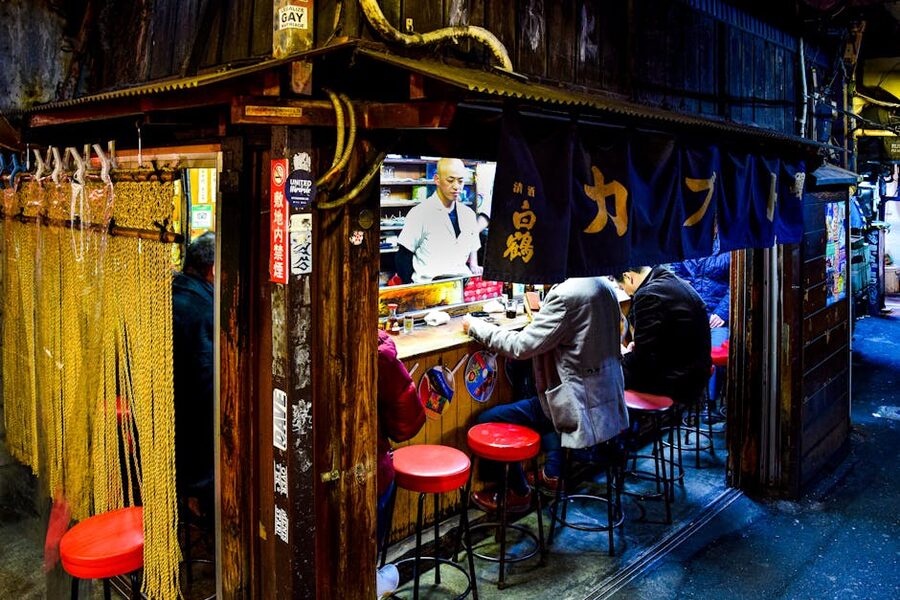
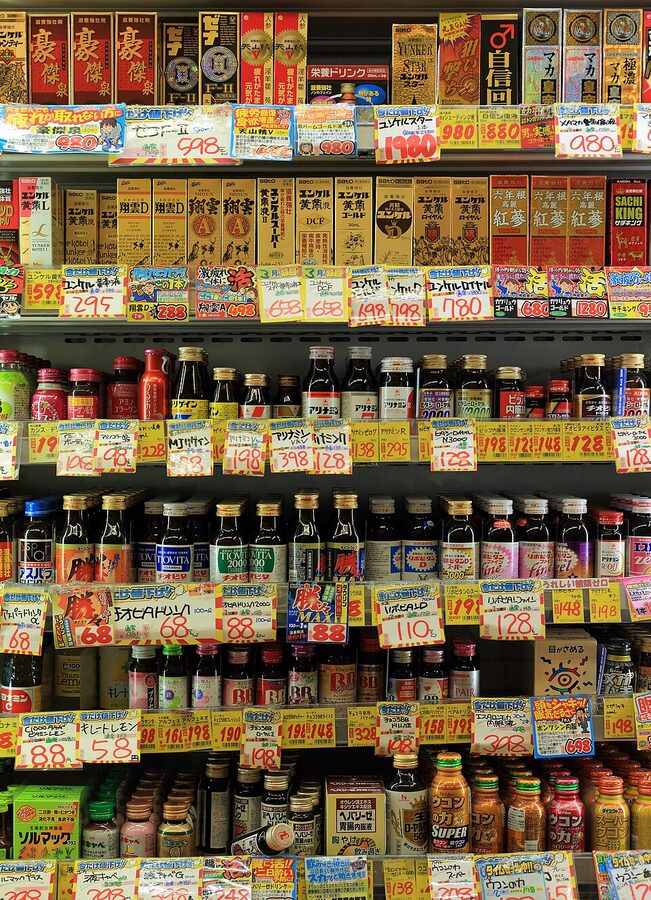
Honest admission: a real chunk of the umeshu I’ve drunk on Japan trips came in 200ml or 500ml bottles from Lawson or 7-Eleven, drunk in a hotel room or on a shinkansen. The Choya 200ml four-pack at any konbini is ¥800 or so, and the small bottles are exactly enough for one drink. This is also the answer if you’ve eaten dinner late and your hotel’s bar has closed. The shinkansen-and-konbini-umeshu pairing has its own minor logic, covered in the shinkansen drinking guide.
How to actually drink it
There are three serving styles you’ll see on every menu, and one you won’t but should know.
On the rocks (rokku, ロック)
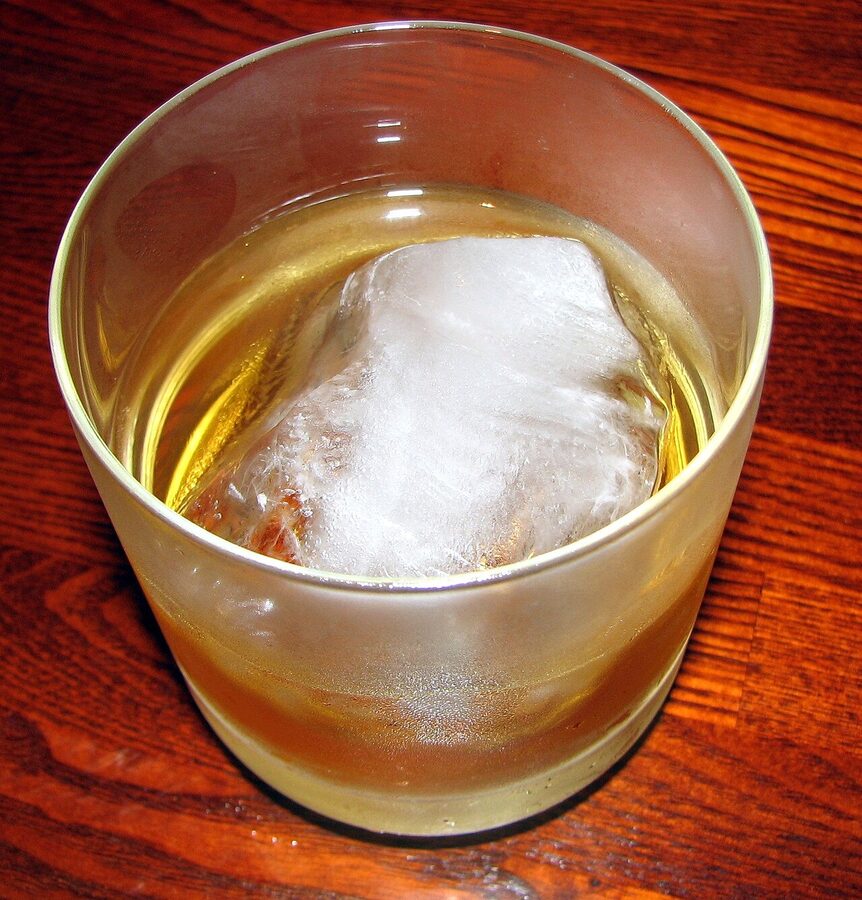

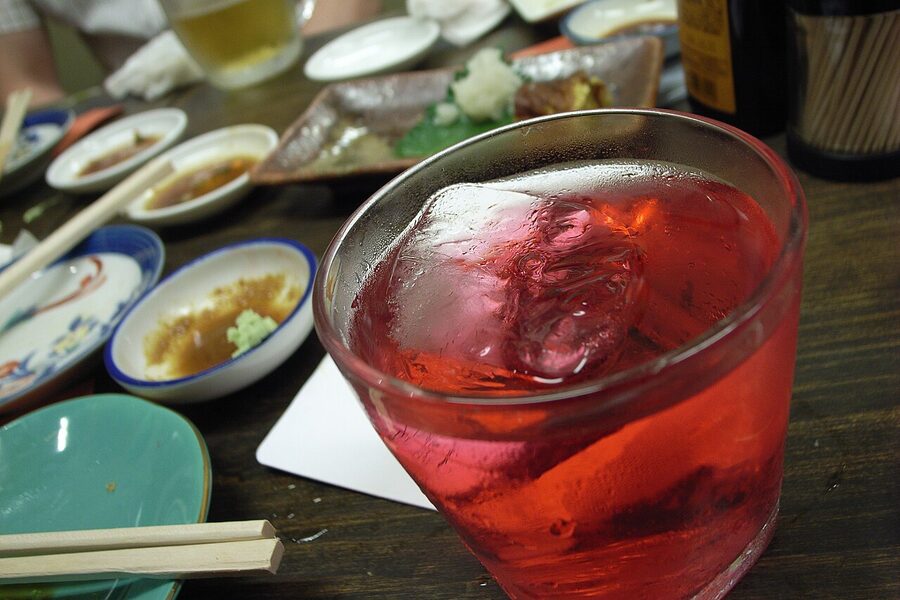
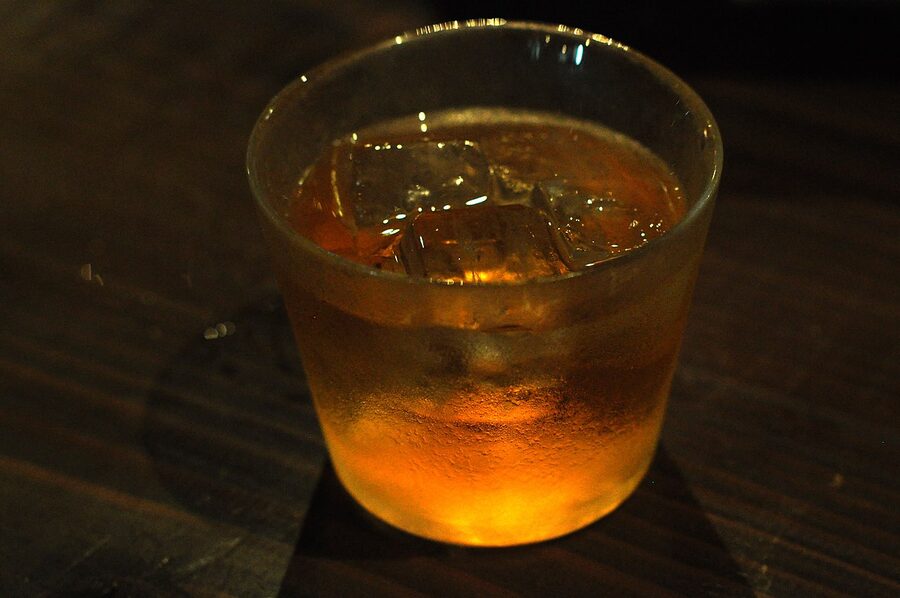
The default. Pour 60–90ml over ice in a rocks glass. Wait two minutes. The dilution from melting ice is half the point, it pulls back the sugar and lets the fruit acidity show. If you order it straight (sutoreto) you’ll usually find it cloying, especially on commercial bottles.
With soda (soda-wari, ソーダ割り)
.jpg)
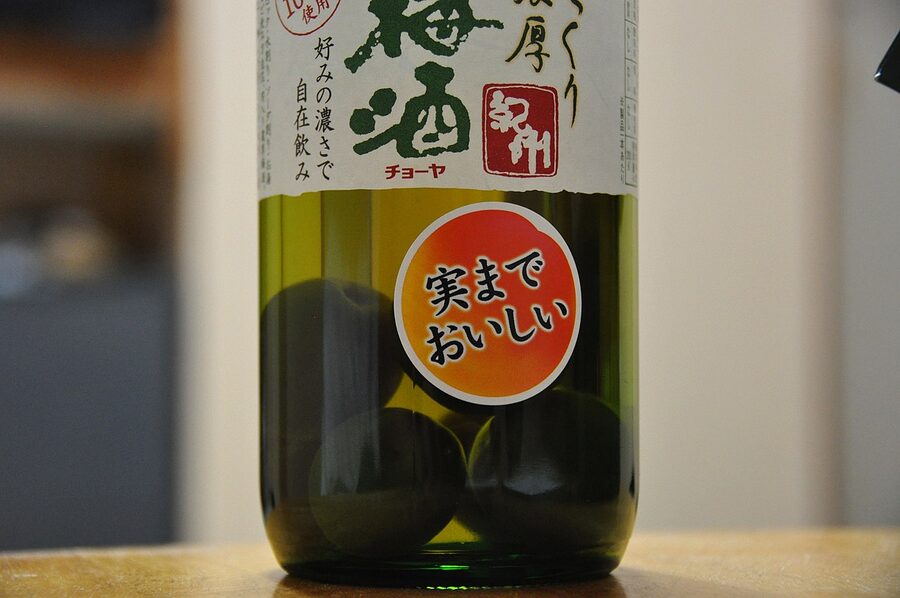
One part umeshu, one part chilled soda water, ice. This is the summer order, drinks long, refreshes, and brings the umeshu to roughly beer ABV. Many bars use this as the default if you don’t specify. A nigori umeshu in soda water is one of the great Japanese summer drinks; an aged umeshu in soda is a waste of the aged umeshu.
With hot water (oyu-wari, お湯割り)
This is the answer for cold winter nights. Equal parts umeshu and hot water, in a heat-safe cup. The hot water releases the aroma and rounds out the body. It’s also what you order at a Japanese inn when the dinner has just finished and the room is cold. If you’ve already learned to drink atsukan sake hot, oyu-wari umeshu is the same instinct in liqueur form.
With green tea (ocha-wari, お茶割り)
Less common on menus, but order it if you spot it. Cold sencha or hojicha mixed with umeshu produces something between an iced tea and a fruit cocktail. It’s an at-home preparation more than a bar one, but a few specialist bars in Kyoto carry it.
What about straight or warmed?
Straight is fine if the bottle is genshu or a high-end aged koshu, the dilution is built into how those are designed. Warmed (not boiled, just heated) is a thing for sake-base umeshu specifically; the gentle heat brings out the rice fragrance underneath the fruit. Don’t try this with brandy-base umeshu, the spirit cooks off too fast.
What to eat with umeshu
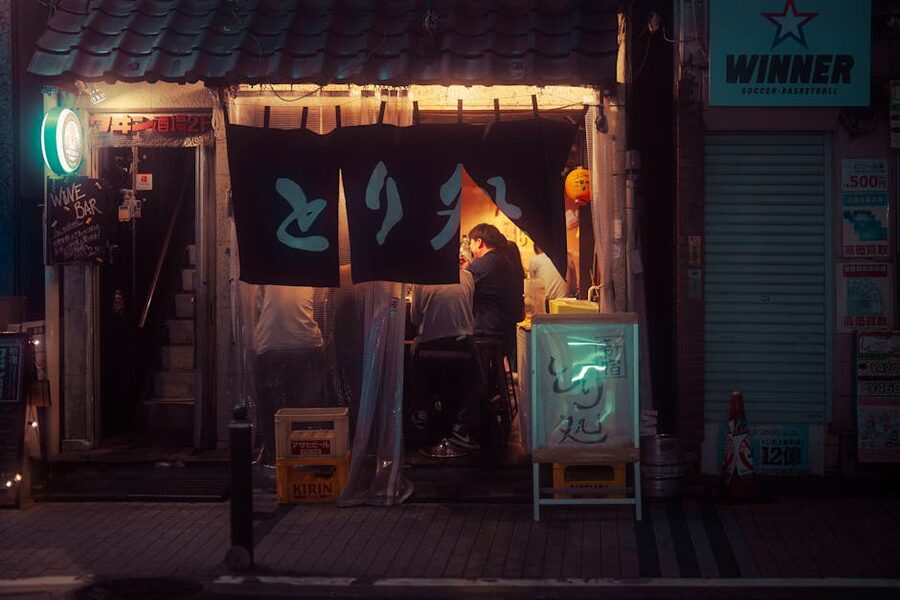
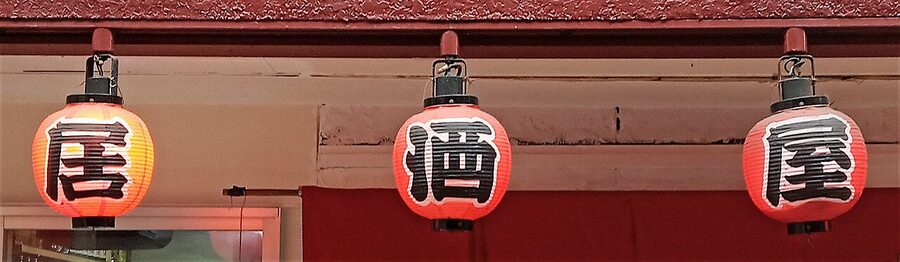

Umeshu has a sour-sweet axis that rules out a lot of standard wine-pairing thinking. The drink is closer to a fruit-cordial spritz in structure than a dry table wine, which means it pairs beautifully with savoury salt-driven food and falls flat against rich cream or cheese.
A short list of things that work, tested across more izakaya nights than I’d care to count:
- Salt-grilled fish. Mackerel (shio-saba), salmon, sweetfish (ayu). The drink’s acidity matches the fish oils; the sugar matches the salt. Almost too obvious.
- Yakitori, salt-seasoned. Negima (chicken-and-leek) and momo (thigh) with shio seasoning. Skip the tare (sauce) versions, the soy-mirin glaze fights the ume sugar.
- Karaage. Fried chicken, lemon-squeezed. The umeshu functions as the dressing.
- Edamame and shio-koji vegetables. Salt and umami, no fat. The aperitif slot.
- Cold tofu (hiyayakko) with bonito flakes and soy. The umeshu’s slight bitterness in the finish meets the soy without competing.
- Tempura, lightly salted. Skip the tentsuyu dipping sauce and use salt with lemon. The drink does what the sauce would do.
- Smoked or grilled cheese (small portion). Counterintuitive but works once. Past one cube of cheese, the drink starts feeling cloying.
What doesn’t work: sushi (the rice vinegar fights the ume), heavy tonkotsu ramen (the porkfat coats over the fruit), anything dessert-sweet. Umeshu pairs best with food that’s saltier than it is.
For a deeper pairing rabbit hole that includes umeshu alongside other Japanese drinks, the sake food pairings guide covers the same dishes from the rice-wine angle, and most of the matches transfer.
The seasonal calendar
.jpg)
Umeshu has a year more like a vintage wine than most people expect. The cycle:
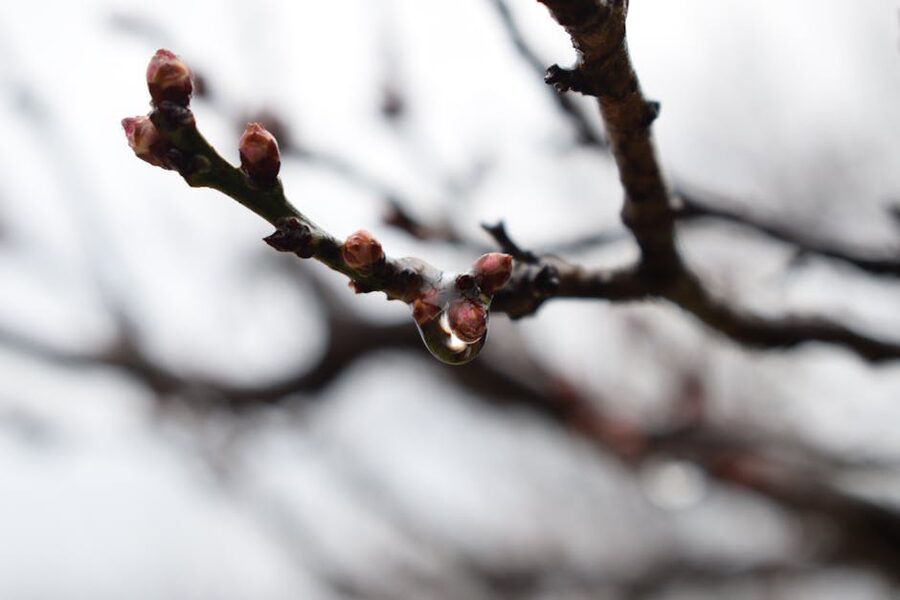
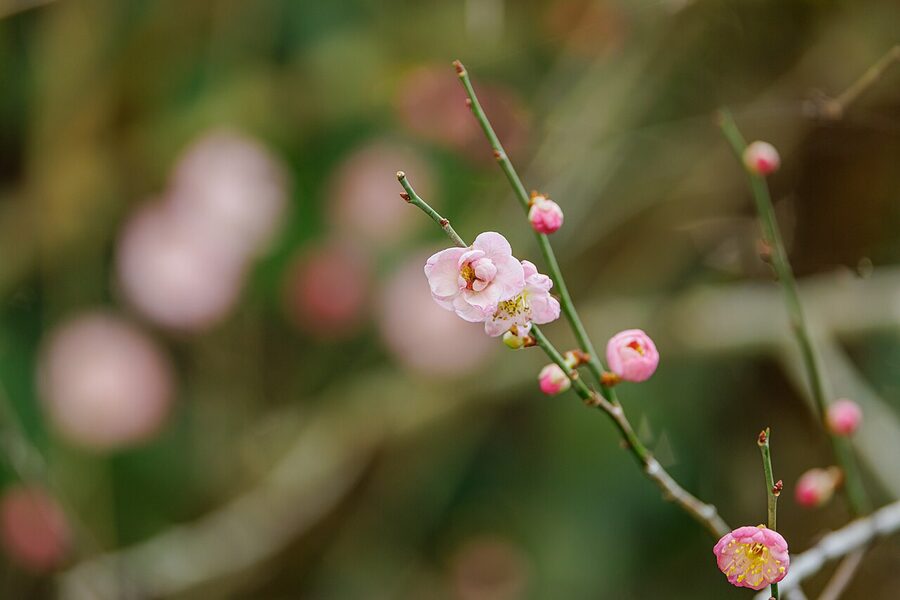
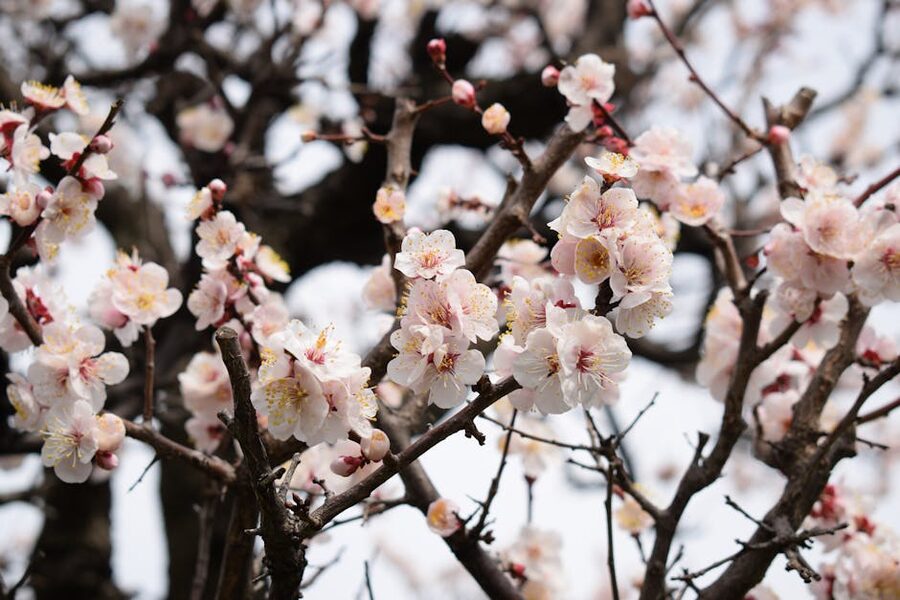
Late January to early March: ume blossoms. Tokyo’s Ume Matsuri at Yushima Tenjin shrine and Kyoto’s at Kitano Tenmangū are worth visiting if your trip lines up. The blossom isn’t the fruit, but the whole rhythm of the year starts here. The blossom culture sits parallel to hanami sake, it’s the older, smaller-scale version.
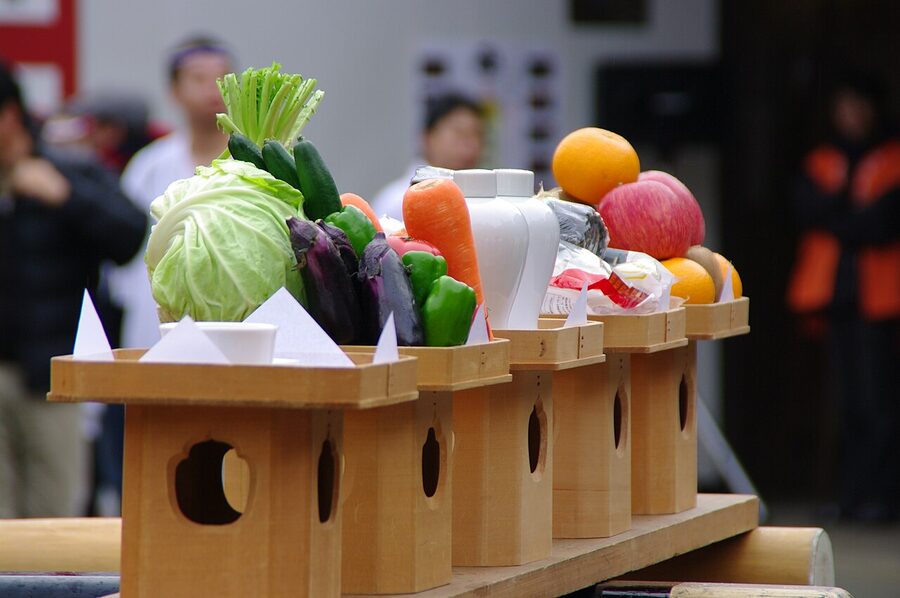

Early to mid June: green ume in supermarkets, alongside cartons of white liquor and bags of rock sugar. This is the home-brew window. If you’re in Japan during this fortnight, even a non-cooking traveller can put together a 1L jar in 15 minutes. Take it back as the most personal souvenir possible.
Mid June to late August: peak umeshu-drinking season. Hot weather + lower-ABV + soda-wari = the best summer drink in Japan, narrowly beating draft beer. Specialist bars often run summer flights this time of year.
September to November: the year’s home-brew batches start being broken open. Three months is the legal minimum; six is when the flavour rounds out. If a friend in Japan invites you over for autumn dinner, there’s a 50% chance you’ll be offered “this year’s umeshu.”
December to January: oyu-wari (hot-water) season. Drinkers switch to warm pours. The aged koshu bottles come out for end-of-year gifting.
Regional plums and where the fruit comes from
.jpg)
.jpg)
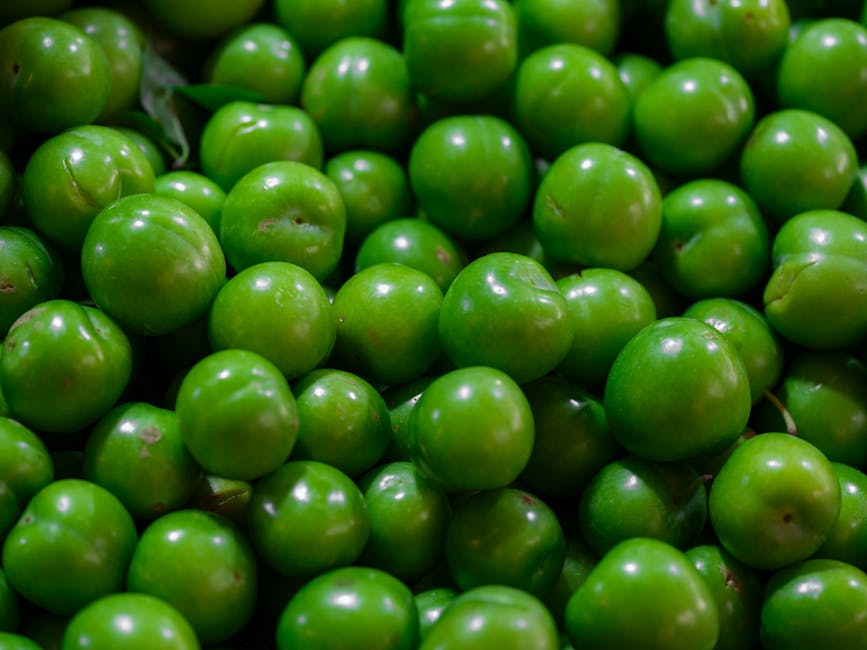
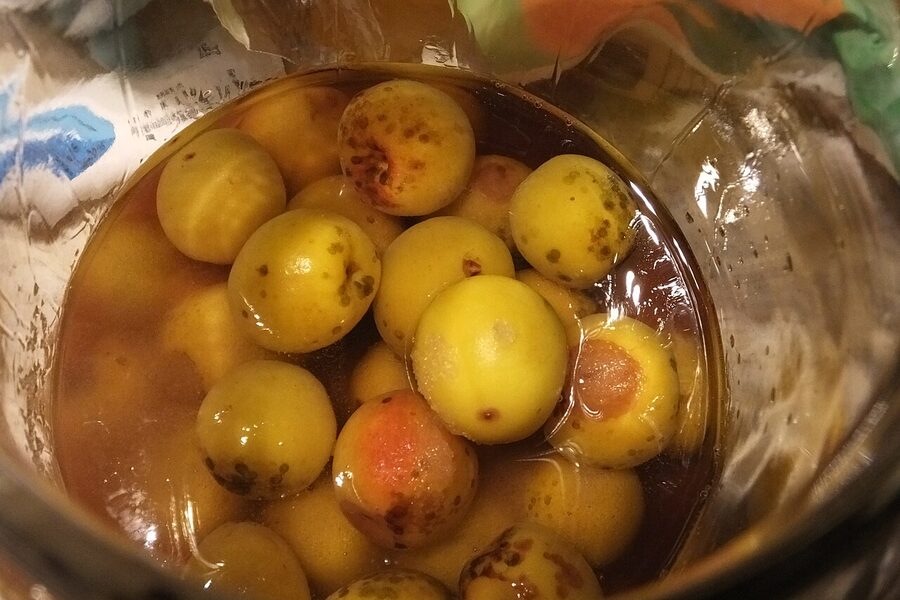
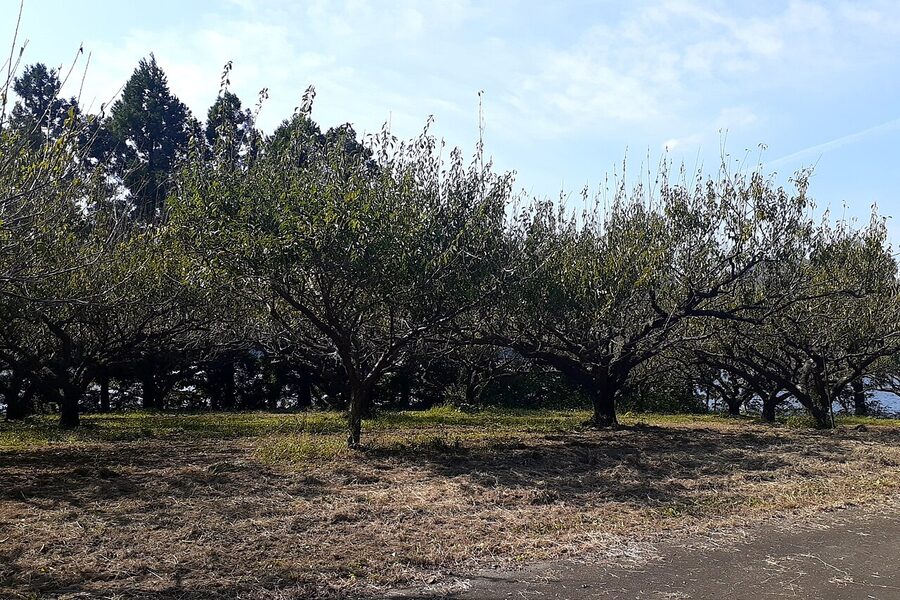
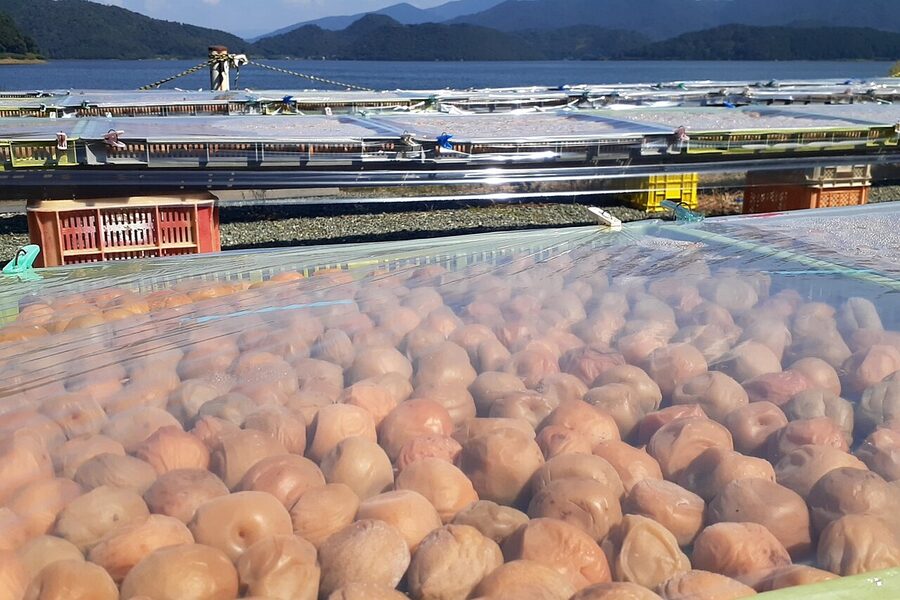
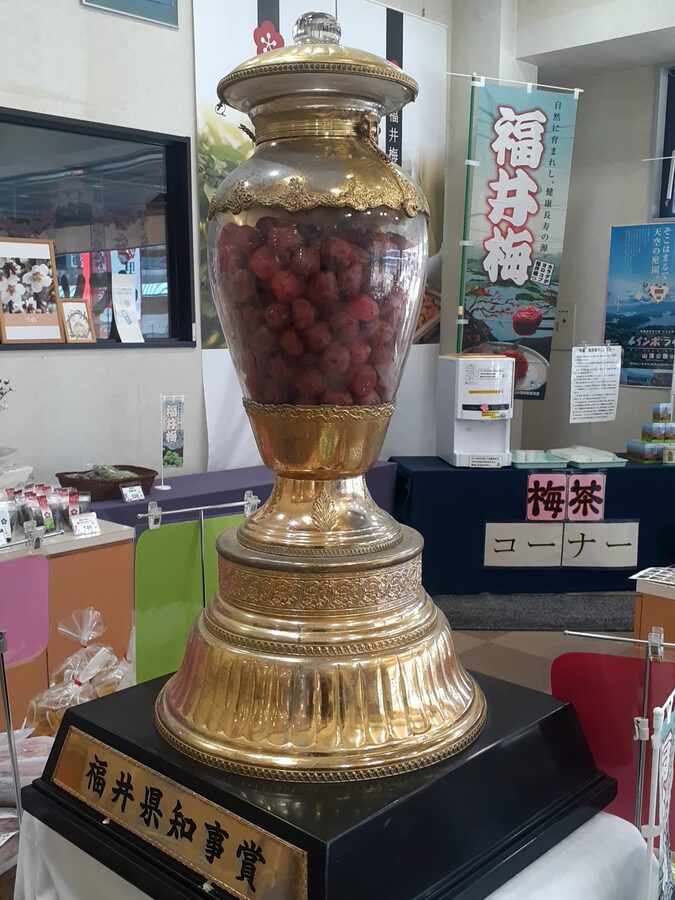
The dominant variety on commercial bottles is Nankōbai (南高梅), grown in Wakayama prefecture. Wakayama produces around 60% of all Japanese ume, and Nankōbai is the gold standard, large fruit, thin skin, high acidity, ideal for both umeshu and umeboshi (pickled plums).
But other varieties exist on regional bottles, and they taste different. Kojō from Gunma is smaller and more tart; the resulting umeshu has a sharper finish. Shirakaga from Yamanashi is yellow when ripe and produces a softer, rounder umeshu. Ōshuku is used in Hokuriku regional bottles like the Banzairaku Kaga Umeshu mentioned earlier. Bungo from Kyushu is high-flesh and used in Fukuoka producers like Niwa no Uguisu.
.jpg)
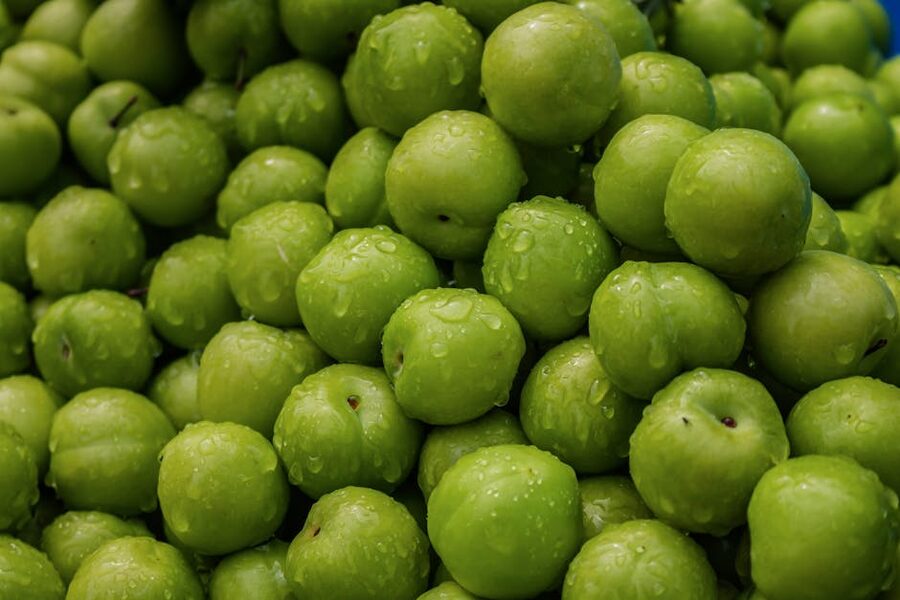
If you’re paying attention to a bottle’s regional tag, the variety on the label tells you what kind of finish to expect. A Wakayama Nankōbai umeshu will be classic and round; a Gunma Kojō will be sharper; a Hokuriku Beni-bai (red-fleshed) will be more astringent and slightly pinker. Most depachika labels include the variety; ask if you can’t see it.
The price ladder
Useful to know what the supermarket-shelf hierarchy looks like before you stand in front of it.
| Tier | Price (720ml) | What you get | Examples |
|---|---|---|---|
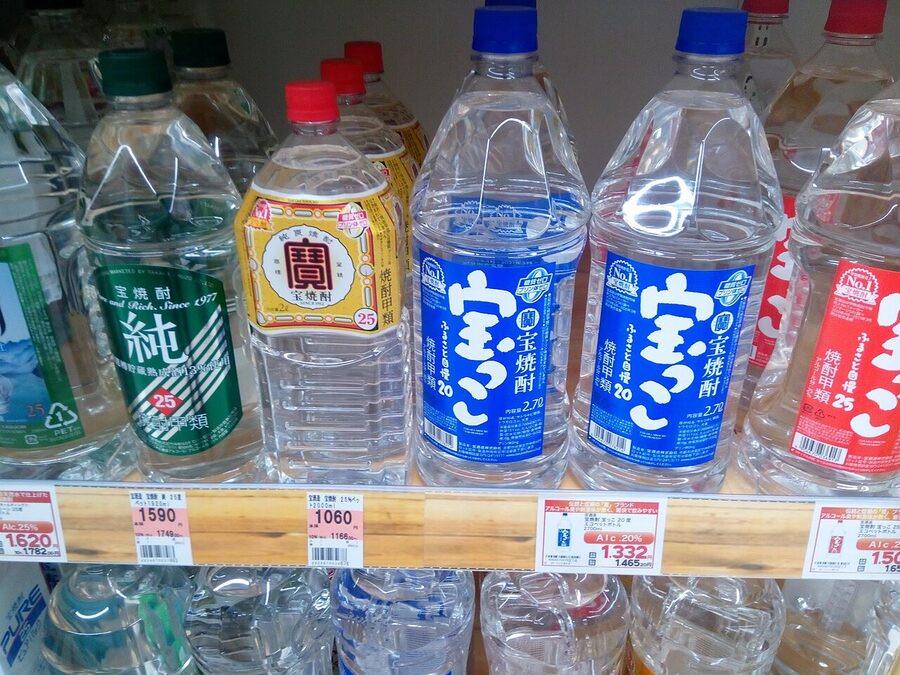
| Konbini / supermarket | ¥460–1,000 | White-liquor base, often non-honkaku, cheap rock sugar, no aging | Choya pet bottle, Sapporo Nōkō, Gōdō Shusei Assari |
| Mainstream bottle | ¥1,200–1,800 | Honkaku, named producer, 1–2 year aging, decent ume quality | The CHOYA Shigoku no Ume, Umenoyado Aragoshi, Sapporo Nōkō Kuro |
| Premium | ¥2,000–3,500 | Long aging, base-spirit driven (whisky/sake/brandy), regional ume varieties | Suntory Yamazaki Cask, Mitobe Yamagata Masamune Torotoro, Banzairaku Kaga |
| Gift / koshu | ¥3,500–6,500 | Aged koshu, junmai-base, gift packaging | Kamotsuru Junmai Ginjō Koshu Jikomi, Meiri Hyakunen Premium |
| Specialty / single-cask | ¥5,000+ | Single-vintage, hand-numbered, rare base spirits | Single-vintage Choya, Yamazaki cask single-bottling editions |
The genuinely useful insight: there’s no quality cliff between ¥1,500 and ¥3,000. The mainstream bottle tier has the best price-to-quality ratio for everyday drinking. Move up only if you’re buying as a gift, or you’ve already drunk through the mainstream tier and want to compare base spirits.

Bringing umeshu home
Most of the bottles you’ll meet on a trip travel well. Practical notes:
- Customs allowances vary by destination. US is 1L per person; UK is 1L of spirits or 2L of fortified/sparkling wine; EU is 1L of spirits or 2L of below-22% drinks. Umeshu typically falls into the “spirits” bucket because it’s labelled “liqueur”, check before you buy more than 1L.
- Pack the bottle properly. Wrap in two ziplocks, ideally inside a hard-sided suitcase, padded between clothes. Or buy at the airport after security if you’re not transferring.
- Tax-free at the airport. Narita and Haneda both stock decent umeshu in the duty-free zones. Prices are not always cheaper than the depachika, sometimes worse, but you avoid the risk of breakage in checked luggage.
- Take a non-honkaku bottle as a present, not for yourself. Cheap shelf umeshu has a place; that place is “gift to a colleague who doesn’t know the difference yet.” Spend the equivalent of a hotel-room nightcap on a real one for your own bag.
- Storage at home. Once opened, umeshu keeps for 6–12 months in a cool dark cupboard, longer if it’s higher ABV. Aged koshu can sit closed for years.
Common questions, brief answers
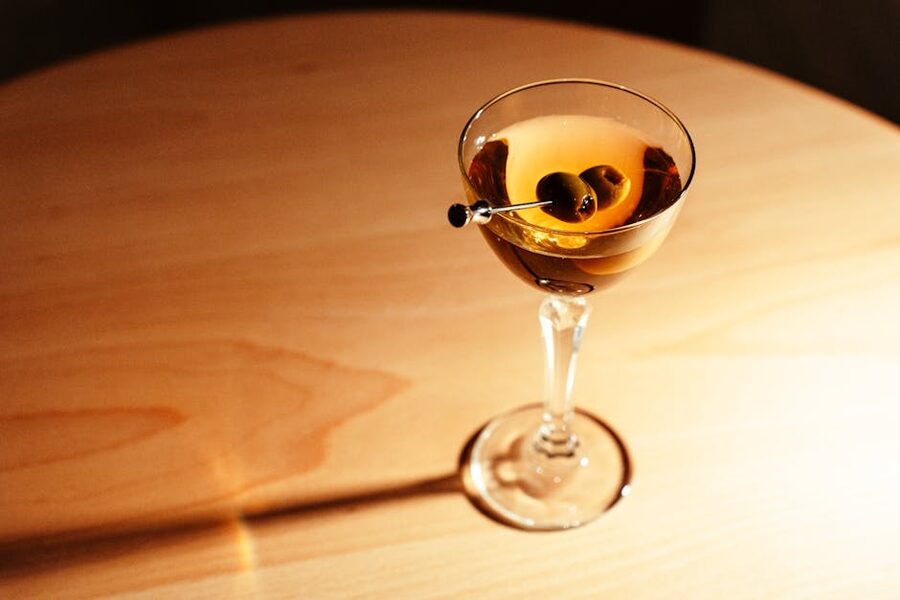
Is umeshu vegan? Yes, ume, sugar, and a distilled spirit. None of those involve animal products. The only edge case: a few honey-base specialty umeshu (which would be on the label).
Is umeshu gluten-free? Depends on the base. White-liquor and shochu bases are gluten-free. Whisky-base (Suntory Yamazaki Cask) starts from a malted barley distillate, technically distilled away, but coeliacs avoiding any cross-contact should ask.
How long does an opened bottle keep? 6–12 months in a cool cupboard. The drink doesn’t oxidise like wine because of the alcohol content; it does slowly lose its top-note aroma. Don’t keep an opened bottle for years, the fruit goes flat.
Can I drink umeshu pregnant? No more than any other alcoholic drink. Despite the historical “medicinal” framing, modern umeshu is 10–15% ABV. Treat it like wine.
Are the plums in the bottle edible? Yes, and good. Most home-brew bottles are designed so you eat the steeped plums after a year, they’re sweet, slightly boozy, and excellent on vanilla ice cream. Commercial bottles often filter the plums out, but a few keep one or two in for presentation; those are also fine to eat.
Why does my home-brew umeshu look cloudy after two months? Polyphenols binding to proteins in the steep, common in homebrew without commercial filtering. Doesn’t affect taste; just looks different. Commercial producers use bentonite or PVPP to remove the precipitate before bottling.
Can I make umeshu outside Japan? Yes, with green apricots as a substitute, ume and apricot are botanical near-cousins. Use a 35% ABV neutral spirit (vodka works), 1kg green apricots, 800g rock sugar, 1.8L spirit. Same six-month wait. The diversivore-style sake/vodka hybrid is also popular.
The point of the drink
The thing that took me a few trips to figure out: umeshu is not where Japan’s drink culture peaks. It isn’t single-cask whisky. It isn’t junmai daiginjō from a small Niigata brewery. It isn’t an obscure imo-shochu from Kagoshima. It’s the everyday drink, made at home, drunk slowly through summer evenings, gifted in pretty bottles at New Year, ordered without thinking at the second drink of an izakaya night.
What this means as a traveller: don’t try to make umeshu the centrepiece of a drinking trip. It’s a thread that runs through the trip. One glass at the first izakaya. A specialist-bar flight if you’ve got the time. A bottle from a depachika to take back to the hotel. A jar built at the Choya workshop in Kyoto if you’re staying through. A Lawson 200ml on a shinkansen.
.jpg)
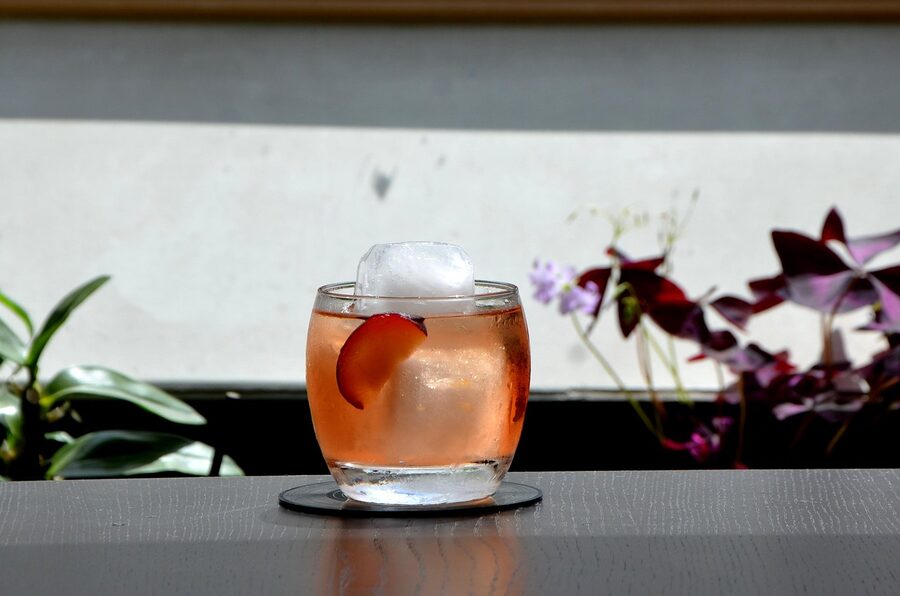
The drink rewards a slow, parallel approach. By trip three or four you’ll have a regular bottle, an opinion about base spirits, and a reflexive mental flowchart for how to order it (rocks before 19:00; soda after; oyu-wari in winter). That’s exactly the relationship millions of Japanese households have with the bottle in their cupboard. Foreigners who get to it usually do so by accident, after a slow build of izakaya orders and gift-shop browses and one really good bartender who poured them a flight.
If you want a guided way to compare options without buying ten bottles, do an umeshu specialist-bar evening early in your trip. The flights at Umesyu Hyakkaten in Osaka or any of the Tokyo specialists give you five or six pours for the price of one bottle, and you’ll calibrate fast on what you actually like. From there the depachika visit, the brewery shop pickup, and the konbini convenience-bottle all click into place.
The first bottle of umeshu you bring home will be from a producer the tasting bar pointed you at. The second will be one you sought out at a brewery. The third will be the one you blended yourself at the Choya workshop, started the slow steep, and waited six months to crack open. By the time you open the third one, you’ll have started to understand why a Japanese household has a jar in the cupboard at all.
 Drinking CultureWhy I Stopped Clinking Glasses in JapanThe first time I got a Japanese toast wrong, I was at a wedding reception in Yokohama. Ten of us…
 Drinking CultureKonbini Drinks Are a Whole Trip StrategyJapan has roughly 56,000 convenience stores. That's more outlets than McDonald's has worldwide, and the country sells about a third…
 Drinking CultureOtoso, Bonenkai, and the Hush of ShogatsuThe first person to write the recipe for otoso was a third-century Chinese physician named Hua Tuo, and he wrote…