
Ask for sake in Japan and you’ll often get a slightly puzzled look. The word doesn’t mean what you think it does. In Japanese, sake (酒) is the umbrella term for any alcoholic drink, beer and whisky included. The thing tourists order at sushi counters and the thing brewed from rice and water and koji mould has its own name on the label: nihonshu. About 1,200 licensed nihonshu breweries are still operating across the country, down from over 4,000 in the 1970s, and most of them are tiny family outfits that brew once a year through the cold months and never export a bottle.
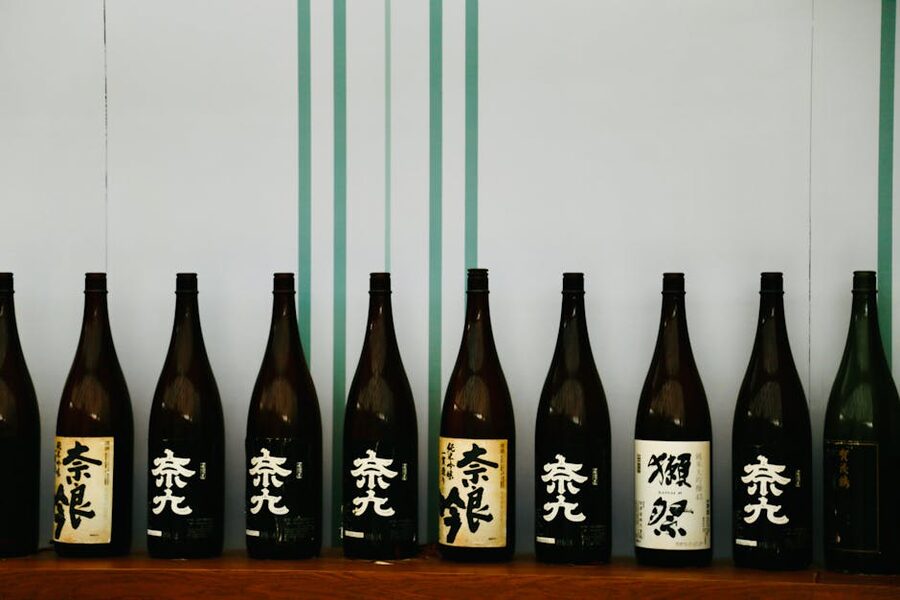
That’s the first thing worth knowing if you’re planning a trip. The second is that you don’t need to memorise the polishing percentages and the koji strains and the prefecture-by-prefecture flavour atlas to drink well. You need maybe ten minutes of orientation, a willingness to point at the menu and ask, and a rough sense of which regions and which styles match which moods. This guide gives you that. It’s the hub piece for the rest of the cluster, so I’ll link out to the bits that get their own deep dive: Japanese whisky, the shochu vs sake vs awamori comparison, and izakaya etiquette, which is where you’ll actually drink most of this stuff.
In This Article
- What sake actually is
- The styles that matter (and the table to read them by)
- The special types worth knowing
- How it’s actually made
- The toji and the kura
- Where it’s brewed: the regions worth a detour
- Nada (Hyogo)
- Fushimi (Kyoto)
- Saijo (Hiroshima)
- Niigata
- The smaller star regions
- How to drink it on a trip
- Temperature: the part everyone gets wrong
- Where to actually sit down
- Brewery visits: how to actually do one
- Walk-in friendly
- Reservation-required tours
- By-arrangement small breweries
- Food and sake: what actually pairs
- The seasonal calendar
- Buying sake to take home
- The famous brands and the ones you should actually try
- Sake and the rest of Japan’s drinks
- A few opinions worth holding
- One last thing
What sake actually is
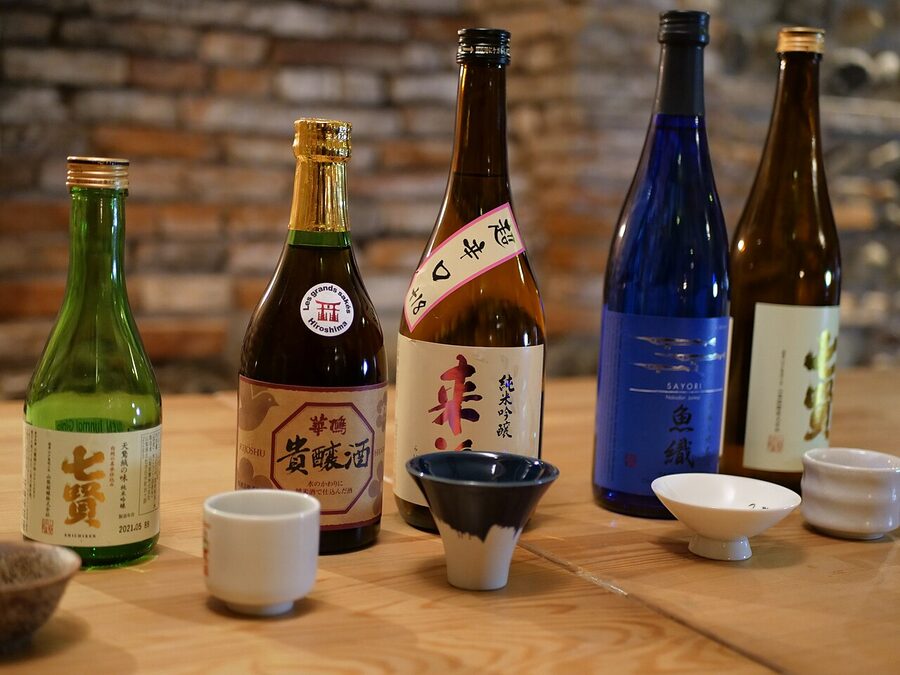

Brewed from polished short-grain rice, water, koji mould, and yeast. That’s the whole list of ingredients for the good stuff. The process resembles beer-making more than wine-making (the starch in rice has to be converted to sugar before yeast can ferment it, which is what koji does), but the end product lands closer to a low-alcohol white wine in feel: clear or faintly straw-coloured, between 13 and 17 percent alcohol, served in cups or carafes rather than wide-bowled glasses.
Sake’s flavour range is wider than most first-time drinkers expect. Light and dry like a young Riesling. Round and savoury like a soft Vermentino. Almost cheese-rich and earthy when aged. Faintly sparkling, faintly cloudy, faintly sweet, depending on what the brewer did or didn’t do at the end of the process. The number you’ll sometimes see on a menu is the nihonshu-do, sake meter value, which runs from about negative-15 (very sweet) to positive-15 (very dry). Most table sake sits between zero and plus-five.
Two practical points. The alcohol content is higher than wine, so a 720 ml bottle (called a yongobin, the standard sake bottle size) hits harder than a 750 ml bottle of red. And almost all sake is meant to be drunk young. There are aged sake (more on those below), but the vast majority of bottles you’ll meet on a trip are meant to be opened within a year of bottling, with anything fresh-pressed in winter best within months.
The styles that matter (and the table to read them by)

The styles you’ll see most often on Japanese menus break down by two factors: how much the rice was polished before brewing, and whether a small amount of distilled alcohol was added during fermentation. That’s it. Memorising the table below will cover almost every bottle a traveller encounters.
“Polishing” means milling the outer layer off each rice grain. The outer layer carries fats and proteins that produce off-flavours; the inner core is mostly starch, which ferments cleanly. The percentage you’ll see on labels (60%, 50%, 35%) is what’s left after polishing. Lower number, more polishing, more aromatic and delicate the result, more expensive the bottle.
| Style | Polishing ratio | Added alcohol? | Profile | Best for |
|---|---|---|---|---|
| Futsushu | 70–93% (barely polished) | Yes | Plain, often sweet, the cheap stuff | Skip for tastings; fine warmed at a chain izakaya |
| Honjozo | 70% or less | Small amount | Light, dry, easy | Daily drinking, warmed in winter |
| Junmai | No legal limit (typically 60–70%) | No (pure rice) | Round, savoury, full-bodied | Food matching, especially grilled fish and pickles |
| Ginjo | 60% or less | Small amount | Fruity, fragrant, lighter | Chilled, as an aperitif or with lighter sashimi |
| Junmai Ginjo | 60% or less | No | Fragrant but with more body than Ginjo | The all-rounder. Order this if unsure |
| Daiginjo | 50% or less | Small amount | Highly aromatic, delicate, expensive | Sip cold, on its own; don’t pair with strong food |
| Junmai Daiginjo | 50% or less | No | Same fragrance, more body than Daiginjo | The high-end pour. Special occasions |
If you remember nothing else, remember junmai ginjo. It’s the most ordered class on Japanese menus for a reason: aromatic enough to be interesting, full-bodied enough to handle food, and at the price-quality intersection that almost every brewery does well. When you’re not sure what to ask for, ask for the house junmai ginjo.
The special types worth knowing
Beyond the polishing-and-additive grid, there’s a second layer of terms that tell you what the brewer did at the very end of the process. These are the categories that change the texture or the temperature you’ll want to drink the bottle at.
- Nama (生). Unpasteurised. Sake is normally heated twice during production to stabilise it; nama skips both. Result is fresher, livelier, sometimes faintly fizzy. Has to be kept cold and drunk quickly. Spring is the season.
- Nigori (濁り). Coarsely filtered, so a layer of rice solids stays in the bottle. Cloudy, milky, often sweet. Better as dessert than with dinner. Shake the bottle before pouring.
- Genshu (原酒). Undiluted. Most sake is brewed near 20% then watered down to about 15% before bottling; genshu skips the dilution. Heavier, hotter, around 18–20%. Sip it.
- Koshu (古酒). Aged. Rare. Typically amber-brown, with caramel and dried-fruit notes that resemble a sherry or madeira more than fresh sake. Worth trying once if you find it.
- Kimoto and yamahai. Old-school production methods that let wild lactic-acid bacteria do their thing in the starter culture, which produces tangier, gamier, more rustic sake. Polarising. Excellent warmed.
- Sparkling. Bottled before fermentation finishes, or carbonated. Ranges from cider-light (around 6%) to effectively a sake champagne. Easy gateway drink for someone who doesn’t think they like sake.
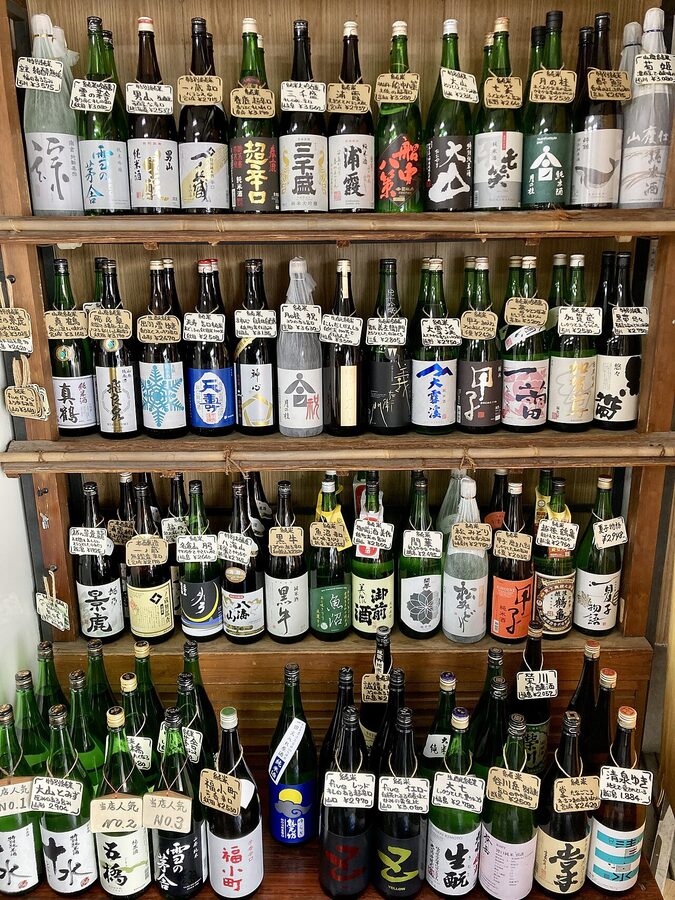
- Jizake (地酒). Local sake. Not a style so much as a category. Means small-production, regional, often only available in the prefecture it was brewed in. Ask for the local jizake everywhere you go and you’ll drink better than 90% of tourists.
How it’s actually made
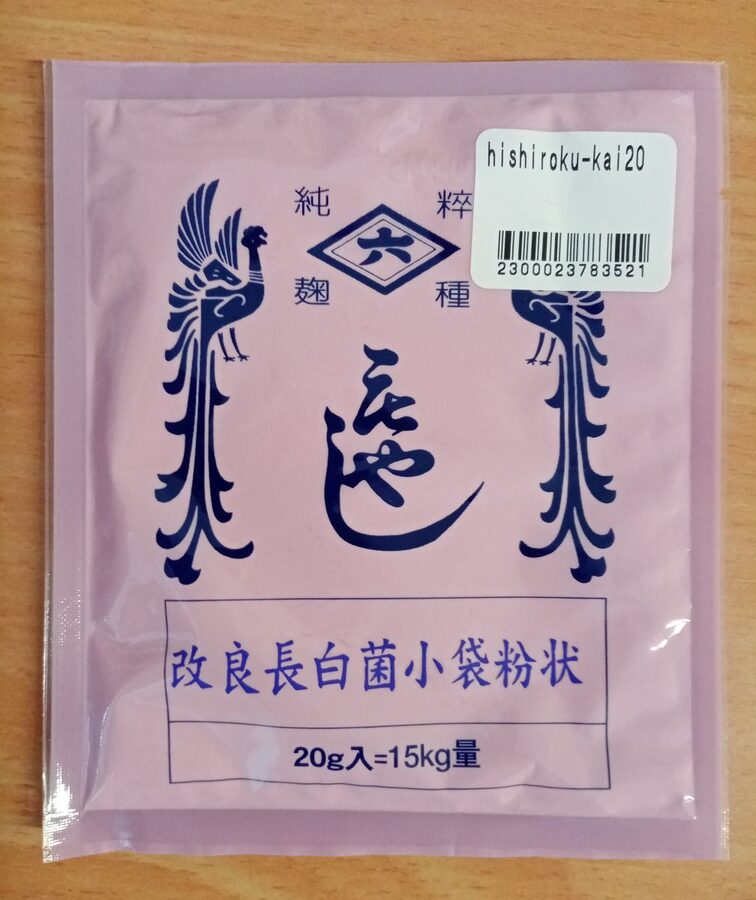

You don’t need to know this to drink sake. But knowing the rough sequence makes brewery tours much more interesting, and gives you something to ask about at the counter. The full cycle, simplified to seven steps:
- Polishing. The rice is milled. For premium sake this can take days and removes 40–65% of each grain.
- Washing, soaking, steaming. The polished rice is rinsed, soaked to a precise water content, then steamed (not boiled).
- Koji-making. A portion of the steamed rice is moved to a hot, humid room called the kojimuro, dusted with green Aspergillus oryzae spores, and turned by hand for two to three days. The mould grows down into each grain and converts starch to sugar. This room is treated as half-sacred at most breweries; tour visitors usually only get a glance through a window.
- Yeast starter (shubo). A small batch of koji-rice, steamed rice, water, and yeast is fermented hard for two weeks until the yeast population is enormous.
- Main fermentation (moromi). The starter goes into a much larger tank in three additions over four days. The mash ferments slowly for three to five weeks at low temperature. This is the long, patient phase.
- Pressing and filtering. The mash is squeezed to separate liquid sake from solid kasu (the sake lees, which are sold as a cooking ingredient and also make a winter drink called amazake).
- Pasteurisation, blending, ageing. Most sake is heat-treated, blended to a target style, rested for six months, then bottled.
Brewing happens in the cold months, late October to late March. Modern climate-controlled tanks let some big producers brew year-round, but most premium breweries still work to the old calendar. If you’re hoping to see actual production on a brewery tour, plan your trip for January or February. Outside that window you’ll see the buildings and taste the bottles, but the floors will be empty.
The toji and the kura
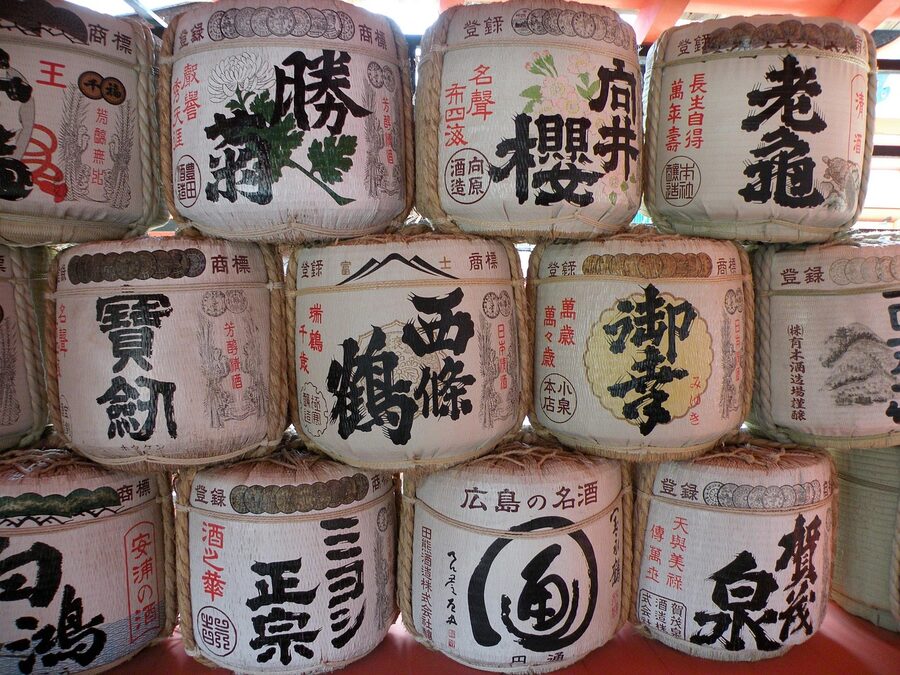
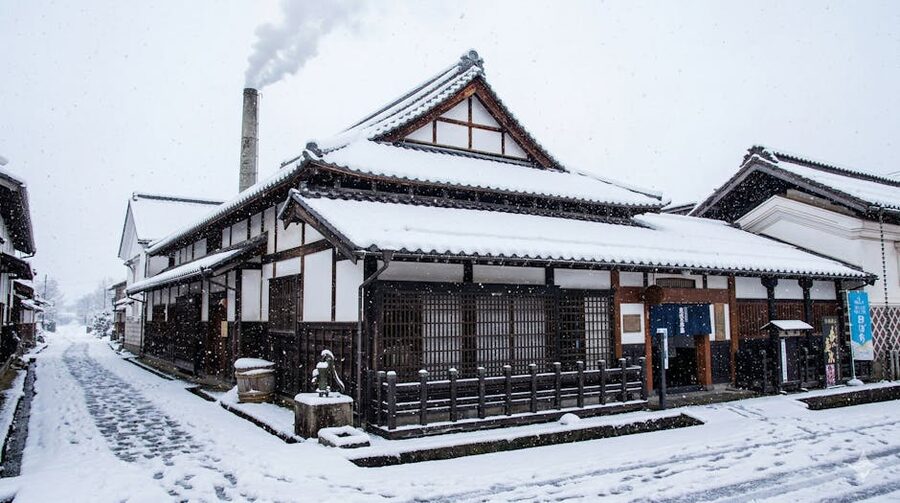
Two words you’ll see and hear at breweries. The kura (蔵) is the brewery itself, technically the warehouse building. A working sake brewery is sometimes called a sakagura. The toji (杜氏) is the head brewer, the person who tastes the mash daily and makes the calls about temperature and timing. Historically tojis were itinerant masters who travelled from rice-farming villages to breweries each winter, working a season then going home. A handful of regions produced the famous toji guilds: Nanbu (Iwate), Echigo (Niigata), Tajima (Hyogo), Noto (Ishikawa). The guild system has thinned out, and most modern breweries have full-time year-round tojis, but the title still carries weight.
Where it’s brewed: the regions worth a detour
Sake is brewed in every prefecture in Japan, including Okinawa (where it’s a curiosity; the local distilled spirit is awamori). But three regions are historically called the three great sake areas: Nada in Hyogo, Fushimi in Kyoto, and Saijo in Hiroshima. To those, modern drinkers add Niigata and a scatter of smaller-but-celebrated prefectures like Yamagata, Akita, and Yamaguchi.
Here’s how I’d sort them for a traveller picking one or two to visit.
Nada (Hyogo)

The biggest sake-producing area in Japan, accounting for roughly a quarter of total national output. Concentrated in coastal Kobe between Nishinomiya and Mikage stations, with breweries you can walk between in an afternoon. The classic Nada style is dry, sturdy, masculine: a bigger-bodied junmai that holds up to grilled meat, oden, anything with soy sauce reduction.
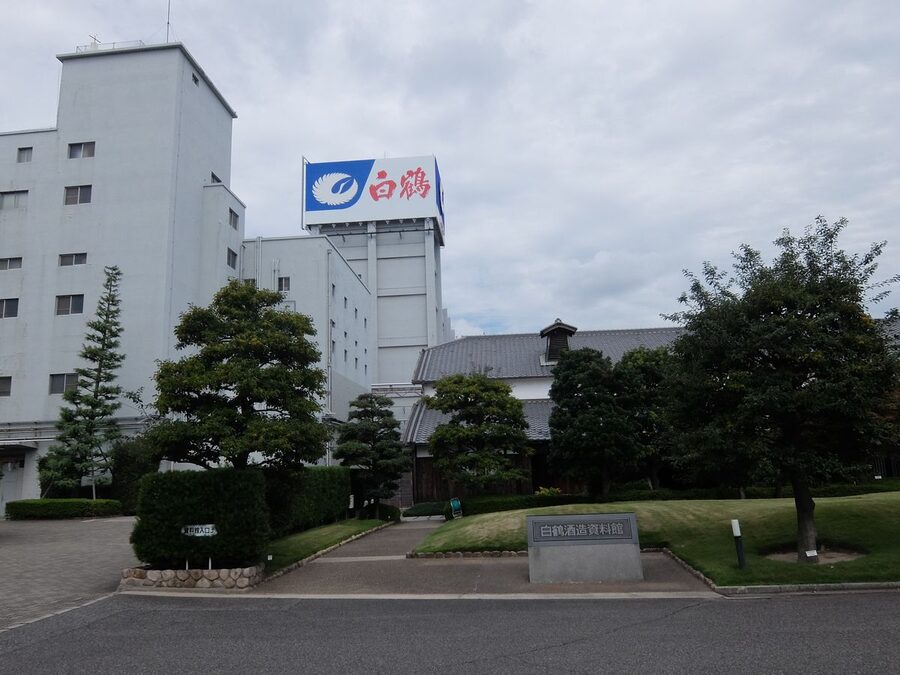
Nada is also the easiest district to visit if it’s your first brewery day. Most of the famous houses run free or cheap museums with English signage and tasting bars. Hakutsuru, Kiku-Masamune, Hamafukutsuru, and Sakuramasamune are all clustered along the Hanshin line a stop or two apart. The Hakutsuru Sake Brewery Museum in Sumiyoshi is the most polished: an old wooden brewery preserved in working condition, free entry, three-sample tasting at the gift shop, open 09:30–16:30 daily except New Year. Closest station is Sumiyoshi (Hanshin line), 5 minutes’ walk south.
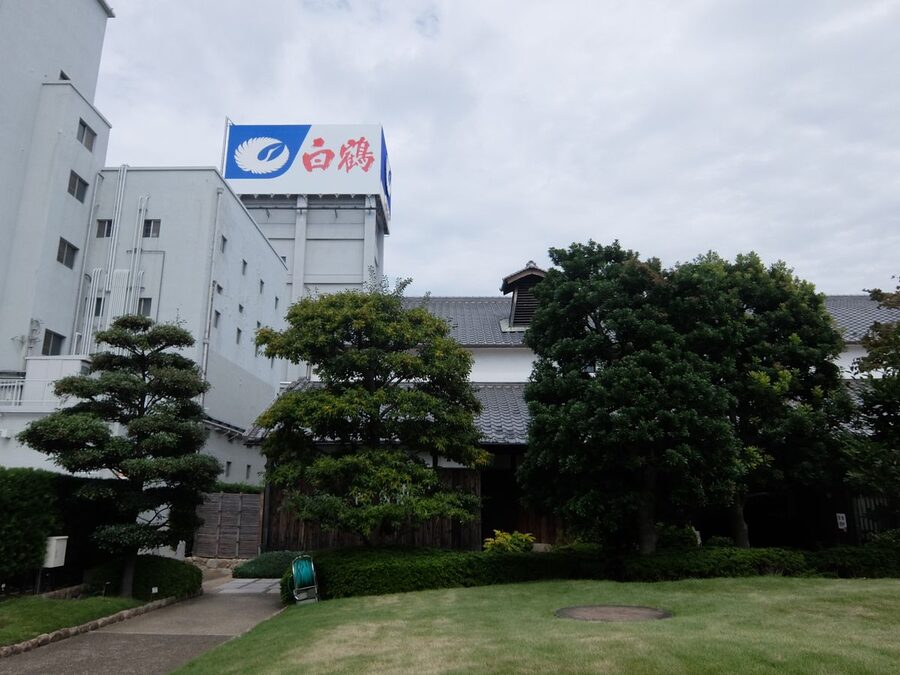

Why Nada became dominant is mostly geography. The hard local miyamizu water from spring-fed wells is mineral-rich, which encourages aggressive fermentation and a drier final product. The Rokko mountains funnel cold winter wind down to the coast (the Rokko-oroshi), which gave the old breweries free temperature control before refrigeration existed. And the port let producers ship sake to Edo (Tokyo) by sea while inland competitors were still moving barrels overland.
Fushimi (Kyoto)
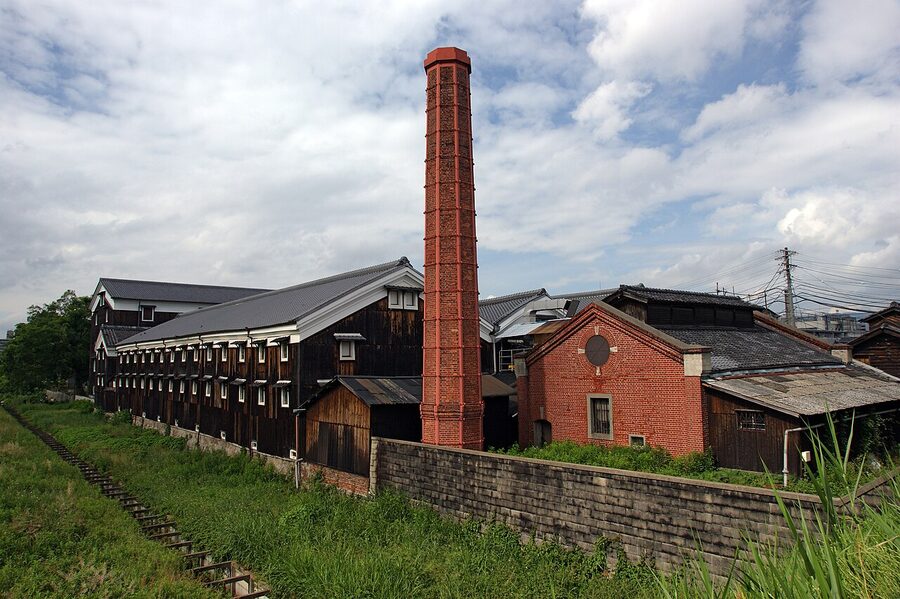

Second-largest sake region by volume, and by far the prettiest of the three. Fushimi is a sub-district in southern Kyoto, on the Keihan line about ten minutes from central Kyoto. The classic style here is the opposite of Nada: softer water (called onna-mizu, “feminine water”), gentler fermentation, a rounder and slightly sweeter finished sake. Otokoyama from Nada is the male; Joyo Kotokoyama from Fushimi is the female; that’s how the old industry framed it.
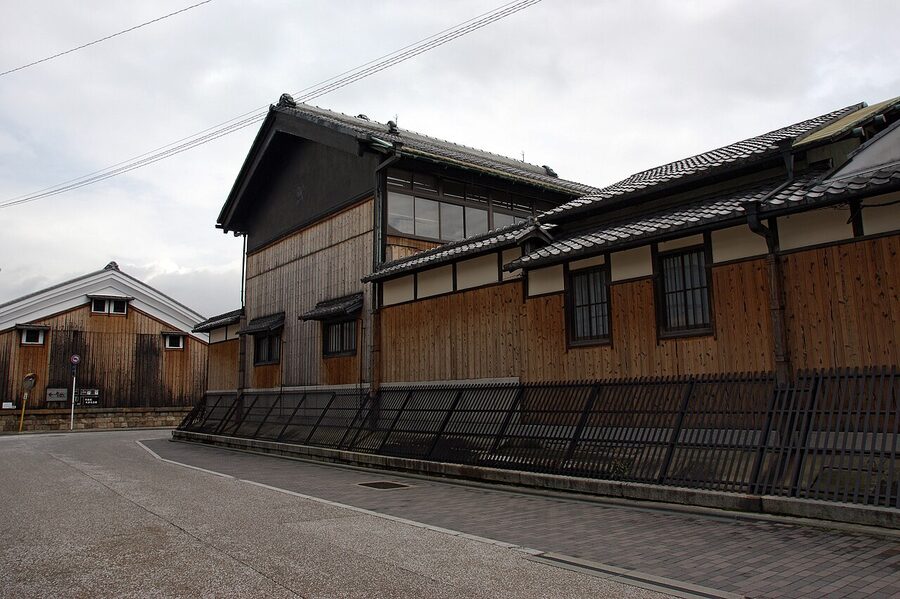

The walkable strip is along the Horikawa canal in central Fushimi, lined with the white-plaster kura walls that show up in every Kyoto guidebook photo. Gekkeikan, Takara Shuzo, Kizakura, and Tamano-Hikari are all here within a square kilometre. Gekkeikan Okura Kinenkan (the museum, not the corporate building) is the most accessible: about 5 minutes’ walk from Chushojima Station on the Keihan line. The route between Fushimi Inari and Fushimi Momoyama is also worth doing on foot if the weather is fair, though it’s about 30 minutes’ walk between them.
Saijo (Hiroshima)
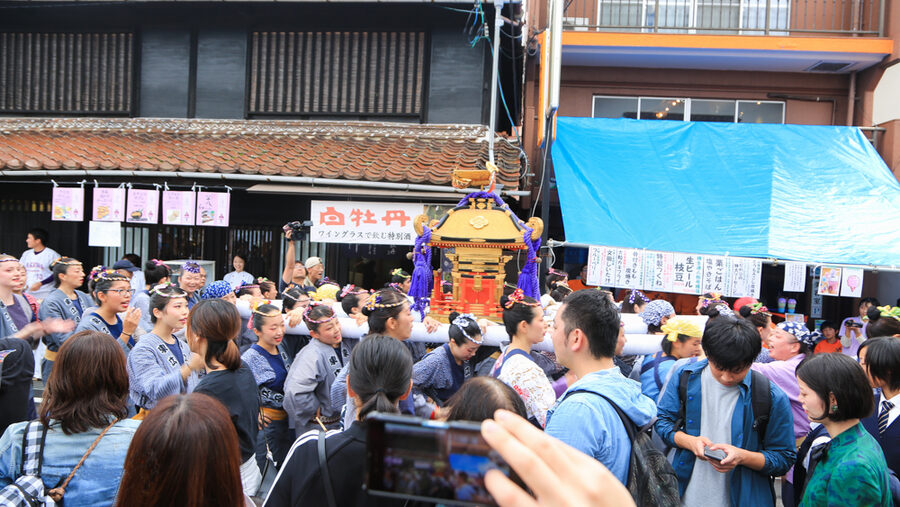

The third of the historic three, and the one tourists know least. Saijo is a small town in Higashi-Hiroshima, about 35 minutes from Hiroshima city by JR. Seven breweries cluster along a single street that you can walk in twenty minutes. The water here is somewhere between Nada’s hard and Fushimi’s soft. The town’s October festival, the Saijo Sake Matsuri, draws around a quarter-million people; outside that weekend it’s quiet, and you can wander into half a dozen tasting rooms in a single afternoon. If you’ve already done Kyoto and Hiroshima and want something low-key for a day, Saijo is the answer.
Niigata
.jpg)
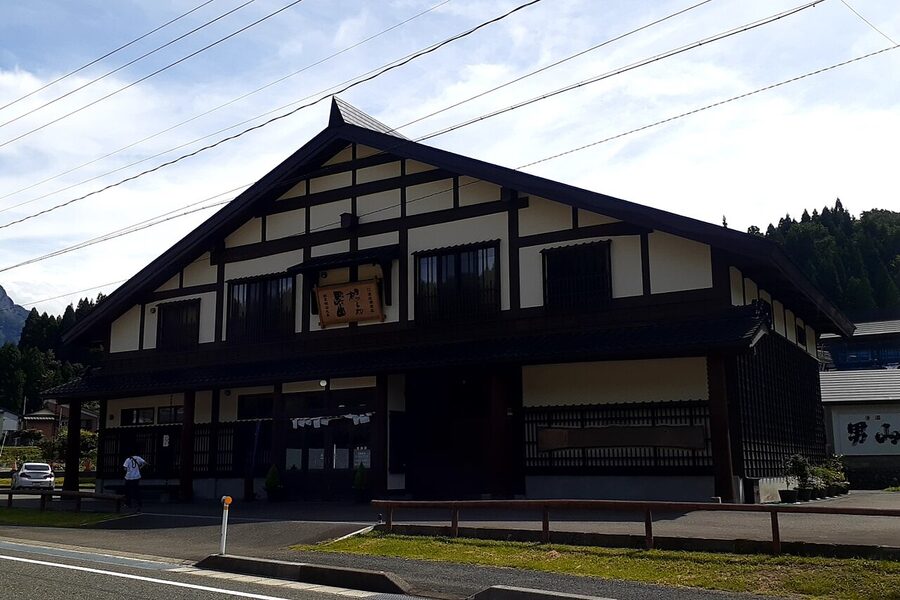
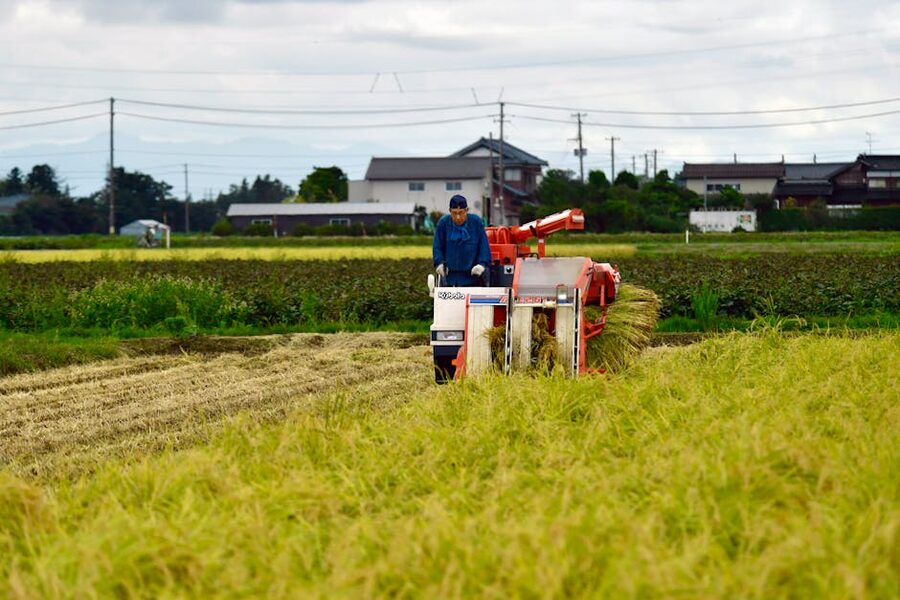
The post-war breakout star, and the prefecture sake snobs love most. Niigata sits on the Sea of Japan side of the country and gets buried in metres of snow each winter. The combination of cold, clean snowmelt water, and the local Gohyakumangoku rice gives Niigata sake its trademark profile: tanrei karakuchi, clean and dry, almost mineral. Famous breweries: Hakkaisan, Kubota (made by Asahi-Shuzo), Koshi-no-Kanbai, Hakurosuishu. There are around 90 breweries in the prefecture, the highest concentration in Japan.
The easy way to taste Niigata sake without leaving the city is Ponshu-kan at Niigata Station: a sake tasting machine room with around 90 different prefectural sake on dispensing taps. ¥600 for five tasting tokens, ¥300 for the cup, open 09:00–21:00. The same operation has a smaller branch at Echigo-Yuzawa Station, useful if you’re transiting through. Both sit inside the JR ticket gate, so you can do a tasting between trains.
The smaller star regions
Worth knowing if you want to drill deeper:
- Yamagata. Tohoku’s quiet sake heavyweight. Famous for fragrant junmai daiginjo and breweries like Dewazakura and Juyondai (the latter near-impossible to find on shelves at retail price).
- Akita. Cold, snowy, similar profile to Niigata but with more body. Look for Hideyoshi and Kariho.
- Yamaguchi. The home of Dassai, by far the most internationally famous Japanese sake brand. The brewery, in a mountain valley two hours from Hiroshima, runs tours but books out months ahead.
- Ishikawa. Noto Peninsula breweries make rich, food-friendly sake; Tedorigawa and Kikuhime are the names to know.
- Iwate. Home to the Nanbu toji guild and to Nanbu Bijin, one of the most consistent everyday breweries.
How to drink it on a trip
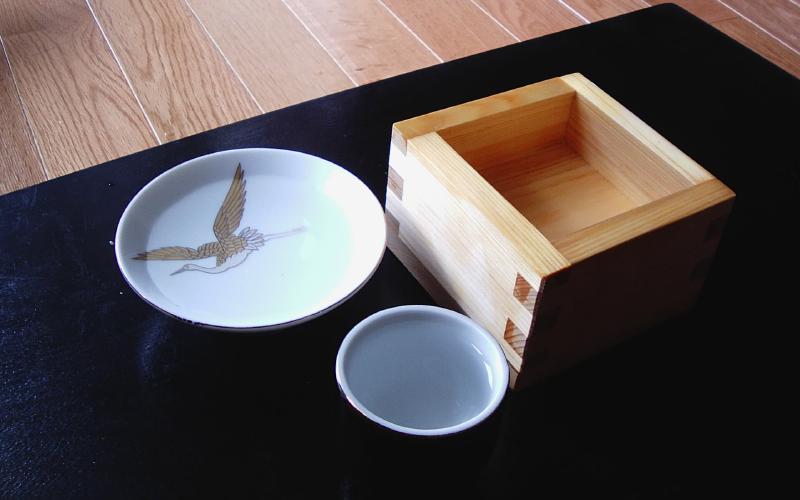
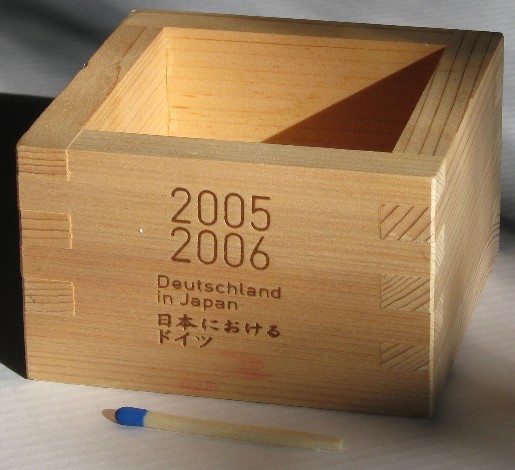
The orthodox way is to order by the go (合), an old volume measure equal to 180 ml, served in a small tokkuri carafe with two or three matching ochoko cups. Ichi-go is one serving, ni-go is two. Pricier or specialist places will often serve by the glass instead, with each pour being around 90 ml, so you can taste two or three different sake in a sitting. The standard sake bottle (the one on a brewery shelf) is 720 ml, called a yongobin; restaurants charge between ¥3,000 and ¥15,000 for one depending on style.

Temperature: the part everyone gets wrong
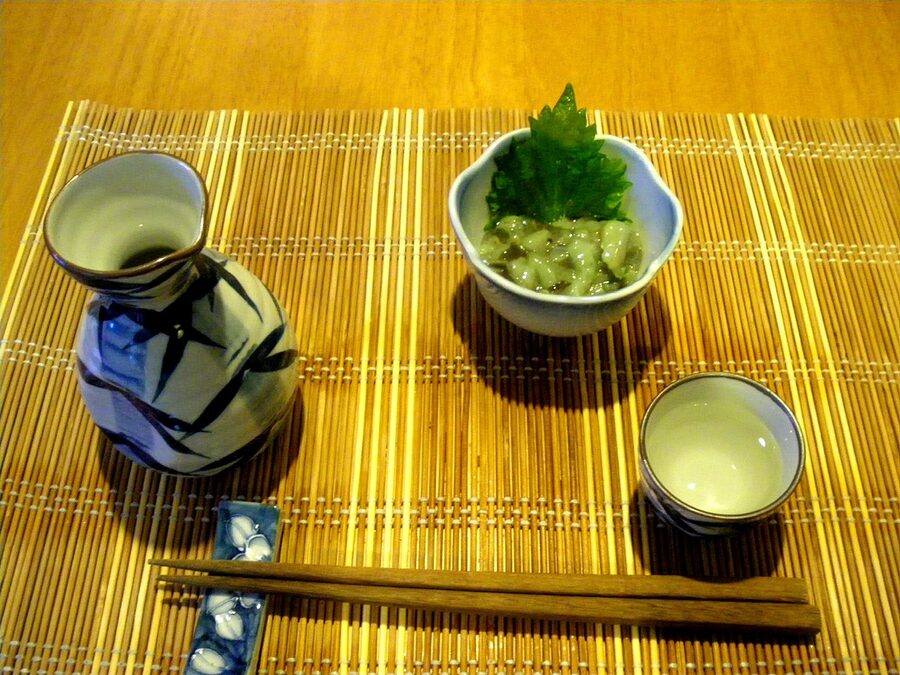
Japanese has at least eight named sake-serving temperatures, from yuki-bie (snow-cold, around 5°C) up through hiya (room temperature) to tobikiri-kan (very hot, above 55°C). You don’t need to memorise them. You need to know two rough rules:
- Aromatic styles cold. Ginjo and daiginjo lose their fragrance when warmed. Order them at fridge temperature, never warmed.
- Body-driven styles flexible. Junmai, honjozo, kimoto, yamahai are good cold, room temperature, or warm. The classic match for warmed junmai is anything fatty and salty: yakitori, fried chicken, oden, miso-grilled fish.
If a menu lists the same sake at multiple temperatures, the brewery’s recommended one will usually be in bigger print. When in doubt at an izakaya, ask the staff: kono sake wa hiya ga ii? atsukan ga ii? (Is this one better cold or hot?). They will have an opinion.

Where to actually sit down
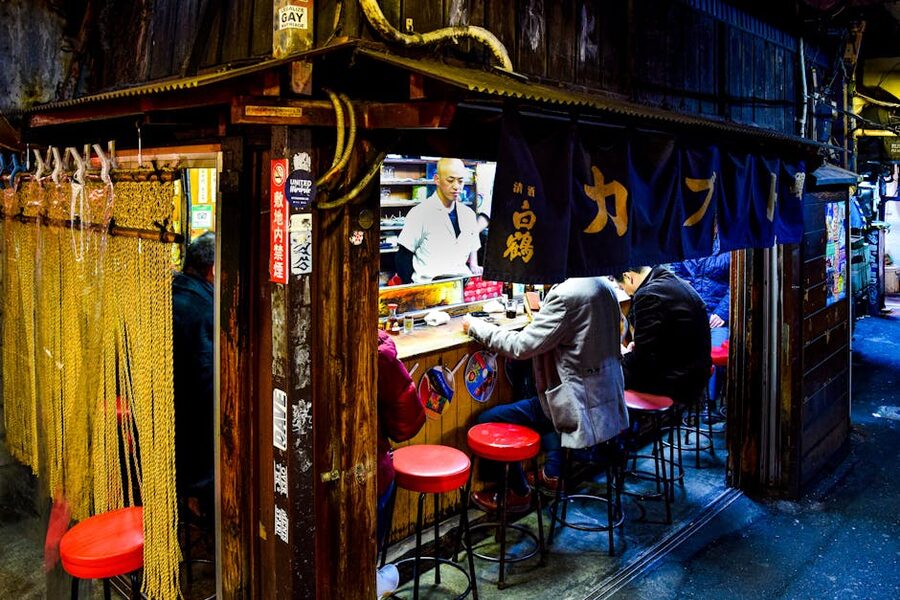
Five rough categories of place, in ascending price and seriousness:
- Tachinomi. Standing bars. Cheap, fast, often excellent sake selection because the operators are sake nerds running a low-overhead room. Glass pours from ¥400. Almost always cash only. Look for them under train tracks (Yurakucho, Shimbashi, Akabane in Tokyo).
- Chain izakaya. Watami, Torikizoku, Shoya, Hub. Wide drinks menus, English picture menus, big chairs, predictable food. Sake selection is lazy; stick to beer or shochu. Useful for groups but you won’t drink memorable sake.
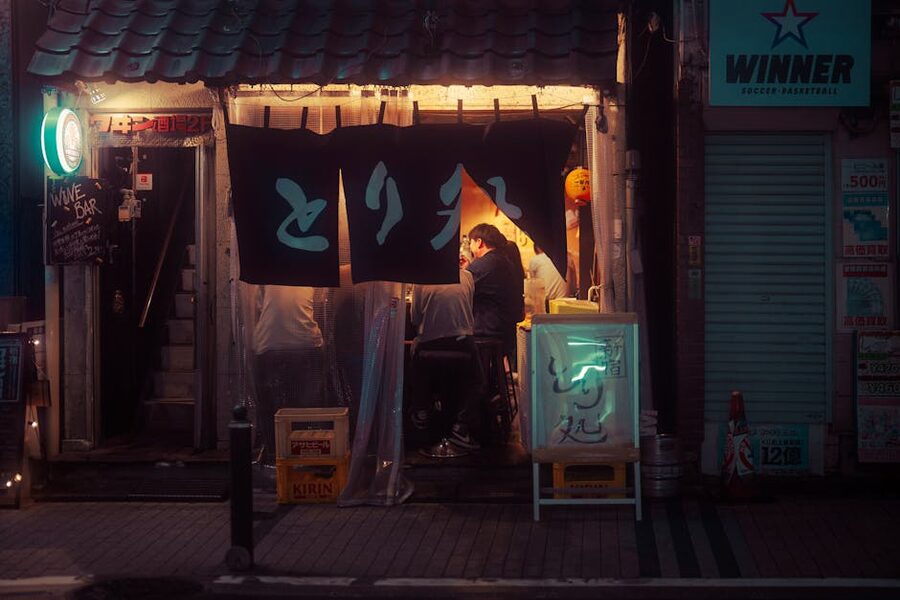
- Independent izakaya. The sweet spot. A 12-seat counter, a chalkboard of seasonal jizake, ten things on the menu, the proprietor pouring. Average bottle ¥4,000–8,000, glass pours ¥600–1,500. This is where you learn what you like.
- Sake bars. Specialist. Twenty to two hundred sake by the glass, no full meals, small snack menu. Best in Tokyo (Shinjuku San-chome, Nihonbashi), Kyoto, Osaka. Reservation often required.
- Brewery tasting rooms. The cheapest premium sake you can drink. Most charge ¥500–1,500 for three to five samples, often with snacks. The Niigata Ponshu-kan tasting machine room mentioned above is the best example, but most regional breweries run their own.
The izakaya etiquette guide covers the practical bits: how to order, the otoshi charge that lands automatically, when cash-only is still the rule, and what to do at the bill.
Brewery visits: how to actually do one
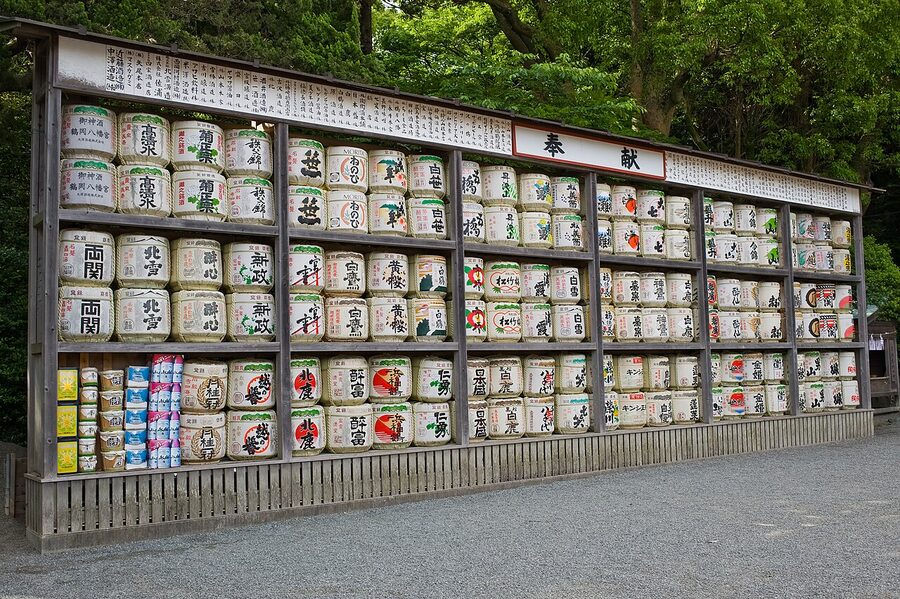
Most breweries fall into one of three categories of visitor experience.
Walk-in friendly
Big-name breweries with on-site museums and tasting bars, set up to handle daily tourists. No reservation needed. Best examples:
- Hakutsuru Sake Brewery Museum (Sumiyoshi, Kobe). Free. 09:30–16:30. Three samples included.
- Kiku-Masamune Memorial Museum (Mikage, Kobe). Free. 09:30–16:30. Closed Mondays.
- Gekkeikan Okura Kinenkan (Fushimi, Kyoto). ¥600. 09:30–16:30. Closed Mondays. Three samples.
- Kizakura Kappa Country (Fushimi, Kyoto). Free entry to the museum, charge for tastings, on-site restaurant. 10:00–15:00 weekdays.
- Niigata Ponshu-kan (Niigata Station). ¥600 for five tokens. 09:00–21:00 (the longest hours of any tasting setup in the country).
Reservation-required tours
Working breweries that run guided tours, usually in Japanese, with one or two English slots a week. Book online at least a fortnight ahead. Examples: Hakkaisan (Niigata), Asahi-Shuzo’s Dassai brewery (Yamaguchi), Tedorigawa (Ishikawa), Suntory’s wide-ranging operations across multiple prefectures. Tours typically run 60–90 minutes, end with a tasting, cost ¥1,000–3,000.
By-arrangement small breweries
The hundreds of family breweries that don’t normally run tours, but will sometimes show a serious visitor around if you call ahead and the toji has time. Worth trying if you’ve made a connection at a sake bar in the same prefecture; not worth cold-calling. The point of a small-brewery visit is to taste things you can’t buy retail, not to do another guided tour.
One travel-logistics warning. Sake tours close December through March in many regions, the exact opposite of what tourists expect. The brewers are working flat out during the cold-brewing season, the floors are wet, the rooms are full of fermenting tanks, and there’s literally no spare staff capacity for visitors. Counter-intuitive but consistent. The ideal visit window is May to October, when the brewing year is over, the tasting rooms are restocked, and the toji is more relaxed.
Food and sake: what actually pairs
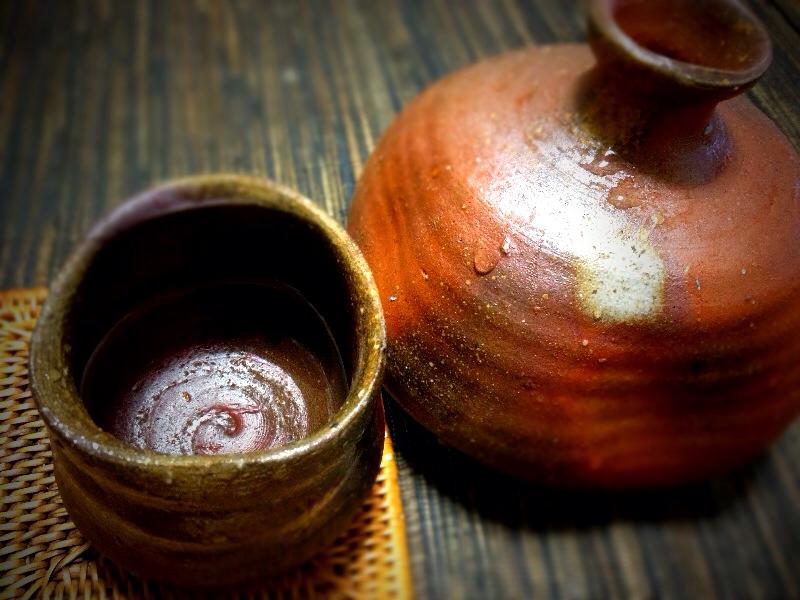

The wine instinct fails badly with sake. Forget red-with-meat, white-with-fish; the categories don’t map. Sake is umami-heavy and acidity-light, and it pairs by texture and intensity rather than by colour. Some practical matches that work:
- Sashimi and nigiri. Light junmai or junmai ginjo, chilled. Anything Niigata-style is a safe bet. Avoid daiginjo with strong fish like mackerel or saba; it disappears.
- Yakitori. Warm junmai or honjozo. The fat needs the warm body of the sake to cut through.
- Tempura. Junmai ginjo at room temperature. The fragrance lifts the lightness of the batter.
- Tonkatsu. Genshu, lightly chilled. The strong sake stands up to the breading and the sauce.
- Oden. Hot kimoto or yamahai. The funky acidity matches the dashi and the daikon.
- Cheese. An aged koshu with hard cheese works astonishingly well. Try it with comté or aged gouda.
- Pickles, miso-grilled anything, fermented soybean dishes. Junmai, in any temperature. The umami-on-umami match is what sake was built for.
The pairing that doesn’t work, despite the postcards, is sake with sushi-restaurant green tea cake at the end. Order a digestif shochu instead, or a beer.
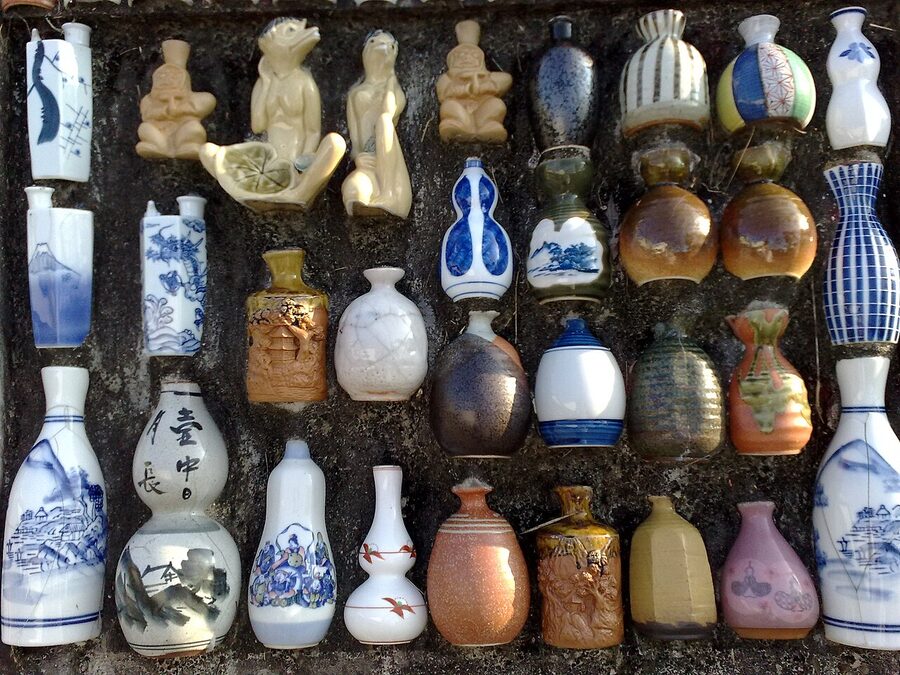

The seasonal calendar
Sake has rougher seasonality than wine, and a traveller can pick when to go partly by what they want to drink.
- Late autumn / early winter (October–December). The new brewing year starts. Hiyaoroshi sake, brewed the previous winter and aged through summer in tank, hits the shops. Round, settled, ideal warmed.
- Deep winter (January–March). Brewing season. The fresh-pressed shiboritate and nama sake of the new year start appearing. Loud, lively, sometimes faintly fizzy. Best chilled.
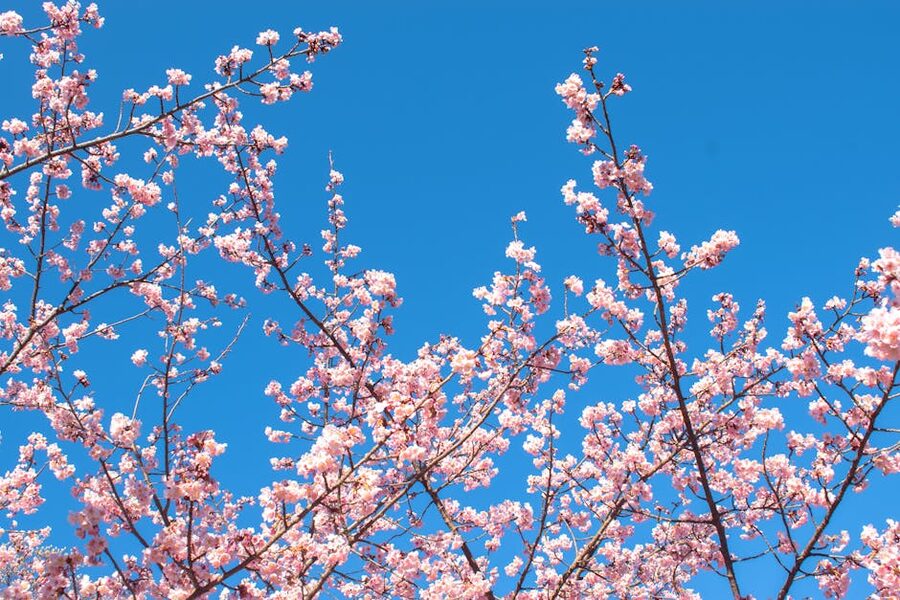
- Spring (March–May). Hanami season. Light, dry sake under cherry trees is the standard. Sake stands open in parks; you’ll see bottles passed around among strangers more than at any other time of year.
- Summer (June–August). Cold sake season. Brewers release light, low-alcohol summer-edition bottles, often with white-and-blue labels. Pair with cold tofu, sashimi, edamame.
- Late summer (September). Hiyaoroshi early releases start. The cycle repeats.
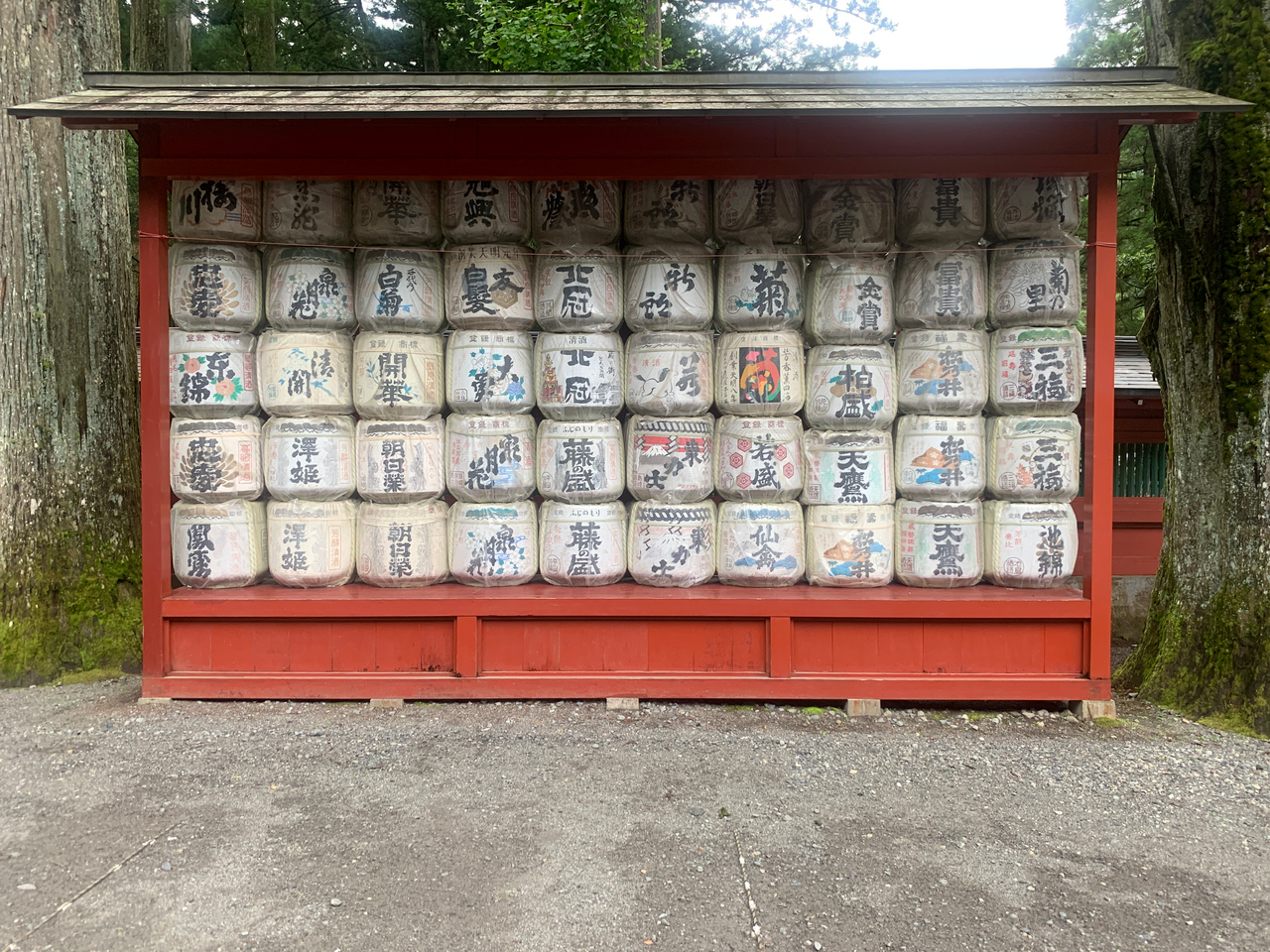

Buying sake to take home
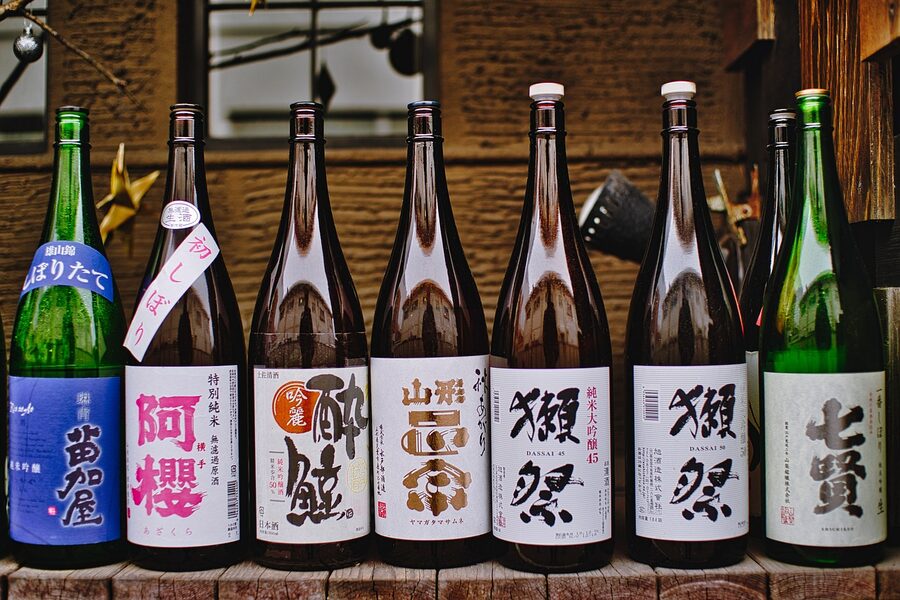
Three rough tiers of where to buy.
- Convenience stores and supermarkets. Cup sake at ¥200–400, mass-market 720 ml bottles at ¥1,500–3,500. Fine for a hotel-room nightcap. Don’t expect to find anything you’d remember.
- Department-store basements (depachika). The sake floor at Isetan Shinjuku, Takashimaya Nihonbashi, or Daimaru Tokyo runs a serious selection with English-speaking staff who’ll often pour samples. Bottles ¥2,500 upward. Reliable, polished, slightly expensive for what you get.
- Specialist sake shops. The right move for a memorable bottle. Hasegawa Saketen at Tokyo Station and at Ecute Shinagawa, Imanishi at Tokyo’s Aoyama, Saketora online for shipping. Bottles ¥3,000–15,000, with rare items going higher. Staff will discuss what you’ve drunk and what you want to try.
Two practical points for the flight home. Most international airlines allow up to five litres of bottled sake in checked baggage if it’s under 24% alcohol, which all sake is. Wrap each bottle in a hotel laundry bag plus clothes and put it in the middle of the suitcase, not against the wall. Or buy it at the airport duty-free, where the selection is smaller but the bottles come in airline-grade packaging.
The famous brands and the ones you should actually try
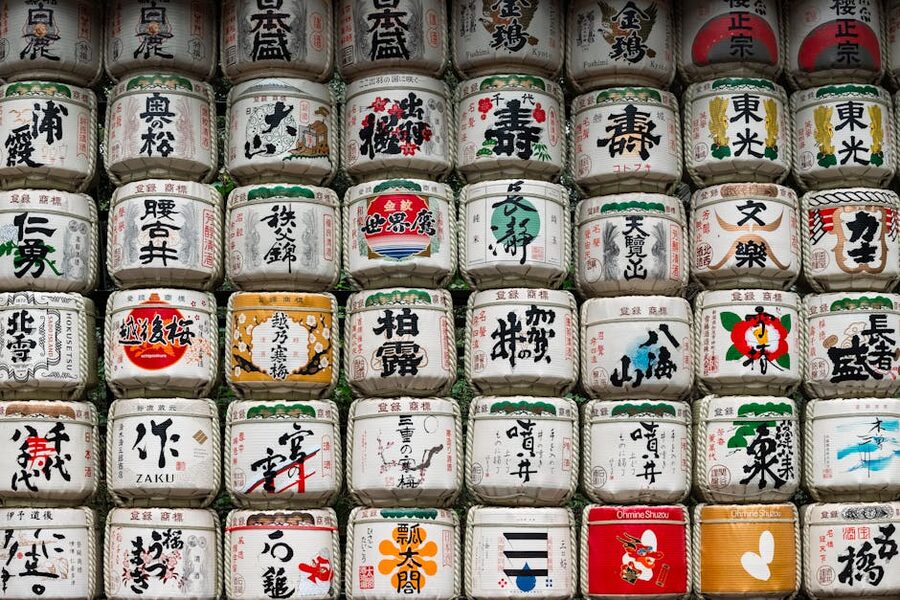
The names you’ll see most often, sorted from “everywhere” to “harder to find”:
- Dassai (Yamaguchi). The international face of Japanese sake. Their entry-level Junmai Daiginjo 45 (¥3,500 for 720 ml in Japan, half the export price) is genuinely good. Worth trying. The 23 (rice polished to 23%) is the show-off bottle at ¥14,000.
- Kubota (Niigata). Made by Asahi-Shuzo. The Senju and Manju lines are the everyday and the special, both Niigata-clean and reliable. Found in any decent izakaya.
- Hakkaisan (Niigata). The other Niigata standard-bearer, slightly softer than Kubota. The Tokubetsu Junmai is the order-this default.
- Koshi-no-Kanbai (Niigata). Cult-status, harder to find, usually at allocation prices. If you see it on a menu, get it.
- Juyondai (Yamagata). The most coveted bottle in Japan. Theoretical retail is ¥5,000; actual retail is ¥30,000+ when you can find it. Worth ordering by the glass at a sake bar that has it; not worth chasing as a bottle.
- Hiroki (Fukushima). Quietly excellent, particularly the Tokubetsu Junmai. Available outside the prefecture but still feels like an insider’s pick.
- Born (Fukui). Aged sake specialists. Their koshu is one of the easiest entries into the aged category.
- Tatenokawa (Yamagata). Modern, fragrant, well-priced. The 18 (Junmai Daiginjo polished to 18%) is the showpiece.
The brand worth ignoring on a trip: any 1.8 litre issho-bin bottle wrapped in a paper bag at a souvenir shop. They’re almost always futsushu, mass-produced for the gift market, and not what you came to Japan to drink.
Sake and the rest of Japan’s drinks
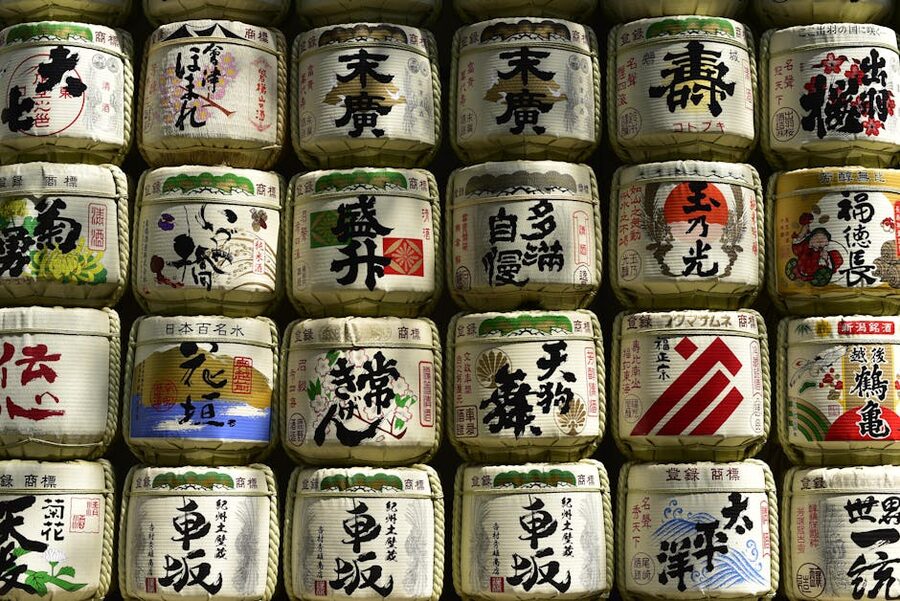
Sake is one drink in a wider Japanese alcohol map. The headlines:
- Shochu is the distilled cousin: stronger (around 25%), made from sweet potato, barley, or rice, and drunk diluted. The southern half of Japan drinks more shochu than sake.
- Awamori is the Okinawan distilled spirit, related to shochu but made differently. See the comparison piece.
- Japanese whisky is the global story of the last twenty years. The full breakdown is in the whisky guide; relevant here only because the same bars often serve both, and the prices have gone the same way.
- Umeshu is plum liqueur, sweet, low-strength, more dessert than dinner drink.
- Beer is what most Japanese people drink most often. The first round at any izakaya is almost always nama biru (draft beer), with sake coming after.
If the trip is a one-cuisine drinking trip, sake earns the focus. If you have two weeks and want to drink across the whole country, do what most Japanese drinkers actually do: beer first, sake with the meal, shochu or whisky with the second round.
A few opinions worth holding
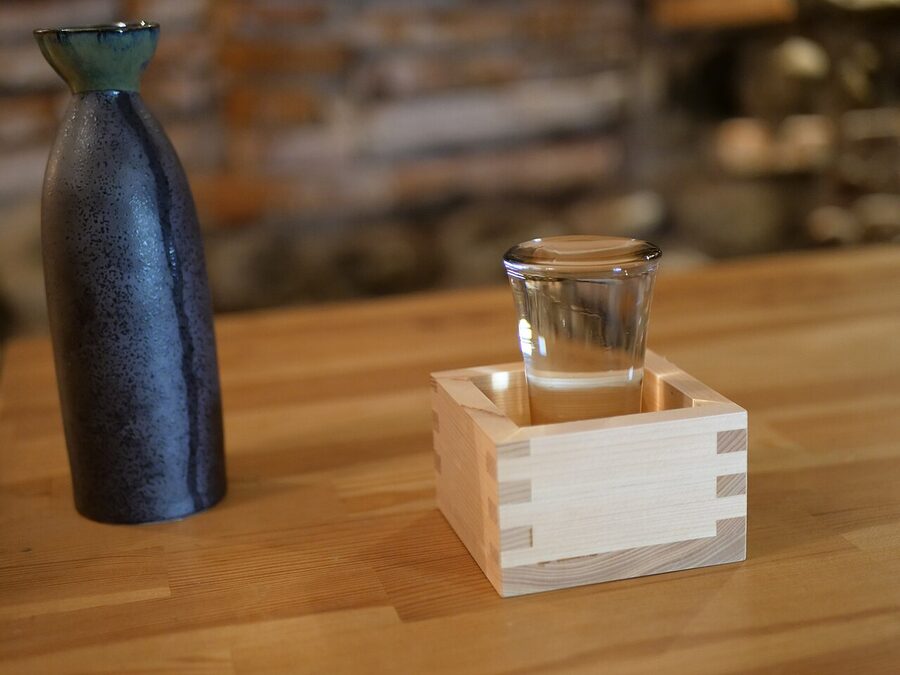

A few takes after a lot of pours.
Skip the daiginjo for your first sake. It’s the showy class, but it’s also the most fragile and the most easily lost on a palate that hasn’t had sake before. Junmai ginjo is the better starting point. You can taste the brewery rather than just the perfume.
Cheaper isn’t always worse, more polished isn’t always better. A ¥2,500 honjozo from a regional brewery, drunk warm with grilled fish, is one of the most satisfying drinks in Japan. A ¥15,000 daiginjo paired badly with the wrong food is a waste of money.
Don’t over-warm. Sake heated above about 50°C lasers off all the aroma. The sweet spot for warm sake (nuru-kan) is around 40°C, body temperature. Microwaving sake in a hotel room to anywhere near boiling is an act of cultural vandalism.
Tasting machines are an underrated sake experience. The Niigata Ponshu-kan I keep mentioning, plus its smaller cousins at Echigo-Yuzawa, at Akita Station, and at the Sake-Kura building in Otaru, are the best-value sake learning per yen anywhere. You can taste twenty bottles in an hour and start to actually feel the regional differences.
Most “sake bars” outside Japan are mediocre. The supply chain doesn’t work for fresh nama or for cult bottles, and what gets exported tends to be the safe, exportable middle. The reason to drink sake in Japan is that you literally cannot drink the same bottles anywhere else.
One last thing
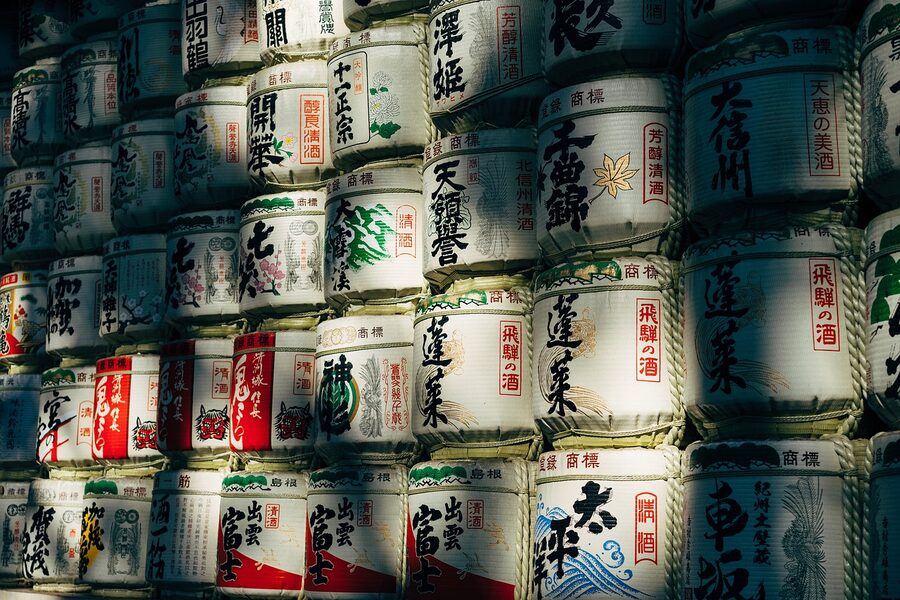
The big trap with sake travel is over-planning. You don’t need a list of ninety bottles to try. You need three or four sittings at counters where someone pours for you, an open question for the staff (kono shiizun no osusume wa?, “what’s your seasonal recommendation?”), and a willingness to drink something you’ve never heard of. The breweries that matter aren’t the ones with English websites. The bottles that matter aren’t on duty-free shelves.
Pick one region, drink there for two days, and you’ll learn more about Japanese sake than any guide can teach you. Pick a counter izakaya in any city, sit down at 19:00, and let the proprietor decide the second pour. That’s the whole game.
 CitiesWhy Tohoku Took Over Japan’s Sake SceneThe trip almost didn't happen. I'd booked an Aomori brewery visit at the end of a rushed week, the second…
 CitiesWhy Kansai, Not Niigata, Is the Sake CapitalHyogo and Kyoto produce more sake than the next eight prefectures combined. Two of Kansai's six prefectures, side by side,…
 FoodWhat to Drink With Sushi in JapanThe third nigiri at Sushi Sho in Yotsuya was where it landed for me. Hokkaido shima-aji, brushed with a single…