Why Kansai, Not Niigata, Is the Sake Capital
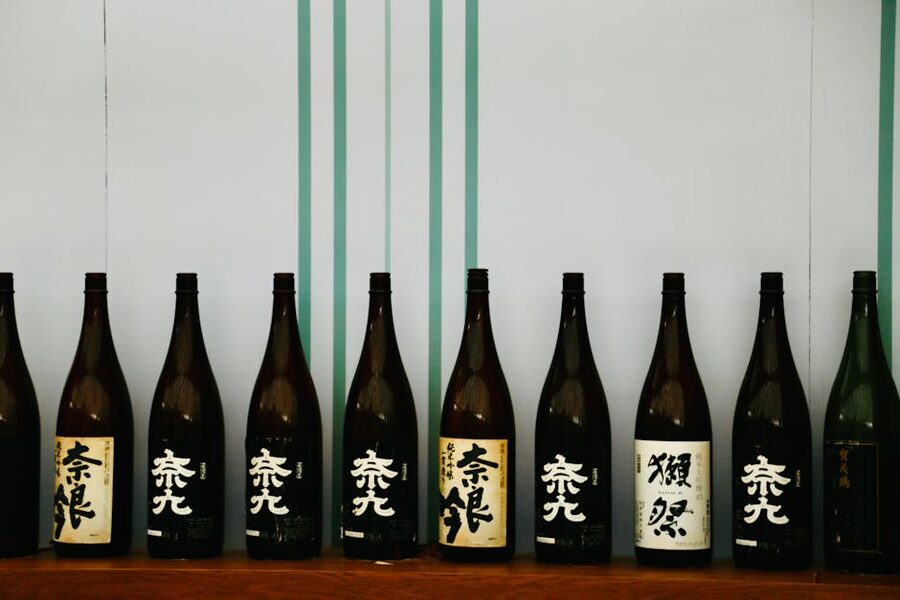
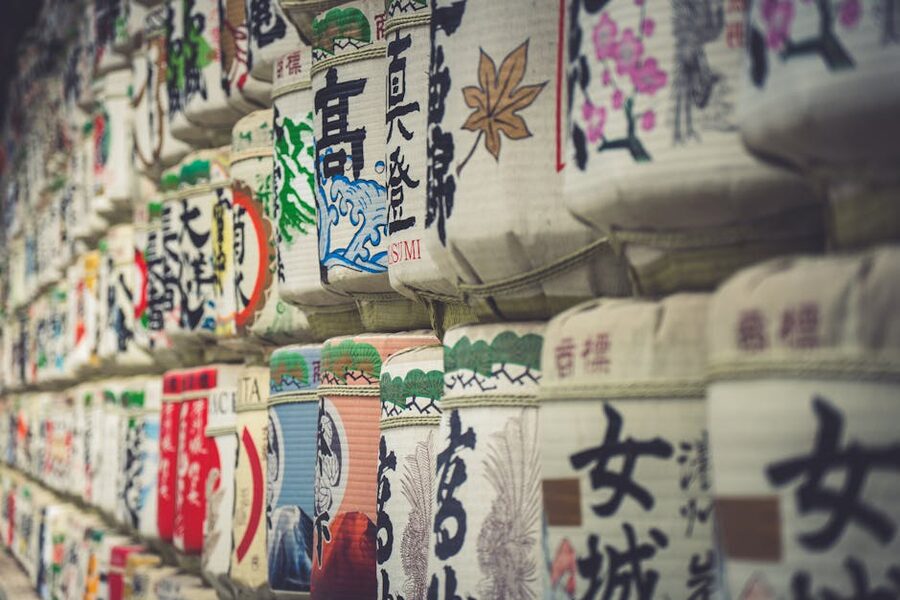
Hyogo and Kyoto produce more sake than the next eight prefectures combined. Two of Kansai’s six prefectures, side by side, brew over half of Japan’s nihonshu in any given year. Most travellers I’ve met think Niigata when they think sake. They’d be wrong about where the country actually makes the stuff. Kansai is the heartland. … Read more
Hokkaido Has More Whisky Distilleries Than You Think

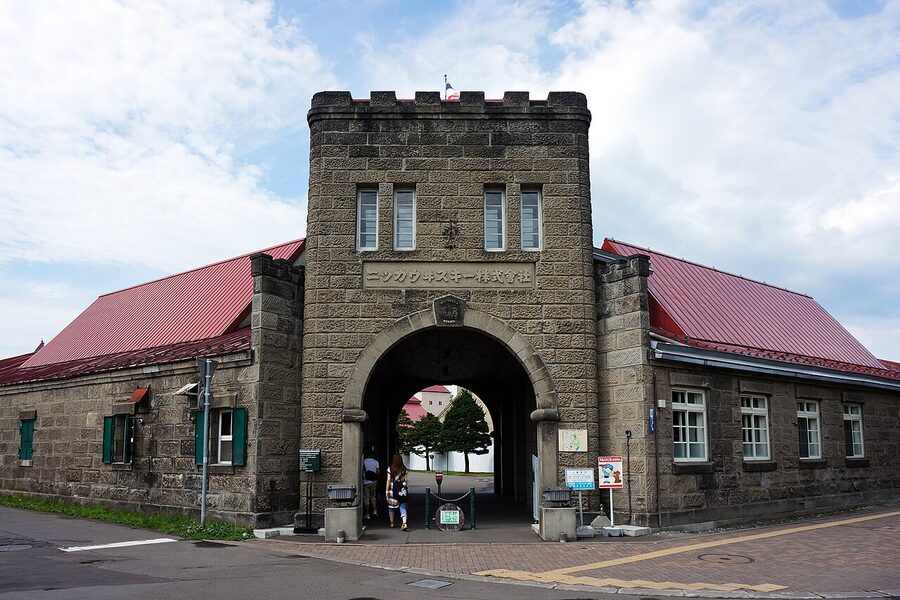
Ask anyone who knows a little about Japanese whisky to name a Hokkaido distillery and they’ll say Yoichi. Push them for a second one and most stop talking. Yet the island has at least four working whisky distilleries with visitor programmes, and the youngest of them sits in ski country running gin alongside its single … Read more

A Shochu Drinker’s Map of Kyushu

The smell hits first. Warm, yeasty, faintly sweet, like bread dough left to rise next to roasting sweet potatoes. Then the humidity, which clings to your shirt within seconds of walking in. Then the sound: the slow blub of moromi mash bubbling in clay pots the size of bathtubs, and somewhere behind a sliding door, … Read more

Why Tohoku Took Over Japan’s Sake Scene

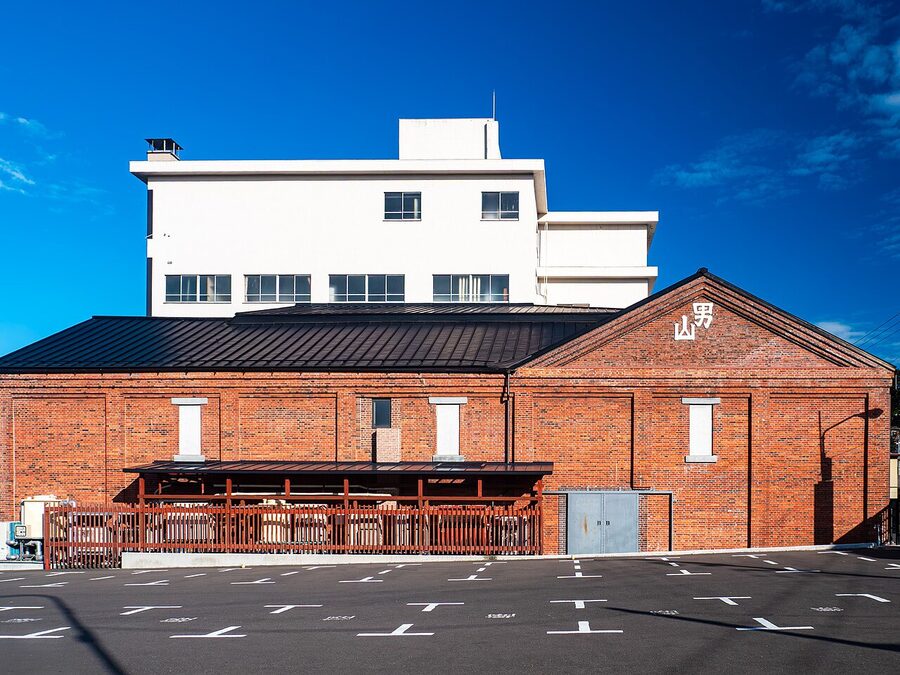
The trip almost didn’t happen. I’d booked an Aomori brewery visit at the end of a rushed week, the second of three trains had run late out of Sendai, and I walked into the brick warehouse of Hachinohe Shuzo apologetic and damp, wanting only to nod my way through the tour and find a hotel. … Read more

Why I Stopped Clinking Glasses in Japan

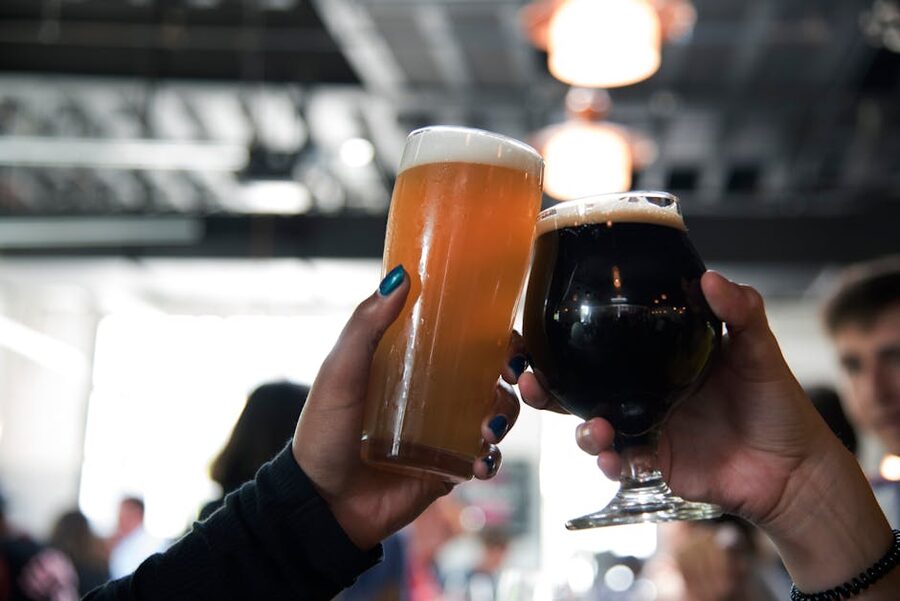
The first time I got a Japanese toast wrong, I was at a wedding reception in Yokohama. Ten of us at a round table, a glass of champagne in front of every plate, and a microphone open to a senior colleague who took ninety seconds to thank his hosts before raising his arm and saying … Read more

Konbini Drinks Are a Whole Trip Strategy

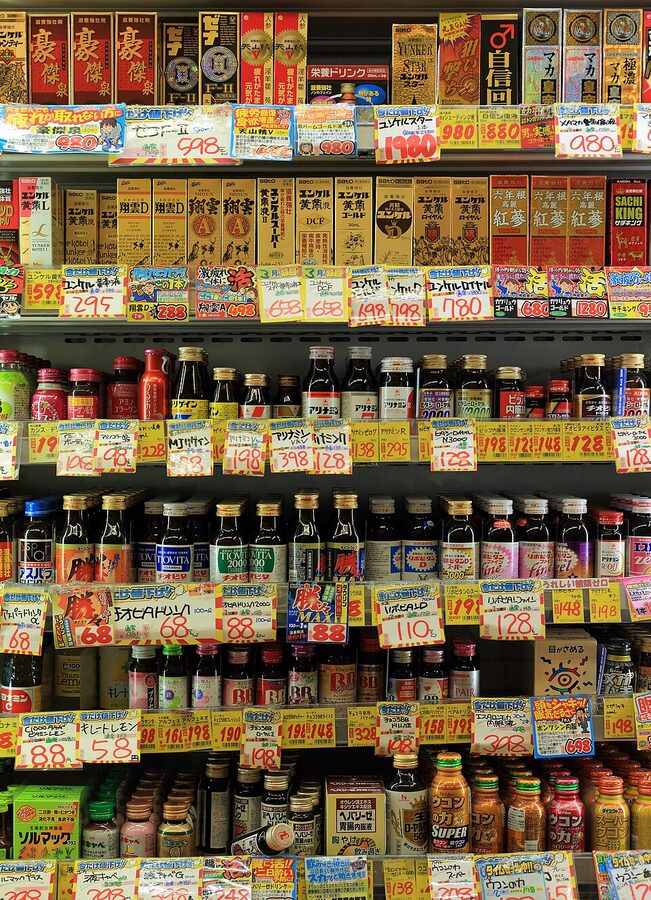
Japan has roughly 56,000 convenience stores. That’s more outlets than McDonald’s has worldwide, and the country sells about a third of the world’s 7-Eleven coffees out of them. The drinks fridge in any one of them runs four metres long, stocks more than a hundred SKUs, and rotates seasonal flavours in and out about as … Read more

Shinjuku After Dark: Where to Eat and Drink

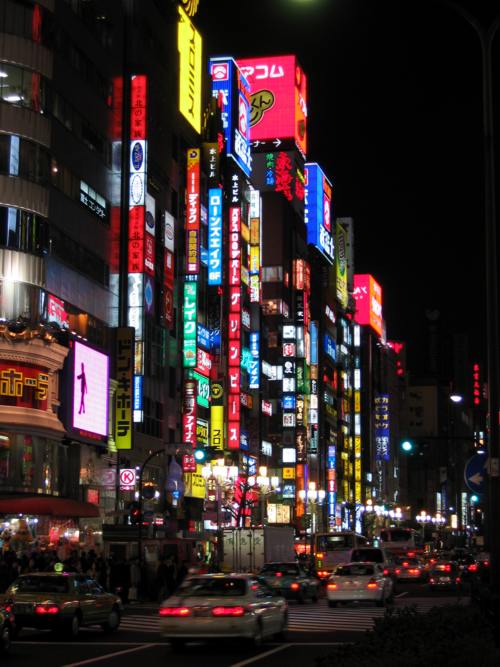
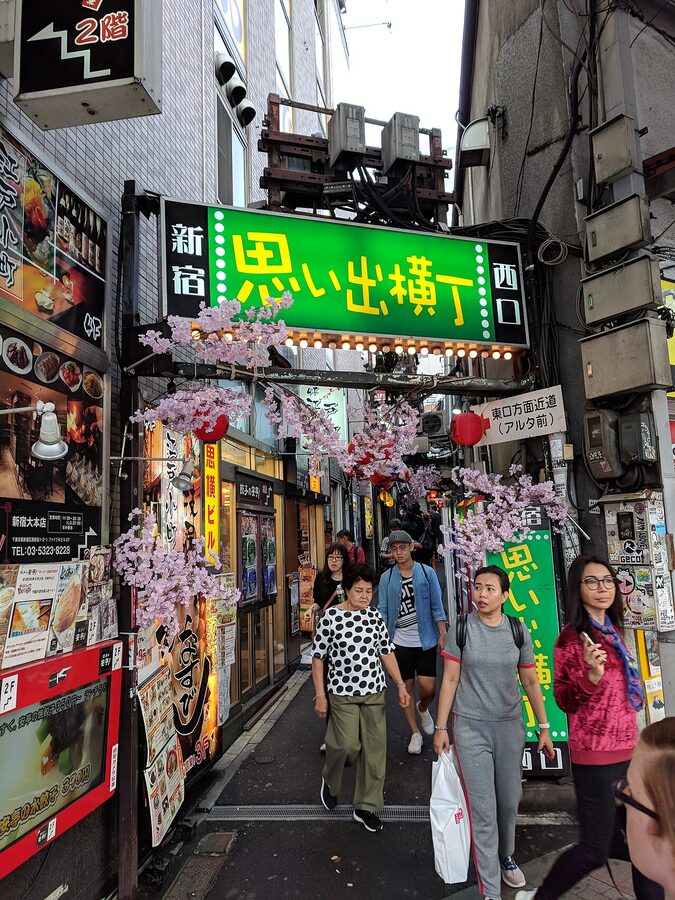
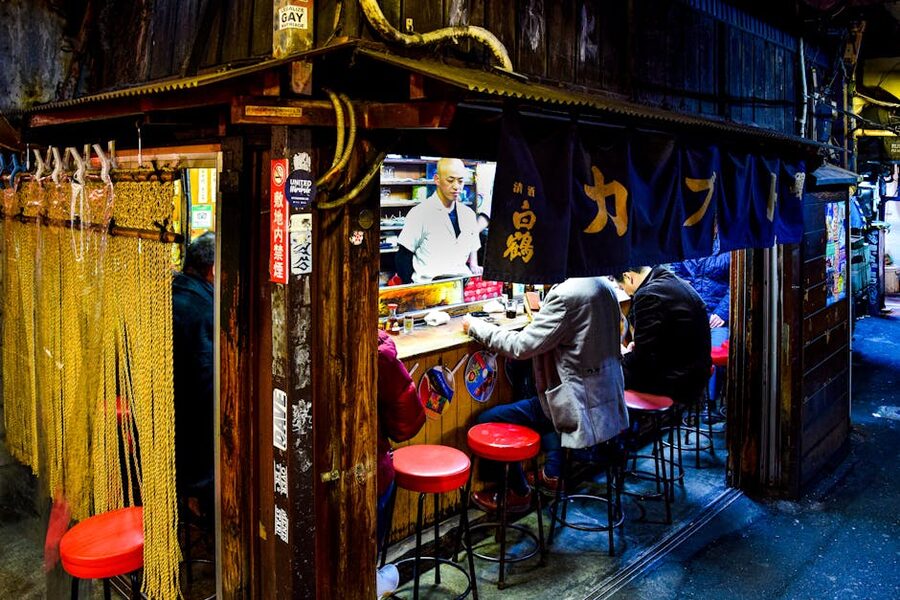
Smoke first, then sound. Charcoal smoke pushing out from under a corrugated awning, mixing with cooking-fat steam and someone’s cigarette. Then the noise: tongs clinking, a ten-second burst of laughter, the staticky beep of an order screen, a salaryman saying otsukaresama three times to someone he’s never met. I’m standing in Omoide Yokocho at 19:30 … Read more

What to Drink With Sushi in Japan

The third nigiri at Sushi Sho in Yotsuya was where it landed for me. Hokkaido shima-aji, brushed with a single drop of soy, the rice still warm. The pour beside it was a junmai from Akita served at room temperature, almost room-cool, in a small ochoko cup. One bite, one sip. The fish stopped tasting … Read more

Yakitori, and What to Pour Beside It

A lemon sour at an Omoide Yokocho stall costs about ¥500. Six counter seats away from the cook, no English menu, you point at a skewer and a cold glass arrives without ceremony. The same drink does not exist on the list at Birdland in Ginza, where an omakase yakitori course starts north of ¥10,000 … Read more

Hot Sake in Japan: A Field Guide to Atsukan

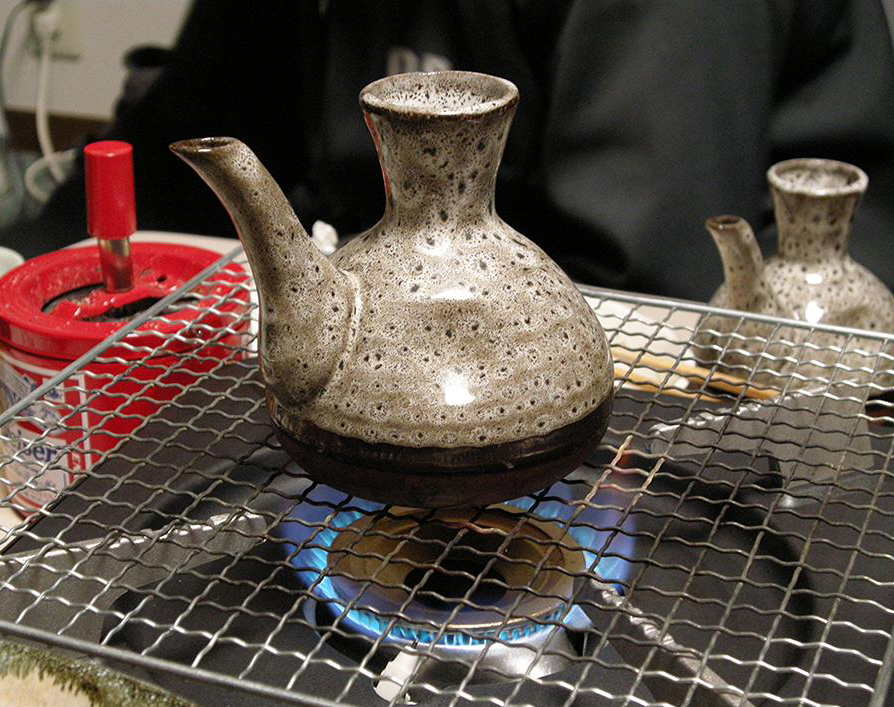
The first time hot sake actually surprised me, the steam came up off the cup before I tilted it, and the smell hit before the heat did. Cooked rice. A whisper of caramel. Something almost mushroomy under the alcohol. Not the sharp clean snap of a cold ginjo. Something rounder, broader, the same liquid wearing … Read more

Drinking Umeshu in Japan: A Traveller’s Guide

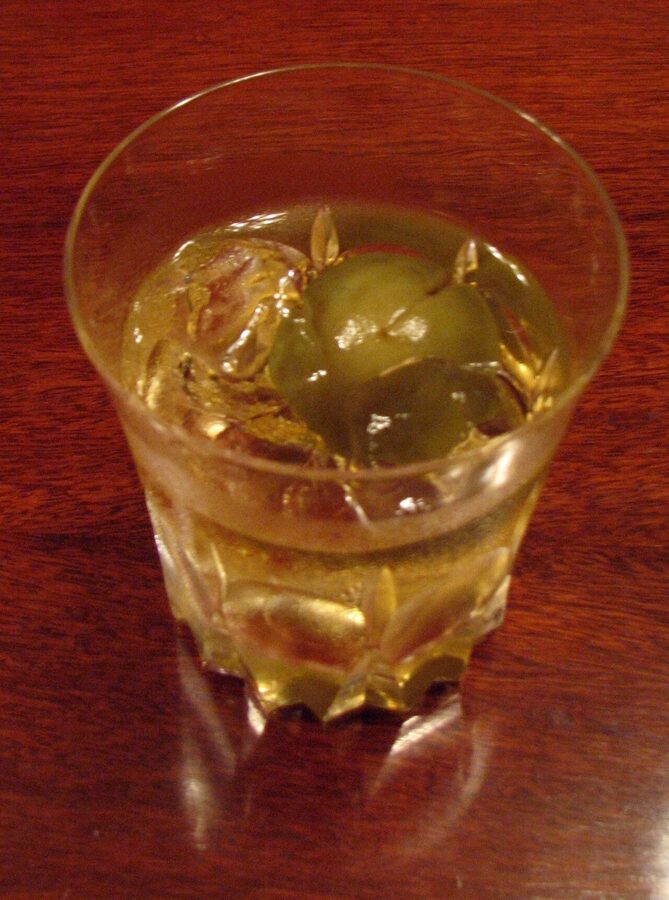
Is umeshu actually wine? Short answer: no, despite the bottle saying so. Long answer is the entire reason this drink is worth a chapter of your trip. I’ve ordered umeshu in shoulder-to-shoulder izakayas in Shinjuku, in a quiet ryokan room above a hot spring in Wakayama, on a rooftop terrace in Osaka, and out of … Read more

What to Eat and Drink in Nagoya

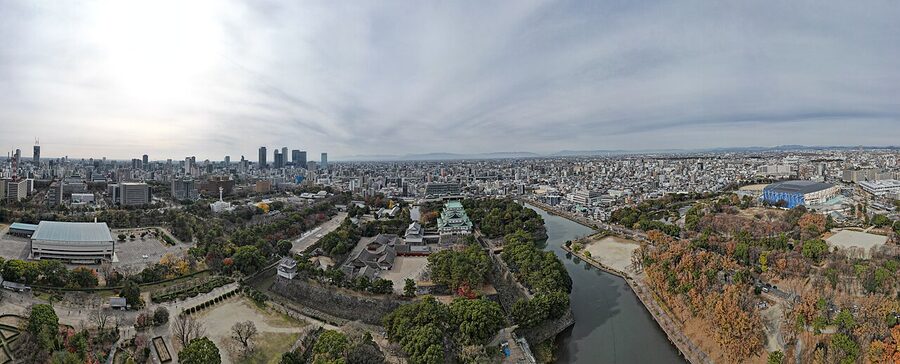
I came into Nagoya planning one meal between Tokyo and Kyoto. I left three days later, full of red miso, with a notebook of bar addresses I still had not visited. The city does not market itself the way Osaka markets street food or Kyoto markets tea. It just feeds you, hard, with a regional … Read more