
The smell hits first. Warm, yeasty, faintly sweet, like bread dough left to rise next to roasting sweet potatoes. Then the humidity, which clings to your shirt within seconds of walking in. Then the sound: the slow blub of moromi mash bubbling in clay pots the size of bathtubs, and somewhere behind a sliding door, the rhythmic bang of a stainless-steel still being washed down. A man in a white smock leans over a tray of steamed potatoes, lowers his nose, lifts it, lowers it again, and writes a single character on a whiteboard. This is the third distillery I’ve been inside today, and I’m still not bored.
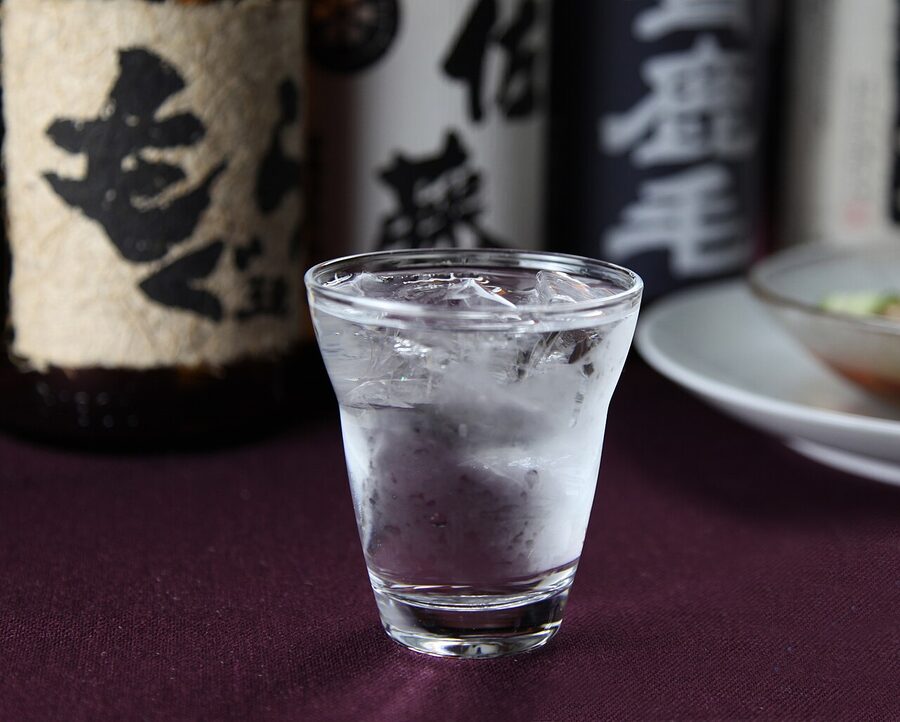
Kyushu is shochu country in a way that Niigata is sake country and Hokkaido is whisky country. Not a polite half-mention on the menu, not a regional speciality you have to ask about. The default. Order alcohol in a Kagoshima izakaya and the first question back is which shochu, not whether shochu. The second question, almost always, is hot water or cold.
This is a route guide for travellers who want to drink the region by going to it, not by reading about it. Five sub-regions, five base ingredients, very different distilleries to walk into. I’ll tell you what to see, what to taste first when you sit down, and the bits that the tourism boards leave out. If you’re shaping a longer trip, the three drinking itineraries piece covers how a Kyushu loop slots into a wider Japan trip.
In This Article
- Why Kyushu, and why shochu
- Kyushu’s five shochu sub-regions at a glance
- Kagoshima: the engine room of imo shochu
- Satsuma Shuzo Meijigura, Makurazaki
- Hamada Shuzo, Satsuma Kinzangura
- Kanosuke Distillery, Hioki
- Where to drink in Kagoshima city itself
- Miyazaki: where the big brands live
- Kirishima Walk Factory
- Sakuranosato Shuzo, Nichinan
- Kuma: rice shochu, 27 distilleries, one valley
- What to know before you go
- The Hitoyoshi base, and where to start
- Kuma’s individual kura, the ones I’d actually visit
- How to drink Kuma rice shochu
- Oita: barley shochu and the brewery on the river
- Iichiko Hita Distillery
- Sticking around Oita
- Amami: brown sugar shochu, an island detour
- A practical five-day Kyushu shochu route
- How to actually book a Kyushu kura
- Drinking shochu, not just touring it
- The four standard pours
- What to eat with it
- The Fukuoka piece you can’t skip
- The other Kyushu shochu trips, the ones I won’t pretend I’ve done
- What you take home
- If you only do one thing
Why Kyushu, and why shochu
Shochu is a distilled Japanese spirit, usually 25% ABV, made from rice, barley, sweet potato, buckwheat, or brown sugar depending on where you are. Honkaku shochu is the single-distilled, ingredient-led version, and that’s what you’ll find at almost every kura you visit. The flavour really does change with the base: a sweet potato shochu from Kagoshima drinks like roasted sweet potato in a glass, a Kuma rice shochu like a clean, slightly malted vodka, an Oita barley shochu like something between a soft whisky and a digestif.

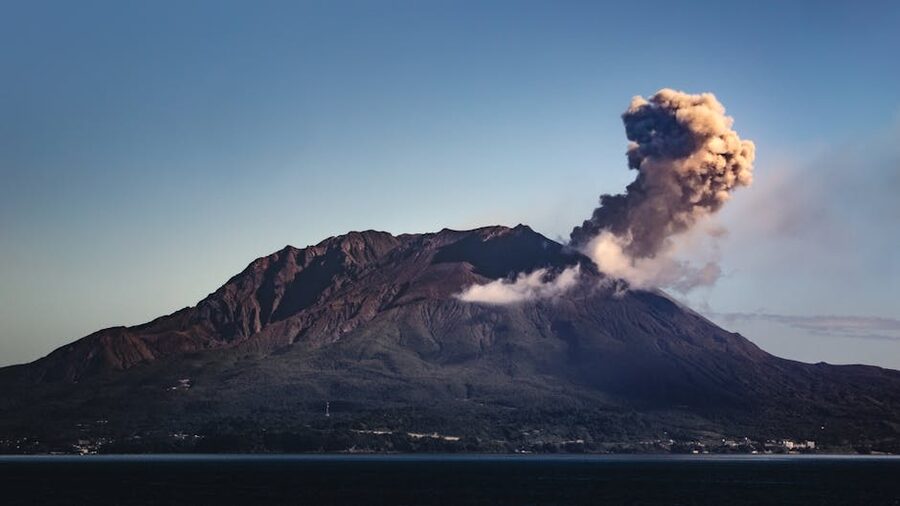
The reason you go to Kyushu for it is volume and concentration. Kagoshima alone has 113 distilleries. Miyazaki next door has another 35-plus. Kuma in southern Kumamoto has 27 working kura along a single river valley. The southern half of Kyushu accounts for almost all the country’s imo (sweet potato) production. Two of the four geographical-indication shochu in Japan, Satsuma (Kagoshima) and Kuma (southern Kumamoto), sit inside this trip.
If you’ve already read the primer on how shochu, sake and awamori differ, this is the next step: where to go and what’s worth a detour. If you haven’t, the short version is that shochu is closer to a rustic eau-de-vie than to sake. It’s a spirit, not a brewed beverage. The difference matters for what you taste.
Kyushu’s five shochu sub-regions at a glance
Some travellers pick one prefecture and go deep. Others want to ride one or two distilleries in each of three places. Either is fine. Pick by what you want to drink, not by which town has the prettiest castle.
| Region | Base ingredient | What it drinks like | Drink it first as | Best base town |
|---|---|---|---|---|
| Kagoshima (Satsuma GI) | Sweet potato (imo) | Earthy, sweet, sometimes faintly perfumed | Hot water cut, 60:40 | Kagoshima city |
| Miyazaki | Sweet potato + barley + buckwheat blend | Polished, lighter, more commercial | On the rocks | Miyakonojo |
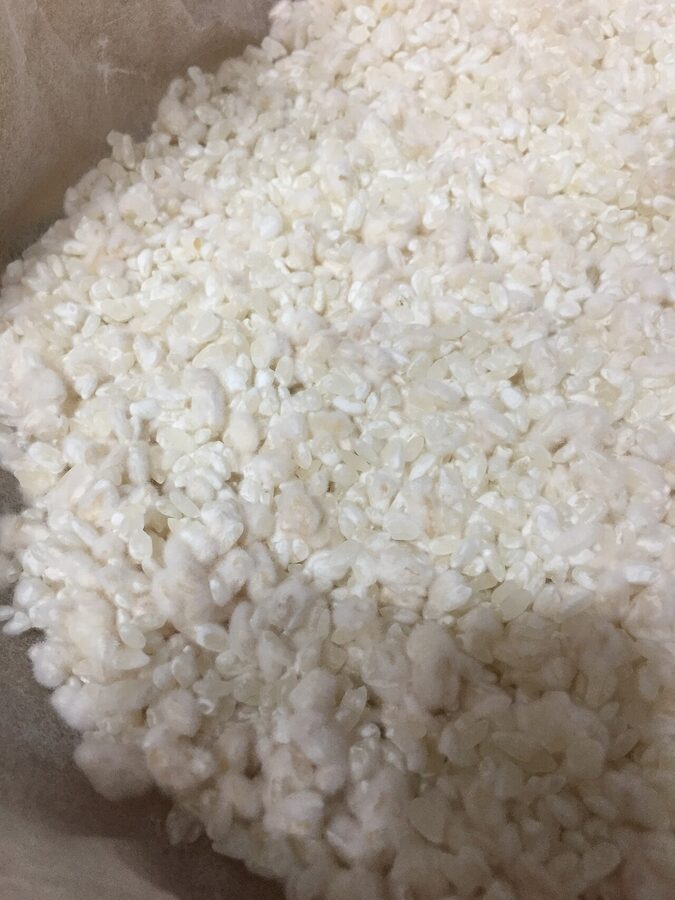
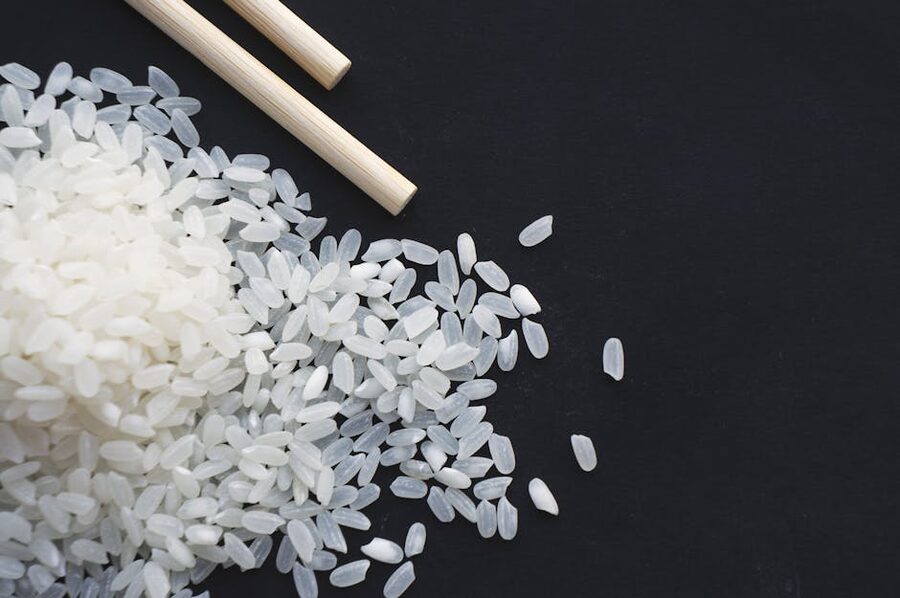
| Kuma (southern Kumamoto, GI) | Rice (kome) | Clean, faintly malty, surprisingly delicate | Direct-flame warm pour from a gara | Hitoyoshi |
| Oita | Barley (mugi) | Toasted, almost whisky-adjacent | Cold soda highball | Hita or Beppu |
| Amami (Kagoshima outer islands) | Brown sugar (kokuto) | Round, lightly molasses-sweet | On the rocks or hot water | Naze (Amami Oshima) |
Five regions, but you can knock out three over a five-day trip if you base in Kagoshima city, drive south through Hitoyoshi to Kuma, then loop north to Hita in Oita. The Amami detour is its own thing. You fly from Kagoshima airport to Amami; nothing connects by train.
Kagoshima: the engine room of imo shochu
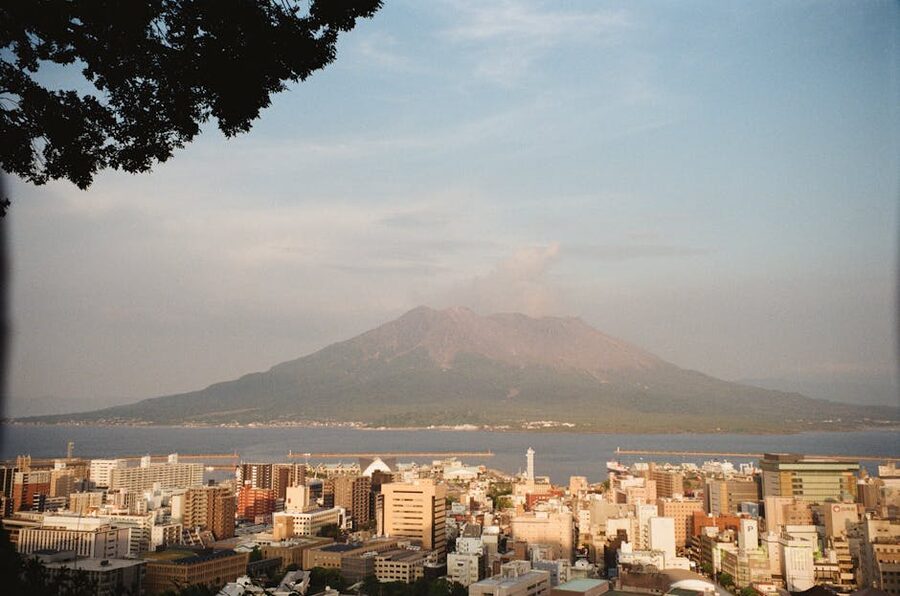
Kagoshima Prefecture is the centre of imo-jochu. Per-capita shochu drinking here is the highest in Japan: roughly 27 litres per resident per year, by the prefectural tourism board’s count. It is quietly extreme. You sit down at a counter at 19:00 and the cup of clear liquid that arrives unannounced is shochu, not water.
The base for a tour is Kagoshima city. The Shinkansen runs from Hakata in 1 hour 20 minutes; the JR Kyushu network covers the rest. Most distilleries open to the public sit either in the western suburbs (around Ichiki-Kushikino), in Aira just north, or on the long Satsuma peninsula running south to Makurazaki and Ibusuki.
Satsuma Shuzo Meijigura, Makurazaki
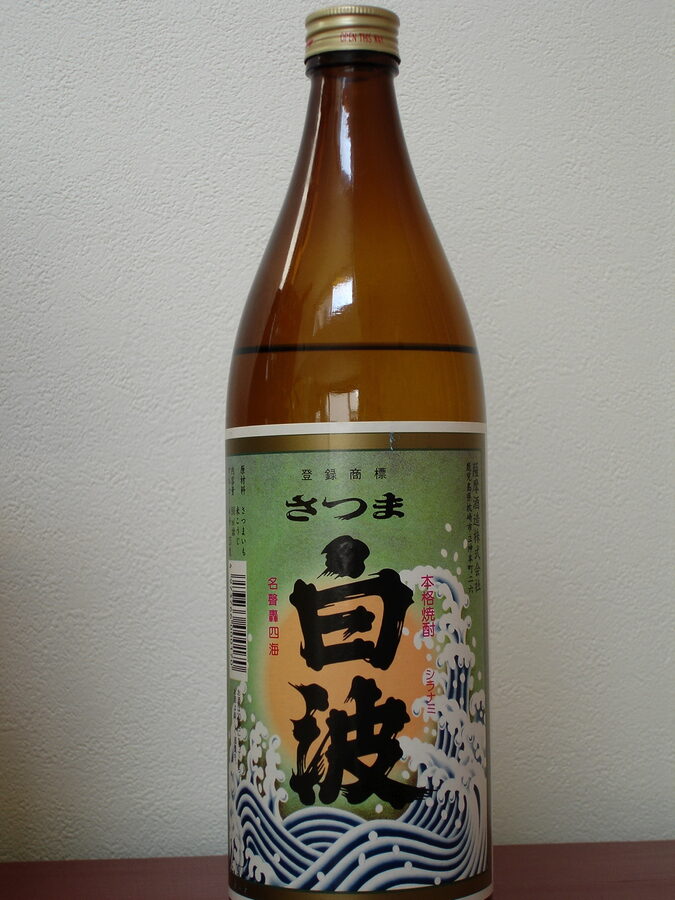
This is the easiest distillery for a first-time visitor and probably the most rewarding to start at. Satsuma Shuzo is the maker of Satsuma Shiranami, the bottle that drove the first national shochu boom in the 1970s. Their visitor kura, Meijigura, is a working hundred-year-old wooden building at the southern end of the Satsuma peninsula in Makurazaki. The 19.9-metre tower in the courtyard gives you a view of the city and, on a clear day, of Yakushima out to sea.
The 15-minute guided tour is free and runs three times a day, with a self-guided option in between. Tasting includes Meijigura-only originals you can’t buy outside the building. You’ll need to reserve by phone at 0993-72-7515; the kura closes 30 December to 3 January and on no other listed day. The address is Tategami-honmachi 26, Makurazaki. Official site for the tour booking page.
What to ask for: the unfiltered first cut, if it’s offered. It comes out at around 36% ABV and tastes like raw sweet potato with the volume turned up. You won’t see it in any normal shop.
Hamada Shuzo, Satsuma Kinzangura
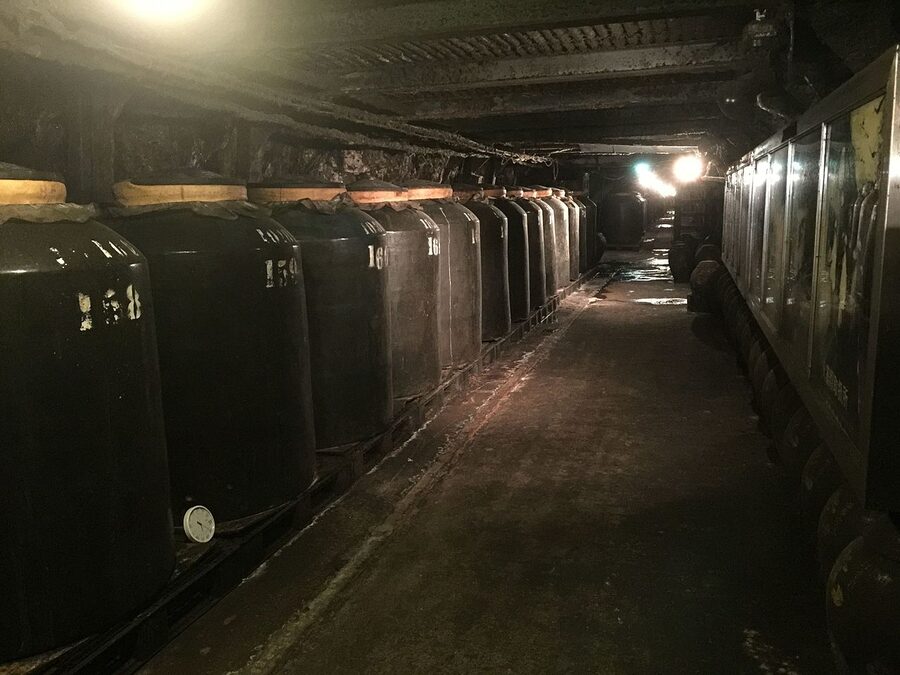
This is a working shochu distillery built inside a former gold mine. The mine ran from the Edo period until well into the twentieth century, and Hamada Shuzo has 120 kilometres of tunnel kept at a near-constant temperature for ageing. You take a small mining train into the hill, see the recreated Edo-era still, then surface in a shop and restaurant complex with a museum on the gold-mining era. Address: Nokae 13665, Ichiki-Kushikino. Hours 10:00–17:00, but uniquely, this kura is open Saturdays and Sundays only. Plan your trip around that.
Hamada also runs two other kura, Denbe and Denzouin, both within fifteen minutes by car. If you’ve rented a car, hopping all three is an easy half-day. By train, Kinzangura is 20 minutes by taxi from JR Ichiki Kushikino Station.
Kanosuke Distillery, Hioki
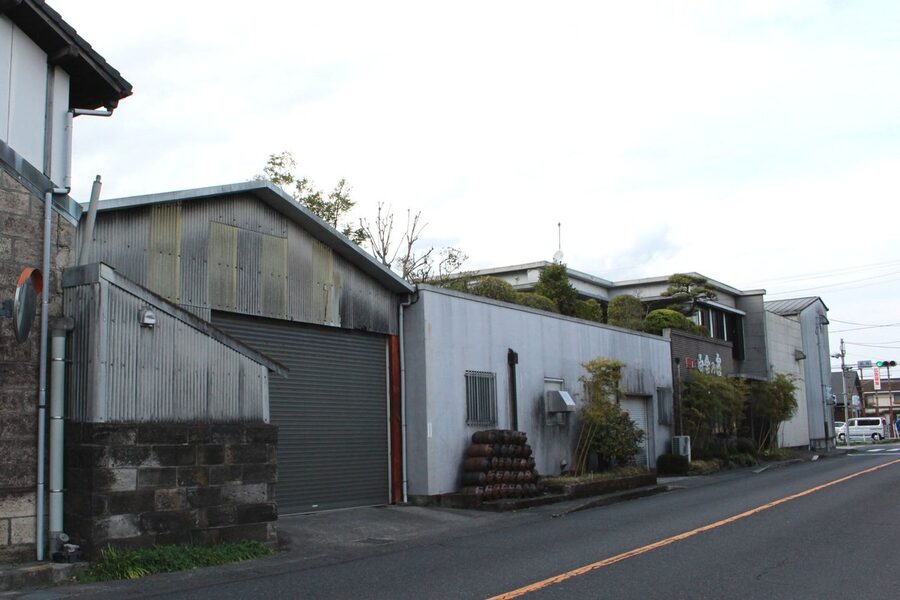
Kanosuke is the modern shochu distillery to put on the route. Komasa Jyozo, the family company behind it, has made shochu since 1883 and opened Kanosuke as their flagship in 2017 on the dunes of Fukiage Beach. The bar runs in a long wood-and-glass building with a view of the ocean. They also produce single-malt whisky in the same complex, which is unusual and worth tasting.
Tours and tastings are paid (book through their site), and the bar pours sweet-potato shochu styles you won’t see at any large producer: rice-koji versions, barrel-aged ones, and the now-famous Komasa banana-noted bottle, which uses a particular yeast strain to give a real banana aroma to a 100% potato distillate. Address: Komenotsu 2 Hioki. Official site.
Where to drink in Kagoshima city itself
.jpg)
If you’ve got an evening, the Tenmonkan area is the obvious place to land. The izakaya rules in Kagoshima play out the same as elsewhere in Japan; if you haven’t drunk in one before, the izakaya etiquette piece is short and saves you the obvious mistakes. Look for places that say 焼酎ばー or just have ten or more open bottles on a shelf. Order an oyuwari, hot water cut, 60:40 in favour of the water. The barman pours the hot water in first, then floats the shochu on top: the order matters because the convection mixes the two without stirring and brings out the aroma. Pair it with kibinago, the local silvery sashimi, or with satsuma-age fried fish cake.
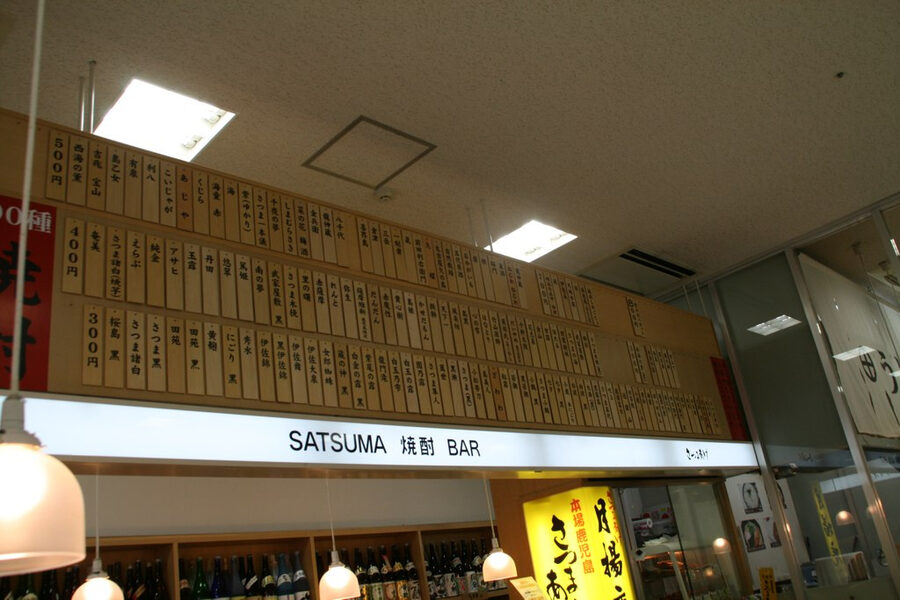
The SATSUMA Shochu Bar inside Kagoshima Chuo Station is a smart fallback if you’re killing time before a train. It pours small samples from across the prefecture, around ¥300–500 a pour. Not a destination, but a useful flight before you commit to dinner.
Miyazaki: where the big brands live
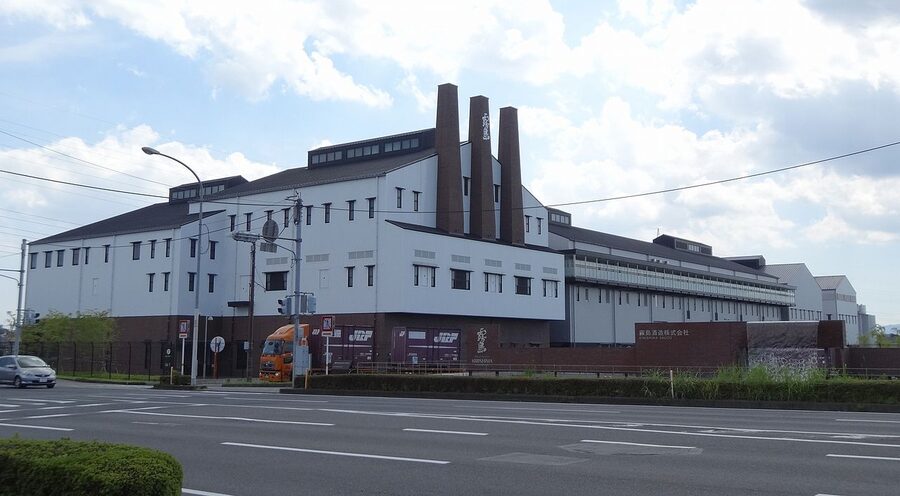
Cross the prefecture border into Miyazaki and the scale changes. This is where the country’s biggest shochu makers built their main plants, fed by groundwater from the Kirishima mountains. The shochu here is more polished and more commercial than in Kagoshima, but it’s also where you can see the actual industry at work, with conveyor belts, automated bottling, and the kind of stainless steel that doesn’t exist in a small kura.
Kirishima Walk Factory
Kirishima Shuzo, founded in 1916 and famous for the Kuro Kirishima black-koji imo-jochu, runs a visitor centre called Kirishima Walk Factory in Miyakonojo. You walk through the real fermentation and distillation floors with English signage. The complex includes a restaurant, a shop, a bakery, and a beach park. Hours 9:00–17:00; the factory tour itself runs five times a day from 10:00 to 16:30, last entry 15:30, advance reservation required. Address: Shihida-cho 5480, Miyakonojo. The interactive exhibits, including a wall on distilled-spirit history and a sweet-potato sniff station, are aimed at visiting school groups but are still good fun.
Pair this with a stop at the Aya kura by Unkai Shuzo (綾自然蔵見学館), about 90 minutes’ drive west of Miyakonojo. Unkai was the first Japanese maker to commercialise soba-jochu, buckwheat shochu. The complex has a winery, a bar, a glass-art studio, and free tastings. Reservation required at least one day ahead. Closed Mondays and Tuesdays.
Sakuranosato Shuzo, Nichinan
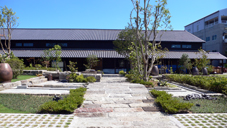
Down on the southern Miyazaki coast, Sakuranosato Shuzo runs an unusual brick storehouse holding 5,500 large clay jars (kame) for ageing. The interior surface is unglazed, which lets the spirit breathe and rounds out the texture. The on-site Shochu Dojo runs a custom-blend session: you taste raw spirits from different bases, pick a combination, label your bottle by hand, and walk out with a one-of-one. Hours 10:00–16:00, reservation required. Address: Gounohara-Ko 888, Kitago, Nichinan. Closed Mondays and Tuesdays.
Miyazaki’s distilleries are easier and more polished than Kagoshima’s. They’re better for first-timers; they’re also less weird. If you only have one shochu day in your whole Japan trip, do Kagoshima. If you have three, Miyazaki earns one of them.
Kuma: rice shochu, 27 distilleries, one valley
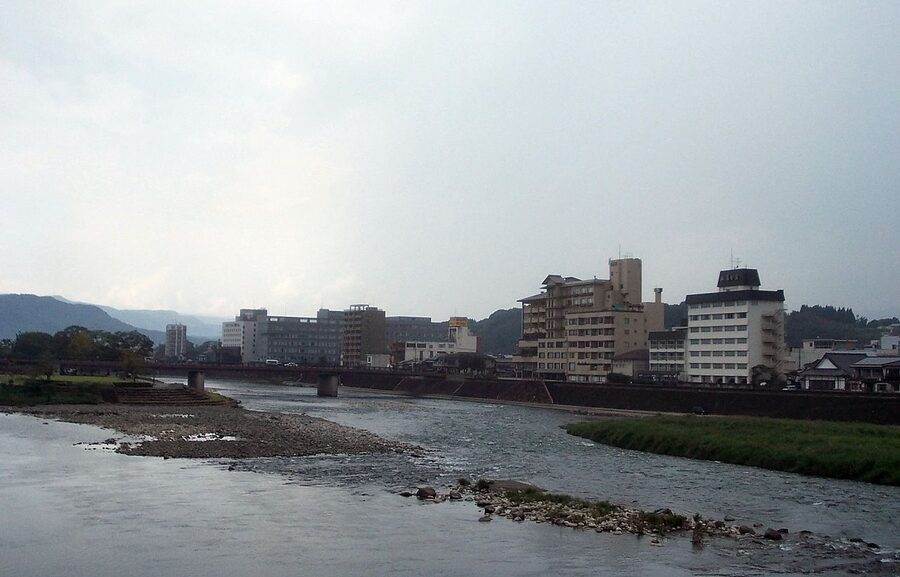

Kuma is the most concentrated and the most distinctive sub-region on this trip, and the most likely to feel like the side of Kyushu most travellers miss. The Hitoyoshi-Kuma basin in southern Kumamoto sits along the Kuma River, between two mountain ranges, with 27 working kura strung along a thirty-kilometre stretch. They make rice shochu, exclusively. They’re the holders of the Kuma GI, granted by the WTO in 1995, the second of the two Japanese shochu GIs.
The earliest documented mention of rice shochu in Japan is in a 1546 letter from a Portuguese trader in Ibusuki, written to Francis Xavier, describing “a beverage made from rice that all classes drink”. Rice shochu plausibly predates sweet-potato shochu in Kyushu by about 250 years; sweet potatoes only arrived in Japan around 1795.
What to know before you go
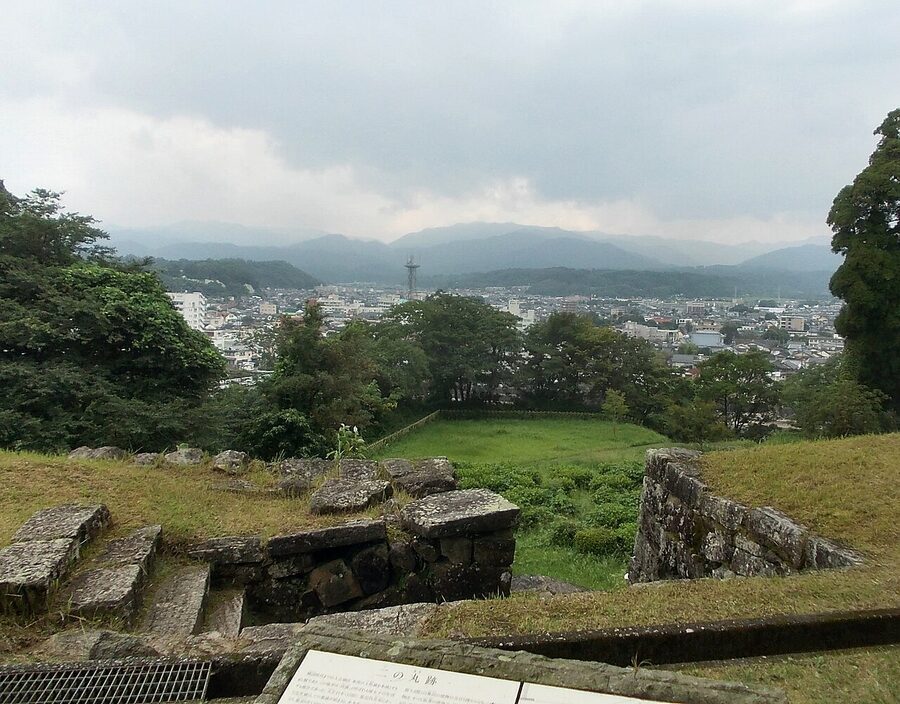

The Kuma Shochu Tourism Council (球磨焼酎蔵ツーリズム協議会) coordinates booking across thirteen of the kura plus a number of inns and the local rail company. Reservations are made through their booking site or by phone at 0966-22-2374. Plans are paid and run from a tasting comparison (around ¥1,000 for three pours) through label-making (~¥2,200 with bottle) up to a full second-mash hands-on session. Official site in English for booking.
July 2020 floods damaged a number of these kura badly. One is still closed. The rest have rebuilt. Don’t ask anyone in Hitoyoshi about the floods unless they bring it up.
The Hitoyoshi base, and where to start
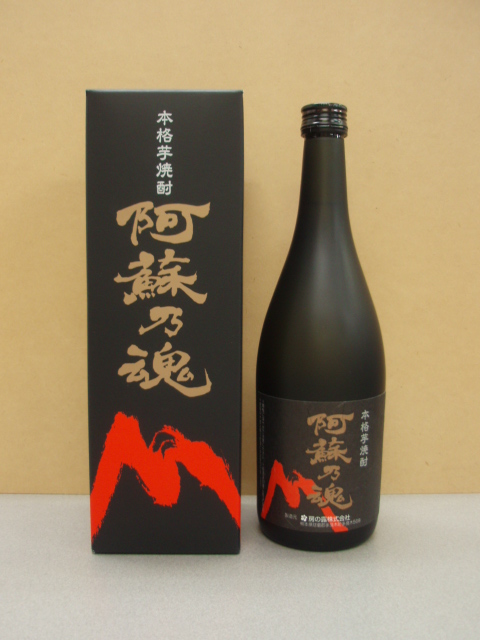

Hitoyoshi station is the obvious base. From Kumamoto city, the JR Hisatsu line runs in about 90 minutes; the limited-express Kawasemi Yamasemi makes the run a couple of times a day in season. Once you’re in, walk to Ichigoya (一期屋) on Shin-machi 15-5 first. It’s a 130-year-old sake-mise that now stocks every Kuma kura’s full line. The shop sorts the inventory by distillation method (atmospheric vs. reduced-pressure) and barrel-ageing, with English-readable type cards. You can buy a ¥110 sampling token and try thirty-plus different bottles in 30ml pours from the wall, or pay ¥1,000 for a guided three-pour comparison. They also do a label-making session by reservation. Hours 10:00–18:00, closed Wednesdays.
If your time in Kuma is short, this is the single highest-value stop. You’ll come out understanding what rice shochu actually tastes like across producers in a way no kura tour can give you.
Kuma’s individual kura, the ones I’d actually visit
From the Kuma list, the four most worth a slot in a half-day:
- Yamato-ichi Shuzo (大和一酒造元), Hitoyoshi. Founded 1898. Built on a hot-spring source, so they make a hot-spring-water rice shochu (Onsen Shochu Yume) and a milk shochu (Bokujo no Yume) that nobody else does. The kura tour is ¥1,000 without a tasting flight, ¥1,500 with. Reservation required.
- Joraku Shuzo (常楽酒造), Nishiki. Established 1912. Was the first in the valley to barrel-age rice shochu. The barrel cellar holds about 750 casks. They’ve started making a rice whisky (Joraku) that drinks halfway between barrel-aged shochu and a young single malt.
- Sengetsu Shuzo, Hitoyoshi. The big-volume Kuma maker. Sengetsu’s basic bottle is in every Kumamoto izakaya and is what most locals are pouring at home. Tour by reservation.
- Takahashi Shuzo, Hitoyoshi. Best known for the Hakutake Hakatsuru rice shochu. Online booking through the tourism council.
How to drink Kuma rice shochu
Order a chukku (a small ceramic flask) of rice shochu and a gara-choku set. The gara is the flask, the choku the tiny cup. The traditional Kuma method is to warm the gara directly over a small flame at the table, then pour into the choku, and drink in tiny sips between bites. Most country izakaya in Hitoyoshi have the equipment ready; you don’t need to ask for anything special.
If hot doesn’t appeal, drink a Kuma rice shochu cool over a single rock, no soda, no water. The texture is closer to a clean white spirit than to anything sake-like, and it doesn’t need extending. For a comparison framework on what hot vs. cold does to a spirit’s flavour, the field guide to atsukan covers it from the sake side and the principles map straight across to rice shochu.
Oita: barley shochu and the brewery on the river
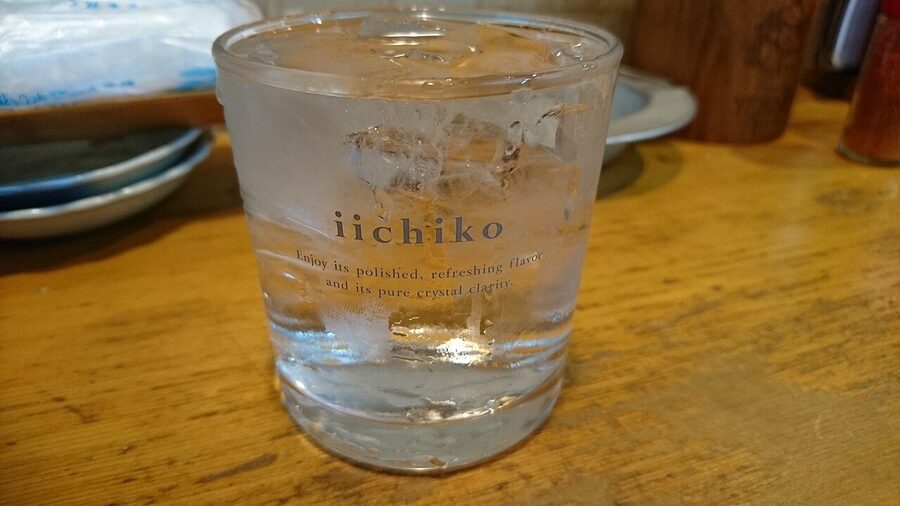
Oita is the country’s biggest mugi-jochu (barley shochu) producer, and Iichiko, made by Sanwa Shurui in Hita, is its flagship. Mugi shochu drinks lighter and more aromatic than imo, with a toasted-grain note that gets noticeably whisky-adjacent when the barrel-aged versions are involved. If you came to Japan for whisky and ended up curious about shochu, Oita is the easiest bridge between the two.
Iichiko Hita Distillery
.jpg)
The Hita plant is large, modern and surprisingly photogenic. It sits on the Mikuma River, and Sanwa runs free shuttle pickups from Hita station for the Saturday-only public tours. Reservations open about a month ahead through Iichiko’s site and fill within hours. The tour takes you through malt-floor barley, koji rooms, distillation, and the Frasco line which is bottled exclusively for the on-site shop. Plan a weekend if Iichiko is the reason you’re going to Oita. Official site in Japanese; English booking is via the Hita tourism council.
If you can’t get a tour slot, the Iichiko bar at Beppu Station is a fair fallback. Six pours of the range, no booking needed, around ¥500 each.
Sticking around Oita
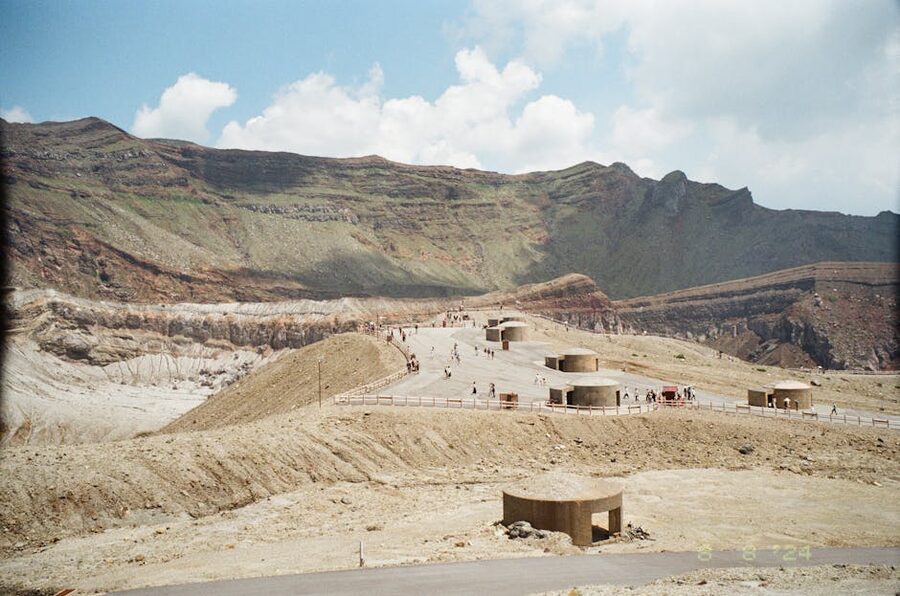
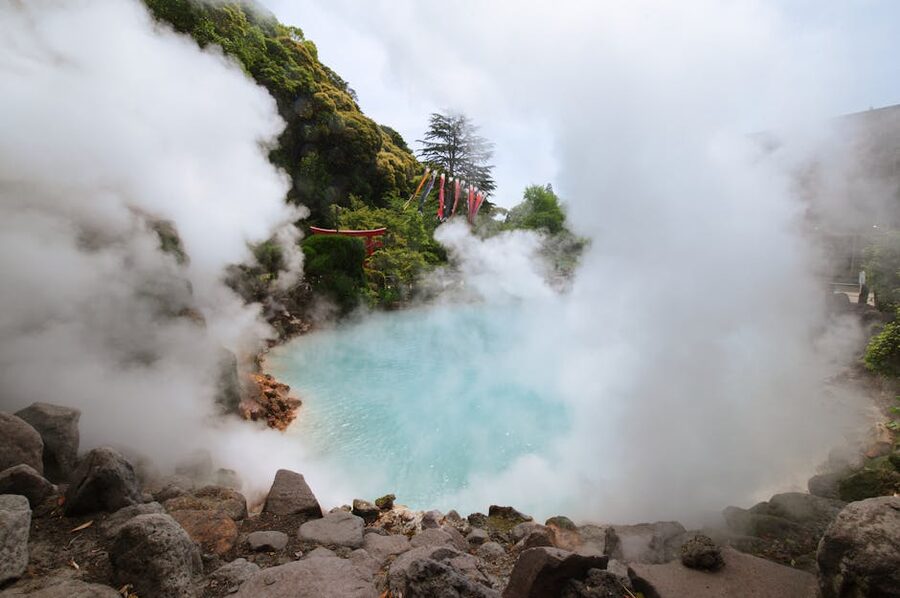
Beppu and Yufuin are the obvious overnight stops. Beppu is the louder, working hot-spring city; Yufuin is the smaller, more polished one with the canal-and-ryokan look. Either works. The eight Beppu hells (jigoku) are 20 minutes from the station and are one of the few onsen attractions where you don’t bathe; you look at boiling sulphurous pools. Drink a cold barley shochu highball at any izakaya around the station after to flush the egg smell out.
For more on hot-spring ryokan drinking culture (which is its own discipline), see what to drink at an onsen ryokan, and when.
Amami: brown sugar shochu, an island detour
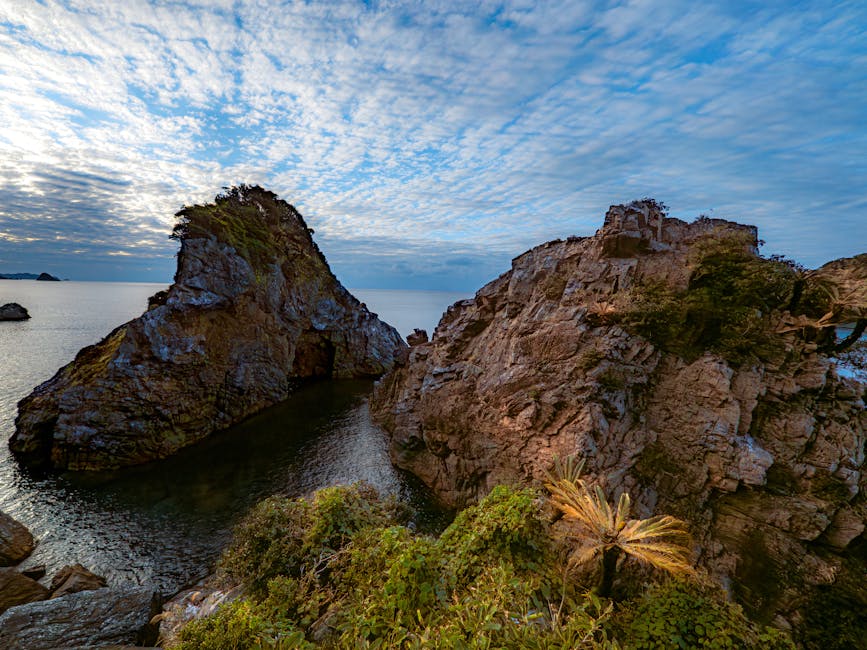
This is the regional outlier. Kokuto-jochu, brown-sugar shochu, is made only on the Amami islands south of Kagoshima city. By Japanese tax law it’s the only place in the country where it can legally be called shochu rather than rum, an exemption granted in 1953. It drinks rounder and slightly molasses-sweet, lighter than imo, with no rum-style heat. There are seven small kokuto kura on the islands, all fairly easy to visit.
Getting to Amami is the catch. There’s no train, no road bridge. Fly from Kagoshima airport (~55 minutes) or take the ferry (~12 hours overnight). If you’re already going to Okinawa, an Amami stopover slots in: see how to drink awamori on a trip to Okinawa for the longer southern-spirits picture.
Skip Amami if your Japan trip is two weeks or under. The brown-sugar style is a treat, but the logistics for a three-day island side trip eat real time. Buy a bottle of Asahi or Lento at any decent shop in Kagoshima city and you’ll get the flavour.
A practical five-day Kyushu shochu route
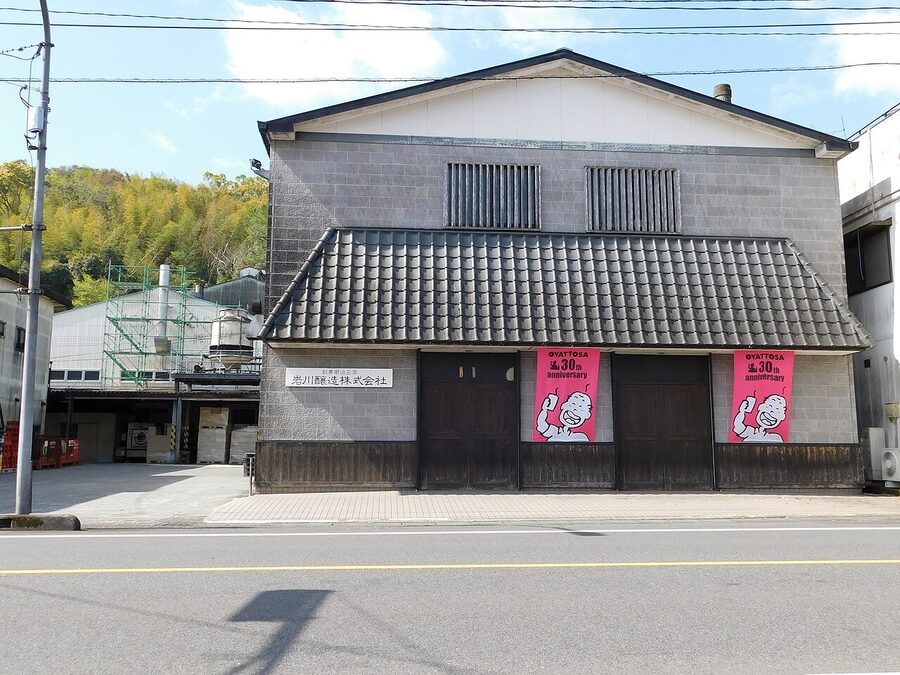
This is the loop I’d run for a first-time shochu trip with five travel days, plus the flights at either end:
- Day 1. Fly into Fukuoka, eat the kind of late-night hot pot at a yatai you can only eat in Hakata (see the section below), Shinkansen down to Kagoshima city in the morning.
- Day 2. Kagoshima city day. Sakurajima ferry in the morning, Tenmonkan izakaya in the evening. Stop at the Shochu Bar inside Kagoshima Chuo Station for a flight before dinner.
- Day 3. Rent a car. Drive the Satsuma peninsula loop: Meijigura at Makurazaki, Kanosuke at Hioki, Hamada Kinzangura at Ichiki-Kushikino. Sleep back in Kagoshima city.
- Day 4. Drive northeast across to Hitoyoshi (~3 hours via the Kyushu Expressway). Ichigoya in the afternoon, two kura tours in the morning, eat at Ginshatei or any country izakaya around the station for dinner.
- Day 5. Drive or train across the Aso caldera up to Hita in Oita. Iichiko tour if you’ve booked it; otherwise Beppu hells in the afternoon and a long highball at night. Fly out of Oita or train back to Fukuoka in the morning.
The route works in reverse. It also works as a 7-day version with two nights in Hitoyoshi instead of one. If you’re routing this from another bigger Japan trip, the day-trip approach to a single brewery is covered in can you day-trip a sake brewery from Tokyo; the Kyushu version is harder because nothing’s a day trip from Tokyo, but the principles apply once you’re based in Kyushu.
How to actually book a Kyushu kura
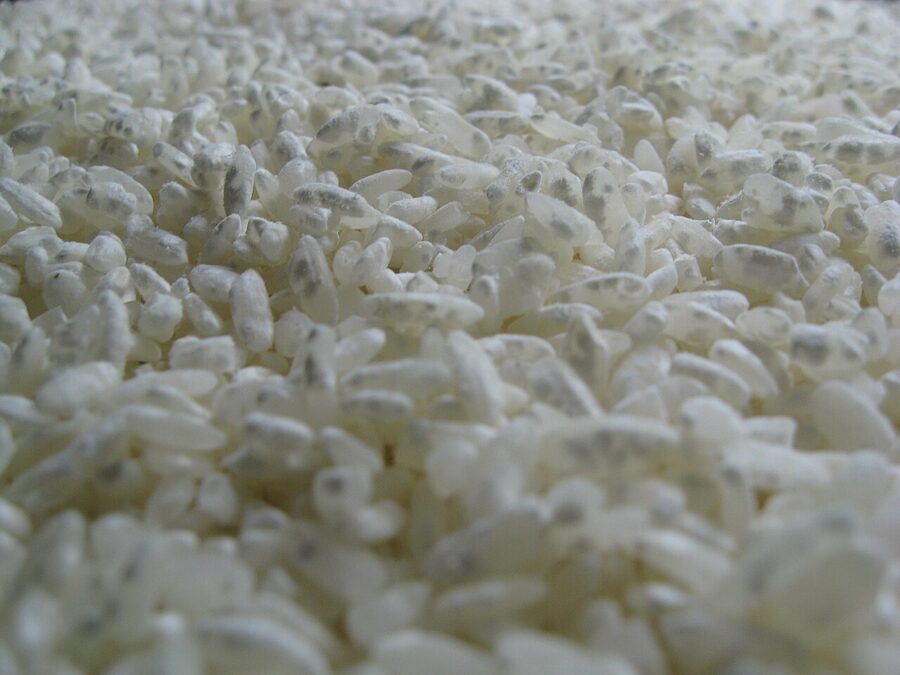
.jpg)
Almost every distillery on this list requires a reservation. The friction is real, and it catches new visitors out.
- Kuma kura (13 listed): book through Kuma Shochu Tourism Council. English site, English booking form, three-day lead time recommended.
- Kanosuke, Iichiko, Kirishima Walk Factory: book through their own sites or the local tourism boards. Iichiko is the hardest to get; book a month ahead.
- Smaller Kagoshima kura: phone is easier than email. The reception will speak only Japanese 80% of the time. Send the request through your hotel’s concierge or use the Kagoshima Tourism page where they’ve collected the 64 visitor-friendly distilleries.
- JR All Kyushu Pass: buy via the JR Kyushu official site if you’ll do more than two long-distance trains. The 5-day pass covers Hakata to Kagoshima return easily.
One detail people skip: most kura close 30 December through 3 January, and many close on Mondays. Always check the kura page for the day before you drive.
Drinking shochu, not just touring it
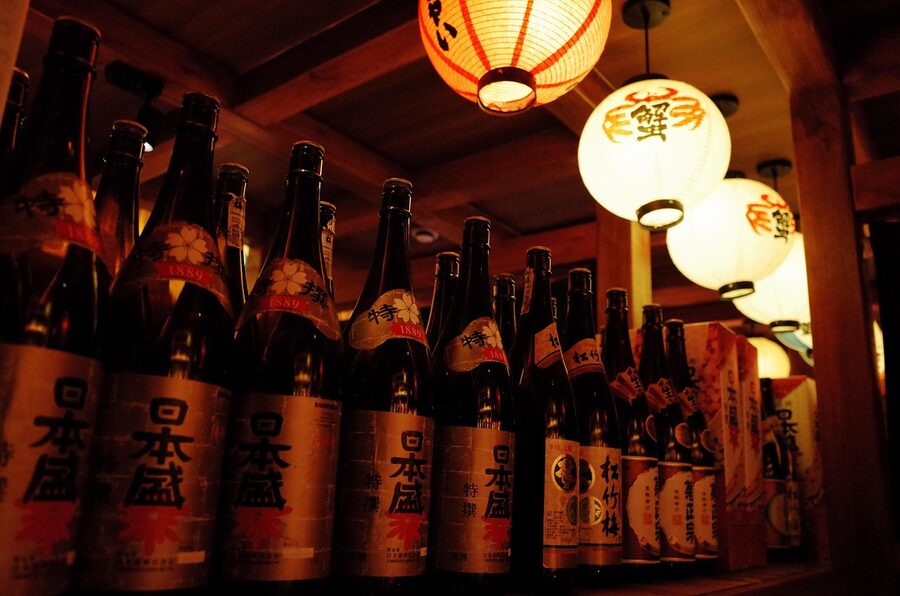
Knowing the kura is half the trip. Knowing how to drink it once you’ve got it home is the other half.
The four standard pours
- Oyuwari (お湯割り): hot water, 60:40 with the water in first, shochu floated on top. The classical Kagoshima method. Works for almost any imo shochu, especially in winter. The aroma comes off the surface as steam.
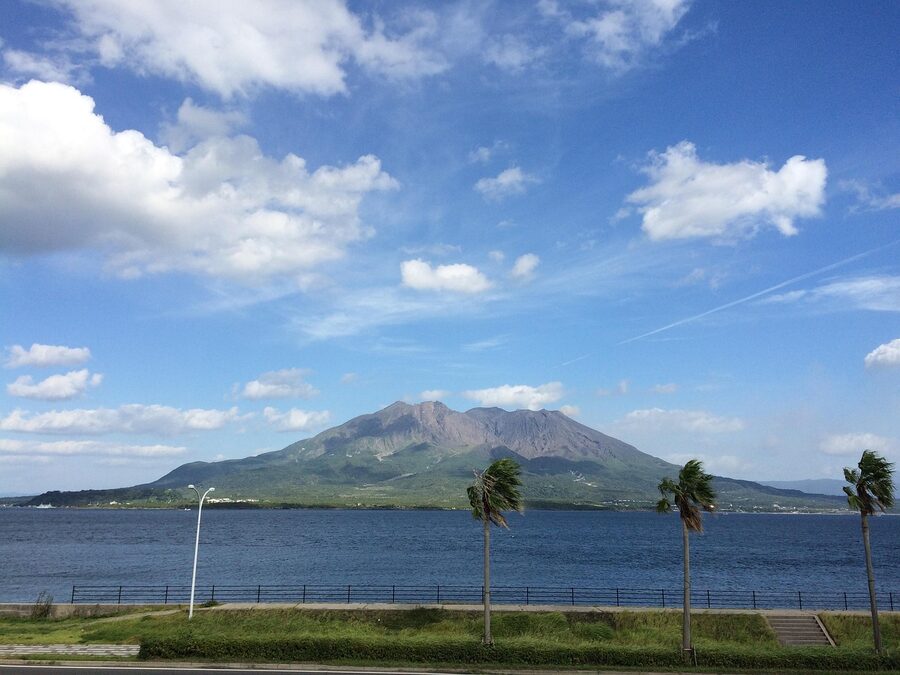
- Mizuwari (水割り): cold water, 60:40 the same way. Lighter and cleaner. Usually the default in summer.
- Rokku (ロック): over a single big rock, no extending water. Best for rice shochu and barrel-aged shochu where you want to taste the texture.
- Sodawari / shochu highball: with cold soda, often a slice of citrus. The way Tokyo drinks barley shochu and the way most under-30s drink it now anywhere. For more on the highball culture from the whisky side, see drinking highballs in Japan.
What to eat with it
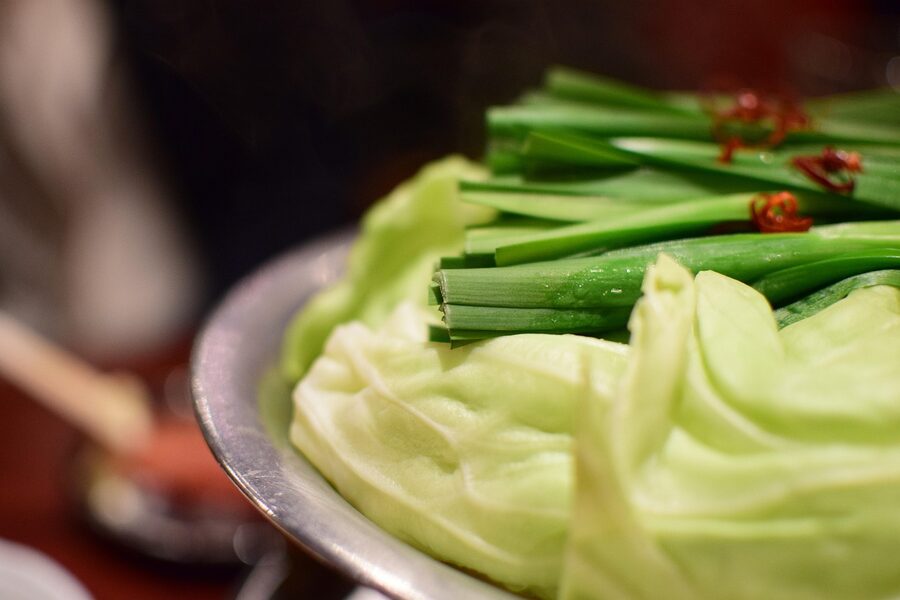
Imo shochu pairs with strong Kyushu food: kibinago sashimi, satsuma-age fish cake, fatty pork (the southern pork in Kagoshima is famous for a reason), tonkotsu ramen at the end of the night. Rice shochu drinks better with horse sashimi (Kumamoto) and grilled freshwater fish from the Kuma River. Barley shochu pairs best with grilled chicken; the malted note picks up the smoke from yakitori. For a deeper dive on the food side, the yakitori-and-drinks piece covers what to pour with grilled chicken specifically.
One thing to avoid: don’t pair imo shochu with raw oysters. The earthy potato note clashes with the brine. Drink something else (a Hiroshima sake, ideally; the Hiroshima drinking guide covers it) and come back to shochu after the oysters are gone.
The Fukuoka piece you can’t skip
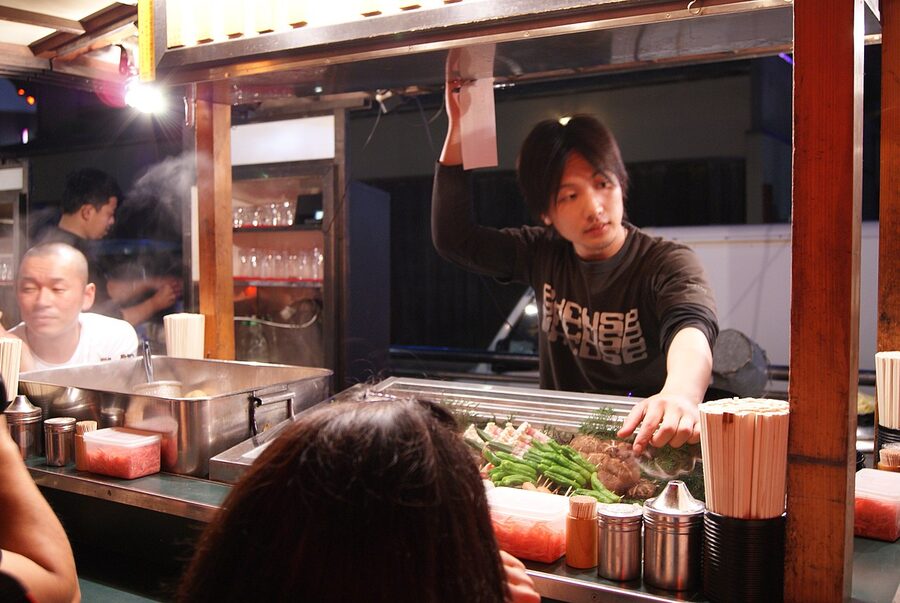

Most travellers fly into Fukuoka and out of Fukuoka on a Kyushu trip. Don’t skip the city on either bracket. Fukuoka isn’t a shochu town the way Kagoshima is, but the yatai (street food stalls) along the Naka River and the Reisen-machi parking lot are how Kyushu drinking starts for most people. The yatai pour cheap shochu mizuwari alongside motsunabe (offal stew), tonkotsu ramen, and grilled motsu. Counter seating only, eight to ten stools per stall, very informal. They open from sunset and close by 02:00.
For the full Fukuoka story, the Fukuoka eat-and-drink guide goes much deeper than this paragraph. The yatai detail there will save you wandering.
The other Kyushu shochu trips, the ones I won’t pretend I’ve done
There are bits of Kyushu I haven’t visited and won’t pretend on. Tanegashima (sweet potato shochu, the supposed origin point of the imo plant in Japan) is interesting and almost completely untravelled. Yakushima has one or two small kura but they’re not the reason you go to Yakushima. Saga makes some unusual rice shochu (and the country’s best sake town in the same prefecture; the sake travel guide covers what’s worth a trip across the rest of the country). Nagasaki is more of a beer and Western-spirit city. None of these need a slot in your first Kyushu shochu trip.
What you take home
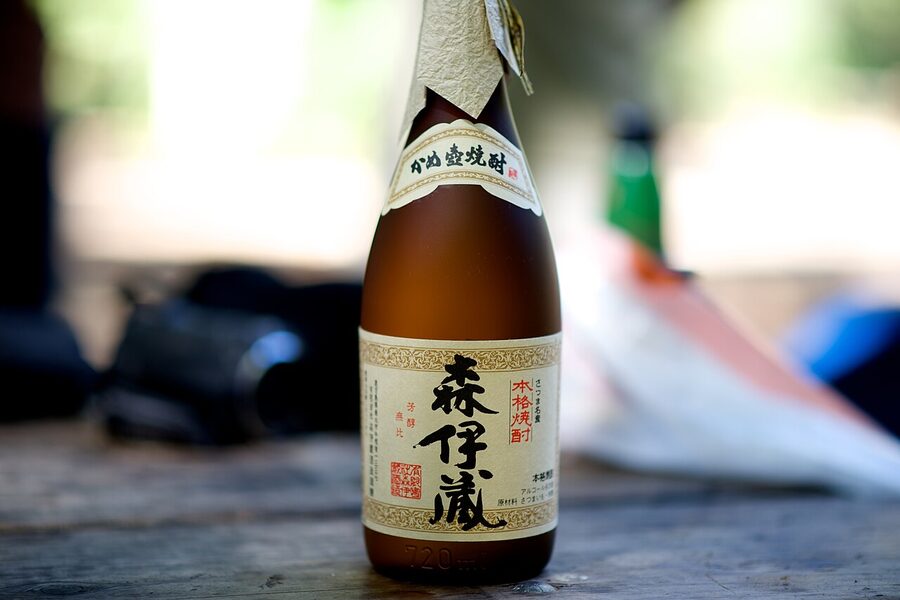

Three rules for buying bottles to bring home: skip the supermarket brands, which you can buy at any export-friendly liquor shop in Tokyo; buy at the kura shop and not the airport; and buy something kura-only or seasonal where possible (the unfiltered first cut, the long-aged barrel, the limited new-yeast experiment). My own pull from the trip described above was a Komasa banana-yeast 360ml, an aged Joraku rice shochu, and a single first-cut Meijigura that I’m not allowed to buy outside the building.
Customs allow three bottles in carry-on hold-back per adult under Japanese export rules. Pack them in a clothes-wrapped suitcase. They survive the flight. For the rest of the cluster, the how cheap drinking gets in Japan piece covers the value-end pours and the Sapporo eat-and-drink guide the equivalent for the cold north.
If you only do one thing
Go to Kuma. Sit at Ichigoya in Hitoyoshi for an afternoon, do the thirty-pour comparison wall yourself, walk to Yamato-ichi or Joraku for one kura tour the next morning, and eat horse sashimi for dinner. You’ll come away with a clearer sense of what shochu actually is than any number of bigger-distillery tours can give you. The reason is structural: rice shochu is the cleanest, most ingredient-led version of the spirit. Without the sweet-potato earth or the barley toast getting in the way, you can taste what koji and water and time actually do.
And that’s the whole point of a kura tour. Not to see the equipment. To taste the difference the equipment makes.
 CitiesWhy Tohoku Took Over Japan’s Sake SceneThe trip almost didn't happen. I'd booked an Aomori brewery visit at the end of a rushed week, the second…
 CitiesWhy Kansai, Not Niigata, Is the Sake CapitalHyogo and Kyoto produce more sake than the next eight prefectures combined. Two of Kansai's six prefectures, side by side,…
 CitiesHokkaido Has More Whisky Distilleries Than You ThinkAsk anyone who knows a little about Japanese whisky to name a Hokkaido distillery and they’ll say Yoichi. Push them…