
It was the second pour of Yoichi single malt at a Hokkaido bar called Crossroad that justified the whole trip. Eleven days in, three flights, two shinkansen, six cities, more sake cups than I can count, and the moment I sat down at that backlit shelf and asked the bartender to pick what I should drink, the answer made every train ticket pay for itself. That is the goal of a Japan drinking itinerary. Not to tick off cities. To put yourself in front of the bar where the right pour happens.
This guide gives you three concrete plans: 7 days, 10 days, 14 days. Each one covers a different mix of drinks, cities, breweries, and bars, with the practical bones a planner needs. Train passes, brewery booking lead times, hotel placement, daily yen budgets, signature meals. I have built each itinerary around the way the country actually moves, not around a tourist brochure. If you have ever opened a Tokyo nightlife guide and wondered how to turn it into something you could put in a calendar, that is what this is.
In This Article
- How the three trips differ
- Before you book anything
- Train passes and the new JR Pass maths
- Brewery and distillery booking lead times
- IC card and the cash question
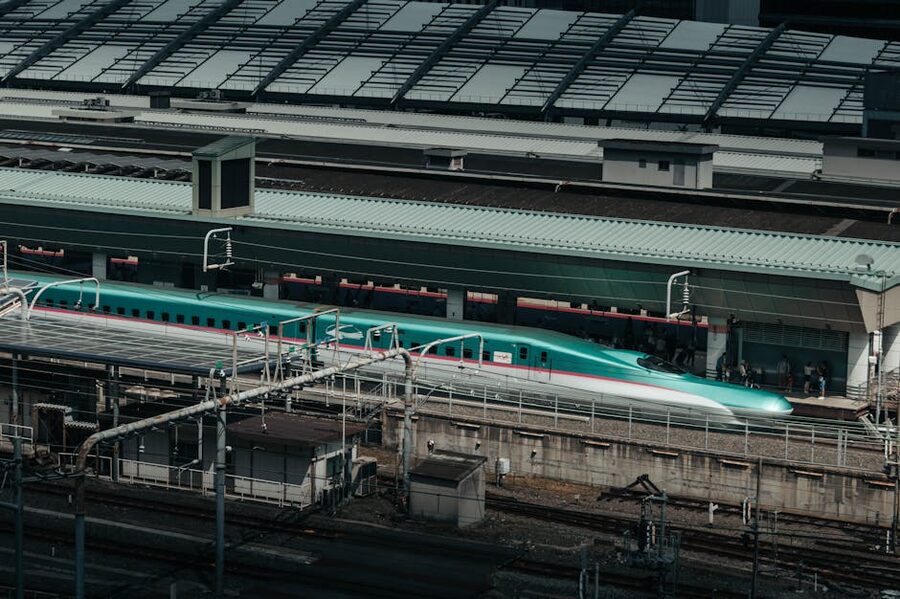
- The 7-day trip: Tokyo deep, one day-trip, Kyoto finish
- Day 1: Tokyo arrival, Shinjuku and Golden Gai
- Day 2: Tokyo standing bars and a whisky finish
- Day 3: Sake brewery day-trip from Tokyo
- Day 4: Tokyo deep dive, whichever drink is your weak spot
- Day 5: Shinkansen to Kyoto, Pontocho first night
- Day 6: Fushimi morning, kaiseki evening
- Day 7: Last morning, return
- The 10-day trip: Tokyo, Hokkaido whisky, Kansai close
- Days 1–3: Tokyo, condensed
- Day 4: Tokyo to Sapporo
- Day 5: Yoichi distillery day
- Day 6: Otaru day-trip or Sapporo izakaya
- Day 7: Sapporo to Osaka via Tokyo
- Day 8: Osaka kushikatsu and craft beer
- Days 9–10: Kyoto close
- The 14-day trip: the grand drinks loop
- Days 1–3: Tokyo
- Day 4: Tokyo to Toyama
- Day 5: Toyama sake and Saburomaru whisky
- Day 6: Toyama to Kyoto
- Day 7: Kyoto kaiseki day
- Day 8: Kyoto to Hiroshima
- Day 9: Hiroshima to Fukuoka
- Day 10: Fukuoka deep day
- Day 11: Fukuoka to Naha
- Day 12: Okinawa main island wander
- Day 13: Last bar day
- Day 14: Return
- How to adapt these for your dates
- What I would actually skip
- What goes in the carry-on
How the three trips differ
Same country, three very different drinking trips. The 7-day plan is a sprint that pairs Tokyo with one big day-trip and a Kyoto finish. The 10-day pushes north into Hokkaido for the whisky distillery half of the country and ends with Osaka neon. The 14-day plan is the whole grand tour: Tokyo, the Toyama drink valley most foreigners never reach, Kyoto, Hiroshima craft beer, Fukuoka yatai, and a closing weekend on Okinawa for awamori. Pick by the calendar you have, not by the FOMO.
| Plan | Cities | Drinks covered | Total budget (per person) | Fitness level | Best for |
|---|---|---|---|---|---|
| 7-day | Tokyo, Saitama, Kyoto | Sake, whisky, izakaya beer | ¥240,000–320,000 | Easy. One day-trip, no flights. | First-timers who want a wide drink survey without overstretch. |
| 10-day | Tokyo, Sapporo, Yoichi, Otaru, Osaka, Kyoto | Whisky, sake, craft beer, yakiniku-paired highballs | ¥380,000–480,000 | Medium. One internal flight, two long shinkansen days. | Whisky-focused trip with a city-nightlife counterweight. |
| 14-day | Tokyo, Toyama, Kyoto, Hiroshima, Fukuoka, Naha | Sake, single-malt, regional shochu, awamori, craft beer, yatai | ¥520,000–680,000 | Higher. Two internal flights, four shinkansen legs, one ferry option. | Drinks completists with two clear weeks and the energy. |
Numbers assume mid-range hotels (mostly 3.5-star business chains plus one ryokan night per trip), one sit-down lunch and one sit-down dinner per day, two paid drinks at one bar most evenings, second-class shinkansen seats, and one paid distillery or brewery tour every two days. Fly business or stay in ryokan every night and the budget doubles. Stay in capsule hotels and skip the paid tours and you can come in 30 percent under the low end.
Before you book anything
Three logistical things shape every drinking itinerary in Japan. Get them right at the planning stage and you save yourself two days of wasted travel time.
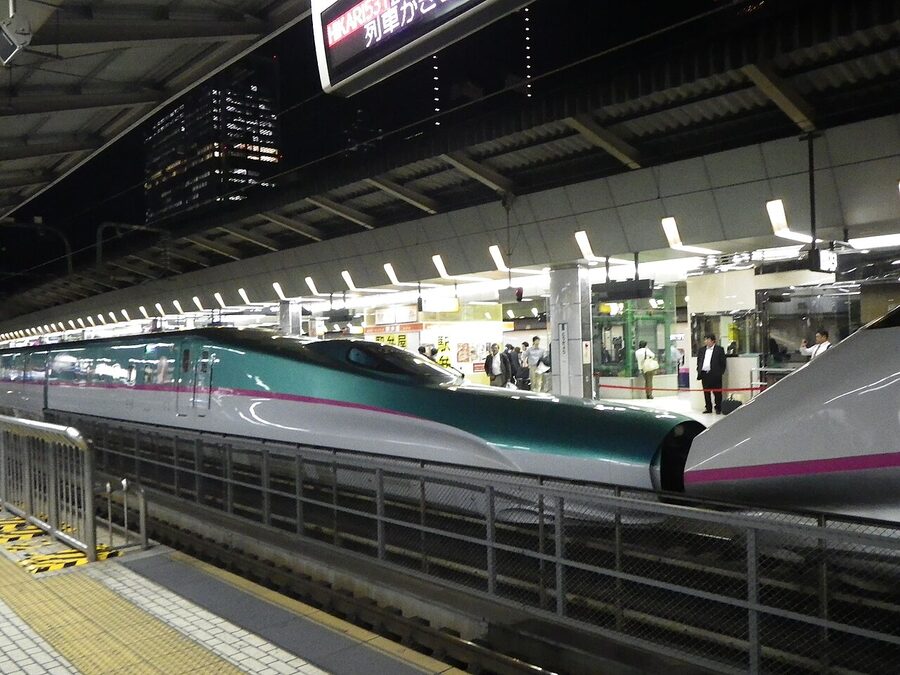
Train passes and the new JR Pass maths
The JR Pass roughly doubled in price in late 2023, and that changed when it pays off. The 7-day national pass at ¥50,000 only beats individual tickets if you are doing two long-distance shinkansen legs (think Tokyo to Hiroshima, then Hiroshima back to Tokyo). For most 7-day trips, point-to-point tickets win.
The 14-day pass is different. At ¥80,000 it covers the kind of multi-city loop the third itinerary below describes, and it pays for itself by the second shinkansen day. Buy it via Klook before the trip; it ships an exchange voucher you swap at any major JR station for the actual pass.
Regional passes are the underrated move. The Hokkaido Rail Pass is ¥20,000 for 5 days and covers the Yoichi distillery run plus Otaru. The JR West Sanyo-San’in pass at ¥26,000 covers Kyoto, Osaka, Hiroshima, and Yamaguchi. If your trip stays in one region, regional passes beat the national pass every time.

Brewery and distillery booking lead times
This is the single most-broken expectation among first-time visitors. The famous places book out months ahead.
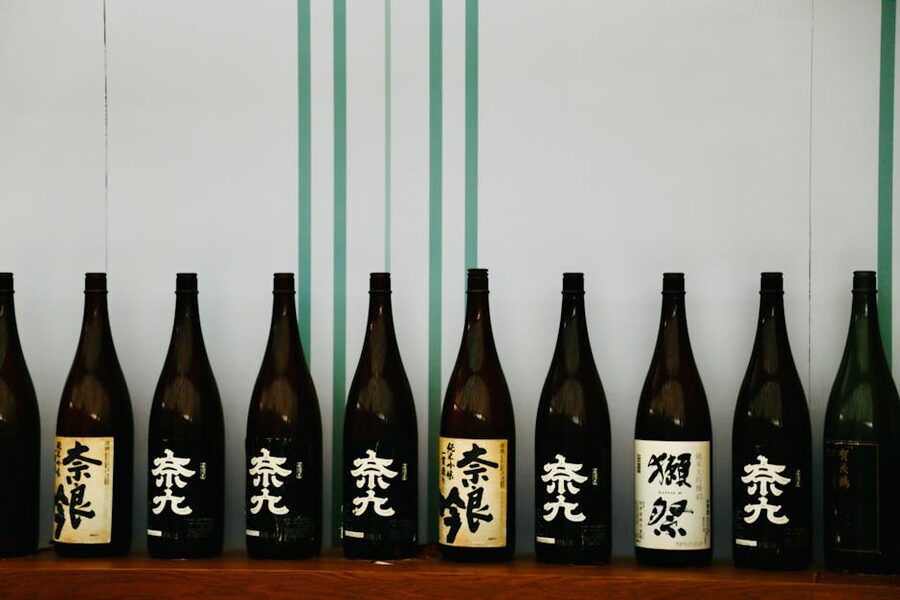
- Suntory Yamazaki Distillery (Osaka): the production tour is ¥3,000 and opens reservations exactly two months before each tour date at 10:00 JST. They sell out in minutes. Set a calendar alarm.
- Nikka Yoichi Distillery (Hokkaido): the free guided tour is also a two-month-ahead booking. The self-guided visit needs no booking and is fine if you mainly want to see the buildings.
- Hakkaisan Brewery (Niigata): tours open one month ahead. Easier to land than Yamazaki.
- Saburomaru Distillery (Toyama): the oldest active whisky distillery in northern Japan. Tours by email request only, send the booking address through their site, expect a 2-3 day reply turnaround.
- Asahi Sake Brewery (Niigata) and most prefectural sake breweries: 1-2 weeks ahead is usually enough.
If you want Yamazaki and you have not booked at the two-month mark, build a Yoichi or Saburomaru day into the trip instead. Both are easier to land and just as good for whisky-curious travellers. My take: Yoichi vs Yamazaki is genuinely a coin flip on quality; pick by what your trip dates allow.
IC card and the cash question
Get a Suica or Pasmo IC card on day one. It pays for trains, taps for konbini drinks, and works in the vending machines that sell cup sake at any decent station. The reloadable mobile-Suica via Apple Wallet is now the cleanest option if you have an iPhone. Otherwise pick up a physical card via Klook or at the airport machines.
Carry ¥30,000 in cash on you. Indie bars, tachinomi stand bars, family-run sake breweries, and most yatai stalls are still cash only. Do not assume the card reader at a Tokyo whisky bar means cards work everywhere; it does not.
The 7-day trip: Tokyo deep, one day-trip, Kyoto finish
For 7 days I do not split the country in half. I plant in Tokyo for four nights, day-trip for sake, then run a fast 3-night close in Kyoto. You drink sake at the brewery, you drink whisky at the bar that built the cocktail back in 1949, you drink standing-bar beer at the place where the master remembers your second pour, and you finish with kaiseki and Pontocho. That is the trip.
Stay nights 1–4 in Shibuya or Shinjuku, night 5 at a Saitama brewery ryokan, nights 6–7 in central Kyoto. If you can only book six rooms total, drop the brewery night and day-trip from Tokyo instead.
Day 1: Tokyo arrival, Shinjuku and Golden Gai
Land at Haneda or Narita, take the Limousine Bus or Skyliner directly to Shinjuku (around ¥3,200 from Narita on the express, ¥1,300 from Haneda). Check into the hotel by 16:00. Resist the nap.
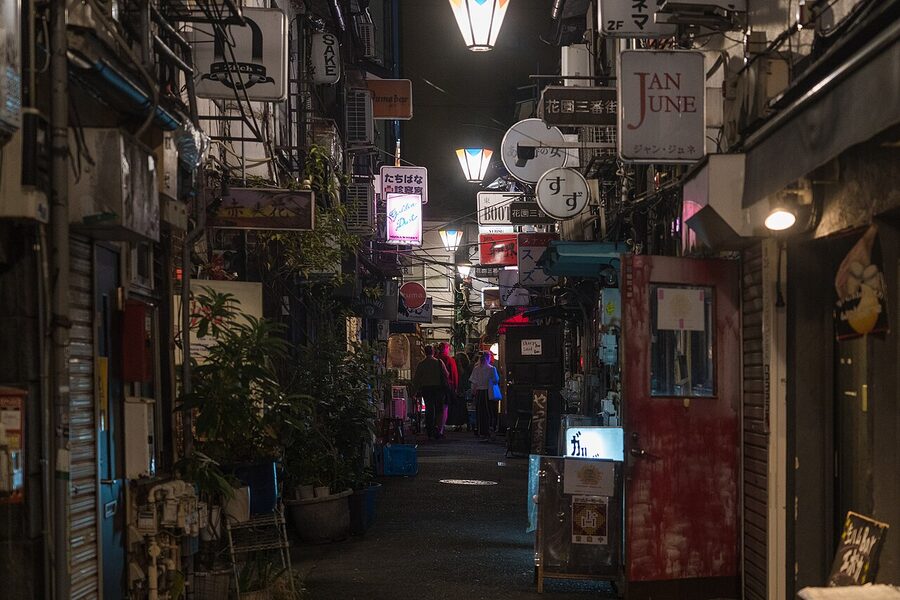

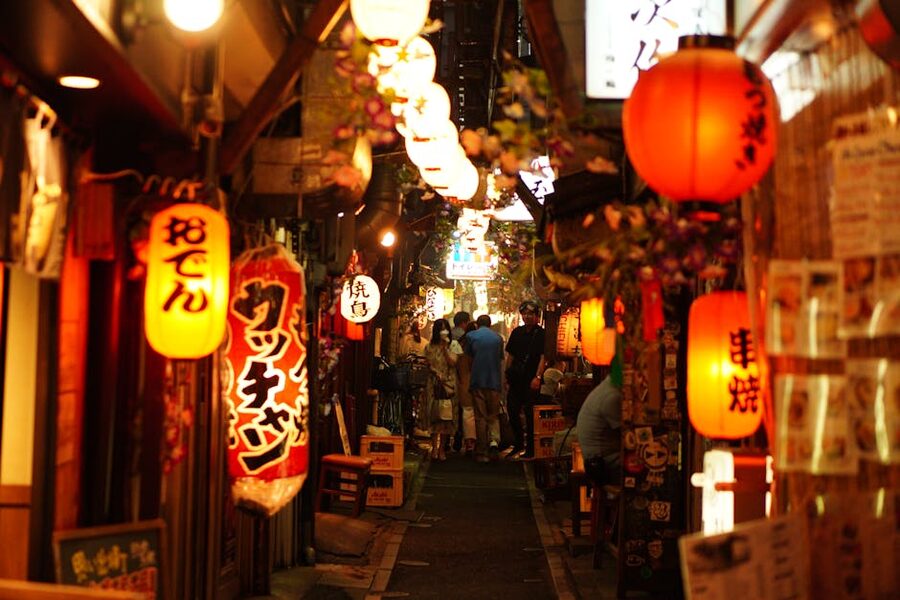
17:00: a 2-hour izakaya orientation. Walk to Omoide Yokocho behind Shinjuku Station’s west exit. Pick the stall with the open seats and a chalkboard you can read. Tsubohachi, Asadachi, or any of the unnamed yakitori counters do the job. Order a draft Asahi (¥500–600), one skewer of negima, one of liver, and one otoshi bowl will land whether you ordered it or not (¥300–500 cover charge). Total damage: under ¥3,000 for an hour.
20:00: taxi or 15-minute walk to Golden Gai. This is six tiny alleys behind Hanazono Shrine, packed with bars seating 4–8 people each. My full Tokyo bars guide goes deeper, but for a first night I send people to Albatross G on the second floor of the second alley. Cover charge is ¥800 (high but the place is decorated like a Bavarian funeral parlour and the staff speak some English), drinks ¥800–1,200. Two hours, three drinks, total ¥5,000.
Hotel by midnight. Daily total: hotel ¥14,000, dinner ¥3,000, bars ¥5,000, transport ¥1,500. About ¥23,500.
Day 2: Tokyo standing bars and a whisky finish
Sleep until you can. Coffee at a kissaten or the Aoyama Blue Mountain on the way to lunch. Lunch at Udon Shin in Yoyogi if you have the patience for the line; otherwise Tonkatsu Maisen Aoyama, no queue, bowl-of-rice-and-loin set under ¥2,000.
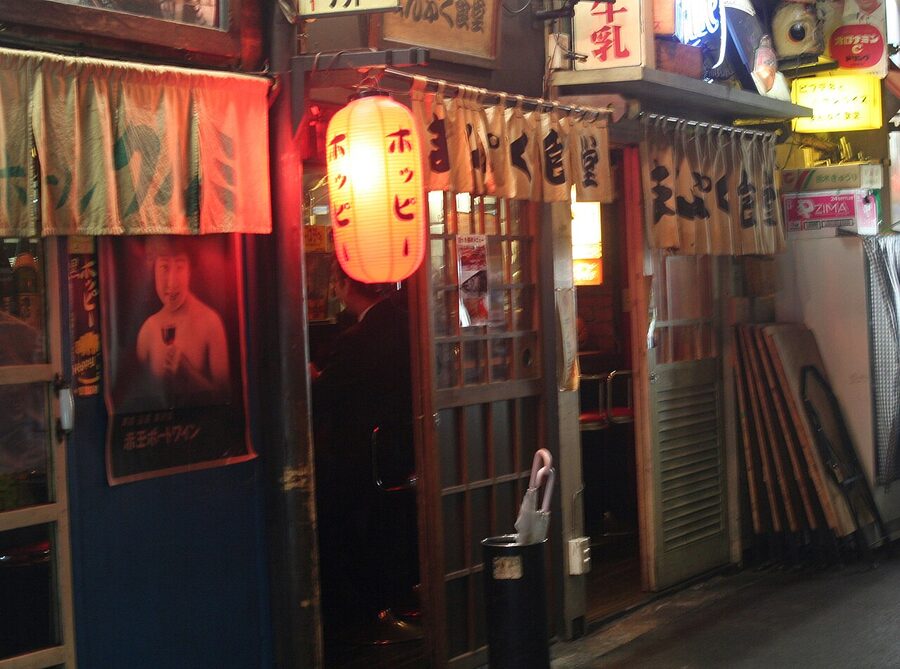
15:00: the standing-bar afternoon. Walk to Buri in Ebisu. This is the original cup-sake tachinomi in a city full of imitators, a glass-fronted tile floor place with vending machines along one wall stacked with one-cup sake from 50 different prefectures. Tachinomi etiquette is simple: order at the counter, take your cup to the wall counter, eat what is on the wall menu (cured meat, edamame, smoked Hokkaido cheese), do not stay more than 90 minutes. One cup is ¥500–1,200 depending on the brewery. I do three.
19:00: dinner at a ramen shop or konbini onigiri (genuinely; Family Mart’s tuna mayo is a planning meal, not a punishment). The drinking is the point.
20:00: the whisky bar. Bar High Five in Ginza, the room Hidetsugu Ueno built and the place that taught half of Asia how to make a martini. Cover ¥1,000, cocktails ¥2,000–2,800. If you cannot get in (Tuesday night is the easiest entry, weekend forget it), Star Bar Ginza a few blocks south or Land Bar Artisan in Roppongi do similar work. My Tokyo whisky bars piece covers eight more. Two cocktails plus a Yamazaki 12 pour: ¥7,000.
Daily total: hotel ¥14,000, food ¥2,500, drinks ¥11,000, transport ¥1,500. About ¥29,000.

Day 3: Sake brewery day-trip from Tokyo
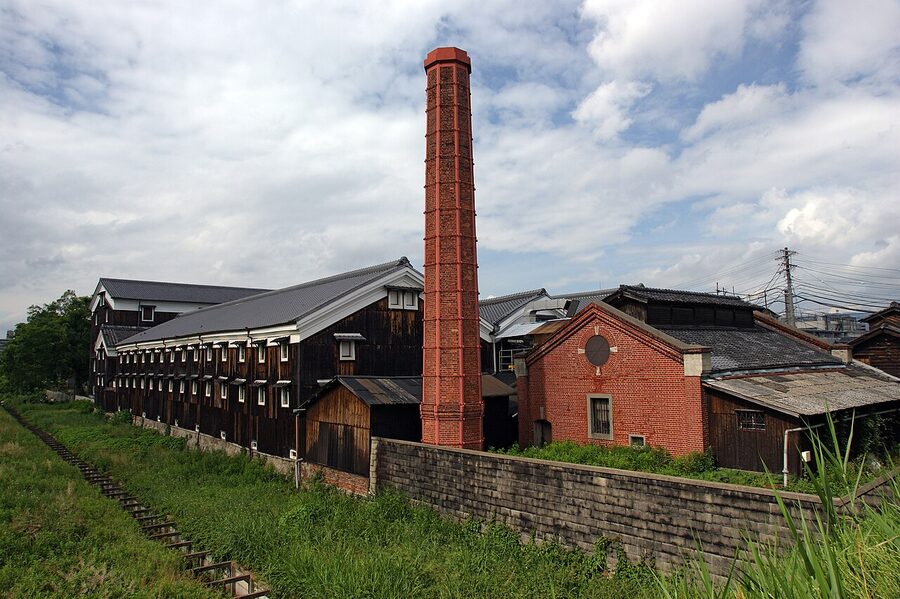
Out of Tokyo before 09:00. The cleanest sake-brewery day-trip is to Saitama, an hour west, where Bukou Shuzo and Kineya Shuzo run guided tastings. Skip Hakone (no breweries worth the trip) and Nikko (sake but logistically painful). Saitama gives you back to Tokyo by 18:00. My day-trip piece walks the full Saitama and Kawagoe options.
The 09:38 Limited Express Red Arrow from Ikebukuro reaches Seibu-Chichibu in 78 minutes (¥1,580). Bukou Shuzo opens to walk-ins from 10:00, runs a 30-minute production tour at 11:00 (¥500 with three pours), and the proprietor often does the tour himself. Lunch at Ariga Tofu (silken tofu set, ¥1,400) two blocks away. Afternoon at Hitsujiyama Park if the moss phlox is in season, or back to Kawagoe for the second brewery, Coedo Brewery (craft beer, not sake; their Marihana IPA is the regional flagship).

Back in Tokyo by 18:00. Quiet dinner near the hotel, hotel bar nightcap. Daily total around ¥22,000.
Day 4: Tokyo deep dive, whichever drink is your weak spot
This is the day to fill your gap. Craft beer trip? Spend the day on the Shibuya-Komazawa axis: Watering Hole in Sendagaya for Ichiri Fujiura’s nano brewery and 20-tap selection, Beer Club Popeye in Ryogoku for the 70-tap classic. Whisky? Bar Benfiddich in Shinjuku for cocktails, Zoetrope for the deepest Japanese whisky shelf in the city. Sake? Saketokyo in Akasaka for 100-bottle flights.
Daily total around ¥25,000.
Day 5: Shinkansen to Kyoto, Pontocho first night
06:30 wake. 07:30 Tokyo Station. 07:51 Nozomi to Kyoto, ¥13,320 unreserved. Arrive 10:08. Drop bags at hotel (any 4-star within 10 minutes of Kyoto Station works; for romance pick a Pontocho machiya rental).
Lunch at Honke Owariya for soba (its 540-year run is not a marketing line; the place really did open in 1465). Afternoon walking the Fushimi sake district. Sixteen breweries in a 2km grid; Gekkeikan Okura Sake Museum charges ¥600 admission with three pours, Kizakura Kappa Country is free with a beer and sake tasting bar attached.
.jpg)
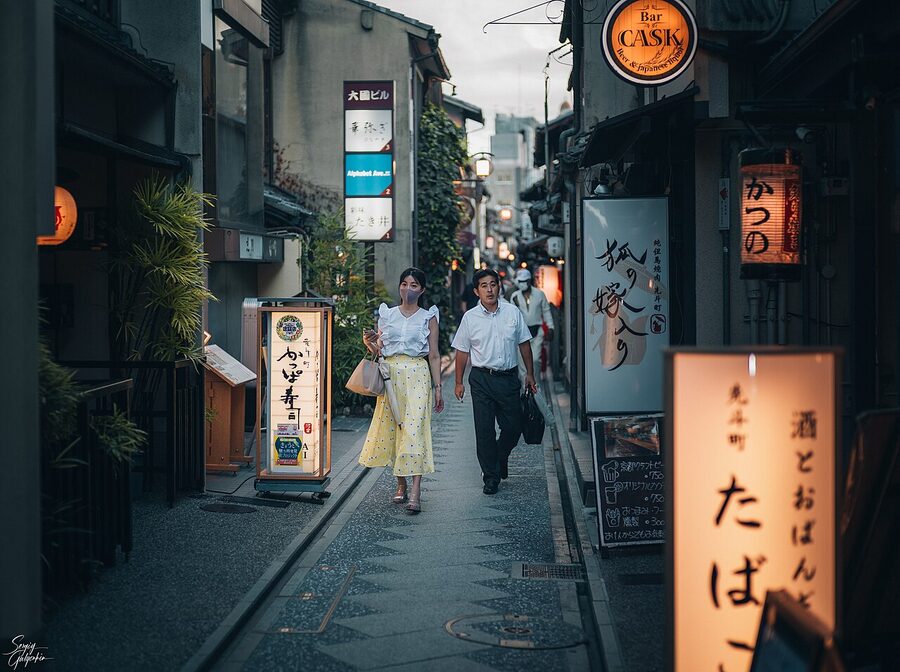
Evening: dinner along Pontocho. My Kyoto guide has the deeper list, but for a first night I send people to Pontocho Robin for obanzai (Kyoto home cooking, ¥4,500–6,000 set), then to Bar Rocking Chair on Tominokoji for the cocktail half. Kenji Jesse runs the bar. Two hours, three drinks, ¥5,500. Daily total ¥30,000 including the shinkansen.
Day 6: Fushimi morning, kaiseki evening
Morning to Fushimi Inari for the shrine and the sake-brewery district at its base. Skip the ¥5,000 brewery tour packages; pay your ¥600 at Gekkeikan, follow with a ¥1,500 flight at Tsuki no Katsura nearby. Lunch at Suzume in Fushimi for grilled eel over rice, ¥2,800.
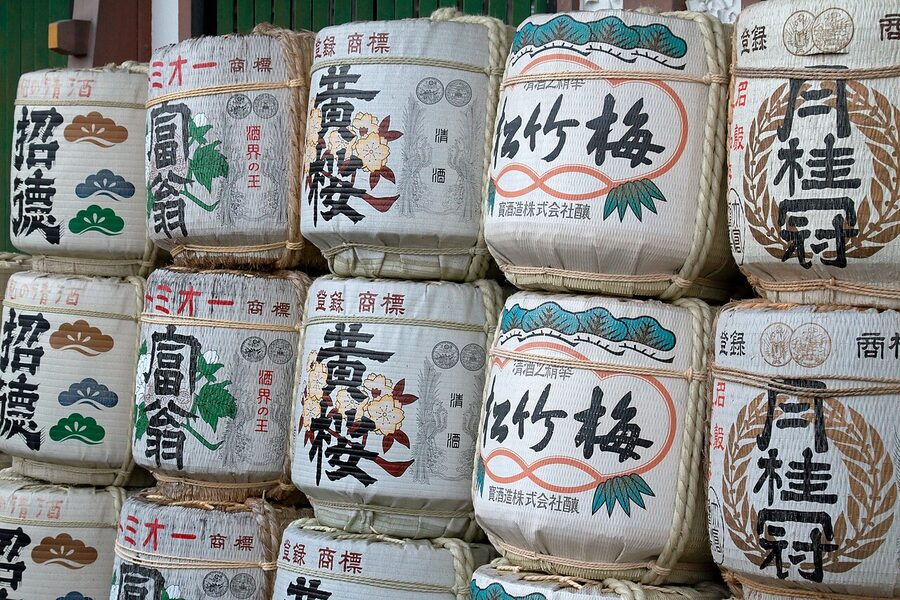
Afternoon nap, then evening kaiseki. Reserve Giro Giro Hitoshina two weeks ahead for the ¥6,500 set; this is one of the few kaiseki rooms in town that pairs each course with a different sake. The pairing flight runs ¥2,800 extra. Walk the Kamogawa back to the hotel.
.jpg)
Daily total around ¥28,000.
Day 7: Last morning, return
One coffee on a side street, one final cup of sake at Aburacho in the train-station basement before boarding. Land back in your own kitchen knowing you put real distance into the country.
7-day grand total estimate (per person): ¥240,000 (lean) to ¥320,000 (comfortable). That is hotels, food, drinks, internal transport, and the JR Pass if you used one (you probably did not need it).
The 10-day trip: Tokyo, Hokkaido whisky, Kansai close
10 days is the sweet-spot length for Japan drinks. You get a real Tokyo, a proper Yoichi distillery day, the Sapporo beer plus seafood angle, and an Osaka-Kyoto drinking weekend to close. One internal flight (Sapporo back south), two long shinkansen days. My Sapporo eat-and-drink guide covers the food half of the Hokkaido stop in more detail.
Stay nights 1–3 in Tokyo, nights 4–6 in Sapporo, nights 7–8 in Osaka, nights 9–10 in Kyoto.
Days 1–3: Tokyo, condensed
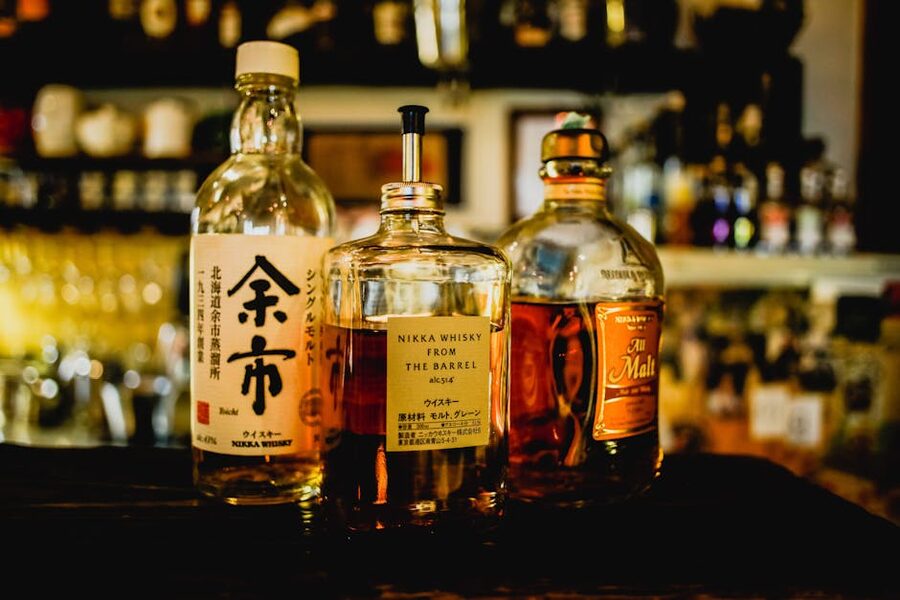
Run the 7-day Tokyo arc compressed into three nights. Day 1 is Shinjuku and Golden Gai. Day 2 is standing bars plus one premier whisky bar. Day 3 is one day-trip OR a Tokyo whisky deep dive. Skip Saitama if your priority is whisky; the Yoichi day in Hokkaido more than makes up for it.
Day 4: Tokyo to Sapporo
Two ways to reach Sapporo. Flight from Haneda at 08:00 lands at New Chitose by 09:35 for around ¥14,000 with ANA or JAL booked one month ahead, ¥7,000 with Peach if you book two months ahead. The shinkansen takes 8 hours via Hakodate and costs ¥26,000. Take the flight unless you genuinely love trains.
Land in Sapporo by mid-day. Drop bags. Lunch at Menya Saimi for the city’s best ramen (miso, ¥950, expect a 30-minute line at peak). Afternoon at the Sapporo Beer Museum in Higashi-ku; free entry, ¥800 for the three-beer flight in the basement tasting hall. The flight covers Sapporo Classic (Hokkaido-only, this is what every fan of Japanese beer should drink while in the country), Black Label, and the seasonal special.
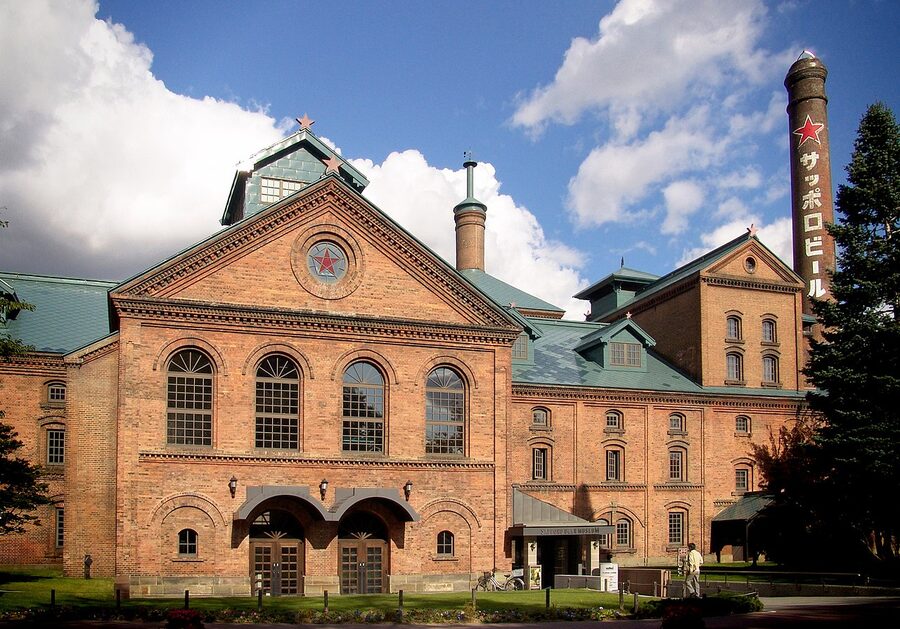

Evening: Sapporo Beer Garden next door for Genghis Khan grilled lamb (¥3,800 all-you-can-eat 100 minutes, ¥1,800 supplement for unlimited beer). Loud, busy, exactly what you want after a long travel day. Daily total ¥30,000 including the flight.
Day 5: Yoichi distillery day
Up at 07:30 for the JR train to Yoichi. Sapporo to Otaru on the Hakodate Main Line takes 30 minutes, then Otaru to Yoichi on the same line a further 25. Total ¥1,290 each way. The 09:30 train puts you at the distillery gate at 10:30.
The free guided tour at Yoichi runs at 10:30, 11:00, 11:30, and so on; you must reserve two months ahead. The self-guided visit needs no booking. Either way, give the place 3 hours: the buildings (the still house, the kiln house, the Taketsuru residence) all earn their time, and the on-site museum is excellent if you read enough Japanese to recognise the brand history.
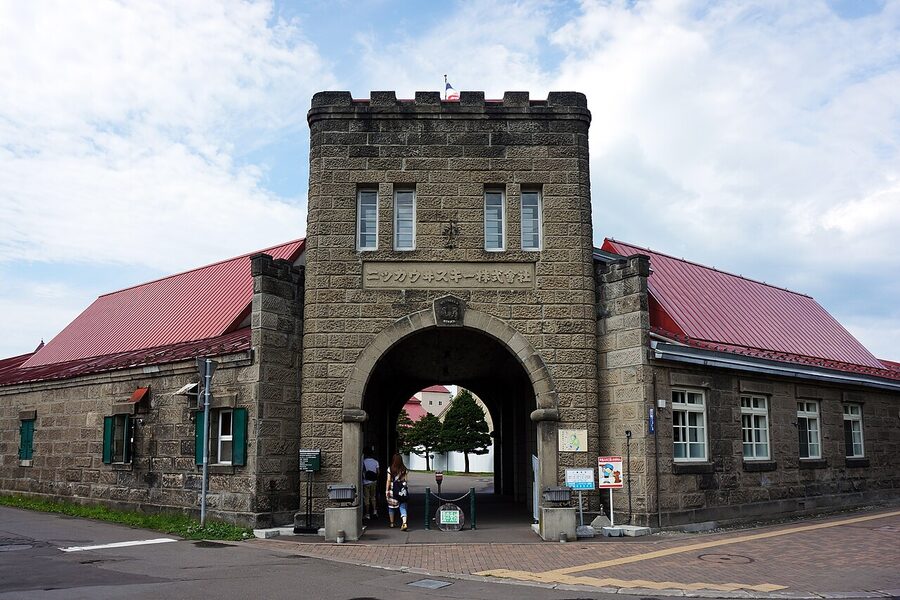

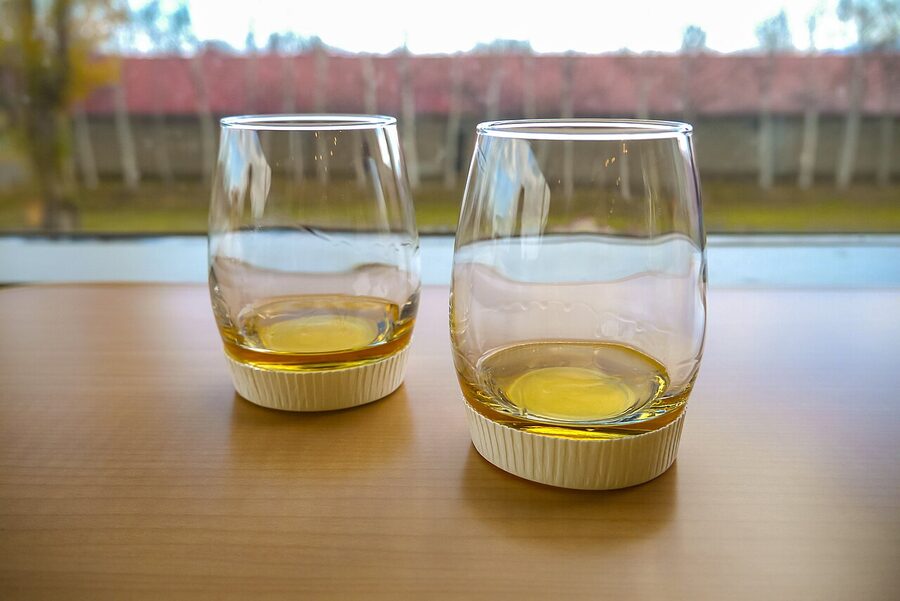
The tasting room serves three pours: the basic Apple Wine, Single Malt Yoichi NAS, and a Rare Old. ¥500 for the upgrade. Lunch at the on-site restaurant Linley, mostly stew and grilled fish, ¥1,500 set.
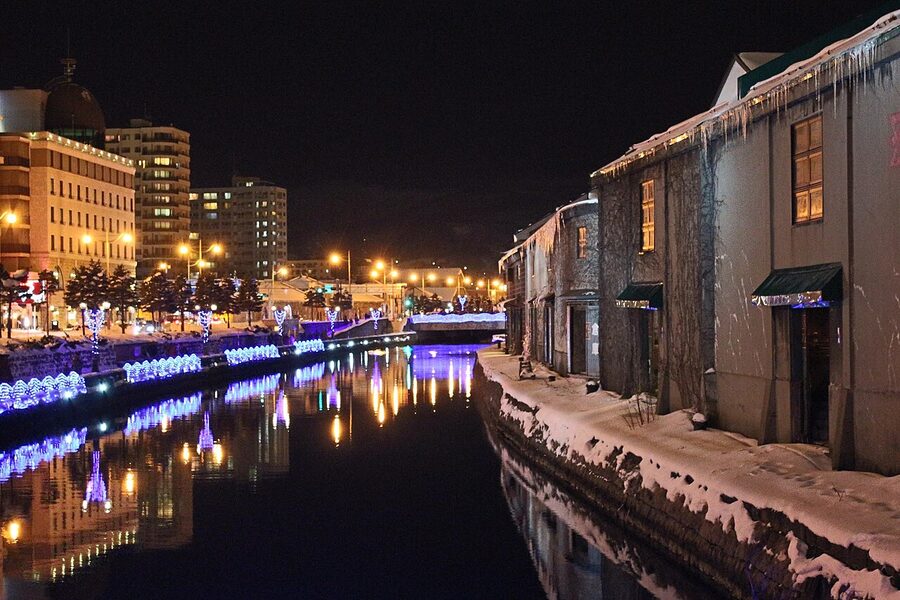
Afternoon: train back to Otaru, drop bag if you are stopping the night, walk the canal district. Otaru is famous for sushi; Masazushi downtown does an ¥8,000 omakase that holds up to anything in Tokyo. Stay overnight in Otaru if you can swing it; it is quieter than Sapporo and the canal lit up at night is one of the trip’s better images. Otherwise back to Sapporo for night four.
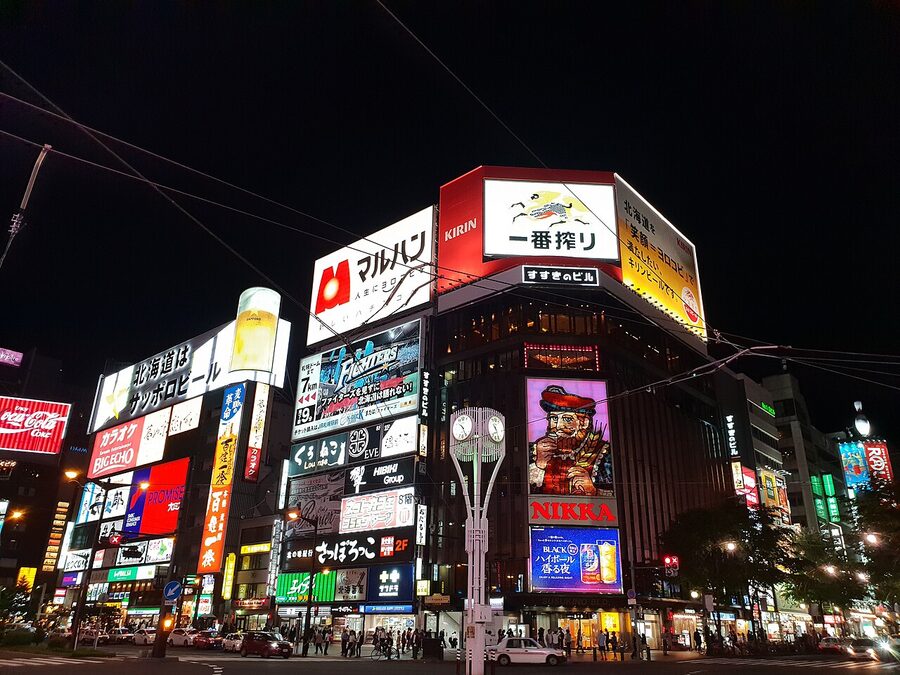
Evening if back in Sapporo: Crossroad Bar in Susukino, the bar I opened the article with. Whisky bar with a 600-bottle backshelf and a single bartender who has run it since 1981. Cover ¥1,000, pours ¥1,200–6,000 depending on what you ask for. Daily total ¥28,000.


Day 6: Otaru day-trip or Sapporo izakaya
If you skipped Otaru on day 5, do it now. Train at 09:00, walk the canal, lunch sushi, return by 16:00. Otherwise spend the morning at Nijo Market for kaisendon (seafood rice bowl, ¥3,500), the afternoon at the Hokkaido Government Building if you need a non-drinking break, and the evening at a Susukino izakaya. Tanuki Koji 5-chome is the row of izakaya I usually walk first; Issho-an on the corner does the famous Hokkaido-cheese-and-zangi (fried chicken) plate at ¥1,400.

Daily total ¥26,000.
Day 7: Sapporo to Osaka via Tokyo

Long travel day. Flight from New Chitose at 09:00, land at Itami or Kansai by 11:30. ¥15,000 booked one month ahead, ¥9,000 if you book two. From Itami it is a 25-minute monorail to Osaka centre; from Kansai it is the Haruka express, 50 minutes, ¥3,000.
Osaka first afternoon: Dotonbori. My Osaka guide covers the deeper food, but for arrival evening it is the obvious move. Eat kushikatsu at Daruma on Dotonbori (the original chain, ¥180 a stick, do not double-dip the sauce, the rule is enforced), drink Asahi tap at the standing bar next door, walk to Hozenji Yokocho for one quieter drink to close.
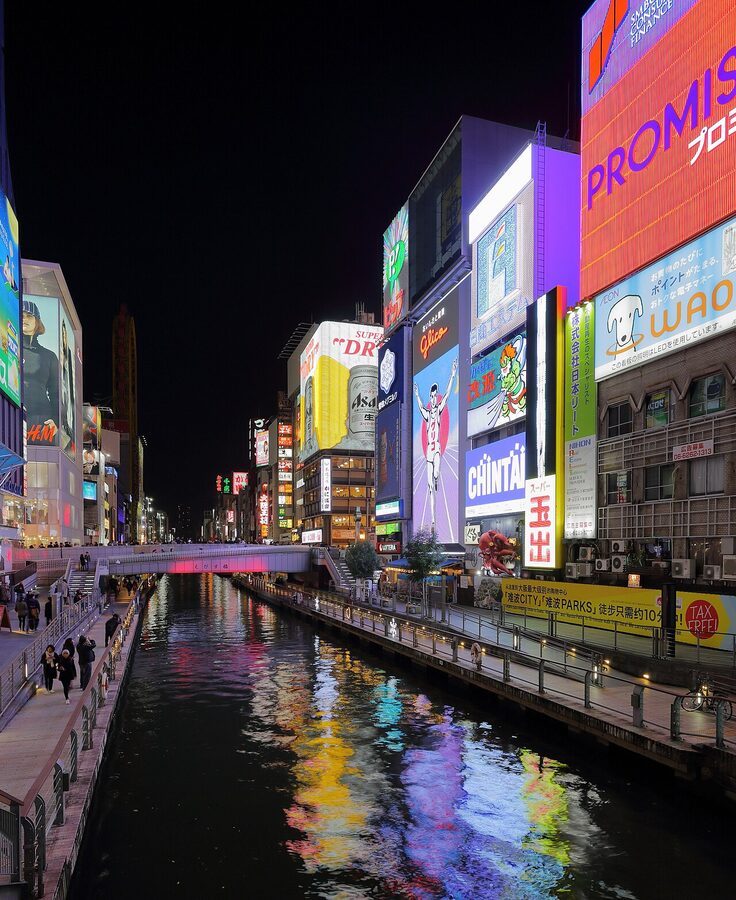

Daily total ¥32,000 with the flight.
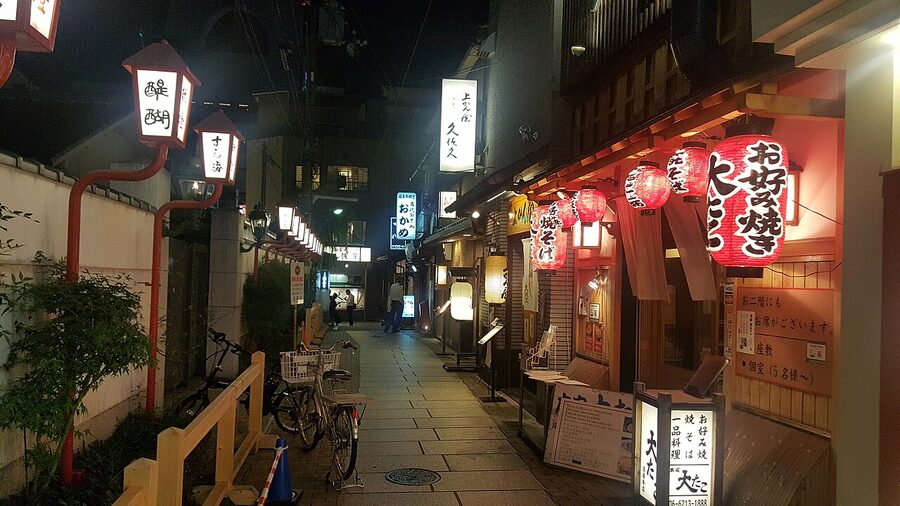

Day 8: Osaka kushikatsu and craft beer
Morning at Kuromon Ichiba Market for the seafood breakfast (¥2,000 fills you). Afternoon at the Osaka Craft Beer Trail: start at Beer Belly Tenma (the Minoh Brewery flagship), walk 10 minutes to Craft Beer Base Maido, finish at Yellow Ape Craft. Six beers across three rooms, ¥5,000 total. The Minoh Stout pairs with a kushikatsu run that night; an evening at Yaekatsu in Shinsekai under the Tsutenkaku tower closes the day on the loudest, friendliest counter in the city.
Daily total around ¥26,000.
Days 9–10: Kyoto close
Shinkansen to Kyoto on day 9, ¥1,420 (it is 15 minutes). Run the days-5 and 6 of the 7-day plan above: Pontocho first night, Fushimi morning, kaiseki evening. Day 10 is the airport return.
10-day grand total estimate: ¥380,000 (lean) to ¥480,000 (comfortable).
The 14-day trip: the grand drinks loop
Two clear weeks gives you enough room to do the country properly. Tokyo for the urban drinking layers, Toyama for the under-visited northern Japan whisky-and-sake valley, Kyoto for the kaiseki-and-sake refinement, Hiroshima for the saison and oysters, Fukuoka for the yatai night, then a closing weekend on Okinawa for awamori. My Fukuoka guide and Okinawa awamori piece drill into the southern half. The sake guide covers the regional variation a 14-day trip will expose you to. If you want the drink-style primer before you go, my shochu vs sake vs awamori piece sorts out which is which.
Days 1–3: Tokyo
Same as the 7-day opener. Three nights, Shinjuku or Shibuya base, one Saitama or Yamanashi day-trip if your dates work for it. Skip if not.
Day 4: Tokyo to Toyama
The Hokuriku Shinkansen at 08:24 from Tokyo Station puts you in Shin-Takaoka by 11:14, ¥13,920. From there the JR Joetsu line to Himi takes 28 minutes; the JR Jonan line to Tonami via Takaoka another 22.
Toyama is the Japan-drinks valley most foreigners miss. Sake breweries, the oldest active whisky distillery in northern Japan, craft beer at the coast, all in a 50km strip you can cover by local train and taxi. The Toyama Prefecture model courses run a 2-night version of this; I do 3 because the slower pace is the whole point.
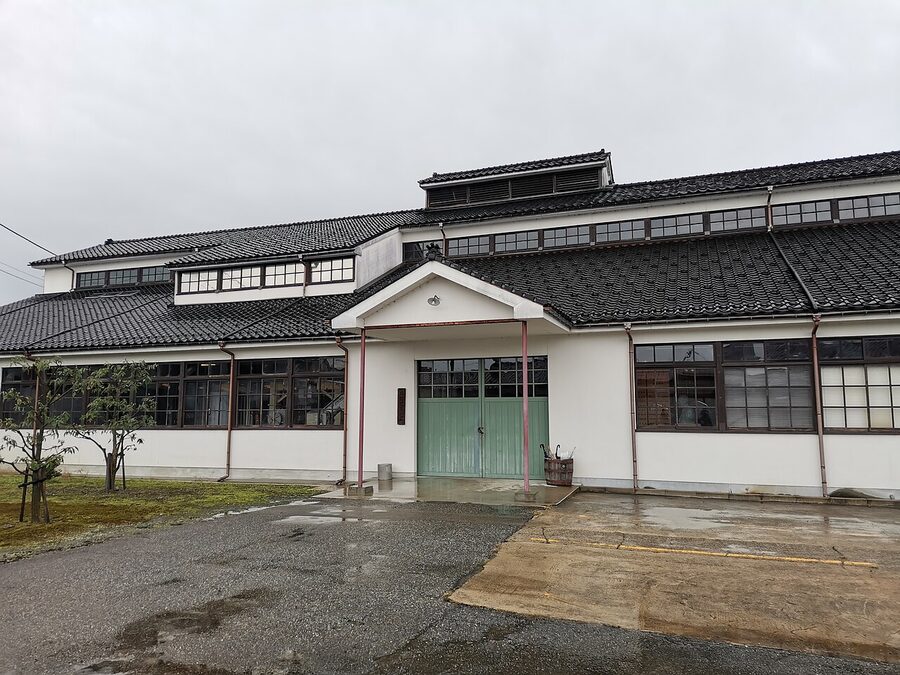

Day 4 afternoon: BREWMIN’, a converted seaside warehouse in Himi. Six to seven house-brewed beers on tap, food made with Himi-prefecture ingredients (the pickles brined in spent IPA are the order). Open Friday-Sunday only, 11:30–14:30 lunch and 18:00–21:30 evening; plan accordingly. Beer flights ¥1,500. Walk the Manga Road afterwards. Stay in Himi at the Hiimi Onsen-kyo ryokan, ¥18,000 for room with two meals (the breakfast yellowtail sashimi is what put Himi on the map).
Daily total ¥38,000 with shinkansen.
Day 5: Toyama sake and Saburomaru whisky
Morning at Takazawa Shuzo, Toyama’s only remaining brewery still using the funashibori wooden-frame pressing method. The Akebono series is what they sell to walk-in tasters: dry, almost mineral, the kind of sake that goes with the grilled mackerel you ate at the ryokan that morning. ¥500 for a flight of three.
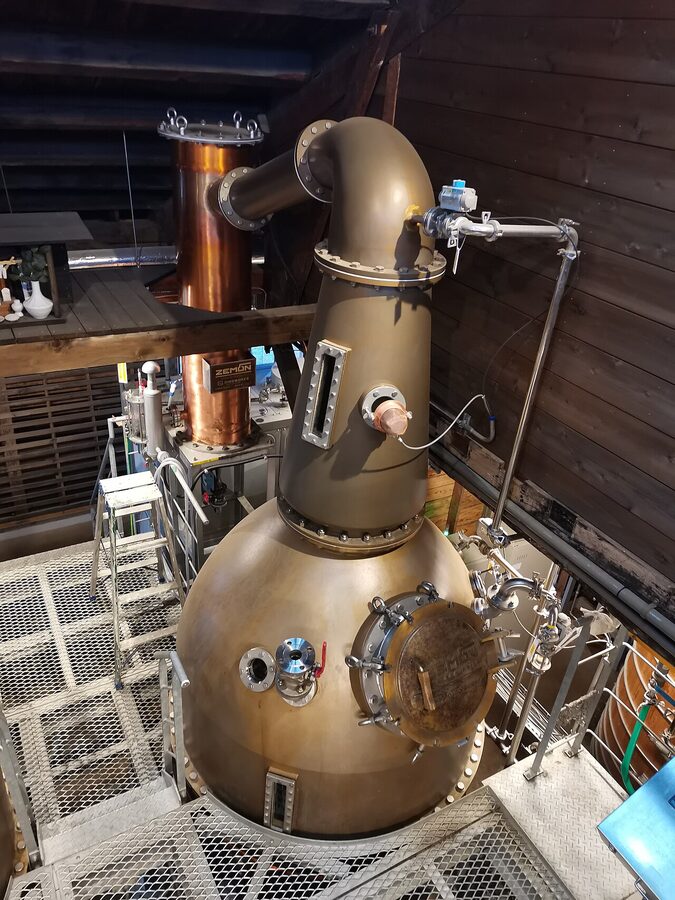
Afternoon to Saburomaru Distillery in Tonami. Email reservation required (the booking address is on their website; expect 2-3 day reply). The tour walks the original 1947 building, the Takaoka-bronze stills cast specifically for the distillery, and the warehouse. The on-site shop sells the limited Sunshine Whisky and the new-make spirit. The on-site restaurant Kamado Flamme Tanzaburo does a kettle-rice lunch with a Sunshine Whisky highball, ¥2,200.
Stay night 5 at Sanrakuen in Shogawa Onsen, a wooded ryokan above the gorge that has been a working inn since 1820. ¥22,000 for a room and meals. The dinner kaiseki paired with Toyama sake is the trip’s quiet highlight.
Daily total ¥30,000.

Day 6: Toyama to Kyoto
Out by 09:00. The Hokuriku Shinkansen connects Toyama to Tsuruga in 50 minutes; from there the JR Limited Express Thunderbird to Kyoto is 75 minutes. Total ¥9,800. By 12:30 you are in Kyoto.
Same Kyoto day plan as the 7-day version: Pontocho dinner, Bar Rocking Chair to close.
Day 7: Kyoto kaiseki day
Morning at Fushimi Inari and the sake breweries underneath. Lunch at Inari Sushi Koji for the inari-zushi (sweet rice in tofu pouch, ¥1,200). Afternoon free; many travellers fill it with Kinkaku-ji or Arashiyama. Evening kaiseki at Giro Giro Hitoshina with the sake-pairing flight as in the 7-day plan.
Day 8: Kyoto to Hiroshima
Shinkansen to Hiroshima at 09:30, 1h45min, ¥11,420. Drop bags. Lunch at Okonomi-mura for okonomiyaki (Hiroshima-style, ¥1,400). Afternoon ferry to Miyajima for the deer and the floating torii. Back to Hiroshima for evening at Beer Stand Mahoroba, the city’s best craft beer room, plus dinner at the Hassei oyster bar (Hiroshima oysters cost a quarter what they do in Tokyo). Daily total ¥32,000.
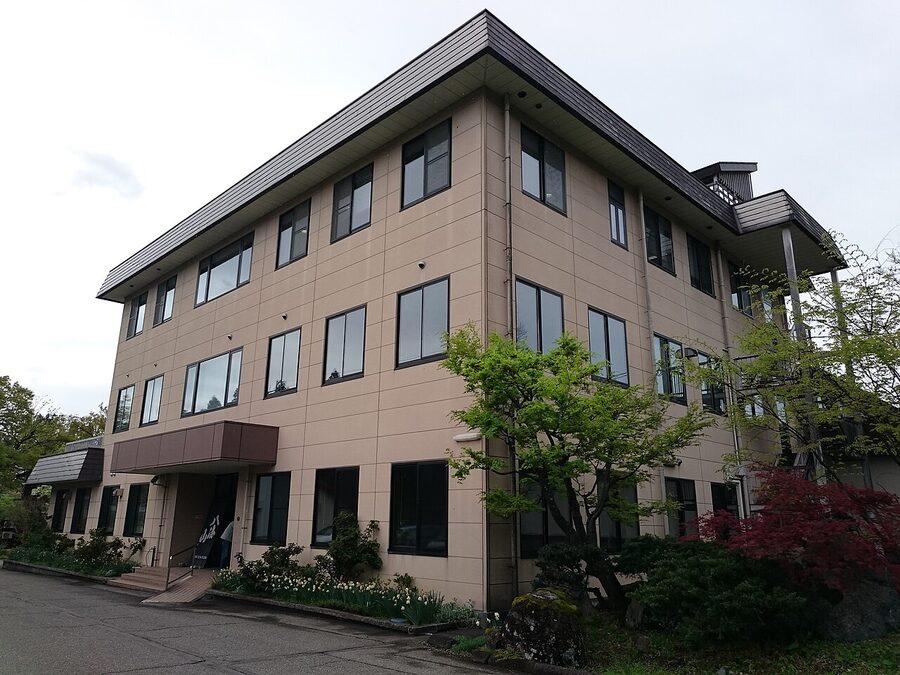

Day 9: Hiroshima to Fukuoka
Sanyo Shinkansen at 09:00, 1h05min, ¥9,650. My Fukuoka piece walks the eat-and-drink half of the city in detail; for a 14-day trip the priority is one big yatai night.
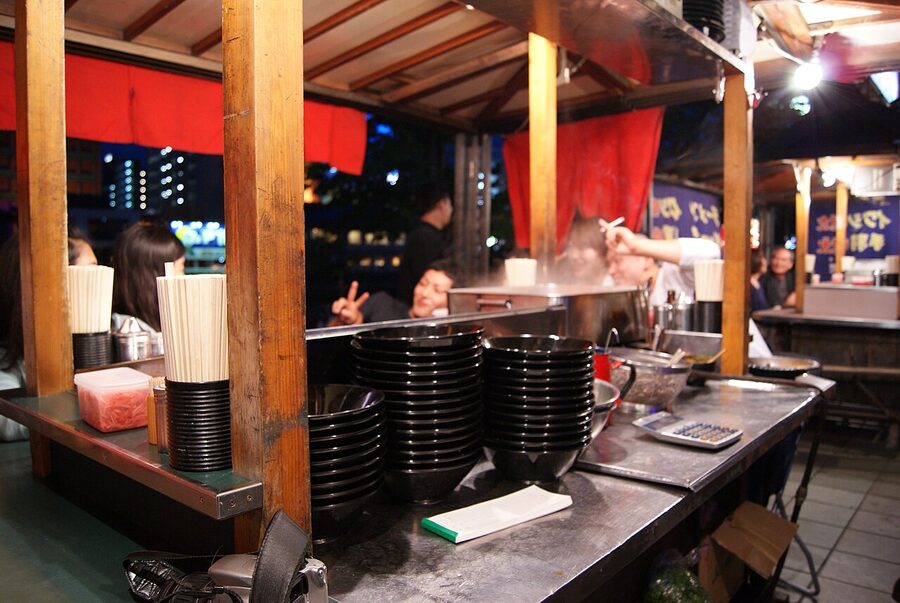
Afternoon at Tenjin Chikagai shopping centre for Hakata gyoza lunch, then walk to Beer Paddy Fukuoka for the local craft beer flight. Yatai night is the move: head to the Naka River yatai cluster around 19:00 (they open then; the line forms shortly after). My usual rotation is Yatai No. 1 for hakata ramen, Take-chan for grilled mentaiko (cod roe), and one of the riverside stalls for shochu highballs. Total spent across the row: ¥5,000–7,000.
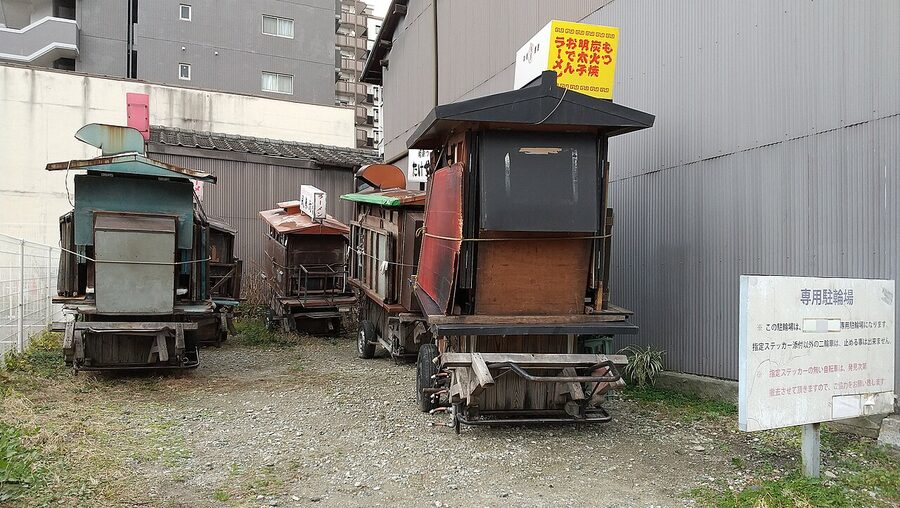

Day 10: Fukuoka deep day
Morning at Munakata Taisha if you have rented a car (sake-shrine pilgrimage), otherwise at Sumiyoshi-jinja in central Fukuoka. Afternoon at Shino Brewery in Itoshima (45-minute train), the prefecture’s standout sake brewery. Tour and tasting ¥1,500 with two pours. Back in Fukuoka by 17:00.
Evening: a properly Hakata night out. Start at Niwakaya Chosuke for the famous moeoshikai chicken hot pot (¥3,500), end at Bar Higuchi in Tenjin for nightcap. Daily total ¥25,000.

Day 11: Fukuoka to Naha
Flight from Fukuoka at 09:00, land in Naha by 10:50, ¥13,000 (Peach), ¥22,000 (ANA).
Naha is the awamori-and-pork capital of the country. My awamori guide covers the drink itself; for the trip it is one tour day and one bar night.
Afternoon: Zuisen Distillery in Shuri, the easiest awamori distillery to reach. Free tour 11:00 and 14:00, tastings ¥500 for three pours. The Zuisen 30-year (Kusu) is what you have crossed the country to taste. Evening: dinner at Yunangi for Okinawa-soba (¥800) and rafute pork belly (¥1,300), drinks at Awamori Bar Toyko on Kokusai-dori. Daily total ¥32,000.
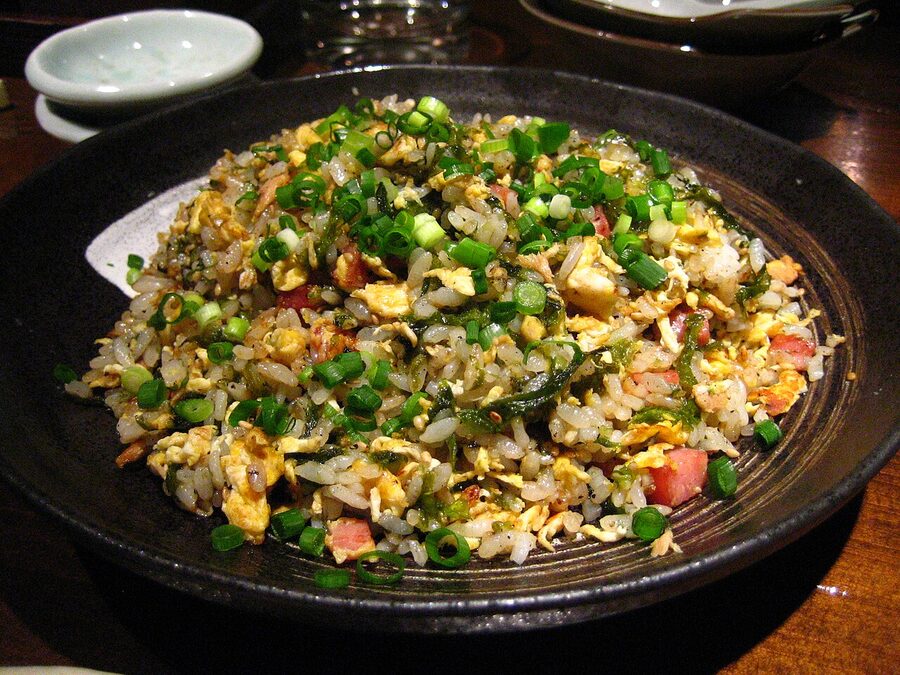

Day 12: Okinawa main island wander
Rent a car at the airport (¥6,000 a day). Drive the west coast: Onna village for the cliff-top awamori bar called Crystal Cape, lunch at Yachimun Kissa Shisaen for taco rice (¥1,200), Manzamo Cape for the view. Drive back to Naha by 17:00. Evening at Helios Pub in Naha for the Helios brewery flight (Helios makes the only craft beer brewed in the prefecture).
Daily total ¥25,000 with car.
Day 13: Last bar day
Morning lazy. Lunch at Makishi Public Market: pick fish at the ground floor, take it upstairs to be cooked for ¥500 a fish. Afternoon at the Tsuboya Pottery District for the souvenir shop end of the trip. Evening: pick one of the bars you missed. Bar Awamori on Kumoji has the deepest old-bottle list in the prefecture. Cover ¥500, pours from ¥800.
Day 14: Return
Flight home from Naha. The country has thirteen days of yen prices in your wallet and a notebook of bottle names. The trip ends.
14-day grand total estimate: ¥520,000 (lean) to ¥680,000 (comfortable).
How to adapt these for your dates
None of these plans are the only route. A few common adaptations:
- Spring (cherry blossom): add a Kyoto morning at the Kamogawa riverbank for sakura, then push the kaiseki dinner one day. The weather window is narrow (late March to early April) but worth it.
- Winter (December–February): swap Hokkaido for the Saburomaru day. The Hokkaido distilleries sometimes close in deep winter; northern Japan stays open.
- Summer (July–August): shift the Fukuoka yatai to the priority slot. The open-air stall scene only feels right when the night air is humid. Sapporo’s Beer Garden festival in late July is the country’s biggest beer event and a planned-around-it trip works.
- Travelling solo vs as a couple: the per-person budgets above assume two people sharing a room. Solo adds 35-40% on hotel costs alone.
- Want more sake, less whisky: swap the Yoichi day for a Niigata day. Niigata has more named sake breweries than any other prefecture and the regional Echigo Tokimeki Resort Setsugekka train (the gourmet sake train) runs Saturdays April-November.
What I would actually skip
A few moves that look good on paper and tend to fall flat:
- The Hakone whisky day-trip from Tokyo. Hakone has no major distillery worth the journey; you go for onsen, not for drinks.
- The Tokyo whisky-bar bar crawl. Two whisky bars in one night is one too many. The cover charges add up, and the whisky deserves attention you cannot give it past midnight.
- The Hiroshima sake angle. Hiroshima is craft beer and oysters. The Saijo sake town an hour east is genuinely worth a day, but only if you are skipping Kyoto. Otherwise Kyoto sake wins on time-per-yen.
- Capsule hotels for whole trips. One night for the experience, fine. Five nights and your sleep falls apart, the trip with it.
- Pre-paid izakaya tours via OTAs. The good izakaya have walk-in seats and a counter that talks to you. The OTA tours bundle the bottom 30% of city izakaya at the top 30% of city prices. Better to read an izakaya ordering guide and walk in yourself.
What goes in the carry-on
Three things I always pack for a Japan drinks trip and three I have stopped packing.
Pack: a small notebook (my bottle-list-of-the-trip, every brewery I tasted at, every bar where I owe a return); a spare card or cash pouch (one bar wallet, one daily wallet, never confused); and a pair of indoor slippers in a fold-flat pouch (every ryokan and most distillery tours have a shoes-off rule, the borrowed slippers run small).
Skip: a Japanese phrasebook (your phone is fine; Google Translate camera mode reads bottle labels well enough now); a flashy bottle of whisky as a host gift if you are staying in ryokan (they have the better stuff already); and any expectation that you will keep up with your daytime self by night six. Pace yourself. The country deserves you awake.
Last thing. Print one map of each city you stay in, because by night ten phone batteries die. The paper map is the only thing that gets you back to the hotel from the second whisky bar in Sapporo at 01:30.
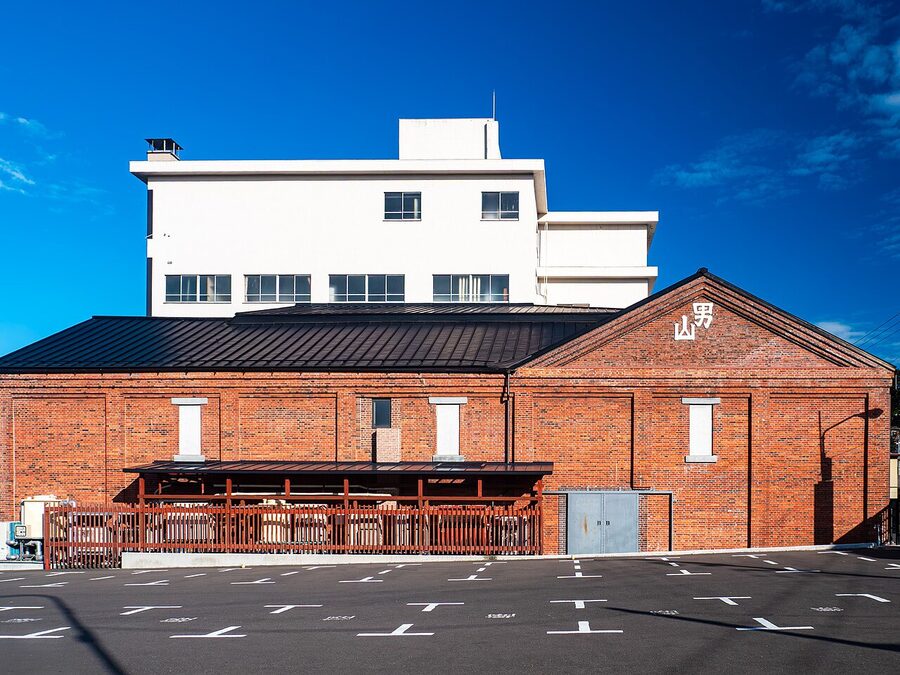 CitiesWhy Tohoku Took Over Japan’s Sake SceneThe trip almost didn't happen. I'd booked an Aomori brewery visit at the end of a rushed week, the second…
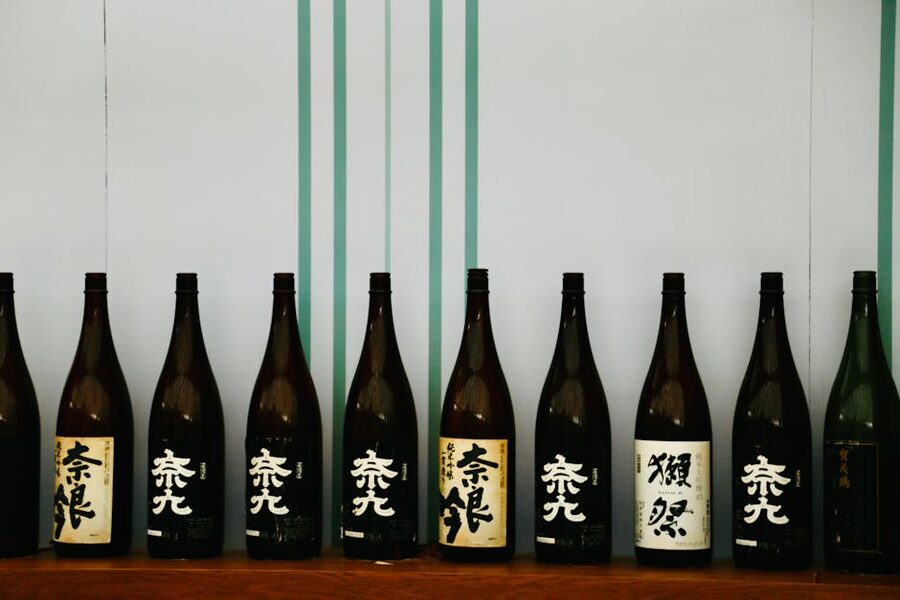 CitiesWhy Kansai, Not Niigata, Is the Sake CapitalHyogo and Kyoto produce more sake than the next eight prefectures combined. Two of Kansai's six prefectures, side by side,…
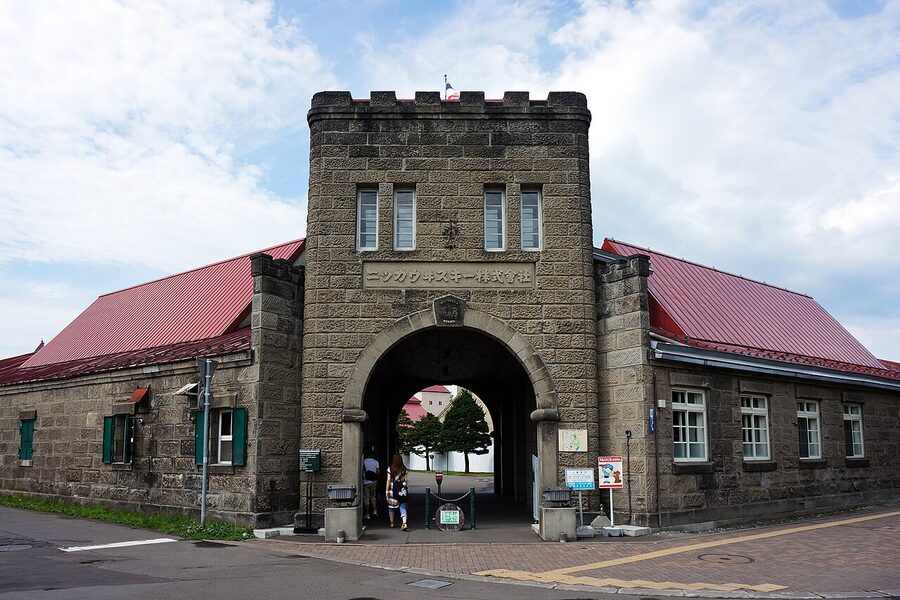 CitiesHokkaido Has More Whisky Distilleries Than You ThinkAsk anyone who knows a little about Japanese whisky to name a Hokkaido distillery and they’ll say Yoichi. Push them…