
The first time I really understood sake pairing, I was sitting at the counter of a tiny seven-seat kappo in Yanaka. The proprietor, Mr Sato, watched me start with a chilled daiginjo and a piece of grilled mackerel and shook his head, almost imperceptibly. Then he poured me a cup of warm kimoto junmai from a brewery in Akita, no label visible.
“Now eat the fish,” he said in English. “Then eat it again with the cold one.”
The mackerel with the warm kimoto tasted like it belonged on the plate. The same fish with the chilled daiginjo tasted like two strangers had been forced to share a small table. He smiled, refilled the warm cup, and said, “We don’t pair sake the way you pair wine. We pair it the way we pair rice.”
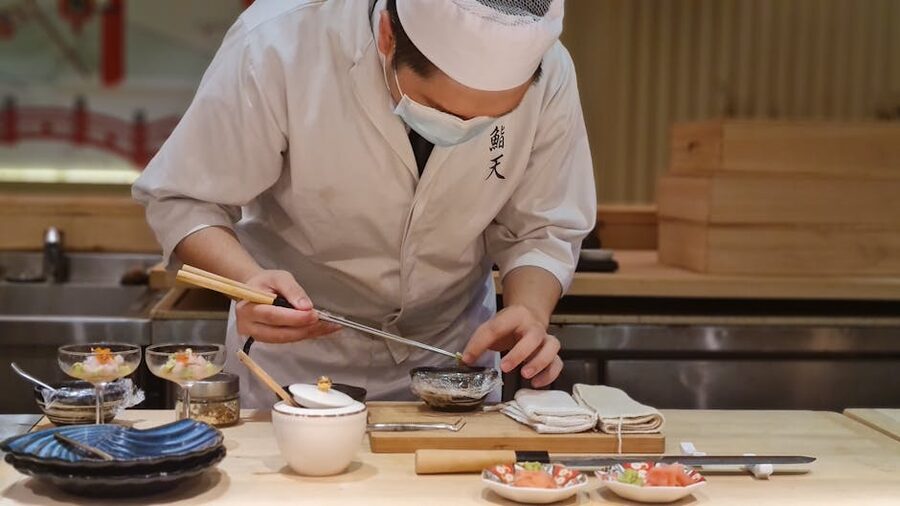
That was four years and a lot of cups ago. The lesson stuck. Sake isn’t a wine-style drink you look up tasting notes for and match to a protein. It’s a rice-fermented drink that grew up alongside Japanese food, and the rules that actually work are different from the wine playbook most travellers arrive with. This is what to drink with what, why, and where to actually eat the pairings on a trip.
In This Article
- The four ways sake meets food
- A reference table for the first week
- The five dimensions worth thinking about
- Intensity
- Aroma
- Region
- Age
- Temperature
- Junmai with grilled fish, simmered things, and oden
- Honjozo and the salty, the pickled, the dried
- Ginjo with white-fish sashimi and the lighter half of the menu
- Daiginjo, the pairing trap, and what actually fits
- Namazake with raw seafood and crudo
- Kimoto, yamahai, and the savoury end of the spectrum
- Koshu (aged sake) for the umami-heavy and the sweet
- Sparkling sake when there’s oil involved
- The kaiseki convention: kuchitorizake
- The seasonal sake calendar
- Where to actually drink the pairings on a trip
- Tokyo: the sake-bar and izakaya capital
- Kyoto: kaiseki and the sake-with-tofu tradition
- Osaka: izakaya and standing-bar pairings
- Niigata, Akita, Hyogo: the brewery onsite restaurants
- Mistakes I made (and you can skip)
- One more, for the road
The four ways sake meets food
Japanese sommeliers don’t really teach pairing the way wine schools teach it. They teach four relationships, and which one you’re going for shapes everything that follows. The Japanese terms are chowa, hokan, chuwa, and sojo. You don’t need the words; you need the four moves.
Harmony. Match the weight and richness of the dish to the weight and richness of the sake. A delicate cold-pressed ginjo with a piece of pale white-fish sashimi. An aged kimoto junmai with a slow-braised pork belly. Same intensity on both sides of the table. This is the safest move and the one a first sake dinner should be built around.
Complement. Use the sake to fill in what the dish is missing. Dish is salty and bitter? Pour something with a touch of sweetness and a softer acid. Dish is heavy with cream and almost monotone? Reach for a sharper, drier honjozo to give it edges. The Japanese sommelier I drank with in Kyoto called this “treating the sake like a sauce,” which is a useful image. The bottle is one ingredient on a six-ingredient plate.
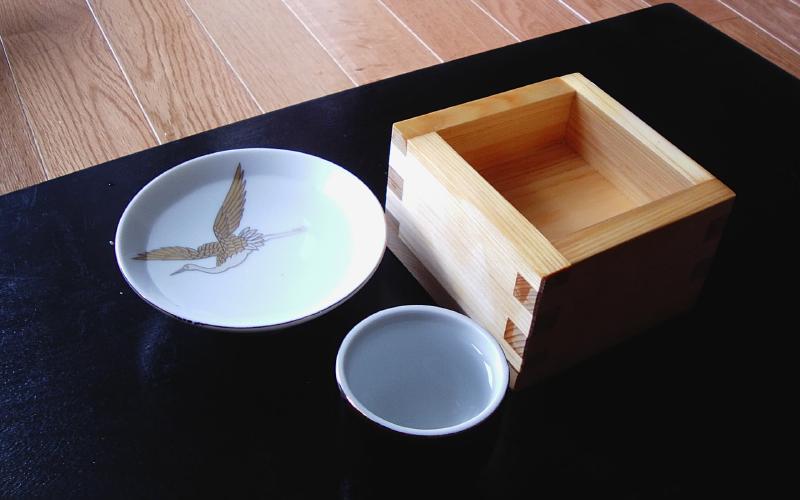

Neutralise. Use the sake to take the edge off something the dish has too much of. The classic case is sparkling sake with tempura. The carbonation and acid scrub the oil off your tongue between pieces. Same logic with bone-dry tanrei against an aggressively salty shio-kara (fermented squid guts) at an old-school izakaya: the dryness softens the salt.
Synergy. The pairing that produces something neither side had on its own. The most-quoted example in Japan is aged sake plus blue cheese. The two umami profiles compound into something a third bigger than either ingredient. Cream cheese rolled in dried aosa seaweed and sipped with a yamahai is another. Synergy is the one travellers chase. It’s also the hardest to plan; you mostly find it by accident.
A reference table for the first week
Six sake styles, the food category each one is built for, and where you can actually drink the pairing without booking a Michelin counter. Use it to order at any izakaya with a list of more than ten bottles.

| Style | Flavour profile | Serve at | Food category | Look for it at |
|---|---|---|---|---|
| Junmai | Rice-forward, savoury, mid acidity | 15–45°C | Grilled fish, simmered vegetables, oden, nimono | Any izakaya, almost every brewery shop |
| Honjozo | Crisp, dry, light, slightly drier than junmai | 5–50°C | Salted fish, pickles, sashimi of bluefish, light fried food | Older shitamachi izakayas, neighbourhood places |
| Ginjo | Fruity, light, melon and pear notes | 8–15°C | White-fish sashimi, light kaiseki, pesto pasta, soft cheeses | Sake bars, mid-range counters |
| Daiginjo | Floral, fragrant, polished, banana and apple esters | 10–15°C | Fatty tuna, beef sushi, salmon roe, kaiseki opening courses | Hotel sake bars, premium izakaya, brewery flagships |
| Namazake (unpasteurised) | Lively, fresh, slight prickle, often slightly sweet | 5–10°C only | Crudo, oysters, raw seafood with citrus, fresh cheese | Dedicated sake bars, brewery taprooms in spring |
| Kimoto / Yamahai | Rich, slightly funky, lactic, high umami | 15–55°C | Fried food, miso-marinated fish, hard cheese, beef | Specialist sake bars, brewery onsite restaurants |
| Koshu (aged) | Amber, sherry-like, nutty, oxidative | 15–50°C | Mature cheese, chocolate, pork belly, char siu | Aged-sake specialists, long-running honten shops |
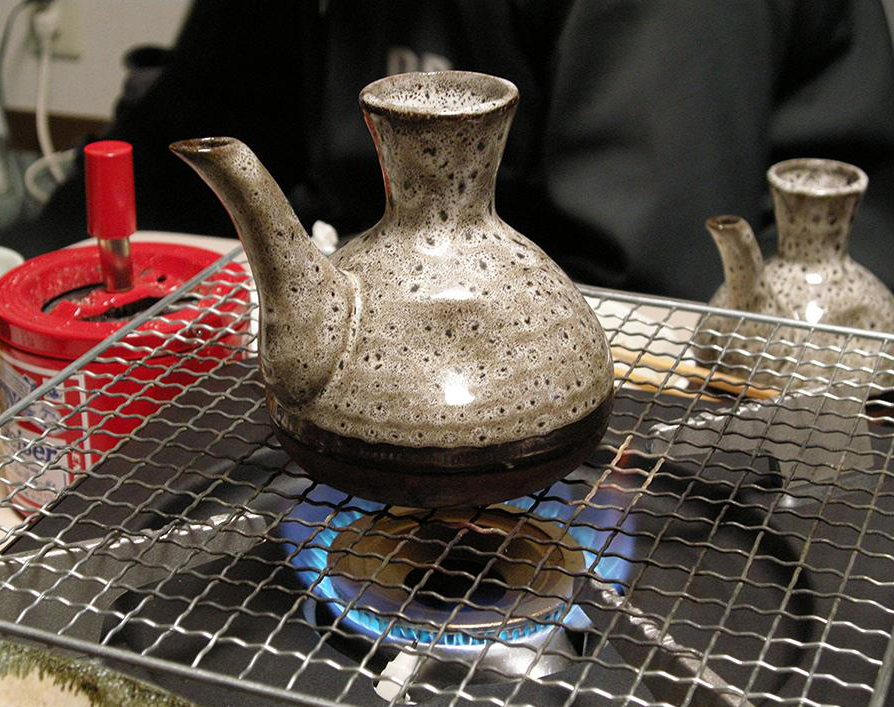
The temperature column matters more than first-time drinkers think. The same bottle of junmai changes character roughly every five degrees, and a sommelier-led pairing dinner often pours one bottle four times across one meal at four different temperatures. You can try this trick with any single bottle you’ve bought from a brewery shop; that’s where the home version of pairing starts.
The five dimensions worth thinking about
Forget the radar-chart pairings the textbooks push. Five practical questions cover ninety percent of the decisions you’ll make on a trip.
Intensity
Match weight to weight. Light dishes (sashimi of shimaaji, simmered greens, chawanmushi) want light sake. Heavy dishes (tonkatsu, miso-glazed black cod, beef tataki) want bottles with more umami and viscosity. The mistake travellers make is reaching for a famous daiginjo with everything; a top-shelf daiginjo with a heavy stew gets crushed.
Aroma
Match aroma to aroma. Roasted aromas in food (grilled meats, yakimono, smoky robatayaki) want sake with toasted notes, which usually means kimoto, yamahai, or anything aged. Floral and fruity dishes (white fish with citrus, summer tomatoes, pickled plum salad) want fragrant ginjo or daiginjo.
Region
Coastal breweries make sake that pairs with seafood. Inland breweries make sake that pairs with mountain food. This isn’t mysticism; it’s that the local kitchens and the local brewers spent a century optimising for each other. Niigata tanrei karakuchi, the bone-dry style of Niigata Prefecture, was built to drink with the cold-water fish of the Japan Sea. Fukuoka on Kyushu is similar in approach: broad coastal junmai with the local seafood. Hyogo’s Nada district makes broad, robust sake that drinks with everything because Kobe is a port; the brewers there had to handle every food category. Drinking the local sake with the local catch in the same prefecture is one of the best ways to learn.
Age
Fresh sake (nama, shiboritate, the just-pressed bottles you find at brewery shops in February) drinks with fresh food. Spring vegetables, raw seafood, fruit, fresh cheese. Aged sake (koshu, hiyaoroshi) drinks with aged food. Tsukemono pickles, hard cheese, dried fish, char siu, anything braised. A simple way to see this: the colour of the sake roughly tracks the colour of the food it pairs with. Pale sake with pale food. Amber sake with amber food.
Temperature
Pour the same sake at three temperatures and you have three drinks. Chilled sake reads cleaner and more aromatic; warm sake reads rounder and more umami-forward. The Japanese rule that no wine-school graduate believes is that the temperature of the sake should track the temperature of the food. Hot stew, warm sake. Cold sashimi, cold sake. Try the opposite and you’ll feel why.

Junmai with grilled fish, simmered things, and oden
Junmai means pure rice (sake brewed with no added distilled alcohol), and the result is rice-forward and savoury. It’s the workhorse of the Japanese drinking dinner. If you’re at a generic izakaya and you want one bottle that pairs with most of the menu, ask for a junmai from the prefecture you’re in.
The pairings to try first:
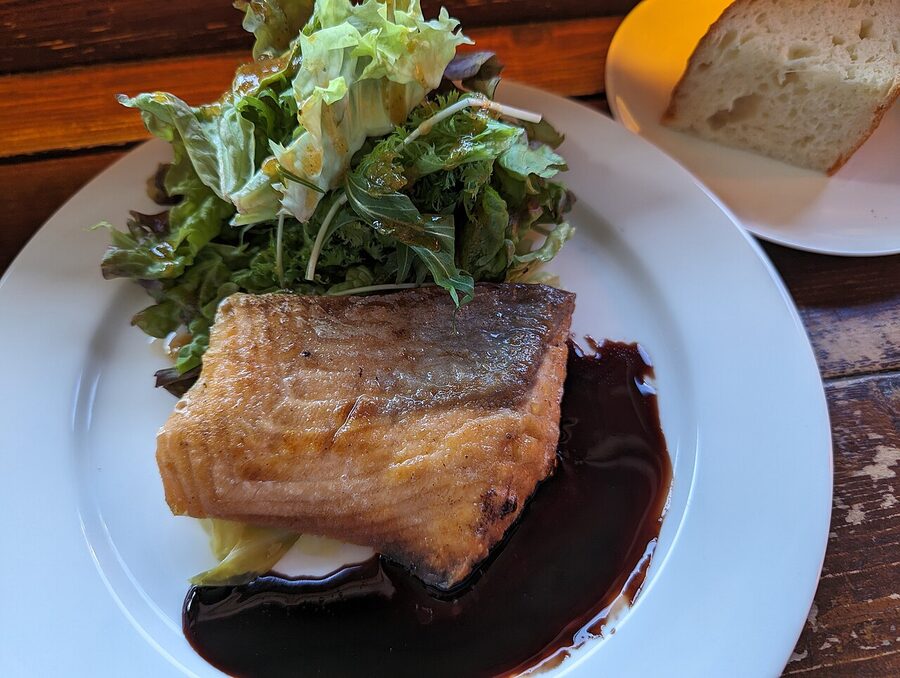
- Grilled mackerel (saba shioyaki). The salt-grilled mackerel is the dish all of Japanese drinking culture is built around. The savoury rice notes of junmai handle the oily, salty fish in a way no white wine I’ve drunk does. Junmai at warm to room temperature, ¥600–900 a glass at a neighbourhood place.
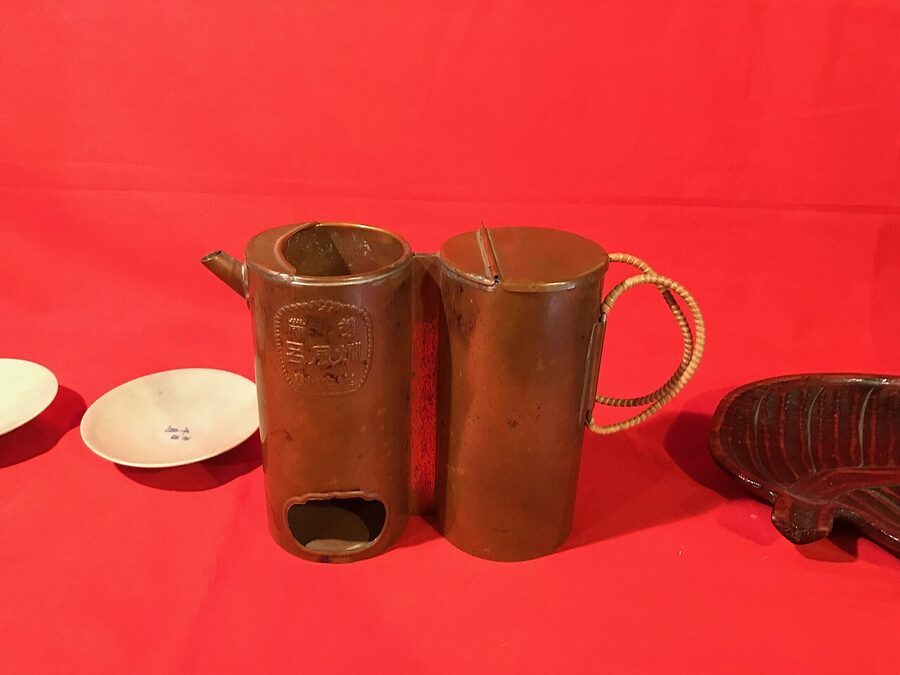
- Nimono (simmered vegetables). Daikon, taro, carrot, kabocha squash, all stewed slowly in dashi. The dashi-and-junmai overlap on glutamate gives you the synergy move automatically. Warm junmai, served in tokkuri.
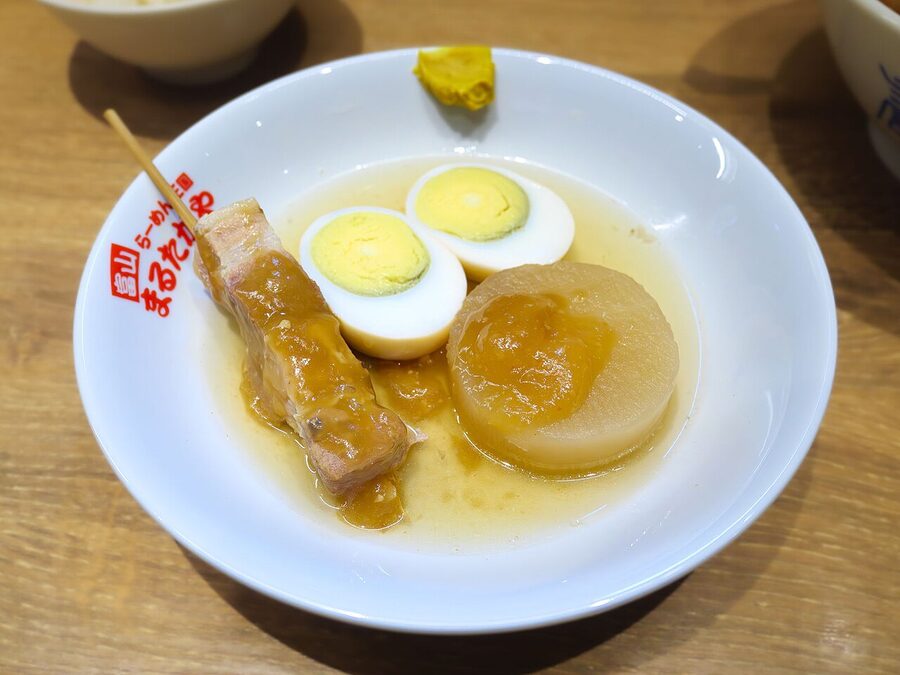
- Oden. The slow-simmered winter stew of daikon, eggs, fish cakes, beef tendon, konjac. Junmai warmed to about 45°C is the canonical match. Don’t bother chasing a daiginjo for oden; the broth steamrollers it.
- Hijiki and other seaweed simmered dishes. The marine glutamates love rice umami. Same logic as oden but at room temperature.

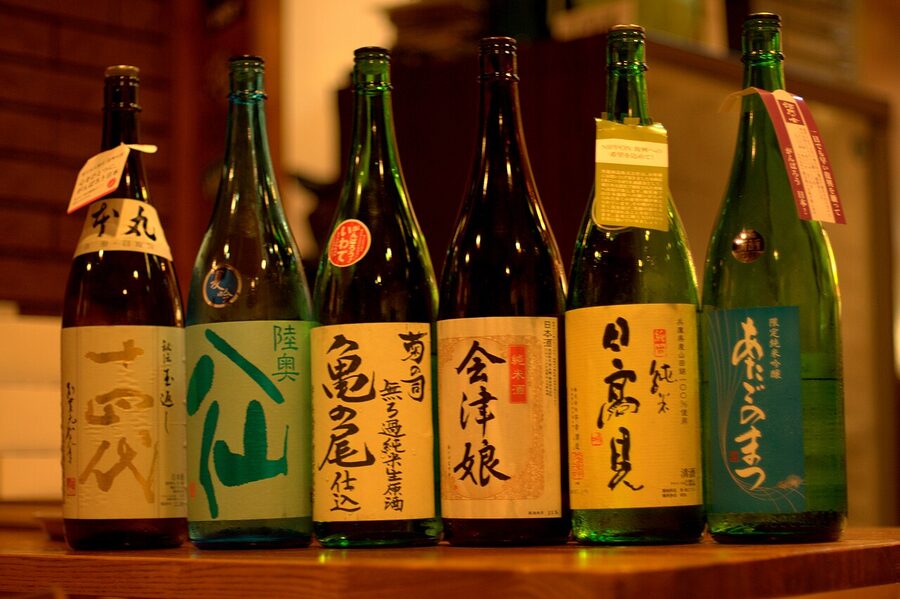
For specific brewery recommendations: Kubota Senju (Asahi Shuzo, Niigata) is a clean, dry junmai that works with most light Japanese food and shows up on every izakaya list. Hidakami Choh-karaguchi Junmai (Hirako Shuzo, Miyagi) is a more savoury, umami-heavy bottle that handles grilled mackerel beautifully. Hourai Kaden Junmai Ginjo (Watanabe Shuzoten, Gifu) is the broader workhorse that runs from chilled to warm without losing its centre.
Honjozo and the salty, the pickled, the dried
Honjozo is the older, drier cousin of junmai. A small amount of distilled alcohol gets added during brewing, which makes the sake lighter, sharper, and slightly more transparent on the palate. It used to be the cheap workhorse before junmai got rebranded; now it’s an underdog in the export market and a regular at neighbourhood spots.
What it does well: cuts salt, refreshes the palate, vanishes between bites. Pair it with the parts of the Japanese pantry that are aggressively cured.
- Shio-kara (fermented squid guts). Salty, briny, slightly sour. Honjozo warmed to 40°C cuts straight through.
- Dried fish (himono). Mackerel, horse mackerel, atka mackerel. The sweetness of the dried fish wants the dry, slightly nutty sake of a properly aged honjozo.
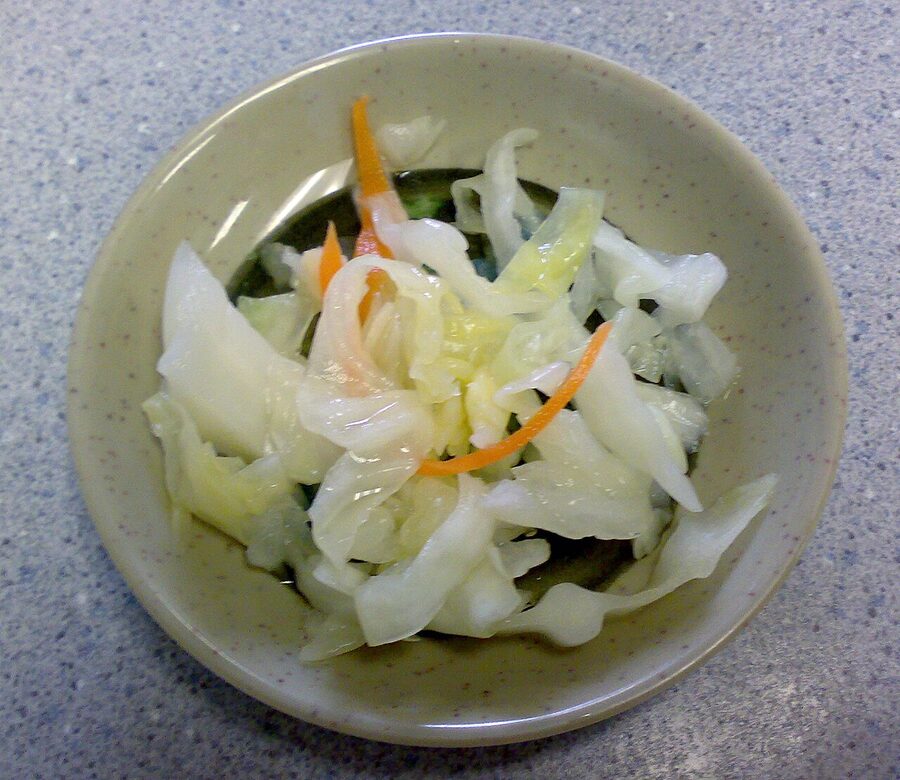
- Tsukemono (pickled vegetables). Daikon, eggplant, cucumber, all pickled in rice bran or salt. Honjozo at room temperature; this is the classic combination served as otsumami with the bottle.
- Sashimi of strong-flavoured fish. Bluefish like aji and sanma. The deep flavour of these fish overwhelms a delicate daiginjo but locks in with a sharper honjozo.


Ginjo with white-fish sashimi and the lighter half of the menu
Ginjo sake is brewed with rice polished to at least 60% of its original size and fermented at lower temperatures, which gives it pronounced fruity esters: melon, pear, sometimes a faint banana. It’s the easiest sake to fall for and the easiest to misuse. Pair it with food that has subtle, light flavours and you’ll see what it does. Pair it with anything heavy or smoky and the bottle disappears.
The pairings that work:
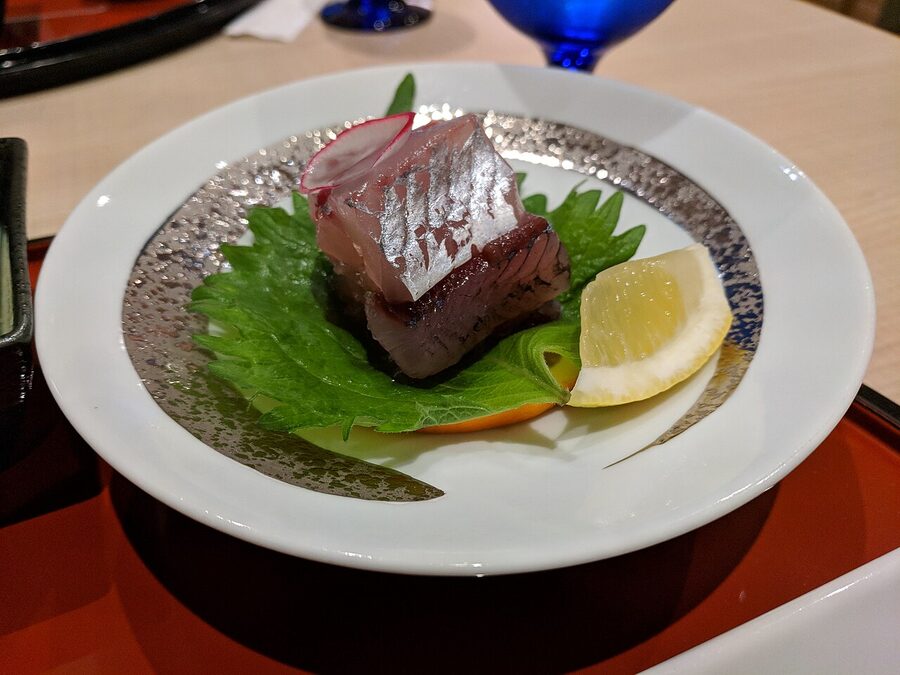
- White-fish sashimi. Sea bream (tai), striped jack (shimaaji), flounder (hirame). Chilled ginjo, served at 8–12°C.
- Steamed seafood. Hamaguri clams in sake, steamed sea bream, chawanmushi savoury egg custards.
- Lightly grilled white fish. Sea bass, tilefish, kinki rockfish.
- Pesto pasta. Sounds wrong, works absurdly well. The basil and the melon-pear of a fragrant ginjo sit on the same shelf.
- Mild soft cheese. Brie, fresh mozzarella, burrata. The fruit of the sake compensates for the salt of the cheese.

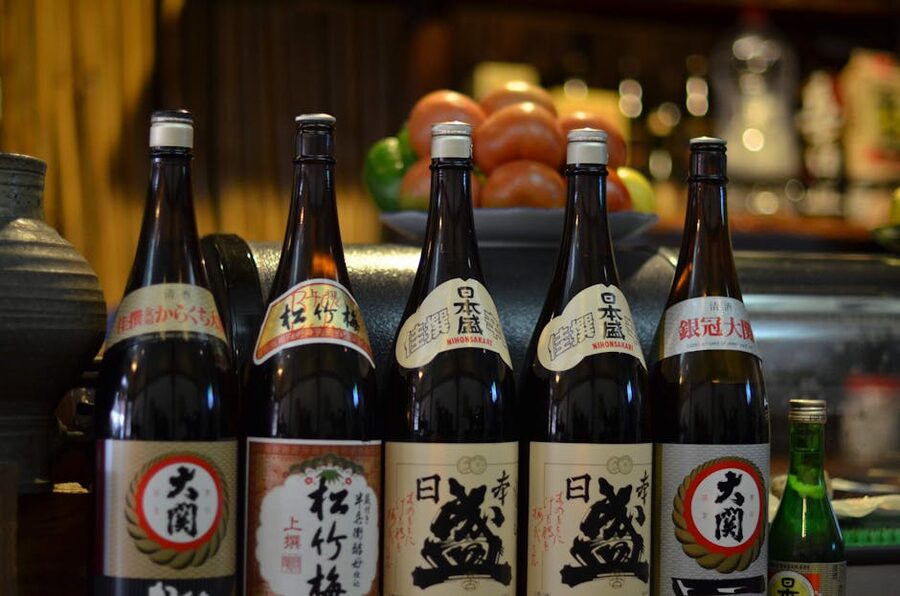
Specific bottles on most izakaya lists: Dassai 45 (Asahi Shuzo, Yamaguchi) is the easy starter. Born Junmai Ginjo (Katokichibee Shoten, Fukui) is more savoury and pairs harder with grilled white fish. Born and Dassai both run ¥1,000–1,500 a glass at a sake bar; cheaper if you order the 720ml bottle and split.
Daiginjo, the pairing trap, and what actually fits
The most-misused style. Daiginjo is the highest-polished sake (rice milled to 50% or below), and it has the most floral, most fragrant, most fruit-forward profile of any standard category. Every traveller wants to drink it at every meal. Every Japanese sommelier will tell you to slow down on it.
What goes wrong: Daiginjo‘s aroma profile is dominated by fruity esters (especially the apple-ish caproic acid ethyl ester that the Japanese sake industry has spent decades chasing). Those esters interact with high-fat ingredients beautifully, but get crushed by anything heavy or savoury. Try daiginjo with grilled mackerel and the sake disappears. Try it with a high-end fatty tuna sushi and the pairing turns into something you’ll think about for years.
What actually pairs:
- Fatty tuna (otoro, chutoro). The unsaturated fats in the tuna and the fruit esters in the sake compound rather than cancel. This is the headline daiginjo pairing.
- Wagyu beef nigiri or seared wagyu. Same chemistry as the tuna; oleic acid in the beef fat plus fruit esters in the sake.
- Salmon roe (ikura). The unsaturated fats again; daiginjo calms the fishy edge.
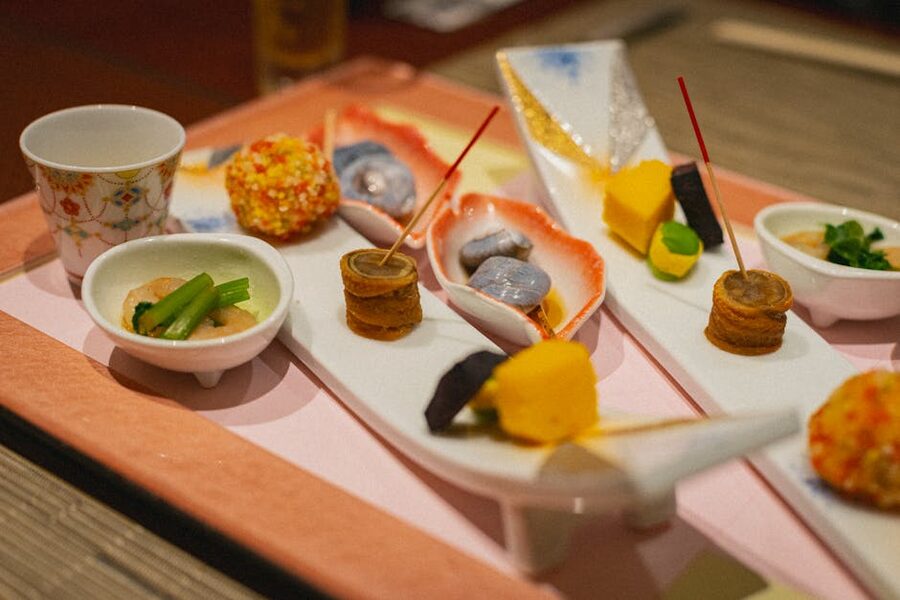
- Light kaiseki opening courses. The dashi-cured fish, the pickled chrysanthemum greens, the fresh tofu with sea salt. Daiginjo shines as a kuchitorizake: the palate-cleansing pour between courses.
- Fresh fruit. Persimmon, white peach, melon. End of meal, served chilled.
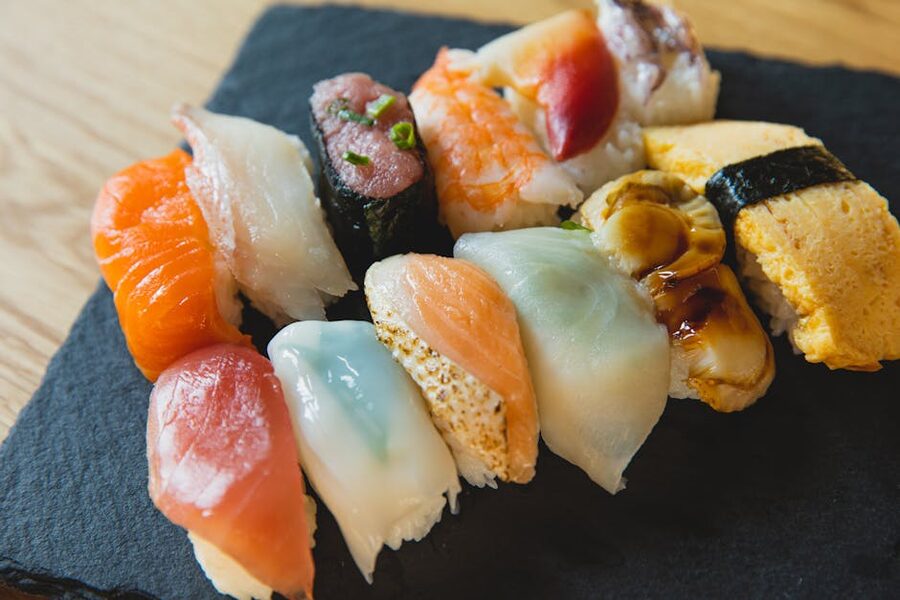
Where it goes wrong: heavy nimono, anything with miso paste, oily grilled fish, anything aggressive. Default-think of daiginjo as a wine pairing for the lighter half of a kaiseki dinner. The full-bodied savoury half wants kimoto or junmai.
Namazake with raw seafood and crudo
Namazake is unpasteurised sake. The bottle has not been heat-treated, which means it must stay refrigerated and is alive in a way most sake isn’t. It tastes fresh, slightly fizzy at the edges, with a green-vegetal lift that the Japanese describe as aoi (literally “blue/green”). It only ships well to bars with proper cold chains, and it shows up most at brewery taprooms and dedicated sake bars in spring.
Pair it with food that’s also alive: raw, fresh, ideally just-killed.
- Crudo and Italian-style raw seafood preparations. The vegetal note of namazake goes with olive oil and citrus the way a Greek cold white wine would. Surprising and excellent.
- Oysters. Eat them raw with a few drops of ponzu and chase with chilled namazake. The minerality on both sides locks in.
- Kobu-jime (kelp-cured fish). The kelp’s glutamate and the fresh sake’s brightness echo each other.
- Spring vegetables and sansai mountain greens. Fukinoto, warabi, bamboo shoots. Bitter and herbaceous; namazake‘s slight sweetness balances it.
Kimoto, yamahai, and the savoury end of the spectrum
This is the style I drink most. Kimoto and yamahai are old, traditional brewing methods that take longer (about a month longer) and produce sake with significantly more lactic acid, more umami, and more textural weight. The flavour is sometimes described as “funky” by Westerners, which understates it. There’s a goat-cheese tang at the edges, a mushroom-and-yoghurt umami in the middle, and a long savoury finish.
This is the sake that pairs hardest. The heavier and richer the food, the more kimoto shines. The Japanese sake writer Brad Smith calls it the cheese-and-cream of sake styles, and that’s the cheat code: anything you’d pair with a savoury wine or a Trappist beer pairs with kimoto.
- Fried food (tempura, tonkatsu, fried chicken). The acidity of yamahai cuts oil the way a sparkling wine does, but the umami plays nicer with the breading.
- Miso-marinated black cod (gindara saikyo-yaki). This is the headline kimoto pairing in Tokyo’s Ginza. The funky lactic edge of the sake and the sweet-savoury miso of the fish compound. Warm to about 45°C.
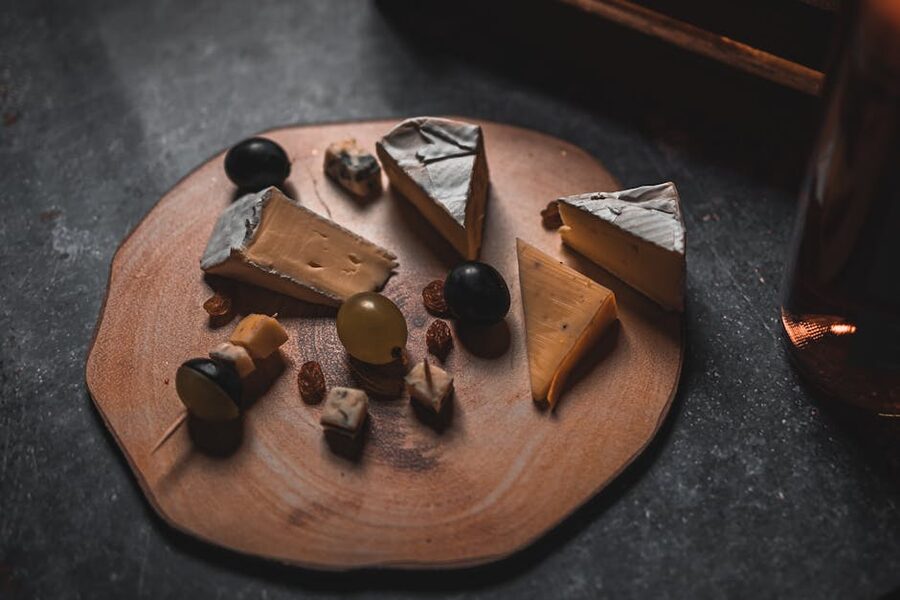
- Cheese. Aged hard cheeses (parmesan, comté, mature gouda) with kimoto junmai. Cream cheese with cool yamahai. Blue cheese with aged kimoto at room temperature.
- Beef. Wagyu sukiyaki, beef teriyaki, even a plain hamburger steak. The fat-handling of kimoto is the best in the sake world.
- Pork belly, char siu, and the heavy Chinese end of an izakaya menu.

Two breweries to know: Daishichi (Fukushima), the most famous kimoto-only brewery in Japan, with bottles from ¥3,000 retail. Ohmine Junmai (Yamaguchi) is a polished modern kimoto. Tedorigawa Yamahai Junmai (Ishikawa) is the fried-food and cheese pairing I default to.
Koshu (aged sake) for the umami-heavy and the sweet
Most sake is meant to be drunk young, within a year. Koshu is the deliberate exception: aged for three to twenty-plus years, it turns amber, develops nutty caramel notes, and ends up tasting closer to amontillado sherry than to fresh sake. There aren’t many breweries committed to it; the most famous in Japan is Darumamasamune in Gifu, which started ageing seriously in the 1970s.
What it pairs with:
- Aged hard cheese, blue cheese, parmesan crust. The synergy move; both sides are doing the same thing.
- Char siu, slow-roasted pork belly. The caramel notes match the caramelised meat.
- Chocolate. Dark chocolate with five-year-aged koshu at room temperature. The Japanese drink writer Brad Smith calls this his desert-island combination; I won’t argue.
- Mature mushroom dishes. Roast porcini, dashi-braised matsutake, wild mushroom pasta.
- Vanilla ice cream. Pour a small amount over the ice cream itself. Trust this once.
Sparkling sake when there’s oil involved
The newest sake category. Many breweries now make a sparkling version, either bottle-fermented like champagne or carbonated like prosecco. The flavour is usually somewhere between a dry sparkling wine and a slightly sweet riesling, with rice notes underneath. ABV is often lower than standard sake (5–10% rather than 15–16%), which makes it easier to drink before a meal.
The pairing logic is simple: anything with oil. The carbonation and acid scrub between bites.
- Tempura. The textbook pairing. Sparkling sake mid-meal, replaces what a champagne would do at a French equivalent.
- Fried chicken (karaage) and gyoza. The standard izakaya opener; sparkling sake is a better match than the standard draft beer (the Japanese craft beer scene is its own world).
- Oily fish sushi (saba, sanma).
- Aperitif before a kaiseki meal. Replaces the welcome drink of umeshu at most ryokans.
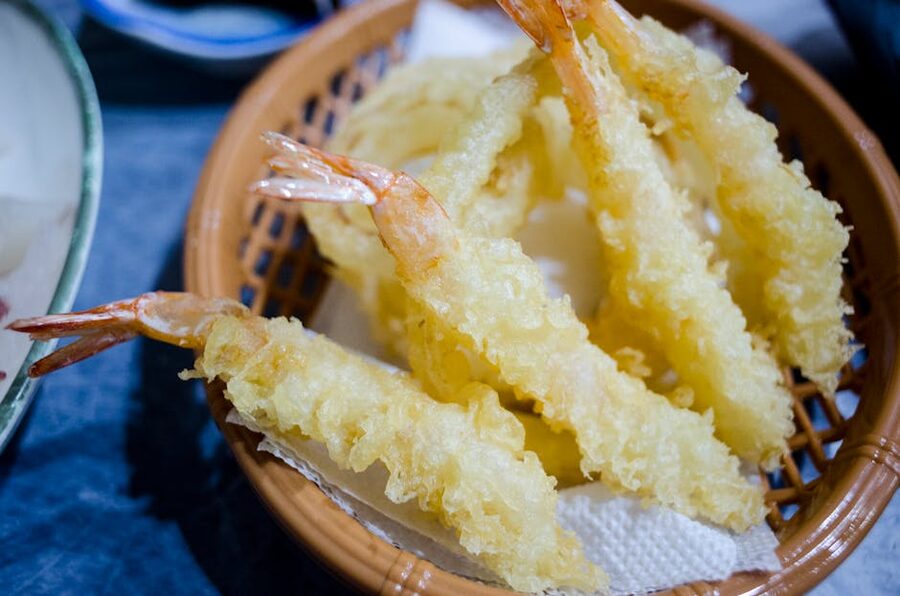
Hakkaisan AWA (Niigata) is the cleanest version on most izakaya lists. Mizubasho Pure (Gunma) is the most champagne-like, suitable as a pre-meal pour. Both run ¥1,200–1,800 a glass.
The kaiseki convention: kuchitorizake
One thing the English-language sake guides almost never explain. In a traditional kaiseki dinner, sake is poured as kuchitorizake: literally “mouth-cleaning sake.” The role isn’t to pair with the dish in front of you; it’s to clear the palate between dishes. The sake is usually a clean, low-aroma junmai or honjozo served slightly chilled.
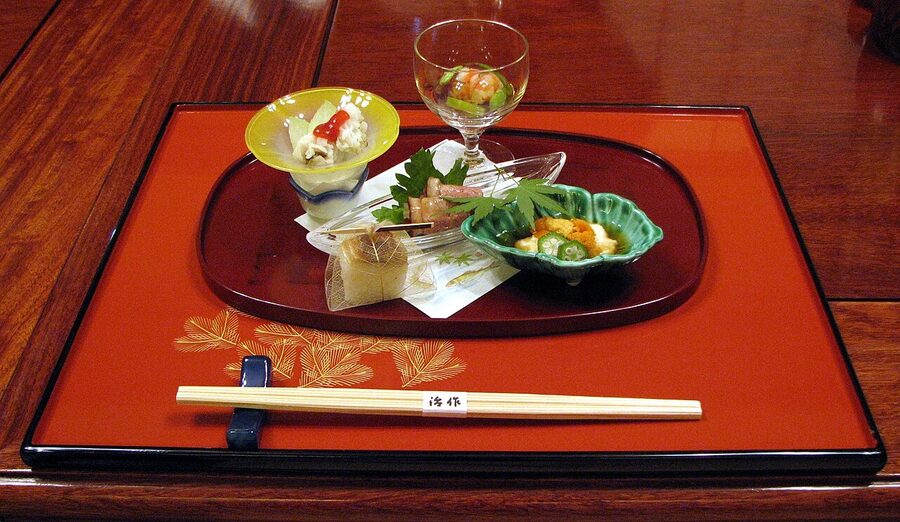

If a traveller orders an aromatic daiginjo at the start of a kaiseki and expects every course to pair with it, the meal collapses by course three. The Japanese way is to drink the cleanest possible sake through the structure of the meal, with the explicit pairing happening only at the major fish course and the major meat course. The sommelier will sometimes pour a different bottle at those two moments and clear the palate with the original kuchitorizake in between.
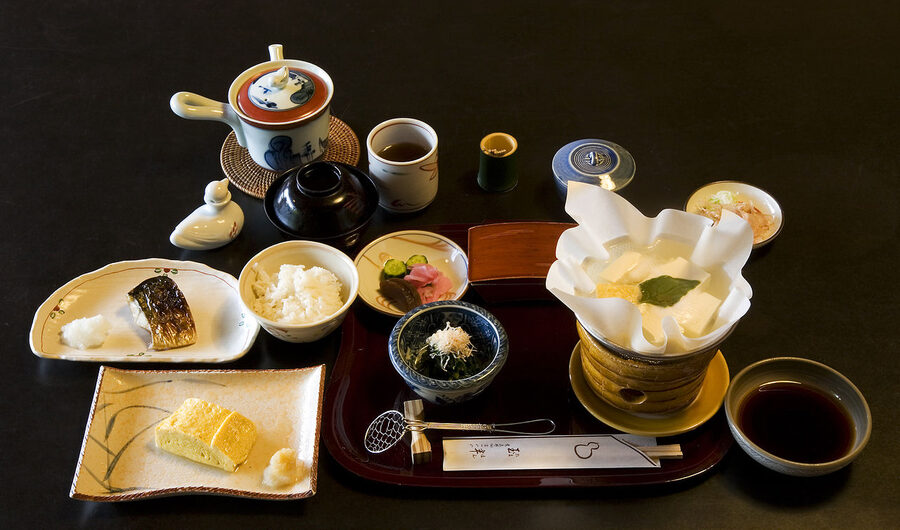

Practical takeaway for a traveller eating at a kaiseki ryokan: ask for a junmai set at the start, drink it through the meal, and trust that the kitchen knows what it’s doing if a different cup arrives at the eighth course. That’s the sommelier swapping in the pairing bottle for the headline dish.
The seasonal sake calendar
What’s freshest in the bottle changes month by month, and the kitchen is changing alongside it. Aligning the bottle with the season is the cheap-and-easy version of regional pairing.
- February to April: Shiboritate and nama. The just-pressed bottles of the year. Pair with fresh spring vegetables, sashimi, sansai mountain greens. Drink chilled.
- May to August: cool junmai, summer ginjo. The drinking-cool months. Pair with cold tofu (hiyayakko), cold somen, sashimi of summer mackerel and bonito. Serve cold.
- September to November: hiyaoroshi. The bottles aged over the summer in the brewery cellars and shipped without a second pasteurisation. Slightly rounder, more umami. Pair with the autumn fish run (sanma, autumn salmon, mackerel) and mushroom dishes. Serve at room temperature.
- December to January: atsukan junmai, kimoto, yamahai. The warming months. Pair with nabemono hot pots, oden, simmered stews (the Sapporo seafood-and-cold-night style of drinking lives here). Serve warm.

Where to actually drink the pairings on a trip
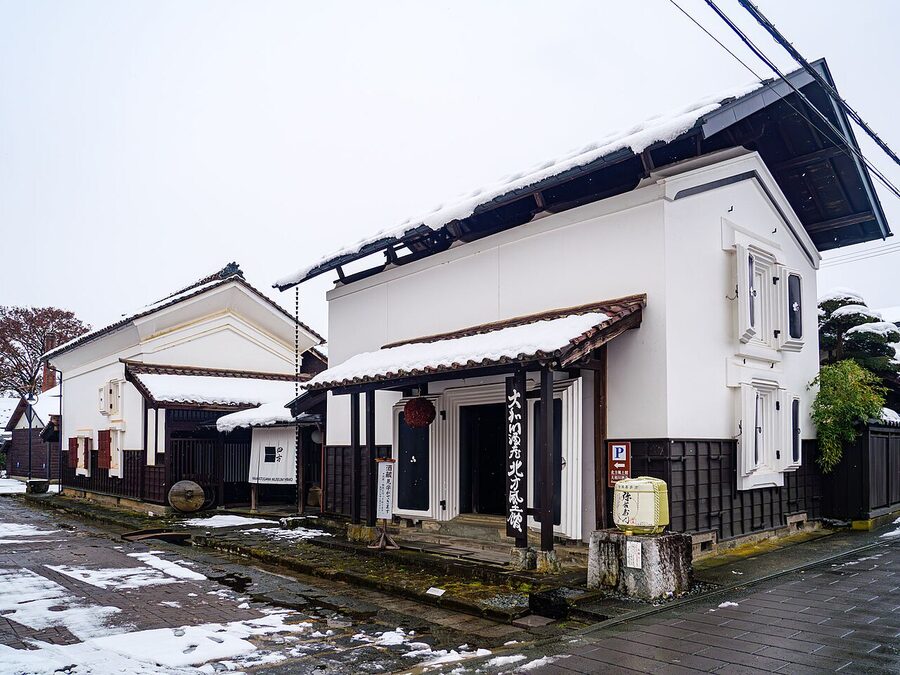
Theory’s only theory. Below are the cities and the specific places I’ve used to teach myself, plus the kind of dish-and-bottle each one specialises in. None of these will be a surprise to a Tokyo-based sake drinker, but they’re often missed by travellers.
Tokyo: the sake-bar and izakaya capital
Tokyo runs the broadest sake list in Japan; the city’s sake bars regularly stock 200–500 bottles. For the dish-and-pairing version of a night out, three places to start:
- Buri (Ebisu). Standing-bar specialising in kappa-cup sake (small frozen-rim glasses); around 80 bottles by the cup, ¥500–1,500. Pair with their grilled and pickled otsumami menu. Open 17:00–01:00, no reservations, queue 19:30 weekdays.
- Sasagin (Shimo-Kitazawa). Long-running sake-only restaurant with a kappo-style kitchen. Pre-fix course (¥6,500) plus three sake pours that the proprietor will swap for whatever fits the menu that night. Reservation only via phone in Japanese.
- Kanpai (Hatchobori). Newer wave; modern kimoto and yamahai only. (If you want to keep drinking after, the Tokyo whisky bars within walking distance run later.) The miso-marinated black cod and aged kimoto pairing here is the headline pairing in central Tokyo right now. ¥4,000–6,000 a head with three flights.
For an immersive guide, my Tokyo bar and drink walk-through covers the seven neighbourhoods that hold the best sake counters, plus the right metro stops to use.

Kyoto: kaiseki and the sake-with-tofu tradition
Kyoto’s sake is mostly Fushimi sake: softer, broader, slightly sweeter than the bone-dry Niigata style. It’s built to pair with the city’s lighter cuisine: tofu, yudofu, kaiseki, kyo-yasai vegetables. The places to try:
- Yoramu (Higashiyama). Long-running sake bar with a focus on aged sake; the only place in Kyoto where I’ve drunk twenty-year koshu reliably. Pair with their cheese plate. ¥4,000 cover plus drinks.
- Tousuiro (Shijo-Kawaramachi). Tofu-focused kaiseki restaurant; their pre-fix course (¥6,500) builds the meal around three Fushimi sakes, the kitchen swapping them course by course. The yudofu and warm Tamanohikari pairing is the best argument I know for Kyoto sake-as-tofu-companion.
- Gekkeikan Okura Sake Museum (Fushimi). The museum is fine; the connected restaurant Tsukinokurabito is what to come for. The brewery’s full lineup paired with seasonal Fushimi small plates.
For more on Kyoto’s sake-and-tofu network, see my Kyoto drinking guide.
Osaka: izakaya and standing-bar pairings
Osaka is the cheapest city in Japan for sake-bar nights and one of the best for hands-on pairing. The standing-bar (tachinomi) culture, more developed here than anywhere outside Tokyo, means you can sample bottle after bottle without committing to a meal.
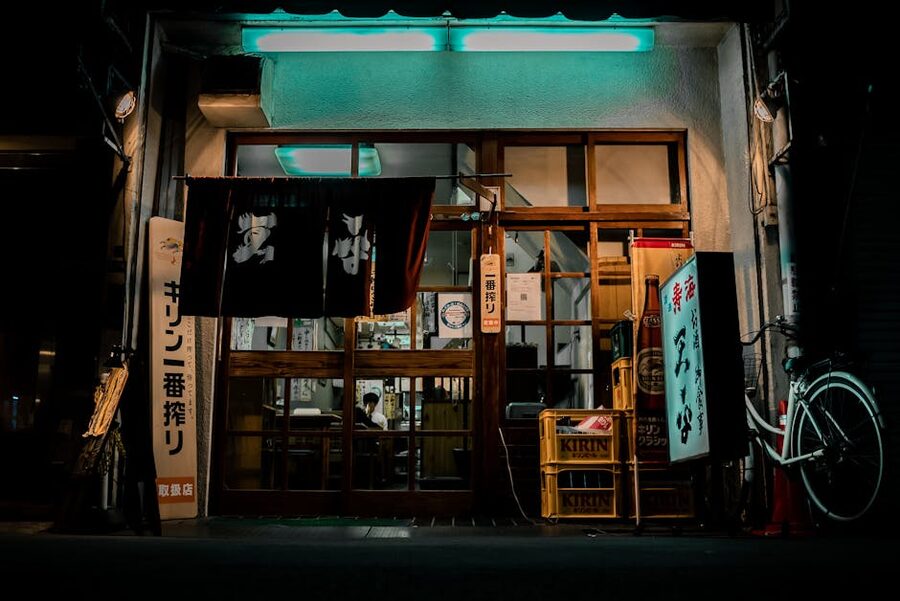
- Akachochin (Tenma). Standing bar with rotating sake taps and a kitchen that does grilled fish and oden. Order whatever’s on tap with whatever’s on the menu chalk-board.
- Sake Bar Sasaya (Namba). Twenty-bottle list, ¥600–1,000 a glass, plus a paired dish menu where the chef picks the food for the bottle. Best place to learn pairing without thinking about it.
My Osaka eat-and-drink guide goes deeper on the Tenma and Tenmabashi blocks; both are sake-pairing dense.
Niigata, Akita, Hyogo: the brewery onsite restaurants
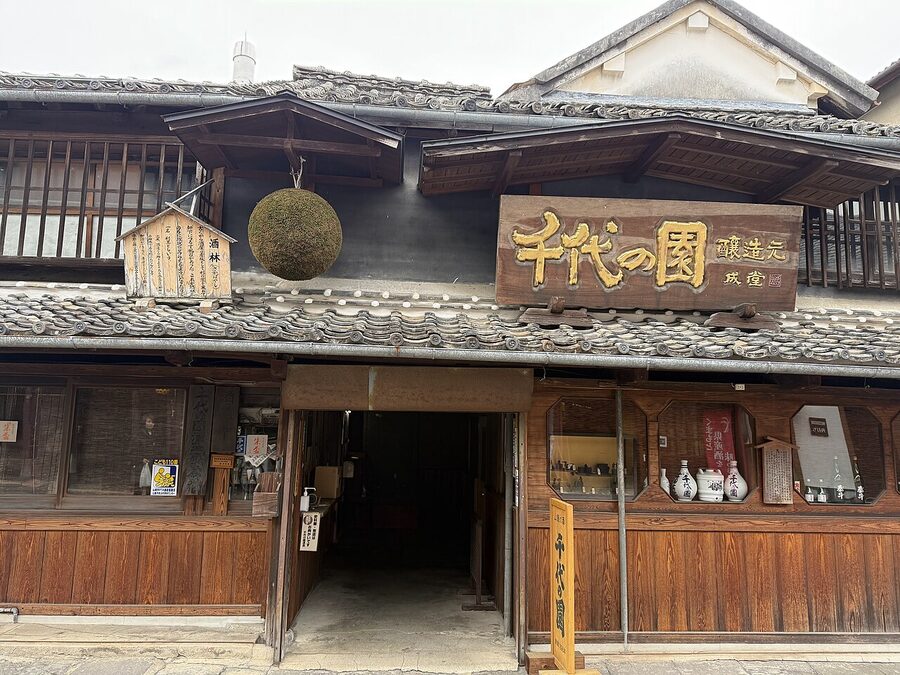
The most direct way to learn pairing is to drink at a brewery’s own kitchen. (Sake breweries are easier to visit than the Japanese whisky distilleries; reservations open at the website door, not eight months ahead.) Three to plan a trip around:
- Asahi Shuzo (Niigata). The Kubota brewery; the onsite restaurant Cellar serves a five-course Niigata-fish menu paired with the brewery’s full Kubota line, ¥6,000 set. Reserve in advance via the brewery website.
- Hakkaisan Brewery and Senshikinoyu Onsen Restaurant (Niigata). The Hakkaisan-owned onsen ryokan an hour from Niigata City; their kaiseki dinner is paired bottle-by-bottle with the brewery’s lineup. Stay one night; the dinner alone is worth the trip.
- Daishichi (Fukushima). The kimoto-only brewery; their tasting room serves a light otsumami tray with three pairs of kimoto pours, free if you bought a bottle. Combine with a stop in Nihonmatsu Station if travelling Tohoku.


For day-trip options from Tokyo, my brewery-day-trip walk-through covers the realistic options.
Mistakes I made (and you can skip)
The pattern I see most in travellers, including the version of me three years ago: ordering the most expensive bottle, expecting it to do everything, and being mildly disappointed all night.
The fixes are simple:
- Don’t order one bottle for a whole meal. Order three small flasks (180ml each) or three glasses, one per major course type. The pairing flexibility is the whole point.
- Don’t always reach for chilled sake. Warm sake is the harder discipline and the more rewarding one. Try the same bottle at three temperatures with the same dish; pick the temperature that makes the dish bigger.
- Don’t ignore the otsumami menu. The bar snacks at most izakayas, pickled cucumber, dashi-poached eggs, salt-grilled shishito peppers, are the hidden pairing-school of the Japanese drinking dinner. Each one teaches something.
- Don’t ask for “a recommendation” with no input. Tell the proprietor what you’re eating and what kind of weight you want, heavy, medium, light. The recommendation works if they have a target.
- Don’t try to pair high-end daiginjo with bar snacks. It’s expensive, the bottle gets lost, and you’ll walk out wondering what the fuss was. Save the daiginjo for the kaiseki dinner or the high-end sushi counter where it can do its job.
And one positive: ask the staff what’s on at the moment that’s local. Hiyaoroshi in October from the prefecture you’re in. Shiboritate in February from the brewery down the road. The fresh local bottle, served at the right temperature, with whatever the kitchen is doing that night, is the easiest path to a meal you’ll remember.
One more, for the road
The thing I wish someone had told me at the beginning: sake doesn’t pair with food the way wine does. It absorbs into the food. The right bottle disappears into the meal and what’s left is a feeling that the dinner was bigger than the sum of its parts. The wrong bottle sits on top of the meal and announces itself; you taste the sake and the food separately, and the experience flattens.
That’s the test, in the end. Take a bite, take a sip, take another bite. If the second bite tastes more like itself than the first, the pairing is working. If the sake is somewhere in the middle insisting on its presence, swap to a different temperature, a different style, or a different bottle. There are about six million combinations across the seven main styles, eight food categories, and four temperatures; you can spend a lifetime on it. A trip is a good place to start.
If you want a broader walk-through of how sake itself works (the styles, the regions, the brewing history), the site’s sake guide covers it. For the difference between sake and the other Japanese drinks you’ll meet, see shochu vs sake vs awamori. And if you’d rather walk into a Japanese drinking room and behave like a regular, the izakaya etiquette piece and the ordering walk-through cover the rest. The food and the drink are the same thing in Japan; learn one, you’ve started on the other.
 FoodWhat to Drink With Sushi in JapanThe third nigiri at Sushi Sho in Yotsuya was where it landed for me. Hokkaido shima-aji, brushed with a single…
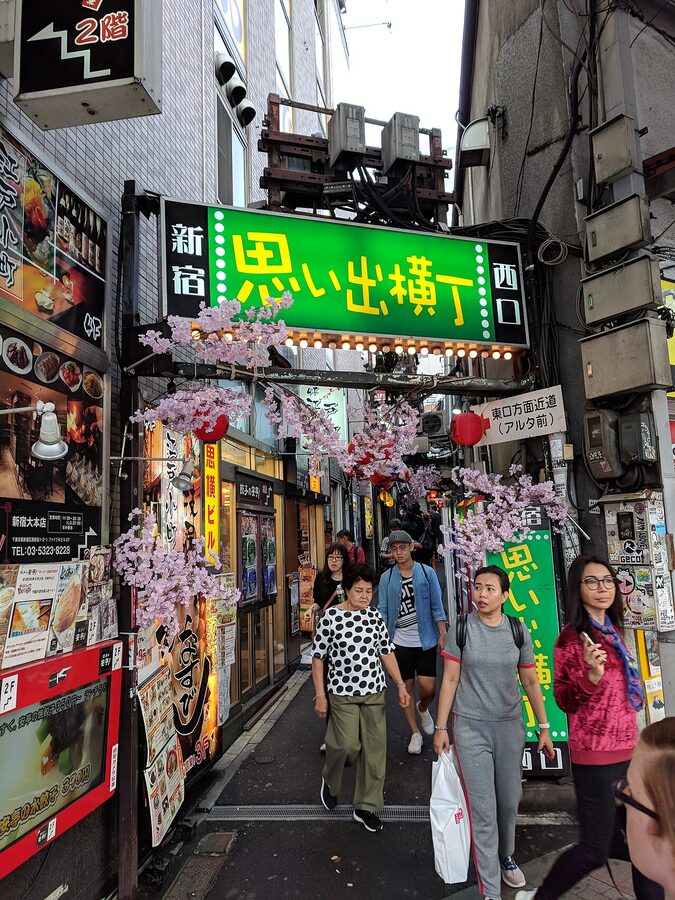 FoodYakitori, and What to Pour Beside ItA lemon sour at an Omoide Yokocho stall costs about ¥500. Six counter seats away from the cook, no English…
 CitiesWhat to Eat and Drink in NagoyaI came into Nagoya planning one meal between Tokyo and Kyoto. I left three days later, full of red miso,…