
It’s a Wednesday at 19:30 on the tenth floor of a Shinjuku building I would never have walked into without instructions, and the proprietor is sliding three small glasses across the counter towards me. Niigata. Yamagata. Akita. He pours each one to the brim and a little over, the way most sake bars in Tokyo do; the overflow lands in the wooden masu the glass sits inside, and the rule is that you drink that overflow as well or you have not really paid attention. The whole flight, with two snacks, comes to ¥1,800.
This is the city’s sake-bar reality, and it is much weirder, cheaper and more specialised than the Lonely Planet version. Tokyo has flight bars where you taste twelve breweries in sixty minutes for under three thousand yen. It has speakeasies in Naka-Meguro that you find through Instagram DMs. It has standing-only counters in Shimbashi where the cover charge is ¥330 and the rarest junmai daiginjo on the menu is ¥700 a glass. And it has a category that barely exists outside Japan: the sake-focused izakaya, where the food list and the sake list were written by the same person and pair line by line.
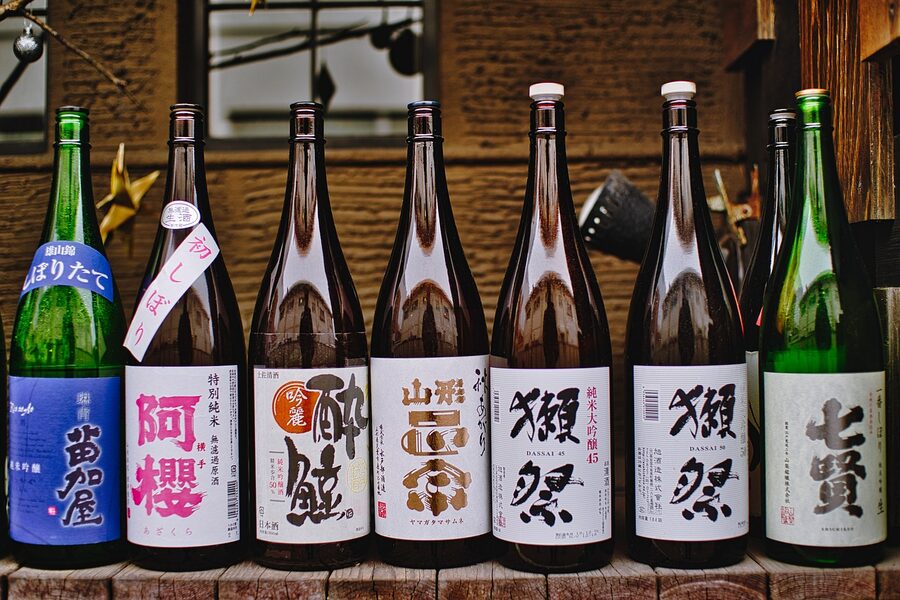
I planned this guide as a single neighbourhood pass and gave up almost immediately. The categories matter more than the postcodes. A flight bar in Akihabara behaves like a flight bar in Shibuya; a specialist standalone in Yotsuya behaves like one in Hatchobori. So I’ve laid it out by what the bar is first, where the bar is second. Pick the format that fits the night you’re planning, then the neighbourhood, then the venue.
In This Article
- Tokyo’s sake-bar map at a glance
- Flight bars: many breweries, fast, cheap
- Kurand Sake Market: Shinjuku, Akihabara, Ueno, Ikebukuro, Shibuya
- Junmaishu YATA Shibuya and Shinjuku-Sanchome
- Hasegawa Saketen GranSta Tokyo
- Sake Stand Moto and Plat Stand Moto
- Specialist standalones: one bar, one obsession
- GEM by moto: Ebisu
- Sake Bar O: Naka-Meguro
- Asakusa Ichimon: Asakusa
- Akaboshi to Kumagai: Azabu-Juban
- Sake-focused izakayas: the dinner format
- Sake Hall Hibiya Bar: Ginza 5-chome
- Sake no Ana: Ginza 3-chome
- Akita Junmaishu Dokoro: Ebisu
- Nozaki Saketen: Shimbashi
- Tomi-Emi: Kami-Ogi
- Standing sake bars: tachinomi but with one drink
- Buri: Ebisu
- Kuri: Shimbashi
- Toyama Bar: Mitsukoshi-mae and Nihonbashi
- Hasegawa Saketen Chuo-ku
- Brewery-run bars: one brand deep
- Dassai Bar 23: Kyobashi
- Kubota Sake Bar: Shibuya PARCO basement
- Neighbourhood-by-neighbourhood breakdown
- Ginza
- Shinjuku
- Shibuya
- Ebisu
- Yotsuya, Hatchobori, Mitsukoshi-mae
- Asakusa and the eastern wards
- Nihonshu-yado Nanairo: Kita-Senju
- Pricing reality and what you’re actually paying for
- How to order without speaking Japanese
- Pairings the bars expect you to know
- What to do before, between and after
- Booked tours and tasting flights
- The order I’d actually do this in
Tokyo’s sake-bar map at a glance
Five formats cover almost every bar in this guide. They feel different, they cost different amounts, and one or two of them barely exist west of the prefectures. Use the table to pick what you’re after, then the rest of the article walks each format through actual named places.
| Format | Typical spend | Sake variety | Vibe | Best for |
|---|---|---|---|---|
| Flight / nomihodai bar | ¥2,500–4,500 unlimited | 80–200 bottles, self-serve common | Loud, casual, group-friendly | Trying many breweries fast, no Japanese needed |
| Specialist standalone | ¥700–1,500 per glass | 20–50 carefully chosen | Quiet, owner behind the counter | One brewery deep, conversation, food pairing |
| Sake-focused izakaya | ¥3,500–6,000 dinner | 60–500 bottles, food-led | Standard izakaya energy with sake substituted in | Full meal, sake matched to each plate |
| Standing sake bar (tachinomi) | ¥1,500–3,000 a session | 15–30, often the owner’s home prefecture | Elbow-room only, quick turnover | One drink before dinner, solo drinkers |
| Brewery-run bar | ¥800–1,800 per glass | One brand, full lineup | Brand experience, often polished | Going deep on a single brewery you already like |
You can do all five in two evenings if you pace it. Locals more often pick a format and stay there. The fastest way to cure decision paralysis is the obvious one: walk into a flight bar first night, a specialist on night two, see which you preferred, build the rest of the trip around that.
Flight bars: many breweries, fast, cheap
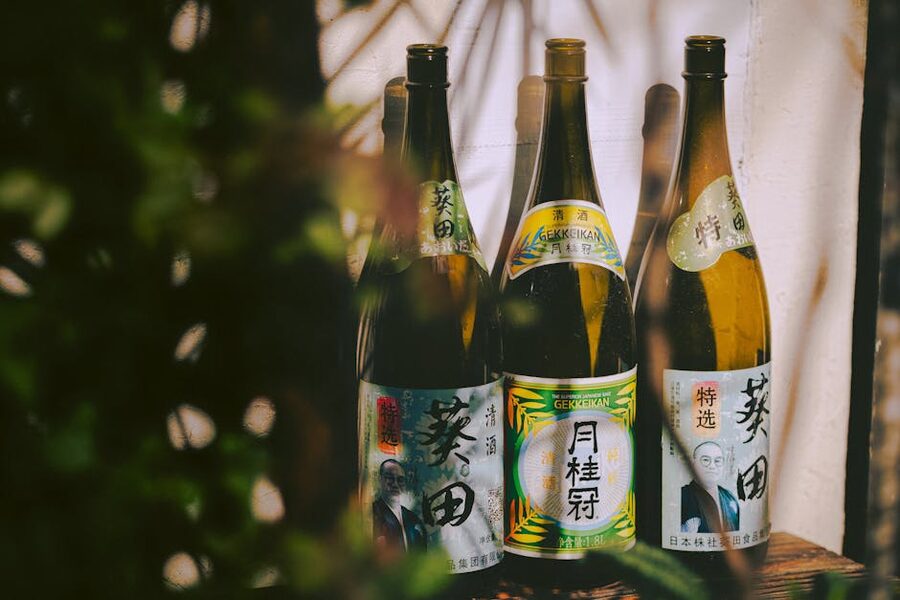
The flight bar is Tokyo’s gift to anyone who can’t read a Japanese sake menu yet. The premise is dead simple. You pay a flat fee at the door, the fridges are unlocked, and you pour your own from sixty to two hundred bottles for sixty to one hundred and twenty minutes. Pricing has settled around ¥3,000–3,800 for an unlimited evening session, with weekend lunch slots at ¥2,500–3,000.
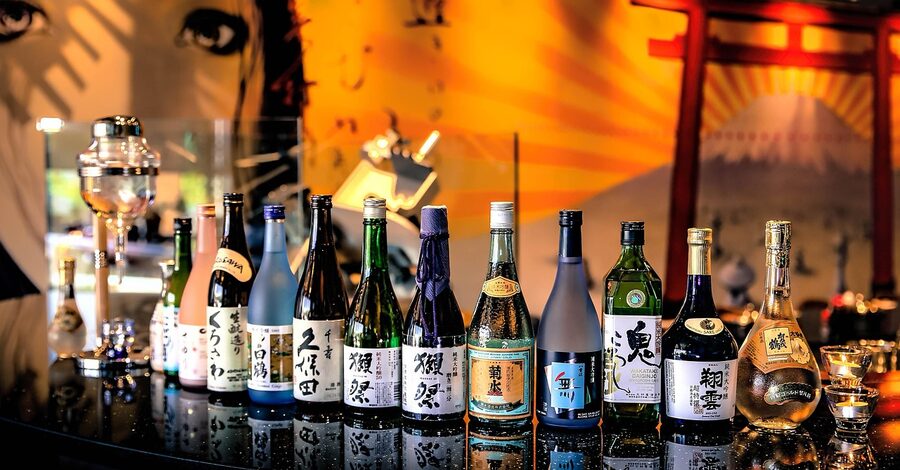
The reason these bars work for travellers: you can sample fifteen different breweries from across Japan in one sitting without ever needing to know the difference between a junmai and a junmai daiginjo. By the third pour you start having opinions, and by the eighth the staff start being useful, because now you can point at the last one and say more like this, less rice-pudding and they will nod and steer you towards Akita.
Kurand Sake Market: Shinjuku, Akihabara, Ueno, Ikebukuro, Shibuya
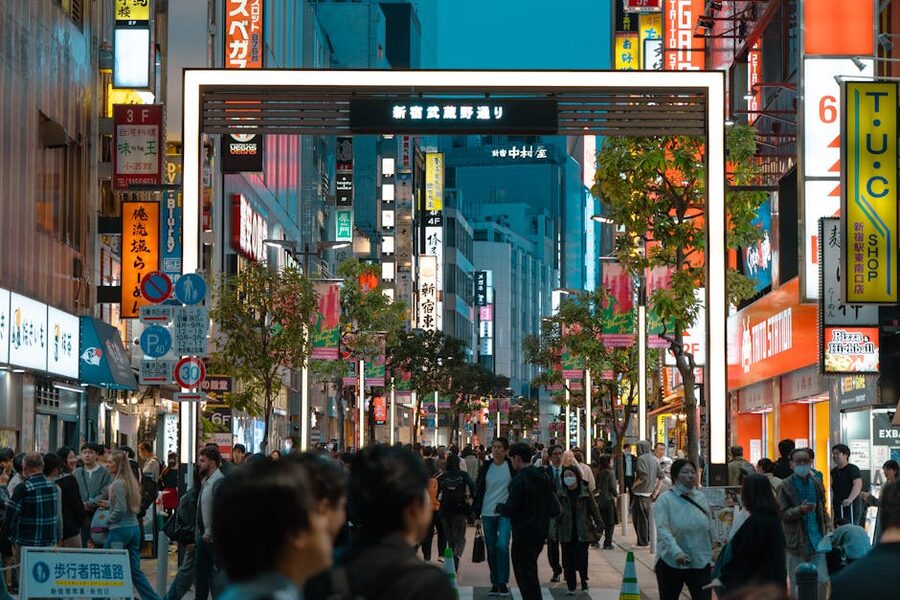
Kurand is the obvious starting point. They have eight Tokyo locations and the flagship Shinjuku branch is five minutes east of Shinjuku Station’s east exit, third floor of a generic-looking building above a karaoke. Walk-in: ¥3,600 evening, ¥2,500 weekend lunch. The selection sits at around 100 bottles from small breweries you have not heard of, which is the point. Kurand’s commercial model is partly a sake-discovery service for the small kura that sponsor it.
Bring food. Kurand actively encourages you to bring or order in your own dinner. There’s a menu of cheese plates and pickles for under ¥800, but most regulars walk in with a Lawson bento and treat it like a wine BYO. The shokunin-purist crowd will tell you that bento sake is sacrilege; the shokunin-purist crowd does not run flight bars at ¥3,600 unlimited.
Useful for: travellers who want to taste broadly without a sommelier behind the counter judging them, and groups of three or more. Less useful for: anyone wanting one perfect glass with one perfect plate. Different bar; keep reading.
Junmaishu YATA Shibuya and Shinjuku-Sanchome
YATA is more focused than Kurand and noticeably better-edited. Two of its Tokyo branches matter for travellers: the Shibuya outpost three minutes from the station’s west exit, and the tenth-floor Shinjuku-Sanchome bar with windows facing the JR tracks. Both are standing-only, and both go ¥500 a glass on individual pours or ¥2,000 for a sixty-minute kikizake (tasting) flight from a rotating selection.
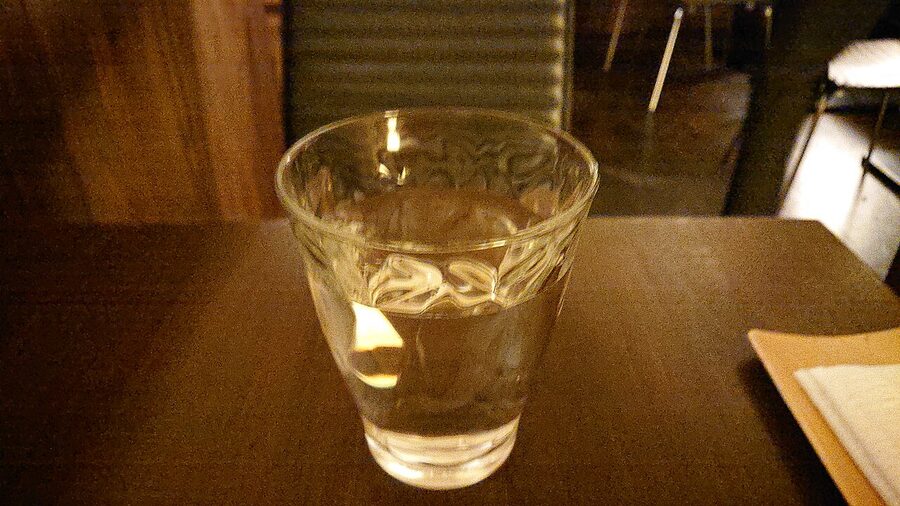

The pure-rice-only filter rules out a lot of mass-market stuff and most of the best-known supermarket brands, which tightens the selection in a way that makes the menu less of a paralysis spiral. Their food list is small and good. Cream cheese with wasabi for ¥500 is the sleeper order; grilled hotaru-ika (firefly squid) when in season is the ¥500 plate to chase.
Hasegawa Saketen GranSta Tokyo
This one is built for travellers and most travellers don’t know it exists. Hasegawa Saketen has been a sake retailer since the 1960s; their president, Hiroshi Hasegawa, is one of the more influential sake critics in Japan. The branch inside Tokyo Station’s GranSta basement-one shopping concourse runs as a hybrid retail shop and standing tasting bar, with around 200 bottles for sale and twelve to fifteen on rotating tap pours from ¥500 to ¥1,200.
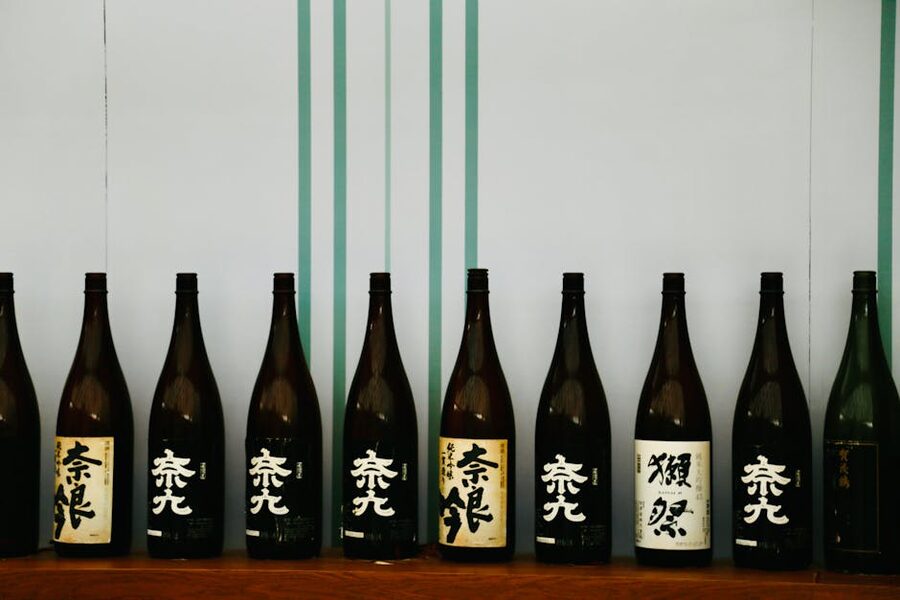
Why it matters: the sake at GranSta is consistently better than anything at Kurand and roughly half the price per pour, because Hasegawa runs the bar as a brand showcase for its retail. They will pour you anything they sell. The catch is the format. You are standing in a shopping mall. You will not linger. Treat it as the thirty-minute first drink before catching the shinkansen, not the destination of the evening.
Sake Stand Moto and Plat Stand Moto
The Moto group runs three small standing bars under the same ownership, and Sake Stand Moto in Shinjuku 5-chome is the original. Basement-one location, seats about twelve people standing, opens 15:00 weekdays and noon on weekends. The menu rotates daily and prices skew low: pours from ¥500, snacks from ¥350.
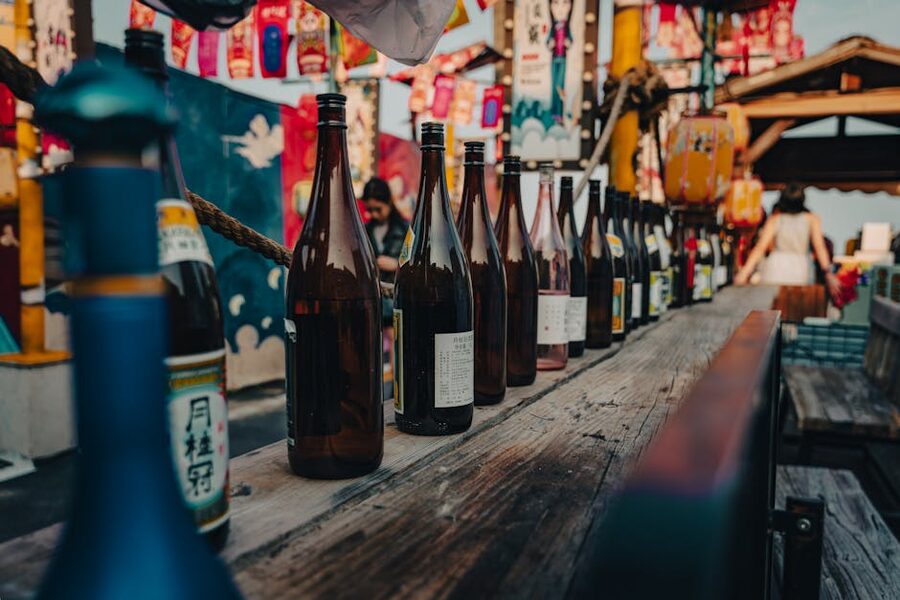
Plat Stand Moto in Kichijoji is the daytime version: open from noon, stronger food menu, more sit-down comfort. Useful for the after-Inokashira-Park glass at 14:30 on a Saturday. Both Moto branches give a clearer signal of what the owner actually thinks is good than the larger flight bars do, because there are simply fewer bottles to disagree about.
Specialist standalones: one bar, one obsession
A specialist standalone has a counter, fewer than thirty seats, and a single point of view. The owner picks what’s on offer that week and they pour. You can’t make this format work in a chain because the entire experience depends on whether you and the proprietor get on. The trade-off, and you have to accept it: prices are higher, conversation is in Japanese, and walk-ins are not always welcome.
What you get back is the city’s best pour-by-pour quality, often from breweries with twelve thousand bottles a year of total output, paired with food prepared by someone who decided four pours back what plate would suit you next.

GEM by moto: Ebisu
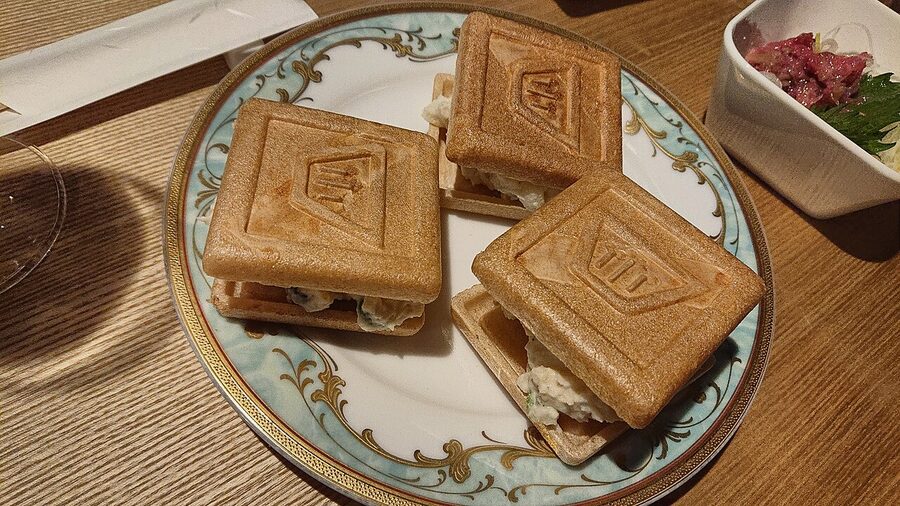
The most-recommended specialist in Tokyo, and not by accident. GEM by moto opened in 2015 a four-minute walk from Ebisu Station’s east exit, and it’s been booked solid since around late 2018. The owner-host, Marie Chiba, is a kikisake-shi (sake sommelier) who built her menu on pairings that don’t follow convention: kimoto sake with cream-cheese-and-tarako, junmai with cured ham. Pours run ¥800–1,500 a glass; six-pour pairing course around ¥6,000 plus food.
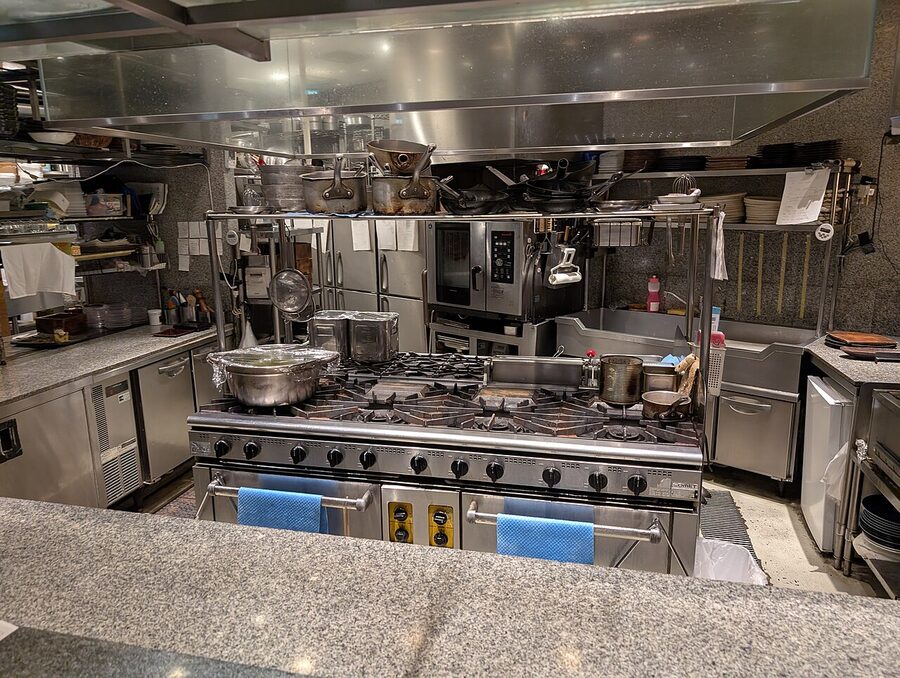
The reason GEM matters more than its sake list alone: Chiba is one of the small handful of Tokyo sake-bar owners who actively trains her staff to talk to non-Japanese customers in English about why a particular sake is on the counter that night. If you book the early seating, get the ¥6,000 pairing, and don’t try to chase a specific brewery, you will eat the best meal you eat all week. Reservations through their website only, in Japanese; pasting the form into Google Translate works fine.
Sake Bar O: Naka-Meguro
One of the city’s two genuine sake speakeasies, and the more interesting one. Sake Bar O sits on a top floor of an unmarked building one minute from Naka-Meguro Station; entry is by Instagram-DM reservation only, members preferred but not always required, and the venue does not have a public website. Inside: hand-hammered tin counter, ten seasonal sake from the sommelier Kumi Hitomi’s rotating selection, food in Japanese only, no menu translation.
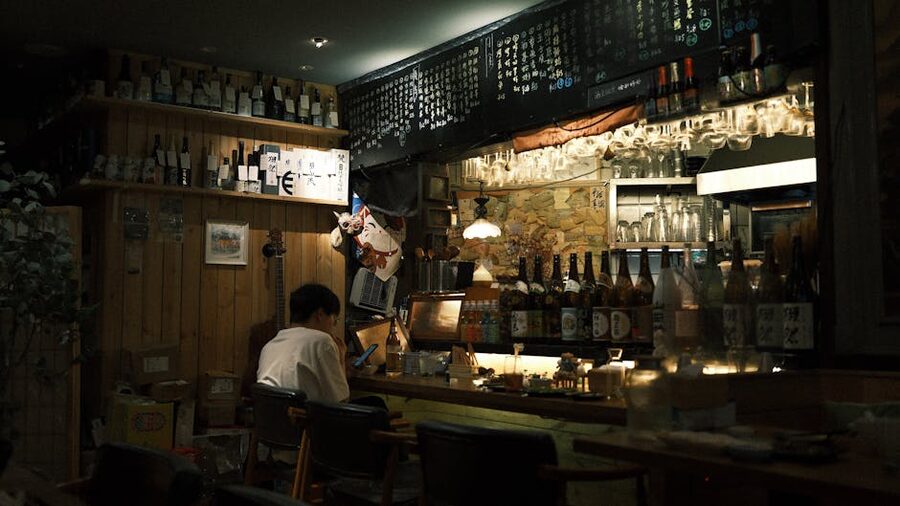
You will not stumble into Sake Bar O. That’s the design. If you want to try, message them via Instagram (@sake_bar_o) at least two weeks ahead with a specific date and party size; they reply if there’s a seat. Once you’re in, the sommelier picks your sake, there is no menu in any meaningful sense, and the room runs on hush. It’s an ¥8,000–12,000 evening before food. Worth the spend if you wanted the best three pours of your trip; not worth it if you wanted variety. Kurand exists for that.
Asakusa Ichimon: Asakusa
Seventy years old, the same family running it for three generations, and the only sake bar in Tokyo I know that takes its own currency. You walk in, swap yen for mon coins at the entrance, and use those for everything. It sounds like a tourist gimmick. It isn’t. The conversion was set up in the 1980s as a way of keeping the books straight with the staff and never changed. Pours from 100 mon (¥800), full meals 1,000–1,500 mon. Their signature is negima-nabe, a hot pot of leek and tuna belly, perfect with hot junmai on a January night.
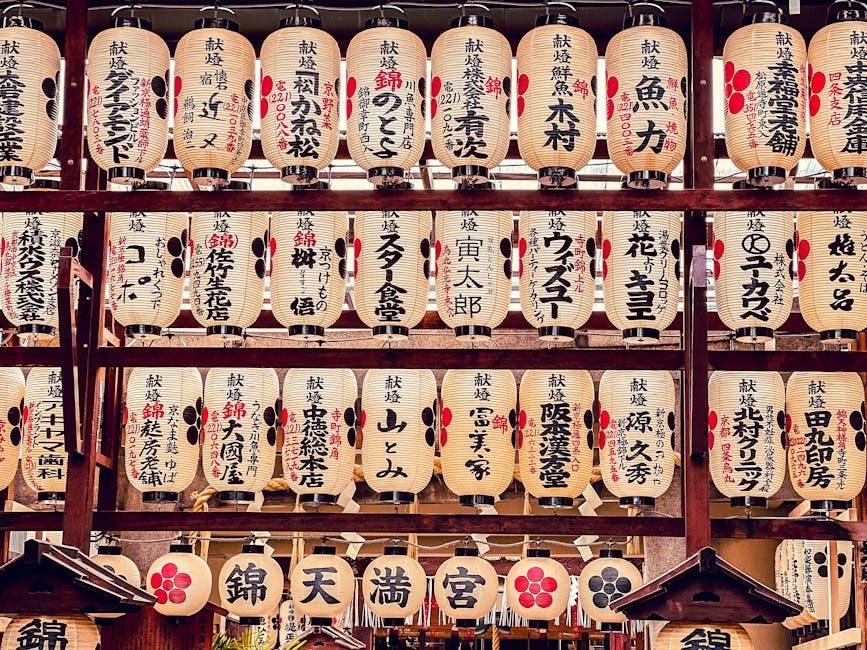
An unusual specialist by the format definition because it’s also a full-meal restaurant, but it’s a single point of view executed for fifty years and that’s what specialists are. Reservations through phone in Japanese; English-friendly walk-ins on weekday evenings before 19:00.
Akaboshi to Kumagai: Azabu-Juban
An odd one. The owner Keita Akaboshi is a kikisake-shi who lived in New York for eight years and built his Tokyo bar around a thesis: most sake pairs better with Western food than with Japanese food. He pours six sakes against an Italian-leaning small-plates menu, and the pairings are eccentric and right more often than wrong. Seventh floor of the Coms Azabu-Juban building, dinner only, ¥8,000 for the six-pour course.
The specialist test is met because almost no other bar in Tokyo runs sake-Italian pairings as a structured menu. Skip it if you came to Tokyo for the rice-and-fish version of sake culture; book it if you’ve already done that and want to see what else the drink can do.
Sake-focused izakayas: the dinner format
The izakaya is Tokyo’s most useful drinking format and the sake-focused izakaya is its best version. The structure is: regular Japanese pub, but with an outsized sake list and a kitchen that cooks for those bottles specifically. Plates run ¥700–1,800; sake by the glass ¥700–1,500; full evening for two people lands around ¥7,000–12,000 depending on how hungry you are.
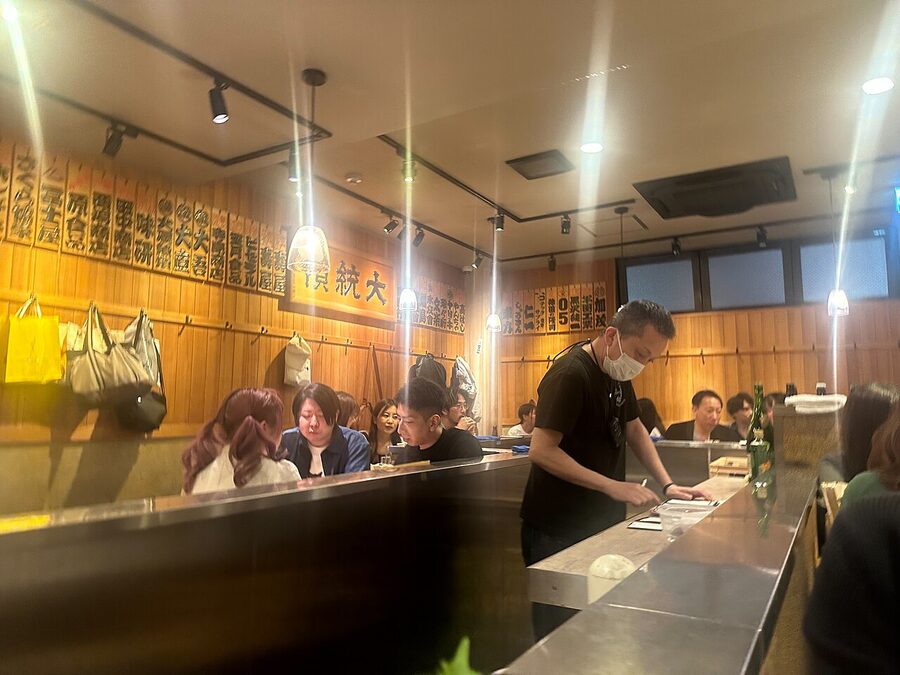

The reason this format is non-negotiable on a Tokyo trip: it’s where the city’s sake culture actually happens. Specialist standalones are extreme; flight bars are tourist-friendly; the sake-focused izakaya is what a Tokyo office worker books for a Friday colleague dinner, and that’s what you want to slip into.
Sake Hall Hibiya Bar: Ginza 5-chome
The most ambitious dinner-format sake place in central Tokyo. Sake Hall Hibiya Bar sits in the basement of the Miyuki Building on Ginza 5, and it’s structured as seven brewery-run mini-bars under one roof, sharing 111 seats and a single kitchen. Forty-plus bottles on rotation, all served in wine glasses, all priced ¥700–1,400 a pour. The brewery rotation changes every four months; in any given visit you’ll see four to six prefectures represented at the kura-bar counters.
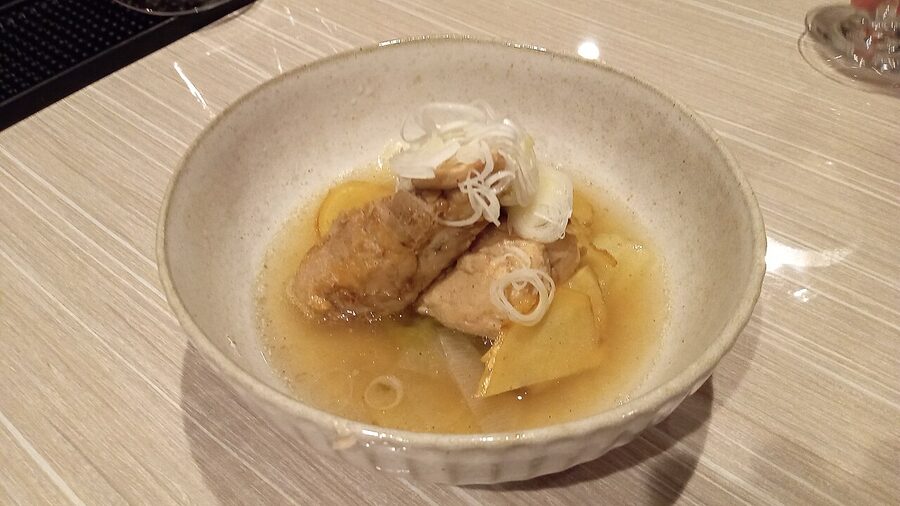

The food is the weakness. It’s competent, not great. The play is to eat lightly here, a few small plates, and treat the venue as the broad-survey course of your evening. The location is a three-minute walk from Higashi-Ginza Station exit A2, open 17:00–23:30 daily.
Sake no Ana: Ginza 3-chome
Three blocks from the famous Wako clock tower, on a side street most people walk past, Sake no Ana has been running since the 1980s. The list is long: 130-plus bottles from across Japan, organised by prefecture, with the kitchen built around fresh seafood from Tsukiji and a small wagyu programme. Tabs run ¥6,000–9,000 per person at full strength.
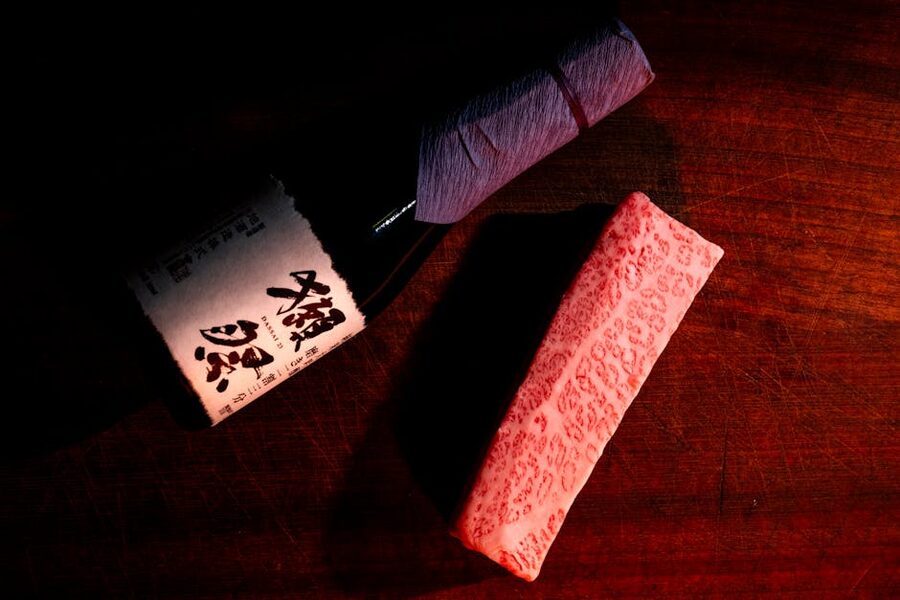
The thing to know about Sake no Ana: the staff genuinely run a sake-tasting flight on request, and it’s not on the menu. Order a small plate, get comfortable, ask whoever’s serving you if there’s a kikizake set tonight, and they’ll bring three pours of whatever the chef is keen on this week for around ¥1,800. This is the most reliable way I’ve found to get a chef-picked selection in central Ginza without a reservation at a specialist.
Akita Junmaishu Dokoro: Ebisu
Single prefecture, one bird breed, two floors. Akita Junmaishu Dokoro sits two minutes from Ebisu Station’s east exit and runs as a thirty-bottle Akita-only sake list paired against Hinai-jidori, the Akita-region heritage chicken. Pours ¥700–1,200; kushiyaki sets ¥1,800–3,200.
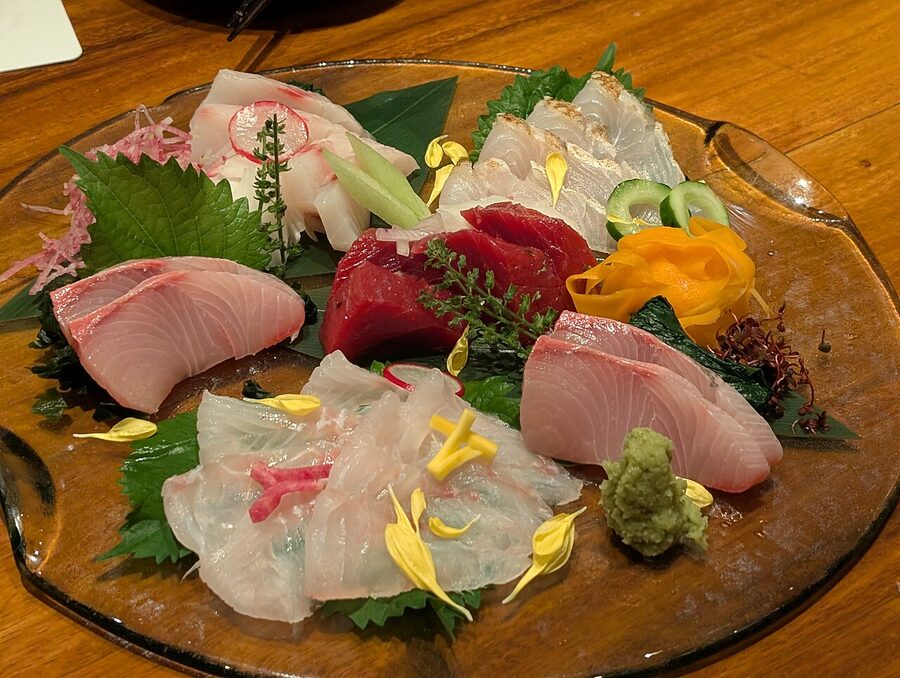
The single-prefecture format is unusual and worth experiencing once. It’s a calibration exercise: by the third pour you start tasting differences within Akita rather than between Akita and somewhere else, which is a finer-grained experience than any flight bar will give you. The Hinai-jidori grilled with rock salt is the order; the sake-pairing recommendation will be a Yamamoto or a Hideyoshi Junmai.
Nozaki Saketen: Shimbashi
Shimbashi is salaryman Tokyo. The streets around the station are a single dense layer of izakayas built for after-work drinkers, and Nozaki Saketen is the sake-focused outlier in the cluster. Their list is built almost entirely on jizake, the small-brewery, regional sake, and the food is straight Japanese izakaya: sashimi, simmered dishes, beef stew, grilled fish.
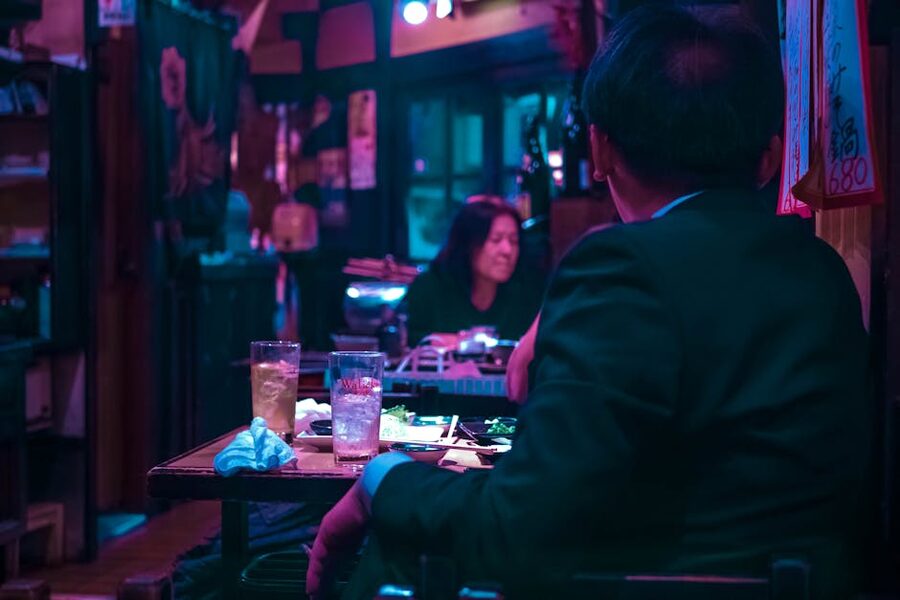
The reason this matters: Shimbashi is one of the easier neighbourhoods for foreign visitors to walk in unannounced because the local culture is built around walk-ins. You will not need a reservation at Nozaki on most weekday nights before 19:00. Menu is in Japanese only; the staff will work with you on Google Translate or pointing.
Tomi-Emi: Kami-Ogi
Worth the trip if you’re a sake completist. Tomi-Emi in suburban Kami-Ogi (Suginami, fifteen minutes by JR from Shinjuku) keeps over five hundred bottles in stock at any given time, which is the deepest sake list anywhere in greater Tokyo by a wide margin. The food rotates seasonally; venison and wild boar in winter, river fish in summer.
It’s an evening commitment. Plan a 19:00 reservation, take JR Chuo to Ogikubo and walk five minutes north, count on three hours minimum. The list is overwhelming and you should ask the proprietor what he opened today; that’s the entry point.
Standing sake bars: tachinomi but with one drink
The tachinomi format gets a lot of attention as a category in itself, and I cover it in detail in the guide to Tokyo’s standing bars. The slice that overlaps with this guide is the standing-sake subset: a small group of bars where the format is tachinomi but the drink is specifically sake, not the usual mix of highball and shochu and beer.

Buri: Ebisu
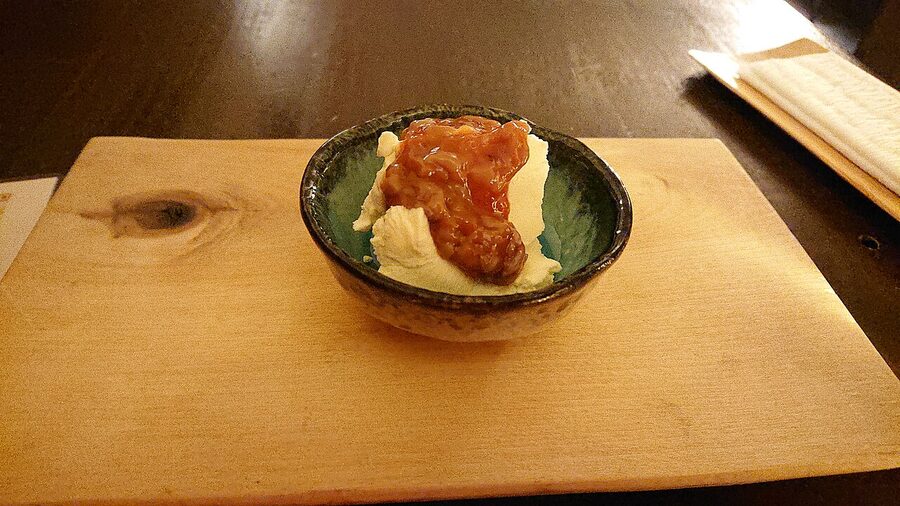
Three minutes from Ebisu West Exit, eleven seats around a single counter, and the entire wall behind the bar is one-cup sake. The format is a riff on the convenience-store format: cup sake from breweries across Japan, sold individually and uncapped at the bar, plus a frozen-sake shaved-ice dessert that’s specific to Buri. Cups run ¥500–1,200; the frozen sake is ¥700.
One-cup sake has a low-status reputation in Japan because for thirty years it was the format you bought at vending machines on a Shinkansen platform. Buri is part of a small revisionist movement that takes the format seriously: bottle-quality sake in a single-serve glass, drunk standing. The result is that you can taste fourteen breweries in ninety minutes for under ¥9,000 and walk home knowing whether you prefer Niigata to Hyogo.
Kuri: Shimbashi
Shimbashi 3-chome, second floor of the Sakurai Building, opens 17:00. Kuri is a tachinomi specialist with three glass sizes, 60ml, 120ml, 180ml, which lets you sample without committing to a full pour. The 60ml format is unusual in Tokyo and useful for the ¥1,800 four-pour evening that lets you compare four breweries at the price of one full glass each. Food is small plates; karasumi (dried mullet roe) is the order to chase.
Toyama Bar: Mitsukoshi-mae and Nihonbashi
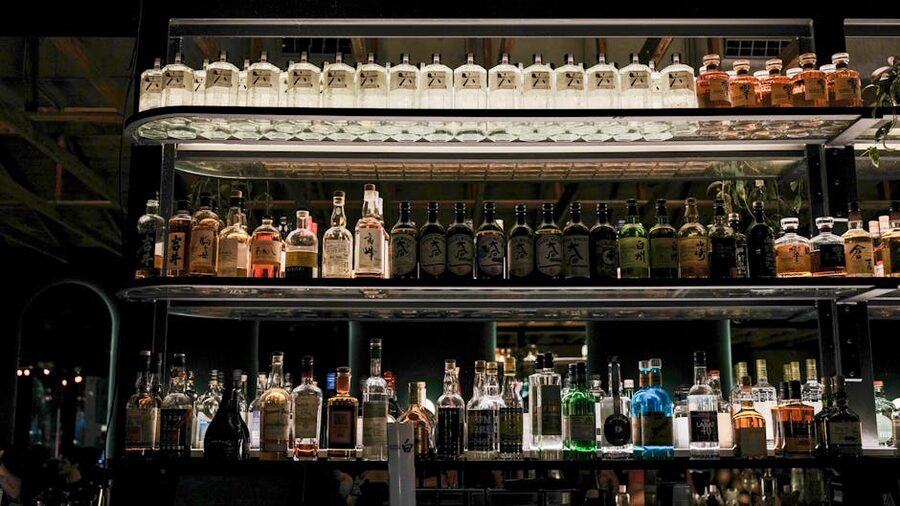
Inside Toyama prefecture’s official Tokyo showcase store on the second floor, Toyama Bar runs as a single-prefecture standing tasting bar. Three-pour sets of 30ml each for ¥700, which is the cheapest serious flight in central Tokyo. Toyama makes some of Japan’s most underrated sake (Masuizumi, Tateyama, Mannen-yuki) and the ¥700 set rotates so you can come back twice in a trip and taste eighteen different bottles total.
Open from 11:00, which makes it useful for daytime tasting before lunch. Pair it with a stop at Nihonbashi Mitsukoshi for the deli-counter food. Two-minute walk from Mitsukoshi-mae Station, three minutes from Nihonbashi.
Hasegawa Saketen Chuo-ku
The other Hasegawa branch matters for standing-bar drinkers specifically. The Chuo-ku Tsukiji-area location runs as a cleaner standing bar than the GranSta one, with a more focused selection (around twelve rotating taps, ¥500–1,000) and customers who tend to be regulars rather than commuters. Open 17:00–22:00. Useful as the second drink after Tsukiji Outer Market lunches.
Brewery-run bars: one brand deep
Several large breweries operate Tokyo branded outposts where you can drink the entire lineup of one label in a polished retail setting. The format works best if you’ve already had one bottle of the brand and want to try the rest, including the limited-edition stuff that doesn’t reach overseas markets.
Dassai Bar 23: Kyobashi
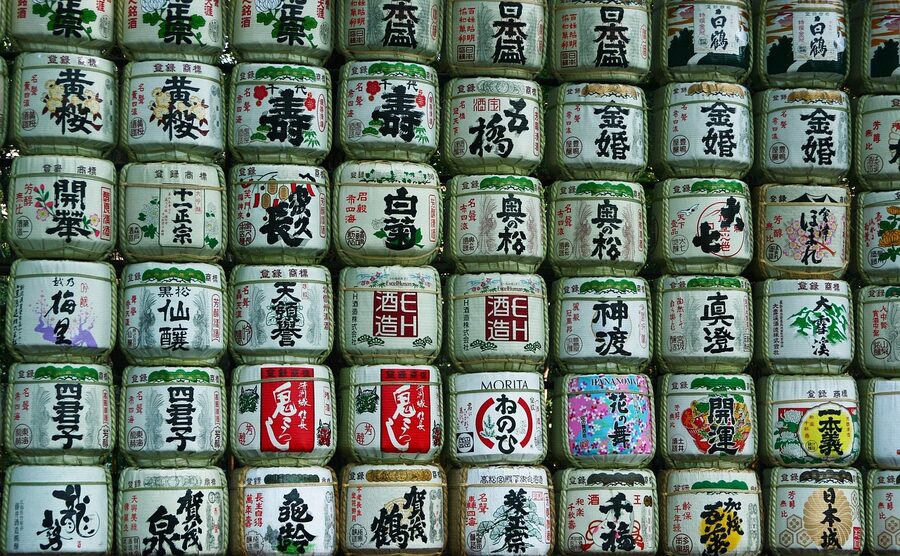
Asahi Shuzo, the Yamaguchi brewery behind the cult-favourite Dassai brand, runs Dassai Bar 23 in the basement of Tokyo Square Garden two minutes from Kyobashi Station. The pour list is the entire Dassai lineup, including the rarer Beyond and Migaki Sonosakihe bottles that are hard to source even in Tokyo retail. Pours ¥800–3,500 depending on which grade.
Useful if you’ve drunk Dassai overseas and want to see what the brewery looks like at the high end. The 23 in the bar’s name refers to the famous Migaki Niwari-sanbu (磨き二割三分), the daiginjo polished to twenty-three percent of the original rice grain. That bottle is ¥1,800 a pour and the cleanest expression of Dassai’s house style.
Kubota Sake Bar: Shibuya PARCO basement
Asahi Shuzo of Niigata (different brewery, same naming coincidence as Asahi Shuzo of Yamaguchi above; there are two) runs the Kubota brand. Their Shibuya bar sits in the PARCO building’s MIRAI SAKE basement and operates a structured tasting using a phone-app pairing assessment. You sample ten Kubota sakes, rate each on a tablet, and the system picks your favourite for you. ¥2,750 for the ten-sample set.
This is unsubtle and a bit gimmicky, and it’s also surprisingly useful. By pour seven the system has enough data on your preferences to make a recommendation that’s better than picking blind. Worth doing once at the start of a trip to find your sake preferences before you walk into the harder bars.
Neighbourhood-by-neighbourhood breakdown
Once you’ve picked the format, the postcode matters. Different Tokyo neighbourhoods carry different sake-bar densities and different reasons for drinking. This section is the practical map.
Ginza
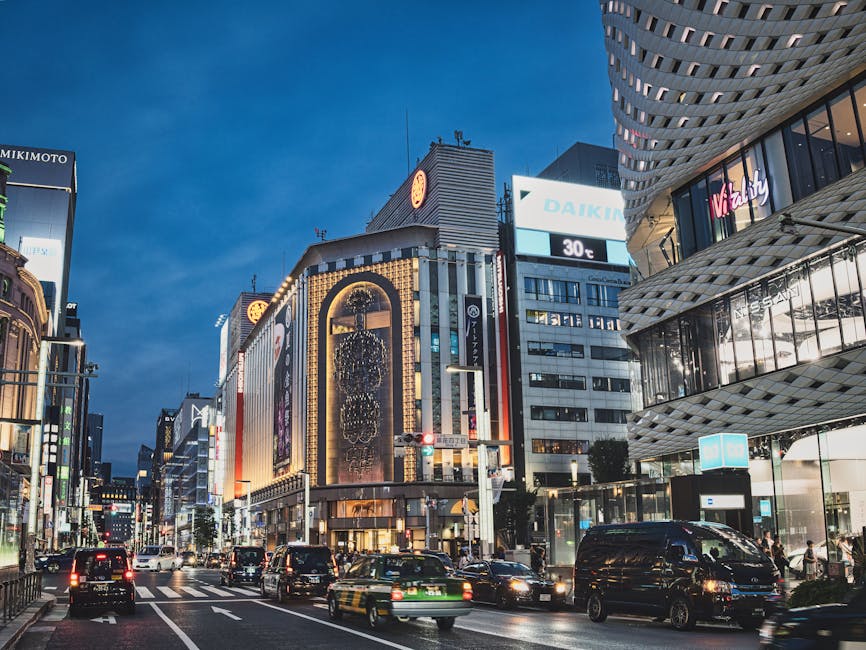
Ginza is the most polished sake-bar neighbourhood in Tokyo and the most expensive. Sake Hall Hibiya Bar is the broad survey, Sake no Ana is the Tsukiji-seafood pairing house, Imadeya Ginza is the retail-and-tasting hybrid for daytime shopping, and Washu Bar Kuri Ginza is the sit-down 60/120/180ml-glass option for the quieter evening.
Spend pattern: ¥6,000–12,000 per person on a full sake-and-food evening, occasionally lower at the standing options. Walk to Higashi-Ginza or Ginza-itchome stations afterwards; both run JR access lines back to most of central Tokyo.
Shinjuku
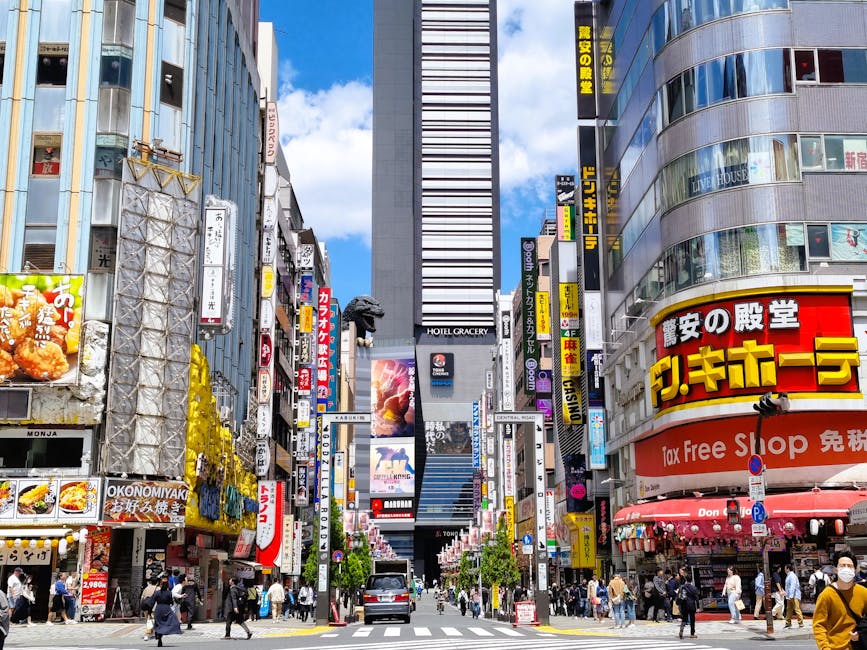
Shinjuku has more sake bars per square kilometre than any other Tokyo neighbourhood, which is also the problem: variety is overwhelming and quality is uneven. Use Kurand Shinjuku as the broad-survey starting point, YATA Shinjuku-Sanchome for the careful-selection standing format, Sake Stand Moto for the small-bar option, and the Nihonshu Genka Sakagura branch for the cover-charge cheap-sake pattern.
Avoid the Kabukicho touts. Foreign-targeting bars in central Kabukicho with English signs and cover charges over ¥3,000 are either tourist traps or hostess bars or both. The good sake bars are mostly two blocks east or south of the station and rarely have English signage.
Shibuya
Shibuya is the format-experiment neighbourhood. Junmaishu YATA Shibuya is the standing-bar anchor, Kubota Sake Bar in the PARCO basement is the brand experience, sakeba in Shibuya 1-chome is the dining-room sake izakaya, and several smaller specialist bars cluster around the south exit. Spend pattern is moderate ¥3,500–7,000 per person.
Shibuya’s strength: it’s the easiest neighbourhood for first-time visitors to walk because most bars are in obviously commercial buildings rather than hidden walkups. Its weakness: prices have crept up over the last five years on the back of foreign-tourist demand, and the smaller bars further from the station are usually better value.
Ebisu
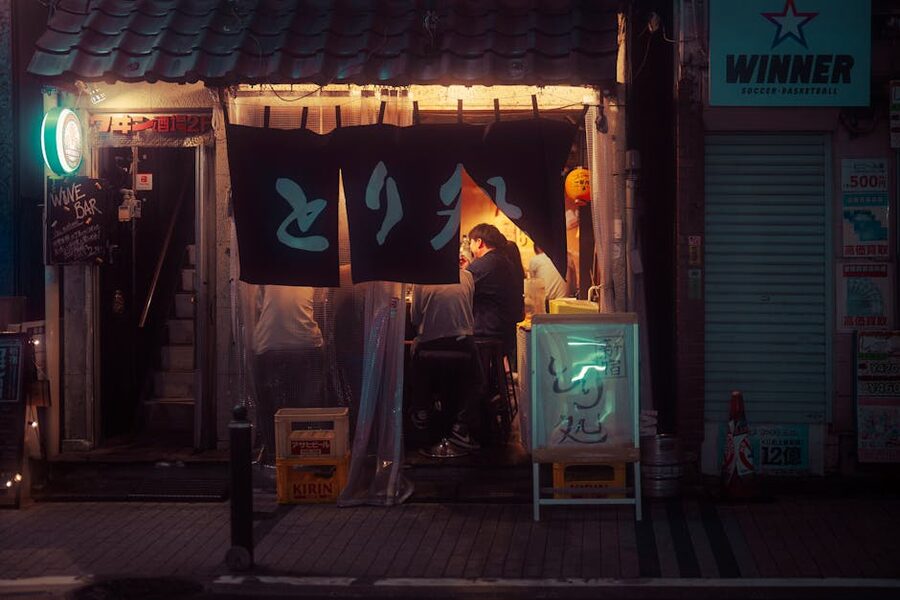
Ebisu is the connoisseur neighbourhood and where the best dinner-format experiences are. GEM by moto, Akita Junmaishu Dokoro, Buri, Sake Bar O (technically Naka-Meguro, but one stop away). This is your three-night Ebisu base if sake is the focus of the trip. Reservations matter more here than anywhere else.
Yotsuya, Hatchobori, Mitsukoshi-mae
The middle-ground office-worker neighbourhoods. Touhachi (Yotsuya), Mure (Hatchobori), and Toyama Bar (Mitsukoshi-mae) are the local sake specialist names. Less English support, more authentic feel, lower prices than Ginza or Ebisu, ¥3,500–6,000 per person. Worth one evening if you want a quieter sake bar without the after-work salaryman crush of Shimbashi.
Asakusa and the eastern wards
Asakusa Ichimon is the obvious anchor here. Beyond it, the eastern wards (Asakusa, Ueno, Kita-Senju) carry an older, more traditional sake-bar style than the central neighbourhoods: slower pace, more counter-only formats, more emphasis on hot sake (kanzake) and pairing with grilled river fish. Less English-friendly. Useful as a contrast night to the polished central-Tokyo bars.
Nihonshu-yado Nanairo: Kita-Senju
Easy to miss, hard to forget. This bar in suburban Kita-Senju runs forty rotating sake against the proprietor’s seasonal menu and operates with a strict house rule: parties of four or more are not admitted, and first-time visitors cannot reserve. You walk in, you take what’s free, and the owner picks your sake.
Open Thursday and Friday 18:00–24:00 (last entry 23:00) and Saturday and Sunday 13:00–23:00 (last entry 22:00); closed Monday through Wednesday. The hours alone tell you the bar is not interested in scaling. It’s a thirty-minute train trip from central Tokyo and worth it once if you want the most authentic small-bar experience the city offers.
Pricing reality and what you’re actually paying for
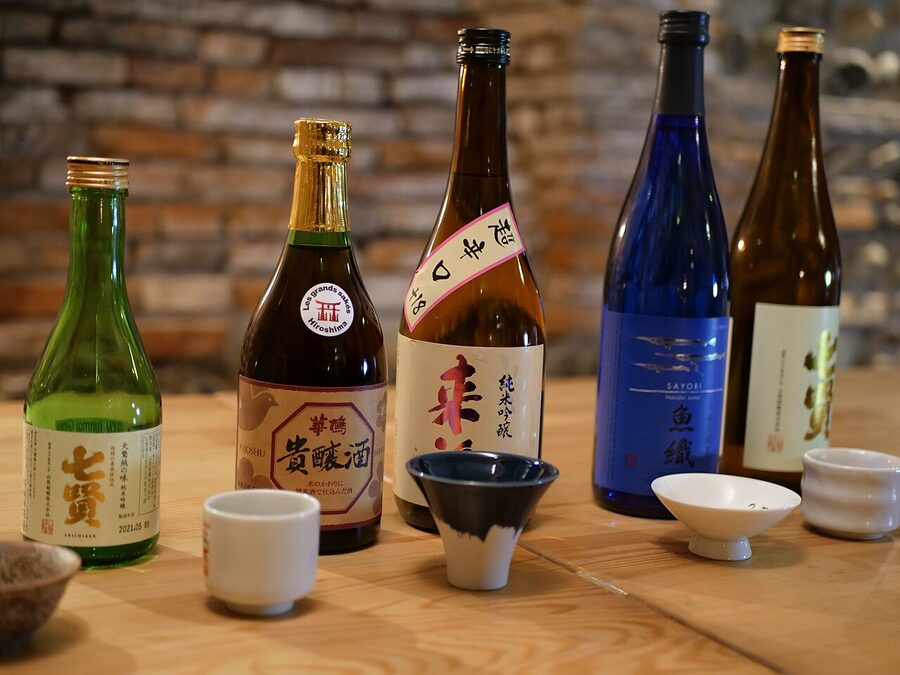

A blunt summary of what each format costs in 2026:
- Cover (otoshi) charges: almost universal in sit-down sake bars. ¥330–800 per person, a small snack you didn’t order arrives. Specialist bars in Ginza go to ¥1,000 occasionally. Standing bars and Kurand-style flight bars do not have otoshi.
- Glass pours: ¥500 is the entry point; ¥700–1,200 is the middle range that covers most premium pours; ¥1,500–2,500 for rare or aged sake. Anything quoted at ¥3,000+ a glass is a Dassai Beyond or a special-vintage cellar bottle.
- Bottle keep: ¥3,500–6,000 per bottle, kept behind the bar with your name on a tag, valid two to three months. Worth it only if you’ll come back to the same bar twice in the trip.
- Nomihodai (all you can drink): ¥2,500–3,800 evening, ¥1,800–2,800 lunch. Two-hour limit at most chains; unlimited time at Kurand Shinjuku weekday evenings.
- Pairing courses: ¥5,000–9,000 per person at specialist standalones for a structured six-pour-plus-food set. Reservations 48–72 hours out at the smaller venues, two weeks at GEM by moto.
What you are not paying for in this country: tipping. Tipping is not a thing in Japanese bars; if you leave change, the staff will chase you down to return it. The price on the bill is the price.
How to order without speaking Japanese
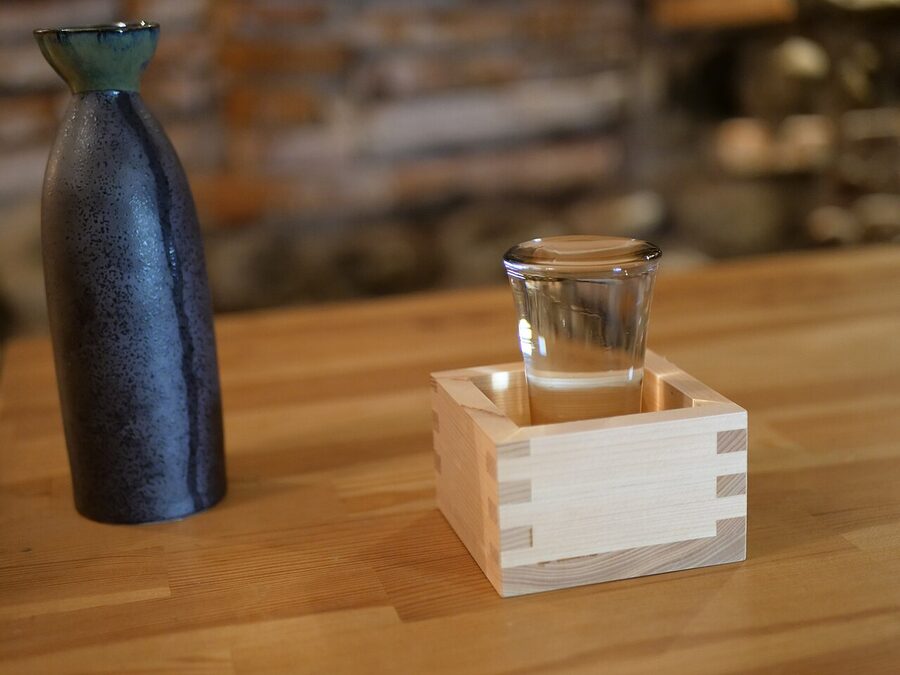

Most sake bars in central Tokyo can handle non-Japanese-speaking guests, but the depth of help varies by venue. The cheat sheet I run mentally:
- Point at any bottle on the wall and say kore o kudasai (this one please). Half the bartender’s job is solved.
- Say nan demo ii (anything is fine) or omakase (chef’s choice) and give the bartender authority. They will pick something better than you would, eight times out of ten.
- If the menu is Japanese-only and there’s no English staff, ask osusume wa (what do you recommend) and the bartender will gesture at three to five bottles. Pick by label colour if you can’t read the kanji.
- For temperature: tsumetai (cold), jōon (room temp), kan (warm), atsukan (hot). The bartender will steer if your choice is bad for the bottle.
If you want a deeper dive on the etiquette and ordering language, the Tokyo izakaya ordering guide covers the whole script and the izakaya etiquette piece walks the unwritten rules. The same patterns work at sake bars; the only difference is fewer food orders to handle.
Pairings the bars expect you to know
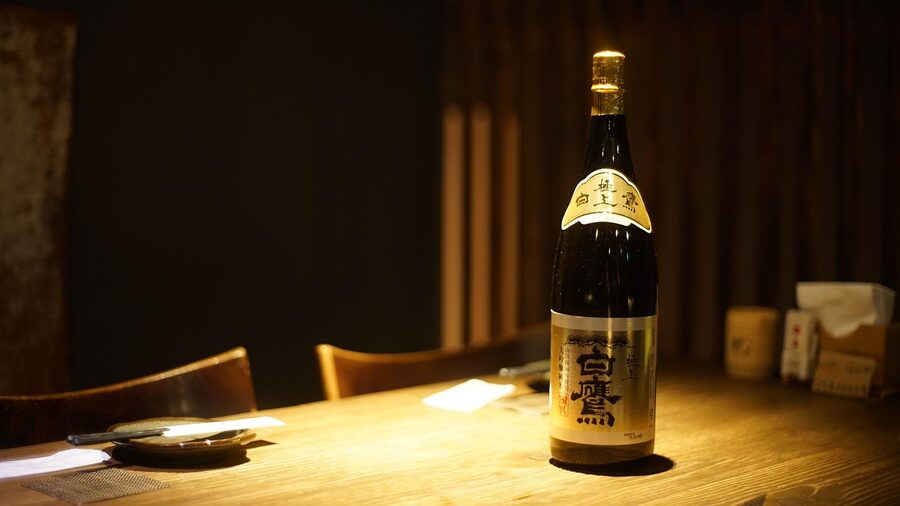
Most Tokyo sake bars have a house view of which sake works with which food and they will steer you towards it. The general framework you can bring with you:
- Junmai daiginjo (premium, fragrant): light raw fish, cold soba, cream cheese with wasabi. Avoid with anything heavily grilled or sauced.
- Junmai ginjo (mid-tier): the most flexible category. Sashimi, tempura, lighter grilled fish.
- Junmai (the broad category): grilled meats, simmered dishes, hot pot. Goes warm in winter.
- Honjozo (added-alcohol): standard izakaya food, fried snacks, the workhorse pour.
- Nigori (cloudy): dessert pairing or tropical-fruit dishes.
- Kimoto and yamahai (traditional starter cultures): cured ham, aged cheese, fermented foods. The Marie Chiba special.
If you want to deepen this, the guide to sake in Japan covers the styles in more depth, and the sake food pairings deep-dive walks the dish-by-dish version. For broader drink-context across categories, see shochu vs sake vs awamori and the Japanese whisky guide.
What to do before, between and after
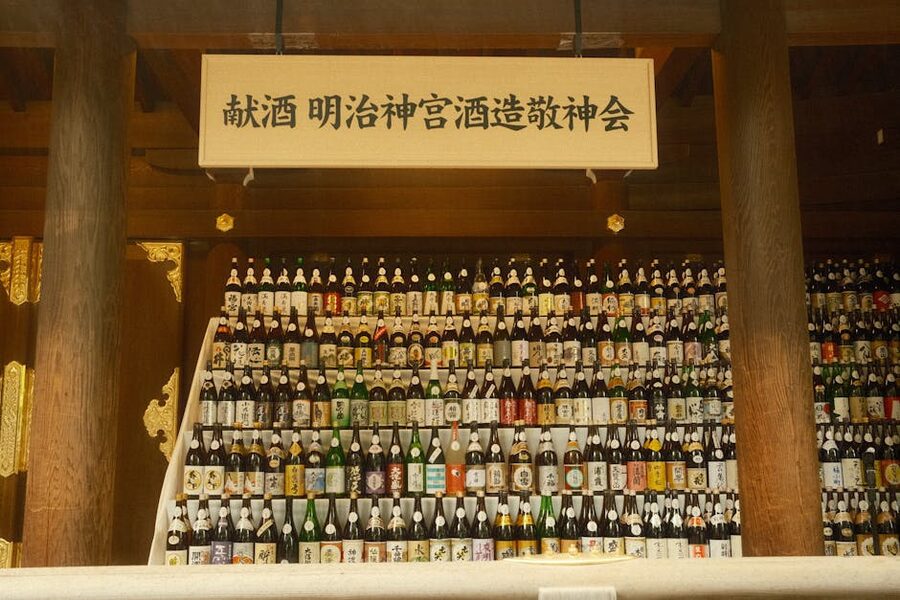
Tokyo’s sake bars open at 17:00 most days, which gives you a full afternoon to do something else. Practical day-pairings I’d suggest:
- For Ebisu evenings: spend the afternoon at Yebisu Garden Place and the Beer Museum (Sapporo’s brand campus, free entry) before walking up to GEM by moto.
- For Ginza evenings: the Ginza Six rooftop garden is twenty minutes of quiet before Sake Hall, and if you want to combine sake with whisky in one night, my Tokyo whisky bars guide covers the second-stop options.
- For Shinjuku evenings: the Shinjuku Gyoen gardens close at 18:00 and Kurand opens at 17:00; there’s an obvious overlap. Walk the perimeter for ninety minutes, then drink for three hours.
- For day trips: if you want to see where the sake actually comes from, a brewery day-trip from Tokyo to Sawai or Fussa is one of the easier outings to arrange. The sake brewery tours from Tokyo guide walks the train logistics in detail.
For broader Tokyo drinking context (yokocho, beer rooms, the bar formats that aren’t sake-specific), see the Tokyo bars and drinks overview. And for trip-planning across multiple cities, the Japan drinking itineraries piece sketches seven-, ten- and fourteen-day routes that include Tokyo as the anchor.
Booked tours and tasting flights
If you want a structured introduction with English-speaking staff and zero language friction, several operators run small-group sake tastings in Tokyo that are worth their price. The two I trust enough to point readers at:
- Tokyo sake tasting and brewery walk (small group, 2–3 hours): Klook | GetYourGuide
- Tokyo bar-hopping with sake focus (evening, 3–4 hours, 4–6 stops): Klook | Viator
Both formats work because the operators have pre-negotiated entry to bars that don’t normally take walk-ins, and the guide handles the Japanese-language ordering. The trade-off, plainly: you’ll see fewer bars in the same time than if you did your own pub-crawl, and you’ll pay double or triple per pour. Worth it for the first night of a Tokyo trip if you’re new to sake; not worth it for a second.
The order I’d actually do this in
.jpg)
If I had four nights in Tokyo and wanted the strongest sake-bar trip in that time, here’s the sequence I’d run:
Night one, broad survey, low stakes. Kurand Shinjuku from 18:00, two hours, ¥3,600. Bring a Lawson bento. By 20:00 you’ll know whether you prefer drier or sweeter, ginjo or junmai, north-Japan or west-Japan styles. Hand-write the names of the three bottles you liked best; you’ll need them.
Night two, focus. Junmaishu YATA Shibuya at 18:30 for sixty minutes, then walk to a sit-down sake izakaya in Ebisu (book ahead by lunchtime). Total spend ¥6,000–9,000. You’ll start tasting differences within breweries rather than between countries.
Night three, speciality. One specialist standalone, fully booked. GEM by moto if you got a reservation; Akaboshi to Kumagai if not; Akita Junmaishu Dokoro as the Ebisu walk-up backup. Six pours, dinner, ¥10,000–12,000 per person. The night that pays off everything you learned.
Night four, off-script. Take the train somewhere you wouldn’t otherwise. Nihonshu-yado Nanairo in Kita-Senju, or Tomi-Emi in Suginami, or the Asakusa Ichimon mon-coin night. Different from the central-Tokyo evenings; it leaves you with a bar memory that doesn’t match anyone else’s trip.
That’s the structure. The bars in this guide will keep changing; Tokyo opens and closes sake bars at a remarkable pace and the city’s Top Ten lists from three years ago are already 30% wrong. The formats won’t change. Pick a format, find a venue in the format, drink. The bartender behind the counter will do the rest of the work.
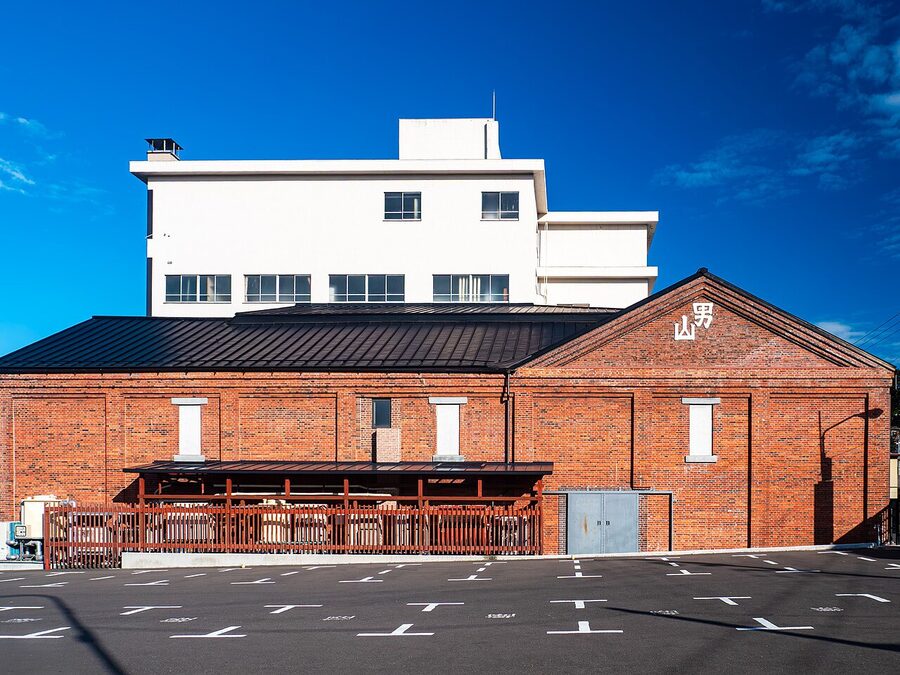 CitiesWhy Tohoku Took Over Japan’s Sake SceneThe trip almost didn't happen. I'd booked an Aomori brewery visit at the end of a rushed week, the second…
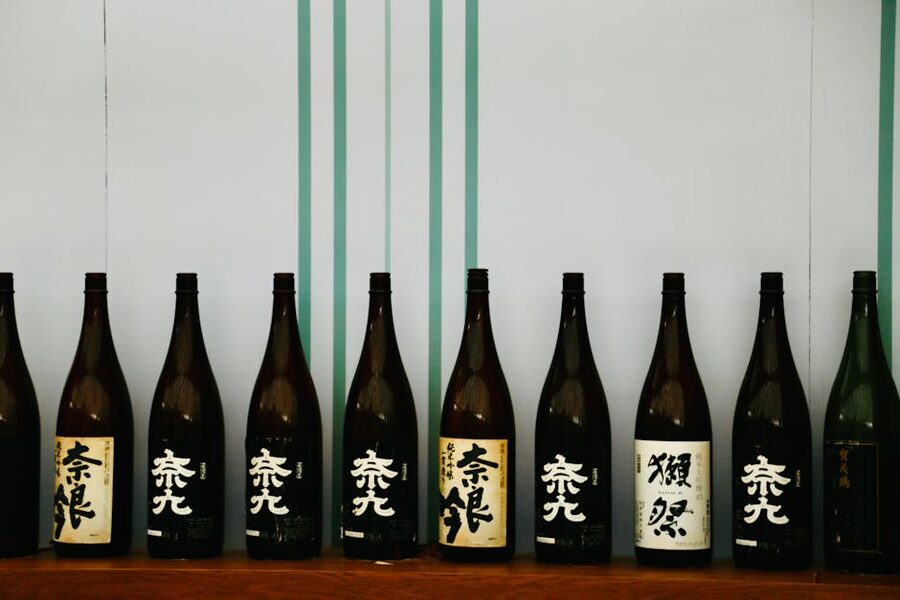 CitiesWhy Kansai, Not Niigata, Is the Sake CapitalHyogo and Kyoto produce more sake than the next eight prefectures combined. Two of Kansai's six prefectures, side by side,…
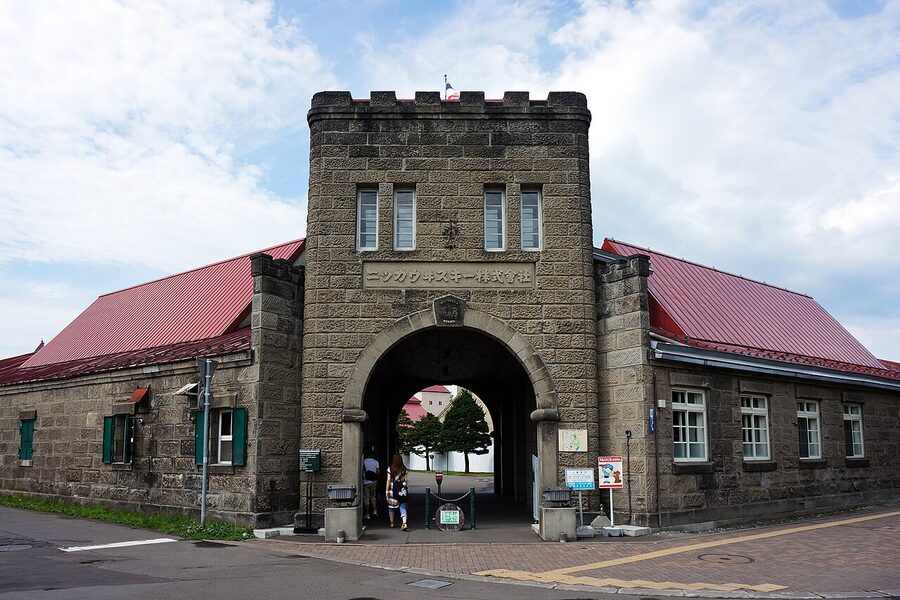 CitiesHokkaido Has More Whisky Distilleries Than You ThinkAsk anyone who knows a little about Japanese whisky to name a Hokkaido distillery and they’ll say Yoichi. Push them…