
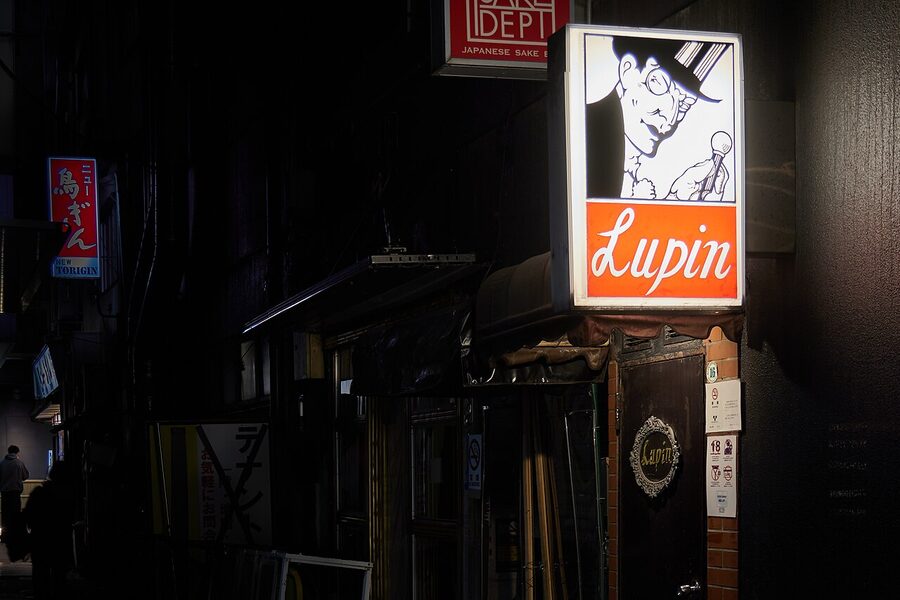
The bartender at Bar Lupin in Ginza doesn’t speak. He carves a cube of ice into a sphere, sets it in a chilled coupe, pours a clear liquid over it, and the sphere rotates once, twice, then settles. The whole bar smells of cold lemon peel and old wood. Down a basement stair under the same neighbourhood that Charlie Chaplin and Yasunari Kawabata used to drink in, with the Yamanote line rumbling overhead and the salaryman next to me reading a paperback, this is the version of Tokyo drinking I came back for. Not the rooftop hotel bar version. Not the Golden Gai photo-stop version. The counter, the ice, the silence.

Tokyo has more drinking venues per square kilometre than anywhere else on earth. Tabelog lists over 16,000 of them inside the 23 wards alone, which is a useless number until you start narrowing. Where you drink defines the night more than what you drink. A craft beer in Kichijoji at 19:00 is a different evening from the same beer in Roppongi at 23:30. This guide covers where in Tokyo to drink, what to order when you sit down, and what to eat alongside the glass. It’s biased toward the places I keep going back to, with the prices, the addresses, and the reasons I’d skip the obvious ones. If you’re new to the country’s whole approach to drinking, the sake guide, the Japanese whisky guide, and the izakaya etiquette piece work as a primer.
In This Article
- The lay of the drinking land
- Tokyo drinking neighbourhoods at a glance
- Yurakucho and Shinbashi: the under-the-tracks izakaya belt
- Pilsen Alley
- Shinjuku: Golden Gai, Omoide Yokocho, and the upper floors
- Golden Gai
- Omoide Yokocho (“Memory Lane”)
- Shinjuku San-chome (the upper-floor cocktail bars)
- Ginza: the temple version of Japanese cocktail
- Bar High Five
- Bar Lupin
- Star Bar Ginza
- Whisky bars: the Tokyo version of the ritual
- Bar Yamazaki
- Zoetrope
- Bar Yamazaki No. 1: the haibōru bar
- Caol Ila
- Roppongi and Nishi-Azabu: the craft cocktail set
- The SG Club
- THESE Library Lounge
- Gen Yamamoto
- Bar Trench, Bar Tram, Bar Triad
- Shibuya, Ebisu, Nakameguro: the neighbourhood drink
- Ebisu Yokocho
- Nakameguro
- Tachinomi: the standing bar tradition
- Craft beer rooms
- Sake bars and Japanese wine
- Sake-specific bars
- Japanese wine
- What to eat with the drink
- With beer
- With sake
- With whisky
- With shochu
- The practical bits: covers, otoshi, hours, and paying
- How to plan one night
- If you want a guide
- Last train, or last drink
The lay of the drinking land
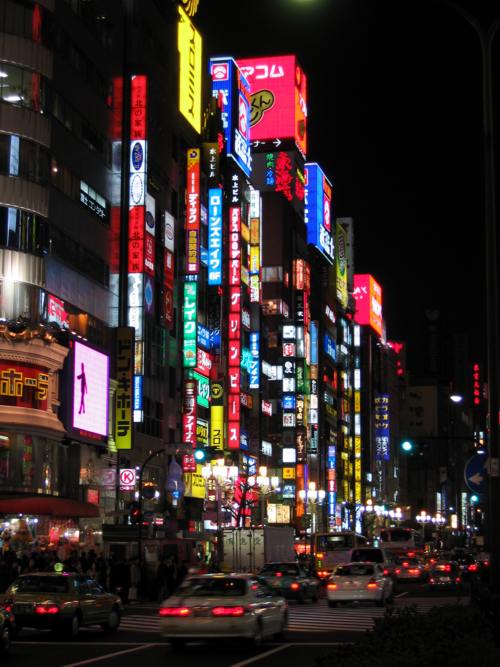

Tokyo drinking sorts into roughly six venue types, and the neighbourhoods specialise. The fastest mental model: izakaya for food-and-drinks together, tachinomi for cheap and fast, cocktail bars for craft and quiet, whisky bars for the proper ritual, craft beer rooms for the new wave, hotel bars for the view. Most evenings end up mixing two or three.
The neighbourhoods worth knowing for drinking specifically:
- Yurakucho and Shinbashi for under-the-tracks (gado-shita) old-school izakaya. Loud, smoky, cheap. Salarymen on Friday nights.
- Shinjuku for everything: Golden Gai for the bar-themed-as-museum experience, Omoide Yokocho for the yakitori-counter-and-beer experience, the wider neighbourhood for hidden cocktail bars on upper floors.
- Ginza for the Japanese craft cocktail temple. Pricey, polite, perfect ice.
- Shibuya for younger crowds and standing bars; Ebisu next door for grown-up cocktails.
- Roppongi and Nishi-Azabu for award-winning craft cocktail (SG Club, THESE, Roku Nana) and hotel bars.
- Nakameguro for canal-side neighbourhood bars; Kichijoji, Koenji, Nakano on the Chuo line west for the cheaper, denser old-Tokyo drinking the locals actually do.
Tokyo drinking neighbourhoods at a glance
Pick the area first, then the venue. Some quick comparison:
| Neighbourhood | Vibe | Drink price band (per glass) | Best for |
|---|---|---|---|
| Yurakucho / Shinbashi | Showa-era izakaya, gado-shita | ¥500–800 beer; ¥500–700 sake | First izakaya, salaryman atmosphere |
| Shinjuku (Golden Gai) | Tiny themed bars, 4–8 seats each | ¥700–1,500 + ¥500–1,500 cover | One stop, photo-and-drink, expect tourists |
| Shinjuku (Omoide Yokocho) | Smoky yakitori counters under the tracks | ¥500–800 beer; ¥200–400 per skewer | Quick yakitori-and-beer, no reservations |
| Ginza | Craft cocktail bars, formal | ¥2,000–3,500 cocktail + ¥1,000–1,500 cover | Mizuwari ritual, polished bartending |
| Shibuya | Standing bars, young crowd, late | ¥500–900 beer; ¥1,200–1,800 cocktail | Casual, late-night, on the way home |
| Ebisu / Nakameguro | Neighbourhood cocktail and natural wine | ¥1,500–2,200 cocktail | Date, slower pace, post-dinner |
| Roppongi / Nishi-Azabu | Award-winning craft cocktail, hotel bars | ¥2,000–3,500 + ¥1,000 cover | The “Asia’s 50 Best” pilgrimage |
| Kichijoji / Koenji / Nakano | Local izakaya density, less English | ¥400–700 beer; ¥500–700 sake | How Tokyoites actually drink on weeknights |
Yurakucho and Shinbashi: the under-the-tracks izakaya belt
.jpg)
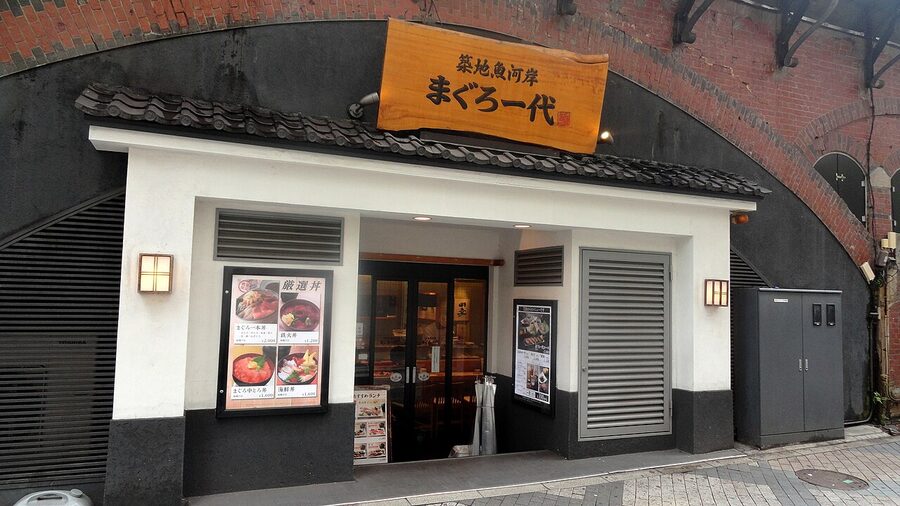
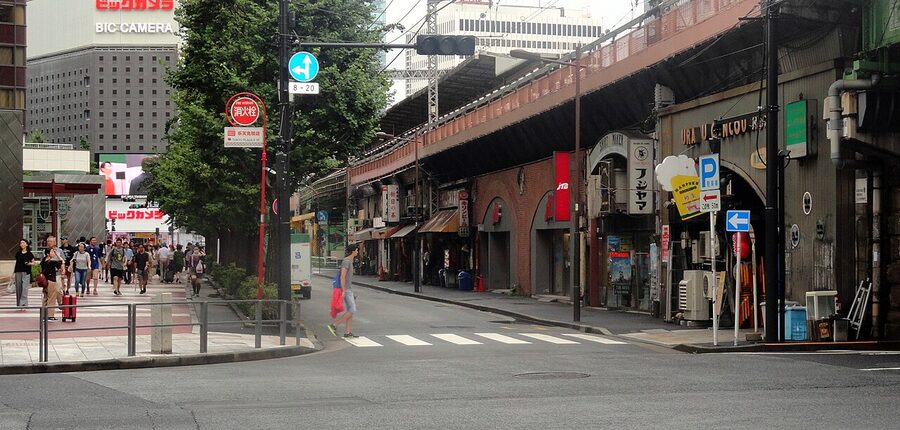
Start here if it’s your first night in Tokyo. The brick arches under the raised JR Yamanote line between Yurakucho and Shinbashi shelter dozens of small izakayas with red lanterns hanging out front, plastic stools on the pavement, and grilled-fat smoke pouring out of every doorway. This is the Tokyo of post-war black-and-white photographs, still working. Most stay open from around 17:00 to past midnight.
The two facing izakayas Motsuyaki Fuji and Motsuyaki Ton Ton sit either side of one famous tunnel under the tracks. Order grilled motsu (offal) skewers with cold draft beer (Asahi Super Dry, ¥500), or a bottle of nihonshu at room temperature. Expect to sit on a crate, share a table, and have your jacket smelling of charcoal smoke for three days. No reservations. Cash only at most. They charge an otoshi of around ¥300–400 per person, which is the small starter dish you’ll get whether you ordered it or not. This isn’t a scam. It’s how the room works. More on otoshi and izakaya etiquette here.
.jpg)
For something cleaner under the same arches, look for the Shimbashi side of the strip: a slightly more polished version of the same idea, with wagyu yakiniku stalls and standing-room sake counters mixed in. The chain Torikizoku has a branch nearby with every yakitori skewer at ¥327, which is the easiest English-friendly entry point if your party is nervous. The food is fine. The atmosphere is the point.
Pilsen Alley
Pilsen Alley in Yurakucho is a curiosity worth a stop. The system: each table has its own beer tap. You pour your own pilsner, you keep tabs by the centilitre on a digital meter, you settle up at the end. It works because the staff wants you to drink, and you want to drink, and removing the middle step is a fair compromise. Order a plate of fried chicken cartilage to keep the foam coming.
Shinjuku: Golden Gai, Omoide Yokocho, and the upper floors
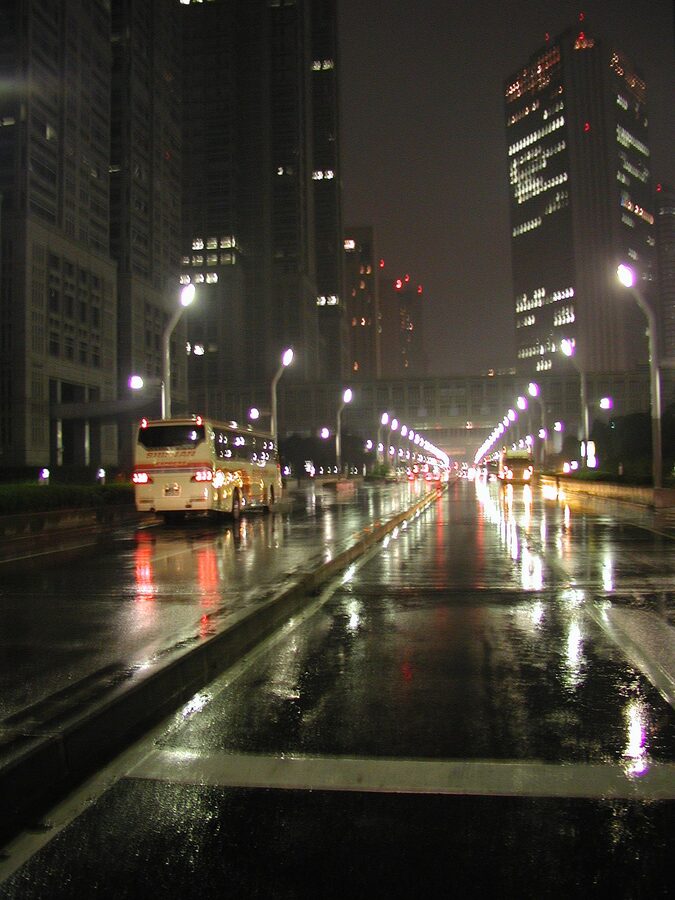

Shinjuku is where most travellers start, and there’s a reason. Three iconic drinking neighbourhoods sit within a 10-minute walk of Shinjuku station’s east exit: Golden Gai, Omoide Yokocho, and Kabukicho. They overlap stylistically but each does one thing best.
Golden Gai
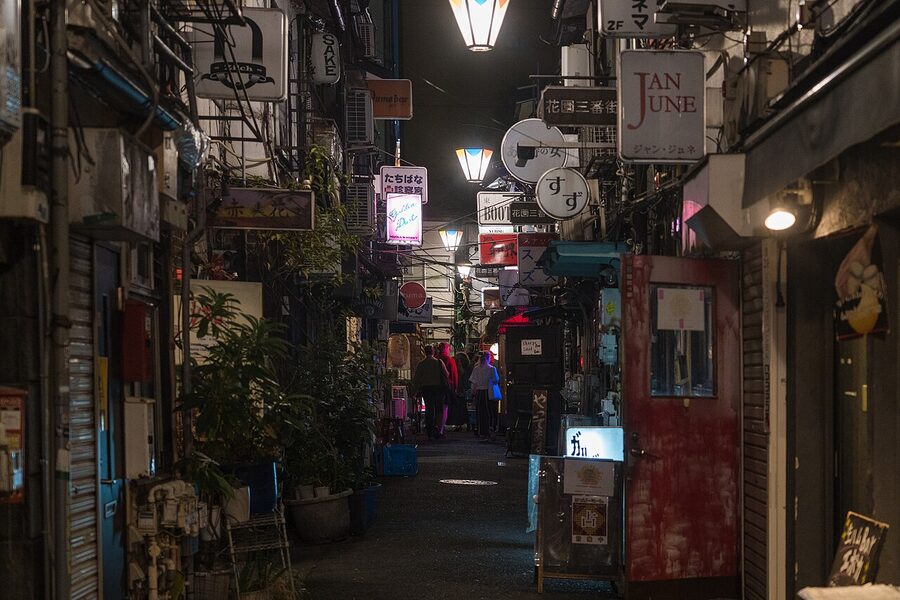

Roughly 250 bars in six narrow alleys. Each holds four to eight people. Each is themed: jazz, punk, French film, ’80s metal, ramen-themed (yes), poets, philatelists. Most charge a seat charge of ¥500–1,500 on top of drinks, which is the part nobody tells you. The plain version: cover charges exist because the bars are tiny and the owner needs your seat to be worth it. Drinks then run another ¥700–1,500. So one bar = roughly ¥1,500–3,000 for a beer and a sit.
The bars that welcome non-Japanese put a sign in English at the door (often “Tourists Welcome” or a posted price list). Walk past those at first; they fill with the visitors you came here to escape. The unsigned ones are sometimes locals-only, but plenty are also open to anyone polite enough to bow on the way in. Look at the door. If there’s a written cover price visible from outside, you’re fine. If you can’t tell what’s going on inside, knock and check.
Specific bars to try:
- Albatross G, second alley from the Hanazono Shrine end, three floors, big crystal chandeliers, deer head, ¥500 cover, beer and wine ¥700, gin and tonics done well. The bartenders speak some English. Listed in Lonely Planet, so expect tourists, but the room is large enough that it doesn’t matter.
- NaNa, founded by a Japanese woman who fell in love with Andalusia: tinto de verano (red wine, lemon soda) for ¥700, no cover, seven seats. Spanish guitar on the speakers.
- Araku, an Australian-owned outlier with couches instead of stools and kangaroo on the menu. Ridiculous, but a soft landing if you’ve never done Golden Gai before. Cocktails ¥700, no cover.
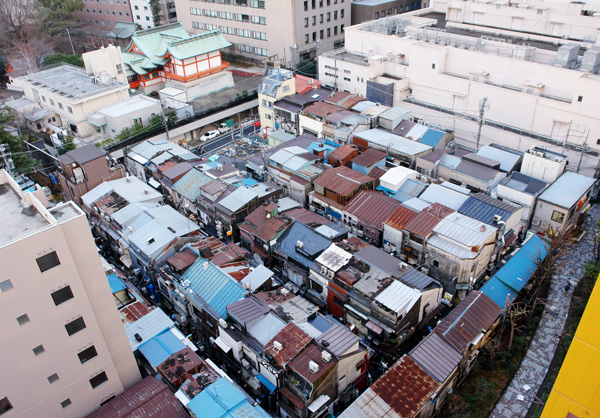

One bar is enough. Two if you really want to. People who do five Golden Gai bars in one night end up paying ¥15,000 and remember none of it. Treat it as one stop on a longer evening.
If you’d rather have a guide who can read the door signs and translate when you’re inside, there’s a Shinjuku bar and izakaya crawl on GetYourGuide that pairs Golden Gai with two or three local izakayas, and a Klook Golden Gai bar-hopping version that runs three bars in three hours. Worth it on the first trip; useless after that.
Omoide Yokocho (“Memory Lane”)
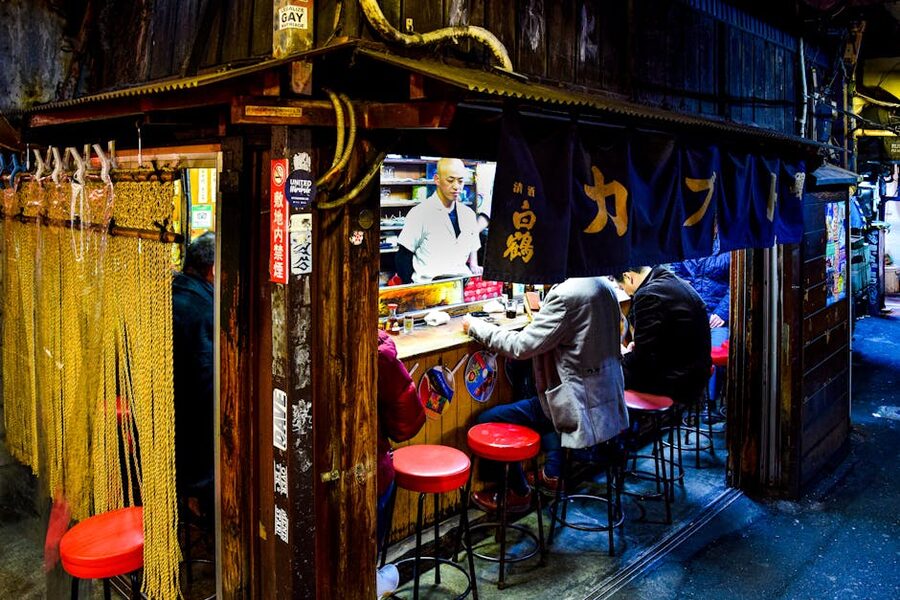
Across the tracks from Golden Gai, Omoide Yokocho (“memory lane”, also unaffectionately called “piss alley” in older guidebooks) is a cluster of yakitori counters under a low ceiling, six or eight seats per stall, smoke so thick the lanterns blur. The food is the point here, the drinks are accompaniment. Order beer (¥500–700), a flask of hot sake in winter (atsukan, ¥500), and four to six yakitori skewers (¥200–400 each). Salt, not tare, on at least half. Try the nankotsu (chicken cartilage) at least once. Crunches like a crisp.
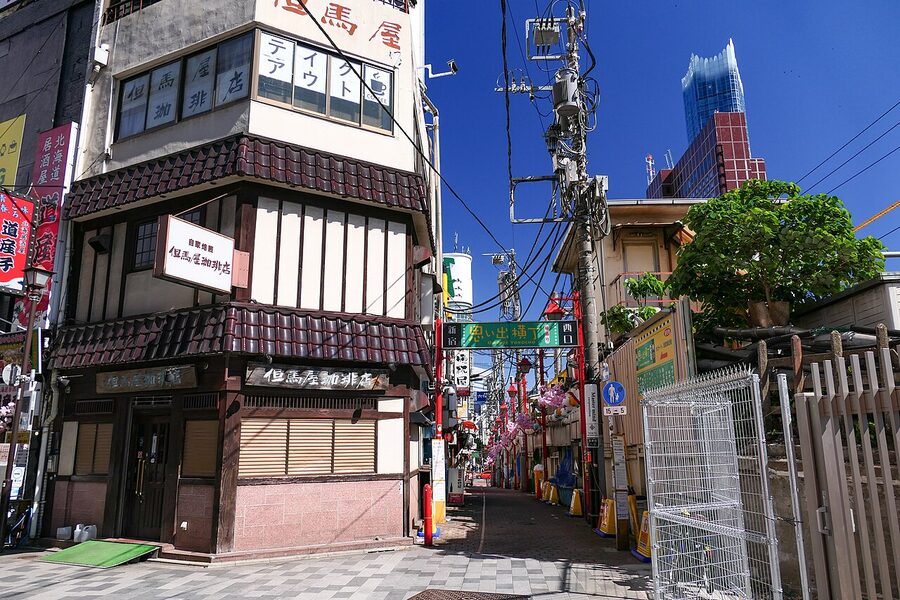

The stalls are individually run, and most don’t take cards. Bring ¥3,000–4,000 in cash per person. Counters with English menus exist; counters without are mostly happy to point at the day’s skewer board and let you nod. Don’t try to do a long meal. 45 minutes, three drinks, get out, the next person needs your stool.
Shinjuku San-chome (the upper-floor cocktail bars)
Shinjuku’s serious cocktail scene isn’t on the famous alleys. It’s on the upper floors of unmarked buildings in San-chome and around. Bar Ben Fiddich on the ninth floor of a building near Marunouchi-line Shinjuku-Sanchome station is one of the most-talked-about bars in the world. Master Hiroyasu Kayama infuses spirits with herbs from his family farm; some of the bottles on the back wall are pre-war and have peeling labels. Cocktails sit at ¥2,000–3,000. Reservations a day ahead by phone get you a 18:00 or 19:00 slot; later than that is walk-in only, and on busy nights they’ll write your name on a list and ask you to come back in an hour. They don’t take rude. They do take patient.
The drink to ask for: tell Kayama-san what flavours you like, and let him surprise you. The Capetown Cocktail (a 1930s Savoy Hotel recipe he reproduces with the original liqueurs) is one I’d order again. Some of the herb-and-spirit infusions taste like nothing else, anywhere. The room is silent, dark, and absolutely not for someone who wants to chat.
Ginza: the temple version of Japanese cocktail
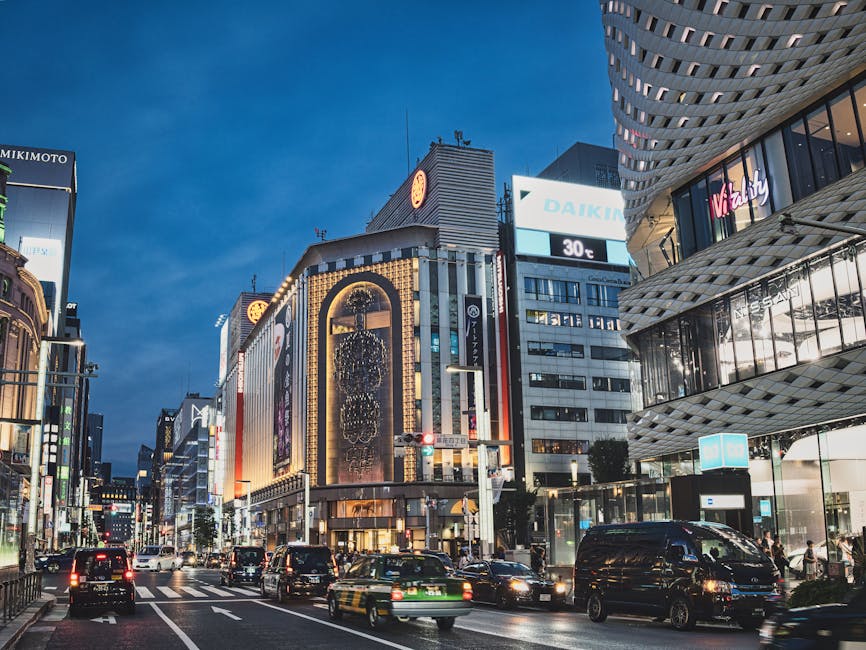
Ginza is where the Japanese cocktail discipline crystallised. It’s not the cheapest part of Tokyo to drink, and the bars don’t pretend otherwise. What you’re paying for: ice that’s hand-carved and crystal-clear, mixers that are made the morning of, a counter that’s been polished by the same proprietor for thirty years, and a level of attention that doesn’t exist outside Japan.
Bar High Five
Hidefumi Ueno’s Bar High Five, on the fourth floor of a Ginza 7-chome building near Shimbashi, has been the most-photographed bar in Asia for a decade. No reservations. You walk in, you sit at the counter, you order a Gimlet or whatever’s seasonal. The pour is a perfectly half-measured 30 ml. Cocktails sit around ¥2,500–3,500. Cover charge ¥1,000. Cash only the last time I went. The bartender will speak in beautifully measured English if you do.
The drink that stays with me: their take on a Bamboo (sherry, dry vermouth, orange bitters), in a tiny glass, four sips, served at exactly the temperature your hand becomes irrelevant to. If you’re comparing one bar in Tokyo to one in Paris or New York, this is the one to compare. The pour is generous; the bartender is not. Worth it once.
Bar Lupin
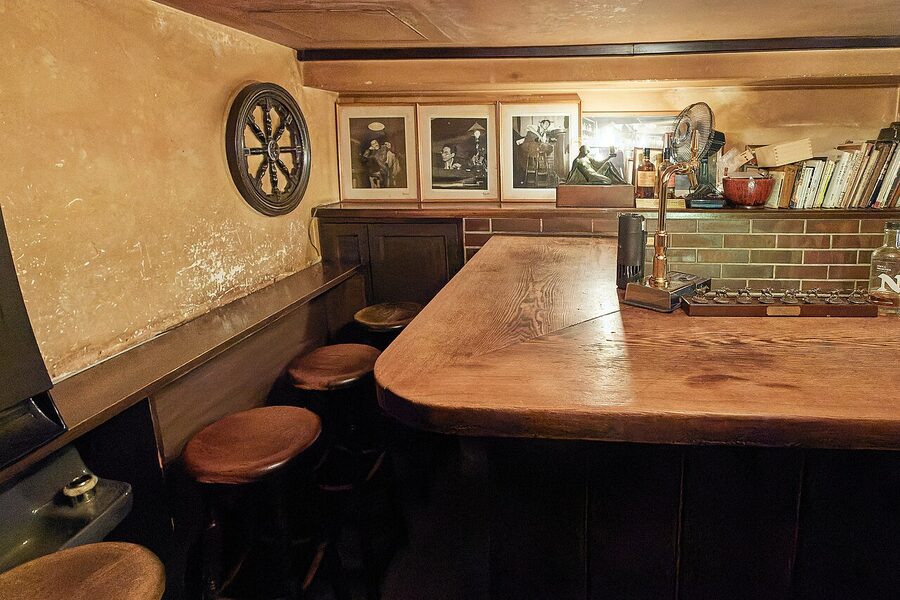

If High Five is the technical version, Bar Lupin on Ginza 5-chome is the literary one. Down a basement stair, the bar’s been going since 1928. Yasunari Kawabata, Osamu Dazai, and Sakaguchi Ango drank here. The room is small, dark, lined in dark wood, and the bartenders make a flawless gimlet without theatrics. Cover charge ¥1,100. Cocktails ¥1,400–1,800. There’s a famous photograph of Dazai sitting on the same red leather barstool you might be sitting on, taken by Hayashi Tadahiko in 1946. They’ll show you a copy if you ask.
Star Bar Ginza
Star Bar Ginza on the basement of the Sanwa Building, Ginza 1-chome, is run by Hisashi Kishi, who’s been on most “world’s best bartender” lists since 2010. The room is gilded, dim, and the cover is ¥1,500. The signature drink is the Mr. Star (gin, cherry liqueur, lemon, the bartender’s bitters). Reservations are required in practice for evening seating. They speak English at the desk.
Whisky bars: the Tokyo version of the ritual
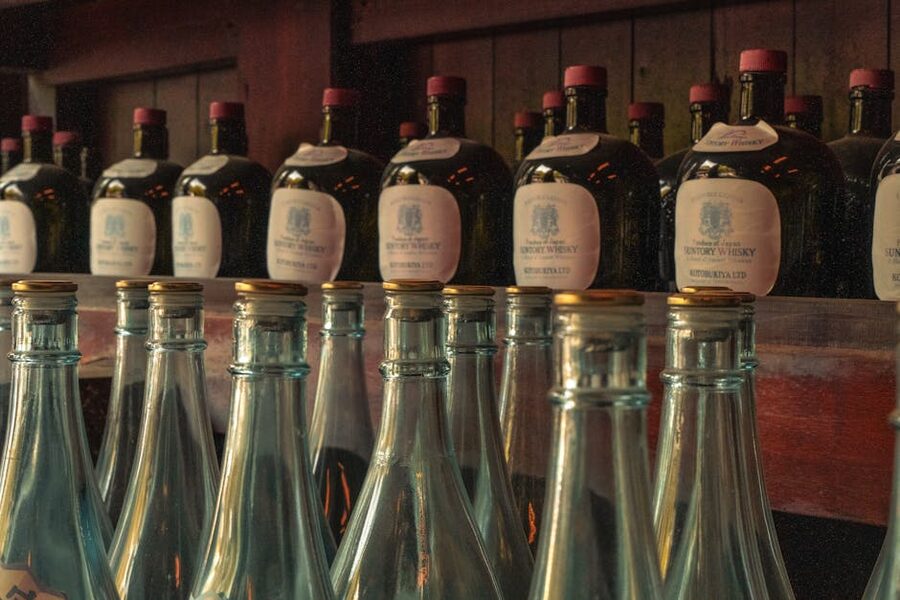
Tokyo has more dedicated whisky bars than London, and many of them serve Japanese whisky almost exclusively. The whisky guide goes into the broader country pattern; for Tokyo specifically, four bars cover the spectrum.
Bar Yamazaki
Bar Yamazaki in Ginza 6-chome (no relation to the distillery, despite the name) was opened in 1928 and is the oldest still-running cocktail bar in the country. The whisky list runs to 80 bottles. The mizuwari (whisky and water, two-thirds water) ritual is performed exactly the way it was performed in the postwar years: one cube of ice, the whisky poured first, then water at a 1:2 ratio, then a single stir clockwise. They charge ¥1,500 cover, drinks from ¥1,800. The bar is a working museum.
Zoetrope
Zoetrope on the third floor of a Shinjuku building near the west exit lists over 300 Japanese whiskies, including a few that nobody else has. The owner, Atsushi Horigami, is one of the great Japanese whisky historians; he’ll talk to you if the bar’s quiet, won’t if it isn’t. Tasting flights of three half-pours run ¥2,500–4,500 depending on what you choose. The walls are covered in old film posters; he plays silent films on a back wall. Cover ¥500.
Bar Yamazaki No. 1: the haibōru bar
The cheaper version of the whisky-bar ritual is the highball bar. Yamazaki Highball Bar branches across the city (Shinjuku, Ebisu, Shibuya) serve the perfect highball: Hibiki or Yamazaki 12 with cold soda, single big ice cube, lemon peel pressed not squeezed, ¥800–1,200 a glass. Less ritual, more session. Highballs are the night-out drink of Tokyo’s working population.

Caol Ila
For peated and Scotch lovers, Bar Caol Ila in Roppongi has the country’s deepest Islay selection. Tiny seats. The owner does flights focused on a single distillery if you ask. Cover ¥1,200, drams from ¥1,500.
Roppongi and Nishi-Azabu: the craft cocktail set

Roppongi has two reputations: the rowdy clubs on the main avenue, and the bars-of-record cocktail rooms hidden five minutes off it. Skip the first; the second is the reason to come.
The SG Club
The SG Club in Shibuya (technically Shibuya, but in the same Shibuya/Shinsen pocket that drinks-tour Roppongi people end up at) is Shingo Gokan’s flagship. Asia’s 50 Best put it in the top three, year after year. The bar runs across two floors: a casual upstairs called Sip, a more formal downstairs called Sui. The Pina Colada served in a real pineapple is the signature, but the menu rotates seasonally and the bartenders riff. Drinks ¥1,800–2,500. Cover ¥1,000. Reservations on the website.
THESE Library Lounge
THESE in Nishi-Azabu (technically Library Lounge THESE, on the first floor of the Quartet Building) is the bar I’d take a friend to who’s never been to a high-end Japanese cocktail bar. The room is wood-panelled, the music is jazz, the cocktails are excellent without being precious. Espresso Martini gets ordered the most; ask for the bartender’s daily special if you’d rather. Reservation by phone, walk-ins sometimes possible. Cover ¥1,000.
Gen Yamamoto
Gen Yamamoto in Azabu-Juban runs a tasting-menu format only: four-course (¥5,500) or six-course (¥7,700) seasonal cocktails using fruits and vegetables he juices to order. Reservations are by phone, seven days in advance, and you have to call yourself; he won’t take a hotel concierge call. The cocktails are low-alcohol and meant to be drunk in sequence. The room has eight seats. He’s the closest thing to a chef working with a shaker.
Bar Trench, Bar Tram, Bar Triad
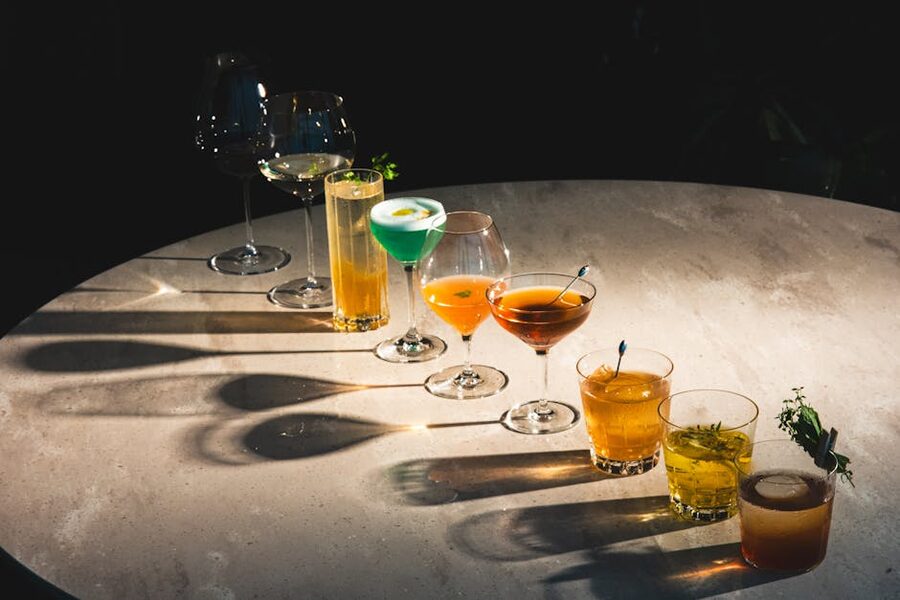
The Ebisu trio (a five-minute walk apart, all under the same Group ownership): Bar Trench for absinthe and pre-Prohibition; Bar Tram for amari and herbal liqueurs; Bar Triad for the more relaxed drinking-with-friends version of the cocktail experience. Cover ¥500–800 at each. Cocktails ¥1,500–2,000. The bartenders are happy to recommend if you describe what you like. Bar Trench was Asia’s 50 Best for years before the rest opened. The vibe at Triad is the friendliest of the three.
Shibuya, Ebisu, Nakameguro: the neighbourhood drink
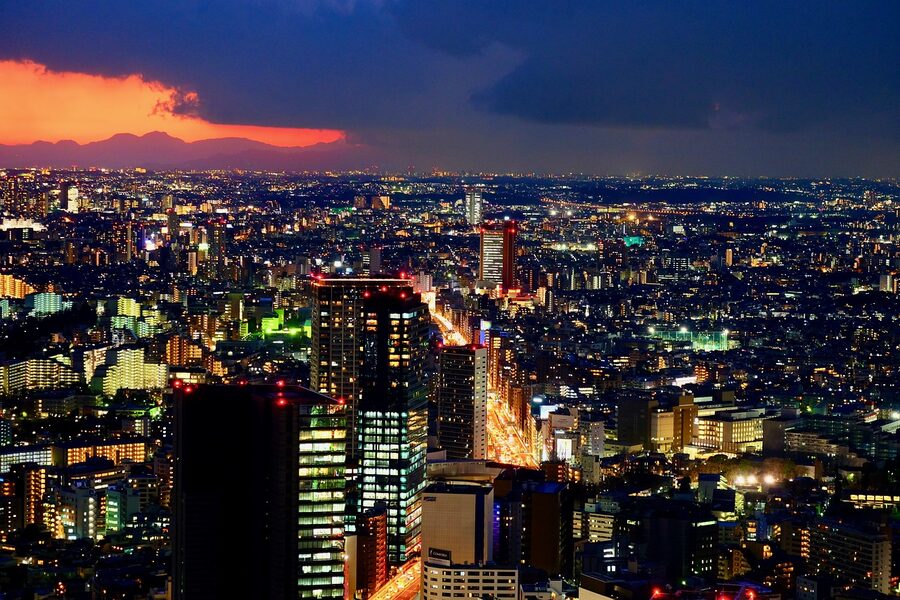
Shibuya has its own under-the-tracks alley: Nonbei Yokocho (“drunkard’s alley”), tucked into a corner of the JR Yamanote line on the east side. Same gado-shita pattern as Yurakucho but smaller and quieter, with a couple of natural wine bars and one excellent yakitori counter (Tatemichiya) sharing the strip. Drinks band: ¥700–1,500. Cover varies by bar but is usually ¥500–1,000.
Ebisu Yokocho
One JR stop south: Ebisu Yokocho, a covered indoor market converted into a cluster of about 20 stalls, each a different cuisine and bar setup, all sharing one boozy flow. Order at one stall, take your beer to another, order skewers there. It’s chaotic and a fair bit cheaper than the Ebisu side-street cocktail bars across the road. Beer ¥500. Skewers ¥200–400. Cash, mostly. Open until 03:00 most nights.
Nakameguro
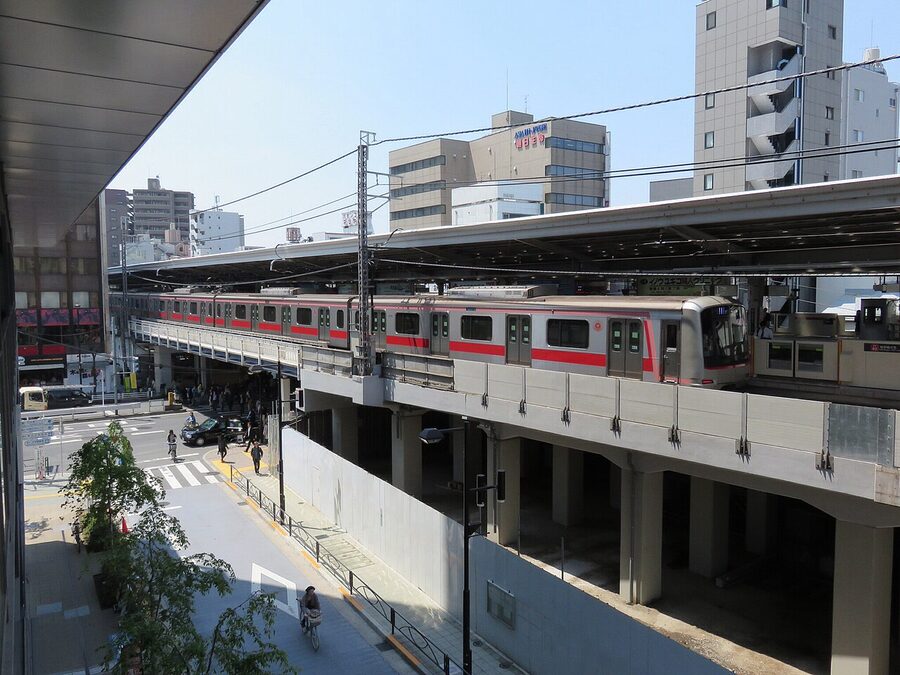

The canal-side neighbourhood between Ebisu and Daikanyama is the date-and-second-stop part of Tokyo’s drinking map. The river path is lined with small wine bars, natural wine specialists (Winestand Waltz is a tiny standing place that’s worth the queue), and quiet cocktail rooms. Less crowded than Shibuya, more interesting than Roppongi. Cocktails ¥1,500–2,200. The neighbourhood goes from civil to boring after about 23:00; eat dinner here, drink for two hours, then move to Shibuya or home.
Tachinomi: the standing bar tradition
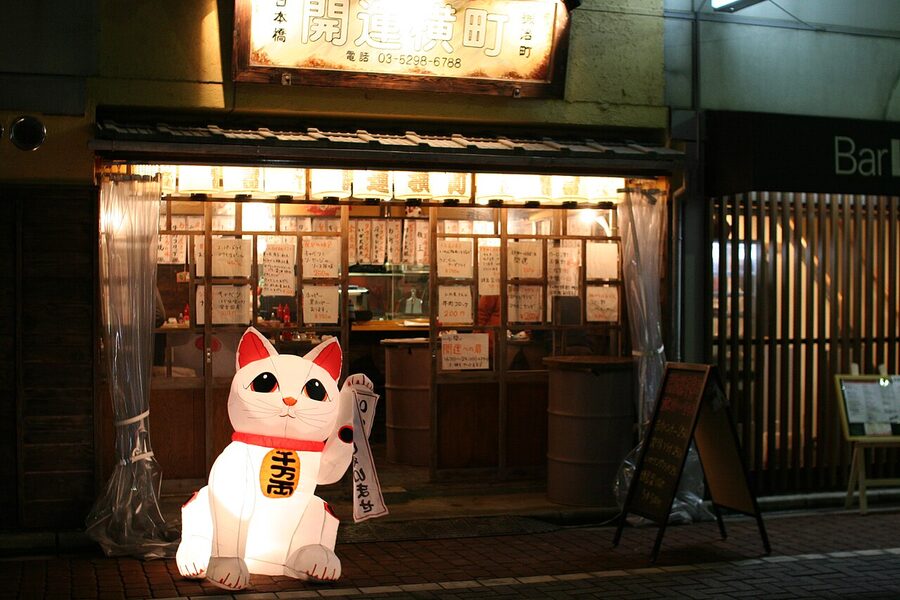

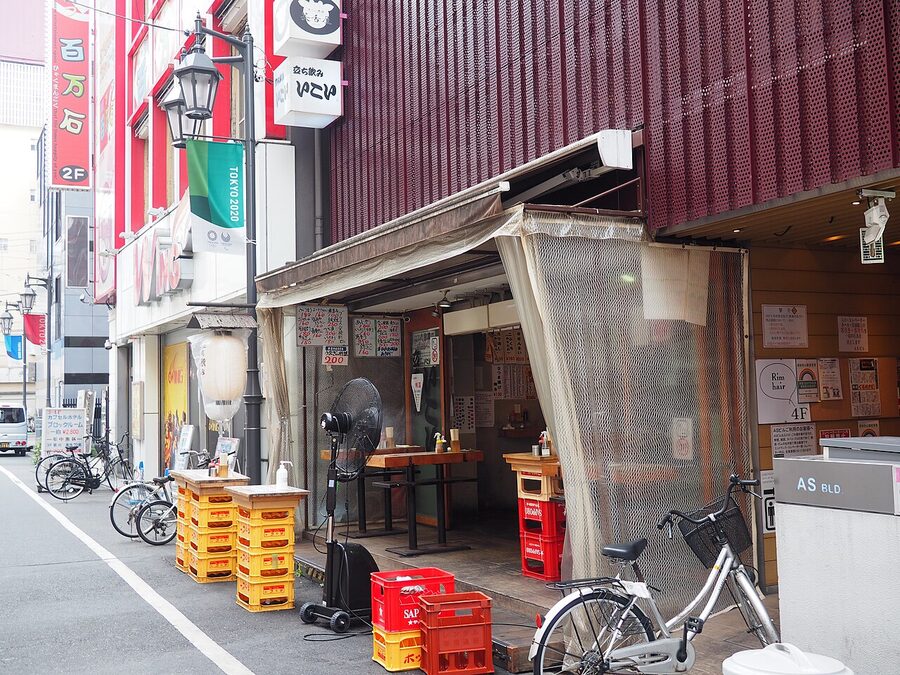
Tachinomi means “standing drink”. You stand at a counter, you drink, you eat one or two small plates, you settle up, you leave. The whole transaction takes 30 to 40 minutes. Tachinomi are the cheapest legitimate drink-and-snack venues in Tokyo. A beer plus a small dish lands at ¥800–1,000. The crowd is mixed in age, mixed in income, and almost universally Japanese-speaking. There’s no cover. Most pay-as-you-go (you settle each item as you order, no tab).
Specific places worth seeking out:
- Buri in Ebisu: a wine-and-sake tachinomi where the speciality is one-cup sake (cup-zake) from rotating breweries, ¥500–800 per cup. Plates of pickles and sashimi at ¥400–800. Open from 17:00, packed by 19:00.
- Vivo Daily Stand branches across Tokyo (Nakano, Nishi-Ogikubo, others): chain tachinomi, but a friendly one. Beer ¥400, wine ¥500, small plates from ¥300. Late-night version of the convenience-store stop, but with somewhere to lean.
- Tachinomi Daruma in Asakusabashi (and other locations): the unreconstructed Showa version, cheap shochu (¥300), grilled mackerel (¥400), wooden counter polished by 50 years of elbows.
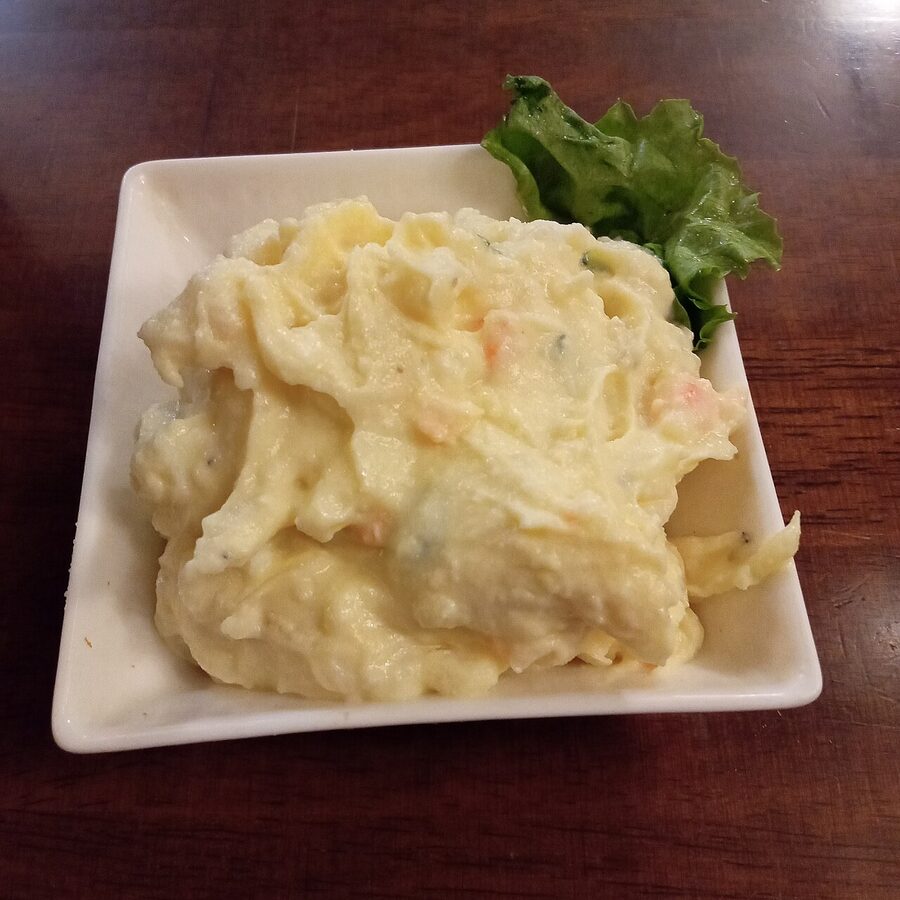
Tachinomi etiquette: order one or two things at a time, pay as you go, don’t camp. Once you’ve finished your second plate or third drink, settle and leave. The owner needs your space.

Craft beer rooms
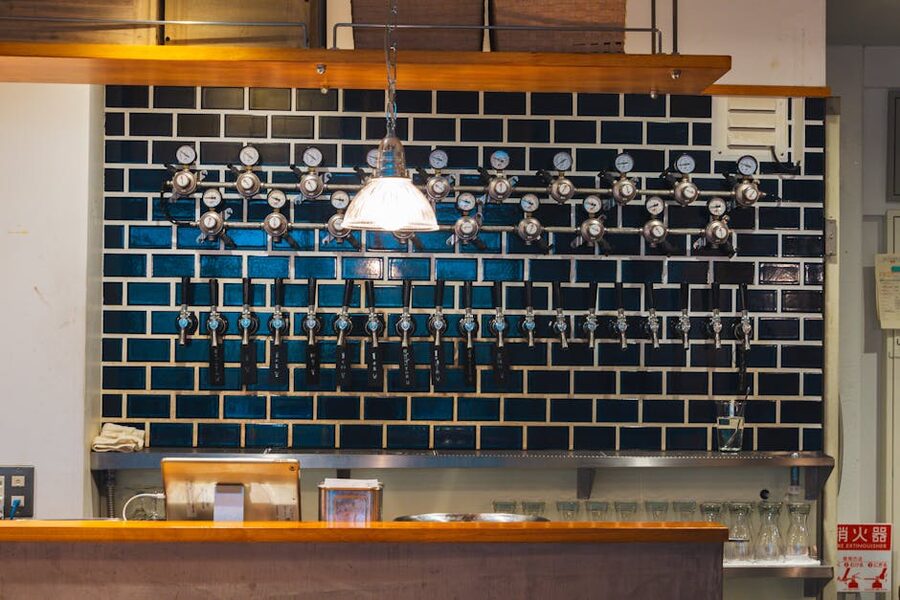
Tokyo’s craft beer scene grew from one or two pioneers in the early 2000s to over 100 dedicated craft beer rooms today. The pattern: 8 to 20 taps, mostly Japanese craft, often half-pints (180 ml) so you can taste your way through. A half costs ¥700–900; a pint runs ¥1,200–1,500. No cover at most. Bar food, sometimes excellent (yakitori, sausages, fried chicken).
The places to know:
- Goodbeer Faucets in Shibuya, two minutes from the south exit: 40 taps. The signature menu is a flight of four 100 ml pours of your choice (¥1,800). The kitchen does decent burgers. Open 17:00–01:00 weekdays, from 12:00 weekends.
- Watering Hole in Yoyogi: a small 12-tap room with a Japan-only lineup. The owner is one of the early figures in the country’s craft scene; he’ll point you at the day’s standout if you ask.
- Mikkeller Tokyo on the basement of the Shibuya Stream building: Danish-import craft, tighter pour, more expensive. Worth one stop if you’re already in the area.
- Ant N Bee Roppongi: 15 taps, plus a side menu of imported Belgian and American bottles. Bar food is fine. The Roppongi crowd is loud after 22:00.
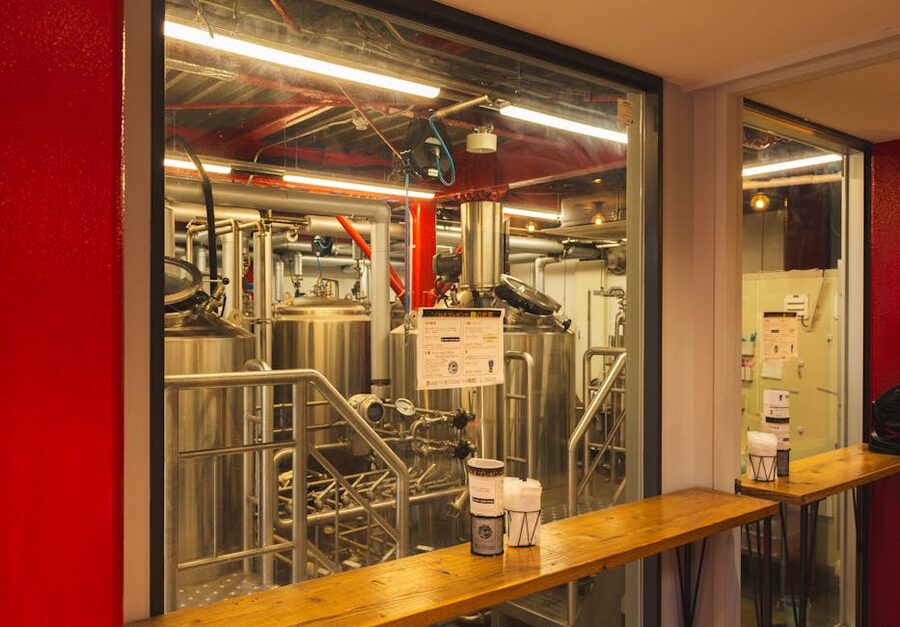
For brewery taprooms specifically, Ushitora in Shimokitazawa pours its own house range, and Devilcraft Hamamatsucho does Chicago deep-dish pizza alongside a 16-tap rotation. If craft beer interests you and you also want to learn how Japanese sake breweries operate, the sake guide explains the production side.
Sake bars and Japanese wine
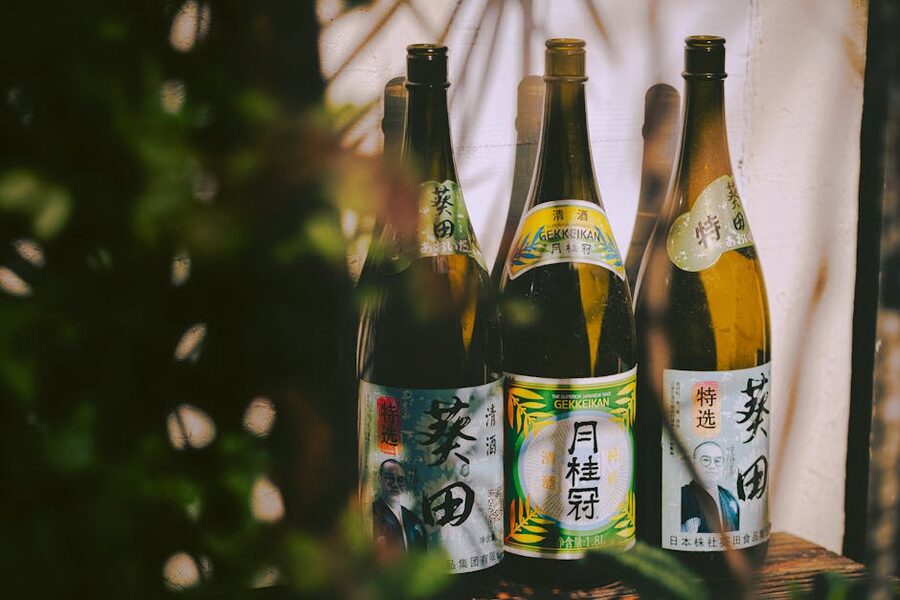
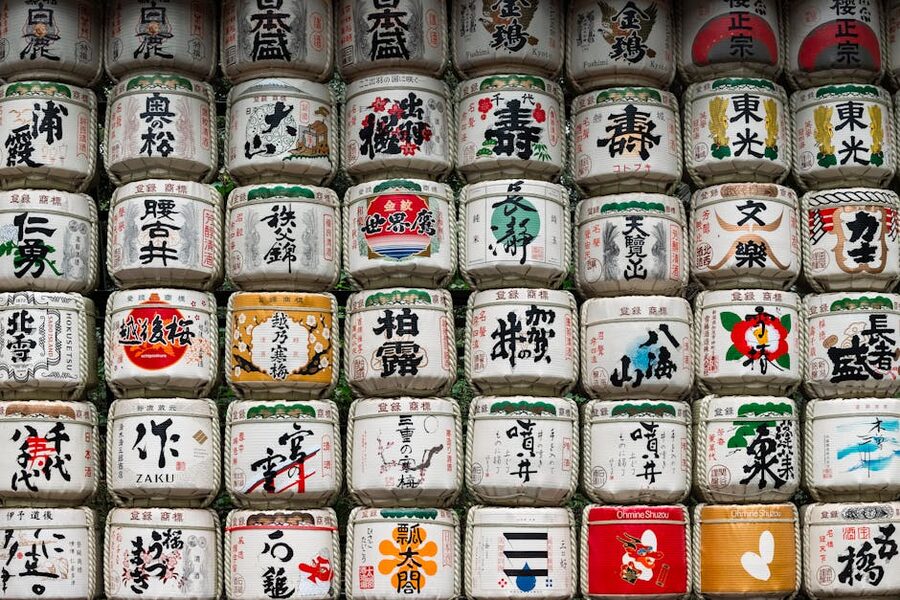
Tokyo doesn’t make sake (the breweries are mostly two to four hours out, in Niigata, Fukushima, and elsewhere) but it has the country’s deepest sake-bar selection. Kyoto’s sake-and-machiya bar scene is the closest second; Osaka’s drinking trail is louder, beerier, kushikatsu-driven. The format: 30 to 100 bottles on rotation, by-the-glass at 60 ml or 90 ml, prices from ¥700 to ¥2,500 a pour depending on rarity. If you don’t already know your junmai from your daiginjo, the sake guide is the primer.
Sake-specific bars
- Sake no Ana in Ginza 3-chome: 130-bottle list, knowledgeable staff, English menu. The proprietor often pours samples if you ask about a brewery you don’t know. Cover ¥500. Pours from ¥800.
- Buri in Ebisu (the same one in the tachinomi section): cup-zake speciality, around 70 different one-cup sakes, the best place in Tokyo to taste through small breweries fast. ¥500–1,000 per cup.
- Kurand Sake Market branches in Shinjuku and elsewhere: all-you-can-drink (nomihodai) format, ¥3,300 per 90 minutes, 100 bottles available. Touristy and not what a serious sake drinker would choose first, but the variety per yen is hard to argue with.
Japanese wine
Yes, Japan makes wine, mostly in Yamanashi and Nagano, and Tokyo has a small but real Japanese-wine bar scene. Wine Stand Waltz in Nakameguro pours by the glass from 60 producers; the owner imports the smaller ones direct. Glasses ¥800–1,400. Standing only, six elbows at the counter. Open 17:00–23:00.
What to eat with the drink
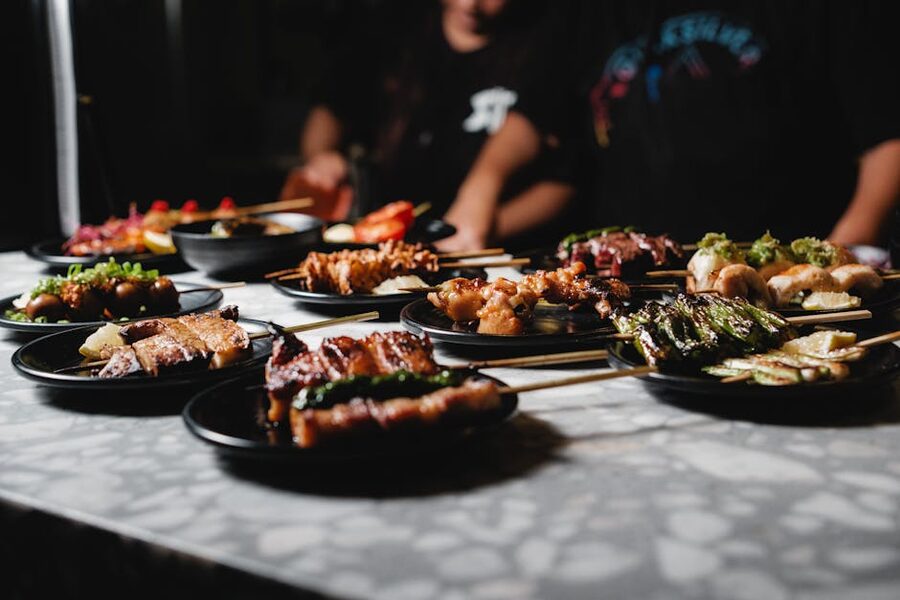
Tokyo’s drinking culture and food culture aren’t separate. You don’t go out to drink and then later go and eat. You drink while you eat, you eat while you drink, the bar’s kitchen is half the reason you went. The pairings that work are mostly determined by which venue you’re in, but the patterns repeat.
With beer
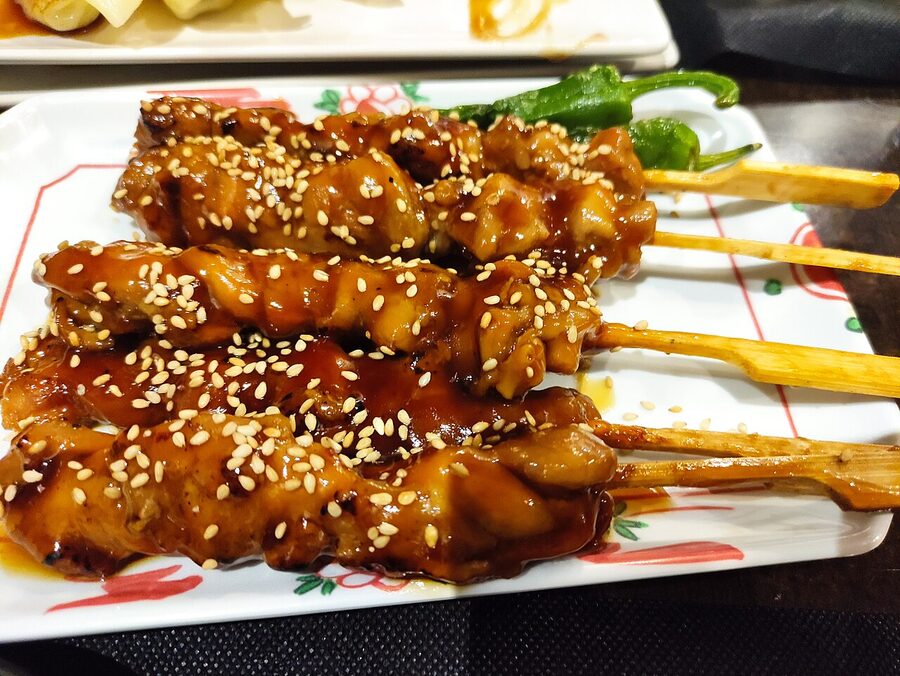
Salt-side yakitori (chicken thigh, chicken skin, leek, gizzard, cartilage). Edamame. Karaage (Japanese fried chicken). Gyoza. Tempura. The food is salty, hot, often crispy, and built to make you order the next beer.
With sake

Sashimi. Grilled fish (saba shioyaki, mackerel salt-grilled, is the canonical pairing). Pickles (tsukemono). Steamed vegetables. Anything subtle. Don’t try to pair sake with strong sauces or fried-and-greasy: the sake gets buried. Hot sake (atsukan) opens up with strongly flavoured small plates; cold sake (reishu) sits better with raw fish. More on sake-and-food matches in the sake guide.
With whisky
The Japanese answer is: sometimes nothing, sometimes a small plate of nuts or chocolate, very rarely a full course. Whisky bars typically serve a small bowl of mixed nuts (free or ¥300) and that’s it. The point is the pour, not the pairing. Highball bars serve more food because the highball is a session drink rather than a sipping one; a Yamazaki highball with grilled chicken is a perfectly good Tokyo Tuesday.
With shochu
Heavier food. Robatayaki (charcoal-grilled fish and vegetables). Stews. Pickled and fermented things. Imo (sweet-potato) shochu mixed with hot water is a winter pour; mugi (barley) shochu cut with cold soda is an evening start. If shochu is new to you, the shochu-versus-sake-versus-awamori guide explains the differences. The shochu deep dive really happens further south, of course; the Fukuoka eat-and-drink guide covers Kyushu’s distillery belt.
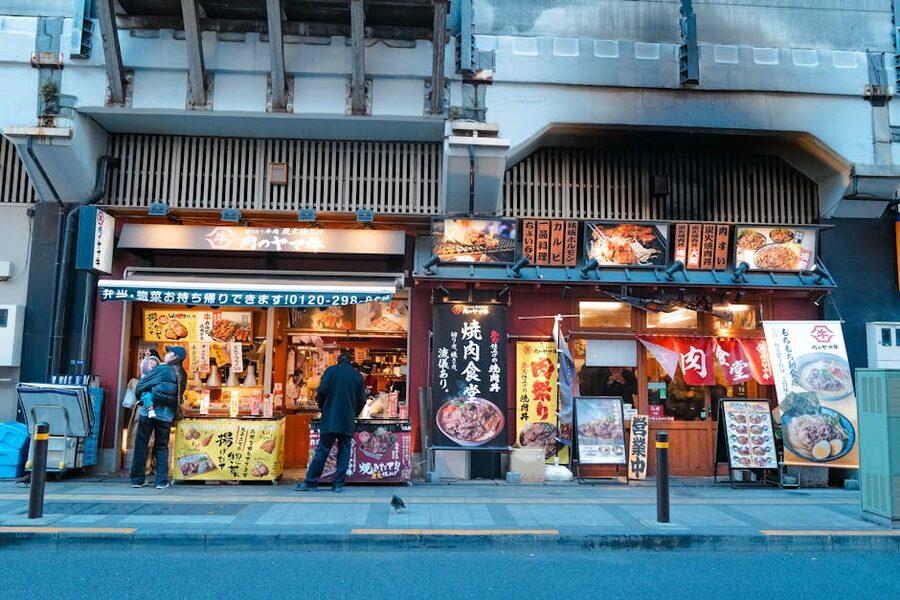
The practical bits: covers, otoshi, hours, and paying
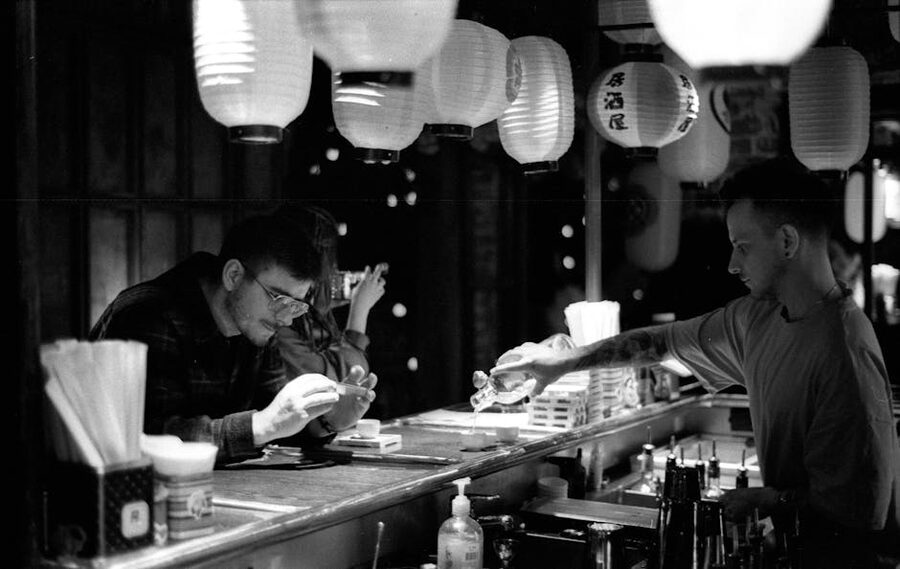
The mechanics of a Tokyo bar visit have a few non-obvious bits.
Otoshi (also called tsukidashi): a small starter dish, ¥300–800 per person, that you didn’t order. Comes automatically at most izakayas and many cocktail bars. It’s how the room books your seat. You can refuse it occasionally, but it’s polite to accept.
Cover charge (seki-ryo, table charge): ¥500–1,500 per person at most cocktail bars, hotel bars, and some izakayas. Always charged. Posted on a sign at the door at the better places, hidden until billing at the worse ones. If you can’t see one before you sit down, ask. The bartender won’t be offended.
Hours. Most izakayas open at 17:00 and close around 23:00 on weekdays, later on weekends. Cocktail bars open later (18:00–19:00) and run later (01:00–02:00). Whisky bars also late. Standing bars open early (16:00–17:00) and close earlier (around 23:00). On Mondays, many independent bars are closed. Check before you go.
Paying. Cash is still common at indie bars. Most cocktail and hotel bars take cards now. Tachinomi and gado-shita izakaya are usually cash only. Bring ¥5,000–10,000 in cash per person per night to be safe. There’s no tipping. The bill (okanjō) is asked for by raising one finger to the staff or saying “okanjō kudasai“. You pay at the counter on the way out at standing bars, at the table at sit-down ones.
Reservations. Required for the high-end cocktail bars (Bar High Five is one of the few that doesn’t take them, but it’s first-come-first-served and queues form by 19:30). The famous craft cocktail places (Gen Yamamoto, Ben Fiddich, Star Bar) need calling at least a day ahead. For izakayas, walk-in is the norm but you’ll wait 15–30 minutes between 19:00 and 21:00 on weekends.
Smoking. Tokyo’s 2020 indoor-smoking ordinance pushed most bars to no-smoking, but small bars (under 30 m²) opened before 2020 are exempt. You’ll still find smoke at older Golden Gai bars and some basements. Check before you sit down if you care.
How to plan one night
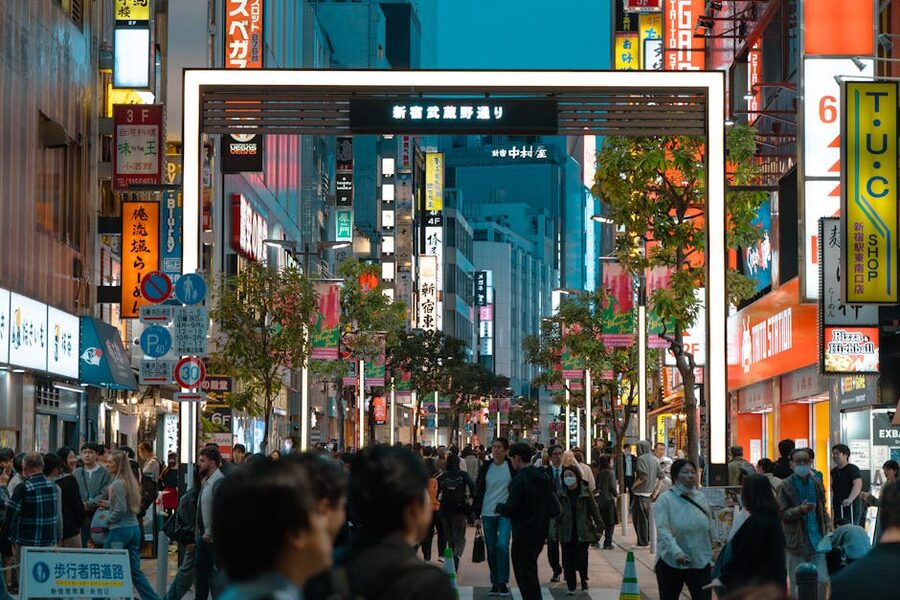
Most travellers try to do too much. The pattern that works:
- Stop 1: 18:00–20:00, izakaya. Yurakucho gado-shita, Omoide Yokocho, or your hotel neighbourhood. Beer, sake, three or four small plates. Set the night up. Budget ¥3,000–5,000.
- Stop 2: 20:30–22:00, the proper drinking stop. A cocktail bar (Ginza or Roppongi), a whisky bar (Zoetrope, Bar Yamazaki), or Golden Gai if it’s the first night. Two drinks, no rush. Budget ¥3,500–7,000.
- Stop 3 (optional): 22:30–00:00, the wind-down. A standing bar, a craft beer room, or a quiet final cocktail somewhere on the way back to the train. Budget ¥1,500–3,000.
Total: about ¥8,000–15,000 for one person for one night, depending on which neighbourhoods you pick. Two cocktail bars in Ginza alone will run ¥10,000–15,000. Two tachinomi and a Korean BBQ chaser will run ¥5,000.
If you want a guide
The first time I went, I did the whole thing solo with notes. The second time I took a friend who’d never been, and we joined a small-group Tokyo bar-hopping tour on GetYourGuide for the first night so she could relax. There’s a Viator Shinjuku alleys version that does the same thing through Omoide Yokocho and Golden Gai. The advantage of a guide is the translation; the disadvantage is the pace. After one tour you’re set up to do it on your own.
Last train, or last drink
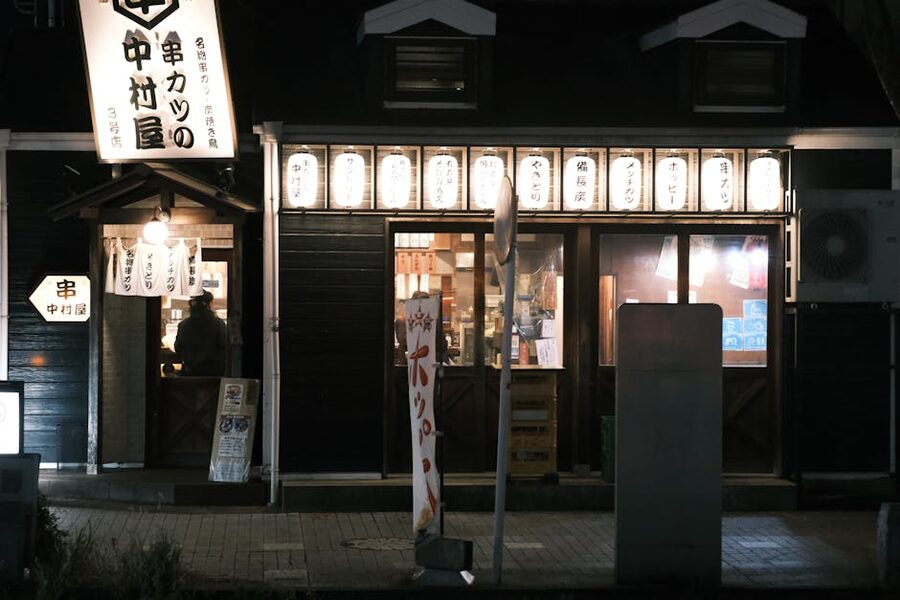
Tokyo trains stop running between 00:30 and 01:00. After that you have three options: walk back if your hotel’s central, take a taxi (a 5 km ride costs around ¥2,500), or stay drinking until the trains start again at 05:00. The latter is what most regulars do. Roppongi and Shibuya have plenty of bars that run past 03:00; one of them will absorb you.
Or: a konbini can. Pick up a chu-hai (canned shochu highball, ¥180–220), a cold beer, an onigiri. Walk back through the quiet streets. Tokyo at 02:00 with a 7-Eleven beer is one of the best drinks in the city, and it’s free of cover charges, otoshi, and English-menu small talk. The 2024 outdoor-drinking ordinance technically restricts open containers in some parts of central Tokyo on weekend nights, so check the signs in Shibuya Center-gai and Roppongi-dori, but most of the city still allows it.
The bartender at Bar Lupin closes at 23:30 sharp. The last train from Ginza is 00:48. Between those two, somewhere on the walk to the station, the night will give you one of the small Tokyo drinking moments that’s hard to plan for. Cold air. Quiet. A vending machine humming in a side street. The aftertaste of whatever you drank last. That’s the part to come back for.
 CitiesWhy Tohoku Took Over Japan’s Sake SceneThe trip almost didn't happen. I'd booked an Aomori brewery visit at the end of a rushed week, the second…
 CitiesWhy Kansai, Not Niigata, Is the Sake CapitalHyogo and Kyoto produce more sake than the next eight prefectures combined. Two of Kansai's six prefectures, side by side,…
 CitiesHokkaido Has More Whisky Distilleries Than You ThinkAsk anyone who knows a little about Japanese whisky to name a Hokkaido distillery and they’ll say Yoichi. Push them…