
A bottle of shop-brand sake from a Tokyo supermarket runs ¥800 and clocks 15% alcohol. A bottle of honkaku shōchū from the shelf above it costs ¥1,500 and reads 25%. A bottle of 10-year aged Okinawan awamori two shelves down asks ¥6,800 and tips 43%. All three are made from rice or grain. All three are Japanese. None of them are the same drink, and most travellers cannot tell which is which until they have ordered the wrong one with the wrong food.
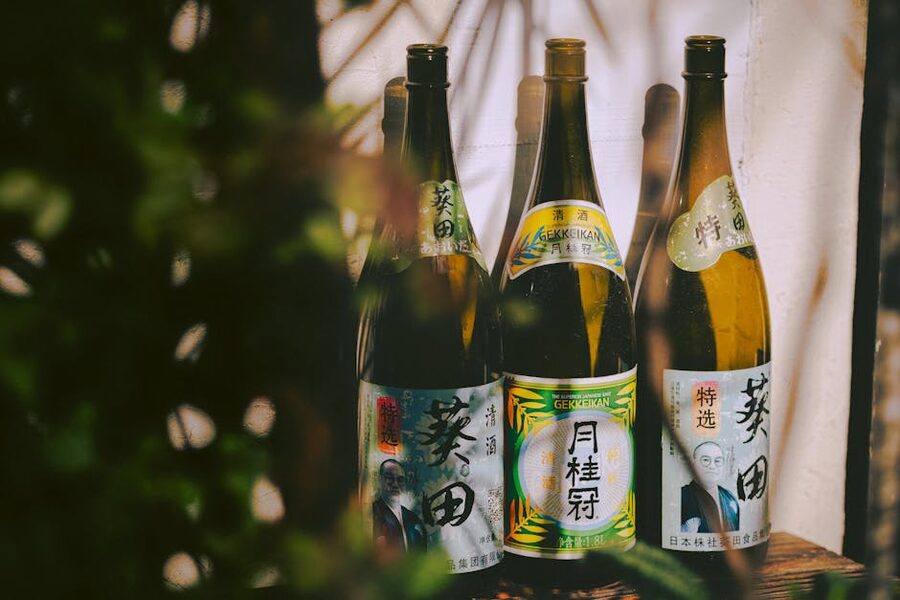
The confusion is reasonable. The kanji 酒 (sake) is the everyday Japanese word for alcohol, and on a supermarket shelf it shows up on bottles that are technically wine, technically spirits, and technically a fortified Okinawan curiosity older than every distillery in Scotland. I have spent enough nights in Kyushu yakitori stalls to know that ordering “sake” in Kagoshima will get you shochu and a confused look. The drinks branch from a common ingredient base, but they split early on production, climate, and culture, and a comparison piece is the only fair way to keep them straight.
This is the cheat sheet I wish I had on my first trip. What each drink actually is, where it comes from, how it is made, what it costs in yen, what to drink it with, and how to order it without ending up with the wrong cup at a counter that takes your order in Japanese only. If you want the deeper-dive companions, the sake guide and the Japanese whisky guide sit alongside this one in the cluster, and the izakaya etiquette piece covers the rules of behaviour I’ll only sketch here.
In This Article
- The 30-second comparison
- Sake: the brewed one (nihonshu)
- What it tastes like
- How it’s drunk
- Where to drink it on a trip
- Shochu: the distilled everyday spirit
- The base ingredients
- Atmospheric vs lower-pressure distillation
- How to drink shochu
- Where to drink shochu in Japan
- Awamori: Okinawa’s singular spirit
- How awamori is made (and why it’s different)
- Kusu: the aging tradition
- The strong side: Hanasake and habushu
- How to drink awamori
- Where to drink awamori
- Production at a glance: how the three drinks come together
- Pairing each drink with food
- Reading the label: the kanji that matter
- What to order at an izakaya, in three sentences
- So what should you actually drink?
The 30-second comparison
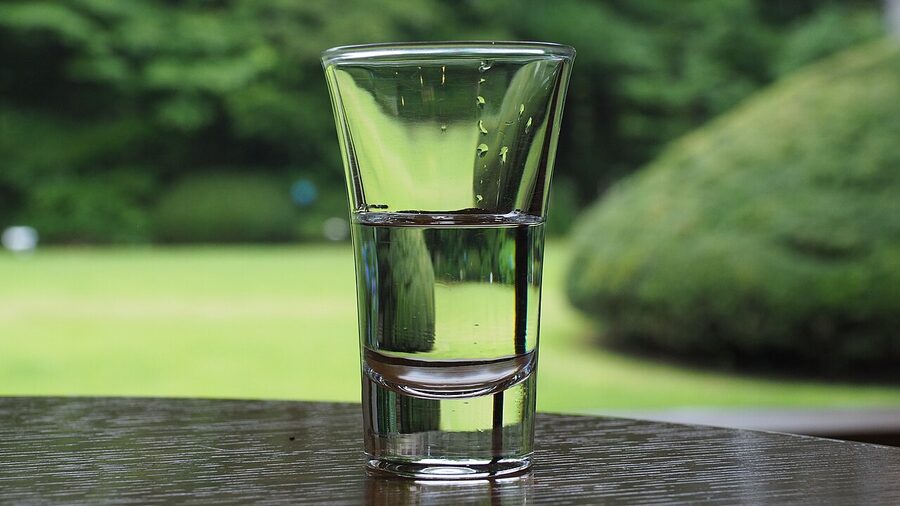

| Feature | Sake (nihonshu) | Shochu | Awamori |
|---|---|---|---|
| Process | Brewed (parallel fermentation) | Distilled, single or continuous | Distilled once, single fermentation |
| Base ingredient | Short-grain Japonica sake rice | Sweet potato, barley, rice, soba, brown sugar | Long-grain Indica Thai rice |
| Koji mould | Yellow koji (Aspergillus oryzae) | Yellow, white, or black koji | Black koji only (Aspergillus awamori) |
| Typical ABV | 13–17% | 20–30% (up to 45%) | 30–43% (Hanasake up to 60%) |
| Region of origin | Honshu, especially Niigata, Hyogo, Kyoto | Kyushu, especially Kagoshima, Miyazaki, Oita | Okinawa Prefecture only |
| Typical bottle (720ml) | ¥1,200–3,000 entry, ¥4,000+ premium | ¥1,200–2,500 honkaku, under ¥1,000 industrial | ¥1,800–3,500 standard, ¥6,000+ kusu |
| How it’s usually drunk | Chilled or warm, in ochoko or masu | On the rocks, with cold or hot water | Neat, on the rocks, or with hot water in clay cups |
| Best food pairing | Sashimi, grilled fish, kaiseki | Yakitori, grilled meat, hotpot | Pork belly (rafute), goya champuru, fried foods |
| Verdict in one line | Japan’s rice wine, the table drink of the mainland | The everyday spirit of Kyushu, ingredient-led | Okinawa’s 500-year-old aging spirit, intense and earthy |
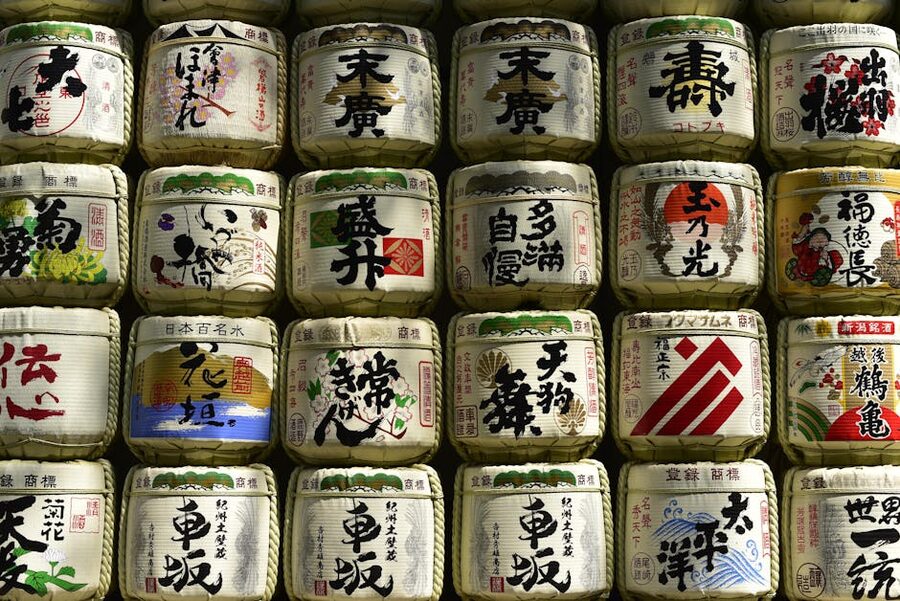
Three rules of thumb that will save you on the first night of any trip. If the label kanji starts with 日本酒 (nihonshu), it is brewed sake and probably 14–16%. If it says 焼酎 (shōchū) or 本格焼酎 (honkaku shōchū), it is distilled and probably 25%. If it says 泡盛 (awamori) or 琉球泡盛 (Ryukyu awamori), it is from Okinawa and 30% or higher. The shopkeeper will not stop you mixing them up, but the morning after will.
Sake: the brewed one (nihonshu)
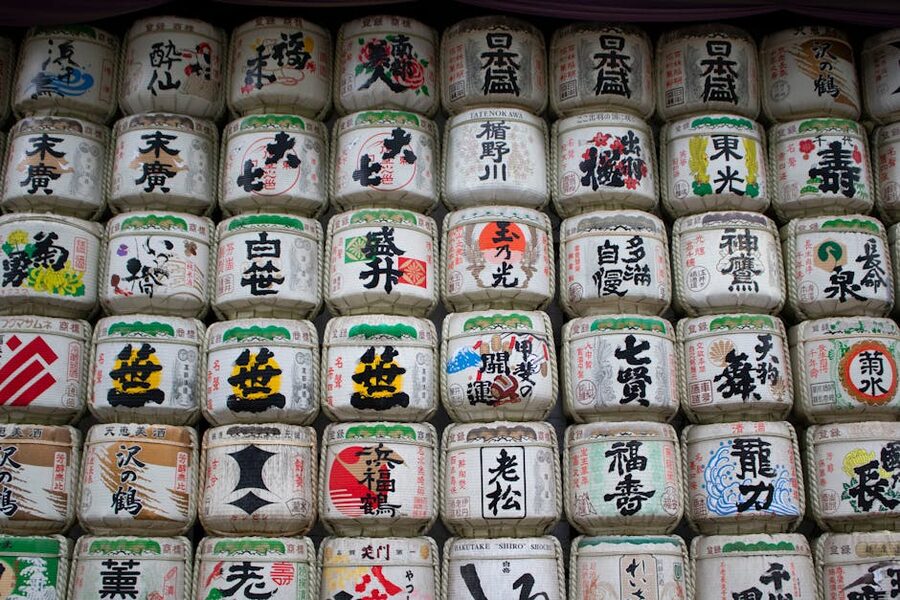
Sake, properly called nihonshu (literally “Japanese alcohol”) in Japan, is the only one of the three that is brewed, not distilled. The technique is closer to beer than to wine. Polished short-grain sake rice is steamed, inoculated with koji mould (Aspergillus oryzae) which converts rice starch to sugar, then fermented with yeast in the same tank at the same time. Brewers call this multiple parallel fermentation, and there is nothing else in the world quite like it. The result lands between 13% and 17% ABV: stronger than wine, weaker than vodka, lighter than every distilled spirit in this guide. Sake is consumed across Japan, but the brewing heartland is Niigata, Hyogo, Kyoto, and the colder reaches of Honshu and Tohoku, where winters drop low enough for the yeast to do its slow work.
What it tastes like
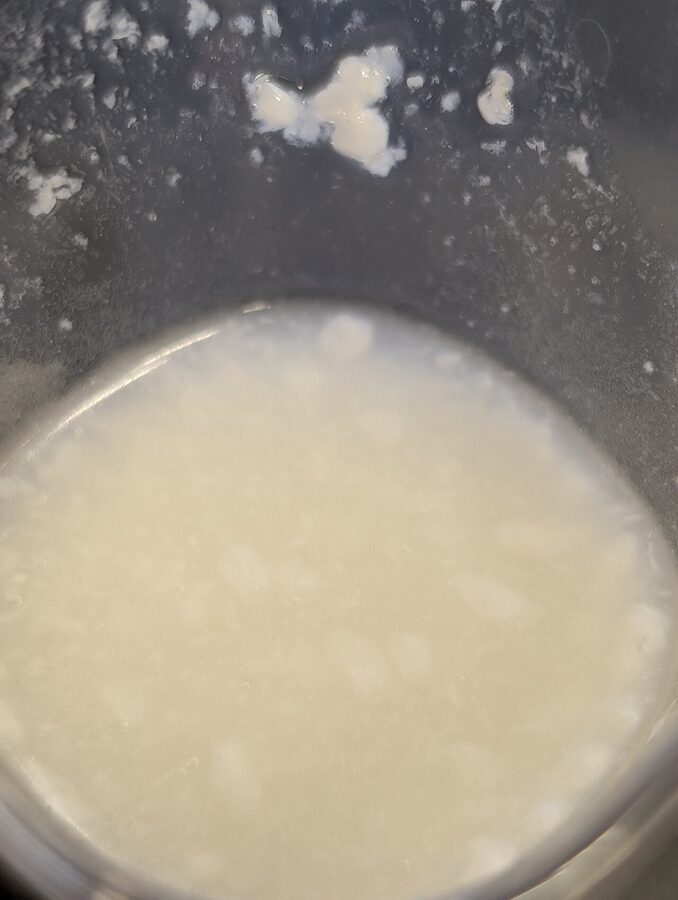
Sake runs from dry to sweet, light to rich, but the taxonomy that matters at a counter is the rice-polishing one. The more the outer hull of the rice grain is milled away before brewing, the cleaner and more aromatic the sake. Junmai (50–70% remaining), ginjō (60% or less), daiginjō (50% or less), and the unfiltered nigori, the unpasteurised namazake, the kimoto and yamahai styles that lean funkier. Plain summary: a good junmai at ¥1,500 a 720ml bottle drinks better than a mediocre daiginjō at ¥4,000. Don’t buy the polishing ratio, buy the brewery. Brands worth knowing on a first trip include Hakkaisan from Niigata, Dassai from Yamaguchi, Kubota also from Niigata, and Tatenokawa from Yamagata.
How it’s drunk
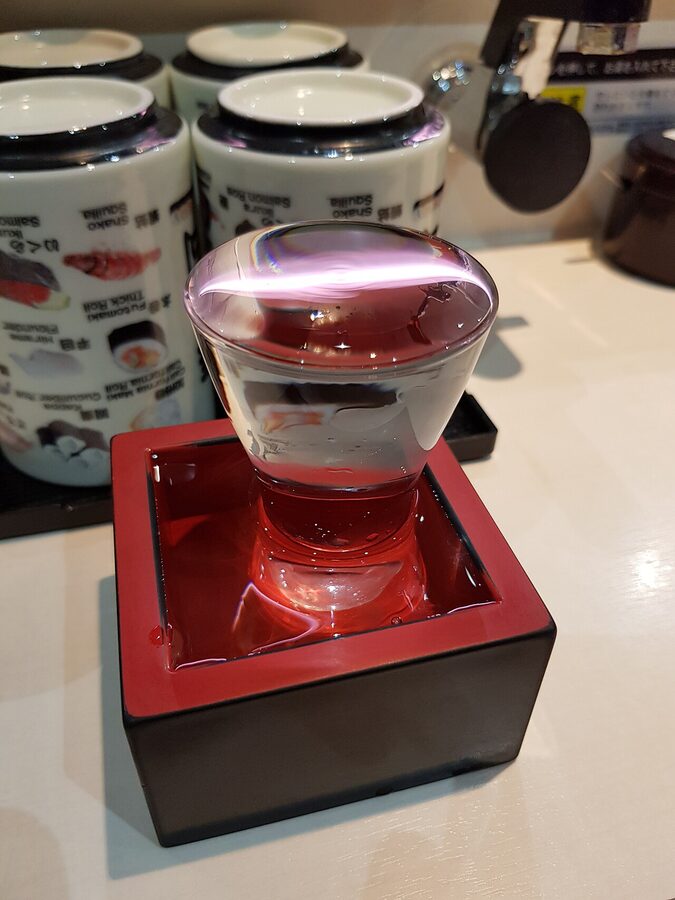

Cold for daiginjō and namazake. Room temperature or slightly warmed (nurukan, around 40°C) for junmai. Hot (atsukan, 50°C+) for cheaper sake on cold nights, where the heat hides the rough edges. Pour for the person next to you, never for yourself, and let them top you up. The vessels rotate too: small ochoko cups for casual drinks, the wider guinomi for tasting, the wooden masu box (sometimes overflowing on purpose, the pour spilling out as a sign of generosity), and the porcelain tokkuri flask. If you’re going to learn the etiquette properly, the rules belong in a piece of their own, but pour-for-others-not-yourself is the one that matters tonight.
Where to drink it on a trip
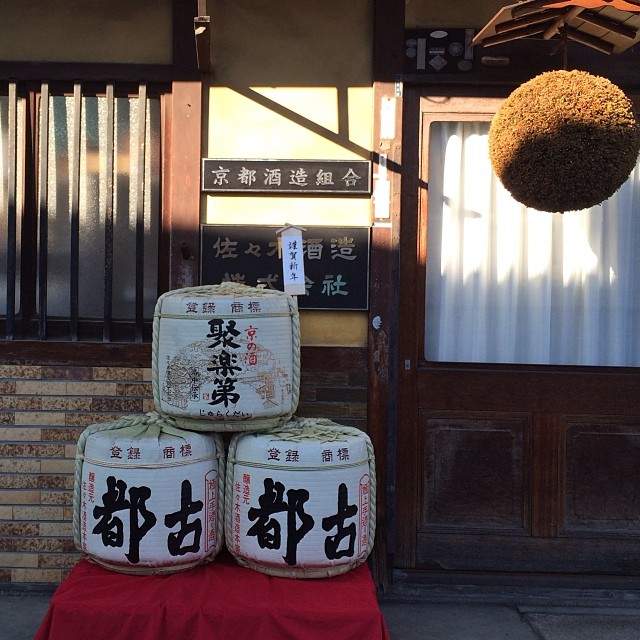

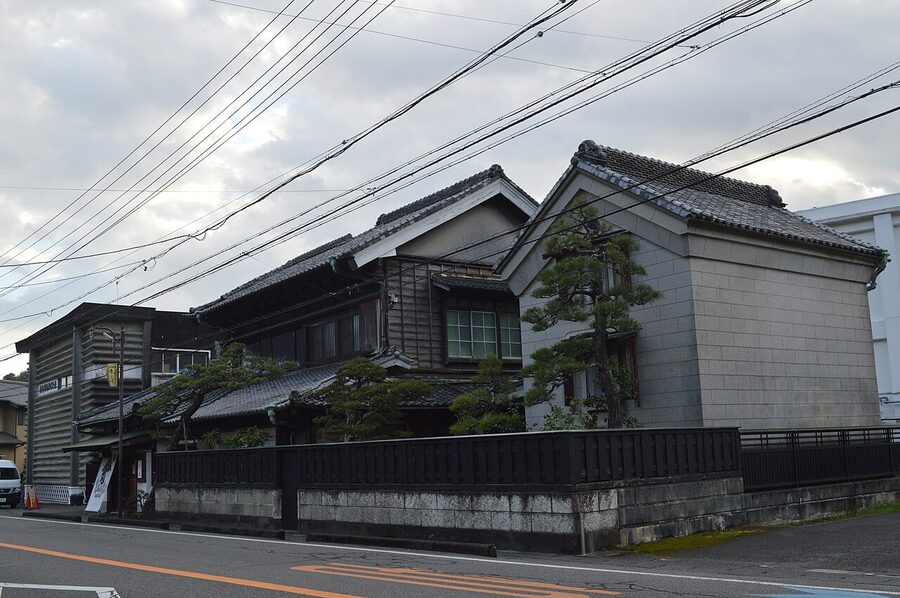
The brewery-tasting tour is a real travel experience, not the fake “sake school” thing some hotels run. Niigata holds Ponshukan at the station, ¥500 for a token that buys you five different sake from local breweries. Nada in Kobe and Fushimi in Kyoto are the two heavyweight brewing districts, both with multiple breweries open to walk-ins. For a single dispatch, my pick is the Hatsukame brewery in Okabe, Fujieda, Shizuoka, where they brew the dry junmai-only that locals drink with grilled mackerel. Tastings run ¥600 for three pours and the brewer will sit with you if it’s a quiet weekday. Reservations recommended at most breweries; check seasonal hours, since brewing runs October to April and many close mid-summer. For the broad pillar guide on how sake works, when to visit which region, and what to drink in each prefecture, the full sake guide covers it.
.jpg)
Shochu: the distilled everyday spirit
Shochu is the one most foreign visitors get wrong. It is distilled, not brewed, which makes it a spirit. It comes from Kyushu, especially the southern half, and the western edge of Honshu. The ABV runs 20% to 30% in normal bottles, up to 45% legally. The first written reference to shochu is graffiti from 1559 carved by a carpenter at Koriyama Hachiman Shrine in Oguchi, Kagoshima, complaining that the priest was stingy with it. That is older than every Scotch whisky distillery still operating.
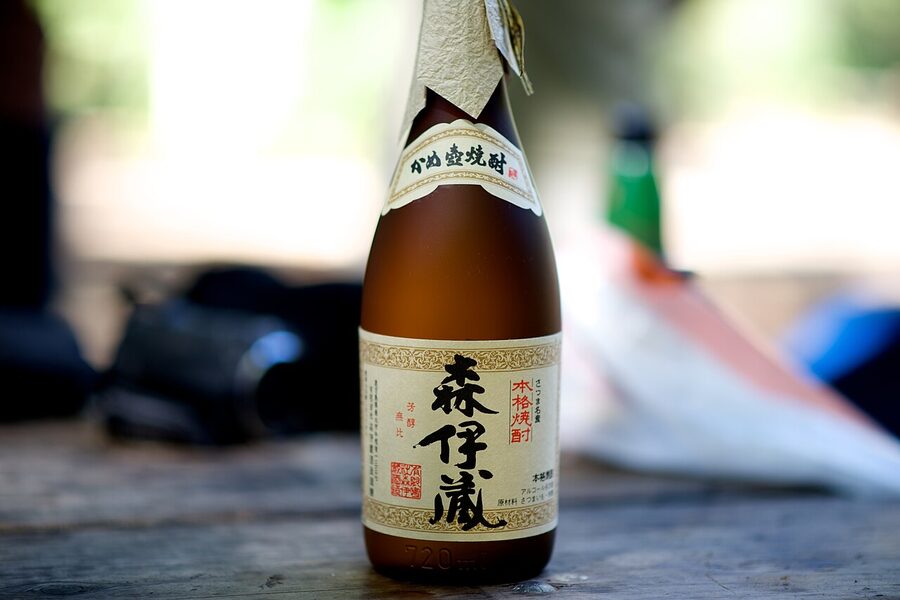
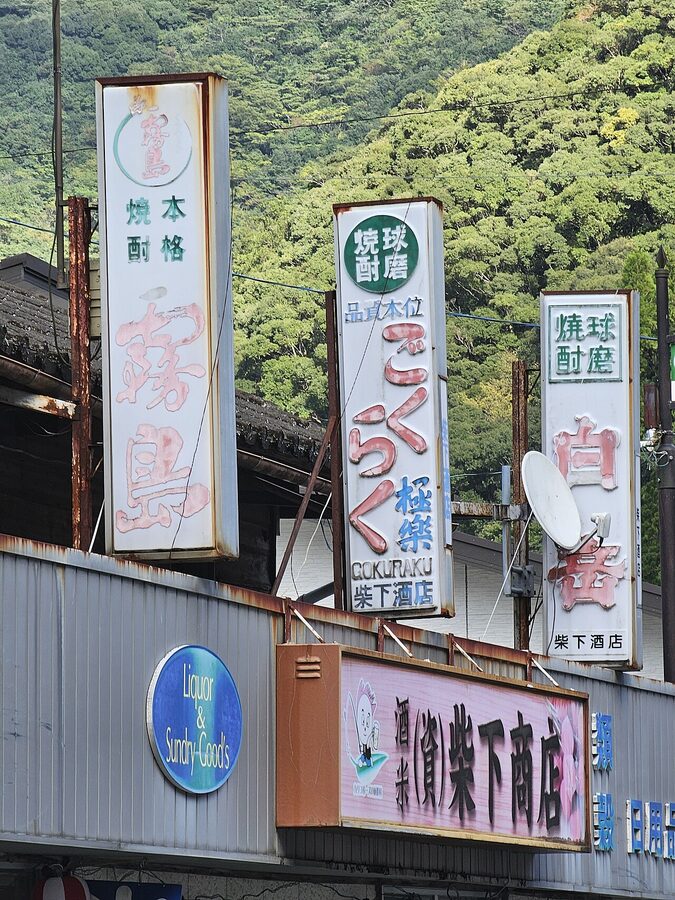
The split that matters: kō-rui (Type A, 甲類) is mass-produced industrial shochu, distilled multiple times in continuous columns, then mixed with water down to about 20% ABV. It tastes of nothing in particular and is the base spirit for chu-hi cans and cheap mixed drinks. Otsu-rui or honkaku shochu (Type B, 乙類, 本格焼酎) is the real thing: single-pot distillation, one base ingredient, the character of the raw material driving the flavour. A bottle of cheap kō-rui industrial shochu costs ¥600 at Lawson. A bottle of honkaku Mori Izō, the legendary Kagoshima sweet potato shochu, costs ¥3,000 if you can find it (and ¥10,000+ on the secondary market). Different drinks. Same kanji.
The base ingredients
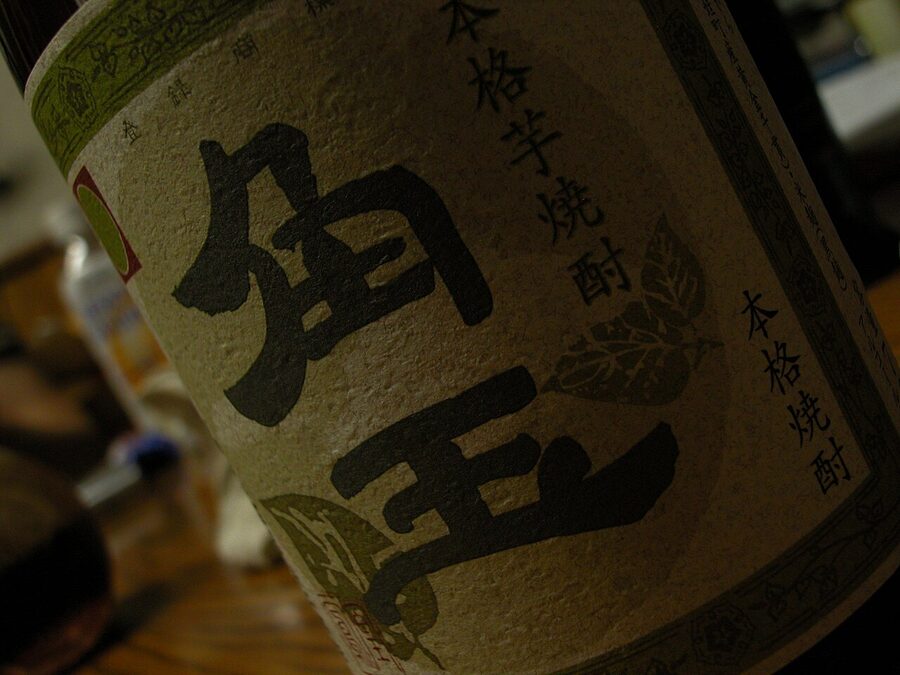

The base ingredient is the entire personality of an honkaku shochu. The five styles you will see most often:
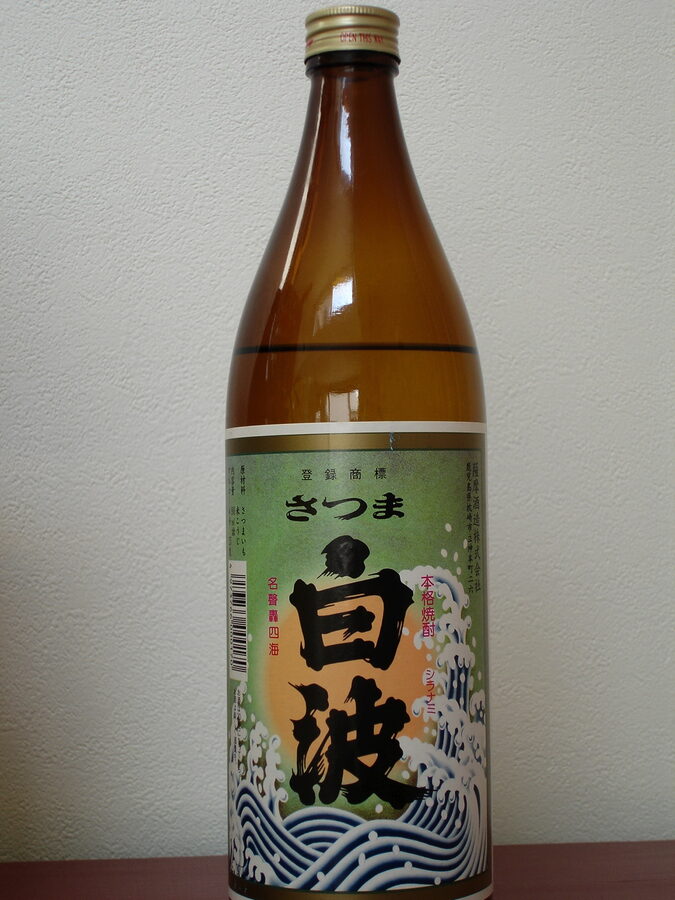
- Imo-jōchū (芋焼酎): sweet potato. Kagoshima’s flagship. Earthy, vegetal, slightly funky on the nose. Bottles to know: Mori Izō, Kuroki Honten’s Hyakunen no Kodoku, Nishi Shuzo’s Hōzan, Satsuma Shiranami. Ranges ¥1,500 to ¥3,500 a 720ml.
- Mugi-jōchū (麦焼酎): barley. Oita prefecture is the home, Iichiko is the famous brand. Cleaner and lighter than imo, often the gateway shochu for visitors. ¥1,200 to ¥2,000 standard, more for cask-aged versions.
- Kome-jōchū (米焼酎): rice. Made the same way as awamori (single distillation, rice base) but with yellow or white koji and on the mainland, not Okinawa. The Kuma district of Kumamoto is the centre. Think delicate, light, a bit like an aged grappa.
- Soba-jōchū (蕎麦焼酎): buckwheat. A Miyazaki specialty, nuttier and lighter than mugi.
- Kokutō-jōchū (黒糖焼酎): brown sugar. Made only in the Amami archipelago south of Kagoshima. The licence is geographically restricted, which is one reason it’s rare on mainland bars.

The koji split also matters. Yellow koji (kiku-kabi) is the same one used for sake; it lifts a clean, slightly fruity profile. White koji (shiro-kōji) became the default in the 20th century and gives a softer body. Black koji (kuro-kōji), historically used in Okinawa for awamori and now more common in artisan Kagoshima imo-jōchū, produces large amounts of citric acid that suppresses spoilage in warm weather and pushes the spirit toward a tighter, more acidic finish.
Atmospheric vs lower-pressure distillation
Honkaku shochu is distilled either at atmospheric pressure (jōatsu, traditional, character-forward) or under reduced pressure (genatsu, modern, lighter and easier-drinking). Atmospheric distillation pulls more of the raw material’s personality through, which is why old-school imo drinkers are atmospheric loyalists. Reduced-pressure distillation gives you a cleaner, fruitier profile that suits cold mixers, and many newer brands lean this way. Neither is better. They are different drinks. The label will sometimes say which method was used; if it doesn’t, ask the bartender, since they will know.
How to drink shochu
Three serves cover most situations. Rokku (on the rocks) is fine for everyday drinking. Mizuwari (cut with cold water, usually 1:1 or 1:1.5) opens up the aroma without burning. Oyuwari is the Kagoshima winter classic: hot water poured into the cup first, then the shochu, never the other way around (the order matters because pouring shochu over hot water flashes off the lighter aromatics). The traditional 6:4 ratio of water to shochu is what locals call the roku-yon; experiment with it. Hot oyuwari with grilled mackerel and a bowl of pickles is one of the great cold-weather pairings in Japanese cooking, and it costs ¥1,200 in any Kagoshima neighbourhood izakaya.
Chu-hi (chūhai) is the kō-rui-based highball you see in convenience stores: shochu, soda, fruit syrup, sold by Asahi, Kirin, Suntory and every supermarket house brand. Strawberry, yuzu, lemon, peach, sakura in spring, mikan in winter. ¥150 a 350ml can. It’s shochu in only the loosest sense, but it is everywhere and worth trying once on a hot summer night.
Where to drink shochu in Japan
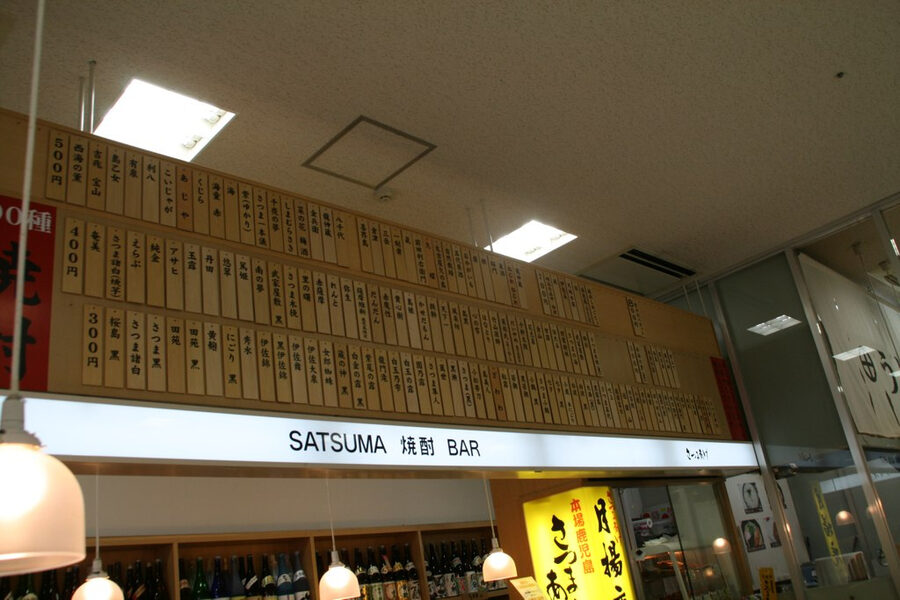

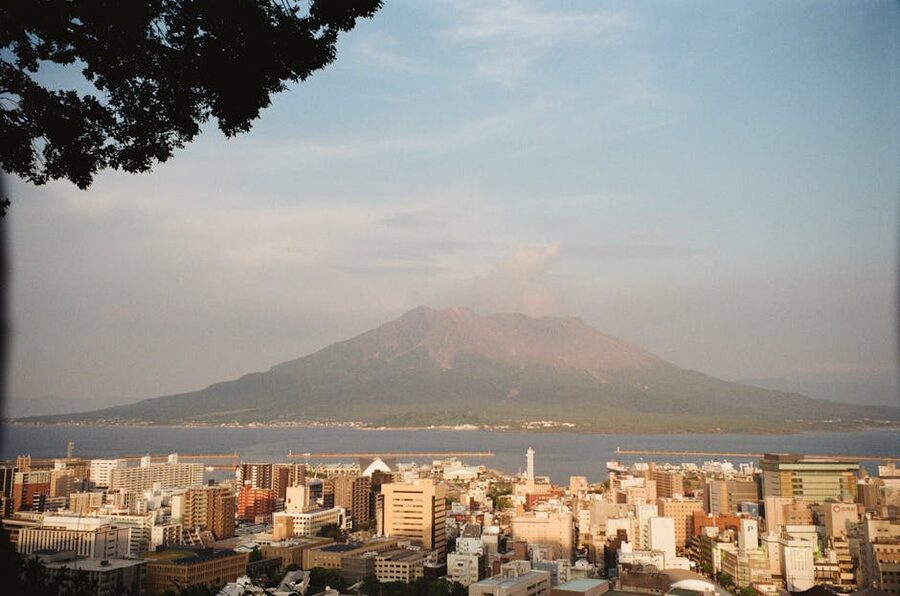
The serious shochu pilgrimage starts in Kagoshima. Inside Kagoshima Chuo Station the Satsuma Shōchū Bar on the second floor pours over a hundred bottles by the glass, ¥300 to ¥1,500 each, with a tasting flight of three for ¥1,000. The bartenders speak enough English to advise. From there, if you have a car, the imo-jōchū country drive runs through Ibusuki and Makurazaki to the Kirishima foothills where Kuroki Honten and Nishi Shuzo bottle the bigger names. Many distilleries take walk-ins on weekday mornings; Saturday is busier, Sunday and Monday often closed.
For a Tokyo introduction without flying south, head to Otsuka or Akabane after work. The imo-jōchū-focused bars in those neighbourhoods will have ten to thirty bottles open and bartenders happy to walk you through the styles. Shōchū Bar Sakura in Shibuya is the more polished version; expect ¥800–1,200 for a 60ml pour of something serious.

Awamori: Okinawa’s singular spirit
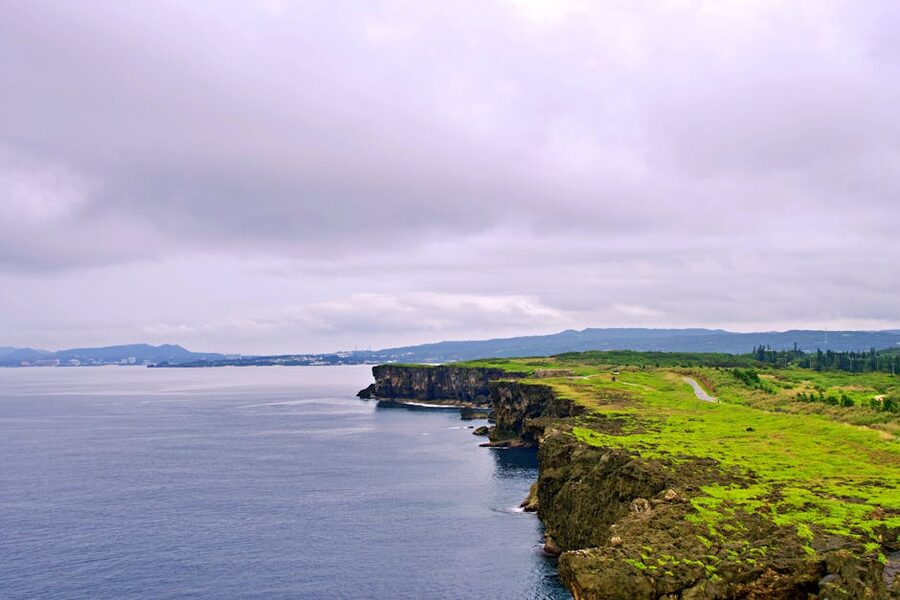
Awamori is not a regional shochu, which is the misconception you should let go of immediately. Under Japanese tax law, awamori is technically classified as tanshiki-jōryū shōchū (single-distillation shochu), but it predates mainland shochu by over a century and the production rules are entirely different. It is a separate drink. The four legal requirements for a bottle to carry the 琉球泡盛 (Ryukyu Awamori) name: rice base, black koji only, single distillation, and made within Okinawa Prefecture. Break any of those and it cannot be called awamori.
The drink originated in 15th-century Okinawa during the Ryukyu Kingdom era, when the islands traded actively with Siam, Korea and southern China. Distillation came up the trade route from Siam, and Okinawa imported long-grain Indica Thai rice that turned out to handle the warm-climate fermentation better than Japanese rice. The two pieces stuck. Awamori is still made with imported Thai rice 600 years later, and the black koji that gives it its citric acid backbone is the descendant of the same mould the Ryukyu distillers domesticated to keep their fermentation safe in the heat.
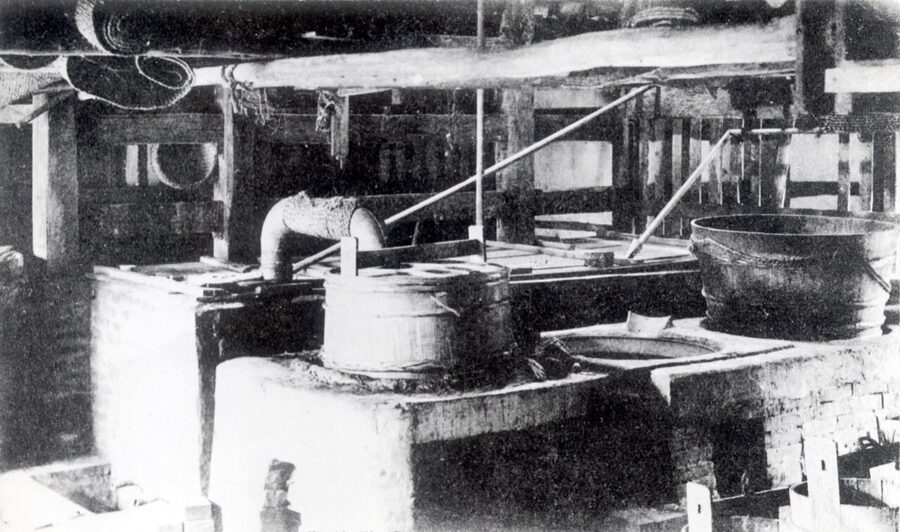
How awamori is made (and why it’s different)
The mainland shochu method ferments in two stages: first a koji-and-water starter, then the main raw material is added. Awamori is what brewers call zen-kōji shikomi, “all-koji preparation”: all of the rice is converted to koji first, then water and yeast go in together, and it ferments in a single 14–18-day round before being distilled once. The mash hits 17–18% alcohol, the maximum that yeast can survive in this configuration, then runs through the still and comes out at 60–90% before being cut with water down to drinking strength.
The black koji is the other defining piece. Aspergillus awamori, originally classified as a separate species and now considered a black-koji subspecies, produces large quantities of citric acid which lowers the mash pH and prevents spoilage during the long Okinawan summer. The acid stays in the finished spirit and shows up as a slight tartness on the finish. White-koji shochu is rounder; black-koji awamori has an edge to it. It is the edge that earns it.
Kusu: the aging tradition

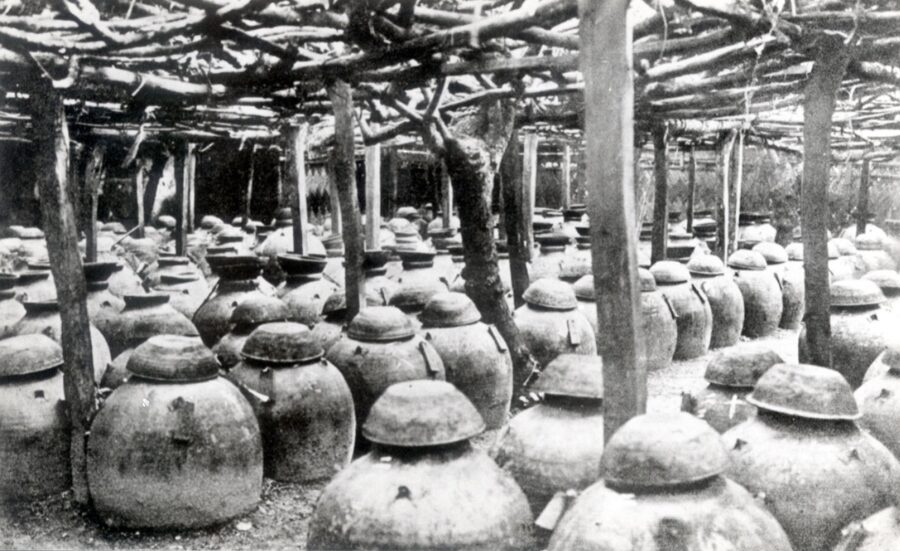
Awamori is the only Japanese spirit with a serious indigenous aging tradition. Kusu (古酒, “old liquor”) is awamori that has been matured in unglazed clay pots called kame for at least three years. The same kanji on the mainland reads koshu and refers to aged sake; in Okinawan dialect it’s kusu, and the Okinawan version is older as a category by several centuries.
The traditional aging system, called shitsugi (“liquor replenishment”), is a fractional-blending solera-style method. A distiller keeps several clay pots lined up by age. The oldest pot supplies the bottle; whatever was drawn out gets topped up from the second pot; the second from the third; and so on, with freshly distilled awamori entering the youngest pot. This means a “ten-year kusu” you buy today is a blend with a guaranteed minimum age. By current law, a bottle labelled kusu must contain at least 51% spirit aged three years or more. For a bottle to be labelled “100% aged 10 years,” the entire content must be that old, and the label is explicit about it. Unprefixed kusu is the looser definition; pay attention to the percentage.

Aged kusu develops a vanilla-and-cocoa character that some drinkers describe as closer to a young grain whisky than to any sake or shochu. A 25-year-old single-pot kusu can run ¥30,000+ for a 720ml bottle. A reasonable starting point is a three-year general kusu around ¥2,000–3,000, then a 10-year for ¥5,000–8,000 when you find one you like.
The strong side: Hanasake and habushu
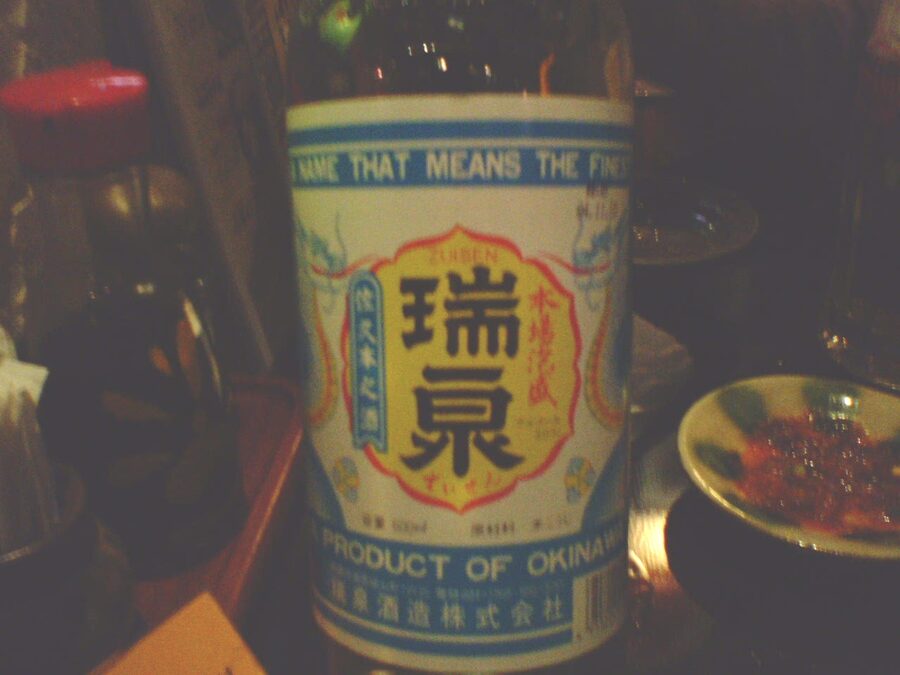

Two awamori curiosities to know. Hanasake is the 60% ABV awamori made only on Yonaguni, the westernmost island of the Yaeyama archipelago, four hours by ferry from Ishigaki. The name means “flower liquor”; the foam that bubbled up when the alcohol was poured into a glass at arm’s length resembled flowers, and that’s how the strength was historically measured. Drink it with respect or with a chaser of cold water; 60% is not theoretical.
Habushu is awamori bottled with a whole habu pit viper inside. It exists, it is sold legally, and it is mostly a tourist purchase. The snake is reputed to add libido-boosting properties; the actual contribution is mostly visual. Animal-welfare reservations are reasonable enough that I would skip it.
And kōregusu isn’t a drink at all: chillies steeped in awamori, used as a condiment for Okinawa soba and yakisoba. Most izakayas in Naha will have a small bottle on the table.
How to drink awamori
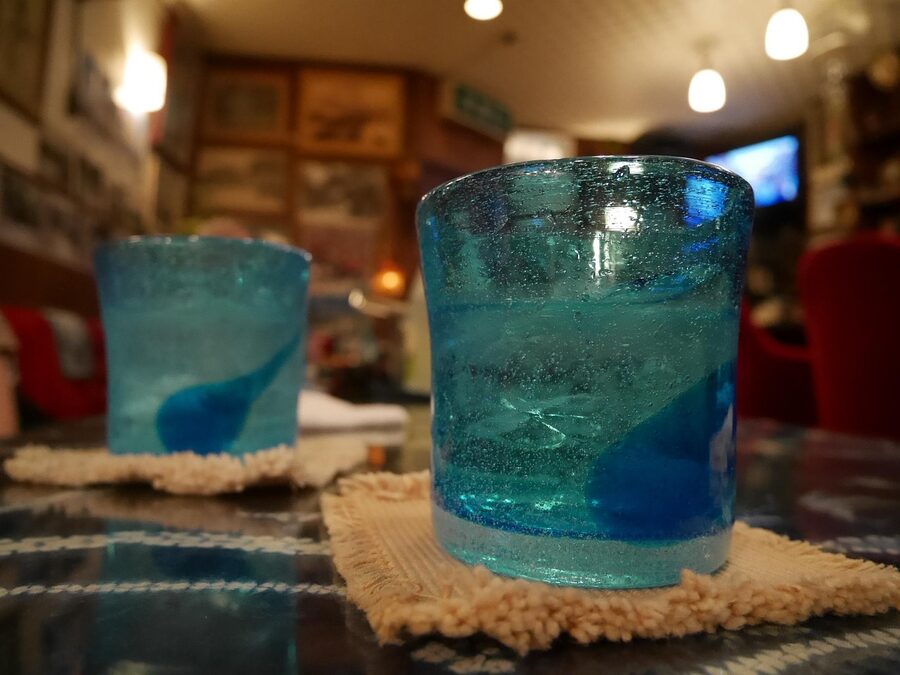
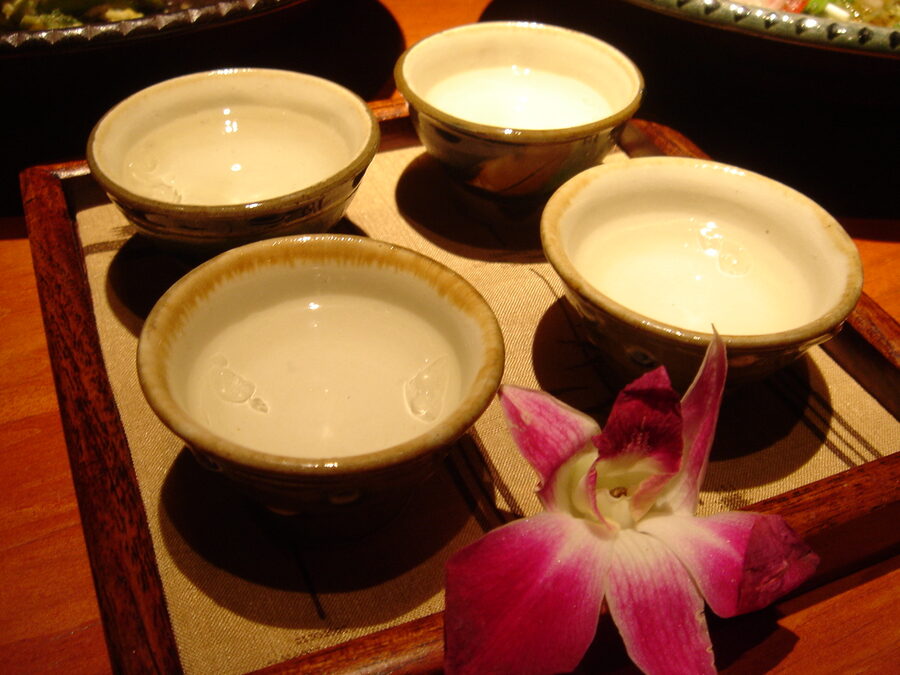
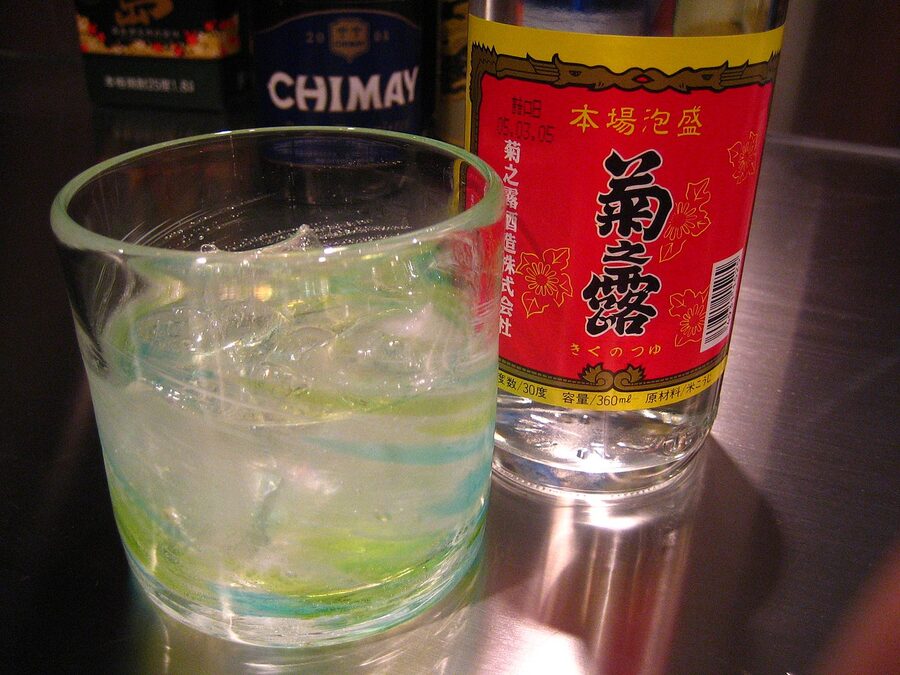
Three traditional serves and one I picked up in Naha. Neat, sipped slowly from a small clay chibuguwa cup or a thicker Ryukyu glass tumbler. Mizuwari, cut with cold water and ice. Oyuwari, hot water for cold months (yes, this works in Okinawa in January, however unlikely it sounds). The Naha touch I liked most: kusu over a single large ice cube, a half-glass of cold water on the side, sipped alternately. The water is part of the rhythm, not an afterthought.
Cocktails work but the good ones lean simple. Awamori with shikuwasa juice (the local citrus, sharper than yuzu) and a splash of soda is the unofficial drink of Okinawan beach bars. Awamori with jasmine tea is a Tokyo-Okinawan crossover that someone at Paikaji in Ginza taught me. Aged kusu, on the other hand, deserves the same neat respect you’d give a 12-year malt: glass, drop of water, no ice.
Where to drink awamori
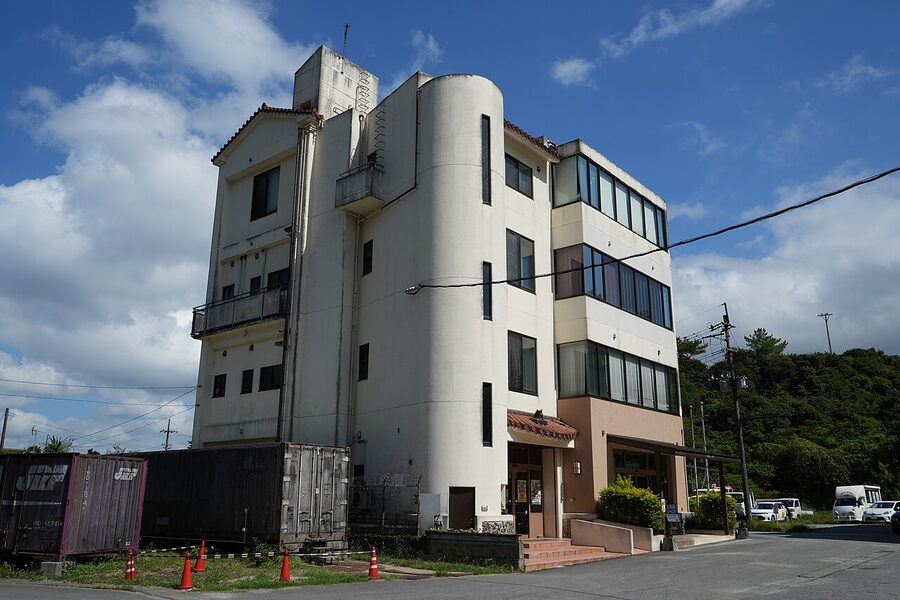

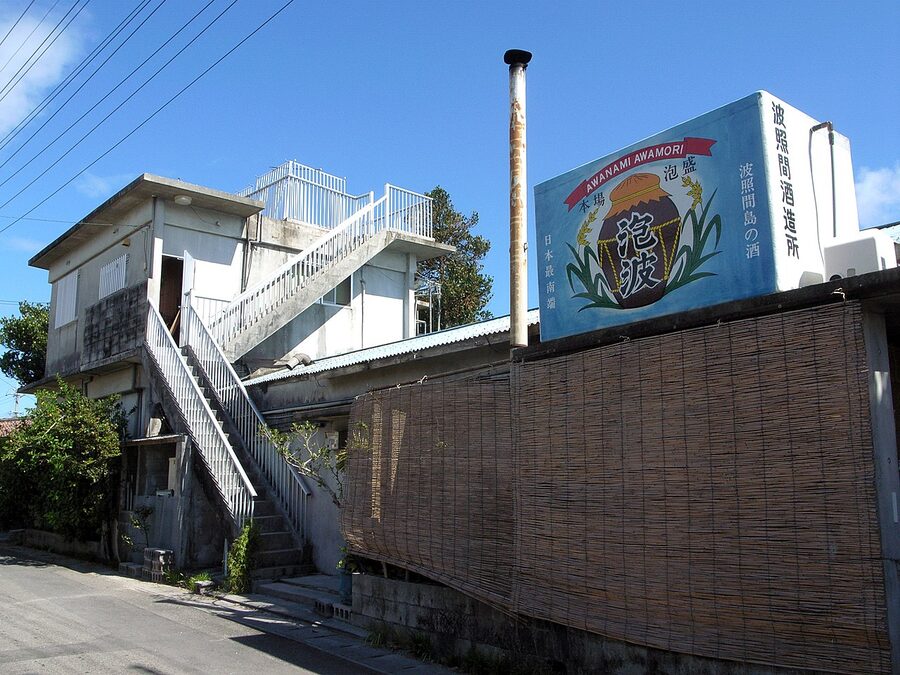
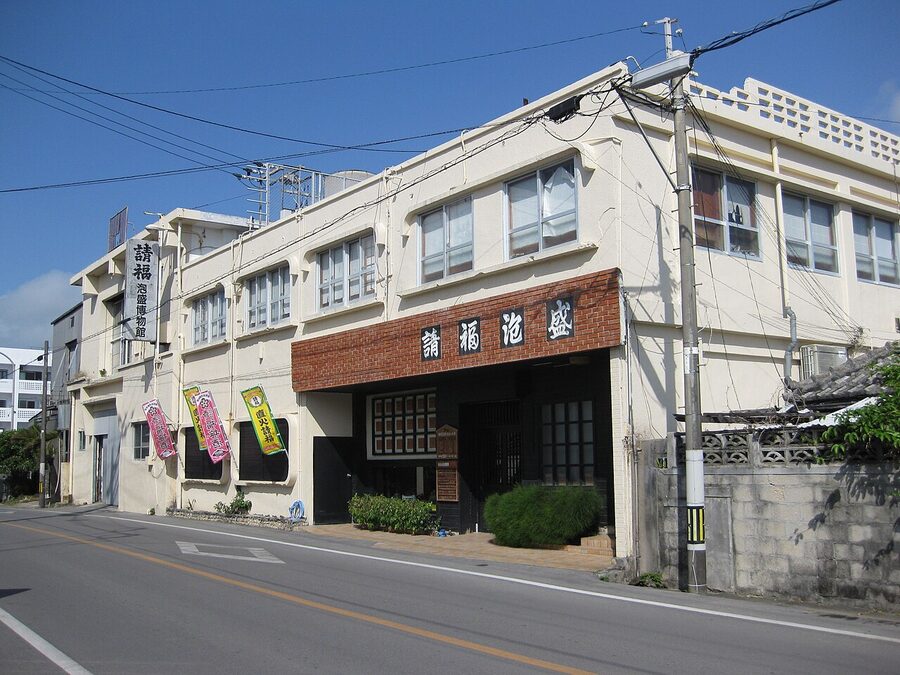
The 47 distilleries operating in Okinawa are spread across the archipelago, and the geography is part of the point. On the main island, the Naha-area picks are Zuisen Distillery in the historic Shuri district (¥500 tour, free taste), Kumesen on Kume Island (a quick flight), and Helios in Nago at the head office. Down on Hateruma Island, Hateruma Shuzo bottles the famously sweet, soft Hateruma kusu that locals defend furiously against any mainland challenger.

For drinking rather than touring, head to Sakaemachi Ichiba arcade behind Asato Station, Naha. Tiny izakayas open onto the covered walkway from 17:00, awamori bottle-keep is the standard pricing model (you pay ¥3,000–4,000 for a bottle and the bar holds it for your next visit), and the food is rafute pork belly, goya champuru, and the extreme funk of tofuyo fermented tofu. If you only do one Okinawa drinking thing, this is it.

Production at a glance: how the three drinks come together
Five technical decisions divide the three drinks. Get the gist of these and you can decode any Japanese liquor shelf in under a minute.
1. Brewing or distillation. Sake is brewed and stays around 13–17%. Shochu and awamori are distilled and start at 25–30% before any cutting. This is the single biggest difference, and it’s the one most non-Japanese drinkers miss. Once you start treating sake as wine and shochu/awamori as spirits, the rest of the decisions fall into place.
2. The base ingredient. Sake is always Japanese short-grain rice. Shochu is most often sweet potato or barley, occasionally rice or buckwheat or brown sugar. Awamori is always long-grain Indica Thai rice. The Thai-rice rule is the legal definition; if a Kyushu distiller tried to make shochu out of Thai rice, it would be shochu, not awamori, because awamori has to be made in Okinawa.
3. The koji mould. Sake almost always uses yellow koji (Aspergillus oryzae). Shochu can use yellow, white, or black koji depending on the producer. Awamori uses only black koji (Aspergillus awamori). The koji choice drives flavour as strongly as the base ingredient.
4. Number of fermentations. Sake uses parallel multiple fermentation, where koji and yeast work simultaneously in the same vat over 20–30 days. Shochu uses two-stage fermentation: first the koji starter, then the main raw material added a few days in. Awamori uses one-stage all-koji fermentation, the most distinctive technique of the three.
5. Distillation type. N/A for sake. For shochu, the choice is single-pot atmospheric (honkaku, character-driven) versus continuous-column (kō-rui, neutral). For awamori, single-pot only, mostly atmospheric, with some lower-pressure variations now legal but uncommon.
Pairing each drink with food
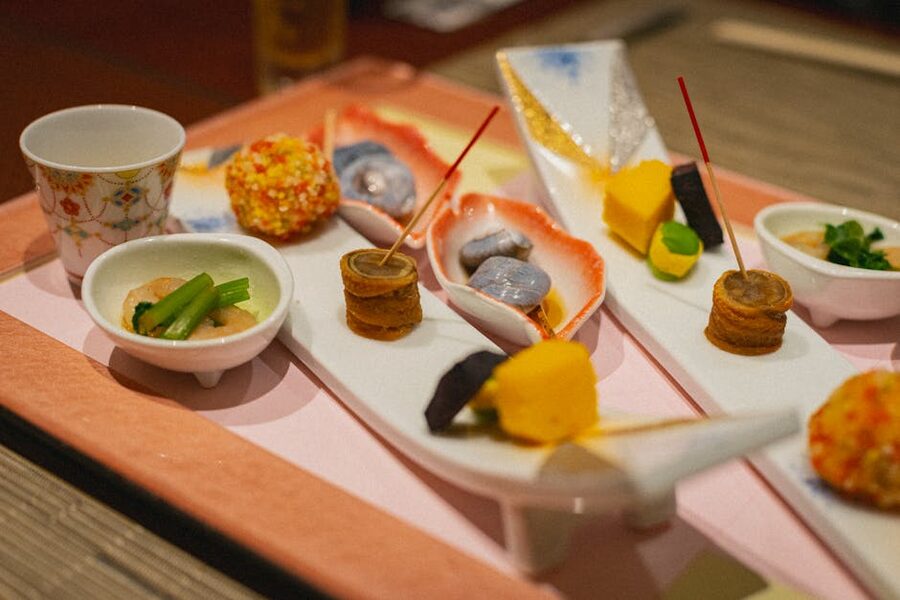
The pairing rule that gets most drinkers further than any specific advice: drink the local drink with the local food. Sake on the mainland with sashimi and grilled fish. Shochu in Kyushu with grilled meat and stews. Awamori in Okinawa with pork belly, goya bitter melon, and fried things. The deeper how-to-order rules at the table are in the izakaya etiquette guide, but the rough pairings below cover the dinner table.
Sake with food. Junmai daiginjō chilled with raw fish: the rice character of the sake and the cleanness of sashimi mirror each other without competing. Junmai at room temperature with a richer kaiseki course or grilled mackerel. Atsukan (heated to 50°C) with stews like oden or with grilled saba (mackerel). Don’t pair sake with anything fatty and red-meat, since the flavours collide; that’s shochu territory.
Shochu with food. Imo-jōchū with yakitori, especially the dark-meat skewers (momo, tsukune, sunazuri). The earthiness of the sweet potato matches the smoke from the binchotan charcoal. Mugi-jōchū cuts through tonkatsu and other fried foods. Hot oyuwari shochu with motsunabe (offal hotpot) is the Fukuoka winter ritual; once you have done it, no other pairing makes sense for that dish. Avoid imo-jōchū with delicate fish, where the funk overpowers.
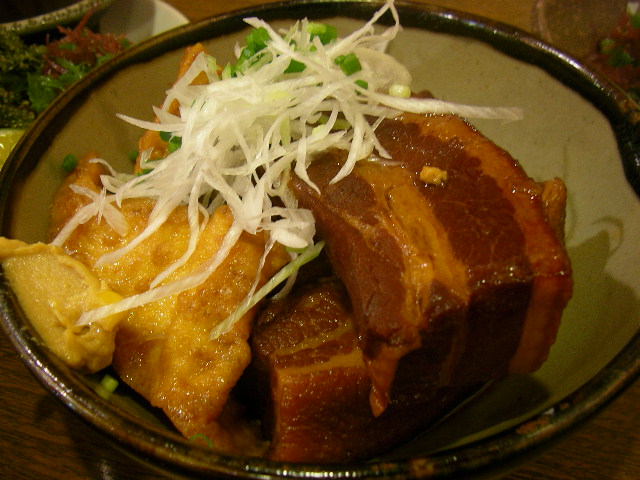

Awamori with food. Aged kusu with rafute (slow-stewed pork belly), where the spirit’s vanilla character matches the caramelisation in the sauce. Young awamori with goya champuru, the bitter melon stir-fry. Hot awamori with Okinawan soba; cold awamori with sashimi and shikuwasa citrus. The unofficial Okinawa rule is that anything with pork fat in it goes with awamori, and most Okinawan food has pork fat in it.
Reading the label: the kanji that matter
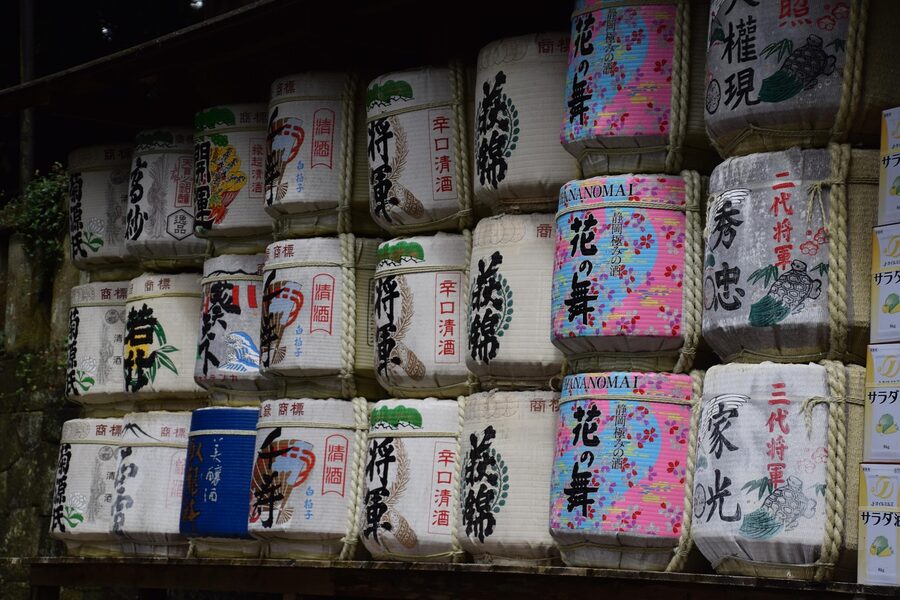
Five kanji terms cover most of what you need to read on a Japanese liquor label.
- 清酒 / 日本酒 (seishu / nihonshu): sake, brewed.
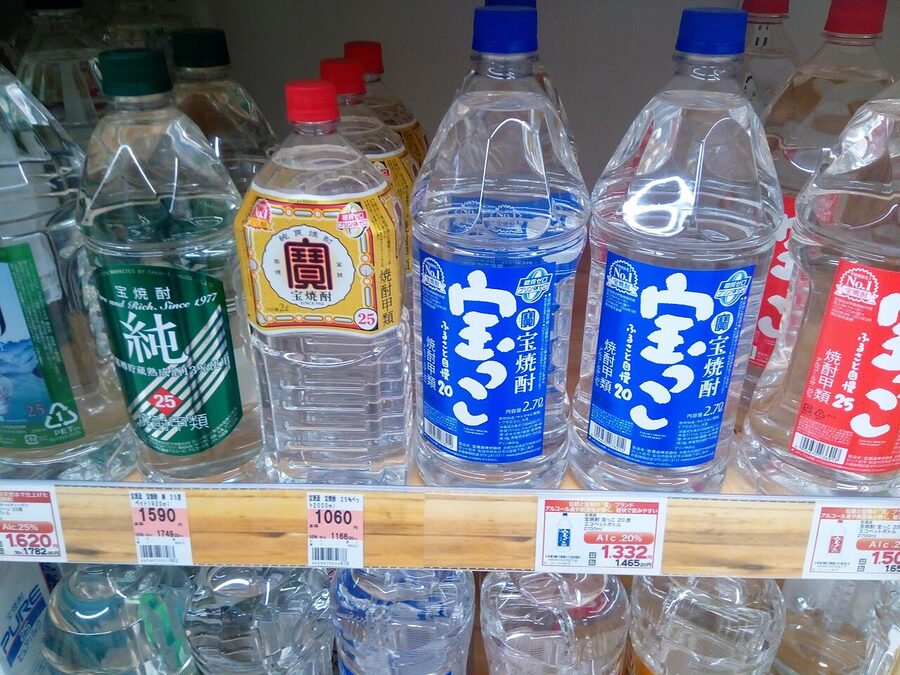
- 焼酎 (shōchū): distilled spirit, usually 25%. 本格焼酎 means single-distillation honkaku, the good stuff.
- 泡盛 / 琉球泡盛 (awamori / Ryūkyū awamori): Okinawan rice spirit, single distillation, black koji.
- 古酒 (kusu in Okinawa, koshu on the mainland): aged. The age in years is usually printed nearby in Arabic numerals.
- 原酒 (genshu): undiluted, 18% sake or 35%+ shochu/awamori. Stronger than the standard bottle.
The ABV is always printed in numerals: 15度, 25度, 43度. The 度 symbol is the percentage. Anything under 20% is sake; anything 20–30% is normally shochu (or chu-hi-style mixed shochu); anything 30%+ is normally awamori or kusu.

What to order at an izakaya, in three sentences
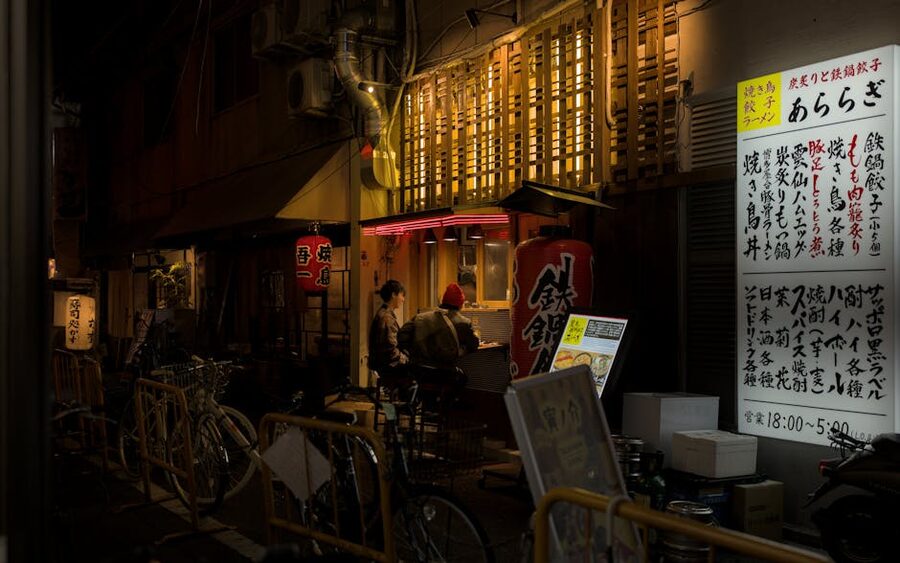
Mainland Honshu, anywhere from Hokkaido to Hiroshima: ask for the menu’s sake list, pick a junmai or junmai ginjō from a brewery you don’t recognise, ask for it cold. Pour your friend’s cup before your own. Pair with whatever’s grilled.
Kyushu, especially Kagoshima/Miyazaki/Oita: ask for an imo-jōchū oyuwari at 6:4 (water:shochu) ratio. The bartender knows what you mean even if your Japanese is non-existent. Pair with grilled meat or motsunabe, not fish.
Okinawa: ask for a young awamori on the rocks if you want the everyday drink, or a kusu (古酒) by the glass if you want to taste why this island has been making this drink for 600 years. Always with a chaser of cold water on the side. Pair with rafute or goya, never alone.
So what should you actually drink?

If you have one week and are sticking to the Tokyo-Kyoto-Osaka triangle, drink sake. The brewing heartland is right there, every izakaya has a serious list, and the food you’ll be eating (sushi, kaiseki, soba, eel) was historically built around it. A junmai or junmai ginjō at ¥800 a small carafe is your default order. The full sake guide covers the styles in detail.
If you’re going to Kyushu, Fukuoka or Kagoshima, switch to shochu. The local food is grilled meat, motsunabe, hakata ramen, sweet-potato everything, and shochu is its native partner. Imo-jōchū oyuwari at 6:4 is the order, ¥500 a glass. The Kyushu and Okinawa whisky scene is a different rabbit hole; the Japanese whisky guide covers it if you want to expand past spirits proper.
If Okinawa is on the itinerary, drink awamori, full stop. Don’t order sake there; it will be imported, expensive, and not what the kitchen is built around. Start with a young awamori on the rocks at any Naha izakaya, then graduate to a 5-year or 10-year kusu by the second night. The first bottle costs ¥600 a pour, the second costs ¥1,500, and the second is what you came for.

And the meta-rule: if you only learn three things about Japanese drinks before your trip, learn the kanji 日本酒, 焼酎, and 泡盛. The rest sorts itself out at the counter, when the bartender pours something, you taste it, and you decide what to order next. Read up on the rest of what you can drink with the whisky guide if you want to round out the spirits picture, then make sure you know how to behave at the counter before you sit down. The drinks are the easy part; the etiquette is what separates the regulars from the tourists.
 CitiesA Shochu Drinker’s Map of KyushuThe smell hits first. Warm, yeasty, faintly sweet, like bread dough left to rise next to roasting sweet potatoes. Then…
 CitiesHow to Drink Awamori on a Trip to OkinawaThe first time I met someone who really knew awamori, his name was Tanaka and he was the kind of…
 CitiesWhere Should You Actually Eat and Drink in Fukuoka?How does a city smaller than Yokohama end up with the loudest, most stubborn street-food culture left in Japan? Fukuoka…