
It’s a Tuesday, half past nine, and I’m at the counter of a fourth-floor walk-up bar in Ginza, watching a bartender carve a sphere of ice with a bread-knife the length of his forearm. The pour costs ¥1,800. The bottle behind him is a thirty-year-old Hibiki, and the back wall is racked four shelves deep with single casks, vintage Karuizawa, Ichiro’s Card Series, and the kind of Yamazaki releases that vanish from auction sites within hours. None of these you can buy at Narita duty-free. All of them you can drink, here, tonight, if you’ve got the cash and you know the room.
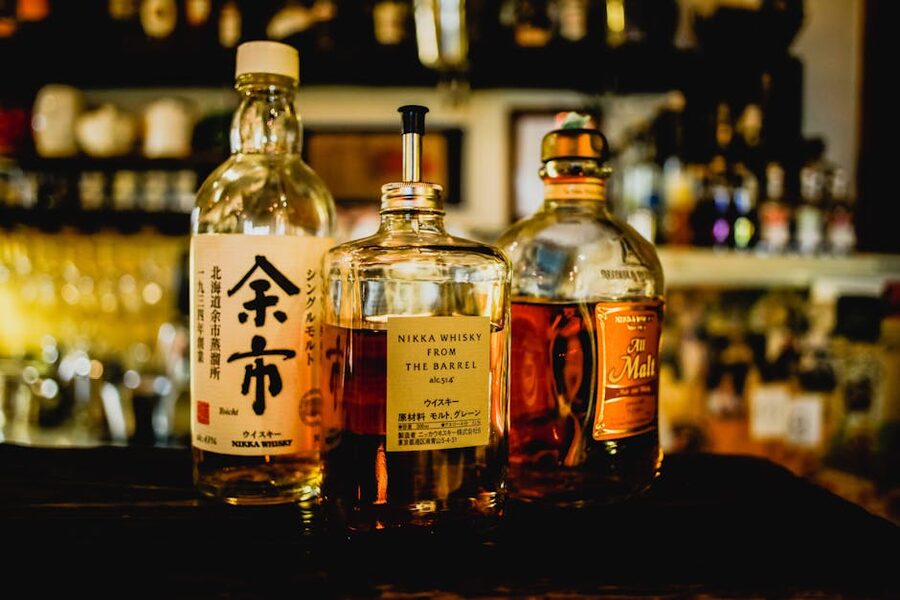
That is one way to drink Japanese whisky on a trip to Japan. The other ways, in roughly descending order of cost, are: visit a distillery and taste at the source; pull up to a Suntory pub and order a Kaku highball with a tonkatsu set; pay ¥500 for a single-pour at a standing bar in Shimbashi; or buy a 700ml bottle at a Liquor Mountain in Shinjuku and drink it in your hotel room while binge-watching Massan.
This guide covers all of those, in the order you’d likely encounter them as a traveller. It’s written for the drinker planning a trip, not the collector reading an auction report. Distilleries you can actually visit. Bars that pour the bottles. The spectrum from Suntory and Nikka, the two giants you’ve heard of, down to the 120-plus craft producers who didn’t exist a decade ago. Where to taste, what to order first, what costs what, and the one mistake that wastes the most money. If you’re after the wider drinks picture, the sake guide is the companion piece, and the shochu, sake, and awamori comparison covers the three other rice and grain spirits the same izakaya menu will throw at you. Drinking-culture pieces, Drinking Japan as a whole, threads them together.
In This Article
- The shape of Japanese whisky right now
- Distilleries you can actually visit
- Yamazaki, Osaka prefecture
- Hakushu, Yamanashi prefecture
- Yoichi, Hokkaido
- Miyagikyo, Sendai
- Chichibu, Saitama prefecture
- Mars Shinshu, Nagano prefecture
- The craft frontier
- Akkeshi, Hokkaido
- Sakurao, Hiroshima
- Yasato (Kiuchi Brewery), Ibaraki
- Nagahama, Shiga prefecture
- Other names you’ll see on bar shelves
- How a tour actually works
- What to actually drink
- The highball is the everyday whisky
- Bars that pour the bottles
- Tokyo
- Osaka and Kyoto
- Sapporo
- Where to buy a bottle to take home
- The history, in three names
- What goes wrong, and how to not do that
- One more thing
The shape of Japanese whisky right now
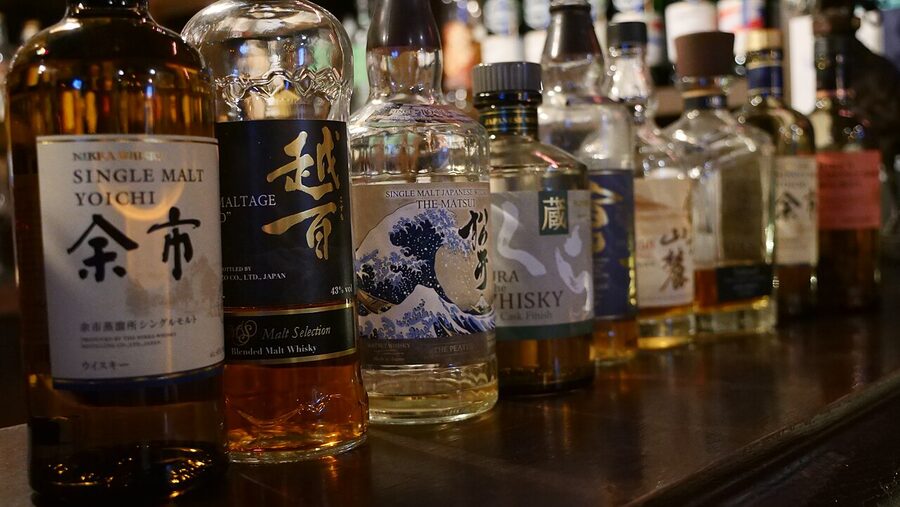

Five things to know before you order, and they’ll save you both money and confusion.
One. Japanese whisky has only existed for about a hundred years. The first commercial drop came out of Yamazaki in 1923, the year Shinjiro Torii broke ground on the distillery and Masataka Taketsuru, fresh from a Glaswegian apprenticeship, came onboard to run production. Taketsuru later left to build Yoichi up in Hokkaido. That argument about which mountain water and which climate makes the better dram is the founding story of the entire industry, and you’ll hear it on every distillery tour.
Two. Demand outstripped supply somewhere around 2014, and the age statements started disappearing. Suntory pulled the Hakushu 12 and the Hibiki 17 from regular release. Nikka stopped age-stating Yoichi and Miyagikyo for a stretch. Prices on the secondary market went vertical. The bottles you’ll see on most bar shelves now are no-age-statement (NAS) blends and the few age-stated bottles distilleries still release in tiny annual allocations.
Three. A 2021 industry rule from the Japan Spirits & Liqueurs Makers Association finally locked down what counts as Japanese whisky: the water must come from Japan, the malting and fermentation and distillation must happen in Japan, and the spirit must age at least three years in wooden casks of 700 litres or smaller, in Japan. Before that, plenty of bottles labelled “Japanese whisky” were Scotch in disguise, blended and bottled here. Some still get through. If you care about authenticity, look for the JSLMA mark or read the back label closely.
Four. The craft scene exploded after 2015. There were a handful of small distilleries running before then. By 2025, more than 120 distilleries are licensed, planning, or already releasing under the Japanese-whisky rules. Hokkaido has eight (Akkeshi, Kamui Whisky on Rishiri, Niseko, Maoi, and others). Kyushu has more. Saitama, Nagano, Shizuoka, Hiroshima, and Okinawa all have at least one. Most are too young to have decent age-stated bottles yet, but several already win awards. The Yasato Distillery in Ibaraki took World Whiskies Awards gold in early 2026 with the Hi-no-Maru Signature 1823.
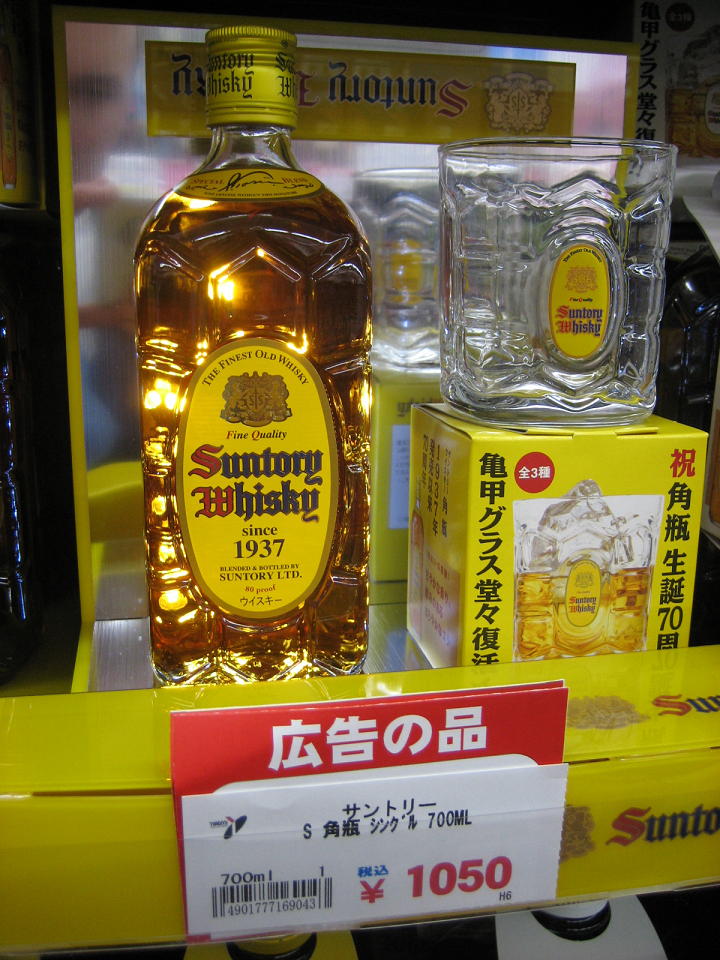
Five. The drink doesn’t only mean expensive single malts. The most-poured Japanese whisky drink, by an order of magnitude, is a Suntory Kaku highball at an izakaya: a strong shot of Kakubin blended whisky, ice, soda, lemon. ¥500 to ¥700. Comes in a tall mug. Every chain serves it. Buy the canned version at any 7-Eleven for under ¥200. This is the everyday whisky in Japan, and skipping it because you came for the rare stuff is a mistake.
Distilleries you can actually visit

Six distilleries run the kind of public tour a traveller can plan into a trip without booking eight months ahead and without speaking Japanese. The big four (Yamazaki, Hakushu, Yoichi, Miyagikyo) all use a lottery system for the paid tours, so you have to apply weeks in advance. The craft picks (Chichibu, Mars Shinshu, Sakurao) take direct reservations. Here’s the table I wish I’d had on my first trip:
| Distillery | Where | Owner | Booking | Tour cost | Best for |
|---|---|---|---|---|---|
| Yamazaki | Shimamoto, Osaka | Suntory | Lottery, months ahead | ¥3,000 (Production tour) / ¥10,000 (Prestige) | The 1923 origin story, the heaviest single-malt site |
| Hakushu | Hokuto, Yamanashi | Suntory | Lottery, months ahead | ¥3,000 / ¥10,000 | The Japanese Alps shot, light and green-fruit malts |
| Yoichi | Yoichi, Hokkaido | Nikka | Free same-day for self-guided; reservation for paid tour | Free self-guided / ¥2,000 paid tour | The Taketsuru founding site, peated malts, coal-fired stills |
| Miyagikyo | Sendai, Miyagi | Nikka | Free self-guided; reservation for paid tour | Free / ¥2,000 | Soft floral whisky, the Coffey grain stills |
| Chichibu | Chichibu, Saitama | Venture Whisky | Direct booking, well in advance, Japanese-only most days | By arrangement | The craft-scene flagship, Ichiro’s Malt |
| Mars Shinshu | Miyada, Nagano | Hombo Shuzo | Walk-in self-guided; paid tour by reservation | Free self-guided | Highest-altitude site in Japan, the alpine angle |
That’s the planning view. Each one earns a longer look below.
Yamazaki, Osaka prefecture
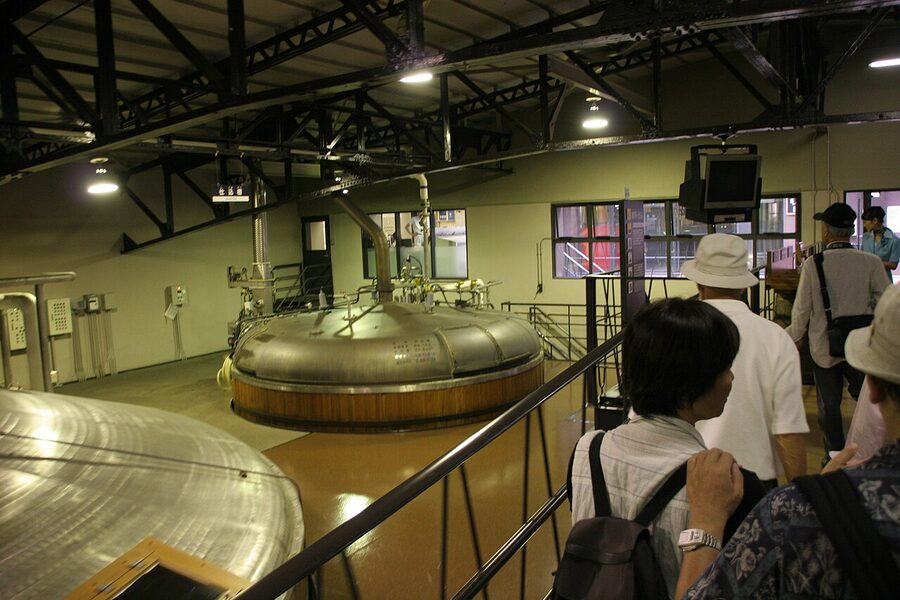

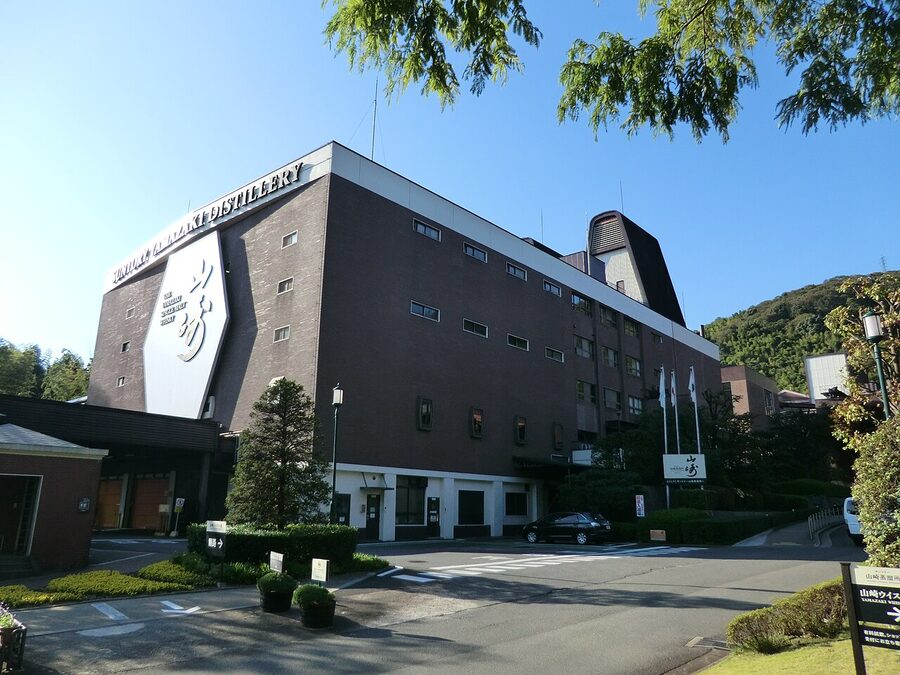
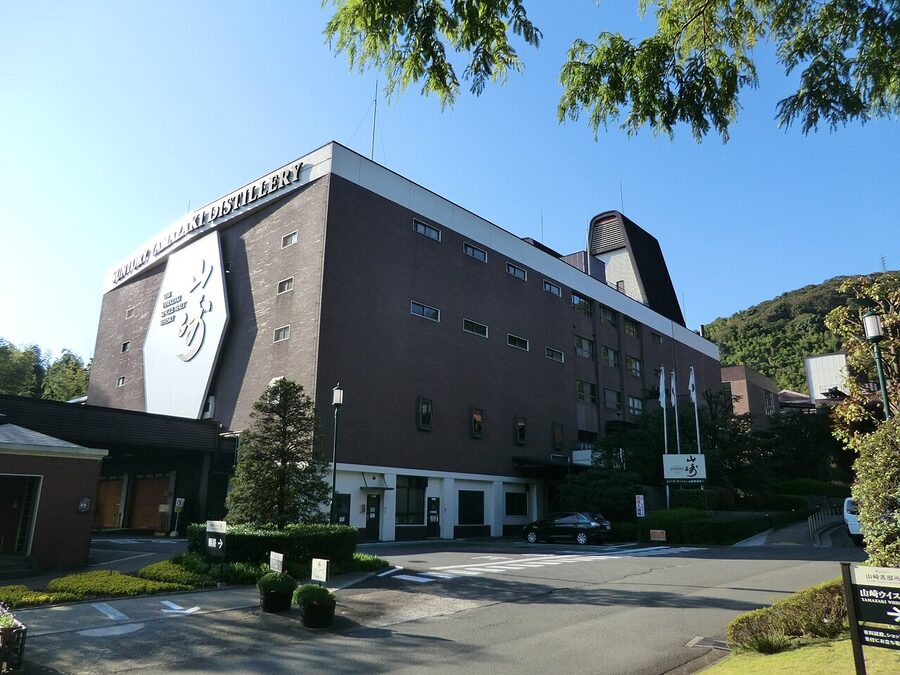
Yamazaki is the easy one to add to a Kansai trip. It’s twenty-five minutes from Osaka Station on the JR Kyoto Line, two stops short of Kyoto Station, walkable from Yamazaki Station in about ten minutes. The site sits at the foot of Mount Tennozan, where three rivers (the Katsura, the Kamo, and the Kizu) merge into the Yodo, producing a humid, mineral-rich microclimate Suntory found in 1923 and never let go.
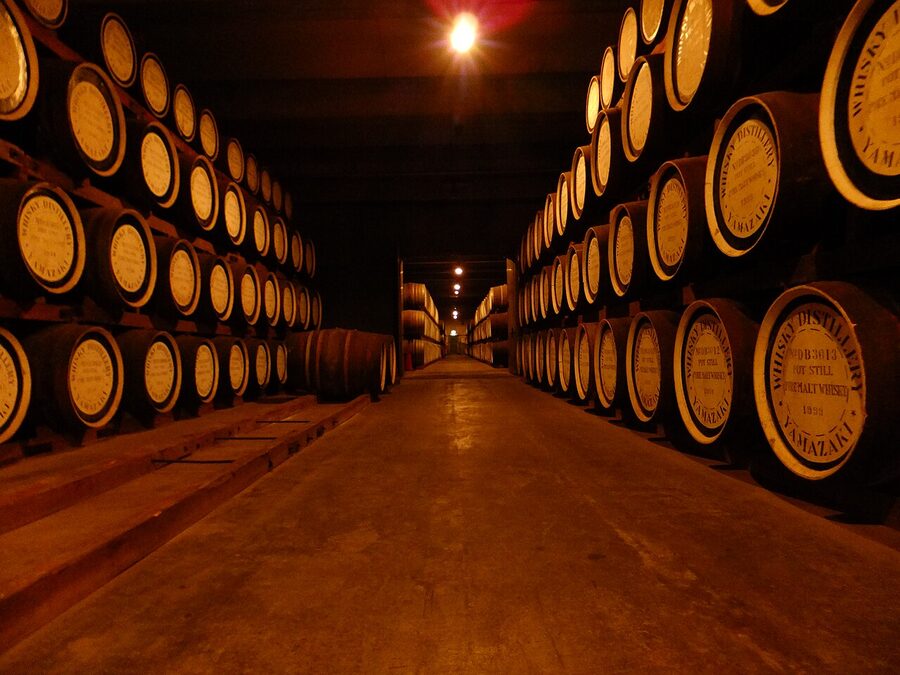
Two ways in. The free one is the Yamazaki Whisky Museum, which is reservation-only via the Suntory site but doesn’t include a tour of production. You walk the cask library (more than 7,000 bottles, all unique distillates), see a couple of historical exhibits, and the paid tasting bar at the end pours samples for ¥100 to ¥3,000 per pour. Even the cheap ones are interesting: a 12-year heart-of-the-blend, a Mizunara cask sample, a peated Yamazaki you can’t buy in any shop.

The actual production tour is a paid lottery. The standard “Yamazaki Distillery Monozukuri Tour” is ¥3,000, runs about 80 minutes, includes a guided walk through the mash tuns, the wash backs, the still house, the warehouse, and a tasting of three core expressions. The Prestige version is ¥10,000 and gets you a longer warehouse session and a tasting that includes the 18, the 25, and the 55-year if it’s available that month. Applications open quarterly via the Suntory factory site. Slots fill in minutes.
Show up by 10:00, finish by 16:30. Closed New Year’s. Address: Yamazaki 5-2-1, Shimamoto-cho, Mishima-gun, Osaka 618-0001. The on-site shop sells distillery-only blends, a Yamazaki Story bottle that doesn’t go to retail, and the Owner’s Cask single barrels at lottery prices. Bring cash for the shop because the tasting bar is card-only and the shop has been cash-only at least once when I went.
Hakushu, Yamanashi prefecture
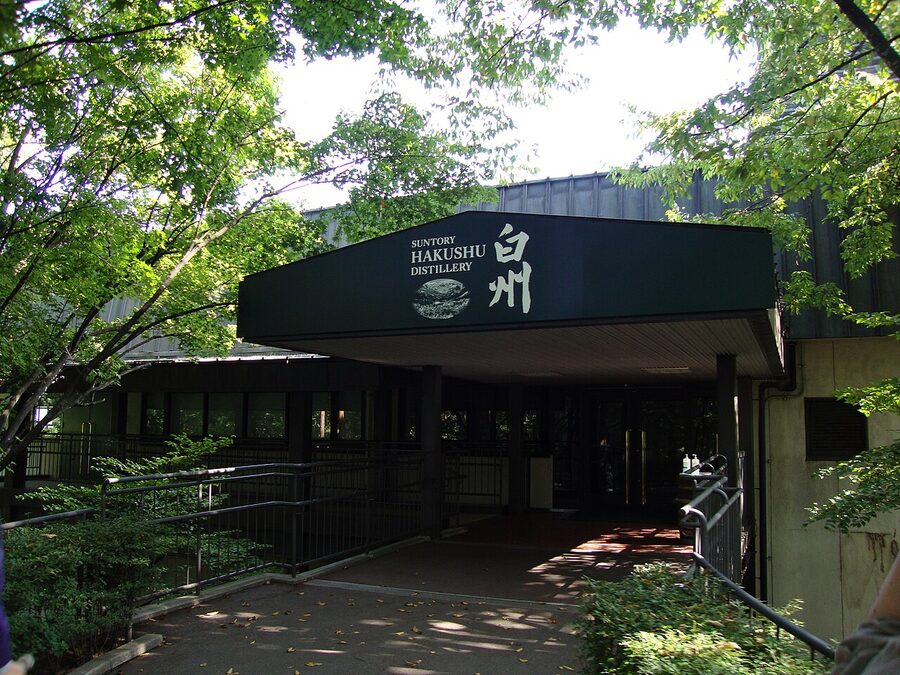

Hakushu is the second Suntory site, founded in 1973, and the contrast with Yamazaki is the entire point. Where Yamazaki is humid and mineral, Hakushu is high-altitude (700m), cool, and ringed by pine forest. The water comes off the Southern Alps, soft and slightly peaty. The whisky tastes like a green apple in a smoke-filled room.
Getting there is the hard part. From Tokyo: take the JR Chuo Line to Kobuchizawa, two hours from Shinjuku on a limited express, then either a 15-minute taxi or the courtesy distillery shuttle that runs from the station on weekends. The shuttle is free. The taxi is around ¥3,000 each way. Either way, you’ve got the better part of a day blocked off.
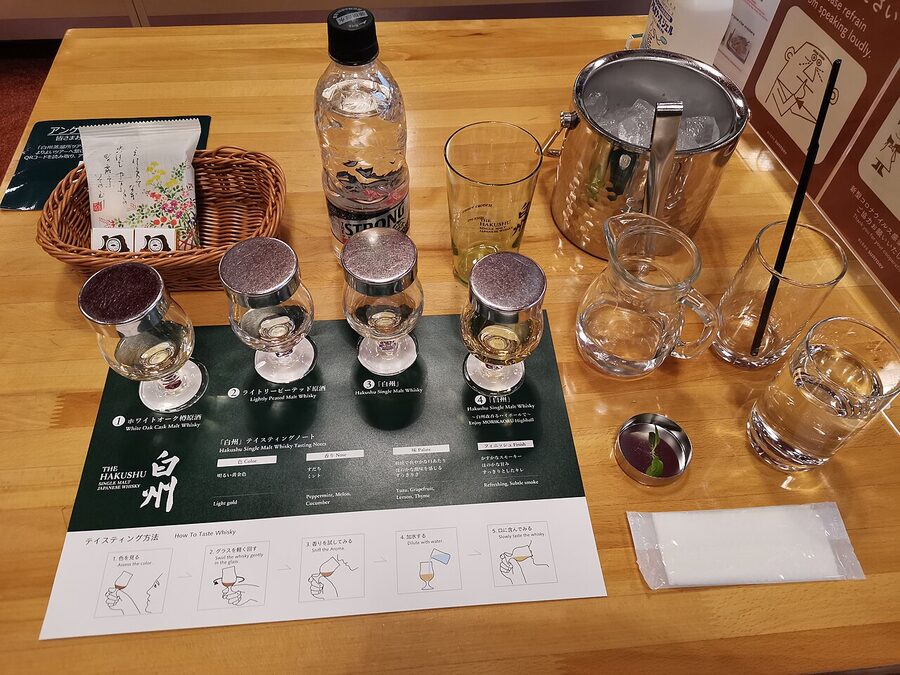

Same lottery system as Yamazaki, same prices: ¥3,000 for the 80-minute Production Tour, ¥10,000 for the Prestige tour. The free museum tour is also reservation-only, but easier to win. Open 10:00 to 16:30, closed Mondays and around New Year. The view from the warehouse footpath, looking out over the Kai-Komagatake range on a clear morning, is one of the better photographs you’ll get in Japan that doesn’t involve cherry blossoms.
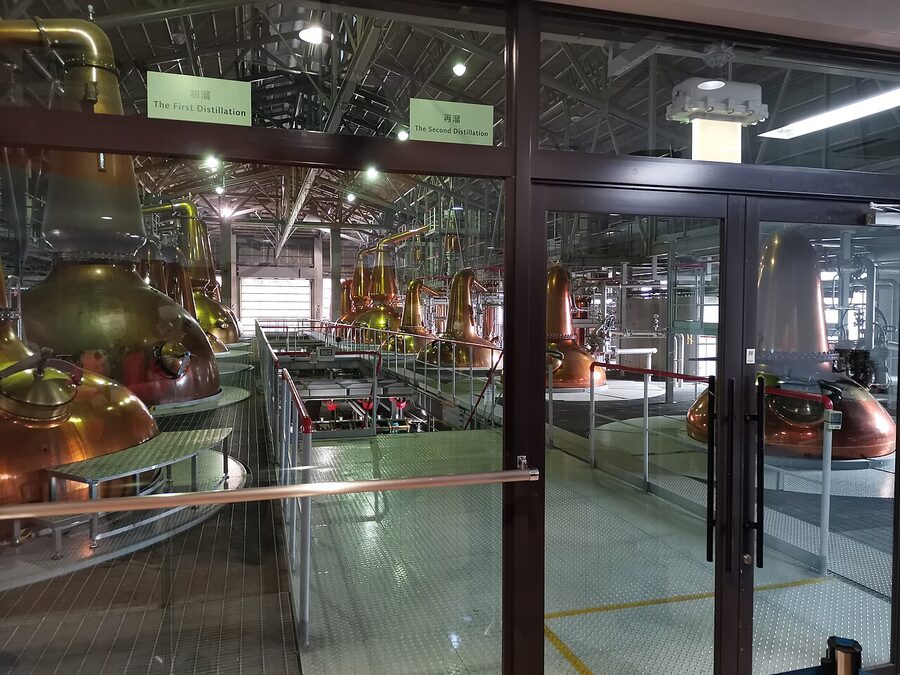

The shop sells Hakushu Distiller’s Reserve, the Hakushu 12 (only when stock allows, usually a few bottles per visitor), and Hakushu Single Cask Edition bottles by lottery. The on-site cafe pours a Hakushu highball with the local water, the same Suntory natural mineral water you can buy at any Lawson, and it does taste different from a city highball, partly because of the water and mostly because of the air.
Yoichi, Hokkaido
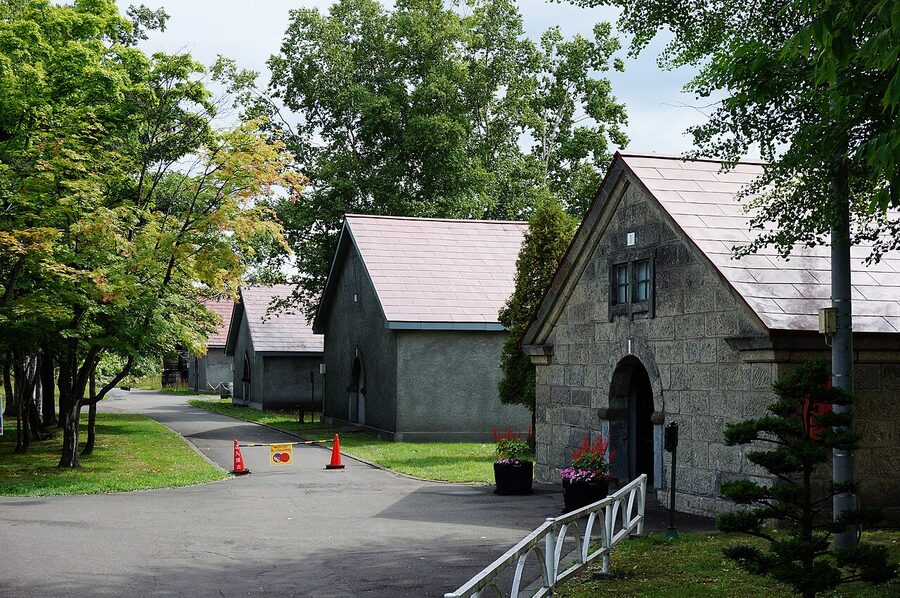

Yoichi is the easiest of the big four to visit. Taketsuru built it in 1934, picked the location specifically because the coast off western Hokkaido, with the Shakotan peninsula curling out to sea, was the closest thing he could find to Speyside, and it shows. The stone buildings, the slate roofs, the sweet smell of malt and peat smoke off the kiln, the cold air. A Scottish friend of mine cried at the car park.
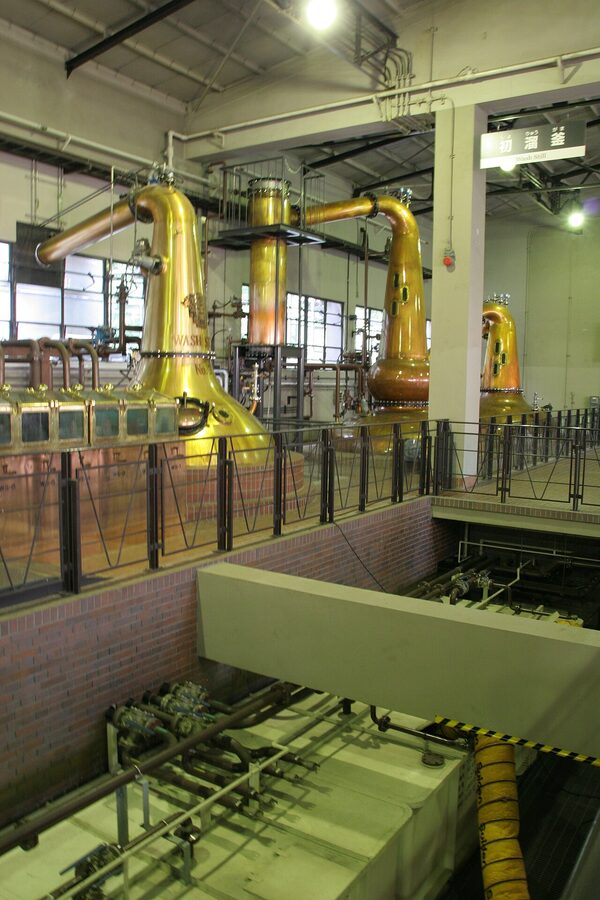
You don’t need a reservation for the basic visit. Walk in any day except Tuesday and the day after a public holiday, between 09:00 and 16:30, and the site is yours to wander free. Roughly 90 minutes covers it: the kiln, the still house with its coal-fired direct-heat stills, the apple-juice press building (Nikka started as the Dai Nippon Kaju, a fruit-juice company, while the whisky aged), the cooperage, and the museum.
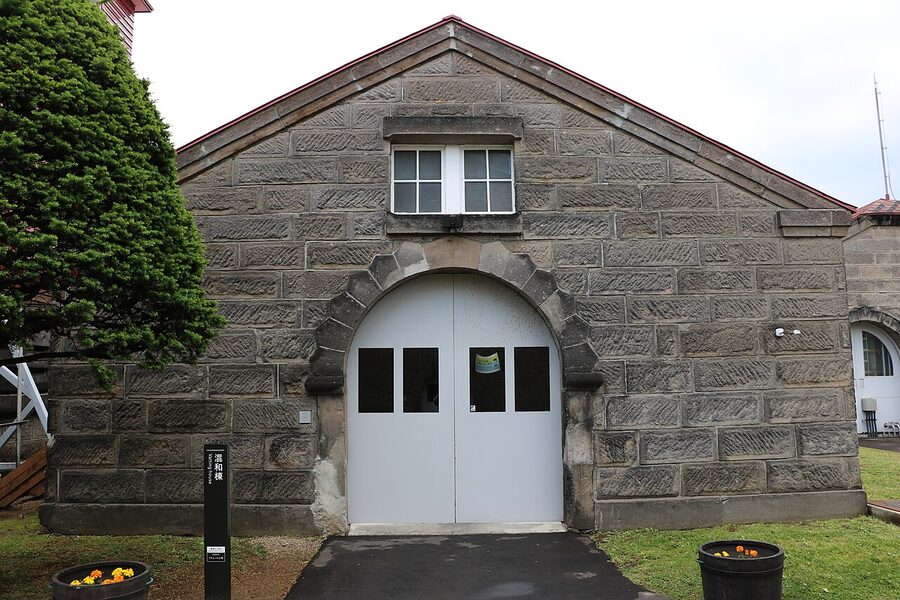

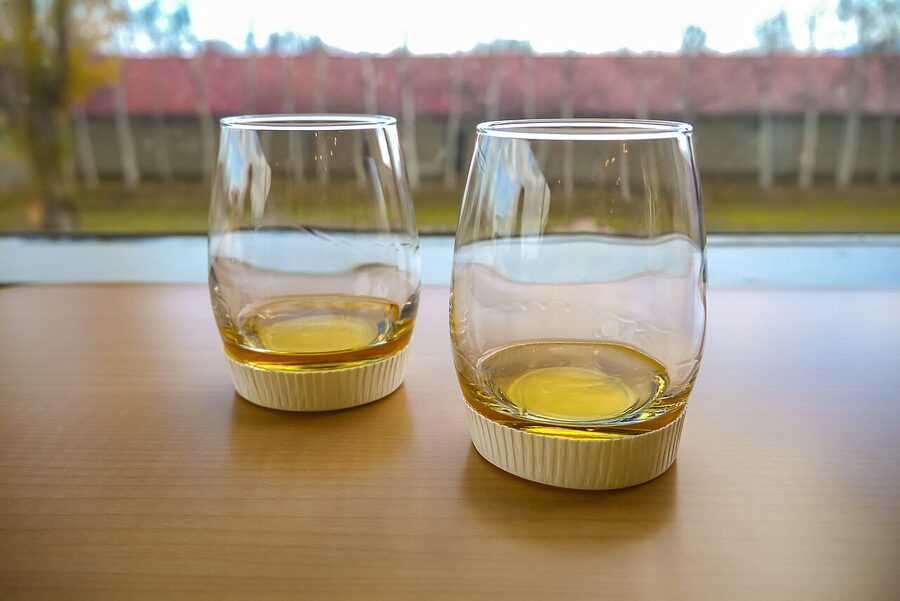
The free version ends with a self-served tasting at the visitor centre: three pours, usually a Single Malt Yoichi, an Apple Wine, and a small Taketsuru Pure Malt. They are not big pours. If you want more, the ¥2,000 paid tour adds a 60-minute guided walk and a tasting of four named Yoichi single casks (peaty, sherry, bourbon, distillery-only). Reserve via the Nikka site, slots open three months ahead, demand is high during peak summer and the autumn leaves window.

From Sapporo: 60 minutes on the JR Hakodate Line to Yoichi Station, then a four-minute walk to the gate. From New Chitose Airport: 90 minutes via Sapporo. The town itself is small and pleasant, full of fruit-wine producers (Yoichi is also a wine region) and one outstanding sushi spot called Yamada Sushi, three minutes from the station. Eat there, then walk back to the station with a bottle of Single Malt Yoichi NAS in your bag.
Miyagikyo, Sendai
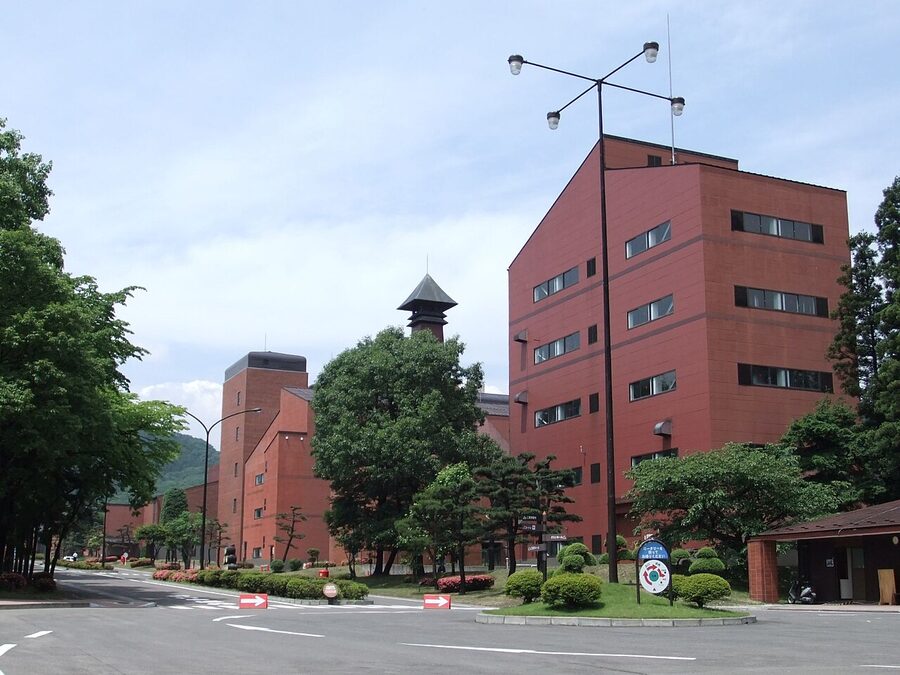

Miyagikyo is Nikka’s other malt distillery, founded in 1969 by Taketsuru when Yoichi alone couldn’t produce the range of whisky styles Nikka needed for blending. Where Yoichi is heavy and peated, Miyagikyo is light, floral, and fruit-forward. The water is even softer. The stills are bigger and bulge-shaped, which gives more reflux and a lighter spirit. The site also runs Coffey grain stills, the only continuous stills used for malt anywhere in Japan, which is what gives Nikka Coffey Malt and Coffey Grain their distinctive sweet-grain edge.
The visit pattern matches Yoichi’s. Free self-guided walk, paid ¥2,000 tour with a four-pour tasting, reservations online. Open 09:00 to 16:30, closed Tuesdays and the day after public holidays. From Sendai: take the JR Senzan Line to Sakunami Station, 30 minutes, then either a free distillery shuttle (timed to the train) or an eight-minute taxi.
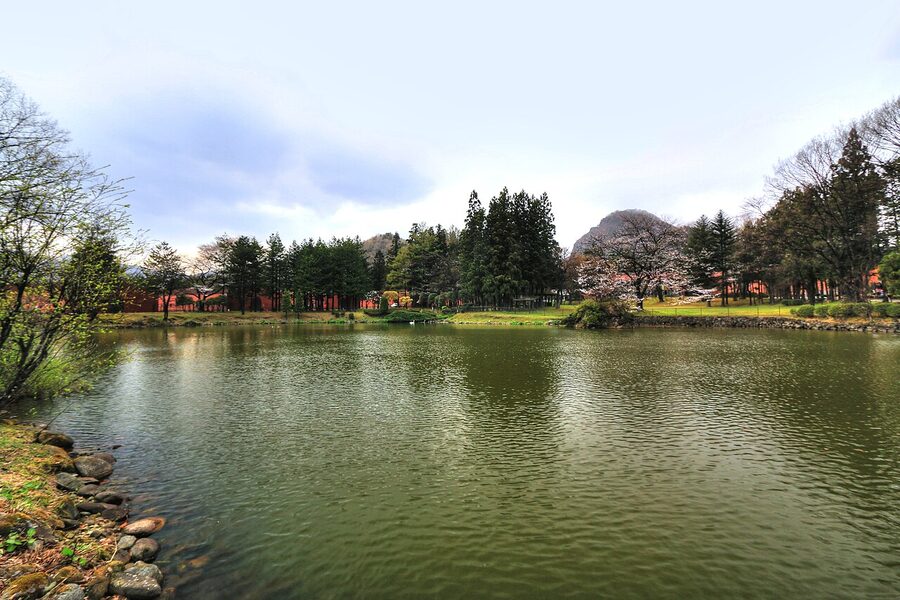

Pair Miyagikyo with a night in Sendai for the gyutan (grilled beef tongue) for which the city is famous, and a stop at Bar Andy in the Kokubuncho district, which keeps a deeper Nikka shelf than most Tokyo bars. If sake is also on your list, Sendai sits at the southern edge of the Tohoku brewing belt, so a brewery visit is an easy add-on. The drive between Sendai Station and Sakunami also passes Sakunami Onsen, a working ryokan town, which makes the whole thing into a perfectly defensible “I’m just doing onsen this weekend” trip.
Chichibu, Saitama prefecture
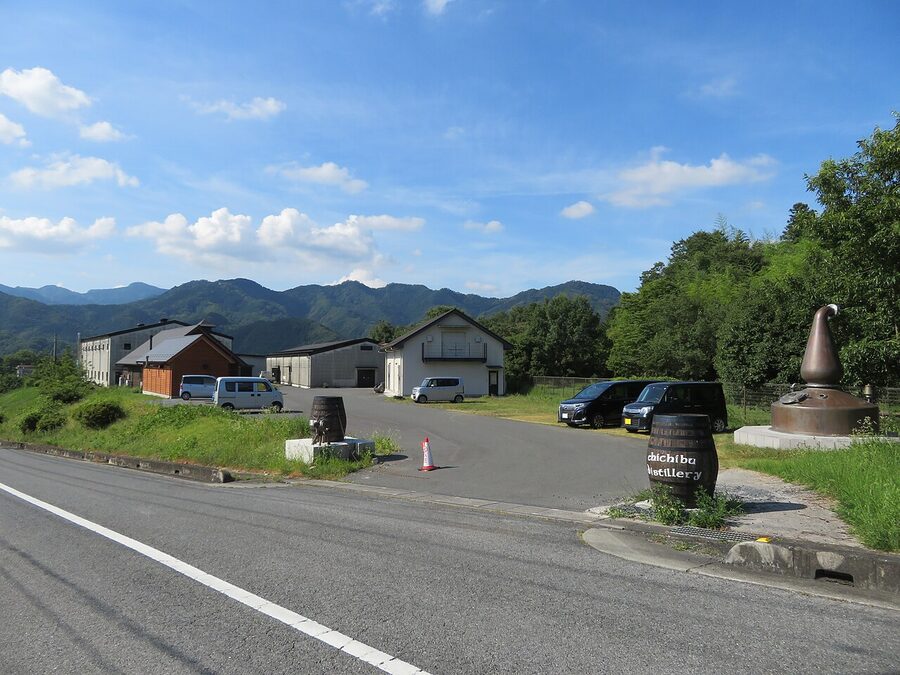

Chichibu is the founders’ distillery of the modern craft scene, and the one you can’t really visit. Ichiro Akuto bought up the dead Hanyu Distillery’s stocks after his family’s distillery closed in 2000, then opened Chichibu in 2008 and started bottling under the name Ichiro’s Malt. The Card Series, releasing one bottle per playing card, became a global obsession. A complete set sold at Bonhams Hong Kong in 2020 for the equivalent of around ¥100 million. The current annual production is around 200,000 litres. Suntory’s Yamazaki produces around 6 million.
The site does run public tours, but they’re booked through whisky bars and dealers, conducted in Japanese, and slots are functionally impossible to grab as a foreign traveller. What you can do is visit the area, taste the bottles at Chichibu’s local bars (Bar Tunabe and Bar Komagataike both keep deep Ichiro’s shelves), and pick up the Ichiro’s Malt Mizunara Reserve and the Ichiro’s Malt White Label at the Chichibu Tourism Pavilion shop near the station. The town itself is two hours from Ikebukuro on the Seibu line, and the local annual whisky festival in February is worth timing a trip around if you can.
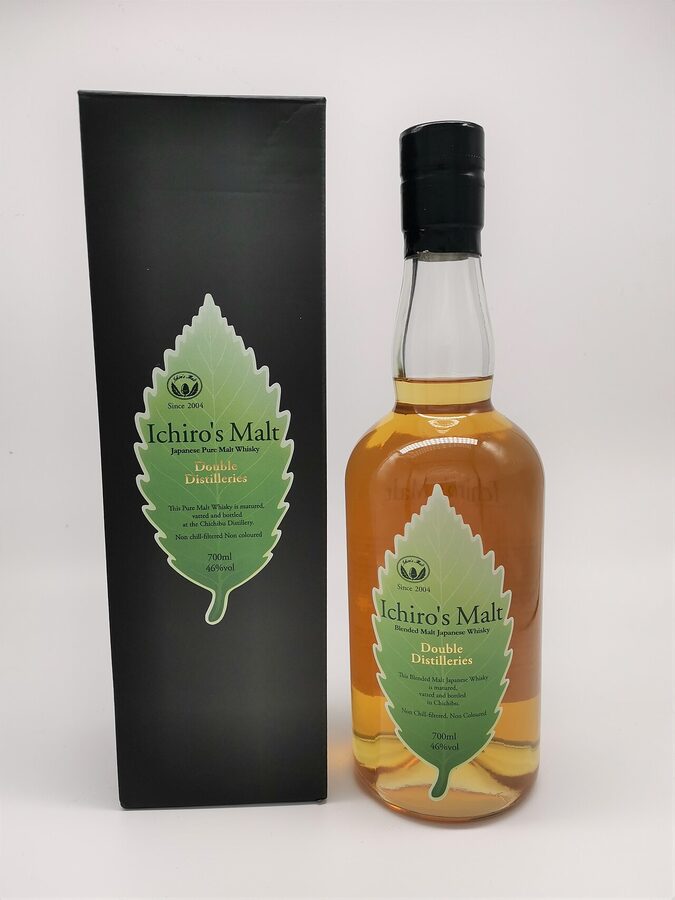

The most reliable place outside Chichibu to drink Ichiro’s by the glass is Tokyo Whisky Library in Aoyama: their Card Series collection runs to about thirty bottles, with pours starting around ¥3,500 for the standard cards and rising fast. Bring a credit card with a high limit.
Mars Shinshu, Nagano prefecture
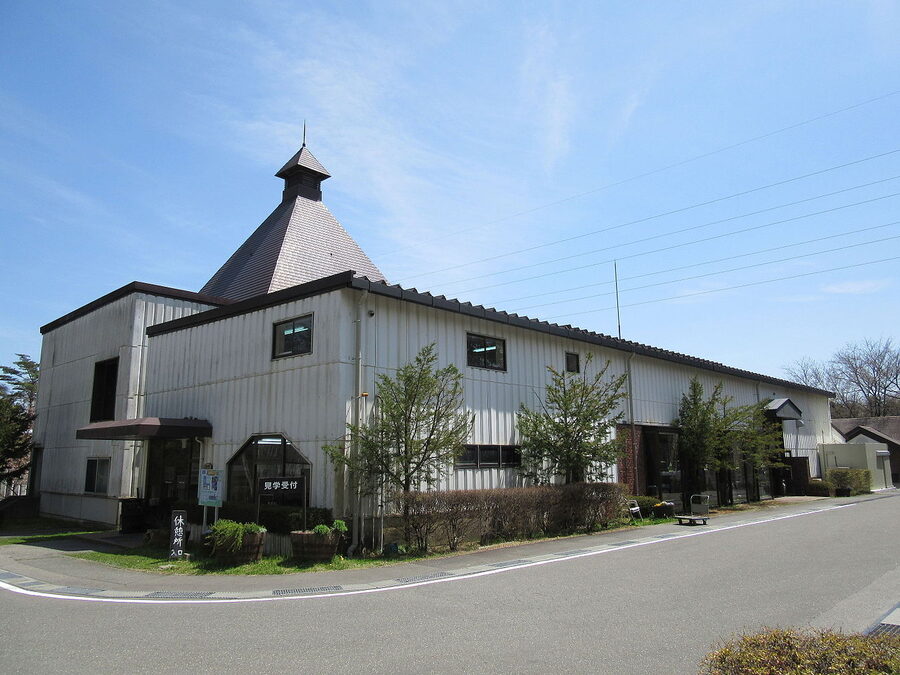

Mars Shinshu is the easiest small distillery to visit because Hombo Shuzo doesn’t run a lottery: walk in, sign the visitor book, take the self-guided route through the production hall and the warehouse, taste at the counter, leave. The site sits at 798 metres in the Komagane valley between the Central and Southern Alps, the highest distillery in Japan, with the Komagatake peak visible from the warehouse window on a clear day.
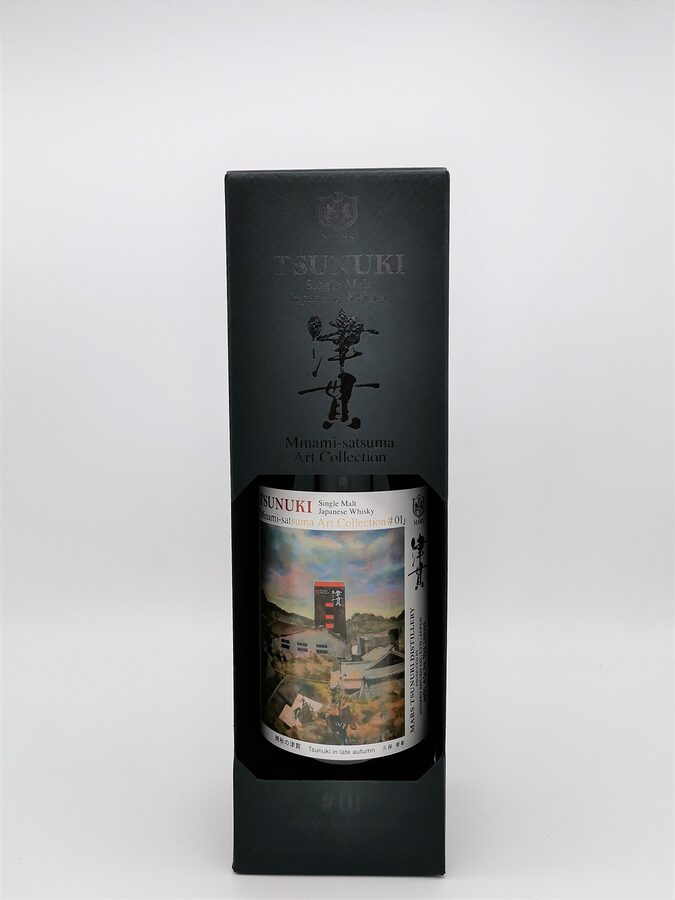
The drams to know: Komagatake (light, alpine, snowmelt-water-fed) and Tsunuki (the company’s other distillery on the warm Kagoshima peninsula, much heavier, sherry-finished). Hombo Shuzo also makes shōchū, which is what the company is best known for at home; the link between rice-grain spirits is a recurring story in Japan and is mapped out in the shochu, sake, and awamori comparison. Tasting flights are ¥500 for three pours at the visitor centre, with the rotation including the recent Komagatake Limited Editions and a Tsunuki single cask whenever stock allows.

Address: Komagane 3349-7, Kamiina-gun, Nagano, 399-4321. Open 09:00 to 16:00 most days, closed New Year. From Tokyo: take the Chuo Highway Bus to Komagane, three and a half hours, ¥4,500. Or train via Shiojiri, four hours, more expensive. Pair the visit with a soak at Komagane Kogen Onsen on the way out and a dinner of soba at Soba Komatsuya in town.
The craft frontier
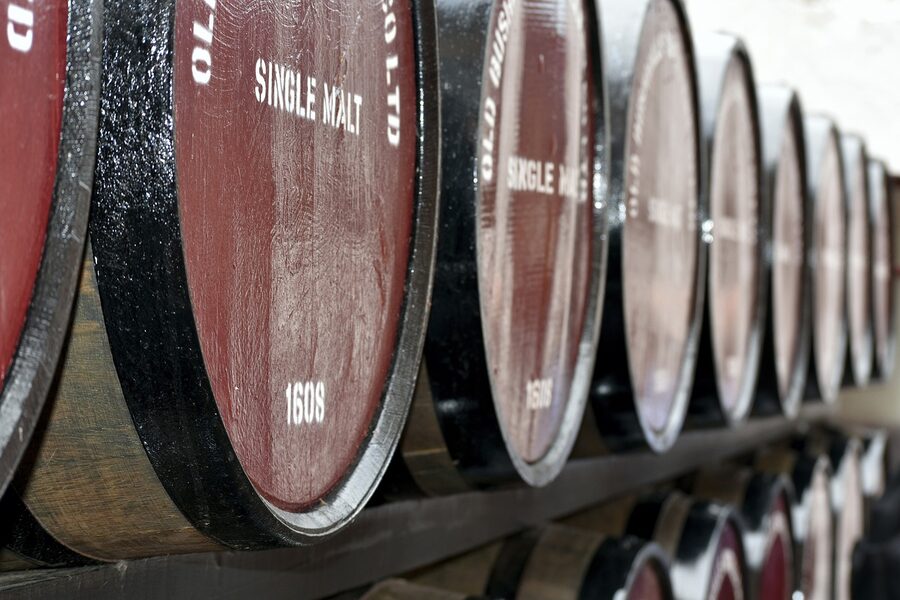
Beyond the six headliners is a much wider scene that’s been growing fast since around 2015. Most won’t have anything older than seven or eight years yet, but several are already winning international awards on younger releases. Worth knowing for the bottles you’ll see on bar shelves and for the deeper trip planning.
Akkeshi, Hokkaido
Akkeshi sits in a wet, peat-bog stretch of Hokkaido’s east coast, deliberately built to make a Japanese answer to Islay malts. Founder Keiichi Toita imported peated barley from Scotland, used local Mizunara casks, and timed his bottlings to the 24 traditional Japanese seasonal terms (sekki). The Akkeshi Bachenkou (“Spring’s Awakening”) and Akkeshi Hakuro (“White Dew”) are the recurring releases. Bookable tours are rare; the visitor shop is open on weekends only. From Sapporo, it’s a four-hour drive or a flight to Kushiro then a 50-minute drive south.
Sakurao, Hiroshima
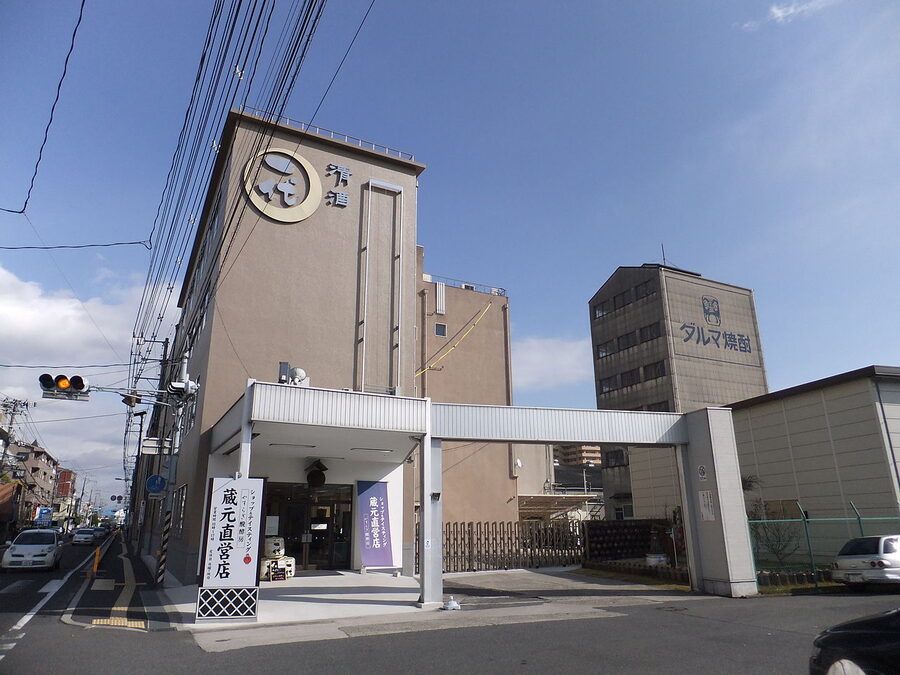

Sakurao Brewery and Distillery, in the suburbs of Hiroshima, took its whisky licence in 1920, made spirit through the 1980s, paused, then restarted as a craft distillery in 2017. The two malts are Sakurao (matured at the coastal site, lighter and saltier) and Togouchi (matured in a disused railway tunnel in the mountains, which is exactly the kind of detail you remember). The Togouchi Single Malt at ¥6,600 is a strong-value entry into single-malt Japanese whisky.
Tours: ¥2,000, run at 10:30, 14:00 (English), and 15:00 daily except second Sundays. From Hiroshima Station, take the JR Sanyo Line 18 minutes to Hatsukaichi, then a 12-minute taxi or a 25-minute walk. Address: Sakurao 1-12-1, Hatsukaichi-shi, Hiroshima.
Yasato (Kiuchi Brewery), Ibaraki
The Kiuchi Brewery has been making sake since 1823 and Hitachino Nest beer since the 1990s. They opened the Yasato Distillery in 2020 in a converted school building at the foot of Mount Tsukuba, an hour and a half from Tokyo. The first whisky, Hi-no-Maru Signature 1823, took World Whiskies Awards gold for blended malt in early 2026. Tour: by reservation, ¥3,000, includes a tasting flight, a guided walk through the production line, and a barbecue plate from the on-site smokehouse using whisky-cask-smoked sausages. From Tokyo: take the Joban Line limited express to Ishioka, then a 20-minute taxi.
Nagahama, Shiga prefecture
Nagahama opened in 2016 in the same building as the Nagahama Roman Beer brewery, which makes it Japan’s smallest distillery on a per-still basis. They run alembic-style stills (rare for malt whisky), use a mix of bourbon, wine, and Mizunara casks, and have already produced four releases of the Single Malt Nagahama. Tour: by website reservation, ¥2,200 and up. From Kyoto: 50 minutes on the JR Hokuriku Line to Nagahama Station, then a four-minute walk.
Other names you’ll see on bar shelves
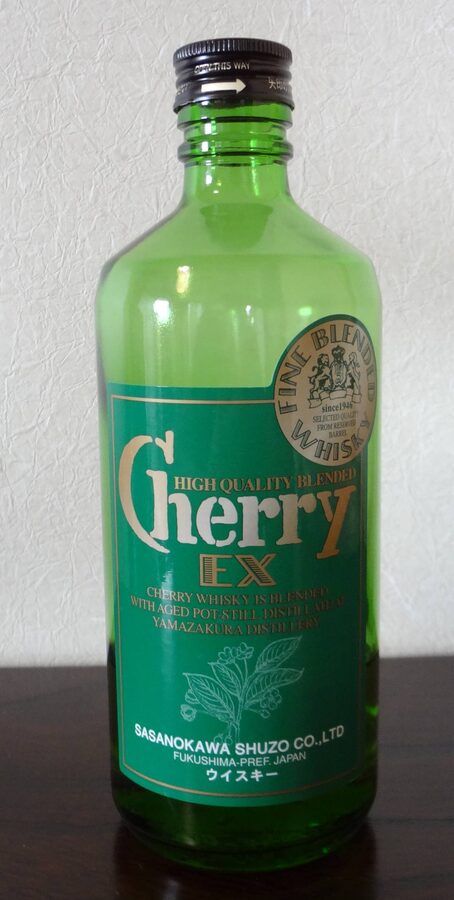
Asaka Distillery (Sasanokawa Shuzo, Fukushima): the oldest of the small ji-whisky distilleries, makes the Yamazakura blends and a Single Malt Asaka. The 2022 World’s Best Blended Malt winner. Tours by reservation, ¥1,500.

Niseko Distillery (Hokkaido): backed by Hakkaisan, the sake brewery, opened 2020. The Niseko Whisky is still maturing; the Niseko Gin is excellent and worth picking up if you’re in the ski village.
Komoro Distillery (Nagano): opened 2023, foundered in 2024 with management changes, restarted late 2025. The high-altitude Karuizawa-area angle is part of the pitch. New-make only at the moment.
Kanosuke Distillery (Kagoshima): owned by the Komasa Jyozo shochu family, runs three differently shaped pot stills to produce three malt streams, all blended into the single-malt Kanosuke. The 2024 Single Cask release at ¥33,000 sold out in five hours.
Saburomaru (Toyama): Wakatsuru Shuzo’s craft project on the Hokuriku coast, makes the Saburomaru Sunshine releases. Visits possible by appointment.
How a tour actually works
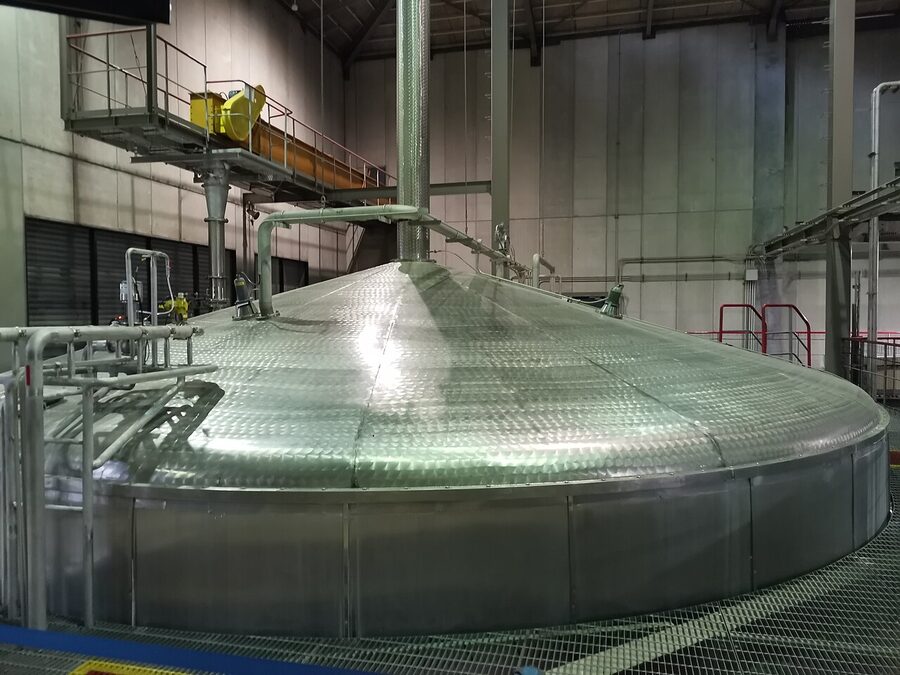

Same general arc at every distillery. Sign in at the reception. Hand over a fee and pick up a lanyard. The guide walks you through the standard six stages: malting (or where the malt arrives, since most Japanese sites import malted barley from Scotland), milling, mashing, fermentation, distillation, and maturation. Then a tasting room. Then the shop.
The trick to enjoying it is to pay attention at the wash backs and the still house. Wash backs (the big tubs where yeast turns sweet wort into a 7% alcohol beer-like wash) are usually wood at the smaller distilleries and stainless at the bigger ones. Smell them. Each wash back has a different microbe community and they ferment differently. The still house is where the entire personality of the distillery comes from. The shape and size of the pot stills, the angle of the lyne arms, the heating method (direct flame, steam coil, gas), the cuts the still operator takes, all of it adds up to the spirit’s character.
Lottery applications open three months ahead for Yamazaki, Hakushu, Yoichi paid tours, Miyagikyo paid tours. Even-odds outcomes for shoulder seasons (May, late September, November). Slim odds for cherry-blossom Yamazaki and autumn-leaves Yoichi. If you don’t win the lottery, the free reservation routes (the museum at Yamazaki, the self-guided at Yoichi and Miyagikyo) are often easier to grab on the same morning, and they cover most of what a casual visitor wants.
A practical Japan bit: the distillery sites are dry. You taste, you stop. There’s no buying a flight at the on-site bar and sipping for an hour. The tasting-bar pours are deliberately sized to keep the experience educational rather than recreational. Pace yourself in the shop, where the ¥100-to-3,000-per-pour bar at Yamazaki and Hakushu is where you’ll spend the real money.
What to actually drink
If you’ve never had Japanese whisky and you’re standing at a bar with a menu the size of a phone book, here’s the order I’d work through:
First pour: a Hakushu 12 if you can find one, or a Yamazaki 12 if you can’t. Both are Suntory’s flagship single malts. Hakushu is the green-apple-and-smoke profile, Yamazaki is the heavier sherry-and-mizunara profile. They’re the reference points for the entire industry. A glass at a decent Tokyo bar runs ¥1,800 to ¥2,500. If neither is on the menu, ask for the bartender’s pick of Suntory single malt; they’ll usually push the Yamazaki Distiller’s Reserve, which is fine.
Second pour: a Single Malt Yoichi or a Single Malt Miyagikyo. The point is to feel the Nikka contrast. Yoichi is peaty and coastal, almost an Islay impersonation. Miyagikyo is floral and fruit-forward, almost a Speyside impersonation. Same maker, deliberately opposite profiles. If you can do both side by side, do.

Third pour: a craft single malt. Mars Komagatake (alpine, light, ¥1,500-2,000 per glass), Sakurao (mineral, salty, ¥1,500), Akkeshi (peaty, ¥2,000-3,000), Asaka Yamazakura (sweet, sherry-cask, ¥1,800), or anything from Chichibu if the bar pours it (¥3,500 and up). The point is to taste what the new wave of distilleries is doing.
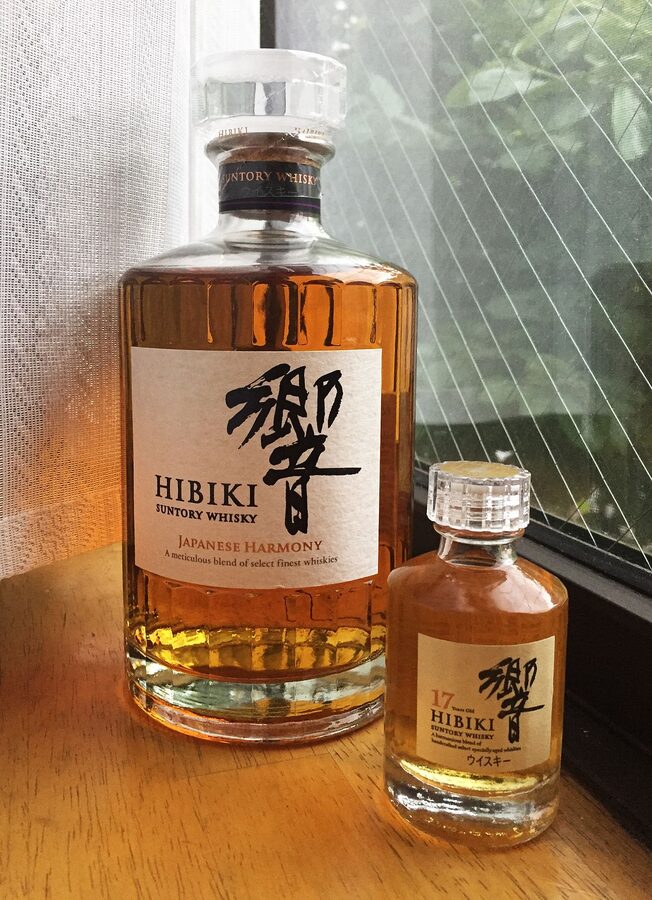
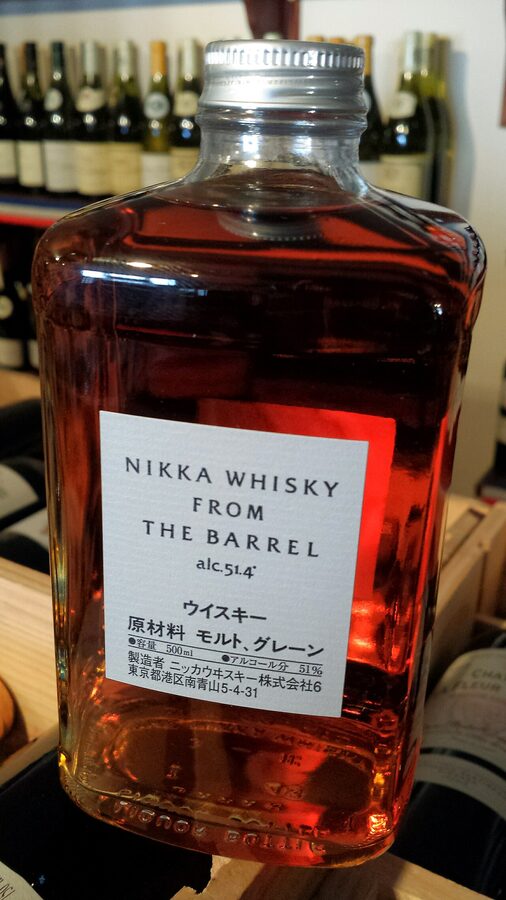
For the table: a Hibiki Japanese Harmony or a Nikka From the Barrel. Both are blends rather than single malts. Hibiki is the soft, layered Suntory flagship blend (¥6,500 retail, ¥1,500 a glass), built on Yamazaki, Hakushu, and Chita components. Nikka From the Barrel is 51.4% cask strength (¥3,000 retail, ¥1,200 a glass), heavier and bolder. Both work neat or in a highball.
What to skip on a first run: the no-age Hibiki Harmony if you’ve already had Yamazaki or Hakushu (the same malts in a softer blend), the Suntory Toki at a high-end bar (it’s a low-end blend that should be drunk in a highball, not neat), and any ¥5,000-plus pour of an obvious flagship just because it’s expensive.
The highball is the everyday whisky
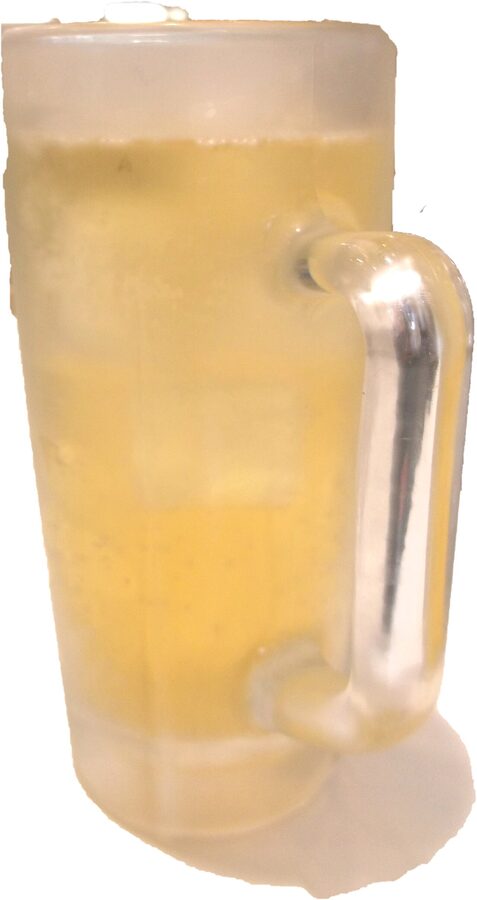

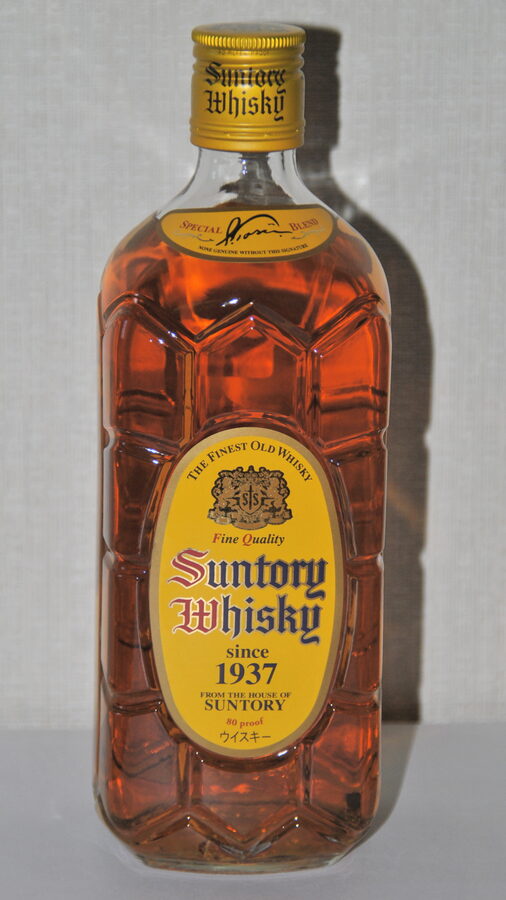
The drink you’ll see most often, by far, is the highball. Whisky, ice, carbonated water, sometimes lemon. Suntory pushed the format hard from 2008 onward (the “Kaku highball” campaign was a generational thing in Japan), and most izakayas now pour it from a chilled tap with a 1:3 or 1:4 whisky-to-soda ratio. Order it with the question “Kaku haibōru wa arimasu ka?” if it’s not on the menu, and you’ll probably get one anyway.
.jpg)
Mizuwari is the same drink minus the bubbles: whisky, water, ice. It’s what you order when you’re eating, particularly with kaiseki or a long sushi counter dinner. The pour-for-others and otoshi rules from the izakaya etiquette guide still apply at most whisky bars. The dilution lets you keep drinking through ten courses without going under. The ratio is usually 1:2 or 1:2.5 whisky to water. Cut with the same mineral water the bottle’s blender intended.
Oyuwari is whisky and hot water, served in a heat-safe tumbler with a slice of lemon, and it’s a winter Japan thing nobody outside the country talks about. It’s wonderful with a low-end blend (Kakubin, White Oak Akashi) and a chazuke supper. Never mizunara-cask flagship single malt; the heat kills the fragrance.
Bars that pour the bottles
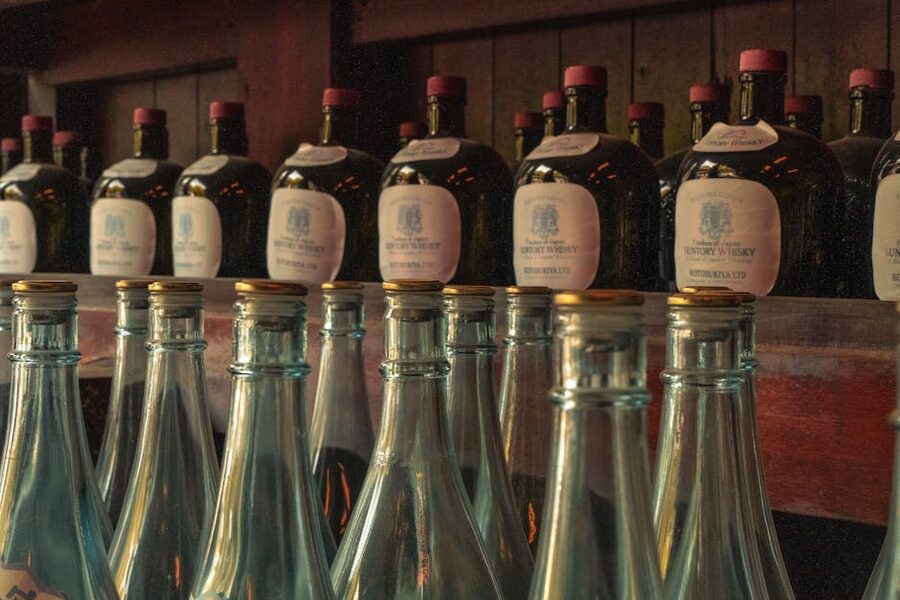
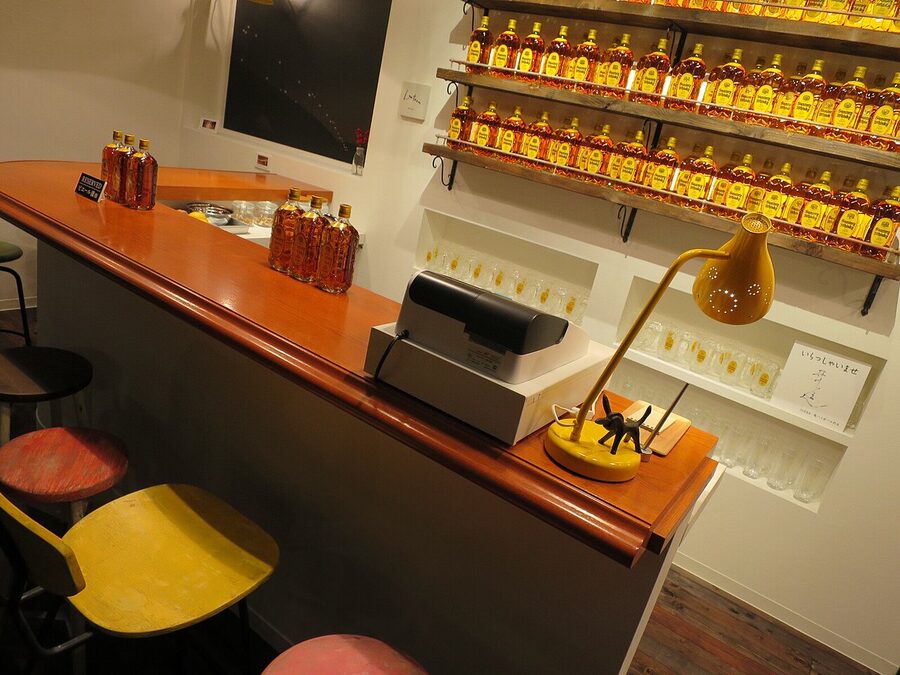
The bars are the point. Japan invented the modern whisky bar as a category, and Tokyo and Osaka run more single-malt-deep counters per square mile than London, New York, or Edinburgh. The big four bars below all keep ranges over 200 bottles, with vintage Japanese stock that doesn’t appear on retail shelves. Izakaya etiquette covers the broader drinking-counter rules; what follows is whisky-bar specific.
Tokyo
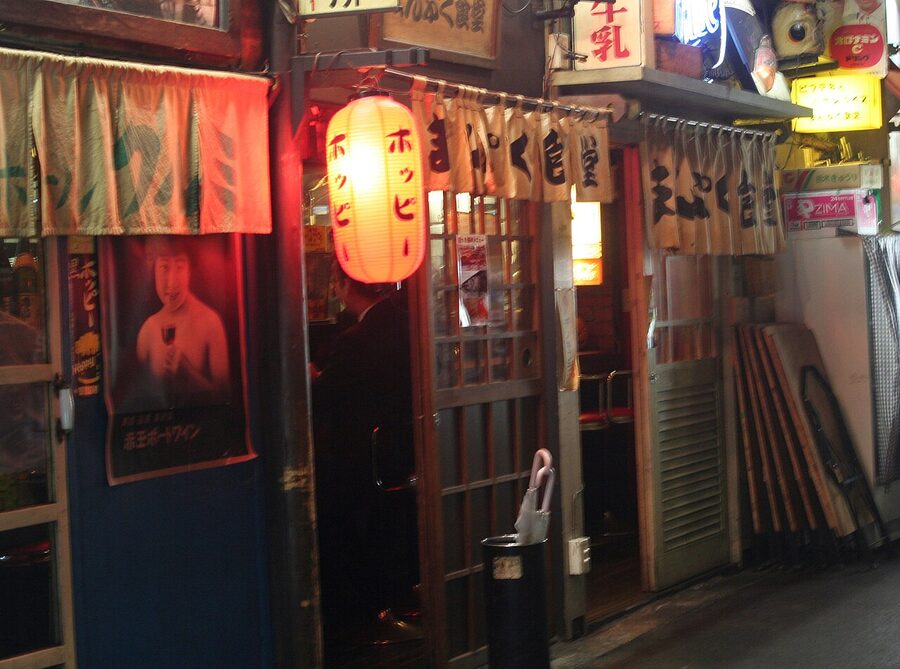

Bar High Five (Ginza, 4 Chome). The bar that Hidetsugu Ueno built into a global cocktail destination. Whisky list runs deep; the highball here is ¥2,000 and worth every yen because the ice is hand-cut from a single block in front of you. No reservation, no English on the door, walk in past 17:00. Counter only, ten seats. Cover charge ¥1,000.
Bar Benfiddich (Nishi-Shinjuku). Hiroyasu Kayama’s herbal-cocktail temple. The whisky list is shorter than at the Ginza bars but the rare-malt section (Karuizawa, Hanyu Card Series, vintage Yamazaki) is among the deepest in Tokyo. Reserve via Instagram DM. Cover ¥1,000. Pour prices for the rare bottles run ¥6,000 to ¥30,000.
Tokyo Whisky Library (Aoyama). Fifteen hundred bottles, two-story, members welcome but walk-ins seated when there’s room. Long flights of by-the-glass Karuizawa and Ichiro’s Card Series. The Yamazaki 25, when it’s on, is around ¥15,000 a pour. The standard flight of three Japanese single malts is ¥3,800. Reserve via the website.
Star Bar Ginza (Ginza, 5 Chome). Hisashi Kishi’s place, the elder statesman among Tokyo bars, the one Hidetsugu Ueno trained at. Cover ¥1,500. Whisky list is deep, but the move here is to have one hand-stirred cocktail (the Bamboo or the Stinger, both of which Kishi-san makes faster than anyone), then move to a single-malt pour with a hand-cut diamond ice ball. Counter is intimidating; just sit down and order what they recommend.
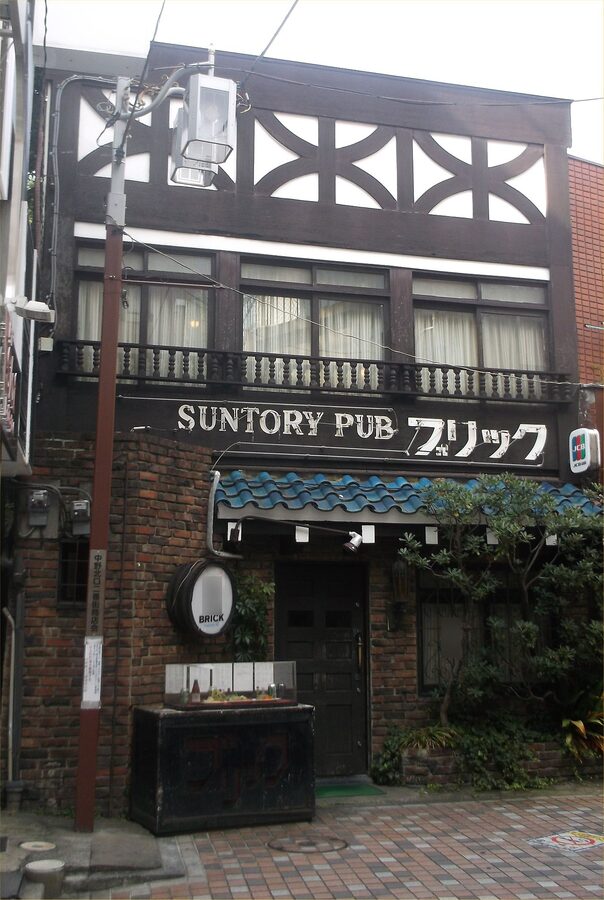

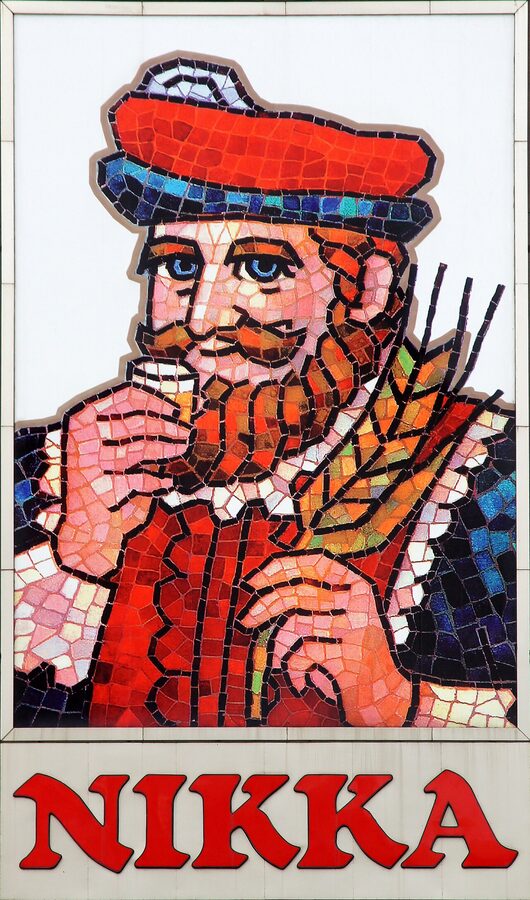
One tier down: Suntory pubs and Nikka Bars. The chain Suntory pubs (Brick, Logan, the older Old) pour Kakubin highballs at ¥500-700, plus a small Yamazaki 12 by the glass at ¥1,500-2,000 when stock allows. The Nikka Bar in Susukino, Sapporo, and the Nikka Bar Lemon Hart in Tokyo’s Mita are the brand’s own showcase venues, with full Yoichi and Miyagikyo lineups by the glass at fair prices.

Osaka and Kyoto
Bar K (Kitashinchi, Osaka). Yuichi Komori’s whisky-and-cocktail bar, deep Suntory cellar, particularly strong on Yamazaki single casks. Cover ¥1,500. Open 18:00–02:00.
Bar Augusta Tarlogie (Sonezaki, Osaka). An old-school Scottish-themed bar with a Japanese-whisky shelf almost as deep. The Mars Tsunuki Single Cask 2018 was on by the glass last time I went, ¥3,200.
Bar Rocking Chair (Kawaramachi, Kyoto). Owner Kenji Tsubokura keeps a vintage Karuizawa shelf that you can find in only a handful of bars in Japan. Walk-ins difficult after 21:00; phone reservations.
Sapporo
Yamazaki Bar (Susukino). Despite the name, not affiliated with Suntory. The deepest single-malt menu in Hokkaido, with a particularly good Yoichi vertical (the 10, the 12, the 15, single casks). Cover ¥1,000. The cured horse-meat plate (sakura niku) on the bar menu is a surprisingly good pairing with peated Yoichi.
Where to buy a bottle to take home
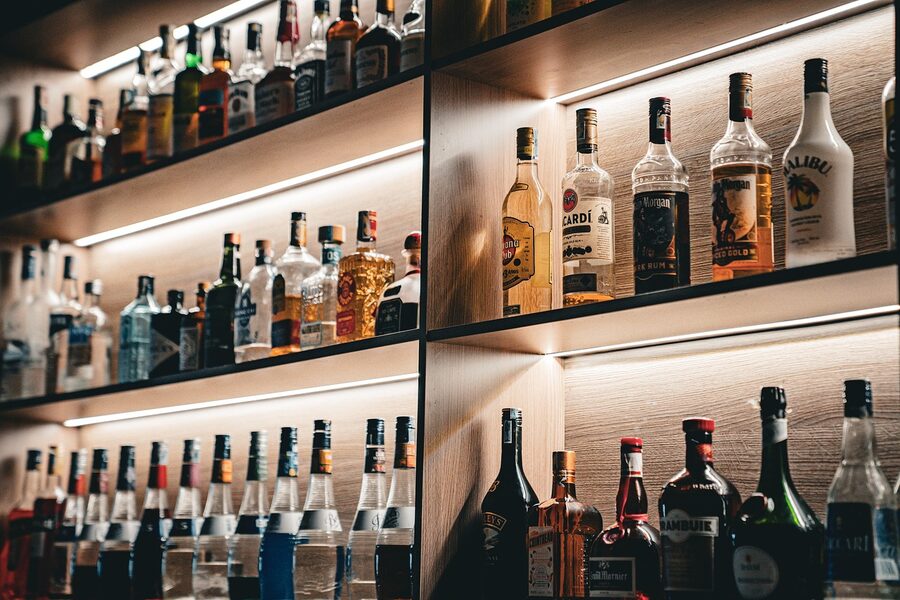
Three things to know about buying Japanese whisky in Japan in the current market.
One. The duty-free shops at Narita, Haneda, Kansai, and the international terminal at Chitose have a thinner Japanese selection than most Tokyo or Osaka retail shops. They’re set up for departing-international travellers, who in volume terms are mostly buying Hibiki Japanese Harmony at ¥6,500 and the standard Yamazaki Distiller’s Reserve at ¥7,500. If you want anything beyond that (the 12s, single casks, Chichibu, the small craft bottles), you’ll do better in town.
Two. The good shops keep stock locked behind glass, with only display empties on the open shelves. You ask for the bottle, the staff member opens the case, you pay, you get the bottle in a sealed box. Be prepared to pay ¥25,000 for a Yamazaki 18 (when it’s available, perhaps every few weeks) and ¥200,000 for a Yamazaki 25 (lottery only). Yes, retail prices are still half of what auction sites charge.
Three. The shops worth knowing:
Liquor Mountain (Shinjuku Kabukicho, Ginza). Two of the better-stocked branches of a national chain. Refresh stock daily. Cash and card. Tax-free counter for tourist passports.
Liquors Hasegawa (Yaesu, near Tokyo Station). Underground liquor shop in the Yaesu Chika-gai. Excellent Japanese single-malt range, paid tasting flights at the back of the shop (¥800-2,000 per pour, including bottles you can’t easily try elsewhere).
Shinanoya World Wine and Foods (Shinjuku 1-chōme). Four floors. The whisky range covers Japanese, Scotch, Irish, American, and bottlers’ independents. They get small allocations of Chichibu, Mars, Komoro, and Saburomaru that don’t always make it to the bigger shops.
Isetan Shinjuku (B1). Department-store basement liquor section. Limited bottle-size range, but they hold the occasional Yamazaki Limited Edition lottery, and the by-the-glass tasting bar (¥500-3,000 per pour) is one of the better in-shop tasting experiences in Tokyo.
Tax-free shopping for tourists requires a passport and a same-day purchase total over ¥5,000. Have the passport ready at checkout. The bottles will be sealed in a duty-free bag you can’t open until you leave the country, which the customs officer at the airport will check.
The history, in three names
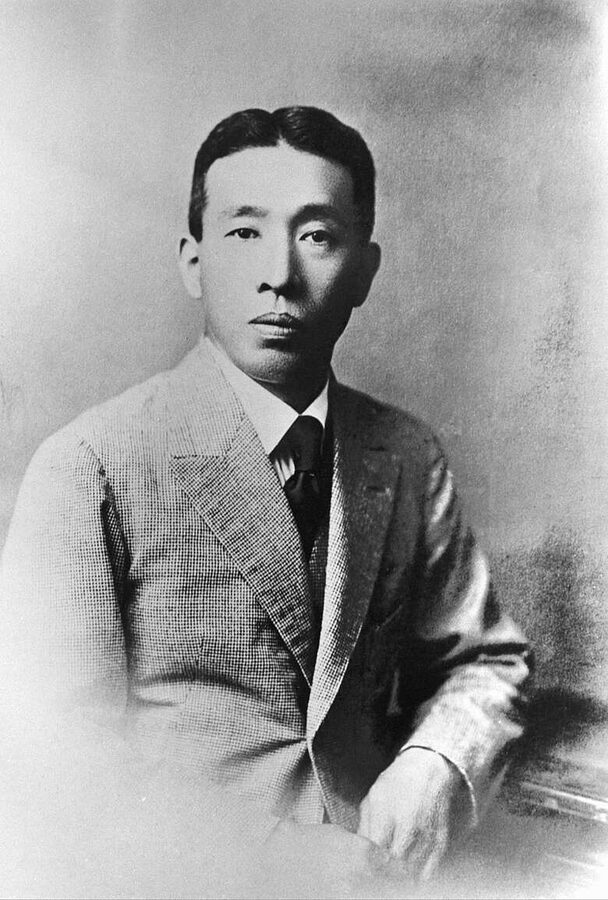
The story you’ll hear at every distillery boils down to three people. Shinjiro Torii, the Osaka-born wine merchant who founded Kotobukiya (later Suntory) in 1899 and broke ground on Yamazaki in 1923. The Suntory Old, Suntory Kakubin, and the Hibiki blends carry his blender’s instinct.
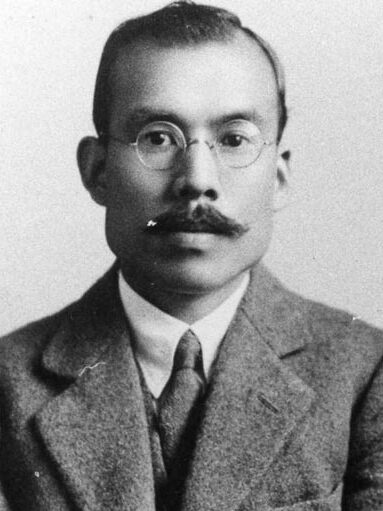
Masataka Taketsuru, son of a Hiroshima sake brewer, sent to Scotland in 1918 to study chemistry at the University of Glasgow and apprentice at Longmorn and Hazelburn. He came back married to Rita Cowan, a Scottish doctor’s daughter from Kirkintilloch, ran Yamazaki’s first decade of production for Torii, then left in 1934 to build Yoichi in Hokkaido under his own company, the Dai Nippon Kaju, later renamed Nikka. The 2014 NHK morning drama Massan turned his story into a national event; the Taketsuru Pure Malt blend is named after him, and his statue stands inside the Yoichi gate.
Ichiro Akuto, the modern third figure. Grandson of the owner of the Hanyu Distillery in Saitama, which closed in 2000, leaving 400 casks of unsold stock. Akuto bought every cask back, started bottling them under his own brand (Ichiro’s Malt), and in 2008 opened Chichibu Distillery in his hometown to keep producing. The Card Series of 54 bottlings of Hanyu casks (each labelled with a playing card) became the defining collectible series of the 2010s. Without him, the modern Japanese craft scene would be a quieter and slower thing.
What goes wrong, and how to not do that

Five recurring traveller mistakes, in roughly descending order of cost.
Buying a “Karuizawa” bottle from a small Tokyo shop without checking the seal. The Karuizawa Distillery closed in 2000 and the remaining casks were bottled out by 2018. Genuine Karuizawa retails at ¥200,000-and-up per bottle, and counterfeits exist. If a small shop offers you a Karuizawa for ¥30,000, walk out. Buy auction-grade rare whisky only from auction houses (Bonhams Hong Kong, Sotheby’s Hong Kong) or from specialist dealers like Whisk-e or Yamaya.
Showing up at Yamazaki or Hakushu without a reservation. Both sites turn away walk-ins. The free museum tour, the paid production tour, even the on-site tasting bar all need reservations. Apply via the Suntory factory site three months before. Don’t fly to Osaka, taxi to Yamazaki, and find a locked gate.
Ordering a Yamazaki 25 at an unfamiliar Tokyo bar. Some bars charge ¥30,000-50,000 for a single pour of a top-tier Japanese whisky and the regulars know it. Without a relationship, you might pay double the established rate. Stick to bars where the prices are written on the menu (Bar High Five, Tokyo Whisky Library, Bar K), not “ask for the price.”
Getting drunk at a flagship bar. The big counters take their work seriously and the regulars do not appreciate noisy drunk visitors. Two pours, then move on to a livelier place. The izakaya around the corner, ideally.
Visiting in late December. Most distilleries shut down for tank cleaning and inventory between Christmas and mid-January. Yamazaki closes from 26 December through 5 January. Yoichi often stops production in winter. The bars stay open but the distillery side of the trip falls flat. Plan around it.
One more thing
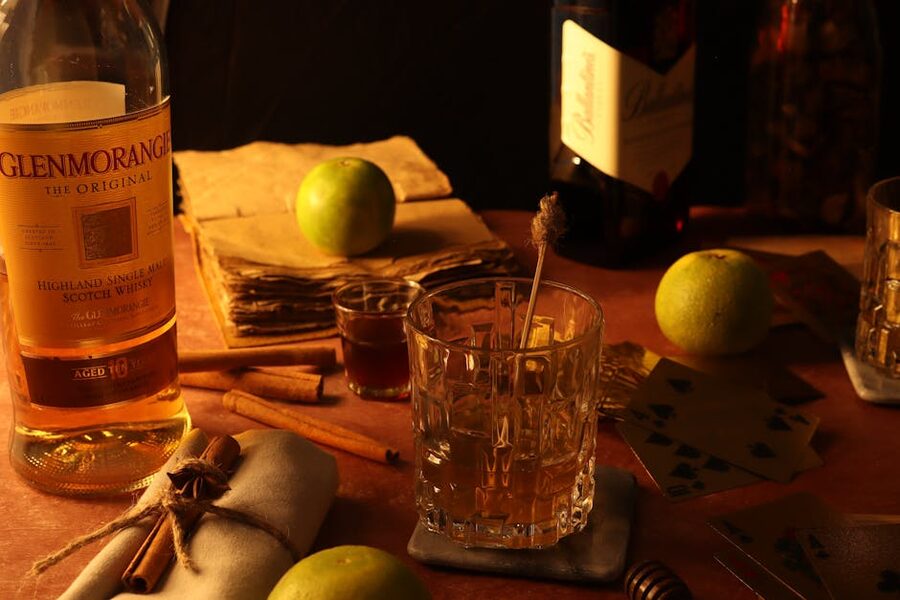
The Japanese whisky scene right now sits at an interesting moment. The flagship 12-year-olds and 18-year-olds are scarce. The big distilleries have raised production but it’ll take a decade for new stock to age into those slots. The craft scene is filling in fast, with at least twenty new distilleries opening in the past five years, and the bottles those sites release in the late 2020s are going to redraw the map again.
For a traveller right now, the trip is about going to the source. Yamazaki and Hakushu and Yoichi are all still in production, still tour-able, still pouring. The smaller distilleries in Saitama, Nagano, Hiroshima, Kagoshima, and Hokkaido are running their first or second decade and they want visitors. The bars in Ginza and Kitashinchi are still pouring the casks the auction market doesn’t see. None of that is going to be exactly the same in 2035. Go now.
Last pour: a Hakushu 12 with a single rock of mountain ice, in the shadow of the warehouse, at five in the afternoon, with the cicadas starting up in the pines. There’s a reason people fly across the world for that. It’s worth the lottery.
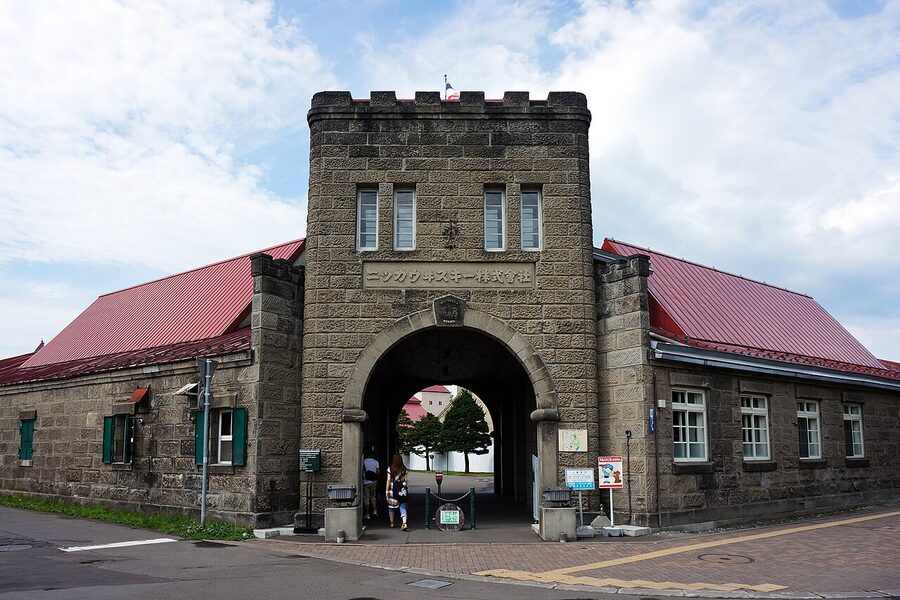 CitiesHokkaido Has More Whisky Distilleries Than You ThinkAsk anyone who knows a little about Japanese whisky to name a Hokkaido distillery and they’ll say Yoichi. Push them…
 Drinking CultureDrinking Highballs in Japan, From Chain to CraftIn late 2008, a struggling whisky brand started a campaign that would, within 12 months, see the number of Japanese…
 CitiesYamazaki vs Yoichi: Which Distillery Tour to PickYamazaki sells out the moment its booking lottery opens, and you need to apply months ahead. Yoichi runs free tours…