
In late 2008, a struggling whisky brand started a campaign that would, within 12 months, see the number of Japanese bars pouring whisky and soda jump from roughly 15,000 to more than 60,000. By the end of the next year it was past 80,000. Suntory’s sales of Kakubin, the squat yellow-labelled bottle that gave the drink its modern nickname, climbed 17% in year one and never really came back down. The drink at the centre of all this was a mix any 1920s American bartender would have recognised on sight: whisky, soda water, ice. The Japanese call it haibōru, or, when made specifically with Kakubin, kakuhai. And it’s now poured more often in Japan than draught beer in many chain izakayas.
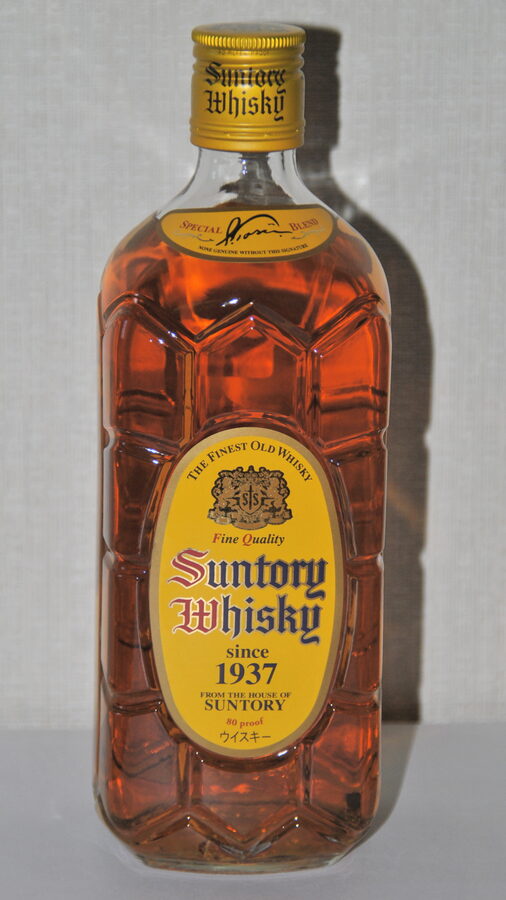

If you’ve spent any time in Japan in the last decade, you’ve seen this drink. The plastic-frosted dispenser at the end of every Torikizoku counter, the salaryman ordering “kakuhai jokki” before he’s even sat down, the ¥199 special during the 17:00 happy hour. It’s also the drink behind the bar at Star Bar Ginza, served in a thin-walled glass with hand-shaved ice, costing twelve times as much. This guide is about both ends of that scale, and what the difference actually means when you’re ordering one.
In This Article
- Chain kakuhai vs craft highball at a glance
- How a 1950s drink came back from the dead
- Tory’s Bars and the salaryman highball
- The Kakuhai relaunch, 2008–2009
- The chain-izakaya kakuhai, machine by machine
- The four chains and their kakuhai signatures
- How the dispenser actually works
- Ordering the chain version, line by line
- The craft highball: ritual at the bar
- The build, step by step
- Why it’s different (and whether you’ll taste it)
- Where to drink the high-end version
- Tokyo: Ginza and Shinjuku
- The two everyone tells you about
- Outside Tokyo
- What pairs with a highball, and what doesn’t
- The natural matches
- What to skip
- Make one at home, the Suntory three-rules-plus-one method
- The recipe
- Whisky picks for the home highball
- The Kakuhai-Yokocho events and the highball calendar
- Where the highball fits in a drinking trip
- A few practical notes that aren’t in the marketing
- The drink in cities other than Tokyo
- The shorter version, if you only have one night
Chain kakuhai vs craft highball at a glance
The two versions share three ingredients and basically nothing else. If you only have time for one, the table tells you which to pick.
| Dimension | Chain kakuhai | Craft highball |
|---|---|---|
| Price | ¥190–390 | ¥1,500–2,500 |
| Whisky used | Suntory Kakubin or Tory’s | Hibiki Harmony, Hakushu, single-cask blends, sometimes Yamazaki |
| Ice format | Machine-cut cubes from a tower dispenser | Hand-shaved single block, often a clear cylinder filling the glass |
| Soda | Pre-mixed at the dispenser, »3 bar pressure | Bottled at the bar, often the distillery’s own water source |
| Glass | 500 ml jokki (mug) | 200–240 ml thin-walled tumbler |
| Build time | Under 8 seconds | 60–90 seconds, often longer |
| Cover charge | None | ¥1,000–3,000 otōshi or seat fee |
| Best for | Eating while you drink, ordering rounds | Sitting still, paying attention, one drink that lasts |
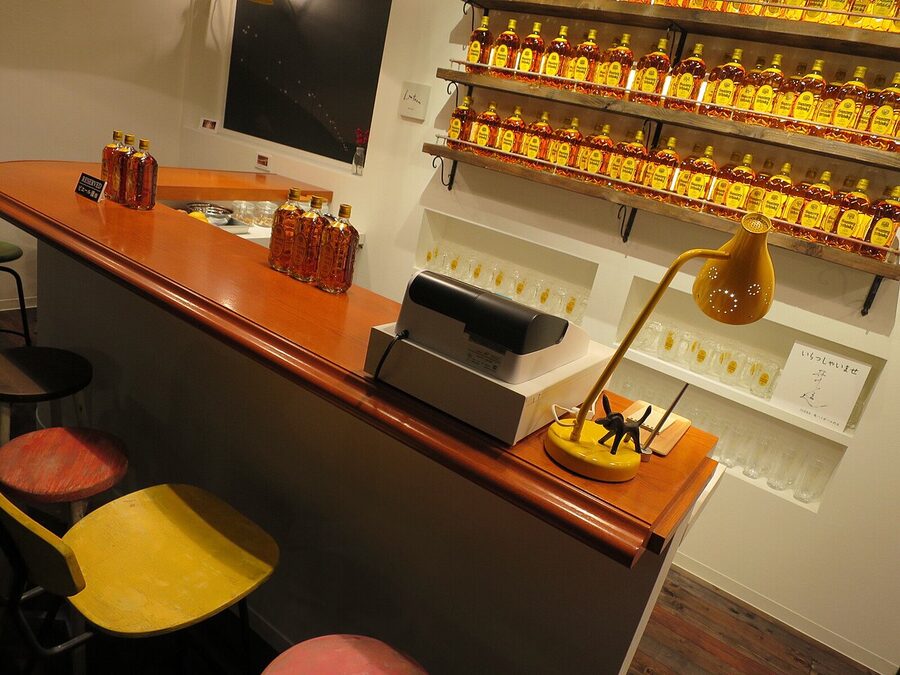
Both are real and both are right. The kakuhai is what most Japanese drinkers actually drink most of the time. The craft version is what made the world start writing breathless features about Japanese bartending. You’ll get more out of a trip if you have at least one of each.
.jpg)
How a 1950s drink came back from the dead
The whisky highball isn’t Japanese. The name is American, the technique is British, and the first highball poured in Japan was almost certainly a Scotch-and-soda someone ordered in a Yokohama foreign-settlement hotel bar in the 1880s. What’s Japanese is the second life of the drink, the one that started in 1950 and very nearly died in 2007.
Tory’s Bars and the salaryman highball
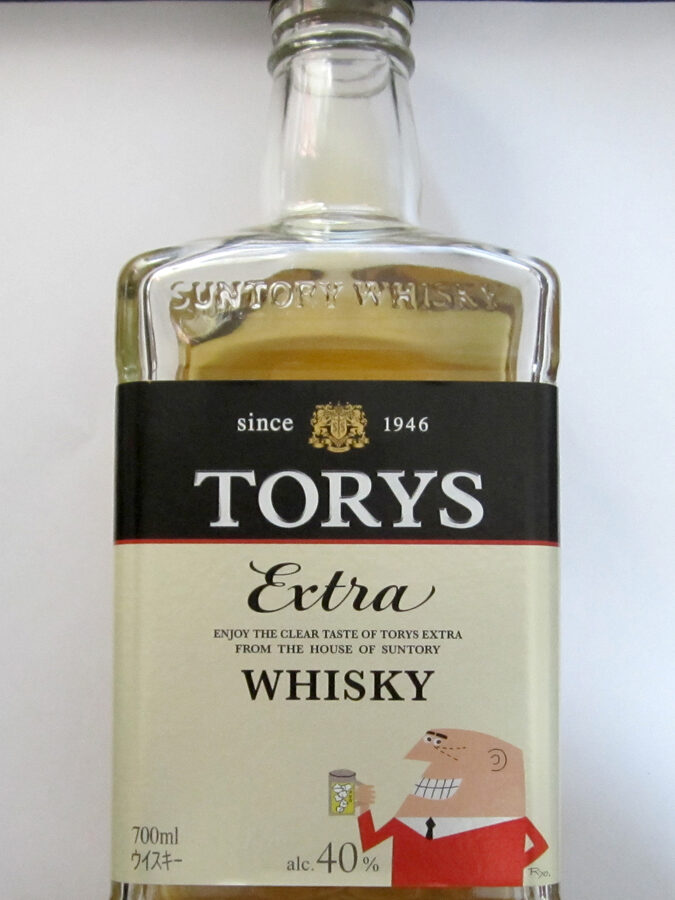
The first Tory’s Bar opened in Ikebukuro in 1950. Suntory’s founder, Shinjirō Torii, had been distilling whisky at Yamazaki since 1924, but post-war Japan couldn’t afford his good stuff. Tory’s was the budget blend, a drink for office workers who’d started shaving and putting on neckties. The bars themselves, more than 35,000 of them at their peak, served exactly one drink format: Tory’s, soda, ice, in a tall glass for what would today be about ¥200. The shorthand was already there. Haibōru, written in katakana, meant whisky-soda by default.
That model held until 1983, when Japanese whisky consumption peaked at 38 million cases and started a slide that didn’t stop. By 2007, the country was drinking one-sixth of what it had drunk at the peak. Suntory’s internal research kept turning up the same problem: under-30s thought whisky was something their grandfathers drank in kissaten, on the rocks, alone. They were drinking chuhai and lo-cal beer instead.
The Kakuhai relaunch, 2008–2009
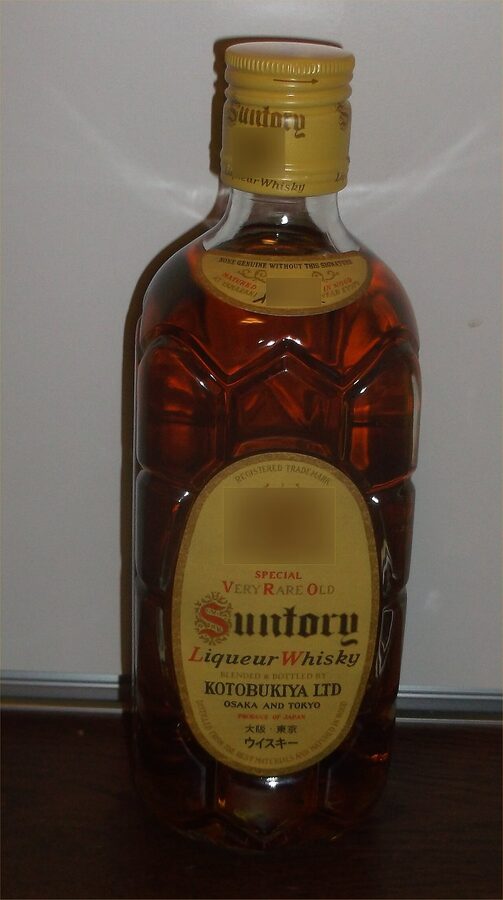
The plan that came out of Suntory’s whisky division was, in retrospect, a textbook product relaunch. Take an existing brand (Kakubin, the 1937 yellow-label blend, named for its square kaku bottle). Reposition it as a session drink instead of a sipper. Build a delivery system that bartenders couldn’t mess up. Get the price under ¥300 a glass at the chain izakaya. Run a TV campaign that makes the drink look cool, not corporate.

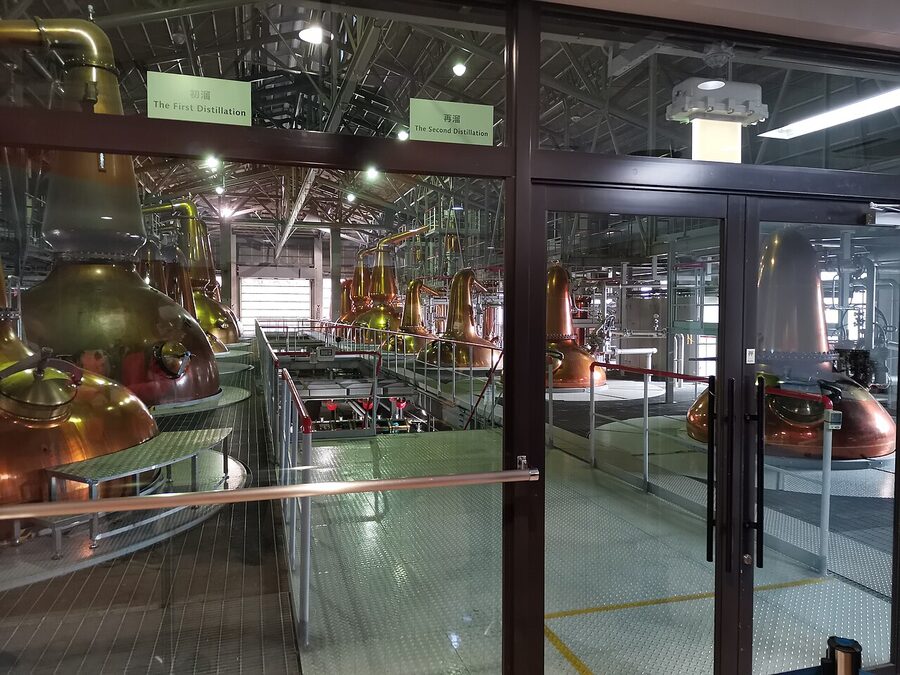
The delivery system was the highball tower. Suntory engineered a draught-style dispenser that pre-mixed Kakubin and chilled hyper-carbonated soda at champagne pressure, dispensed it over machine-cut ice in a 500 ml mug, and finished with a lemon squeeze. Eight seconds, no skill required. Suntory installed the first one at Marugin in Ginza in 2008. The reps then placed the towers free of charge in chain izakayas, asking only for menu prominence and a guaranteed Kakubin pour. Within 18 months the ‘kakuhai jokki’ was on every chain menu in Tokyo.
The TV campaign came in parallel. The actress Koyuki, in a clean white shirt behind a wooden counter, demonstrating the “three rules plus one” pour: fill the mug with ice, pour the soda gently down the side of the mug, keep a 1:4 whisky-to-soda ratio, finish with a lemon squeeze. The tagline was Whisky ga osuki deshō? (“You like whisky, don’t you?”), set to a Sayuri Ishikawa song from the 1980s. It targeted women under 35 specifically, which up to then had been the demographic Japanese whisky had basically given up on.
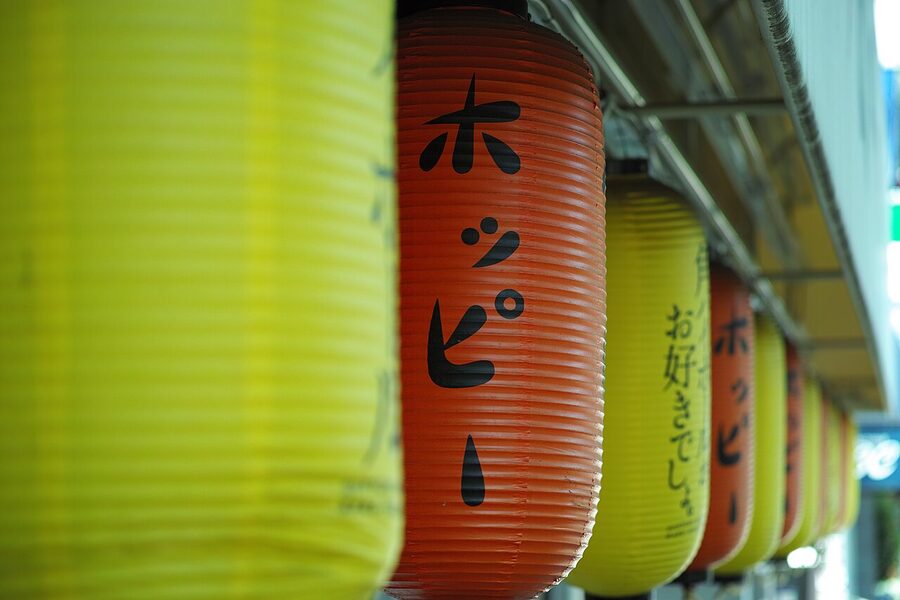
The numbers tell the rest. The 15,000 bars serving highballs in 2008 were 60,000 by mid-2009. Awareness of the highball among under-30s went from 30% to nearly 80% in the same window. Kakubin shipments, the actual sales metric, are now roughly ten times what they were in 2007. By 2015, Kakubin alone accounted for half of all whisky sold in Japan. The Kakuhai-Yokocho events, weekend pop-up streets that Suntory ran in major cities from 2010 onward, turned the relaunch into a cultural beat: there was a year when summer in Tokyo meant a Kakuhai-Yokocho stall in some park.
The chain-izakaya kakuhai, machine by machine
You’ll get your first kakuhai at a chain. Don’t feel bad about that. Most of the country’s actual highball drinking happens at four chains, and the experience tells you something the craft bars can’t.
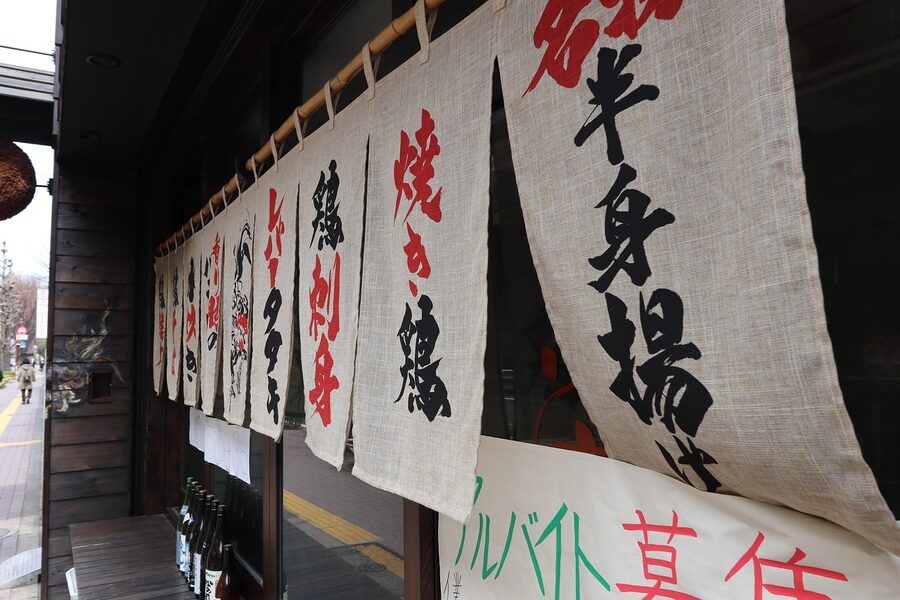
The four chains and their kakuhai signatures
The big chain players, ordered by how often you’ll see them in central Tokyo:
- Torikizoku. The yakitori chain, 600 outlets nationwide, every dish ¥327 (was ¥298 until the 2024 hike). The kakuhai is ¥327 too. Their dispensers run cold and the lemon is real, not concentrate. Order: kakuhai onegaishimasu. They’ll bring it in a frosted mug within 90 seconds. If you can manage the ordering basics, this is the easiest entry point in the country.
- Watami / Wa-Wa. The bigger izakaya operator, friendlier to non-Japanese-speaking guests, English menus standard. Highball ¥390. Ice is more aggressive, pour is more diluted; not the best version, but the safest order on a sceptical first night out.
- Shoya / Shōya. Think Watami’s middle-aged uncle. Older crowd, slightly better food, ¥360 highballs, often a free squeeze of yuzu instead of lemon during winter. The dispenser here is sometimes the older single-pump version, which makes a slightly fizzier pour.
- Yamasaka / Shōtengai-style chain bars. Catch-all for the regional names you’ll see outside Tokyo. The pricing is similar; the giveaway that you’re drinking from a Suntory tower is the matte-yellow Kakubin tap on the dispenser. If you don’t see one, you’re probably getting Tory’s, which is a touch sweeter and a yen or two cheaper.

How the dispenser actually works
The Suntory tower has three lines: chilled Kakubin, chilled high-pressure soda, and ice. You see only the spout and the lemon-squeeze handle. The bartender drops a frosted mug under the spout, hits a lever, and the unit fills the glass with ice, then a 30 ml shot of Kakubin (cooled to about −3°C in the line so it doesn’t shock the ice), then 120 ml of soda at roughly champagne pressure. A lemon wedge gets squeezed in by the bartender, the rind gets dropped on top, and the mug slides down the counter. Total time is six to eight seconds.
The result is sharper than a hand-built highball. The high-pressure soda holds bubbles longer, the cold whisky doesn’t melt the ice on contact, and the 1:4 ratio means you can drink three of these without falling over. Suntory’s ‘three rules plus one’ trained a generation of bar staff in this method; the manual still hangs behind some Torikizoku counters.

Ordering the chain version, line by line
Here’s the full vocabulary you’ll need:
- kakuhai: default highball with Kakubin. About 70% of orders.
- kakuhai jokki: the 500 ml mug version. Add ¥100 most places.
- haibōru: generic highball. You’ll get whatever the house pours, which is usually Tory’s.
- nama-jokki haibōru: some Sapporo and Hokkaido chains pour highball straight from the beer-tap line, no separate dispenser. The carbonation is lower; ask the bartender if you’re not sure.
- reshō haibōru: lemon highball, with a fresh lemon wedge floated on top. Common at Torikizoku and Tachinomi-style places.
- kōru haibōru: cola highball. Yes, that’s a thing in convenience stores; not common in proper bars.
- chuhai: not a highball. Shōchū with soda. Different drink, different category.
If your Japanese is non-existent, “kakuhai please” with a finger raised will work everywhere.
The craft highball: ritual at the bar
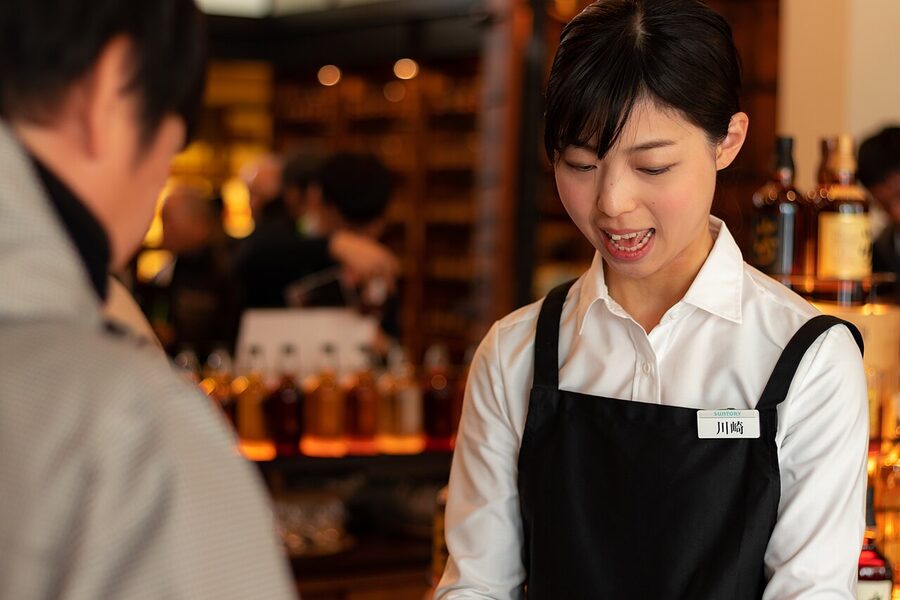
Walk into Bar Shinkai or Star Bar Ginza for the first time and you’ll see a different drink. Same name, sometimes the same whisky, but the build is methodical to the point of theatrical. The first time I watched it, I thought the bartender was performing for me. I was wrong; he was performing for the drink.

The build, step by step
Here’s what a craft highball actually involves at a serious counter:
- The glass goes in the freezer first. Not the chiller; the freezer. The lip is meant to fog when it lands on the bar mat.
- The ice is hand-cut. A single block of clear ice, often delivered to the bar pre-frozen by a specialist (Sasaki Kōri in Higashi-Nihonbashi supplies most of the Ginza bars), is shaved with a small saw and an ice pick into a column that fits the glass with about 2 mm of clearance. The shaving takes 30–40 seconds.
- The whisky is poured pre-chilled. Bottle kept on a refrigerated shelf at about 5°C. 30 ml exactly, measured.
- The whisky is stirred into the ice column thirteen and a half times. The half-stir is the bartender pulling the bar spoon up the side of the glass to chill the wall. The 13× isn’t superstition; it’s the count Hidetsugu Ueno and other Bar High Five-trained bartenders teach as the point where the ice has just glazed but hasn’t started melting.
- The soda is added at a 45-degree angle, against the inside of the glass. Often Yamazaki springwater soda, sometimes Wilkinson, sometimes the bar’s own. The pour aims for 4:1 soda to whisky, but lower than the chain ratio, closer to 3.5:1 because the ice melts less.
- One swizzle, no more. A single sweep upward with the bar spoon to lift the whisky off the bottom of the glass. Stirring more flattens the bubbles.
- Lemon peel, expressed and discarded. Not dropped in. The oils on the surface are the point; the peel itself flattens the texture if it sits in the drink.
_(cropped).jpg)
Why it’s different (and whether you’ll taste it)
The craft method does three measurable things. It keeps the ice colder for longer, so the dilution curve is flatter and the drink tastes the same in the middle as it did at the top. It uses a fattier whisky (Hibiki Harmony or Hakushu over Kakubin), and that gives the drink a longer finish. And the high pressure of the soda is replaced by very fresh, less-degraded carbonation, which feels softer in the mouth.
Whether you taste it depends on whether you’re looking for it. I’ve had craft highballs that I would have happily sworn were the chain version in a blind test, and chain highballs at a Torikizoku in Shibuya at 17:30 that were better than mediocre craft ones. The craft method is built for sitting; the chain method is built for eating. They’re different jobs.
Where to drink the high-end version
Tokyo concentrates the world’s best whisky-bar density, so I’ll start there, then add a few names outside the capital that are worth the train ride. Prices are for a single highball, not the otoshi cover charge unless flagged. A longer Tokyo bar-by-bar guide sits in the same cluster.

Tokyo: Ginza and Shinjuku
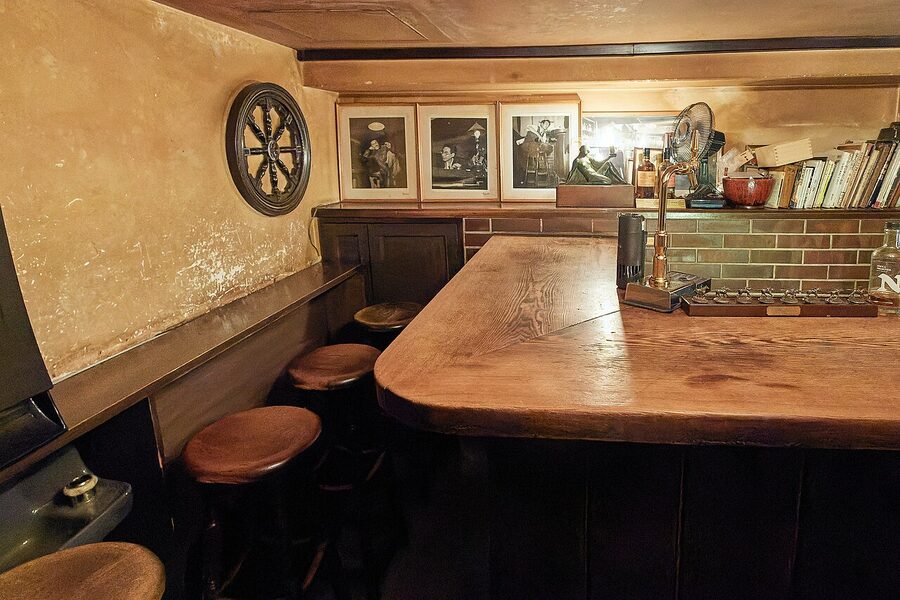
- Bar High Five, Ginza 4-chome, basement of the Efu Building. Hidetsugu Ueno’s ten-seat counter. Ueno-san is the bartender other Tokyo bartenders quote when they argue about ratio. Highballs run ¥1,800–2,400 depending on the whisky; otoshi ¥1,500. Reservations recommended; walk-ins possible if you arrive at 17:00 sharp. Not a tourist bar in the way TripAdvisor implies; locals come back for the mizuwari.
- Star Bar Ginza: Hisashi Kishi’s spot, also Ginza 4-chome. The famous ‘ninja ice’ is the trick: a clear ice cuboid carved so that it disappears against the glass. Highball ¥2,200–3,000 depending on whisky. Reservations required after 19:00. Wear a jacket; Kishi’s bartenders are in matching tailoring and you’ll feel the contrast if you’re in shorts.
- Bar Shinkai, Toranomon. Three branches now (Toranomon Hills, Higashi-Azabu, Shibadaimon), all whisky-focused. The Toranomon Hills branch is the original and still the densest. Highball list of about 25 different whisky bases, ¥1,500–2,500. Open evenings only; the lunch service is a separate Sri Lankan curry concept. Worth checking the website before you walk over.
- Tokyo Whisky Library, Omotesando. 1,200 bottles, more accessible than the hardcore counter bars, English menus on tap, food pairings actually written down. The highball menu specifically lists soda type per pour (Wilkinson vs Yamazaki springwater vs the bar’s own). ¥1,500–2,200; otoshi ¥700.
- Bar Benfiddich, Shinjuku, ninth floor of an unloved office block. Hiroyasu Kayama. Not a whisky bar in the strict sense, but the highballs are extraordinary because Kayama-san makes his own herb-infused syrups on his Saitama farm and drops them into a Hibiki base. ¥2,000–3,500; otoshi ¥1,500. Twentieth on the World’s 50 Best Bars list this year.

The two everyone tells you about
Two more names come up so often I’ll handle them together:
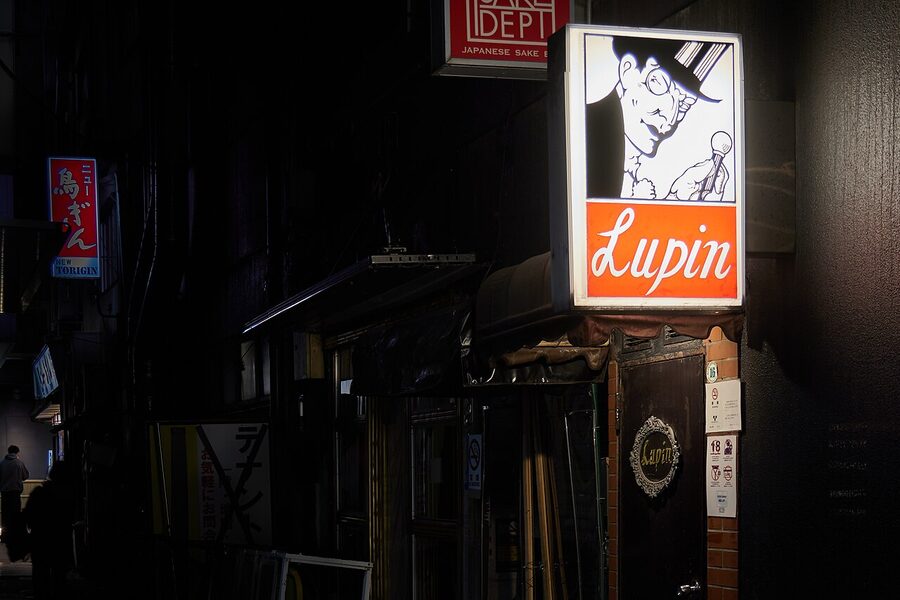
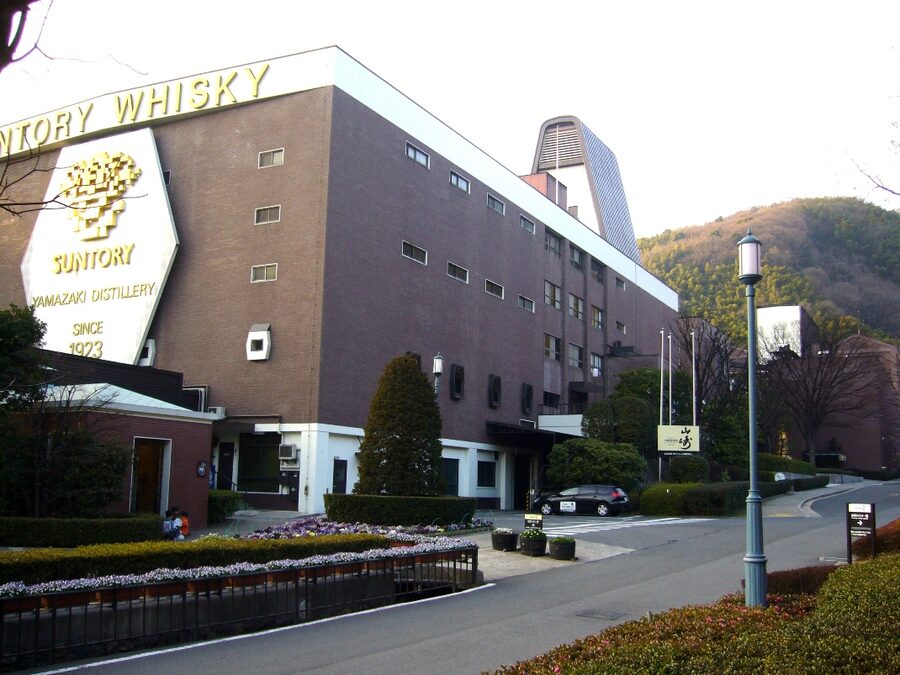
- Marugin, Ginza 8-chōme, the bar where Suntory installed the first dispenser. It’s an izakaya, not a craft bar. The highball is ¥480, the yakitori is good, the counter is scuffed pale by 60 years of use. Go for the lineage and the late-night atmosphere; don’t go expecting Bar High Five.
- Samboa, Kyoto Pontocho original, Tokyo branches in Ginza and Yurakucho. Famous for the no-ice highball: frozen Kakubin, frozen glass, full bottle of soda upended into the glass with no stirring. The drink stays cold because the whisky is at −15°C; bubbles survive because nothing’s been agitated. ¥1,200 in Kyoto, ¥1,500–1,800 in Tokyo. The Pontocho branch only seats six. Worth a detour if you’re in Kyoto for any reason.
Outside Tokyo
The craft highball culture has spread well past the capital. Three names to plan around:
- Bar K6 in Kyoto. Daiki Nishida pours one of the cleanest highballs in Japan; the bar is on the second floor of a building in Pontocho’s northern end. ¥1,800.
- Bar Augusta in Osaka, near Kitashinchi. Long, narrow counter, leans into Yamazaki and Hakushu. ¥1,700.
- Bar Yamazaki in Sapporo. Older than the Tokyo bars (1958), three generations deep, and arguably the best yamazaki-water highball in the country because the bar still uses imported Yamazaki springwater for the soda. ¥1,600 with otoshi at ¥800. A Sapporo evening worth building around.

What pairs with a highball, and what doesn’t
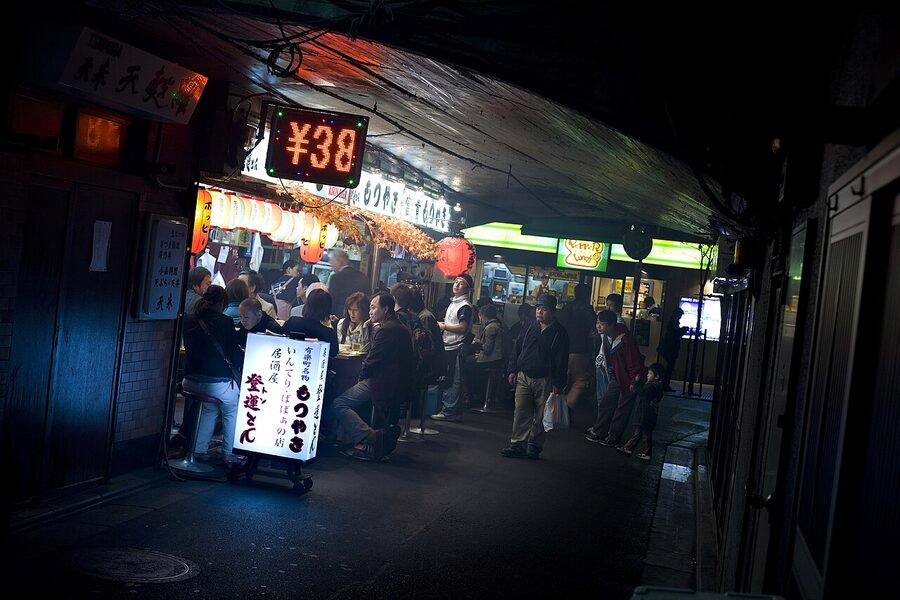
The drink earned its place because it eats. Strong, dry, fizzy, low-proof when poured properly. It cuts oil, doesn’t fight salt, and resets the palate between bites. Here’s the rough hierarchy of pairings, learned the hard way:

The natural matches
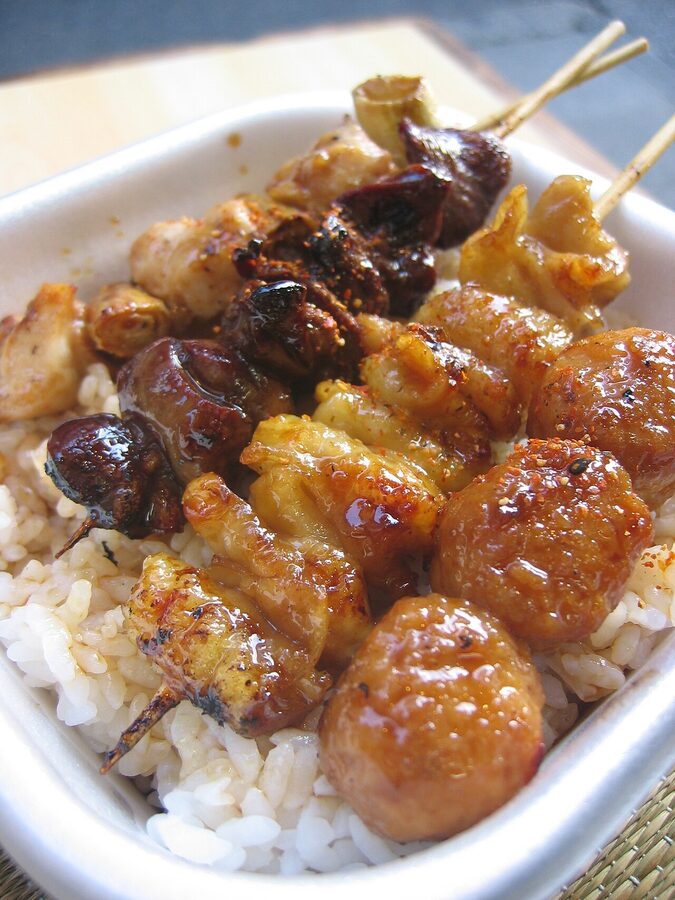
- Yakitori. Salt-grilled chicken thigh and the kakuhai are the obvious pair. The fat needs cutting; the smoke needs lifting; the carbonation handles both. If you’re ordering yakitori in a chain, default to momo shio (thigh, salt) and one kakuhai per skewer-flight.
- Karaage. Soy-marinated fried chicken. Same logic, more aggressive. The drink’s acidity cuts the soy.
- Tonkatsu. Breaded pork cutlet. The kakuhai is better here than beer. The bubbles work harder against the breadcrumb fat than the malt sweetness of a lager.
- Tsukemono. Pickled vegetables, served as the otoshi. The drink doesn’t fight them because they’re already vinegary; it sets up the next round.
- Konbini snacks. The unsung pairing. A 7-Eleven onigiri and a Kakubin Highball can in your hotel room is one of the cheapest legitimate Japanese drinking experiences. Confess to it freely.
What to skip
- Kaiseki. The drink is too aggressive against the slow build of a multi-course meal. Order junmai sake instead.
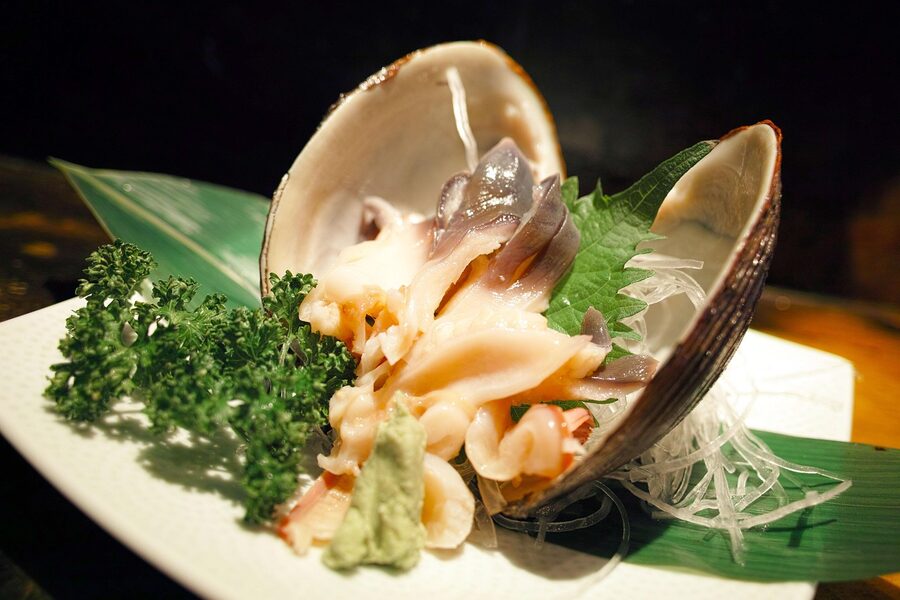
- Sushi at a counter. The carbonation flattens the rice texture and the salt overwhelms anything subtle. Beer or sake.
- Soba and udon. Cold noodles need a clean drink; the highball drowns the dashi.
- Wagashi or matcha sweets. Obvious, but worth saying because some bars try the pairing.
Make one at home, the Suntory three-rules-plus-one method
The version Suntory taught chain bartenders in 2008 is the version you should make at home. It scales, it’s consistent, and it doesn’t require ice you can’t buy.
.jpg)
The recipe
- Ice. Fill the glass to the brim, no half-measures. Cube ice from a freezer tray is fine; restaurant ice is better but not necessary.
- Whisky. 30 ml of Suntory Kakubin. Out of the freezer ideally, fridge as a fallback. Pour gently; don’t hit the ice with the whisky stream.
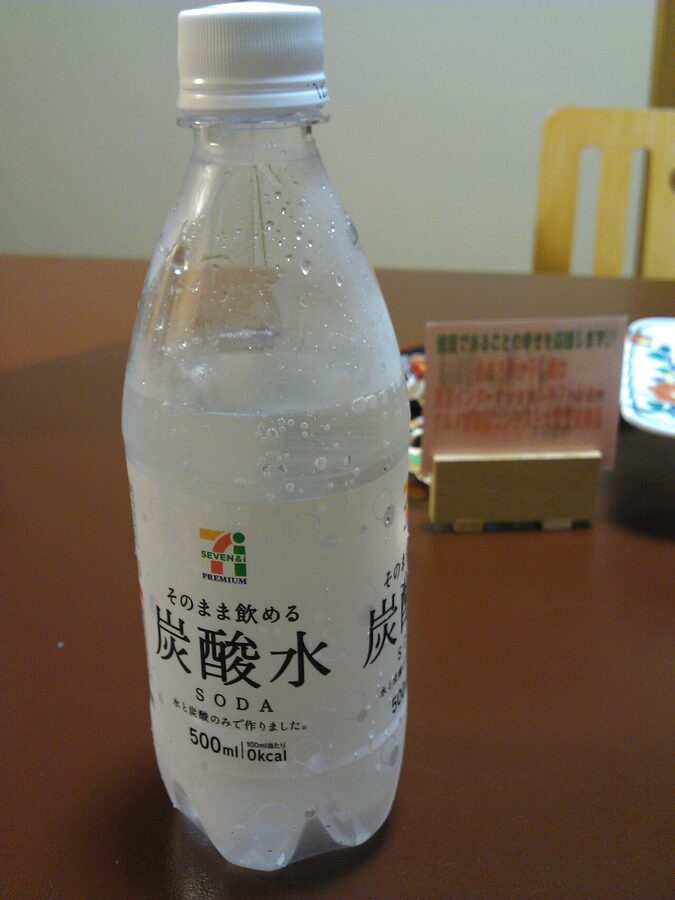
- Soda. 120 ml of cold Wilkinson, poured down the inside wall of the glass at a 30-degree angle. The drink should fizz once and settle. If it foams up, you poured too aggressively.
- Stir. One long swizzle from the bottom up. Once. Stop.
- Plus one: lemon. A wedge squeezed quickly into the glass and dropped on the ice. Two seconds, no more.
That’s the chain version, and it’s legitimate. If you want to push toward craft, freeze the glass overnight, swap Kakubin for Hakushu Distiller’s Reserve, and use a single big ice cube instead of small cubes. Don’t skip the lemon. The lemon is the ‘plus one’ for a reason; it’s what stops the soda tasting limp on the back of the palate.
Whisky picks for the home highball
What to actually pour, in rough order of price:
- Suntory Kakubin: the canonical choice. ¥1,650 a bottle in any supermarket. Tastes like the chain version because it is the chain version.
- Suntory Tory’s: sweeter, softer, ¥1,200. Less elegant but harder to mess up.
- Nikka From the Barrel: ¥3,200, 51.4% ABV. Ratio drops to 1:5 because it’s stronger. Surprisingly clean as a highball base.
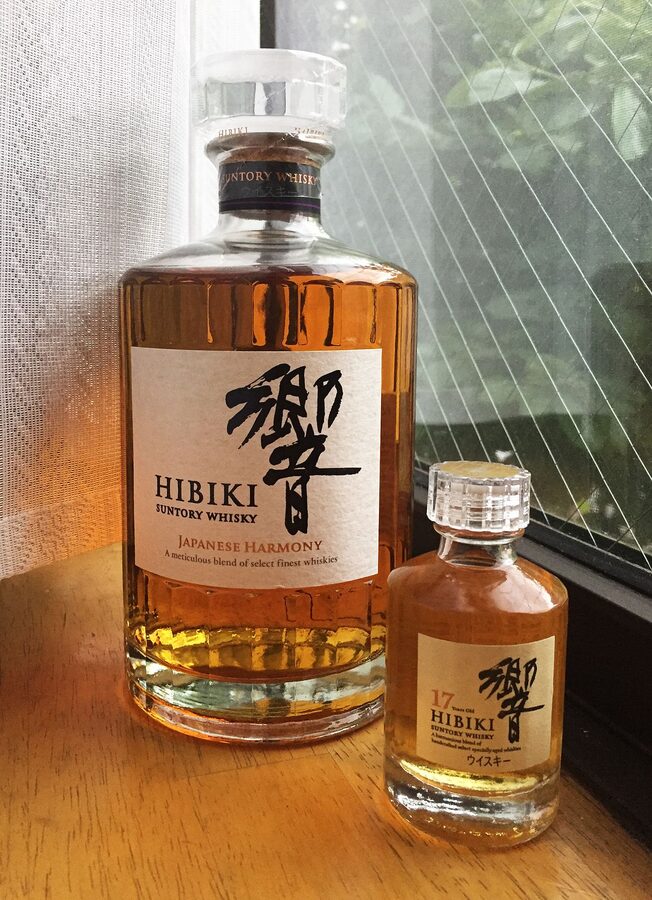
- Hakushu Distiller’s Reserve: ¥5,500 if you can find it. The peat-and-pine character holds up against soda where most malts get lost. The Suntory marketing line is ‘forest highball’ and they’re not entirely wrong.
- Hibiki Harmony: ¥6,800. Works, but a touch wasted; better neat or with water.
- Yamazaki 12: don’t. It’s a sipping whisky; the carbonation flattens it.
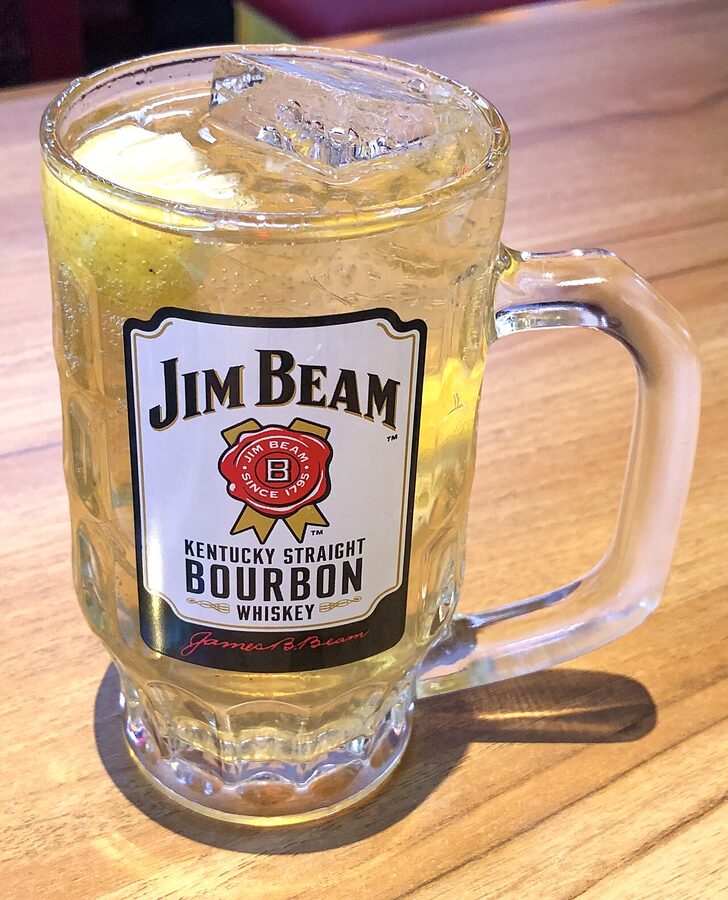
Imported whiskies work fine. Famous Grouse and Dewar’s both highball well; Dewar’s is what the Marugin bartender actually pours when Kakubin runs out. Bourbon is the wildcard. Jim Beam Highball cans are a real product in Japan, sold by Suntory under licence, and they’re sweeter than the Kakubin version. Try one out of curiosity.

The Kakuhai-Yokocho events and the highball calendar
One thing that surprises first-time travellers: the kakuhai is seasonal in marketing terms even though it’s served year-round. Suntory and the chain operators run a small calendar of events worth knowing about if your trip lines up.
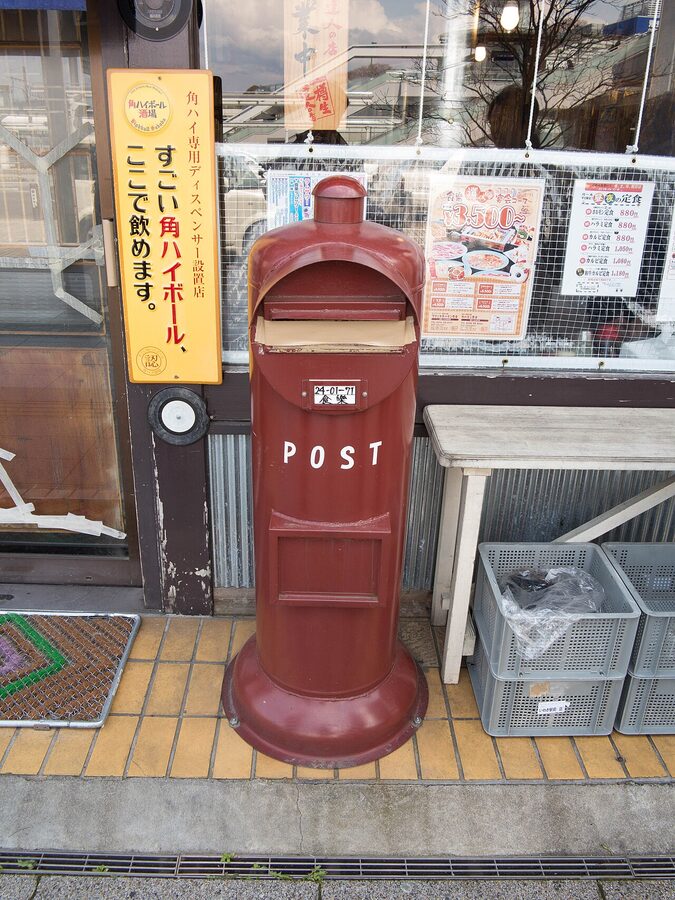
- Kakuhai-Yokocho summer pop-ups. Late July to mid-August in Tokyo (Hibiya Park is the regular site), Osaka (Nakanoshima), and Sapporo (Odori). Open-air stalls, ¥500 highballs, festival food. Daiwa-style drinking street with everything photographed for Instagram. Family-friendly until about 21:00.
- Suntory Highball Festival. October–November, runs in 12 cities, ticketed (¥3,500–5,000 entry, includes pours). The premium version: Hakushu, Hibiki, special-cask blends pulled out for the highball treatment.
- Whisky Festival Tokyo. February at the Akihabara conference centre. Not Suntory-specific; every Japanese distillery (and most international ones) shows up. The highball stand at the Suntory booth is one of the few places you’ll get a Yamazaki 18 highball; not value, but memorable.
If you can’t time it for an event, the chain experience is the same year-round. The calendar matters more for the craft tier.
.jpg)
Where the highball fits in a drinking trip
The kakuhai is not the only drink in Japan, despite what the chain dispensers might suggest. If you’re building an itinerary and trying to figure out when to drink what, here’s the rough rhythm I work to:
- 17:00–19:00. First-round territory. Chain izakaya, kakuhai, salty snack. A Tokyo first-night plan usually starts here.
- 19:00–21:00. Beer or sake territory if you’re eating, kakuhai if you’re still on yakitori. If you want to switch to craft beer, this is the natural break point.
- 21:00–23:00. Tachinomi tier. Standing bars, mixed drinks, often a different highball every place. Tachinomi crawl Tokyo-style.
- 23:00 onward. Craft bar tier, if you’ve got the energy. This is when Bar High Five and Star Bar are at their best because the salaryman crowd has thinned and Ueno-san or Kishi-san have time to riff. Single highball, slow.
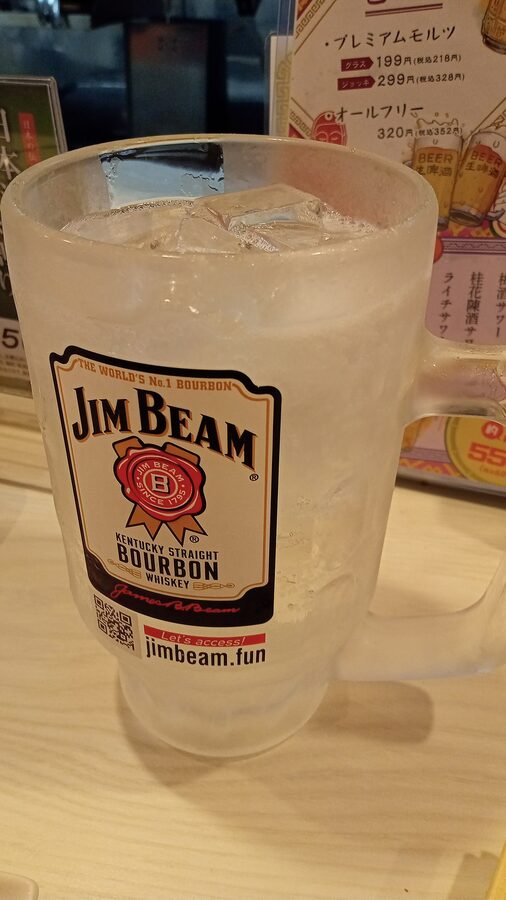

You don’t need to do all four in one night, but trying both the chain tier and the craft tier on the same trip is what gets the drink to make sense. The cost gap is the point. The chain is ¥327 because it’s eating fuel; the craft is ¥2,200 because someone spent 90 seconds making it. Both are correct.
A few practical notes that aren’t in the marketing
Things I wish someone had told me earlier:
- The cans are real and they’re not bad. The Suntory Kakuhai can (¥215 at any 7-Eleven, 9% ABV in the strong version, 7% in the regular) is what most Tokyo office workers drink on the train home. It’s closer to the chain pour than the marketing suggests, partly because Suntory designed it that way. Not a substitute for the bar version, but a perfectly defensible drink with a konbini sandwich at midnight.
- Strong-zero category is not the highball category. Strong Zero is shochu-based chuhai; same can shape, same shelf, completely different drink. The shochu/sake/awamori split clarifies this.
- Cash is more often expected at the craft bars than at the chains. This is the inverse of what most travellers expect. Bar Shinkai and Star Bar are sometimes still cash-only late; Torikizoku takes cards everywhere. Carry ¥10,000 if you’re going to a counter bar.
- Otoshi at the craft bars is worth noticing. ¥1,500–3,000 cover charge is normal at the higher-tier counter bars and is not a tip. Decline by leaving without ordering anything else; once you’ve had the otoshi served, you owe it.
- Reservations matter more for craft, less for chains. Bar High Five, Star Bar, Bar Benfiddich: book. Bar Shinkai and Tokyo Whisky Library: walk in before 20:00. Chains: never book; just walk to the next one if the first is full.
- The drink’s not on the menu at every bar. Some Ginza counter bars don’t list the highball; they assume you know to ask. Just say “haibōru, onegaishimasu” and pick a whisky off the back wall. They’ll tell you the price.
The drink in cities other than Tokyo
Quick city-by-city for trip planning:
- Osaka. Kakuhai is everywhere, with a stronger lemon-and-yuzu twist than Tokyo. The chains run cheaper (¥199 specials are common). The craft scene is real but more concentrated in Kitashinchi than spread out. Osaka eat-and-drink rhythm usually pairs the kakuhai with kushikatsu rather than yakitori.
- Kyoto. The no-ice Samboa pour is what locals will tell you to try first. Tourist bars overcharge in the ¥2,500–3,500 range; the locals’ version at Pontocho-area counter bars is closer to ¥1,400.
- Fukuoka. Yatai-style street stalls don’t serve highballs in the formal sense, but every covered izakaya off Tenjin will. The Kakubin pour is sometimes routed through the Mizuwari water in Fukuoka, which gives a softer fizz. A Fukuoka night out often skips the highball for shochu.
- Sapporo. Bar Yamazaki is the destination; the chains pour highball but Hokkaido drinkers favour beer. The cold lifts the carbonation differently in winter; a kakuhai in a heated izakaya in February is a specific pleasure.
- Okinawa. Awamori-and-soda is the local equivalent; not technically a highball, but the same drink shape. The chains in Naha pour Kakubin highballs at ¥299 if you want the standard issue.
The shorter version, if you only have one night
If you’ve got exactly one Tokyo evening to do this properly:
- 17:30. Marugin or a Torikizoku in Shinbashi. Kakuhai jokki, salt yakitori, beer chaser if you want one. Stand at the counter; it’s loud. Two highballs, ¥1,000.
- 19:00. Walk to Ginza. Twenty minutes through Yurakucho. The walk drains the first kakuhai out and primes you for the second tier.
- 19:30. Bar High Five or Tokyo Whisky Library. Reservation in hand. One highball, slow. Order whatever Ueno-san or the Library’s sommelier suggests; they will get the whisky right.
- 21:00. End of night, second whisky on a different format. Mizuwari is the natural follow-on if you want something quieter; kakuteru (cocktail) if you want to pivot. The full whisky-drinking-on-a-trip piece covers what comes after.
That’s the trip in three drinks. It costs about ¥5,500 if you stay restrained at the craft bar, ¥8,500 if you order a Hibiki for the second pour. It also tells you, in three glasses, the entire story of why this drink is everywhere.

The thing the chain dispenser and the bar counter have in common is that neither one is trying to be impressive. The chain is trying to be cheap, fast, cold, and consistent. The bar is trying to be exact. Both qualities are deeply Japanese; both are why the highball, of all the drinks Suntory could have rebuilt the country’s whisky market around, was the right one. You’ll know it the second you order one. The bartender won’t flinch, the price won’t surprise you, and the drink will arrive cold enough to sweat the glass before you’ve finished saying thank you.
 Drinking CultureWhy I Stopped Clinking Glasses in JapanThe first time I got a Japanese toast wrong, I was at a wedding reception in Yokohama. Ten of us…
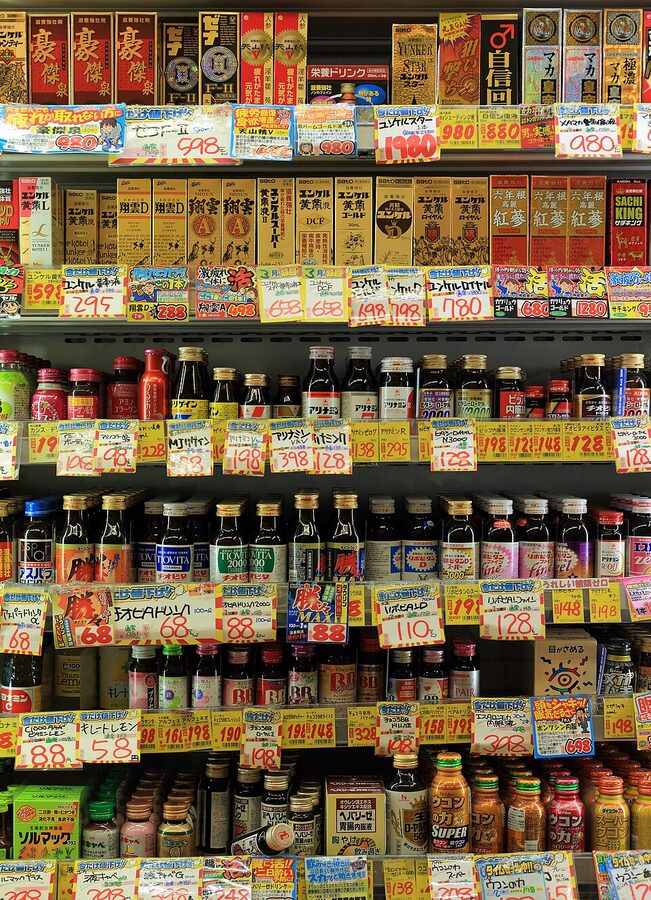 Drinking CultureKonbini Drinks Are a Whole Trip StrategyJapan has roughly 56,000 convenience stores. That's more outlets than McDonald's has worldwide, and the country sells about a third…
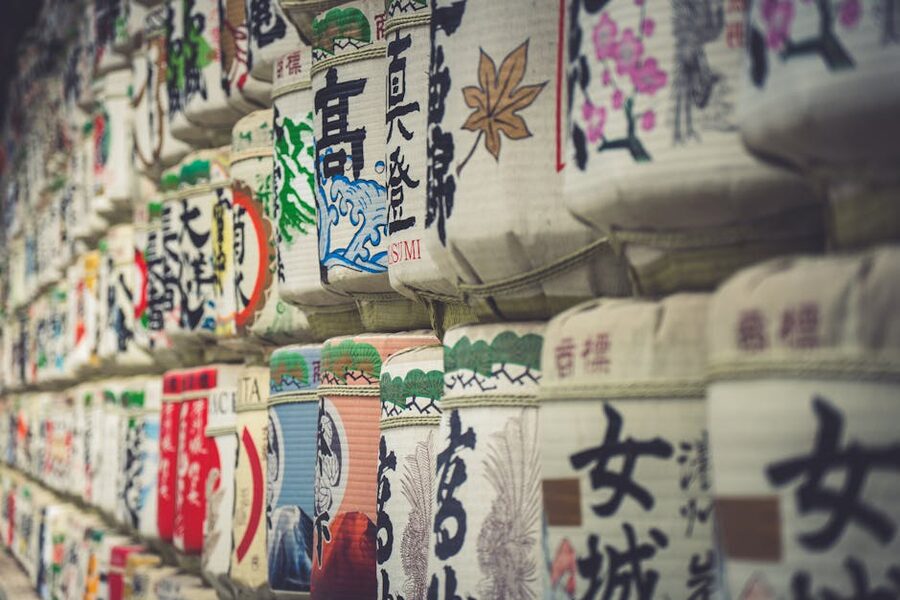 Drinking CultureOtoso, Bonenkai, and the Hush of ShogatsuThe first person to write the recipe for otoso was a third-century Chinese physician named Hua Tuo, and he wrote…