
You’re standing in the basement of a department store in Shinjuku, holding a bottle of sake by the neck, and the only character on the front you can read is ¥. The label is a wall of kanji, two numbers with a plus sign, a percentage, and a date that does not match the western calendar. Which one of these gets you the dry mineral pour you wanted with the grilled fish you booked for dinner?
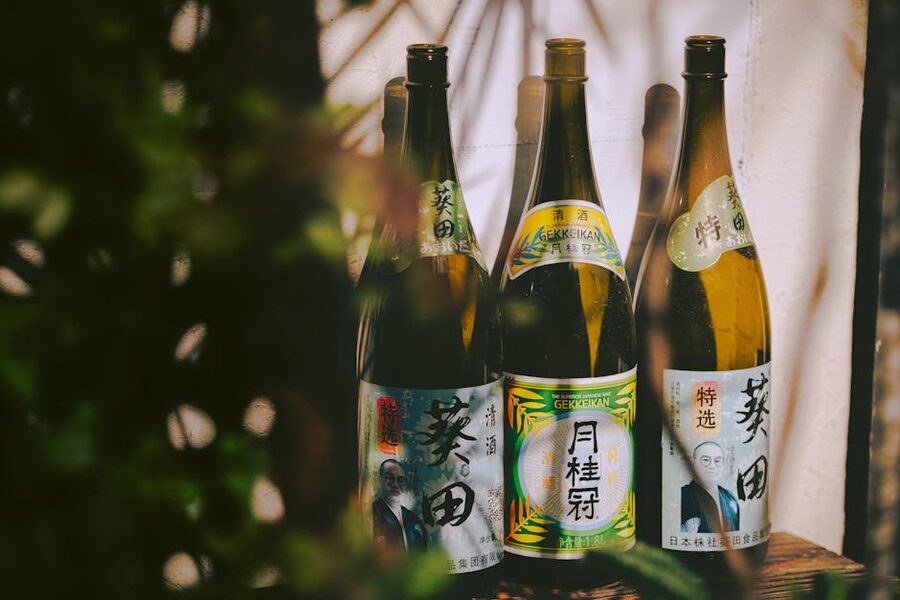
This is the page I wish I had on my phone the first time I tried to buy sake in Japan without a clerk to translate. Read it once at home and the konbini fridge in Tokyo turns from a wall of mystery into a shelf you can actually shop. The classifications, the polish-rate number, the SMV plus or minus, the special markings (genshu, nama, koshu, kimoto, yamahai, muroka), the brewery and prefecture kanji. All of it pays off the second you walk into a shop.
If you want the wider context first, the sake travel guide covers what sake is, where to drink it, and which regions to plan trips around. This page is the in-shop companion. You hold the bottle, this tells you what’s on it.
In This Article
- The label at a glance: a comparison table
- The first thing on the label: 日本酒 or 清酒
- Why this matters at the shop
- The classification badge: junmai, ginjo, daiginjo
- Junmai vs added-alcohol: a real difference
- What about futsushu?
- Seimaibuai: the polish-rate number
- Why polishing matters
- What about the milling-method line?
- The numbers panel: SMV, acidity, amino acid
- SMV, Sake Meter Value (日本酒度)
- Acidity (酸度)
- Amino acid (アミノ酸度)
- Reading the three together
- The brewery and prefecture: where it’s from
- Two breweries called Kubota: a working example
- Why prefecture matters for flavour
- The dates: brewing year (BY) and bottling date
- Brewery year (酒造年度 / BY)
- Production / bottling date (製造年月)
- Best-by date
- Special markings: the small kanji that change the sake
- Genshu (原酒), undiluted
- Nama (生), unpasteurised
- Koshu (古酒), aged sake
- Kimoto (生酛) and Yamahai (山廃)
- Muroka (無濾過), unfiltered
- Other markings to know
- Worked examples: reading three real bottles
- Example 1: Dassai 23
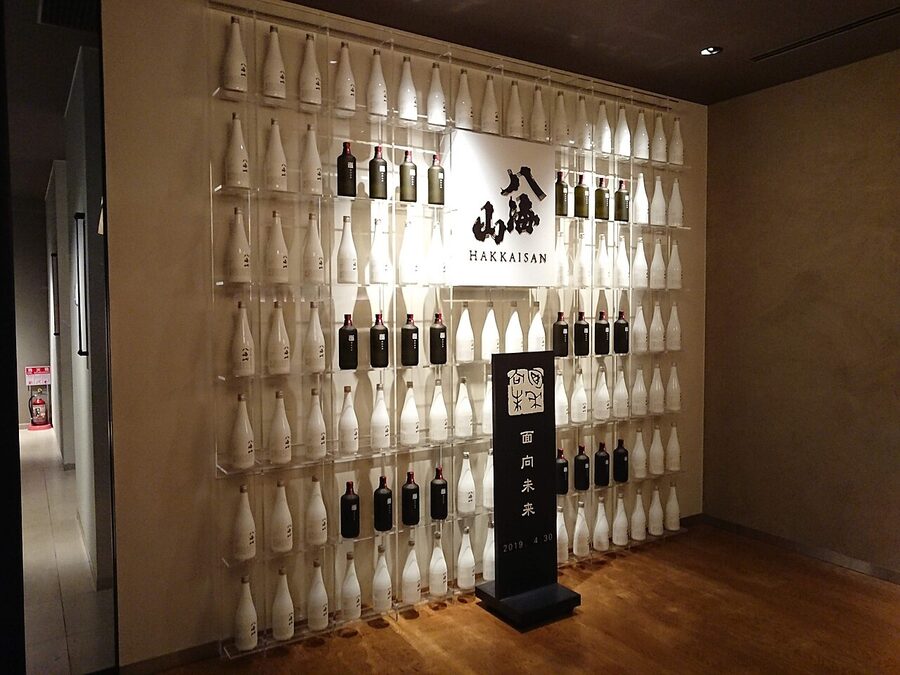
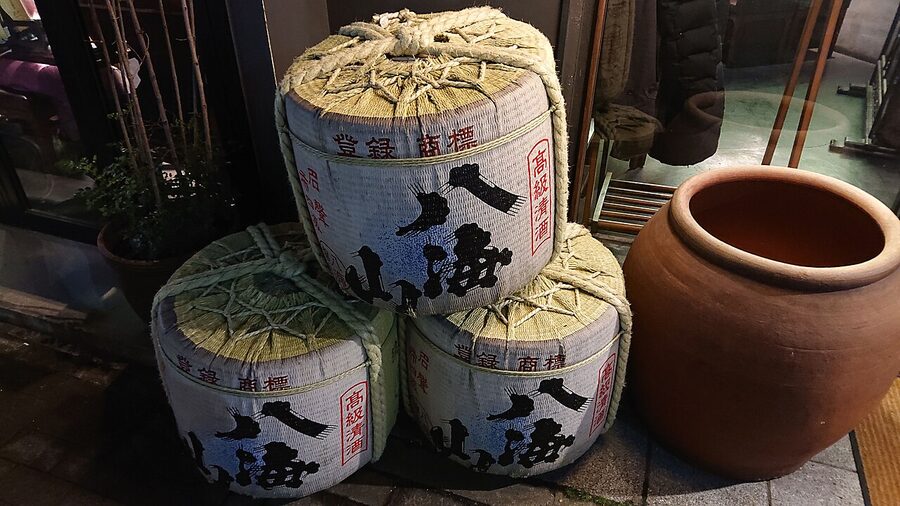
- Example 2: Hakkaisan Tokubetsu Junmai
- Example 3: Mii no Kotobuki Junmai Ginjo Karakuchi
- Where you’ll buy bottles, and what to expect from each
- Konbini (7-Eleven, Lawson, FamilyMart)
- Department store basement (depachika)
- Specialist shops (jizake-ya)
- Brewery shops (sake-gura ten)
- Bottle sizes: what’s on the side panel
- Carrying sake home
- Quick decoder: ten kanji to memorise
- What I look for, depending on the situation
- Buying a bottle to drink in the hotel that night
- Buying a bottle to bring home as a gift
- Buying a bottle to learn from
- What you can ignore on the label
- One pour, three styles: a tasting plan
- If the kanji still defeats you
- Related drinks: the labels that aren’t sake
- One last thing about the label
The label at a glance: a comparison table
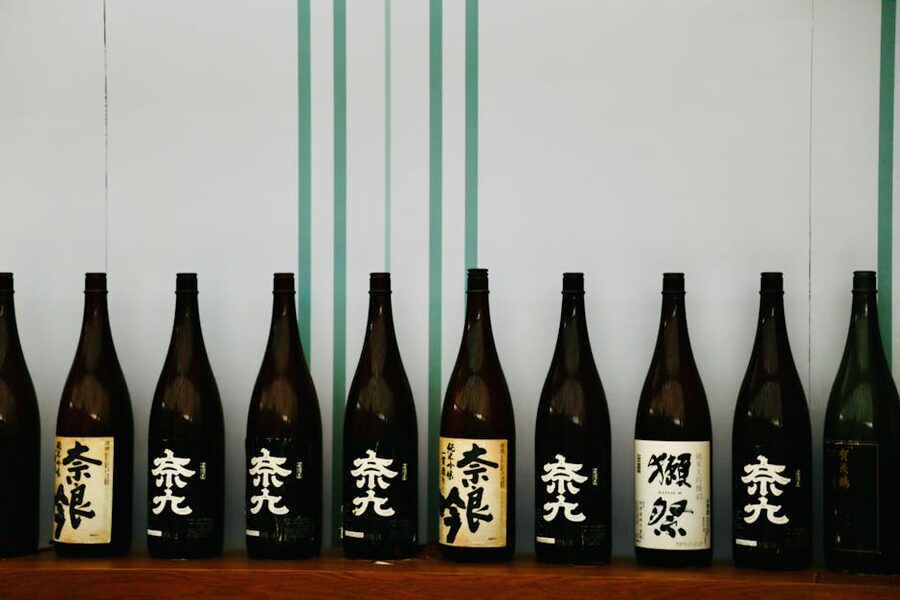
The seven words below cover almost every premium-grade bottle you’ll see in a department store basement, a specialist liquor shop, or a konbini fridge. The polish-rate (seimaibuai) thresholds are the legal floor; many breweries polish further than the rule requires.
| Classification | Kanji | Polish rate | Brewer’s alcohol | Flavour profile | When to drink it |
|---|---|---|---|---|---|
| Junmai | 純米 | no minimum since 2004 | none, rice only | fuller, savoury, more rice character | warm or room temperature, with grilled fish or hotpot |
| Honjozo | 本醸造 | 70% or below | small added measure | lighter, drier, easier-going | warm kanzake in winter, with yakitori |
| Ginjo | 吟醸 | 60% or below | small added measure | fragrant, melon and pear notes, lighter body | chilled, on its own or with sashimi |
| Junmai ginjo | 純米吟醸 | 60% or below | none | fragrant but with more rice weight than ginjo | chilled, with white-fish sashimi or chicken |
| Daiginjo | 大吟醸 | 50% or below | small added measure | most aromatic, very clean, almost wine-like | well-chilled, sip slowly |
| Junmai daiginjo | 純米大吟醸 | 50% or below | none | top-tier aromatic, fuller mouthfeel | well-chilled, with kaiseki or on its own |
| Tokubetsu junmai / honjozo | 特別純米 / 特別本醸造 | 60% or below, or special method | junmai = none, honjozo = small added measure | varies by brewery, often a step up from base junmai |
Futsushu (普通酒), the unranked everyday category, makes up about 70% of all sake produced. It’s not on the table because it carries no classification claim and no polish-rate threshold. Most cup-sake at the konbini is futsushu, which is fine for what it is. The eight rows above are the ones that pay extra for a reason.
The first thing on the label: 日本酒 or 清酒
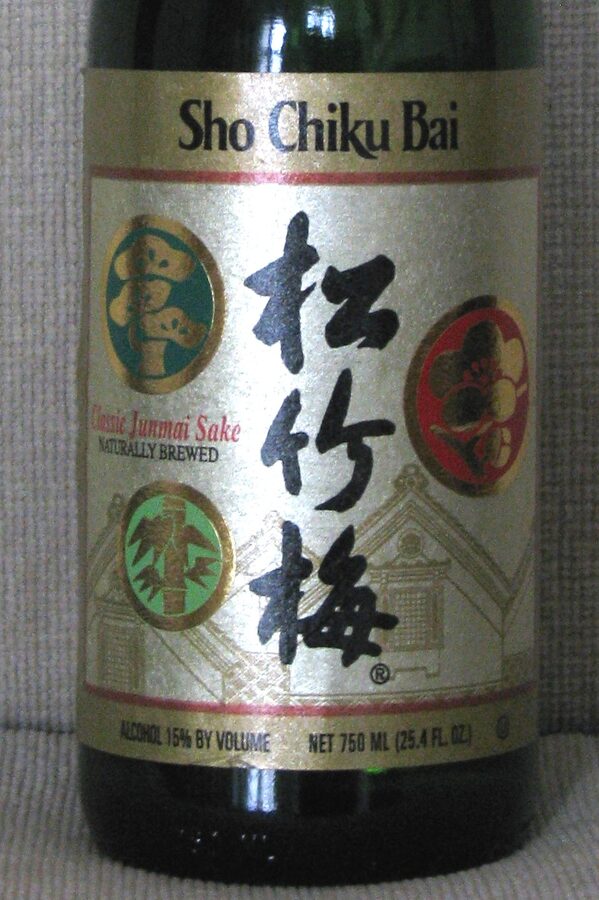

By Japanese law, every bottle of sake must say either nihonshu (日本酒, “Japanese sake”) or seishu (清酒, “clear alcohol”). They mean the same thing for our purposes. The legal definition is narrower than people realise: only sake brewed in Japan from 100% domestic-grown rice is allowed to use the 日本酒 designation. A bottle from a US-based brewer, even if it follows traditional methods, says 清酒 but can’t say 日本酒.
If a bottle is missing both, it’s not sake at all. It might be doburoku (どぶろく, the unfiltered country cousin) which is legally classified as “other brewed alcohol”, or a sake-based liqueur. Both are interesting drinks. They’re just not the thing you came in for.
Why this matters at the shop
Department store basements stock a few imported sake-style products from California and Oregon. The label looks similar at a glance. If you specifically want a Japanese bottle and the brewer’s address on the label gives a US zip code, that’s your tell. Look for a Japanese prefecture name and a kanji address in vertical columns down the side.
The classification badge: junmai, ginjo, daiginjo
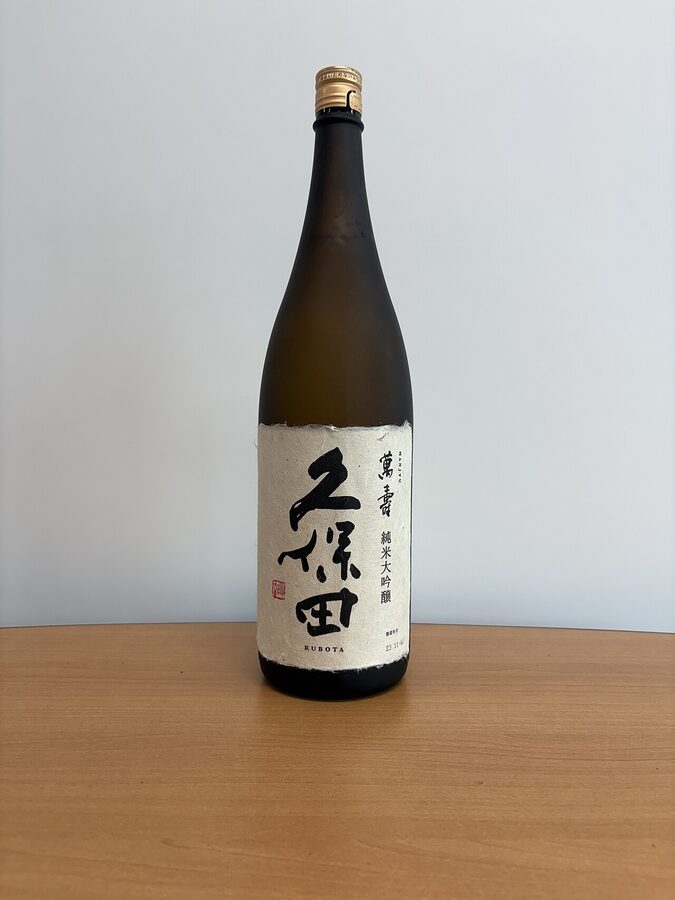

The classification is the single most useful word on the front label. It tells you the polish rate (loosely), whether brewer’s alcohol was added, and what flavour family to expect. The eight kanji combinations to recognise:
- 純米: junmai, rice only, no added alcohol. Since the 2004 rule revision there is no minimum polish rate for plain junmai, but most breweries still aim for 70% or below in practice.
- 本醸造: honjozo, rice plus a small measure of distilled brewer’s alcohol. Polish rate 70% or below. Often the cleanest-tasting hot sake; kanzake classics like Kikumasamune and Hakutsuru often live here.
- 吟醸: ginjo, polished to 60% or below, brewed cool and slow with the alcohol addition. Fragrant. Pear, melon, white peach notes are typical.
- 純米吟醸: junmai ginjo, the same 60% polish but no added alcohol. Slightly more weight than ginjo.
- 大吟醸: daiginjo, polished to 50% or below, top of the brewer’s-alcohol family. Aromatic, almost floral, often very clean on the back.
- 純米大吟醸: junmai daiginjo, 50% or below polish, rice only. The flagship-tier bottling at most premium breweries.
- 特別純米: tokubetsu junmai, “special junmai”. Either polished to 60% or made with a brewer-defined “special method” that they must explain on the label.
- 特別本醸造: tokubetsu honjozo, the same idea applied to honjozo. Look for the explanation line on the back label.
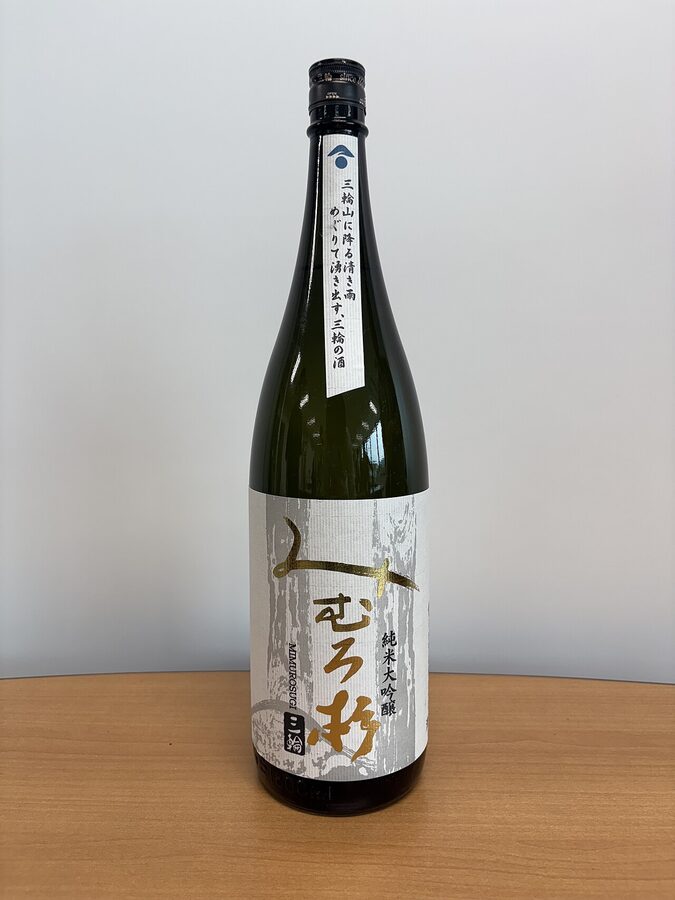

Junmai vs added-alcohol: a real difference
Brewer’s alcohol (jozo alcohol, 醸造アルコール) is distilled from molasses. The legal cap is 10% of total weight of rice used in the brew. It is not “fortifying” the sake, sake usually clocks in at 15–16% ABV either way. The alcohol is added to lift aromatic compounds out of the mash and into the finished drink, which is why ginjo and daiginjo grades are usually more fragrant than their junmai counterparts.
The bottles that have not had alcohol added all start with 純米 (junmai). If you’re allergic to additives or you prefer what the rice does on its own, find the 純米 stamp.
What about futsushu?
Futsushu is the unranked, everyday everyman of the sake world. No polish-rate claim, no fancy classification. It’s what gets poured into the boxy paper carton at the bus station, the one-cup at the konbini, the carafe at a standing bar, the ¥500 carafe at a chain izakaya. It’s also about 70% of the country’s annual sake production. Some of it is excellent, especially when it comes from a smaller brewery selling locally; some of it is fine in the way a vending-machine coffee is fine. The label gives you fewer clues, so for futsushu the brewery name is the main tell.
Seimaibuai: the polish-rate number

Seimaibuai (精米歩合) is the percentage of the rice grain that’s left after milling. Lower number = more aggressive polishing = more aromatic, cleaner, generally pricier sake. The rice in your bowl at dinner is polished to about 90%; sake-grade rice starts at 70% and goes much lower.
The thresholds again, in compact form:
- 70% or below: honjozo or tokubetsu honjozo
- 60% or below: ginjo, junmai ginjo, tokubetsu junmai
- 50% or below: daiginjo, junmai daiginjo
- 35% or below: very high-end daiginjo. Dassai 23 (a famous example) is polished to 23%; Hakkaisan’s Kongo daiginjo goes to 30%. These bottles cost what they cost because over half the grain has been milled away.
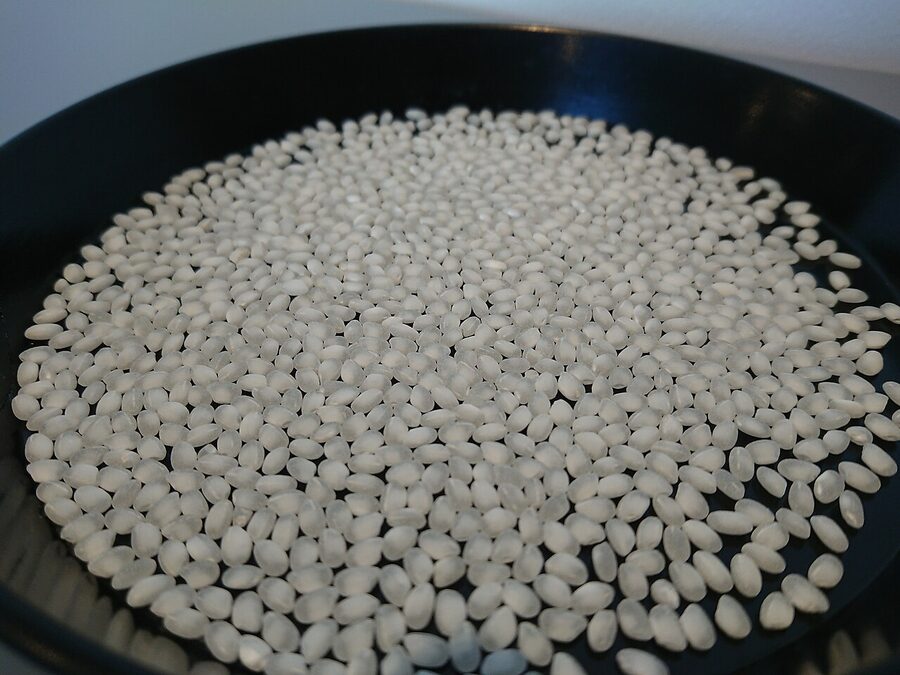

Why polishing matters
The outer layer of the rice grain holds the proteins, fats, and minerals that contribute to off-flavours when fermented. The starchy core (the shinpaku, 心白) is what brewers want. Polishing strips away the outside to expose more of the inside. At 35% polish you have effectively a third of a grain of rice left to work with, and what you brew with it tends to be very clean and very fragrant.
The trade-off is that aggressive polishing also strips out character. There’s a small but vocal camp of brewers, especially among the natural-leaning kimoto and yamahai producers, who deliberately work with higher polish rates (75% or even 90%) because they want the rice to taste like rice. If you see a junmai with the kanji 八割 or 九割 (80% or 90%) you’re looking at a rice-forward style on purpose.
What about the milling-method line?
Some bottles also state the milling method beneath the polish rate: henpei (扁平精米) for flat-shape milling, genkei (原形精米) for original-shape milling. These are advanced techniques that try to remove more outer layer at the same percentage by polishing along the grain instead of into it. The detail is interesting; for a traveller buying a bottle, the polish percentage itself is the headline number.
The numbers panel: SMV, acidity, amino acid
.jpg)
Flip the bottle. The back label, when there is one, often carries three small numbers: SMV (nihonshudo), acidity (sando), and sometimes amino acid (aminosando). They don’t replace tasting, but together they tell you whether to expect dry or sweet, light or rich.
SMV, Sake Meter Value (日本酒度)
This is the +/- number on the back label, sometimes printed quite small. It measures the density of the sake compared to water: positive numbers are drier, negative numbers are sweeter. The scale roughly runs:
- +10 or higher: very dry (chokarakuchi, 超辛口)
- +6 to +10: dry (karakuchi, 辛口)
- +1 to +5: medium-dry (yayakarakuchi)
- 0 to -2: balanced (chukan, “middle”)
- -3 to -5: medium-sweet (yayaamakuchi)
- -6 to -10: sweet (amakuchi, 甘口)
- below -10: dessert-sweet (rare)
Two bottles can both say “+5” and taste different. SMV doesn’t account for acidity, which is the second number you should read.
Acidity (酸度)
Sando is given on a scale that mostly runs from about 1.0 to 2.0. Higher acidity reads as drier and more food-friendly; lower acidity reads as rounder, sweeter on the tongue. A high SMV with low acidity (+8 / 1.0) tastes light and clean. A low SMV with high acidity (-2 / 1.8) tastes balanced and lively, the textbook profile for a junmai with food. Two numbers together are far more useful than either on its own.
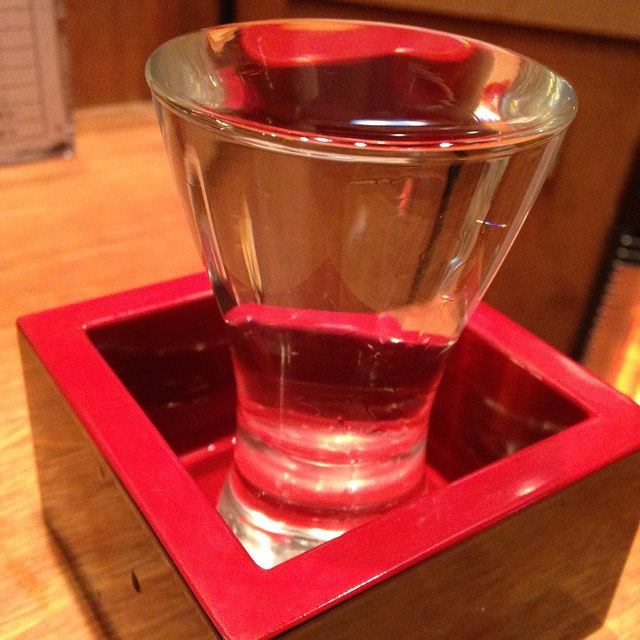
.jpg)
Amino acid (アミノ酸度)
Sometimes printed as a third number, usually 1.0–2.0. Higher amino acid = more umami, more savoury depth, the kind of profile that drinks well warm and pairs well with grilled fish or hotpot. Lower amino acid = cleaner, more aromatic, what you want chilled in a wine glass. Most bottles don’t state this number; if you see it, it’s a quiet sign the brewery wants you to know what kind of food they had in mind.
Reading the three together
The pattern I trust at the shop:
- SMV +5, acidity 1.4, amino 1.2: clean dry sake, drinks well chilled, pairs with sashimi
- SMV -1, acidity 1.6, amino 1.5: rounded balanced sake, room temperature, pairs with chicken or pork
- SMV -4, acidity 1.8, amino 1.8: rich, slightly sweet, full-bodied. Warm, with hotpot or sukiyaki
- SMV +12, acidity 1.1, amino 0.9: superdry, almost spirit-light, drink ice-cold or skip the warming
The brewery and prefecture: where it’s from
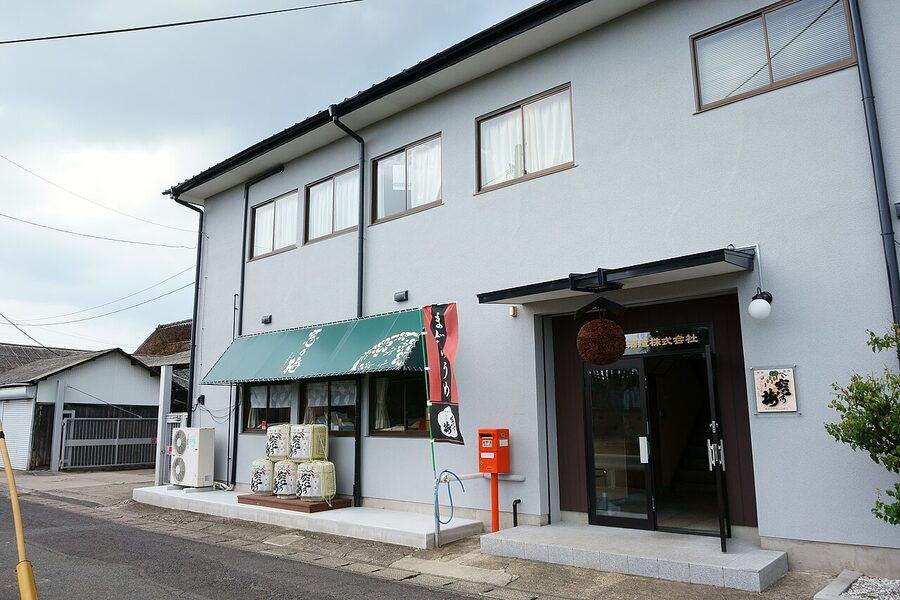

By law every bottle must carry the brewery’s name and address. That’s how you tell two lookalike bottles apart, and it’s how you trace a sake back to a place to visit. The kanji string usually ends in 酒造 (shuzo, brewery), 酒造場 (shuzojo, brewing site), 醸造 (jozo, brewing), or 蔵元 (kuramoto, brewer’s name).
The address goes in vertical columns down the side. Read the prefecture name first; it tells you where in Japan the bottle is from. Common sake prefectures and their kanji:
- 新潟県 Niigata, the sake heartland. Hakkaisan, Kubota (the famous one, Asahi Shuzo of Niigata, not Saga), Kakurei, Hakuro Suishu
- 兵庫県 Hyogo, Nada district, the largest production region by volume. Kikumasamune, Hakutsuru, Kenbishi, Sakuramasamune
- 京都府 Kyoto, Fushimi district. Gekkeikan, Tomio, Tamanohikari
- 山口県 Yamaguchi, small prefecture, outsized influence. Dassai, Toyo Bijin, Gokyo
- 秋田県 Akita, northern, snow-country brewing. Yamato Shizuku, Hinomaru Jozo, Aramasa
- 福島県 Fukushima, quietly excellent and recovering. Hiroki, Daishichi, Sharaku
- 長野県 Nagano, alpine water sources. Masumi, Reijin, Ohmine
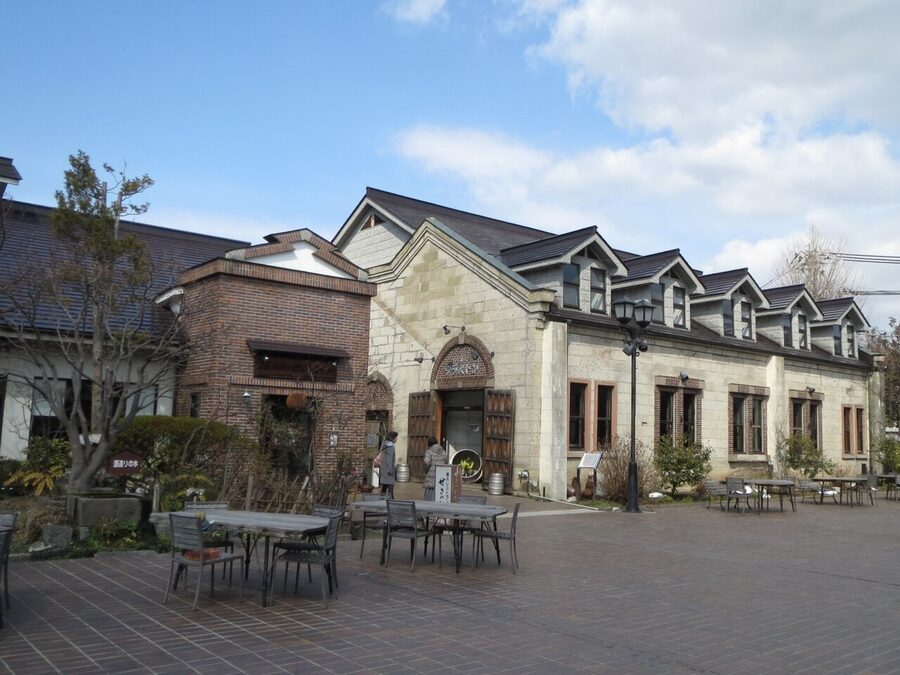
- 奈良県 Nara, the historical birthplace. Imanishi (Mimuro Sugi), Yucho Shuzo (Kaze no Mori)

Two breweries called Kubota: a working example
The Kubota you’ve heard of (the one with the famous Senju, Manju, and Hyakuju lines) is brewed by Asahi Shuzo in Nagaoka, Niigata. The Kubota you’ll see on a Saga bottle is a place name in southern Kyushu, it’s a different sake from a smaller brewery, and the bottles look superficially similar from a distance.
The lesson: the brand name on the front is half the story. The brewery name and prefecture down the side close out the rest of it. If you’re trying to repurchase a bottle you liked, photograph the back label, not just the front.
Why prefecture matters for flavour
Sake is brewed with three things: rice, water, and koji. Water hardness varies a lot across Japan. Hyogo’s Nada district, just down the road from Osaka, has hard, mineral-rich water (the famous “miyamizu” of Nishinomiya) and produces dry, firm sake. Kyoto‘s Fushimi water is softer, which produces rounder, more delicate sake. Niigata’s snowmelt is very soft and produces the crisp, dry tanrei karakuchi style the prefecture is known for. The label tells you the source; the source predicts a lot.
The dates: brewing year (BY) and bottling date
Every bottle has a date. Sometimes two. Sometimes three. The labels can get fiddly here, so it’s worth taking a minute on this one.
Brewery year (酒造年度 / BY)
Sake brewing in Japan runs by a fiscal year that starts on 1 July and ends on 30 June, set by the National Tax Agency. A bottle marked “30BY” was brewed in the 30th year of the Heisei era, July 2018 to June 2019. “1BY” or “R1BY” (令和元年, Reiwa Year 1) is July 2019 to June 2020. A bottle marked “5BY” or “R5BY” is the 2023–2024 brewing season. If the BY isn’t on the label (most bottles don’t print it), the production date does the same job.
Production / bottling date (製造年月)
This is the one that’s legally required. It’s printed in Japanese-calendar format: 令和5年12月 means December of Reiwa Year 5, which is December 2023. Sometimes it’s printed in western format. The production date is when the sake was bottled, not when it was brewed. Most sake is bottled four to twelve months after brewing.
Best-by date
Sake doesn’t legally require a best-by date and most bottles don’t carry one. As a rule of thumb: pasteurised sake (most of what you’ll buy) keeps a year unopened in a cool dark place. Once opened, it loses freshness over weeks; finish a bottle within two to three weeks of opening for best flavour.
The exception is unpasteurised sake, the nama family. That gets its own special-marking heading below.
Special markings: the small kanji that change the sake
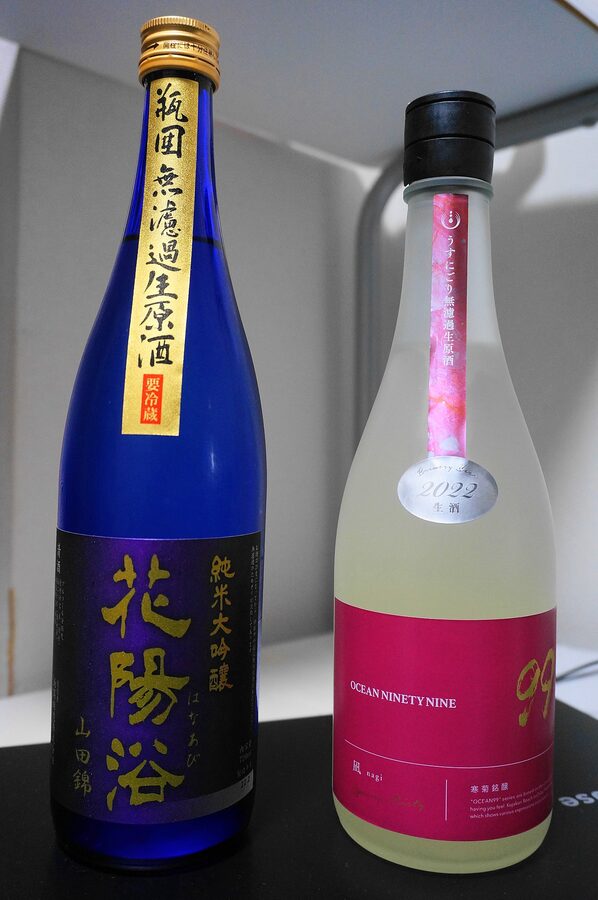

Past the classification badge, breweries can stack on optional kanji that signal specific production choices. None of these are required. All of them tell you something useful about how the sake will taste. Six worth knowing.
Genshu (原酒), undiluted
Most sake comes off the press at 18–20% ABV and is then watered back to 15–16% before bottling. Genshu means the watering step has been skipped. ABV runs 17–20%, the body is fuller, and the alcohol is more present on the tongue. It’s not stronger than wine in any meaningful way, but it tastes more concentrated. Best in small pours.
Nama (生), unpasteurised
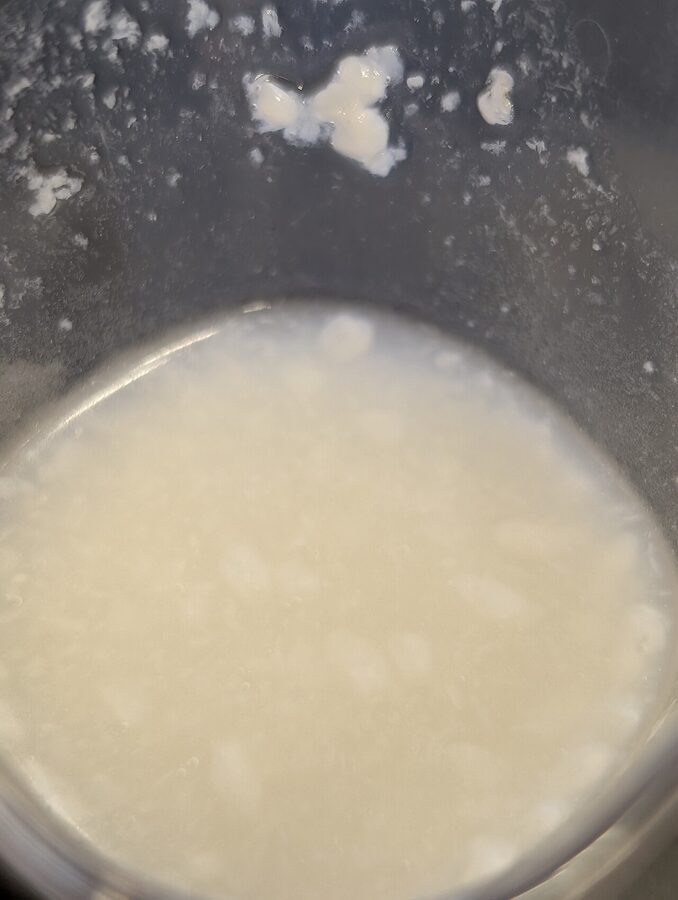
Sake is normally pasteurised twice: once after brewing, once before bottling. Nama sake skips one or both pasteurisations. The result is a fresher, livelier drink with a slight effervescence and lower stability. It must stay refrigerated and is best within three months of bottling. Look for 生酒 (nama-zake) or 生 alone. Sub-categories worth knowing:
- 本生 / 生生: both pasteurisations skipped (true nama, fragile)
- 生貯蔵 (nama-chozo), pasteurised before storage, not after
- 生詰 (nama-zume), pasteurised before storage, not at bottling. Common for autumn-release hiyaoroshi
Koshu (古酒), aged sake
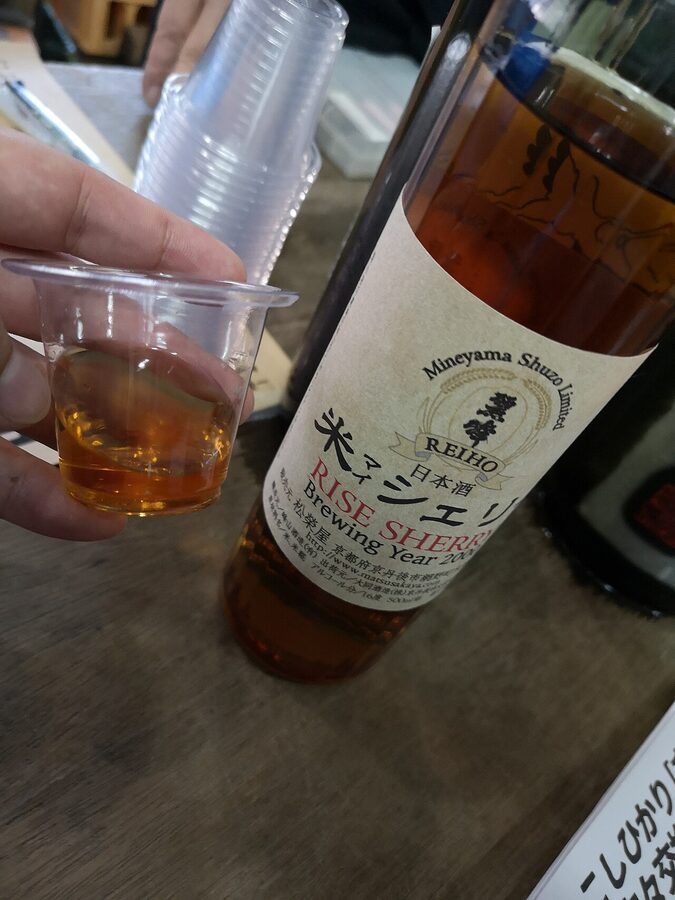
Most sake is meant to be drunk young. Koshu is the exception: deliberately aged, three years to twenty, sometimes more. It darkens to amber, builds caramel and dried-fruit notes, and tastes more like sherry than the fresh-bottled idea most westerners hold of sake. Niche, expensive, polarising. Good with strong cheese or chocolate. Look for 古酒 on the label, often with the years printed alongside.

Kimoto (生酛) and Yamahai (山廃)
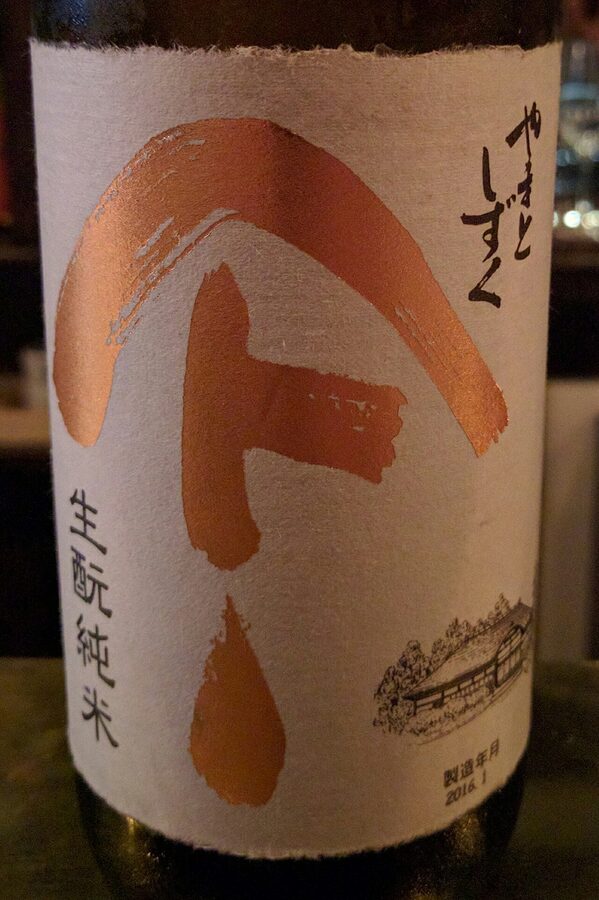
Both are old-school methods of starting the fermentation. Modern sake (sokujo method, the default) adds lab-cultured lactic acid bacteria to a small starter and gets going in two weeks. Kimoto and yamahai grow their own lactic acid from ambient air, which takes about a month and produces a starter with deeper, more savoury character. Yamahai is a slightly simplified kimoto, invented in 1909, same biological idea, less manual labour. The flavour signature: more umami, more lactic tang, a kind of “barnyard” depth that pairs with grilled meats and stronger food.

Muroka (無濾過), unfiltered
Most sake is filtered with activated carbon to lift colour and adjust flavour before bottling. Muroka means the brewery skipped that step. The sake retains a slight pale-yellow colour and more of its natural compounds. It’s not turbid like nigori, it’s clear, just unprocessed.
Other markings to know
- 無濾過原酒 muroka genshu, the unfiltered + undiluted combo. Bigger, fuller, the brewery’s full intent on the tongue.
- にごり / 濁り nigori, coarsely-filtered, milky-white sake. Sweet, creamy, low-alcohol-tasting. The bottle has visible sediment.
- ひやおろし hiyaoroshi, autumn-release sake, bottled in spring after the first pasteurisation, then aged through summer and shipped in September. Mellower than the spring drop.
- 新酒 shinshu, first-pressing-of-the-brewing-year sake, released December–January (and the same nama-style sake that turns up at every hanami picnic). Sharp, fresh, lively.
- しぼりたて shiboritate, “freshly pressed”, same idea as shinshu. Often nama, often genshu, almost always good.
- 樽酒 taruzake, sake aged briefly in cedar barrels. Distinctive cedar-resin aroma. Often poured at festivals.
- 生一本 kiippon, a junmai brewed entirely at one brewery’s own facility, not blended.
Worked examples: reading three real bottles
Theory’s done. Here are three bottles you’ll genuinely see at a Tokyo specialist shop, with what to read off each one.
Example 1: Dassai 23
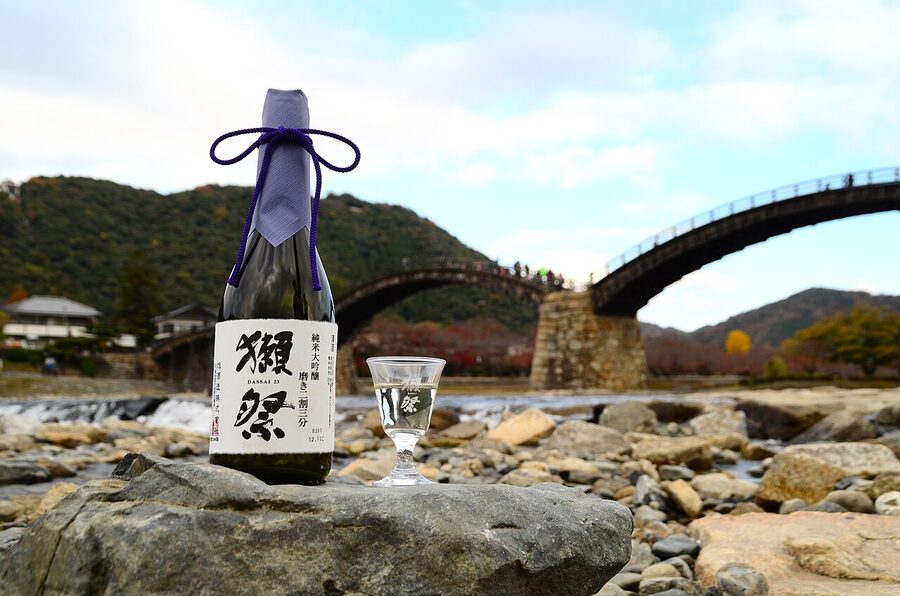

What the front label says, top to bottom:
- 純米大吟醸: junmai daiginjo. Rice only, polished aggressively.
- 獺祭: Dassai (the brand name; literally “otter festival”).
- 磨き二割三分: “polished to 23 parts” (i.e., 23% rice remaining, 77% milled away). This is the headline of the bottle.
Side / back: 旭酒造株式会社, Asahi Shuzo Co. Ltd., 山口県岩国市 (Iwakuni, Yamaguchi). 100% Yamada-nishiki rice. Production date in Reiwa-year format. SMV usually around +4, acidity around 1.4. Ginjo-fragrant, very clean, drinks well chilled with white-fish sashimi or on its own.
Example 2: Hakkaisan Tokubetsu Junmai
What the front label says:
- 八海山: Hakkaisan (the brand name and the local mountain).
- 特別純米: tokubetsu junmai. Rice only, special-grade.
- 新潟県魚沼産: from Uonuma in Niigata, the same region famous for koshihikari rice.
Side / back: 八海醸造株式会社, Hakkai Jozo Co. Ltd. Polish rate 60%. SMV +5, acidity 1.5. Niigata’s textbook tanrei-karakuchi style, light, dry, food-friendly. Good warm in winter; equally happy chilled.

Example 3: Mii no Kotobuki Junmai Ginjo Karakuchi
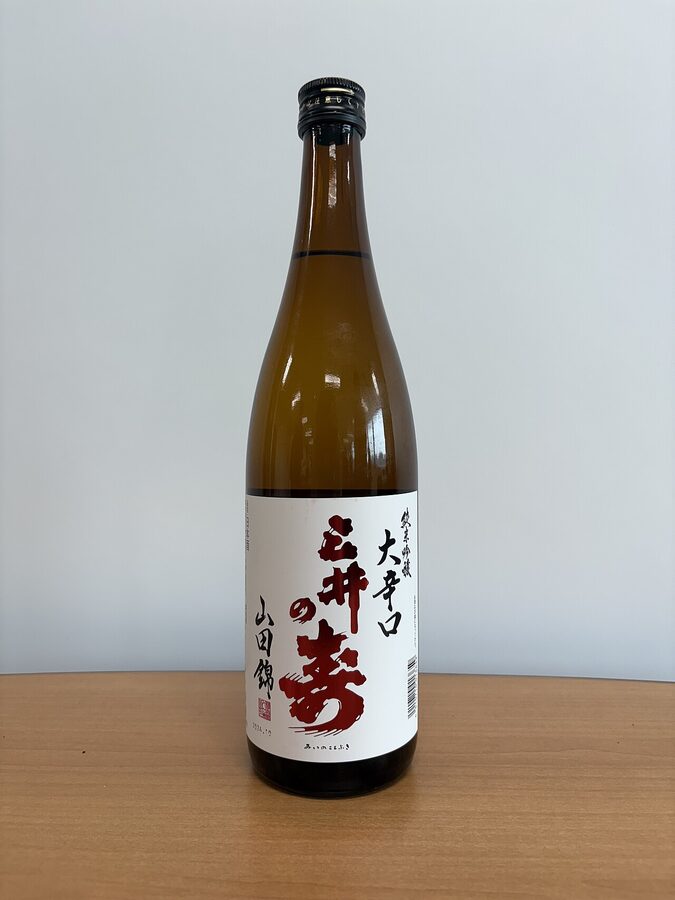

What the front label says:
- 三井の寿: Mii no Kotobuki (a specific brand from Fukuoka).
- 純米吟醸: junmai ginjo.
- 大辛口: “big dry”. A brewery flag, not a legal term, telling you SMV is high.
Side / back: from Mii Shuzo, 福岡県三井郡 (Fukuoka, Mii district). Polish 60%. SMV around +14, acidity around 1.5. Very dry, very food-friendly; drinks particularly well with Kyushu’s mizutaki hotpot or a plate of motsu-nabe. The Fukuoka eat-and-drink scene loves this kind of bottle, which is why you’ll find it on almost every Fukuoka izakaya menu worth opening.
Where you’ll buy bottles, and what to expect from each
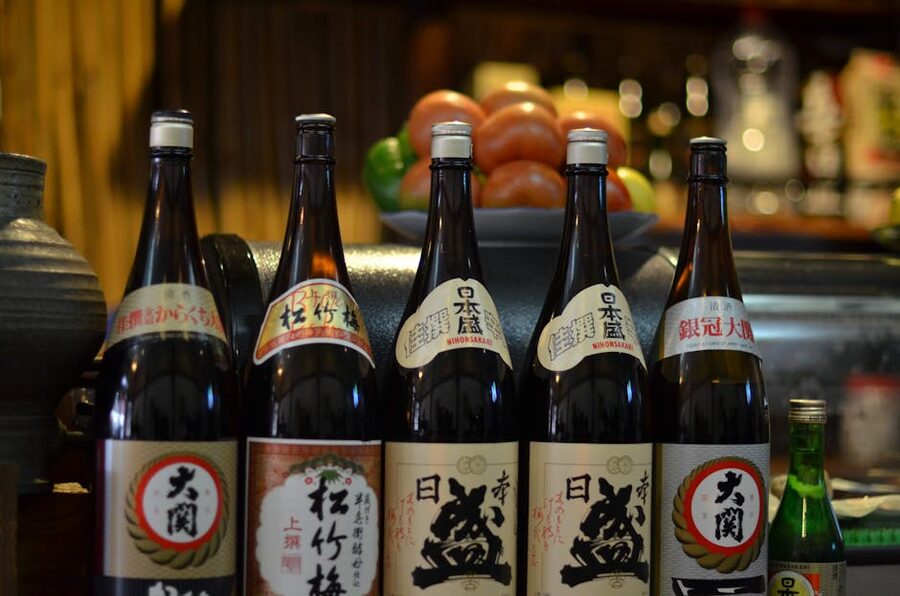
Different shops surface different bottles. Knowing which is which saves you a lot of wandering.
Konbini (7-Eleven, Lawson, FamilyMart)
The fridge holds one-cup sake (usually futsushu, sometimes a step up), four-pack honjozo, and a few junmai if it’s a bigger store. Konbini sake is the workhorse: cheap, cold, easy to grab. Don’t expect labels with detailed numbers; expect brewery names you’ll recognise from chain izakaya menus. Budget drinking in Japan often starts and ends here, and that’s a feature, not a bug.
Department store basement (depachika)
The big-name basements, Isetan, Mitsukoshi, Takashimaya, Tokyu, carry serious sake at retail prices. Most labels are facing forward. Staff can usually translate the basics if you ask. The 720ml is the standard takeaway size; the 1.8-litre isshobin is the celebration / dinner-party size.
Specialist shops (jizake-ya)
The proper specialist liquor shop, often signed 地酒 (jizake, “local sake”), carries hundreds of bottles, including small-batch and seasonal releases you won’t see at department stores. Many run weekly tastings. If you’re trying to go deep on one prefecture’s sake, this is where to spend an hour. Tokyo has dozens; the Tokyo sake bars guide covers some of the best places to taste before you buy.
Brewery shops (sake-gura ten)
Most breweries with a tasting room sell their full line at the brewery itself, often including a “shop-only” bottle or two. The cheapest premium sake is usually at the brewery; the rarest and most interesting is also at the brewery. If you can plan a sake brewery day-trip from Tokyo, the bottles you carry home will be cheaper and better than anything you’d buy in the city.
Bottle sizes: what’s on the side panel
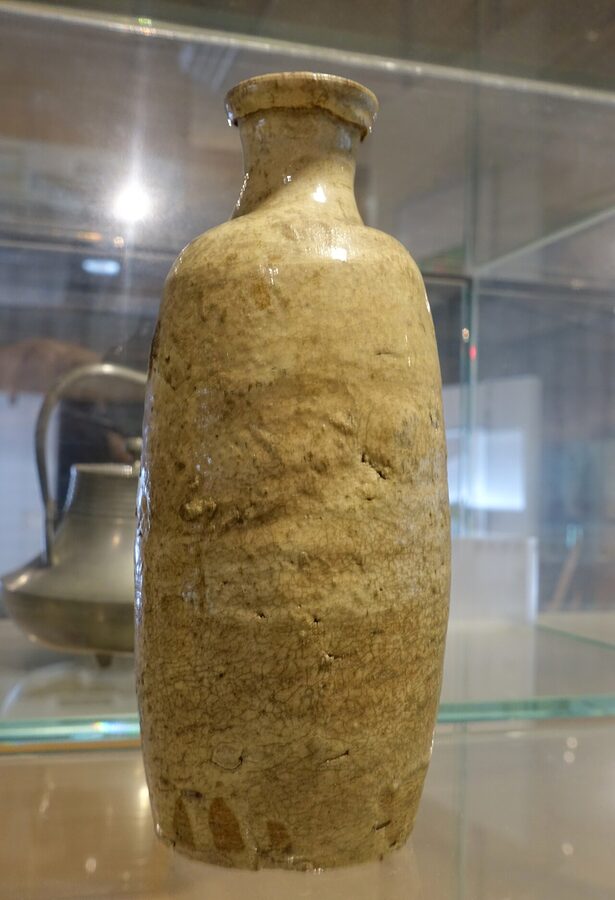
The volume on the side, in millilitres, gives you the format. Common sizes:
- 180ml: one-cup. Cup-sake, vending machines, train carriage. About a single serving.
- 300ml: half-bottle. Two pours.
- 720ml: yongobin (四合瓶, “four-go bottle”). Standard takeaway size, what you’ll buy at a department store. Equivalent to a wine bottle plus a glass.
- 1,800ml: isshobin (一升瓶, “one-sho bottle”). Restaurant pour, dinner-party size. Roughly 12 servings.
- 900ml: half sho, occasional
The 720ml is the bottle to buy as a souvenir; it’s small enough for hand luggage on a domestic Japan flight (more on that in a second) and large enough to be worth carrying.
Carrying sake home
International flights cap liquids at 100ml in carry-on, so anything over that is checked-bag only. Sake is over 24% ABV, wait, no it isn’t. Sake is 15–16% in the bottle, well below the 24% cap that triggers the airline’s “spirits, max 5L” rule. Most international airlines treat sake the same as wine for limits. Bubble-wrap your bottle, pack it in the middle of clothes, write fragile on the bag if it makes you feel better. I have flown with three 720ml bottles in checked luggage many times without a problem; I have never tried six.
Quick decoder: ten kanji to memorise
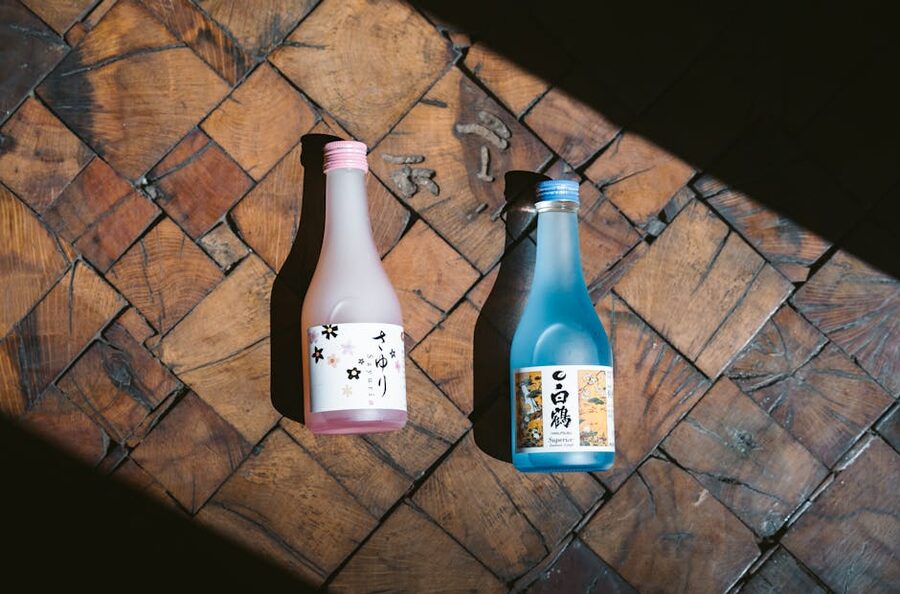
If you only memorise ten kanji before going to a department store basement, these are the ten:
- 純米: junmai (rice only)
- 吟醸: ginjo (60% polish)
- 大吟醸: daiginjo (50% polish)
- 本醸造: honjozo (small added alcohol, 70% polish)
- 精米歩合: seimaibuai (polish rate)
- 日本酒度: nihonshudo (SMV)
- 酸度: sando (acidity)
- 原酒: genshu (undiluted)
- 生酒: namazake (unpasteurised, refrigerate)
- 古酒: koshu (aged)
The first four tell you the classification. The next two are the polish-rate and SMV labels. The last four are the special markings that change the sake most. Eleven if you also want 山廃 (yamahai); twelve if you add 生酛 (kimoto). Twenty if you want to read every word on every bottle. Ten will do for most trips.
What I look for, depending on the situation
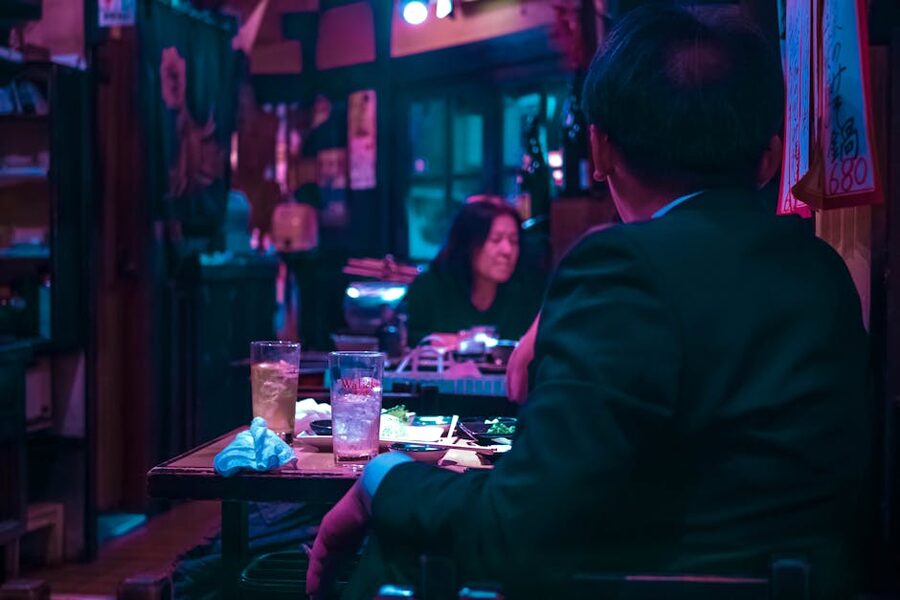
A label is more useful when you know what you’re looking for. Three traveller scenarios I run into a lot:
Buying a bottle to drink in the hotel that night
Walk to the konbini or to the depachika. Look for 純米 or 純米吟醸 in the ¥1,500–3,000 range, 720ml. SMV +1 to +4 if you want balanced; +5 to +8 if you want dry. Avoid namazake unless you have a fridge in your room and you’re drinking the whole bottle that night. The same logic guides what to order in an izakaya menu: classification first, brewery second, drier-or-sweeter third.
Buying a bottle to bring home as a gift
Junmai daiginjo, 720ml, gift-boxed. (If you’re trying to slot brewery visits into a wider trip, the drinking itineraries map out three routes.) Look for kireina (clean) labels and a brewery you can describe to the recipient (“from Yamaguchi”, “from Niigata”). Dassai 23, Hakkaisan Junmai Daiginjo, Hiroki Tokubetsu Junmai, and Aramasa No.6 are all bottles whose stories are easy to tell on the other side of the trip. Ginjo and daiginjo travel best because they’re more shelf-stable.
Buying a bottle to learn from
Pick contrast. A junmai and a junmai daiginjo from the same brewery; a Niigata bottle and a Hyogo bottle of the same grade; a kimoto next to a regular sokujo. Do small flights at home and you’ll learn the kanji faster than any flashcard app. The sake food pairings guide lists what to eat alongside each style.
What you can ignore on the label
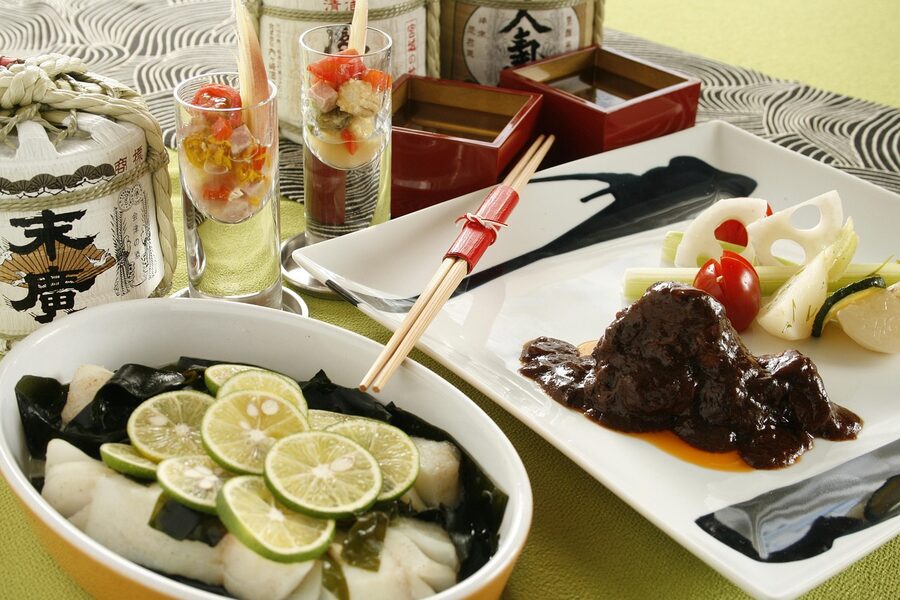
A few things on the label that aren’t worth your attention as a beginner:
- The calligraphy on the front. Beautiful, sometimes done by a famous calligrapher, almost never tells you anything new about the sake. Treat it like the wine-label illustration on a French Bordeaux.
- “清酒” vs “日本酒”. Same thing for the practical drinker. Don’t worry about it.
- Yeast strain numbers (協会N号 / Kyokai N-go). Interesting if you’re going deep, but the brewery’s overall style tells you more than the yeast number does.
- Award stickers. Annual sake competitions (the Zenkoku Shinshu Kanpyokai gold-prize, the IWC Sake Trophy) have many medallists. The sticker is real but doesn’t always correlate with what you, personally, will like.
The decision-relevant items are the eight or ten kanji we’ve been on for fifteen sections. Everything else is context.
One pour, three styles: a tasting plan
.jpg)
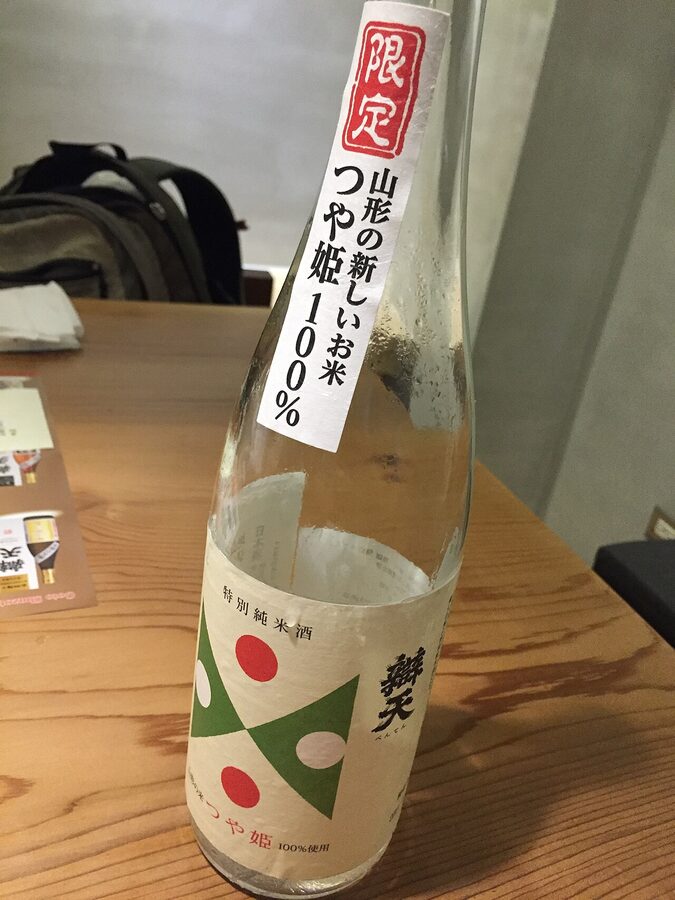
If you want to learn the labels by drinking instead of by studying, here’s a three-bottle plan that maps onto everything we’ve covered. All three should be available at any Tokyo depachika for under ¥9,000 total.
- A Niigata junmai daiginjo, 50% or below polish. Hakkaisan or Kubota Manju are both fine. This is the clean, fragrant, dry-style benchmark. SMV around +4. Drink chilled.
- A Fukushima or Akita kimoto junmai, 60–70% polish. Daishichi Kimoto or Yamato Shizuku Kimoto. This is the savoury, food-driven, lactic style. SMV around 0. Drink at room temperature with grilled fish.
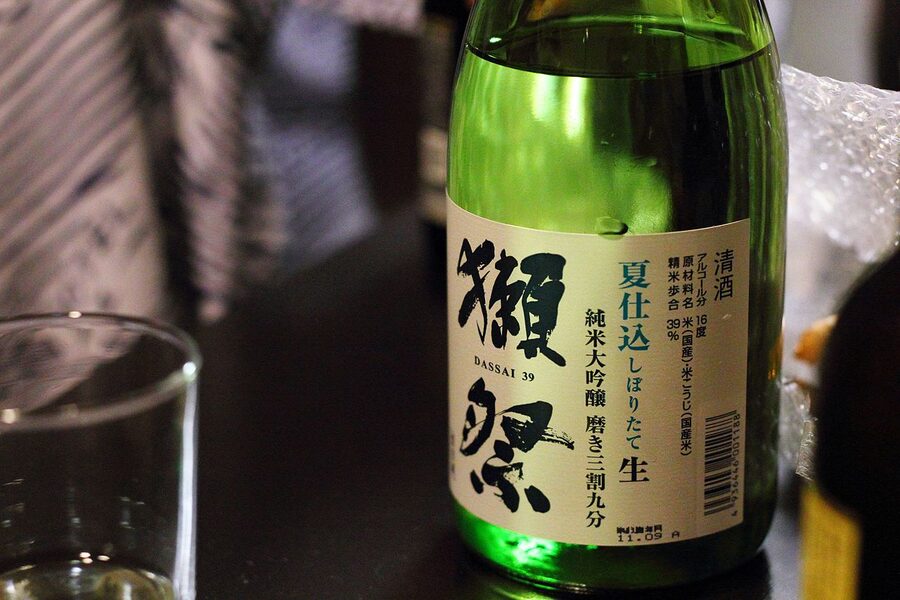
- A Yamaguchi or Nara junmai ginjo, 60% polish. Dassai 39 or Mimuro Sugi. This sits between the first two. SMV around +2, acidity 1.5. Drink lightly chilled.
Pour 50ml each, blind if you can, into three identical glasses. Read the labels first; taste second. The kanji will start to feel like words instead of pictures within an hour.
If the kanji still defeats you
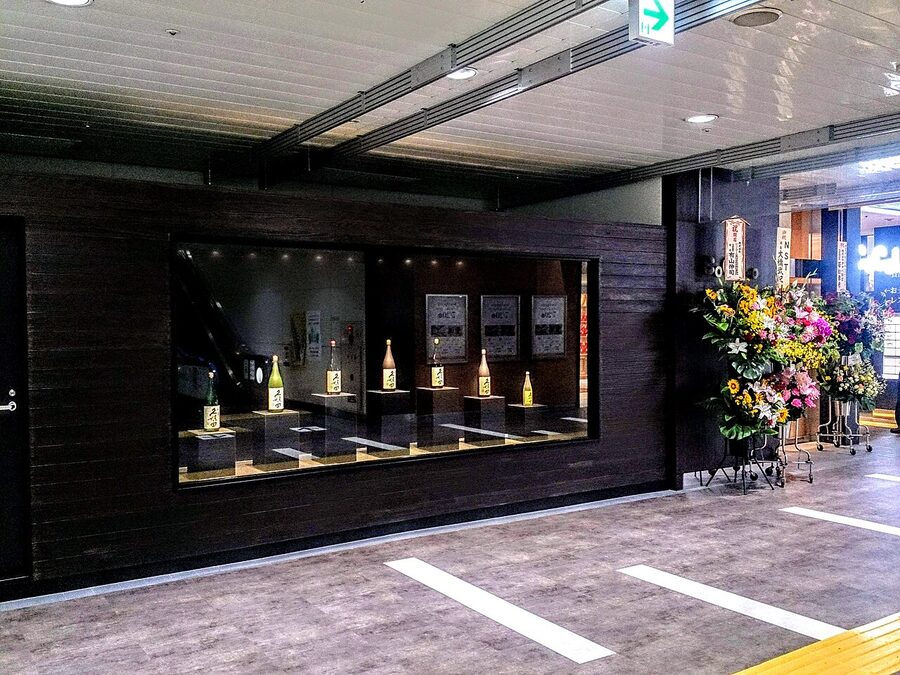

Three practical fallbacks:
- Google Translate camera. Point the phone at the label and you’ll get rough translations of most kanji. The classification, polish rate, and brewery name come through clearly. The poetic brand names sometimes turn into nonsense; ignore those.
- Ask the shop staff. Depachika sake counters and specialist shops almost always have someone who speaks enough English to point you at a clean dry junmai or a fragrant daiginjo. Try “Kireina karakuchi junmai onegaishimasu”, clean, dry, junmai, please.
- Photograph the back label. Even if you can’t read everything in the moment, you have the SMV, acidity, polish rate, and brewery in your photo album for next time.
The first time I tried to read a sake label I gave up halfway and bought a bottle because the bottle was pretty. That bottle was fine. The second time I tried, I’d memorised the four classification kanji and could at least sort the shelf into “junmai” and “not junmai”. By the fifth shop visit the labels had stopped being walls of mystery and started being shopping lists. Two weeks of attention is all it takes.
Related drinks: the labels that aren’t sake
The bottle in your hand might not be sake at all. A few quick discriminators:
- 焼酎 shochu, distilled, not brewed. ABV usually 25%. Made from sweet potato, barley, rice, or buckwheat. The label will name the base ingredient. The shochu vs sake vs awamori guide breaks down which is which.
- 泡盛 awamori, Okinawa’s distilled spirit, made with long-grain Thai rice and black koji. ABV 30–45%. The Okinawan dialect labels often use 泡盛 where mainland labels would use 焼酎.
- みりん / 味醂 mirin, sweet rice wine, mostly used for cooking. Looks like cup-sake. Don’t drink it.
- 梅酒 umeshu, plum liqueur. Sake-style bottle, much sweeter, 10–15% ABV. Great over ice; not the same drink. (For the rest of the Japanese drinks scene, see the craft beer guide and the whisky guide.)
- 清酒 seishu, yes, this is sake. Sometimes printed on bottles instead of 日本酒.
Sake bottles outnumber shochu and umeshu bottles at most depachika by maybe four to one, but a quick glance at the top kanji is the difference between the dry junmai you wanted and the sweet plum liqueur you didn’t.
One last thing about the label
.jpg)
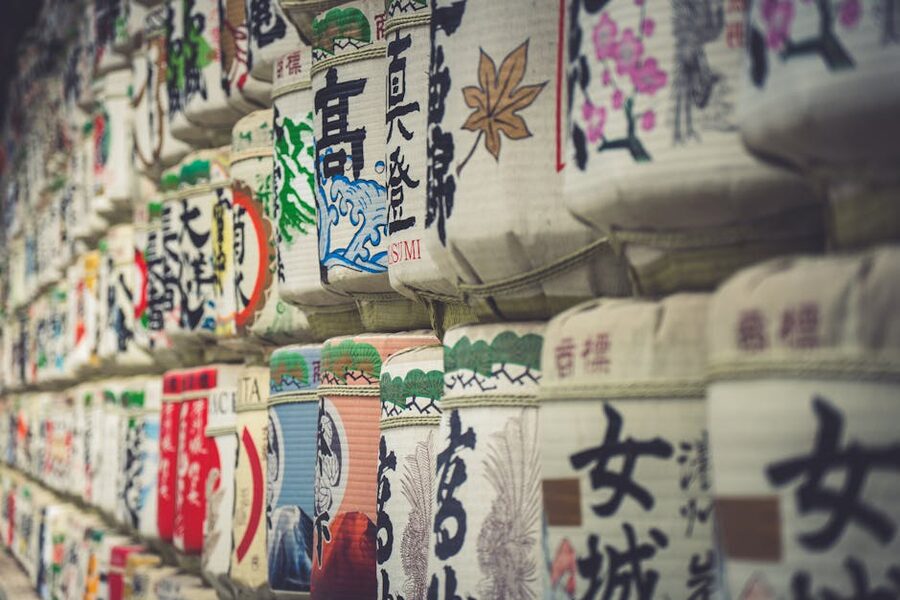
Memorising the kanji is half the trick. The other half is letting the bottle teach you. Buy two contrasting sakes from the same depachika visit. Pour one on Wednesday, one on Friday. Read the labels each time, with one eye on the bottle and one on the page. After three or four visits the brain stops translating and starts recognising. The label becomes a tool you reach for instead of a barrier you fight through.
Once that flips, you’re not buying sake any more. You’re shopping for sake. There’s a real difference.
 Drinking CultureWhy I Stopped Clinking Glasses in JapanThe first time I got a Japanese toast wrong, I was at a wedding reception in Yokohama. Ten of us…
 Drinking CultureKonbini Drinks Are a Whole Trip StrategyJapan has roughly 56,000 convenience stores. That's more outlets than McDonald's has worldwide, and the country sells about a third…
 Drinking CultureOtoso, Bonenkai, and the Hush of ShogatsuThe first person to write the recipe for otoso was a third-century Chinese physician named Hua Tuo, and he wrote…