
A tall chu-hi can at any 7-Eleven, 9% alcohol, lemon, ice-cold, costs ¥180. The same volume of beer at a hotel bar in Marunouchi will set you back ¥1,400 and arrive in a glass two-thirds the size. That is the gap I want to talk about.
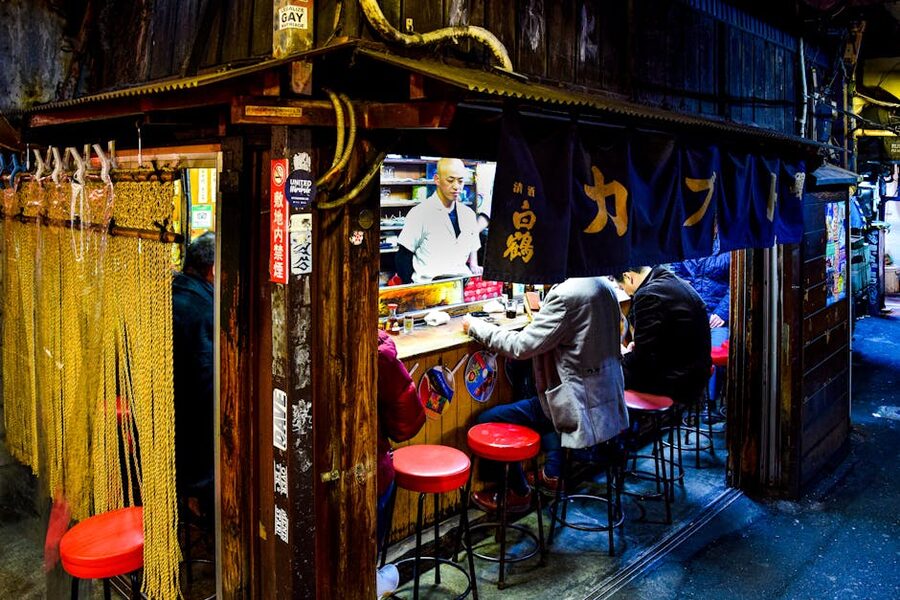
Drinking in Japan is one of the cheapest things you can do here, if you know where to stand and what to grab. Drinking poorly in Japan, the ¥1,400-beer way, is one of the most expensive. The country runs on extreme price stratification: the same brewery’s sake costs ¥350 in a cup at the konbini, ¥700 in a glass at a tachinomi standing bar, and ¥1,800 in a Ginza lounge. The drink does not change much. What changes is the room.
I have done all three on the same trip and the conclusion is the same every time. The Ginza version was nice. The standing-bar version was better. The konbini version on a park bench in Yoyogi at sunset was, for ¥350, the best of the three. This is a guide to the bottom-rung that is not a compromise. Cheap drinking in Japan, where it is excellent, where it is mediocre, and where the ¥500 budget actually buys.
In This Article
- What ¥500, ¥1,000, and ¥3,000 actually buy
- The konbini drink and why it is the best deal in the country
- The konbini cup sake roster, ranked by what is actually good
- Chu-hi: the ¥150 drink that powered a generation
- Senbero: the ¥1,000-drunk standing bars that are the soul of cheap Tokyo
- Where the senbero density is highest in Tokyo
- What a senbero set looks like in practice
- Senbero etiquette in two minutes
- The 1-coin lunch deal that nobody talks about
- All-you-can-drink: nomihodai as a budget tool
- Cheap drinking varies dramatically by city
- Osaka: the cheapest big city for drinking
- Tokyo: cheap if you know which line to ride
- Fukuoka: yatai street food drinking
- Kyoto: more expensive than the rest
- Sapporo: cheap beer, cold context
- Naha and Okinawa: the awamori discount
- The department store basement: cheap sake disguised as gourmet shopping
- Kakuuchi: drinking inside a liquor store
- Seasonal cheap drinking: hanami, summer beer gardens, winter hot sake
- Style by style, from cheap to cheaper
- Beer
- Sake
- Whisky and highballs
- Shochu and the spirits aisle
- Wine, spirits, the rest
- Specific tactics that bring the bill down
- Buy in pairs at the konbini
- Drink the supermarket aisle, not the konbini
- Eat first, drink at the bar second
- Skip the ¥500 cocktail menu
- Use the depachika tasting cups
- Regional sake clubs and the ¥3,000 night out
- Where the budget angle stops working
- What a typical ¥1,500 evening looks like, end to end
- Mistakes that turn a cheap night into an expensive one
- A four-night cheap-drinking itinerary for Tokyo
- Two more practical things
- The cash question
- The 20-year-old rule
What ¥500, ¥1,000, and ¥3,000 actually buy
Three budget tiers cover almost every traveller’s drinking question in Japan. Below is the rough shape of what each one gets you, before we get into specifics.
| Budget | Drinks count | Food included | Vibe | Where to try |
|---|---|---|---|---|
| ¥500 / evening | Two cans of chu-hi or one cup-sake plus a beer | Konbini snack you bring along | Park bench, river bank, train, hotel room | Any 7-Eleven, Lawson, FamilyMart |
| ¥1,000 / evening (senbero) | Three drinks plus two small dishes | One or two pieces of otsumami on the set | Standing bar, Showa-era counter, shoulder-to-shoulder | Tateishi, Akabane, Ueno, Shinjuku Sanchome |
| ¥3,000 / evening | Four to five drinks plus a proper sit-down dinner | Five or six dishes from the kitchen | Small izakaya, sushi counter, neighbourhood place | Any back-street block in any city |
The price line where the experience changes from “cheap and good” to “noticeably nicer for the money” sits around ¥3,000 in most cities and around ¥3,500 in central Tokyo. Below that, you are paying for the room more than the drink.
What this guide will not cover is the bottom of the bottom. Five-litre plastic jugs of shochu for ¥1,500 exist. They will get you drunk. They will also give you a hangover that takes two days to shake. Skip them. The good news is that the price of excellent cheap drinking in Japan is high enough above the rotgut floor that you never need to go there.
The konbini drink and why it is the best deal in the country
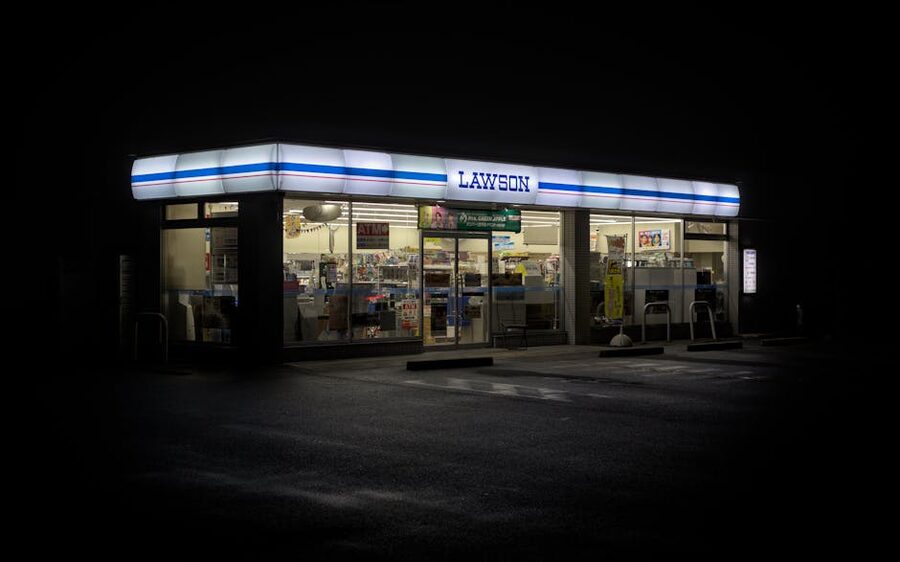
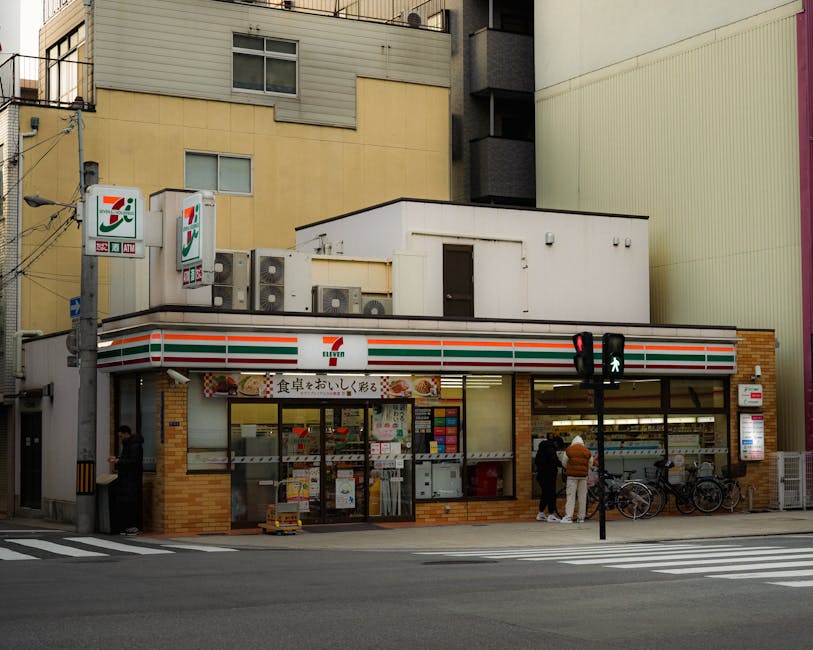
If you only have one tip for drinking cheaply in Japan, it is this: the konbini is a complete bar. Every 7-Eleven, Lawson, and FamilyMart in the country, and there are around 56,000 of them, sells:
- Cold canned beer (Asahi Super Dry, Kirin Ichiban, Sapporo Black Label, Suntory Premium Malt’s) at ¥220–290 a 350ml can.
- Happoshu and “third beer” (lower-tax beer-like drinks made with adjuncts) for ¥130–180. Tastes thinner; nobody pretends otherwise.
- Cup sake from name brewers: Hakkaisan, Kubota Senju, Gekkeikan Tsuki, Ozeki One Cup. ¥250–500 each.
- Chu-hi in cans, the workhorse of cheap Japanese drinking. Strong Zero, Hyoketsu, Sapporo Slat. 7%–9% alcohol. ¥150–220 a tall can.
- Mini bottles of whisky, plum wine, and shochu from ¥250.
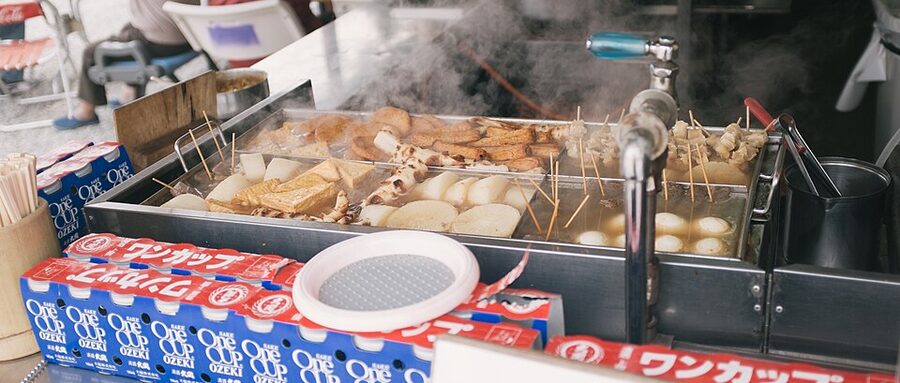
- The food. Onigiri ¥130, fried chicken ¥260, oden ¥100–200 a piece, hot edamame, sandwich packs, instant ramen with a kettle.
This is enough drinks-and-food infrastructure to keep someone fed and watered for a week without ever entering a bar. And the quality of the drink at this price is genuinely good. Asahi Super Dry from a 7-Eleven cooler is exactly the same beer as Asahi Super Dry at a hotel rooftop. The cold chain is excellent. Pull dates are tight. The cans are never dusty.
The konbini cup sake roster, ranked by what is actually good
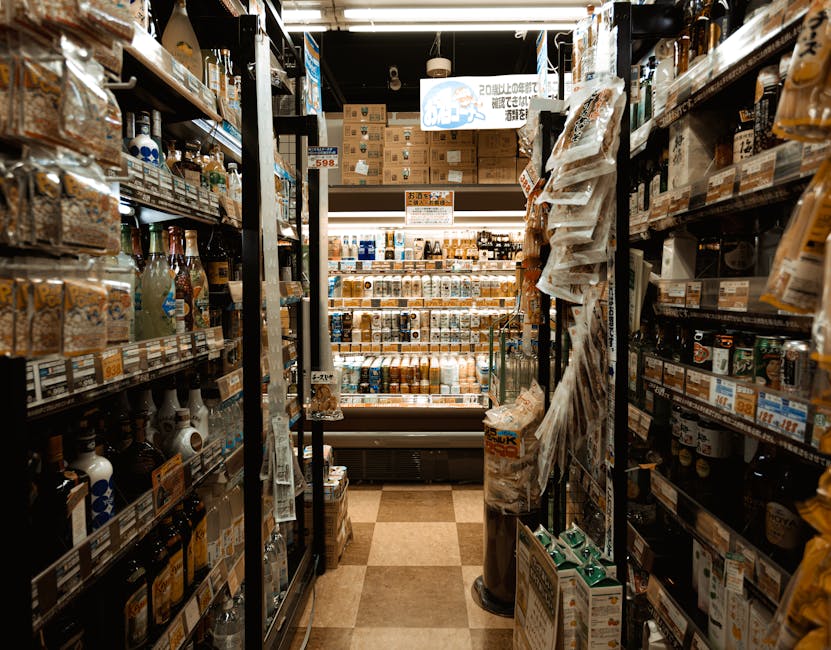
Cup sake is the most underrated drink in Japan. A sealed glass tumbler, peel-off lid, single serving, room-temperature stable, and made by some of the same breweries that produce the ¥6,000 bottles you would find on a department-store shelf. Here is what you will find on the konbini shelf, with rough prices and what to expect:
- Hakkaisan One Cup (Niigata), ¥350–450. The benchmark. Clean, dry, mineral, and a brewery you would otherwise pay ¥3,500 a bottle for. If you only try one, try this.
- Kubota Senju One Cup (Niigata), ¥480–520. Slightly fruitier, polished feel, the “easy” cup of the high-end konbini selection.
- Gekkeikan Tsuki (Kyoto), ¥230–280. The cheap end that still has flavour. Slightly sweet, low-effort, fine cold.
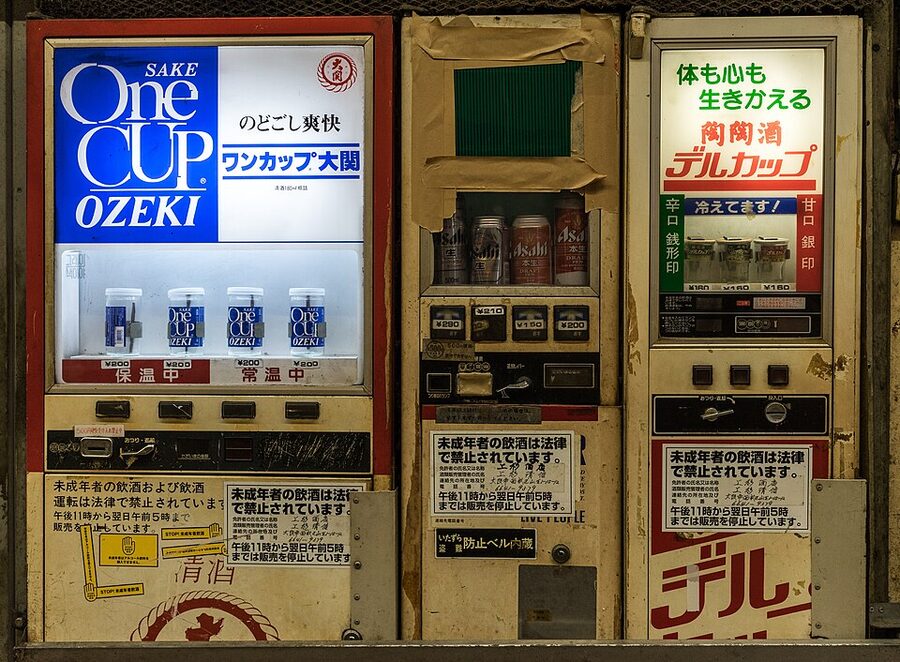
- Ozeki One Cup (Hyogo), ¥240–290. The original. Launched 1964, the prototype for everything that followed. A bit raw, a lot of nostalgia, and the smaller 100ml mini version is sold for ¥150 if you just want a taste.
- Hakushika One Cup (Hyogo), ¥260–320. The Nada-region workhorse. Reliable.
.jpg)

If you want a longer breakdown of styles before you stand in front of the shelf, the sake guide covers junmai vs honjozo and what the labels mean. The short version: any cup labelled junmai is rice and water only and tends to taste cleaner than a non-junmai cup at the same price.
.jpg)
Chu-hi: the ¥150 drink that powered a generation

.jpg)
.jpg)
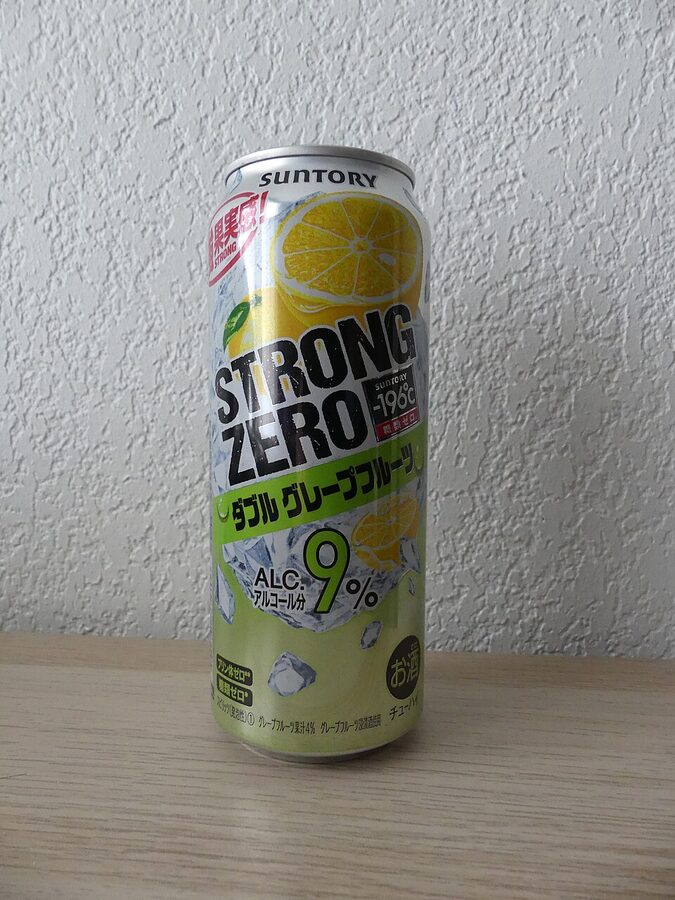
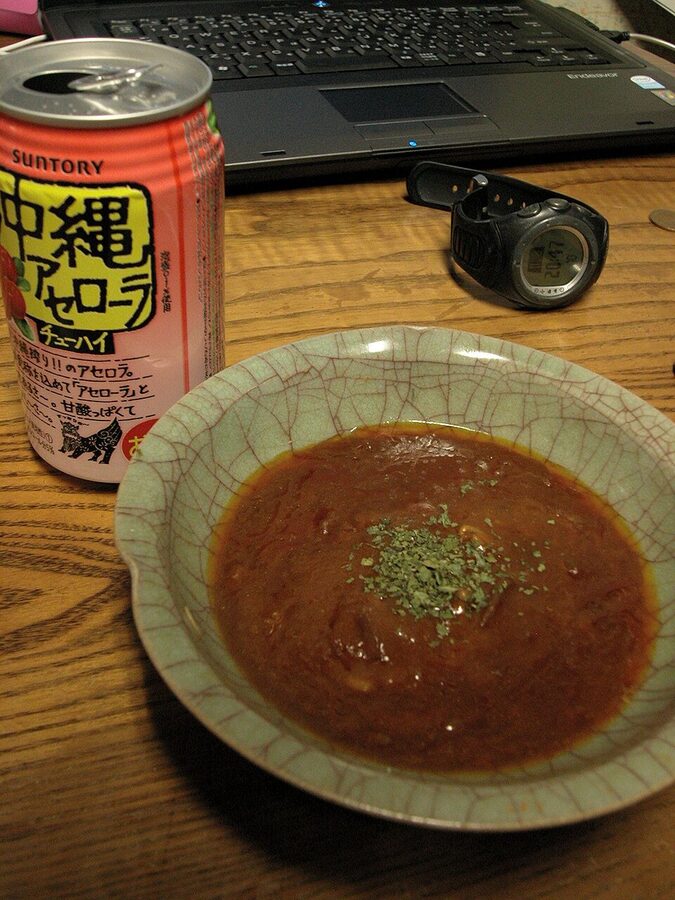
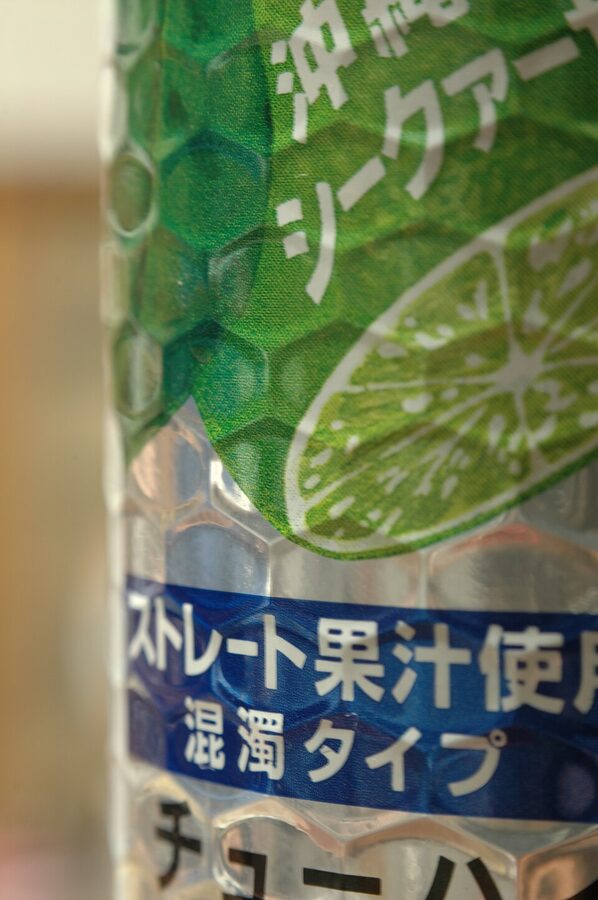
Chu-hi is shochu mixed with sparkling water and fruit flavour, sold ready-to-drink in 350ml or 500ml cans. The volumes shifted in convenience stores are enormous. The defining brand is Suntory’s Strong Zero (officially −196 Strong Zero), which built its reputation on being 9% alcohol for the same price as a beer that is 5%. The maths are obvious; the headache is the next morning.
The actual hierarchy at the konbini, drink by drink:
- Strong Zero (Suntory): ¥180–220 for 500ml. 9% ABV. Lemon, grapefruit, dry, double-grapefruit (the most balanced). Acidic enough to taste like real fruit. Use sparingly.
- Hyoketsu (Kirin): ¥160–200. 5%–7% ABV depending on the can. Cleaner, lighter, easier in the heat. The first chu-hi I recommend to anyone trying it. The standard lemon is the safe pick.
- Slat (Sapporo): ¥160–200. 4%–5%. Lower alcohol, more fruit. Closer to a Western alcopop. Decent.
- Hi-Sour (Takara): ¥140–180. The cheapest of the named brands. Tastes like it. Survivable.
- Konbini own-brand chu-hi: ¥100–130. 7-Eleven Premium and Lawson L Series. Surprisingly drinkable.
Buy two cans, walk to the nearest park, sit down. That is the entire ritual. Public drinking is legal in Japan and broadly tolerated as long as you are not loud or under 20. Yoyogi Park, the stretch of Sumida River by Asakusa, the pier-side benches at Yokohama Minato Mirai, and the canal-side seats at Nakanoshima in Osaka are the four I know best. None of them charge for the seat.
Senbero: the ¥1,000-drunk standing bars that are the soul of cheap Tokyo
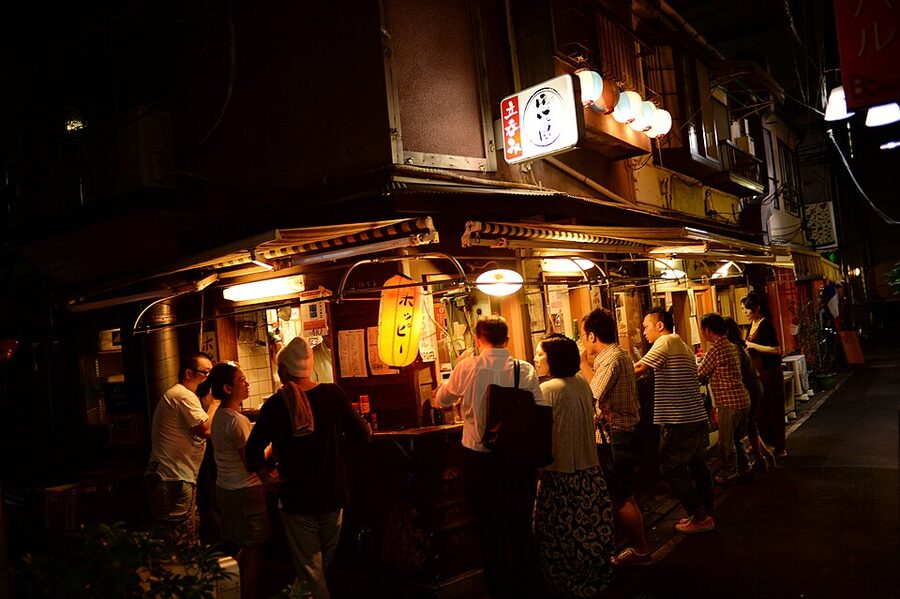

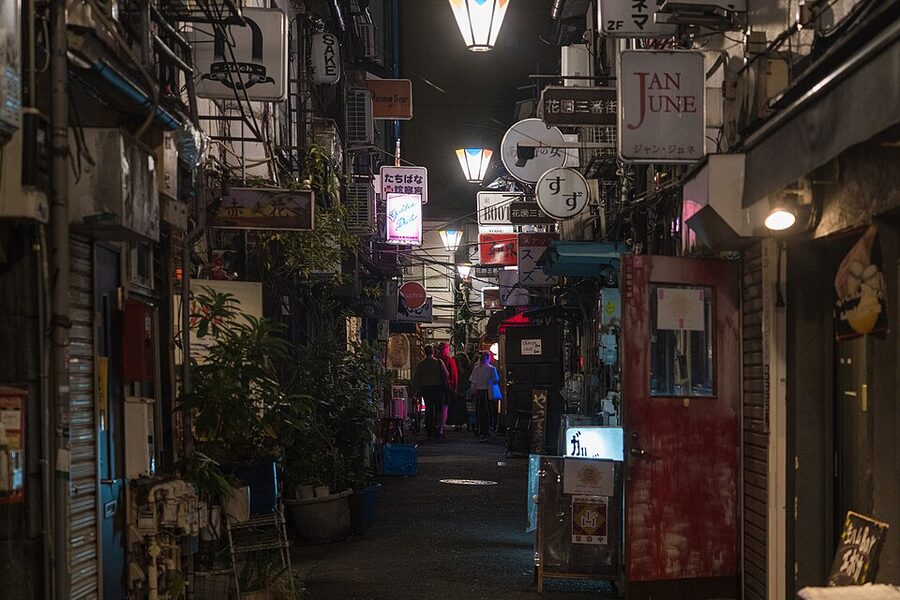
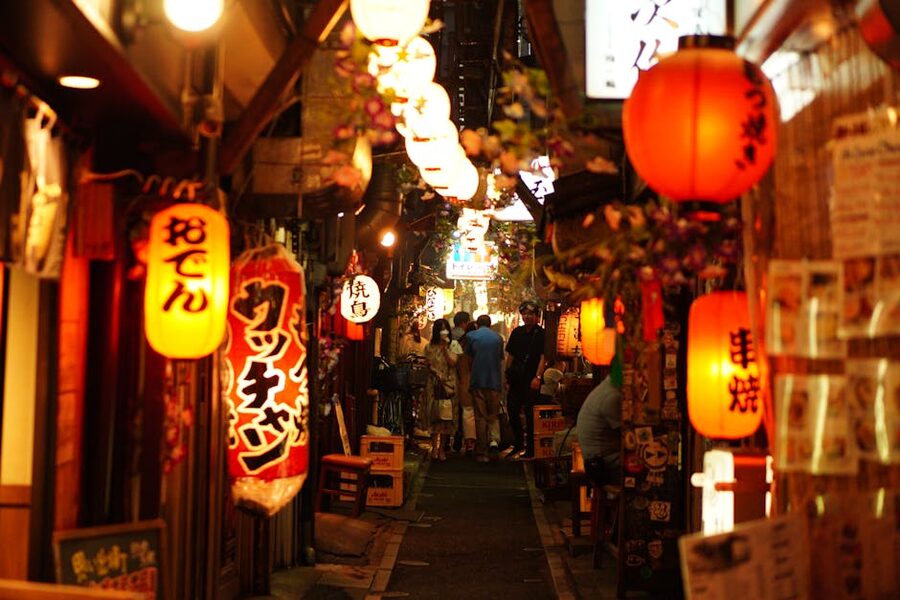
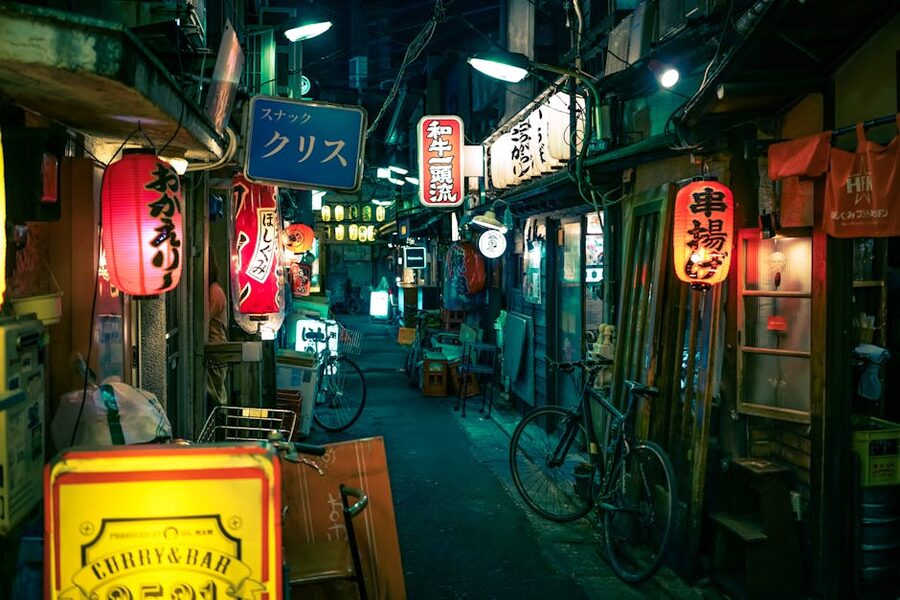
The word is senbero. It comes from sen (one thousand) plus bero-bero (drunk-drunk). It means a thousand yen for the kind of drunk that requires you to remember which station you live at. The standard format is a fixed-price set: two or three drinks plus one or two small dishes, served at a counter or table where you stand. Total bill, including the cover charge if there is one, lands somewhere between ¥800 and ¥1,200.
I have linked a deeper guide to Tokyo’s standing bars elsewhere on the site, with named addresses and opening rituals. The version below is what you need for the budget angle: which districts to head to, what a typical set looks like, and how the etiquette differs from a regular izakaya.
Where the senbero density is highest in Tokyo
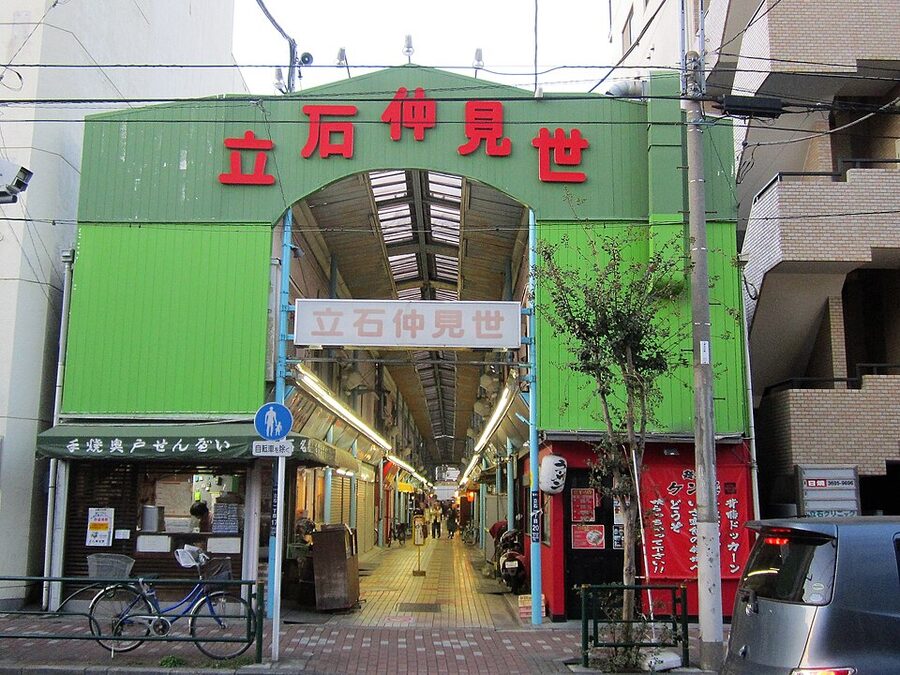

Reader polls of the 23 wards keep returning the same answers in the same order. Katsushika ward, then Kita ward, then Taito ward. None of them are central. All of them are reachable in 30 minutes from Shibuya for ¥200 of train fare.
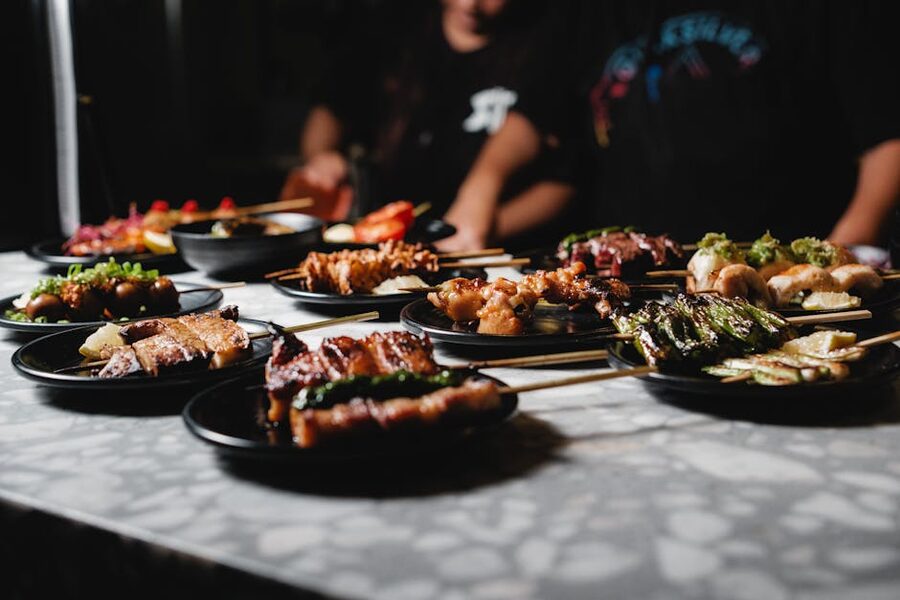
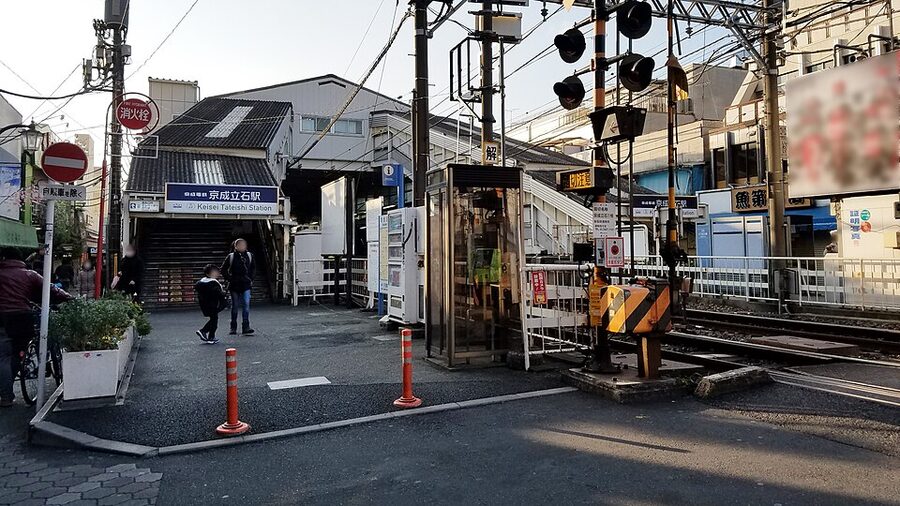
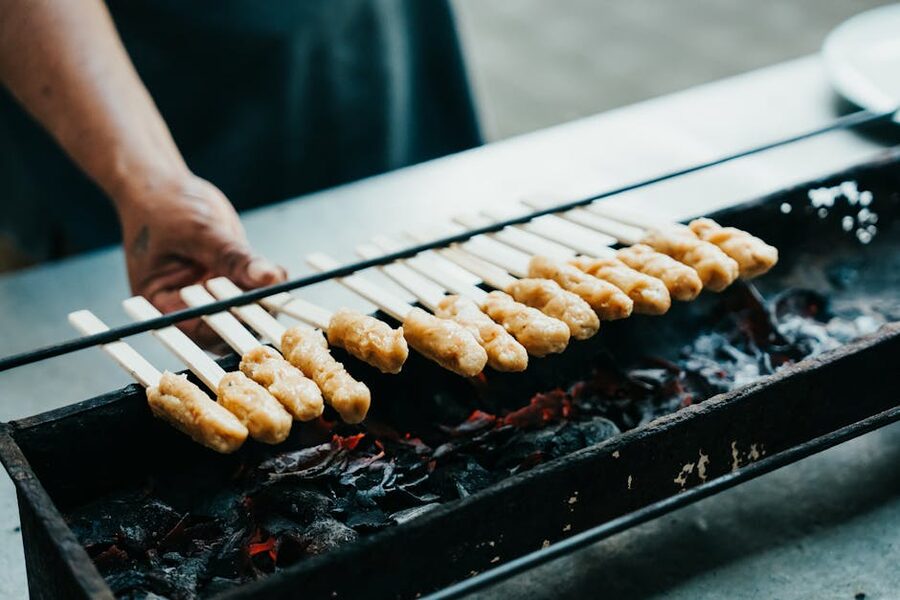
- Keisei Tateishi (Katsushika): the senbero capital by reputation. Local trains only, no rapid service stops here, and the area around the south exit (Tateishi Nakamise Shotengai) is wall-to-wall standing bars and grilled-offal counters. Ucchida is the legendary one, a 70-year-old motsu-yaki place, only open afternoons, queue starts around 14:00. Toyokatsu a few doors down does a senbero set for ¥1,000 with a glass of beer, a chu-hi, and two pieces of horsemeat sashimi.
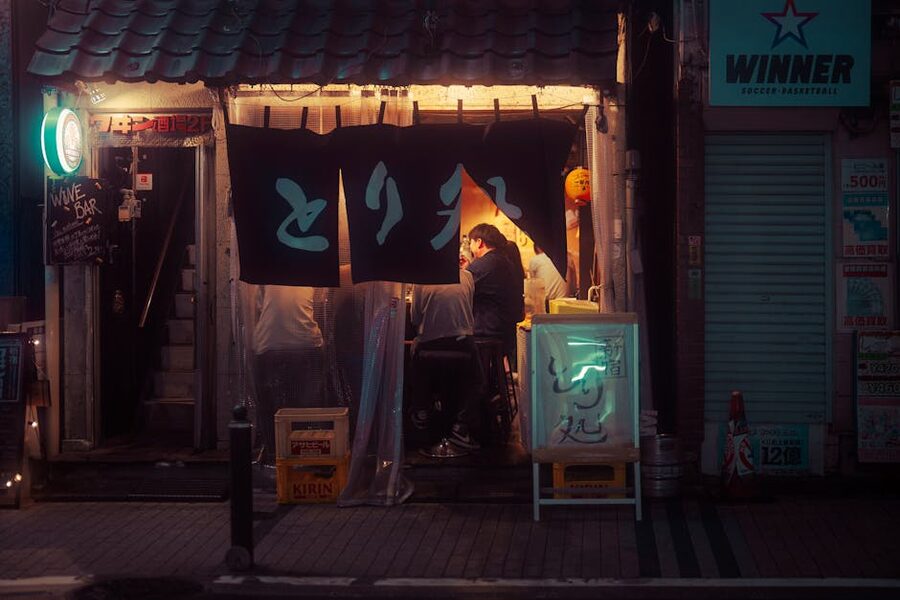
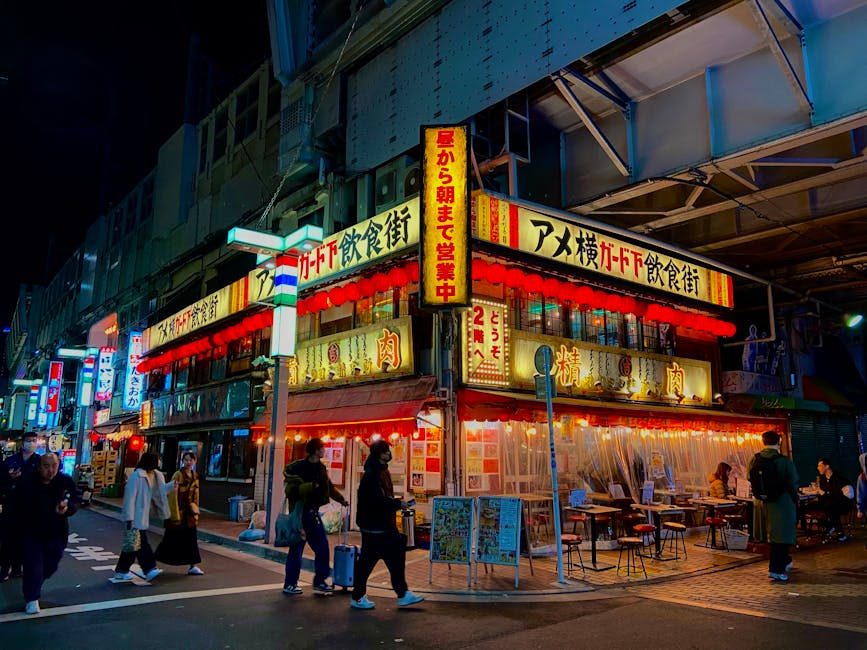
- Akabane (Kita ward): the salaryman senbero. Walk out of the JR east exit and the OK Yokocho arcade is 30 metres on the right. Maruichi Sakaba is the one most guidebooks point at, ¥780 for two beers and a small dish. Iseya across the street has a longer list and a more local crowd.
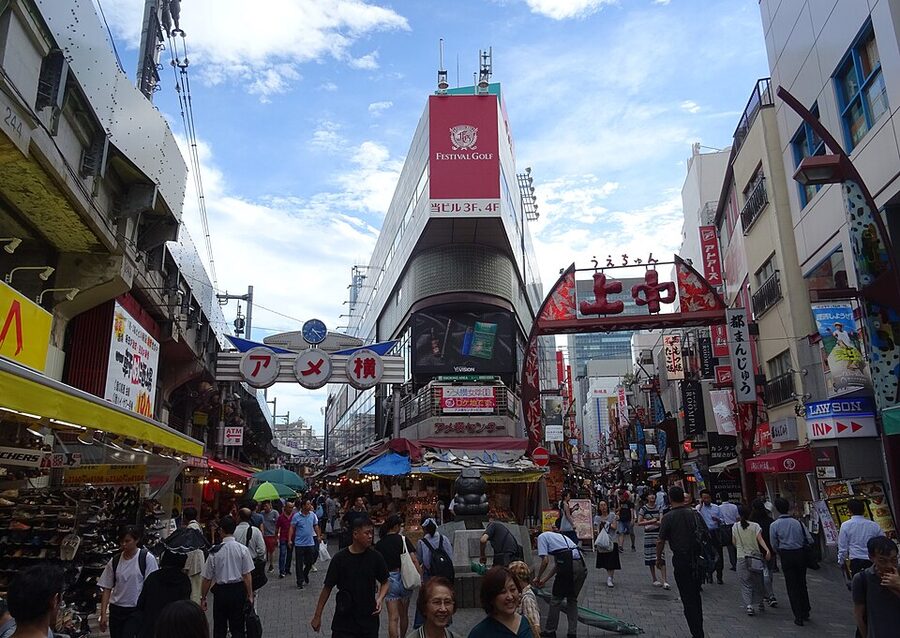
- Ueno Ameyoko (Taito ward): under the train viaduct, between Ueno and Okachimachi stations. Tachinomi Kadokura is the famous one, ¥1,000 buys you a Kadokura Set with two drinks (the 500ml beer is the move) and two snacks including their own ham-and-cheese mille-feuille fritter that everyone orders. Open from 10:00 most days; mid-afternoon is the photographer hour.
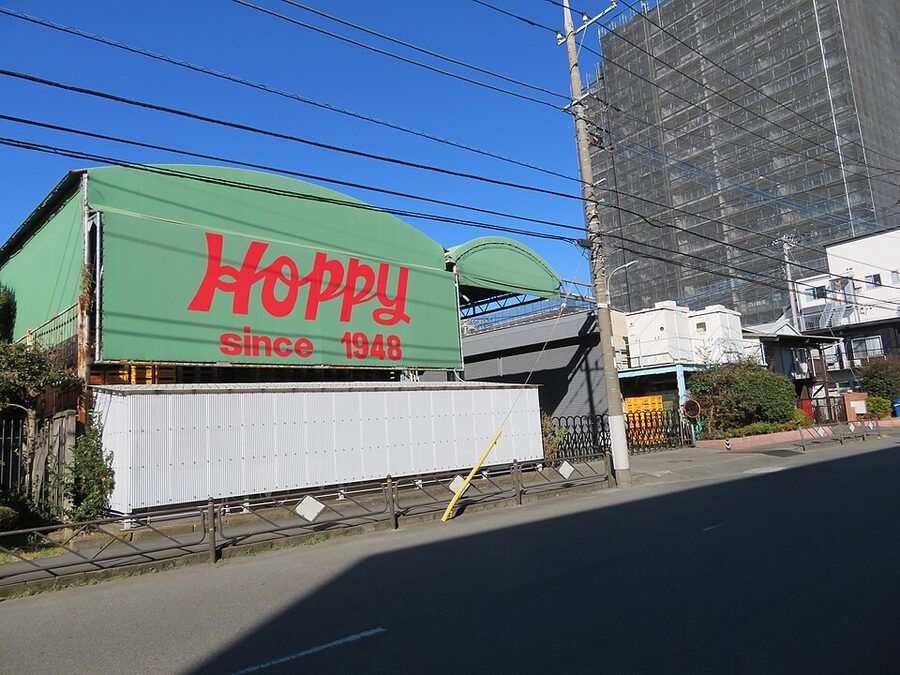
- Asakusa Hoppy Street (Taito ward): a single block of plastic-roofed open-air stalls behind Sensoji Temple where the drink of choice is hoppy, a Tokyo invention from 1948 that is malt soda you mix with your own shochu. ¥500–600 the round.
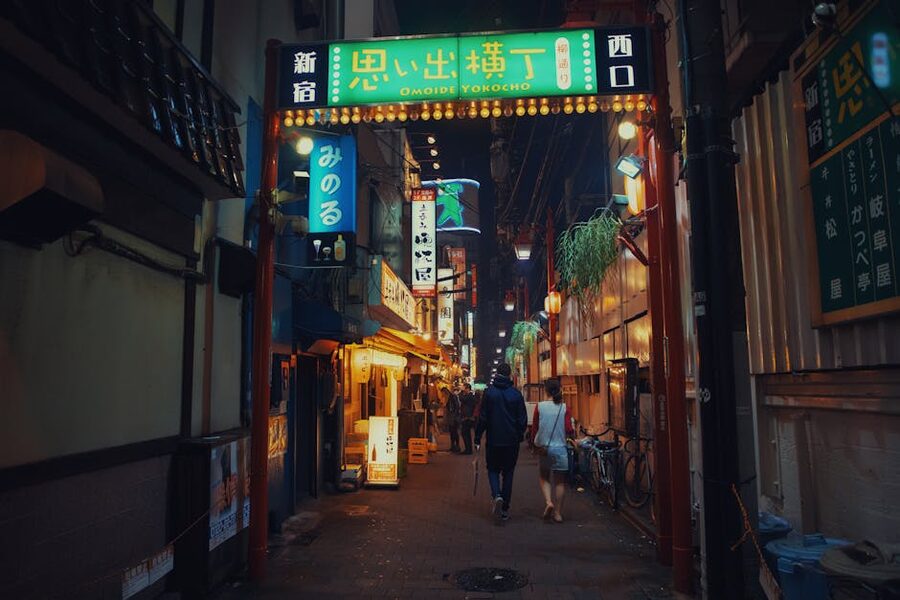
- Shinjuku Sanchome and Shinjuku Omoide Yokocho: the central Tokyo stop on the senbero circuit. More expensive than Tateishi but easier to reach. Shinjuku Bar on the third floor of a JR building does a ¥1,000 set with three drinks and a fixed snack.


What a senbero set looks like in practice
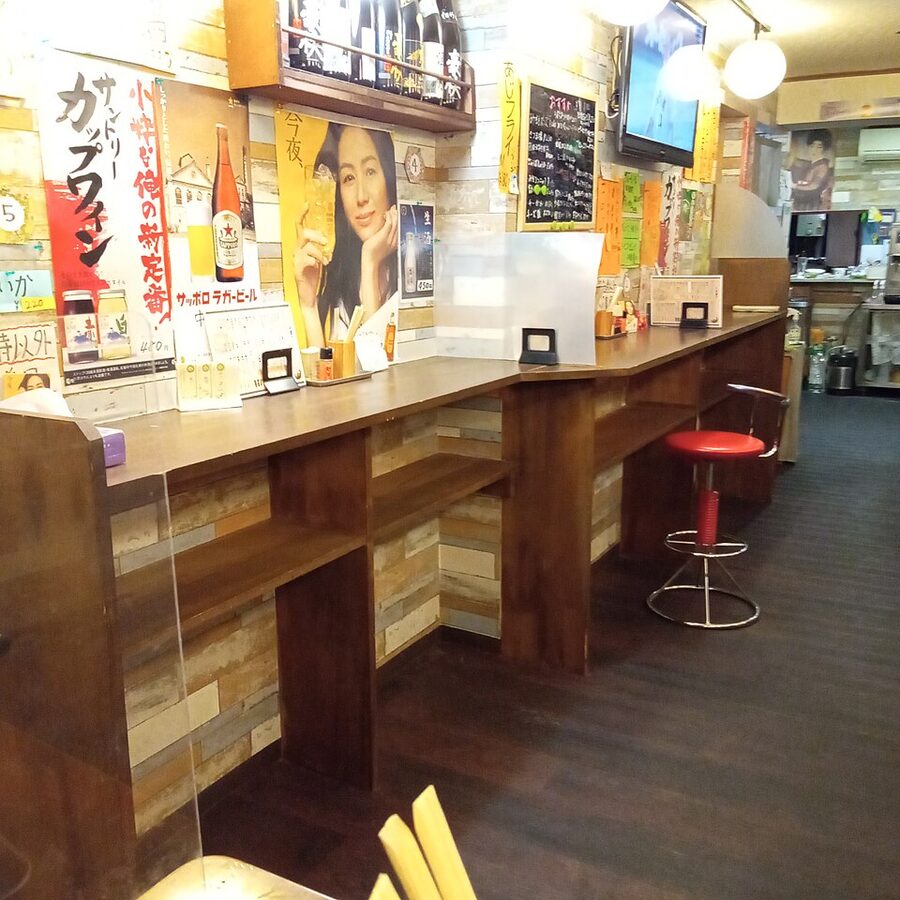
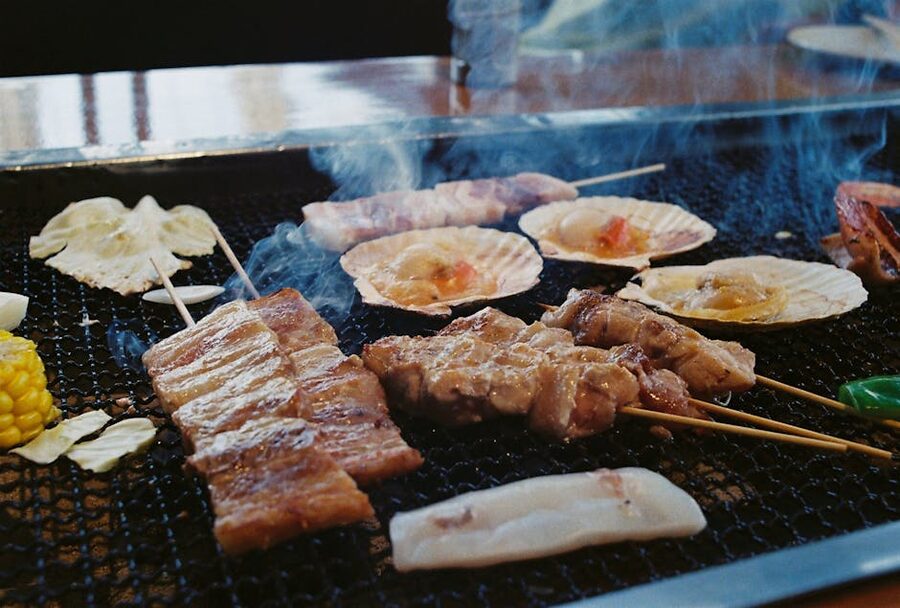
The drinks are usually self-pour from a counter or brought by a single person who is also doing the cooking. The food is whatever the shop is famous for, in small portions: grilled offal, deep-fried hambagu, cold tofu, marinated cucumber, simmered oden. The set is non-negotiable; you can usually buy more drinks at ¥200–300 a pour past the set, and that is where you cap your night.
Counter-style means you stand. Almost no senbero spot has chairs, and where it does, those tables go to large groups first. Coats go on hooks, bags go between your feet, and your phone goes back into your pocket because the place is too loud and too cramped to hold a screen up.
Senbero etiquette in two minutes
The full izakaya rules still apply at a senbero, but the standing-bar version is shorter. Pour for the person next to you before yourself. Pay cash. Order in counts (“biiru futatsu” for two beers, hold up two fingers). When the set is done, settle and leave; sticking around to drink at half-rate over an hour is a Western pattern that does not translate.
The single rule that catches travellers: many senbero counters have a otōshi charge of ¥200–400 for the small appetiser brought to your spot regardless of what you ordered. It is included in the set price at advertised senbero spots, but at a non-set tachinomi where you order drinks à la carte, the otoshi is on top. Look for “お通しなし” (otoshi-nashi, no cover charge) signs on the door if you want to know upfront.
The 1-coin lunch deal that nobody talks about
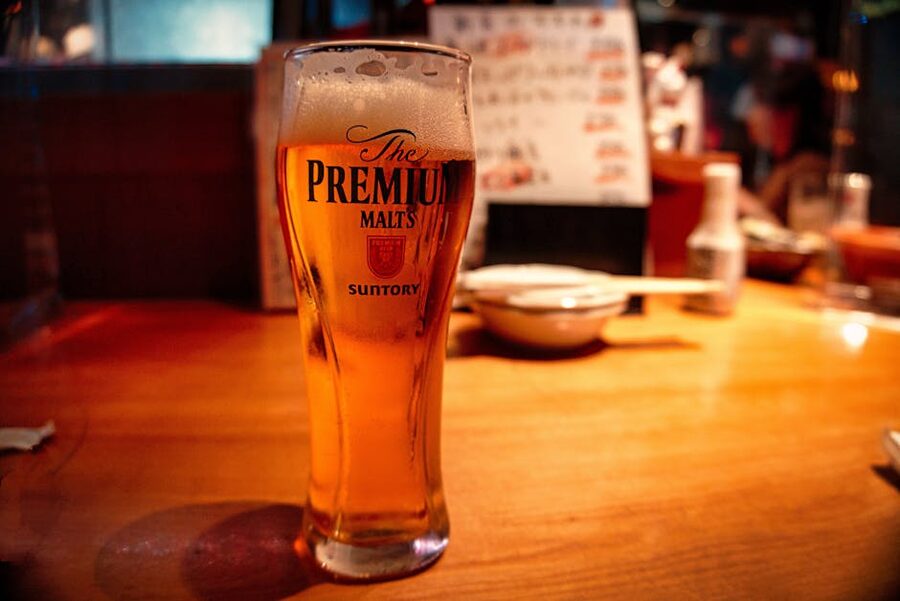
Many izakaya chains in Tokyo and Osaka run a 1-coin (¥500) lunch deal: a set meal plus a pint of draft beer, weekday lunchtime only. They rarely advertise this in English. The list of chains where I have seen it work in 2025–2026:
- Torikizoku: everything on the menu is ¥370 or ¥430 plus tax, and the lunchtime ¥500 set drops a pint into the deal. Open from 17:00 most outlets, lunchtime opening is location-dependent; the Shibuya South branch and the Shinsaibashi store both run it.
- Ryoma (chain), weekday set lunch with a draft for ¥500 at most central-Tokyo branches.
- Kushikatsu Tanaka: not always ¥500 but often runs ¥490 weekday lunch with a beer. Worth checking the lunch board outside.
- Independent counter izakaya: the variable category. Akabane, Kanda, and Shinbashi are the three districts where independent izakaya running cheap lunch beer specials are most common. Look for handwritten signs that say “ランチセット ¥500” (lunch set, ¥500).
Why is this allowed? Because Japanese alcohol licensing puts no restriction on serving alcohol with lunch, the lunch crowd is mostly office workers who would buy lunch anyway, and the beer is the upsell that turns a ¥800 lunch into a ¥500 promotion plus a margin. Everyone wins. The catch is that the special almost always ends at 14:00 sharp.
All-you-can-drink: nomihodai as a budget tool
The other version of fixed-price drinking is nomihōdai, all-you-can-drink for a flat fee over a set window. The realistic range:
- ¥1,000–1,500 / 90 minutes: cheap chain offers, weekday afternoons, beer-and-chu-hi only. Watering at this end is real; the “beer” is often happoshu.
- ¥1,800–2,500 / 120 minutes: standard. Real beer, real chu-hi, real highballs, plus sake and basic shochu. Most chain izakaya run this band.
- ¥3,000+ / 120 minutes: premium nomihōdai, often with name brand whisky and named sake brewers on the list. Worth it for groups; pointless solo.
The unspoken rule, the one that catches travellers: order your next drink before the current one is finished. If the staff collect your glass while it still has a sip in it, the next drink rings up à la carte. Drink fast, order faster.
A nomihōdai session at the ¥1,800 tier compares favourably with three rounds at a standalone bar that would have cost ¥3,500. The breakeven is usually around four drinks. If you would only have two, skip it; you are paying for capacity.
Cheap drinking varies dramatically by city
Budget drinking in Japan is not a national constant. Some cities are 30% cheaper than others for the same drink-and-snack combo. The order, from cheapest to most expensive, in my own experience:
Osaka: the cheapest big city for drinking
Osaka is the budget capital, and Shinsekai is its budget centre. Kushikatsu Daruma sells skewers from ¥130, beer from ¥380, and runs ¥1,000 senbero sets nightly. The wider area, between Shin-imamiya station and Tsutenkaku tower, is dense with cheap counters. Across the city, Tobita Shinchi (a former licensed quarter, now a quiet alley with a few drinking spots) and Tenma have similar pricing. The full picture sits in the Osaka eat and drink guide.
Tokyo: cheap if you know which line to ride
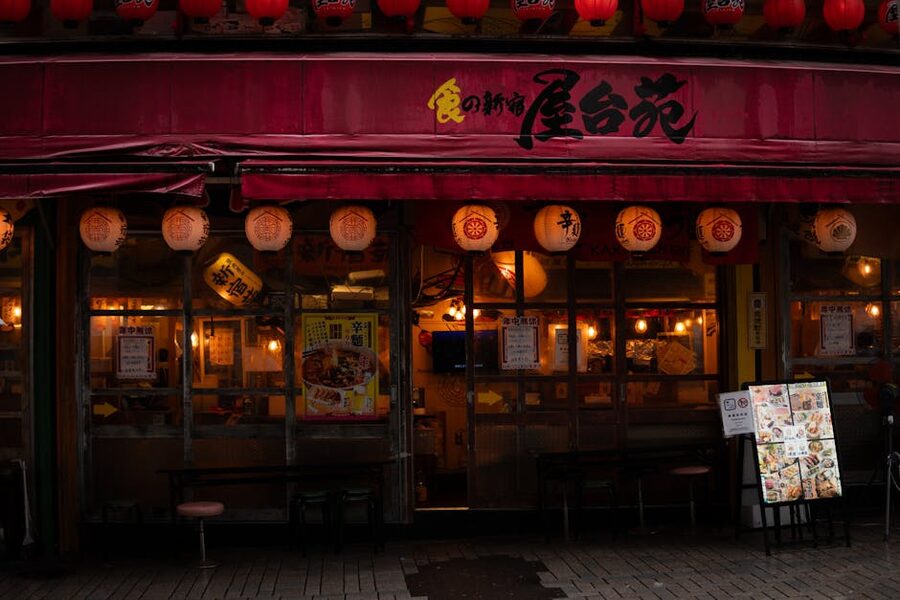
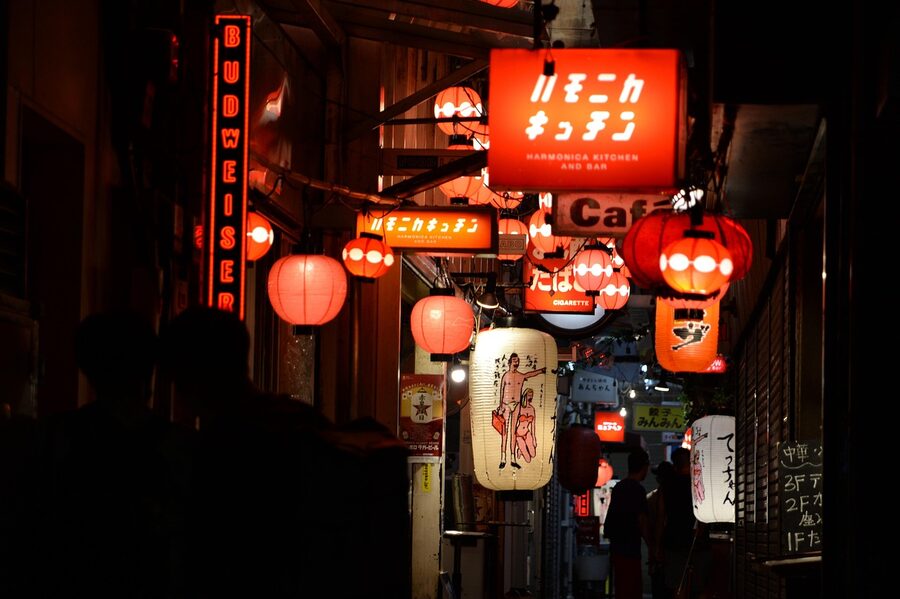
Central Tokyo is expensive for drinking; the periphery is not. The cheap neighbourhoods all sit on the slow trains, three or four stops out from a transfer hub. Tateishi (Keisei Oshiage), Akabane (JR Saikyo / Keihin-Tohoku), Kita-Senju, Asakusa, Sangenjaya, and Nakano are the bands of senbero density. The Tokyo bars overview covers the full geography. Central Tokyo, Ginza, Roppongi, Marunouchi, should be skipped if your budget is the question. The drinks are not noticeably better; the rooms are.


Fukuoka: yatai street food drinking
Fukuoka has the yatai, open-air street stalls along the Naka River and around Tenjin, that pour beer and shochu at ¥500 a glass with food at ¥500–800 a plate. A round of food and drink runs ¥1,000–1,500. The yatai close at the first heavy rain and reopen the next dry night. The Fukuoka guide goes into the timing and the named-stall recommendations.
Kyoto: more expensive than the rest
Kyoto is not a budget drinking city. The Pontocho and Gion districts run high-margin tourist pricing, ¥700 for a beer and ¥1,200 for a sake glass is common. The cheap drinking sits at Kyoto Station’s underground food courts and along Karasuma-dori north of the centre. The Kyoto eat and drink guide has the addresses; the short version is that Kyoto rewards a slightly higher budget, around ¥3,000, more than it rewards a tight one.
Sapporo: cheap beer, cold context
Sapporo is, for obvious reasons, the city to drink Sapporo beer in. The biru-en beer halls on Odori run ¥500 pints all summer long; the senbero density in the Susukino district is high in the ¥1,000–1,500 band. The Sapporo guide has the named places.
Naha and Okinawa: the awamori discount
Awamori, Okinawa’s rice-based distilled spirit, is the cheap drink locally. Glasses run ¥500 across the cheap places in Naha; whole bottles cost ¥1,200–2,000. The full picture sits in how to drink awamori on a trip.
The department store basement: cheap sake disguised as gourmet shopping
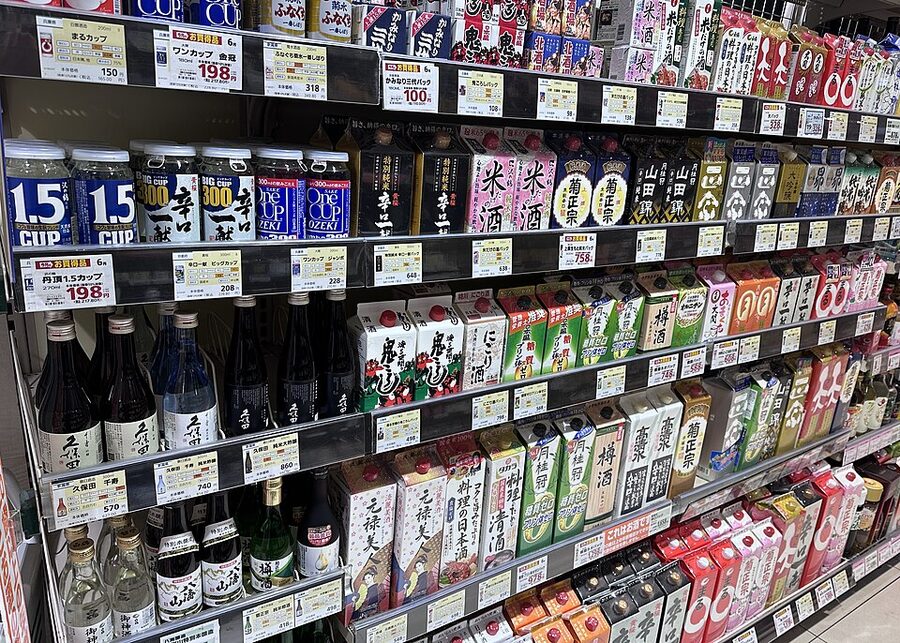

The depachika, the basement food halls of department stores, are an under-used budget drinking resource. Most travellers walk through them for sushi takeout and sweets, and miss the sake counter at the back. The same bottle that costs ¥3,800 at a Ginza restaurant’s glass-by-glass list will cost ¥1,200 at the depachika. The shelf is sorted by region. The staff usually speak enough English to point at a region, and most of the major depachika offer free 5ml tasting cups of two or three bottles a day.
The Tokyo depachika worth visiting for sake specifically:
- Isetan Shinjuku B1: the largest sake selection in any Tokyo depachika I have seen, around 200 labels. Tasting station rotates weekly. Prices ¥1,000–6,000. Open 10:00–20:00.
- Mitsukoshi Nihombashi B1: smaller selection, more focus on Niigata and Kyoto sake. The Shinanoya counter inside the floor is its own destination.
- Daimaru Tokyo Station B1: convenient if you are passing through; selection is more touristy but the pricing is fair.
- Hankyu Umeda B1 (Osaka), the largest sake floor in western Japan, around 300 labels. The Kansai equivalent of Isetan.
Buy two 720ml bottles, take them back to the hotel, share with whoever you are with. Two bottles at ¥1,500 each comes to ¥3,000 between two people for an evening of name-brand sake. The same volume at a restaurant would have been ¥15,000.
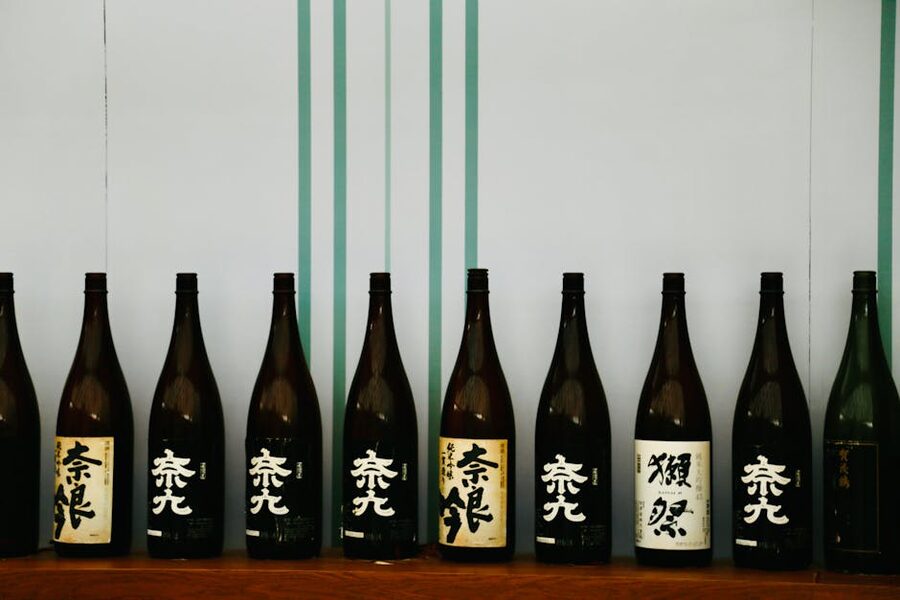
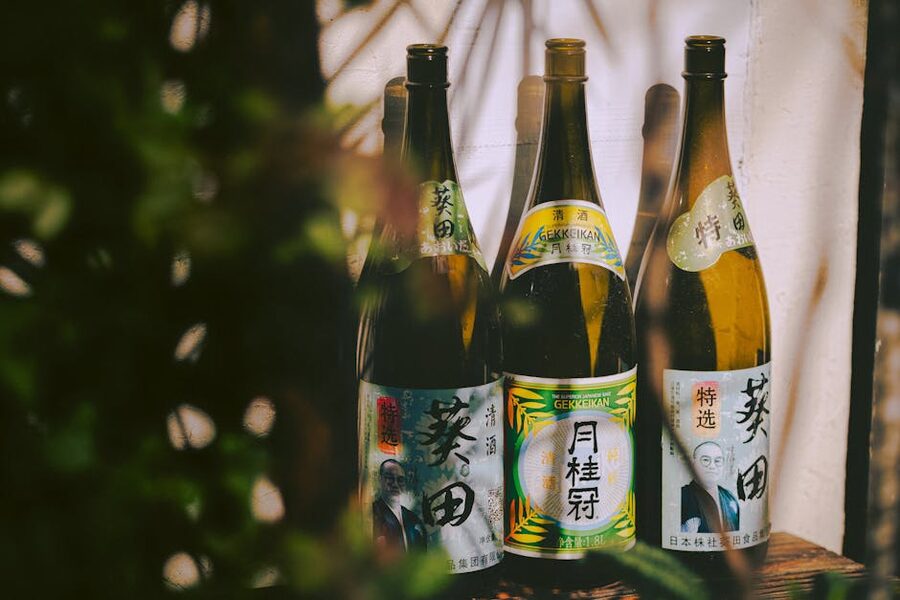
For decoding what is on those labels, the sake travel guide covers the brewer-region matchups; the sake-food pairing piece covers what to drink with what once you are home with the bottle.
Kakuuchi: drinking inside a liquor store
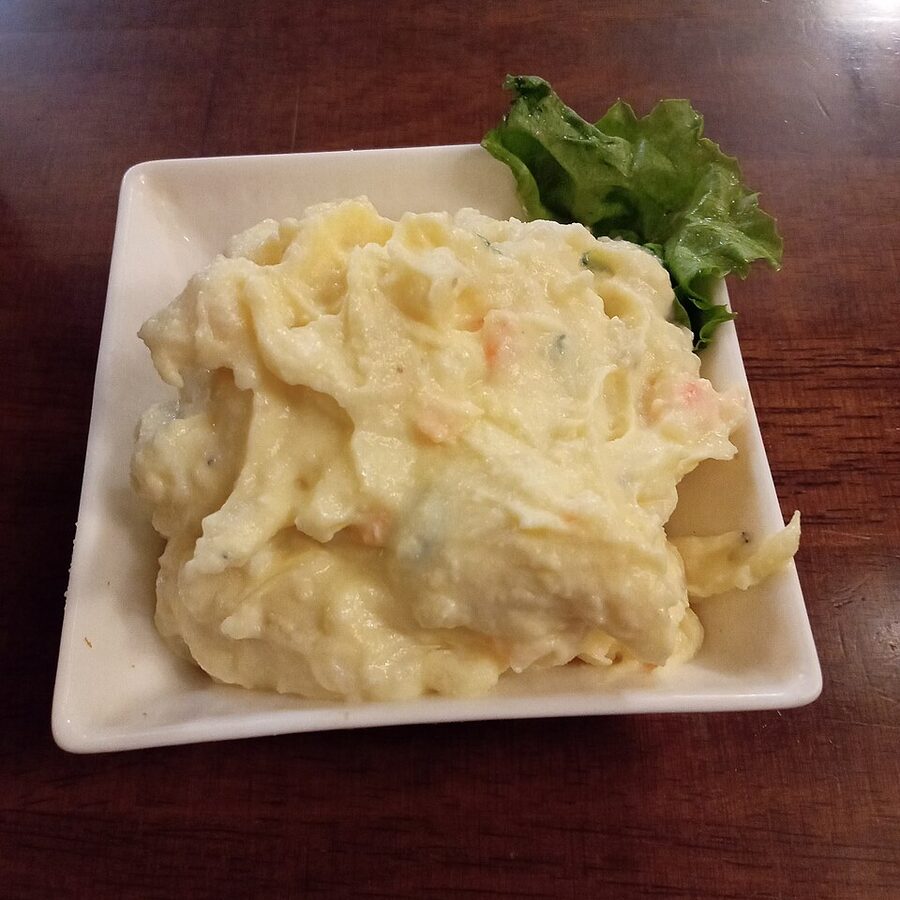
Kakuuchi, literally “corner-drinking”, is a Japanese institution where a liquor store opens a corner of its floor as a tiny standing bar. You buy a bottle or a glass at retail price, the shop pours it for you on a counter or a stand, and you drink it there. The mark-up is ¥50–200 a serving over the bottle price, which means you are drinking at near-shop pricing. Snacks come from the same liquor store’s deli shelf, around ¥200–400 a piece.
Two well-known Tokyo kakuuchi spots:
- Hasegawa Saketen GranSta: inside Tokyo Station’s GranSta concourse, technically a sake-and-shochu shop with a corner counter. Glass pours of named-brewer sake from ¥500. Open until 22:00, late by Tokyo Station standards.
- Liquor Mountain Yamaya branches with kakuuchi corners, the chain has them in Akabane, Kichijoji, and a few central-Tokyo locations. Pours from ¥400. Selection is broader than a typical bar.

Seasonal cheap drinking: hanami, summer beer gardens, winter hot sake
Three seasonal moments shift the budget calculus.
Hanami (cherry blossoms, late March to early April). The classic park-bench drinking moment. A blue tarp, a six-pack of tall chu-hi from the konbini, a bento, and a spot at Yoyogi Park, Maruyama Park in Kyoto, or the canal in Naka-Meguro will run you ¥1,200 a head for an evening of drinking and food under the trees. The dedicated hanami sake culture piece covers what to bring, including the seasonal nama (unpasteurised) sake that comes out specifically for this window.
Summer beer gardens (June to early September). Department stores in Tokyo, Osaka, and Sapporo open rooftop beer gardens with all-you-can-drink for ¥3,500–5,500 over two hours, including grilled food. The Mitsukoshi Ikebukuro rooftop and the Hankyu Umeda 13F are two I have used; the Sapporo rooftops on Odori run from June to August.
Winter hot sake at the konbini. Both 7-Eleven and Lawson stock several cup-sake brands in the heated cabinet next to the cans of canned coffee, October through March. Kanzake (hot sake) at ¥280 a cup, taken outside on a cold platform, is one of the great cheap moments in Japanese drinking.
Style by style, from cheap to cheaper
Beer
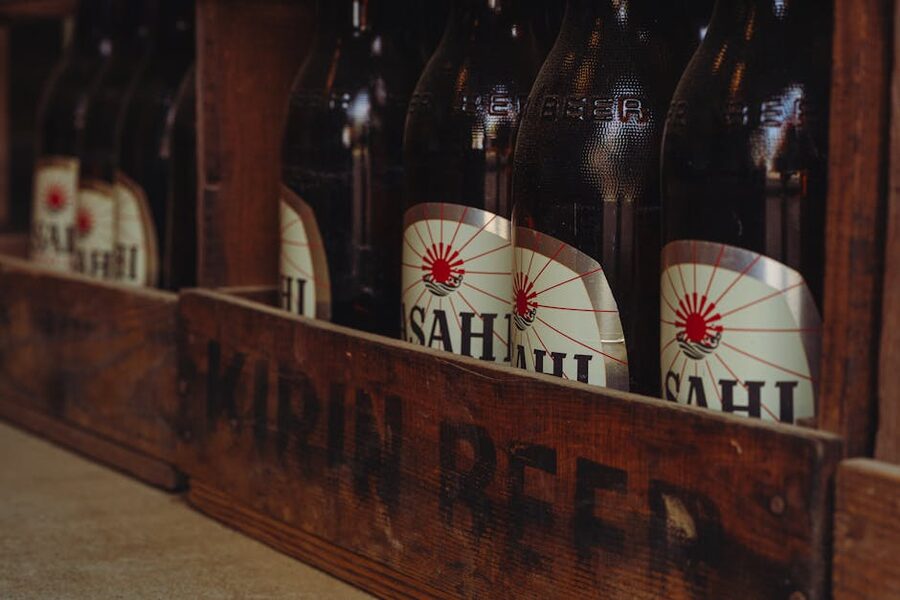
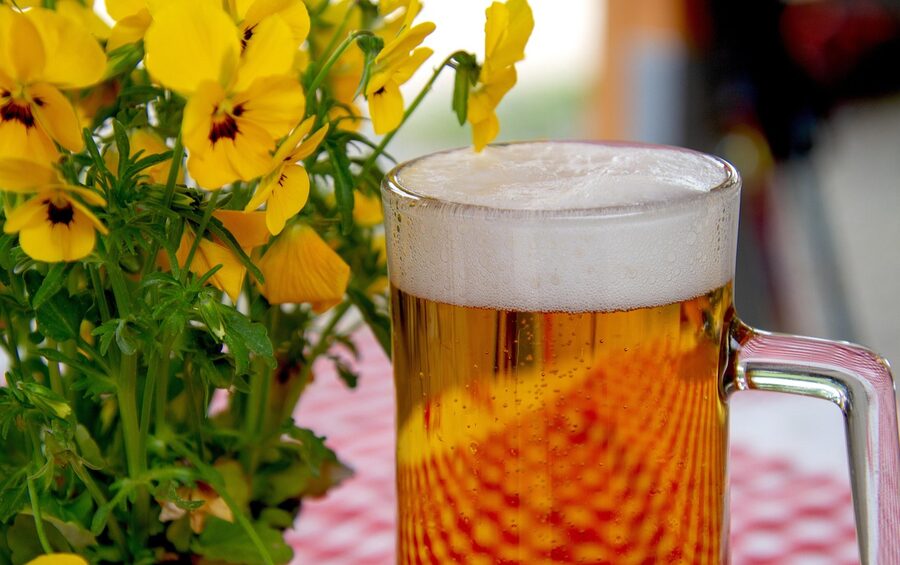
Japan is a four-brewery country: Asahi, Kirin, Sapporo, Suntory. The big lagers (Super Dry, Ichiban, Black Label, Premium Malt’s) cost ¥220–290 at the konbini for 350ml and ¥380–450 in 633ml supermarket bottles. Quality is genuinely high. Happoshu and third-beer alternatives, with adjuncts and lower tax, drop the price to ¥130–180; tastes thinner. For craft, the picture is different and the prices climb. The craft beer guide covers that side.
Sake
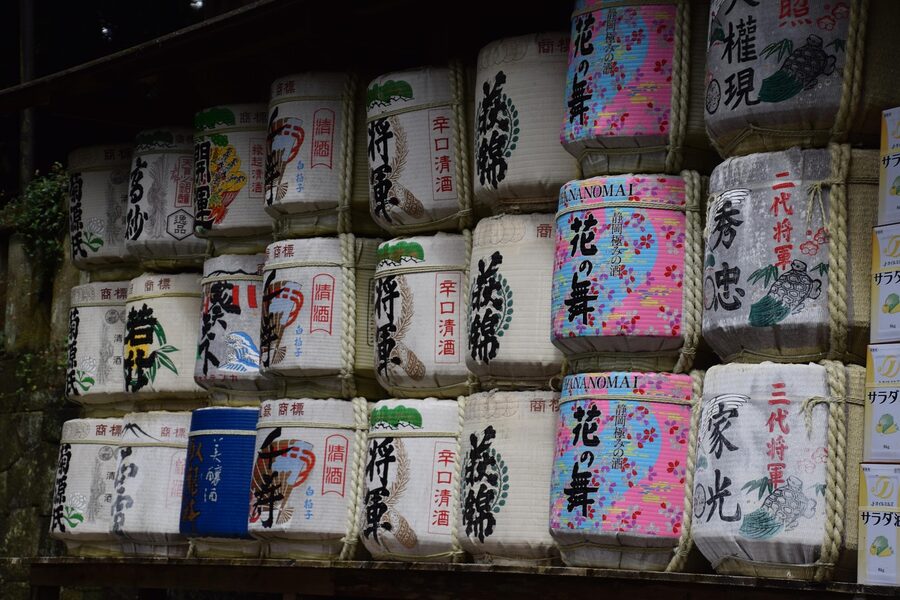
The cheap ranges that are still good:
- Cup sake at the konbini: ¥230–500 covered above.
- 720ml bottles at the supermarket: ¥800–1,500 for a perfectly drinkable junmai. The aisle next to the wine.
- 720ml bottles at the depachika: ¥1,000–3,000 for named brewers. The premium-without-the-restaurant-mark-up range.
- Kakuuchi pours: ¥400–700 a glass at a corner liquor store.
Avoid the ¥3,000 paper-carton sake at a corner shop unless you are cooking with it. The big-volume cooking-sake bricks are not what you would drink.
Whisky and highballs
Japanese whisky has gotten expensive at the high end, but the cheap end remains genuinely cheap. Suntory Kakubin (the Yellow Label, the standard Japanese blend) costs ¥1,500 for a 700ml bottle at a supermarket; the same as a half-decent supermarket bourbon back home. Mix it 1:3 with Wilkinson sparkling water, two ice cubes, lemon if you have one, and you have a passable highball for ¥130 a glass at home. The highball culture piece covers the chain-bar versions, which run ¥390–500 a glass and are decent value.
Shochu and the spirits aisle
Shochu is where the supermarket aisle gets spectacularly cheap. A 1.8L paper-pack of kome-shochu (rice) or mugi-shochu (barley) runs ¥1,200–1,800 and lasts a fortnight at the standard 1:3 dilution with hot water or soda. The premium imo-shochu (sweet potato), where the smell does the heavy lifting, climbs to ¥3,000–5,000 a 1.8L pack. Compared with sake and awamori, shochu has the steepest cheap-to-good curve in the country: very drinkable at ¥1,500 a litre.
Wine, spirits, the rest
Wine in Japan is mostly expensive (¥1,500–3,000 a bottle for European supermarket wine). Imported spirits are tax-cheap: a 750ml bottle of Beefeater gin runs ¥1,500 at a supermarket. Domestic gin (the Roku, the Ki No Bi if you can find it on sale) is more interesting. None of this is the budget play.
Specific tactics that bring the bill down
Buy in pairs at the konbini
Most chains have 2-for-1 chu-hi specials on rotating brands; the second can drops to ¥100. Look for the “2¥” tag on the shelf. 7-Eleven runs the most consistent ones, FamilyMart the most aggressive.
Drink the supermarket aisle, not the konbini
If you are staying in a place with a fridge, walk past the konbini and into the nearest supermarket. The same Asahi Super Dry costs ¥180 in a six-pack at AEON or Maruetsu, ¥240 at the konbini. Ten cans of beer over a week saves ¥600. Most supermarkets close at 21:00 or 22:00.
Eat first, drink at the bar second
The cheapest tactic at a bar is to arrive having eaten. Bars and izakaya price drinks against an assumed food spend; the otoshi appetiser is built in. Eat at a beef-bowl chain (Yoshinoya, Sukiya, Matsuya) for ¥500–700, drink at the bar second. You spend ¥500 less and eat better than the bar kitchen would have served.
Skip the ¥500 cocktail menu
Some chains advertise ¥500 cocktails. They are sweet, weak, and use rail spirits. A ¥390 chain highball is a better drink at the same price. The ¥500 craft chu-hi at SG Club in Tokyo (covered in the Tokyo craft cocktails piece) is a different category and worth it; the chain-bar cocktail is not.
Use the depachika tasting cups
Several Tokyo depachika rotate free 5ml tasting cups of premium sake daily. Isetan Shinjuku and Mitsukoshi Nihombashi both run them. You can taste through ¥15,000-a-bottle sake for the price of a train ticket to the basement.
Regional sake clubs and the ¥3,000 night out
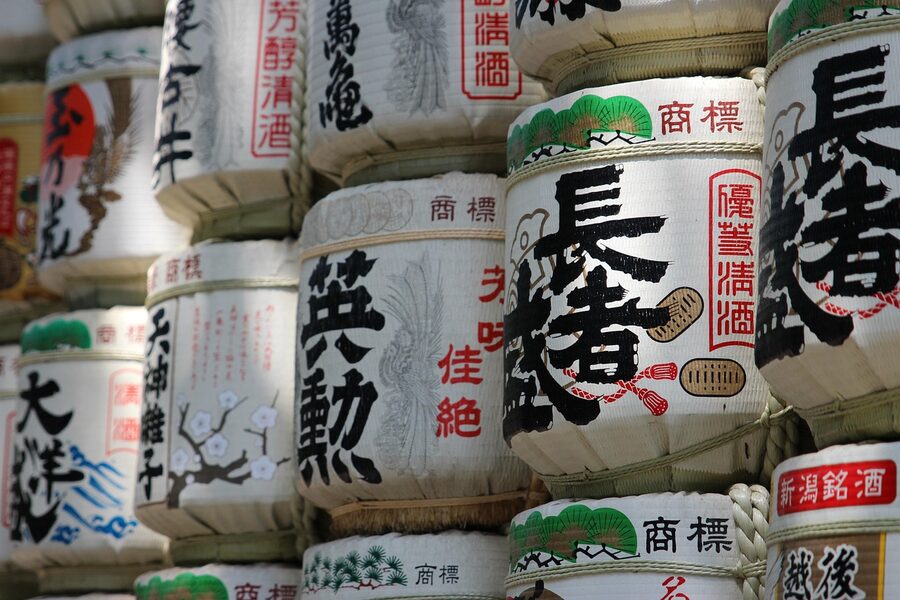
Multi-brewery kikizake bars, where you pay a fixed entry fee and taste through 30, 50, or 100 different sakes from a region, are the dark-horse budget drinking format in Japan. The model: an entry fee of ¥2,000–3,500 buys you a tasting cup and the right to pour from any bottle on the wall for two hours. Snacks are sold separately.
- Sake no Bunkasha (Yurakucho, Tokyo): ¥3,500 for 110 sake brands, two hours unlimited. The benchmark of the format. Open 17:00–23:00, reservation strongly recommended.
- Kurand Sake Market (Ikebukuro and Akihabara branches, Tokyo): ¥3,300 for 100+ bottles, no time limit on weekdays. Snacks bring-your-own from the konbini next door.
- Niigata-kan N’espace (Yurakucho): the prefectural store has a tasting room where ¥500 buys five sake samples from Niigata breweries. Cheaper, smaller, and more focused than the larger free-pour spots.
- Shinshu Osakemura (Roppongi): the Nagano version. ¥1,000 for ten samples from Nagano breweries, with rice crackers included.
The Tokyo sake bars guide covers the broader sake-bar scene, which has a different price band (¥800–1,500 a glass à la carte). For a single ¥3,000 night where you taste 20 different sakes from one prefecture, the kikizake format is hard to beat.
Where the budget angle stops working
Three things that the ¥500–1,000 budget does not buy in Japan, in case you were wondering:
Distillery tours. The major Japanese whisky distilleries (Yamazaki, Yoichi, Hakushu, Mars Shinshu) charge ¥1,500–3,000 for a tour and tasting. Free tours have effectively disappeared post-2020. The full picture sits in the distillery tours piece. Worth doing once, but not the budget night.
Sake brewery visits with a tasting flight. The good brewery day-trips from Tokyo run ¥3,000–6,000 and include transit. Worth the spend; not the ¥500 evening.
The named whisky bars. The serious Japanese cocktail and whisky bars (Bar High Five, Tender, Bar Trench) run ¥1,800–3,000 a drink with a ¥1,000–2,000 cover. They are also some of the best bars in the world and worth the spend on a saved-up evening. They are not the senbero night. The Tokyo whisky bars guide covers them.
What a typical ¥1,500 evening looks like, end to end
A real timestamp from one of my own Tokyo nights, two months ago, drinking budget-only:
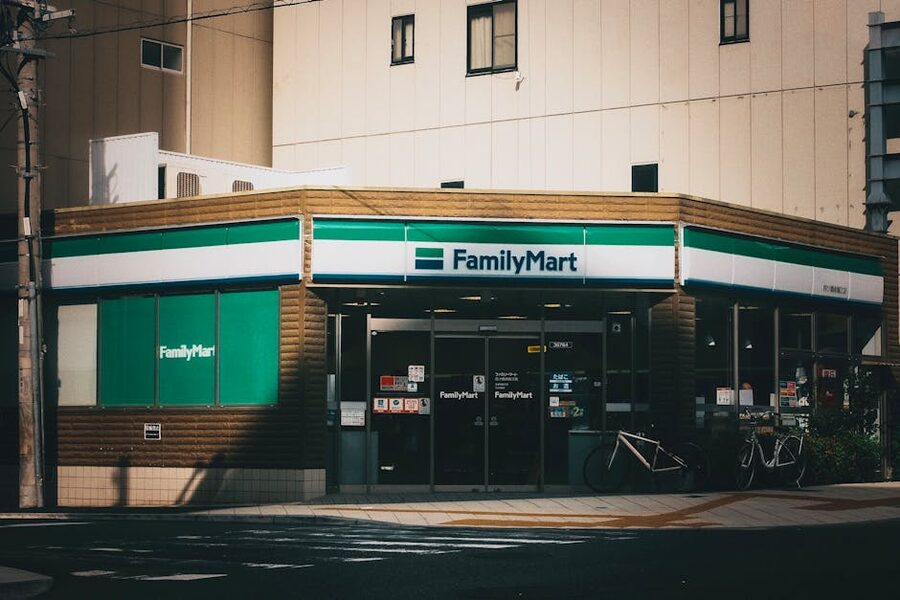
- 17:30: Lawson on the corner. One Hakkaisan cup ¥380, one Strong Zero double-grapefruit ¥200, oden two pieces ¥240. Total ¥820.
- 18:15: walked the cup-sake to the river bench at Sumida-gawa, finished it watching the boats.
- 18:45: Tachinomi Kadokura, Ueno Ameyoko. Kadokura Set: 500ml beer, chu-hi, ham mille-feuille fritter, pickled cucumber. ¥1,000 flat. Out by 19:25.
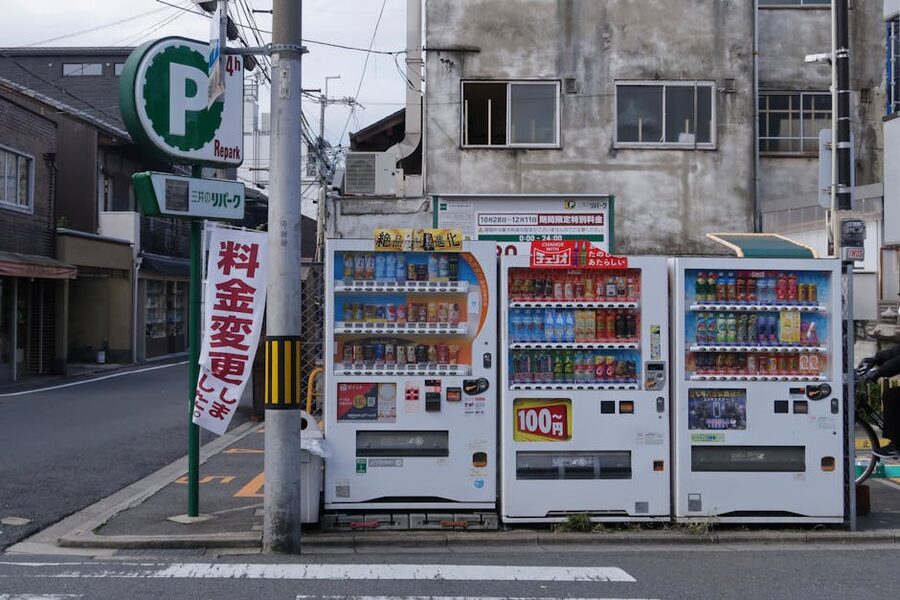
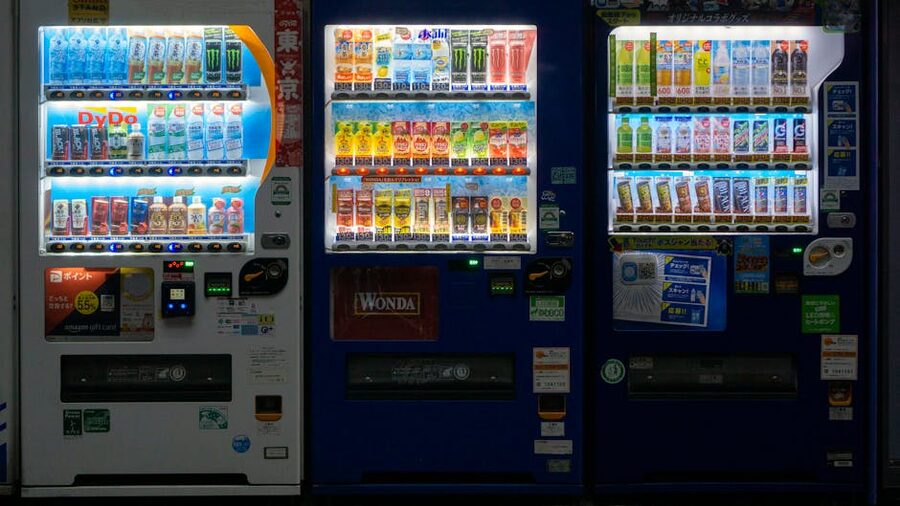
- 19:30: one more chu-hi from a vending machine on Showa-dori, ¥180. Walked to the station.
Total: ¥2,000 for four drinks plus three pieces of food, across two hours and 1.5 km of walking. That is the format, and it is not unusual.
Mistakes that turn a cheap night into an expensive one
Easy ways to blow the budget without realising:
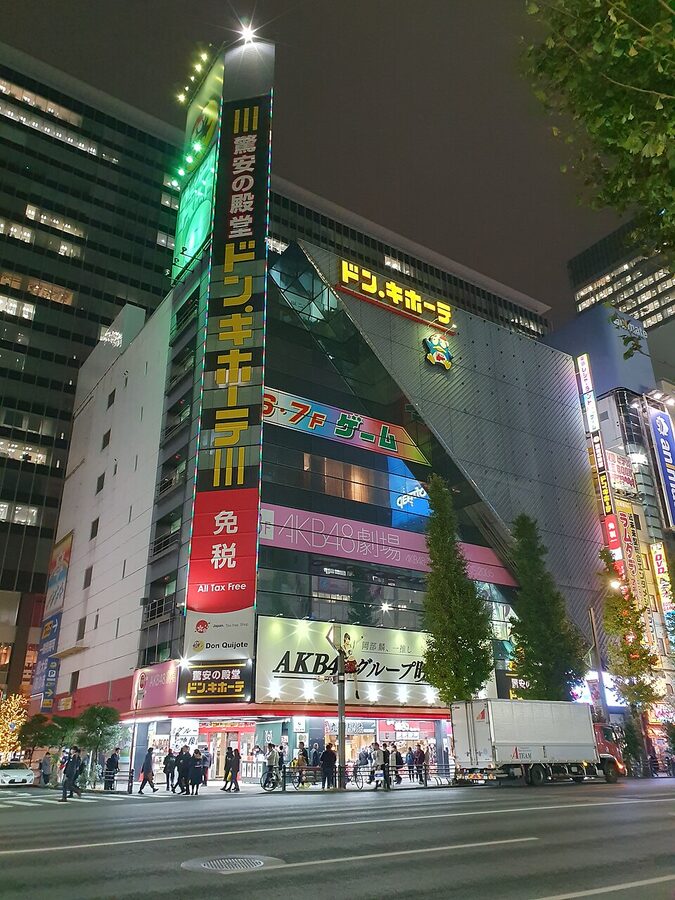
- Walking into the first bar at the station with an English menu. English-menu bars near major stations price 30–50% above the unmarked counter two streets over. The English is the upcharge.
- Ordering by the bottle in a chain restaurant. Chain pricing is built around set meals and beer-by-the-glass. A 720ml sake bottle at Watami runs ¥3,800; the same bottle at a depachika is ¥1,400.
- Forgetting the otoshi. Most non-senbero izakaya charge ¥300–600 per person for the small appetiser brought to your table. It is not optional. Budget for it on top of every drink-and-food count.
- Sticking around past the senbero set. The set price ends at the third drink. Drink four and you are now ordering à la carte at full price; the bill triples in the next 30 minutes.
- Not asking about lunch specials. The ¥500 lunch with a beer is rarely on the English menu. Point at the handwritten board, ask “ranchi setto wa?” and you will usually be shown the cheap option.
- Buying duty-free spirits at the airport on arrival. Japanese tax on spirits is genuinely low; the duty-free price is ¥500–1,000 above the supermarket price for the same bottle. Buy in town.

A four-night cheap-drinking itinerary for Tokyo
If you have four evenings and want to do this properly, the order I would run is:
Night one: Tateishi. Take the Keisei-Oshiage line out from Asakusa or Oshiage. South exit, walk 80 metres into Tateishi Nakamise Shotengai. Pick the first standing bar with seats free. Two senbero sets at two different counters, one beer between the two of you to walk between them. ¥2,500 for two people, three hours, drunk.
Night two: Akabane. JR Saikyo line. East exit, into the OK Yokocho arcade. Three counters, a beer at each, walk back via the Kita-ku side streets. ¥2,000 a person, ends earlier (most Akabane shops close at 22:00).
Night three: depachika hotel-room sake. Isetan Shinjuku B1 around 17:00, taste through the open bottles, buy two 720ml sakes at ¥1,400–1,800. Combini next door for snacks. Hotel room. Two bottles between two people. ¥3,000 a person and the best sake of the trip.
Night four: Ueno Ameyoko, then Shinjuku Omoide Yokocho. Tachinomi Kadokura first, around 17:00. Train to Shinjuku. Walk into Omoide Yokocho around 19:00 for grilled chicken-skin and one beer at three different stalls. ¥3,000 a person, ends in central Tokyo with a cab fare to factor in.
For longer itineraries that mix budget drinking into a wider trip, the three-itinerary planner covers two-week sake-and-food routes.
Two more practical things
The cash question
Almost every senbero counter is cash-only. Same with the kakuuchi standing bars and a lot of independent drinking spots. Konbini take cards and IC (Suica / Pasmo) at every register. The right pattern: pull ¥20,000 from a 7-Eleven ATM (the only ATMs that reliably accept foreign cards, 24/7, in nearly every neighbourhood) at the start of the night and pay cash from there.
The 20-year-old rule
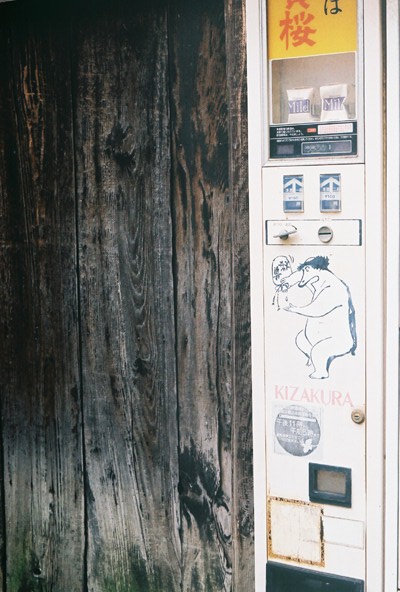
The drinking age is 20. Konbini cashiers occasionally ask travellers who look young to confirm at the register; a passport in pocket settles it. Bars almost never ask. The 20-year-old line is also the legal age for vending-machine cup sake, which is why the machines have been disappearing for years; the few that remain are mostly outside small Tokyo train stations and require an adult-verification card or a mostly-cosmetic touch-screen tap.
Cheap drinking in Japan rewards consistency more than knowledge. The same Strong Zero at the same Lawson costs the same on Monday as it does on Saturday. The same senbero set at Tachinomi Kadokura is ¥1,000 in 2026 the way it was in 2024. Pick the format you like, repeat it, and the budget takes care of itself.
 Drinking CultureWhy I Stopped Clinking Glasses in JapanThe first time I got a Japanese toast wrong, I was at a wedding reception in Yokohama. Ten of us…
 Drinking CultureKonbini Drinks Are a Whole Trip StrategyJapan has roughly 56,000 convenience stores. That's more outlets than McDonald's has worldwide, and the country sells about a third…
 Drinking CultureIs Drinking Alone in Japan Awkward as a Woman?Is drinking alone in Japan awkward as a woman? I asked myself that on the bullet train to Tokyo with…