
Walk into the Sapporo Beer Garden’s Genghis Khan Hall on a Tuesday and a 100-minute all-you-can-drink-and-grill plate runs about ¥5,200, lamb included. Walk five blocks south to a private counter in Susukino and a single pour of 25-year Hokkaido whisky comes in over ¥6,000 with no food at all. The same city, the same evening, the same calorie count if you skip the rice. Sapporo gets booked as a beer-and-ramen city, but the truth is it’s two cities pretending to be one: the all-you-can-eat hall side, and the deeply specialised bar side. Most travellers only see one of them.
I came up here for a snowboarding trip and stayed an extra four nights specifically to eat. Hokkaido is the dairy and seafood larder of Japan; Sapporo is where almost all of it gets processed, plated, poured, and consumed. The drinking culture is older than you’d think (the Sapporo brewery hits 150 years in a couple of years) and the food culture has been quietly inventing dishes that don’t really exist anywhere else: soup curry, butter-corn miso ramen, salmon-roe rice bowls so loaded the spoon won’t fit. This guide covers what to drink, what to eat, where to do it, and how to budget for both halves of the city. If you’re cross-shopping the four big eat-and-drink cities, the closest cousin is probably Fukuoka for the seafood-and-late-night density; Tokyo, Kyoto, and Osaka all play different games.
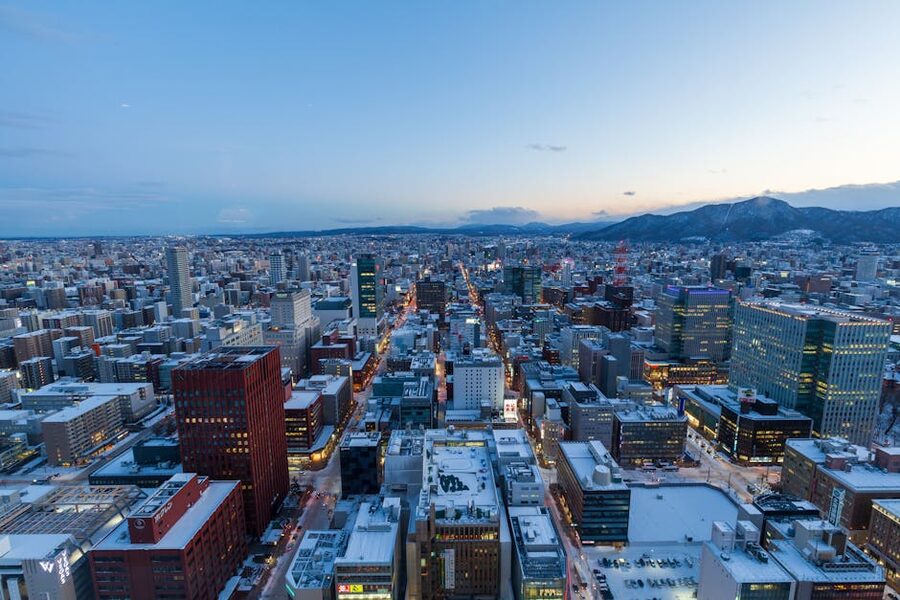
In This Article
- Where to head for what: a quick comparison
- Sapporo Beer, the city it built
- The Beer Museum (free, with a paid tasting bar at the end)
- Genghis Khan Hall: the all-you-can-drink-and-grill experience
- The craft scene: smaller, mostly clustered south of Odori
- Hokkaido seafood, market by market
- Nijo Market: the breakfast spot
- Jogai Market: bigger, less tourist, opens earlier
- The crab speciality counters in Susukino
- Soup curry, miso ramen, jingisukan: the cold-weather plate
- Soup curry: invented here, still mostly stays here
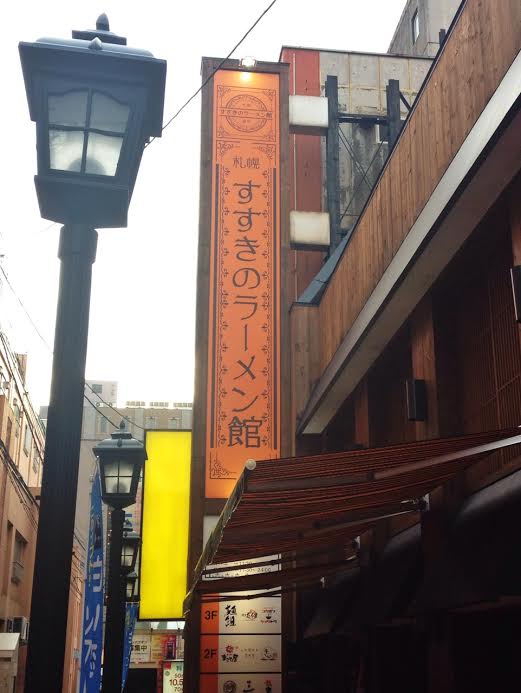
- Miso ramen and the Susukino Ramen Yokocho
- Jingisukan: lamb on a dome-shaped grill
- Susukino at night
- Whisky bars: the part of Susukino I keep coming back to
- Izakayas with Hokkaido sake on the menu
- Cheap-and-real: the standing bars
- Tanukikoji and Odori for the daytime drink
- Coffee and tea (the practical drink)
- The Odori Park beer garden, July through August
- Day trip to Otaru and Yoichi
- Otaru: sushi at the source, glass at the warehouses
- Yoichi: the Nikka distillery
- Where to stay
- Practical: getting in, getting around, money, hours
- One last thing
Where to head for what: a quick comparison
Six neighbourhoods do almost all the eating and drinking work in Sapporo. Here’s how to read the map before you book anything.
| Area | What it’s for | Best time | Walk from a centre |
|---|---|---|---|
| Susukino | Izakayas, ramen alley, whisky bars, late-night yakitori | 19:00–02:00 | 5 min from Odori; on the subway Namboku Line |
| Tanukikoji | Covered shopping arcade, daytime cafes, casual izakayas | 11:00–22:00 | 3 min from Odori |
| Sapporo Station / Stellar Place | Soup curry, conveyor sushi, sweets, rooftop hotel bars | 09:00–22:00 | Stellar Place is in the station building |
| Odori Park | Beer Garden in summer, Snow Festival in winter, food kiosks | Seasonal | Subway Odori, all lines |
| Nijo Market | Morning seafood bowls, crab counter | 07:30–14:00 | 10 min east of Odori |
| Nakajima / Beer Garden area | Sapporo Beer Museum, Genghis Khan Hall, brewery tour | 11:00–21:00 | 10 min taxi or subway plus walk |
The whole city is small enough that the subway covers it cleanly, and a single ride costs ¥210–290. If you’re staying one night, plant yourself at Susukino or Sapporo Station and walk. If you’re staying three nights or more, build at least one evening around the Beer Garden and one morning around Nijo Market.
Sapporo Beer, the city it built
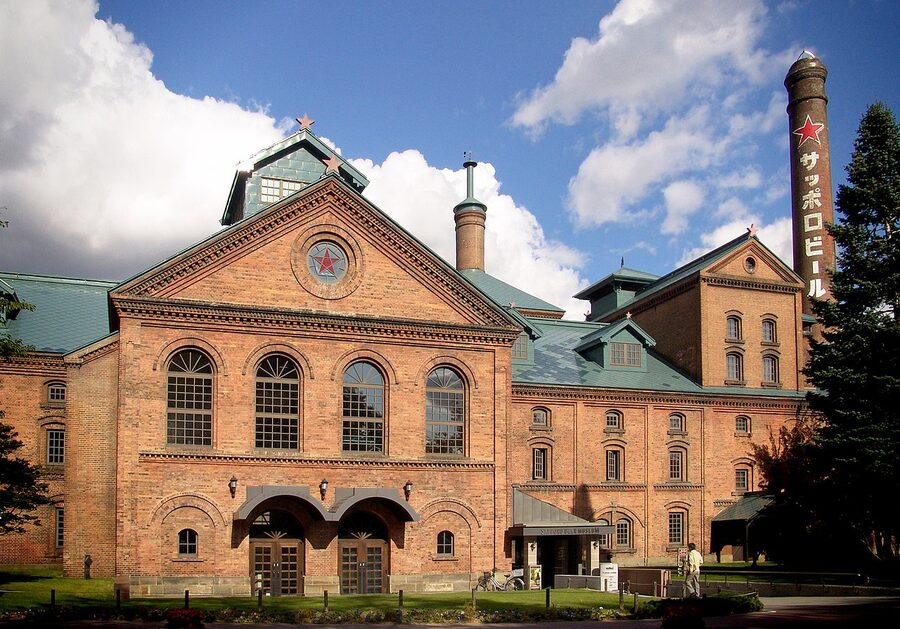

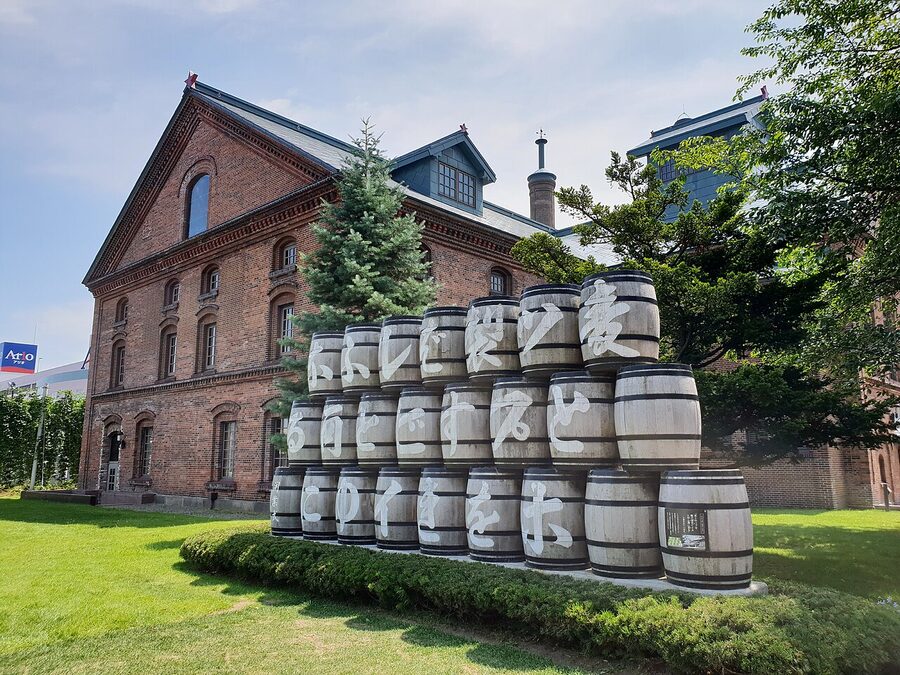
Sapporo Beer started in 1876, the same year the city was officially declared a city. That timing is not a coincidence. The Meiji government wanted to colonise Hokkaido fast, and they wanted German-trained brewers to make the new arrivals feel less homesick. The result, after roughly 150 years of consolidation, is the country’s oldest active beer brand and a brewery complex that doubles as a museum, a beer hall, and a working production site all in the same red-brick block.
The Beer Museum (free, with a paid tasting bar at the end)
The Sapporo Beer Museum (7-chome, Kita 7-jo Higashi, Higashi-ku) sits inside the original 1890 brewhouse. Entry is free. There’s a 50-minute self-guided walk-through covering the brewery’s founding, the Hokkaido Pioneer brand history, and a wall of vintage poster art that’s worth ten minutes on its own. The end of the tour drops you in a tasting bar where a four-glass flight is ¥800 and a single mug of fresh Sapporo Classic (the Hokkaido-only draught) is ¥300. Open 11:00–20:00, last entry 19:30, closed Mondays.
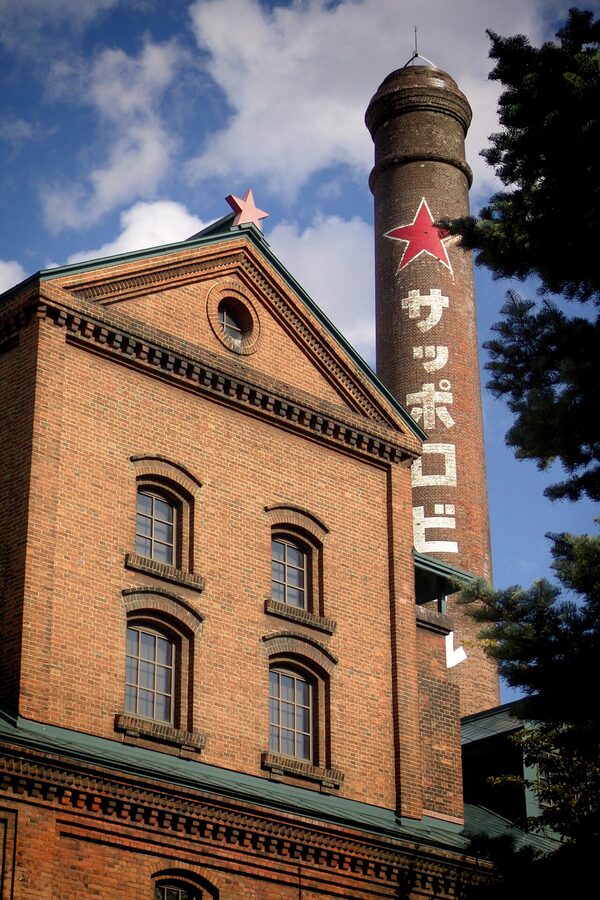

If you want the working-brewery tour rather than the museum, that’s a separate experience entirely. The tour runs at the active Hokkaido Brewery in Eniwa, a 30-minute train ride south, and you have to reserve through the official site (Sapporo Beer’s reservation page) at least a week ahead. Most travellers stop at the museum and don’t do the Eniwa tour. That’s the right call unless you’re a brewery completist.
Genghis Khan Hall: the all-you-can-drink-and-grill experience
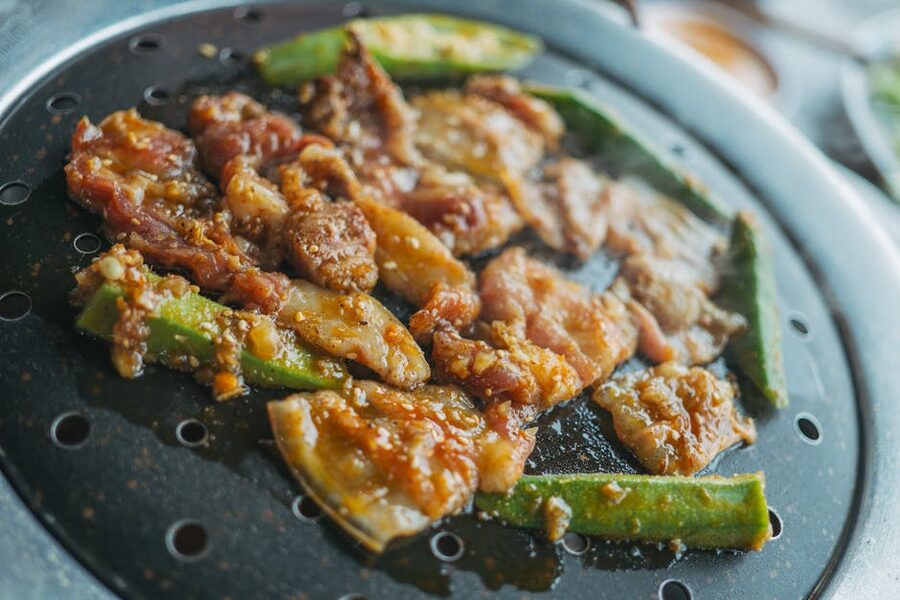
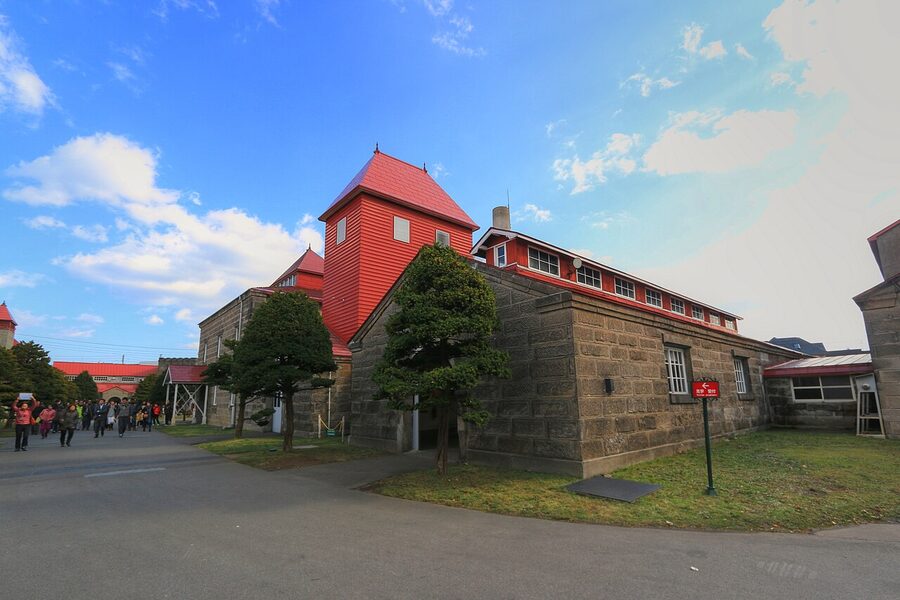
Inside the same brewery complex sits the Sapporo Beer Garden, a four-hall restaurant operation built around the original 1890 boiler house. The thing to book is the Genghis Khan all-you-can-eat-and-drink set in the Kessel Hall (about ¥5,200 for 100 minutes, with the all-you-can-drink draught upgrade adding around ¥2,000). You sit at long communal tables, you cook lamb on the dome-shaped iron pan, and the staff bring you fresh slices and beer mugs until you wave them off. The website lists English reservations at sapporobeer.jp.
The lamb is unfussy and good. The beer is unfussy and good. The point is the room: a 130-year-old brick boiler house full of 400 people drinking and grilling at the same time. It’s the closest thing in Japan to a Munich beer hall, including the bus tours. Reserve at least three days ahead in summer, two in winter; walking up to the door at 19:30 on a Friday almost always means a 90-minute wait.

The craft scene: smaller, mostly clustered south of Odori
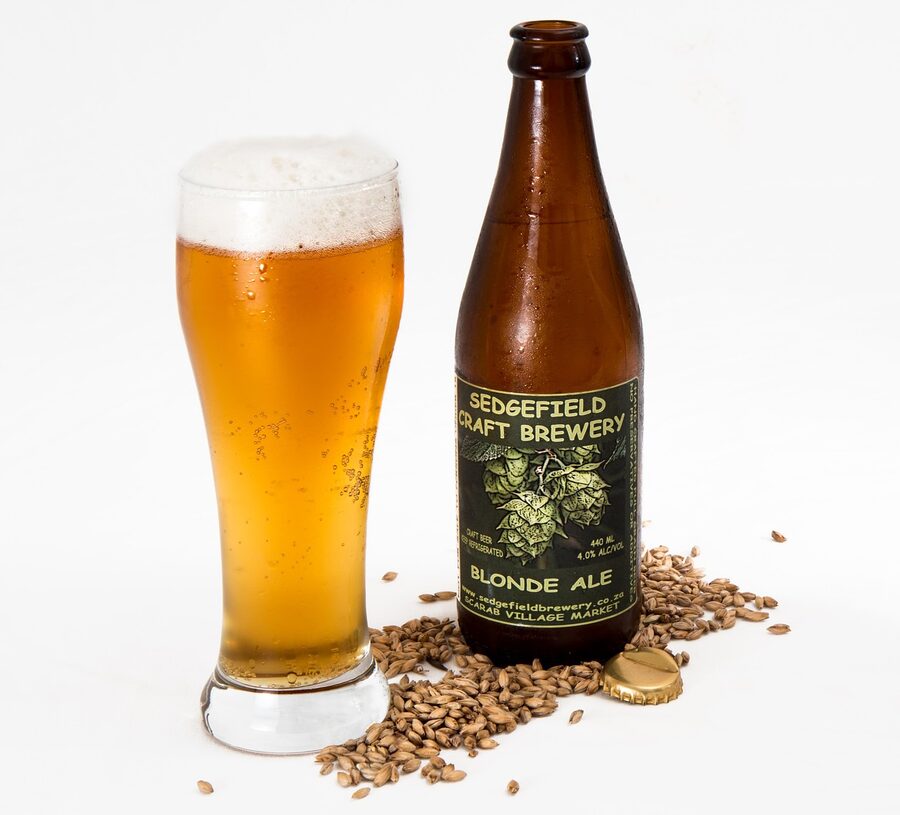
Craft beer in Sapporo isn’t on the same scale as Tokyo or Osaka, but it punches above its weight on quality. The two operations to know about:
- Tap Room Beer Kotan (Minami 2-jo Nishi 3, 3rd floor) is the brewpub for Hokkaido Brewing Company. They run their own taps and a kitchen that does pickle plates and octopus carpaccio. Eight to ten taps rotating, including a haskap fruit ale (haskap is the Hokkaido honeysuckle berry; you’ll see the word a lot). Glasses run ¥850–1,200. Open 17:00–24:00, closed Mondays.
- Moon & Sun Brewing has two locations. The flagship is a 10-minute walk from Nijo Market; the smaller Miredo branch sits inside a complex on Kita 3-jo Nishi 3. Beers are straightforward rather than experimental: the IPA is solid, the wheat is solid, the Hokkaido-potato-grown rye is the one to try. Reservations recommended for the flagship; the Miredo location takes walk-ins.
If beer is the only thing you came for, plan one Beer Garden evening and one craft-bar evening. If you came for everything, the Beer Garden goes on the must-list and the craft scene becomes a backup option. The whisky bars covered later in this guide are usually the better evening anyway.
Hokkaido seafood, market by market
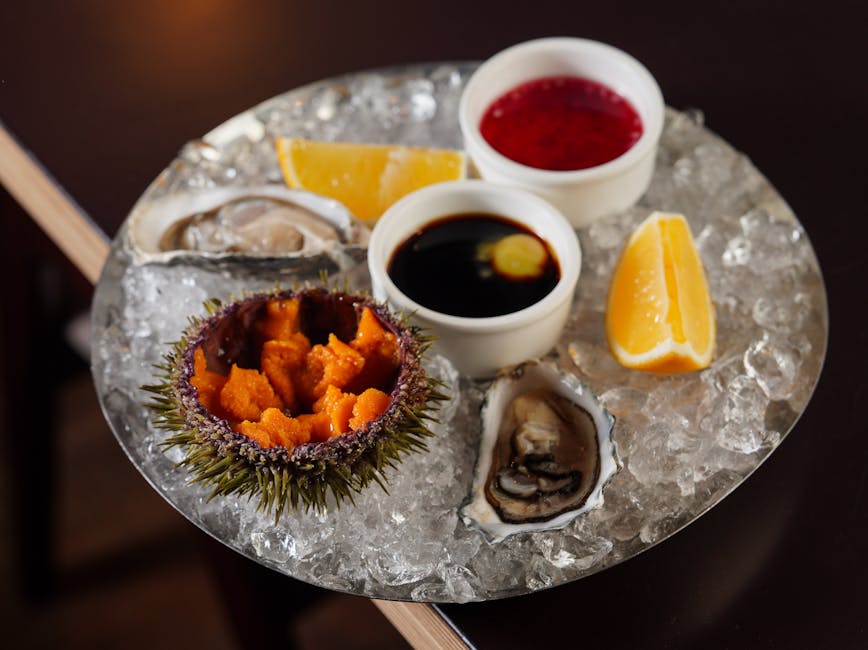
Sapporo is 12 kilometres from the sea and the city’s logistics chain is set up specifically to keep that distance from showing on the plate. Cold water around Hokkaido grows scallops, snow crab, hairy crab, sea urchin, salmon, herring, squid, and Atka mackerel; the auctions at the city fish market start at 04:00 and the morning’s catch is at the breakfast counters by 07:30. If you want one specific Sapporo experience to plan around, this is it.
Nijo Market: the breakfast spot
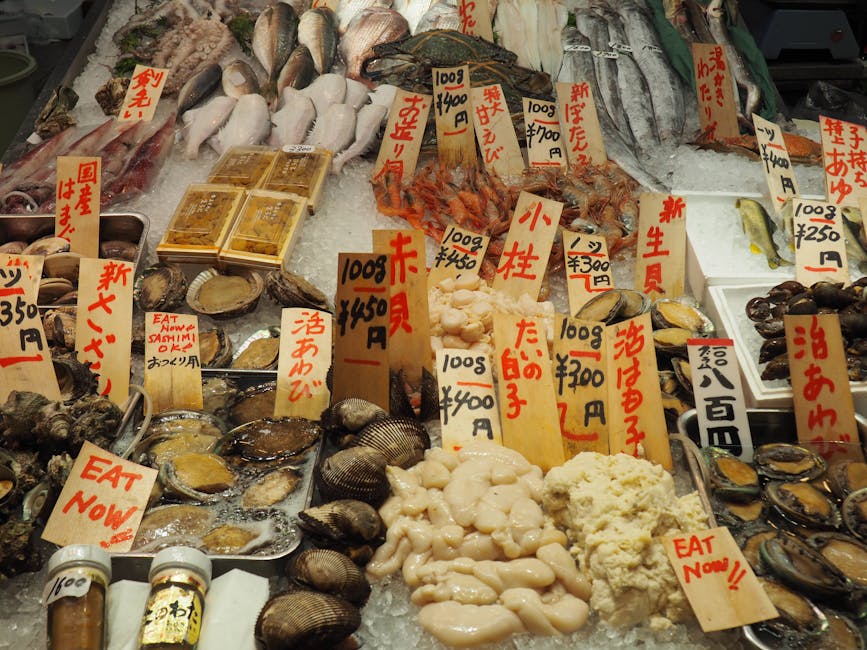
Nijo Market (1-chome Minami 3-jo Higashi, Chuo-ku) is small, smaller than Tsukiji’s outer market by a long way, but it does one thing extremely well: morning seafood bowls. The market opens around 07:00 and food stalls inside start serving at 07:30. Two restaurants worth your time:
- Donburi Chaya Sapporo Nijo: 50-plus kaisendon variations on the menu, photo-illustrated. The 12-topping seasonal bowl is ¥3,200 and is enormous. Open 07:00–17:00.
- Daiichi Kaisenmaru: tiny eight-seat counter, opens at 07:00, kaisendon ¥2,900–5,000 depending on the fish. The miso soup that comes with it is the best version of the dish I had in the city. Arrive at 06:50 if you don’t want to queue.
Cash works everywhere; a few of the bigger places now take cards, but the cash-only sub-stalls are the ones with the best stock. ATM in the back of the 7-Eleven across the street.
Jogai Market: bigger, less tourist, opens earlier
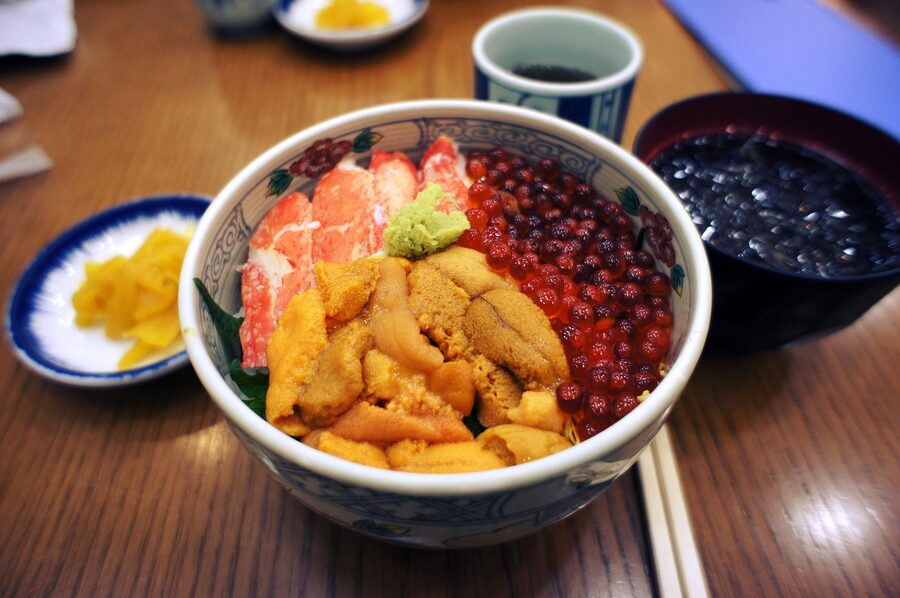
If Nijo is too crowded (it is, on weekends), take a 15-minute taxi to Sapporo Jogai Ichiba (the Outside Market, near Nijuyon-ken Station on the Tozai subway line). It’s where the locals go and where the wholesale prices are closer. Aji-no-Niko is the famous breakfast counter here; their kaisendon was the original of the genre according to several Japanese guides. The market opens 06:00 and the food stalls run 06:00–14:00 most days. Most of the stalls are cash-only.
The crab speciality counters in Susukino
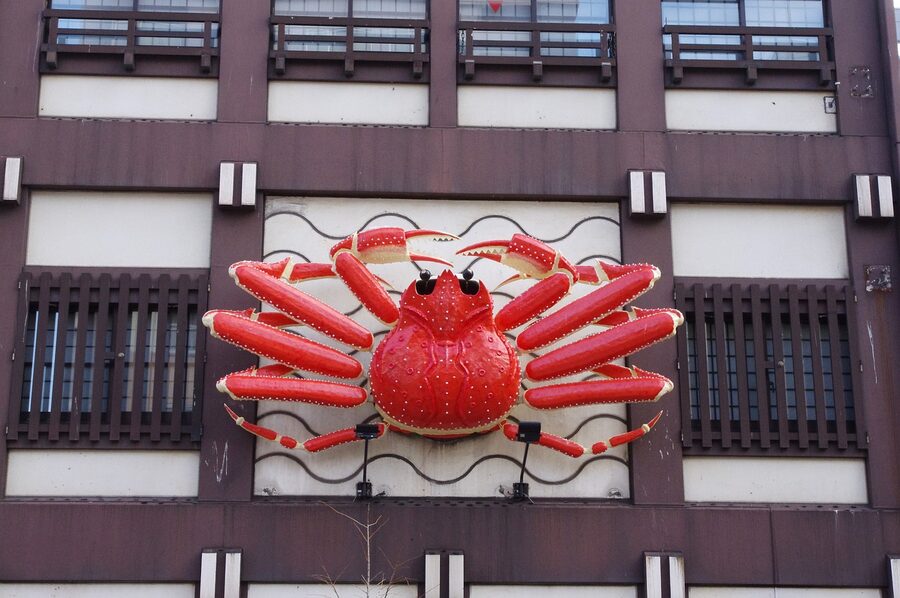
Sapporo’s set-piece crab restaurant is Kani Honke (a chain since 1971; the Sapporo Ekimae location is the flagship, at Kita 3-jo Nishi 2). The course menus run ¥7,500 to ¥30,000 depending on the crab grade and the number of preparations (boiled, hot pot, sashimi, grilled, rice). It’s a place built for visitors and the staff know it; English menus are standard. The food is good but it’s also the most touristed seat in the city. Book a week ahead during snow festival weeks; you can usually walk in on a Tuesday.
Better value, and arguably better crab, is at Hyosetsu no Mon in Susukino (Minami 5-jo Nishi 2). The crab dispenses fresh, the lunch tasting is ¥4,400, and there’s no signage in any other language than Japanese inside the dining room. Reserve through Tabelog if you can read it; otherwise call ahead and they’ll find you English help.
Soup curry, miso ramen, jingisukan: the cold-weather plate
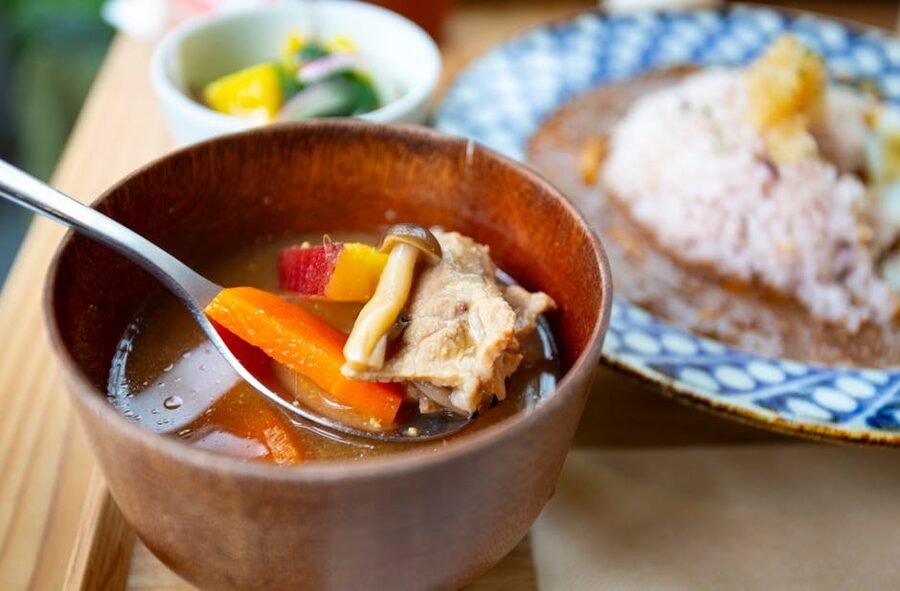
Three city-defining dishes get all the airtime: soup curry, miso ramen, and jingisukan (grilled lamb). They have one thing in common, which is that they all came out of Sapporo’s specific climate problem. Hokkaido is cold for half the year and snowed under for a quarter of it. The food culture solved that with broth, fat, and high-spice content, in roughly that order.
Soup curry: invented here, still mostly stays here
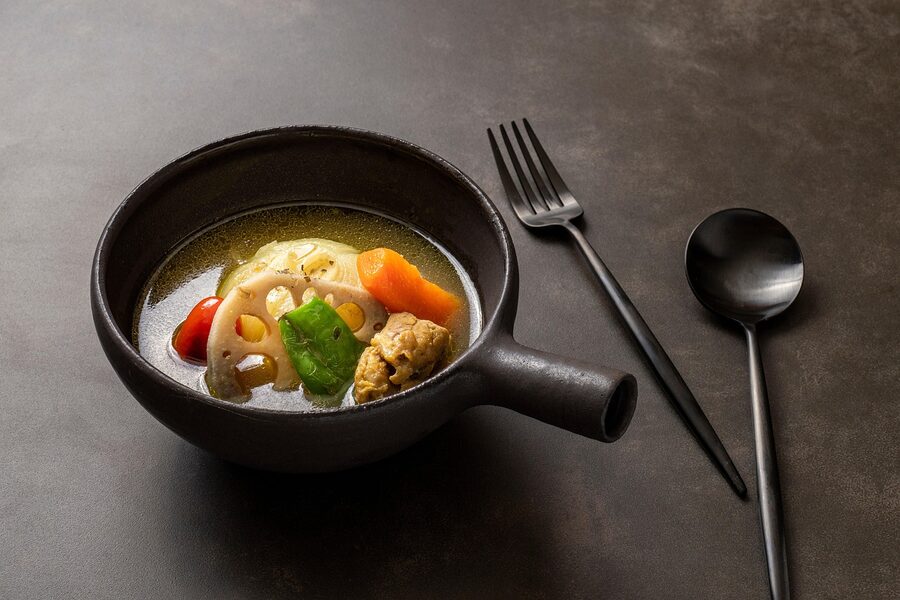
Soup curry was invented in Sapporo in 1971 at a place called Ajanta, which is still open. The dish is the opposite of a normal Japanese curry: thin broth instead of thick roux, big chunky vegetables, a bone-in chicken leg or pork belly, served with rice on the side rather than under the curry. You pick a spice level (most places run 1–10, some go to 40) and a meat. The whole thing is meant to be eaten by spooning rice into the broth in small batches.
Three places worth the queue:
- GARAKU (Minami 2-jo Nishi 2, 1st basement, in the Okuni Tomato Building): the famous one. Daily queue, 30–90 minutes most days. Chicken leg and vegetables runs about ¥1,580. Open 11:30–15:30 and 17:00–23:30.
- Soup Curry Treasure (Minami 2-jo Nishi 2, 2nd floor, same building as GARAKU): the sister restaurant. Same kitchen DNA, half the queue. Their hamburger-on-rice with curry broth (about ¥1,800) is the move.
- Soup Curry King (Minami 2-jo Nishi 3, basement): bigger menu, can customise everything, including the rice quantity and an upsize on the broth. Worth comparing to GARAKU on a separate visit; the broths are noticeably different.
Skip Magic Spice (the 1971 founder is in a tougher neighbourhood, the wait is hostile, and several locals told me the broth has slipped). Skip Picante if there’s an obvious queue; it’s good but not GARAKU good.
Miso ramen and the Susukino Ramen Yokocho

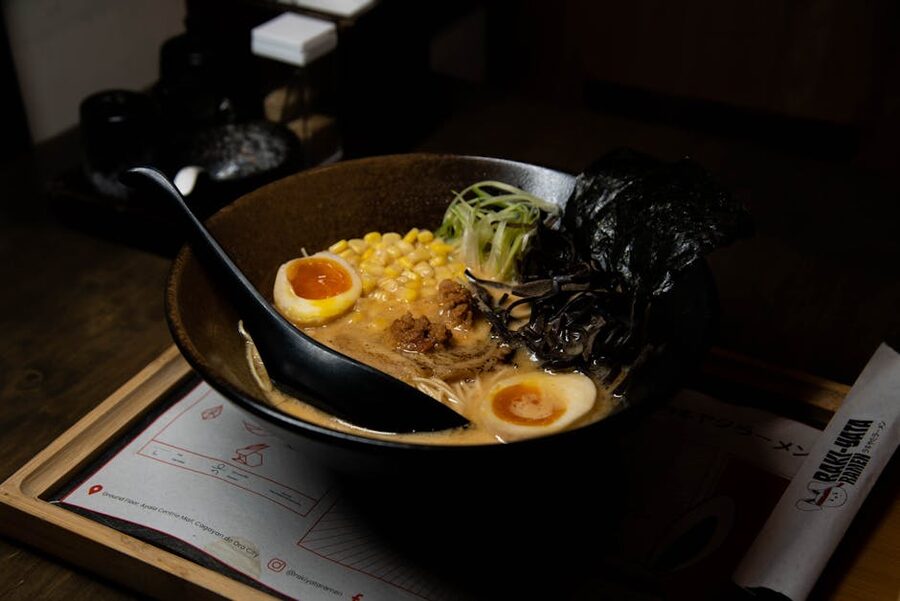
Sapporo claims miso ramen as its own (Hakodate has shio, Asahikawa has shoyu; collectively the three are the Hokkaido san-dai ramen). The miso paste is added to a pork-and-chicken broth at the end, the noodles are the trademark thick curly Sapporo noodle, and the toppings include corn, butter, and bean sprouts. The whole thing is hot, fatty, and works exactly when the temperature outside is –5 °C.
Two strategies for ramen.
The famous-shop strategy. Hit one of the city’s iconic miso shops and accept the queue. Sumire (Nakajima Honten) in Toyohira-ku is the most famous (Minami 3-jo Nishi 4 location is a 10-minute taxi); the regular miso ramen is ¥1,000 and the queue runs 30 minutes weekday lunch, 90 minutes weekend dinner. Menya Ayami in Misono is its closest contender, started by an apprentice who trained at Sumire for seven years. Both are worth the trip.
The yokocho strategy. Walk into the Ganso Sapporo Ramen Yokocho (Minami 5-jo Nishi 3, follow the small red sign) and pick whichever shop has fewer than four people queueing. The 17 shops here are competitive enough that none of them are bad. Teshikaga Ramen takes credit cards and has English-language signage; Sapporo Ramen Haruka is the most famous and the busiest; Ramen Shingen a few minutes north of the alley does a thicker Shinshu miso and a kakuni (slow-braised pork belly) topping that’s worth the upgrade. Bowls run ¥950–1,300 across the alley.
Jingisukan: lamb on a dome-shaped grill
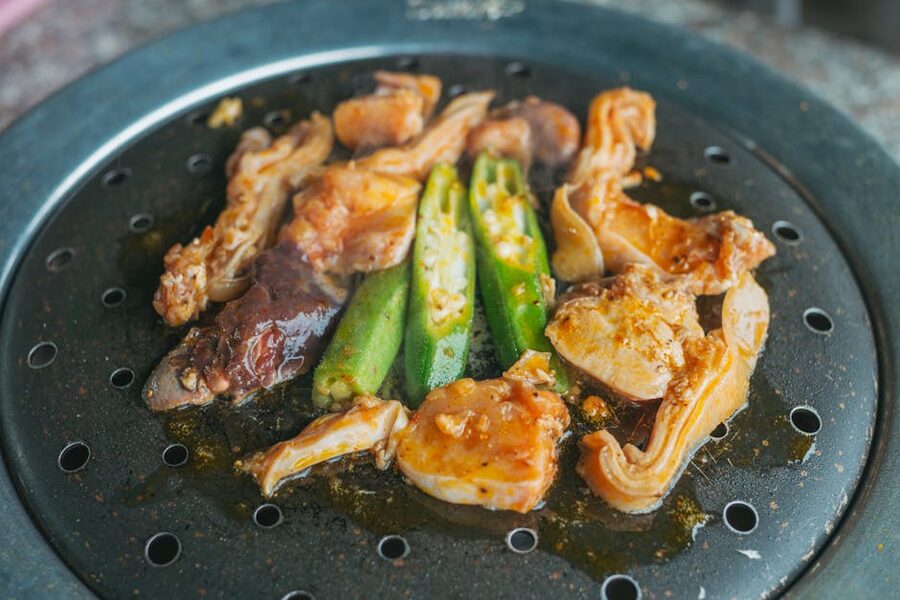
Beyond the Beer Garden (covered above), there’s a more serious version of jingisukan at small specialist counters. The lamb is fresher (most use unfrozen Tasmanian or Hokkaido domestic lamb), the marinade is the apple-and-soy variant rather than the Beer Garden’s salt-only style, and the rooms are tiny. Three places to know:
- Daruma 6.4-honten (Minami 6-jo Nishi 4): a Sapporo institution since 1954, 16-seat counter, no reservations, queue from 18:00. The grill comes out hot, the lamb is sliced thin, and you eat it with garlic, scallion, and chili paste. About ¥1,200 per portion of meat. Cash only.
- Hiratsuka Genghis Khan (Minami 5-jo Nishi 5): more spacious, takes reservations, has English staff. Lamb shoulder set with vegetables and rice runs ¥2,800.
- Genghis Khan Yuhi (Minami 6-jo Nishi 5): newer, modern interior, kosher-style sourcing if that matters. Lamb portions ¥1,400. Open 17:00–24:00.
The thing nobody tells you: jingisukan is best eaten with cold beer rather than sake. The fat content fights the rice-wine pairing. The Beer Garden draught system is calibrated for this exact pairing; a Sapporo Classic mug at a small Susukino jingisukan place will run you about ¥630 and is the right call.
Susukino at night
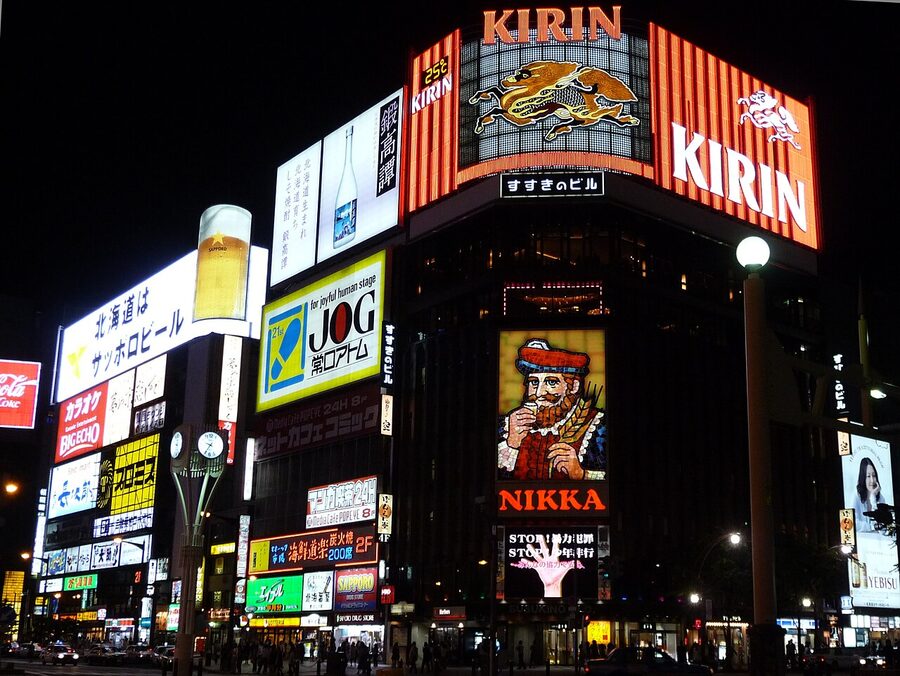
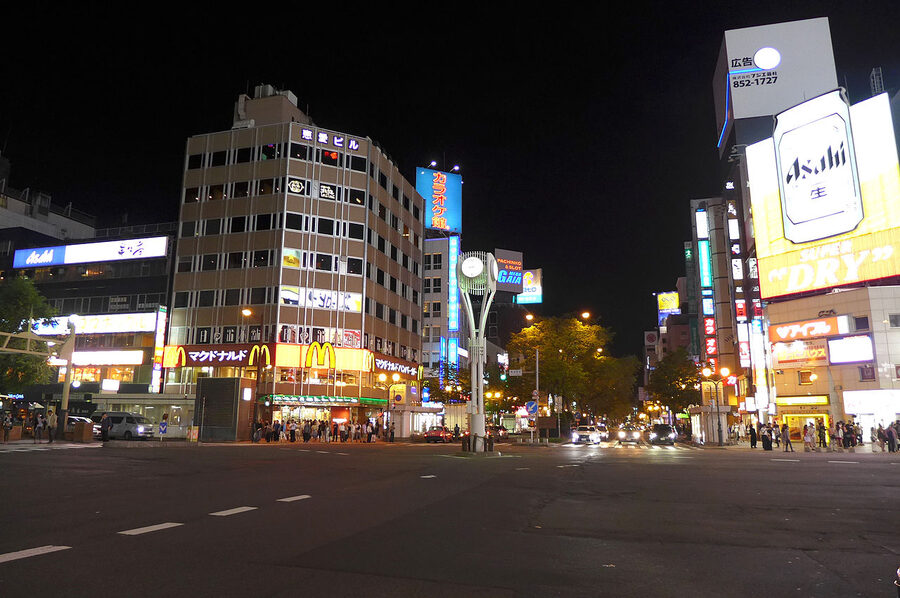
Susukino is the entertainment district, the third-biggest in Japan after Tokyo’s Kabukicho and Osaka’s Minami. It runs roughly from Minami 4 to Minami 8, with most of the action between 4 and 6. Most of the bars are upstairs, behind small lift entrances, and most of them don’t have street-level signage in English. This is where some of the etiquette knowledge from my izakaya guide earns its keep, especially the bit about cover charges and seat-charge expectations.
Whisky bars: the part of Susukino I keep coming back to
Sapporo has a deep whisky-bar scene that punches well above its weight, partly because of Yoichi (an hour west, covered below) and partly because Hokkaido’s old-money industrialists collected single-malt bottles that now sit on shelves like a private museum. Three places to plan around:
- Bar Tools (Minami 5-jo Nishi 4, 4th floor, M’s Building): a 14-seat counter, bottles three deep on every shelf, and a master who’s been pouring since 1992. Single pours run ¥800–3,500; the rare-whisky pours go to ¥15,000+ and are worth doing once if you came specifically for whisky. Cover charge ¥1,200, includes one small snack. Open 19:00–02:00, closed Sundays.
- Nikka Bar (Minami 4-jo Nishi 5): the licensed Nikka brand bar in Susukino. The whole point is the Nikka tasting flight (¥1,800 for three styles, normally Yoichi-Miyagikyo-blend). The interior is wood-panelled and warm; the staff will tell you straight which expressions are worth the upcharge. Open 18:00–01:00, closed Sundays.
- Bar Yamazaki (Minami 3-jo Nishi 4, 3rd floor): the oldest active cocktail bar in Sapporo, founded 1965 and run by the same family. The bar’s name has nothing to do with the Suntory distillery. The whisky list is shorter than the website implies (under twenty bottles when I went) but the cocktail program is the actual draw; their dry martini is the version most Tokyo bartenders cite as their reference point. Cover ¥1,500.
For the wider whisky context (Yamazaki, Hakushu, Yoichi, Miyagikyo all together), see my Japanese whisky guide; it covers the cluster including the Hokkaido side. If your trip swings through the capital afterwards, the best whisky bars in Tokyo piece is the next-step companion.
Izakayas with Hokkaido sake on the menu

Hokkaido has 13 active sake breweries (small for a Japanese region, but the ones that are still going make excellent rice wine; the cold winters are good for slow ferment). The izakaya to drink them at is Yebisuya (Minami 4-jo Nishi 4, 5th floor), which carries a 30-bottle Hokkaido-only sake list, plus a sashimi platter assembled from Nijo Market that morning. Cover ¥500, sake by the glass ¥700–1,400, sashimi platter for two ¥3,800. Reserve through their website or call. Open 17:00–01:00.
For broader sake context (the styles, what to pair, what to skip), see the sake guide; for the brewery-tour version of the same trip, the sake brewery tours from Tokyo piece covers the easier, day-trippable alternative. For the difference between sake, shochu, and awamori (worth knowing because Susukino’s bigger izakayas carry all three), the shochu-vs-sake-vs-awamori comparison is a useful pre-order primer; if Okinawa is on your itinerary later, the Okinawa awamori guide is the deep-dive on the third spirit on most of these izakaya menus.
Cheap-and-real: the standing bars

Most travellers miss the standing bars (tachinomi) entirely, which is a shame because they’re the cheapest and most local way to drink in the district. Two reliable options:
- Daikoku-ya (Minami 5-jo Nishi 3, ground floor): standing-only, four taps, sake by the half-glass for ¥380. The pickle plate is ¥280 and the karaage (fried chicken) is ¥480. Open 17:00–23:00.
- Tachinomi Inori (Minami 4-jo Nishi 5, basement): bigger, mixed standing-and-stool, runs a Hokkaido sake special at ¥500 a glass for whichever brewery they decide to feature that week. Open 17:00–01:00.
The cover charge convention is different at standing bars: there usually isn’t one. You drink, you eat, you pay, you leave. Cash speeds it up.
Tanukikoji and Odori for the daytime drink
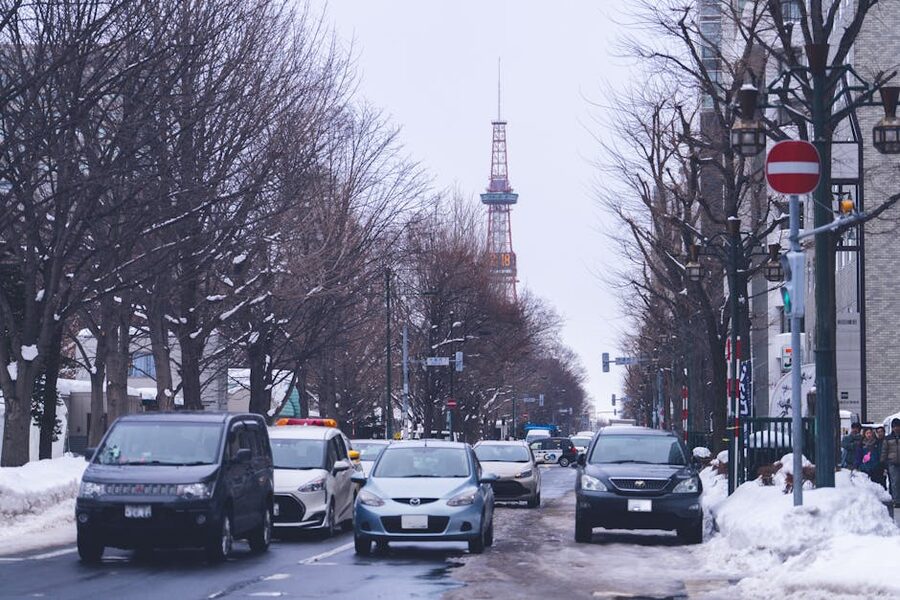
If you have an afternoon and you want to drink something useful, Tanukikoji and Odori are the two daytime areas. Tanukikoji is a 200-shop covered shopping arcade; Odori is the city’s central park strip running east to west.
Coffee and tea (the practical drink)
Sapporo’s coffee scene took its cue from Tokyo and skipped most of the third-wave overpricing. Two reliable cafes:
- Mermaid Coffee Roasters (Minami 3-jo Nishi 5, on Tanukikoji): single-origin pour-over ¥620, latte ¥540, hand-roasted in-house. The shop is small and the seating is two stools at the window; most people take the cup to walk Tanukikoji.
- Gyokusuien (Minami 1-jo Nishi 4, 1st floor): a 1933 traditional teahouse, six tables, freshly whisked matcha for ¥850 with a small Hokkaido-bean wagashi sweet. They sell bagged matcha and chasen whisks if you want to take some home. Both card and cash work.
The Odori Park beer garden, July through August
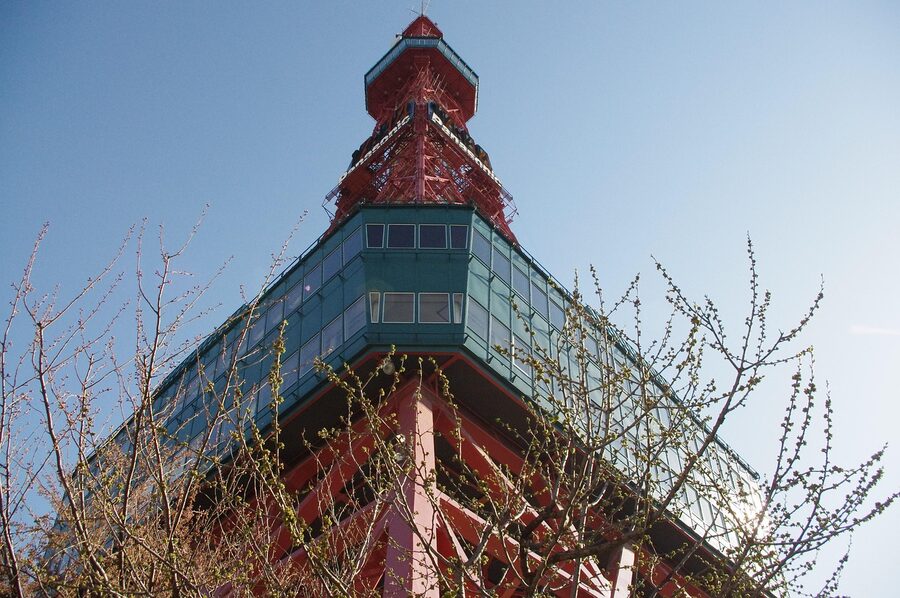
For five weeks in July and August, Odori Park hosts the Sapporo Odori Beer Garden, which is the largest open-air beer event in Japan. Each of Japan’s four big breweries (Sapporo, Asahi, Kirin, Suntory) takes a block, plus a German-import block and a craft block. Mug prices ¥500–700, food stalls ¥500–1,500. It’s loud, it’s outdoor, and on a warm August evening it’s one of the best things the city does. Runs roughly 20 July to 18 August; check the official tourism page for the current year.
If you’re here in early February, the same blocks are full of the Snow Festival’s three-storey ice sculptures and the food kiosks switch to hot soup, hot chocolate with rum, and grilled scallops on sticks. Same park, opposite season, same drinking culture.
Day trip to Otaru and Yoichi
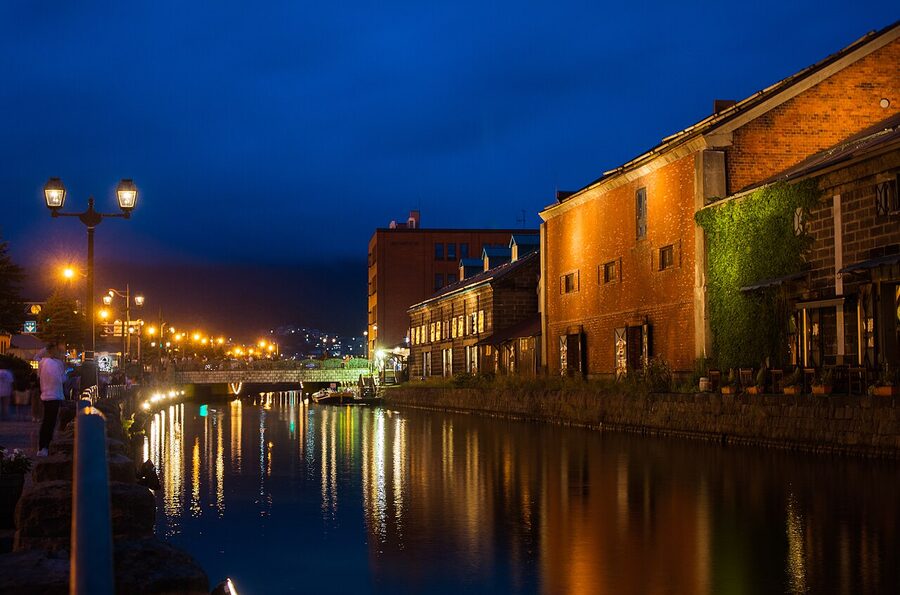

The single best eat-and-drink day trip from Sapporo is the Otaru-Yoichi loop. Otaru is a former herring port turned canal town 35 minutes west by JR rapid train; Yoichi is the Nikka whisky distillery 25 minutes further along the same line. You can do both in a long day, leaving Sapporo at 09:00 and getting back around 19:00, with a full lunch and a tasting at each end. The JR Hokkaido one-day pass covers the route at ¥2,540.
If you’d rather not do the train logistics, Klook lists a couple of guided day-trip variants from Sapporo for around ¥13,000 per person, including pickup and a guide; the standard Otaru-Yoichi tour covers the canal and the distillery and gets you back by 18:00. The tour is the easier option if you want to drink at Yoichi without working out the local bus schedule on the return.
Otaru: sushi at the source, glass at the warehouses
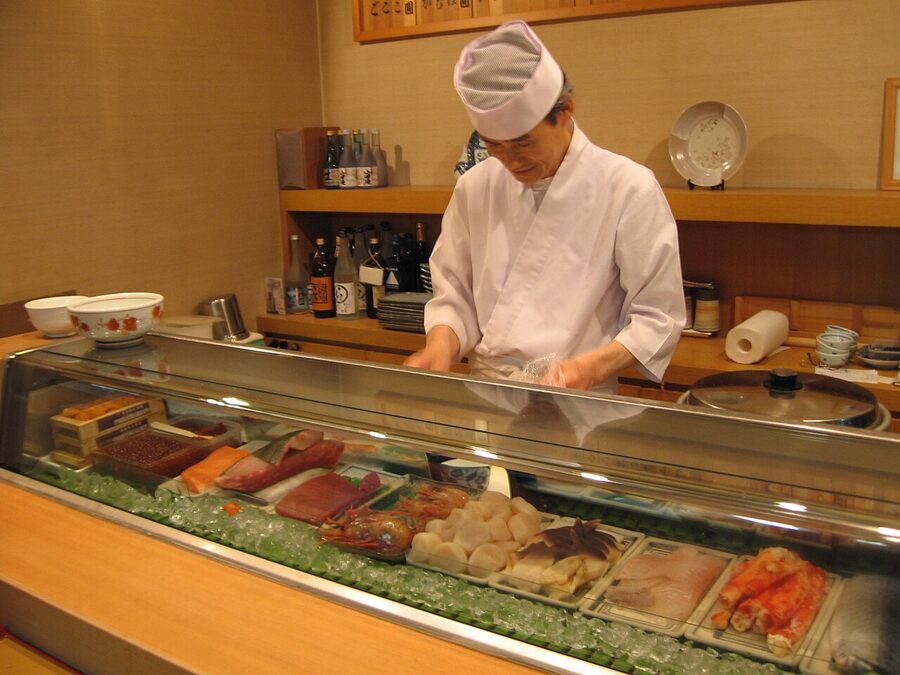
Otaru has 100-plus sushi restaurants for a town of 110,000 people, which is the highest sushi-counter density anywhere in Japan. The reason is straightforward: the fish lands here first and Sapporo gets it second. The pricing reflects that. Two places worth booking:
- Sushiya-dori (Sushi Street): a four-block stretch of 14 specialist sushi-yas, most of them omakase counters. Set lunches start around ¥3,500; the better dinner omakases run ¥9,000–15,000. Otaru Masazushi is the famous one; Sushikou Honten is the local pick.
- Otaru Denuki Koji (the alley behind the canal): a cluster of 20 small food stalls on a 50-metre alley. The seafood izakaya there at the corner sells uni-don at ¥2,800 and the buttered scallops at ¥700 a piece. Cash, mostly.
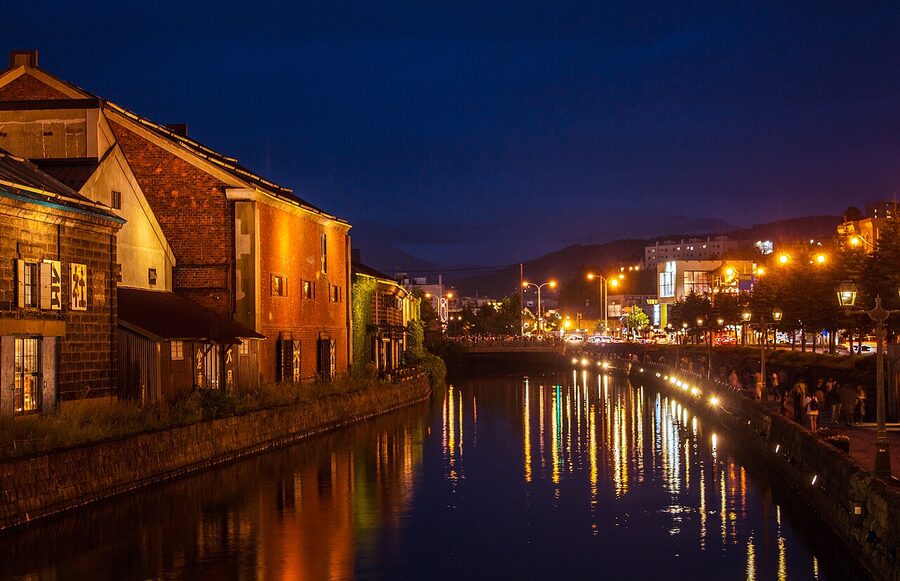

Tanaka Sake Brewery (Tanaka Shuzo) on Iroha-zaka is the local sake brewery worth ten minutes if you have them; the ¥500 small-glass tasting at the brewery shop covers four of their main labels, including the Hokkaido-only Otokoyama line. Open 09:00–17:30, walk-in.
Yoichi: the Nikka distillery
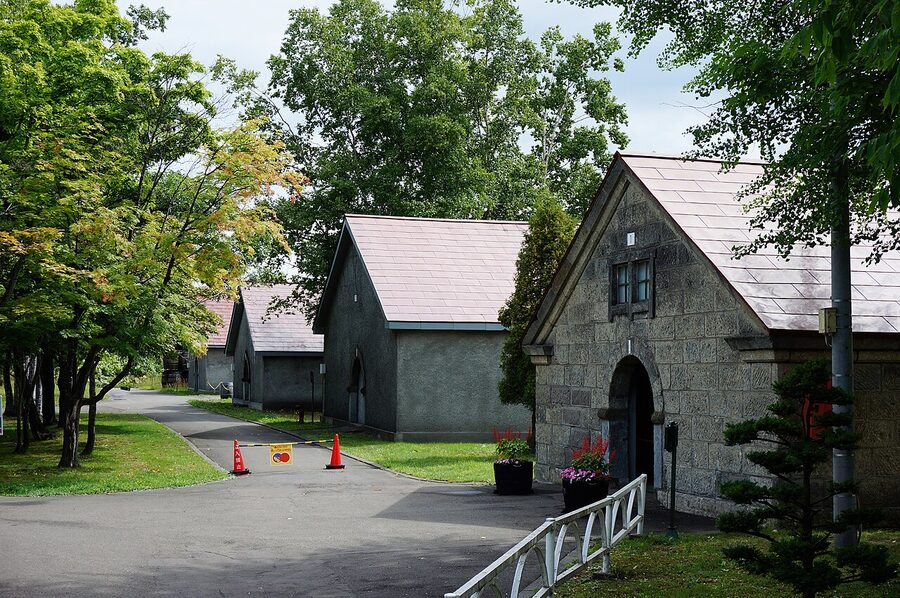

The Yoichi distillery is the original Nikka site, founded in 1934 by Masataka Taketsuru after he came back from training at Bo’ness and Hazelburn in Scotland. The distillery is on the JR Yoichi station’s doorstep (a five-minute walk) and the entrance is free. The free walk-through covers the malt house, the still room (Yoichi still uses coal-fired direct heating, the only large distillery in Japan that does), the cooperage, and the warehouses.
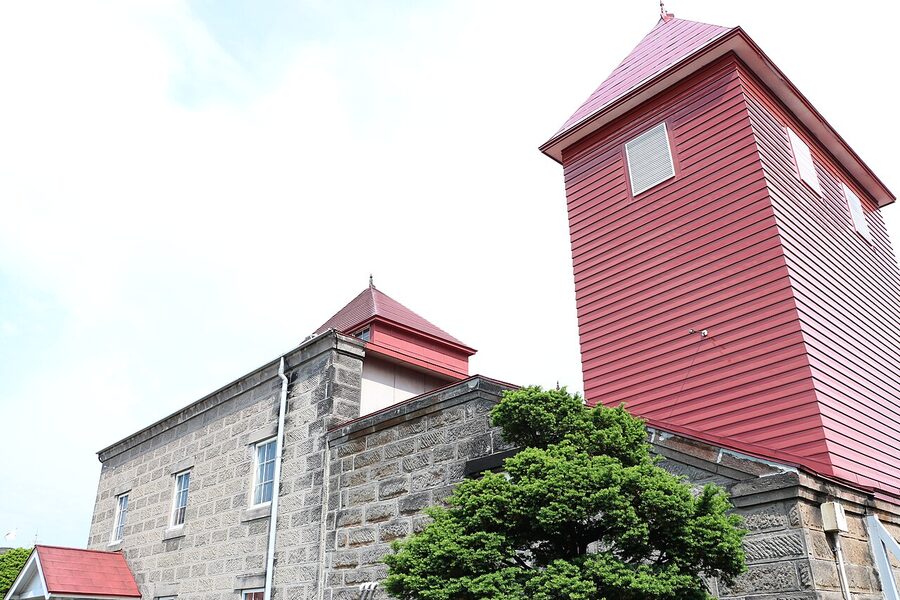

The tasting bar at the visitor centre is the actual reason to come. Three pours of Yoichi-distillery whisky for ¥500 (single malts, ranging from the standard 10-year to the Yoichi Single Cask if it’s available); Nikka soft drinks free. The shop sells bottles you can’t buy at Sapporo retail, including the discontinued Single Cask and a few cask-strength Yoichi expressions; the cellar door pricing is fair.
.jpg)
Reserve via the Asahi Group / Nikka official site for the guided tour (in Japanese only as of writing); the self-guided walk-through is what 90% of visitors do and works fine without reservation, Tuesday through Sunday. Closed Mondays and the New Year period (around 25 December to 7 January). The warehouse photo above is the one to take.
Where to stay
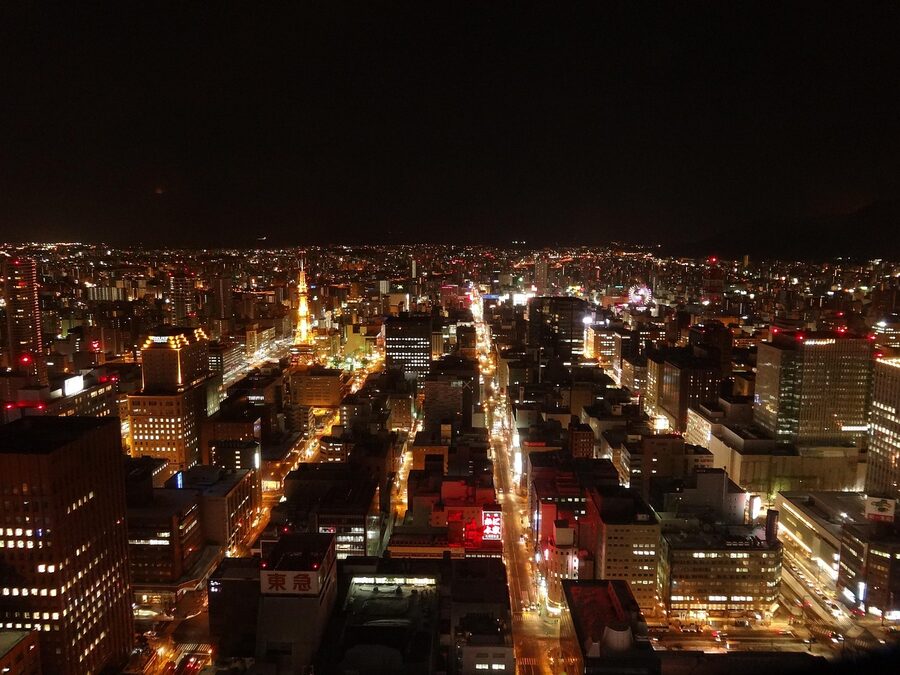
Sapporo is small enough that hotel choice is mostly a function of which station you want to walk out of. Three areas, three reasonable picks at three price points:
- JR Tower Hotel Nikko Sapporo (Booking.com | Expedia | Official site): the upper-floor hotel directly above Sapporo Station with the best city view in the city. Their 22F bar is open to non-guests and is a good drink at sunset. Rooms from about ¥28,000 a night, climbing to ¥50,000+ in winter.
- Cross Hotel Sapporo (Booking.com | Expedia | Official site): mid-range, three-minute walk from Odori, design-led interior. Rooftop bar runs 18:00–midnight. Rooms from ¥14,000 in summer, ¥22,000 in winter.
- Hotel Forza Sapporo Station (Booking.com | Agoda | Official site): budget-friendly, two blocks from the station, small but well-designed rooms, mountain views from the upper floors. Rooms from ¥8,500 in low season, ¥14,000 around Snow Festival.
Stay near Sapporo Station if you’re using the city as a Hokkaido base and going up-country a lot. Stay nearer Odori or Susukino if you’re using Sapporo as the destination itself. The walk between Sapporo Station and Susukino is 20 minutes via Tanukikoji and most people end up doing it once or twice a day anyway.
Practical: getting in, getting around, money, hours
Getting in. New Chitose Airport (CTS) is the main international gateway. The Rapid Airport train into Sapporo Station runs every 15 minutes, takes 37 minutes, and costs ¥1,150 one-way. The Hokkaido Limousine Bus is ¥1,300 and takes 80 minutes; only useful if your hotel is at the airport-bus terminal end of town.
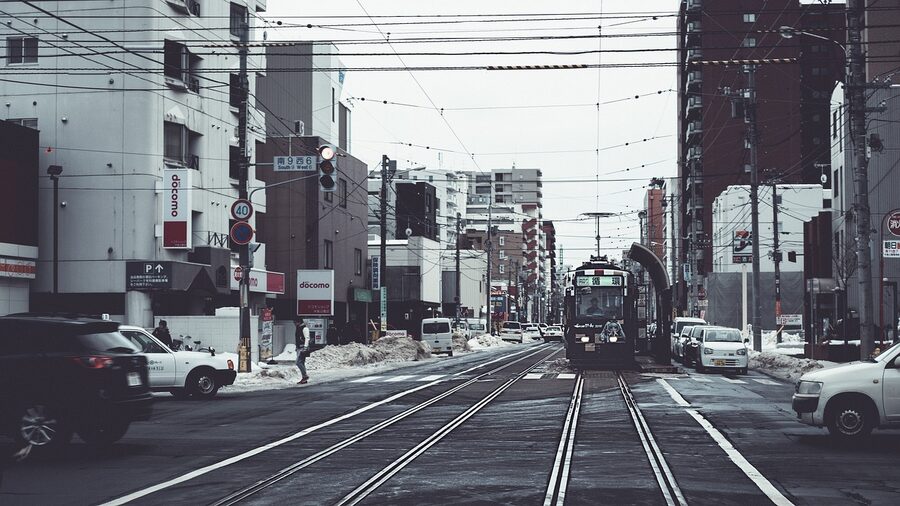
Getting around. Three subway lines (Namboku in green, Tozai in orange, Toho in blue) cover the whole inner-city grid. Single-ride fare is ¥210–380 by distance; a one-day subway-only pass is ¥830, a tram-and-subway combo is ¥1,000. Suica and Kitaca (the Hokkaido IC card) both work everywhere on the system.
Money. Cash still rules the small bars, the standing places, and the Nijo Market stalls. Conveyor sushi, beer-garden chains, and the upper-tier whisky bars all take cards. ATMs in 7-Eleven (and the bigger Lawson stores) accept foreign cards reliably. Tipping is not a thing; service is included.
Hours. Most kitchens stop seating at 22:00 even if the bar is open until 02:00. Susukino sushi counters typically run 11:30–14:00 and 17:00–23:00 with a closed afternoon between. The Beer Garden runs 11:30–22:00 (last orders 21:00). Nijo Market food stalls run 07:00–15:00 reliably; some go to 17:00 in summer.
Reservations. Most counter-style restaurants under 16 seats want a phone reservation in Japanese. Hotels can usually do this for you if you ask 24 hours ahead. The Beer Garden takes English online reservations directly. Big-ticket places (Kani Honke, Sumire’s main shop, the upper whisky bars) take reservations through TableCheck or Pocket Concierge in English.
One last thing
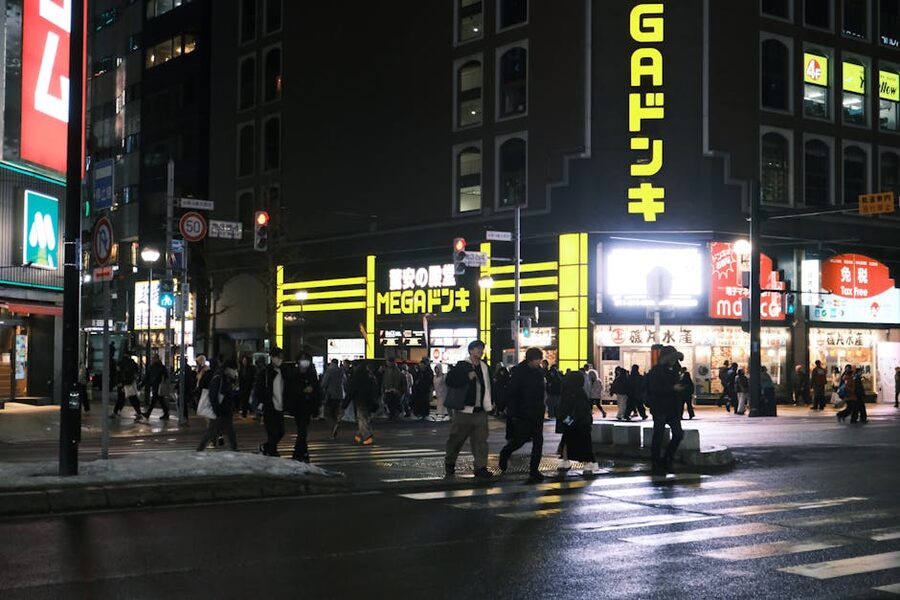
The mistake I made the first time I came to Sapporo was thinking of it as a quick stopover before Niseko or before Asahikawa. It earns three full days at a minimum. One day for the Beer Garden and a Susukino evening, one day for the markets and a soup-curry-then-ramen lunch crawl, one day for Otaru and Yoichi. Add a fourth day if you want a slow morning with the coffee shops and a long whisky-bar evening to finish on.
The food and drink here is better than the city’s tourist literature suggests. The marketing leans hard on the Beer Garden and the Snow Festival because those two things are easy to photograph; the city’s actual specialism, which is taking Hokkaido raw materials and converting them into a winter-defying drinking culture, doesn’t fit on a poster. You have to come and sit at a counter and order the thing the man next to you ordered, and then do it again at a different counter the next night. The reward for doing that is a plate of food and a glass of something that you genuinely cannot get anywhere else in the country.