
Smoke first, then sound. Charcoal smoke pushing out from under a corrugated awning, mixing with cooking-fat steam and someone’s cigarette. Then the noise: tongs clinking, a ten-second burst of laughter, the staticky beep of an order screen, a salaryman saying otsukaresama three times to someone he’s never met. I’m standing in Omoide Yokocho at 19:30 on a Tuesday with a 350ml can of Asahi I bought at the Lawson next door, waiting for a stool to open at a yakitori counter that seats six.
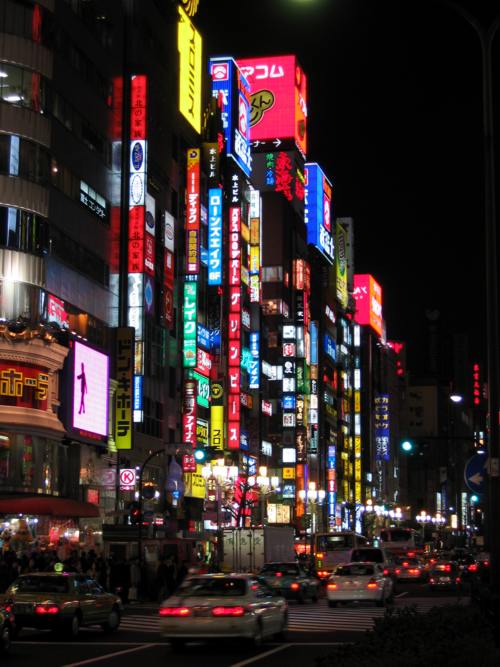

That’s how Shinjuku starts. Not with the famous skyscraper bars in the west, not with the touts shouting outside Kabukicho’s host clubs, but with a stool you can’t see yet, a tin tray of grilled chicken thigh, and the bartender who’s already poured your beer because he saw you eyeing it from the alley.
Shinjuku is the busiest train station on the planet. Roughly 3.6 million people pass through it on a weekday. The drinking culture around the station has had a hundred and fifty years to compress itself into the smallest possible spaces, and it has. Six different alleys, three skyscraper hotel bars, one 24-hour yokocho on the second floor of a tower, and a gay quarter the size of a postage stamp all sit inside about a 15-minute walk from the East Exit. This guide is about which one of them you actually want to be in tonight.
In This Article
- Shinjuku’s drinking districts at a glance
- Omoide Yokocho: smoke, beer, and a six-stool counter
- Golden Gai: 200 bars in a footprint smaller than a tennis court
- Golden Gai vs Omoide Yokocho: which alley first?
- Kabukicho: walk through, drink in two specific places, leave
- Nishi-Shinjuku: the skyscraper bars and one cocktail room
- Shinjuku Ni-chome: the gay quarter where you can actually have a conversation
- Shinjuku San-chome and Suehiro-dori: the locals’ alley
- Honoren-gai and Hobo-Shinjuku Noren-gai: the newer alleys
- Konbini drinking: the in-between
- Shinjuku drinks vocabulary: the orders that get you what you want
- Where to stay if drinking is the main reason you’re in Shinjuku
- The night I’d actually run
- Last-train reality and how to plan around it
- Three small things people get wrong
Shinjuku’s drinking districts at a glance
Before the deep-dives, the at-a-glance read. Pick one or two of these per evening. Trying to do all of them in a single night is how you end up paying ¥18,000 for three lukewarm beers and missing the last train.
| District | Mood | Per-person spend | Best for |
|---|---|---|---|
| Omoide Yokocho (West Exit) | Yakitori smoke, plastic stools, salarymen unwinding | ¥2,000–3,000 | Cheap, fast, atmospheric. Start the night here. |
| Golden Gai (Kabukicho 1-chome) | 200 tiny themed bars, drink with strangers | ¥3,000–5,000 | One slow drink, one conversation. Don’t bar-hop. |
| Kabukicho (the streets, not the alleys) | Neon, touts, themed bars, 24-hour ramen | ¥3,000–6,000+ | Late nights, novelty bars, after-yokocho landing |
| Nishi-Shinjuku skyscrapers | Hotel bars, jazz pianists, city views | ¥4,000–9,000 | One serious cocktail, a date, a quiet finish |
| Shinjuku Ni-chome | Gay quarter, friendly small bars | ¥2,500–4,500 | Conversation. Solo drinkers. Calm pre-Golden-Gai |
| Shinjuku San-chome / Suehiro-dori | Old-school izakaya, less tourist | ¥3,000–5,000 | Local crowd, longer sit-down meals |
If you only have one night, my pick is Omoide Yokocho into Golden Gai, then back to a konbini for a can to drink on the walk to the hotel. If you have two, add Ni-chome on the second night and skip Kabukicho entirely. The neon is fine to walk past; the bars in Kabukicho proper are mostly traps unless you know exactly which one you’re going to.
For the wider context of Tokyo’s drinking landscape, my Drinking Tokyo overview covers the city block by block; this guide is the Shinjuku-only zoom.
Omoide Yokocho: smoke, beer, and a six-stool counter
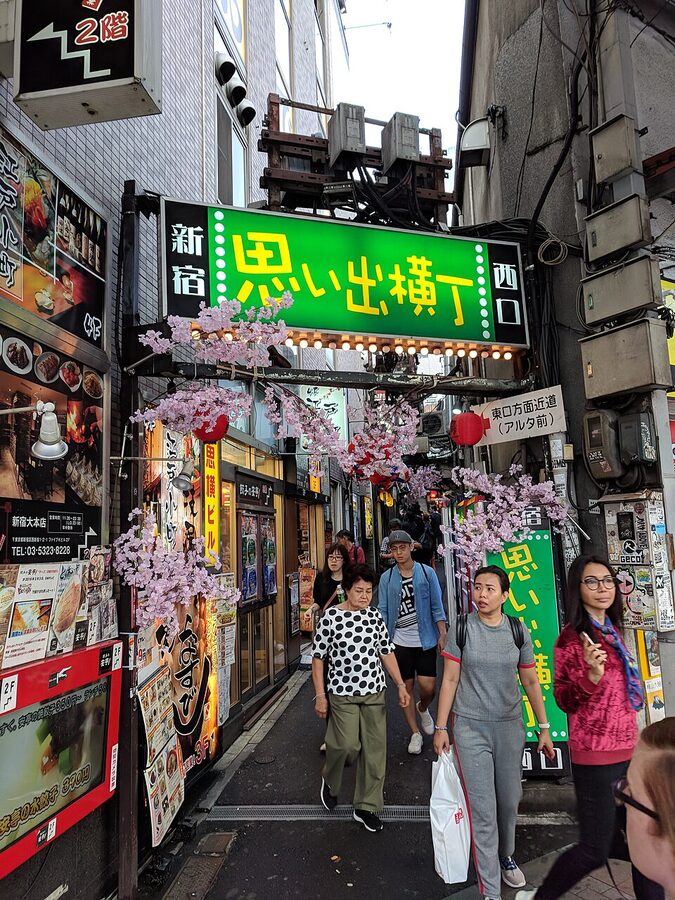

Omoide Yokocho means “memory lane”. It’s a 630-tsubo strip (about 2,080 square metres) running north along the Yamanote line just past the West Exit of Shinjuku Station. About 80 stalls, mostly yakitori and motsu-yaki, plus a couple of standing-only ramen counters, a lone soba shop that opens at 11:00, and one chinese-Japanese diner called Gifuya that’s been there since the 1950s. Many of the bars open at 11:30 and run until 23:30; the busiest are the ones with smoke pouring out from the seven-thirty rush onward.
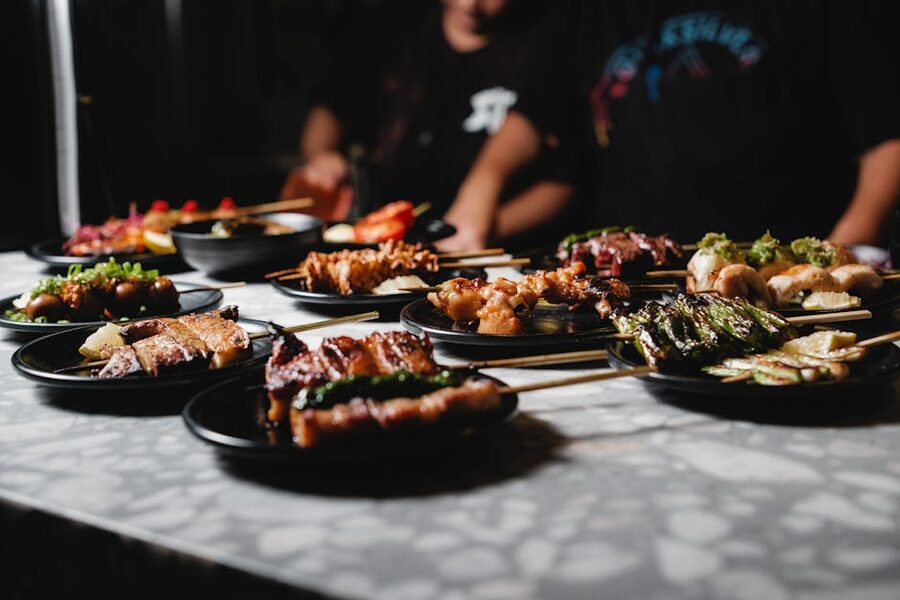
What you order: yakitori in twos. Momo (thigh) and negima (thigh with leek) for someone new to it; kawa (chicken skin), tsukune (meatballs), and nankotsu (cartilage) for someone who wants to learn what the alley actually does well. Each skewer runs ¥150–300. Pair with a nama draft beer (¥500–700) or, if it’s past 21:00 and you want to keep going, a chu-hi (shochu highball, ¥450–600) or hot sake (¥500). The chu-hi is the move once you’ve had two beers and the smoke has soaked into your jacket.
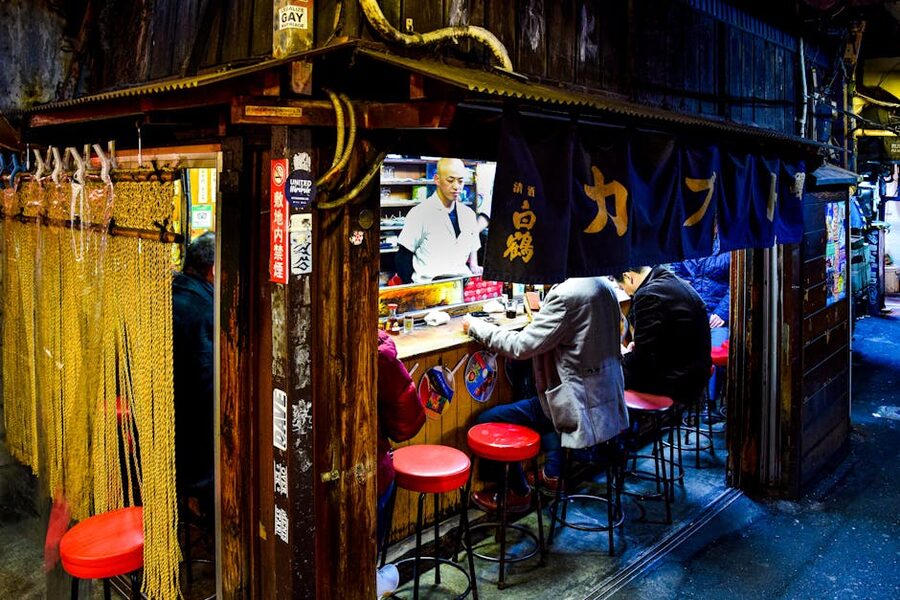
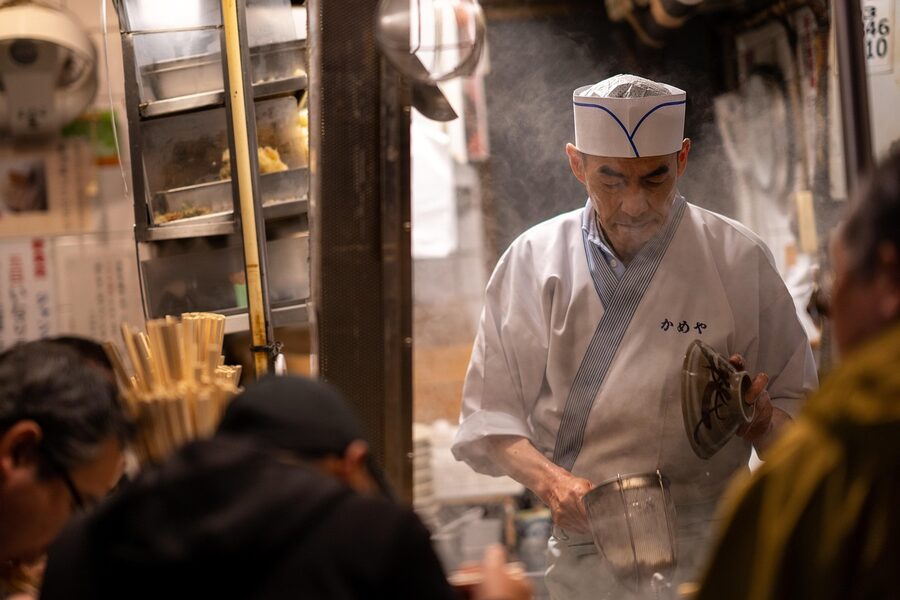
The two stalls I keep going back to: Asadachi, which serves frog sashimi, pig testicle, and salamander among standard skewers (not for shock value, those are real items on a paper menu), and Kameya, the original ten-tama soba spot at the south end where you eat standing for ¥420 a bowl. Asadachi is for the story. Kameya is for the morning after, before you accept your hangover. Both take cash only.
What to skip in Omoide Yokocho: anything with a lit-up English photo menu out front and a tout in the alley. Those exist now. They charge ¥500 cover, the otoshi is a small dish of pickles you didn’t want, and the yakitori comes out in a basket of six pre-skewered cold pieces. The locals walk past these. So should you.
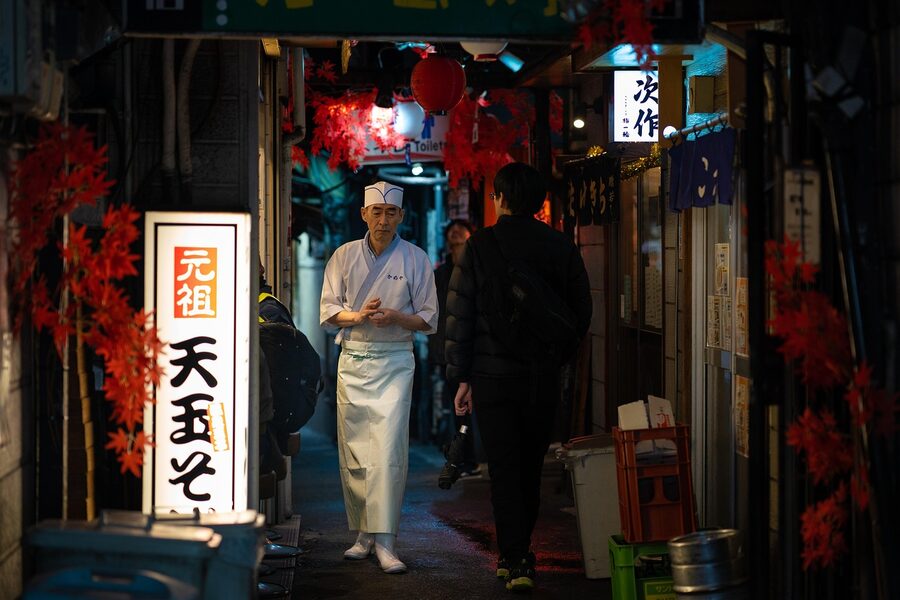
Practical: cash is the rule. There’s an ATM at the Lawson on Ome Kaido that takes foreign cards. Toilets are at the south end of the alley near the railway underpass: public, pretty grim, but functional. The whole strip is uncovered, so a wet evening pushes everyone shoulder-to-shoulder under the corrugated overhangs and that’s the Omoide Yokocho most people remember.
For the broader yakitori-and-beer pairing logic that’s baked into this alley, my yakitori-and-drinks pairing guide goes deeper into which skewer goes with which pour.
Golden Gai: 200 bars in a footprint smaller than a tennis court
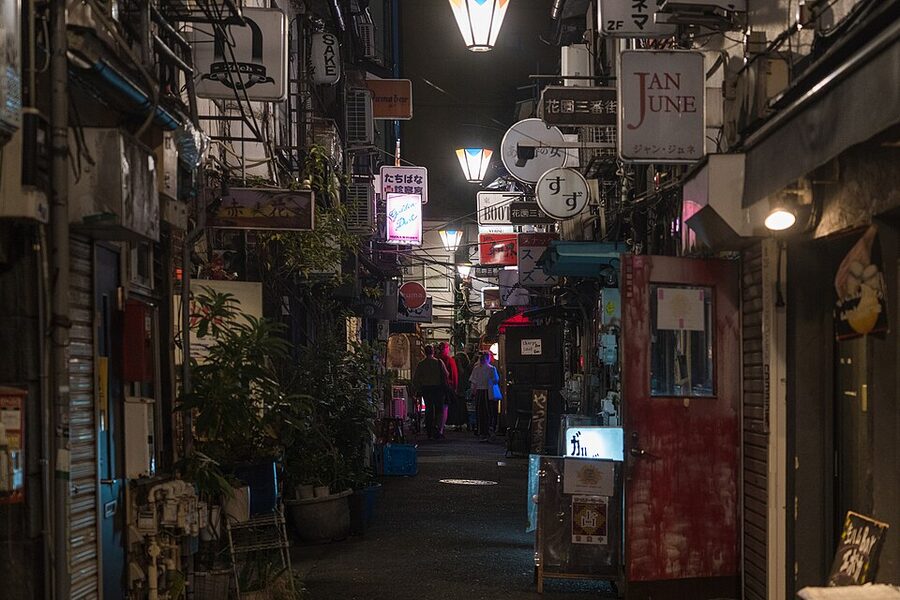

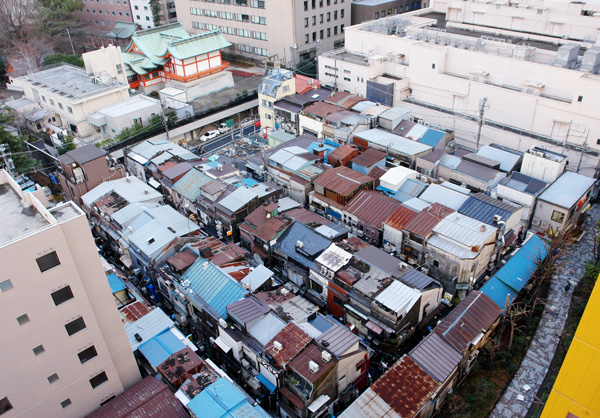
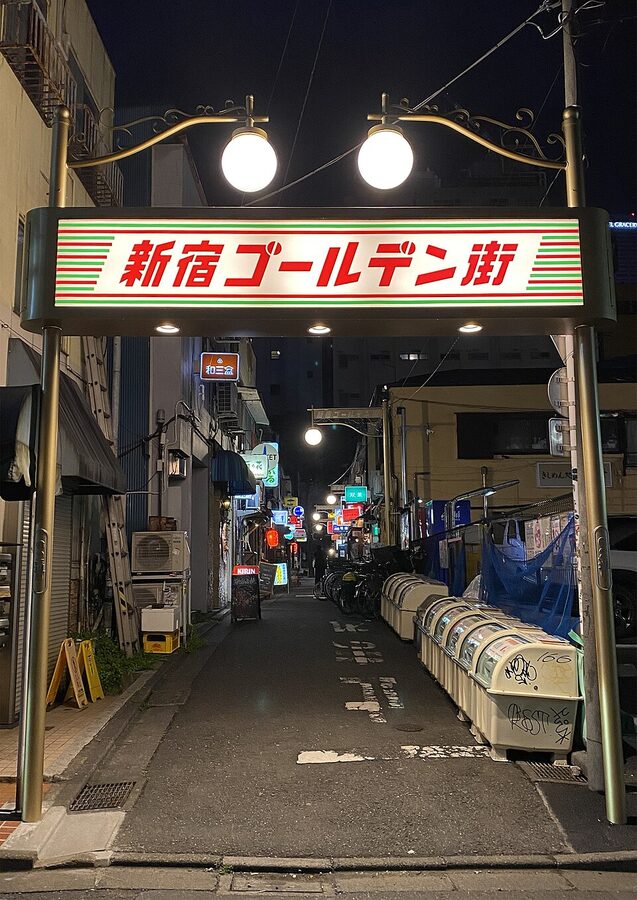
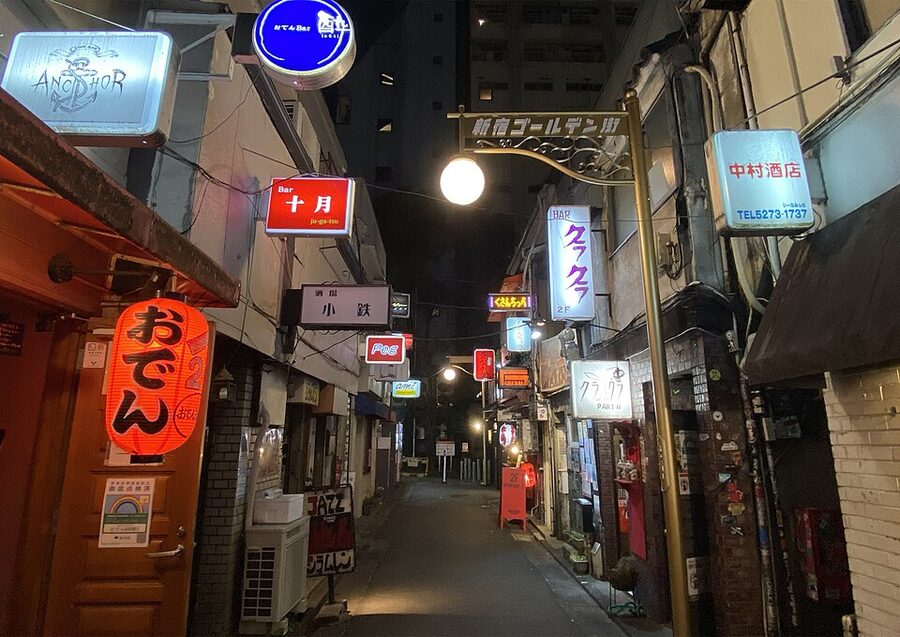
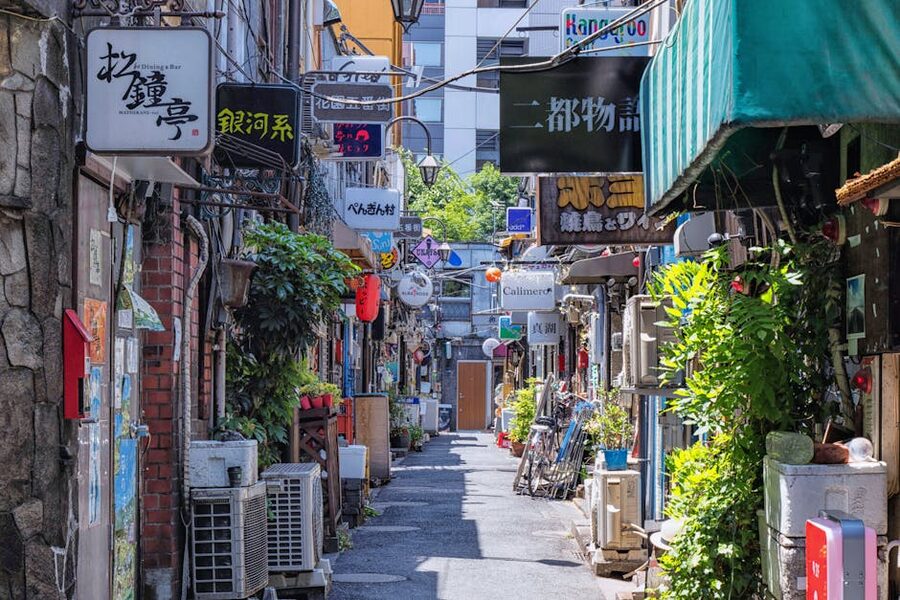
Golden Gai is the name everyone knows. About 2,000 tsubo (6,600 square metres) of two-storey wooden buildings packed into Kabukicho 1-chome, between the Hanazono Shrine and Yasukuni-dori. Six alleys run roughly parallel; thinner one-person passages cut between them. There are about 200 licensed drinking establishments in there, almost all with capacity for between four and eight people. The doors are closed. The signs are tiny. From the outside, it’s a wall of plywood and cigarette stickers.
What you need to know walking in:
- Most bars charge a cover (seki-ryo or chaaji) of ¥500–1,000 for tourist-friendly bars and ¥2,000–3,000 for the legacy spots. Drinks then run ¥800–1,200 each. Two drinks plus a cover is ¥3,000–5,000 a head, before any food.
- Some bars don’t serve first-time visitors (ichigen-san okotowari). They’ll politely refuse you at the door. Don’t take it personally; the rule exists to protect the bar’s regulars from a parade of strangers in eight-seater rooms.
- The bars that do welcome tourists usually post their cover and pricing on a board outside. Read the board before you climb the stairs. If there’s no board and no English, assume regulars-only.
- One drink, one bar. Bar-hopping isn’t really the move. Sit down, talk to the proprietor, drink one or two, then either stay or leave. The whole atmosphere depends on it.

Three reliable starter bars for first-timers, all on the main G2 alley:
- Albatross G: chandeliers, painted ceiling, a literal painting of an albatross on the wall, and a bartender who answers questions in English. Cover ¥500. Drinks ¥800–1,000. Open 17:00–05:00. Two floors; the upper one fits about ten if you crush.
- Champion: not actually inside Golden Gai, just outside the south edge, but it’s the bar everyone tells you to use as a base. ¥600 beers, no cover, karaoke that gets boisterous after 22:00, friendly Filipino staff. Use it to warm up before the smaller bars.
- Death Match in Hell: punk-rock theme, exactly as the name promises. Cover ¥1,000, drinks ¥800. Loud, narrow, fun, regulars are friendly to anyone who appreciates the soundtrack. Cash only.
What I’ve learned the hard way: don’t enter a bar without seeing a price board, don’t order spirits unless you’ve seen the bottle list, and don’t agree to whatever the mama-san recommends without asking how much. There’s a famous bar called Miso Soup that’s charged tourists upwards of ¥19,000 for nine beers; a friendly mama with a cute apron is not necessarily a fair-pricing guarantee. Asking about the bill upfront isn’t rude; it’s how locals avoid the same trap.
If you want to move from Golden Gai onto whisky proper afterwards, my Tokyo whisky bars guide covers the bigger Shinjuku whisky rooms a few blocks south, and the Japanese whisky overview covers the bottles you’re likely to find behind those bars.
Golden Gai vs Omoide Yokocho: which alley first?
Quick rules:
- If your group is hungry, start with Omoide Yokocho. Eat there. Move to Golden Gai for one drink afterwards.
- If you’ve already eaten, start with Golden Gai while you’re still sharp enough to read price boards and pick a bar.
- If it’s a Friday or Saturday, do Golden Gai earlier (19:00–21:00). After 22:00 the popular bars fill up and you’ll spend twenty minutes walking past closed doors.
- Solo travellers: Golden Gai, on a weeknight, is one of the easiest places in Tokyo to fall into a real conversation. Sit at the bar and ask the proprietor about the theme.
Kabukicho: walk through, drink in two specific places, leave
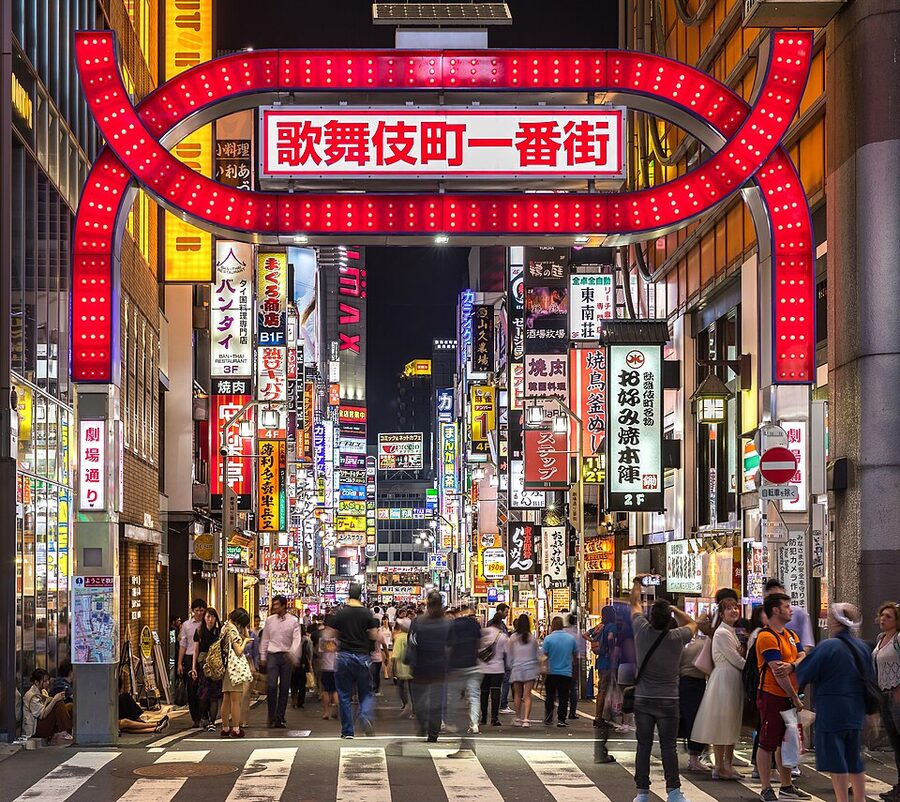

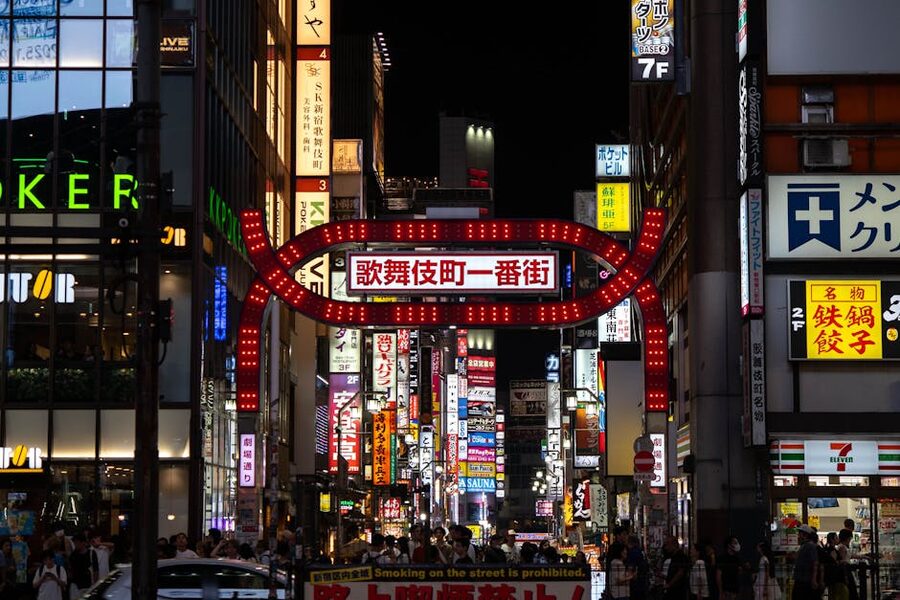
Kabukicho is the part of Shinjuku people mean when they say “Tokyo nightlife”. About a quarter square kilometre of pachinko parlours, host clubs, hostess clubs, theme bars, capsule hotels, ramen shops open at 04:00, and an unsettling number of touts. The gate at the south end is photographed about ten thousand times an hour. The reputation, on which guidebooks have not updated since roughly 2008, is that it’s dangerous; it isn’t, particularly. There are uniformed police on every block of any size, and Tokyo’s overall crime rate keeps the actual scary stuff to a minimum. The risk in Kabukicho is financial, not physical. Touts will lead you to a bar where the menu they show you on the street isn’t the menu inside, and your bill will be three times what you expected.
Two rules that keep you out of that:
- Don’t follow anyone who approaches you on the street. Especially anyone holding a flyer, a clipboard, or a photo menu. Anyone genuinely good doesn’t need to advertise to you in the alley.
- If a venue won’t show you a price list before you sit down, walk out. Even if you’ve already entered. Yes, it’s awkward. It’s also how a ¥1,500 cocktail becomes a ¥30,000 night.
What’s actually worth your time inside Kabukicho:
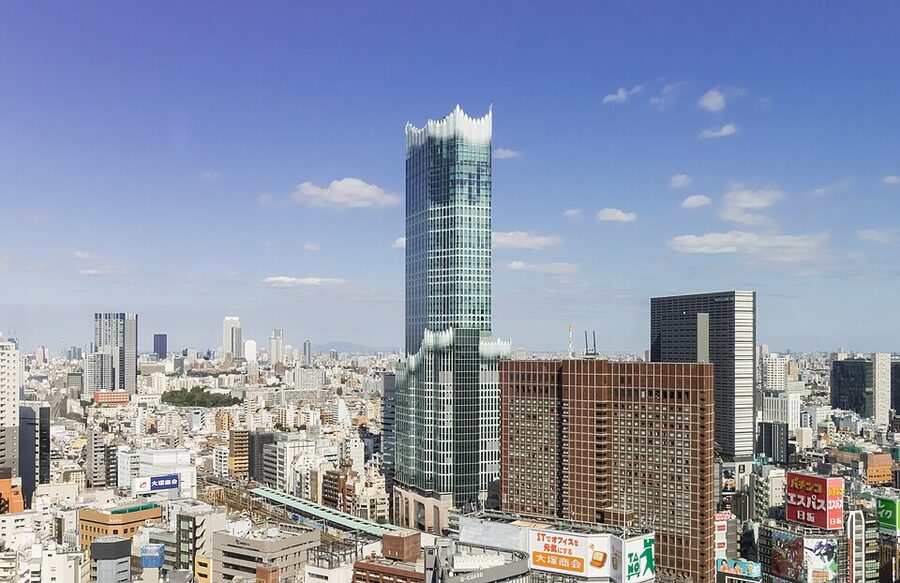
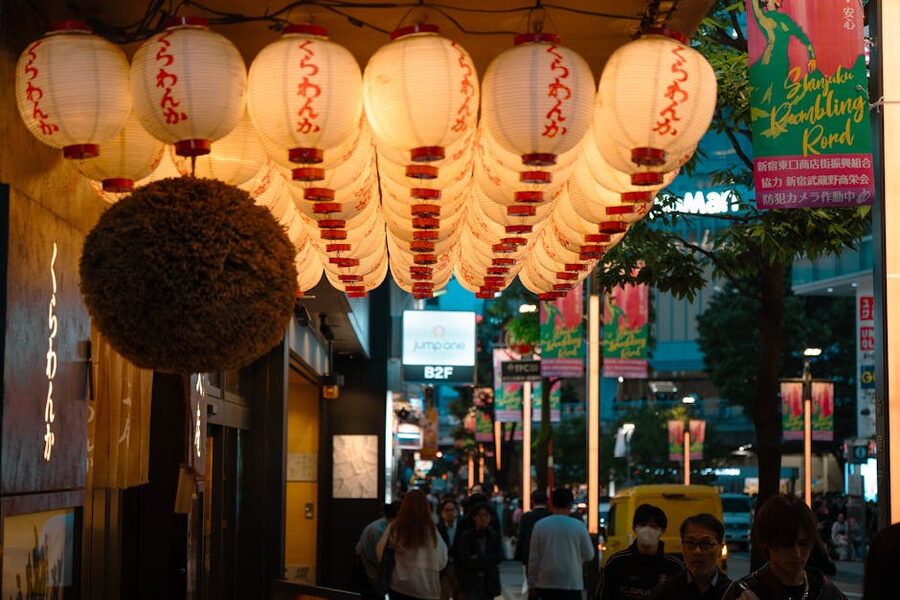
Shinjuku Kabuki Hall, Kabuki Yokocho on the second floor of the Tokyu Kabukicho Tower. Opened April 2023, ten food stalls themed to regional Japan (Hokkaido seafood, Kyushu yatai-style yakitori, Okinawa awamori) plus a bar and karaoke, all under one roof, all open more or less 24 hours. It’s built to look like a festival; lots of paper lanterns, taiko drum playlist, neon. Mainstream tourist target, sure, but the prices are clear and the food is decent. Beer ¥600, awamori glass ¥800, regional plates ¥800–1,500. If you want yokocho energy without the cash-only, no-English worry, this is it. Official site.

Sugoi Niboshi Ramen Nagi, 24 hours, second floor of a building on Kabukicho 1-1-10. The rich sardine-broth ramen here (¥1,150) is what the alley quietly agrees is the best 03:00 meal in Shinjuku. Stairs are narrow and steep; cash and IC card both fine; English menu on the table. The 3am-Sunday queue is shorter than the 11pm-Friday queue. Plan accordingly.
New York Bar, 52nd floor of the Park Hyatt. Technically Nishi-Shinjuku, not Kabukicho, but worth pairing with a Kabukicho walk if you want to end the night looking down at the neon you just walked through. More on that below.
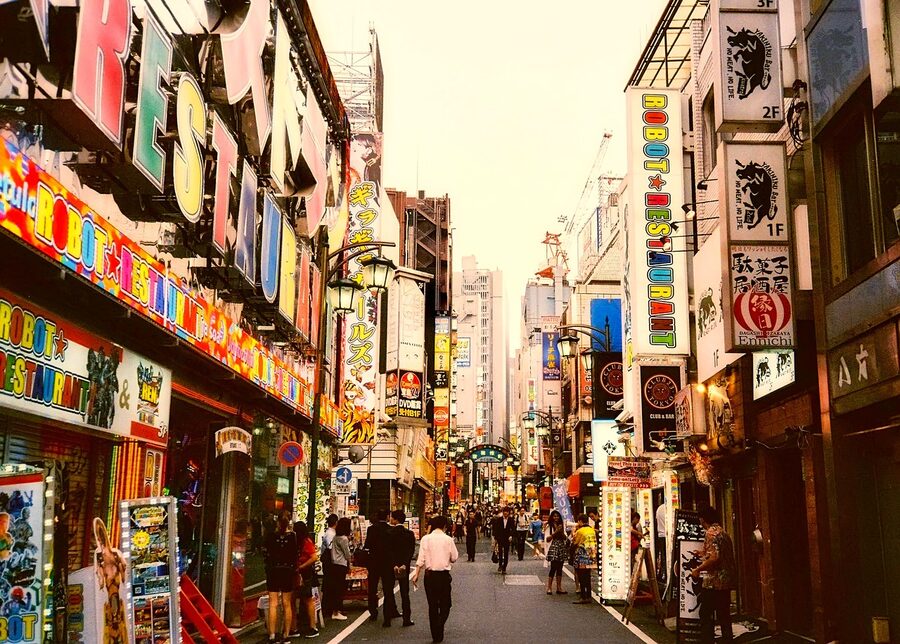
What to skip in Kabukicho proper: any “girls bar”, “snack”, or hostess place that’s being marketed to you by an English-speaking tout. The legitimate ones don’t need touts. Robot Restaurant closed in 2020 and the various “successor” venues that have opened in the same building (Samurai Restaurant being the current one) are entertainment-priced (¥10,000+ for the show plus drinks). Worth it once if you’re into Tokyo kitsch; not a drinking destination.
Nishi-Shinjuku: the skyscraper bars and one cocktail room
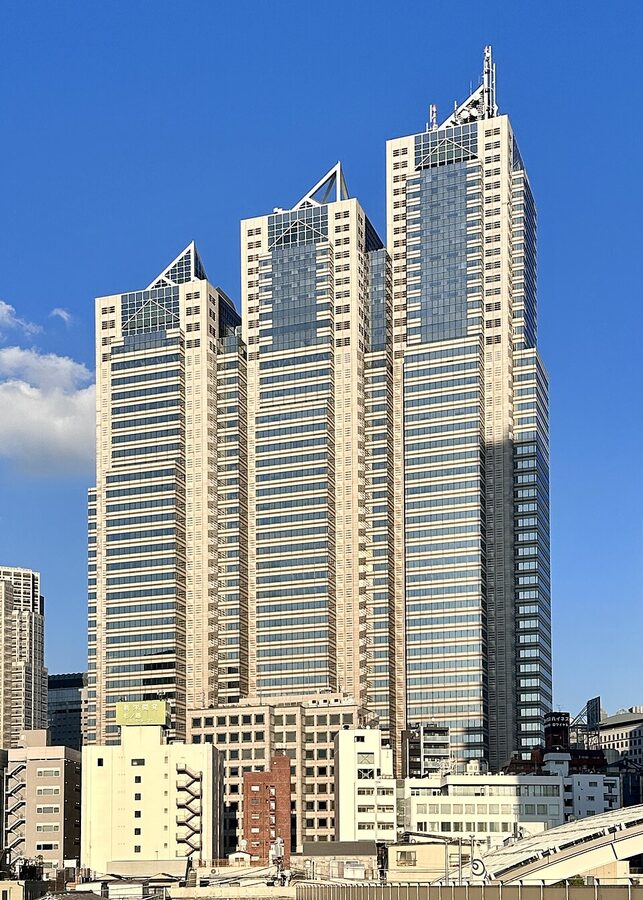

West Shinjuku is where the corporate towers are: Tokyo Metropolitan Government, the Hilton, the Hyatt Regency, the Keio Plaza, and the Shinjuku Park Tower (Park Hyatt). The drinking proposition out here is different. Smaller bills are not the point. View, room, music, attention to a single cocktail, that’s the point.
Three places that earn the trip from the East Exit:
New York Bar, Park Hyatt Tokyo (52F). Yes, it’s the Lost in Translation bar. A “music charge” of ¥3,000 per person kicks in after 20:00 (Mon–Sat), the cocktails are ¥2,500–3,200, and a Yamazaki 12 pour is ¥3,800 to ¥6,000 depending on age. So you’re looking at ¥9,000 a head minimum once you sit down. The view is the entire west of Tokyo; on a clear winter afternoon you can see Mt Fuji from the bar. The jazz trio plays from 20:00. Reservations are now mandatory at peak hours via the Park Hyatt website. Smart-casual dress code (no shorts, no flip-flops). Official site.
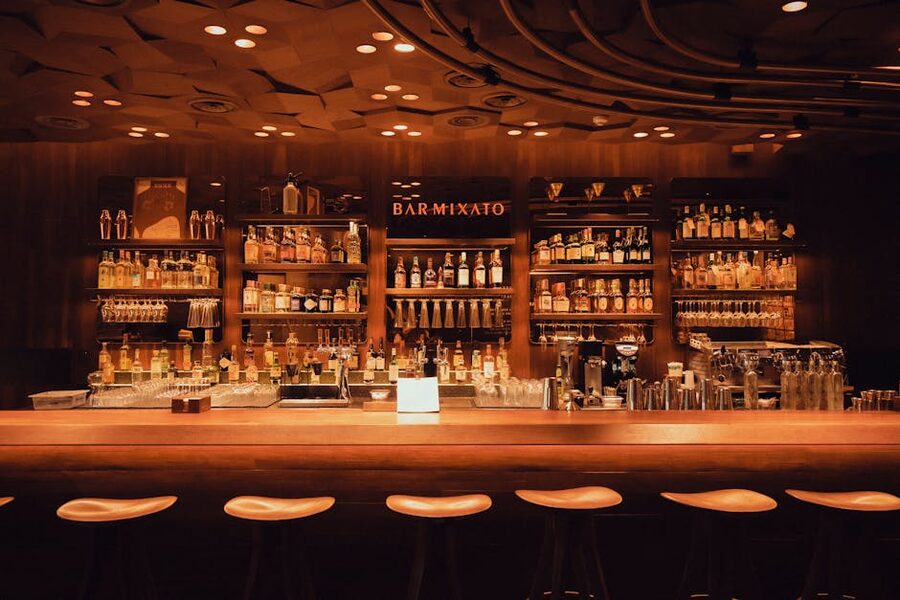
Bar Cocktail Book, Nishi-Shinjuku 7-5-5, 2F (Plaza Nishi-Shinjuku building). Ten-seat bar above a quiet street north of Shinjuku Station, run by a bartender called Akira who worked twelve years at a hotel bar before opening this in 2011. There’s no fixed cocktail menu. You tell him what you usually drink and he builds something around it; if you say “Manhattan with a Japanese twist”, you’ll get a Yoichi single-malt drink with crème de myrtille that takes him eight minutes to make. ¥1,500–2,500 a drink. ¥500 cover, no music charge. You can have a serious conversation in there, which is rare for Shinjuku at any altitude. Cash and major cards. Reservations preferred.
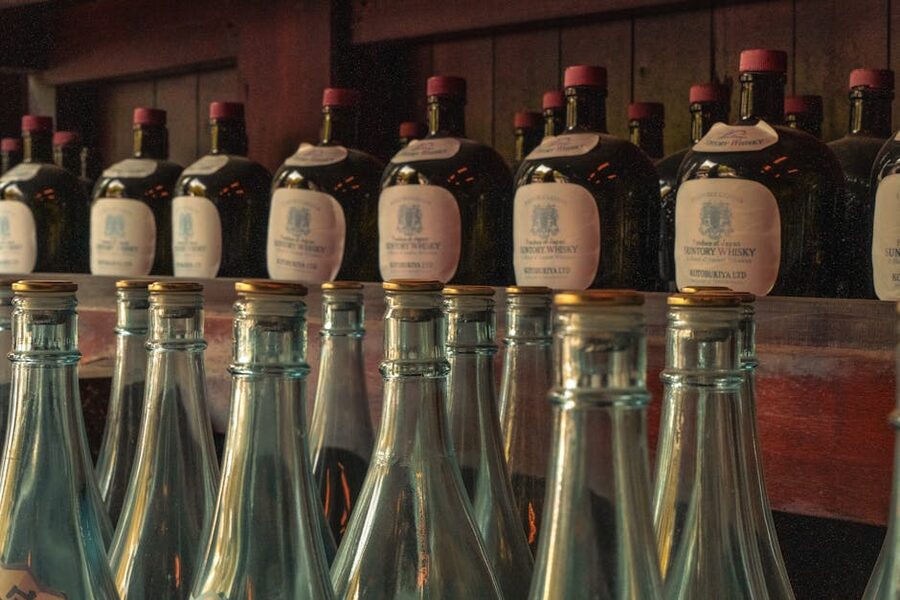
Bar BenFiddich, Nishi-Shinjuku 1-13-7, 9F. A different kind of cocktail bar, run by Hiroyasu Kayama. He uses herbs he grows on a family farm in Saitama, mixes drinks at a marble bar in a small dim room, and pours absinthe rinses with a steady hand. Not cheap (¥3,000 a drink, ¥1,500 cover) and a tight ten seats, but world-rated. Reservations mandatory. The list of awards on the wall is silly. Open 18:00–late, closed Sundays.
If cocktails specifically are why you’re in Shinjuku, my Tokyo craft cocktail bars guide has the full city-wide picture, and the highball-culture piece covers what hotel-trained bartenders actually do differently when you order a Suntory-and-soda.
Shinjuku Ni-chome: the gay quarter where you can actually have a conversation
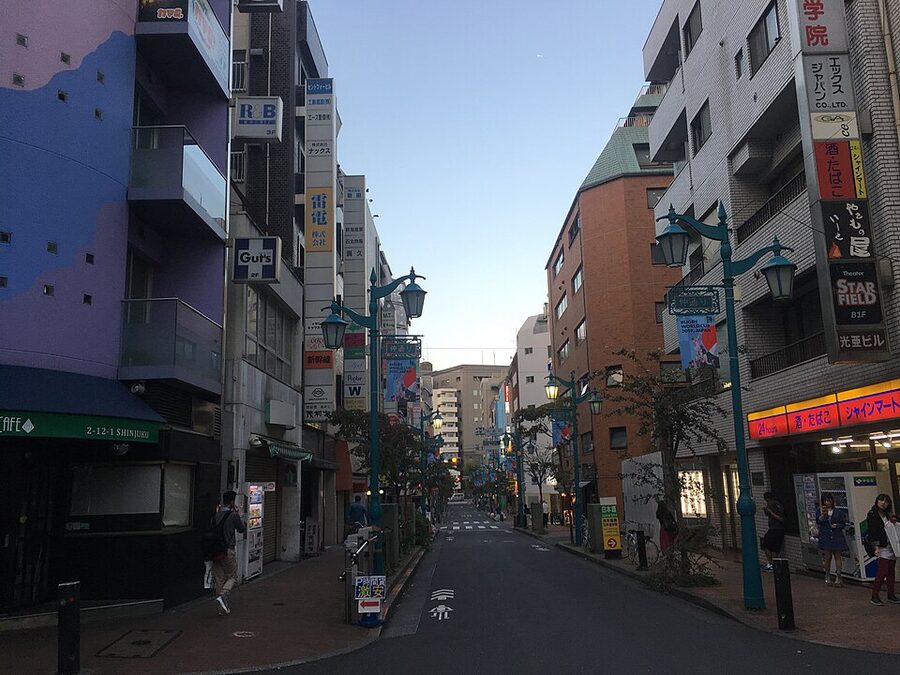

Ni-chome is six blocks east of the East Exit and is, by some measures, the densest concentration of gay bars in Asia, with about 250 venues in a four-block radius. It’s also one of the friendliest drinking neighbourhoods I’ve found in Tokyo for solo travellers, mixed groups, anyone of any orientation who wants a small bar where the bartender will ask your name and remember it next time. Plenty of places are gay-only or men-only on certain nights; plenty are mixed; plenty welcome anyone polite. Read the sign, ask before you sit.
Three reliable picks:
- AiiRO Cafe: corner bar, blue lights, doors that open onto the street so the crowd spills outdoors in summer. Tourist-friendly, no cover most nights, drinks ¥800–1,000. The classic “you’ve arrived in Ni-chome” first stop.
- Arty Farty upstairs: small dance floor, mixed crowd, ¥1,500 entry on weekends, drinks ¥800.
- Eagle Tokyo: bear bar, no cover, drinks ¥800. Friendly to anyone who walks in respectfully.
What Ni-chome does that the rest of Shinjuku doesn’t: it lets you have an unhurried conversation. The bars are small, the music is at a volume where you can hear someone three feet away, and the staff are typically owners, not employees. If you’ve been doing the standing-counter shuffle for two nights and want a real chat with a real local, this is where you go.
Shinjuku San-chome and Suehiro-dori: the locals’ alley
Suehiro-dori (literally “Suehiro Street”) is the strip running from Shinjuku-dori to Yasukuni-dori around the back of the Suehirotei rakugo theatre, in Shinjuku 3-chome. The shōtenkai (merchant association) has been there since 1951 and the alley reads like a 1980s salaryman map: standing bars (tachinomi), motsu-yaki places, an old-school sushi counter or two, and a couple of hostess clubs that nobody pretends are anything else.
What makes it different from Omoide Yokocho is that it’s mostly Japanese drinkers. There’s no English signage at most places. Touts don’t bother with this strip because the regulars wouldn’t tolerate it. Beer is ¥500–600. Standing-bar rounds run ¥2,500–3,500 a head for an hour’s drinking with a couple of small plates.
The stand-out for me is Donjaka (呑者家), a fish-focused izakaya that’s been on Suehiro-dori for decades. Reservations are a good idea after 19:00. ¥4,500–6,000 a head with sake. They specialise in seasonal sashimi and one daily-grilled fish that’s usually a whole sanma in autumn or hokke in winter. The sake list is short but well-chosen, regional juicy junmai mostly, ¥800 a 180ml pour. My sake-food pairings guide covers what to order with which dish if you want to think this through before sitting down, and the sushi-and-sake pairing piece goes deeper on raw-fish-and-rice cup pairings (worth reading before sitting down to a counter sushi night anywhere in Tokyo).
Also worth knowing about: Nihon Saisei Sakaba, a tachinomi specialising in offal-grill that’s the kind of place you walk into thinking you’ll have one beer and walk out two hours later having become friends with everyone. ¥600 beers, ¥250 skewers, no cover. Cash only.
Honoren-gai and Hobo-Shinjuku Noren-gai: the newer alleys
Two more drinking strips locals talk about that don’t make most English guides:
Shinjuku Kabukicho Red Noren-gai: opened 2018 just north of the Shinjuku ward office. Built by renovating three pre-war wooden long-houses on the “Omoide-no-nukemichi” (Memory Bypass) lane. Seven shops. Charcoal yakitori, gyu-tan, fresh fish from Toyosu, and a karaoke-bar combination on the second floor that runs until dawn. Less famous than Omoide Yokocho, less crowded, English-friendly enough.
Hobo-Shinjuku Noren-gai: technically in Yoyogi (the closest station is Yoyogi, not Shinjuku), about a 12-minute walk from the South Exit. Opened 2017 and has expanded to 21 small restaurants by 2026. Spanish-Italian sharing plates, eel-skewer specialist, mongolian-style hot plate, all-you-can-drink Korean, plus a spare-rib and global-whisky bar. Set against the backdrop of the NTT Docomo Yoyogi tower. Good for a long, slow evening that doesn’t involve neon or touts. Average ¥4,000–5,000 per person.
Ryunomiyako Inshokugai (Shinjuku East Exit Yokocho): opened 2022 just east of Lumine Est. 17 stalls, themed to a deep-sea-palace concept (lots of indigo and sea-glass lighting), 24-hour operation on the ground floor. Useful when you’ve missed the last train and need somewhere actually open at 03:30. Beer ¥600, regional plates ¥1,000–1,500. English menus throughout.
Konbini drinking: the in-between
Last point about Shinjuku drinking specifically: the convenience-store drink is part of the rhythm. There’s a 7-Eleven, a Lawson, and a FamilyMart within ninety seconds of every alley I’ve described above. The 350ml beer (¥220), the can of chu-hi (¥180), the highball-in-a-can (¥250–350) are all priced about a third of what a bar charges, and Tokyo’s open-container rules let you walk down the street with one as long as you’re not making a nuisance of yourself.
The pattern locals use, that you can copy: konbini beer on the walk between bars, then a real drink (beer at the alley counter, cocktail at the skyscraper, sake at the izakaya) when you sit down. Saves ¥1,000–1,500 a night without making the experience worse. The full konbini drinks rundown covers which chain has the best chu-hi shelf and which strong-zeros to avoid.
Shinjuku drinks vocabulary: the orders that get you what you want
You don’t need fluent Japanese, but four phrases save a lot of confusion:
- “Toriaezu nama”: “A draft to start.” Standard opener at any izakaya. The bar will pour a draft beer (usually a 500ml Kirin Ichiban or Asahi Super Dry) and start your tab. My izakaya ordering guide goes through the rest of the standard sequence.
- “Atsukan kudasai”: “Hot sake please.” You’ll get a small flask (tokkuri) and a thimble glass (ochoko). Pour for the person next to you first, then they pour for you. Detail in the hot sake field guide.
- “Highball, mizu-wari, lemon-zaru”: the three main highball variants. “Highball” is whisky and soda; “mizu-wari” is whisky and water; “lemon-zaru” (or lemon sour) is a shochu-and-soda highball with fresh lemon. The shochu version is what most salarymen drink in Omoide Yokocho.
- “Okanjō onegaishimasu”: “Bill please.” You can also do the cross-arms gesture, which most bartenders read instantly. Pay at the counter on your way out, not at the table.
- “Kanpai”: the toast. Glasses up, eyes up, voices up, then drink. The full kanpai etiquette piece covers when not to use it (funerals, formal sales meetings, certain workplace dinners) and the variants you’ll hear (otsukare-sama, banzai, kuchitori).
Cover charges (otoshi) are an automatic ¥300–800 per person at most izakaya. They come with a small dish (pickled vegetable, edamame, simmered tofu) you didn’t order. It’s not optional and not a scam. It’s how Japanese izakaya have always priced the table. Don’t argue.
Where to stay if drinking is the main reason you’re in Shinjuku
You want to be a 5–10 minute walk from one of the alleys, you want late check-in, and you want either a great bar in the building or a 7-Eleven on the ground floor. Three options that work:
- Park Hyatt Tokyo in Nishi-Shinjuku: the New York Bar option. Top-end hotel, ¥75,000+ a night, 14-minute walk to Omoide Yokocho. Worth it once if you’re combining a Tokyo blowout night with the bar that defined skyscraper drinking. Available on (Booking | Agoda | Official site).
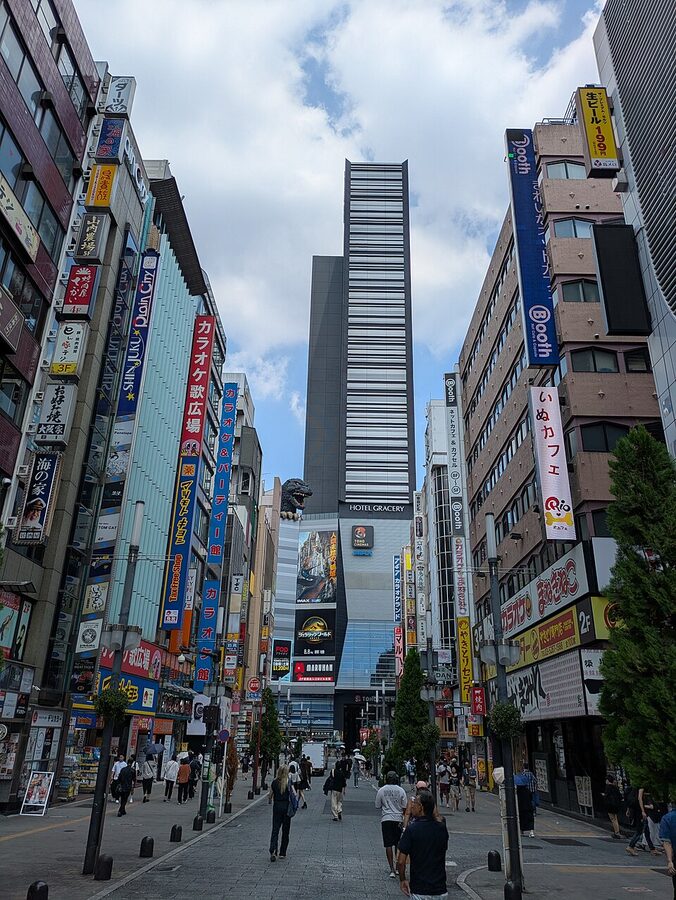
- Hotel Gracery Shinjuku: the Godzilla hotel, mid-priced (¥18,000–30,000), seven-minute walk to Golden Gai, on top of the TOHO Cinema in Kabukicho 1-chome. Perfectly fine business-grade rooms, kitsch but useful location. Available on (Booking | Agoda).
- Citadines Central Shinjuku in Shinjuku 1-chome: serviced-apartment style, kitchen, ¥22,000–38,000, ten-minute walk to Ni-chome and Suehiro-dori. The pick if you want to do a few nights of slow drinking and not eat hotel breakfast. Available on (Booking | Agoda).
The night I’d actually run
If you put me in Shinjuku tonight with one evening to drink, this is what I’d do. Rough timing for a Wednesday, when the alleys are full of locals but not jammed.
- 18:30, Konbini stop. 350ml Asahi Super Dry from the FamilyMart at the West Exit, drink it on the two-minute walk to Omoide Yokocho.
- 18:45, Omoide Yokocho. Pick a stall with two open stools and at least one suit at the counter. Order three skewers (momo, negima, tsukune), one beer, and one chu-hi. ¥1,800.
- 20:00, Walk to Golden Gai. Twelve minutes via Yasukuni-dori, past the Hanazono Shrine. Go in via the south entrance.
- 20:15, First Golden Gai bar. Albatross G if you want to sit upstairs and look at the painted ceiling, Champion if you want loud and easy. One drink, one chat, ¥1,500–2,000.
- 21:30, Second Golden Gai bar (optional). Pick a different alley than the first. Look for a posted price board outside. Another ¥1,500–2,000.
- 22:30, Walk to Bar Cocktail Book in Nishi-Shinjuku. Twenty minutes on foot, or six minutes on the Marunouchi line one stop from Shinjuku-Sanchome to Nishi-Shinjuku. Order a Yamazaki-based highball, watch Akira make it. ¥2,500.
- 23:45, Konbini stop. One more chu-hi for the walk back to the hotel. Or, if you’re past last train, a bowl of niboshi ramen at Nagi (¥1,150) and a taxi.
That’s about ¥10,000–12,000 for the evening, three districts, and roughly 40 minutes of total walking. It hits the alley smoke, the small-bar conversation, and the high-cocktail finish, in that order. The order matters: tired-and-bourbon-blurred at 23:00 is not when you want to be picking your way through Golden Gai door signs.
Last-train reality and how to plan around it
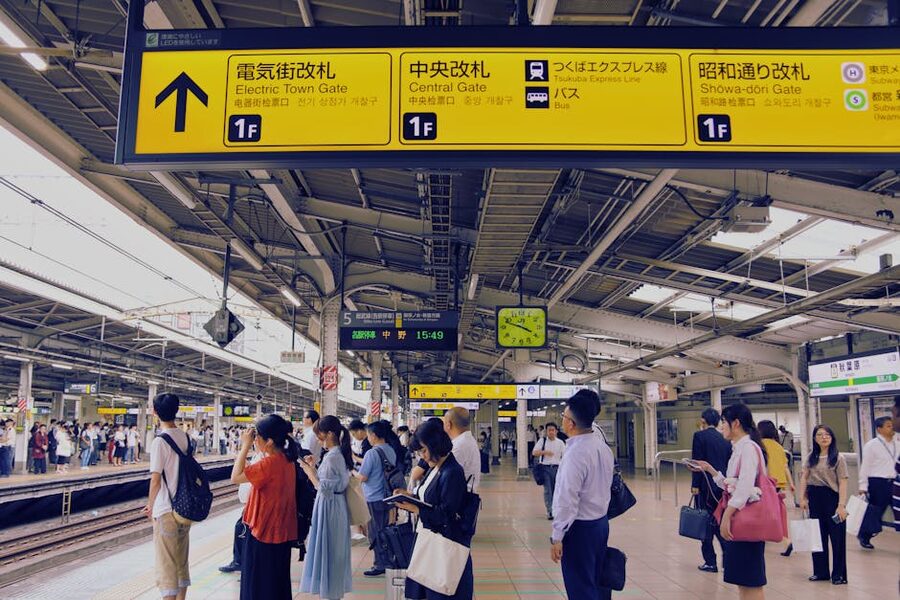
Most Tokyo first-timers underestimate how completely the rail network shuts down between roughly 00:30 and 04:30. Shinjuku Station’s last departures vary by line:
- Yamanote line clockwise: about 00:36 to Ikebukuro/Ueno; counter-clockwise about 01:00 to Shibuya/Shinagawa
- Chuo Rapid: 00:30 inbound, 00:48 outbound
- Marunouchi line: 00:25 to Ikebukuro, 00:30 to Ogikubo
- Toei Shinjuku line: 00:08 last west to Sasazuka
If you’re staying in Shinjuku itself, none of this matters. If you’re crashing in Asakusa or Ueno, leave Golden Gai by 00:00 and you’ll catch the train comfortably. If you miss it: cabs from Shinjuku to most central wards cost ¥3,000–6,000 (Asakusa is the high end), and the Limousine Bus to Narita doesn’t restart until 04:00. The other option is to find a 24-hour spot in Kabuki Yokocho or grab a cheap booth at a manga-kissa for the four hours until first train. Both are routine moves on a Friday night.
For drinkers who want to spend a full day on the broader Tokyo drinking trail, my Japan drinking itineraries piece covers a Shinjuku night inside a wider three-day Tokyo plan. The Tokyo sake bars piece is the thing to read if you want a Shinjuku-into-Ginza progression that puts the deeper sake counters next.
Three small things people get wrong
One: Shinjuku’s drinking life isn’t in Kabukicho. Kabukicho is the postcard. The drinking is mostly in Omoide Yokocho, Golden Gai, Ni-chome, and Suehiro-dori. Three of those four are quieter, friendlier, and cheaper than the strip you see on Instagram.
Two: The skyscraper bars are not the “real” Tokyo any more than Albatross is. They’re a different real Tokyo. A trip that uses both is a better trip than one that picks. Don’t skip Park Hyatt because it feels touristy; don’t skip Golden Gai because it feels intimidating. Each does something the other can’t.
Three: Cover charges aren’t a scam. The otoshi (table charge with a small dish) is industry-standard at every izakaya in Japan. The seki-ryo (seat charge) at small bars is how the sub-eight-seat economics work. Push back on anything you weren’t told about, but don’t argue with a posted ¥500 otoshi at a counter that’s offered you a stool, a cold towel, and three minutes of attention.
Pick a stool. Order the draft. Watch the smoke. The rest of the evening will make itself.
 CitiesWhy Tohoku Took Over Japan’s Sake SceneThe trip almost didn't happen. I'd booked an Aomori brewery visit at the end of a rushed week, the second…
 CitiesWhy Kansai, Not Niigata, Is the Sake CapitalHyogo and Kyoto produce more sake than the next eight prefectures combined. Two of Kansai's six prefectures, side by side,…
 CitiesHokkaido Has More Whisky Distilleries Than You ThinkAsk anyone who knows a little about Japanese whisky to name a Hokkaido distillery and they’ll say Yoichi. Push them…