
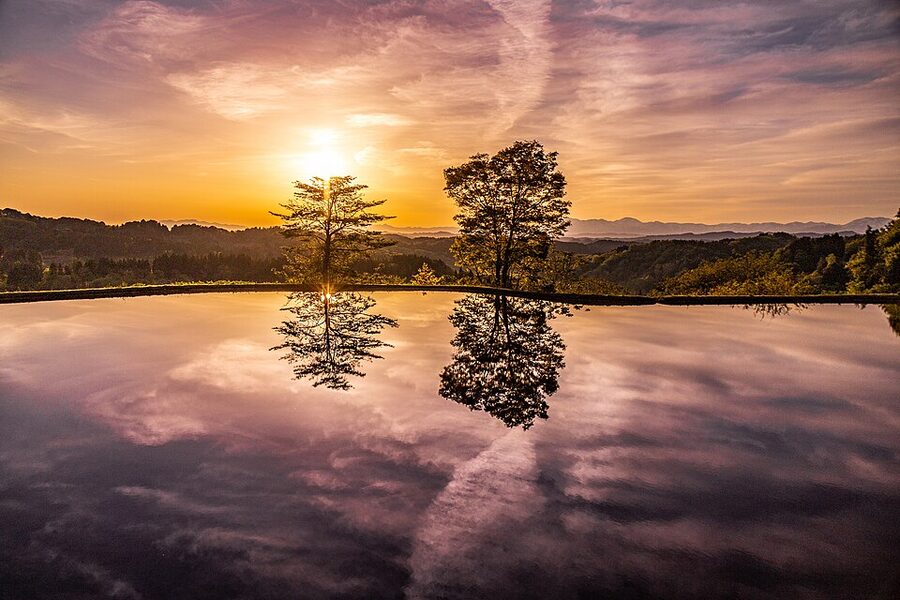
Niigata Prefecture has 91 active sake breweries, more than any other prefecture in Japan. The next-densest, Hyogo and Kyoto, are still well behind, and they are giants of population and visibility. Niigata sits on the Sea of Japan with under two million people, and yet for every 22,000 residents there is a working kura turning rice into sake. The same prefecture also drinks more sake per capita than any other. So the breweries do not exist for tourism, or for export, or for prestige rankings. They exist because Niigata locals have been drinking the stuff for ten centuries and would rather their hometown brewery kept making it.
-m_(52039917221).jpg)
That last bit is what makes Niigata the most interesting sake destination in Japan to visit, not the most photographed. You are walking into a working drinking culture, not a museum of one. The Tokyo bullet train deposits you at Echigo-Yuzawa in 50 minutes flat, or at Niigata Station in just under two hours, and from either platform you can be inside a sake-tasting machine or a brewery courtyard within twenty minutes. This is the prefecture-shaped argument for why every traveller who likes sake at all should plan a side trip out of Tokyo to actually drink it where it gets made. The general logistics of sake brewery day-trips from Tokyo apply across multiple prefectures, but Niigata is the one where the brewery density makes a longer trip pay off.
I went up for four nights, drank from two Ponshu-kan tasting walls, walked through three breweries, and left with seventeen bottles I’d never been able to find at Tokyo sake bars. Below is the geography, the rice, the breweries to actually visit, and the practical mechanics of getting there.
In This Article
- The five breweries to plan a Niigata trip around
- Why Niigata, specifically
- Snow
- Soft water
- Rice
- Niigata Station Ponshu-kan: 100 sakes for ¥500
- Echigo-Yuzawa Ponshu-kan: same idea, ski-resort version
- Hakkaisan: the brewery you have already drunk
- Asahi-Shuzo and Kubota: Niigata’s icon dry-style brewery
- Imayotsukasa: the easy one to walk to
- Yoshinogawa: the oldest brewery in Niigata
- Aoki Shuzo and Kakurei: 300 years in Shiozawa
- The smaller breweries worth a detour
- Niida-Honke (Tochio)
- Tsuruta-Shuzo / Echigo Tsurukame (Joetsu)
- Kikusui (Shibata)
- Lagoon Brewery (Kita-ku, Niigata City)
- Watanabe Sake Brewery (Itoigawa)
- The everyday-drinking infrastructure: bars and restaurants
- The rice section: Gohyakumangoku and Koshitanrei in detail
- Niigata Sake no Jin: the festival to plan around
- Getting to Niigata from Tokyo
- Where to stay
- Niigata City
- Echigo-Yuzawa
- What to eat with the sake
- Three sample itineraries
- One day from Tokyo
- Three days, Niigata City based
- Five days, festival-timed
- The trip-planning shortlist
The five breweries to plan a Niigata trip around
Ninety-one is too many. You will not visit ninety-one. The list below is the working short-list of breweries with English-friendly visitor experiences, named labels you have probably already drunk in a Tokyo izakaya, and reachable locations from either Niigata Station or Echigo-Yuzawa. Pick two for one trip, three if you have a week.
| Brewery | City | Tasting fee | Signature label | Best for |
|---|---|---|---|---|
| Hakkaisan | Minamiuonuma | Free walk-in shop, paid tour ¥1,500 | Hakkaisan | The big-name brewery you have already drunk; mountain setting |
| Asahi-Shuzo | Nagaoka (Asahi) | Reservation required, free | Kubota | Niigata’s icon dry-style brewery; serious sake learners |
| Imayotsukasa | Niigata City | Free Japanese tour daily, ¥1,000 English tour | Imayo Tsukasa | 20-minute walk from Niigata Station; design-led labels |
| Yoshinogawa | Nagaoka (Settaya) | Free shop, ¥500 museum | Yoshinogawa | Oldest brewery in Niigata, founded 1548; history-focused |
| Aoki Shuzo | Minamiuonuma (Shiozawa) | By appointment, paid tasting | Kakurei | Snow-country setting, 300 years old; for the deep cuts |
| Tsuruta-Shuzo | Joetsu | By appointment | Echigo Tsurukame | The Joetsu trip; quieter, fewer foreign visitors |
None of the prices are hard rules. Tour fees and tasting menus shift with the brewing season; reservations are mandatory for the inside-the-kura experiences and only suggested for the shop walk-ins. Phone or email at least a week ahead for a brewery tour, two weeks if you want it in English. The off-peak window (June to September) is easier on availability but means you are not seeing actual brewing happening, since real sake brewing in Niigata runs roughly November through March in the cold.
Why Niigata, specifically
-m.jpg)
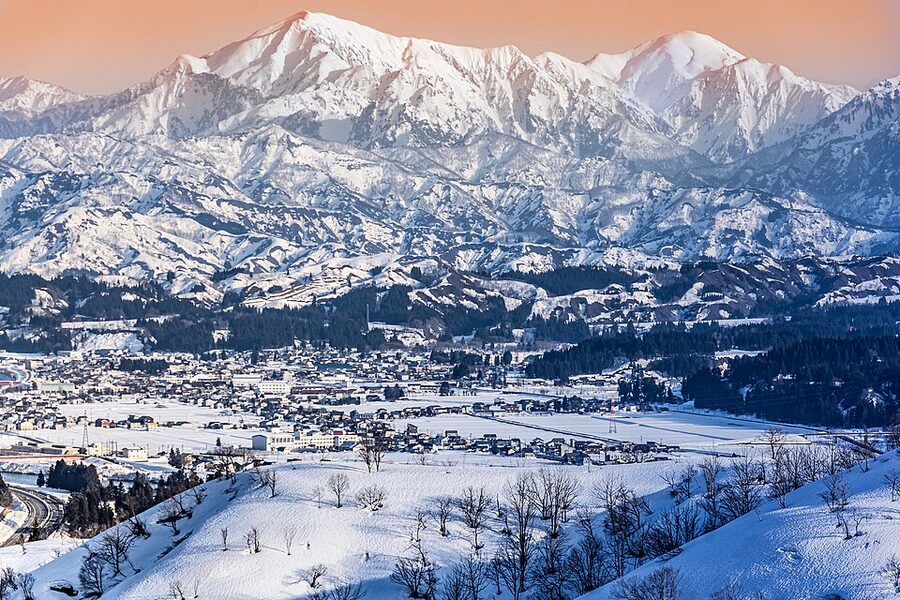
Three things stack up here that nowhere else in Japan has at the same time. Snow. Soft water. Rice. Take any one of those away and Niigata stops being Niigata.
Snow
Niigata gets the most snow of any populated region on Earth. Yuzawa and the Uonuma valley regularly stack three to four metres of it across winter, with single-day dumps over a metre. The novelist Yasunari Kawabata called Niigata Yukiguni, the Snow Country, and that opening line has done more for the prefecture’s tourism than any sake board ever could. For a brewer, all that snow is a thermostat. The fermentation building stays around 5°C without any cooling intervention; the slow, cold ferment is what produces clean, crystalline daiginjo with no off-flavour. Every other prefecture either uses refrigeration or stops brewing in spring earlier than Niigata does.
Soft water
The snowmelt off the Echigo Sanmyaku ridges and Mount Hakkai filters through volcanic strata for years before reaching brewery wells. The result is some of the softest water in Japan, low in minerals, slightly mineral on the tongue, and forgiving to the yeast. Soft water ferments slowly, and slow fermentation is what produces the light, dry, fragrant style Niigata is known for: tanrei karakuchi, the local term for “clean and dry”. You can tell a Niigata sake from a Hyogo sake on a single sip if you know what you are tasting for. Hyogo sake (Yamada Nishiki rice, harder water) hits with weight and umami; Niigata sake glides.
Rice
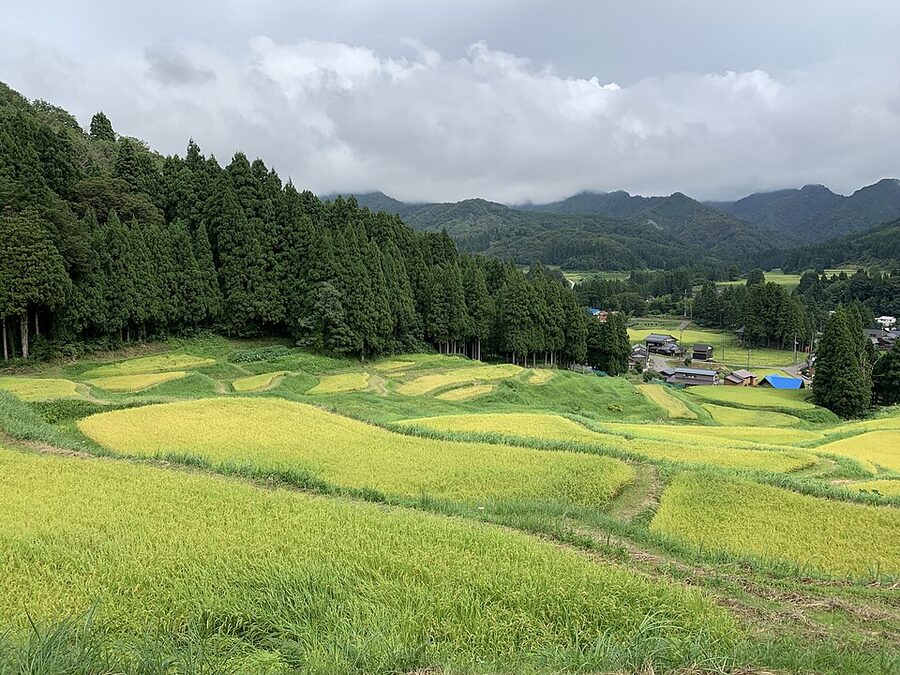

The rice is not Yamada Nishiki, the Hyogo-grown variety that tops most national sake-rice rankings. Niigata grows Gohyakumangoku, the workhorse, and Koshitanrei, the high-end variety. Gohyakumangoku is the everyday backbone for Niigata’s junmai and honjozo labels; it ferments cleanly, polishes well, and produces dry, mineral, food-friendly sake. Koshitanrei is the Niigata-only late-ripening variety bred specifically for daiginjo. It is harder to grow, harder to polish, and accounts for almost none of the prefecture’s volume, but it is what wins competition medals. If a Niigata bottle says Koshitanrei on the back, that is the brewery showing off. Knowing how to read the rest of a Niigata sake label (rice variety, polishing ratio, junmai vs honjozo, brewer name, sake meter value) is its own skill, covered in the sake label guide.
Niigata also grows Koshihikari, the most-eaten table rice in Japan, and the prefecture’s eating-rice reputation is part of the reason brewing took hold here in the first place. The lab work that goes into Koshihikari quality control feeds back into sake-rice agronomy. Local farmers know how to grow rice for purpose, not just yield.
Niigata Station Ponshu-kan: 100 sakes for ¥500
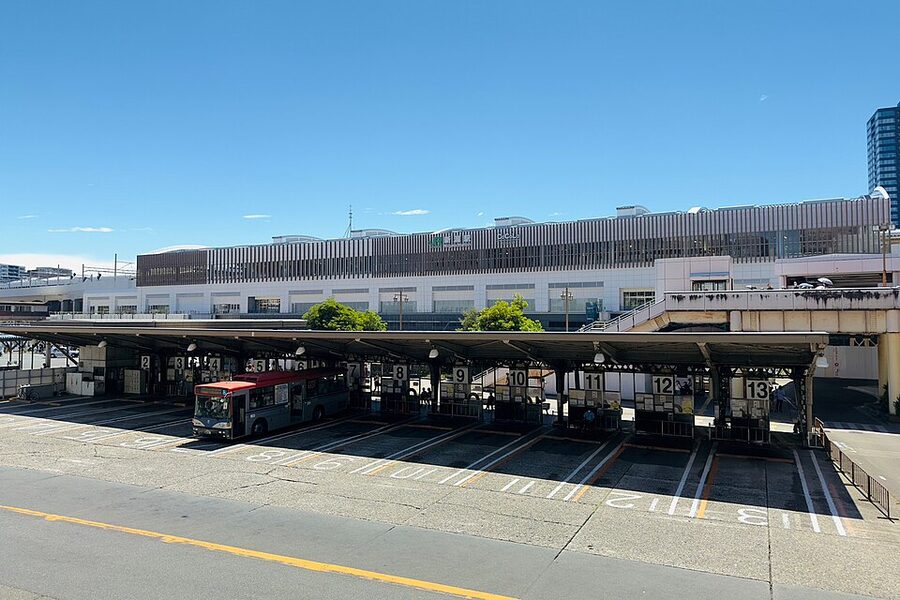

If you only have time for one Niigata sake stop, this is it. The Ponshu-kan inside Niigata Station’s CoCoLo complex contains a tasting room called Kikizake Bansho with somewhere around 100 sakes loaded into wall-mounted dispensing machines. You pay ¥500 at the counter and get a small ceramic cup plus five wooden tokens. Drop a token in the slot, press the yellow button, fill the cup. Most sakes take one token. A few rare or premium pours take two or three tokens, and a small selection of single-cask, festival-only, or just-released bottles takes five.
The mechanic is what makes it work. You can taste fifteen sakes from fifteen different breweries in under an hour for less than the price of a single full pour at a Tokyo specialist bar. The shop attached to the tasting room sells most of what you just drank, so the tasting becomes the menu for what you take home. The system runs on a contactless card if you want to skip the token shuffle. Hours are roughly 09:00–21:00 daily.
The catch: there are also a fair number of mid-tier sakes in the machines that you would not bother with anywhere else. The 100-sake number is real, but not all 100 are interesting. Use the popularity ranking boards by the wall, or the sake-recommending tablet that asks five questions before suggesting five matches. Or just go to the brewery names you already know and try the sakes you have been wanting to compare side by side.
If you want a sit-down version with bigger pours, walk fifteen metres across the corridor to the Kaku-uchi Sake Bar, where pours are larger and sake comes with seasonal Niigata small dishes. Or to Tabi Bar inside Suzuvel cafe, which carries 200 sakes including limited and hard-to-find bottles. Pours start ¥550 and the rare ones can hit ¥10,000+ for a single shot, which is real and is correctly priced. Reservations recommended for evenings on weekends.
Echigo-Yuzawa Ponshu-kan: same idea, ski-resort version
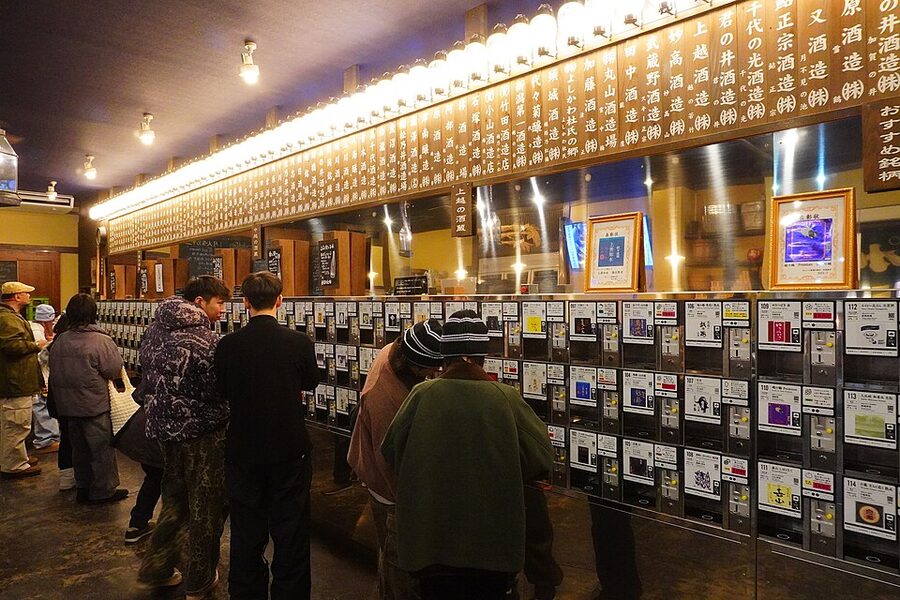

If you are coming from Tokyo for a single day-trip, Echigo-Yuzawa is closer than Niigata City and the Ponshu-kan there has the same mechanic. ¥500, five tokens, ceramic cup, wall of dispensers. The selection is smaller, around 90 sakes, and skews to Uonuma valley breweries (Hakkaisan, Kakurei, Hakkaisan again under different rice varieties, Tsunan, Aoki). It is the Niigata equivalent of going to a regional grocery store while travelling: you get the breweries from this slice of the prefecture rather than the prefecture-wide sample.
The Yuzawa Ponshu-kan also has two non-tasting-room features that make the trip worth it on their own. There is a sake-bath, a public onsen with sake mixed into the water (specifically the lees, which are alkaline and apparently good for skin). And there is a shop attached selling shochu, sake, sake-rice ice cream, sake-pickled vegetables, and a meaningful range of nama (unpasteurised) bottles you cannot ship home, so drink them on the way back to your ryokan.
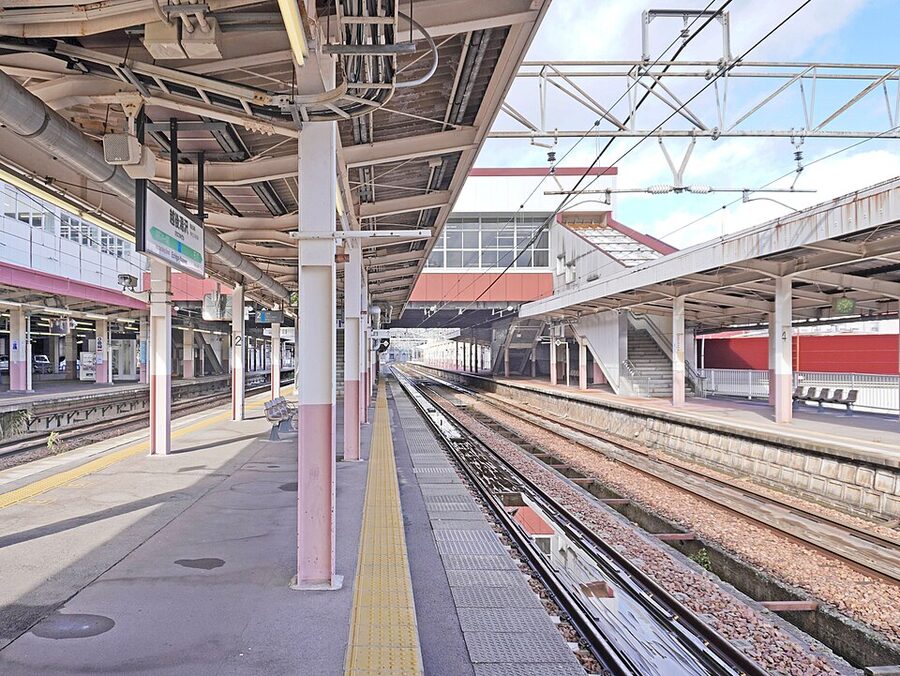

Yuzawa is also Japan’s nearest serious ski-resort cluster to Tokyo, so a January or February day-trip can layer ski morning, sake afternoon, ryokan onsen evening with no schedule pressure. The town outside the station is small but built around the resort and ryokan-onsen trade, which means there is a useful concentration of izakayas and sake-stocked restaurants for dinner before the train back.
Hakkaisan: the brewery you have already drunk
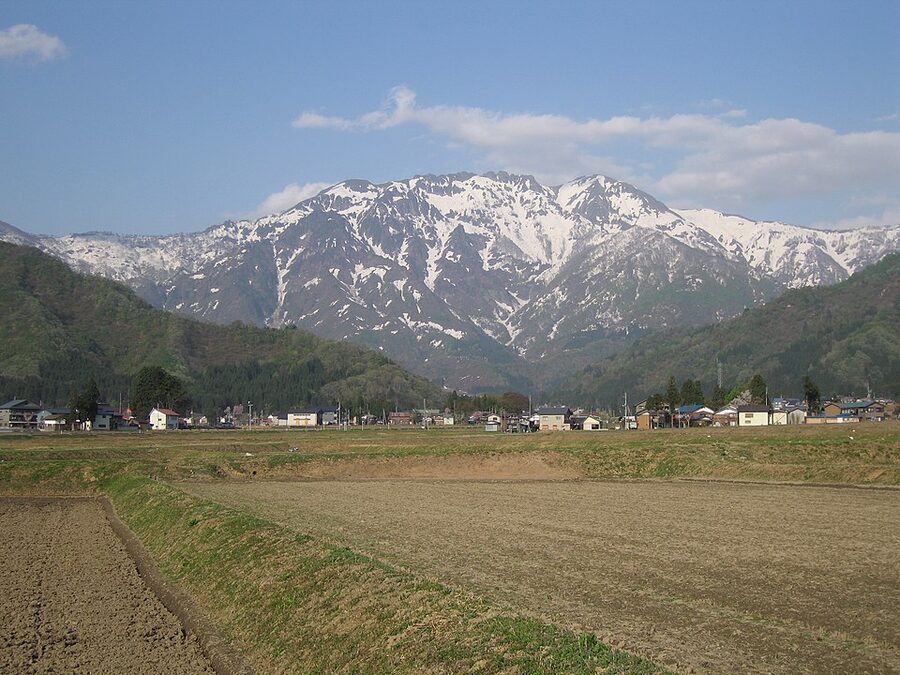


Hakkaisan is the Niigata brand that has done the most to put the prefecture on the global map. Founded in 1922 in Minamiuonuma, the brewery sits at the foot of Mount Hakkai (1,778m) and uses spring water called Raiden-sama no Mizu piped directly from the mountain into the brewing kura. They use Gohyakumangoku for the standard Hakkaisan junmai and Yamada Nishiki for the daiginjo, which makes them slightly unusual: they are confident enough in their water and toji that they buy in the Hyogo grand-cru rice when it suits them.
The visitor experience is split into three. The free walk-in shop sells the full Hakkaisan range and lets you taste a small flight at the counter for ¥500–1,000. The paid kura tour (¥1,500, ~75 minutes, reservation only, mostly Japanese) walks you through the brewing rooms and the underground snow-storage cellar where they age sake at sub-zero in compacted natural snow. And the Uonuma no Sato complex up the road is a wider experience centre with the Hakkaisan onsen, a soba restaurant, a craft-shop, and a snow-aged whisky distillery that opened in 2021. The whisky is too young to drink seriously yet, but the distillery building and the snow-cooling rig are worth the walk-around. The Hakkaisan whisky is part of a wider Japanese craft-distillery boom; the established Japanese whisky distillery tours are still a separate trip.
Address: 1051 Nagamori, Minamiuonuma. Twenty minutes by taxi from Echigo-Yuzawa Station, or thirty by local bus. If you only have a day from Tokyo and want to see one Niigata brewery actually working, this is the easiest one to reach and the one most equipped to host an English-speaking visitor.
Asahi-Shuzo and Kubota: Niigata’s icon dry-style brewery
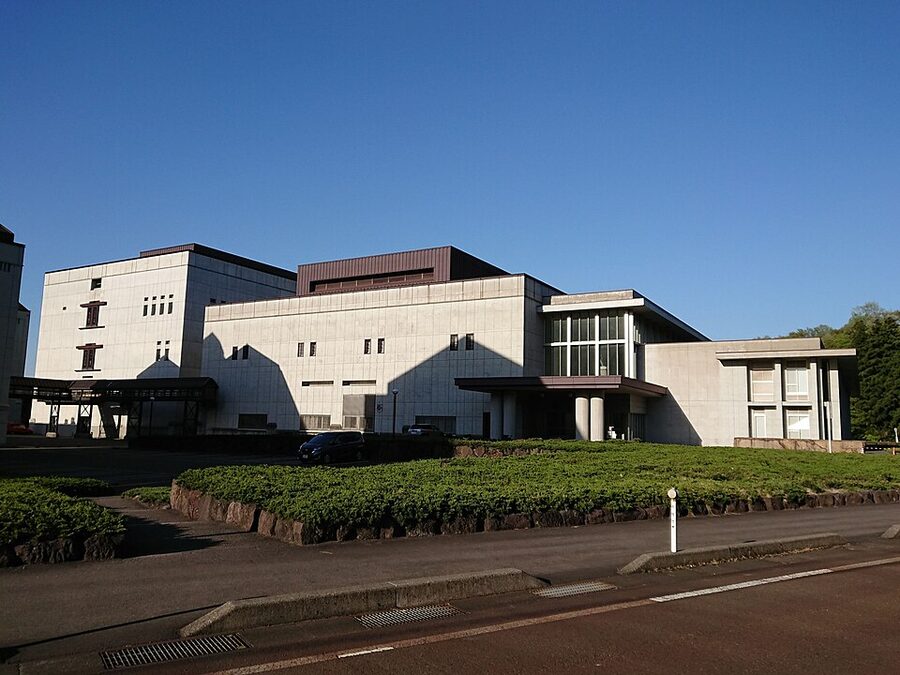

Asahi-Shuzo, in Nagaoka’s Asahi district, is the brewery behind Kubota, one of two or three Niigata labels that defined the modern dry-style boom. Founded 1830, family-run for nine generations. They make a wide vertical range of Kubota: Hyakuju (entry), Senju (the workhorse), Kohju, Manjyu, and the Hekijyu junmai daiginjo. The vertical lets you taste exactly how rice-polishing ratio and koji choice change a single brewery’s output, which is harder to pin down across breweries because too many variables shift at once.
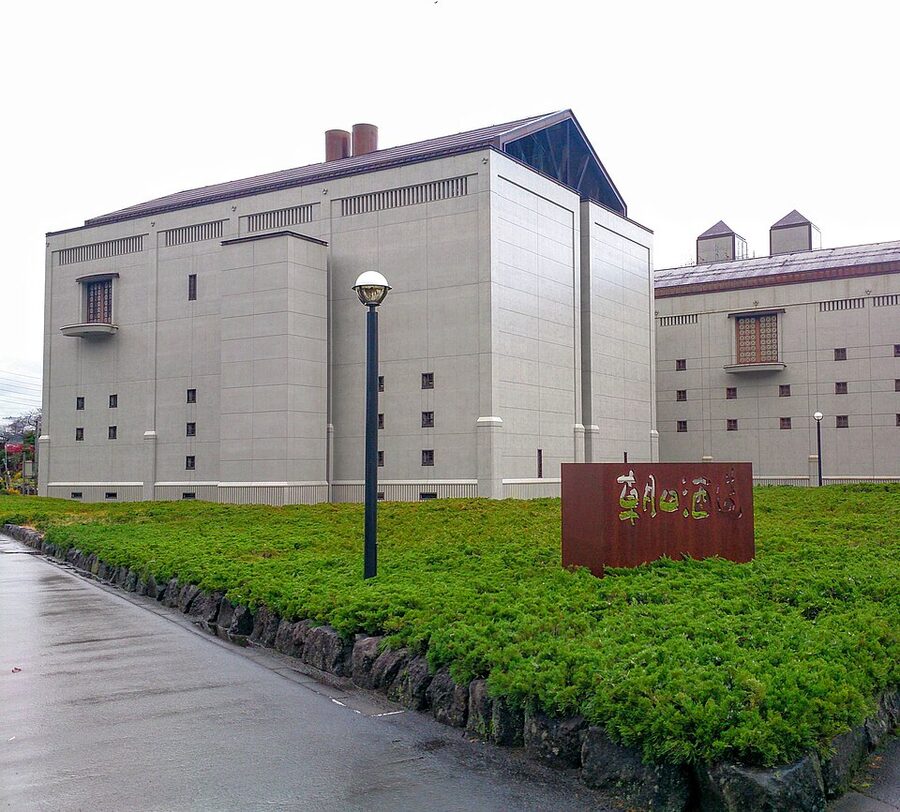

The reason Asahi matters historically is what they did to Niigata’s reputation. In the 1980s, when Tokyo bars were starting to feature single-prefecture sake selections, Asahi pushed Kubota Hyakuju as a clean, dry, food-friendly counterpoint to the heavier, sweeter sakes that dominated the era. The market took to it. Within a decade Niigata had become shorthand for “the dry stuff”, which both made the prefecture famous and locked it into a stylistic box that smaller breweries spent the 2000s and 2010s trying to break out of. Drinking a Kubota Manjyu side by side with a contemporary Niigata sweet-style junmai (try Niida-Honke’s Kanchu Bishu if you can find it) tells you the whole arc.
Tours: free, reservation-only, weekday afternoons. Phone reservation only. The brewery is a 15-minute taxi from Nagaoka Station; Nagaoka itself is on the Joetsu Shinkansen line, 90 minutes from Tokyo. There is no English-language tour, but the staff will usually do their best to walk you through the room layout and the rice-polishing room signage with body language.
Imayotsukasa: the easy one to walk to
Imayotsukasa Sake Brewery is a 20-minute walk from Niigata Station, which makes it the easiest brewery in the whole prefecture to add to a Niigata-City stay. The company started over 250 years ago as an inn and sake shop on the old Hokkoku Kaido shipping route, which was Edo-era Japan’s main coastal trade line for rice and goods. Sake-brewing only became their main business late in the 19th century, when Niigata’s port-merchant traffic collapsed and the family bet on a different drink-side of the same rice economy.
Walking into a brewery shop and asking for a tasting flight in Japanese is its own small skill; for the basic phrasing see the ordering guide. The Imayotsukasa visit experience is genuinely good. Free Japanese-language tours run every day on the hour. Paid English tours run once a day on weekdays for ¥1,000 and include a tasting flight of five sakes plus a copper sake-tasting cup that you keep. The brewery’s main room has the giant cedar-ball sugidama hanging from the eaves; when the cedar-ball is fresh and green, this year’s new sake is ready, when it has gone brown, the new sake is mature. The labels they win design awards for are also worth a look on their own. The Nishikikoi (koi-fish) bottle has the shape of Niigata Prefecture worked into the koi pattern, which is the kind of thing you only catch on the second look.
Address: 1-1 Kagamigaoka, Niigata City. Reservation strongly recommended for the English tour, optional for the Japanese.
Yoshinogawa: the oldest brewery in Niigata
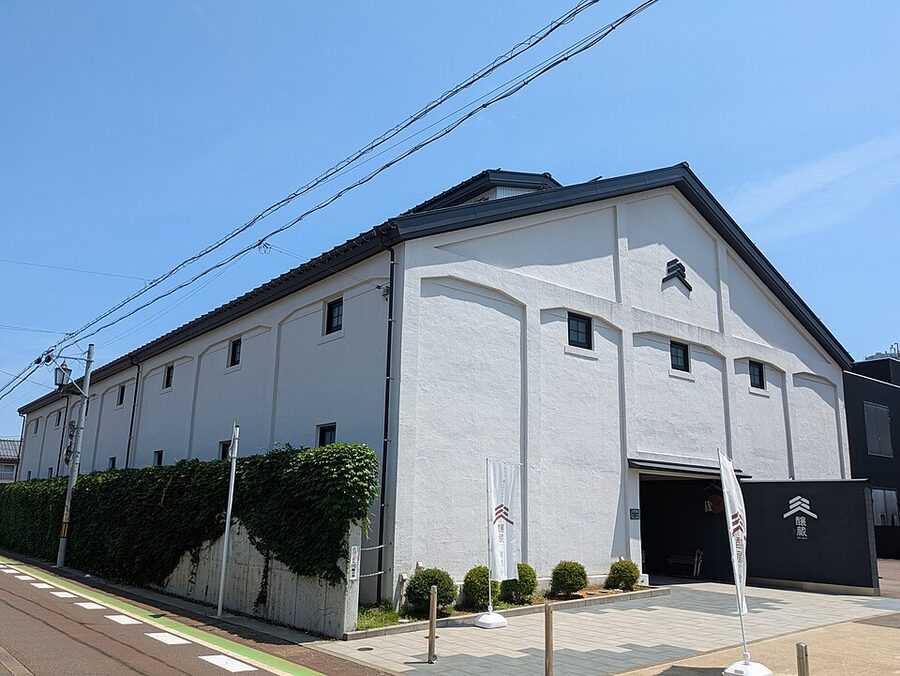

Yoshinogawa, in the Settaya district of Nagaoka, has been making sake on the same plot of land since 1548. That makes it Niigata’s oldest brewery and one of the dozen oldest in all of Japan. Settaya itself is a brewery district; there are five other working sake breweries plus a soy sauce brewery and a miso producer within a five-minute walk. The whole quarter still smells faintly of fermentation.
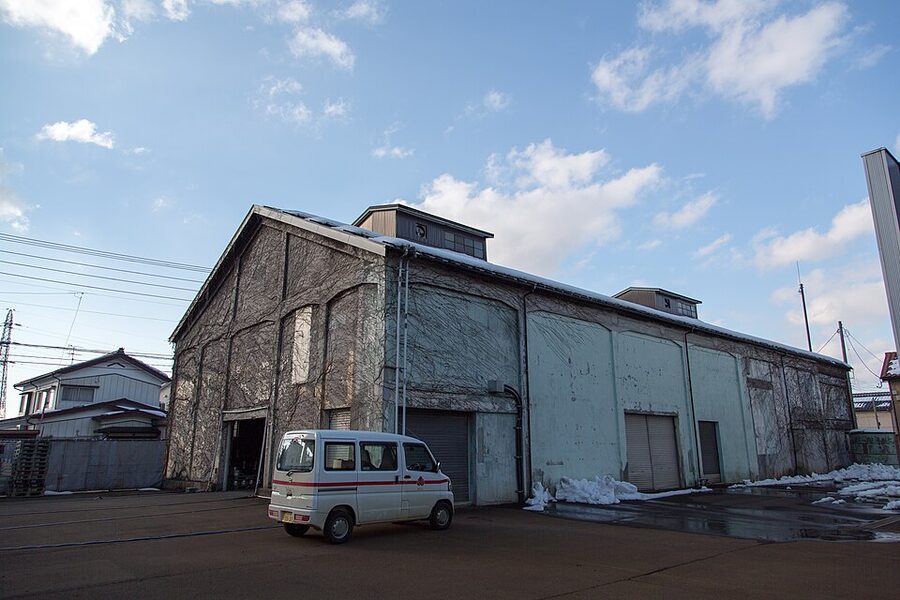

Yoshinogawa runs a small free shop with sake tasting at the counter and a separate brewery museum (Hisagotei) that costs ¥500 and walks you through the rice-polishing process, koji-making room, fermentation tanks, and pressing room with English signage and a video. They also run paid premium tasting flights from ¥1,000 that cover their senior labels including the Yoshinogawa daiginjo. The everyday food-pairing Yoshinogawa is a clean, unfussy junmai that does not try to be anything other than dinner sake, which is part of why it has lasted five hundred years.
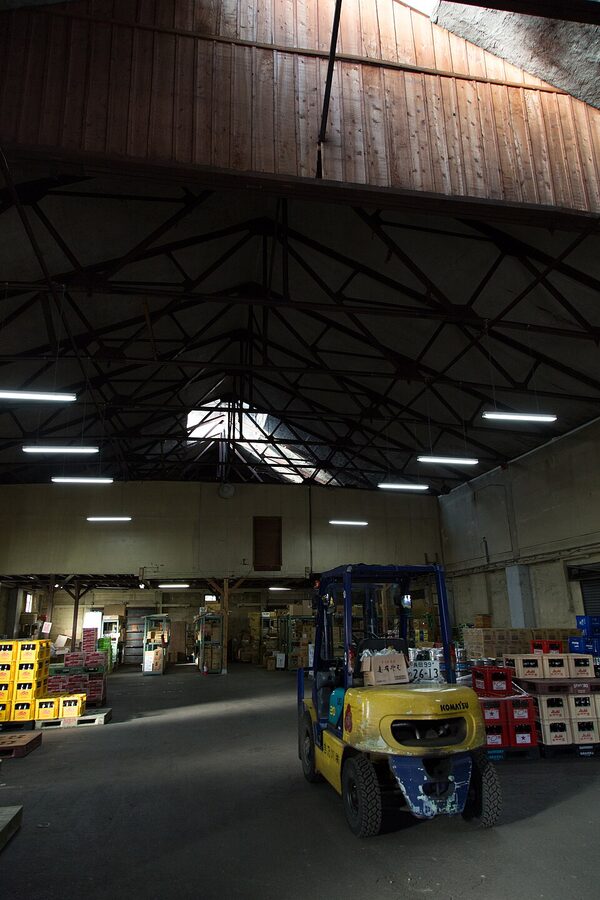

Address: 8-17 Settaya-machi, Nagaoka. From Nagaoka Station, 10 minutes by taxi, or take the local Echigo Line one stop to Miyauchi and walk 15 minutes. The Settaya district is also the most pleasant brewery-district stroll in Niigata: low-rise old shop-houses, narrow streets, and at least a half-dozen sake-related stops within walking distance.
Aoki Shuzo and Kakurei: 300 years in Shiozawa
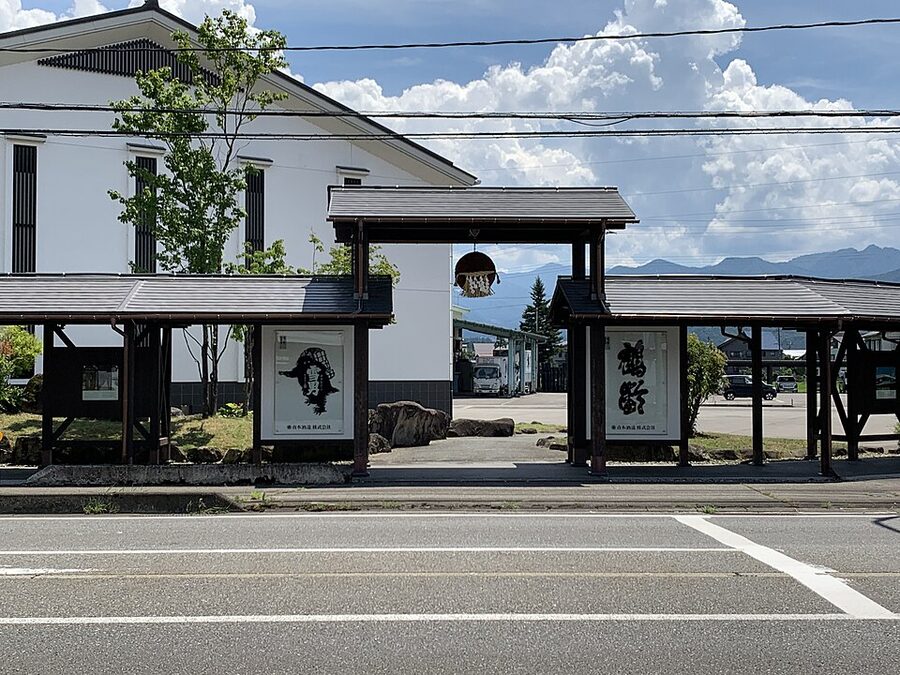

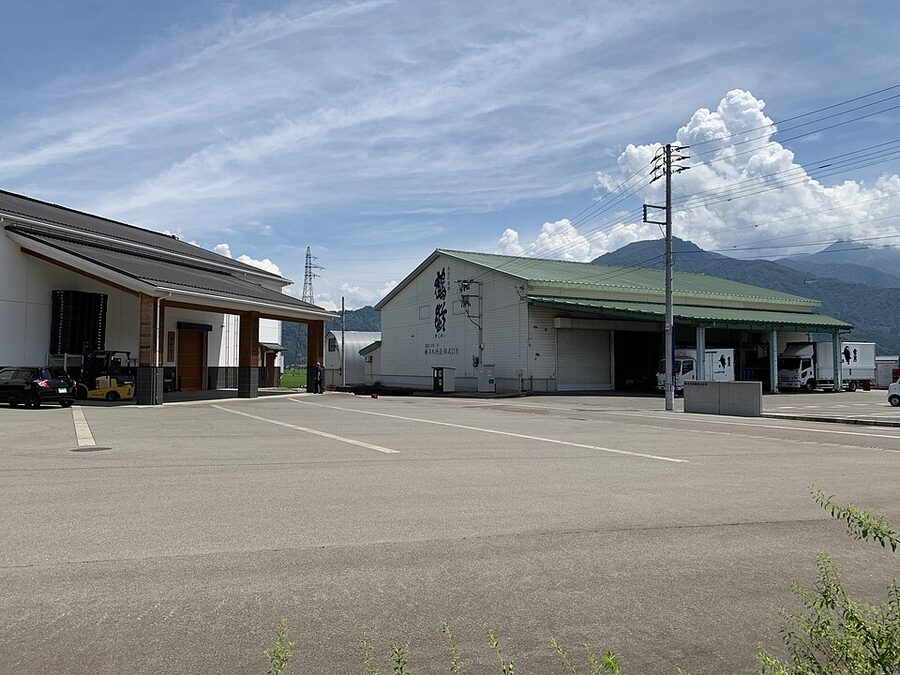
Aoki Shuzo is in Shiozawa, the snowy upper-Uonuma valley about 25 minutes drive from Echigo-Yuzawa. They have been making sake since 1717, which puts them at over three hundred years old. Their main label, Kakurei, was named by the Edo-period writer Suzuki Bokushi when his second son was adopted into the Aoki family and became the seventh-generation head of the brewery. That kind of literary footnote is a Niigata thing; sake breweries in this prefecture are genuinely woven into the local cultural memory in a way they are not in, say, Hyogo or Kyoto, where bigger industries dominate.
,_Minamiuonuma,_Niigata,_Japan,_April_2023.jpg)
Aoki’s stylistic claim is tanrei umakuchi, “clean and savoury”, a deliberate counterpoint to the prefecture’s dominant tanrei karakuchi. They are aiming to keep the Niigata cleanness while adding back the rice-derived umami that strict dry-style brewing strips out. The Kakurei junmai ginjo is the entry point; the Kakurei daiginjo is what they bring out for serious visitors. Visits are by appointment, paid tasting, and the brewery side runs roughly November to April for active brewing.
Address: 1214 Shiozawa, Minamiuonuma. Easiest reached by car from Echigo-Yuzawa or by taking the Joetsu Line to Shiozawa Station and walking 10 minutes.
The smaller breweries worth a detour
Niida-Honke (Tochio)
Niida-Honke does the most stylistically distinctive sake in Niigata. They went fully organic in the early 2000s, switched to wild yeasts only, and abandoned modern white-rice-polishing in favour of kimoto and yamahai traditional starters. Result: their sake tastes nothing like the Niigata clean-dry stereotype. It is rich, slightly sour, age-friendly, and divisive. Some sake bars love it; some refuse to stock it. The brewery is in Tochio, an hour from Niigata City, and they take serious visitors by appointment. Bring an open palate.
Tsuruta-Shuzo / Echigo Tsurukame (Joetsu)
The Joetsu region (Naoetsu / Itoigawa side) is quieter than central Niigata and the breweries down there see fewer foreign visitors. Tsuruta-Shuzo’s Echigo Tsurukame is a clean, dry, sea-side junmai that pairs especially well with the seafood that Joetsu’s port towns built their fortunes on. Worth the visit if you are doing a Sea-of-Japan-coast trip down to Kanazawa; the Hokuriku Shinkansen passes through Joetsumyoko on the way.
Kikusui (Shibata)
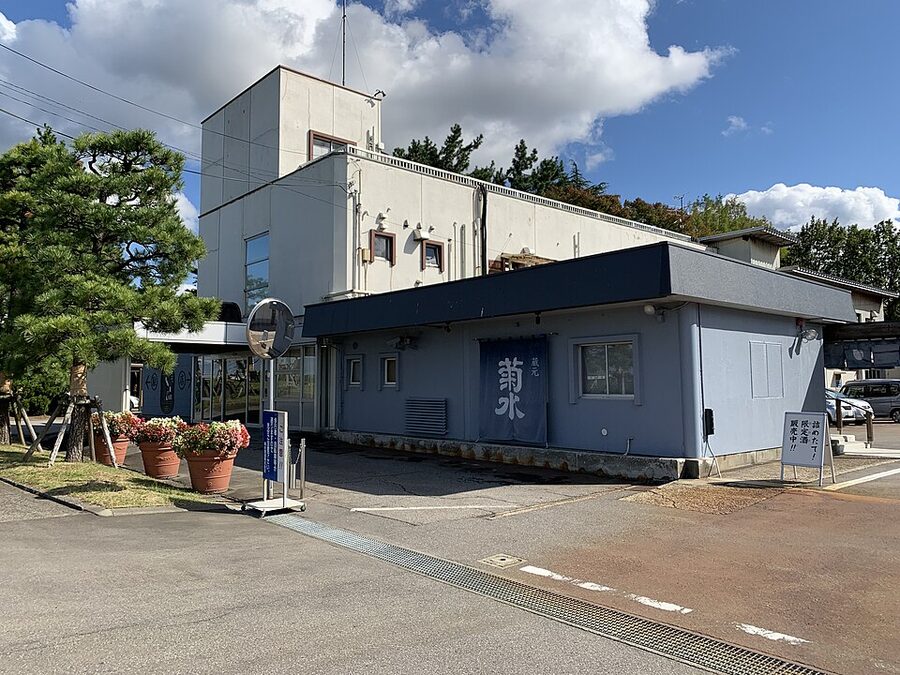

Kikusui is the brewery behind Funaguchi, the gold-foiled aluminium cup-sake you have probably already drunk in a konbini. It is the bestselling cup-sake in Japan and arguably the most consistent under-¥500 sake on the market. The brewery itself is in Shibata, north of Niigata City on the Hakushin Line, and runs a small museum (the Kikusui no Kura) plus a free walk-in tasting bar. Worth a stop if you want to see the volume side of Niigata brewing alongside the artisanal end.
Lagoon Brewery (Kita-ku, Niigata City)
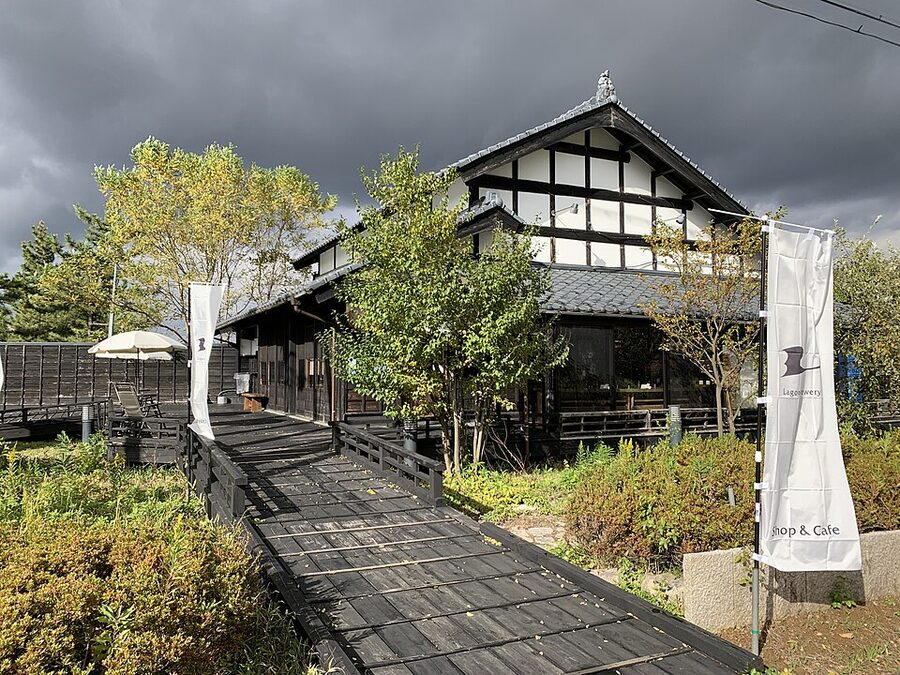

Lagoon Brewery is the new-wave Niigata operation. Founded in 2021 by a brewer who had spent time at multiple traditional kuras and decided the prefecture needed a small-batch, restaurant-focused producer aimed at modern wine-list pairings. The bottles are tiny-run, the labels are minimalist, and the sake itself is fresher and less rule-following than almost anything else in the prefecture. Worth seeking out at Niigata City restaurants if you cannot make the brewery itself.
Watanabe Sake Brewery (Itoigawa)
.jpg)
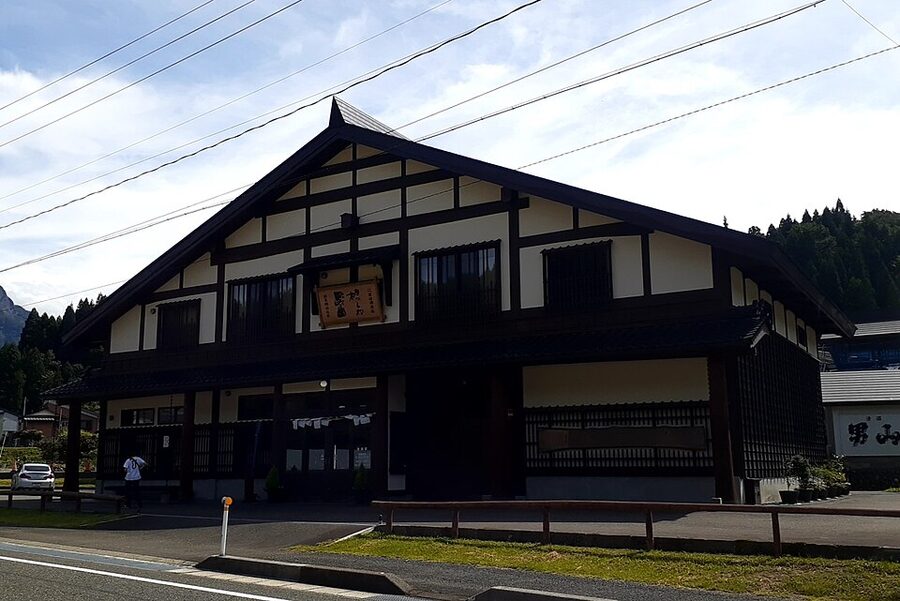
Watanabe is in Itoigawa, the far western tip of Niigata that abuts Toyama. Founded 1868. They are one of the small group of Niigata kuras that abolished the traditional toji-led brewing model, training their entire staff to brew from rice through to bottle. They also started growing their own sake rice in 2003 and now run an agricultural arm called Nechi Rice Farm Co. The closed-loop rice-and-sake operation is unusual at this scale and produces sake with a very clear sense of place. Tours by appointment.
The everyday-drinking infrastructure: bars and restaurants
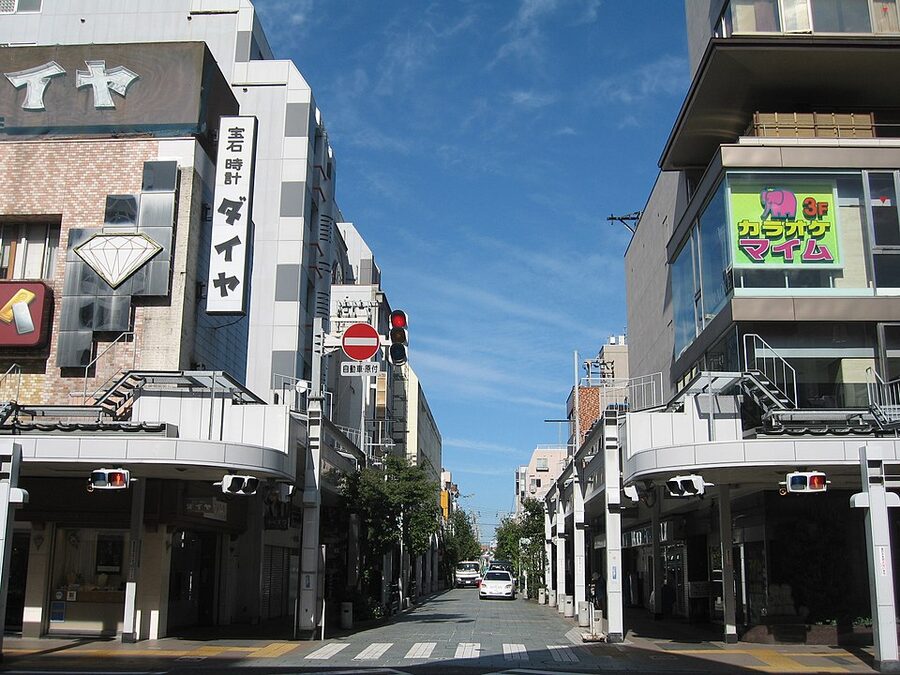

Niigata City has more sake-stocking restaurants per square kilometre than almost any city in Japan, but the density is concentrated in two zones. Bandai (the bar district immediately around Niigata Station) is where most of the standing sake bars and quick izakayas sit. Furumachi (a 10-minute walk west toward the Shinano River) is where the older, more serious establishments live, including Niigata’s surviving geisha quarter (one of three left in Japan, after Kyoto Gion and Tokyo Asakusa).
For everyday eating-and-drinking specifics, the prefecture also has a small but growing craft-beer scene in the cities, plus a strong shochu line for the few breweries that diversified. But sake is the spine. Three named places to point at if you only have one Niigata City night:
Tabi Bar (inside Suzuvel cafe, Niigata Station Bandai side). Two hundred sakes, prices ¥550–10,000+, the best by-the-glass selection in the city. Reservations recommended evenings.
Kaku-uchi Sake Bar (CoCoLo Niigata, Bandai side). Sit-down sake bar with bigger pours than the Ponshu-kan tasting room across the corridor, plus a deli case of seasonal Niigata small dishes.
Tarekatsu Bandai (Bandai, just south of the station). Tarekatsu (Niigata’s local pork-cutlet rice bowl, soaked in sweet soy) plus a fierce rotation of single-cup sakes for ¥380–500. Cash only. The sake list moves weekly.
The rice section: Gohyakumangoku and Koshitanrei in detail
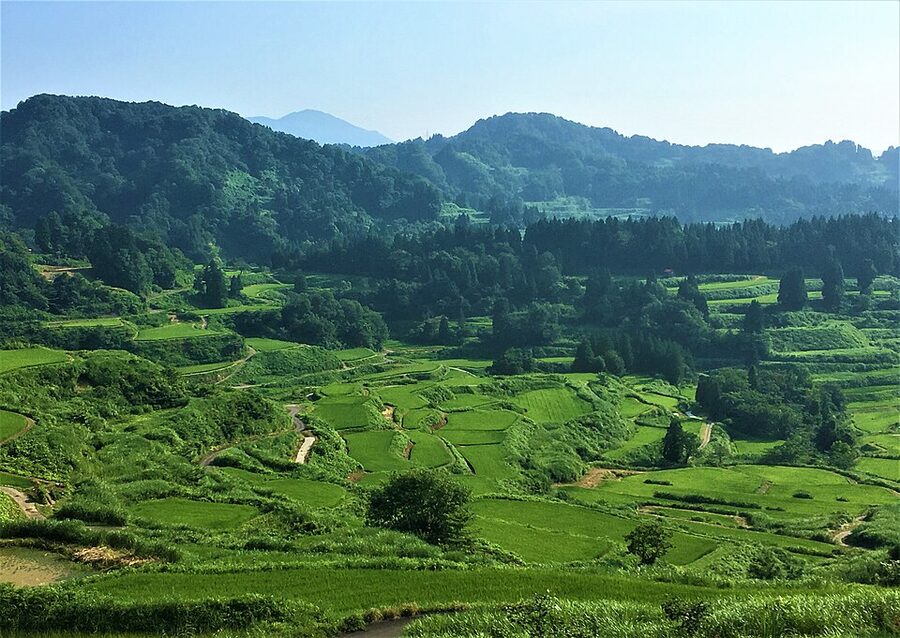

Niigata’s sake-rice story is built on two prefecture-bred varieties. Both are worth understanding before you taste, because every label you see in Niigata will name them on the back.
Gohyakumangoku. Bred in Niigata in the 1930s, registered 1957. The name (literally “Five Million Stones”) refers to the prefecture’s historical rice production target during the postwar reconstruction. It is an early-ripening variety, harvested in September, and now grown across most of northern Japan, but Niigata still produces around half of the national volume. It polishes well to 60% (the junmai-ginjo cutoff) and produces the clean, dry, mineral profile that defined the Niigata style. About 70% of Niigata’s sake by volume uses Gohyakumangoku; if you do not see a rice variety on the back label, it is almost certainly this.
Koshitanrei. Bred in Niigata more recently, registered 2004. A late-ripening cross between Yamada Nishiki (the king of sake rice) and Gohyakumangoku, designed to combine the polishing tolerance of Yamada Nishiki with the cold-resistant agronomy needed to grow it in Niigata. Result: a daiginjo-grade sake rice that ferments cleanly in the soft Niigata water and produces the kind of fragrant, layered, prize-winning sake that competes seriously with Hyogo at the top tier. Koshitanrei is harder to grow, harder to polish, and accounts for a tiny fraction of Niigata’s volume, but if a junmai daiginjo at ¥5,000+ from a Niigata brewery has Koshitanrei on the back, that is a buy. Hakkaisan, Asahi-Shuzo, and Yoshinogawa all run premium Koshitanrei lines.
The brewing-research infrastructure that supports both rices is also worth noting. Niigata is the only prefecture in Japan with a research institute dedicated specifically to sake (the Niigata Prefectural Brewing Research Institute) plus a sake-brewer training school (the Niigata Prefecture Sake Brewers Association’s Sake School), both running for over half a century. Most prefectures do their sake R&D through general agricultural stations alongside table-rice and vegetable work; Niigata took it seriously enough to ring-fence the funding. The result is a measurable consistency in the prefecture’s overall quality: Niigata accounts for ~20% of Japan’s national ginjo-grade volume despite being only ~5% of the country’s population.
Niigata Sake no Jin: the festival to plan around
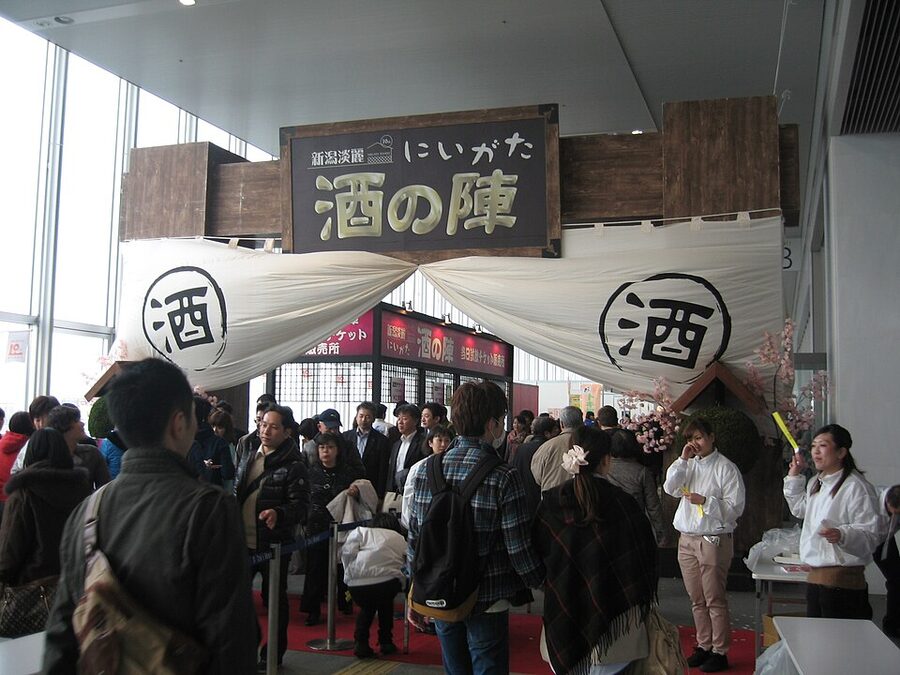

Niigata Sake no Jin is the single most ambitious sake festival in Japan. Held over a weekend each year in mid-March at the Toki Messe convention centre on the Niigata City waterfront, it gathers around 90 of the prefecture’s breweries under one roof, with each brewery setting up a long pouring table. You buy an entry pass (~¥3,000), get a tasting cup, and walk the floor sampling whatever you want. The format is closer to a craft-beer festival than a wine show: high-volume, high-energy, slightly chaotic, and far more democratic than the polite tasting bars of central Tokyo.
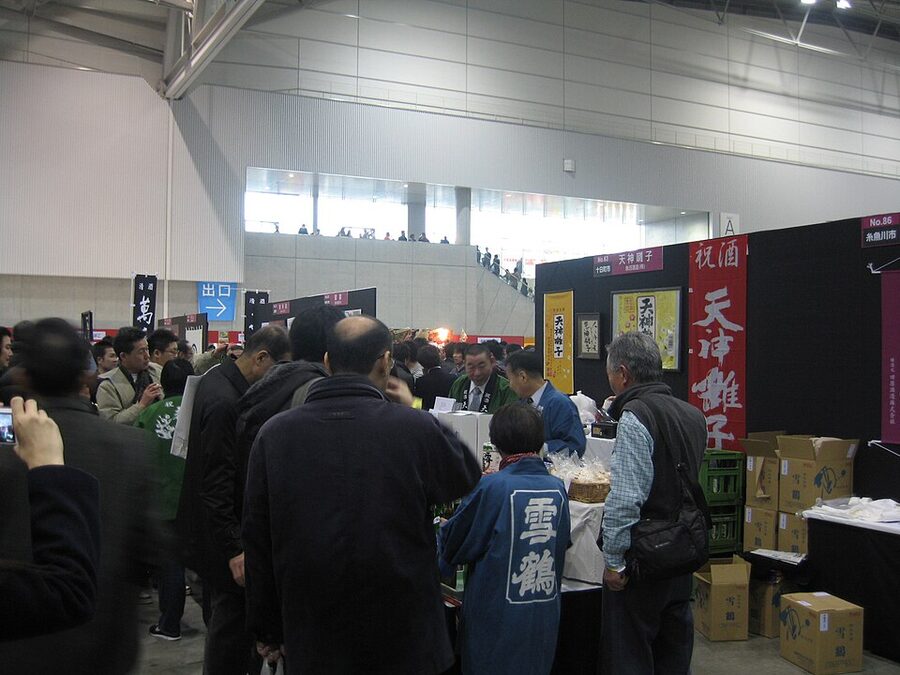

The festival is the single best opportunity in the year to taste 90 Niigata breweries side by side. Hotels in Niigata City book out weeks ahead for that weekend, and the shinkansen back to Tokyo on Sunday afternoon is reliably crowded with people clinking carrier-bag bottles. If you can plan a Niigata trip around mid-March, do. Sake no Jin is one of the bigger cluster events in the year alongside the cherry-blossom drinking season in early April. If you cannot, the second-best window is late October to early November, when the Hiyaoroshi (autumn-released, summer-aged) sakes are out and most breweries have started winter brewing.
Getting to Niigata from Tokyo
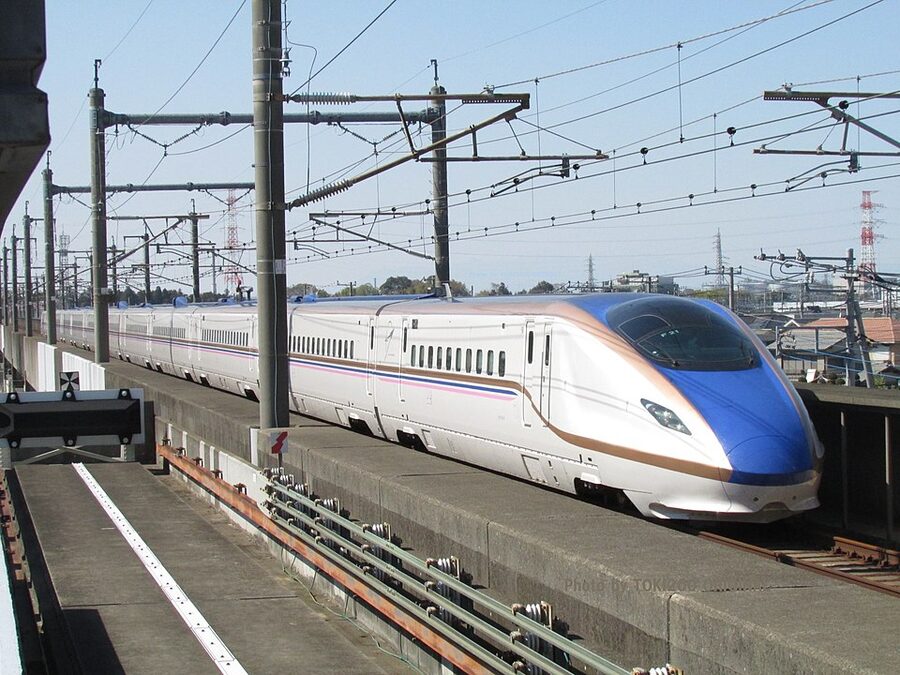

The Joetsu Shinkansen runs from Tokyo Station via Omiya, Echigo-Yuzawa, Nagaoka, and on to Niigata City. There is one decision to make: are you going for a half-day Yuzawa Ponshu-kan run, or a multi-day Niigata-City and breweries trip?
| Route | Duration | Standard fare | JR Pass | Best for |
|---|---|---|---|---|
| Tokyo → Echigo-Yuzawa | 50–75 min | ¥6,790 reserved | Yes (national) | Day-trip from Tokyo, Yuzawa Ponshu-kan, ski + sake combo |
| Tokyo → Nagaoka | 90–100 min | ¥9,200 reserved | Yes (national) | Yoshinogawa, Asahi-Shuzo, Settaya brewery district |
| Tokyo → Niigata City | ~120 min | ¥10,580 reserved | Yes (national) | Two or more nights, Imayotsukasa, full Ponshu-kan |
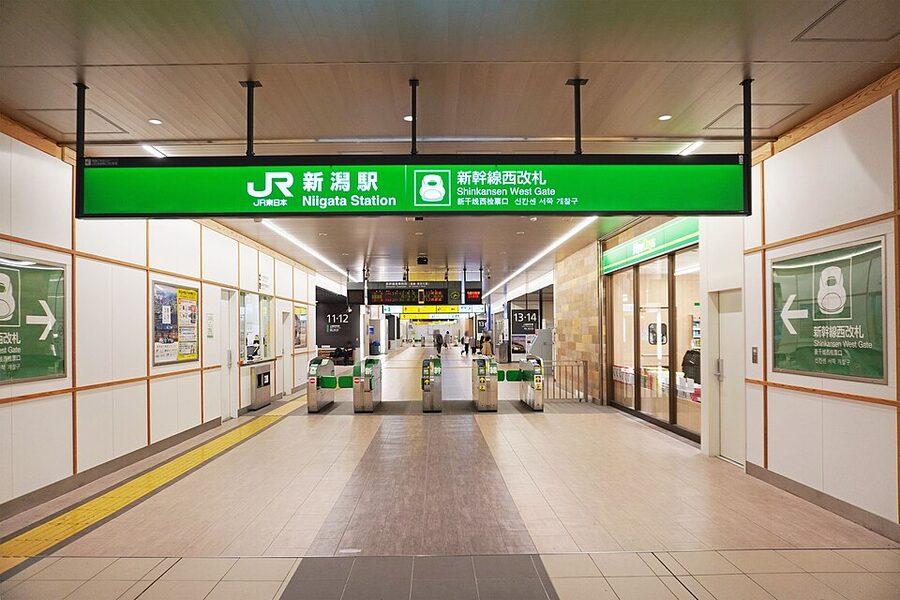

The full Joetsu Shinkansen route is on the National JR Pass (7-day ¥50,000 or 14-day ¥80,000), the JR East Pass for the Nagano-Niigata area (5 flexible days ¥27,000), or the JR East Pass for the Tohoku area (5 flexible days ¥30,000), which also covers Niigata. If your trip combines Niigata with Tokyo plus one other shinkansen route (Sendai, Kyoto, Hokkaido), the National JR Pass starts to make sense. For a single Tokyo→Niigata round-trip (¥21,160 with reserved seats), the regional Niigata-Nagano pass at ¥27,000 only pays back if you are also doing a side trip in Nagano (Matsumoto, Karuizawa).
The other thing about the Joetsu line is that the ¥500 ticket-machine cup-sake you can buy at Tokyo Station before boarding is fully sanctioned and traditional. The unwritten rule is that the sake comes out at Omiya, the second stop, so you are not visibly drinking before you have left greater Tokyo. The whole shinkansen drinking culture is its own subject; for the protocol see the shinkansen drinking guide.
Where to stay
Two main bases. Niigata City for the breweries within walking or short-bus reach, the Ponshu-kan, the Furumachi izakaya district, and Sake no Jin if you are timing the festival. Echigo-Yuzawa for a shorter trip from Tokyo, the Yuzawa Ponshu-kan, the snow country, and easy access to the Uonuma valley breweries (Hakkaisan, Aoki / Kakurei).
Niigata City
Hotel Nikko Niigata. The premium option, on the harbour at the mouth of the Shinano River, 10 minutes by taxi from the station. Floor-to-ceiling sea views from the upper rooms; the Niigata City landmark. Booking.com | Agoda | Official site
JR East Hotel Mets Niigata. Directly attached to Niigata Station’s Bandai-side exit, ten metres from the Ponshu-kan. Functional, clean, and unbeatable for proximity if your trip revolves around the station-area sake stops. Booking.com | Agoda
Dormy Inn Premium Niigata. Mid-range, an onsen-style top-floor public bath, and the late-night ramen they hand out for free in the lobby is the small detail that sells the whole brand. Eight-minute walk from the Bandai exit. Booking.com | Agoda
Echigo-Yuzawa
Yuzawa Toei Hotel. Onsen ryokan with the largest open-air bath in Yuzawa town, a 5-minute shuttle from Echigo-Yuzawa Station. Booking.com | Agoda
Takahan Ryokan. Yuzawa’s most historically loaded ryokan, a kilometre from the station. The ryokan is where Yasunari Kawabata wrote much of Snow Country, the 1937 novel that put the prefecture on the international map. The room he stayed in is preserved as a small in-house museum. Booking.com | Agoda
What to eat with the sake
The food side is half the trip. Niigata’s coastal-mountain geography means a pairing range that almost no other prefecture matches. From the Sea of Japan you get hairy crab in winter, sweetfish (ayu) in summer, yellowtail (hamachi) running cold in autumn, and the prefecture’s signature winter sushi rice mixed with red shiso and strips of raw fish (norezushi). From the mountains: mountain vegetables in spring (sansai), rice-flour mochi at any time, and koshihikari rice itself eaten as onigiri wrapped in nori.
The dishes to ask for in a sake-stocked izakaya:
Tarekatsu-don. Pork cutlet sliced thin and dipped in sweet soy sauce, served over rice. Niigata’s own version of katsudon, distinct from the egg-bound Tokyo style. Pairs cleanly with a dry junmai.
Hegisoba. Soba noodles bound with seaweed (funori), served on a flat lacquer tray (a hegi). The seaweed gives the noodles a slight elasticity and a faint marine note. Pairs with cold ginjo.
Wappa-meshi. Steamed rice in a round wooden bowl topped with seasonal Niigata seafood and vegetables. The classic ryokan breakfast. Hot junmai pairs better than ginjo here; the rice-on-rice thing genuinely works.
For a wider tour of what to drink with sake on a Japan trip, the principles are the same regardless of prefecture, but Niigata is one of the best places to put them into practice because the local fish-and-rice volume is high enough that everything has been pairing-tested for centuries.
Three sample itineraries
One day from Tokyo
06:30 leave Tokyo on the Joetsu Shinkansen Toki/Tanigawa. 07:30 arrive Echigo-Yuzawa. Walk into the station-attached Yuzawa Ponshu-kan (it opens 09:00, so plan a coffee at the station kiosk first). Token-and-cup tasting until 11:30. Lunch at the in-station soba counter. Take a 12:30 taxi 25 minutes to Hakkaisan brewery in Minamiuonuma; afternoon tour and tasting until 16:00. Back to Yuzawa for an early-evening sake-bath at the Ponshu-kan onsen, dinner at one of the Yuzawa-town izakayas, 19:30 shinkansen back. Tokyo by 20:45.
Three days, Niigata City based
Day one: morning train, lunch at Tabi Bar, afternoon at the Niigata Station Ponshu-kan, evening Imayotsukasa tour, dinner in Furumachi at a sake-stocked izakaya. Day two: morning shinkansen to Nagaoka, taxi to Yoshinogawa for the Settaya district walk and Asahi-Shuzo by reservation, evening back in Niigata City. Day three: morning Hakushin Line to Shibata for Kikusui, afternoon back, late-afternoon shinkansen to Tokyo. The pattern works because Niigata City is a hub: Hakkaisan / Aoki to the south on the Joetsu, Kikusui to the north on the Hakushin, Yoshinogawa / Asahi to the south on the Joetsu, all reachable round-trip in a half day. For the wider framework on building a Japan drinking itinerary, the same hub-and-spoke logic applies in Tokyo, Kyoto, and Osaka.
Five days, festival-timed
Plan around Sake no Jin in mid-March. Days one and two: Niigata City (Ponshu-kan, Imayotsukasa, Furumachi). Day three: festival, all-day. Day four: a brewery in the Uonuma valley (Hakkaisan or Aoki / Kakurei), overnight in Yuzawa. Day five: morning at the Yuzawa Ponshu-kan, ski half-day if it is the season, late-afternoon shinkansen back. The five-day version is the one that gets you furthest into the Niigata sake scene without burning out on tasting.
The trip-planning shortlist
If I had to send a friend with three days, no Japanese, and a real interest in sake, the shortlist would be: arrive in Niigata City, spend the first night working through the station Ponshu-kan and Tabi Bar, walk to Imayotsukasa on day two and take the English tour, take the Joetsu shinkansen to Nagaoka and a taxi to Yoshinogawa on day three, ride home with a half-empty suitcase that came up full and a bottle of Koshitanrei daiginjo wrapped in a hotel towel.
The wider point: Niigata is the rare destination in Japan where the niche-interest reason for going (sake) and the practical traveller experience (shinkansen access, English-friendly venues, decent hotels, walkable cities) line up cleanly. You do not have to choose between drinking well and travelling well. The prefecture has spent a thousand years engineering exactly that combination, and you can taste 90 of them at one wall in one station for ¥500.
 CitiesWhy Tohoku Took Over Japan’s Sake SceneThe trip almost didn't happen. I'd booked an Aomori brewery visit at the end of a rushed week, the second…
 CitiesWhy Kansai, Not Niigata, Is the Sake CapitalHyogo and Kyoto produce more sake than the next eight prefectures combined. Two of Kansai's six prefectures, side by side,…
 CitiesHokkaido Has More Whisky Distilleries Than You ThinkAsk anyone who knows a little about Japanese whisky to name a Hokkaido distillery and they’ll say Yoichi. Push them…