
In 1994 there were 11 breweries in Japan. By 2024 the country had crossed 700, more than England, more than France, and on a per-capita basis closing in on the United States. Walk into a 7-Eleven in Yokohama and you can pick from around 300 different craft beers in the fridge. Most travellers never notice. They order an Asahi at the airport, drink Kirin with their tonkatsu, and fly home thinking Japanese beer is a pale macro lager. It is, and it isn’t.
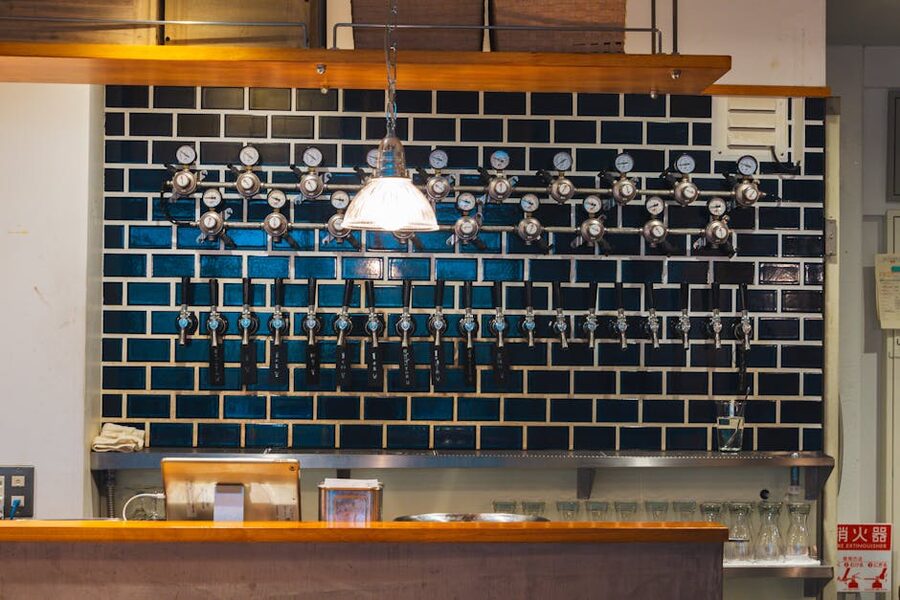
This guide is for the trip you’re planning. The story of how Japan got from one government-protected lager market to a nationwide craft scene in thirty years. The breweries to taste before you fly home. The taprooms in Tokyo, Osaka, Kyoto, Sapporo, and Fukuoka where you can actually drink that beer. And the food it gets paired with, because in Japan the pour and the plate are inseparable. If you want the bigger drinks picture, our sake guide and whisky guide both belong on the same trip itinerary as this one.
In This Article
- Where to drink craft beer in Japan: a quick comparison
- How Japan ended up with 700 breweries
- What “craft beer” actually means in Japan
- The happoshu loophole
- The breweries to know before you go
- Hitachino Nest, Ibaraki
- Yo-Ho Brewing (Yona Yona Ale), Nagano
- Coedo, Saitama
- Baird Brewing, Shizuoka
- Minoh Beer, Osaka
- Kyoto Brewing Company
- Far Yeast Brewing, Yamanashi
- Shiga Kogen, Nagano
- Iwate Kura, Iwate
- Sankt Gallen, Kanagawa
- Hideji Beer, Miyazaki
- Tokyo: where the scene is densest
- Beer Club Popeye, Ryogoku
- Watering Hole, Shinjuku
- Mikkeller Tokyo, Shibuya
- Devilcraft, Kanda and Hamamatsucho
- Hitachino Brewing Lab, Akihabara and Kanda Manseibashi
- Far Yeast Tokyo, Shibuya
- Tap&Tumbler, Ebisu
- Ushitora, Shimokitazawa
- Osaka: kitchen-driven craft
- Beer Belly Tenma, Tenma
- Craft Beer Base, Fukushima
- Baird Beer Bashamichi Osaka, Higobashi
- Yellow Ape Craft, Esaka
- Kyoto: the brewery taproom and a few quiet bars
- Kyoto Brewing Company taproom, Minami-ku
- Bungalow, Shijo-Karasuma
- Spring Valley Brewery Kyoto
- Sapporo: lager city, with a craft underbelly
- Sapporo Beer Museum and Garden, Higashi-ku
- Mugishutei, Susukino
- North Island Beer, Ebetsu
- Otaru Beer, Otaru
- Fukuoka: Kyushu craft and yatai food
- Beer Paddy Fukuoka, Imaizumi
- Brewdog Fukuoka, Hakata
- Yatai craft, Nakasu
- The food: what to drink with what
- The convenience store craft beer rack
- Festivals and events worth timing a trip around
- Practical drinking notes
- Prices and pour sizes
- Reservations
- The standing-bar option
- Drinking-with-food etiquette
- Tasting beyond beer
- What I’d order if I had one craft beer night in Japan
Where to drink craft beer in Japan: a quick comparison
Five cities carry the bulk of Japan’s craft scene. They are not interchangeable. Each one has a different style cluster, a different price point, and a different drinking-night rhythm.
| City | Tap density | Signature style | Average pint | Best for |
|---|---|---|---|---|
| Tokyo | Highest in Japan, 200+ dedicated craft venues | American IPA, hazy IPA, sour | ¥1,100–1,400 | Variety, late-night taproom crawls |
| Osaka | Strong second, especially in Umeda and Namba | Belgian-influenced, fruit beers, dark | ¥900–1,200 | Pairing with kushikatsu, takoyaki, and kitchen-driven izakayas |
| Kyoto | Concentrated but small, brewery-led | Belgian saison, Japanese-yeast experiments | ¥1,000–1,300 | One brewery taproom, low-key bar nights |
| Sapporo | Big-four lager city with a quiet craft underbelly | Pilsner, German lager, hop-forward | ¥800–1,100 | Cold-weather drinking, beer-museum days, a clear contrast to the south |
| Fukuoka | Fastest-growing craft city in Kyushu | Pale ale, fruit beers using Kyushu citrus | ¥900–1,200 | Yatai food-stall pairings, late starts |
If you only have time for one craft city, make it Tokyo. If you have a full week, build the trip as Tokyo to Kyoto to Osaka and add Sapporo or Fukuoka as a third leg. Sapporo gives you the cold-weather lager scene; Fukuoka gives you the south’s fruit beers.
How Japan ended up with 700 breweries
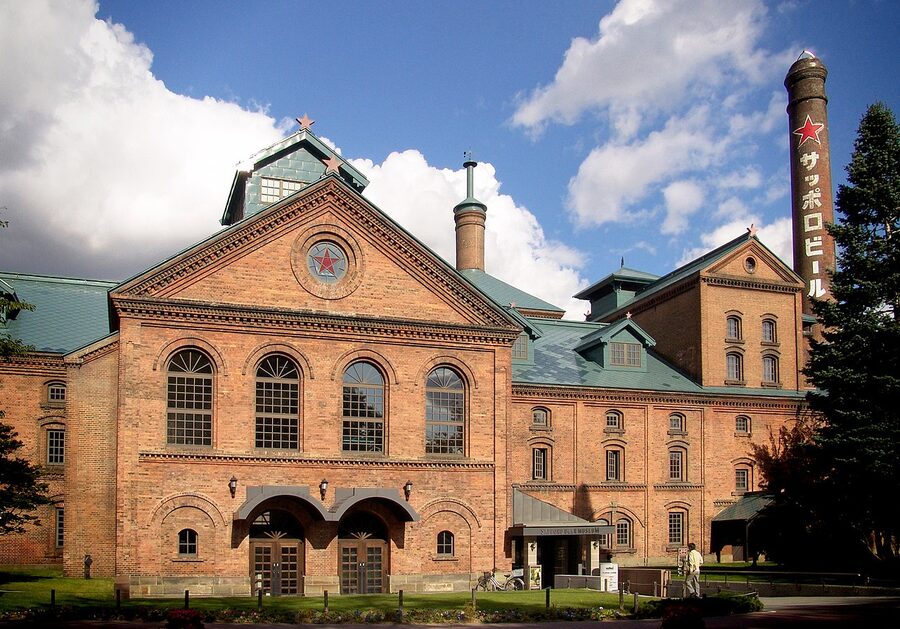

Beer arrived in Japan with Dutch traders in the 17th century, but for almost three hundred years it was a foreigners’ drink. The first Japanese-owned brewery, Spring Valley, opened in Yokohama in 1870 under a Norwegian-American called William Copeland. Spring Valley later became Kirin. Sapporo opened in 1876 in Hokkaido, where hops grow wild. Asahi followed in 1889. Suntory came late, in 1899, and built its empire on whisky before circling back to beer.
The four lagers ate the market. By the 1950s they had something close to total share. Then a 1959 tax law change pushed the minimum production requirement to 2,000 kilolitres per year for a brewery licence. Two million litres. No homebrewer, no farm operation, no bar with a backroom kettle could clear that bar. The big four kept their cartel for thirty-five years.

In 1994 the threshold collapsed to 60,000 litres. That is small. A modern microbrewery with three fermenters can do it. The first wave of ji-biiru, “local beer”, opened in regional onsen towns and tourist hotels through the late 1990s, often with mediocre quality and tourist-tax pricing. The bubble burst around 2003. A second wave began rebranding from ji-biiru to kurafuto biiru (craft beer) around 2010, this time with West Coast-trained brewers, hop sourcing from Yakima and the Czech Republic, and the kind of obsessive attention to fermentation control that makes Japanese craft beer worth the price you pay for it now. That second wave is the one you’ll drink on your trip.
What “craft beer” actually means in Japan
There is no legal definition. The Japan Craft Beer Association (founded 1999) uses a loose “under 60,000 kilolitres a year and culturally craft” rule. In practice, anything that is not Asahi, Kirin, Sapporo, Suntory, or one of their explicit subsidiaries counts. That includes a few breweries that are bigger than you’d expect. Yo-Ho Brewing, behind Yona Yona Ale, sells more than 100 million cans a year, and is majority-owned by Kirin. Coedo is independent. Hitachino Nest is the beer arm of a 200-year-old sake brewery. The lines blur on purpose.
The happoshu loophole
You’ll see happoshu on convenience-store shelves and izakaya menus. It’s a 1994 invention to dodge beer tax. A drink with under 67% malt by weight could be taxed at the cheaper sparkling-alcohol rate. It looks like beer, smells faintly like beer, and costs about ¥180 in a konbini against ¥220 for the real thing. Skip it for craft tasting purposes. It exists to be cheap, not to be good. The third-category “new genre” drinks that use no malt at all are even further from the point.
The breweries to know before you go
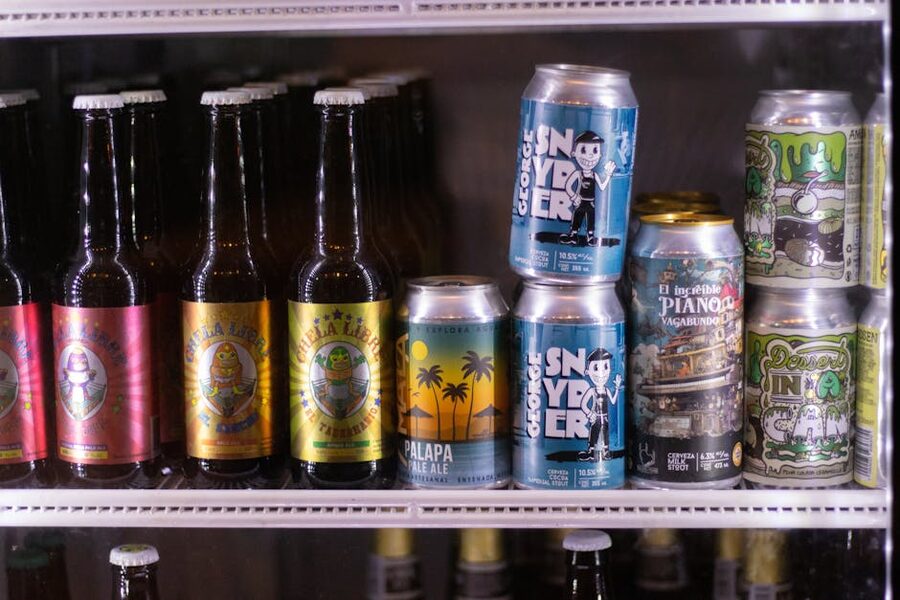
You don’t need to memorise the whole map. Eight or ten producers cover most of the country’s craft DNA. Below are the ones I’d look for on a tap list, with a one-line take on each, the prefecture, and what to order first.
Hitachino Nest, Ibaraki
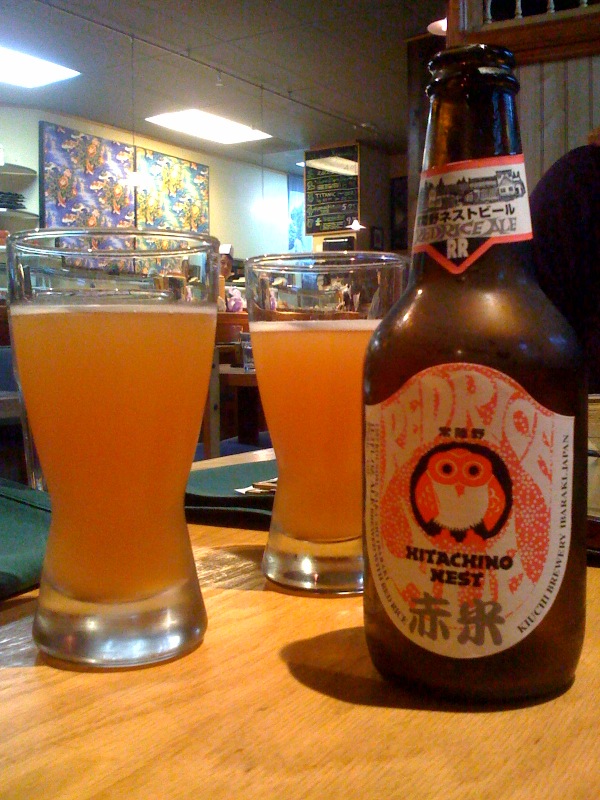
The owl on the bottle. Kiuchi Brewery in Naka, north of Tokyo, has been making sake since 1823, and started brewing beer in 1996 as one of the first post-deregulation craft players. Their White Ale, a Belgian-style witbier with orange peel, coriander, and nutmeg, is the most-exported Japanese craft beer in the world. You will see it in Brooklyn, in London, in Singapore. Drink it in Japan anyway. The Espresso Stout and the Red Rice Ale, made with sake-grade rice, are the ones to go for in Tokyo. Brewery tours run from Naka station, ¥1,500, English-speaking guides on weekends.
.jpg)
Yo-Ho Brewing (Yona Yona Ale), Nagano
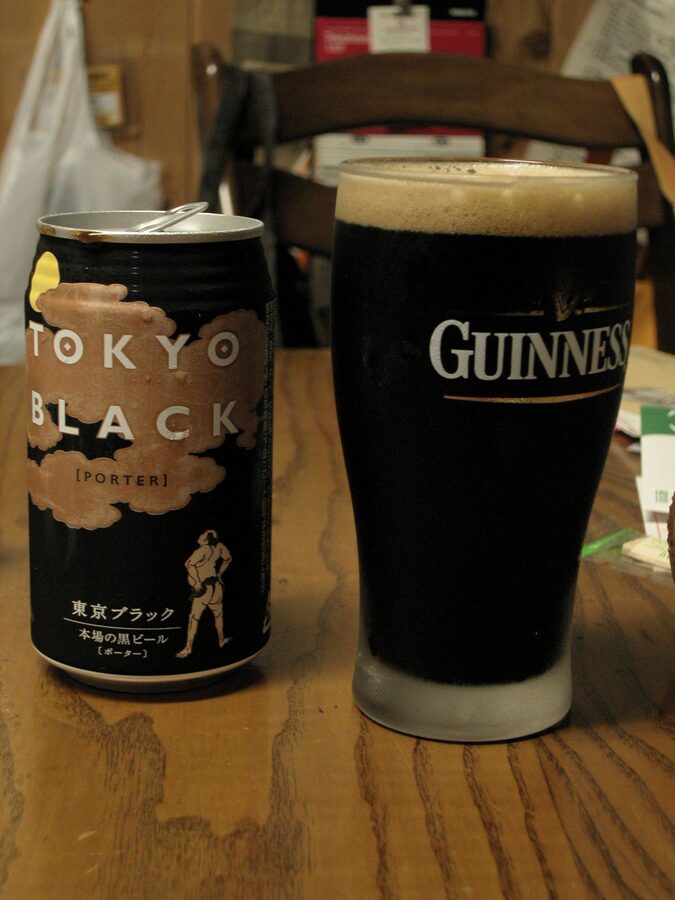
The biggest Japanese craft brewery by volume, by a long way. Yo-Ho started in 1996 in Karuizawa, struggled through the early 2000s like every other ji-biiru pioneer, and rebuilt the business around a single beer: Yona Yona Ale, a 5.5% American pale ale. It’s on tap in roughly every fifth craft bar in the country. The Tokyo Black porter, the Suiyoubi-no-Neko Belgian witbier, and the Indo-no-Aooni IPA are the rest of the core lineup. If you have one Yo-Ho beer, drink the IPA on draft, ideally at a Yona Yona Beer Works taproom (Tokyo, Akasaka, Aoyama, Marunouchi locations).
.jpg)
Coedo, Saitama
Coedo is the design-conscious one. Six core beers, each named after a colour: Beniaka (sweet potato), Shiro (wheat), Marihana (IPA), Ruri (pilsner), Shikkoku (black lager), Kyara (premium amber). Their pilsner reads cleaner than any of the macro lagers. The sweet-potato Beniaka is the gateway drug for travellers who think they don’t like beer. Brewery is in Kawagoe, an old castle town an hour north of Tokyo on the Tobu Tojo line. Fits perfectly into a day trip combined with the kura-yashiki warehouse district.
Baird Brewing, Shizuoka
An American expat (Bryan Baird, Pennsylvania) founded the brewery in 2000 as a brewpub in Numazu. They are now the largest American-style craft brewery in Japan with five taprooms across Tokyo and Yokohama. The Suruga Bay Imperial IPA, the Rising Sun Pale Ale, and the Kurofune Porter are the workhorses. Their Harajuku Taproom (Bashamichi) and Bashamichi Taproom in Yokohama are the two reliable English-friendly drinking rooms in the country. Pair with their kitchen pizza, which is genuinely good.
Minoh Beer, Osaka
Started in 1997 by the late Oshita Masaji as a present for his daughters Kaori and Mayuko. The two sisters now run it. Their W-IPA (8.5% double IPA) was the first Japanese beer to win a World Beer Cup gold. The Stout and the Pilsner are the everyday picks, the Imperial Stout and the Cabernet Stout (yes, finished with red-wine yeast) are the splurges. Tap room in Minoh, north of central Osaka on the Hankyu line, twenty minutes from Umeda.

Kyoto Brewing Company
The most quietly ambitious brewery in Japan. Founded in 2015 by three foreigners in Minami-ku, Kyoto, with a Belgian and West Coast bent. Their saisons stand up to anything from Brussels. The Ichi-Ni-No-San (lemon and yuzu saison) and Sansho the Great (sansho-pepper saison) are house signatures. Tasting room is open Friday through Sunday only, 12:00–19:00, eight to ten taps, ¥700 per third-pint pour. Walking distance from Jujo Station on the Karasuma subway line. There’s a full unpacking of where this fits in the Kyoto night in our Kyoto eat-and-drink guide.
Far Yeast Brewing, Yamanashi
Far Yeast started as a Tokyo gypsy brewer in 2011 and now operates a brewery in Kosuge, Yamanashi. Their flagship Tokyo Blonde and Tokyo White are urban-style session beers. The brewery’s side label, Off Trail, is where the experiments happen: yuzu sour, yamamomo (Japanese bayberry) saison, sansho IPA. You will find Far Yeast in roughly half the craft taprooms in Tokyo.
Shiga Kogen, Nagano
Tamamura Honten brewery in Yamanouchi, Nagano, has made sake since 1805. They opened a craft side in 2004. Their House IPA is on the short list of the most-cited Japanese IPAs. The Africa Pale Ale (Kenyan hops) and the No.10 Imperial Black Ale are the ones to chase. Closest big city is Nagano, about an hour away on the Yukemuri-go local line.
Iwate Kura, Iwate
Sekinoichi Sake Brewery in Ichinoseki has made sake for 250 years and started brewing beer in 2003. Their Oyster Stout (yes, brewed with actual Sanriku oysters in the boil) is the most-exported Tohoku craft beer. Try it with grilled mackerel.
Sankt Gallen, Kanagawa
The brewery’s claim to fame is the Imperial Chocolate Stout, brewed with cacao. Their seasonal Yokohama XPA and Brown Porter are reliable, but the chocolate stout is the one that gets to the ¥700-a-bottle convenience-store shelves around Valentine’s Day every year. A small operation in Atsugi, but the bottles are nationwide.
Hideji Beer, Miyazaki
The Kyushu standout. Founded in 1996 in Nobeoka, Hideji’s Sun Beer (sweet-potato amber) and Kuri Kuro (chestnut stout) lean on local Miyazaki produce. The brewery is hard to visit (rural Miyazaki) but Hideji bottles are easy to find in Fukuoka craft bars and bottle shops, and they’re the cleanest expression of what Kyushu does with regional ingredients.
Tokyo: where the scene is densest
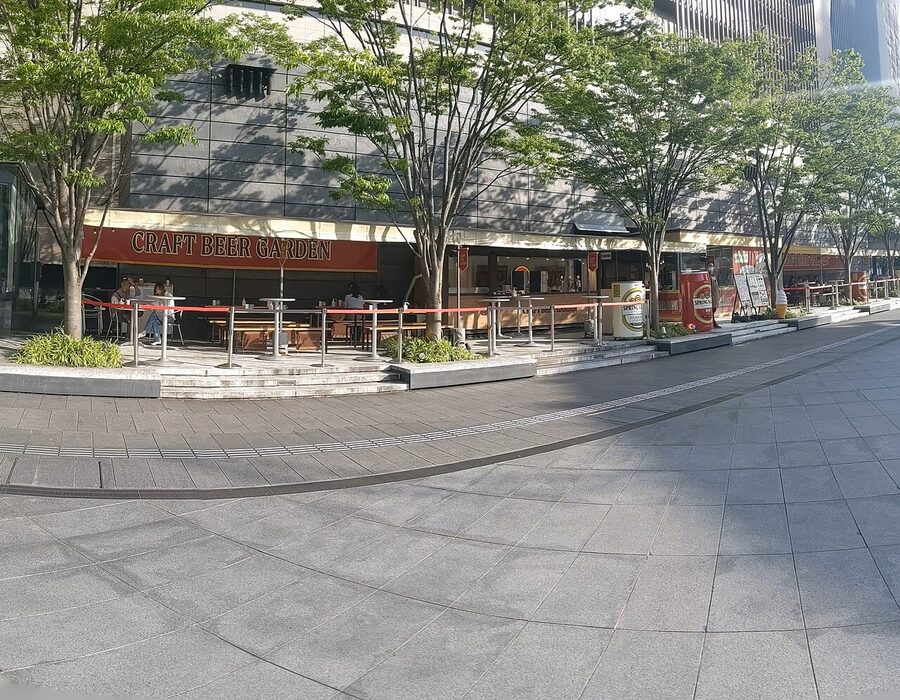
Tokyo has more craft beer venues than any other city in Asia, possibly the world outside London and the United States. The fastest way to get a feel for the scene is to hit two or three taprooms in the same neighbourhood on the same night. There’s a fuller bar-by-bar walkthrough in our Tokyo drinking guide; here I’m flagging the craft-only spots you’d build a beer-focused night around.
Beer Club Popeye, Ryogoku
Open since 1985, almost a decade before the law that allowed everyone else. 70 Japanese taps, every single time you walk in. Cover charge ¥500, beer flights from ¥2,200 for five 100ml pours. The food menu is a separate craft achievement (the smoked sausage plate, the German pretzel, the sashimi-grade tuna). Reservation strongly recommended Friday-Saturday. 17:00–24:00 most days. Walk seven minutes from Ryogoku Station JR Sobu line. Your izakaya etiquette still applies, even though Popeye is technically a beer hall.
Watering Hole, Shinjuku
Founded in 2012 by Ichiri Fujiura, the only non-American to win Homebrewer of the Year at the American Homebrewers Association (1998). Twenty rotating taps, label-driven crowd, late hours. 17:00–01:00. Shinjuku San-chome metro, five minutes south. The collaborative Yuya Boys label is brewed in-house and worth ordering blind.
Mikkeller Tokyo, Shibuya
The Danish gypsy brewer’s Tokyo outpost. Twenty taps, mostly Mikkeller and global guest brewers, Japanese kitchen menu. Standing-room downstairs, seated upstairs. The street-side wall opens to outdoor seating in summer. Rick Astley once visited and signed the bathroom wall, which is now Mikkeller-Tokyo lore. 16:00–24:00. Two minutes from Shibuya station east exit.
Devilcraft, Kanda and Hamamatsucho
Chicago deep-dish pizza and rotating craft taps. Two locations, both reliable. The Hamamatsucho branch is bigger and easier to walk into; Kanda is the cult original on a side street near Akihabara. About ¥1,200 a pint, ¥3,000 for a small pizza. 17:30–23:00 weekdays, opens earlier on weekends.
Hitachino Brewing Lab, Akihabara and Kanda Manseibashi
Kiuchi’s Tokyo taprooms. The Manseibashi branch is the looker, occupying the arches under the old red-brick Manseibashi station building. White Ale on draft (rare), the Saison Du Japon, and rotating one-offs. Kitchen runs to soba and sausages. 11:00–23:00 daily. Steps from the Hijiribashi exit of Akihabara station.
Far Yeast Tokyo, Shibuya
The brewery’s own taproom, on the basement of a Shibuya-Sakuragaoka office building. Twenty-five taps split between Far Yeast core, Off Trail experiments, and global guests. ¥1,100 a half pint, ¥1,400 a pint. 17:00–24:00 weekdays, 14:00–24:00 weekends.
Tap&Tumbler, Ebisu
A self-pour bar with twenty domestic taps and a card system. You walk in, get an RFID card, pour your own ounces, pay by the gram on exit. Cleaner way to taste five small breweries in two hours than ordering full pints. Located five minutes east of Ebisu station inside what is the closest thing Tokyo has to a beer district (Yebisu, the macro brewery, is two blocks away). 17:00–23:00.
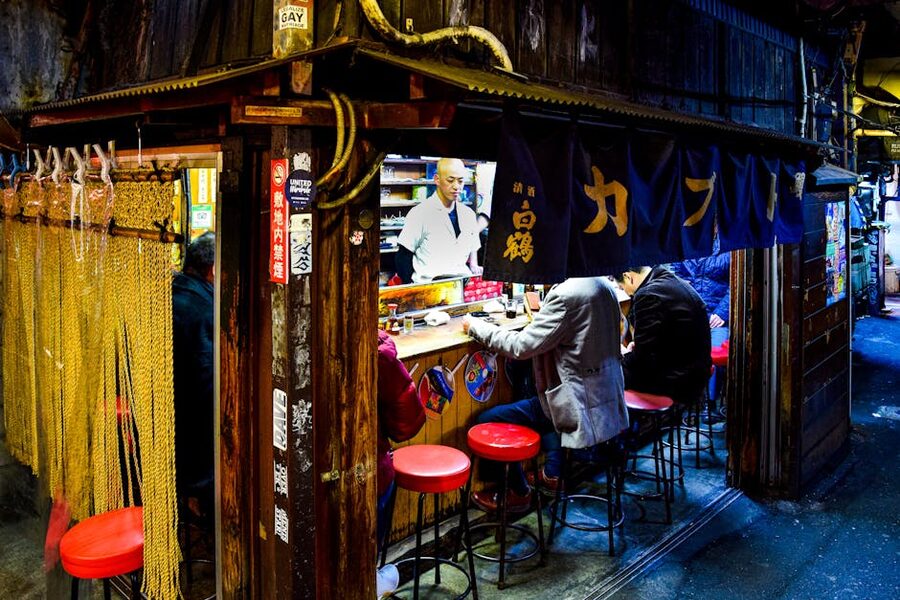
Ushitora, Shimokitazawa
The Shimokita craft anchor. 30 taps, the highest concentration of guest American imports in Tokyo. Two storefronts on the same alley: Ushitora No.1 (food + 13 taps) and Ushitora No.2 (food-light, 17 taps, standing). Their kitchen does a duck ramen worth eating regardless of the beer. 17:00–24:00, closed Tuesdays.
Osaka: kitchen-driven craft
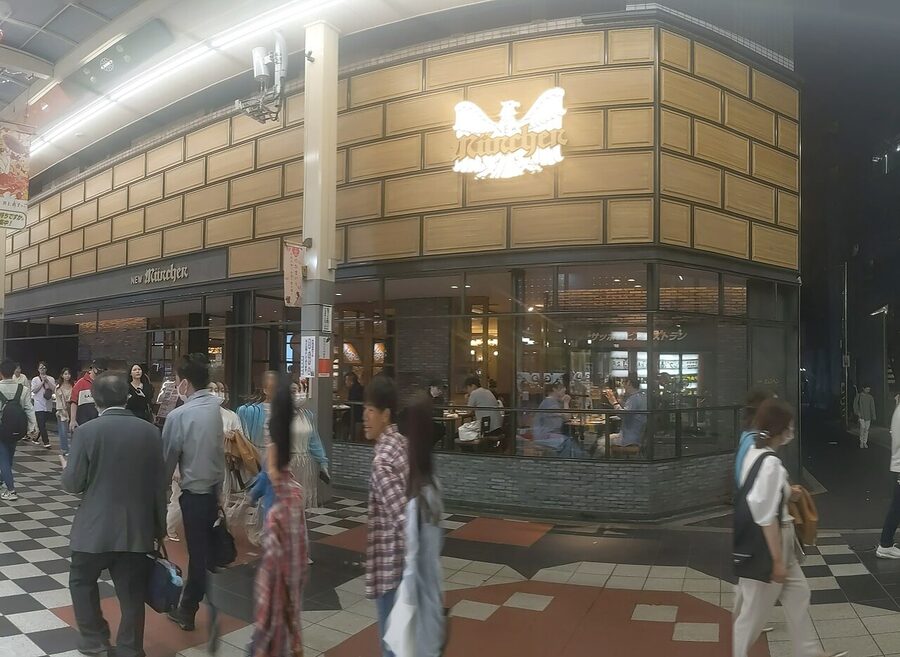

Osaka craft drinks differently from Tokyo. The food rules. Where Tokyo asks you to taste the beer first, Osaka asks what you’re eating, then matches. Almost every craft venue here is also a serious kitchen. The full Osaka eat-and-drink guide goes deeper into the food side; here are the venues to walk into for craft specifically.
Beer Belly Tenma, Tenma
The Minoh Beer flagship taproom in central Osaka. Six Minoh taps, plus rotating guest beers from Kyoto Brewing and Far Yeast. The pizza kitchen does a Nagaisetsu margherita worth ordering. Cover ¥500. 17:00–23:30. Two minutes from Tenma station JR Osaka loop.
Craft Beer Base, Fukushima
Don’t skip this one. Twelve taps, all Japanese, mostly small-batch. Owner Sano-san pours a sample tray of three for ¥1,200 if you ask, and will walk you through what each brewery is doing. Same group runs a bottle shop two doors down with around 200 Japanese craft labels in the fridge. Bottle prices range ¥500–1,800. Fukushima station, one stop from Osaka.
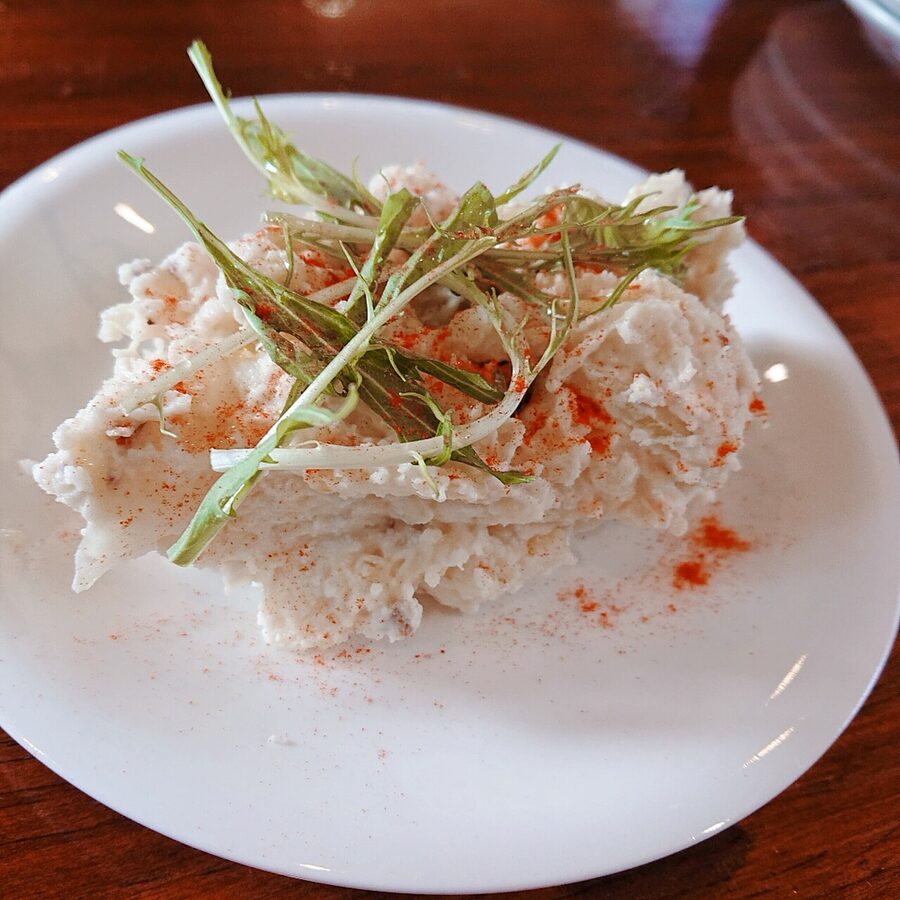

Baird Beer Bashamichi Osaka, Higobashi
Younger sibling of the Yokohama Bashamichi taproom. Twelve Baird taps, glass-walled brewery view, kitchen runs to thin-crust pizza and grilled chicken. The Suruga Bay Imperial IPA on draft is worth the ¥1,500. 17:00–23:30. Higobashi metro, eight minutes’ walk.
Yellow Ape Craft, Esaka
A beer geek’s lab in suburban Esaka, north Osaka. The owner brews on-site, plus pours a rotating eight-tap guest list of small Japanese breweries. Limited menu, mostly cheese plates and house-cured charcuterie. The 8% imperial pilsner is the one to drink. 16:00–23:00, closed Wednesdays.
Kyoto: the brewery taproom and a few quiet bars
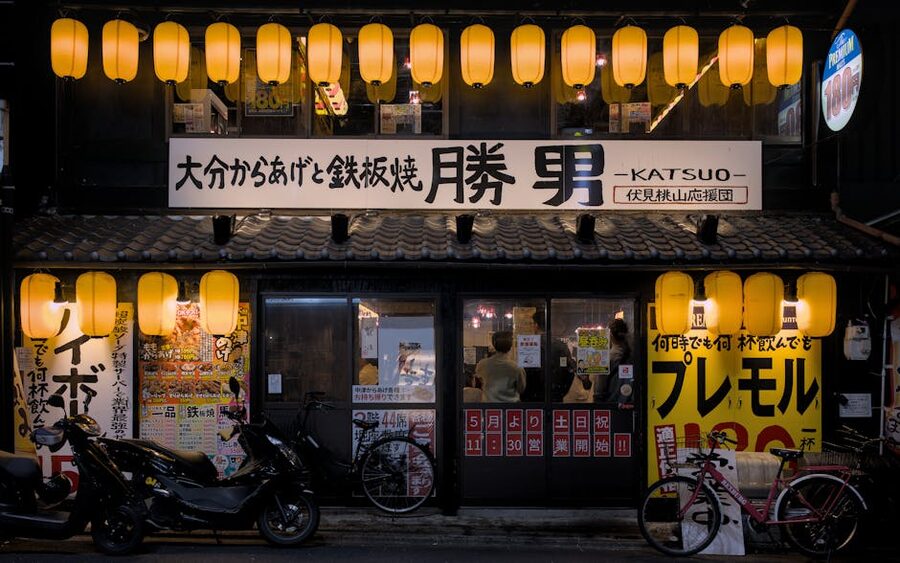
Kyoto’s craft scene revolves around one anchor brewery and a handful of bars that take it seriously. Add it to whatever you’re doing for shrines, temples, and kaiseki. Pair with our Kyoto food and drink guide for the bigger picture.
Kyoto Brewing Company taproom, Minami-ku
The pilgrimage. The brewhouse and tasting room sit in an industrial corner south of Kyoto Station. Friday 16:00–19:00, Saturday 13:00–19:00, Sunday 13:00–19:00. Eight to ten taps, ¥700 for a 200ml pour, ¥1,200 for a flight of three. No food beyond bar snacks; this is a tasting room, not a kitchen. Walk eight minutes from Jujo subway.
Bungalow, Shijo-Karasuma
A first-floor walk-in with twelve craft taps and a glass front, run by ex-American Apparel staff who got into beer twenty years ago. Strong Belgian and West Coast lean, lots of Kyoto Brewing on rotation, plus Tomato Salt cocktails for non-beer drinkers. 17:00–26:00. The closest thing Kyoto has to a Tokyo-density tap experience.
Spring Valley Brewery Kyoto
The other side of the spectrum. A Kirin-owned craft outpost on Sanjo, polished, English-friendly, predictable. Six house beers (Kirin’s craft line), seasonal one-offs, kitchen on form. The Daydream IPA is the most ordered. ¥1,100 a pint. 11:30–23:00. Take it as a starting point if you arrived in Kyoto today and need to ease in.
Sapporo: lager city, with a craft underbelly
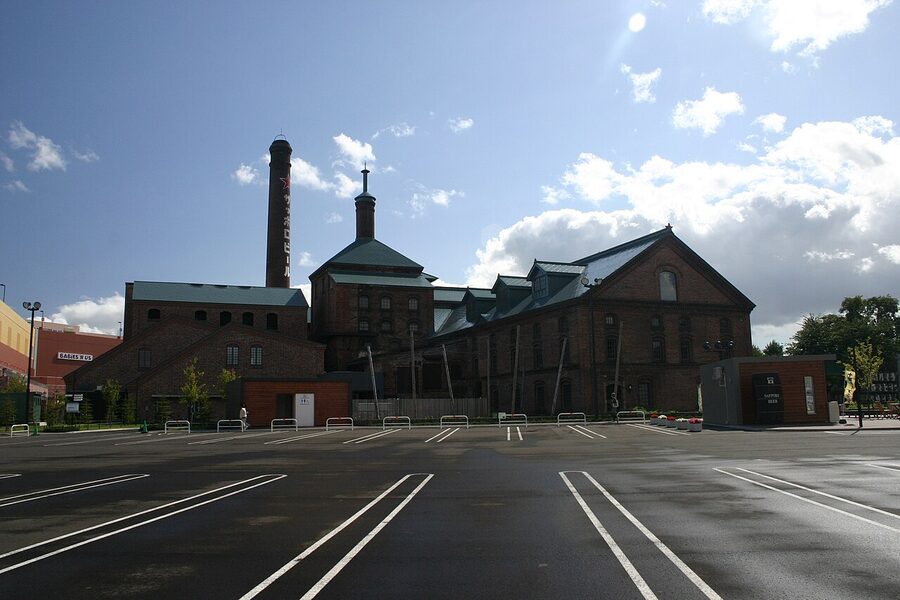

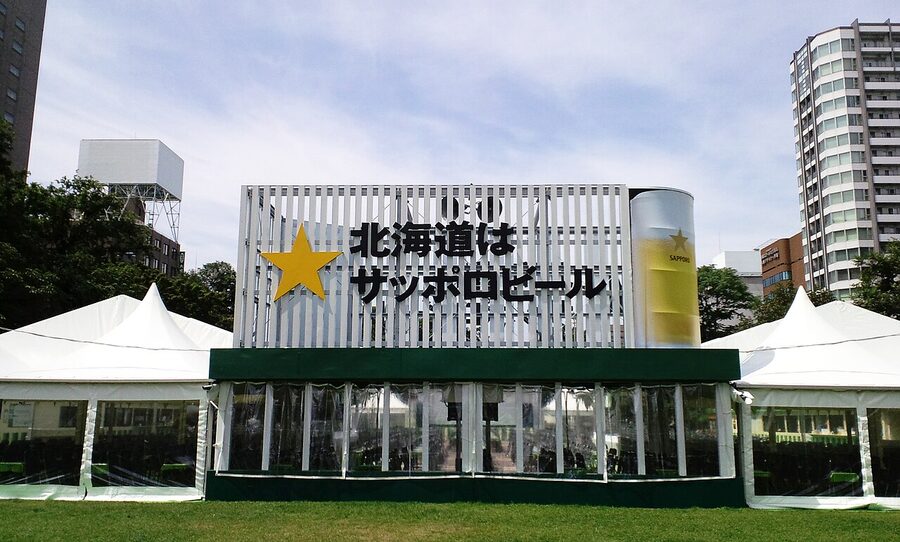
Hokkaido is lager country. The Sapporo brand grew out of the Kaitakushi Brewery the Meiji government built in 1876 to use up wild Hokkaido hops. The macro lagers still rule the city, but a quiet wave of craft has built up in the last decade. Our Sapporo guide covers the wider eat-and-drink scene; here I’m flagging just the craft.
Sapporo Beer Museum and Garden, Higashi-ku
Free to enter, ¥200 per 200ml tasting (try the Kaitakushi Limited and the Black Label unfiltered side by side). The adjacent beer hall, Garden Grill, runs the all-you-can-drink-and-eat Genghis Khan course at ¥5,500 per 100 minutes, lamb on a domed grill, lager from a chilled vat. Touristy in the best way. 11:30–22:00.
.jpg)
Mugishutei, Susukino
The craft anchor in Sapporo, on the second floor of an unmarked building near Susukino metro. 200+ bottles, around 15 rotating taps split between Hokkaido microbreweries (Otaru Beer, North Island Beer, Bakushu Onkado from Shimokawa) and global imports. ¥500 cover. 18:00–01:00. The kitchen is light: cheese, sausages, bread.
North Island Beer, Ebetsu
The cleanest Hokkaido craft brewery. Their Pilsner won World Beer Cup gold in 2010, the Coriander Black is the cult choice, and the Stout uses Hokkaido oats. Brewery tour by appointment only (book a week ahead via the website), but the bottles are everywhere in Sapporo. Their tasting room in Ebetsu is open Saturday 13:00–17:00.
Otaru Beer, Otaru
One of the most Bavarian-feeling brewpubs in Japan. German-trained brewmaster, decoction mash on a wood-fired kettle, and beers that drink exactly like Munich. The Helles, Pilsner, and Dunkel are the three to compare against the Sapporo macros. The brewpub on the Otaru canal serves a wurst plate that justifies the 35-minute train ride from Sapporo.
Fukuoka: Kyushu craft and yatai food
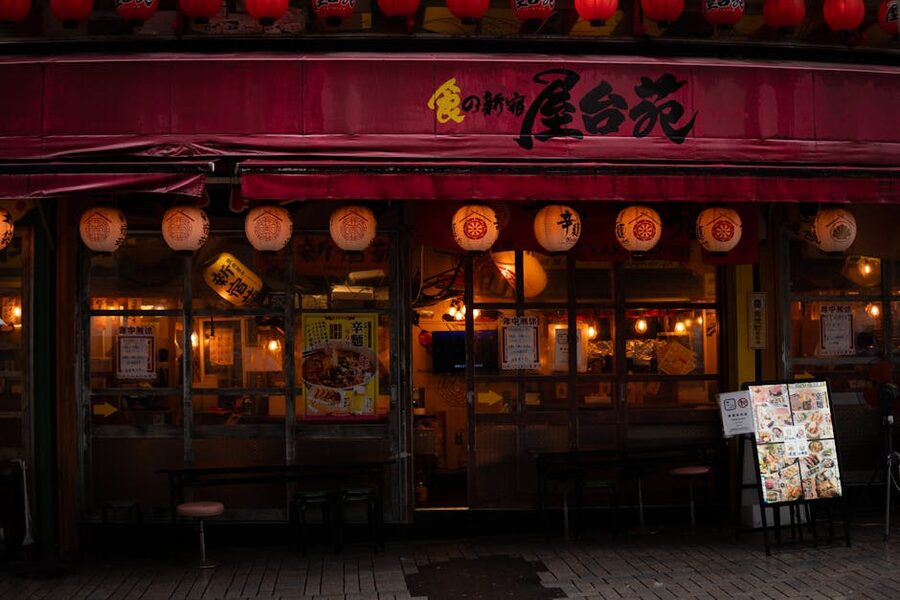
Fukuoka is the youngest of these five craft cities. Most of its dedicated venues opened after 2015. The local style lean is toward fruit beers (yuzu, hyuganatsu, kabosu, satsuma) and unfiltered pale ales, partly because the Kyushu produce is right there and partly because the food culture demands beers that don’t fight tonkotsu fat. Pair with our Fukuoka eat-and-drink guide for the broader scene.
Beer Paddy Fukuoka, Imaizumi
The Fukuoka craft anchor. Twelve rotating taps, mostly Kyushu microbreweries (Hideji, Karasu, Naha Bakushu Kobo from Okinawa), plus pizza and a yuzu-glazed chicken plate. Owner is happy to talk through the regional beers in English if it’s a quiet night. 17:00–01:00, closed Tuesdays. Five minutes from Tenjin metro.
Brewdog Fukuoka, Hakata
The Scottish brewery’s only Kyushu outpost. Useful as a benchmark to taste the difference between Brewdog Punk IPA and a Hideji Sun Pale Ale on the same night, side by side. ¥1,200 a pint. Open 16:00–24:00.
Yatai craft, Nakasu
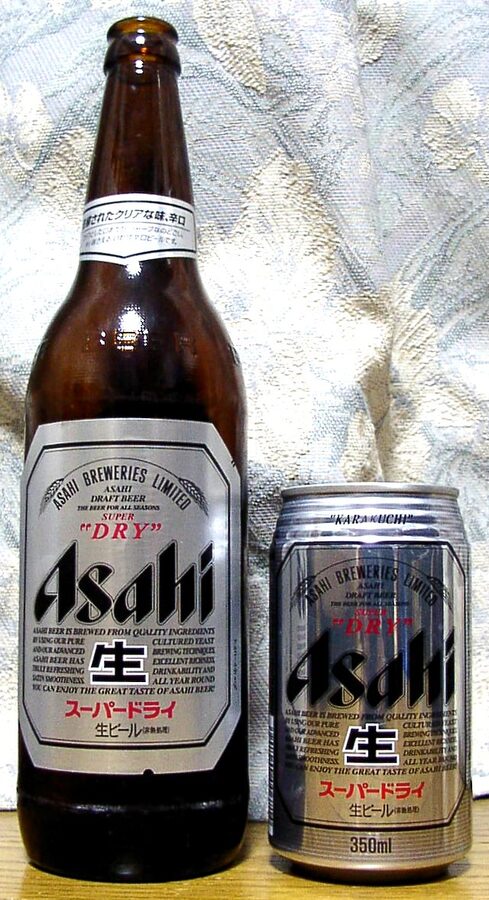
The yatai food stalls along the Nakasu canal don’t sell craft, mostly. They sell Asahi Super Dry, Kirin Lager, and a small handful of chuhai options. But two stalls (Yamachan and Boss-no-Yatai) keep a Hideji bottle or two in the cooler. Pair the Hideji Sun Pale Ale with mentai-yaki (grilled cod roe) and a bowl of tonkotsu ramen at the next stall over.
The food: what to drink with what
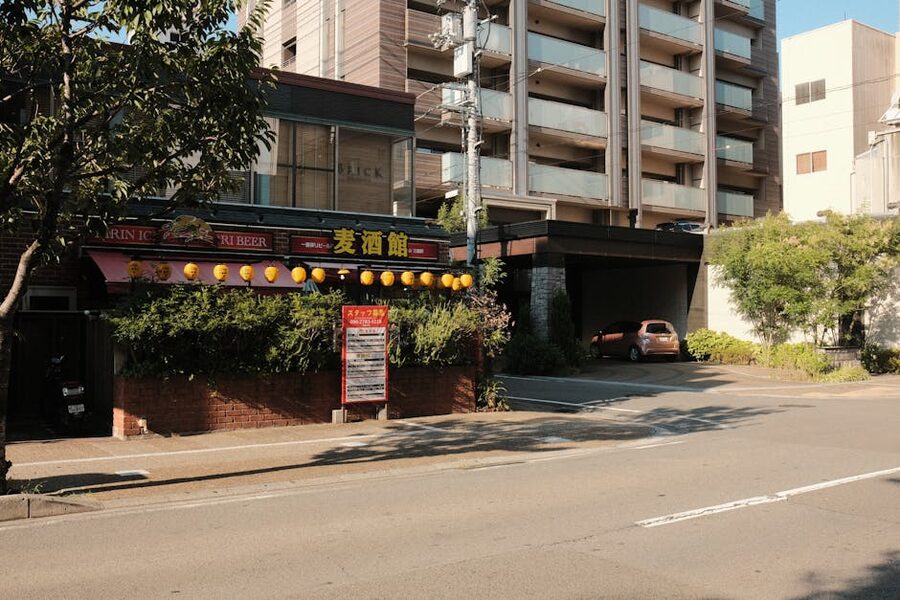
Japanese craft beer is rarely drunk alone. Pairing is half the point. A few rules of thumb that hold up:
- Yakitori: Pale ale or session IPA. The hop bitter cuts through tare-glazed chicken fat, and a 4–5% beer keeps you drinking through twelve skewers. Yo-Ho Yona Yona, Far Yeast Tokyo Blonde, Coedo Marihana.
- Tonkatsu: Pilsner or Czech-style lager. The crisp bitterness rinses the breading. Sapporo Black Label unfiltered, Kyoto Brewing Hakuto, Otaru Beer Pilsner.
- Sushi and sashimi: Wheat beer or saison. Light enough not to bury the fish, dry enough to clear it. Hitachino Nest White Ale, Kyoto Brewing Ichi-Ni-No-San, Coedo Shiro.
- Ramen: Helles or unfiltered lager. Cold enough to balance the broth’s heat, simple enough not to compete. Otaru Beer Helles, Echigo Koshihikari Lager.
- Yakiniku and grilled red meat: Stout, porter, or imperial IPA. Iwate Kura Oyster Stout, Sankt Gallen Imperial Chocolate Stout, Yo-Ho Tokyo Black, Minoh W-IPA.
- Tempura: Crisp lager or saison. Anything light, dry, and bubbly. Avoid hop-forward IPAs; they’ll mask the dashi.
- Sweet potato tempura, kuri-shumai, kabocha desserts: Coedo Beniaka or Hideji Kuri Kuro. The sweet-vegetable malt match is the most underrated flavour pairing in Japan.
- Tonkotsu ramen and ramen-shop food generally: Pale ale with citrus character, or a fruit beer. Hideji Sun Pale Ale, Far Yeast Off Trail Yuzu Sour.
The convenience store craft beer rack
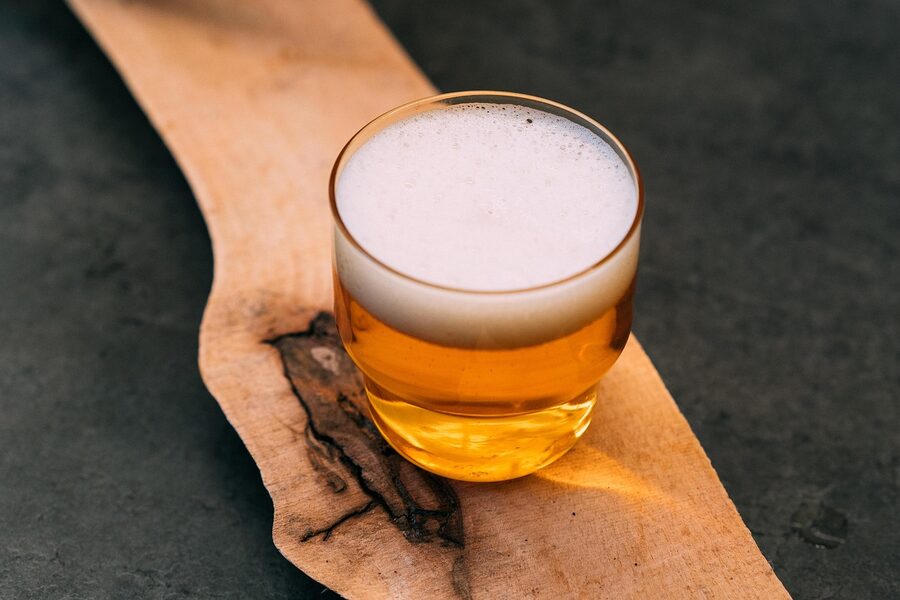
The standout fact about drinking in Japan is how good the convenience-store stock has become. A typical Tokyo 7-Eleven now stocks 12–15 craft labels alongside the macro four. Lawson and FamilyMart are similar. Yokohama 7-Elevens famously carry up to 300 SKUs. Common picks at ¥220–380 a can:
- Yo-Ho Yona Yona Ale, Tokyo Black, Suiyoubi-no-Neko
- Hitachino Nest White Ale
- Coedo Beniaka, Coedo Shikkoku
- Far Yeast Tokyo Blonde, Tokyo White
- Sankt Gallen Imperial Chocolate Stout (seasonal)
- Echigo Koshihikari Lager
Buy three, walk to a park, drink in order light to dark. It’s a perfectly legitimate way to learn the country’s palate.
Festivals and events worth timing a trip around
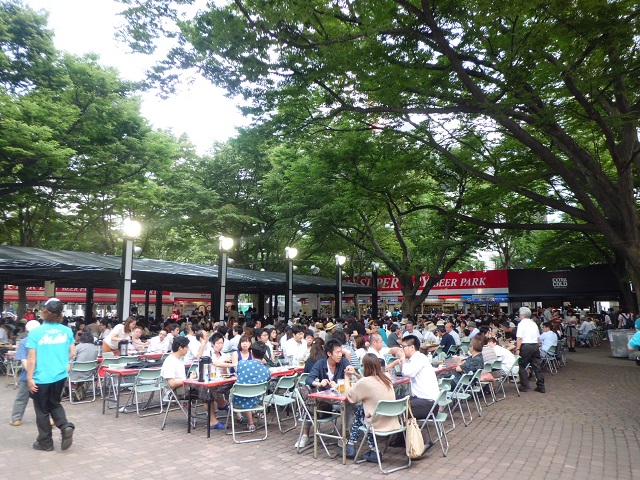
- Great Japan Beer Festival, Tokyo (April), Yokohama (September). The big one, run by the Craft Beer Association BeerFes since 1995. Yokohama’s Osanbashi Hall edition typically pours 200+ beers from 50 breweries. Ticket is ¥5,300 advance, ¥5,800 at the door, includes a tasting glass and unlimited 30ml pours.
- Yokohama Oktoberfest, mid-October. The largest beer festival in Japan, German-themed but with a strong Hokkaido and Tohoku craft side. Free entry, pay-per-pour.
- Keyaki Hiroba Beer Festival, Saitama (May and September). Smaller, craft-only, in the plaza outside Saitama Super Arena. Best regional festival on the Kanto plain.
- Sapporo Odori Beer Garden, late July to mid-August. Not strictly craft (the macros run the show) but the side stalls pour Hokkaido microbreweries.
- Craft Beer Expo, Yokohama (June). The newer one, currently the most ambitious in lineup terms. 80+ breweries, 300+ beers.
Practical drinking notes
Prices and pour sizes
Craft taprooms in Tokyo and Osaka generally pour three sizes: a 100ml taster (¥300–500), a 280ml half-pint (¥700–900), and a 400–500ml pint (¥1,100–1,500). Many places do five-beer flights for ¥2,200–2,800. The cover charge (otoshi or table charge, ¥300–800) is normal in Tokyo bars and almost universal in Kyoto and Osaka. It’s not a tip; it’s a small snack and your seat. Cash is still king; a third of small craft bars don’t accept cards.
Reservations
Friday and Saturday evenings: book. Most popular taprooms (Beer Club Popeye, Mikkeller Tokyo, Devilcraft, Yona Yona Beer Works Marunouchi) take walk-ins until they fill, which on a weekend is by 19:00. Phone reservation is the default; the websites usually have an English contact form, but a quick email from your hotel concierge gets a faster reply.
The standing-bar option
If you want a five-bar craft night without paying cover charges everywhere, look for tachinomi (standing bars). Most pour at least one craft tap, usually a local Yo-Ho or a regional microbrewery. The format is one drink, one snack, twenty minutes, move on. Good for sampling without committing.
Drinking-with-food etiquette
Pour for the people next to you before yourself. Hold the bottle or glass with two hands when pouring. Wait for the kanpai before drinking. Don’t stick chopsticks vertically into rice. Take your shoes off if there’s a tatami section. Tipping is not a thing; the service is included in the cover charge. The fuller etiquette walkthrough is in our izakaya etiquette guide.
Tasting beyond beer
Most craft taprooms in Japan also pour at least one sake, one whisky, and a handful of sour or fruit-flavoured chuhai. If you’re building a longer drinking trip, the shochu and sake comparison, the whisky travel guide, and the Tokyo whisky bar list all complement this article. So does the sake brewery day-trip guide if you want to compare a Kiuchi or Iwate Kura beer to the same producer’s sake.
What I’d order if I had one craft beer night in Japan
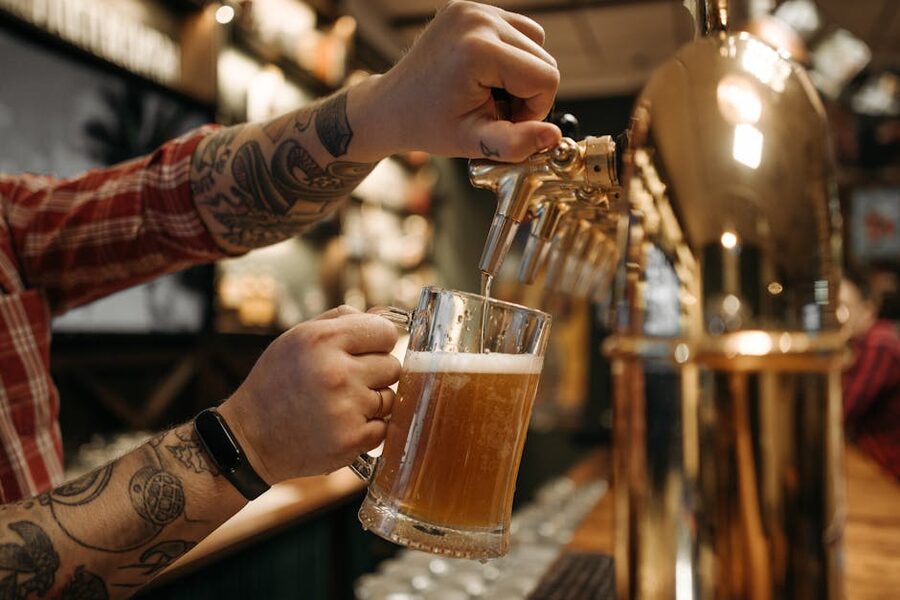
Beer Club Popeye in Tokyo, Friday night, 19:00 reservation. Five-beer flight as a starter: Yo-Ho Indo-no-Aooni IPA, Kyoto Brewing Ichi-Ni-No-San saison, Hitachino Nest Espresso Stout, Far Yeast Off Trail seasonal, and whatever Hokkaido microbrew is on. Smoked sausage plate. Then a single pint of whichever draft from the flight surprised me most. I usually walk out two and a half hours later and ¥6,500 lighter, having tasted nine breweries from six prefectures, and that’s the version of the country I want to remember.
If you only have one beer in Japan, make it a Yo-Ho Yona Yona Ale on draft. If you have ten, hit a Tokyo taproom, an Osaka brewpub, the Kyoto Brewing tasting room on a Saturday afternoon, the Sapporo Beer Museum’s Kaitakushi Limited, and a Hideji bottle in a Fukuoka yatai. Skip the macro lager unless it’s with food. Check the convenience-store fridge before every train ride. Pour for someone else first.