
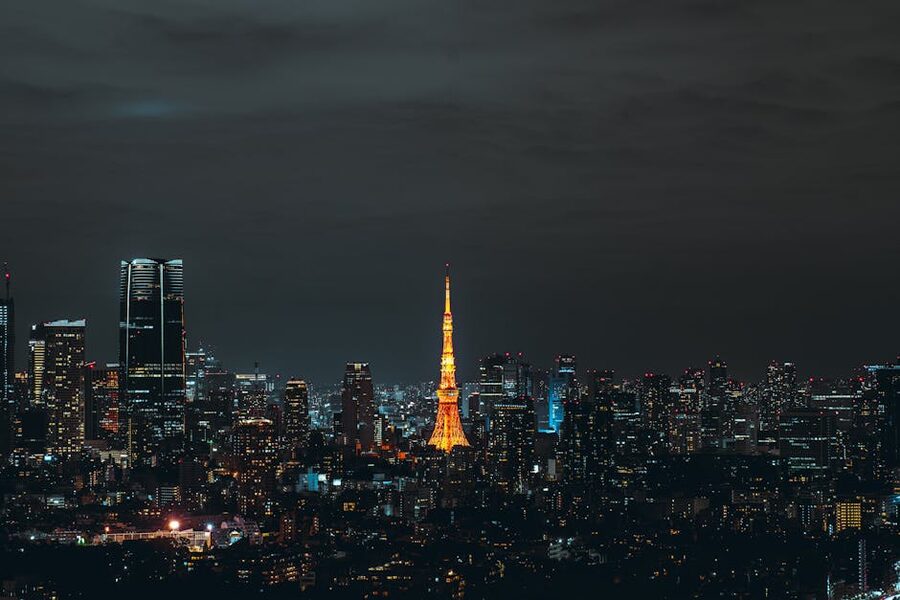
It’s 21:30 on a Wednesday inside Bar Benfiddich, four floors up a Nishi-Shinjuku building with no English sign. Hiroyasu Kayama, the bar’s owner, is crushing fresh wormwood with a brass pestle to garnish someone else’s drink. In front of me sits a Yoichi 12, neat, with the kind of hand-cut ice ball that costs the bartender ninety seconds and the customer about ¥1,800. He hasn’t said a word in five minutes. None of the four other people at the counter have either. The only sound is the steady tock of a wall clock and the rhythmic crunch of herbs against brass. This, I keep thinking, is how Tokyo whisky bars actually work, and it’s nothing like the brochure version.
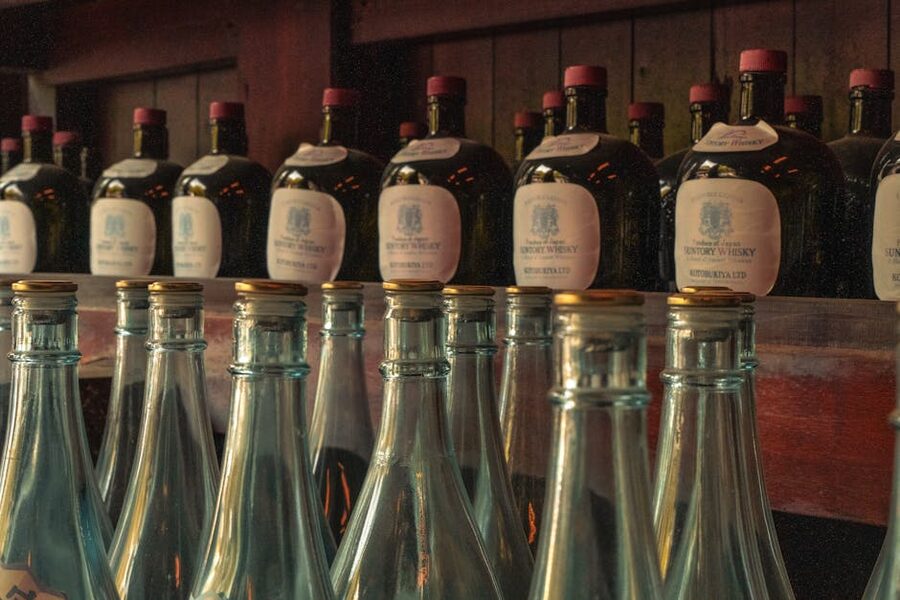
Tokyo has, depending on whose count you trust, somewhere between 200 and 1,000 specialist whisky bars. The high estimate comes from Japanese whisky writer Stefan Van Eycken; the conservative number is what a determined drinker can actually find on Google Maps. Either way, you can’t drink your way through them on one trip. You can, though, learn how to choose well, behave correctly when you sit down, and avoid the small mistakes that turn a brilliant evening into a frosty one. This is a guide to doing exactly that, neighbourhood by neighbourhood, with the specific bars I’d send a friend to.
Whisky in Tokyo is a wide subject. The Tokyo bars and drinks overview covers the city’s whole drinking scene, from sake counters to stand-up beer halls to izakayas. This piece is the whisky-only deep dive: where to drink Japanese single malts (and Scotch, and bourbon, and the surprisingly good world whisky now hitting Tokyo shelves), how to read each neighbourhood’s character, what an evening actually costs, and how to avoid the two or three things that get tourists turned away at the door.
In This Article
- The lay of the land, in one paragraph
- Quick comparison: which neighbourhood for what
- Ginza: the formal heartland
- Bar High Five
- Star Bar Ginza
- Bar Kage
- Yoshu Hakubutsukan (Liquor Museum)
- Bvlgari Hotel Bar
- Shinjuku: chaos and counter masters
- Bar Benfiddich
- Zoetrope
- Bar Shinjuku Whisky Salon
- The Golden Gai option
- Shibuya and Aoyama: design districts, deep lists
- Tokyo Whisky Library
- TRUNK Hotel Bar
- Bar Tram and Bar Trench
- Ebisu and Meguro: residential, lower volume, better value
- Bar Gosse
- Bar Caol Ila
- Bar Augusta Tarlogie
- Ikebukuro: where the whisky obsessives actually drink
- Aloha Whisky
- J’s Bar
- M’s Tasting Room
- Tokyo Station and Marunouchi: in-transit whisky
- Japanese Malt Whisky Sakura
- Roppongi and Toranomon: international and view-led
- Toranomon Bar Shinkai
- Ritz-Carlton Bar (Tokyo Midtown)
- How to actually drink at a Tokyo whisky bar
- The cover charge is real, and it’s not a scam
- Standard pour is 30ml. Half-shots are normal. Ask
- Don’t try to buy bottles
- Reservations: phone, English, and the door
- Counter behaviour, briefly
- What to actually order
- Japanese whisky, by category
- The highball, properly
- Scotch, world whisky, bourbon
- A practical evening: the route I’d send a friend on
- Day-trip alternative: Yamazaki, Hakushu, Chichibu
- Pairings, food, and what you’ll eat
- Drinking culture context: where this fits
- Practical: hours, language, and how much an evening costs
- What I’d skip
- Last thoughts from the counter
The lay of the land, in one paragraph
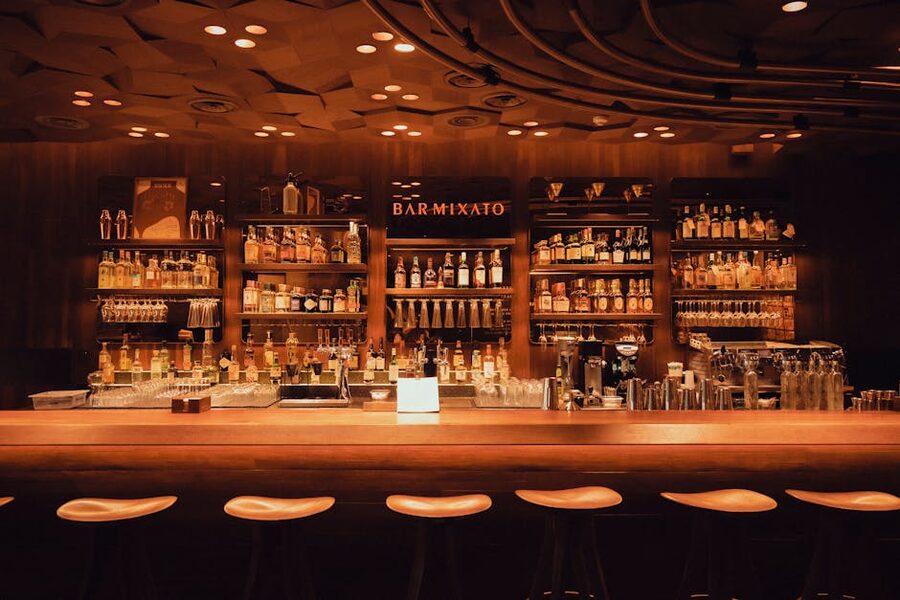
Tokyo’s whisky bars cluster in roughly six districts, and each one drinks differently. Ginza is the formal heartland, where the older masters work counter shifts in white jackets and the cover charge buys you cut crystal and a small plate of nuts. Shinjuku trades polish for personality, with bars stacked five floors deep in the same building, the West side cult-favourite (Zoetrope, Bar Benfiddich) feeling almost like a private club. Shibuya and Aoyama, in the southwest, lean modern and design-driven; Tokyo Whisky Library is the headline. Ebisu and Meguro, residential and quiet, run bars at lower volume and lower prices. Ikebukuro is where the deep collectors actually drink. Roppongi and Toranomon are international and increasingly hotel-bar-led, with the Bvlgari and Ritz-Carlton bars trading on view as much as bottle. And Tokyo Station itself now has one of the best whisky bars in the city.
Quick comparison: which neighbourhood for what
If you have one night and want a clear answer, here’s the short table I’d hand a friend.
| Neighbourhood | Vibe | Avg bar size | Service charge | Best for |
|---|---|---|---|---|
| Ginza | Formal, old-school, cut-glass | 10–14 seats | ¥1,000–2,000 | Classic Japanese-bar ritual, deep vintage Suntory selection |
| Shinjuku (West) | Cult-following, intense, theatrical | 8–10 seats | ¥500–1,500 | The country’s most opinionated bartenders, the broadest single-cask shelves |
| Shibuya / Aoyama | Design-led, modern, English-friendly | 20–30 seats | ¥500–1,500 | First-night ease, a 1,300-bottle library, cocktail-trained staff |
| Ebisu / Meguro | Residential, low-volume, value-led | 9–12 seats | ¥500–1,000 | Better prices, Independent Bottler Scotch, no tourists |
| Ikebukuro | Whisky-otaku, daytime-friendly | 9–12 seats | ¥0–1,000 | Chichibu deep cuts, daytime tastings, owners who actually drink with you |
| Roppongi / Toranomon | Hotel-led, international, expensive | 40–80 seats | built into pour | Skyline view, English service, latest releases on day one |
Below, the actual bars, by area, with addresses, hours, the drink to start with, and what to skip.
Ginza: the formal heartland
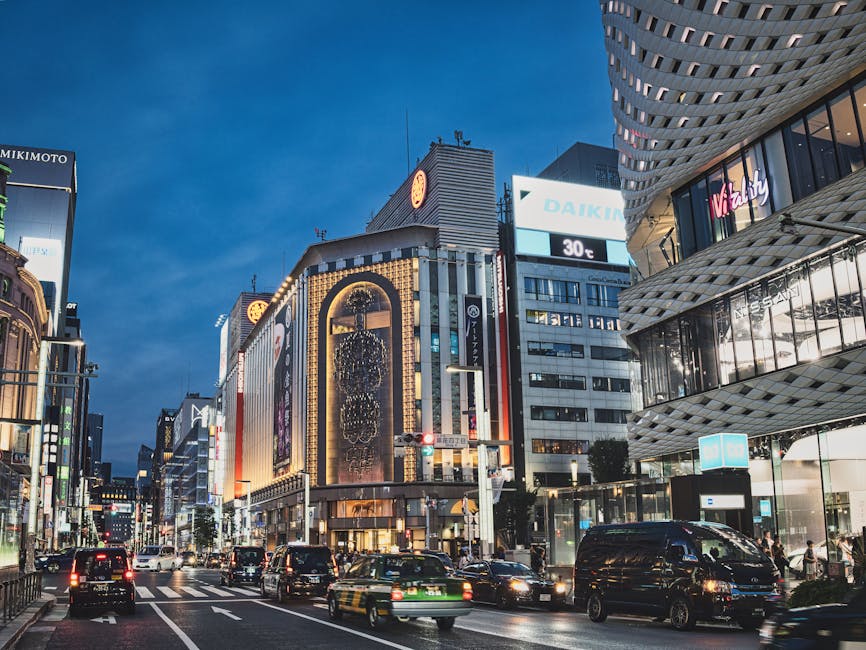
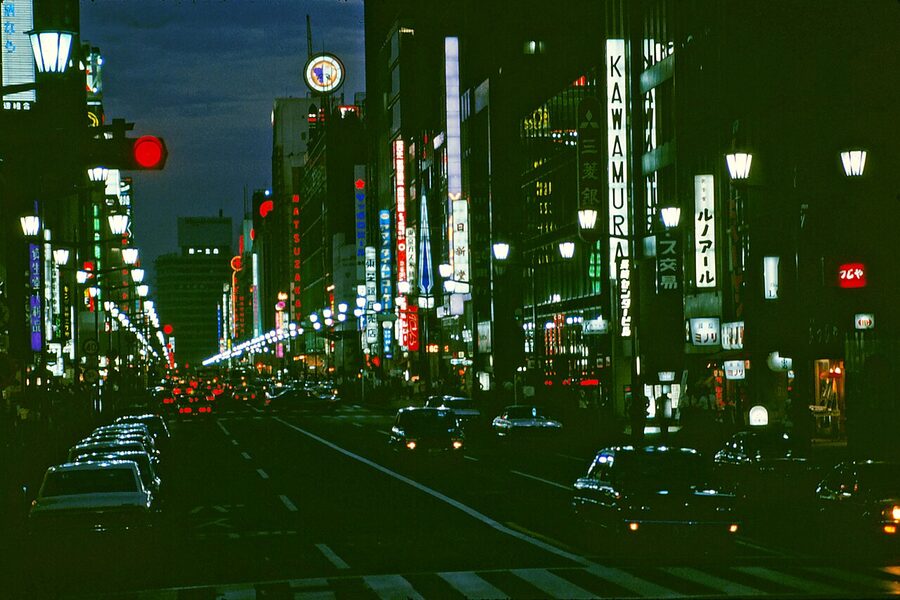
Ginza’s bars trade on ritual. Walk in, the master will ask if you’re alright with the bar’s house style before you sit. Hot towels arrive without fanfare. The cover charge here is the highest in Tokyo, often ¥1,500 or more, and the pour is theatrical. You’re paying for the choreography. This is also the area where being turned away politely happens most often, especially at members-leaning bars or anywhere with under ten seats. Don’t take it personally.
Bar High Five
Hidekazu Ueno’s Bar High Five sits in the basement of a Ginza 7-chome building, no menu, no cocktail list, no website that ever feels current. You sit, you tell the bartender what you usually like, and he builds you a drink. Whisky drinkers should ask for a Yoichi-based old-fashioned and watch the ice carving work; Ueno-san is one of the people who taught a generation of Tokyo bartenders how to do it. Counter-only. Cover ¥1,500. Cash and card both work.
- Address: B1, EFEX-2 Building, Ginza 7-2-14, Chuo-ku
- Hours: 17:00–01:00, closed Sundays
- Reservations: phone only, English staff usually present
Star Bar Ginza
Hisashi Kishi runs Star Bar like a clinic. White jacket, silent stir, the legendary cocktail card-carrying International Bartenders Association credentials. The whisky shelf is conservative but flawless, leaning Suntory and Nikka, with a small Ardbeg / Laphroaig section that pairs beautifully with the bar’s signature smoked-cheese plate. The Salty Dog with Hibiki is, surprisingly, the move. Service charge ¥1,300. Reservations recommended.
- Address: B1, 1-5-13 Ginza, Chuo-ku, Sankosha Building
- Hours: 18:00–01:00, closed Sundays
- Reservations: phone, walk-in possible early
.jpg)
Bar Kage
Twelve years in, Takeshi Kageyama’s namesake bar is the one most Tokyo-based whisky writers actually drink at. Kageyama-san has been close to Ichiro Akuto since before Chichibu was a household word, and Bar Kage’s 10th-anniversary Ichiro’s Malt & Grain bottling shows up on lists worldwide. The line-up is heavy on Mars Whisky single casks alongside the expected Yamazaki and Hakushu rare cuts. Tranquil, low-lit, spacious counter. Order a Mars Tsunuki single cask and a Manhattan made with Japanese whisky, in that order.
- Address: B1, Ginza 6-3-6, Chuo-ku
- Hours: 18:00–02:00, closed Sundays
- Reservations: phone or via the bar’s website
Yoshu Hakubutsukan (Liquor Museum)
If you read Japanese whisky writing in Japanese, you’ll see this place referenced as the bar that knows where every old bottle in Ginza is. The name translates as “Western Liquor Museum” and the comparison is fair. Whole walls of vintage Suntory, vintage Nikka, ancient bourbons, ancient Scotches, plus rum and brandy for variety. Brighter than the Ginza norm, friendly to solo drinkers, and surprisingly affordable on standard pours; the rare bottles are charged separately and they tell you the price before pouring. Order a 1980s Yamazaki for a comparison taste against the current 12, and you’ll learn more in one glass than you will from any tasting flight.
- Address: 6F, Ginza 6-4-13, Chuo-ku
- Hours: 18:00–02:00, closed Sundays
- Reservations: phone, walk-in friendly
Bvlgari Hotel Bar
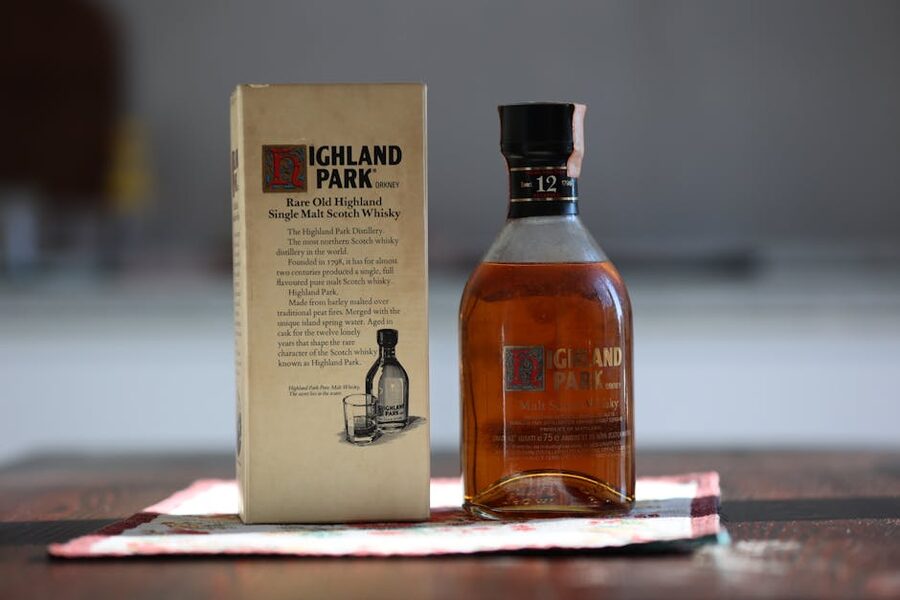
Forty-fifth floor, opened April 2023, with a 360-degree view that includes Tokyo Station and the Imperial Palace gardens. The whisky list is fine but unspectacular, mostly current Suntory and Nikka core range plus a small allocation of premiums. You’re not going for the bottle: you’re going for the room, and at sunset on a clear day, that’s a fair trade. Expect cocktails to land around ¥3,000 and whisky pours from ¥2,500. Reservations strongly recommended, even on a Tuesday. If you’re looking at hotel bars but care more about the drink than the view, the Old Imperial Bar at the Imperial Hotel does a Mount Fuji cocktail recipe that’s been on the menu since 1924, with Yamazaki 12 swapping in for the original gin.
- Address: 45F, Bvlgari Hotel Tokyo, 2-2-1 Yaesu, Chuo-ku
- Hours: 17:00–24:00 daily
- Reservations: phone or website
Shinjuku: chaos and counter masters
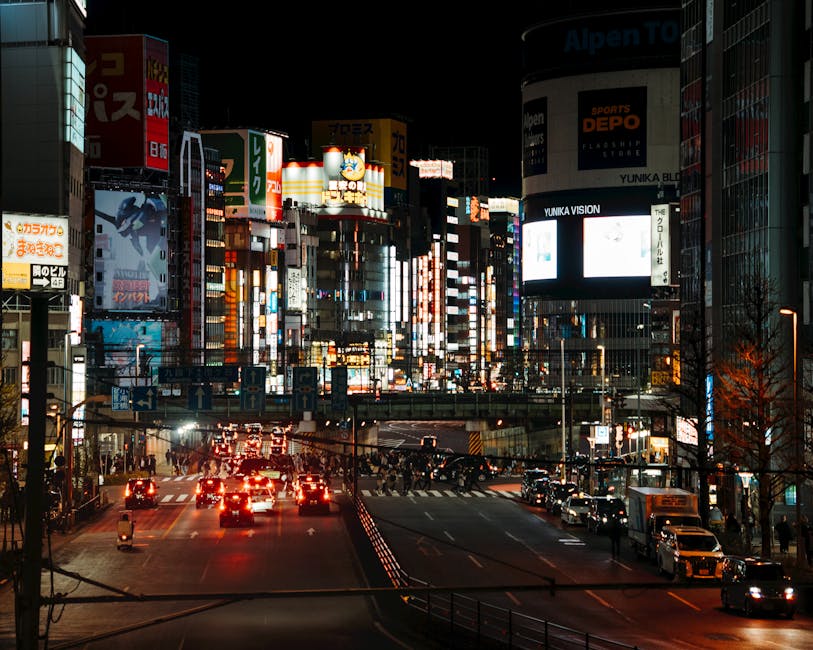
Shinjuku’s whisky scene is split. The east side, around Kabukicho and Golden Gai, runs loud and tourist-friendly; the west, around Nishi-Shinjuku, is where the cult bars hide. If you have time for one neighbourhood, choose the west. The two bars below are arguably the most influential in Tokyo, full stop, and both are within an eight-minute walk of each other.
Bar Benfiddich
Hiroyasu Kayama’s bar is on the ninth floor of a Nishi-Shinjuku office block with no street-level signage. The lift opens straight into the door. Kayama-san isn’t a bartender so much as a herbalist; he grows his own wormwood, hyssop, and angelica, dries them in his apartment, and uses them to build cocktails in a way that nobody else in Tokyo replicates. Whisky drinkers should brief him with one ingredient (“Yoichi”, “peated Scotch”, “any cask-strength bourbon”), state a flavour direction, and let him work. The signature Old Pal made with a sake-based vermouth he produces himself is the move. He doesn’t keep regular hours; if Kayama-san wants a day off, the bar is closed, sometimes for a week.
- Address: 9F, Yamatoya Building 2, 1-13-7 Nishi-Shinjuku, Shinjuku-ku
- Hours: 18:00–03:00, irregular closures, check Instagram
- Reservations: phone in the afternoon, walk-in often possible early

Zoetrope
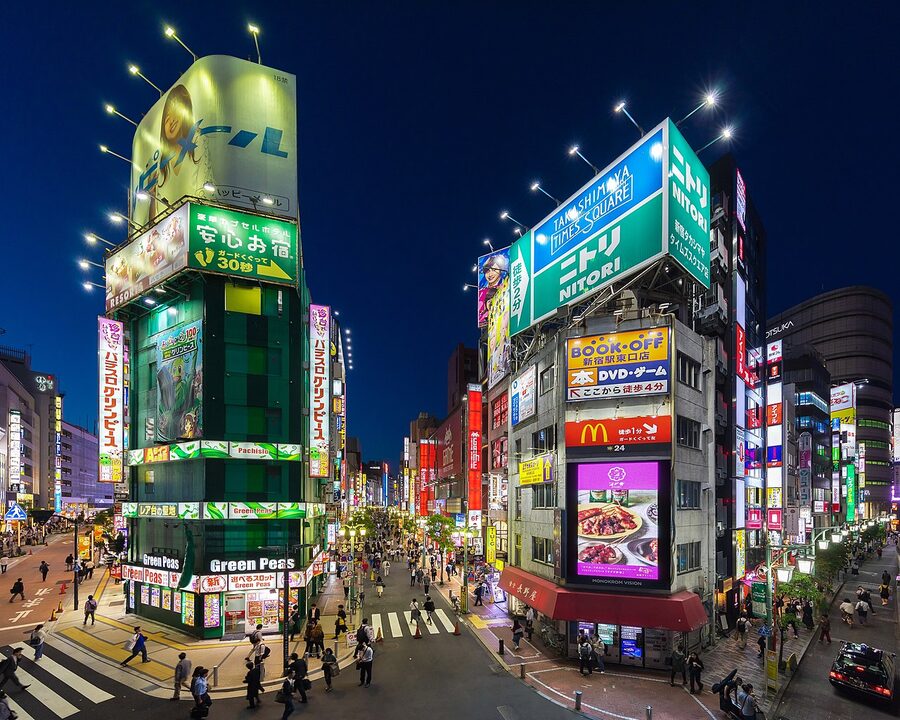
Atsushi Horigami’s Zoetrope is on the third floor of the Gaia 4 building, a five-minute walk from Bar Benfiddich. The bar is dedicated almost entirely to Japanese whisky, including Karuizawa from the closed distillery, Hanyu Card Series bottles, Mercian releases that haven’t existed in shops for a decade, and the entire Chichibu range as it has dropped year by year. Horigami-san is also a serious cinema person; he commissioned the bar’s interior from Takeo Kimura, the production designer behind Seijun Suzuki’s films, and projects classic films on the back wall on quiet nights. The whisky list runs to over 300 bottles. Ask for a Karuizawa flight if you can find a seat at the right time, and brace for the bill.
- Address: 3F, Gaia Building 4, 7-10-14 Nishi-Shinjuku, Shinjuku-ku
- Hours: 17:00–01:00, closed Sundays
- Reservations: phone, often booked weeks ahead
Bar Shinjuku Whisky Salon
Kazunori Shizuya is one of only thirteen people in the world holding the Master of Whisky qualification, and he’s the youngest of them. His bar opened in 2019 just off the Shinjuku 3-chome end of Golden Gai and acts as a kind of working showroom for his whole industry life: he tastes for Whiskypedia TV, designs glassware, blends private bottles. The signature Whiskolaschka pairs straight whisky with a small food bite, six versions of it on rotation. Glen Grant Aboralis, yuzu zest, mint, truffle salt, and a sweet pickle that sounds wrong on paper and is the highlight of the menu in person.
- Address: 3F, 3-12-1 Shinjuku, Shinjuku-ku
- Hours: 18:00–02:00, closed Mondays
- Reservations: website (English available)
The Golden Gai option
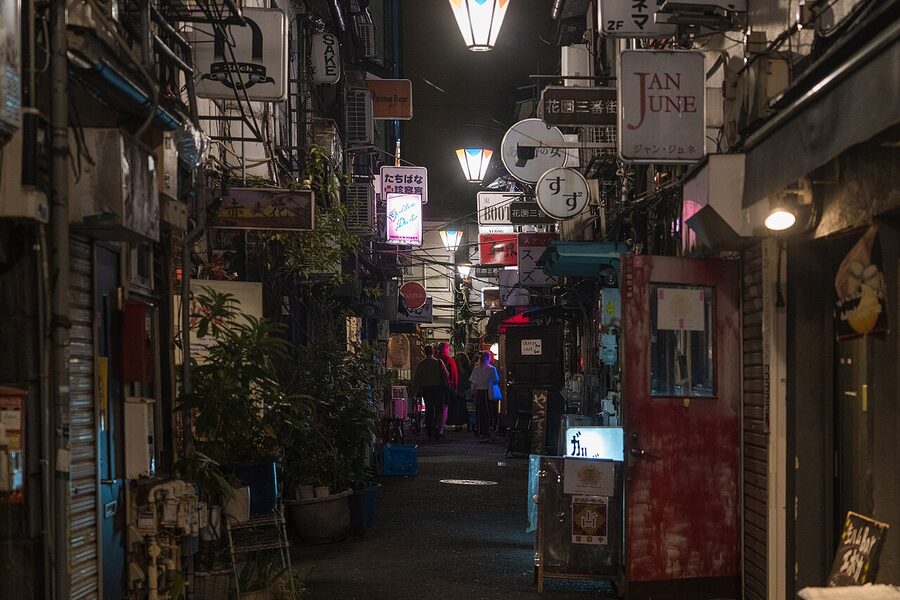

For whisky specifically, Golden Gai is genuinely thin. The 200-odd matchbox bars run a wide gamut from rare-bottle obsessives to extremely tourist-priced pubs. Pick the rare-bottle ones if you find them, otherwise treat Golden Gai as a one-bar curiosity stop and head to Nishi-Shinjuku for the actual whisky drinking. Bar Albatross is friendly and reliable for a single drink and a look around.
Shibuya and Aoyama: design districts, deep lists
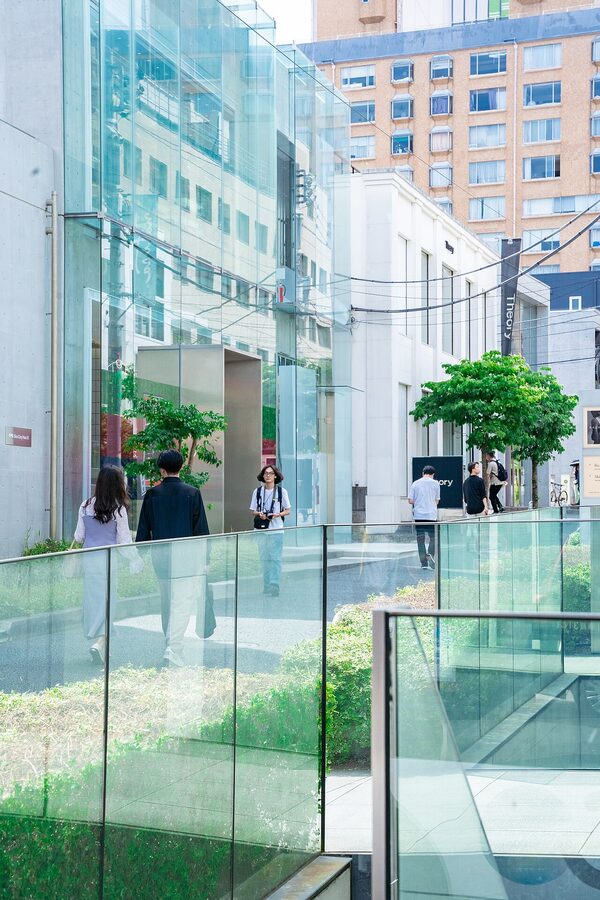
The Shibuya / Aoyama bars are the easiest first night in Tokyo if you don’t yet know how Japanese counter etiquette runs. They’re bigger, English is reliable, the booking systems are online, and the lists are long enough to carry a beginner.
Tokyo Whisky Library
The flagship of the new wave. Roughly 1,300 bottles line the brick walls, the ceiling is high, and the seating is lounge-style rather than counter-only. The bar’s Scotch focus is what surprises most first-time visitors, including four pages of “Old Whisky” and six pages of Scotch Malt Whisky Society single casks. The bar’s cocktail menu was set up by Michito Kaneko, the 2015 Diageo World Class winner, and the Signature Mojito with house Maker’s Mark syrup is a standout. The bar is fine to walk into solo; reservations are honoured strictly. Service charge applies. Food is genuinely good if you’re hungry.
- Address: 2F, 5-5-24 Minamiaoyama, Minato-ku (inside the Santa Chiara church building)
- Hours: 18:00–03:00 weeknights, 18:00–01:00 Sundays, closed irregular Mondays
- Reservations: tokyo-whisky-library.com (online booking, English)
TRUNK Hotel Bar
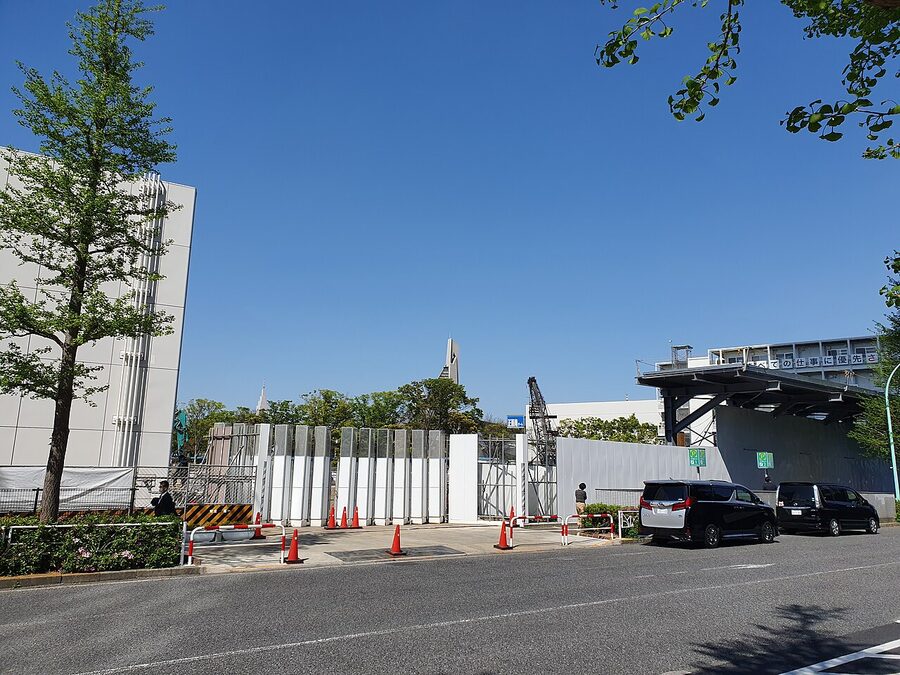
The bar in TRUNK Hotel’s lobby reliably has a Hibiki 30 in stock, which is unusual at street level in 2026. The pour is expensive and the rest of the line-up is unremarkable, but the room is genuinely a pleasant place to start an evening if you’re staying nearby. Two doors down on the same Cat Street, Bar TRENCH (more on that below, technically Ebisu) does the actual drinking after.
Bar Tram and Bar Trench
Bar Trench, on the Daikanyama / Ebisu border but easily walkable from Shibuya, sits in the lineage of European apothecary bars filtered through Japanese precision. Owner Rogerio Vargas is Brazilian; the cocktails wander into absinthe and chartreuse territory, but the whisky list is genuine and the bar is one of the most pleasant rooms in southwestern Tokyo. Cocktails ¥1,800–2,400, whisky pours mostly ¥1,200–2,200.
- Address: 1F, Ohba Building, 1-5-8 Ebisu-Nishi, Shibuya-ku
- Hours: 19:00–01:00, closed Mondays
- Reservations: walk-in, phone for groups
Ebisu and Meguro: residential, lower volume, better value
Ebisu and Meguro are the value play. The bars here are residential-feeling, the bartenders are usually working their second or third post in the trade, and the prices reflect both. If your interest is genuinely the whisky rather than the experience, this is where you spend most of the trip.
Bar Gosse
Run by the Yui brothers, Satoshi and Atsushi, who both grew up partly in the UK and brought a UK importer’s network back to Tokyo. The result is a small Meguro bar with a stellar back-shelf you’d struggle to find at any famous bar in Ginza, including German and Dutch independent bottlings of single-cask Caol Ila and Highland Park. The brothers buy abroad, which keeps prices well below Tokyo norms. Standard pours from ¥800. Tiny room, easy to miss, look for the red interior.
- Address: 1F, Maison Takahashi 102, 2-10-15 Meguro, Meguro-ku
- Hours: 19:00–23:30, closed Sundays
- Reservations: phone, walk-in friendly
Bar Caol Ila
A rare single-distillery bar; in this case a Caol Ila obsessive’s room with the back wall stacked in distillery and independent Caol Ila bottlings going back to the 1970s. If you like peat, this is one of two bars in Tokyo where you should commit a whole evening. The bar sits on the Shibuya / Ebisu border and is genuinely small. Pour prices on rare cuts can be steep (¥3,000+), but the standard 12 and 18 are at fair Tokyo norms.
- Address: Shibuya-ku, near Ebisu station, exact address worth phoning to confirm
- Hours: 19:00–01:00 Tuesday to Saturday
- Reservations: phone only
Bar Augusta Tarlogie
The Tarlogie is one of the long-running Ebisu standards, run since the late 1990s with a heavy Glenmorangie collection (the bar’s name nods to Tarlogie Springs, the distillery’s water source). Service is genuinely warm rather than the cool-Japanese formal you’ll meet in Ginza. The signature is a Glenmorangie Signet pour with a small piece of dark chocolate on the side; trust the pairing.
- Address: B1, Ebisu Lonkutan Bldg, 4-23-1 Ebisu, Shibuya-ku
- Hours: 18:00–01:00
- Reservations: phone
Ikebukuro: where the whisky obsessives actually drink
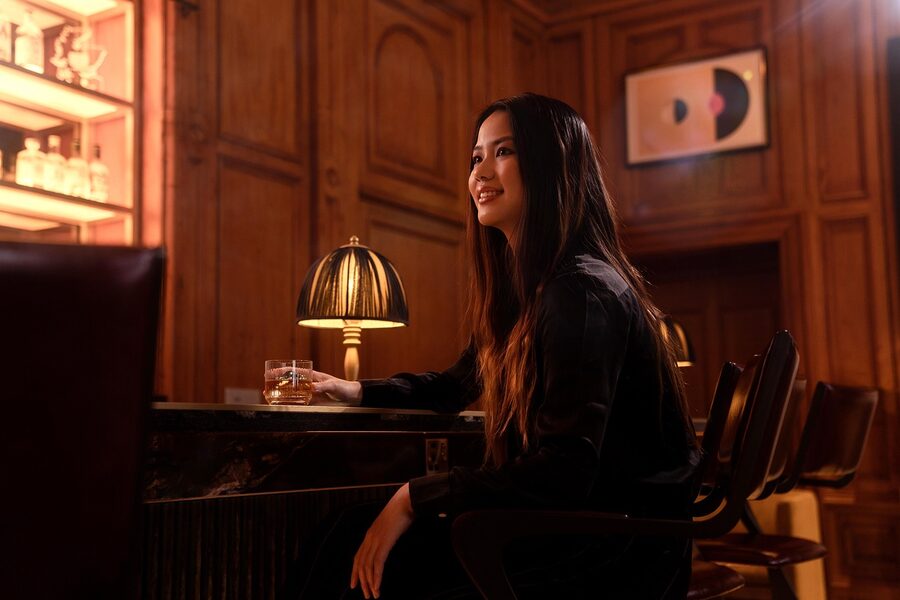
Ikebukuro is the unfashionable answer to “where do whisky people in Tokyo actually drink.” The trains are easier than Shinjuku, the prices are lower, and three of the most respected bars in Tokyo’s whisky scene are within five minutes of the C3 station exit.
Aloha Whisky
David Tsujimoto opened Aloha Whisky in September 2019. Hawaiian-Japanese, fluent in English, owner of arguably the world’s deepest Chichibu Distillery shelf. The bar won Whisky Magazine’s Bar of the Year in 2020 within months of opening. There are nine seats at a small counter; whatever the bar lacks in size, the line-up doesn’t (1,000+ bottles, including dozens of Chichibu by-the-glass options that are, frankly, impossible to taste anywhere else in this volume). Tsujimoto-san runs an occasional daytime Whisky Omakase: ten bottles, two hours, ¥35,000 per person, the most expensive thing on this list and the only one I’d confidently call worth it. Standard half-shots from ¥800.
- Address: 3F-B, Izumi Building, 3-29-11 Nishi-Ikebukuro, Toshima-ku
- Hours: 18:00–23:30 daily
- Reservations: phone, English fine
J’s Bar
The only whisky bar in Tokyo that opens daily at 13:00. This matters more than it sounds when jet lag has you wide awake at 11:00 your first day. J’s keeps a daily three-bottle special (¥3,000 for three samples from a rotating set, often Independent Bottler Scotch). Smoking is allowed, English is limited, the staff are warm. If your Tokyo trip overlaps a wet afternoon, J’s is the answer. Daytime tastings here run roughly ¥1,500–3,000 depending on rarity.
- Address: 4F, Akebono Building, 1-22-12 Higashi-Ikebukuro, Toshima-ku
- Hours: 13:00–late, closed Tuesdays
- Reservations: walk-in
M’s Tasting Room
One stop north of Ikebukuro, in Itabashi, M’s Tasting Room straddles the line between bar and bottle shop. The owner stocks heavily in Independent Bottler Scotch, and most of the back-shelf is available to taste at very fair prices (samples from ¥500). Unusually, you can buy take-home samples in 10ml or 50ml from many of the same bottles, a service almost no Tokyo bar offers. Worth the train ride.
- Address: Itabashi-ku (single-stop train ride north of Ikebukuro on the Saikyo or Tobu line)
- Hours: roughly 12:00–22:00, check before going
- Reservations: walk-in
Tokyo Station and Marunouchi: in-transit whisky
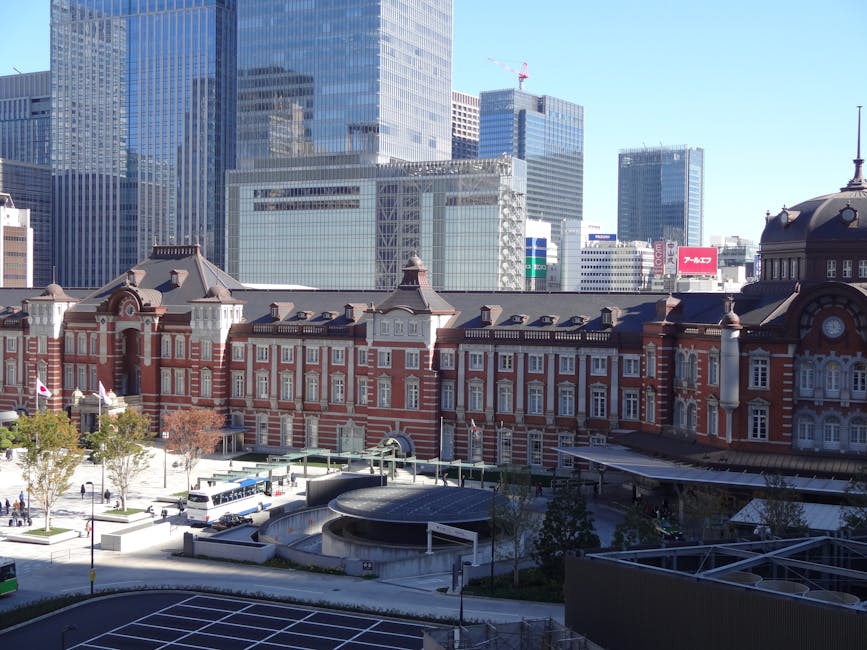
Japanese Malt Whisky Sakura
This shouldn’t exist and yet it does. A serious whisky bar, with 60+ Japanese whiskies including current Chichibu and Akkeshi releases, two floors below the Shinkansen tracks at Tokyo Station, open from 10:00 daily. Half-shots, full shots, and highballs are all on the menu, and the prices are transparent. If you have an early train to Kyoto, a flight to catch, or just an awkward two-hour gap in Marunouchi, this bar solves it. The Akkeshi Sarorunkamuy by the half-shot is a brilliant first taste of an emerging eastern Hokkaido distillery, and pairs the article’s interest in Sapporo and Hokkaido drinking if that’s the next leg of your trip.
- Address: B1, Tokyo Station, Marunouchi 1-9-1, Chiyoda-ku
- Hours: 10:00–22:00 daily
- Reservations: walk-in only, expect 15–30 minute wait at peak
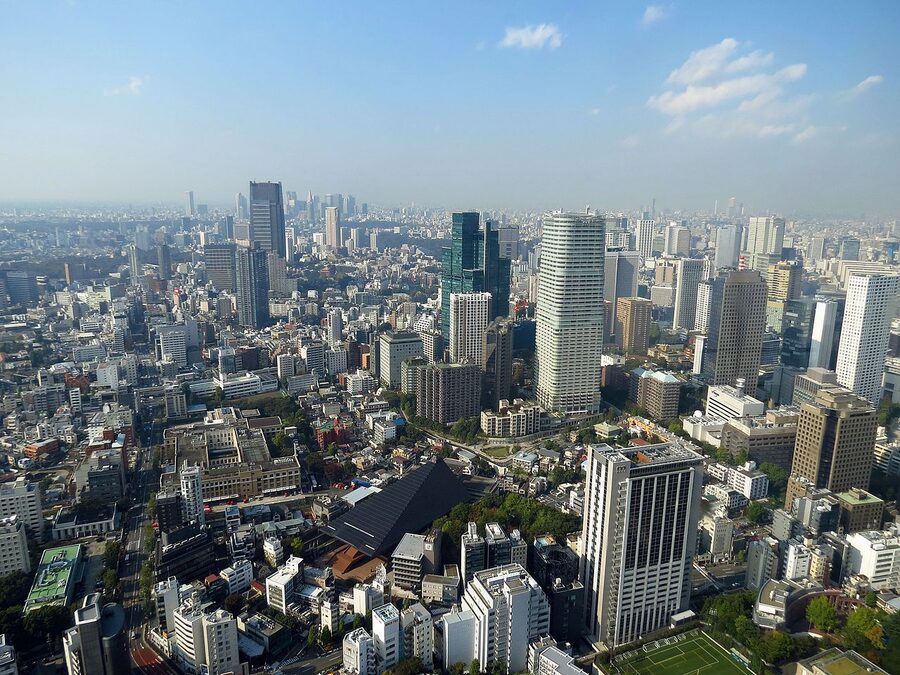
Roppongi and Toranomon: international and view-led
.jpg)
Toranomon Bar Shinkai
The Toranomon location is the original; there are now a few Bar Shinkai outposts across the city. The bar opened in 2018 alongside the Toranomon Hills development boom, and its strength is the speed at which new Japanese whisky releases hit the menu, often the same day they go on sale. The same team runs the bilingual Japanese Whisky Dictionary website, which is the best English-language resource for the current state of the industry. Order whatever’s freshest. Happy hour 17:00–19:00 brings the cocktail prices down by about a third. The bar also serves a much-loved curry, of all things.
- Address: 2F, Toranomon 3-13-13, Minato-ku
- Hours: 17:00–01:00, closed Sundays
- Reservations: bar-shinkai.com (English)
Ritz-Carlton Bar (Tokyo Midtown)
Forty-fifth floor, Roppongi, opened with the Tokyo Midtown development in 2007 and still the standard for hotel-bar pours in this part of town. The whisky list runs current core range plus a small allocation of premium and exclusive bottles; their Ichiro’s Malt & Grain hotel exclusive shows up here every couple of years. Service is fluent English, the dress code is smart-casual at minimum, the cocktails are well executed but expensive. Whisky pours from around ¥2,500.
- Address: 45F, The Ritz-Carlton Tokyo, 9-7-1 Akasaka, Minato-ku
- Hours: 17:00–01:00 daily
- Reservations: phone or website
How to actually drink at a Tokyo whisky bar
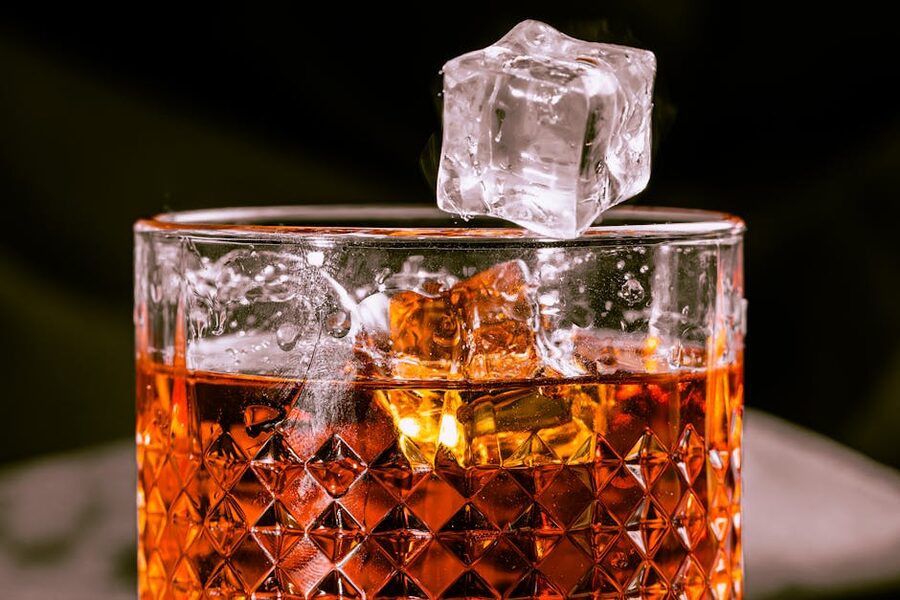
The mechanics of drinking at a specialist Tokyo whisky bar are different enough from Western bars that a five-minute primer saves a lot of awkwardness. The order below is the order things actually happen.
The cover charge is real, and it’s not a scam
Most specialist whisky bars in Tokyo add a service charge, called otoshi or simply charge, between ¥500 and ¥2,000 per person. Sometimes you get a small snack with it (nuts, salted edamame, a single chocolate); sometimes it’s just water and a hot towel. It’s standard practice, not a tourist tax. Some izakaya etiquette conventions overlap here, but whisky bars usually charge slightly more and don’t always serve a snack with it. Pay it cheerfully.
Standard pour is 30ml. Half-shots are normal. Ask
The default pour is 30ml, which feels small to a North American or Australian drinker. If you want to taste broadly across one evening, ask for half-shots; most bars charge exactly half the listed price. The bartender will appreciate the question, especially if you’re trying rare bottles. With genuinely rare whisky (1980s Karuizawa, certain pre-shutdown Hanyu), the bar may insist on a half-shot to keep the bottle alive longer for other customers. Don’t argue.
Don’t try to buy bottles
You can’t. The empty bottles are still worth four-figure sums on the secondary market, and bartenders are wary of empties getting refilled and resold. The full bottles are the bar’s business model. Don’t ask.
Reservations: phone, English, and the door
Most of the bars in this article take phone reservations. Online booking is becoming common but is still the exception (Tokyo Whisky Library, Bar Shinjuku Whisky Salon, Bar Shinkai are the main ones). For phone bookings, the front desk of your hotel will happily call for you; that’s the most reliable approach if your Japanese is non-existent. Walking up cold is fine at most Ginza counter-only bars before 19:00 on weekdays; harder anywhere on a Friday or Saturday.
The “private members” rejection at the door does happen, and is rarely about you specifically. Some Ginza bars genuinely reserve their seats for known regulars on certain nights. If you’re turned away politely, smile, leave, and walk to the next bar; there are five within a hundred metres in Ginza alone.
Counter behaviour, briefly
Sit where the bartender directs you. Order one drink at a time. Don’t take photos of other customers. The phone goes face-down or in a pocket; loud video calls are the fastest way to be marked as someone the bar would rather not see again. The white jackets and bow ties are a working uniform, not a costume; don’t ask for selfies. Tip is not customary in Japan; the service charge already covers it. If you tip, the bartender will politely refuse, often by leaving the change on the counter rather than handing it back.
What to actually order
Japanese whisky, by category
If you only know Yamazaki, Hibiki, and Hakushu, treat your Tokyo trip as the chance to broaden the list. The producers below are all Japanese, and almost all the bars in this article carry a meaningful selection of each. Names to look for in 2026:
- Chichibu (Saitama): the household name of the new wave; ask for a single-cask if Aloha Whisky has one
- Mars Whisky (Nagano + Kagoshima): the Komagatake and Tsunuki single-malts, the Iwai blends
- Akkeshi (Hokkaido): the easternmost distillery, peated from local water; the Sarorunkamuy series is excellent
- Kanosuke (Kagoshima): new since 2017, finished in shochu casks, you won’t find this in Europe
- Yuza (Yamagata): coastal, lightly peated, a quiet sleeper among new distilleries
- Karuizawa, Hanyu, Mercian: the closed-distillery rarities; Zoetrope is the place
Skip Suntory and Nikka core range on the trip if you can drink them at home; they’re widely available abroad. If you want to compare a vintage 1980s Yamazaki to the current 12, Yoshu Hakubutsukan in Ginza is the right counter for that.
The highball, properly
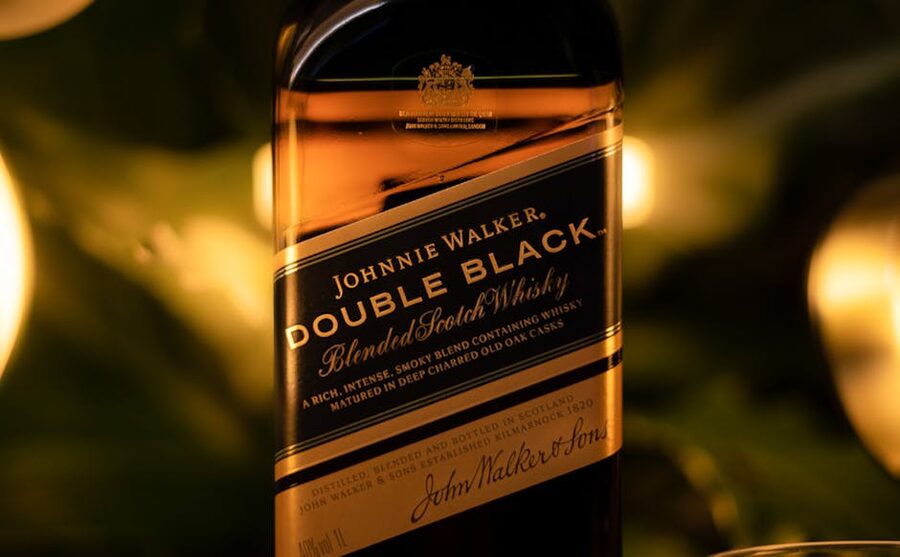
The highball deserves its own paragraph. Done correctly, it’s whisky and soda over ice in a 1:3 or 1:4 ratio, in a tall glass, garnished with a twist of lemon peel. Done badly, it’s flat soda and ten different sweetened syrups. The bars in Ginza take the highball seriously; Toranomon Bar Shinkai’s house highball uses a Japanese single grain (Chita is the safe call) and lands clean. Order a “Black” highball at any of the standalone Suntory-branded highball bars dotted around Tokyo Station and Shinagawa for the full unfussy version. The 88 Bamboo guide rates Shinagawa Highball Bar’s house version highly, and that’s the bar’s whole reason for existing.
Scotch, world whisky, bourbon
Almost every bar in this article carries a serious Scotch shelf; Aoyama Tarlogie leans Glenmorangie, Bar Caol Ila is the obvious pick for peated Islay, Bar Gosse runs European independent bottlings. Bourbon is well-represented at Aloha Whisky and at Bar Kage. World whisky from India (Amrut, Paul John), Taiwan (Kavalan, Omar), and the new English distilleries shows up sporadically; Bar Trench has the broadest world-whisky shelf I’ve found in Tokyo, by accident more than intention.
A practical evening: the route I’d send a friend on
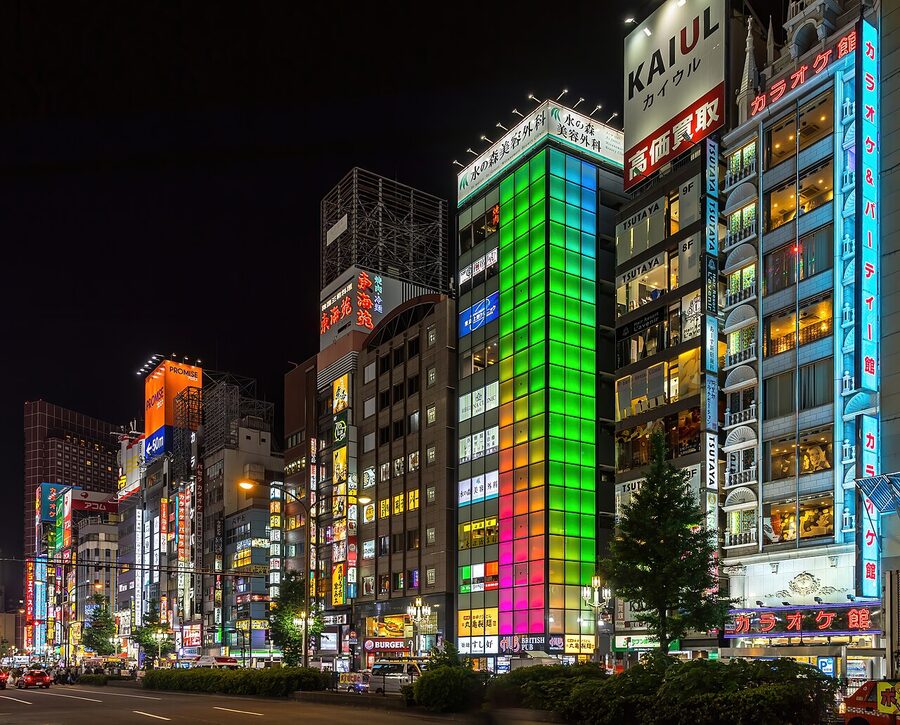

If you have one night and the money for a good evening, here’s how I’d route it. Three bars, four hours, around ¥25,000–35,000 a head depending on what you order.
- 18:30, Tokyo Whisky Library, Aoyama. Reserve in advance. Start light: ask for a half-shot of Mars Tsunuki single cask and a Signature Mojito from the cocktail menu. The point of the first bar is to settle in, not to spend the budget. Eat a small plate from the food menu (the cured ham is good). About ¥5,000.
- 20:00, Yoshu Hakubutsukan, Ginza. Five minutes from Ginza station. Walk in, sit at the counter, ask the master for a 1980s Yamazaki next to the current Yamazaki 12. This is where the trip pays for itself; the price gap is enormous, but the lesson is permanent. About ¥10,000.
- 22:30, Bar Benfiddich, Nishi-Shinjuku. Phone ahead in the afternoon. Brief Kayama-san with one whisky direction and let him build. End the night with a peated single-cask neat, no garnish, no theatre. About ¥10,000–15,000.
If 25,000 yen on drinks reads as too much, the same shape works at Aloha Whisky, then Bar Gosse, then J’s Bar (in afternoon) for closer to ¥10,000–15,000 a head. Ikebukuro and Meguro bars genuinely run cheaper for like-quality whisky.
Day-trip alternative: Yamazaki, Hakushu, Chichibu

For drinkers willing to spend a half-day or a full day on a side trip, three of Japan’s distilleries are bookable from Tokyo. Yamazaki, the original Suntory site, sits between Kyoto and Osaka and runs guided tours with on-site tastings; the official site is suntory.com/factory/yamazaki and a Klook-listed tasting tour at Klook is the easiest entry point if the official lottery has closed. Hakushu, in Yamanashi, is a 2.5-hour Shinkansen-plus-local out of Tokyo and arguably the prettier site.
Chichibu, the Ichiro’s Malt distillery, is closer (90 minutes from Ikebukuro on the Seibu Red Arrow) but does not run public tours; the closest you’ll get is the back-shelf at Aloha Whisky or one of the few Chichibu-licensed bar events that run a few times a year. For a more accessible Tokyo-region drinking trip, the same brief covers sake brewery tours from Tokyo for readers more interested in the rice side of the spectrum.
If a guided format suits you better than a free-form bar crawl, several Tokyo-based operators run whisky-focused walking tours through Ginza or Ebisu. The most reliably listed are on Viator, GetYourGuide, and Klook; the Klook tour pairs whisky with sake and a small food walk, which makes it a decent introduction even if your interest is mostly whisky.
Pairings, food, and what you’ll eat
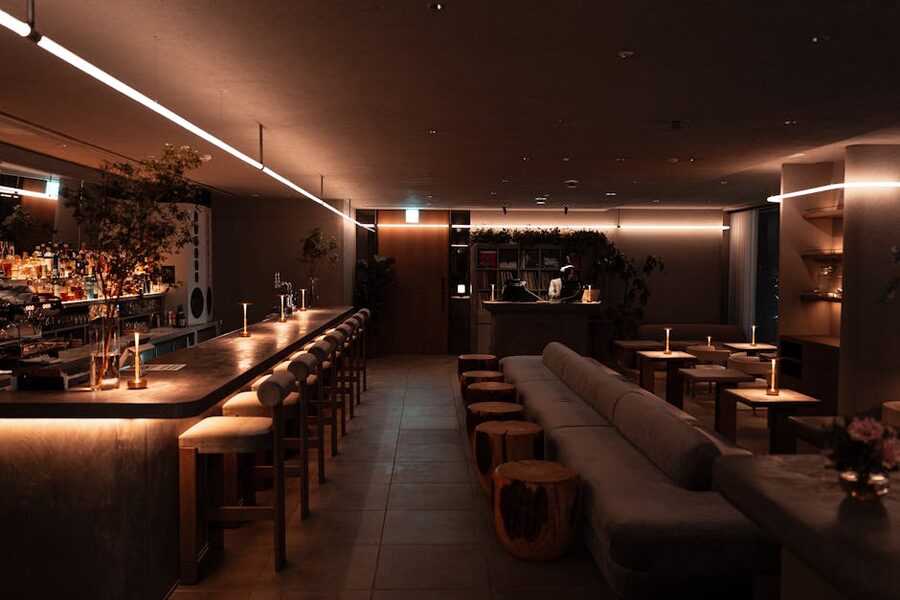
Most of the specialist whisky bars in this article serve modest food: smoked cheese, charcuterie, pickled snacks, occasionally a small plate of foie gras or grilled cured ham. Some bars (Bar Shinozaki across the prefecture line in Funabashi, Hibiya Bar Whisky-S II in Ginza) lean further into food and produce sandwiches and grilled fish that easily anchor a meal. If you arrive hungry, eat first: this is not the place for a steak.
Whisky and food pairing in Japan tends to be lighter than the heavy-meat-and-cigar Western default. Smoked cheese and a peated single malt is the safe combination. Cured ham and a sherried Japanese single malt (Chichibu Port Pipe, Hakushu Sherry Cask) is the slightly daring one, and works. The bartender will offer pairings if you give them an opening; “what would you eat with this Yoichi 12?” is a perfectly normal question and the answer will be specific.
If you want a whisky bar with a proper kitchen, the best of these is in Marunouchi: Park Hyatt’s New York Bar on the 52nd floor of the Park Hyatt Tokyo. Yes, the Lost in Translation bar; yes, it’s expensive; yes, it’s worth it once. Whisky list is strong, the live jazz is real, and the food kitchen runs full New York grill standards. Reservations weeks ahead.
Drinking culture context: where this fits
Whisky bars are one slice of Tokyo’s much broader drinking scene. If you’re planning the rest of the week, the city’s drinking guide covers izakayas, sake bars, and craft beer rooms. For the wider drinks of Japan, the sake guide and the regional differences between shochu, sake, and awamori are worth reading before you make plans. Travellers heading further west should check the Kyoto eat-and-drink guide for the Kyoto whisky scene (Bar K Kyoto and Sour are the main picks there), the Osaka eat-and-drink guide for the city’s standing-bar culture, and the Fukuoka eat-and-drink guide for the Kyushu side of things; Bar Higuchi in Tenjin is one of the country’s better whisky bars outside Tokyo. For something completely different, the Okinawa awamori guide pulls in the southernmost spirit, awamori, which sits closer to shochu than whisky but pairs surprisingly well with the same kind of late-night counter conversation.
Practical: hours, language, and how much an evening costs
Most Tokyo specialist whisky bars open at 18:00 and close between 24:00 and 02:00, with last orders called 30 minutes before close. Two big exceptions: J’s Bar in Ikebukuro opens at 13:00, and Japanese Malt Whisky Sakura at Tokyo Station opens at 10:00. Many bars are closed Sundays or Mondays; double-check before you walk over. The trains stop running around 24:00 to 00:30 on the major lines, which is a real-world brake on how late you can stay; once you’ve missed the last train, a Roppongi-to-anywhere taxi will run ¥3,000 to ¥6,000.
English at the counter varies. Bar Shinjuku Whisky Salon, Tokyo Whisky Library, Aloha Whisky, and Bar Shinkai all have fluent or near-fluent English staff most evenings. Bar High Five and Bar Benfiddich can do English when needed, but the master may prefer to point at the bottle and let you choose by sight. Star Bar’s Kishi-san speaks excellent English. The smaller Ebisu and Meguro bars are usually Japanese-only at the counter. A Google Translate camera does the job for menus.
Cost-wise, plan as follows. A standard counter evening with a service charge, two drinks, and a small snack runs roughly ¥5,000–9,000 per person at most bars in this article. A premium bar (Bvlgari Hotel, Ritz-Carlton, Bar High Five) sits closer to ¥12,000–20,000 for the same. Aloha Whisky’s daytime Whisky Omakase, ten bottles over two hours, lands at ¥35,000 and is the only thing on this list that I’d describe as a once-in-a-trip splurge.
Cash is still common at the smaller indie bars. Bar Gosse, Bar Caol Ila, Bar Augusta Tarlogie, and most Golden Gai counters expect cash; the Ginza names and the hotel bars all take card. Carry ¥10,000 in cash regardless; if your night runs longer than planned, a 7-Eleven ATM is rarely more than three minutes away.
What I’d skip
The whisky-resale “museum shops” in Ginza, several of which list themselves as bars, charge about double the going rate for tasting samples and don’t have the bar-craft to justify it. M Whisky Museum, Whisky Kingdom, Black Sea Liquor Shop, and Liquor Museum all rank low on tested-by-other-drinkers metrics and aren’t worth the cab ride. The Ginza branch of Liquor Mountain runs surprising deals on tastings, but you’re standing in a chain liquor store; not the same evening.
I’d also skip the “bottle keep” sales pitch unless you’re staying in Tokyo more than two weeks. Several hotel and salaryman bars (Brillant in the Keio Plaza, the Old Imperial Bar in some rooms) offer to hold an unfinished bottle for your next visit. For a one-week trip, this is just a way to overpay for a bottle you won’t finish.
Finally, treat the very-rare-bottle pours with care. A ¥3,000 half-shot of Hibiki 21 in 2026 is fair-market; a ¥15,000 pour of Karuizawa 1965 may be the bar’s only inventory of that vintage and the going rate is what you make of it. Ask the price before agreeing to a pour on any bottle without a printed menu number.
Last thoughts from the counter
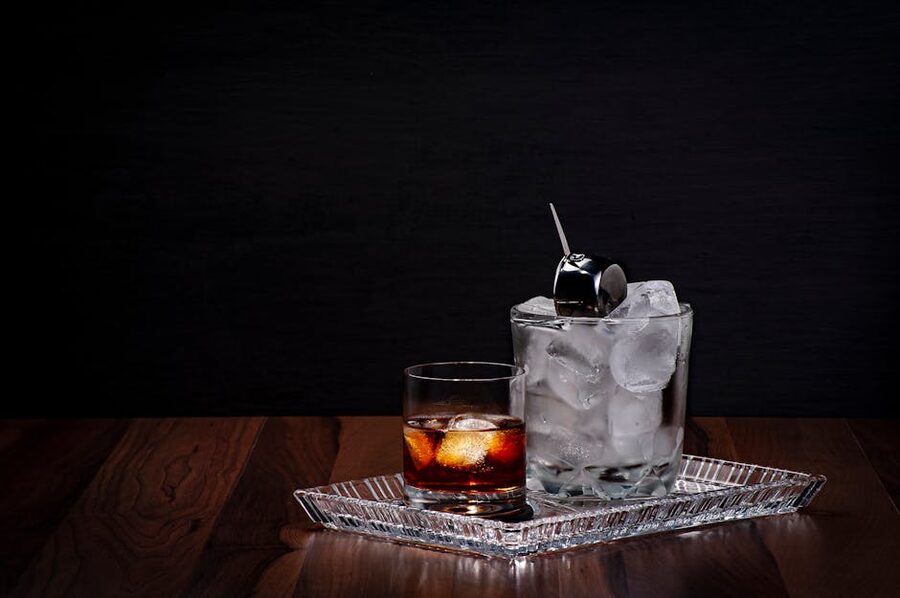
The mistake most first-time visitors make in Tokyo whisky bars is treating the trip as a checklist of famous names to hit. The drinking goes better if you treat each counter as a conversation. Sit down, brief the master, ask one question, and let the bottle they choose lead the rest of the evening. The bars on this list are good because the people running them take a long view; you’re a guest at someone’s career. Drink that way, and the same room that turns away a tourist looking for a selfie at 22:00 on a Friday will quietly ask if you’d like to come back tomorrow.
That’s how I ended up in Bar Benfiddich at 21:30 on the Wednesday I started this article with. I’d had a half-shot of Yamazaki 12 next door at Zoetrope, said something about wanting to try a Yoichi finished in mizunara, and Atsushi Horigami had walked me to the lift and given Kayama-san a heads-up. I sat down. He poured. I drank. Fifteen minutes later, an older man two seats down asked, in Japanese, where I was from, and Kayama-san translated. We were there until close, and the night cost me ¥14,000, including the herbs and the ice and the conversation. Walk in with a question, and Tokyo will answer it.
 CitiesWhy Tohoku Took Over Japan’s Sake SceneThe trip almost didn't happen. I'd booked an Aomori brewery visit at the end of a rushed week, the second…
 CitiesWhy Kansai, Not Niigata, Is the Sake CapitalHyogo and Kyoto produce more sake than the next eight prefectures combined. Two of Kansai's six prefectures, side by side,…
 CitiesHokkaido Has More Whisky Distilleries Than You ThinkAsk anyone who knows a little about Japanese whisky to name a Hokkaido distillery and they’ll say Yoichi. Push them…