
Hiroshima Station to Saijo by local train: 31 minutes, ¥420. From the platform, you walk five minutes to a thousand-year-old sake town with seven working breweries lined up between two thin streets. The Peace Memorial Park, the place every guidebook starts you, is in the other direction. Most foreign visitors never make it to Saijo. Most Japanese drinkers come for nothing else.
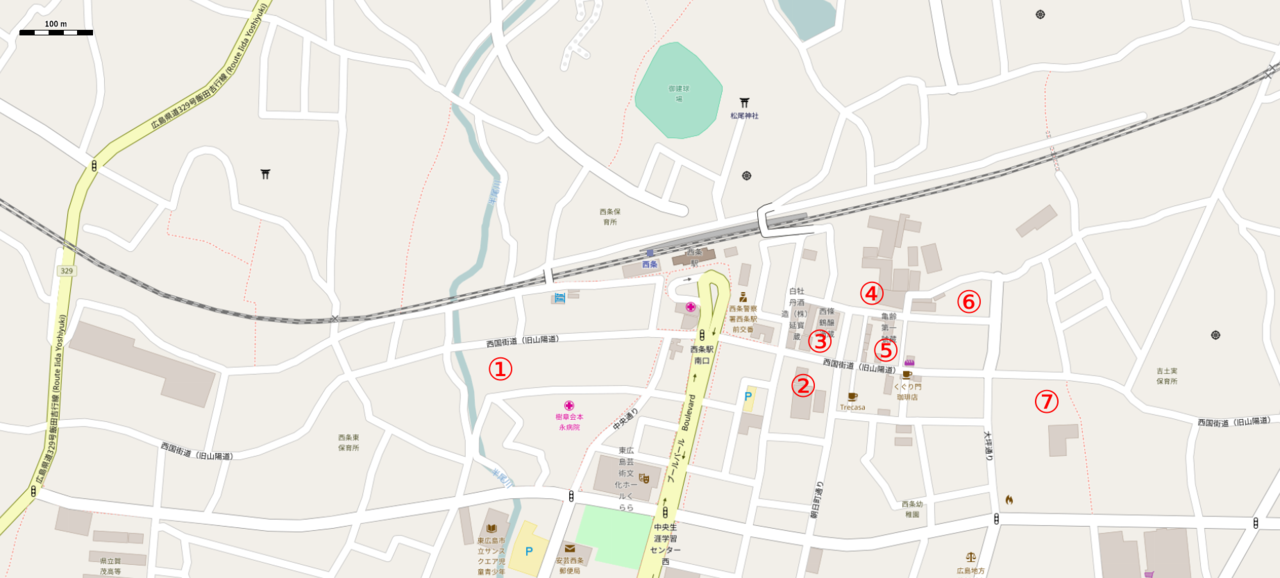

Hiroshima reads as a peace pilgrimage from outside Japan. Inside, it reads as one of the country’s three best food cities, alongside Fukuoka and Nagoya, and the closest thing the mainland has to a sake-and-oyster capital. Two ferry rides separate the kakibune oyster boats of Hiroshima Bay from the brewing chimneys of Saijo. One bullet train brings you to Onomichi for a craft brewery in a Meiji warehouse. And the centre of town runs a six-block grid of okonomiyaki griddles and standing bars whose names rotate but whose dough never changes.
This guide is what I’d order, where, and at what time of day, if I had four nights and an appetite. Prices were what I paid the last time I was through, in early spring; the wider Japan price drift hasn’t reached Hiroshima as hard as it has Tokyo. Cash still beats card at almost every counter. The train day-pass that links the city to Saijo and Miyajima isn’t strictly worth it for a non-cyclist, but I’ll cover that under the route notes.
In This Article
- Hiroshima at a glance: where the eating and drinking actually happens
- Saijo: seven sake breweries inside one kilometre
- The seven breweries, in walking order
- Bishu-nabe and the Saijo lunch problem
- Saijo logistics, briefly
- Hiroshima okonomiyaki: the noodles are the difference
- Where to actually order
- Cooking it yourself, if you want to
- Miyajima oysters: the bay produces 60 to 70% of Japan’s
- Yakigaki, fried, raw, in a bowl, on a pancake
- Where to sit down for them
- Anago meshi, on the way back
- Momiji manju, after
- Nagarekawa: a six-block grid of late drinking
- What to drink, and where
- Late-night plates
- Onomichi: the side trip with a brewery in it
- Onomichi Brewery
- Onomichi ramen, while you’re there
- Day-by-day routes that actually work
- Two days, mostly the city
- Three days, with Saijo
- Four days, with Onomichi
- Practical notes
- How much it costs
- Cards versus cash
- Booking and tour platforms
- What I’d skip
Hiroshima at a glance: where the eating and drinking actually happens
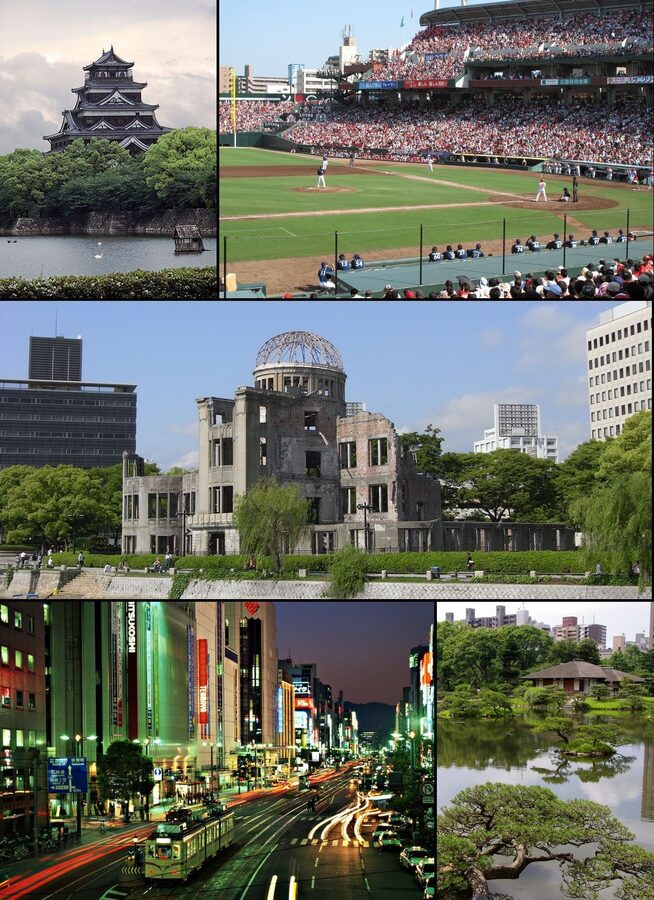

Five distinct eating-and-drinking areas, all reachable inside an hour of Hiroshima Station. The table is to be read once. The body of the guide is where the actual addresses live.
| District | Signature drink | Signature food | From Hiroshima Station | Vibe | Best for |
|---|---|---|---|---|---|
| Saijo (sake town) | Junmai and daiginjo from seven kura | Bishu-nabe (sake-broth hotpot) | 31 min on JR Sanyo Line, ¥420 | Quiet, white-walled, brewing-village feel; locals on bicycles | A drinker’s day trip |
| Hiroshima city centre (Hondori / Hatchobori) | Asahi or Kirin draft, plus Hiroshima Lemon Ale | Okonomiyaki, layered with noodles | 15 min on tram, ¥240 | Daytime grid of teppan and arcades | First okonomiyaki, casual eating |
| Nagarekawa | Highballs, Japanese whisky, craft cocktails | Late izakaya plates and yakitori | 20 min on tram (to Hatchobori), ¥240 | Neon, narrow, multi-storey bars stacked five deep | Going out after 21:00 |
| Miyajima (Itsukushima) | Cold beer with grilled oyster | Yakigaki, anago meshi, momiji manju | ~50 min via JR + ferry, ¥420 + ¥200 | Tourist-busy by day, calm after the last ferry returns | An oyster-and-eel half-day |
| Onomichi (side trip) | Made-in-Onomichi craft beer | Onomichi ramen, lemon ale, oyster stout | ~85 min on JR Sanyo Line | Hill-town port, cycling start of the Shimanami Kaido | A weekend escape with a brewery in it |
The fastest version of this trip leaves no time for any one of these to breathe. Even three days lets you do all five, but you’ll resent how short the Saijo afternoon was. Four days makes Saijo and Onomichi feel like reasons rather than detours.
Saijo: seven sake breweries inside one kilometre
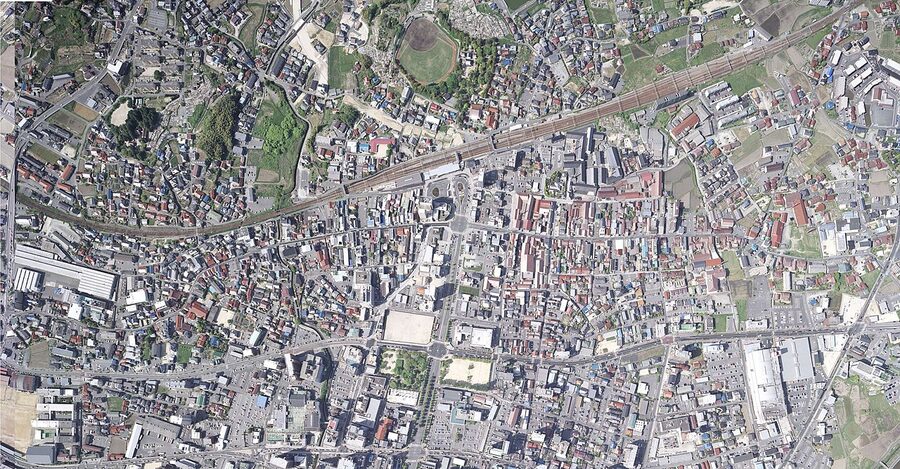

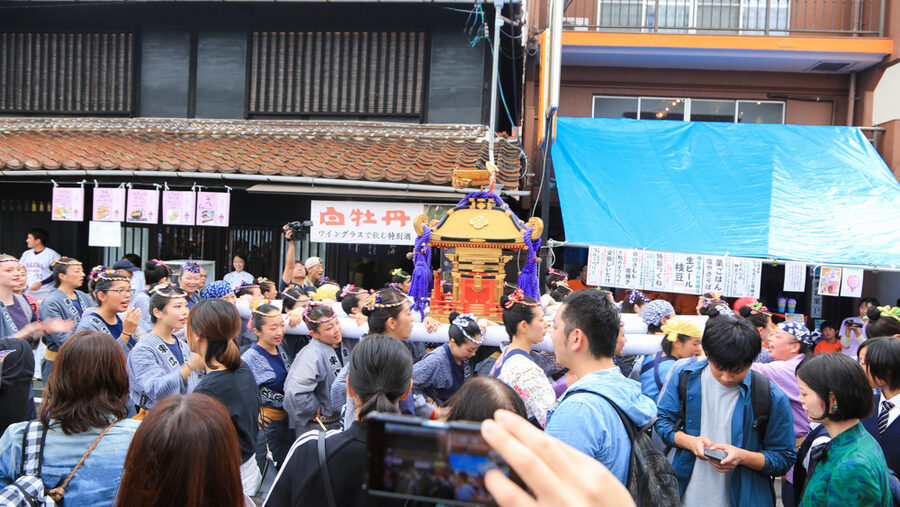
Saijo is what people mean when they say sake town. The Higashi-Hiroshima city tourism office calls the strip Saijo Sakagura-dori, which translates to Saijo’s brewery street. Seven working kura. Twelve red-brick chimneys still poking up over the white-plaster walls. All of them inside a one-kilometre walking radius of the JR Saijo Station gates. If you’ve read about day-tripping sake breweries out of Tokyo, this is what the same idea looks like with denser geography and a soft-water reputation that draws drinkers from across the country.

The seven breweries, in walking order
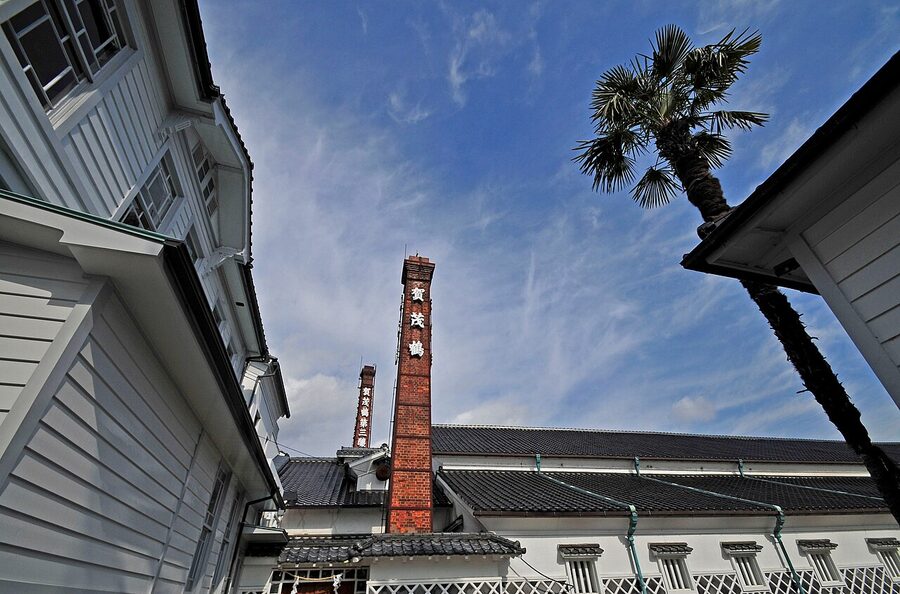
Coming out of Saijo Station’s south exit, you turn left and walk three minutes south. The full list, west to east along the brewery street, runs Sanyotsuru, Hakubotan, Saijotsuru, Kamotsuru, Kireigura, Fukubijin, Kamoizumi. They are not the same kind of brewery. Don’t try to do all seven. You’ll lose your palate by number four.
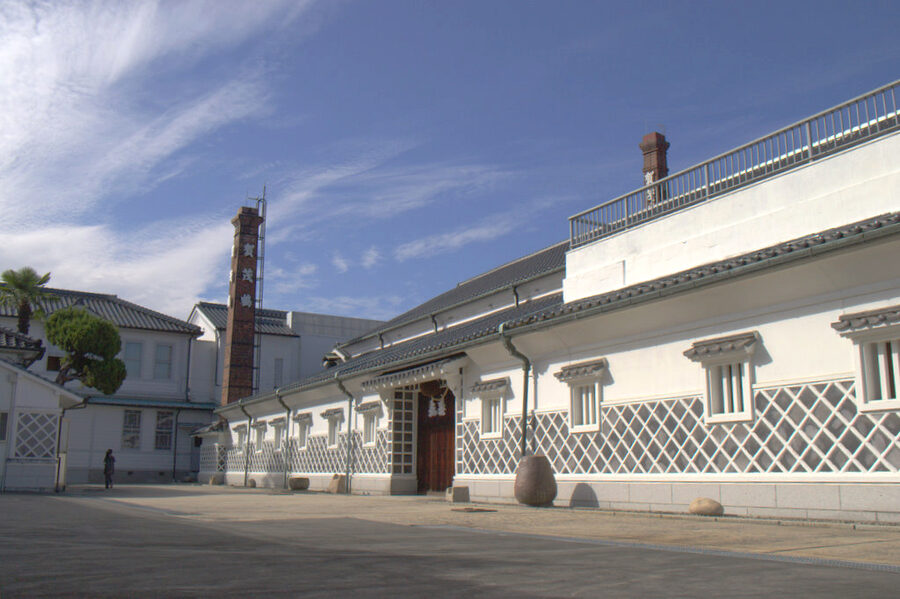

Start with Kamotsuru. It’s the most famous, the most foreigner-ready, and the one to enter first. Kamotsuru’s Tokusei Gold Daiginjo is what then-Prime Minister Abe poured for President Obama at a 2016 state dinner; the bottle came from this exact brewery, and you can still buy a 180ml cup of it at the tasting bar for somewhere around ¥1,200. Tasting flights start at ¥500 for three small cups. Open 10:00–17:00, closed 1 January only. Free to walk in. The shop staff have functional English and a printed menu in romaji. If you only do one brewery in Saijo, do this one.
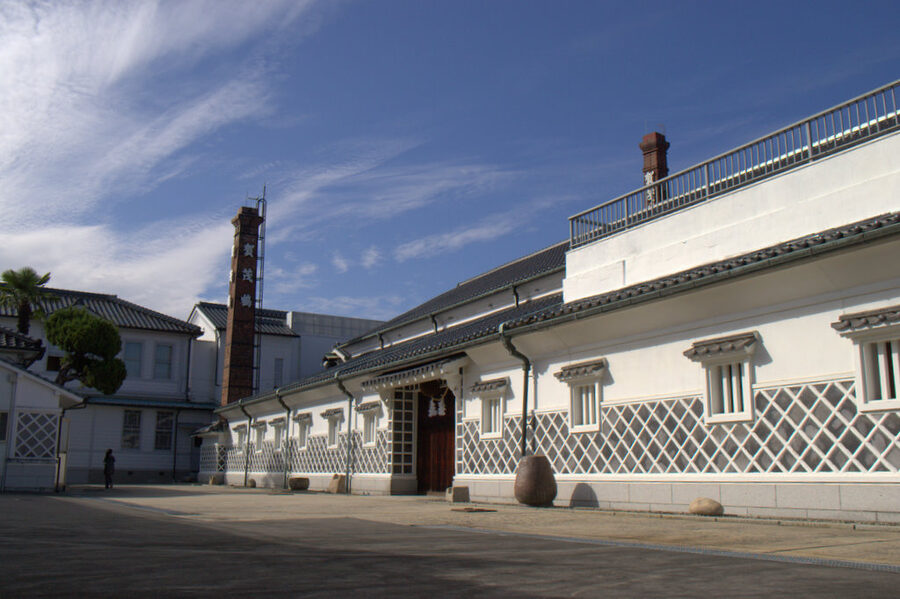

Then walk five minutes east to Kamoizumi. This is where I’d send a sake-curious traveller looking for a contrast. Kamoizumi was founded in 1912 and was one of the first Japanese kura to commit to making nothing but junmai (rice-only) sake when most of the country was still cutting it with brewer’s alcohol. Their cafe attached to the kura, called Sakaizumi-kan, is housed in a Western-style brick building that doubles as the most photogenic stop on the street. Sit down for the ¥1,100 tasting flight of five glasses. Their Junmai Ginjo Hiyori, polished to 60%, drinks like rice that learnt to behave.
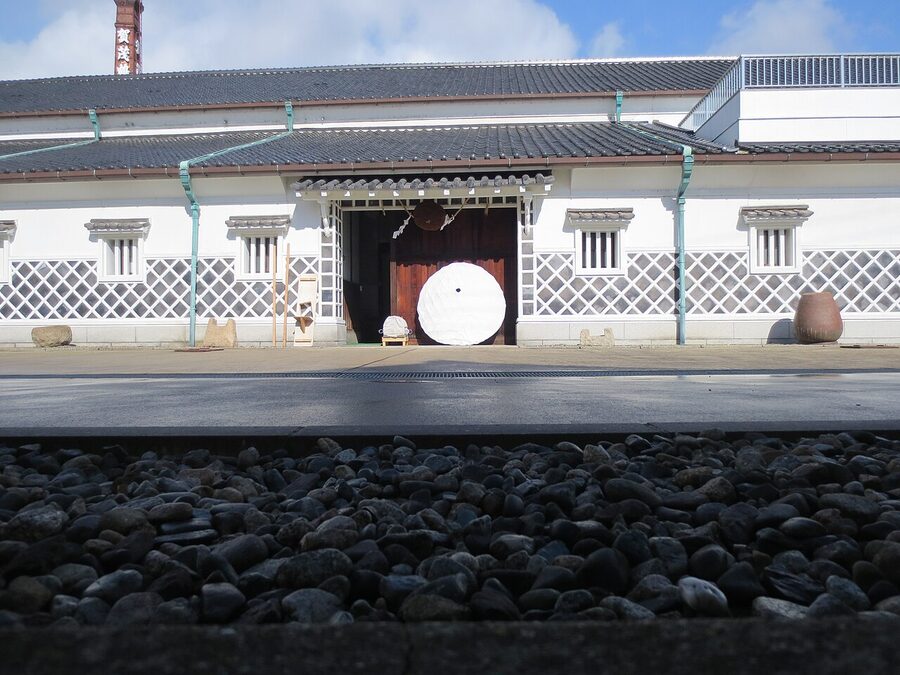

The other five are worth picking from. Hakubotan is the oldest in Saijo, founded 1675; the writer Soseki Natsume drank Hakubotan, which the brewery will not let you forget. The taste is mid-sweet and easy. Kireigura, marketed in English as Kirei Sake Brewery, makes the dry counterweight to most of the prefecture; if you’ve spent two cups thinking Hiroshima sake all skews soft, Kireigura’s clean dry style is the corrective. Fukubijin, founded 1917, was a co-op of regional brewers and earned the nickname Saijo Sake Brewing School because of how many master brewers trained there. Saijotsuru works on the original 1904 site as a small kura with the founding family still running it. Sanyotsuru, founded 1912, is at the western end of the street and runs a small kappo restaurant on site if you want a meal between tastings.
Bishu-nabe and the Saijo lunch problem
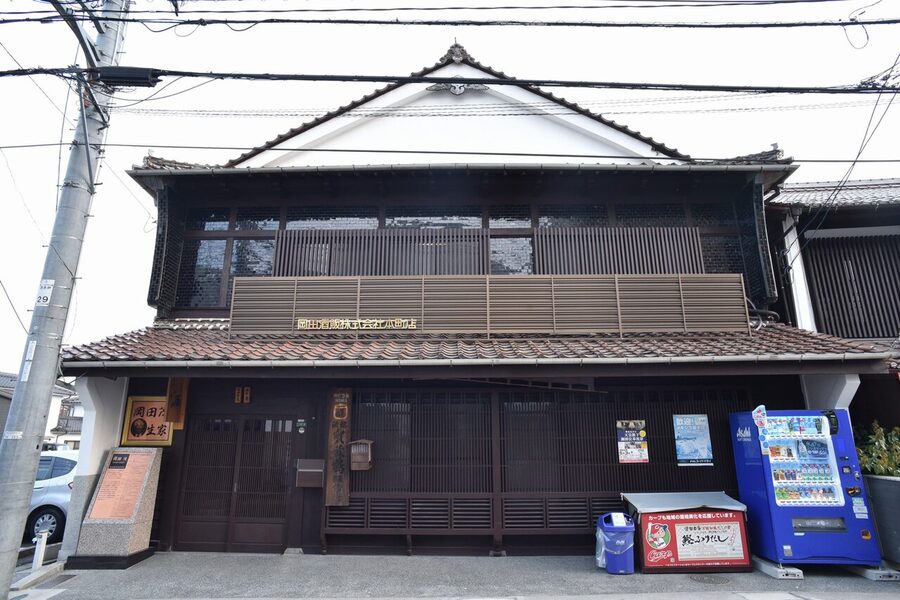

The Saijo specialty dish is bishu-nabe, a hotpot built on sake instead of dashi. Chicken, vegetables, mushrooms, sometimes thinly-sliced pork, simmered in a clay pot over diluted brewery sake. The result is gentle and mineral and surprisingly low-alcohol, because the sake reduces. Several restaurants on the brewery street and around Saijo Station serve it; the most reliable is Misuzu, two minutes from the station’s south exit, with a lunch set somewhere around ¥1,500. Make the bishu-nabe your one Saijo meal. Skipping it for a quick conbini sandwich means missing the only food that actually pairs with the brewery walk.

Saijo logistics, briefly
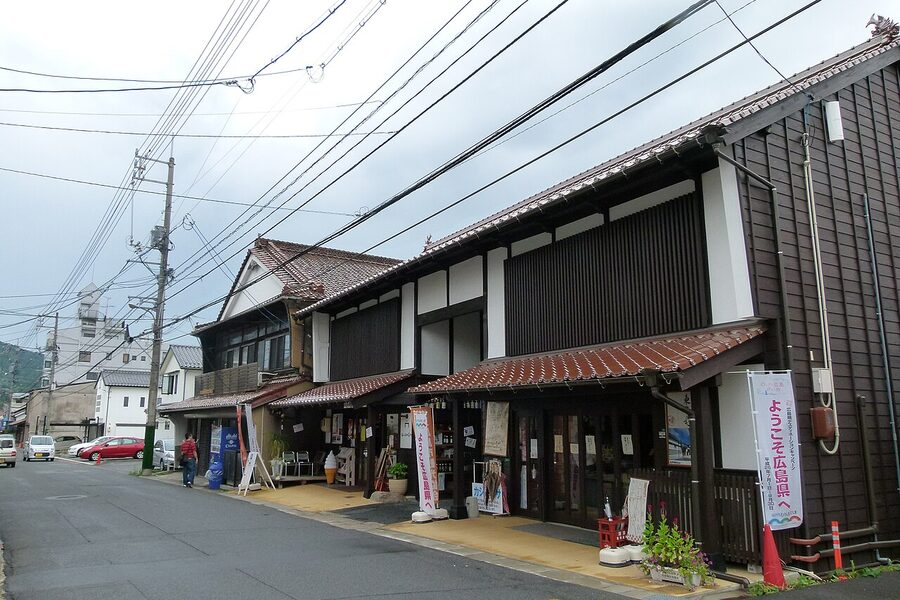

From Hiroshima Station: take the JR Sanyo Line local towards Itsukaichi or Mihara. Saijo is the seventh stop, 31 minutes, ¥420 one way. Trains run every 10–20 minutes during the day. The shinkansen also stops at Higashi-Hiroshima but you’d save eight minutes for triple the fare and end up a 15-minute taxi ride from the brewery street, so the local train is the right call. If you’re already buying a JR Pass for a wider trip, see the shinkansen drinking guide for what to put in your bag for the longer rides.
Most kura tasting bars open 10:00–17:00 and stay open every day except 1 January. Some close briefly in early February for brewing reasons. Cash works at every brewery; the smaller ones have card readers but card processing fees come back to you in shorter pours. Tasting glasses are tiny: a standard pour is around 30ml, half a sake cup. Five glasses across two breweries is the rough equivalent of two pints of beer in alcohol terms. Pace.
Hiroshima okonomiyaki: the noodles are the difference
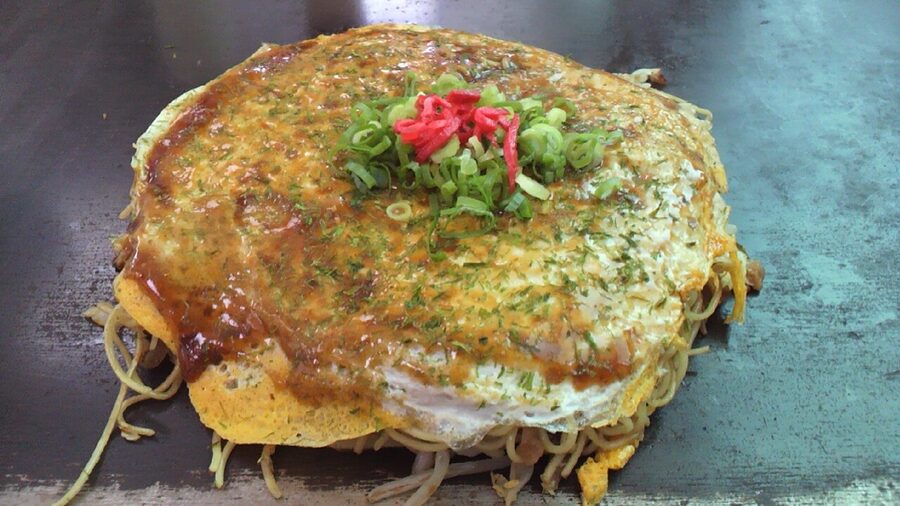

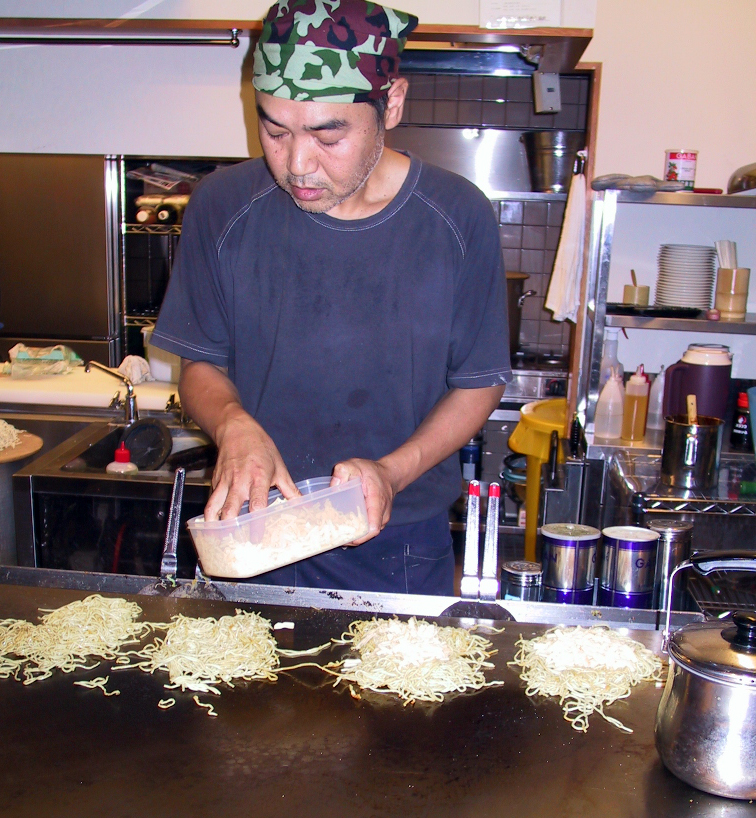
If you’ve eaten okonomiyaki in Osaka, you know the Kansai version: cabbage and shrimp and pork mixed straight into a batter and grilled on a flat-top into a thick disc. Hiroshima’s is a different beast. Cabbage gets piled on top of a thin crepe-base, then pork belly, then bean sprouts, then a folded omelet, then a separate portion of yakisoba noodles cooked alongside, then everything stacked together and finished under a brown sauce that lives somewhere between Worcestershire and oyster glaze. There is roughly four times more cabbage than in an Osaka one. The noodles are the load-bearing layer.

Order a draft beer with this. Asahi Super Dry on tap (around ¥500) or, when you can find it, the Hiroshima Lemon Ale from a craft brewery a few blocks south. The cabbage runs sweet and the sauce sits hot. A lager wipes the palate clean between bites in a way that sake doesn’t, and an oily okonomiyaki is the wrong fight for cold sake. Save the sake for the next plate.
Where to actually order
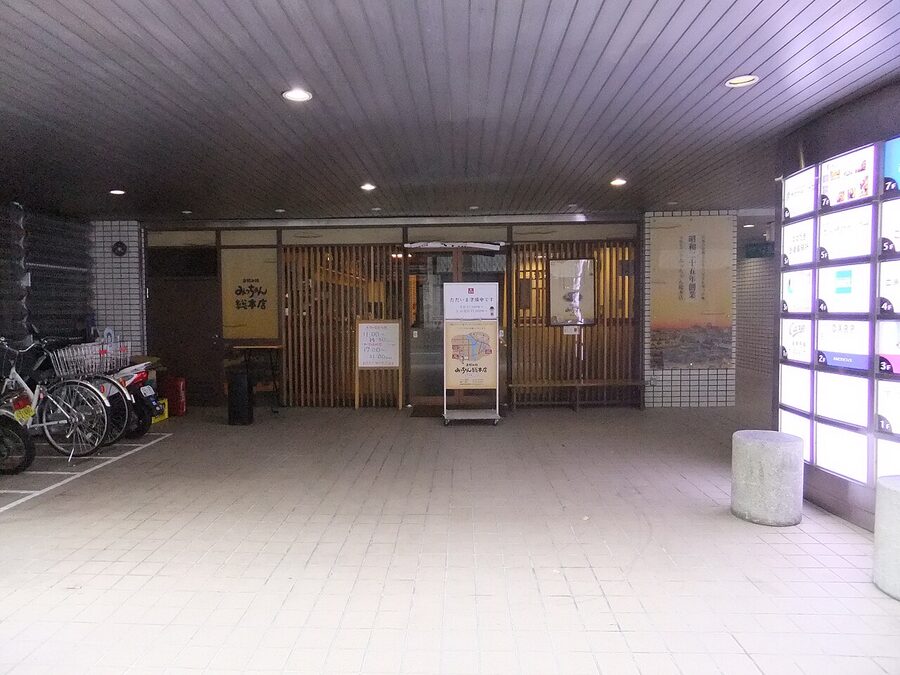

The four shops worth knowing:
Mitchan Sohonten on Hatchobori is the original and the most-cited; the founder of the modern Hiroshima okonomiyaki style worked here. Address: 6-7 Hatchobori, Naka Ward. Open 11:00–14:30 and 17:30–21:00, closed Wednesdays. Counter only, queue around 12:00 and 19:00, expect 30 minutes. A standard soba-iri (with noodles) goes around ¥1,100. Cash and major cards.
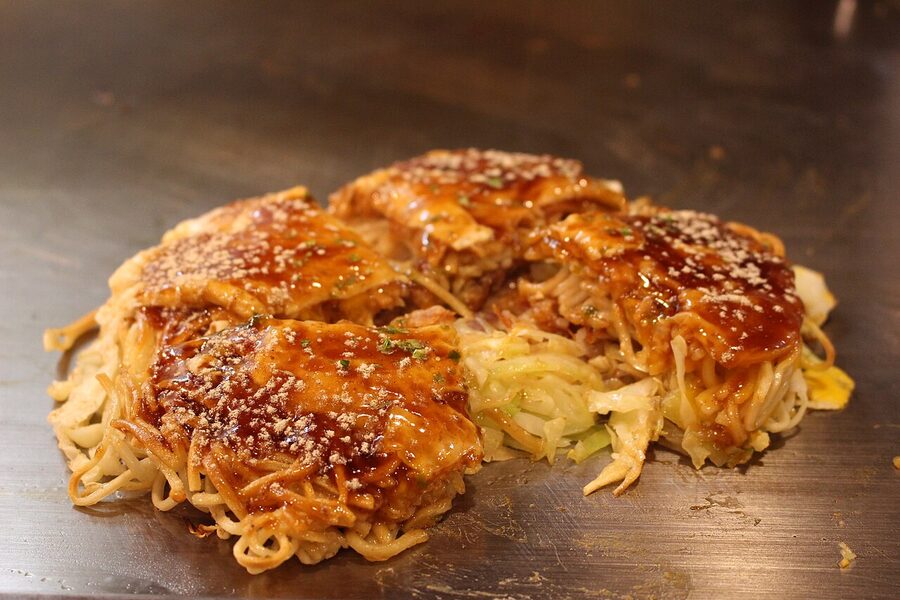

Nagataya sits a 30-second walk from the Atomic Bomb Dome end of Peace Memorial Park, on the corner with Otemachi 1-7-19. Their okonomiyaki is generous on shellfish and is the version most international visitors meet first. Open 10:30–20:30 daily. A loaded one with squid, shrimp, scallop, and oyster runs around ¥1,650.
Hassei is a small counter-only spot 12 minutes’ walk from the Peace Park, run by an older proprietor who’ll talk you through the build if business is slow. Their thinner crepe and slightly heavier sauce make the noodles louder, which I prefer. Address: 4-17 Fujimicho, Naka Ward. Closed Wednesday. Around ¥950 for the basic.
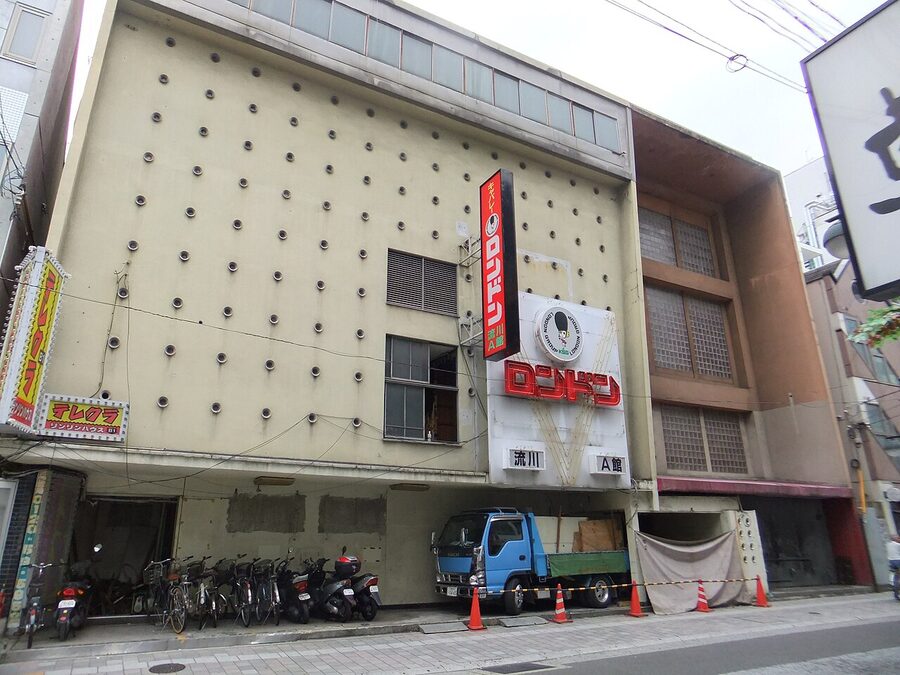
Lopez is the curveball. A Guatemalan proprietor named Joselito Lopez opened it in the early 2000s; he runs the teppan himself, the okonomiyaki is full Hiroshima-style with the addition of jalapeño for whoever asks. Around ¥900 base. Address: 2-8-3 Fujimicho. Cash only. Closed Sundays. The sign is in Spanish.
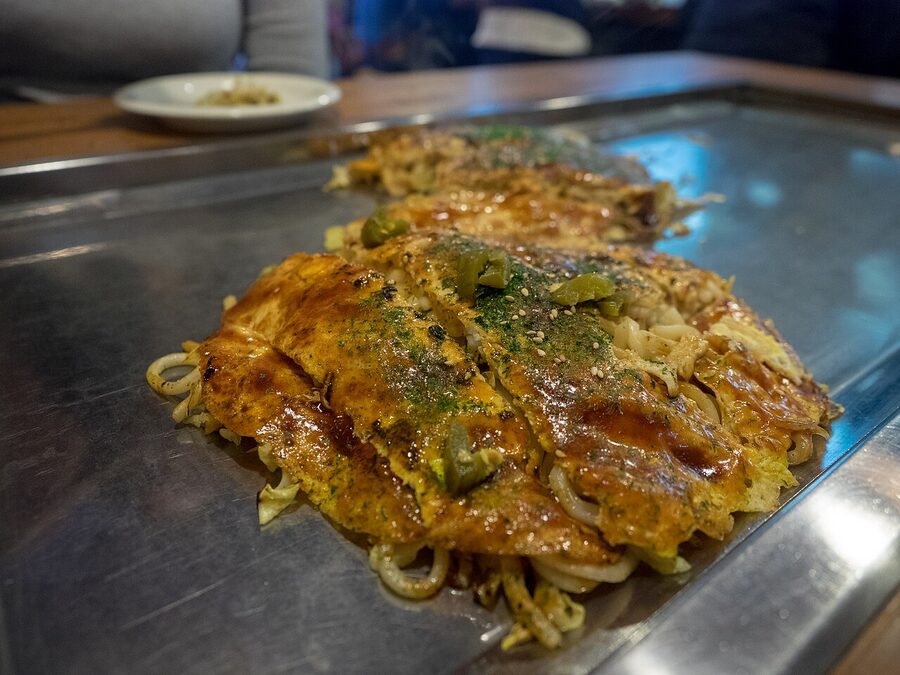
.jpg)
Skip Okonomimura, the four-storey building of identical stalls at Shintenchi 5-13. The marketing is that it’s the okonomiyaki destination; the reality is twenty-odd stalls competing for tourist foot traffic, with quality as variable as the queue lengths. If you want one okonomiyaki done right, go to one of the four above. If you want novelty, Okonomimura works.
Cooking it yourself, if you want to
If the tasting tour for any of the breweries put a build-it-yourself bug in your ear, OKOSTA next to Hiroshima Station runs an okonomiyaki cooking class. Roughly 90 minutes, around ¥3,300, English-speaking instructor, all ingredients provided. You assemble your own version on the teppan and eat it. It’s a useful thing to do on a rainy afternoon, less essential than just sitting at a counter and watching a real cook do it. Verified booking platforms: GetYourGuide and Viator.
Miyajima oysters: the bay produces 60 to 70% of Japan’s

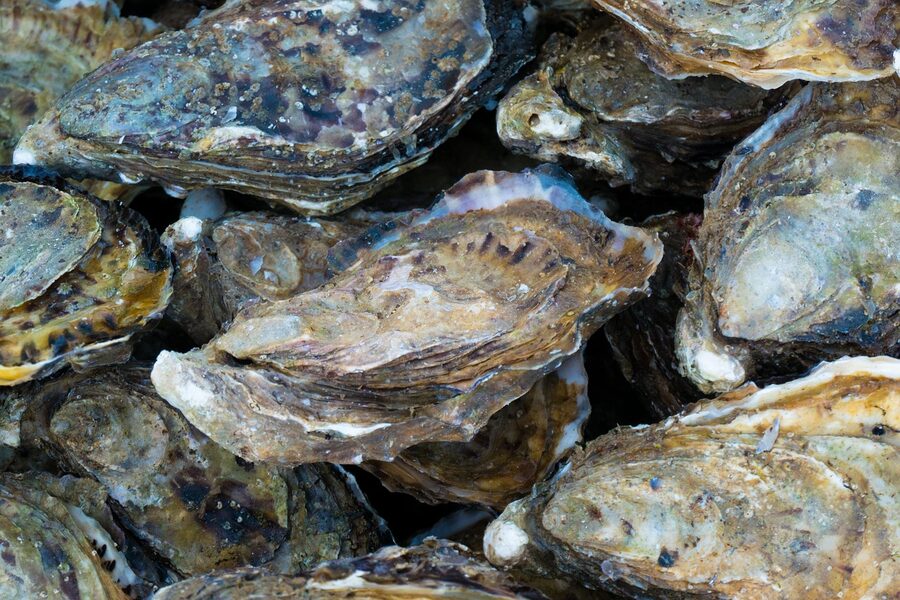
Hiroshima Bay produces between 60 and 70% of Japan’s farmed oysters. The cultivation method here grows them on long strings hung from rafts, called ikada; they feed on plankton flowing from the rivers into the bay, mature for 18 to 24 months instead of the usual 12, and come out roughly twice the size of an Atlantic-coast oyster. The peak of the season runs January through March, though most restaurants will pour you a cold one any month from October to April.
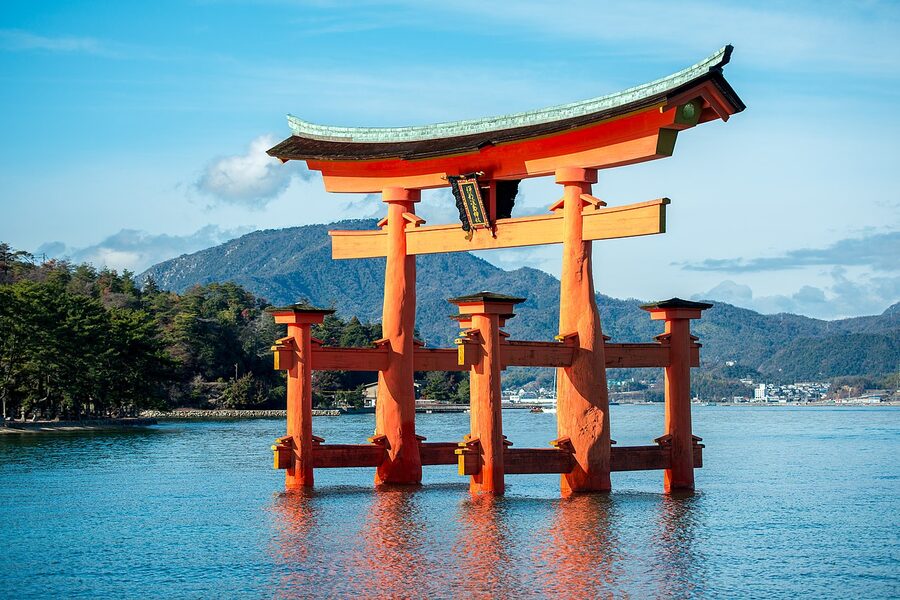

You take the JR Sanyo Line from Hiroshima Station to Miyajimaguchi, around 25 minutes, ¥420. Then the JR-operated ferry across, ten minutes, ¥200 each way. The ferry runs every 15 minutes during the day. There’s also the Aquanet ferry direct from Hiroshima Peace Park, which is more expensive but skips the train change; pick that if you’re already at the Peace Memorial.
Yakigaki, fried, raw, in a bowl, on a pancake
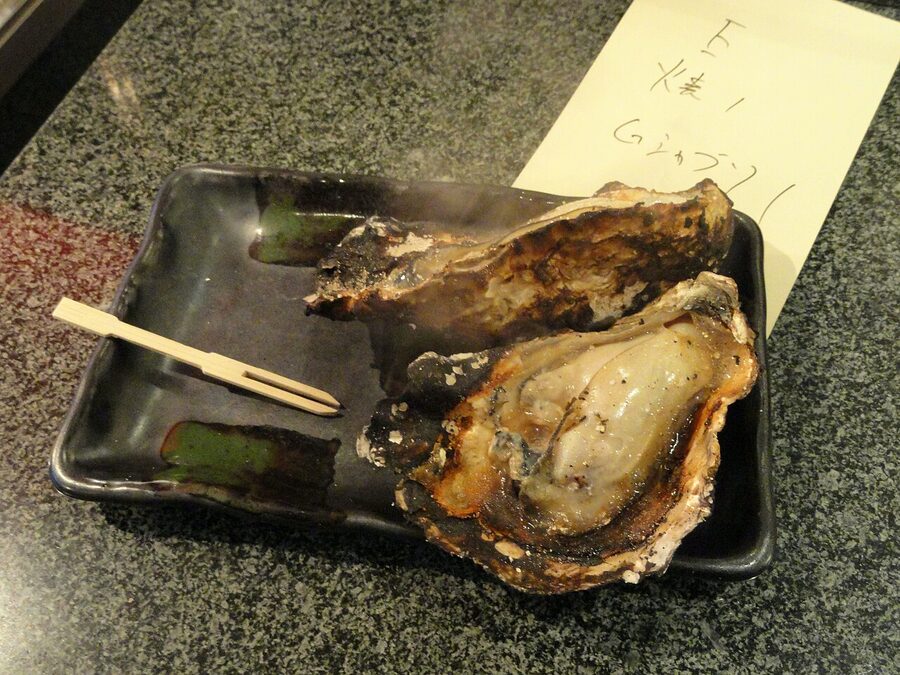

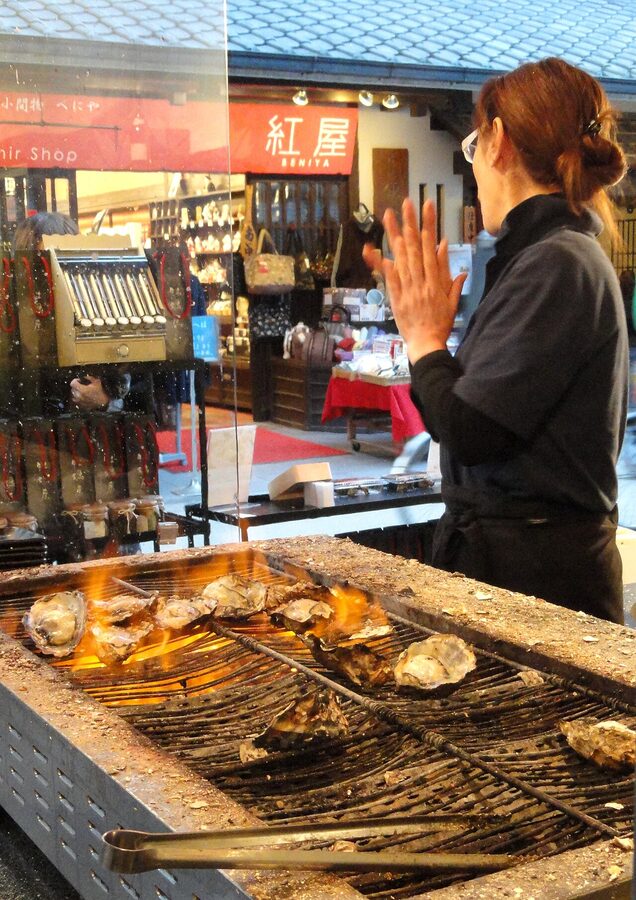
Three ways I’d actually order them. Yakigaki (grilled on a small metal mesh, in the shell) is the easiest entry point and the cheapest at ¥400–500 a piece, sold at vendors lining the approach to Itsukushima Shrine. The shell flips open as it cooks and you eat them with a small fork while still hot enough to fog your glasses. Add a squeeze of lemon or sudachi from the local farms. Garlic-butter is a popular version though slightly heavy, ponzu is the lighter call.

Kaki-fry, deep-fried with panko crumbs, is what every restaurant on the island and most in central Hiroshima will do well. They come three or six to a plate, usually with tartar and a slice of lemon, around ¥1,200–1,800 a set. The panko shatters and the oyster inside is still molten and briny. This is the version most foreign diners are happiest with.
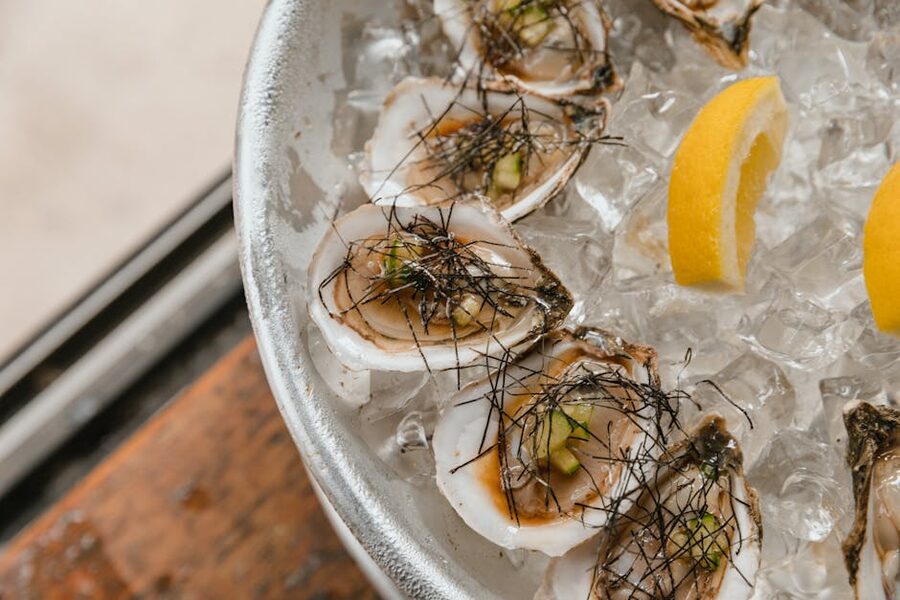
Raw with sudachi or vinegar is the connoisseur option, available at most sit-down oyster restaurants November through March, around ¥500 a piece. I would not eat raw oyster in summer, in Hiroshima or anywhere else, regardless of refrigeration.
Where to sit down for them

Kakiya, on the main shopping street of Miyajima at 539 Miyajimacho, is the busy default. Open 10:00–18:00 daily. Their oyster set, with grilled, fried, smoked, miso-soup, and rice-cooked-in-oyster-broth (called kaki-meshi), runs around ¥2,800. Walk-in friendly, expect a wait at lunch.
Yakigaki No Hayashi, two doors down at 505-1 Miyajimacho, has slightly higher prices and includes a raw-oyster option in some sets. Closed Wednesdays. The owner is famously particular about the grill timing. ¥3,200 for the standard set.
Ekohiiki, central Hiroshima at Otemachi 1-7-20, is your option if you can’t get to Miyajima. Closed Mondays. Open 11:30–14:00 and 17:00–23:00. Their kaki-fry set at ¥1,650 is the best version I’ve eaten in the city.
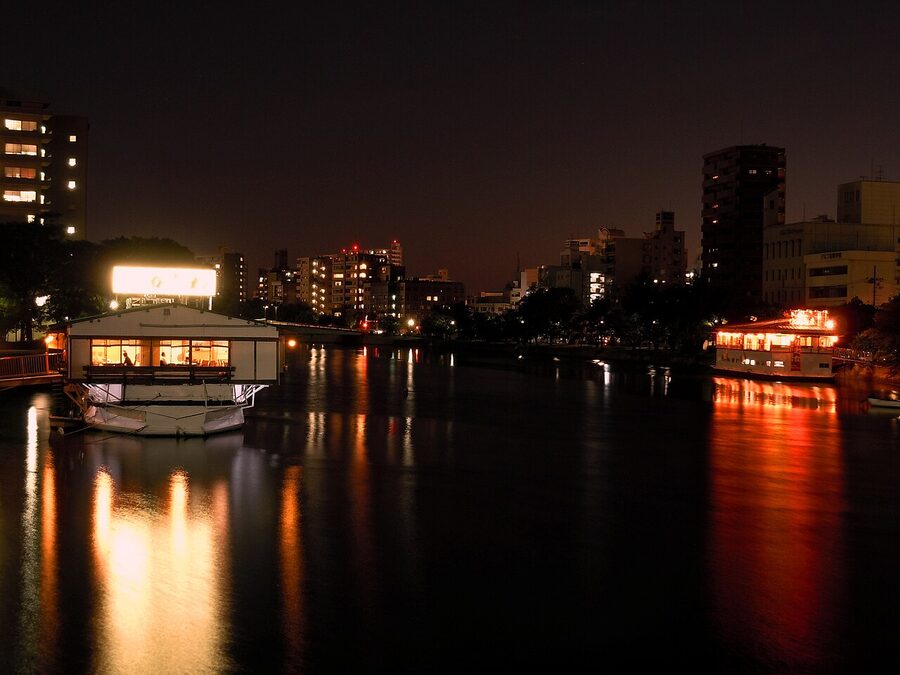
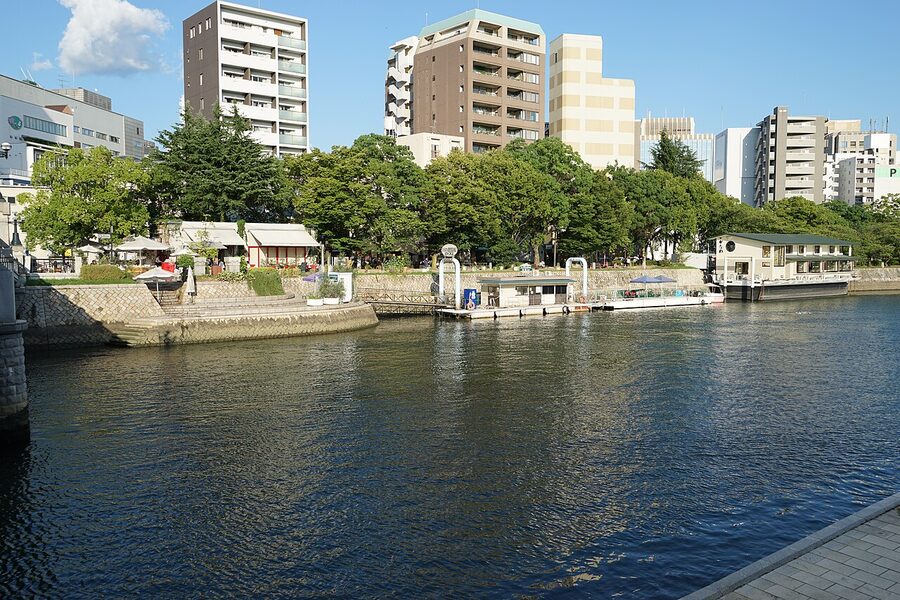
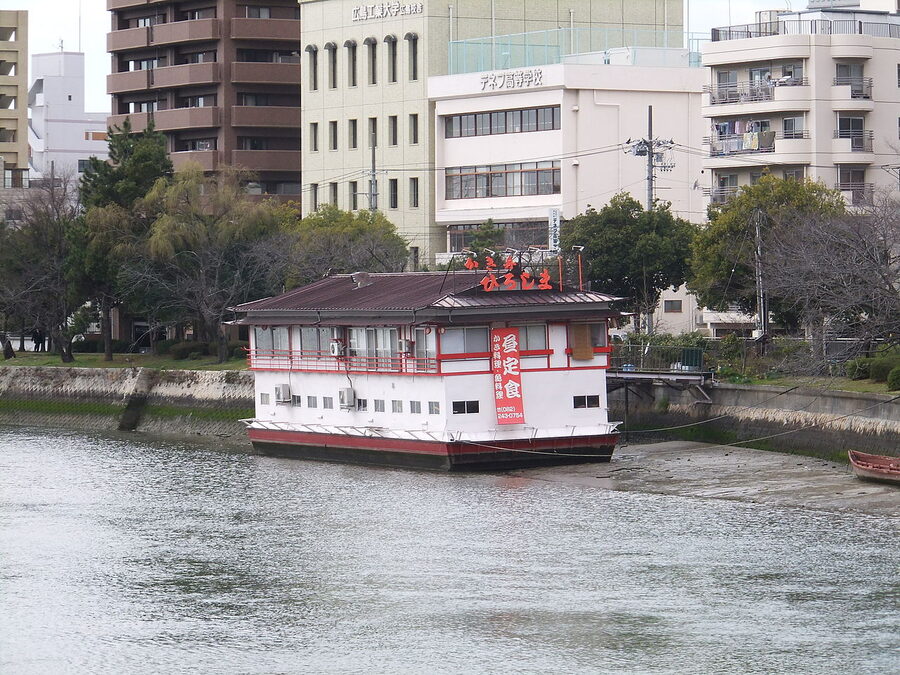
Kanawa, the moored oyster-boat restaurant on the Motoyasu river south of Peace Boulevard, is the upscale choice. Reservation-only, around ¥8,000–15,000 per head for a full kaiseki built around oyster, with sake-pairings on request. Worth it once if you’re a serious oyster drinker.

Anago meshi, on the way back
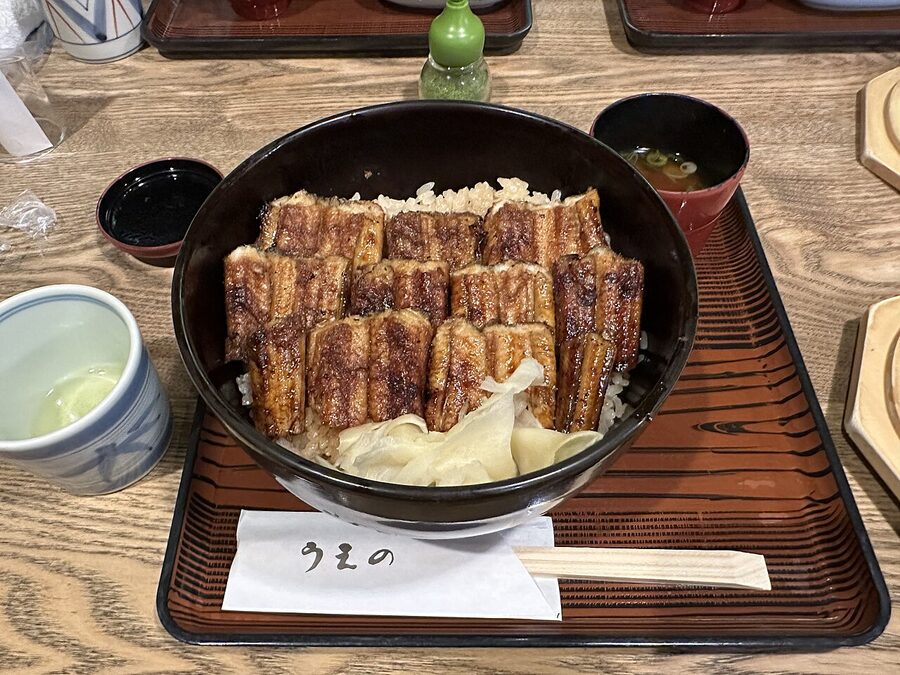

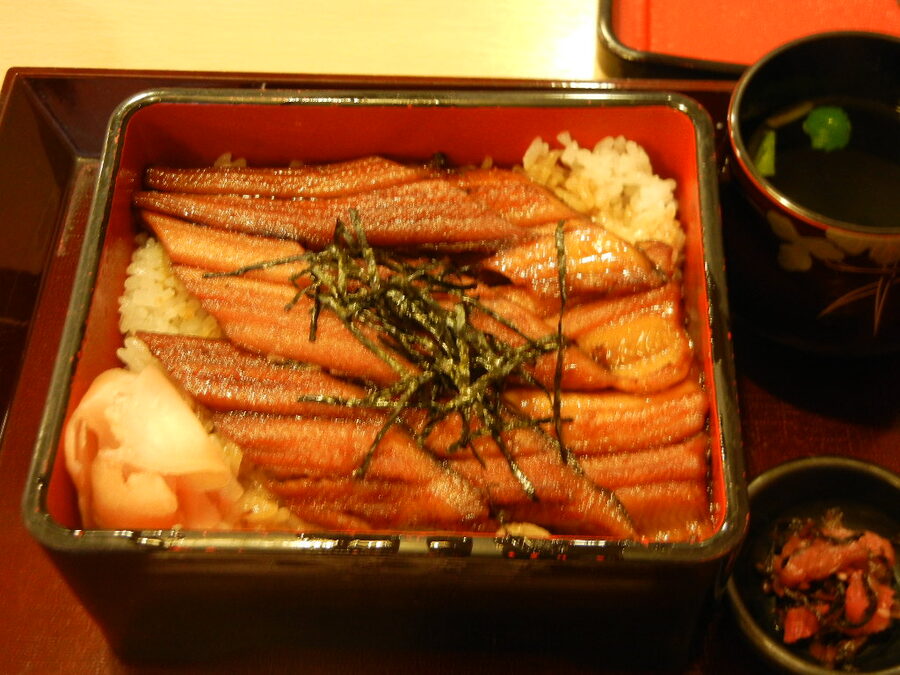
The bay’s other native specialty is anago, saltwater conger eel. Hiroshima’s anago meshi (eel-on-rice) is a different dish from Tokyo’s unagi don. Lighter glaze, less honey-sweetness, the eel itself softer-textured. The classic place to eat it is Anagomeshi Ueno, a 200m walk from Miyajimaguchi Station; you can get a bento boxed version to eat on the train back. Open 10:00–19:00, closed Wednesdays. Box around ¥2,200, sit-down version ¥2,400.

Momiji manju, after
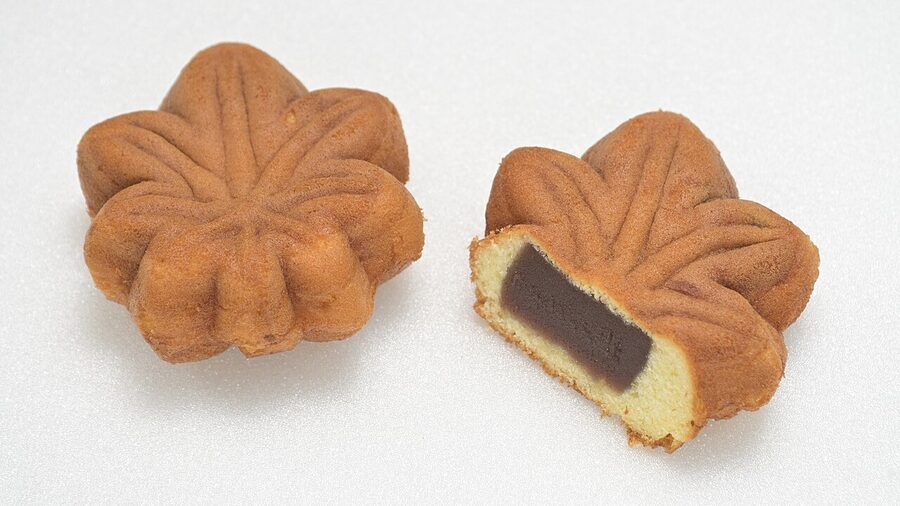

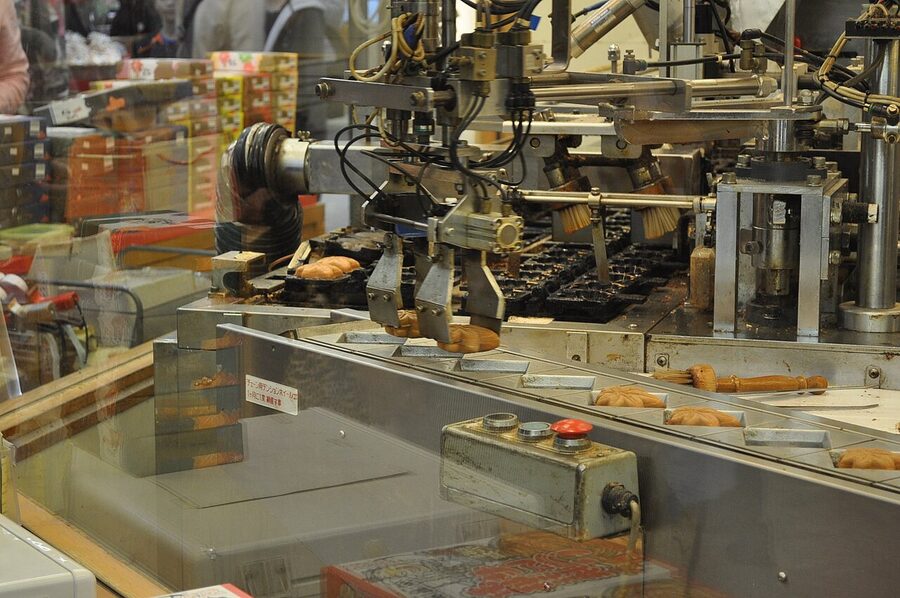
The Miyajima tea-snack you’ll see everywhere is momiji manju, a small maple-leaf-shaped cake filled with red bean paste, custard, matcha, or chocolate. The pure-traditional version is from Yamadaya; my favourite is the deep-fried age-momiji from Momijido, served on a stick fresh from the fryer for ¥200. The fried version sounds wrong and is excellent.
.jpg)
Nagarekawa: a six-block grid of late drinking
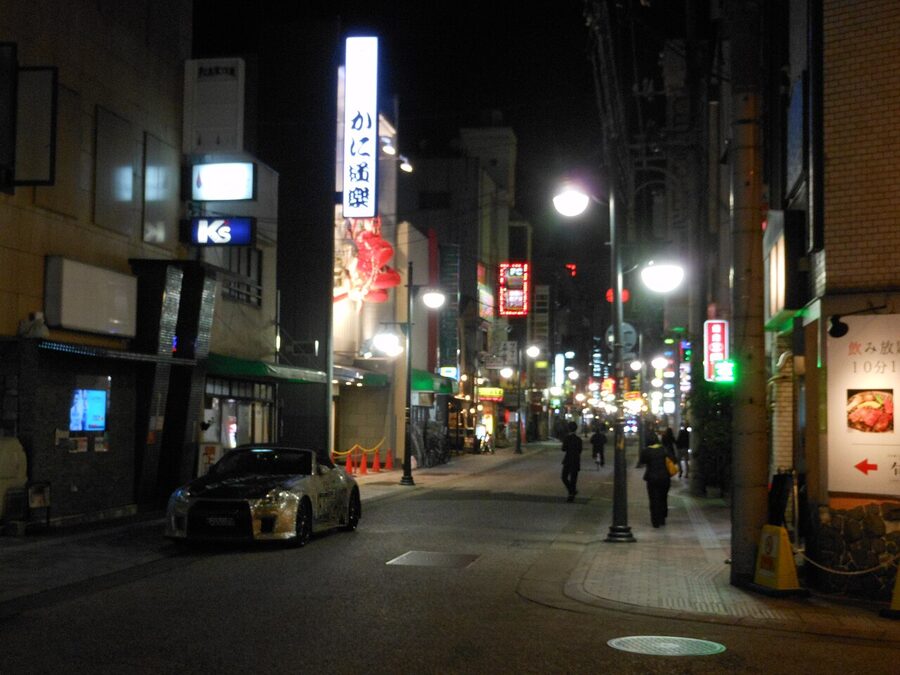

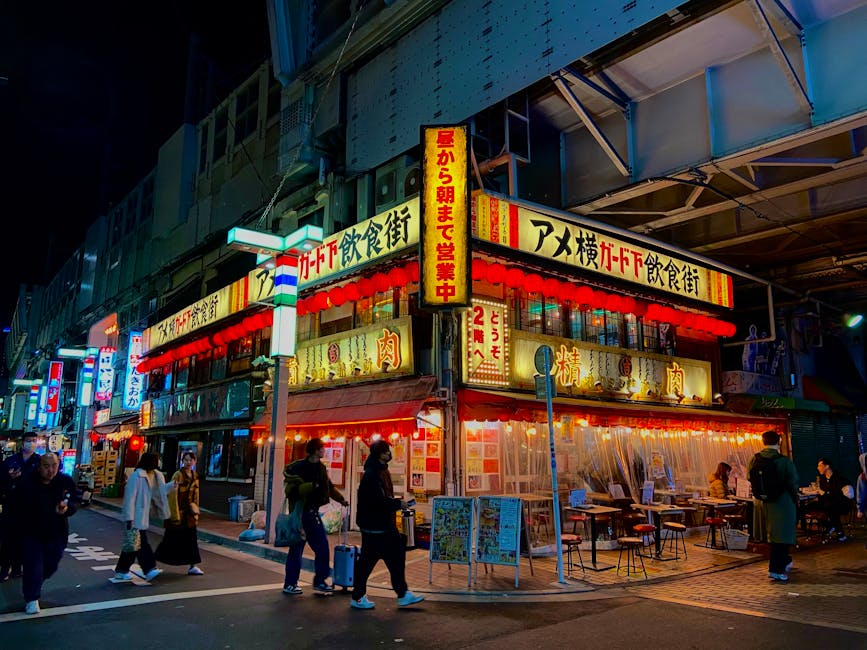
Nagarekawa is Hiroshima’s late-night drinking grid: a tight rectangle north of Heiwa-odori (Peace Boulevard), east of the Motoyasu river, packed with mid-rise buildings whose lower floors are bars, hostess clubs, snack bars, izakayas, and the occasional rooftop. From Hiroshima Station, take the tram to Hatchobori (around 15 minutes, ¥240) and walk south. The grid runs more in the seated-izakaya direction than the standing-only mode of Tokyo’s tachinomi scene, but the small upstairs bars achieve the same density. Most things open around 18:00; the action picks up after 21:00 and runs until 02:00 on weekdays, later on Friday and Saturday.
The grid is dense enough that wandering is genuinely the right strategy. But a few specific anchors will save you the time you’d otherwise lose looking up at signs.

What to drink, and where
Bar Yamako on Nagarekawa-dori specialises in highballs and pours a tight Japanese whisky list of around eighty bottles. The signature is a Yamazaki Old Fashioned, but most regulars order the ¥800 lemon-shoot highball with Suntory Kakubin and a fresh-squeezed lemon. Counter only, twelve seats, ¥500 cover charge that includes the otoshi. If you’ve read about the difference between machine highballs and hand-built ones, the highball culture piece covers what the bartender is actually doing here.
Revolt is a small craft beer bar a block east of Nagarekawa-dori, with eight rotating taps including the local Hiroshima Neighborly Brewing and Onomichi Brewery beers. Pints ¥900–1,200, snacks ¥500–800. The bartender pours a Hiroshima Lemon Ale on tap year-round.
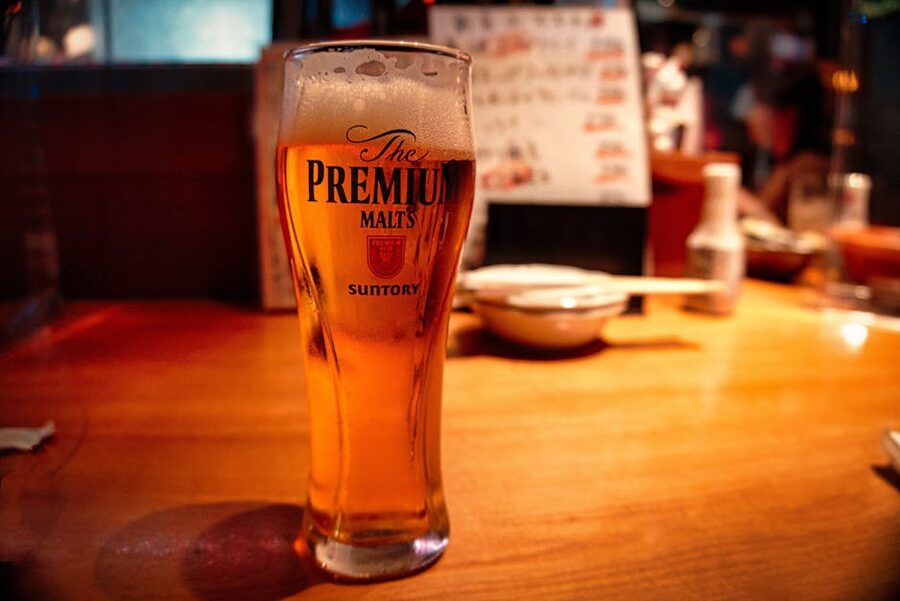
Sake Bar Tachimi, hidden upstairs at 4-12 Nagarekawa-cho, runs a 20-bottle by-the-glass list focused on Hiroshima prefecture sake. A flight of three small cups (about 30ml each) goes ¥1,400. The owner pours from breweries you can’t always reach in person. If you want to compare Saijo’s seven kura against three or four other Hiroshima-prefecture houses without doing the train ride, this is the place. The same comparative mindset works for Tokyo’s sake bars, where the same thing is done with the entire country’s lineup.
Hiroshima Neighborly Brewing’s brewpub, on the west side of Hondori shopping street, is the daytime craft-beer option. Brewer Carl Warsop, originally from North Carolina, brews their Hiroshima Hinode Lager with three malts and German hops; it goes around ¥660 a pint. Open 14:00–22:00, closed Mondays.
Session’s Brewery, also Naka Ward, makes the most distinctive single beer in the prefecture: Oyster City Stout, brewed using oyster shells for the minerals in the boil. Yes, it tastes like beer, not like seafood, but the texture has a salinity-edge that pairs with raw oyster better than any pilsner. Around ¥660 a glass at the brewpub.
Late-night plates
If you’ve drunk a sake-flight and a craft beer and need something on a plate, Nagarekawa’s late-eating options are robust. Akayakien on the north end of the district does grilled meat at the counter; the basic okonomiyaki at ¥930 with a side of Miyajima oysters at ¥1,078 is a fine end-of-night fallback. Yakitori Kawanami three streets east does charcoal yakitori until 02:00; thigh skewer ¥180, chicken skin ¥180, oyster-wrapped bacon ¥380. Cash only.
For etiquette in this kind of standing-and-sitting place, the rules are roughly the ones in the izakaya etiquette piece and the izakaya ordering guide: sit when seated, don’t pour your own first drink, accept the otoshi without complaint. Most Nagarekawa bars charge a ¥500 cover. Most are cash. A few of the bigger second-floor places will take a card if you ask.
Onomichi: the side trip with a brewery in it
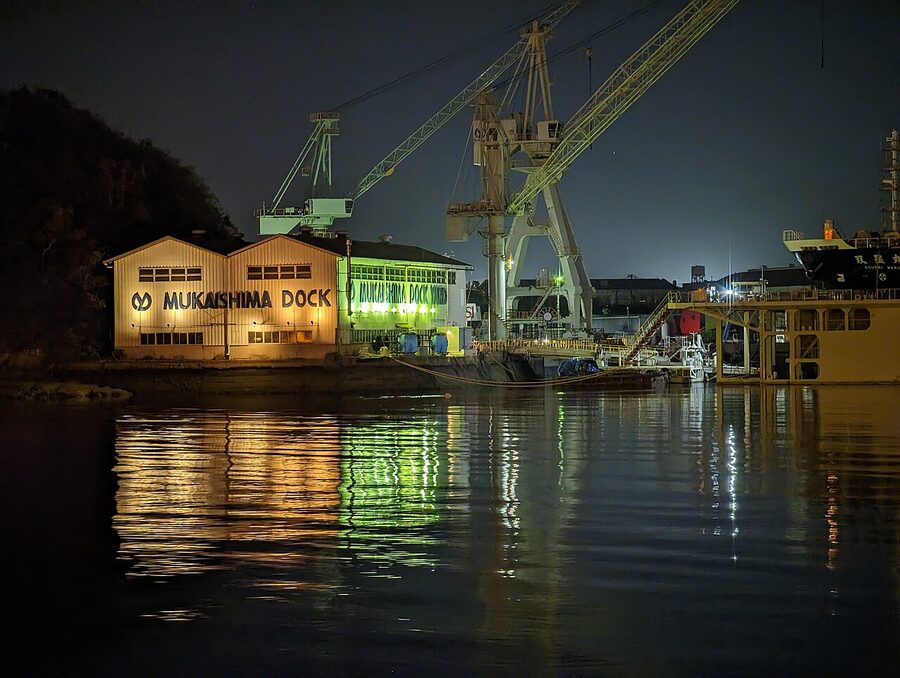

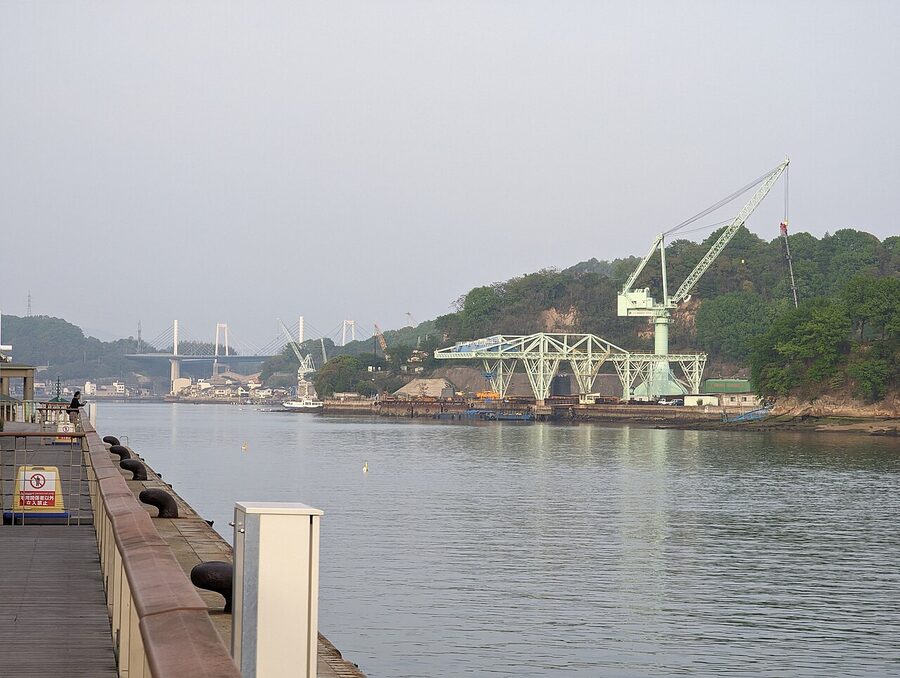
Onomichi is 85 minutes east of Hiroshima Station on the JR Sanyo Line local. Or 65 minutes by the Sanyo Shinkansen to Shin-Onomichi, then a short bus or 25-minute taxi to the port. It’s the gateway to the Shimanami Kaido cycling route across the Seto Inland Sea, a port town built into hillsides, and home to the prefecture’s most distinctive small brewery.
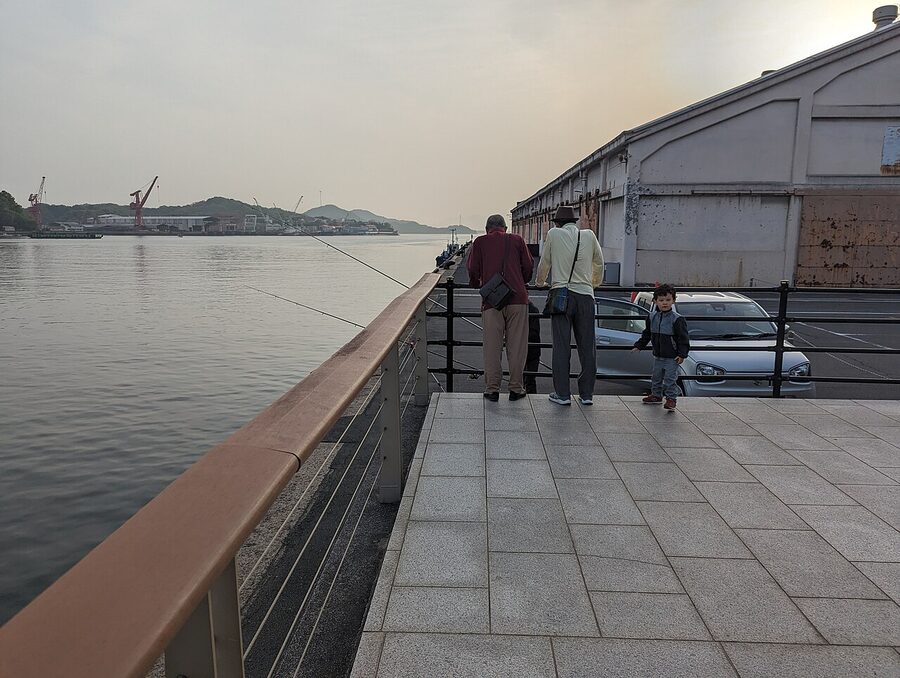

Onomichi Brewery
Onomichi Brewery sits in a beautifully restored 1894 Meiji-era warehouse on the covered Hondori shopping arcade, six minutes’ walk from Onomichi Station. Originally a glass wholesaler’s storehouse, the thick earthen walls and exposed wood beams now hold a small taproom and a six-fermenter brewing room. Their philosophy is “made in Onomichi”: small-batch beers built around local ingredients. Citrus from Setoda, tomatoes from Innoshima, oysters and lemons that come from a 5-kilometre radius.
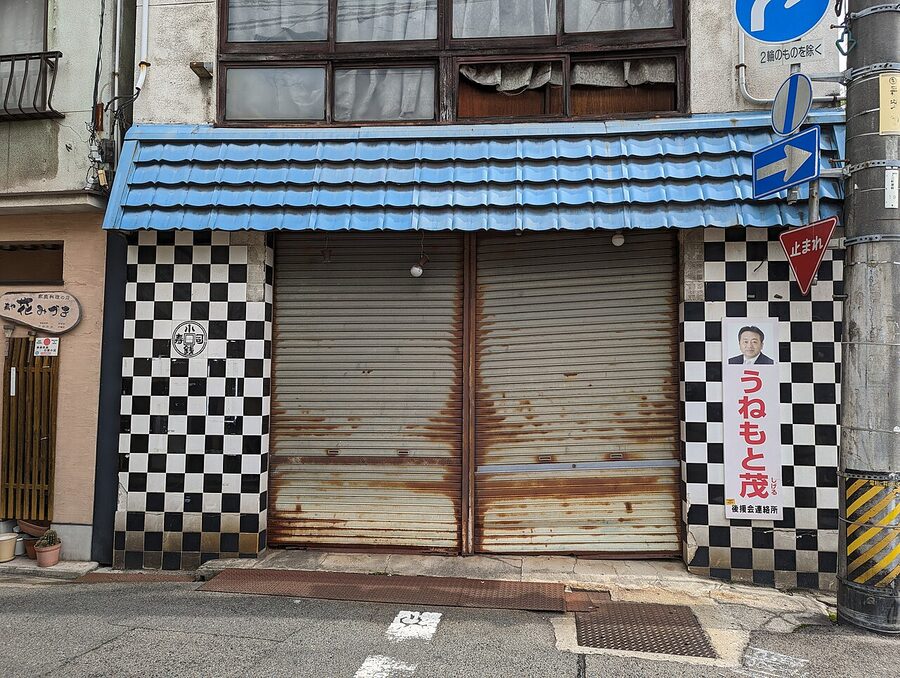

Critical to know: they only open Friday, Saturday, Sunday. Friday and Saturday 13:00–19:00, Sunday 12:00–17:00. Closed Monday through Thursday. Plan your Onomichi day-trip around it. Pints run ¥800–1,000, six-tap rotating selection, snack pairings around ¥500 each. Their Onomichi Ale is the year-round house beer; the Setoda Lemon Saison is the seasonal one to chase between February and June.

Onomichi ramen, while you’re there
Onomichi-ramen is its own regional style: pork-bone broth thickened with rendered chicken fat, flat noodles, sweet soy-tare. Different from the Hakata tonkotsu of Fukuoka, sharper than Sapporo miso. The classic shop is Tsutafuji, three minutes from the station; basic bowl ¥750, gyoza side ¥400. Open 11:00–15:00 only, closed Thursdays. The queue at lunch can hit 40 minutes on weekends. Shukaen is the locals’ alternative, slightly thicker broth, no queue.
Day-by-day routes that actually work

Three working route templates. None of them are perfect, all of them avoid the common mistake of trying to do Saijo and Miyajima on the same day, which is technically possible and physically painful.
Two days, mostly the city
Day 1: Arrive Hiroshima morning. Tram to Hatchobori, lunch okonomiyaki at Mitchan Sohonten. Afternoon at Peace Memorial Park and the Atomic Bomb Dome. Evening in Nagarekawa: Bar Yamako for a highball, Sake Bar Tachimi for a flight, dinner at Yakitori Kawanami.
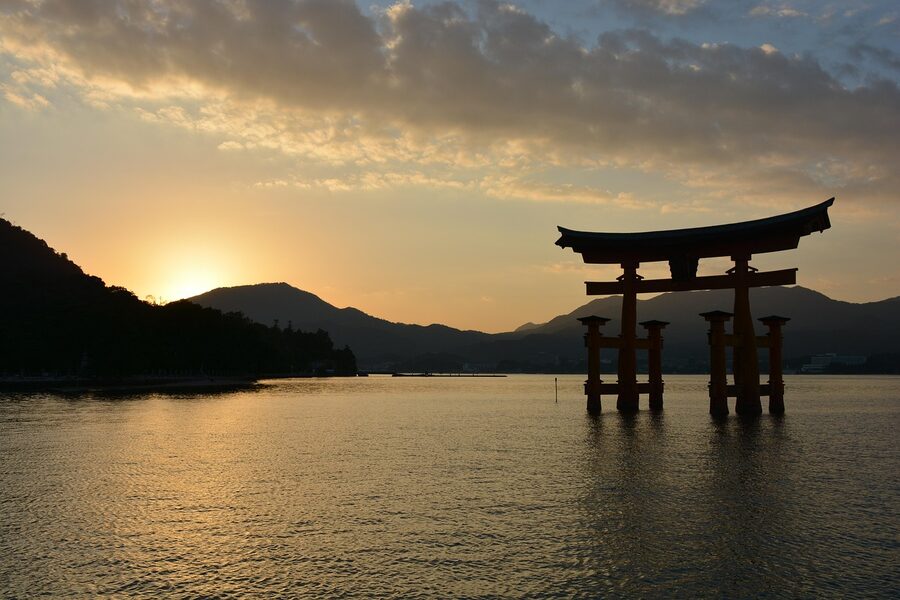
Day 2: Train to Miyajimaguchi after breakfast, ferry across, Itsukushima Shrine and the floating torii. Lunch oysters at Kakiya. Tea-snack at Momijido. Back on the ferry late afternoon. Anago meshi bento from Anagomeshi Ueno on the train back. Evening drink at Revolt or the Hiroshima Neighborly Brewpub, dinner at Hassei or Lopez.
Three days, with Saijo
Day 1: As above, day one.
Day 2: As above, Miyajima.
Day 3: Local train to Saijo, 10:30 arrival. Walk to Kamotsuru, sample. Lunch bishu-nabe at Misuzu. Walk east to Kamoizumi, sample again. Optional third brewery, Hakubotan or Kireigura. Train back to Hiroshima around 16:00. Light dinner and an early night, because tomorrow’s the bullet train onward.
Four days, with Onomichi
Days 1–3 as above. Day 4: Local train to Onomichi, walk into the old town and up to Senkoji Park. Onomichi-ramen lunch at Tsutafuji. Onomichi Brewery from the moment they open, two pints maximum if you’re catching the train back. Late afternoon train to wherever you’re going next, ekiben in your bag.
For broader Japan-trip routing including Hiroshima, the drinking itineraries piece covers how to chain it with Tokyo, Kyoto, and Sapporo. The R7 sibling guide on Niigata sake region covers the other end of the Honshu drinking-and-eating spectrum.
Practical notes
How much it costs
Hiroshima is meaningfully cheaper than Tokyo or Kyoto for eating and drinking. Rough budget per person: a sit-down okonomiyaki dinner with one beer runs ¥1,500–2,000. A full Saijo brewery day (two flights at three breweries plus lunch and the train fare) is ¥5,000–6,500. A Miyajima oyster lunch with two beers, ¥3,500. A Nagarekawa night with three drinks across two bars and an otoshi, ¥4,000–5,500. The full four-night version of this guide, food and drink only, lands around ¥28,000–36,000 per person. For comparison strategy, the drinking-in-Japan-on-a-budget piece covers how to compress this further.
Cards versus cash
Saijo brewery shops: cash preferred, cards work at the bigger ones. Okonomiyaki shops: cash. Miyajima oyster stalls and small restaurants: cash only. Sit-down restaurants on Miyajima: card OK at most. Nagarekawa bars: cash, with exceptions. Onomichi Brewery: card. Bring at least ¥15,000 in cash for any Hiroshima day that involves Saijo or street stalls.
Booking and tour platforms
Most of this trip works as walk-ins. The exceptions:
- Saijo brewery group tours (3+ people, English-guided): GetYourGuide
- Hiroshima city food tour (half-day): Klook
- Hiroshima eat-and-drink experience listings: Klook food and drinks
- OKOSTA okonomiyaki cooking class: GetYourGuide | Viator
- Miyajima oyster farm visit (boat-based, seasonal October–May): Klook
Kanawa, the moored kakibune restaurant, takes reservations only by phone or via their official site. It’s worth the effort if you’re an oyster-traveller.
What I’d skip
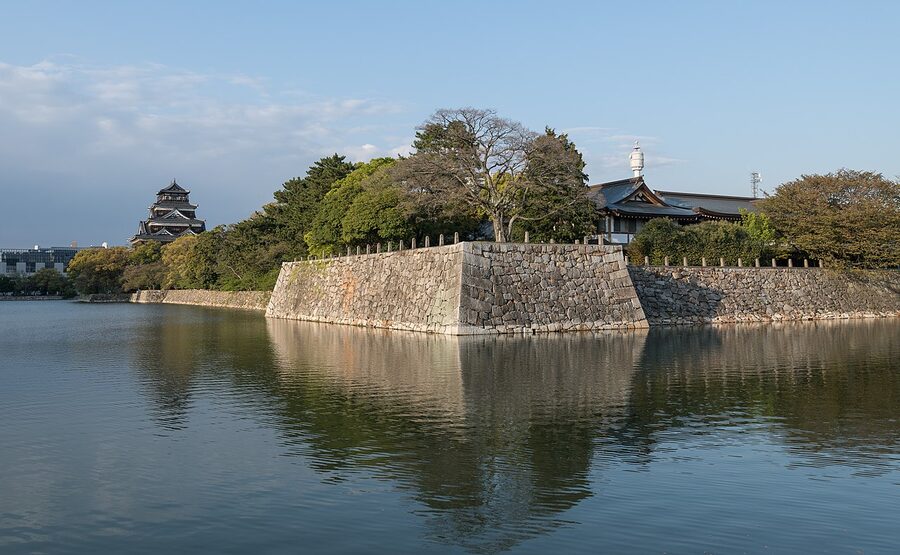
Mazda Stadium unless you specifically want a baseball game. Hiroshima Castle keep, which is concrete-rebuilt and brief. The Mazda Museum unless you booked the tour months ahead. The roof of the Atomic Bomb Dome, which you cannot enter, full stop. The Peace Memorial Museum is essential and is its own thing, separate from this guide; allow two hours, go before you eat lunch, expect to be quiet for the rest of the day.
Saijo gets you the sake. Miyajima gets you the oyster and the eel. The city gets you the okonomiyaki and the night out. Onomichi is the one that earns a separate trip on its own. Most travellers come here for the Peace Memorial and end up surprised by the food; do it the other way and the surprise is how much weight the place carries on the eating side. The bullet train back to Tokyo or onwards to Fukuoka takes a full ekiben to read. Pack a cup-sake from Kamotsuru on the way out.
 CitiesWhy Tohoku Took Over Japan’s Sake SceneThe trip almost didn't happen. I'd booked an Aomori brewery visit at the end of a rushed week, the second…
 CitiesWhy Kansai, Not Niigata, Is the Sake CapitalHyogo and Kyoto produce more sake than the next eight prefectures combined. Two of Kansai's six prefectures, side by side,…
 CitiesHokkaido Has More Whisky Distilleries Than You ThinkAsk anyone who knows a little about Japanese whisky to name a Hokkaido distillery and they’ll say Yoichi. Push them…