
Hyogo and Kyoto produce more sake than the next eight prefectures combined. Two of Kansai’s six prefectures, side by side, brew over half of Japan’s nihonshu in any given year. Most travellers I’ve met think Niigata when they think sake. They’d be wrong about where the country actually makes the stuff.
Kansai is the heartland. Not in some metaphorical “spiritual home” way. In a literal, taxable, government-statistics way. Hyogo Prefecture has held the number one ranking for total sake production for decades. Kyoto Prefecture sits at number two. Nara Prefecture, just south of both, is where the clear sake you drink today was actually invented, around 500 years ago, in a temple kitchen. Wakayama is doing the most interesting modern label work. Shiga’s lake country brews terroir-driven junmai that costs half what Niigata equivalents do.
If you’re flying into Kansai International for a Japan trip, you can build a sake-tour week without ever crossing into a different region. This is how I’d do it.
In This Article
- Why Kansai is the sake heartland, in actual numbers
- The five regions, at a glance
- Nada: the day trip you can do from anywhere in Kansai
- How to get there
- Hakutsuru Sake Brewery Museum
- Kiku-Masamune Sake Brewery Museum
- Sawanotsuru Sake Museum
- Kobe Shushinkan
- Fushimi: eighteen breweries in a fifteen-minute radius
- Gekkeikan Okura Sake Museum
- Kizakura Kappa Country
- Fushimi Sake Village (Fushimi Sakagura Kouji)
- Other Fushimi breweries worth a look
- Nara: the place that invented modern sake
- Shoryakuji: the actual birthplace
- Omiwa Shrine: where the brewers go to pray
- Modern Nara: Kazenomori, Mimurosugi, Harushika
- Wakayama: modern, design-forward, easy to overlook
- Shiga: the lake-country sleeper
- The order I’d put a five-day Kansai sake trip in
- Where to stay
- What to actually drink, brewery by brewery
- Practical extras
- When to go
- How to taste without getting wrecked
- What to bring home
- The thing nobody tells you about Kansai sake
Why Kansai is the sake heartland, in actual numbers
The simple version: Hyogo brews around a quarter of all Japanese sake by volume, on its own. Add Kyoto and you’re looking at more than half. Niigata, the prefecture every English-language sake article seems to lead with, ranks third by volume, and produces less than Hyogo alone.
Two things put Kansai there. First, the rice. Hyogo grows the bulk of Japan’s Yamada Nishiki, the most prized brewing rice in the country, in the inland Banshu region. Second, the water. Kobe’s Nada district sits on a fault line that pulls hard, mineral-rich groundwater down from the Rokko mountains; the water is called miyamizu, and it ferments fast and clean. Kyoto’s Fushimi sits over a soft, low-mineral water table that ferments slow and gentle. Two opposite water profiles, fifty kilometres apart, and the result is two completely different house styles of sake. That’s what makes the spread of styles on a Kansai trip more useful than tasting through one prefecture’s range.
The five regions, at a glance
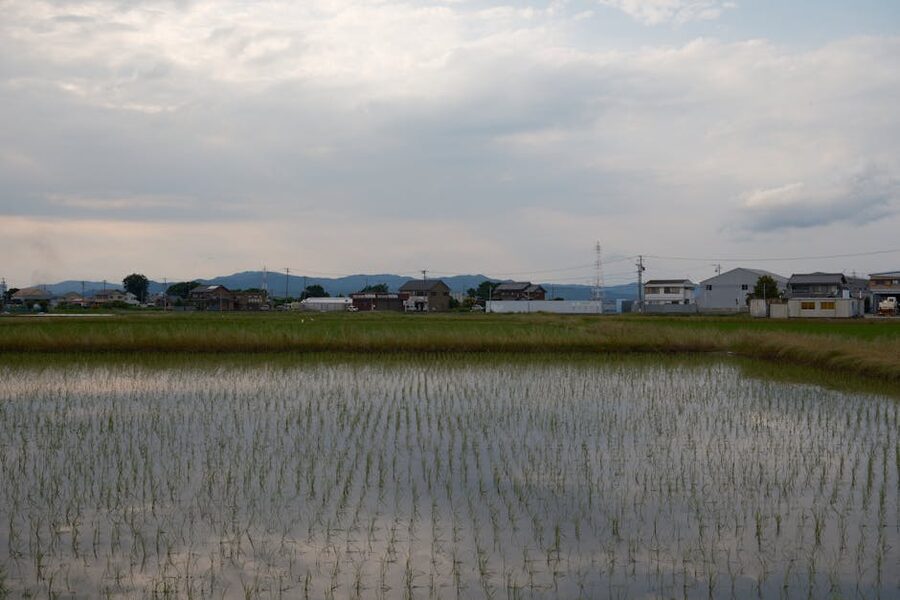
Six prefectures make up Kansai. Five of them have a sake story worth a day of a traveller’s time. Mie technically counts as Kansai too in some definitions, but the brewing density is thinner; if you have a tight schedule, skip it. Here’s how the others compare.
| Region | What you go for | House style | Time to spend |
|---|---|---|---|
| Nada (Kobe, Hyogo) | Five linked brewing districts, twenty-plus open museums | Dry, sharp, mineral-driven, often called otokozake – “men’s sake” | One full day |
| Fushimi (Kyoto) | Eighteen breweries inside a walking grid, plus a tasting hall | Soft, fragrant, gentle, traditionally called onnazake – “women’s sake” | Half a day to one full day |
| Nara | The temple where clear sake was invented, plus the new-wave breweries | Yogurt-tinged bodaimoto revivals; clean modern junmai from Kazenomori | Half a day, with shrine pilgrimage on top |
| Wakayama | Modern, design-forward bottles; KID and Kuroushi labels | Polished, slightly sweet, ginjo-leaning | Half a day if you take the JR Kinokuni line |
| Shiga | Lake-country small breweries, including Tomita Shuzo (founded 1540) | Earthy, dry, structured, terroir-driven | One day, ideally combined with Hikone or Omi-Hachiman |
The order matters less than you’d think. I’d start with Nada because the museum density makes it easy to get a fast crash course. Fushimi second, on the day you’re already in Kyoto for sightseeing. Nara any time you’re around the temples. Wakayama and Shiga are the bonus rounds.
Nada: the day trip you can do from anywhere in Kansai
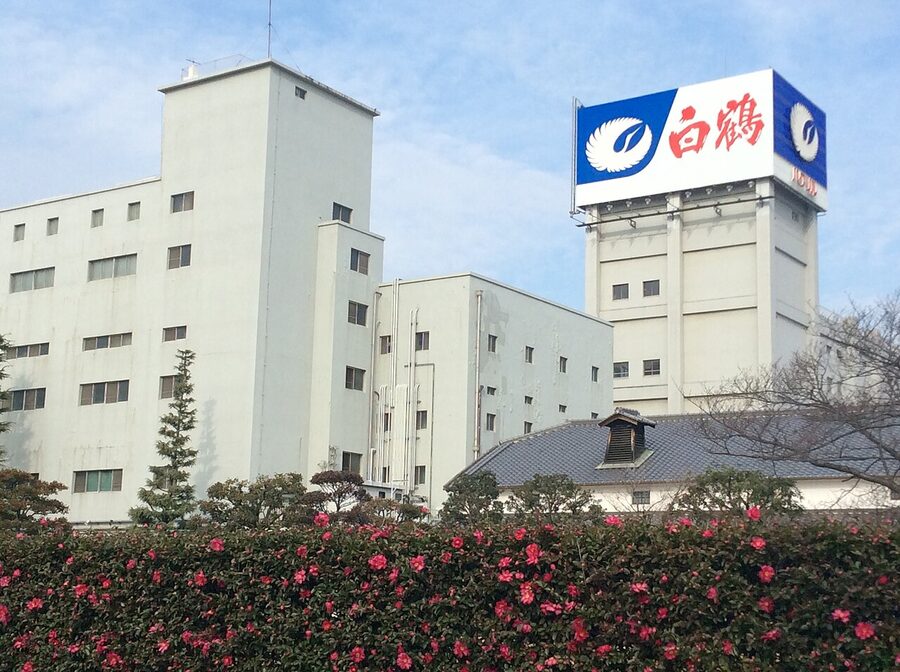
Nada Gogo translates as “the five villages of Nada”, five linked brewing wards along the Hanshin coast in Kobe and Nishinomiya. From west to east: Nishi-go, Mikage-go, Uozaki-go, Nishinomiya-go, Imazu-go. You don’t visit all five in a day. You’d be drunk by lunchtime. You pick two or three breweries, walk between them, and use the Hanshin local line to skip the boring stretches.
How to get there
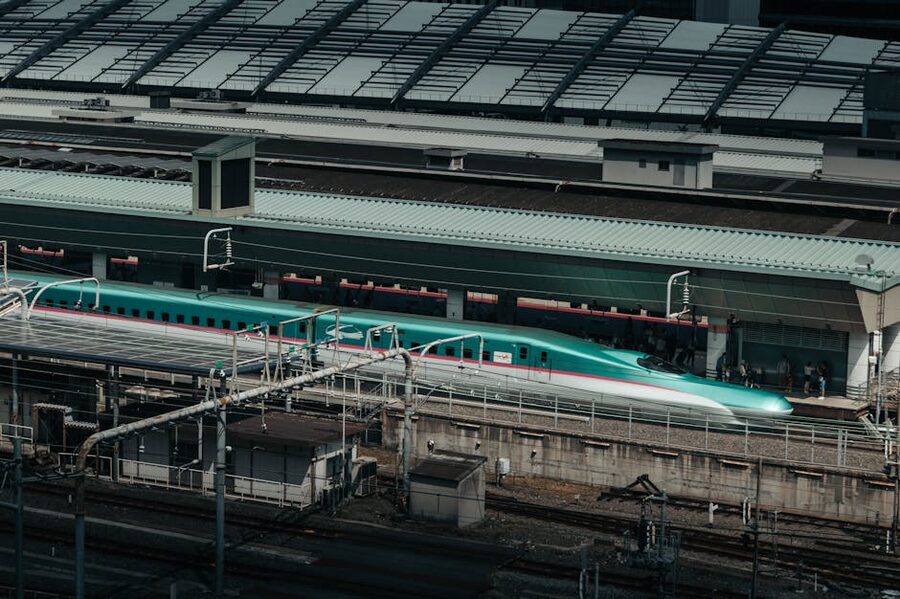
From Osaka, take the Hanshin Main Line from Umeda. Get off at Hanshin Oishi, Hanshin Sumiyoshi, or Hanshin Uozaki depending on which brewery you’re starting with. The whole stretch is twenty to thirty minutes from central Osaka. From Kobe Sannomiya, you’re going the other direction; it’s even faster. The trains are 200 yen-ish each leg. JR works too if you have a JR Pass, JR Sumiyoshi and JR Rokkomichi both put you in walking range, but Hanshin’s stations are closer to most of the breweries. A Kansai-centred itinerary usually slots a Nada day either at the front of an Osaka stay or as a side trip from Kobe.
Hakutsuru Sake Brewery Museum
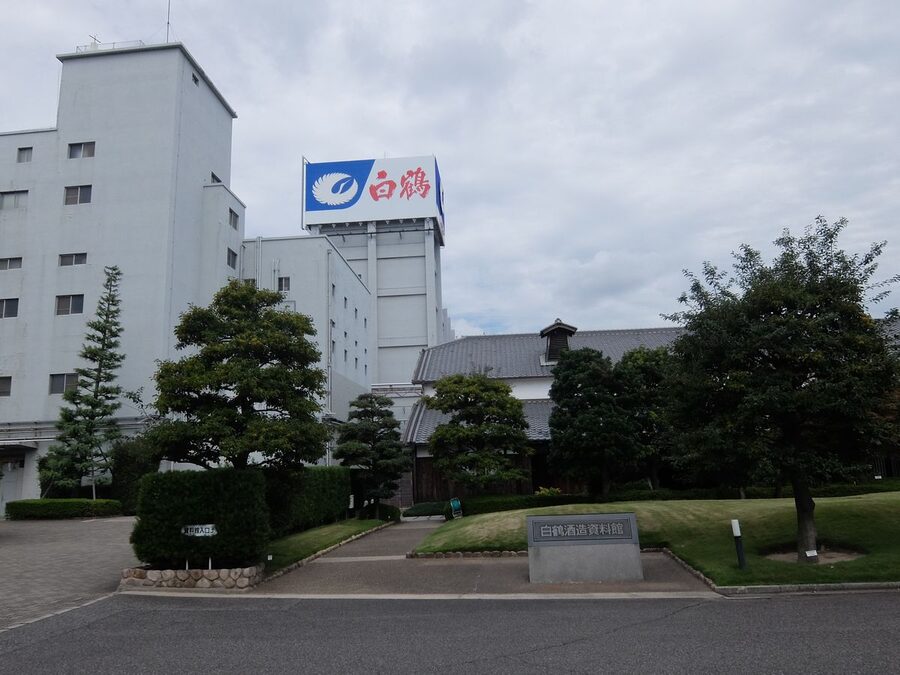

If you do one Nada brewery, do this one. Free admission, open 09:30–16:30 (last entry 16:00), closed for Obon and New Year. Eight minutes’ walk from Hanshin Sumiyoshi station. The museum is built into the original 1869 wooden brewhouse, the stone foundations and parts of the timber frame survived the 1995 Hanshin earthquake when the rest of the building came down. They rebuilt with the original timber where possible. You can still see the smoke marks from the old fermentation rooms.
The exhibit walks you through the seasonal cycle of brewing, rice polishing, koji culture, moromi fermentation, using life-sized dioramas with English captions. At the end there’s a tasting bar with three or four pours: the standard junmai, a seasonal limited edition, and usually a free namazake (unpasteurised). The shop sells the limited stuff you can’t find outside the brewery. Pick up a 300ml bottle of the seasonal nama if it’s available; it’s one of the few things in Japan that genuinely doesn’t travel.
Kiku-Masamune Sake Brewery Museum
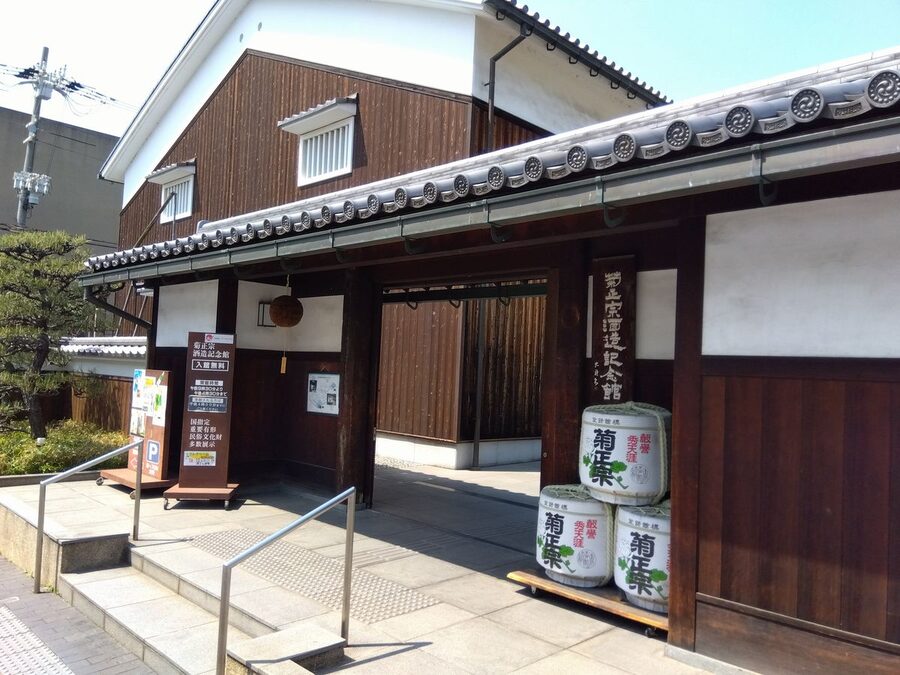

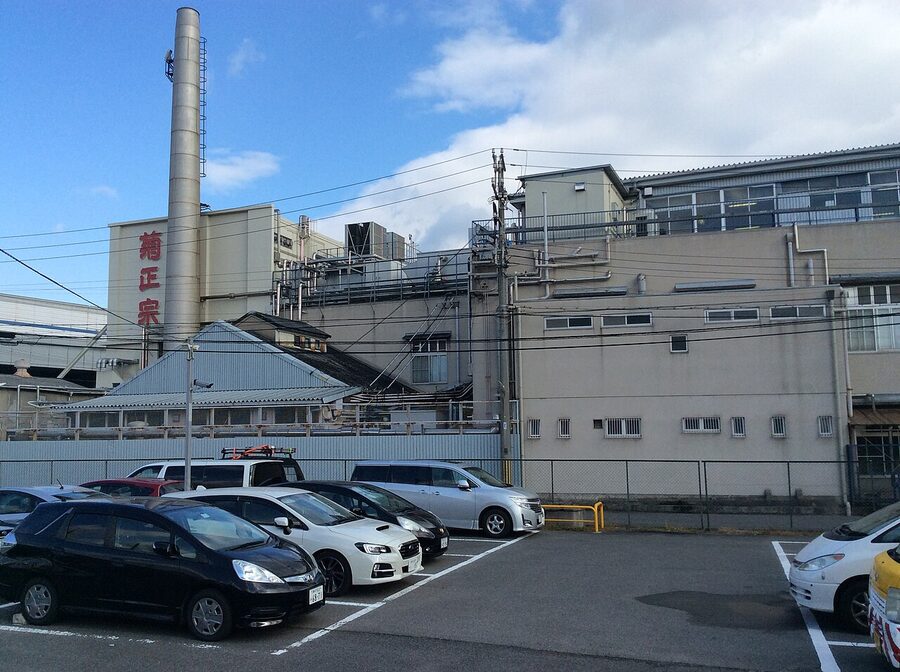
Twelve minutes’ walk from Hanshin Uozaki, also free. Closed Tuesdays. Kiku-Masamune (founded 1659) is the one Nada brewery that still makes most of its sake by the labour-intensive kimoto method, where the yeast starter ferments naturally instead of being seeded with lab-grown lactobacillus. It tastes more savoury, less perfumed. If you’ve only ever drunk modern junmai daiginjo, the Kiku-Masamune kimoto is going to taste almost like a different drink, drier, broader, more food-friendly.
The tasting at the end pours their classic junmai dry alongside a “tarusake” matured in cedar barrels for a few weeks. The cedar version is divisive; some people love the resinous edge, some people think it tastes like furniture polish. Try both and see. The shop also has a sake-kasu soft serve in summer that’s worth the queue.
Sawanotsuru Sake Museum
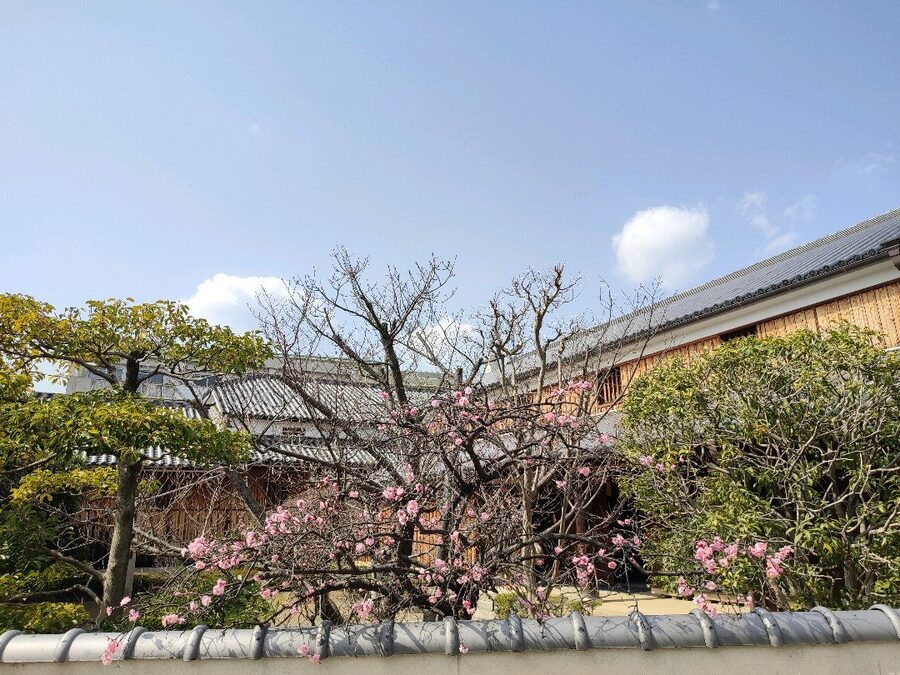

If Hakutsuru is the corporate-polished version of Nada and Kiku-Masamune is the technical version, Sawanotsuru is the historical one. Open 10:00–16:00, closed Wednesdays. The displays are entirely physical artefacts, koji rooms, wooden fermentation tanks, sake-pressing presses (fune), designated Important Tangible Folk Cultural Properties.
The tasting is small but they pour a “namagenshu” you can’t buy outside the gift shop. If you’re picking just two breweries in Nada, I’d skip Sawanotsuru in favour of Hakutsuru and Kiku-Masamune. If you have a full day and want a third, this is the one.
Kobe Shushinkan
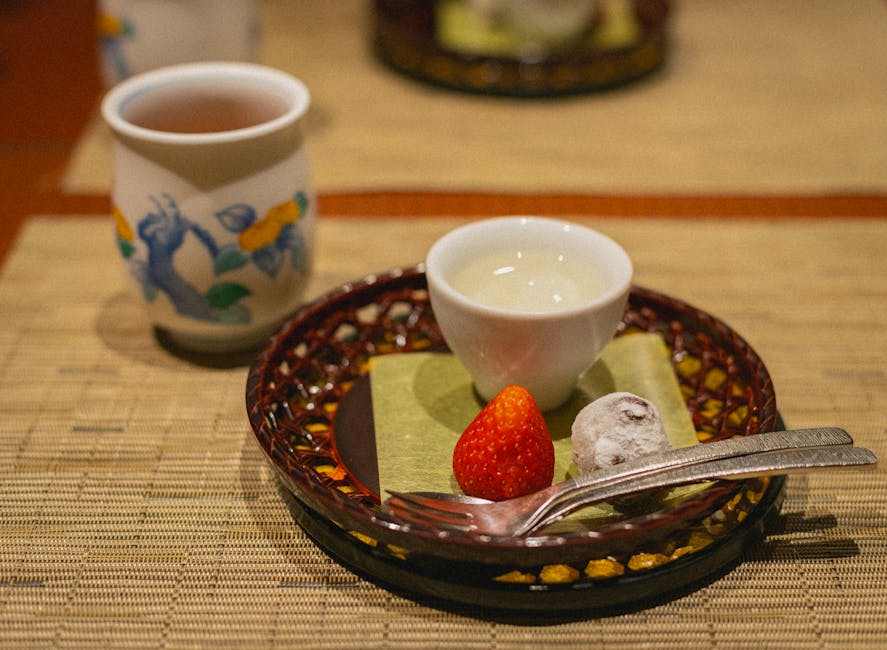
About a kilometre west of Hakutsuru. Kobe Shushinkan makes the Fukuju label and is the rare Nada brewery that lets you onto the actual production floor, most don’t, citing food-safety regulations. Tours run roughly 11:00–16:00 (Mondays, Tuesdays, Fridays only) and need to be booked 48 hours ahead. The walk-in tasting bar at “Toumeigura” is open 10:00–18:30 and pours their full lineup including limited releases.
If you’ve eaten enough konbini lunches, the on-site restaurant Sakabayashi is worth a sit-down. The set menu uses tofu made with brewing water from Shushinkan’s own well. Around ¥2,800 for the lunch set. The kaiseki upgrade is ¥6,800 and gets you ten little dishes paired course by course with the brewery’s own pours. If pairing food with sake is something you want to learn, this is one of the few brewery restaurants in Japan that does it well in English.
Fushimi: eighteen breweries in a fifteen-minute radius
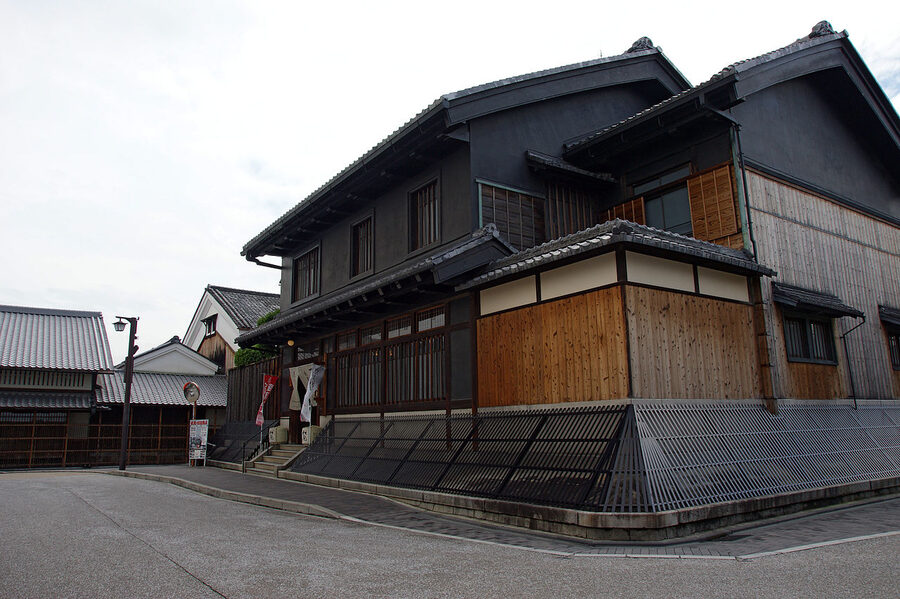
Fushimi is in southern Kyoto, twenty minutes south of Kyoto Station on the Keihan or Kintetsu lines. Eighteen working breweries, the densest concentration in Kyoto Prefecture, all within a walking grid that fits in a fifteen-minute radius around Fushimi-Momoyama or Chushojima station. Half are open to visitors; the other half just have shop fronts. Either way, you’re walking between dark-wood storehouses and stone canals with willow trees over them.
Fushimi is the gentle counterpoint to Nada. The water here is soft and low in mineral content. The sake ferments slow and the result is fragrant, easy-drinking, sometimes called onnazake. That label is dated and a bit silly, modern Fushimi brewers make plenty of robust junmai. But the historical contrast with Nada’s sharp, dry otokozake is real.
Gekkeikan Okura Sake Museum
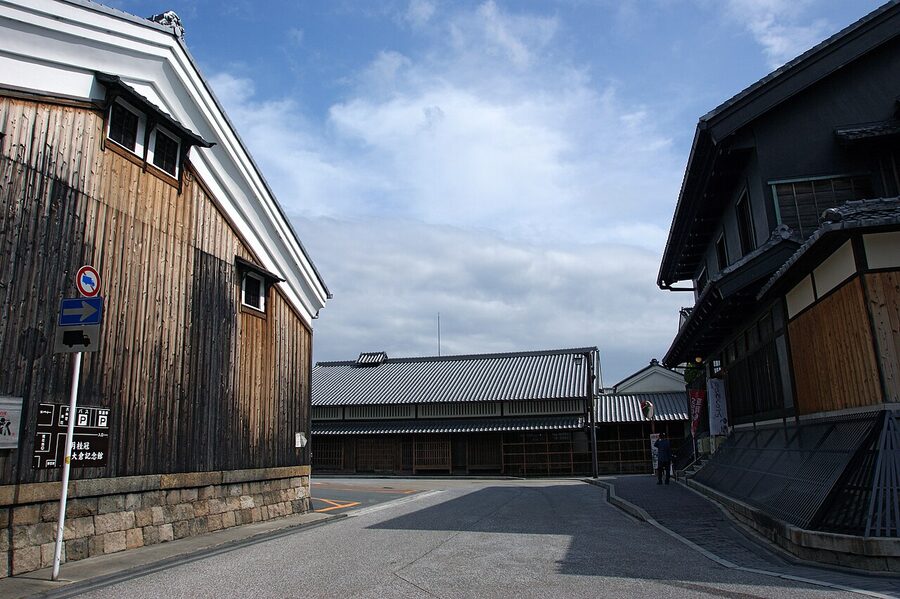

The Okura Memorial Museum sits in Gekkeikan’s original 1637 brewing complex on the south bank of the Hori River. Admission is ¥600 (over 20s), ¥100 (13–19), free for under 13s. Open 09:30–16:30, closed Obon and New Year. Self-guided lasts about an hour. The guided “kura tour” runs at 14:15 daily, lasts ninety minutes, costs ¥3,000, and gets you into the working cellars and a limited tasting; book online at least a week ahead.
The standard tour ends in a tasting room with three flights: a junmai, a daiginjo, and a plum-based liqueur made with the brewery’s own sake as a base. Buy the limited “Kyo no Ginsen” reserve from the gift shop if it’s in stock, you can’t get it outside Kyoto.
Kizakura Kappa Country
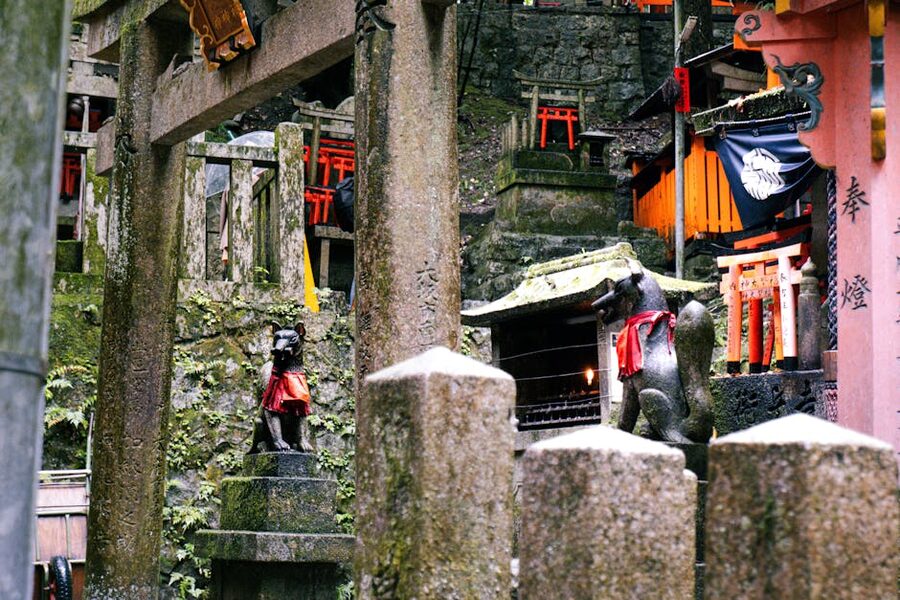
Kizakura is famous for the kappa river-imp mascot you’ll see all over Fushimi station vending machines. The Kappa Country complex on the east side of the district has a free self-guided museum, a craft beer microbrewery (yes, the same company makes Kizakura Kyoto Beer), a restaurant, and a riverside terrace. Admission free, hours 10:00–16:00.
The food side is genuinely good. Their lunch set with three tasting pours runs around ¥1,500. The crab cream croquette is the dish to order. Skip the standard tour, it’s brief and the museum is fine on its own. The reason to come is the pairing experience plus the chance to try the craft beer side, which is rare in a sake brewery setup.
Fushimi Sake Village (Fushimi Sakagura Kouji)
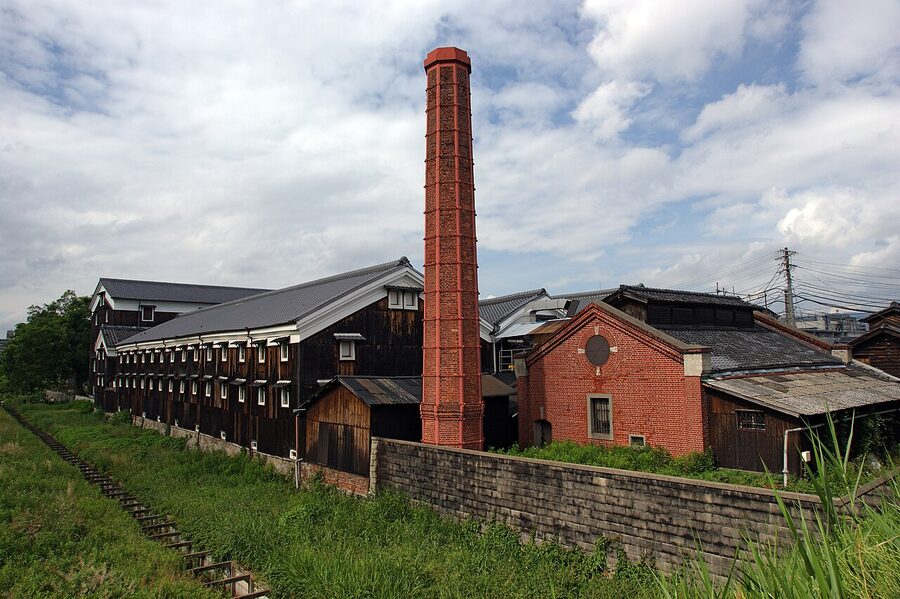

If you’ve only got two hours in Fushimi, this is your move. The Sake Village (opened 2017) is a tasting hall pouring sake from eighteen Fushimi breweries under one roof, with izakaya-style food stalls between the bars. You buy a ticket sheet, walk the room, taste what you want. Around ¥500 for a tasting cup and three pour tickets. Open 12:00–22:00 daily, walking distance from Chushojima station.
The food side is where it gets fun. Yakitori, oden, takoyaki, kaki-fry, exactly the kind of izakaya menu that pairs with sake, for ¥500–1,500 a plate. The crowd is half local salarymen, half international travellers. If you’ve ever tried a brewery day-trip from Tokyo, you know how rare it is to find a setup like this in Japan; Fushimi is the only one I’ve come across that pulls eighteen breweries into one tasting hall.
Other Fushimi breweries worth a look
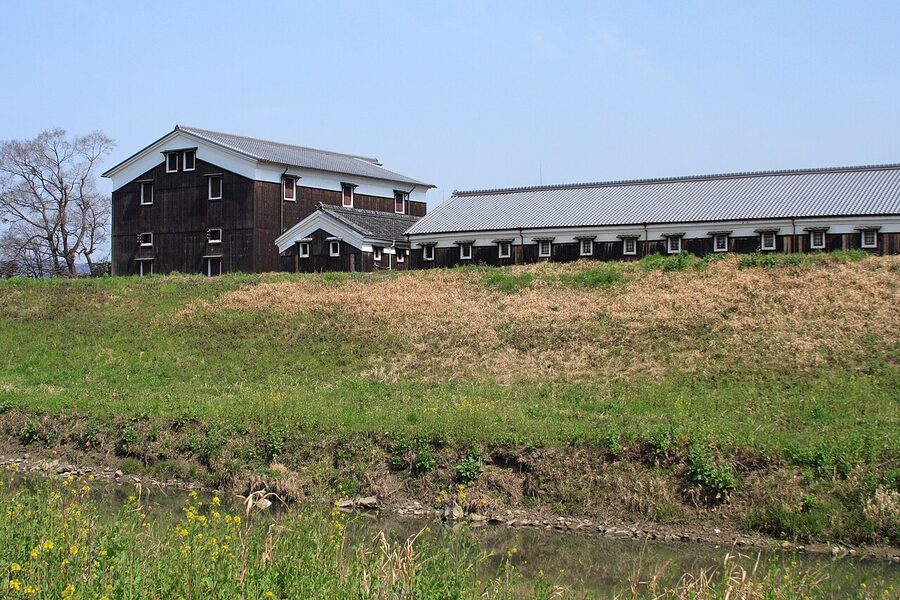

Fujioka Shuzo runs a glass-walled bar called “En” attached to its kura where you can drink while staring directly into the fermentation room. ¥2,500 for a forty-minute experience including three pours and the option to swap the sake for sake-kasu ice cream. Reservation required. Sasaki Shuzo (the actor Sasaki Kuranosuke’s family business) runs irregular winter brewery tours. Both are intentionally small and Japanese-speaking, so book ahead with a Japanese-speaking friend or a hotel concierge.
Kitagawa Honke makes the Tomio label and is the most boutique of the lot, small batches of high-polish ginjo, courtyard tasting room, no big tour operation. Drop in if you’re already on the strip; don’t make a special trip.
Nara: the place that invented modern sake
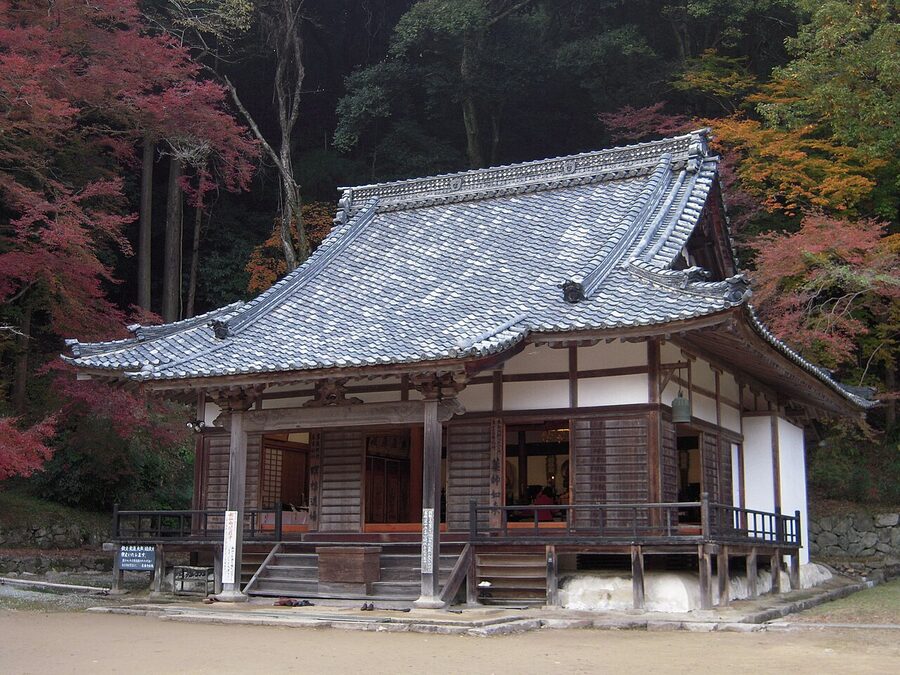

Most sake guides leave Nara out, or treat it as a footnote. They’re missing the most interesting prefecture for sake history in the entire country. Until the early Muromachi period (around the 1400s), the sake people drank in Japan was cloudy, sour, low in alcohol, and brewed mostly inside Buddhist temples. The clear, filtered, higher-alcohol drink now called sake was invented at one specific temple in Nara: Shoryakuji.
Shoryakuji: the actual birthplace
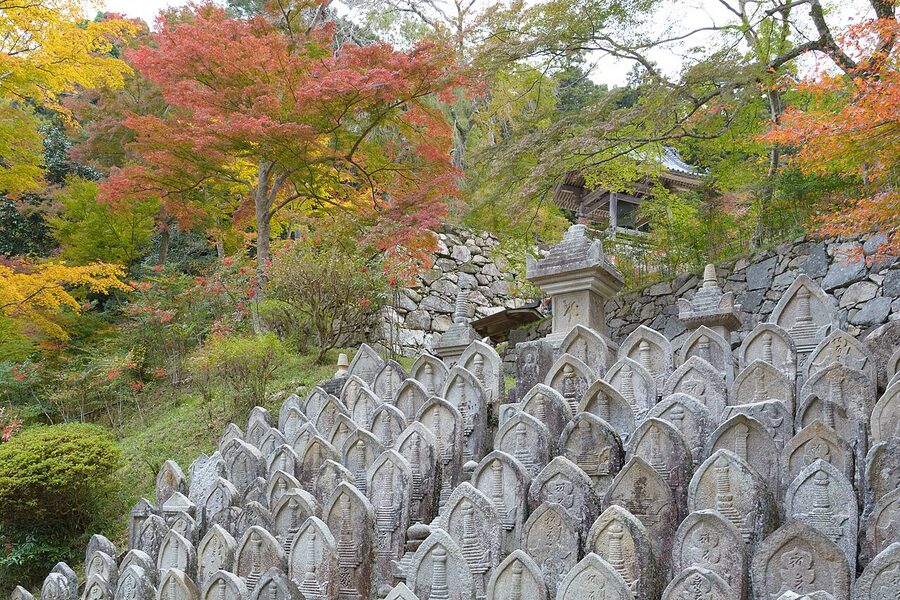

Shoryakuji is in the hills east of Nara city, twenty-five minutes by taxi from JR Nara or Kintetsu Nara. There’s no train. Public bus exists but runs infrequently. Most travellers don’t bother; the temple gets fewer visitors in a month than Kasuga Taisha gets in an hour. Open 09:00–16:00 (last entry 15:30), ¥500 for the inner hall (¥800 in special-viewing periods).
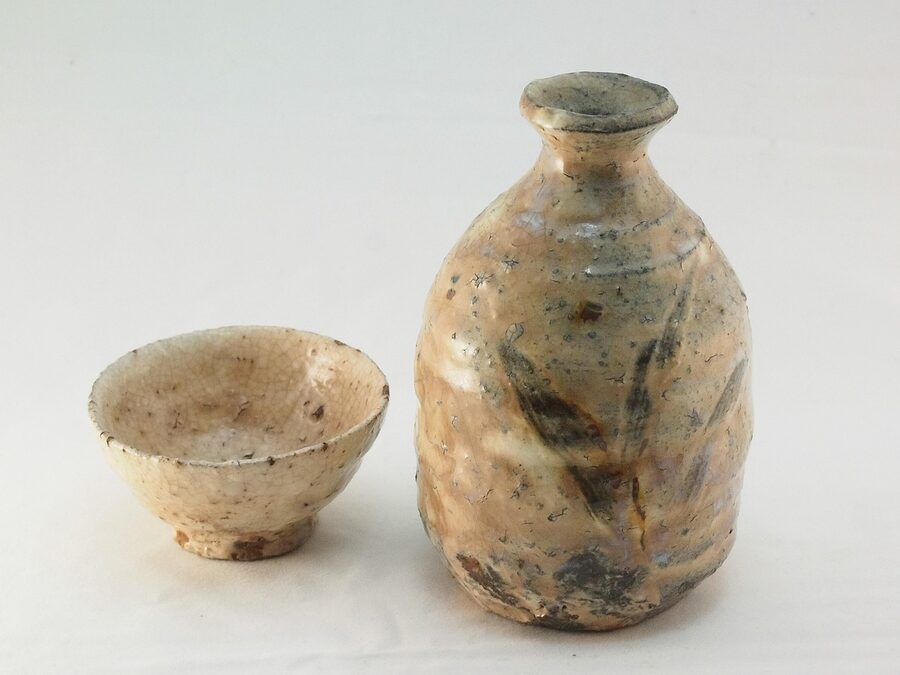
The thing they invented here is called bodaimoto: a yeast starter built on naturally lacto-fermented water (called soyashi-mizu). It produces a sake with a distinctive yogurt-like tang and a denser body than modern junmai. The technique died out around 1500. In 1999 a group of Nara brewers revived it. Eight Nara breweries now make a bodaimoto sake every year, they all come to Shoryakuji every January, mash a starter together in the temple grounds, then take their share back to their own kura to finish. The annual “Bodaimoto Sake Festival” happens in January and is open to visitors.
If you can time a visit to early January, this is the most interesting sake event in Japan. If not, just go for the temple. The autumn maple display in November is one of the best in the prefecture.
Omiwa Shrine: where the brewers go to pray
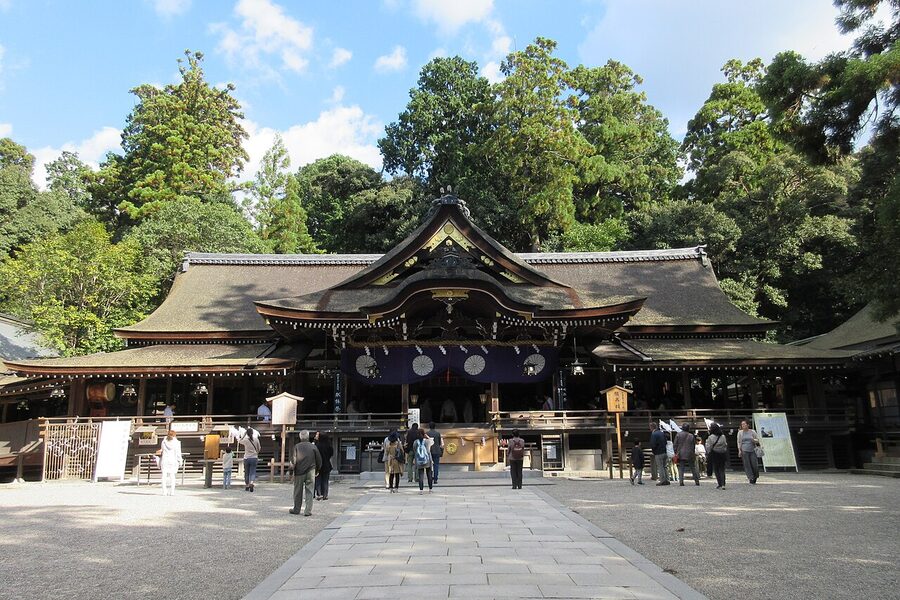

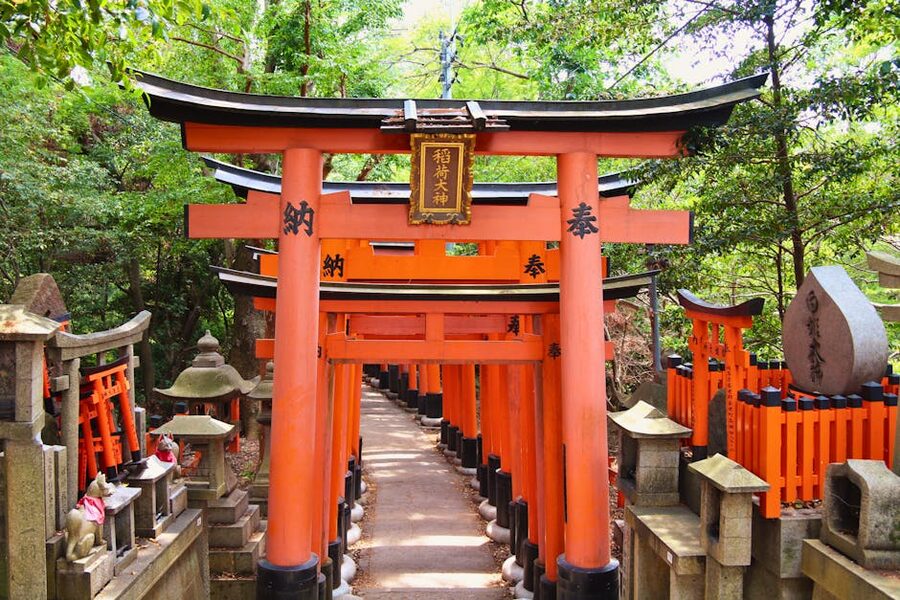
Five minutes’ walk from JR Miwa station, on the south side of Nara prefecture. Free, dawn to dusk. Omiwa Taisha (also written Omiwa Jinja) is one of Japan’s oldest shrines. The kami enshrined here is Omononushi-no-okami, regarded as the god of sake brewing. Every November 14, brewers from across Japan come for the Joso Anzen Kigan-sai, the annual ceremony asking for safe brewing in the coming season. If you happen to be in Nara mid-November, this is worth the train ride.
Inside the precinct, look for the small auxiliary shrine to Takahashi-no-Ikuhi-no-Mikoto, the legendary first toji (master brewer). When you see a sake bar in Tokyo with one perfectly round green-brown cedar ball over the door, that ball was made at Omiwa.
Modern Nara: Kazenomori, Mimurosugi, Harushika
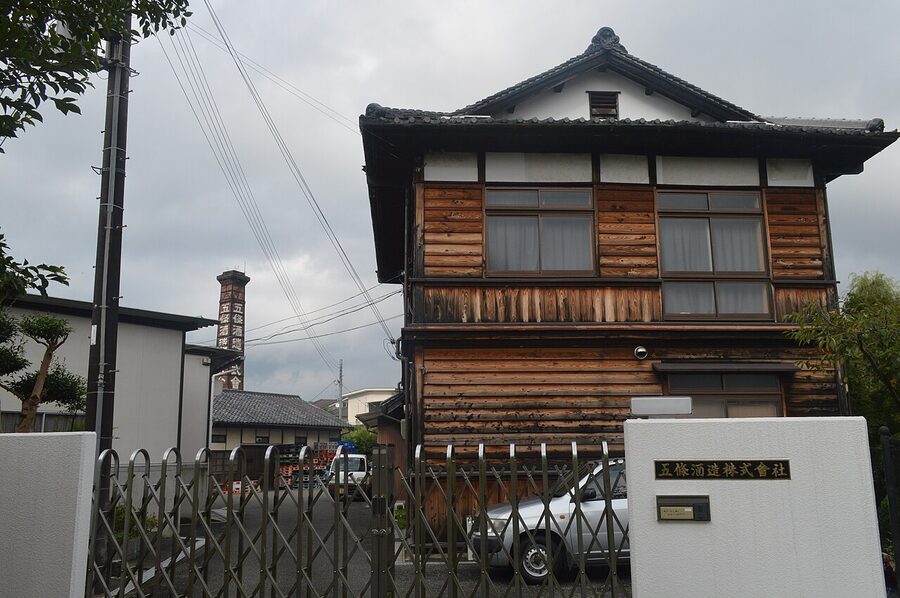

The interesting thing about modern Nara isn’t the historical pedigree. It’s that a handful of Nara brewers have been quietly making the most interesting sake in Japan for the last decade or so. Yucho Shuzo’s Kazenomori label is the most-discussed bottle on Japanese sake forums and one of the hardest to buy outside Nara. They make every batch unfiltered, unpasteurised, and undiluted. The result is bright, fizzy on the tongue, almost wine-adjacent in its acidity. The standard “Akitsuho 657” 720ml runs around ¥1,500–1,800. Sold mostly through specialist shops in Nara city.
Harushika, in central Naramachi, runs a drop-in tasting bar with cheap flights, five pours for ¥500, and is right in the historical district between the temples. If you’re walking from Todaiji to Kasuga Taisha and need a break, Harushika is the easy answer. The sparkling junmai is the surprise hit; ask for it.
Mimurosugi (made by Imanishi Shuzo) is named after Mt Miwa, the sacred mountain at Omiwa Shrine, and the brewery is right next door. Their daiginjo is one of the most consistent in Kansai. Visit the shrine first, then walk to the brewery. The shop closes at 17:00.
Wakayama: modern, design-forward, easy to overlook
Wakayama gets ignored on most Kansai itineraries. It’s at the southern end of the prefecture, an hour or so south of Osaka on the JR Kinokuni line, and most travellers run out of time before they get there. If you’re a sake person, that’s a mistake.
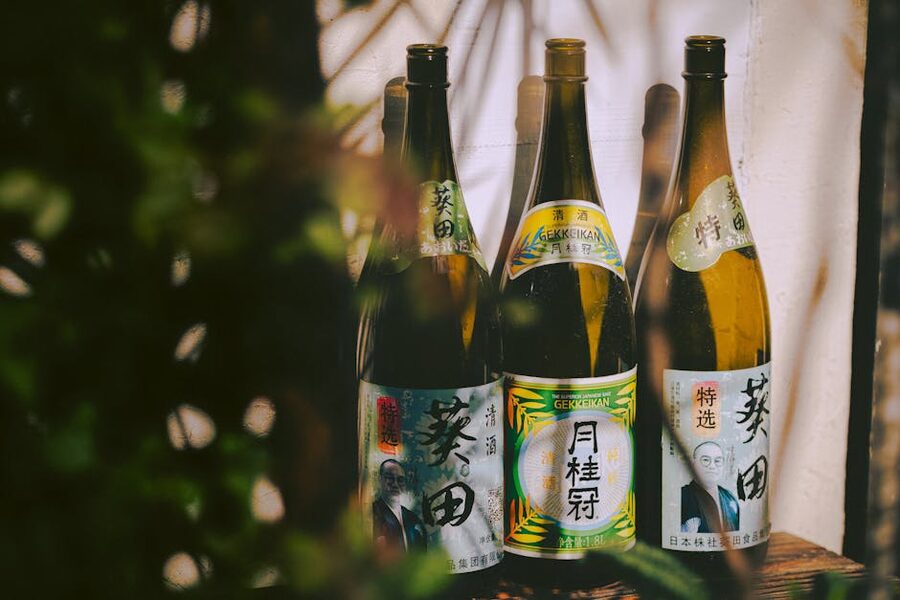
The standout brewery is Heiwa Shuzo in Kainan, which makes the KID label. KID is the modern face of Japanese sake, bottle design that wouldn’t look out of place in a Tokyo wine bar, polished junmai ginjo with a slightly sweet finish, marketing aimed at younger drinkers. Their tasting room is open by reservation, around ¥1,500 for a full flight including limited seasonal releases. The brewery is twenty minutes’ walk from JR Kainan.
Nakano BC (no relation to British Columbia, the BC stands for Biochemical Creation, which is more on-brand than you’d think for what they make) is bigger and easier to drop in to. Open daily 09:00–17:00, free entry, generous tastings of both their sake and their fruit-based liqueurs. The umeshu they make from local Wakayama plums is genuinely excellent and pours in their tasting bar; if you’re new to umeshu, this is a useful place to taste several styles side by side.
Shiga: the lake-country sleeper
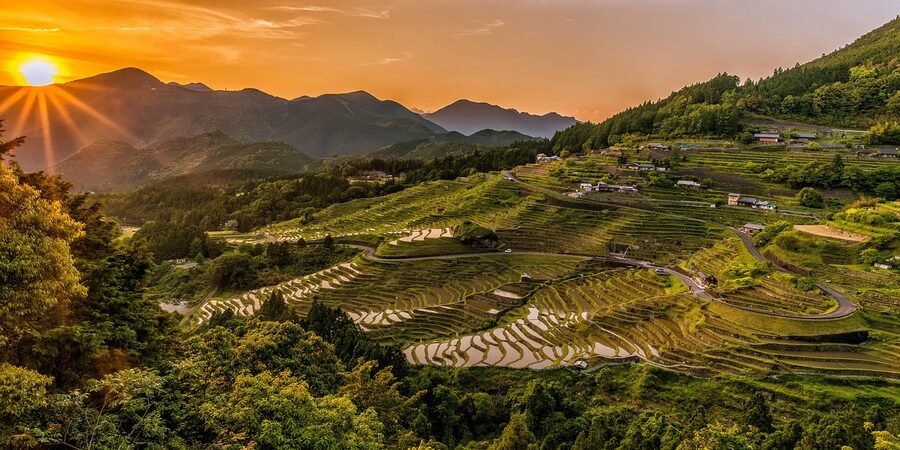
Shiga sits on Lake Biwa, an hour northeast of Kyoto by JR. The sake here is dry, structured, and unmistakably terroir-driven. Tomita Shuzo in Azuchi was founded in 1540, making it one of the oldest continuously-operating breweries in Japan. They make the Shichihonyari label, earthy, mineral, the kind of bottle that’s a cult favourite among professional sommeliers and almost unknown outside Japan. The brewery doesn’t run regular tours but the small attached shop pours the lineup for a token charge.
For an easier visit, try Ota Shuzo near Kusatsu (a ten-minute walk from JR Kusatsu). They’re a smaller, family-run setup descended from the samurai who designed Edo Castle in the 1450s. Free entry, no reservation, drop-in tasting in the shop. If you’re already in Otsu or Hikone, build a half-day around it.
The order I’d put a five-day Kansai sake trip in
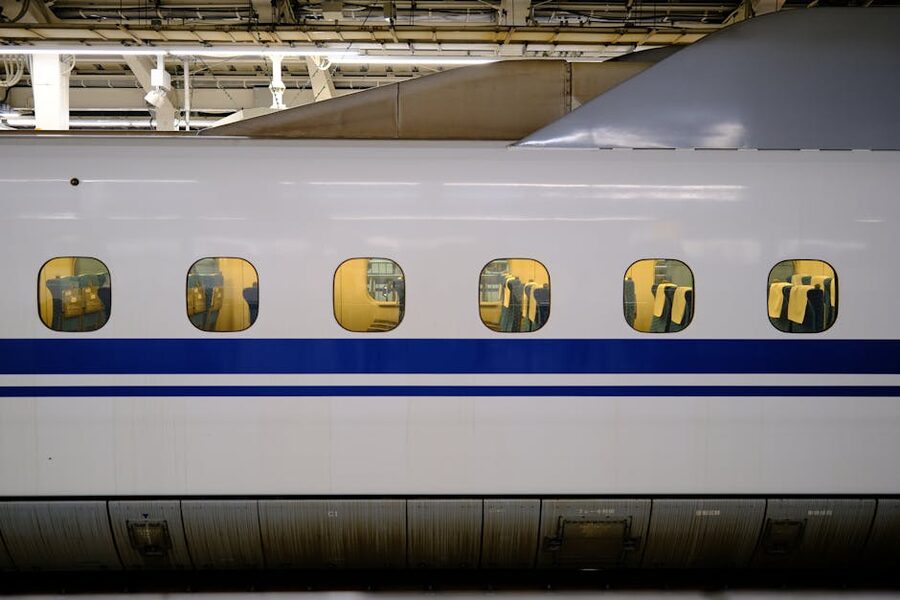
You can do the whole region in five days if you’re moving fast. I wouldn’t. Three days is comfortable for the highlights; five days lets you do everything below without rushing. Use Osaka or Kobe as your base for nights one to three, Kyoto for nights four and five.
- Day 1, Nada (Kobe). Hakutsuru in the morning, Kiku-Masamune after lunch, Kobe Shushinkan if you have time and energy. End the night in Sannomiya for kobe beef and a follow-up sake bar.
- Day 2, Wakayama and back. Train to Kainan, Heiwa Shuzo at 11:00, lunch in Kainan, Nakano BC in the afternoon, train back to Osaka by 18:00 for an evening at a Dotonbori izakaya.
- Day 3, Nara. Morning at Todaiji and Kasuga Taisha. Lunch in Naramachi. Harushika tasting bar after lunch. Late afternoon: taxi out to Shoryakuji or stay closer in town for Mimurosugi and the Omiwa Shrine combo.
- Day 4, Fushimi (Kyoto). Morning at Gekkeikan, lunch at Kizakura, afternoon at Fushimi Sake Village. Or do the village first and burn whatever’s left at the smaller breweries. End the day with an evening in Pontocho.
- Day 5, Shiga or rest day. If you’re a completist, train out to Azuchi for Tomita Shuzo. If you’re tasted out, spend the day in Higashiyama and just drink whatever the bartender pours you.
Where to stay
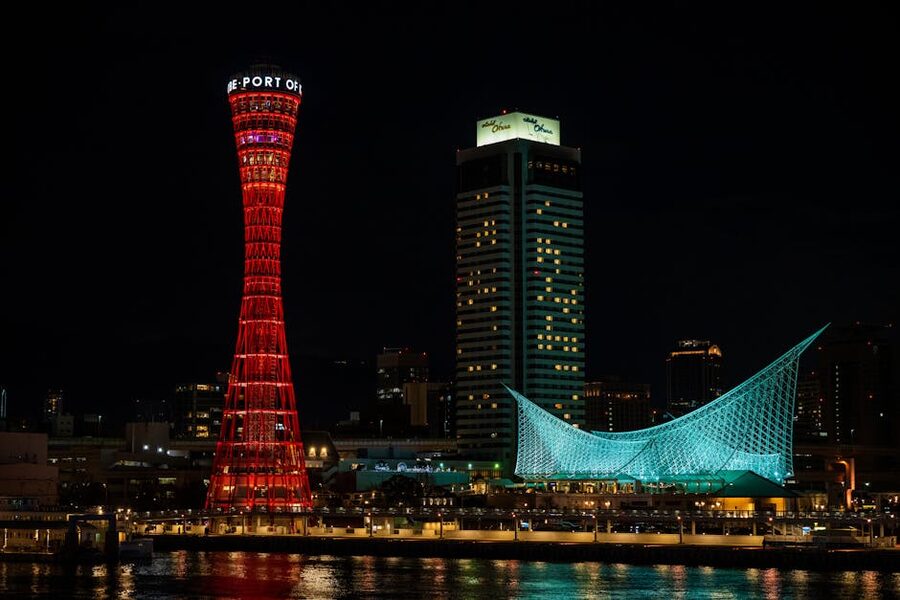
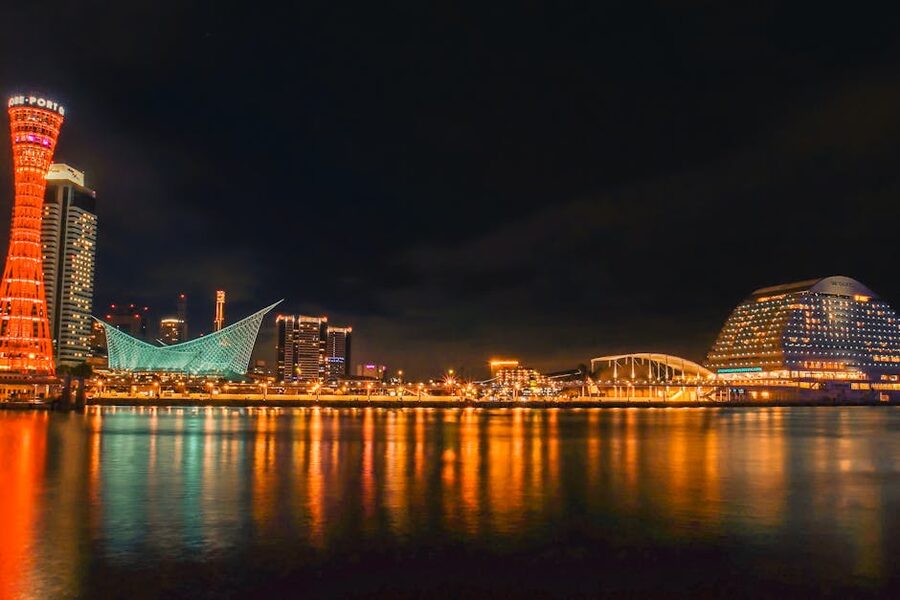
Kobe Sannomiya is the most underrated base for the region. You’re a ten-minute train from Nada, twenty minutes from Osaka, fifty minutes from Kyoto, ninety minutes from Wakayama. Hotels are cheaper than central Osaka and the food is at least as good. Sake is also cheaper here than in Tokyo, especially for the daiginjo grades. Hotel La Suite Kobe Harborland and Crowne Plaza Ana Kobe are reliable mid-range; Toyoko Inn Sannomiya at the cheaper end always has rooms.
If you’re doing more Kyoto than Kobe, base in Kyoto Station or Karasuma. The Hub Kyoto and Hotel Granvia Kyoto are direct over the station. Sake-focused travellers sometimes book at the Naramachi end (Nipponia Hotel Nara Naramachi is the famous “sake hotel”, converted from an old brewery, with a sake-pairing dinner that includes pours from the Nara new wave). Worth a night if you’ve got the budget.
What to actually drink, brewery by brewery
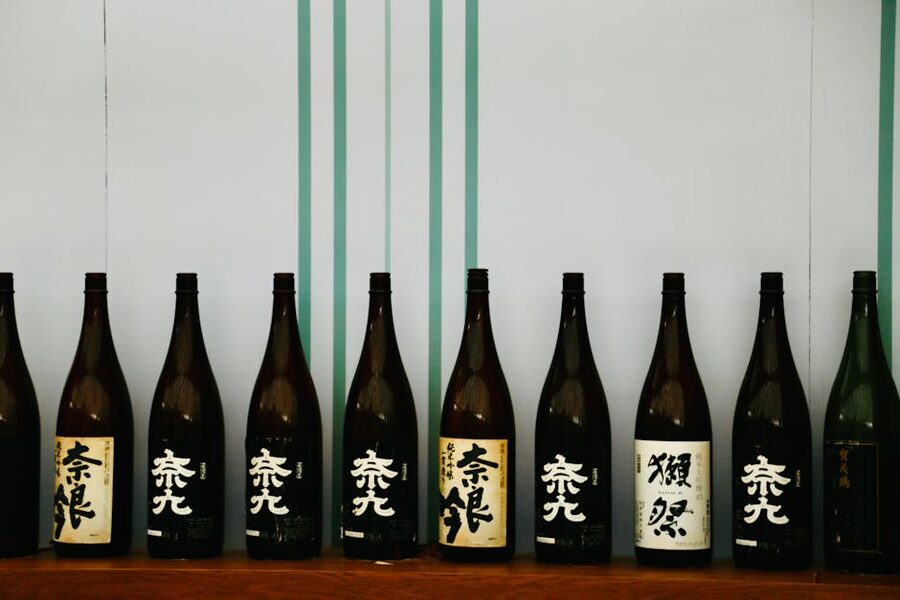
Pick one signature pour from each brewery and ignore the rest. Otherwise you’ll be drunk by 14:00 and remember nothing. (If you want to know what the labels are actually telling you, the kanji on the back is more useful than the front.)
- Hakutsuru: the seasonal nama in autumn or the ¥1,800 “Sho-une” daiginjo if you want their best.
- Kiku-Masamune: the kimoto junmai. Order the same thing warm to feel the difference.
- Sawanotsuru: the namagenshu only sold at the brewery shop.
- Kobe Shushinkan: the Fukuju Pure Rice, the bottle Nobel laureates drink at the awards dinner.
- Gekkeikan: the Tsuki “Gekkeikan Reserve” if it’s in stock; the standard junmai if not.
- Kizakura: the daiginjo plus a Kyoto Beer flight.
- Fushimi Sake Village: ask which of the eighteen breweries has the freshest nama on tap that day.
- Shoryakuji bodaimoto: hard to buy but the temple’s gift shop sometimes has it.
- Yucho Shuzo (Kazenomori): the Akitsuho 657 if you can find it. Lap of honour territory.
- Harushika: the sparkling junmai. Don’t argue.
- Mimurosugi: the Mimurosugi Daiginjo “Yuwa”.
- Heiwa Shuzo (KID): any seasonal release. The labels are good.
- Nakano BC: the umeshu over the sake.
- Tomita (Shichihonyari): the junmai. Don’t ask which one; there’s only one.
Practical extras
When to go
Brewing season runs roughly October to March. Most kura look more interesting in winter, you can smell the rice cooking, you can see the toji at work, but tours often pause during the hottest brewing weeks (mid-January). Spring (March, April) is the second-best window: the new sake is finished, the first shiboritate (just-pressed) bottles are out, and Nada’s coastal walking is a pleasure rather than a freeze. Avoid August: every brewery is on its summer cleanup, the museums are open but a lot of tours close, and the heat in inland Kyoto and Nara is brutal.
Cherry blossom week (early April) is the best week of the year if you can time it. Most Fushimi breweries decorate their canal frontages and you can drink hanami-style outside the kura. Pair it with a tarp under the trees at one of the city parks.
How to taste without getting wrecked
Standard kura tasting flights are 30ml each, which sounds modest until you realise you’ve done four flights in a single morning. That’s still 360ml of sake, about a bottle. Drink water between flights. Eat lunch between breweries. The Japanese habit of pouring water into your sake cup between rounds (it’s called chaser, ironically; sometimes yawaragi-mizu, “softening water”) is sensible advice.
If you’re committed to doing four breweries in one day, slot in a heavy lunch in the middle. Soba and tofu work well, soaks up alcohol, light enough not to dull the palate. Avoid coffee or strong spice in between; it kills your ability to taste polished daiginjo.
What to bring home
Two practical considerations. First: most sake doesn’t ship well, especially nama-style. If you want to carry sake back to your home country, stick to pasteurised junmai or daiginjo in 300ml or 720ml bottles. Wrap them in your dirty socks; that’s what the airport’s wine-bottle bag is for. Second: customs allowances. Most countries let you bring 1L–3L of alcohol duty-free; check before you buy a six-bottle haul. The Hakutsuru and Gekkeikan gift shops will pack three 720ml bottles into a single padded box for a small fee.
The bottles to actually take home are the brewery-only ones: namagenshu from Sawanotsuru, the Kiku-Masamune kimoto, the Kazenomori from any specialist Nara shop. None of these are export market products. They’re the reason you came.
The thing nobody tells you about Kansai sake
The thing every English-language sake article gets slightly wrong is the social bit. Kansai breweries don’t treat their tasting rooms like wineries. There’s no sommelier theatre. There’s no mandatory swirl. The proprietor pours your three pours, tells you what’s in each cup if you ask, and otherwise lets you alone. If you want to talk about polishing ratios and water hardness, she’s happy to. If you want to drink in silence and look at the cedar beams, she’s also happy with that.
This is, weirdly, what makes Kansai a better sake region for travellers than, say, Niigata. Niigata sake culture is more reverent, more pedagogical, more “this is the proper way.” Kansai is just a place where people make sake because they always have, and they’re delighted you came to visit but they’re not going to perform. You sit. You drink. You leave. You take a bottle. You come back next year.
Most of what makes a great sake trip is showing up. Kansai is two and a half hours from Tokyo on the shinkansen, fifty minutes from Kansai International if you fly straight in, and you can be drinking junmai daiginjo at a Fushimi tasting bar by the end of your first afternoon in Japan. If anyone tries to tell you Niigata is the place for sake, smile politely. Then go to Nada.
 CitiesWhy Tohoku Took Over Japan’s Sake SceneThe trip almost didn't happen. I'd booked an Aomori brewery visit at the end of a rushed week, the second…
 CitiesHokkaido Has More Whisky Distilleries Than You ThinkAsk anyone who knows a little about Japanese whisky to name a Hokkaido distillery and they’ll say Yoichi. Push them…
 CitiesA Shochu Drinker’s Map of KyushuThe smell hits first. Warm, yeasty, faintly sweet, like bread dough left to rise next to roasting sweet potatoes. Then…