
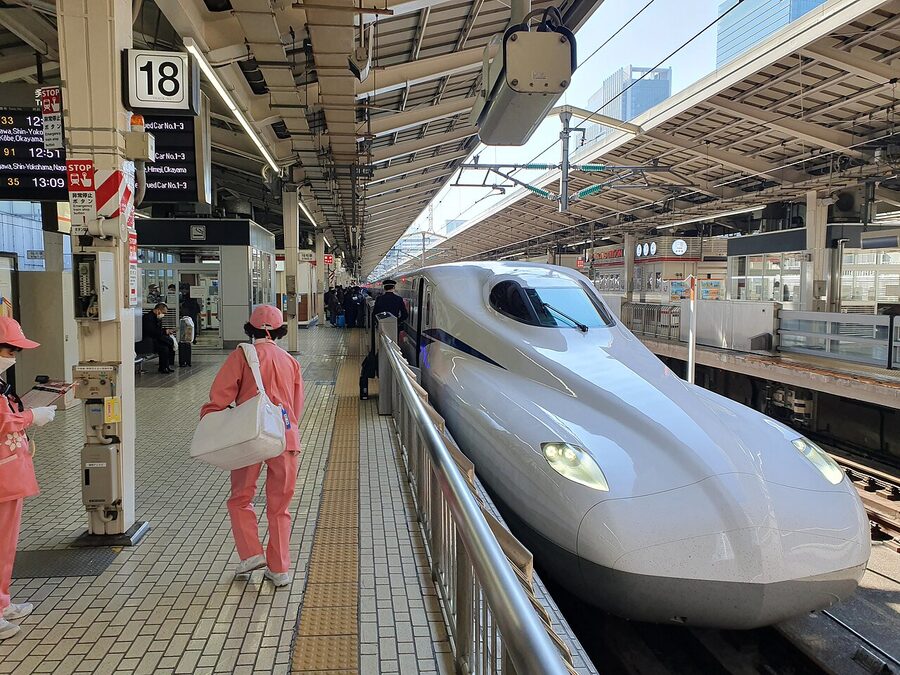
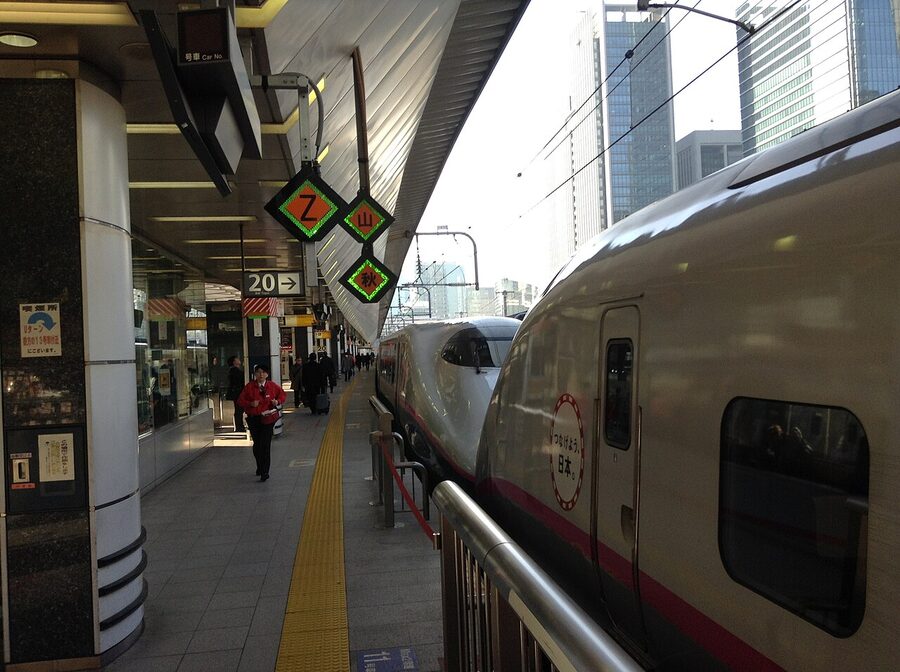
The hiss when a tallboy opens at 14:33 on the platform of Tokyo Station, two minutes before the Hayabusa pulls out for Sendai, is one of those sounds you don’t notice until you’re listening for it. Then you hear it everywhere. The salaryman in row 17. The retired couple sharing a Sapporo Classic. The two students who just bought a 6-pack of Yebisu and a bag of jagariko at the kiosk because the journey is four hours and they’re bored already. Cold lager, soft pop of aluminium, the brakes letting go.
Drinking on the shinkansen is a small national tradition, and a quietly contested one. It is allowed. It is normal. It is also, in the last few years, the source of a low simmer of complaints from passengers who think the carriage is becoming an izakaya on rails. Both things are true at once.
This is what I’ve worked out after a lot of cans, a lot of cup sake, a lot of platform vending machines, and one regrettable bottle of shochu on the Tohoku line that I won’t describe further. Where to buy. What to buy. Which line earns which drink. What the etiquette traps are. And the bigger thing nobody seems to mention out loud: the onboard cart is mostly gone. If you don’t buy your drinks before the doors close, you’ll be drinking water from your bag.
In This Article
- The lines, the cart, the buy-before policy
- What happened to the cart
- Is it actually okay to drink on board
- The originating-station drinking pantry
- Tokyo Station
- Shinagawa Station
- Shin-Osaka Station
- Niigata Station and Echigo-Yuzawa
- Hakata Station
- Sendai Station
- Kanazawa and the Hokuriku stops
- The cup-sake station ritual
- The beer hierarchy on the shinkansen
- Highballs and the quiet whisky thing
- What to drink with which ekiben
- The Tokaido Green Car mobile-order trick
- Line by line: what to drink, what to skip
- Tokaido Shinkansen (Tokyo–Shin-Osaka)
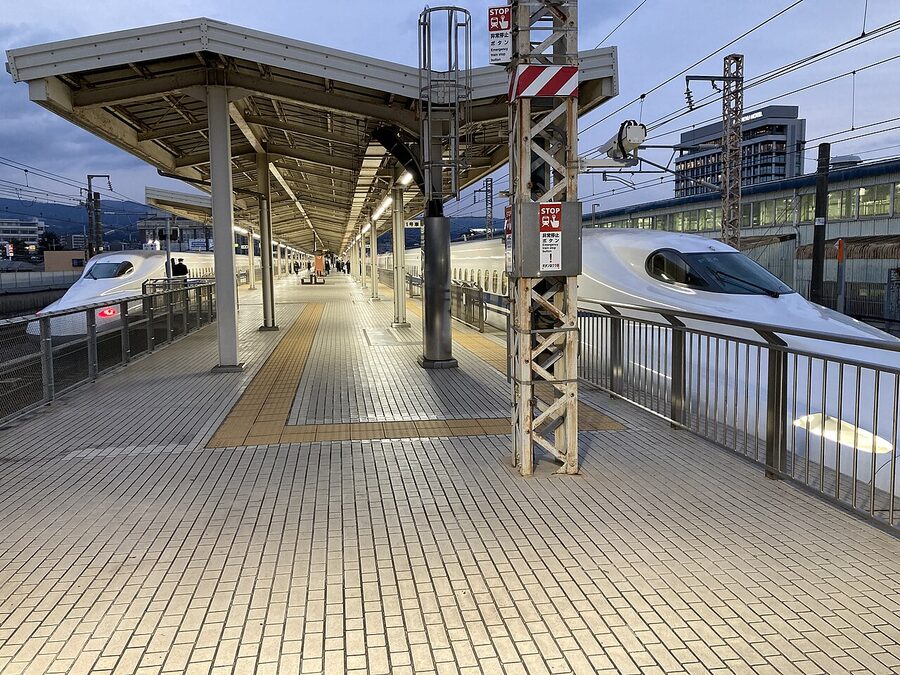
- Sanyo Shinkansen (Shin-Osaka–Hakata)
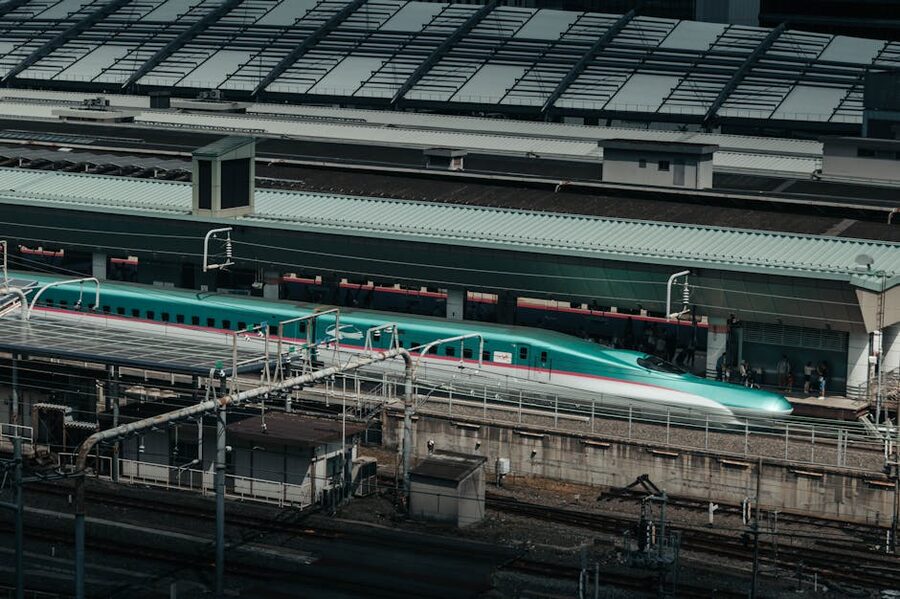
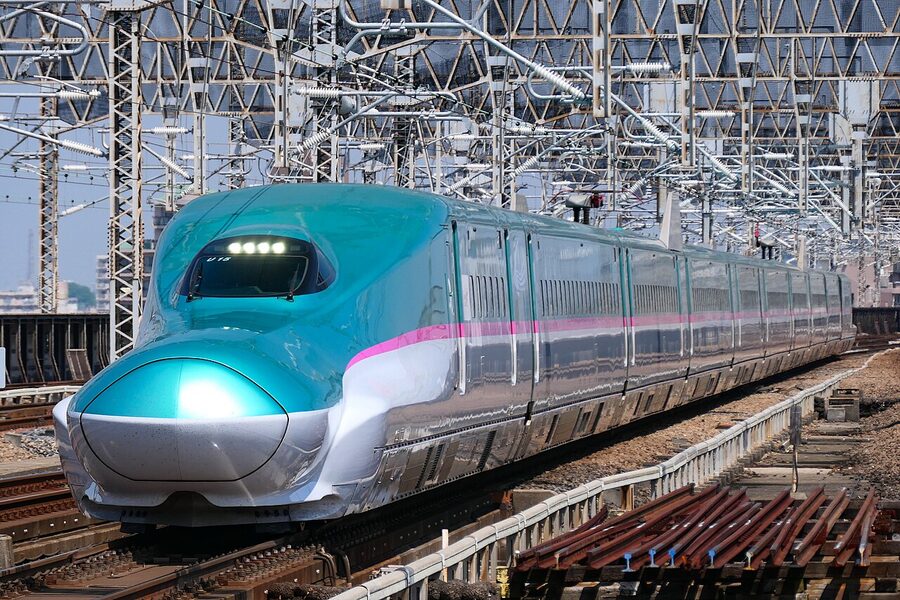
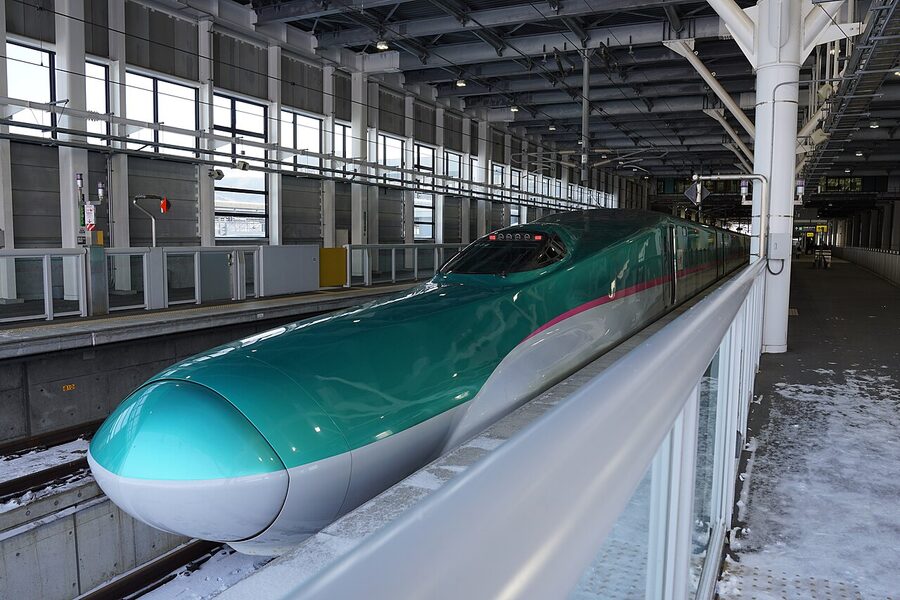
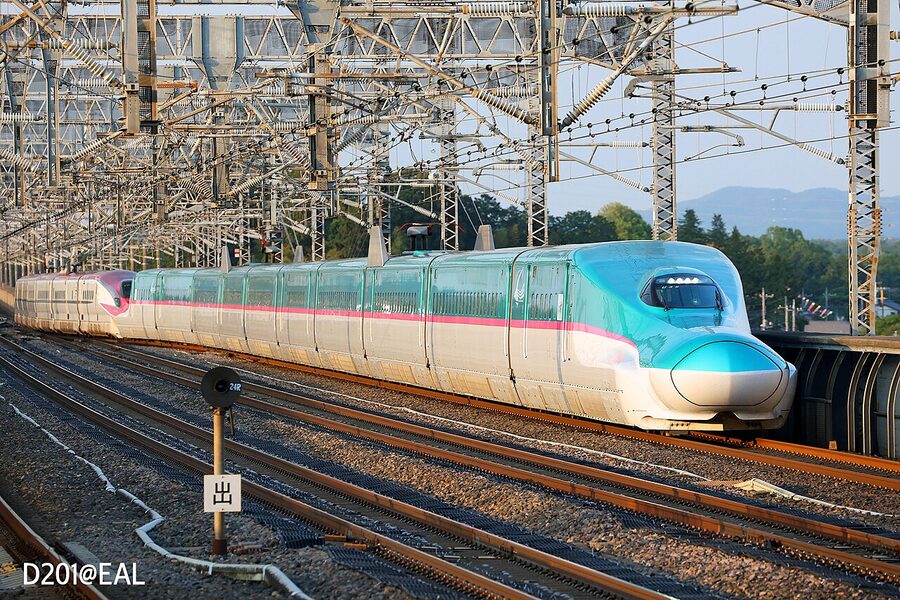
- Tohoku Shinkansen (Tokyo–Shin-Aomori)
- Joetsu Shinkansen (Tokyo–Niigata)
- Hokuriku Shinkansen (Tokyo–Tsuruga)
- Kyushu Shinkansen (Hakata–Kagoshima-Chuo)
- Hokkaido Shinkansen (Shin-Aomori–Shin-Hakodate-Hokuto)
- Rookie mistakes
- What it actually costs
- Drink at the station, not on the train
- Practical timing
- The cup-sake-and-oden side
- Where this is going
- The last carriage
The lines, the cart, the buy-before policy
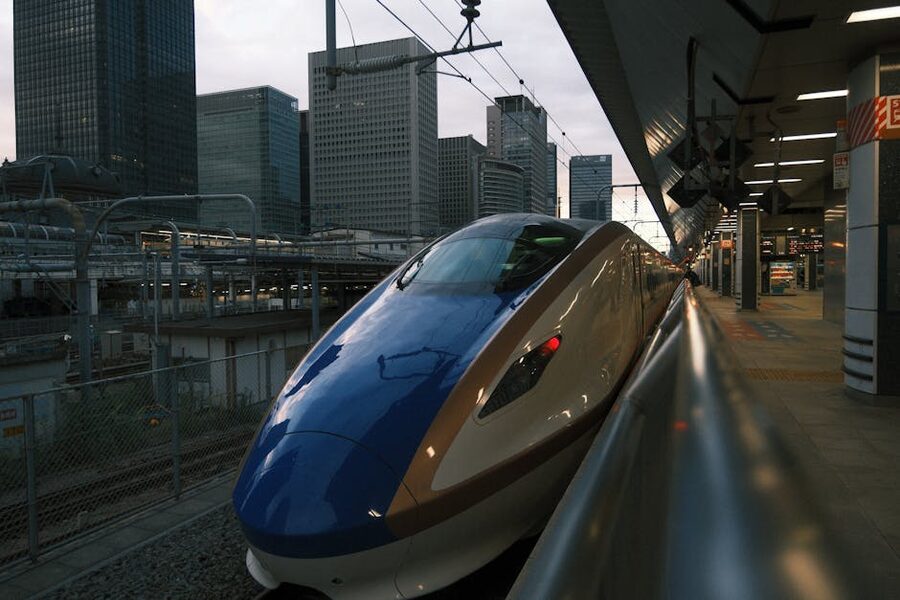
The single biggest change in shinkansen drinking culture this decade isn’t a drink. It’s that JR Central scrapped onboard cart sales on the Tokaido and Sanyo lines on 31 October 2023. JR East had already cut most of theirs during COVID. JR Kyushu went first, in 2019. The cart, with its blue uniform and the 缶 of nama beer poured through a special foam cap, is mostly a memory now. What’s left is the originating-station shop, the platform vending machine, and (on the Tokaido Green Car only) a mobile-order app that lets you tap drinks to your seat number.
If you only remember one practical fact from this whole article, make it this: buy your drinks at the originating station, in the ten minutes before boarding. Tokyo, Shinagawa, Shin-Osaka, Hakata, Sendai, Niigata, Kanazawa. The station shops are excellent. The trains, drink-wise, are now more or less self-service from your bag.
| Line | Onboard sales (2026) | Where to buy | Line-defining drink |
|---|---|---|---|
| Tokaido (Tokyo–Shin-Osaka) | Mobile order, Green Car only. No cart. | Tokyo, Shinagawa, Nagoya, Shin-Osaka platforms | Suntory Premium Malt’s draft (the "kami-awa" foam can) |
| Sanyo (Shin-Osaka–Hakata) | Discontinued Oct 2023. Vending in some Green Cars. | Shin-Osaka, Okayama, Hiroshima, Hakata | Hakata-brewed Asahi or a Yamaguchi jizake cup |
| Tohoku (Tokyo–Shin-Aomori) | None. JR East cut all carts during COVID. | Tokyo, Omiya, Sendai, Morioka platforms | Sendai-brewed Yebisu or a Tohoku junmai |
| Hokuriku (Tokyo–Tsuruga) | None on regular cars; Gran Class includes drinks. | Tokyo, Nagano, Toyama, Kanazawa | Hokuriku jizake, especially anything from Toyama or Ishikawa |
| Joetsu (Tokyo–Niigata) | None. | Tokyo, Echigo-Yuzawa, Niigata | Niigata sake, full stop. The country’s densest sake region. |
| Kyushu (Hakata–Kagoshima-Chuo) | None since 2019. | Hakata, Kumamoto platforms | Imo shochu, a Kagoshima ritual on the way home |
| Hokkaido (Shin-Aomori–Shin-Hakodate-Hokuto) | None. | Tokyo, Sendai, or Shin-Hakodate-Hokuto on the way back | Sapporo Classic, the Hokkaido-only black-label can |

What happened to the cart
It used to be that the cart came through every twenty minutes. The attendant in the powder-blue uniform, the trolley with the metal bin of cold cans, the small bottles of Yamazaki 12-year that came with a free 500ml mineral water and a tin cup full of ice. You could buy shu-mai from Saki-ya in Yokohama with a Suntory highball and read your book while Mt Fuji slid past the window.
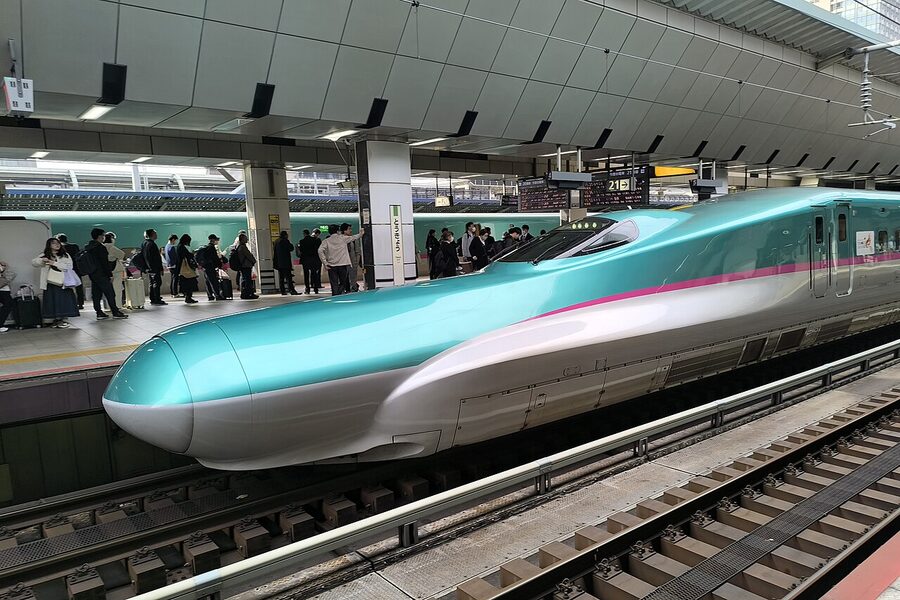
That world is mostly over. JR Kyushu pulled cart service in March 2019. JR Hokkaido never had it on the new line. JR West cut Sanyo Shinkansen carts on 31 March 2023. JR Central, the most important operator for tourists because it runs the Tokyo–Kyoto–Osaka spine, dropped Tokaido carts on 31 October 2023, citing falling sales and unfilled service positions. JR East had already gutted Joetsu and Tohoku carts during COVID and never brought them back.
What you get now, depending on the line:
- Tokaido Shinkansen Green Car: a mobile-order service via QR code at your seat. You scan, pay by credit card, an attendant brings the order. Limited menu. Beer, highball, coffee, ice cream, a few snacks. Ordinary cars get nothing.
- Sanyo Green Car: a small vending machine in some carriages. Limited stock and emptied fast on busy days.
- Hokuriku Shinkansen Gran Class: the top-tier seat (more expensive than ordinary Green Car) includes a meal and unlimited soft drinks, beer, wine and sake during the journey. The most lavish remaining onboard drinking option in the network.
- Everything else: bring your own.
.jpg)
Is it actually okay to drink on board
Short answer: yes. Long answer: yes, with a tone of voice and a volume that matches the carriage you’re sitting in.
The shinkansen is officially a long-distance train, not a commuter line, and food and drink are part of the design. The seats have tray tables. The windows recline. The ride is steady enough that you can drink hot coffee without spilling it. JR’s published manners guidance reads, in plain English, that you may consume alcohol so long as conversation volume doesn’t disturb other passengers. That’s the rule.
What’s changed is the social mood. The Money Post ran a piece in 2024 titled “Koko wa izakaya ja nai” (“This isn’t an izakaya”), surveying complaints from regular shinkansen riders about loud groups treating the carriage like a bar. A 2024 trilltrill survey found majority support for a non-drinking carriage, similar to the non-smoking carriages of the 1990s. None of the operators have moved on it. But you can feel the shift on a packed Friday-evening Hikari out of Tokyo: the polite irritation when one row gets noisy is real.
The practical rules I follow:
- Drink whatever you want, as long as you can do it without anyone in the next row noticing you’re drinking.
- Cans, not bottles. Glass clinks. The recycling bins at the carriage end take aluminium and PET only.
- If you’re with a group of three or more and the train is full, knock the volume down a register. Laughter carries on the shinkansen in a way it doesn’t in an izakaya.
- Never on the morning Tokaido Hikari from Tokyo. The 06:00–09:00 rush is full of business commuters reading reports on laptops; the carriage is silent. Cracking a beer at 07:30 reads as oblivious tourist behaviour.
- Always after 11:00, especially on weekends and holidays.
The thing nobody explains: a salaryman drinking a single Asahi at 10:00 on his way home from a Tokyo trip is a normal sight; four tourists drinking three rounds and laughing is what prompts the angry letter to JR. The behaviour matters more than the drink.
The originating-station drinking pantry
The major shinkansen stations are the new front line for travel drinking. The shops have multiplied as the carts have shrunk, and the selection has improved. If you have ten minutes before your train, this is where the journey is actually planned.
Tokyo Station
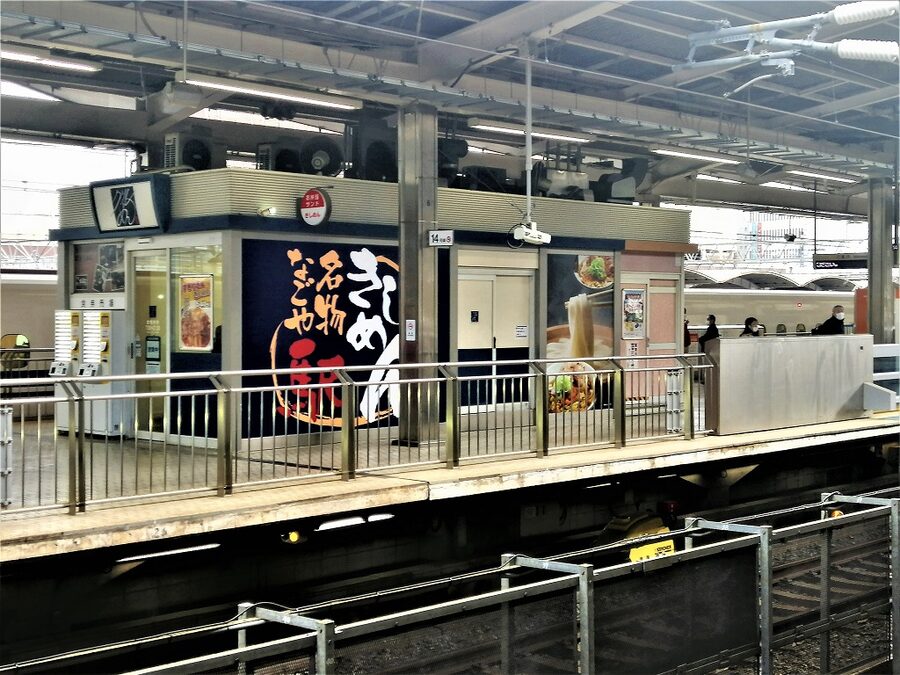
The benchmark. Tokyo Station serves the Tokaido (south to Kyoto, Osaka, Hakata), the Tohoku and Hokkaido (north to Sendai, Aomori, Hakodate), the Joetsu (Niigata), the Hokuriku (Kanazawa, Tsuruga), and the smaller Yamagata and Akita lines. Every drinker boarding at Tokyo has the same set of shops to pick from, inside the ticket gates. You don’t need to leave the platform level.
Two stops worth your time, both inside the gates:
- Hasegawa Saketen in GranSta. The platform-side sake bar with bottle sales of jizake from across Japan, plus craft beer, plus small wine bottles. They have 300ml bottles of Hakkaisan and Kubota Senjyu (both Niigata), and Suigei (Kochi), and a rotating local-prefecture corner that’s worth the walk. Open from around 08:00 to 22:00. The pour-by-the-glass option is in the standing-tasting room next door, but for a train pickup, just buy bottles to go.
- Ekibenya Matsuri on the first floor, just inside the Marunouchi gate. The big ekiben shop, around 170 varieties, and a small drinks fridge at the back with cold Asahi, Suntory highballs, Yebisu, and a few jizake cans matched to the bento regions. Buy the regional bento and the regional drink in the same trip.
If you want a beer fridge with depth and you don’t want to walk far, the Family Mart at the south Yaesu underground level (outside the gates, but a five-minute walk back through if needed) has 60+ cold cans, including most of the limited-region cans you can’t find in central Tokyo Family Marts.
For breakdowns of the city more broadly, the Tokyo bars and drinks guide goes into the neighbourhood-by-neighbourhood scene; the platform shop scene at Tokyo Station is its mass-market mirror.
Shinagawa Station
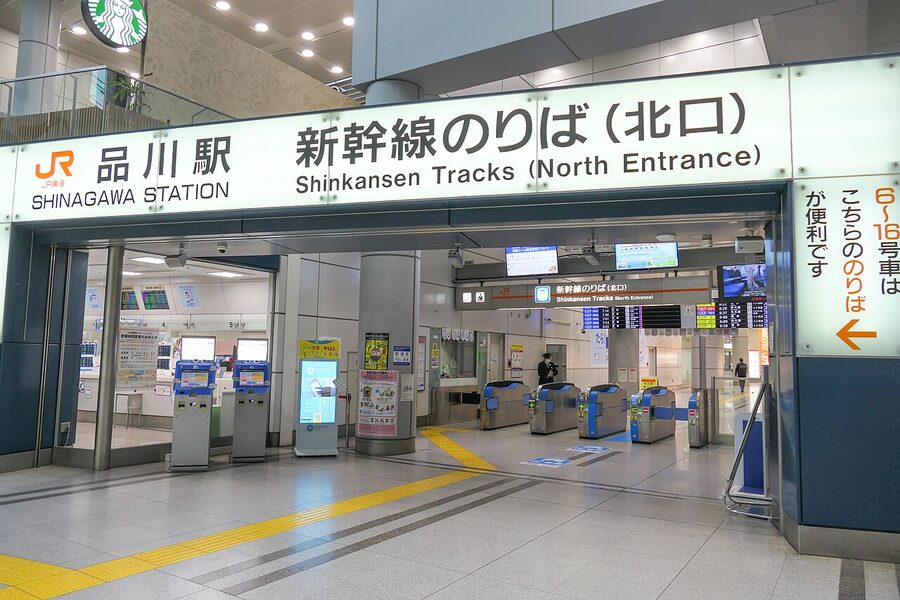
The other Tokyo-end stop on the Tokaido. If you’re staying south of the city (around Yokohama, Shinagawa, Tennozu), boarding at Shinagawa instead of Tokyo Station saves you the change and gives you a calmer set of platforms. The drink selection is thinner than Tokyo Station’s but functional.

Useful stops:
- Hanagataya outside the ticket barriers. Larger ekiben range than what’s inside, basic drinks (Asahi tallboys, Suntory highball cans, water).
- Plusta Bento past the barriers, on the way to the Tokaido platforms. Smaller selection but quicker queue.
- The ecute Shinagawa mall outside the gates has a small Hasegawa Saketen branch, useful if you’re early and want to browse 200ml sake bottles before boarding.
Shin-Osaka Station
The southbound pivot. Shin-Osaka is where the Tokaido ends and the Sanyo begins, and almost every Hakata-bound train changes nothing except its name and crew here. If you’re returning to Tokyo from Osaka, this is where you stock up.

The drink-relevant stops at Shin-Osaka, all inside the Shinkansen ticket gates:
- Hassei Nihonshu on the third-floor Shinkansen concourse. A standing sake bar with 30+ jizake by the glass and bottle. ¥500 for a small pour, ¥800 for a larger one. Open from 11:00. They sell 180ml bottles to take onboard, which is the move if you want to drink Kansai sake on the Hikari home.
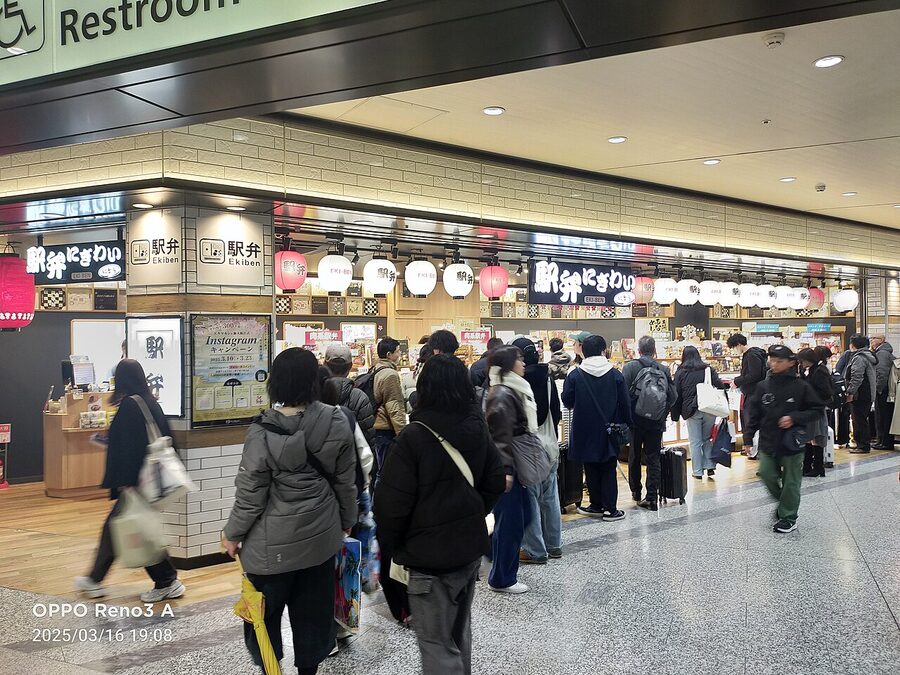
- Ekiben Nigiwai Lunch Shop for ekiben plus the standard cold-drinks fridge. The drink range is narrower than Tokyo Station’s; they assume you’re already booked and you’re picking up, not browsing.
- The Family Mart at the third-floor Shinkansen-side has cans, snacks, and (importantly) ice cubes in pouches if you want to do a highball with a takeaway Yamazaki miniature.
Niigata Station and Echigo-Yuzawa
If your shinkansen is the Joetsu, you’re on the country’s densest sake-region line. Niigata Prefecture has nearly 90 sake breweries, more than any other prefecture. The Niigata Station Shinkansen platform shop and the Echigo-Yuzawa platform shop both reflect that. Walk in expecting craft beer and you’ll be disappointed; walk in for sake and you’ll over-buy.

The most-recommended quick buys at Niigata Station’s Shinkansen-gate shop:
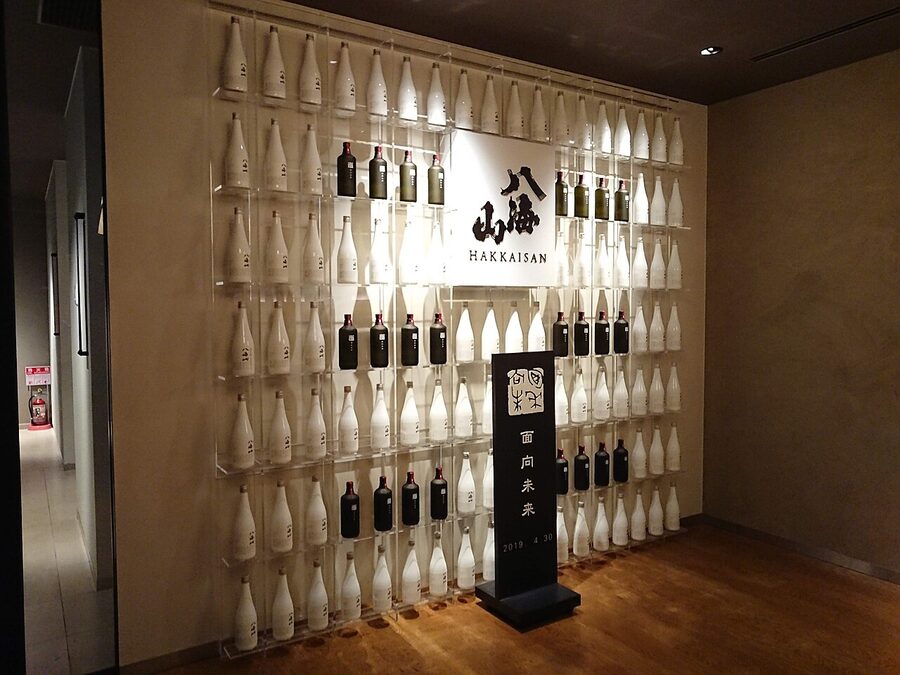
- Hakkaisan Junmai Ginjo, 300ml around ¥1,100. Round, mineral, the easy default.
- Echigo Tsurugame Junmai, the Niigata-city brewery, 180ml around ¥320 in the can. The Jalan recommendation list flagged this in 2019 and the cans still appear.
- Kubota Senjyu, 300ml around ¥900. Drier than Hakkaisan, sharper finish, better with oily fish.
- Fuumi-sokai Niishite, the Niigata-only Sapporo Black Label variant, 350ml around ¥280. A Niigata-prefecture limited beer with a pale crisp finish that pairs well with the local rice crackers.
Echigo-Yuzawa, the ski-resort stop on the way to Niigata, has the famous Ponshu-kan sake-tasting machine right by the Shinkansen gate: ¥500 buys five tasting tokens, you walk along a wall of 100+ cup-sized dispensers and pick whatever you like. It’s not a stop you make on a fast train, but if you’re switching to a local at Echigo-Yuzawa, fifteen minutes there is well spent. The Niigata sake context is in the Niigata sake region guide.
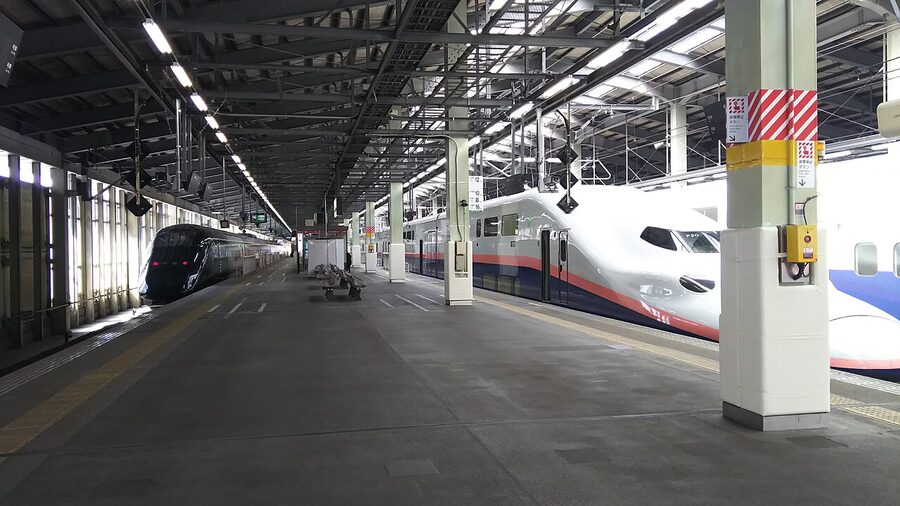

Hakata Station
The southern Tokaido-Sanyo terminus and the Kyushu Shinkansen origin. Fukuoka drinking culture is its own thing (yatai, motsunabe, the local Hakata-brewed Asahi), and the station shops reflect it.
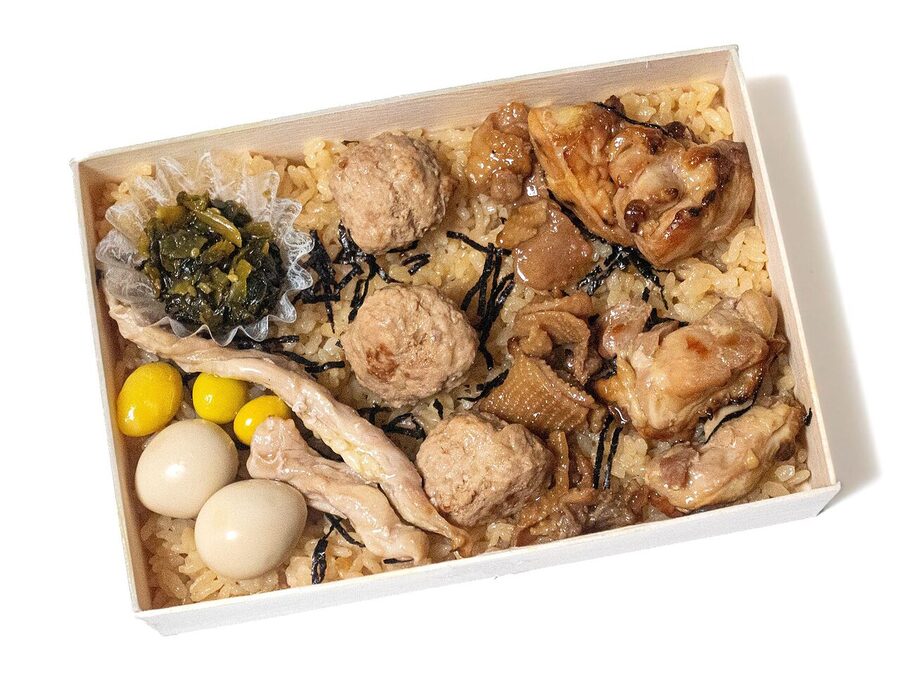

The drink-relevant stops at Hakata Station:
- Mai-zuru Hakata in the Deitos shopping mall side. Has a small bottle-shop section with Fukuoka shochu in 200ml format.
- Family Mart inside the Shinkansen gate has Asahi, Sapporo, the local Asahi Kuronama dark, and a rotating Kyushu beer corner.
- The Hakata-Mentai-Juu shop is technically a bento store but they pour glasses of cold sake by the cup at the counter, which is an oddly civilised way to start a Sanyo journey north.
Sendai Station
Sendai is the Tohoku Shinkansen’s northern halfway point and the southern gateway to the deeper north. The local Yebisu, brewed at Asahi’s Sendai facility, is the obvious move; the station shop matches it with the regional bentos that the Tohoku is known for.
- Iro-Wan Sendai on the Shinkansen concourse for the Tohoku-line bentos plus a strong sake fridge with Miyagi (Hitakami, Datemasamune) and Yamagata (Dewazakura, Juyondai) bottles.
- S-Pal Sendai outside the gates if you have time: small craft-beer bottle shop with Yamagata Brewing and Iwate Kura beers in 330ml bottles, ¥600–750 each.
- Tasting bar at Iro-Wan: ¥600 buys three small pours of regional sake, perfect if you want to test before committing to a bottle.
Kanazawa and the Hokuriku stops
The 2015 Hokuriku extension to Kanazawa, and the 2024 extension to Tsuruga, opened up one of the country’s better sake regions to direct shinkansen access. Toyama, Ishikawa, and Fukui all produce excellent jizake, and the platform shops at Toyama Station and Kanazawa Station carry it well.
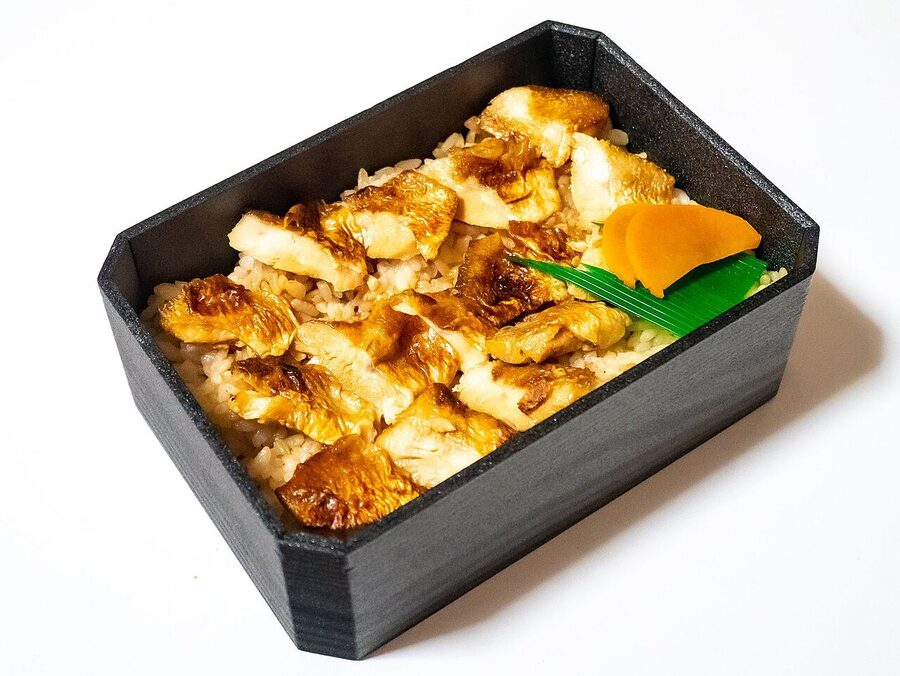

The classic combinations:
- Toyama Station: a 200ml of Masuizumi Junmai (the Masuda Shuzo brewery’s everyday drinker), ¥520. Goes with the Masu no Sushi (pressed trout sushi) bento that’s a Toyama Shinkansen tradition.
- Kanazawa Station: Tedorigawa Yamahai Junmai 180ml, ¥480. The Hyakubangai shopping concourse on the Shinkansen side has a sake-tasting bar (¥500 for three pours) that’s open from 10:00. The local Kanazawa eat-and-drink scene shapes the platform shop style.
- Tsuruga Station: the new western-end stop. Smaller selection, mostly Fukui breweries (Kokuryu, Hanagaki). Worth one cup-sake purchase before reversing out toward Kyoto.
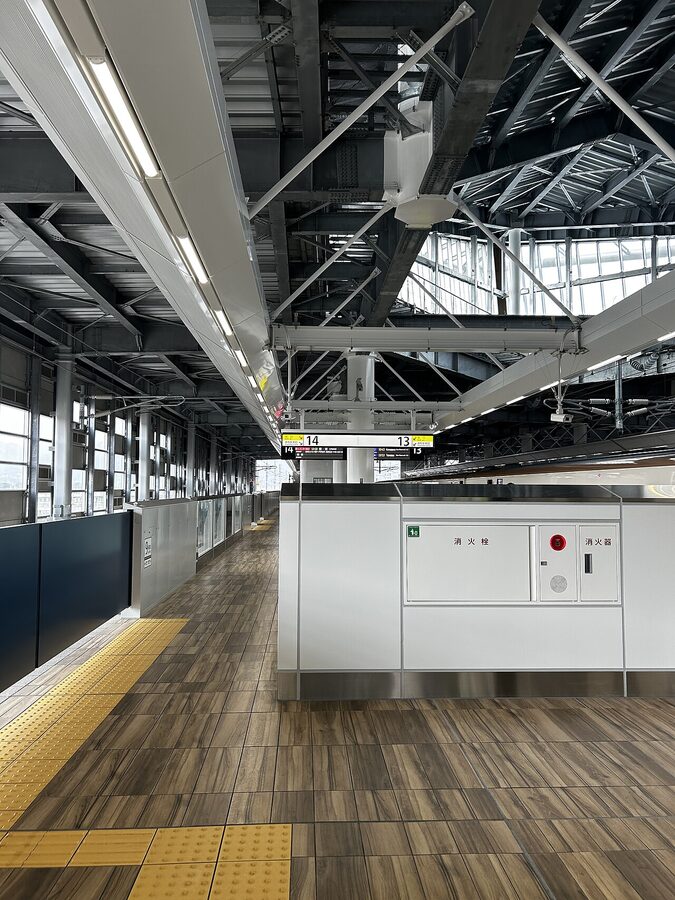
The cup-sake station ritual
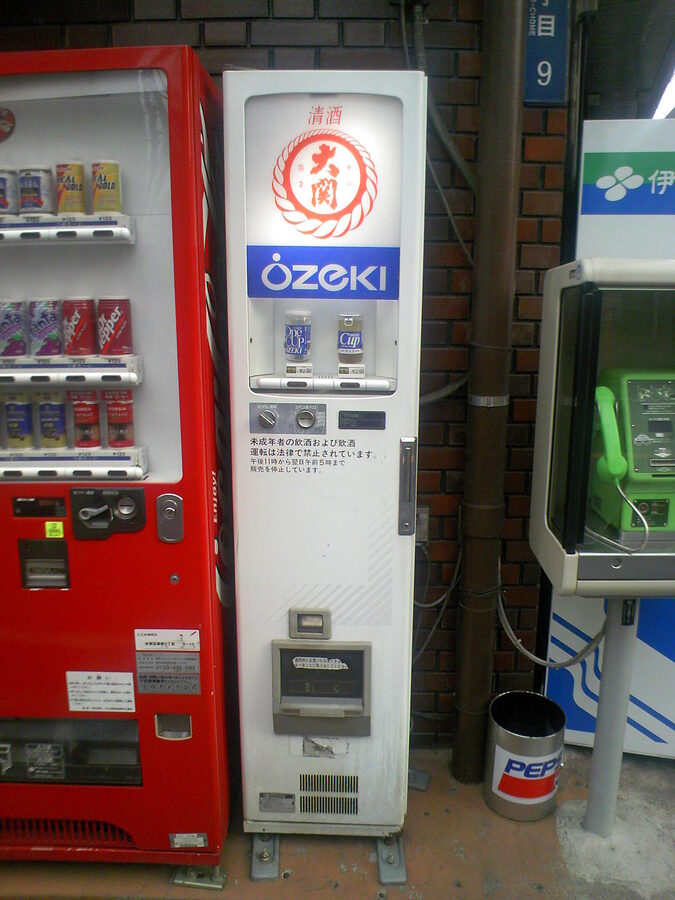
If you’ve never bought a one-cup sake at a Japanese station, here’s the move. You’re at a Shinkansen platform, the train doesn’t leave for six minutes, and you don’t want a 500ml beer because the trip is two hours. The vending machine has cup-sized glass jars of sake under a screw-on metal lid. Ozeki One Cup is the original (since 1964, oddly the same year as the first shinkansen). Hakkaisan, Gekkeikan, Kiku-Masamune, and most regional brands have cup versions in 180ml glass.
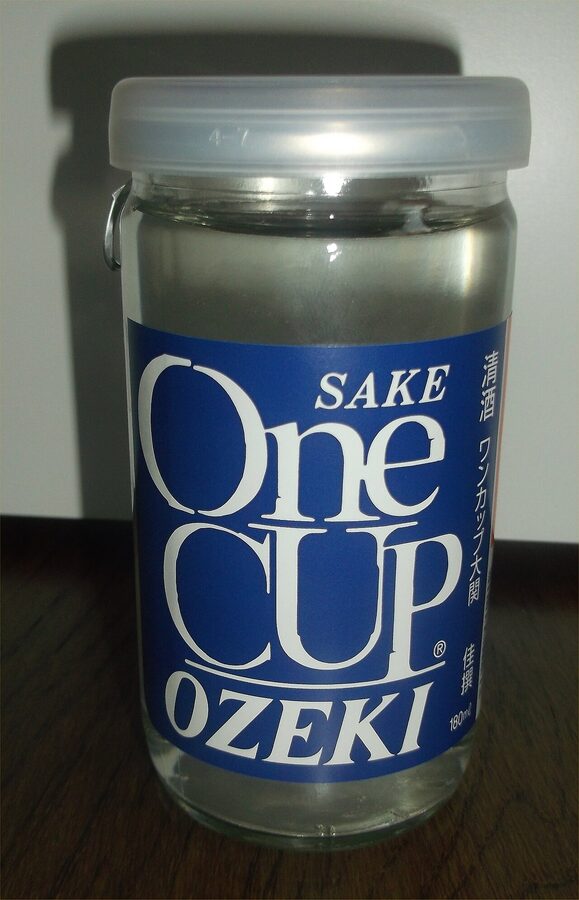

Why cup sake works on the shinkansen: the 180ml glass is exactly the right pour for a one-hour leg. The lid screws back on so you can put it down when you sleep. The price floor is ¥220–280 for the workaday Ozeki and Gekkeikan brands, ¥350–500 for the regional jizake versions. Cheaper than a beer almost everywhere. The Tokyo Station platform vending on the Tohoku side carries seven or eight; Niigata Station and Toyama Station are the gold standard with ten or more, including local breweries’ cup formats. The sake guide covers junmai, ginjo, and the cup-grade label cues; the short version is that a cup sake is rarely a daiginjo. Buy the cup for the format and the price; buy a bottled junmai if you want the brewery to mean something.
.jpg)
The beer hierarchy on the shinkansen
If sake is the cult choice, beer is the universal one. A salaryman at 17:30 on a Friday Tokaido Hikari with a tall Asahi Super Dry isn’t a stereotype; he’s a regular feature. The hierarchy of cans you’ll see on the seat-back tray tables, in roughly the order I see them most often:
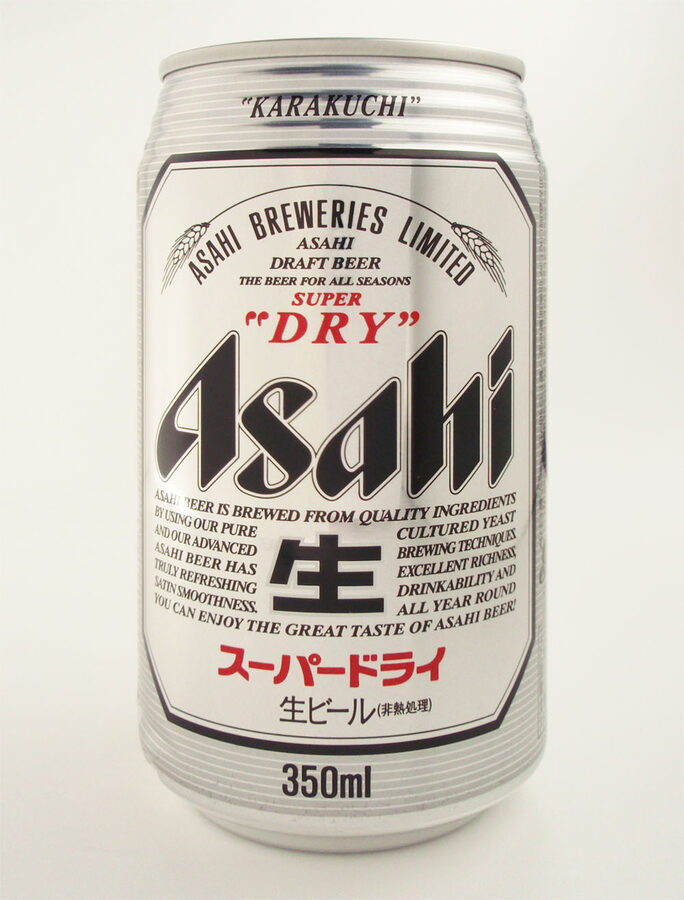
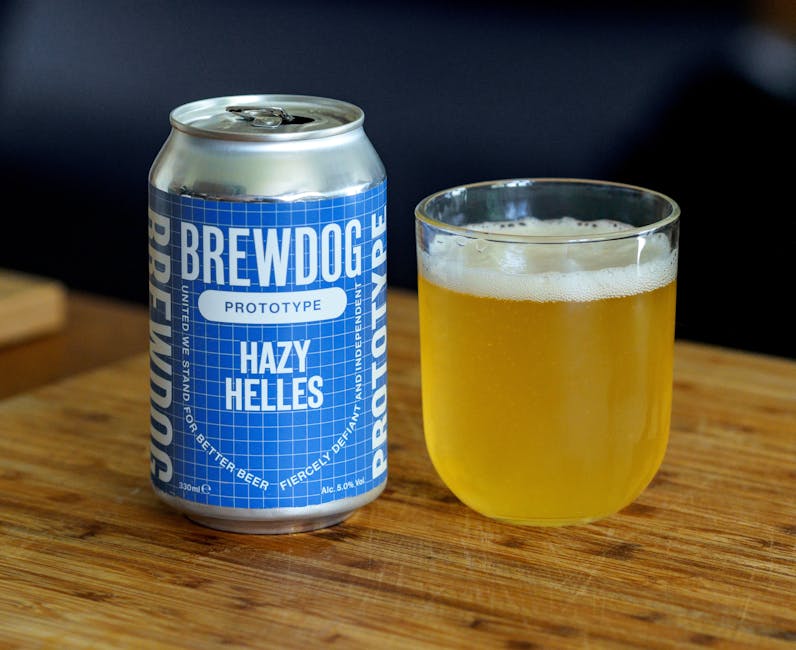
- Asahi Super Dry. The workhorse. Crisp, dry, low-bitterness, designed for food. The 350ml can at any station Family Mart is ¥260. The tallboy is ¥330. If you can’t decide, this is the default.
- Sapporo Black Label (Kuro Label). The slightly more flavourful alternative, especially worth choosing on the Tohoku and Hokkaido lines where it’s the regional pride. ¥260 at most stations.
- Suntory Premium Malt’s. Maltier, more body. The line-defining beer of the Tokaido Shinkansen because the mobile-order Green Car service pours it on tap with the special “kami-awa” foam server that the cart attendants used to operate. ¥350 for the 350ml can at the station; ¥600 for the foam-poured cup if you’re in Green Car.
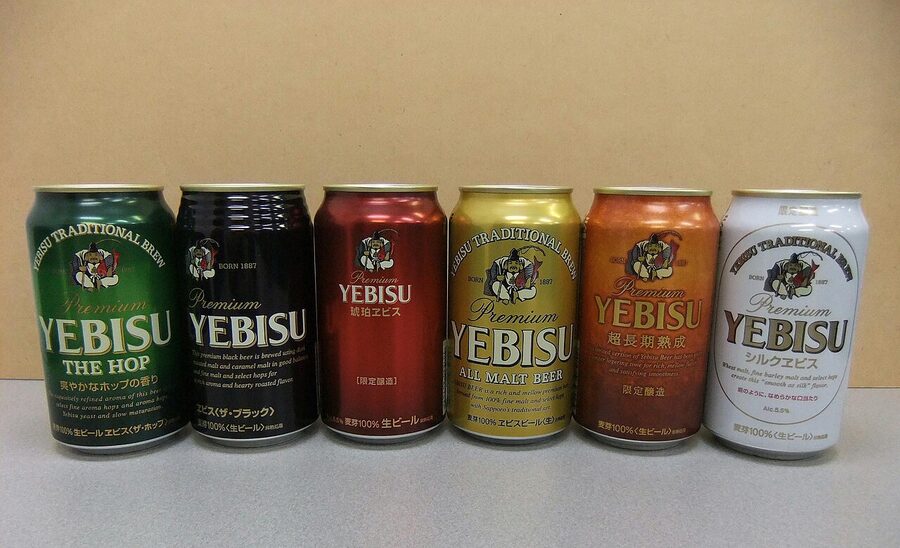
- Yebisu. Sapporo Brewery’s premium line. Maltier still, slightly heavier. The 350ml can is ¥330 at station shops. Yebisu has a long Tokaido Shinkansen advertising history; the brand made it the central image in its 2010s “Yebisu Tokaido Shinkansen no tabi” series of posters and limited cans.
- Sapporo Classic. Hokkaido-only. Available on the Hokkaido Shinkansen platforms (Shin-Hakodate-Hokuto, returning south) and at Sendai if you’re heading that way. The 500ml tallboy is ¥350. If you’re coming back from Hokkaido, this is the one to grab.

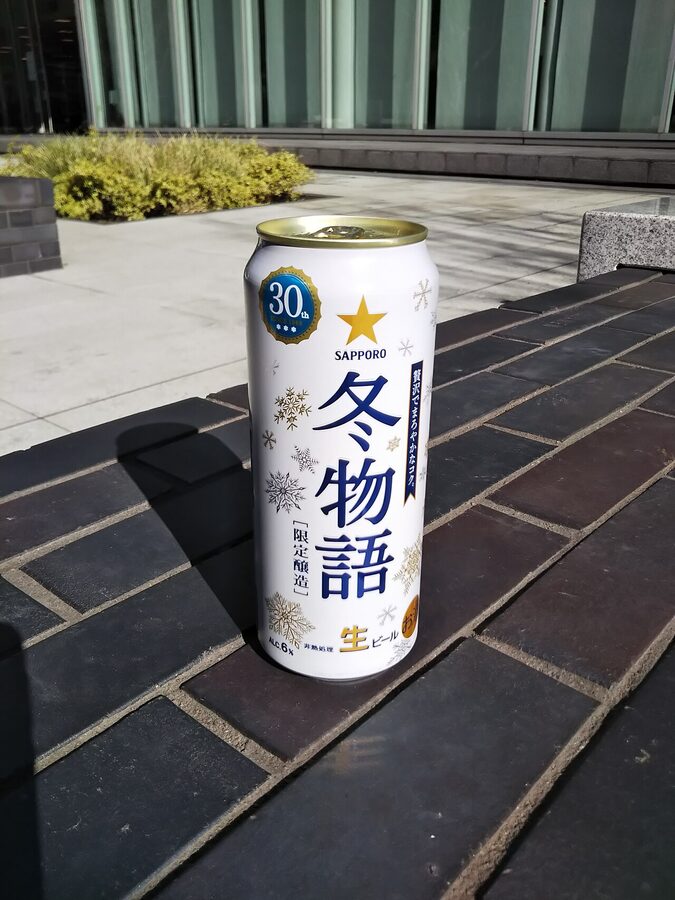
What I’d skip: imported lagers (Heineken, Corona, Stella) cost the same as a Yebisu and the local cans pair better with local food. Most happoshu budget beers (Mugi-to-Hop, Style Free) save you ¥100 but the trade-off in body is steeper than it sounds. And the 500ml craft cans from Yo-Ho or Hitachino at higher-end shops are great beers but wrong format: 500ml of an IPA in a stuffy carriage is a heavy commitment. Buy those for the hotel, drink lager on the train. The Japanese craft beer guide covers when to seek the bottles out.
Highballs and the quiet whisky thing
The shinkansen highball is its own minor cult. Suntory Kakubin Highball cans (the yellow-and-black 350ml) are everywhere. Suntory The Premium Malts also makes a less-discussed bottled-water-and-Yamazaki version that, until late 2023, came as a Tokaido cart special: a 50ml miniature of Yamazaki 12-year for ¥1,150 with a free 500ml mineral water and a bag of ice. The cart is gone but you can still build the same drink yourself.
- The platform setup: 50ml miniature Yamazaki Distiller’s Reserve at Hasegawa Saketen ¥780, a 500ml Wilkinson Tansan from any station vending ¥130, a small bag of ice cubes from the Family Mart freezer aisle (yes, they sell them) ¥160. Total ¥1,070, all on a paper cup, made on your tray table.
- The Suntory canned default: the Kakubin Highball 350ml can, ¥250. Lower-grade Suntory base, but the carbonation is right and the lemon is dialled in. Fine.
- The beergirl.net Yebisu-style ritual: a 200ml Yamazaki + a tall glass + a slow pour. This is what people actually do on long Hakata-bound Sanyo runs.
For more on what to actually look for in Suntory’s range, the Japanese whisky guide and the highball culture piece both go deeper. On the train, you’re drinking for the format: small bottle, big mixer, ice, calm.
What to drink with which ekiben
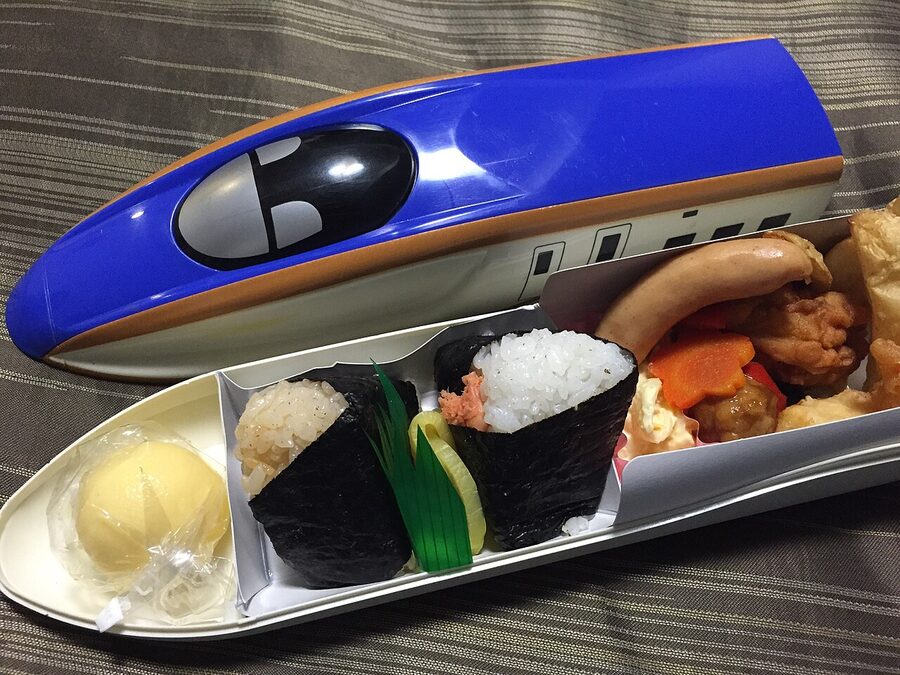
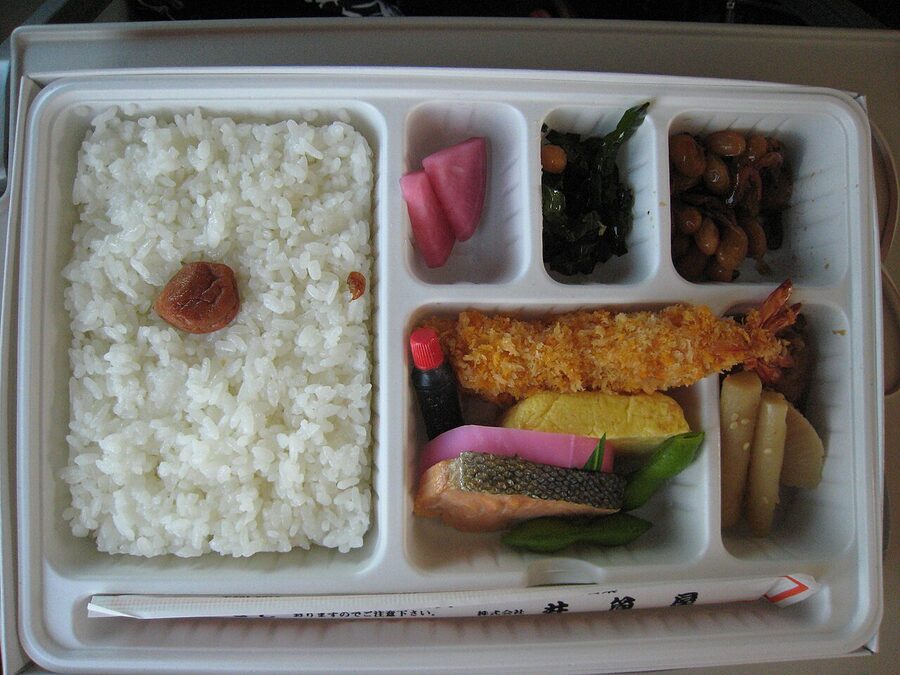
The ekiben, the train-platform bento, is the food half of shinkansen drinking, and the pairings genuinely matter. The bento shapes the drink as much as the line does.
.jpg)
The pairings that actually work:
- Tokyo Daruma Bento (Gunma) with chicken and rice in the daruma-shaped lacquer box: a Sapporo Classic. The smoky char of the daruma chicken handles a fuller-bodied lager.
- Masu no Sushi (Toyama) with pressed trout on bamboo-leaf rice: a Hakkaisan junmai or a Masuizumi cup. The rice press is dense; sake mineral cuts through.
- Hakata Yakitori (Fukuoka): an Asahi Super Dry. Don’t overthink this one; the soy-glazed yakitori needs nothing more than a clean dry beer.
- Hipparidako Meshi (Hyogo), the octopus-and-rice bento in the clay pot: a Yamaguchi or Hyogo junmai. Or a small bottle of Hakushu 200ml if you want to go old-school whisky-and-fish.
- Daimaru Tokyo Beef Tongue (Sendai): a Yebisu, or a Tohoku junmai if you’re on the Hayabusa for the long run.
- Hokkaido seafood ekiben (Kaizen Ezo Shomi): a Sapporo Classic, or a 180ml of a Hokkaido junmai. The salmon roe needs a beer; the scallops need a sake. Buy both.
- Ika-meshi (Hokkaido): a tall Asahi. The squid is sweet, the rice is salty, the dry beer balances it.
.jpg)
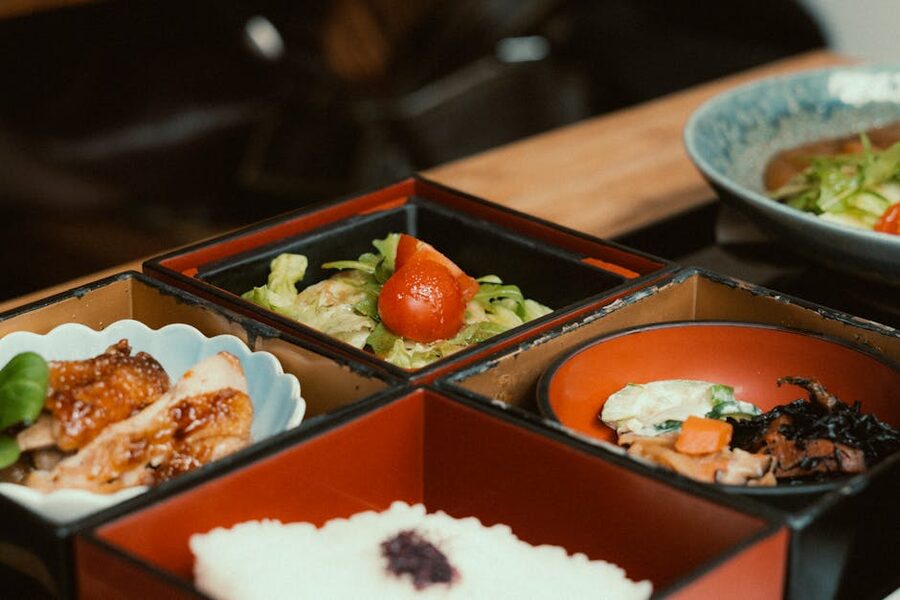
Pairings to avoid: any heavily fermented bento with red wine (doesn’t work, train-table or otherwise); anything sweet-soy-heavy (most chicken bentos, the daruma) with a Yamazaki highball (the whisky’s already smoky-sweet, doubling the register flattens the dish); the all-rounder makunouchi with a peated whisky (the bento is mild on purpose, pair it with Asahi or a junmai). The sake food pairings guide and the sake label guide both go further than I can on a station-platform timeline.
The Tokaido Green Car mobile-order trick
The one remaining proper onboard service is the Tokaido Green Car mobile-order app, run by JR Tokai Retailing Plus. Scan the QR on the seat-back panel (or open jr-plus.co.jp/mobileorder directly), pay by credit card, an attendant brings the order in five to ten minutes. The menu (as of 2026): Suntory Premium Malt’s draft with the kami-awa foam ¥600; Suntory Kakubin Highball ¥500; Asahi Super Dry 350ml ¥350; Suntory Crafty Lemon Sour ¥500; Glico Shanon ice cream ¥360; coffee, espresso, water, snacks.
The kami-awa foam is genuinely good (the cart-attendant pour at 270 km/h, in can form). The Glico Shanon ice cream has a Japanese cult around how absurdly hard it freezes (called carry-katai by fans because you can’t dent it with a plastic spoon). Buy it if you have 25 minutes left for it to soften. The whole service is Green Car only; ordinary cars get nothing.
Line by line: what to drink, what to skip
Each shinkansen line has its own drinking character. Here’s what’s actually worth drinking on each, and what to skip.
Tokaido Shinkansen (Tokyo–Shin-Osaka)
The 2.5-hour Tokyo-to-Shin-Osaka run on a Nozomi is the country’s most-trafficked drinking line. Mt Fuji is on the right side around 40 minutes out of Tokyo (book Seat E in any pair); the Kyoto-Osaka stretch at the end is dense and built-up. What to drink:
- The Suntory Premium Malt’s mobile-order draft if you’re in Green Car. Worth the upgrade if you’re going at lunch.
- Asahi Super Dry tallboy if you’re in ordinary class. The most-poured beer on the line, full stop.
- A Hyogo or Kyoto junmai cup from Tokyo Station’s Hasegawa Saketen if you want a regional move that matches the destination. The Tatsuriki cup (Hyogo) is ¥320, junmai grade, dry-finishing.
What to skip: hard liquor. The trip’s not long enough to justify a 50ml miniature of anything decent.

Sanyo Shinkansen (Shin-Osaka–Hakata)
The 2.5-hour Shin-Osaka-to-Hakata run hugs the Inland Sea coast for the second half. Hiroshima is the natural break point. What to drink:
- An Okayama or Hiroshima jizake cup bought at Shin-Osaka or onboard if you’re in Green Car (the Sanyo Green Car still has a vending machine on most sets). Senpuku from Hiroshima is the famous one.
- A Hakata-bound Asahi tallboy if you’re going to Fukuoka and want to ease yourself into the city’s drinking culture.
- The Hipparidako Meshi octopus bento (sold at Nishi-Akashi station, also at Shin-Osaka) plus a Hyogo junmai is the canonical Sanyo pairing.
What to skip: most platform vending wines. They’re tepid and the format is small enough that you’ll finish before the train pulls out.
Tohoku Shinkansen (Tokyo–Shin-Aomori)
The northbound run. Three to three-and-a-half hours from Tokyo to Sendai-Morioka-Aomori, depending on Hayabusa or Hayate. The window views past Sendai are the country’s best train scenery (rice fields, Tohoku mountains, occasional Pacific glimpses), and the trip is long enough to justify proper drinking pacing.
- A Sendai-brewed Yebisu for the first leg.
- A Tohoku junmai cup after Sendai. The Iwate, Miyagi, and Yamagata sake regions are all north of the Tokyo-Sendai stretch. Hitakami (Miyagi) and Iwate Kura junmai cups appear at Sendai Station.
- A Hokkaido seafood ekiben if you’re going through to Shin-Hakodate-Hokuto on a Hayabusa. The Kaizen Ezo Shomi pairs with a Hokkaido junmai or a Sapporo Classic.


Joetsu Shinkansen (Tokyo–Niigata)
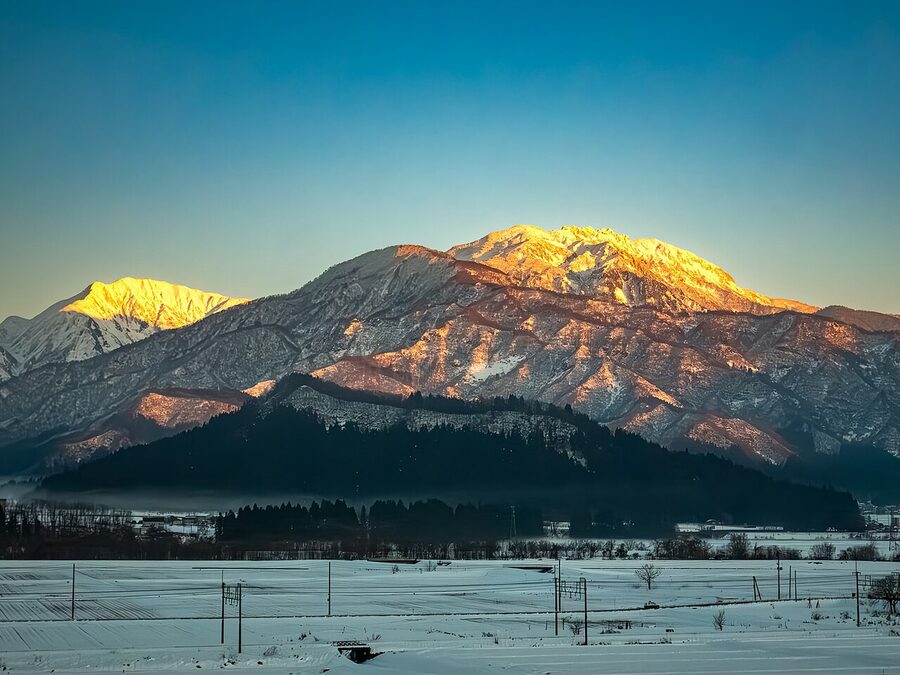
The two-hour run to the Sea-of-Japan coast is the densest sake line. The window crosses the Echigo mountains and the Mt Hakkai massif. The brewery name and the mountain name are the same, which is one of those small Japanese coincidences that means everything once you notice it.

- A Hakkaisan or Kubota cup from Tokyo or Niigata. Unmissable.
- A Niigata-only Sapporo Black Label variant (Fuumi-sokai Niishite) if you want a beer that’s more Niigata than Asahi.
- A Niigata sake-rice cracker pack from the Niigata Station Hyappongi shop, paired with whatever cup sake you bought at Tokyo. Crispy, salty, sake-friendly. ¥320.
The full Niigata sake region is its own multi-day trip; the Joetsu Shinkansen is the gateway.
Hokuriku Shinkansen (Tokyo–Tsuruga)
The 3.5-hour Tokyo-to-Kanazawa run, extended to Tsuruga since March 2024. The mountains start at Karuizawa, get serious through Nagano, then drop down to the Sea of Japan side at Toyama. What to drink:
- A Toyama Masuizumi cup for the 90-minute Tokyo-to-Toyama leg.
- A Kanazawa Tedorigawa junmai for the leg into Kanazawa or onward to Fukui-Tsuruga.
- The Gran Class drinks package if you have the budget. The seat is roughly twice the Green Car price; the bento and free-flow drinks make it the only “proper” onboard drinking experience left on the JR network.
Kyushu Shinkansen (Hakata–Kagoshima-Chuo)
The southern run, 1 hour 17 minutes Hakata to Kagoshima-Chuo on a Mizuho. The station shop selection is thinner than the main lines; what you want is shochu.
- An imo (sweet potato) shochu cup from Hakata Station’s Mai-zuru shop. Satsuma Shiranami 200ml ¥480; mixed with hot water from the train’s tea fountain (yes, there’s one in the back of car 4 on most sets), it’s the southern equivalent of the cup sake on the Joetsu.
- A Kumamoto Akazake cup if you can find one. Heavily seasoned cooking sake, drunk warm, mostly on New Year. The Hakata Mai-zuru carries it occasionally.
The deeper Kyushu drinking culture is in the shochu vs sake comparison; the train shop is the abbreviated version.
Hokkaido Shinkansen (Shin-Aomori–Shin-Hakodate-Hokuto)
One hour, mostly in the 53.85km Seikan undersea tunnel. Drinking is minimal; you board at Shin-Aomori with whatever you bought at Tokyo or Sendai. The drink: a Sapporo Classic, period.

Rookie mistakes
The errors that show up most in the JR letter-bag and the social-media complaint threads:
- Drinking on the morning Tokaido. The 06:00–09:00 window is a silent business carriage. Cracking a beer at 07:30 won’t get you stopped, but you’ll feel the tone shift.
- The group laugh. A four-person tour at normal in-restaurant volume sounds like a wedding on a shinkansen. Lower the register a full notch.
- Glass bottles. Bring a 720ml of sake “to share” and you’ll sound like you’re at a beach barbecue. Cans only.
- The cart that isn’t there. Boarding a Tokaido Hikari without drinks because you assumed the cart would come is the most-common 2024 mistake.
- Bin overflow. The two bins per carriage fill up fast on full trains. If yours is full, walk to the next car.
- Mixed alcohol on long rides. Sake then beer then highball over four hours leaves you wobbling off at Aomori. Pace by hour, not by craving.
- The shochu trap. A shochu cup is roughly 25% ABV vs sake’s 15%. A 180ml cup of sake and a 180ml cup of shochu are not the same drink.
- The mobile-order app on ordinary cars. The QR code is on the Green Car seatback only. The screen tells you “no” if you try from regular class.
For the in-bar version, the izakaya etiquette guide covers what carries over and what doesn’t.
What it actually costs
The cheapest plausible shinkansen drink: a Family Mart 350ml Sapporo Black Label plus a 180ml Ozeki One Cup from a platform machine. ¥260 + ¥230 = ¥490 total. Two drinks under ¥500, dignified, line-appropriate on Tohoku and Tokaido alike.
The middle move: a Hasegawa Saketen 200ml regional junmai (¥800–1,200) plus a tallboy beer (¥330). About ¥1,200, gets you a real sake plus a cleansing beer.
The splurge: a Hokuriku Shinkansen Gran Class ticket. Tokyo to Kanazawa on a Kagayaki, standard fare around ¥14,180; Gran Class adds roughly ¥17,000, totalling around ¥31,000. In return: a multi-course bento, free-flow Niigata sake or wine, and the only attendant-staffed alcohol service left on the JR Group network. The budget drinking guide goes further into the cheap-but-good calculus across the wider trip.
Drink at the station, not on the train
One thing that doesn’t get said enough: a lot of the best shinkansen drinking happens before you board, not on the train. Major stations have standing-only sake bars and craft-beer counters that beat what you can pour on the train, in part because you can stand up, in part because the pour is fresh. Hassei Nihonshu at Shin-Osaka pours 30+ jizake by the glass (¥500–800). Hasegawa Saketen at Tokyo’s GranSta runs three-pour tastings (¥600). Hyappongi at Niigata Station and Hokuriku Roman at Kanazawa’s Hyakubangai both do similar three-pour deals on the regional sake. This is the move when you have 25 minutes between trains: standing pour, real glass, takeaway 180ml in your bag for the ride. The Tokyo standing-bar piece covers the format in central Tokyo; the station versions are smaller, faster, and tied to the regional drink in a way the Tokyo ones aren’t.

Practical timing
A handful of small things that affect the drinking day:
- Allow 15–20 minutes at the originating station. Ten for queue, five for browsing the bento and drinks, five for buffer.
- The bin window. Carriage bins are emptied at the end terminus, not intermediate stops. Heavy drinking on a Tokyo-Aomori run means cans piled in the bin by Sendai.
- Toilet timing. The corridor between cars is where the rocking is worst. After two beers, plan the toilet during a station stop (the train is steadier).
- The “no eating before Tokyo Station” myth. You’ll see threads telling you not to eat or drink before transferring. That applies to Yamanote-line commuter trains, not the shinkansen platform.
- Luggage and drinking. Bags over 160cm need the rear-row seat reservation on the Tokaido (effective May 2020). Drinking with a roller-bag at your feet is harder than drinking with the bag overhead. Book the back row if you’re carrying real luggage.
The cup-sake-and-oden side
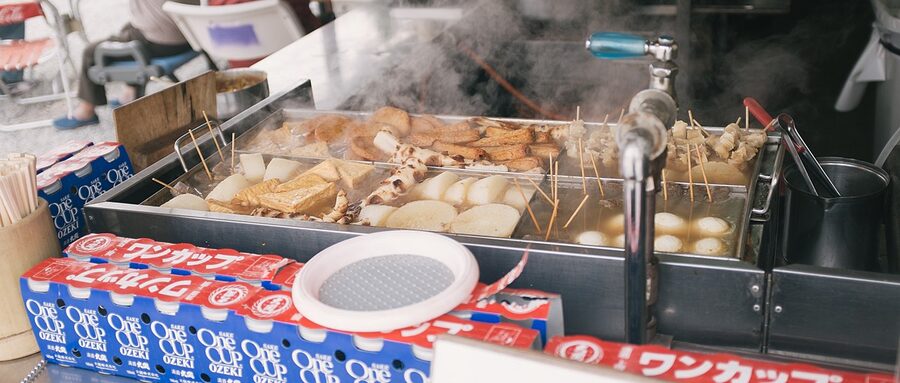
One ritual that sits half-on, half-off the shinkansen: the cup sake plus a small pack of cold oden (or konbini-warmed oden) on a winter trip. The Family Mart oden hot-pot at the Tokyo Station Yaesu underground branch is open from 10:00. Buy two cups of oden (daikon, an egg, ¥250 each), buy a Hakkaisan One Cup (¥320), eat the oden on the platform before boarding, drink the sake on the train.
.jpg)
The opposite move: do not microwave instant noodles for the train. The smell carries through three carriages. People notice. People don’t say anything, but they notice.
Where this is going
Two things to keep watching. First, the mobile-order expansion: JR Tokai Retailing’s Green-Car-only service is profitable enough that an ordinary-car version is likely, probably first at premium pricing. Second, the non-drinking carriage: the 2024 trilltrill survey found 51% support for a “kinshu-sharyo” (alcohol-free carriage). JR has not committed to anything, but the smoking-carriage precedent (twenty years to fully eliminate) suggests the conversation is real.
For now, the best advice is the simplest: buy what you want at the originating station, pace it across the journey, and keep the volume down.

The last carriage
Spend enough time on the shinkansen and you start to notice the geometry of it. The pair of cans on the tray of seat 13D, the one-cup sake on the windowsill of 8A, the Yebisu in front of the businessman on the aisle in row 19. The carriage isn’t loud. It rarely is. Everyone knows the rules.
Buy at the originating station. Pace it. Cans, not bottles. Watch the window. Most of the country is right there.
 CitiesWhy Tohoku Took Over Japan’s Sake SceneThe trip almost didn't happen. I'd booked an Aomori brewery visit at the end of a rushed week, the second…
 CitiesWhy Kansai, Not Niigata, Is the Sake CapitalHyogo and Kyoto produce more sake than the next eight prefectures combined. Two of Kansai's six prefectures, side by side,…
 CitiesHokkaido Has More Whisky Distilleries Than You ThinkAsk anyone who knows a little about Japanese whisky to name a Hokkaido distillery and they’ll say Yoichi. Push them…