
Can you day-trip a sake brewery from Tokyo and actually be back in Shinjuku for dinner? Yes, and you do not need a JR Pass, a tour guide, or a single word of Japanese to make it work. The harder question is which brewery, because the answer reshapes the day. A 90-minute Ozawa Shuzo tour in Ome leaves you home by 17:00. A Hakkaisan visit in Niigata commits you to a shinkansen, a bowl of soba on the platform, and a return train that gets you in after 21:00. Stretch the trip to a single overnight and Niigata or Saitama’s Chichibu suddenly opens up to four breweries instead of one.
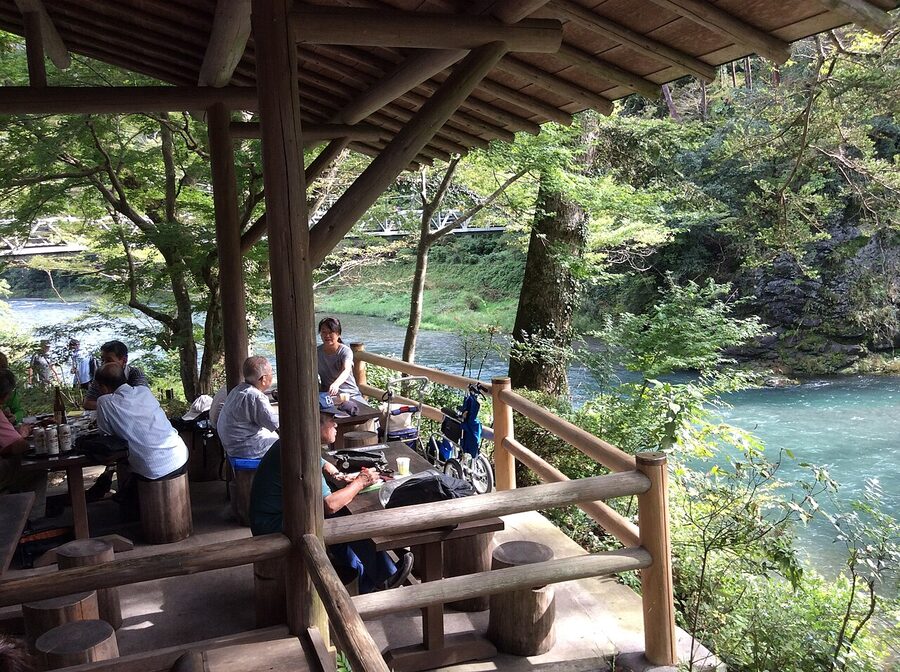

I have done versions of this trip about a dozen times, with friends, alone, and once with a group of work visitors who had four hours between meetings. Some of those days were perfect: a 13:00 tour, an hour of tasting, lunch at the brewery, the train back through the Tama river gorge. A few were not. The list below is the version of the trip I would tell you to copy.
If you want the broader context, my sake guide walks through what styles to look for and how to read a label. If you want the city-side bar version of the trip rather than the brewery, the Tokyo bars and drinks guide is where to start. This article is about the day or weekend you spend leaving the city to find sake at the source.
In This Article
- The four trips at a glance
- What a brewery tour actually involves
- Ome and Sawai: the easiest brewery day-trip from Tokyo
- The tour itself
- What to order first
- Eating at the brewery
- Getting there
- Higashimurayama and Fussa: the multi-brewery Tokyo day
- Toshimaya Shuzo (Higashimurayama)
- Tamura Shuzojo (Fussa)
- Ishikawa Shuzo (Fussa)
- Combining all three in a day
- Saitama: Chichibu and Nagatoro
- Bukou Shuzo (Chichibu)
- Nagatoro Shuzo (Nagatoro)
- Doing both in a day
- Niigata: the serious sake region
- Hakkaisan Brewery (Minamiuonuma)
- Aoki Shuzo (Minamiuonuma)
- Imayotsukasa (Niigata City)
- The Niigata day-trip vs. overnight calculation
- Booking and platforms
- Tochigi: Senkin and the natural-fermentation breweries
- Senkin (Sakura, Tochigi)
- Tonoike Shuzo (Mashiko)
- Yamagata and Nagano: the long-day-or-overnight tier
- Yamagata (Tendo and Sakata)
- Nagano (Saku, Suwa, Obuse)
- What it costs total
- The practical etiquette nobody tells you
- When to go
- Last few things
The four trips at a glance
Before we get into the breweries, here is what the realistic options look like for a traveller with one or two free days. All times are door-to-door from a central Tokyo hotel; ticket prices are one-way standard fares, in yen.
| Trip | Travel one way | One-way fare | Brewery type | Best for |
|---|---|---|---|---|
| Ome (Tokyo): Ozawa Shuzo | 75 minutes | ¥920 (JR Ome Line, no shinkansen) | 1702 family kura, riverside garden, on-site tofu restaurants | Half-day, no commitment, total beginners |
| Higashimurayama / Fussa (Tokyo): Toshimaya, Tamura, Ishikawa | 50–75 minutes | ¥480–630 (Seibu Shinjuku / JR Ome / JR Itsukaichi) | Three Tokyo-municipality breweries clustered close enough to combine | Full-day, multi-brewery without leaving Tokyo |
| Chichibu / Nagatoro (Saitama): Bukou Shuzo, Nagatoro Shuzo | 100–120 minutes | ¥790–1,500 (Seibu Limited Express, optional) | Country town breweries, walking-distance shrines and gorges | Full-day with non-drinking partner happy too |
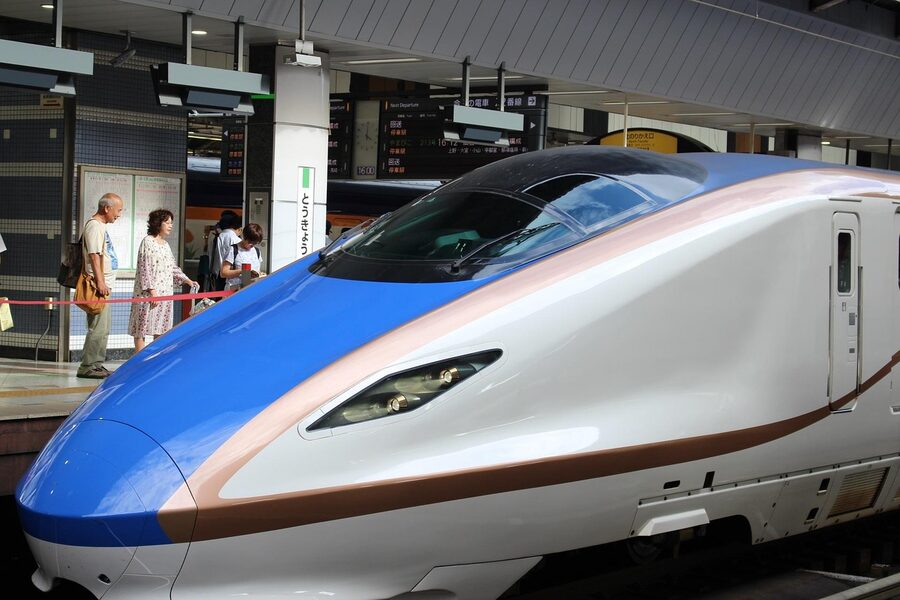
| Niigata: Hakkaisan, Aoki Shuzo, Imayotsukasa | 110 minutes by shinkansen | ¥6,790 (Joetsu Shinkansen, Echigo-Yuzawa) | Heart of the densest sake region in Japan, snow country breweries | Long day or single overnight, serious sake interest |
What a brewery tour actually involves
If you have never been on one, the format is fairly standardised. A staff member walks you through the brewing schedule, shows you the koji room (sometimes from a window, more often through a doorway you do not enter), points at the wash tanks, and ends in a tasting room with three to five small pours. A typical visit runs 30 to 60 minutes for the tour itself, plus another 30 to 60 in the shop and tasting bar afterward. The whole thing fits inside two hours easily.

A few practical things that surprised me on my first tour:
- Tour fees vary wildly. Free at most Tokyo and Saitama breweries (Ozawa, Toshimaya is ¥1,000 with tasting, Tamura is free). Higher in commercial-tour territory: Hakkaisan’s Yuki-muro Snow Aging tour is ¥2,000 for adults; some private guided experiences run ¥8,800 to ¥15,000 per person. The free ones are not lower-quality. They are usually run by the brewery’s own staff and that is exactly the point.
- The tour itself is often only in Japanese. Most breweries hand you an English brochure that maps to what the guide is saying, and most have at least one staff member who can answer questions. Toki Tokyo and a small number of operators do book private English-led tours, charged accordingly.
- Reservations are tighter than they look. Ozawa Shuzo’s weekend slots fill a full month out. Hakkaisan’s top tours sell out for the season by November. Phone is the dominant booking channel for the small breweries; the bigger ones take web bookings.
- You will not always taste. Some tours include the tasting (Toshimaya does, and Hakkaisan’s premium experience does). Some end at the shop, where tasting is paid by the cup, ¥200 to ¥500 a pour. Ozawa Shuzo, post-pandemic, runs the tour without tasting and sends you to the shop next door.

Ome and Sawai: the easiest brewery day-trip from Tokyo
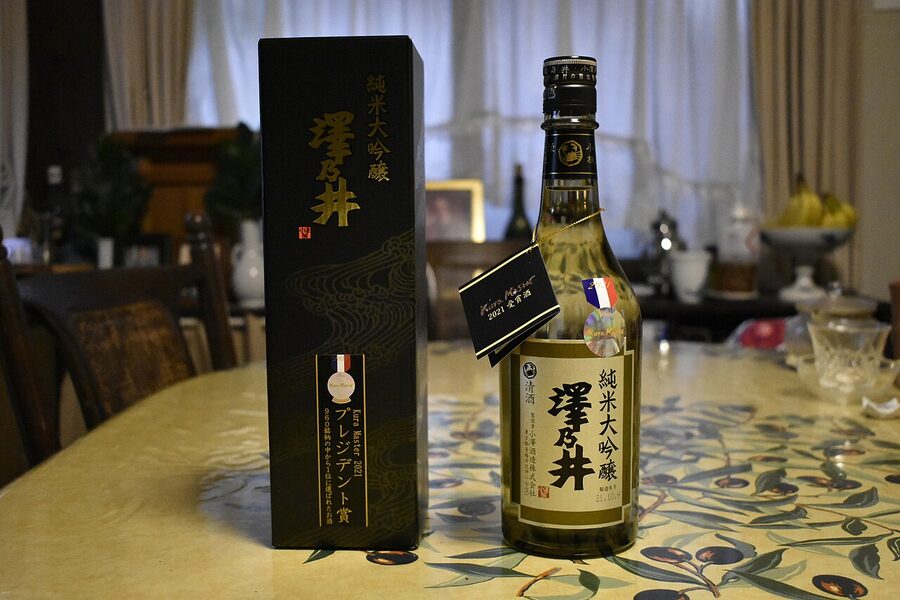

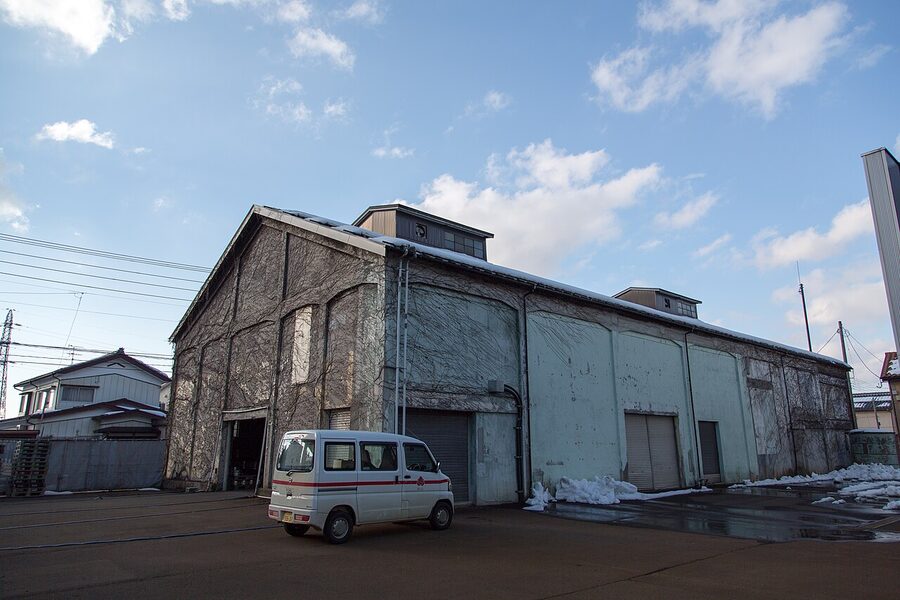
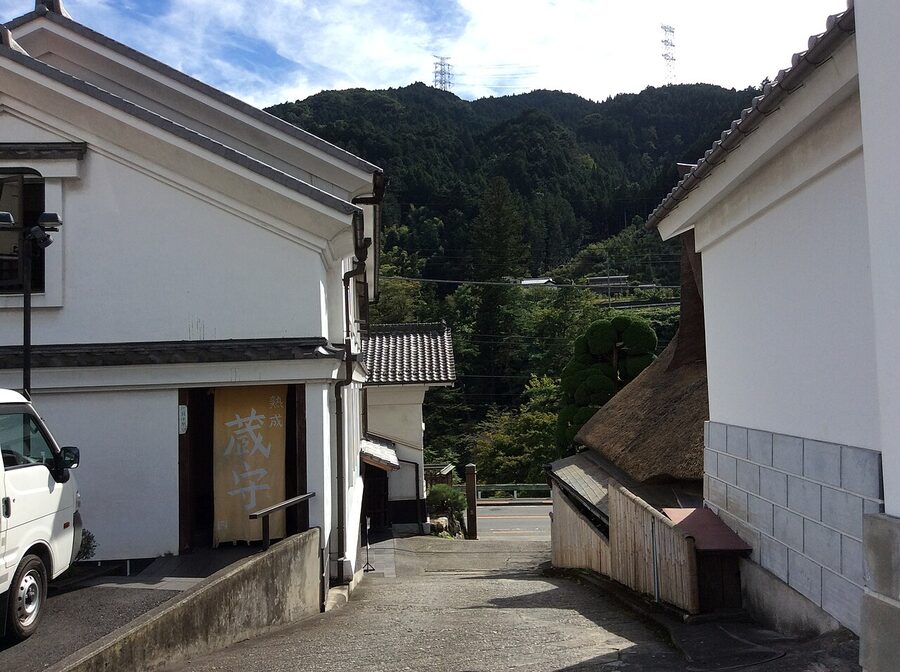
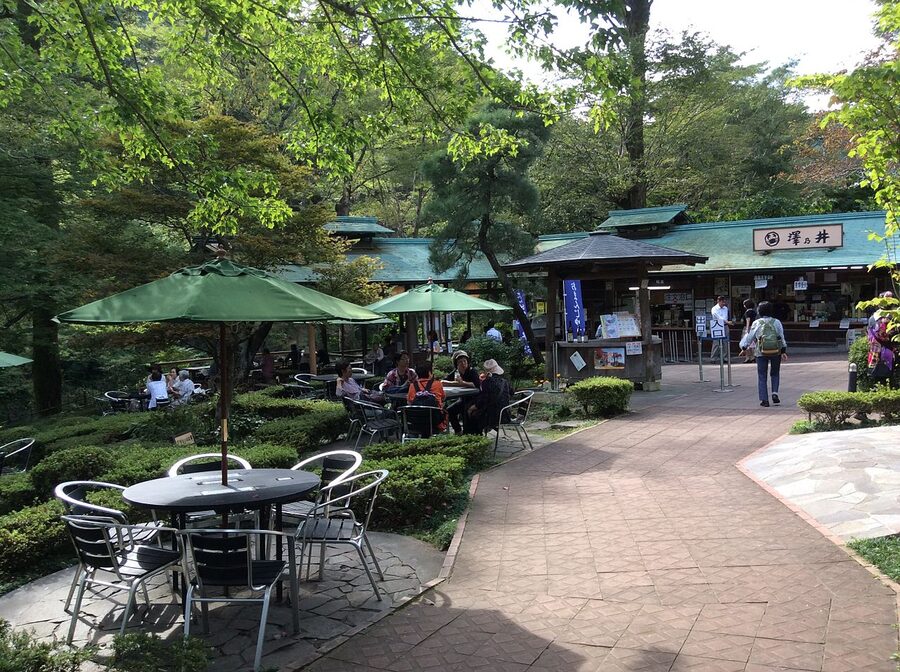
If you have one day and you want everything to work the first time, go here. Ozawa Shuzo (founded 1702, brand name Sawanoi) is the oldest brewery in the Tokyo metropolitan area and probably the easiest to visit cleanly without Japanese. The tour is free, the grounds have two restaurants, two museums, a tasting bar, and a riverside garden, and the train from Shinjuku takes a clean 75 minutes with one easy transfer at Ome.
The tour itself
Bookings go through Sawanoi-en, the on-site garden / shop complex, by phone (0428-78-8210, between 09:00 and 17:00). Email is not accepted. Slots run at 12:00, 13:00, and 14:00 on weekends and holidays, and 13:00 and 14:00 on weekdays. Closed Mondays (Tuesdays when Monday is a holiday). The tour runs about 30 minutes and is in Japanese only, with an English brochure. Capacity is 15 per slot. Free.
Post-pandemic, the tour itself does not include a tasting. To taste, walk five metres to the kiki-zake-dokoro (tasting bar) above the shop, where 10+ pours are available individually for ¥200 to ¥500 a glass. Pay an extra ¥200 and you keep the small porcelain Sawanoi cup with the crab logo. Bring it home. I have three.

What to order first
Sawanoi’s flagship is dry. Ask for the Daikarakuchi first (literally “extra dry”, +10 to +12 on the SMV scale). It is the house style, lean and almost mineral, the sake the brewery wants you to remember it for. After that, the seasonal Junmai or the Junmai Daiginjo are both worth tasting. Skip the umeshu unless someone in your party does not drink sake. Total budget for a satisfying tasting: ¥1,500 to ¥2,000 a person.
Eating at the brewery
The grounds run two restaurants, both serving tofu cuisine made with the brewery’s spring water. Mamagotoya is the higher-end, kaiseki-style option. Reservations recommended. Mameraku is the casual one. Lunch sets ¥1,800 to ¥3,200, all variations on tofu, yuba, and tempura. Both run roughly 11:30 to 16:00. There is also a snack stand with onigiri, fish cakes, and beer if you just want to drink and graze.

Getting there
From Shinjuku, take the JR Chuo Rapid (orange) to Tachikawa, change to the JR Ome Line. The fast Holiday Rapid trains run direct to Ome in about 70 minutes; on weekdays you typically transfer at Tachikawa or Ome. From Ome, switch to the local Ome Line service (sometimes the same train continues) and ride two more stops to Sawai Station. Total: 75 to 90 minutes. Fare: ¥920. JR Pass is valid the entire way.
From Sawai Station, walk down the hill, through the small village, and across the wooden gate at the bottom. The brewery is the second left. Five minutes from the platform.
Higashimurayama and Fussa: the multi-brewery Tokyo day
Tokyo Prefecture has nine working sake breweries. Three of them sit close enough to a single train line to combine in one day, and all three are inside the Tokyo metropolitan boundary. If you have already done Ozawa, this is the next-tier option that still does not commit you to a shinkansen.
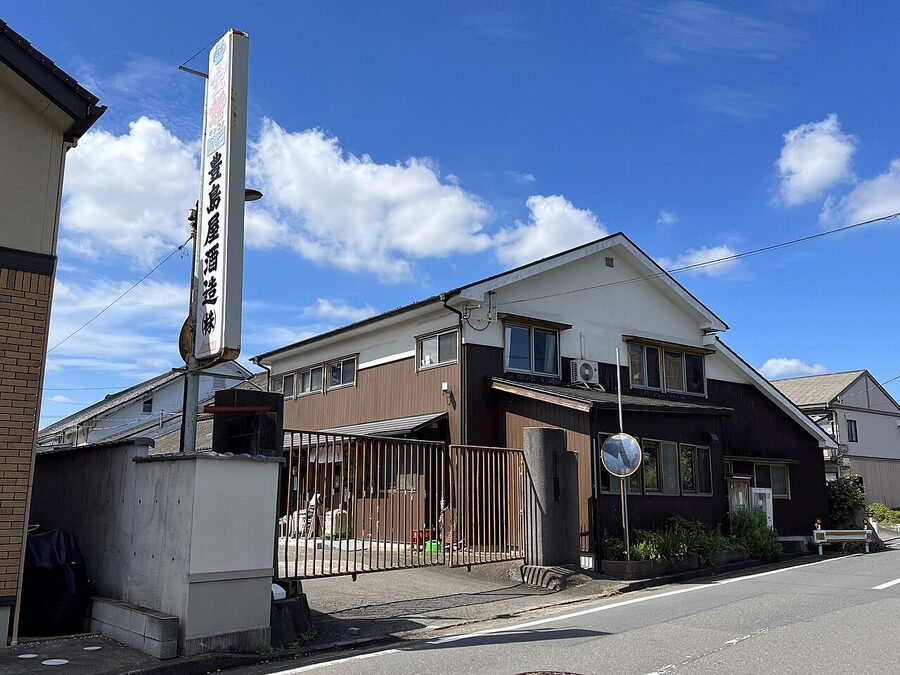
Toshimaya Shuzo (Higashimurayama)
Toshimaya is unusual for two reasons. First, it runs a once-a-month night tour, which I have not seen anywhere else in this region: you watch fermentation tanks under low light, listen to the sound of the wort, and the tour ends with a seven-pour tasting flight that turns into something like a small party. Second, the daytime tour does not require a reservation; show up Saturdays at 11:00, pay ¥1,000, and you are in. Both come with the tasting flight included, which makes it the best single-fee value of any Tokyo-area brewery.
- Address: 3-14-10 Kumegawa-cho, Higashimurayama, Tokyo
- Phone: 042-391-0601
- Tour: Saturdays 11:00–12:00, no reservation required, ¥1,000 includes tasting
- Night tour: Monthly, dates posted on website. Reservation required. Same fee.
- Closest station: Kumegawa (Seibu Shinjuku Line, 40 minutes from Seibu-Shinjuku, ¥480), 10-minute walk
- Order first: Okunokami Junmai Daiginjo, the no-filter no-water-added flagship. Floral but with a clean dry finish.
Tamura Shuzojo (Fussa)
Tamura has been making sake at the same Fussa address for over 200 years. The grounds, including the well house, are nationally registered cultural properties. Tours come in two formats: a shounin (small-group) tour for 1 to 5 people on rotating Saturdays at 14:00, and a 10 to 15-person reserved tour for organised groups. Both are free. Tasting is included after.
The catch: bookings are tight. The small-group dates are posted on the brewery’s calendar a month in advance. They go fast. December and January are closed because that is the heart of brewing season and the brewery cannot host visitors safely.
- Address: 626 Fussa, Fussa-shi, Tokyo
- Closest station: JR Fussa, 10-minute walk
- Tour: Saturdays 14:00, free, 1 to 5 people, reservation via website calendar
- Closed: Sun, Mon, public holidays. December and January closed entirely.
- Flagship: Kasen Junmai Ginjo. Local favourite. Cleaner and slightly fruitier than Toshimaya’s style.
Ishikawa Shuzo (Fussa)
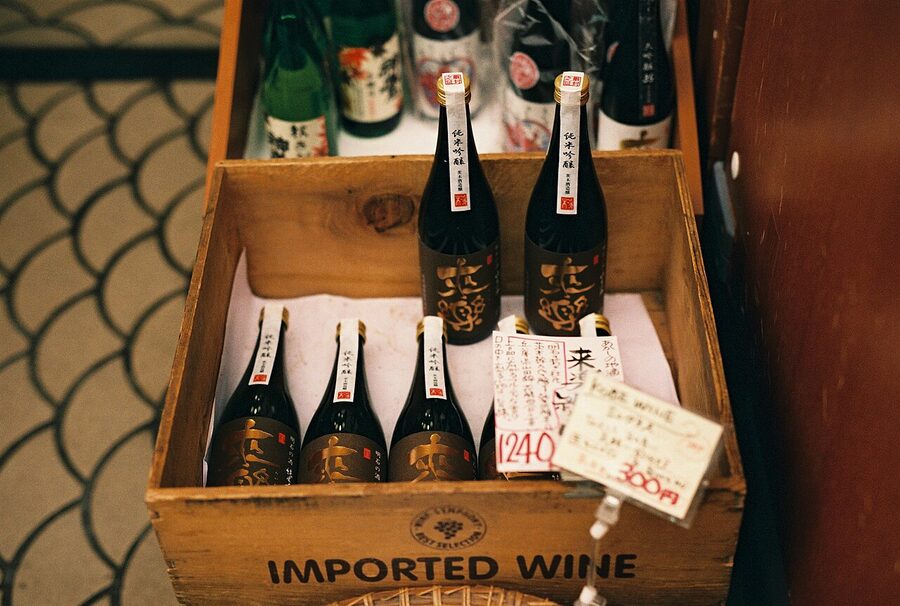
Ishikawa is a 20-minute walk from Tamura, or a quick taxi from JR Haijima Station. They call the place a “drinker’s theme park”, which is not far off: sake brewery, craft beer brewery, two restaurants, a museum, a guesthouse, and a stand-alone tasting bar all share the same compound. Tours have multiple formats. The free one is self-guided with a QR-code brochure. The paid one (¥1,000) on appreciation days includes a guided walk, tasting, and a discount voucher for the on-site shop.
_(15656231855).jpg)
Ishikawa’s flagship is Tamajiman, brewed with water drawn from a 150-metre well on the property. They also brew Tama-no-Megumi, a craft beer label revived from a recipe they used in the Meiji era. The Italian restaurant on-site, Fussa-no-Beer-Goya, is genuinely better than it has any right to be. Lunch reservations are recommended on weekends.
- Address: 1 Kumagawa, Fussa-shi, Tokyo
- Phone: 042-553-0100
- Tour: Free self-guided 24/7, paid guided Saturdays + appreciation days ¥1,000
- Closest station: JR Haijima, 20-minute walk or 8-minute taxi
Combining all three in a day
Take the 09:00 Seibu Shinjuku semi-rapid to Kumegawa, do the Toshimaya 11:00 tour and the included tasting (back on the train by 12:30), ride to Higashi-Murayama and connect via the Seibu Haijima Line to Haijima for Ishikawa Shuzo lunch (Italian + the brewery beer is the pairing here, save the sake for after). From Haijima walk or grab a taxi 10 minutes to Tamura’s 14:00 small-group tour, finish there around 15:30, and you can be in Shinjuku by 17:00. Three breweries, one day, fewer than ¥3,000 in fares plus your tour fees.
This is the trip I would do if a friend was visiting for one day and they actually cared about sake. It is harder to organise than Ozawa solo, because Tamura’s reservation is the bottleneck and you need to time the Toshimaya tour off it, but the payoff is three completely different brewing philosophies in eight hours.
Saitama: Chichibu and Nagatoro
.jpg)
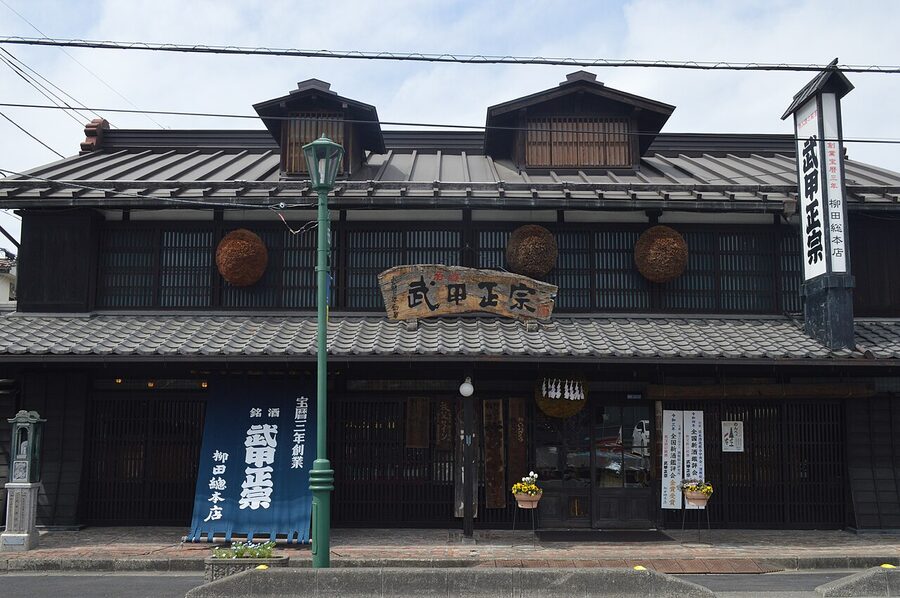
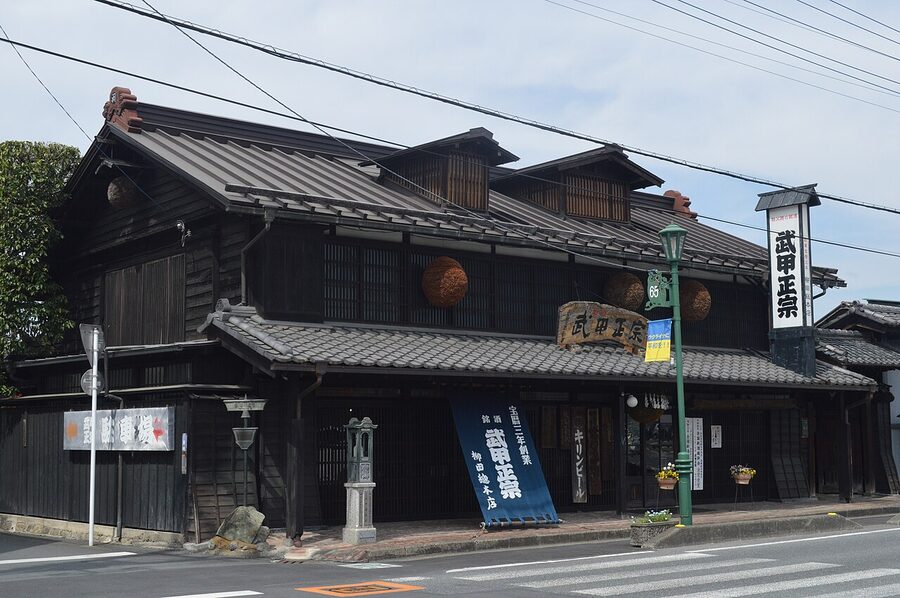
Saitama Prefecture, the prefecture immediately north of Tokyo, has 35 working sake breweries, one of the highest counts of any prefecture. The two that combine well into a Tokyo day-trip are Bukou Shuzo in Chichibu and Nagatoro Shuzo in Nagatoro, on the same Seibu railway line.
.jpg)
Bukou Shuzo (Chichibu)
Bukou is named after Mt Buko, the sacred mountain that overlooks Chichibu and supplies the brewery’s spring water (it is also a half-eaten limestone quarry from one side, which I find weirdly endearing). The brewery has been operating since 1753. The water is unusually mineral-heavy for sake water; the resulting style, known as Bukou or Bukou Masamune, is a clean middle-dry sake that pairs especially well with Chichibu’s buckwheat and freshwater fish.
The brewery offers two visit formats. The shop and tasting bar is open without booking: walk in, pay ¥100 for the small cup, taste seven sakes including seasonal releases. The tour requires phone booking 7 days in advance and is suspended during peak brewing season (December to February). Tour is free, runs 30 to 40 minutes, ends in the same tasting bar.
- Address: 4-3 Miyasidamachi, Chichibu-shi, Saitama
- Closest station: Chichibu (Chichibu Railway), 4-minute walk
- From Tokyo: Seibu-Ikebukuro to Seibu-Chichibu (Limited Express “Laview”, 78 minutes, ¥1,500). All-stops Express service, 105 minutes, ¥790. From Seibu-Chichibu walk 5 minutes to Ohanabatake then change to Chichibu Railway one stop to Chichibu.
- Order first: Bukou Junmai Genshu, the undiluted full-strength version. Then the seasonal nigori if it is in stock.
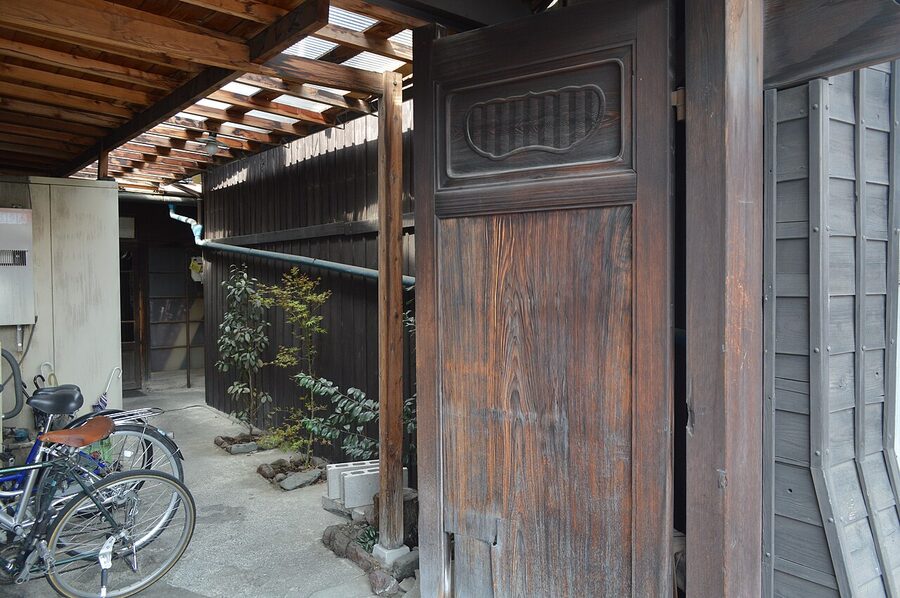
.jpg)
Nagatoro Shuzo (Nagatoro)
Nagatoro is a 45-minute Chichibu Railway ride upstream from Chichibu through one of the most photographed gorges in the Kanto region. The brewery, Fujisaki Sobei Shoten (brand: Tokugawa, also Chichibu Nishiki), is the smallest of the three and least set up for casual visitors. Tours are by appointment only and conducted in Japanese. The shop and tasting bar are open Friday to Sunday and on holidays.
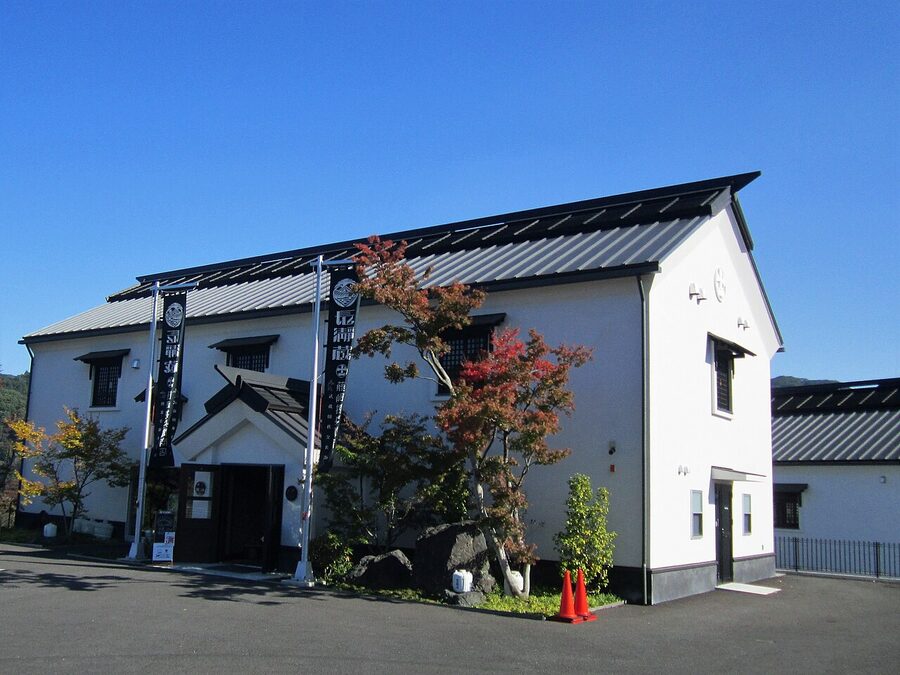

What makes Nagatoro work as a brewery day-trip rather than just an excursion is that the village itself is genuinely worth a half-day. Hodosan Shrine, the gorge-rafting put-in (April through November), and the small ropeway up Mount Hodo all sit within 20 minutes’ walk of the brewery. If you are travelling with someone who does not drink, this is the trip to do; the non-drinker has plenty to do while you taste.
- Address: 26-1 Nakano, Nagatoro-machi, Chichibu-gun, Saitama
- Closest station: Nagatoro (Chichibu Railway), 12-minute walk
- Shop hours: Friday–Sunday + holidays, 10:00–17:00
- Tour: By advance phone reservation only, Japanese-language
Doing both in a day
The geometry: take the 08:30 Seibu Limited Express to Seibu-Chichibu (arriving 09:48), walk 5 minutes to Ohanabatake, take Chichibu Railway up to Nagatoro (08:48 from Ohanabatake, arriving 10:23). Walk to Nagatoro Shuzo, taste through their lineup at the shop, eat soba lunch in the village (Awashima soba house is the canonical spot), get the 13:00ish train back down to Chichibu, walk 4 minutes to Bukou Shuzo, do the 14:00 tour if booked or just hit the tasting bar, back at Seibu-Chichibu by 16:00, in central Tokyo by 17:30. The Chichibu Railway day ticket costs ¥1,470 and pays for itself even if you only use it for the upstream-and-back trip.
Niigata: the serious sake region
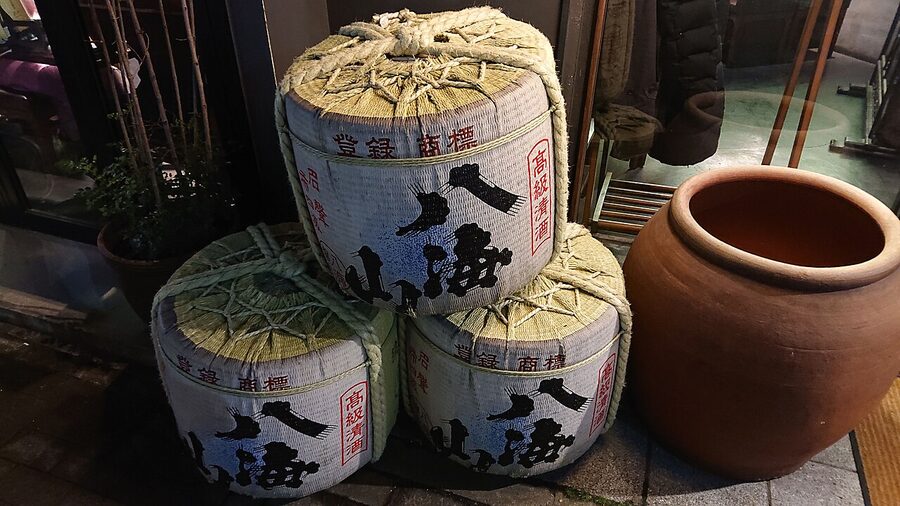

Niigata Prefecture has more sake breweries than any other in Japan: 88 at last count, more than Hyogo, Kyoto, or Akita. The reason is the snow country geography. Heavy winter snow, soft mountain water, and a regional rice variety (Gohyakumangoku) that ferments cleanly all converged here over four centuries. Niigata sake’s defining house style, tanrei karakuchi (light, dry), is the clean-finishing, food-friendly profile most American sake imports default to.
You can do Niigata as a long day trip. You can also do it as a single overnight, which is almost always the better trip. The shinkansen from Tokyo Station to Echigo-Yuzawa runs in 70 to 90 minutes (Toki express, Tanigawa stops at most stations), and from Echigo-Yuzawa, three of the most interesting Niigata breweries are within a 30-minute drive.
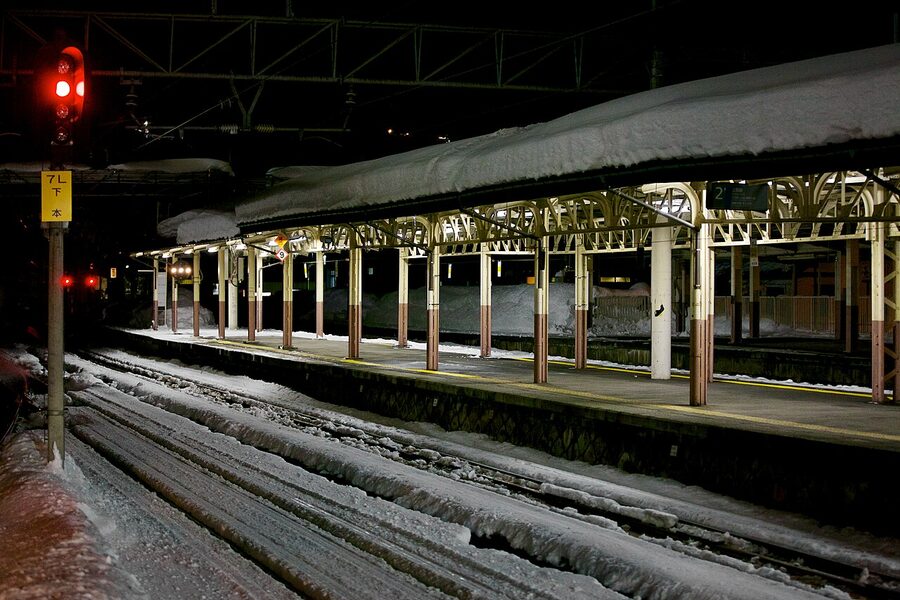

Hakkaisan Brewery (Minamiuonuma)
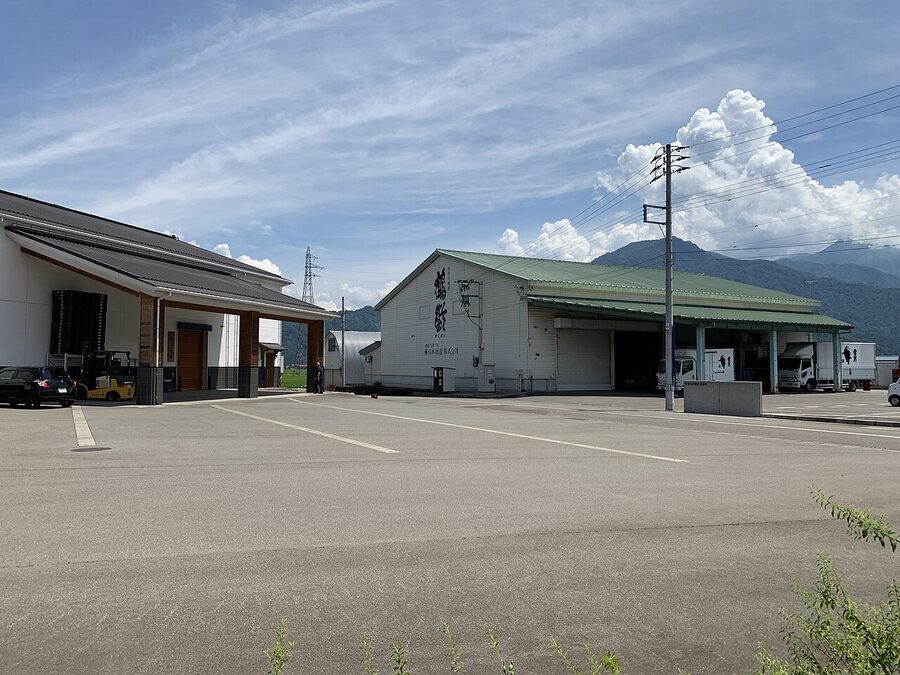
Hakkaisan is the brand most American visitors recognise from US sake bars. The brewery itself is a sprawling 32,000-square-metre compound at the foot of Mount Hakkai, an hour’s drive south of Echigo-Yuzawa or 25 minutes from Muikamachi Station on the Joetsu Line. They run two visit formats and you should know the difference.
The Snow Aging Yuki-muro tour is the headline experience. They build a snow vault every winter, store 200,000 litres of sake at 4 degrees Celsius year-round inside it, and the tour walks you into the vault itself. Tour fee ¥2,000, runs 70 minutes, includes a tasting flight at the end. Reservations open seasonally, sell out roughly six weeks in advance for weekends.
The free option is the Uonuma-no-Sato visitor compound, which has a sake bar (pay-per-pour), a soba restaurant, a brewery shop, a chocolate workshop, and free brewery tasting at the cafe. No reservation needed. Open daily 10:00 to 17:00.
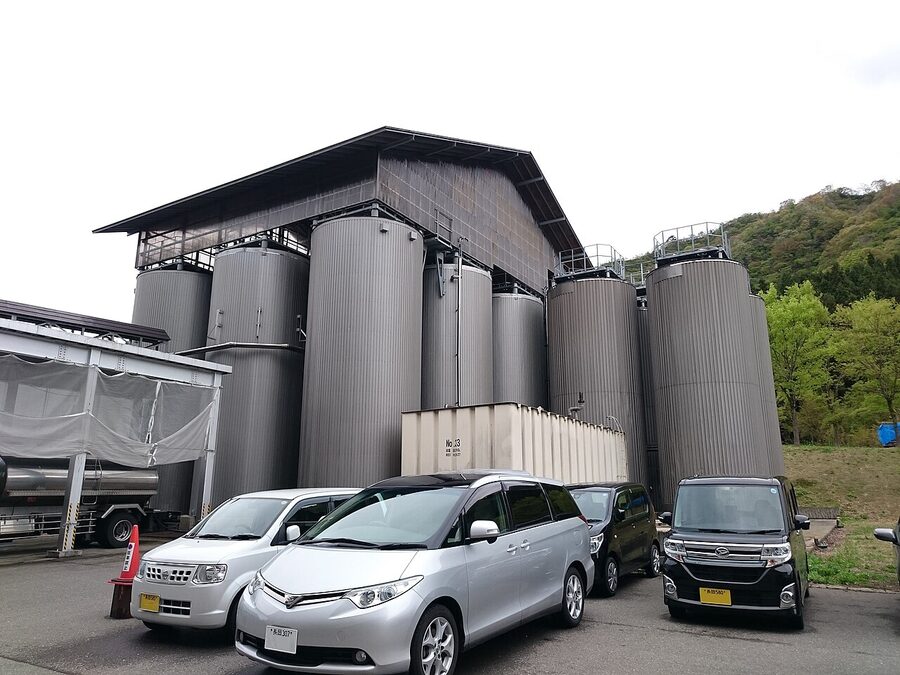

- Address: 1051 Nagamori, Minamiuonuma-shi, Niigata
- Closest station: Muikamachi (Joetsu Line, 25 minutes from Echigo-Yuzawa)
- Tour: Yuki-muro tour ¥2,000 (book at hakkaisan.com), free visitor compound
- Order first: Hakkaisan Tokubetsu Junmai is the gateway. Then the Yukimuro 3-year aged for the snow-vault flavour profile, which is closer to white wine than to most sake.
Aoki Shuzo (Minamiuonuma)
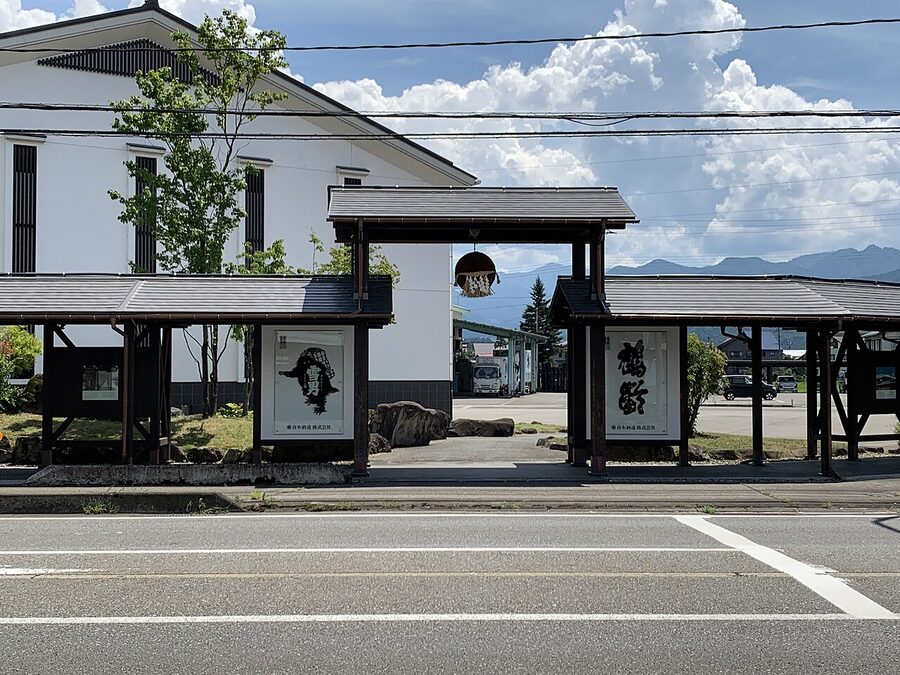

If Hakkaisan is the famous one, Aoki Shuzo (brand: Kakurei) is the one I would tell you to visit if you have already had Hakkaisan. The brewery is small (output around 600 koku, roughly a tenth of Hakkaisan’s scale), runs in a 1717 building, and the tour is intimate enough that you spend a chunk of it in conversation with the toji or the family.
Tours are by appointment only, ¥2,200 for 60 minutes including tasting (3 to 4 sakes). Phone or email reservation. The brewery is a 10-minute taxi from Muikamachi Station; combined with Hakkaisan in a single day is the move.
Imayotsukasa (Niigata City)
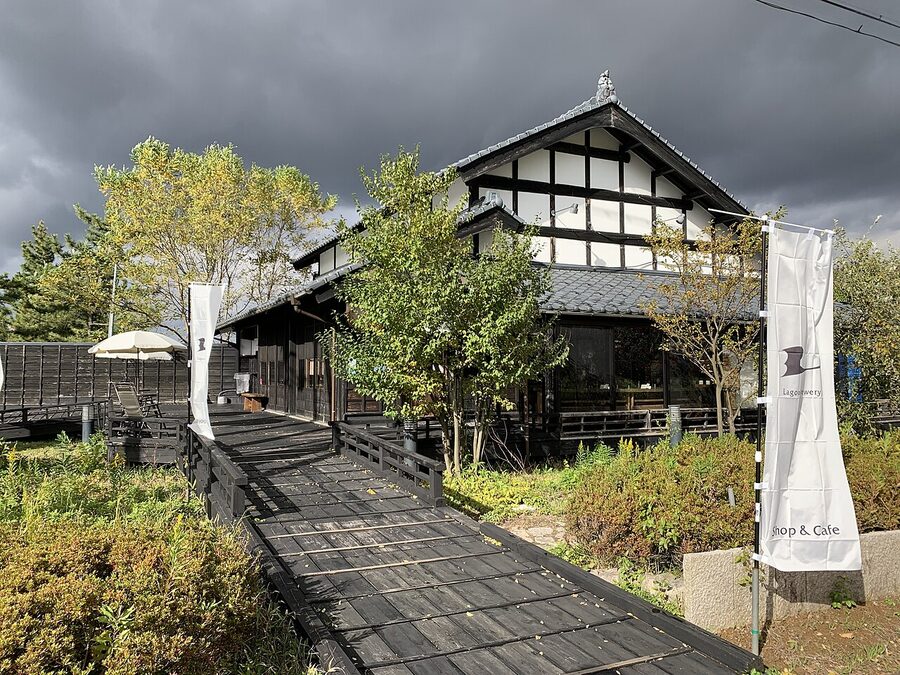

Imayotsukasa, founded 1767, is the Niigata City option. If you have come to Niigata by overnight rather than day-trip, you are probably staying in Niigata City rather than Yuzawa, and Imayotsukasa is a 10-minute taxi from your hotel. The brewery is dedicated entirely to junmai (no added alcohol, pure rice sake). Tours are free, run roughly hourly between 09:00 and 16:00 daily, take 30 minutes, and include a 5-pour tasting flight. No reservation required for individuals.
Imayotsukasa is also unusual in that they offer the tour in English on demand (one staff member is dedicated to English tours; ask at reception when you arrive). For first-time visitors who do not speak Japanese and want a tour they can actually follow rather than guess at, this is the easiest serious-region option.
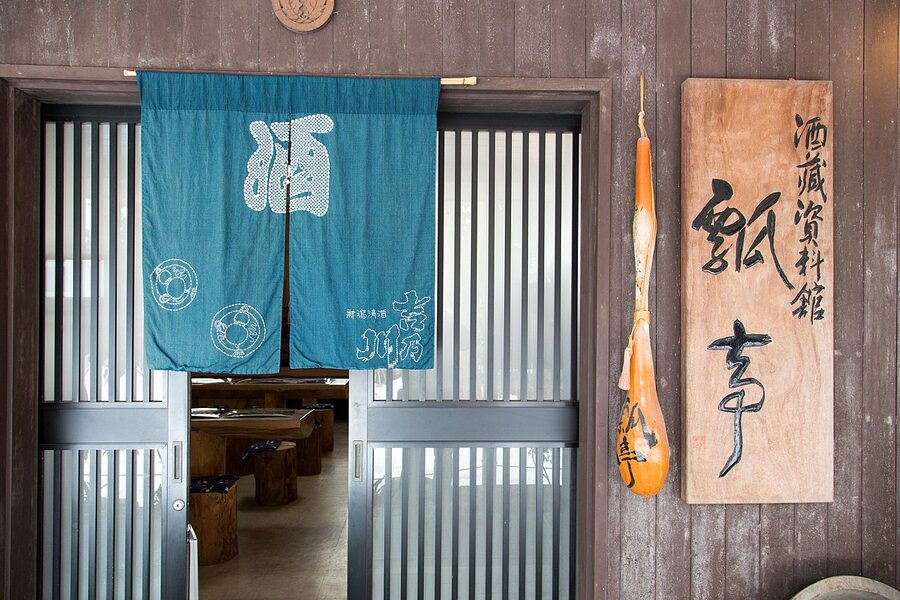

,_Minamiuonuma,_Niigata,_Japan,_April_2023.jpg)
The Niigata day-trip vs. overnight calculation
Day-trip: the 06:08 Tanigawa from Tokyo gets you to Echigo-Yuzawa at 07:23. From there, taxi or local train to Muikamachi (25 min), Hakkaisan visitor compound by 09:00, Yuki-muro tour at 10:00, lunch at the on-site soba restaurant, back at Echigo-Yuzawa by 14:30. You have 90 minutes for the Ponshu-kan tasting wall. The 16:23 Toki home gets you to Tokyo at 18:01. One brewery, one tour, perfectly clean.
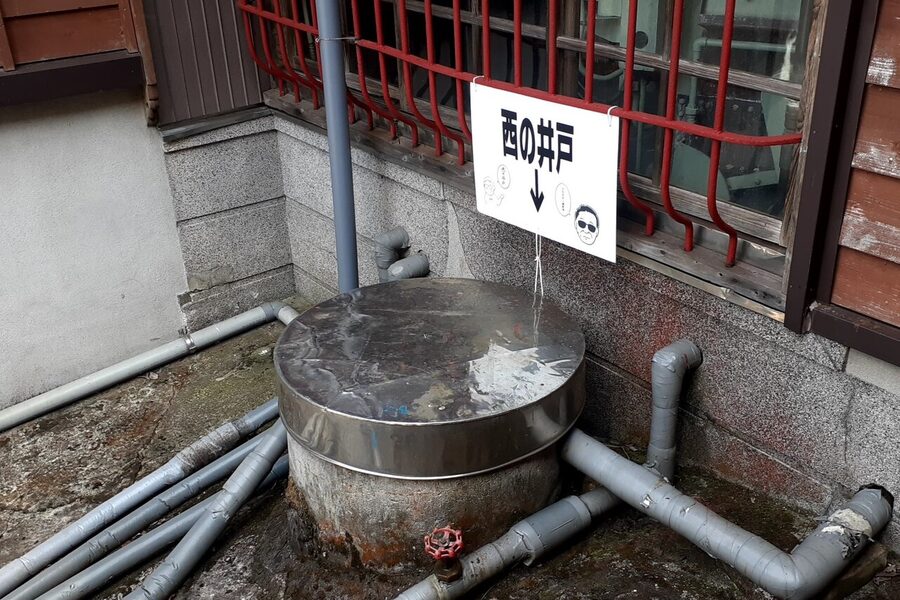
Overnight: same morning shinkansen, same Hakkaisan visit, but you spend the night at a Yuzawa onsen ryokan or in Niigata City. Day two is Aoki + Imayotsukasa, or Imayotsukasa + Yoshinogawa, depending on which station you woke up in. Three breweries instead of one, plus a hot spring and a proper Niigata dinner. The cost is one night’s accommodation (¥12,000 to ¥25,000 a person at most ryokan in the Yuzawa area). It is by far the better trip.
.jpg)
Booking and platforms
Hakkaisan’s Yuki-muro tour books direct through their site. For the broader package experience (Tokyo Station meet-up, brewery transfer, English guide, lunch), Klook and Viator both list Niigata sake brewery day tours from Tokyo, typically ¥14,000 to ¥28,000 a person. GetYourGuide also has a small Niigata listing. Strip the tracking parameters before bookmarking, but otherwise these are the right channels for English-led group experiences. For the smaller Niigata City breweries (Imayotsukasa, Yoshinogawa), book direct via their official sites; the OTAs do not always carry them.
Tochigi: Senkin and the natural-fermentation breweries
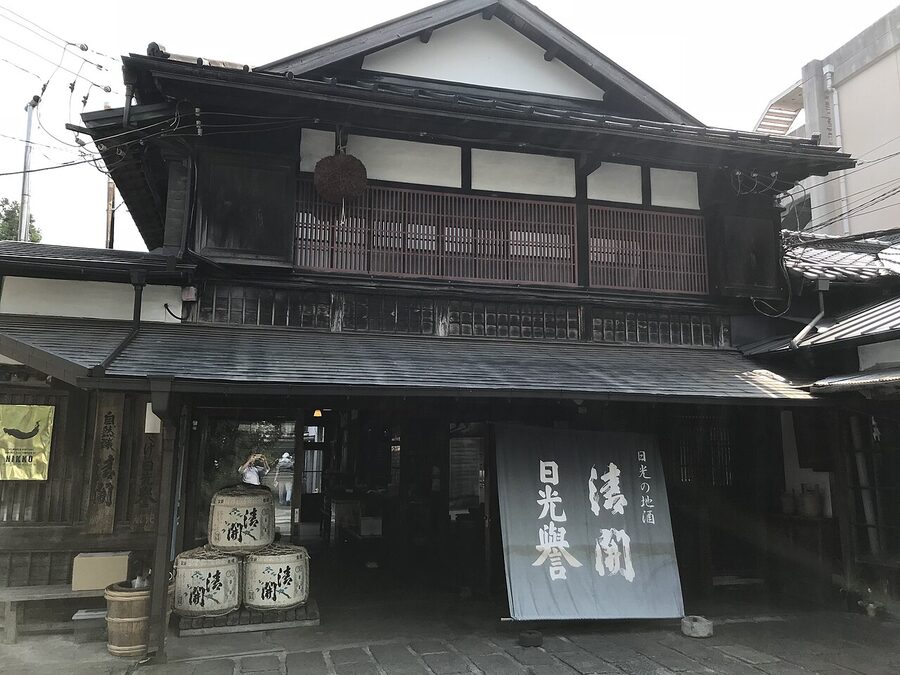

Tochigi is the prefecture immediately north of Saitama, around 90 minutes from Tokyo on the Tohoku Shinkansen or a sub-2-hour ride on the JR Utsunomiya Line. Two breweries there are worth the trip if you have done the closer-in options:
Senkin (Sakura, Tochigi)
Senkin is a small Sakura City brewery that has done more than almost any other Japanese producer to push kimoto and yamahai traditional fermentation methods (which use natural lactic acid rather than added) into the international fine-sake market. Their Modern Senkin and Classic Senkin lines have separate philosophies; both are widely served at sommelier-driven sake bars in New York and London.
The brewery does limited public tours, available roughly twice a month on weekends, in Japanese only. Cost ¥3,300 a person, includes a 4-flight tasting. Reservations open 30 days ahead and sell out quickly. The shop is open without booking, with a tasting flight available for ¥1,100.
- Address: 2-13 Sakura, Sakura-shi, Tochigi
- Closest station: JR Ujiie (Tohoku Line, 90 minutes from Tokyo via Utsunomiya transfer)
- Order first: Senkin Yuki-darumi nigori, then a Modern Senkin Junmai Daiginjo for contrast.
Tonoike Shuzo (Mashiko)
Mashiko is the famous pottery town. It is also home to Tonoike Shuzo, brewers of Sanran. The connection between sake and pottery is not coincidence: the Tonoike family has supplied sake to the Mashiko kilns for over 170 years, and the cups they pour into are often made by neighbouring potters.
The brewery shop is open Wednesday to Monday, 10:00 to 17:00 (closed Tuesdays). Walk-in tasting available without reservation. Guided tours of the brewery itself run on Saturdays at 14:00, ¥1,500 including 4-flight tasting, conducted in Japanese with an English brochure.
From central Tokyo, the practical access is JR shinkansen to Utsunomiya, then a Mashiko Sightseeing Express bus (Sundays and Tuesdays, otherwise local bus, 70 minutes from Utsunomiya). It is a long day, but pottery + sake makes for a highly specific kind of weekend.
Yamagata and Nagano: the long-day-or-overnight tier

Beyond Niigata, two other regions are within day-trip range of Tokyo if you are willing to commit a long day or, more sensibly, an overnight:
Yamagata (Tendo and Sakata)
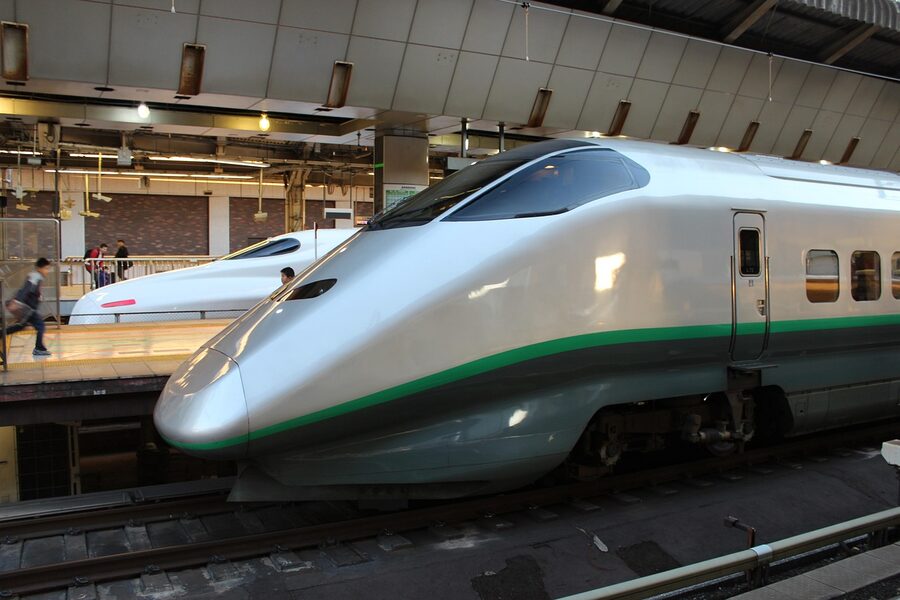
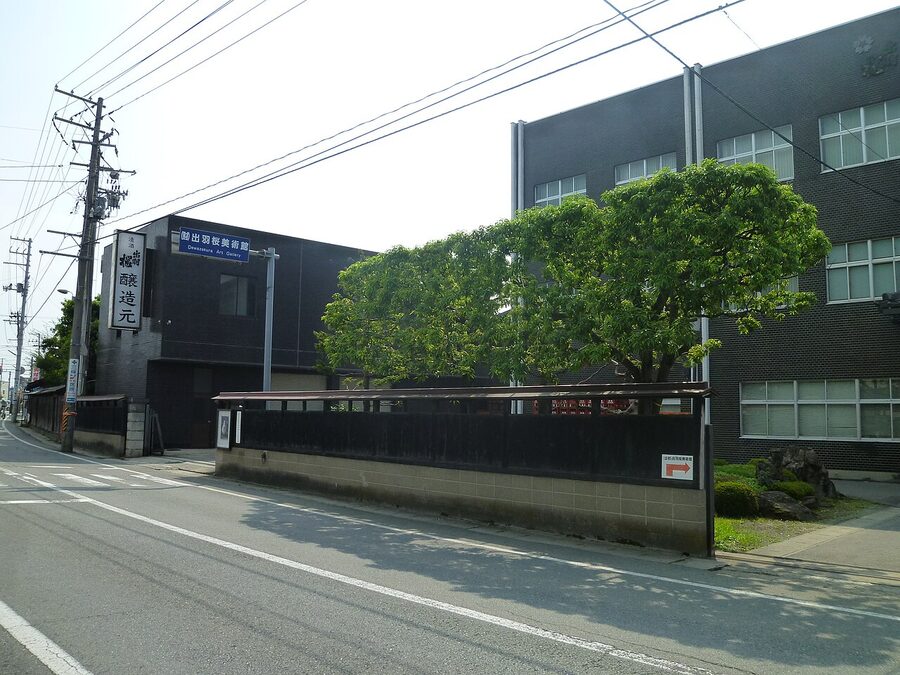
Yamagata is the “ginjo prefecture”: the regional sake style is fragrant, fruity, slightly sweet, and the prefecture’s breweries dominate the export market for premium ginjo and daiginjo. Dewazakura Shuzo in Tendo is the marquee tour. From Tokyo, take the Yamagata Shinkansen Tsubasa to Tendo (just over 3 hours, ¥11,210). The brewery offers a free 30-minute tour with reservation, plus a tasting room. Tatenokawa in Shonai is the other recommended option, but it adds another hour by limited express. Tendo is feasible as a one-way 3-hour trip; Shonai effectively requires an overnight.
Nagano (Saku, Suwa, Obuse)
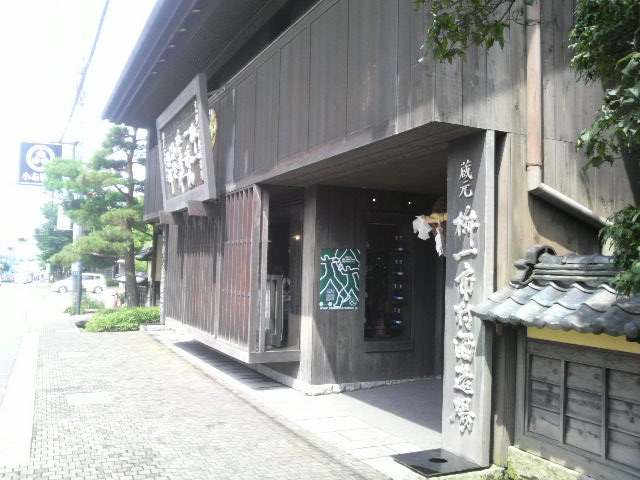

Nagano is the closest of the “serious sake mountain region” options after Niigata. Hokuriku Shinkansen Tokyo to Nagano takes 78 minutes, ¥8,200. The two visit-friendly clusters are Saku (a 90-minute drive from Nagano station, has 13 working breweries within 30 minutes of each other) and Obuse (small art town with Masuichi-Ichimura at its centre). Obuse is the easier first trip; Saku is the obsessive’s second weekend.
For Saku, the local GetYourGuide “Saku 13 Breweries” bus tour is the practical option (¥9,800, includes lunch + 6-brewery taste, Saturdays April through October). For Obuse, just take the train and walk it.
What it costs total
For planning purposes, here is what each option lands at all-in for one person, train + tours + lunch + four pours of sake at the brewery shop, no other shopping:
| Trip | Trains | Tour fee | Lunch | Tastings | Total |
|---|---|---|---|---|---|
| Ome (Ozawa Shuzo) | ¥1,840 | Free | ¥1,800 | ¥1,200 | ¥4,840 |
| Tokyo three-brewery | ¥2,800 | ¥1,000 + free + free | ¥2,200 | ¥1,500 | ¥7,500 |
| Chichibu + Nagatoro | ¥3,200 | Free + walk-in | ¥1,800 | ¥1,400 | ¥6,400 |
| Niigata day-trip (Hakkaisan) | ¥13,580 | ¥2,000 | ¥2,200 | ¥1,500 | ¥19,280 |
| Niigata overnight (3 breweries) | ¥13,580 | ¥2,000 + ¥2,200 + free | ¥5,500 | ¥3,500 | ¥26,780 + accommodation |
The practical etiquette nobody tells you
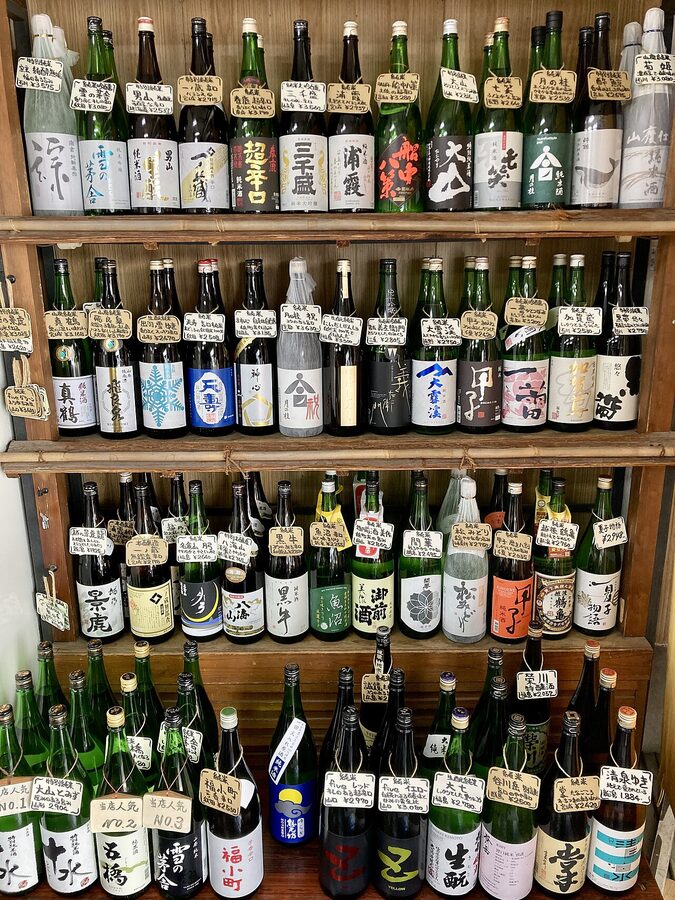

Some of these you read about. Some you only learn after you have done it wrong once.
- Do not eat natto for breakfast. The bacteria culture in fermented soybeans is the same family that ruins koji. Brewers will turn away visitors who ate natto in the morning during winter brewing; outside winter it is less strict but still impolite.
- No perfume, cologne, or scented hair products. Same logic: yeast and koji are sensitive to airborne contaminants. Even if the brewery does not say it, every kura dislikes Chanel.
- Public transport every time. If you are tasting, do not drive. Drink-driving in Japan is enforced harder than almost anywhere; a single tasting cup is over the legal limit. The brewery staff will ask if you drove and refuse to pour if you did.
- Pour for others before yourself. Standard Japanese drinking etiquette, but it lands harder at a brewery tasting where the staff are watching. Hold the bottle with two hands when pouring for someone older or more senior.
- Photography. Most breweries allow photos in the shop and tasting bar. Most do not allow photos in the koji room or the active fermentation rooms. Ask. The answer is sometimes “outside only” and sometimes “everywhere except the tank room.”
- Cash. All four Saitama and three of the four Tochigi breweries are cash-only at the tasting bar. Niigata and Tokyo are mixed. Bring ¥5,000 in small notes per person.
- Carrying bottles home. The 1.8L isshobin is a lot to lug back. Most breweries will pack and ship internationally; ask at the shop. Domestic shipping (within Japan, to your hotel) is roughly ¥1,500 a parcel via Yamato.
When to go
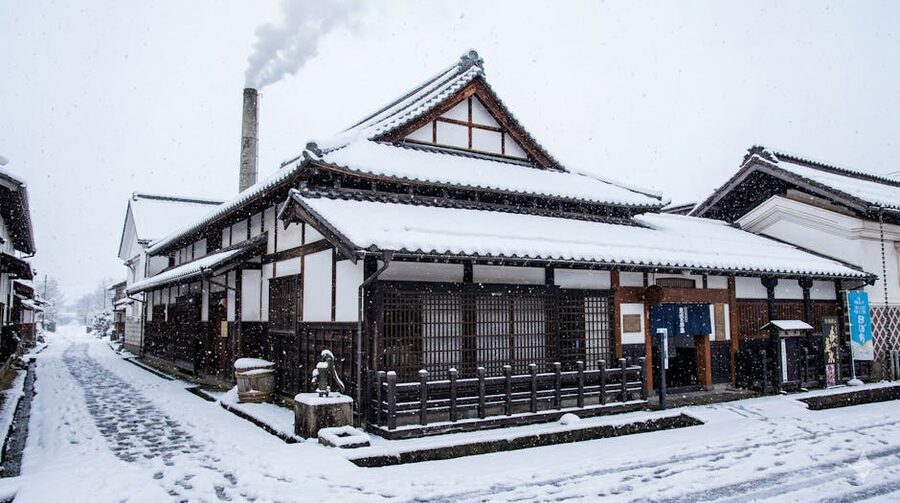
The real answer: October to April is the only time you see the brewery at work. May through September the tanks are quiet, the koji room is closed, and the tour is just a walk-through of empty equipment plus tasting. The tasting itself is just as good year-round (the sake on the shelves was made in winter); it is only the active brewery experience that disappears in summer.
Within the brewing season:
- October–November. Beginning of the season, the kura is busy but not chaotic. Reservations easier. Cool but not freezing. My favourite time to visit.
- December–January. Peak brewing. Tours are sometimes cancelled or shortened because the staff are busy. Some breweries close to visitors entirely (Tamura, for instance). The atmosphere is intense in a good way; you will smell the steam from the koshiki rice steamer the moment you step on the property. Niigata in deep winter is also where the snow country actually delivers on the name; expect 2 to 3 metres on the ground in Minamiuonuma.
- February–March. The season’s nama-sake (unpasteurised, draw-from-tank) starts being pourable. This is when most breweries serve their freshest, most experimental product. Everyone who can ships to overseas markets ships this week.
- April–May. Brewing winds down, breweries open up special tours, the “kura-biraki” (brewery opening) festivals at places like Ozawa pull thousands of visitors. Reservations get tight.
- June–September. Cool sake season. Most breweries are open for tasting and shop, fewer run full tours. Niigata gets most pleasant in early September. Tokyo and Saitama in August are uncomfortably hot for walking; pace yourself.
Last few things
If you are staying in central Tokyo and you want one trip that delivers most of what a sake brewery experience offers without committing to anything more than a half-day, do Ozawa Shuzo in Ome. Eighty percent of the brewery experience for twenty percent of the logistics.
If you are willing to commit a full day and you care about brewing variety more than landscape, Toshimaya + Tamura + Ishikawa in the Tokyo metropolitan boundary is the best three-brewery day. It needs the timing to work but the payoff is three brewing philosophies in eight hours.
If you have one weekend and you actually care about sake, do Niigata as an overnight. The day-trip version is fine but it leaves the prefecture untouched. One night in Yuzawa or Niigata City turns Hakkaisan-only into Hakkaisan + Aoki + Imayotsukasa, plus a hot spring and a proper Niigata dinner. The marginal cost over a day-trip is one ryokan night, and it is the difference between “I went to a brewery” and “I understand why this region brews sake.”
Three things readers ask me afterwards that I should mention here: Yes, you can taste while pregnant or sober at most breweries; some keep amazake (non-alcoholic rice drink) on the menu. No, you should not bring small children to the koji room (smell, heat, real safety risk). Yes, the Sawanoi cup, the Bukou cup, and the Imayotsukasa choko are all worth bringing home. The Bukou one is my favourite. It costs ¥100 and I drink from it most evenings.
What goes well with all of this once you are home: izakaya etiquette for ordering sake without embarrassing yourself, the shochu vs. sake vs. awamori comparison if you have started wondering what the other Japanese rice spirits actually are, and the Japanese whisky guide if a brewery day-trip has reminded you that Yamazaki is also reachable from Tokyo. The Kyoto eat-and-drink guide covers the historic-capital sake breweries (Fushimi, Gekkeikan, Tamanohikari) if you find yourself south on the same trip; the Osaka guide covers Kobe and Nada-ku, while the Fukuoka eat-and-drink guide picks up the Kyushu sake belt and the Sapporo guide covers Hokkaido sake (yes, there is one, and it is good in winter); see the awamori guide for the south-Japan rice-spirit tradition that diverges from sake entirely. And if you want the same kind of day-trip thinking applied to bars rather than breweries, the Tokyo whisky bars piece is the closest cousin to this article.
The best brewery I have visited from Tokyo is still Aoki Shuzo, the small Kakurei one in Niigata, on a Wednesday afternoon in February when the snow was over the eaves and the toji let me taste a batch he was four days into. I rode home on the 17:01 Toki, fell asleep over Saitama, and was back in Shibuya before dark. That is the trip.
 CitiesWhy Tohoku Took Over Japan’s Sake SceneThe trip almost didn't happen. I'd booked an Aomori brewery visit at the end of a rushed week, the second…
 CitiesWhy Kansai, Not Niigata, Is the Sake CapitalHyogo and Kyoto produce more sake than the next eight prefectures combined. Two of Kansai's six prefectures, side by side,…
 CitiesHokkaido Has More Whisky Distilleries Than You ThinkAsk anyone who knows a little about Japanese whisky to name a Hokkaido distillery and they’ll say Yoichi. Push them…