
Hiroyasu Kayama brews bitters from wormwood he grew in Saitama. He stands in a white lab coat behind an L-shaped counter on the ninth floor of an office block in Nishi-Shinjuku, mortar in hand, grinding spices into powder that will end up in your daiquiri. The bar is called Bar Benfiddich. There is no English sign. The lift opens into a doorway hung with what looks like a witch’s pantry, and one of the most decorated bartenders in Asia is asking what kind of mood you’re in tonight.
That’s the experience people fly to Tokyo for. Not the highball, not the karaoke chu-hi, not the standing bar with a four-deep crowd. The other thing. The one where someone hand-cuts a sphere of ice in front of you, weighs the spirits in a jigger to the nearest gram, and stirs a martini for nearly a minute because that’s how cold the glass needs to be when it’s poured. Tokyo’s craft-cocktail counters work on a different clock. The bars are small, the bartenders are obsessed, and the drink that ends up in front of you is closer to a single-portion ceremony than a round.
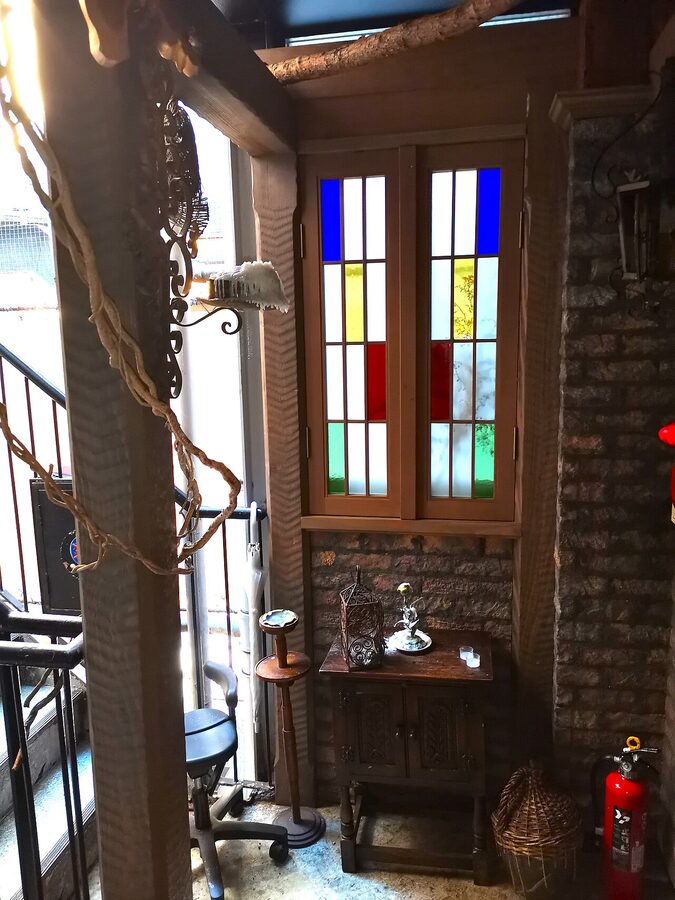

This guide is the version I wish I’d had on my first cocktail-counter night out in Tokyo. Eight bars I’d send a friend to without hesitating, what to order at each, what they cost, what the rules are, and how the rest of the evening tends to go. If you’ve already done the whisky bars and the sake bars, this is the third Tokyo bar evening worth planning. The cocktail counter is its own thing. You’ll spend more, you’ll sit shorter, and you’ll watch a single drink get made with a level of attention you don’t get anywhere else.
In This Article
- The Tokyo cocktail counter, briefly
- Eight cocktail bars at a glance
- Ginza is where the modern Tokyo cocktail starts
- Bar High Five: the eight-seat appointment
- Tender Ginza: the hard-shake home
- Mori Bar: the martini benchmark
- Old Imperial Bar, the room that has been here a century
- Bar Landscape: the husband-and-wife counter
- Aoyama, Azabu-Juban and the new-guard counter
- Bar Gen Yamamoto: the omakase counter
- Folklore: Mixology Group native-spirits room
- Mixology Salon: when tea is the base spirit
- Shibuya, where the new generation set up shop
- SG Club: three rooms, one philosophy
- The Bellwood: the kissaten that became a bar
- Bar Ishinohana: the umami old-fashioned
- The hidden classics, Hibiya, Ebisu and the further reaches
- Bar Trench: the Ebisu absinthe room
- Bar K6: the Tokyo branch of a Kyoto institution
- Bar Benfiddich: the herbalist counter
- Mixology Heritage: the cacao and sherry counter
- Fuglen Tokyo: the Norwegian-Japanese hybrid
- The technique you’re paying for
- How to order, what to wear, what to spend
- Reservations
- Dress code
- Otoshi, charge, service
- What to order if you’ve never been
- An evening plan, by neighbourhood
- Route A: the Ginza-Hibiya circuit (technique and history)
- Route B: the Shibuya-Aoyama circuit (new guard)
- Where the cocktail bar fits in a Tokyo drinking week
- Last calls and what you can do without
The Tokyo cocktail counter, briefly
.jpg)
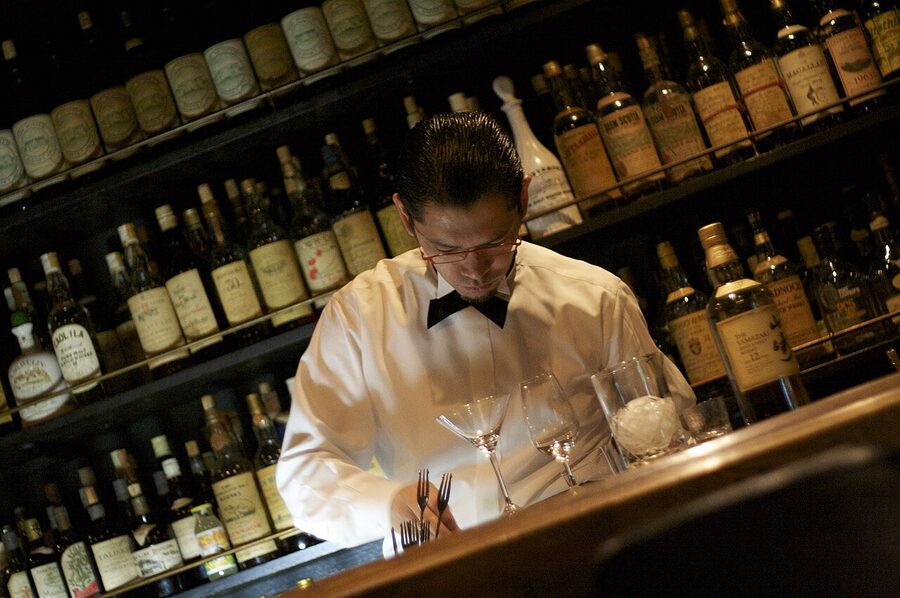
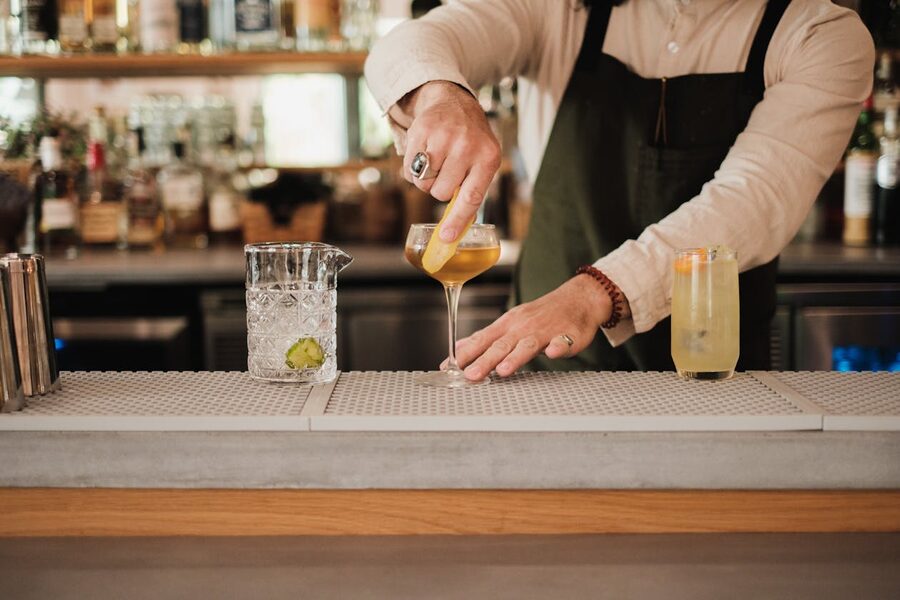
Three things make a Tokyo cocktail counter different from a cocktail bar in London or New York. First: the ice. Hand-cut from large blocks, shaved with a Japanese chisel-knife into spheres or diamonds, sometimes shaved twice, often inspected for clarity before it goes anywhere near a glass. Second: the technique. The Kazuo Uyeda hard-shake, where the shaker is moved in a quick figure-eight to aerate the drink in a way Western shakers don’t, was developed at Tender in Ginza and is now copied by bartenders all over the world. Third: omotenashi, the formal hospitality grammar Japanese service runs on. The bartender greets you, takes the cocktail order in conversation rather than off a printed menu, and watches your face for the half-second after the first sip.
You’re paying for all three. Cocktail prices at a serious counter run ¥1,800–2,500 for a standard classic and ¥3,000–5,000 for an omakase counter where the bartender chooses each drink for you. Most bars also charge an otoshi or seating fee of ¥500–1,500 that comes with a small snack. Budget ¥7,000–15,000 for an evening of two or three drinks plus seating. That sounds steep until you realise the same money in Ginza buys two-thirds of a single cocktail at a Mandarin Oriental rooftop, and the rooftop won’t grind its own bitters from herbs in a Saitama field.
Eight cocktail bars at a glance
The shorter version, for the reader who wants the answer fast. Full notes on each below.
| Bar | Neighbourhood | Vibe | Spend | Signature | Reservation | Best for |
|---|---|---|---|---|---|---|
| Bar High Five | Ginza | Old-guard counter, eight seats, suspenders | ¥2,500–4,000 / drink + ¥1,500 charge | Off-menu White Lady; whatever Ueno hands you | Walk-in possible early; later evenings packed | Your first Ginza counter |
| Bar Benfiddich | Nishi-Shinjuku | Apothecary, dried herbs, mortar & pestle | ¥2,000–3,500 / drink + ¥800 charge | Mori (ice forest); fresh daiquiri with farm sugarcane | Reservation strongly preferred | The most-talked-about cocktail night in town |
| Tender (Ginza) | Ginza | Formal, dress code, cream jacket bartender | ¥2,000–3,500 / drink + ¥1,000 charge | Frozen daiquiri; hard-shake gimlet | Walk-in OK weekdays; ties advised | Cocktail history, not novelty |
| Bar Trench | Ebisu | Alleyway-tucked, absinthe-leaning, books on the bar | ¥1,800–2,500 / drink + ¥800 charge | Anything absinthe; daily off-menu specials | Walk-in friendly; arrive 18:00–19:00 | Spirits geeks and a quieter night |
| SG Club | Shibuya | Two-floor speakeasy, basement smoking room | ¥1,800–2,500 / drink, no seating charge | Tokyo Town fizz; Mr Maria highball | Walk-in OK; Saturdays packed | Cocktail bar that feels like a real bar |
| The Bellwood | Shibuya | Taisho-era kissaten, lab coats, daytime food | ¥1,800–2,500 / drink, no charge | Tea-and-coffee cocktails; brunch menu | Walk-in friendly; reservation easier | An afternoon-into-evening drink |
| Mixology Salon | Ginza Six 13F | Six-seat tea-cocktail counter | ¥3,300–6,600 / course | Gyokuro tea-tail; matcha old-fashioned | Reservation only via Pocket Concierge | The most original drink you’ll have in Tokyo |
| Bar Gen Yamamoto | Azabu-Juban | Eight-seat oak counter, no music, hyper-seasonal | ¥3,300–5,500 / 4-drink omakase | Whatever fruit was at the morning market | Reservation via website; weeks ahead | The quietest cocktail evening in Tokyo |
Spend figures are what I’ve actually paid in 2025–2026, including the seating charge. Reservation rules change without notice. Phone first or send a same-day message via the bar’s Instagram if you’re not sure.
Ginza is where the modern Tokyo cocktail starts
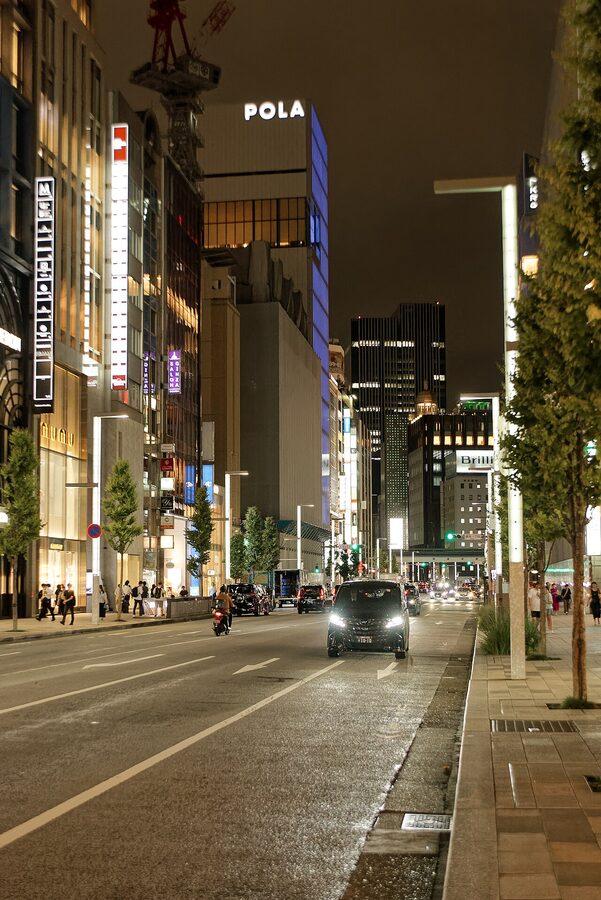

The Tokyo cocktail counter as the rest of the world knows it was built in Ginza. Old Imperial Bar at the Imperial Hotel opened in 1923, designed by Frank Lloyd Wright, and is still serving in the same room with the same etched glass and the same low Mayan-revival walls. Mori Bar, run by the late Takao Mori until 2024 and now by his disciples, is where most of the rest of Tokyo’s bartenders learned to stir a martini. Tender, opened by Kazuo Uyeda in 1997, is where the hard-shake came from. The neighbourhood concentrates more counter-bars per square kilometre than anywhere else in the world, and on a quiet Wednesday in May you can step from one to the next without queueing.
Bar High Five: the eight-seat appointment
Bar High Five sits on the fourth floor of the Efflore Ginza 5 building, 5-4-15 Ginza, Chuo-ku. Hidetsugu Ueno, who apprenticed at Star Bar under Hisashi Kishi before opening High Five in 2008, is the bartender most travellers ask about by name. There’s no menu. You sit, you say what kind of mood and which spirit, and Ueno builds you a drink. He speaks fluent English. He’ll usually steer first-timers toward a White Lady, his signature, in which the gin-Cointreau-lemon ratio sits a little drier than the textbook because Ueno hates a sweet finish.
What you’re really watching is the ice. Ueno chips an ice diamond from a half-kilo block in roughly thirty seconds, four cuts, no rounding-down. The ice goes into the shaker, the shaker is moved in a fast figure-eight Mori-Uyeda style, and the drink lands clear and cold without a tooth-ache from over-dilution. The bar seats eight at the counter and a few more at side tables. Charge is ¥1,500 with a small snack; drinks ¥2,500–4,000. Hours 17:00–01:00, closed Sundays. Phone reservations work; English-speaking staff will take a same-day booking if there’s a seat. Walk-in possible 17:30–19:00 on weekdays.
What I order: a White Lady on first visit, then a Tom Collins. The Collins is the test. If a bar makes a clean Collins with carbonation that survives to the bottom of the glass, you’re somewhere good.
Tender Ginza: the hard-shake home
Tender is on the fifth floor of the Nogakudo building, 6-5-15 Ginza, Chuo-ku, in Shimbashi-Ginza border territory. The room is wood-panelled, lit at counter height only, and Kazuo Uyeda is usually behind the bar in his cream jacket. He’s in his eighties. He invented the hard-shake. The man developing the dominant Japanese cocktail technique of the last three decades is still mixing your drink. There’s a soft dress code: men are expected in a collared shirt, ideally with a tie. Don’t show up in shorts.
The drink to order at Tender is a frozen daiquiri. Uyeda’s version comes out as crushed-ice sherbet at −5°C, almost slushy in the glass. He’ll also do a hard-shake gimlet that arrives clean and round-edged, no flecks of pulp. Drinks ¥2,000–3,500, charge ¥1,000. Hours 17:00–01:00, closed Sundays. Reservations are easier than at High Five. Phone in Japanese is best; the staff at the front are not all English speakers, although Uyeda himself is gracious and patient with foreign guests.
Mori Bar: the martini benchmark
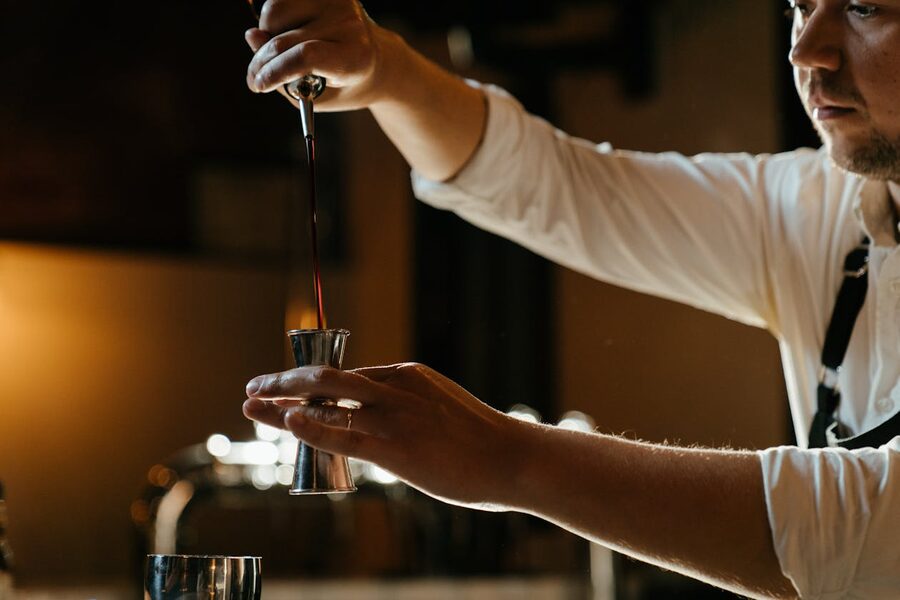
Mori Bar Gran is in the Sakura Marks Ginza 6 building, 6-12-12 Ginza, Chuo-ku, on the rooftop terrace. The original Mori Bar opened in 1997. Takao Mori passed away in 2024; the bar is now run by his disciples and his son. Almost every name bartender currently winning awards in Tokyo trained under Mori at some point, which means a bar visit here is a bit like visiting the source code. Their martini is the cleanest in Tokyo. Made with Ki No Bi dry gin distilled in Kyoto especially for the bar, every bottle calligraphed by hand on the label, stirred with hand-cut ice for somewhere close to ninety seconds before pouring.
The terrace seating is the move in spring and autumn. There’s a yaezakura (multi-petalled cherry tree) on the rooftop with views of Tokyo Skytree to the east and Tokyo Tower to the south. Drinks are roughly ¥2,400 plus a service fee. Hours 18:00–02:00, closed Sundays. Reservations strongly recommended; the rooftop has weather rules.
Old Imperial Bar, the room that has been here a century
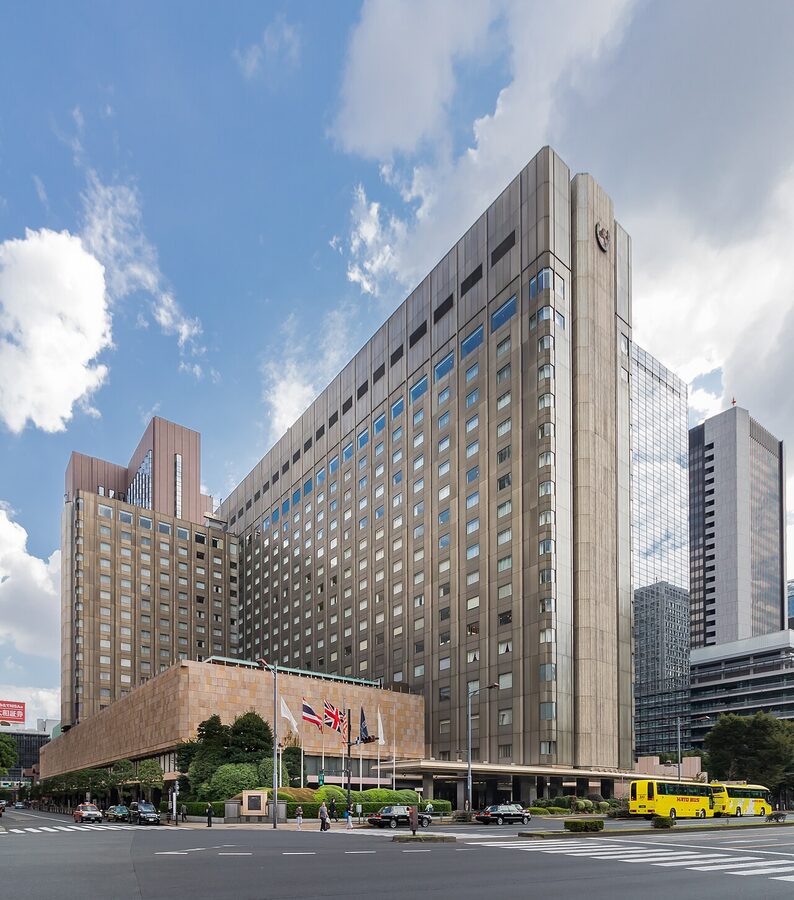

Old Imperial Bar at the Imperial Hotel, mezzanine, 1-1-1 Uchisaiwai-cho, Chiyoda-ku, opened in 1923 and turned 100 in 2023. Frank Lloyd Wright designed the original hotel and lived in Tokyo through the build, visiting gardens, waterfalls and shrines that ended up influencing his later work. The bar room has been preserved through every rebuild. Wright’s etched-glass partitions, the carved bronze fittings, the low geometric mouldings on the walls, all original.
The drink is the Mount Fuji, a house cocktail invented at the bar in 1924, a creamy gin number with pineapple and egg white. It’s not a cocktail you’d order anywhere else, which is the point. The bar’s whisky list also rewards an unhurried hour. Drinks ¥3,050 / about ¥3,000–5,000 spend; a service charge of ¥1,400 brings a small dish. Hours 17:00–24:00 daily. Walk-in usually possible; arriving before 18:30 helps. Service is in English without effort.
Bar Landscape: the husband-and-wife counter
Bar Landscape sits in the Sanwa Ginza Building B1, 6-4-9 Ginza, Chuo-ku. Kazuma and Tamiko Matsuo trained under Mori before opening their own bar. He’s behind the counter most evenings; she runs the floor. The room is warm-lit, eight counter seats and a couple of tables. Drinks lean toward Japanese-whisky-led cocktails, the whisky sour, the tomato martini, and a passion-fruit number that has a small cult following. The fact that one of the senior bartenders is a woman remains rarer in this scene than it should be. It’s worth noting because it changes the room’s tempo. Less performance, more conversation.
Drinks from ¥2,200; service fee ¥1,000 with a small snack. Hours 18:00–01:00. Closed Sundays. Walk-in friendly weekday early evening.
Aoyama, Azabu-Juban and the new-guard counter
If Ginza is where the technique was canonised, the new-guard bars sitting south of the loop in Azabu-Juban, Aoyama and Hibiya are where the ingredients came alive. These are the bars that pushed back against the white-shirt, no-music, no-distraction formality. Music plays. Conversation is louder. The bartender will ask you about the meal you just had instead of asking which classic you want.
Bar Gen Yamamoto: the omakase counter
Bar Gen Yamamoto is on the ground floor of the Anniversary Building, 1-6-4 Azabu-Juban, Minato-ku, a short walk from Azabu-Juban Station exit 4. Eight seats. One bartender. No music whatsoever. The counter itself is carved from a single 500-year-old mizunara oak, the same Mongolian oak Suntory uses for whisky cask staves. You order an omakase course of four small cocktails, each built around a single seasonal ingredient picked up that morning at the produce market: maybe sansho pepper from Wakayama, or hassaku citrus from Ehime, or new-crop edamame from the brewer’s market.
The drinks are small. Each comes in a single sip and a half. The course costs ¥3,300 for four-drink and ¥5,500 for the longer course. There’s no charge for seating. Hours 15:00–23:00, closed Mondays. Reservations are required and the website opens bookings about a month ahead, they go in a few hours during busy seasons.
What I tell first-time visitors: this isn’t where you go for a stiff drink. It’s where you go for a kaiseki of cocktails, four scenes that together tell you what’s in the markets that week. If your evening is built around getting hammered, skip this one. If it’s built around tasting, this is the most thoughtful counter in the city.
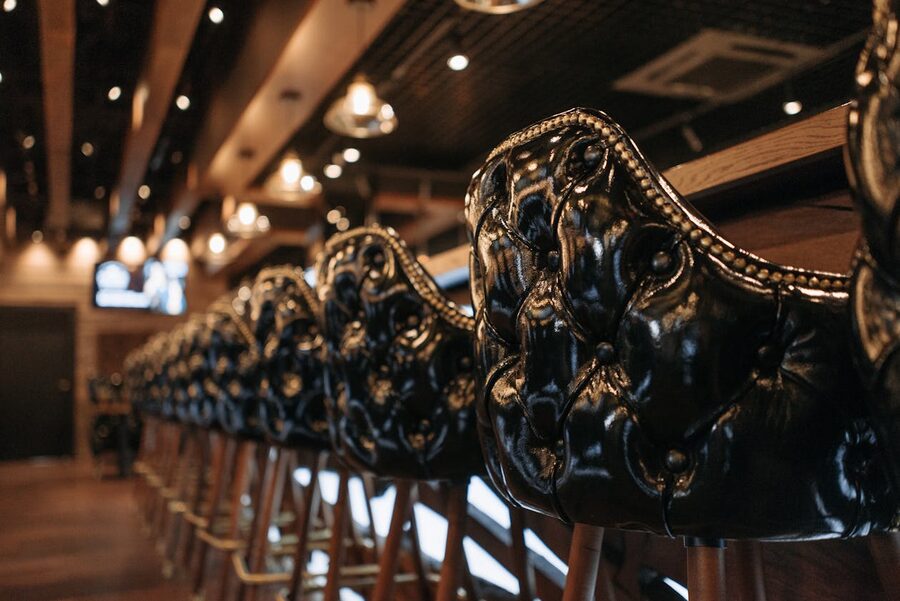
Folklore: Mixology Group native-spirits room
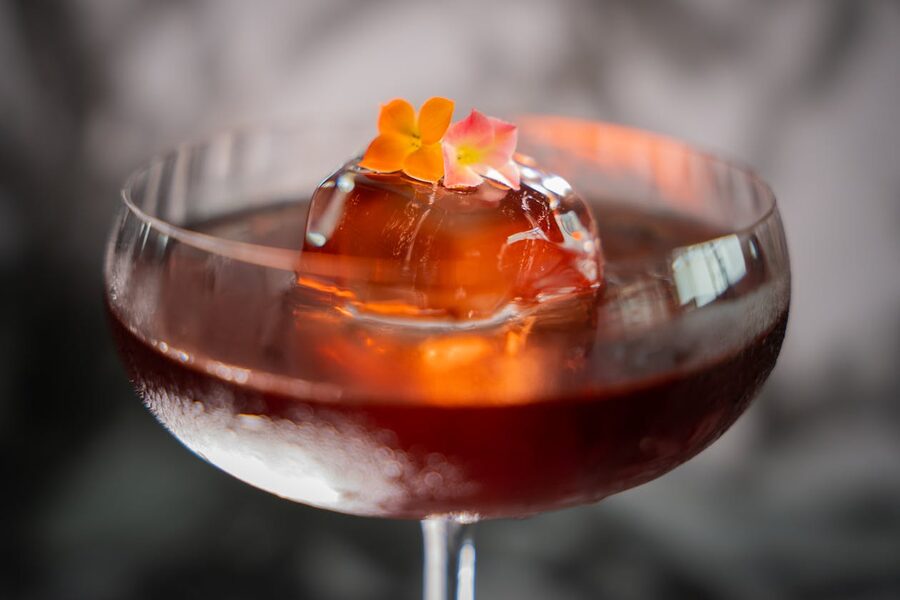
Folklore sits beneath the Hibiya OKUROJI arches, 1-7-1 Uchisaiwai-cho, Chiyoda-ku, in the converted railway-arch passage between Tokyo Station and Ginza. It’s part of Shuzo Nagumo’s Mixology Group, alongside Mixology Salon and Mixology Heritage. The space was designed by Fumihiko Sano Studio using reclaimed temple wood from Nagano and Yamagata; the eight-seat counter feels like a small shrine. The drinks are built on Japanese native spirits, sake, shochu and awamori, rather than Western base spirits. That’s rarer than it sounds. Most Tokyo cocktail counters use Japanese garnishes on Western frames. Folklore inverts the formula.
The omakase shochu course is the move. A standout I came back for is the Smoky Bonito: sesame shochu, Islay whisky, pineapple, citrus and miso powder, served with a piece of iburi-gakko (smoked pickled radish from Akita). It’s salty, smoky, tropical and unsettling in the way the best cocktails are. Course is ¥6,600. À la carte drinks ¥2,200–2,800. Hours 18:00–01:00, closed Sundays. Reservation only.
Mixology Salon: when tea is the base spirit
Mixology Salon perches on the 13th floor of Ginza Six, 6-10-1 Ginza, Chuo-ku. Six counter seats and one small table. The room is intentionally tea-room-quiet, pale wood counter, no rows of bottles on display, soft art on the walls. The bar specialises in tea-tails: cocktails built on Japanese teas as the base ingredient. Gyokuro, hojicha, matcha, sencha, genmaicha; each treated the way another bar would treat a vintage spirit.
The Gyokuro Course is the introduction. First a small cup of warm gyokuro at 40°C, creamy, almost umami, before any alcohol enters the conversation. Then the gyokuro tea-tail, cut with Islay Scotch and Canadian ice wine, earthy and smoky. Then a hot gyokuro at 90°C with seasoned tea leaves and house-infused gyokuro vodka. Course around ¥5,500–6,600. Hours 18:00–24:00, closed Mondays. Reservation only via Pocket Concierge or by phone.
The thing about Mixology Salon is that it teaches you a category that didn’t really exist before it opened. After a course here, the whisky-and-soda ratios you’ve been ordering for years start feeling lazy.
Shibuya, where the new generation set up shop
.jpeg)
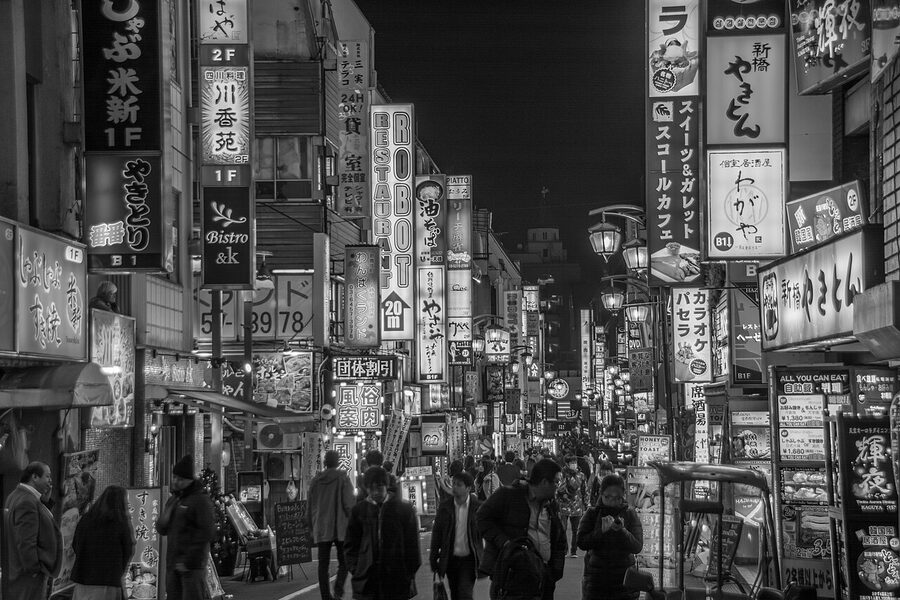
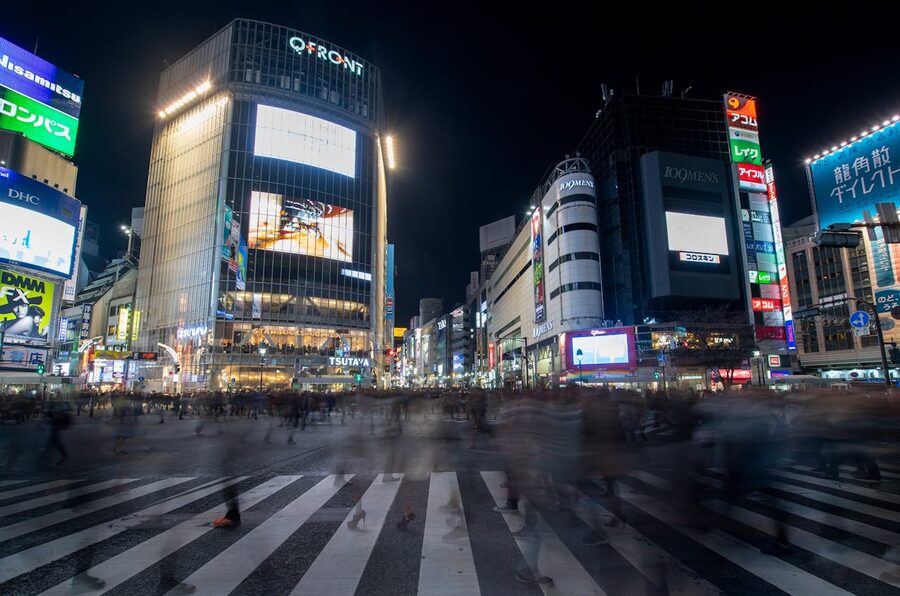
Shibuya for a long time was the wrong neighbourhood for serious cocktails. That has changed in the last decade as the bartenders who trained in Ginza opened their own places where rents allow more experimentation and the dress code is more relaxed. The two destinations to plan around are SG Club and The Bellwood, both walkable from Hachiko Crossing and close enough to each other that pairing them in one evening is the obvious move.
SG Club: three rooms, one philosophy
SG Club is on Jinnan Street, 1-7-8 Jinnan, Shibuya-ku, run by Shingo Gokan, the bartender who put Speak Low in Shanghai on the world’s-best-bars list. The space is split into three: Guzzle on the ground floor (loud, fast, classics-driven), Sip on the basement (quieter, more original cocktails), and a small SG smoking lounge in the basement. You can move between rooms across an evening. The same bartender team runs all three, but each space has its own drinks list.
The Tokyo Town fizz is the drink to ask for, gin, yuzu, shiso, sparkling, served in a chilled fluted glass that goes from clear to faintly green as it sits. There’s also a Mr Maria highball with a single perfectly clear ice spear that’s worth the ¥1,800 just for the carve. Drinks ¥1,800–2,500. No seating charge, which makes SG Club one of the rare cocktail rooms in Tokyo where ordering one drink doesn’t feel like a faux pas. Hours 18:00–02:00, closed Sundays. Walk-in friendly Tuesday to Thursday; weekends fill up by 20:00.
The Bellwood: the kissaten that became a bar
The Bellwood is at 41-31 Udagawa-cho, Shibuya-ku, an eight-minute walk uphill from Hachiko exit. Atsushi Suzuki runs the room with a team in white lab coats. The interior is built as a Taisho-period kissaten, the early-twentieth-century coffee-shop style, with wood panelling, a crooked-legged sofa, and a mid-century western-saloon bar. Ingredient focus is teas and coffees, plus quite a lot of Japanese spirits. The Bellwood also serves food, a brunch menu in the daytime and evening bar bites, which is unusual for a serious counter and useful if you want to start at 17:00 with a cocktail and a small plate.
The drink to ask for is the matcha old-fashioned, which uses bourbon steeped with matcha for forty-eight hours and is finished with a smoked matcha leaf on the ice spear. Drinks ¥1,500–2,200, no seating charge. Hours 13:00–02:00, closed Tuesdays. Reservation friendly; walk-in usually fine before 19:00.
Bar Ishinohana: the umami old-fashioned
Bar Ishinohana sits on the second floor of the Yagi Building, 3-6-2 Shibuya, Shibuya-ku, run since 2003 by Shinobu Ishigaki. The room is candlelit, eleven counter seats, a small table or two. Ishigaki opened on the back of two bartender-competition wins and has stayed at the experimental edge since. The drink to ask for is his Japanese Old Fashioned: Hakushu whisky steeped in shiitake mushrooms for thirty-six hours, mixed with umami bitters, and garnished with a single dried mushroom. The first sip is strange. The second is the one that re-frames what an old-fashioned can be.
Anthony Bourdain visited and the bar has the back-room Bourdain-portrait-on-the-wall energy without making it the whole identity. There’s also a green-tea old-fashioned and a sake-and-camomile martini. Drinks from ¥1,200, with a ¥500 charge that brings a small snack. Hours 18:00–02:00, closed Sundays. Walk-in friendly except Saturdays.
The hidden classics, Hibiya, Ebisu and the further reaches
Bar Trench: the Ebisu absinthe room
Bar Trench is on a side alley behind Ebisu Garden Place, 1-5-8 Ebisu-Nishi, Shibuya-ku. Rogerio Vaz, half-Japanese half-Brazilian, runs the bar; the menu reads like a cocktail-history syllabus crossed with absinthe-fountain devotion. There’s a stack of bar books on top of the bottles. Vaz spent time in San Francisco at Bourbon & Branch and in New York at Milk & Honey, and the Trench drink list reflects those lineages alongside his own oddities, a hibiscus daiquiri, a chartreuse-and-yuzu sour, a daily off-menu special chalked on a tiny board.
The room is small. Twelve seats. Lights low enough that the candles do real work. Drinks ¥1,800–2,500, charge ¥800. Hours 19:00–03:00 (later than most). Walk-in friendly early evening, busy after 21:00. If you like absinthe even slightly, ask for a Sazerac. If you don’t, ask Vaz to make you whatever’s caught his attention this week. He’ll usually pull two bottles you haven’t seen before.
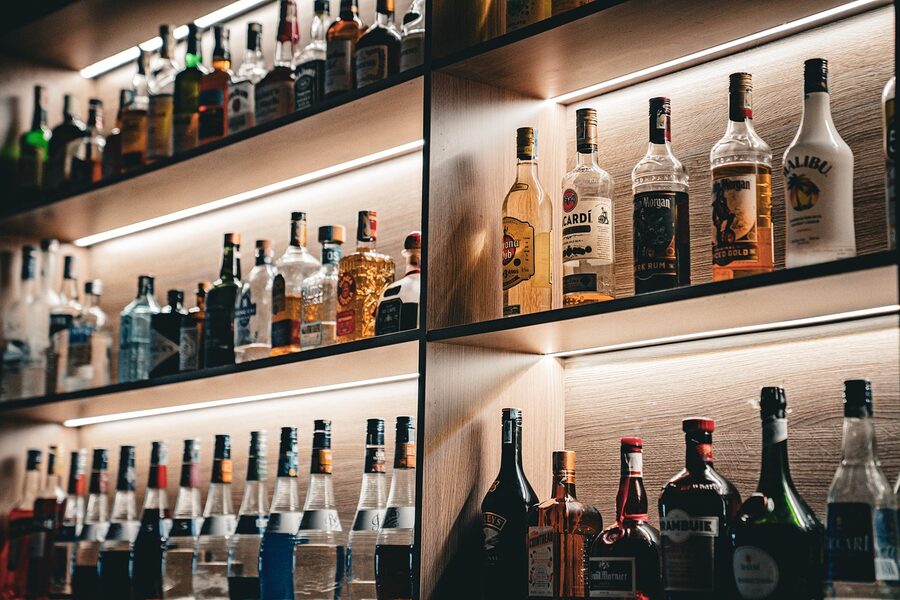
Bar K6: the Tokyo branch of a Kyoto institution
K6 is a Kyoto bar, the original sits a block from the Kamogawa River, and the Tokyo branch carries the same restrained, almost monastic feel. It’s at 6-12-2 Roppongi, Minato-ku, in the Cardinal Akasaka Building B1F. The chief bartender, Daiki Kanetaka, has been with K6 since the original opened. The drink to ask for is the K6 martini, which is stirred for ninety seconds with a single spear of polished ice and arrives at −6°C; or the gimlet, made with house-pressed lime juice that’s strained twice through cheesecloth.
Drinks ¥2,000–3,200, charge ¥1,000 with snack. Hours 18:00–01:00, closed Sundays. Reservation strongly preferred for first visits. The room is twelve seats and quiet; no music. If Bar Gen Yamamoto’s omakase format isn’t your speed but you want the same level of stillness, K6 is the alternative.
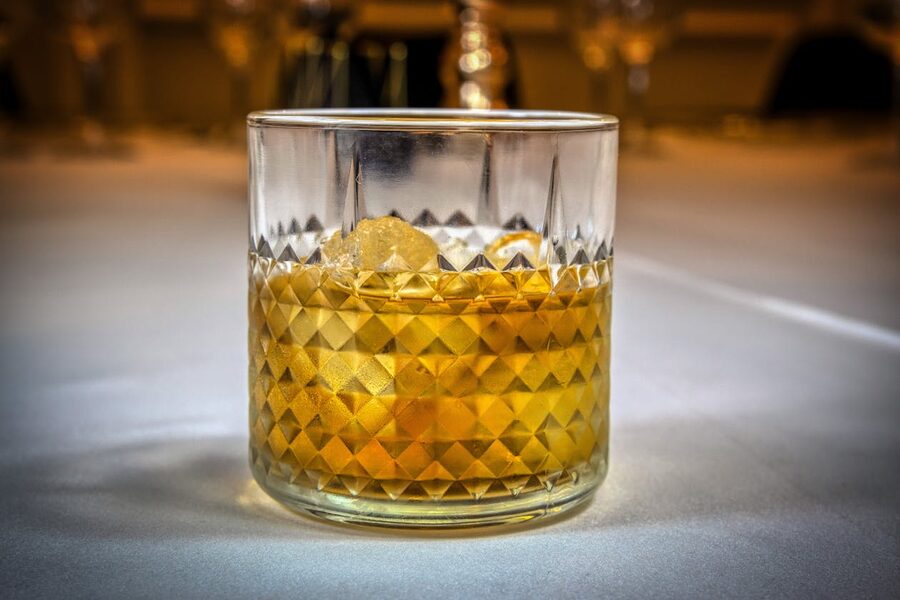
Bar Benfiddich: the herbalist counter
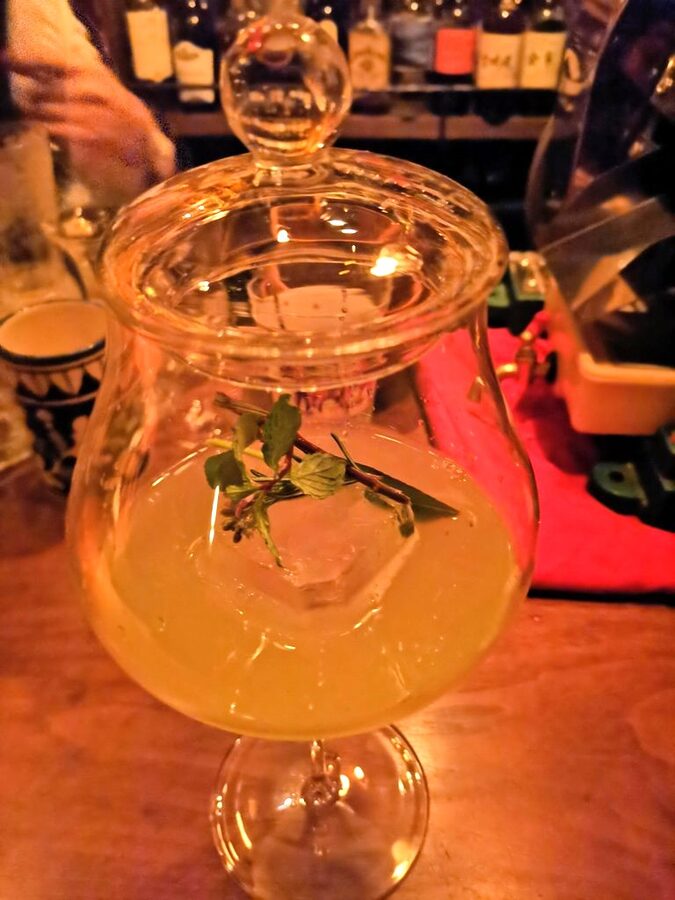
Back to Hiroyasu Kayama. Benfiddich, ninth floor, Yamatoya Building, 1-13-7 Nishi-Shinjuku, Shinjuku-ku. Open since 2013. Walking distance from JR Shinjuku south exit, about seven minutes. The lift is small and rickety and the doors open into a corridor that looks like a 1960s office floor. You’ll know you’re in the right place when you smell wormwood.
Inside, the room is fifteen seats, a polished walnut counter, dried mugwort lampshades, taxidermy on a high shelf. Kayama is a self-described "mixologist, farmer, ingredient curator, scientist and curio collector" and most of the herbs in your drink were grown by him in Saitama. He distils his own Campari (a real Campari, with Hyssop, gentian, cinchona bark), grinds his own bitters powders in a brass mortar, and makes his Chartreuse-style green liqueur from twenty-two herbs.
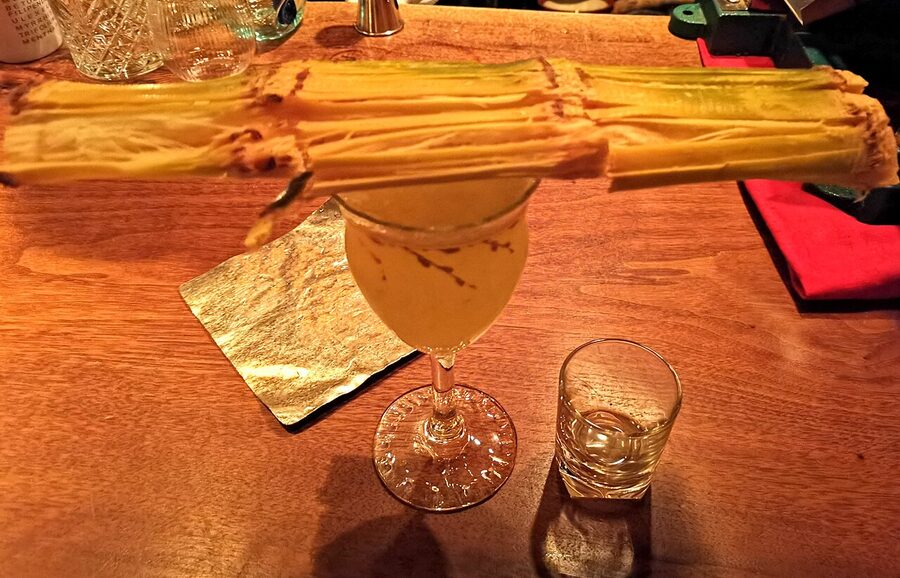
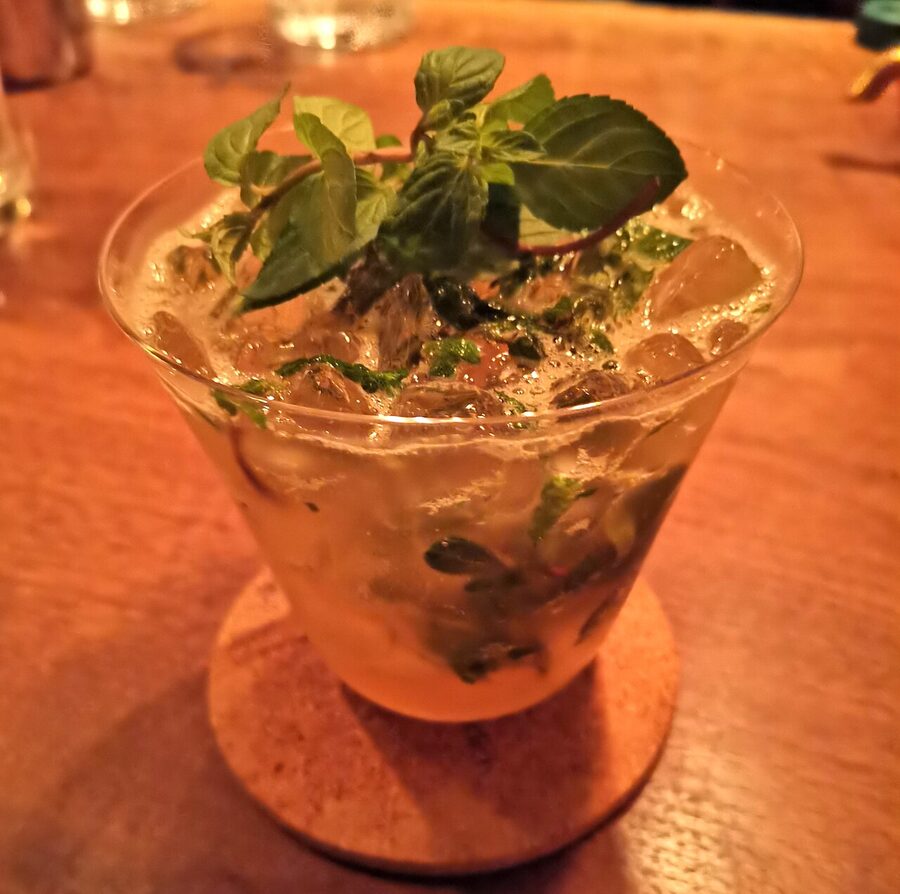
The cocktail to ask for is the Mori, "forest" in Japanese: a vodka-and-elderflower base topped with a small forest of mint, rosemary flower and Photinia. You eat the herbs as you drink. The fresh-cane daiquiri arrives with a stalk of pressed sugarcane laid across the rim. Or, if you’re nervous, the Negroni, which uses Kayama’s housemade Campari and arrives a shade darker and less sweet than what you’ve had anywhere else. Drinks ¥2,000–3,500, charge ¥800 with a small bite. Hours 18:00–03:00, closed Sundays. Reservation strongly preferred; the bar takes phone bookings or via Instagram DM.
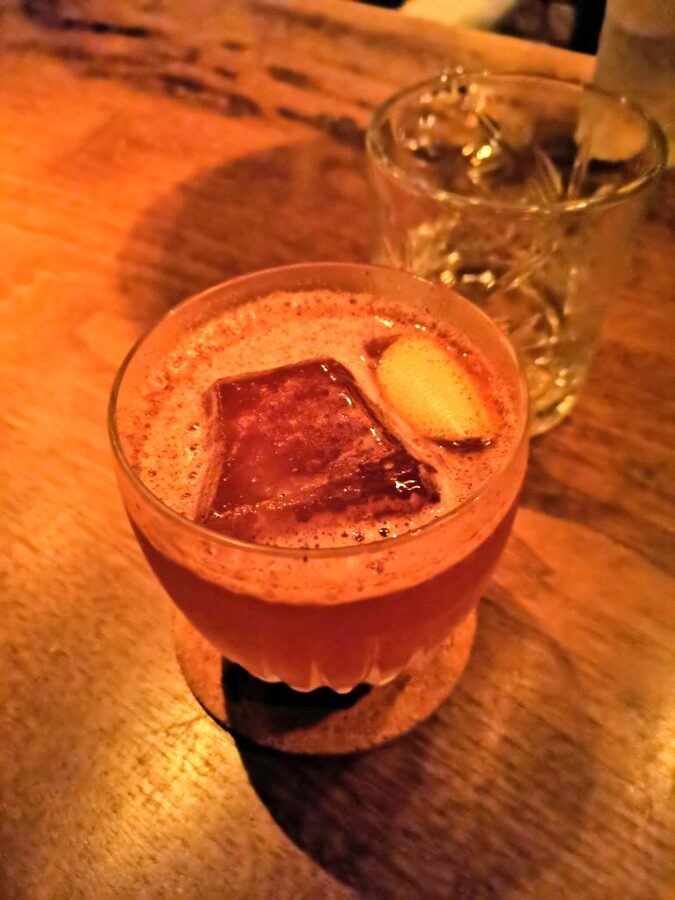

Mixology Heritage: the cacao and sherry counter
Mixology Heritage, the third Nagumo room I’d plan around, sits in Akasaka. The focus is fortified wines, sherry-cask spirits and house cacao infusions. The drink to order is the Cacao Negroni, which substitutes Mixology’s own cacao-bitter for Campari and is heavier and rounder than the original. The bar is smaller than the other Mixology rooms, six counter seats, and feels more like a cigar lounge than a cocktail bar. Course menus ¥7,700; à la carte ¥2,500–3,200. Reservation only.
Fuglen Tokyo: the Norwegian-Japanese hybrid
Fuglen is at 1-16-11 Tomigaya, Shibuya-ku, a fifteen-minute walk from Shibuya station or three from Yoyogi-Hachiman station. By day it’s a Norwegian-roasted-coffee shop; by night it turns into a cocktail counter. Halvor Digernes from Oslo runs the bar side. The drinks lean minimalist and seasonal: a black-lime old-fashioned, a ginger daiquiri, a sake-and-yuzu spritz that’s better than it has any right to be. The room is a 1960s Scandinavian apartment crossed with a Tokyo coffeehouse, mid-century chairs, communal tables, lamps that look like they were stolen from a Stockholm flat.
Drinks ¥1,400–1,900, no seating charge. Bar hours 19:00–01:00 daily. Walk-in only. The crowd is Tokyo design-set Japanese plus a steady international cohort, which makes Fuglen one of the easier bars to drop into solo.
The technique you’re paying for
If you’ve never watched a Japanese bartender at work, a few of the things you’ll see make more sense with a name.
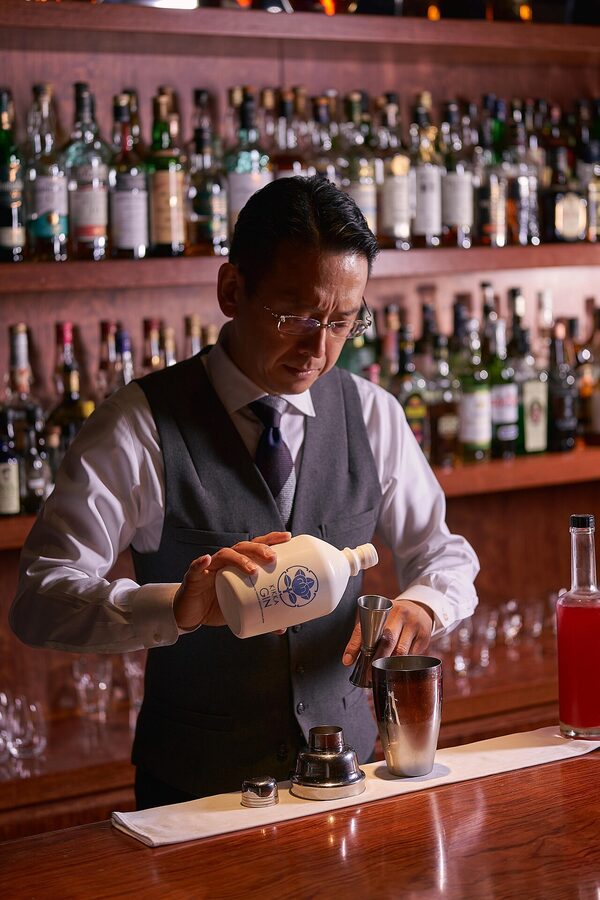
The hard-shake. Codified by Kazuo Uyeda at Tender. A Boston shaker is moved in a quick figure-eight rather than a straight up-and-down, which fragments the ice into smaller particles, aerates the drink more efficiently, and produces a denser, slightly foamy texture. It also takes years of practice to do without rounding the ice into mush. You’ll see the shake on most ginza-style classics, a daiquiri, a Manhattan, a sidecar. You won’t see it for a martini, which should be stirred.
The long ice carve. A two-kilogram block is broken into eighths, each eighth shaved with a Japanese chisel-knife into a sphere or diamond. Watch the angle of the cuts, fast bartenders take seven or eight cuts to a clean sphere; the masters do it in four. The sphere goes in the glass before any spirit; pouring spirit on a fresh-cut sphere lets you watch it crack, which is part of the show.
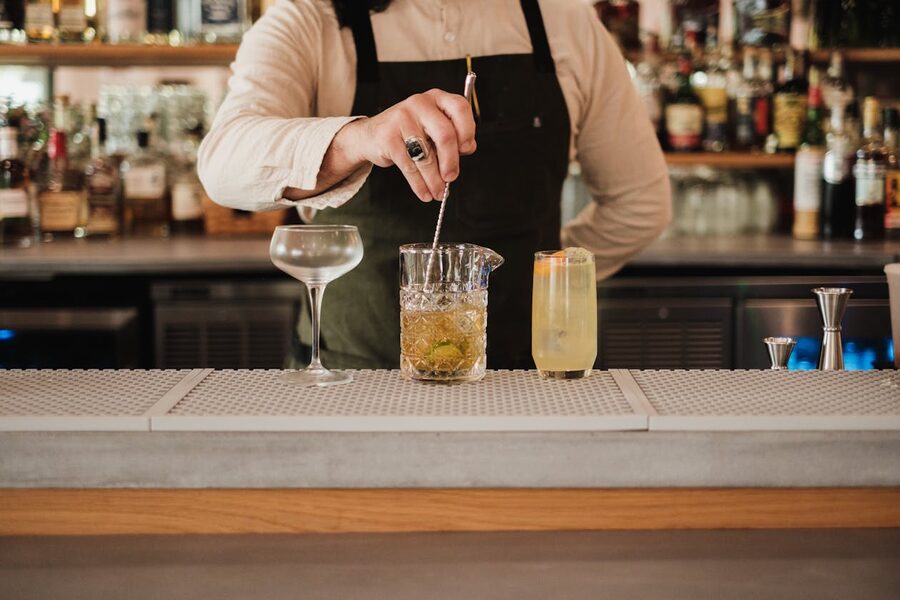
The cold-stir. A Yarai mixing glass, two-kilo of cracked ice from the same block, a long bar spoon turned with the wrist rather than the elbow, ninety seconds for a martini, sixty for a Manhattan. Anything quicker doesn’t dilute properly; anything slower waters the drink. You’ll see the bartender check the glass exterior with a fingertip. He’s testing the temperature.
The single-portion approach. Drinks are made one at a time. If you order a round of three for your table, the bartender will make them in sequence, which means they arrive a minute apart. The trade-off is that each drink is at peak; the cost is patience. This is why the rooms are eight to fifteen seats. More seats and the rhythm breaks.

How to order, what to wear, what to spend
The cocktail counter has unwritten rules different from the looser izakaya ordering grammar. Knowing them up front saves you a confused first visit.
Reservations
For Bar Gen Yamamoto, Mixology Salon, Mixology Heritage and Folklore, reservation only. The first three book out a month ahead; Folklore typically two weeks. For Bar High Five, Bar Benfiddich and Tender, strongly preferred. Without one, walk in early, 17:30–19:00, or be prepared to be turned away politely. For SG Club, The Bellwood, Bar Trench, Fuglen and Bar Ishinohana, walk-in friendly except weekend nights.
The most reliable booking channels are phone (in Japanese), Pocket Concierge for the high-end places, or Instagram DM (almost every bar’s Instagram has someone who replies in English within a few hours).
Dress code
Tender requires a tie for men. Old Imperial Bar prefers smart casual. Mori Bar Gran’s terrace is more relaxed. The Mixology rooms are smart casual. Everywhere else is business casual or better; shorts and flip-flops will get you turned around. The general rule is collared shirt, closed shoes, no logos. A jacket isn’t required but doesn’t hurt at the Ginza counters.
Otoshi, charge, service
Most cocktail counters charge a seating fee, sometimes called charge, sometimes otoshi, sometimes table charge. It runs ¥500–1,500 per person and usually comes with a small snack. SG Club, The Bellwood and Fuglen don’t charge. Mixology rooms include the seating in the course price. At Old Imperial Bar the ¥1,400 charge brings a real plate of bar food.
Tipping is not done. A few Tokyo cocktail bars include a 10% service fee on the bill, which is fine; do not add cash on top. Cash is accepted everywhere; cards usually accepted at hotel bars and the Mixology rooms; smaller indie bars cash-only. Always ask if you’re not sure.
What to order if you’ve never been
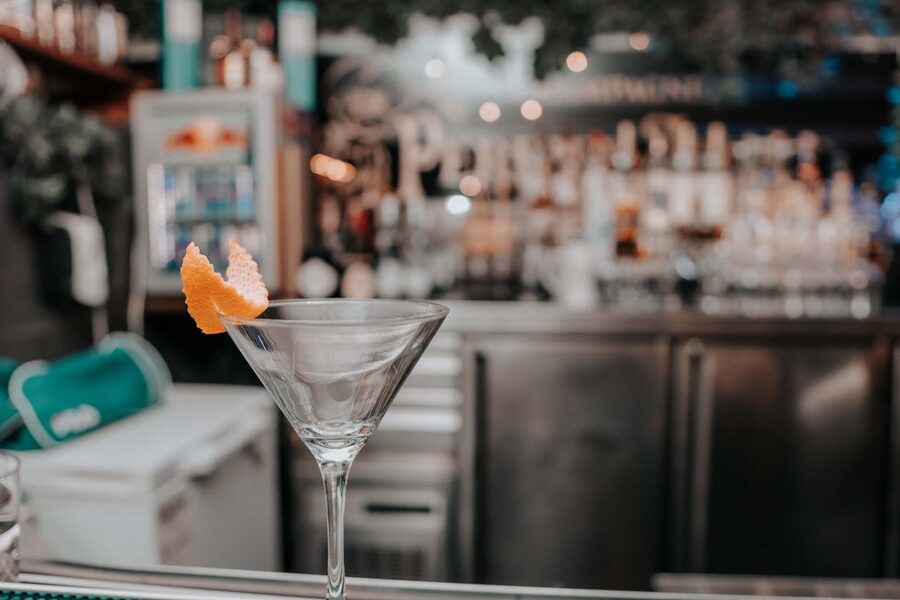
If you only have one cocktail night in Tokyo and want to do it well, order a White Lady at the first bar of the evening (it tells you immediately how the bartender thinks about citrus, fat-washed gin and dilution), and a martini at the second (it tells you how cold they keep their glassware and how much vermouth they like). The two together give you a working sense of the bar’s identity. If the White Lady is sweet you’re at a tourist bar. If the martini is −6°C and bone-dry, you’re at the right bar.
An evening plan, by neighbourhood
Two routes that have worked for me on visiting friends, both achievable in one night without needing a taxi between bars.
Route A: the Ginza-Hibiya circuit (technique and history)
Start 18:00 at Old Imperial Bar with a Mount Fuji and a small plate. Walk twelve minutes through Hibiya Park to Folklore at OKUROJI for an early shochu cocktail course (book ahead, 19:30 slot). Move on to Bar High Five for a 21:30 White Lady or whatever Ueno hands you. Finish at Tender if you have the energy, otherwise back to the hotel. Total spend, two people, three drinks each plus charges: ¥42,000–52,000. Total wear-and-tear on your evening: high, in the right way.
Route B: the Shibuya-Aoyama circuit (new guard)
Start 18:00 at The Bellwood with a matcha old-fashioned and a snack. Walk eight minutes downhill to SG Club for a Tokyo Town fizz at the basement Sip room. Cab or walk twenty minutes to Bar Gen Yamamoto for a 21:00 four-drink omakase course (book a month ahead). Finish at Bar Trench in Ebisu if you want one more, or call it. Total spend, two people: ¥30,000–42,000.
On a longer Tokyo week, slot in a craft-beer evening as a gentler counterpoint to the cocktail-counter pace. If you only have one bar in you, my single-bar recommendation depends on what kind of evening you want. For technique and history, Bar High Five. For ingredient invention, Bar Benfiddich. For something completely different from anything you’ve had before, Mixology Salon.
Where the cocktail bar fits in a Tokyo drinking week
I’d plan a four-night Tokyo drinking trip with one cocktail night, one whisky night, one sake night and one izakaya night. They scratch different itches. The cocktail counter is for an evening when you want craftsmanship and quiet, with a small after-party at a tachinomi if the night still has legs. The whisky bar is for digging into a single distillery’s range, and pairs well with a Ginza counter night earlier in the week. The highball night, a chain Torikizoku for cheap chu-hai followed by a craft highball at a place like Bar Bellboy, is the warmer, looser counterpoint.
If you’re flying in from somewhere with a strong cocktail scene already (London, New York, Singapore), the Tokyo counter will still feel different. The hospitality is the gear shift. You’re not being served quickly; you’re being served carefully. The pace is the point.
For a one-week itinerary that weaves all of this, I’ve sketched three Japan drinking itineraries, one of them spends a full Tokyo evening at the cocktail counters and pairs it with a sake-brewery day trip the next morning, which is a good antidote to a late night.
Last calls and what you can do without
A short list of things I’d skip, given how much else there is.
- The hotel rooftop with a Tokyo Tower view and a ¥3,800 generic martini. The view is paid for; the cocktail almost never is.
- Roppongi nightclub bottle service. A different drinking universe entirely. If you want a club night, plan for it; if you want a cocktail, leave Roppongi.
- The "customer-card cocktails" tourist bars. A handful of Roppongi and Shibuya bars now make "custom cocktails" where you fill in a card and the bartender invents one. The drinks are fine. They’re also a five-minute show with a ¥3,000 price tag, and you’ll never go back.
- Anywhere that lists more than thirty signature cocktails on a menu. A serious Tokyo counter has a tight short list and an off-menu for whatever’s seasonal. A long printed menu is a tourist tell.
The bar I keep coming back to in this city, after every business trip and most holidays, is Bar Benfiddich. Not because it’s the most awarded or the most photographed, High Five and Mori Bar arguably outpace it on both, but because Kayama still makes my drink as if it’s the only one he’s making that hour. The herbs are still grown on his farm. The bitters are still ground in front of you. He still talks to you about what he picked up at the morning market.
That’s what the Tokyo cocktail counter is for. Pay attention to the drink. The drink is paying attention to you.

 CitiesHokkaido Has More Whisky Distilleries Than You ThinkAsk anyone who knows a little about Japanese whisky to name a Hokkaido distillery and they’ll say Yoichi. Push them…
 CitiesA Shochu Drinker’s Map of KyushuThe smell hits first. Warm, yeasty, faintly sweet, like bread dough left to rise next to roasting sweet potatoes. Then…
 CitiesWhy Tohoku Took Over Japan’s Sake SceneThe trip almost didn't happen. I'd booked an Aomori brewery visit at the end of a rushed week, the second…