
Reviewed · SHINJUKU DRINKING TOURS
Tokyo: The Best of Izakaya in Shinjuku Food & Cultural Tour
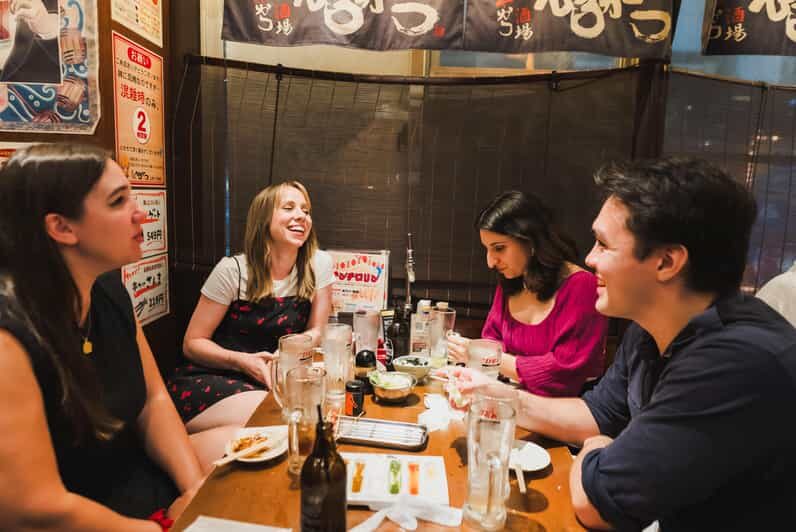
Shinjuku becomes your food map. This 3.5-hour evening tour puts you in the middle of Tokyo nights, with 14+ tastings that are filling enough for dinner and a real lesson in how people drink and snack in Japan. I especially like the sake part and the fact that the guide helps you move fast through places most people never find on their own. The trade-off: at $129, it can feel steep if you’re the type who plans to eat extremely cheap street food every night.
Meet at Kirin City Shinjukuhigashi (beer hall) and spot your guide holding the Ninja Bowl logo tote bag. Past groups have been run by guides like Joe, Hawaii Joe, Max, Chizuru, and others known for making the walk and the food explanations fun, not stiff. I also like that the tour is limited to 10 people and that dietary needs can be accommodated, so you’re not stuck guessing what you can order.
In This Review
- Key Things I’d Watch For Before You Go
- Why a Shinjuku Izakaya Night Beats Solo Wandering
- Timing, Meeting Point, and the Walk-Then-Eat Rhythm
- Golden Gai: Micro-Bars, Narrow Alleys, and Why It Still Works
- Lunch-Style Variety at Izakaya Dinner: How the Two Restaurant Stops Pay Off
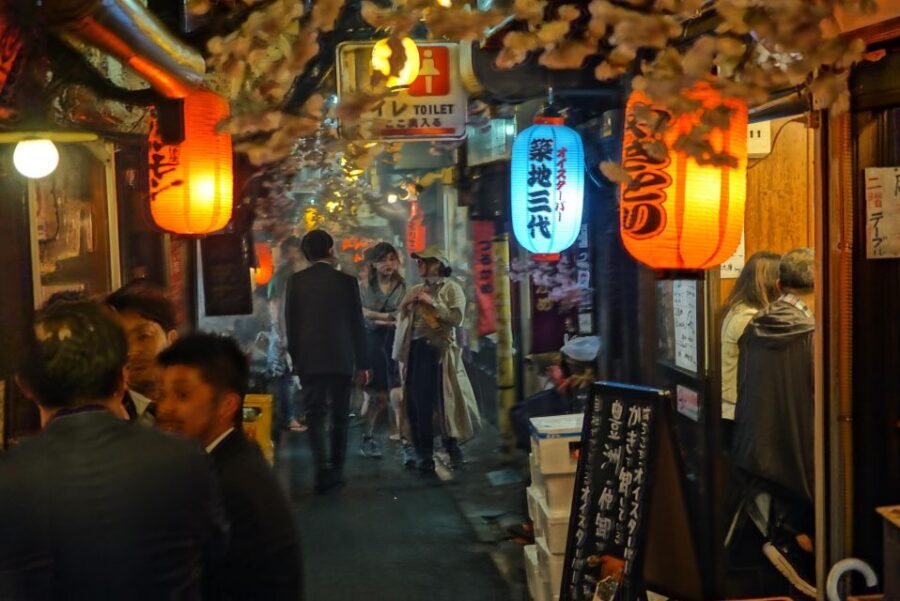
- Omoide Yokocho: The Old-School Lane With “You Had to Be There” Energy
- Kabukicho: Neon Signage, Busy Streets, and a Local-Only Walk Pace
- The Sake Lesson: What You’re Really Practicing at the Table
- Price and Value: Why $129 Can Make Sense Here
- Who This Tour Suits Best (And Who Might Want Another Plan)
- Where the Tour Ends and What That Means for Your Next Stop
- Should You Book This Shinjuku Izakaya Tour?
- FAQ
- How long is the Shinjuku izakaya food and culture tour?
- Where do I meet the tour guide?
- What’s included in the price?
- Is transportation included?
- What do you eat and how many dishes do you get?
- Can the tour accommodate food allergies or restrictions?
Key Things I’d Watch For Before You Go
- 14+ dish lineup that behaves like dinner, not a few token bites
- Two local restaurant stops with a tasting menu that can change by ingredient
- Golden Gai time in 30 minutes, including narrow alleys and micro-bars
- Omoide Yokocho and Kabukicho walk-by moments, mixing old-school stalls with neon lanes
- 2 included alcoholic drinks plus sake tasting, with non-drinkers still getting a full food plan
Why a Shinjuku Izakaya Night Beats Solo Wandering
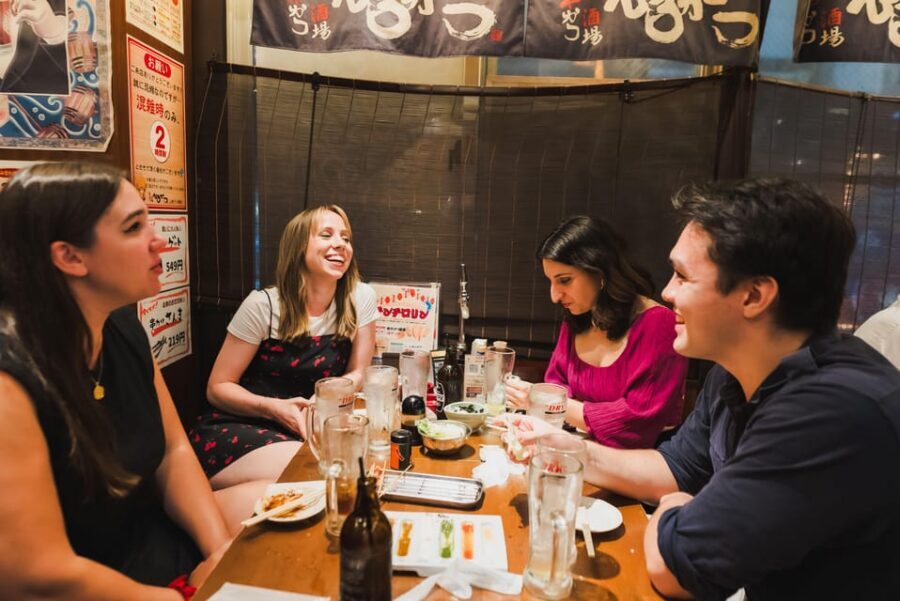
Tokyo is easy to get around, but food is another story. In Shinjuku, the lights are everywhere, but the choices are also overwhelming. This tour fixes that by giving you a structured path: you walk key areas with context, then you sit down at two places where ordering is handled for you.
I like that it’s not just eating. You’re learning what you’re seeing. Shinjuku has layered identities: it’s shopping and station chaos by day, then it turns into alley culture after dark. You’ll hear why districts like Golden Gai exist, and you’ll also get a quick read on how izakaya meals work: shared plates, casual pacing, and drinks that keep the table talking.
The best part for me is that you leave with a full stomach and a clearer personal checklist. After this, you’ll know what you want to repeat later (and what to avoid ordering next time).
Other izakaya food tours we've reviewed in Tokyo

Timing, Meeting Point, and the Walk-Then-Eat Rhythm
This is an evening tour that typically runs about 17:00 to 20:30. Even though the listing says 3 hours, plan on roughly three and a half hours once walking time is included.
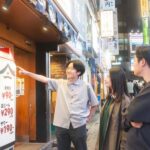
You start at Kirin City Shinjukuhigashi, right in front of the beer hall. You’ll want to arrive a few minutes early and look for the guide holding the Ninja Bowl logo tote bag. From there, the format goes like this: short orientation, then a walking loop through multiple neighborhoods (you’ll spend roughly 40 to 50 minutes moving between areas), then restaurant time where you do most of the eating.
Small group matters here. With up to 10 participants, it’s easier for the guide to keep track of timing, dish preferences, and questions—especially in busy places where you’d otherwise lose the group.
One practical tip: wear comfortable shoes. Even if the walks are not long, Shinjuku is dense, and you’ll be on your feet.
Golden Gai: Micro-Bars, Narrow Alleys, and Why It Still Works
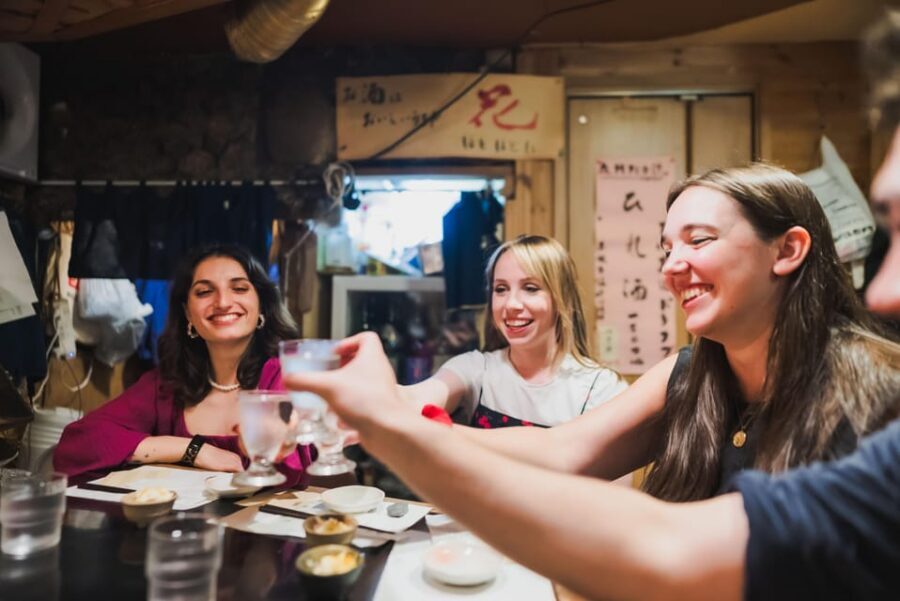
Golden Gai is the part of Shinjuku people talk about, and the tour gives you enough time to actually understand it: about 30 minutes here.
What you’re looking at is small on purpose. Golden Gai is famous for tiny bars and packed alleys, and the whole district feels like a maze designed for conversation. The guide helps you see it like a local would—less like a photo stop, more like a place where you drink slowly, talk quickly, and move between bar counters if the mood fits.
A potential drawback: Golden Gai can feel intense if you’re tired or sensitive to crowds. It’s a nightlife zone, and even with a guide, you’ll be walking through tight spaces. If you want quiet sightseeing, this may not be your place.
But if you want atmosphere, Golden Gai is the right opening act. It sets the tone for the rest of the evening: izakaya culture is social, compact, and a little unpredictable—in a good way.
Lunch-Style Variety at Izakaya Dinner: How the Two Restaurant Stops Pay Off
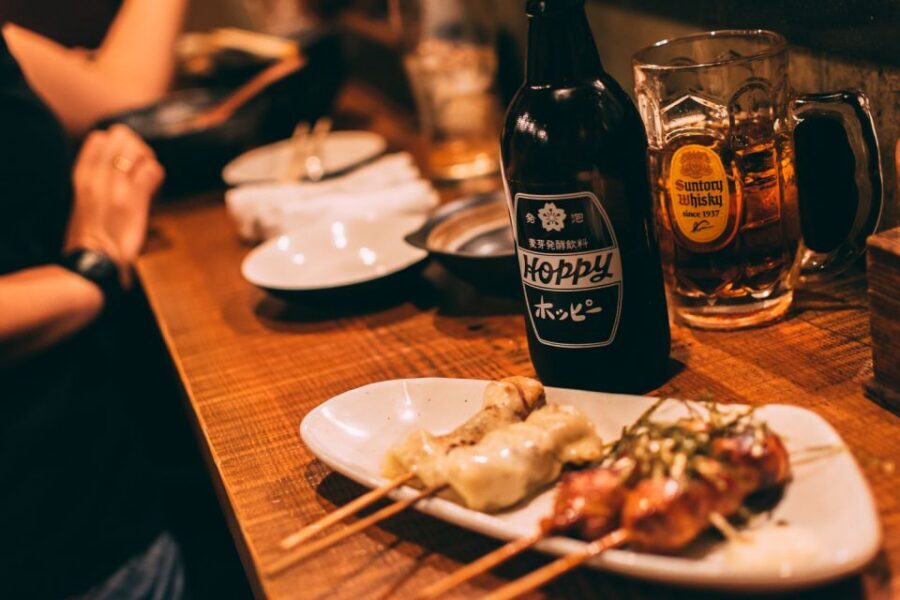
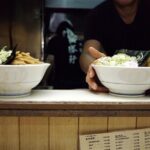
Most food tours offer small samples. This one behaves differently. You get more than 10 tastings, usually totaling 14+ dishes across the evening’s restaurant portion. That’s why people keep saying you don’t leave hungry.
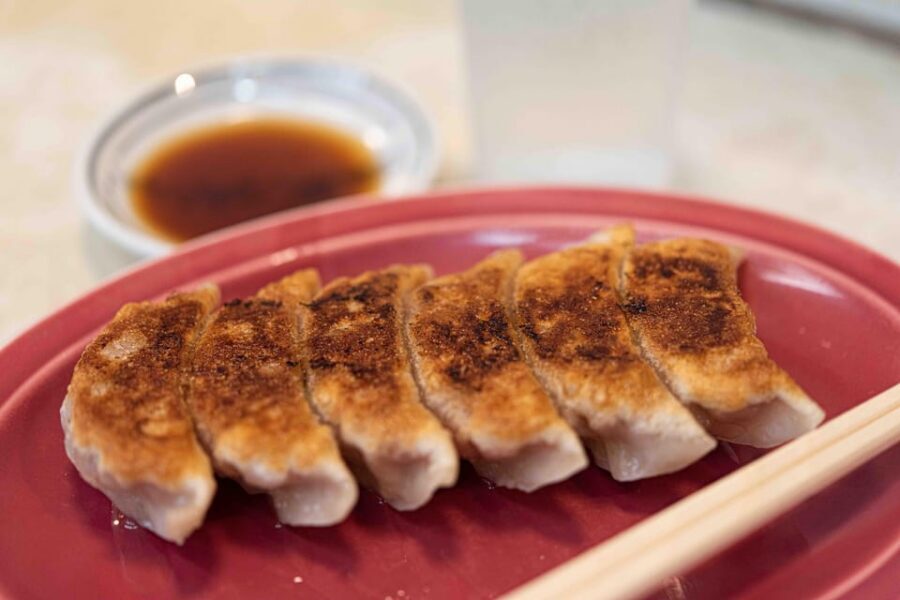
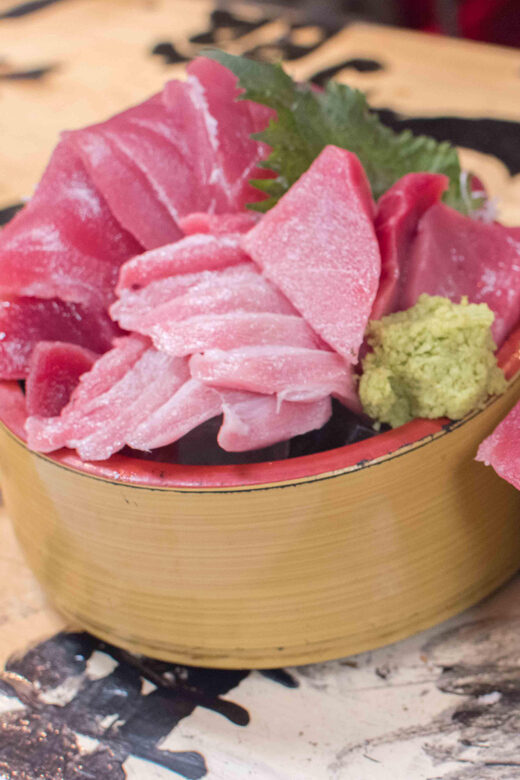
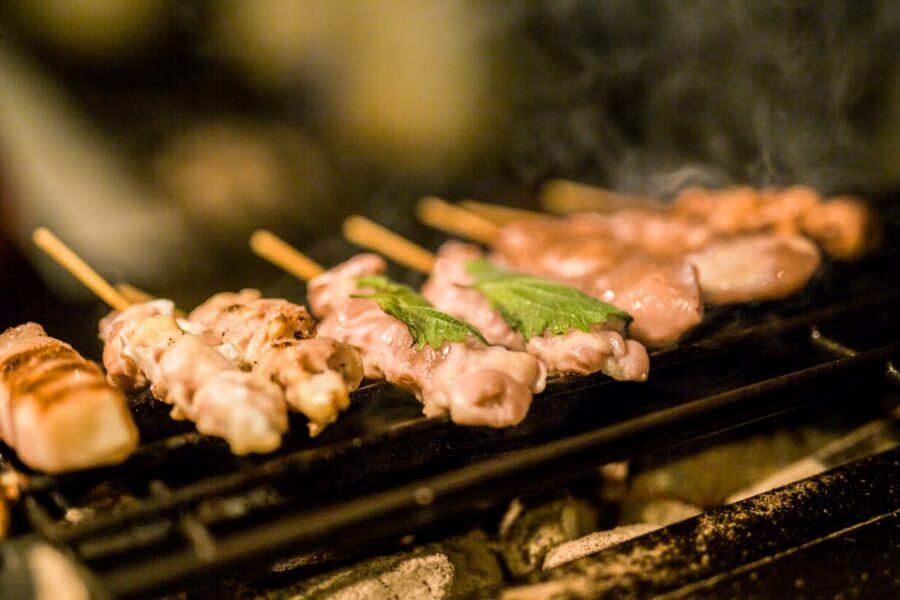
The tour typically hits two popular local restaurants. The exact tasting menu varies by what’s fresh that day, but you can expect the kinds of izakaya staples that Japan does exceptionally well, such as:
- chicken skewers
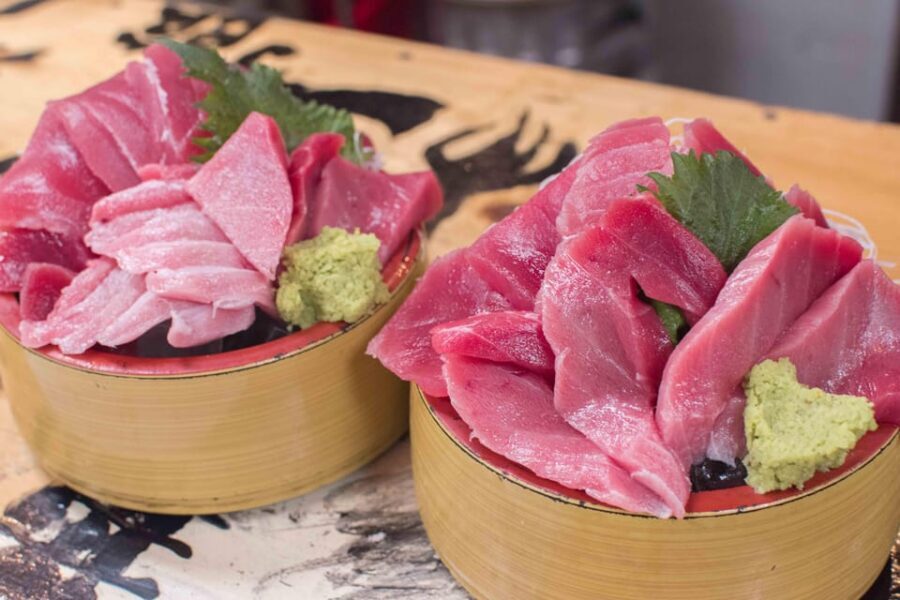
- a fresh sashimi platter
- handmade Japanese croquettes
- additional seasonal snacks and small plates that round out a real meal
This is a key value point: when dishes are chosen for you, you’re less likely to waste money on the wrong thing. And because the meal is shared and paced like a night out, you get a better sense of how a Japanese table is supposed to move from plate to plate.
You also get two alcoholic drinks of your choice included. If you don’t drink, that’s okay—the tour still aims to keep you eating and enjoying the atmosphere, with the plan adjusted around you.
Dietary requests can be accommodated, including food allergies and restrictions. I’d still recommend telling the guide clearly at the start, because in Japan, small ingredients and sauces can matter.
Omoide Yokocho: The Old-School Lane With “You Had to Be There” Energy
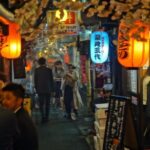
After Golden Gai, the tour shifts to Omoide Yokocho, where you’ll spend about 15 minutes.
Omoide Yokocho is a classic contrast: it feels more old-school and street-level, like a narrow lane designed for quick orders and regulars. This isn’t a restaurant you need to pick before you go—the guide helps you experience it as part of the story of Shinjuku food culture.
Why this stop matters: it shows that izakaya isn’t one look or one style. You can have micro-bars in one pocket of the city and tight old lanes in another. Together, they give you a fuller idea of how neighborhood food districts operate.
Time is short here, so you won’t have a long sit-down moment. But that’s also the point: the tour keeps you moving so you can cover multiple districts in one night.
Other Shinjuku drinking tours we've reviewed in Tokyo



Kabukicho: Neon Signage, Busy Streets, and a Local-Only Walk Pace
Next up is Kabukicho, about 30 minutes.
Kabukicho is the entertainment district side of Shinjuku, full of neon and noise. The guide isn’t just pointing at signs. The value comes from walking at a pace that lets you register what’s around you without getting lost. You’ll get context on Shinjuku’s history and culture while you move through preserved historic spots alongside modern nightlife.
A consideration here is simple: Kabukicho is loud. If you hate crowds or noise, plan for sensory overload. If you’re curious about modern Tokyo after dark, this is where the city feels like itself.
I also like that the tour doesn’t turn Kabukicho into a random wander. The guide keeps it purposeful, so you don’t end up thinking you paid for just walking in circles.
The Sake Lesson: What You’re Really Practicing at the Table
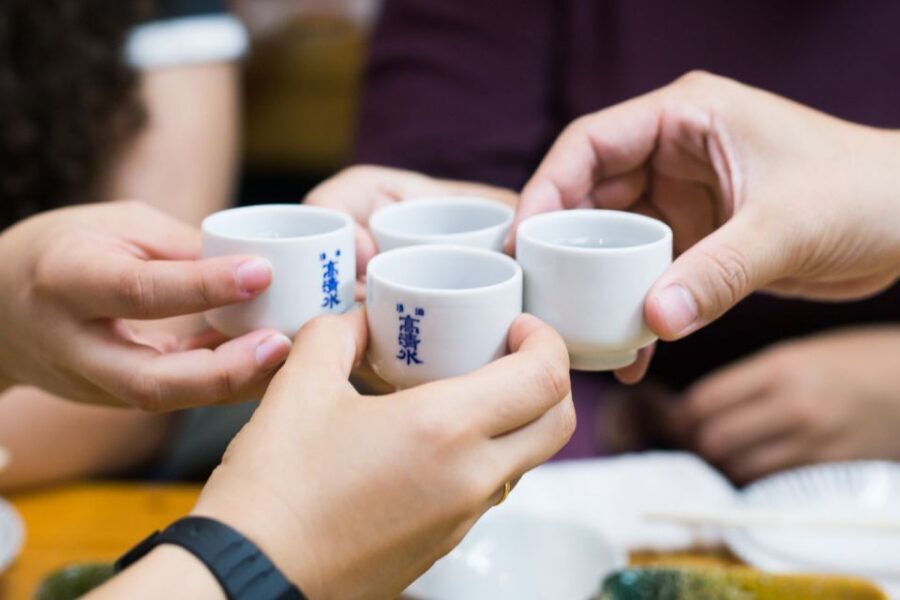
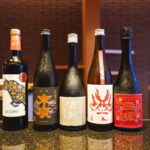
Sake is where the tour gets more than fun. You’ll taste a smooth sake that you might not have tried back home. On top of that, the included drinks mean you can sample your way through the local logic of ordering: what pairs well with skewers, how the table pacing works, and how sake fits into an izakaya meal rather than replacing food.
One of the best takeaways from guides mentioned in past departures is that they don’t just pour and move on. People talk about guides explaining dish choices, pronunciation, and how to enjoy sake properly. That kind of guidance is what makes this experience useful after you leave Shinjuku—you’ll know what to order next time instead of copying the tasting menu blindly.
If you don’t drink alcohol, you’ll still get the core food value and the izakaya atmosphere. The tour isn’t built around forcing alcohol.
Price and Value: Why $129 Can Make Sense Here
$129 sounds like a lot until you price the parts separately.
You’re paying for:
- a guided evening in English
- meals and drinks included
- 14+ dishes that are planned like dinner
- sake tasting
- a small group size that keeps the experience manageable
Tokyo can be inexpensive when you eat on your own, sure. But the cost here buys you access and efficiency: the guide helps you get into good local spots, understand what you’re eating, and avoid spending your time guessing in neighborhoods where menus are often in Japanese only.
If you’re the type who enjoys planning and wants to build your own crawl, you might do it cheaper independently. But if you want one well-run evening that covers multiple Shinjuku districts and leaves you properly fed, the price starts to look fair.
Who This Tour Suits Best (And Who Might Want Another Plan)
This is a strong fit if you:
- want an organized first-time Shinjuku experience
- like eating multiple styles in one night instead of committing to a single restaurant
- enjoy a social food scene and want a guide to help you navigate ordering
- travel solo and want a friendly group setting (small-group format helps)
It may be less ideal if you:
- want a quiet, slow-paced cultural walk with lots of time to linger in one place
- dislike crowds and nightlife energy
- are determined to spend as little as possible on food each night
Where the Tour Ends and What That Means for Your Next Stop
The tour finishes in Nishishinjuku near a Wacoale building address (you’ll be guided to the end point). In practice, that end location matters because it can shape your plans after dinner—whether you want a quick metro ride home or you want to keep exploring.
The biggest benefit of ending there is that you’re still in the Shinjuku orbit, so you’re not stranded in some far corner of Tokyo with no options.
Should You Book This Shinjuku Izakaya Tour?
I’d book it if you want one evening that hits four goals: good food, a real izakaya feel, a guided understanding of neighborhoods like Golden Gai and Kabukicho, and the kind of sake tasting that’s hard to replicate on your own.
It’s especially worth considering if you’re visiting Tokyo for a short time and you’d rather trade a bit of flexibility for a tight plan that reliably fills your night. You’ll likely leave knowing what you like, what you’d order again, and where to go when you want a second dinner without the stress.
If you tell me your dates and whether you drink alcohol, I can help you think through the best nights to schedule this and what kind of food you should expect to enjoy most.
FAQ
How long is the Shinjuku izakaya food and culture tour?
The tour is scheduled for about 3 hours, and the walking plus dining timing typically runs from around 17:00 to 20:30.
Where do I meet the tour guide?
Meet in front of Kirin City Shinjukuhigashi (beer hall). Look for a guide holding the Ninja Bowl logo tote bag.
What’s included in the price?
Meals and drinks are included, along with a live English guide and the tour fee.
Is transportation included?
No. Transportation is not included, so you’ll need to make your own way to the meeting point.
What do you eat and how many dishes do you get?
You’ll try 14+ Japanese dishes across two restaurant stops, typically including items like chicken skewers, a fresh sashimi platter, and handmade Japanese croquettes. The exact tasting menu can vary by fresh ingredients of the day.
Can the tour accommodate food allergies or restrictions?
Yes. Your food request can be accommodated based on your food allergies and restrictions. If you don’t drink alcohol, it’s still fine—you’ll still enjoy plenty of food and the izakaya atmosphere.
More Food Experiences in Tokyo



More Shinjuku Drinking Tours in Tokyo
More Izakaya Food Tours in Tokyo

More tours in Tokyo we've reviewed



Shinjuku Drinking Tours, compared.
 ★ 5.0Tokyo Bar Hopping Tour in Shinjuku (All-You-Can-Drink + Dinner)From $106
 ★ 5.0Best of Shinjuku: Izakaya Food Tour (4 Stops, 14+ Tastings)From $92
 ★ 4.9Tokyo: Shinjuku Local Bar and Izakaya Guided Walking TourFrom $343 hours
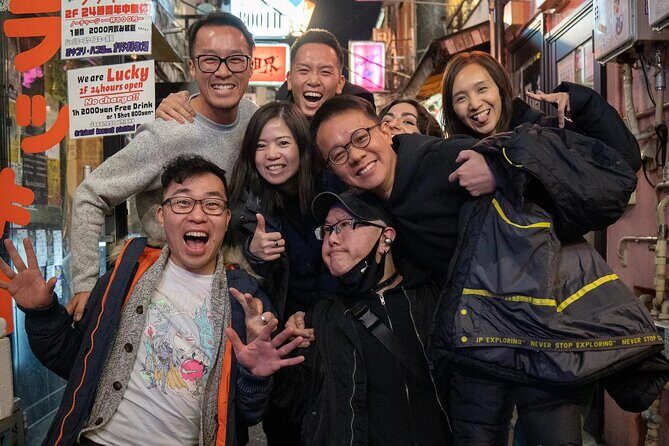 ★ 5.0Tokyo: Shinjuku Local Bar & Izakaya Crawl TourFrom $39
 ★ 4.9Tokyo: Shinjuku Bar Hopping with All-You-Can-Drink & DinnerFrom $1083 hours
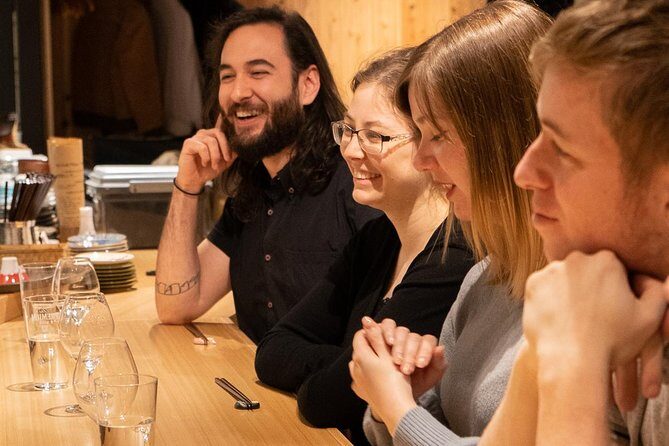 ★ 5.0Sake Tasting Masterclass in Shinjuku (8+ Varieties with a Pro)From $72
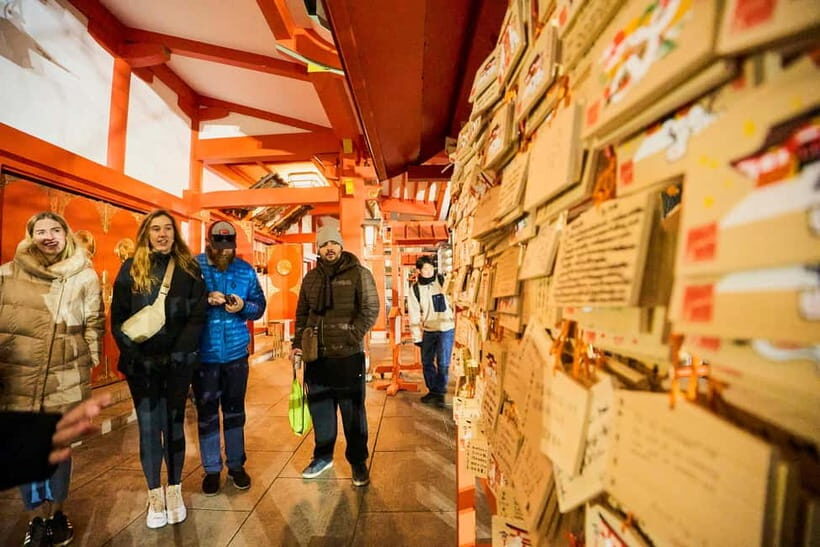 ★ 4.8Tokyo: Shinjuku Nightlife & Secret Backstreets Walking TourFrom $221h 30m
 ★ 5.0Tokyo: Shinjuku Local Bar Hopping Walking TourFrom $118
The lists this tour appears in