
Reviewed · IZAKAYA FOOD TOURS
Izakaya Style Cooking Class
That knife time goes fast.
This hands-on izakaya-style cooking class in Kyoto is a practical way to learn Japanese home flavor you can actually repeat. I like that you start with the basics of dashi and seasoning, then move into building several casual-restaurant favorites for dinner. I also like the small-group setup (max 8) that keeps the English-speaking instructors close enough to answer real questions. One thing to keep in mind: alcohol like sake may cost extra if you choose it during the meal.
If you enjoy cooking lessons that feel organized, this one fits. You’ll follow a clear rhythm—intro, ingredient prep, cooking stations, then dinner with what you make—inside a traditional wood house studio run by Cooking Sun (often described as led by Keiko and her team). The main drawback to watch for is that the exact menu can change with seasonal ingredients, so you might not get every single dish you hoped for.
In This Review
- Key highlights at Cooking Sun’s Izakaya Cooking Class
- Kyoto Izakaya Culture Comes First, Not After Dinner
- Cooking Sun Studio Setup: Traditional Wood House, Small Group Energy
- The Real Skill: Dashi and Japanese Seasoning That Changes Everything
- What You Cook: Izakaya Favorites, Seasonal Menu Swaps, and Dinner Plates
- How Dinner Works: Cook, Sit, Eat, Then Ask Questions
- Take the Recipes Home: Turning Lesson Skills Into Real Weeknight Food
- Price and Value: What $71.63 Buys in Kyoto (And Why It Can Be Worth It)
- Who Should Book This Izakaya Class (And Who Should Set Expectations)
- Logistics That Actually Matter in Your Day Plan
- Should You Book This Kyoto Izakaya Cooking Class?
- FAQ
- How long is the Izakaya Style Cooking Class in Kyoto?
- What time does the class start?
- Where does the class meet?
- How many people are in each class?
- What’s included in the price?
- Are food and drinks included?
- Do I get recipes to take home?
- Can dietary requirements be accommodated?
- Is the instructor English-speaking?
- What if I need to cancel?
Key highlights at Cooking Sun’s Izakaya Cooking Class
- Learn dashi the right way: Japanese soup stock is the flavor backbone you’ll use across dishes.
- Small group, lots of attention: a max of 8 means you’re not shouting across a room.
- Seasoning and sauce technique: you’ll work with condiments and sauce differences, not just recipes.
- You eat what you cook: dinner is part of the lesson, not an afterthought.
- Take-home recipes: you leave with directions to cook again for friends and family.
- Dietary needs can be handled: celiac and vegetarian needs have been accommodated.
Kyoto Izakaya Culture Comes First, Not After Dinner
I love that this class starts with context, because it changes how you cook. You’ll get the idea of izakaya cuisine—the Japanese version of casual tapas—plus why certain flavors show up again and again.
You’ll hear the origin story too: historians often link izakaya back to the 18th century, when rice was taxed for sake brewing. Then in the Edo era, sake bottle shops began serving dishes alongside sake to help sell the drinks, and the scene turned into a low-budget hangout for all ages.
That history matters because it explains the food style. Izakaya dishes tend to be small, shareable, and built around comfort flavors—savory broth, sesame, soy-based seasoning, quick frying, and seasonal produce.
Other izakaya food tours we've reviewed in Kyoto

Cooking Sun Studio Setup: Traditional Wood House, Small Group Energy
The class meets at Cooking Sun at 679 Funayachō in Kyoto’s Shimogyo Ward. It’s a short, focused session that starts at 2:00 pm and runs about 3 hours, ending back at the start point.
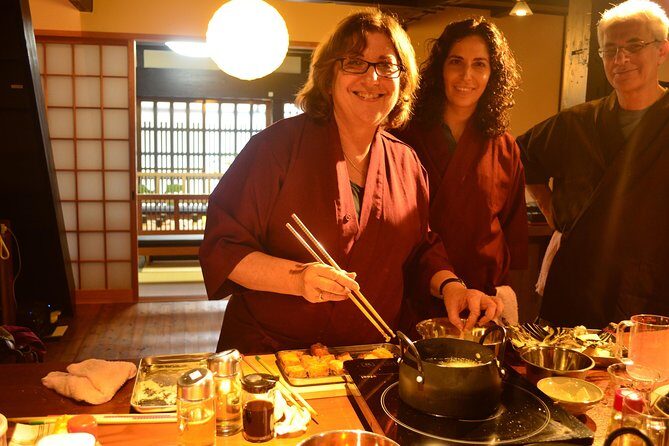
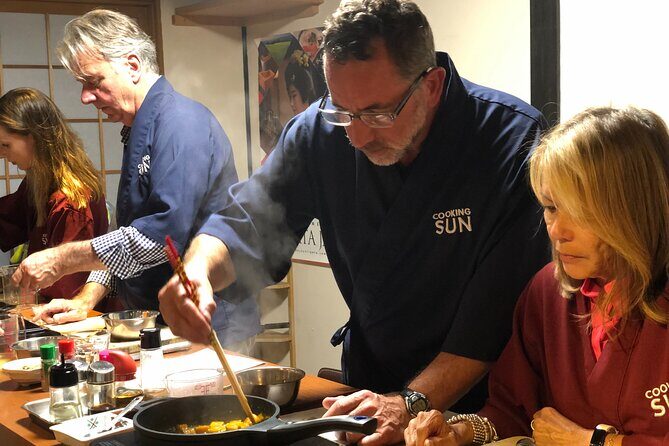
The studio is described as a traditional wooden house, which makes the whole lesson feel grounded in place. You’re not stuck in a big classroom vibe; instead, it feels like a working kitchen.
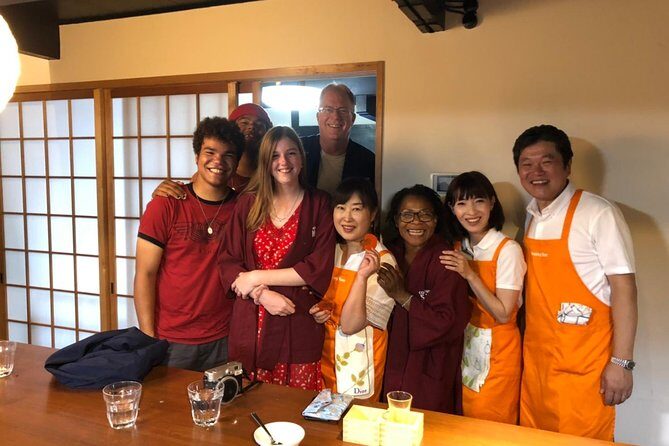
The group size is the other big win. This is limited to 8 people per booking, so you can move, ask questions, and actually get help when your dashi ratios or knife angle go sideways.
You also get an apron, and the class is led in English. If you’ve ever been the person who hesitates at the grocery store because you don’t know what something is called in Japanese, this kind of instruction helps you connect names to the real ingredients in your hands.
The Real Skill: Dashi and Japanese Seasoning That Changes Everything
The heart of the class is learning how Japanese home flavor gets built. The focus isn’t just what to cook; it’s how to get the taste right using reliable techniques.
You’ll learn dashi, the classic Japanese soup stock. Dashi is used to add depth without relying on heavy sauces. Once you understand how it’s made, lots of dishes start making sense: the broth becomes a base, and then soy, mirin-style sweetness, salt balance, and umami ingredients do the rest.
You’ll also learn Japanese seasoning techniques, including how to use and adjust sauces and condiments. One theme that comes up again and again is that the instructors explain the differences between seasonings so you’re not just memorizing steps—you’re learning how the flavor shifts when you change one ingredient.
A practical tip you can carry home: as you cook, taste in stages. Japanese cooking often builds flavor gently, so you’ll get a feel for when the stock tastes right and when a sauce needs a small adjustment. That makes later home cooking less guessy.
What You Cook: Izakaya Favorites, Seasonal Menu Swaps, and Dinner Plates
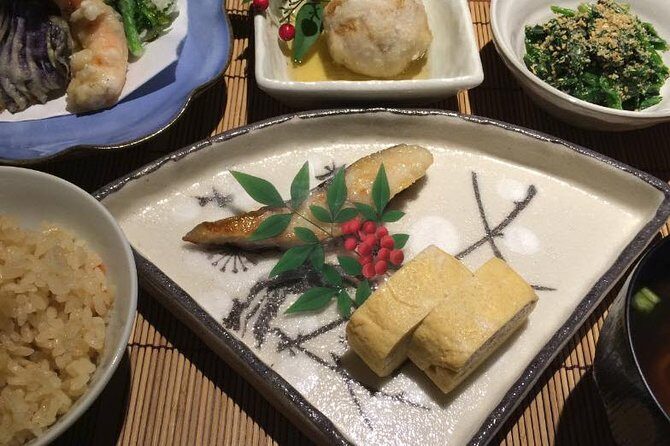
This class is designed around casual izakaya-style dishes that you can recreate at home. You’ll cook several items in a multi-dish format, and then eat them together as dinner.
The menu examples you might see include:
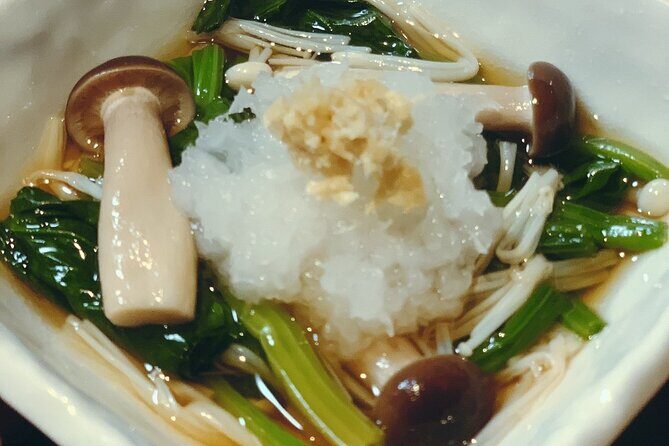
- spinach with sesame sauce
- teriyaki yellowtail
- vegetable chowder
- mushroom tempura
- rice with vegetables
The important note: your exact set of dishes can vary based on seasonal ingredients. That’s not just a fine print thing. It affects what tools you’ll use and what flavor lessons you’ll come away with.
What I like about the mix is that it teaches balance. You’re likely to make a combination of:
- savory hot items (like tempura or warm soup),
- sauce-and-sesame flavors (like spinach or similar cold sides),
- and simple rice-based components.
Some specific dishes show up in people’s favorites too, such as cucumber salad and pumpkin soup, plus a mochi dessert in at least one menu. A pasta dish has also appeared, which is worth knowing if you’re expecting only traditional noodle-based izakaya plates. If noodles are your main obsession, it’s smart to keep your expectations flexible and let the instructor guide you through the choices they’re making for that day’s ingredient lineup.
Also, you’ll generally feel the lesson pacing is efficient. The class tends to have organized ingredient prep so you can cook more and wait less. People often mention that they didn’t feel stuck doing constant chopping the whole time, which matters when you want dinner without turning the class into a marathon kitchen shift.
How Dinner Works: Cook, Sit, Eat, Then Ask Questions
When you finish cooking, you sit down and eat what you made. That part is more useful than it sounds. Tasting your own food right away helps you connect technique to result, like how sesame sauce tastes after it’s mixed or how tempura changes once it hits the table.
You’ll also have a chance to ask your class leader for tips and recommendations for after the tour ends. This is the moment to ask practical questions like:
- what to buy back home for similar flavor,
- how to scale the recipe for more people,
- and what to do if your stock tastes too strong or too mild.
In many cooking classes, questions happen only at the end. Here, the instructors stay attentive throughout, so you can correct mistakes before they become dinner.
Other cooking classes in Kyoto
Take the Recipes Home: Turning Lesson Skills Into Real Weeknight Food
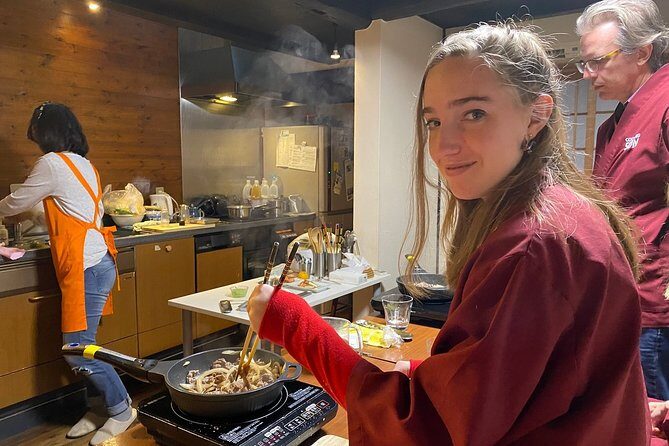
One of the best parts is leaving with recipes you can cook again. That’s what turns a “fun afternoon” into a lasting skill.
The class is built for transfer: you learn dashi and seasoning logic, then you apply it to multiple dishes. So when you try to cook again at home, you’re not starting from zero. You’re repeating a method you already practiced with a real workflow in a real kitchen.
If you’re the type who cooks for family, the multi-dish approach is great. Izakaya food works well as a shared meal, and having several small plates means people can pick what they want instead of one single main dominating the table.
It also helps that the lesson is described as friendly for different experience levels. People reported that it’s enjoyable whether you’re a beginner or an avid cook, which usually means the instructors explain basics without insulting the advanced folks and offer enough hands-on help for beginners.
Price and Value: What $71.63 Buys in Kyoto (And Why It Can Be Worth It)
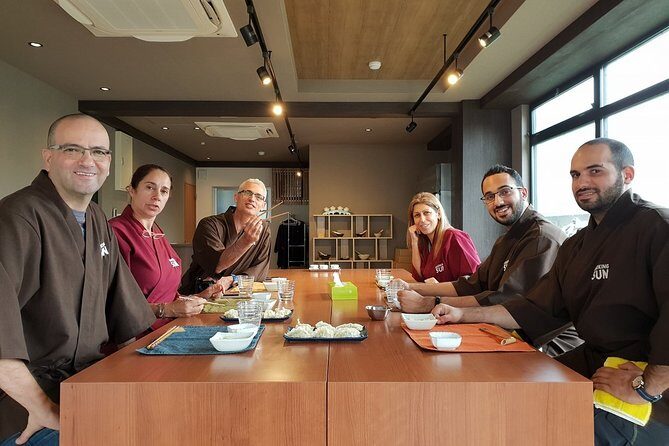
At $71.63 per person, you’re paying for more than cooking instructions. You’re also getting dinner, all ingredients for cooking, an English-speaking instructor, and an apron.
For a 3-hour class, that pricing can feel fair because the lesson includes both the training and the meal. Many people spend a similar amount just eating out, without learning the technique that makes the food taste like itself.
There are also hints of value through structure:
- a small group (max 8) means you’re not paying for a crowd,
- and the course includes enough dishes to feel like you ate a full izakaya-style dinner, not just a snack-size demo.
One practical cost note: food and drinks aren’t included unless specified. If you choose sake with your meal, you may pay extra. One person described being offered a glass of sake and then needing to pay about 600 yen per glass. If you drink alcohol, ask ahead of time what’s included and what’s add-on pricing.
Who Should Book This Izakaya Class (And Who Should Set Expectations)
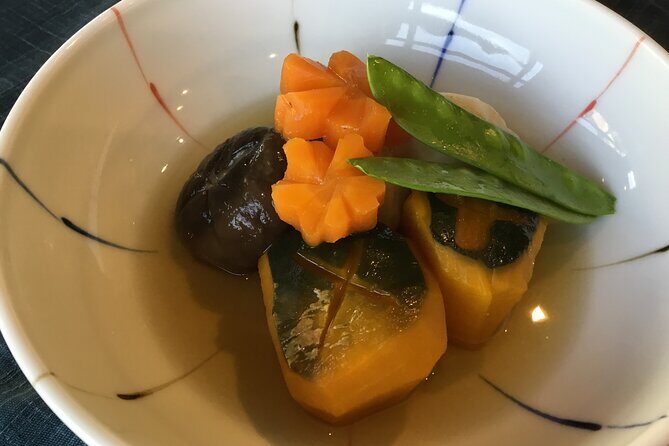
This class is a strong match if you want:
- a hands-on Kyoto cooking experience with structure,
- a focus on Japanese home flavor instead of just shopping for ingredients,
- and a dinner that doubles as your tasting test.
It’s also a good idea if you’re traveling with kids. One review mentioned cooking with children around ages 10 and 12, and they all enjoyed learning. The lesson pace and organization seem to help mixed groups.
If you have dietary restrictions, check with the organizers when booking. Accommodation for celiac was mentioned, and vegetarian needs were handled without making it a big ordeal.
The main expectation-setting point is menu variation. You might see teriyaki, tempura, soups, sesame sides, and rice, but your final list can shift with seasonal ingredients. If you’ve got a must-have dish (like a specific noodle course), you might not get it every day.
Logistics That Actually Matter in Your Day Plan
This is a 2:00 pm start, and you end back at the meeting point about 3 hours later. Plan your earlier part of the day around that. If you’re trying to squeeze in temples and a cooking class, this timing can work well because you’ll eat dinner as part of the activity.
The meeting location is near public transportation, so you’re not locked into a long taxi ride just to start cooking. You’ll also receive confirmation at booking time, and a mobile ticket is part of the setup.
And yes, come hungry. You’ll cook multiple dishes and then sit down for dinner, so you’ll want your energy.
Should You Book This Kyoto Izakaya Cooking Class?
I think you should book if you want a Kyoto activity that’s practical, not just sightseeing. The combo of dashi technique, seasoning/sauce instruction, and small-group help is exactly what makes this kind of class worth paying for.
Book it if you:
- want to learn Japanese cooking steps you can repeat at home,
- value a smooth, organized kitchen experience,
- like sharing a variety of dishes like an izakaya meal.
Consider another class or at least adjust expectations if you:
- only want a specific one or two dishes and don’t want surprises,
- or you’re sensitive to add-on costs for drinks like sake.
If you want a memorable dinner that also teaches you how to recreate Japanese flavors for your own table, this is a smart pick.
FAQ
How long is the Izakaya Style Cooking Class in Kyoto?
The class runs about 3 hours.
What time does the class start?
It starts at 2:00 pm.
Where does the class meet?
It meets at Cooking Sun, 679 Funayachō, Shimogyo Ward, Kyoto.
How many people are in each class?
The experience is limited to a maximum of 8 travelers per booking.
What’s included in the price?
Dinner, all ingredients for cooking, an English-speaking cooking instructor, and an apron are included.
Are food and drinks included?
Food and drinks are not included unless specified.
Do I get recipes to take home?
Yes. You’ll leave with the recipes so you can cook the dishes later.
Can dietary requirements be accommodated?
You can advise dietary requirements at booking time, and the class has handled serious needs like celiac and vegetarian requests.
Is the instructor English-speaking?
Yes, the cooking instructor is English-speaking.
What if I need to cancel?
You can cancel up to 24 hours in advance for a full refund. If you cancel within 24 hours of the start time, no refund is provided.
More Workshops & Classes in Kyoto
More Cooking Classes in Kyoto
More Izakaya Food Tours in Kyoto

More tours in Kyoto we've reviewed






Izakaya Food Tours, compared.
 ★ 5.0Best of Shinjuku: Izakaya Food Tour (4 Stops, 14+ Tastings)From $92
 ★ 4.9Tokyo: Shinjuku Local Bar and Izakaya Guided Walking TourFrom $343 hours
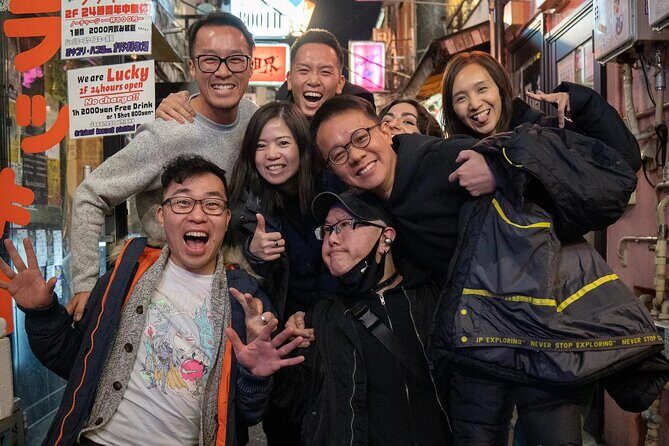 ★ 5.0Tokyo: Shinjuku Local Bar & Izakaya Crawl TourFrom $39
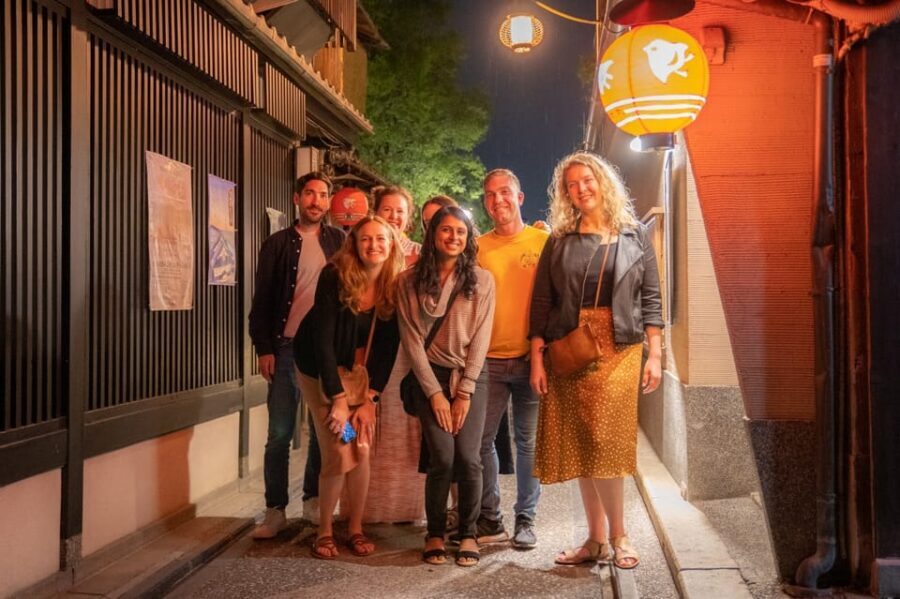 ★ 4.9Kyoto: Izakaya Bars Guided Walking TourFrom $253 hours
 ★ 4.9Osaka: Izakaya Bars Guided Walking TourFrom $193 hours
 ★ 4.9Shibuya: Local Bar & Izakaya CrawlFrom $293 hours
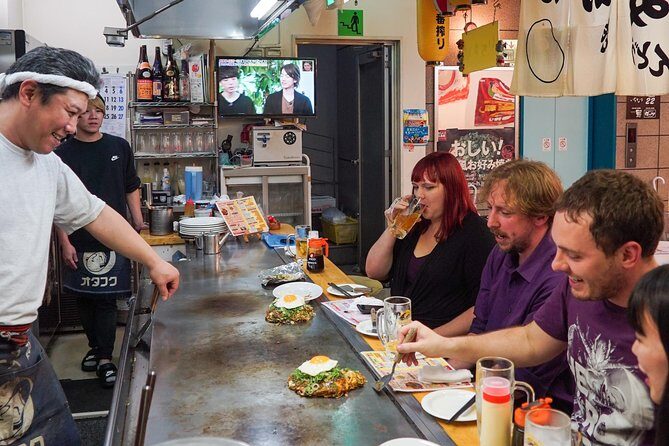 ★ 5.0Hiroshima Izakaya Food and Drink Night TourFrom $110
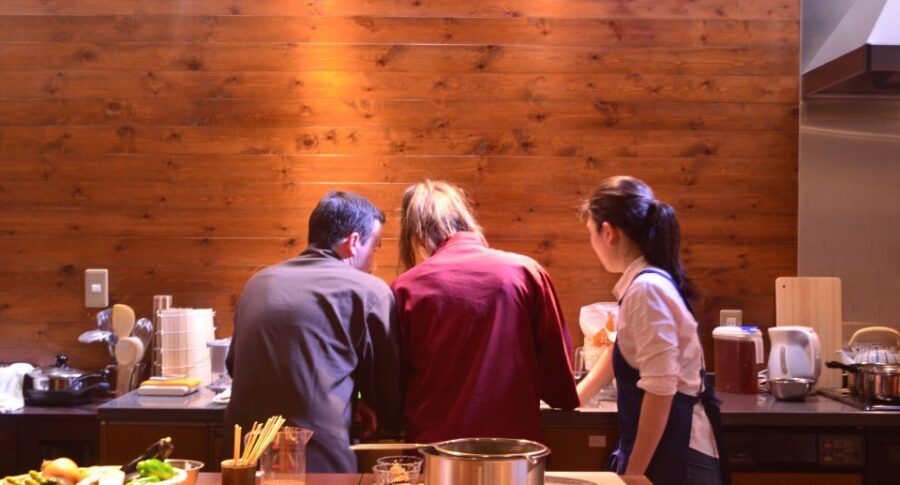 ★ 4.9Kyoto: Afternoon Japanese Izakaya Cooking ClassFrom $673 hours
The lists this tour appears in