
Reviewed · KYOTO DRINKING TOURS
Kyoto: Afternoon Japanese Izakaya Cooking Class
Cooking your way through Kyoto is one of the quickest ways to understand Japanese food. I like that this class focuses on Japanese home dishes (not just the usual tourist hits), and I really like the practical flow: you cook, you eat what you made, then you cook again. The one thing to plan for is the pace. This is a hands-on session where you’ll talk with the chef while cooking and eating, so if you want slow and quiet, you may find it a little lively.
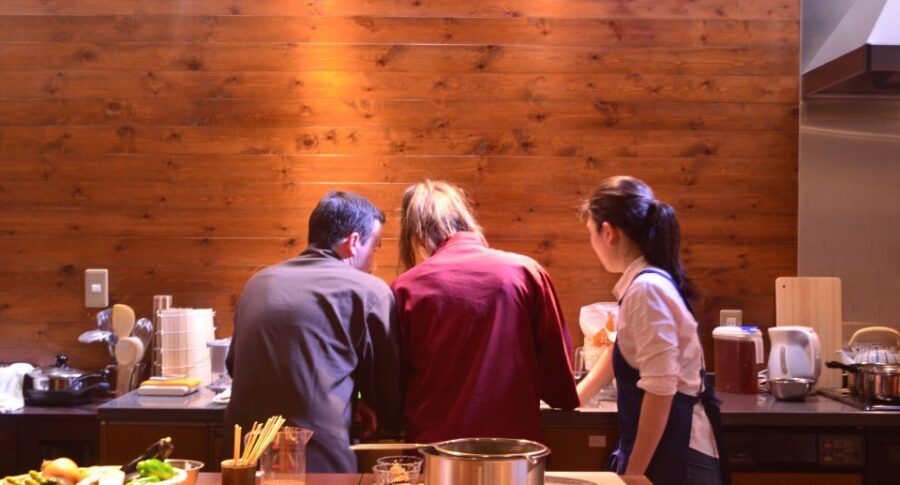
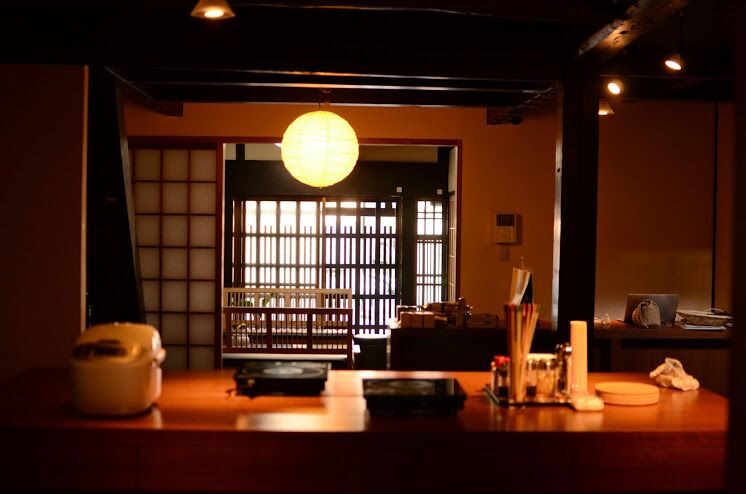
The format is built like an izakaya meal. You’ll be in a kitchen setting that feels close to how people actually eat out in Japan: you’re working with a chef, moving between stations, and eating what’s in front of you. The course runs in two parts, and that keeps your brain awake and your stomach happy.
For a Kyoto afternoon, it’s also well set up for non-pro cooks. Instruction is in English, the materials are provided (apron and utensils), and the class is wheelchair accessible. If you have dietary requirements, you’ll need to flag them when booking so the kitchen can adjust.
In This Review
- Key things to know before you start
- Why this Kyoto izakaya cooking class feels more real than a food tour
- A quick reality check
- The 3-hour flow: cook once, eat, then cook again
- Part 1: your first set of 2–3 dishes
- Part 2: another 2–3 dishes, then a second eating moment
- What you should do during the cooking
- What dishes and skills you’ll likely come home with
- Why learning fewer, better dishes beats doing everything
- Inside Cooking Sun: location, setup, and how to find it
- What’s provided in the kitchen
- The value question: is $67 worth it in Kyoto?
- A quick timing tip
- Who should book this class (and who might not love it)
- If you’re not a cooking person
- How to get the most out of your Kyoto izakaya afternoon
- Should you book this Kyoto Izakaya cooking class?
- FAQ
- How long is the Kyoto afternoon Izakaya cooking class?
- Where is the meeting point?
- How many dishes will I cook?
- Is the instruction available in English?
- What if I have dietary requirements?
- What are the cancellation and payment options?
Key things to know before you start
- Two cooking rounds: cook 2–3 dishes first, then cook 2–3 more, with eating time in between
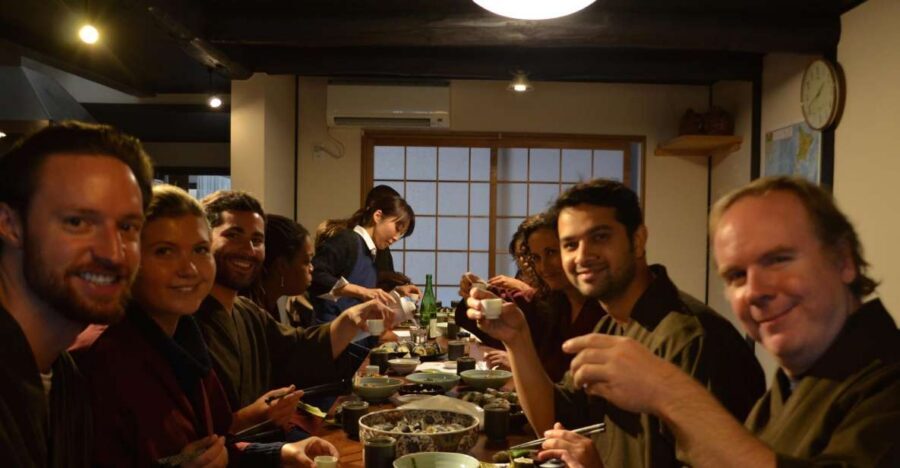
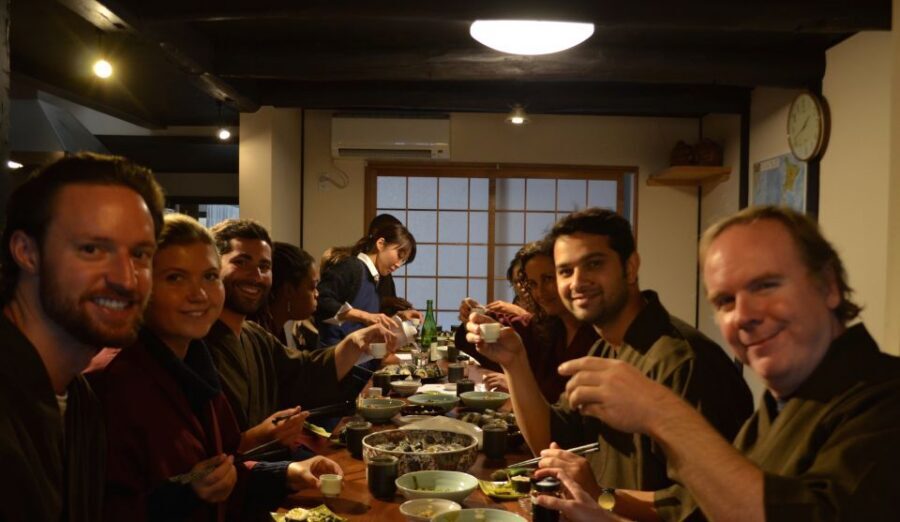
- Izakaya-style pace: you’re expected to chat while you cook and eat, not just watch
- English instruction: the chef/instructor teaches in English throughout
- Take-home recipes: you get a documented recipe set so you can recreate the dishes later
- Hands-on guidance: step-by-step coaching helps you complete tasks even if cooking isn’t your thing
- Friendly, warm vibe: people mention welcoming instructors, including leaders like Yumi and Yumiko in Kyoto sessions
Why this Kyoto izakaya cooking class feels more real than a food tour
Kyoto has plenty of great food stops. But most meals don’t teach you what makes the taste work. This class does. Instead of walking past storefronts and hoping you remember the flavors, you practice the techniques—mixing, seasoning, timing, and plating—under an English-speaking instructor.
What makes it click is the theme: an izakaya approach. Izakaya means casual, small-plate dining, usually centered on sharing. That matches how the class is run. You don’t just make one dish and call it a day. You build a mini spread, taste it, then build another round.
Two things I think you’ll notice fast:
1) You’ll learn food that people actually eat at home and in everyday restaurants. The class is designed around Japanese home dishes and local restaurant style—not complicated showpieces that require rare gear.
2) The coaching is practical. Reviews repeatedly mention clear, step-by-step instruction and recipes you can follow at home. That matters because Japanese cooking often has “small” details—heat control, correct seasoning balance, and timing—that you don’t get from watching short clips.
Other izakaya food tours we've reviewed in Kyoto

A quick reality check
This is not a museum tour where you quietly absorb information. It’s a working kitchen. If you’re uncomfortable cooking while talking, or you hate being hands-on, you might prefer a slower food experience. On the other hand, if you want to leave with skills you’ll actually use, this format is hard to beat.
The 3-hour flow: cook once, eat, then cook again
The class is scheduled for about 3 hours, and the structure is very clear. The course is split into two parts, and that’s part of why it works.
Part 1: your first set of 2–3 dishes
You start by cooking a set of 2 or 3 dishes together with your chef. You’ll be taught the basics as you go, and you’ll follow instructions at the speed of the group. Since ingredients and utensils are included, you can focus on the method rather than scrambling for tools.
Expect interactive teaching. You’re not just dumping ingredients into a bowl and hoping for the best. You’ll likely be checking textures, adjusting seasoning, and learning what “good” looks like—right there, in the kitchen.
When that first batch is ready, you eat. This isn’t a token bite. You get a real taste of what your cooking choices produce.
Part 2: another 2–3 dishes, then a second eating moment
After the first meal break, you return to the kitchen for 2 or 3 more dishes. The second round gives you variety and helps you learn more than one core technique. It also keeps the session feeling like an actual izakaya spread instead of a single-dish cooking class.
Then you eat again. That second meal moment matters, because it helps you compare outcomes. If something tastes slightly different than you expected, you understand why based on the steps you practiced.
Other Kyoto drinking tours we've reviewed in Kyoto




What you should do during the cooking
You’ll get the most out of this class if you treat it like a live practice session, not a lecture. Ask quick questions when something is unclear, and pay attention to timing cues. Most people come away saying they could redo the dishes at home because the instruction is structured enough that you’re not left guessing.
What dishes and skills you’ll likely come home with
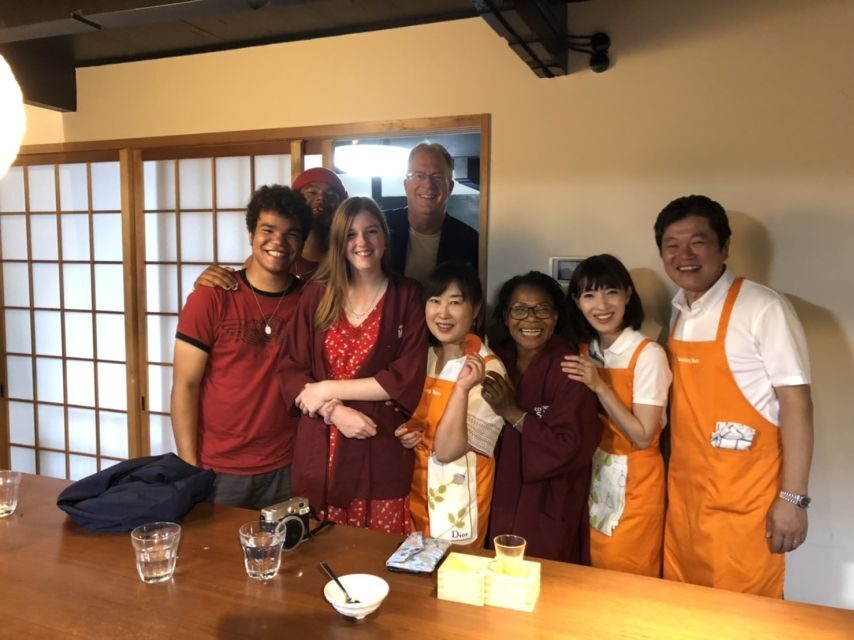
The exact menu can vary, but the class is consistently described as Japanese home cooking with izakaya energy. People talk about making several savory dishes, and at least one session includes dessert.
A couple of useful patterns show up in the feedback:
- You’ll learn dishes that are simpler than you might expect to cook at home once you know the steps.
- You’ll use common Japanese building blocks—broths and seasonings—so you start thinking in “Japanese pantry” terms instead of random flavor combos.
- The coaching helps even experienced cooks, not just beginners, because it’s focused on fundamentals and technique.
One reviewer specifically mentioned okonomiyaki as a standout, which tells you this class may include Japanese comfort-food favorites that are fun to make and share. Another review mentioned learning basics like making dashing broth, and that kind of foundational skill is what makes the recipes stick after the class ends.
Why learning fewer, better dishes beats doing everything
A lot of cooking classes try to cram too much. This one is built around a workable middle: you cook enough to build confidence, but the day still stays manageable. Since you’ll get recipes in a documented format, you can take the “why” and “how” back home.
Inside Cooking Sun: location, setup, and how to find it
You meet at Cooking Sun in Shimogyo Ward, Kyoto:
Funayacho, Shimogyo Ward, Kyoto, Kyoto 600-8466.
That matters because Kyoto sites can be scattered. Having a fixed meeting point makes the day easier, and Shimogyo is a practical base area for many visitors. I’d plan to arrive a little early so you can settle, get your apron, and start on time.
What’s provided in the kitchen
You’ll have:
- Apron and utensils
- Ingredients
- Instructor-led cooking and tasting
- A recipe set you can take home (mentioned in many reviews)
So you’re not paying to stand there. You’re paying for the full work session, plus the follow-through afterward.
The value question: is $67 worth it in Kyoto?
At $67 per person for about 3 hours, it’s not the cheapest thing you can do in Kyoto. But it’s also not “just a meal.” You’re getting ingredients, utensils, hands-on instruction, multiple dishes, and recipe documentation you can use later.
Here’s the practical way I judge value for a class like this:
- If you love Japanese food and plan to cook even once after you return, a recipe book can pay for itself.
- If you don’t know what to buy at the market (dashi, mirin, soy-based sauces, and all those little helpers), learning the technique helps you shop with confidence.
- If you’re traveling with someone who doesn’t cook, this format can still work because the steps are guided and the end result is delicious food you’re eating while you learn.
Also, the class has an outstanding rating: 4.9 with 241 reviews. That doesn’t guarantee your experience, but it does suggest consistent satisfaction—especially around instruction quality, organization, and food.
A quick timing tip
Since it’s an afternoon class, you can pair it with a morning of sightseeing and keep your evening free. If your day is already packed, this is still a good option because it’s a single, scheduled block with everything included.
Who should book this class (and who might not love it)
This Kyoto izakaya cooking class fits best if you want one of these outcomes:
- You want to learn Japanese home cooking techniques, not just eat.
- You like interactive experiences where you ask questions and try tasks right away.
- You want a fun indoor activity that breaks up the itinerary.
It also works well for mixed skill levels. Reviews include people who cooked before and people who typically don’t cook much. The common thread is that the class is paced with step-by-step instruction and supportive staff.
If you’re not a cooking person
You might still enjoy it if your main goal is tasting and learning. The instruction is designed to keep you successful. But if you strongly prefer quiet experiences, or you hate being hands-on, you may find the pacing a bit busy.
How to get the most out of your Kyoto izakaya afternoon
Here are a few practical moves that will make the class feel smoother:
- Tell them about dietary needs when you book. The class notes that dietary requirements should be shared with the local supplier upon booking.
- Wear comfortable clothes. You’ll be standing, moving, and working with ingredients.
- Come hungry, but don’t stress it. You’ll be eating twice during the session, tied to each cooking round.
- Ask short questions while working. The izakaya-style flow expects you to communicate with the chef during cooking and eating.
- Treat the recipe set like your future dinner plan. The recipes are described as documented and easy to recreate, so skim them right after the class while everything is fresh.
Should you book this Kyoto Izakaya cooking class?
I think it’s a solid yes if you want a hands-on Kyoto food experience with real technique, not just a meal. You’re cooking multiple dishes in two rounds, you eat what you make, and you leave with recipes that make future home cooking realistic.
Book it if:
- You enjoy Japanese food and want to understand how it’s built.
- You want an afternoon activity that’s fun even if you’re not a confident cook.
- You’d use a recipe set later, not just take photos in the kitchen.
Skip it if:
- You prefer quiet, observational tours.
- You don’t want to cook while talking and multitasking.
If you’re deciding between a “see and taste” experience and a “learn and repeat” experience, this leans toward repeat. That alone is a strong reason to reserve your spot for an afternoon in Kyoto.
FAQ
How long is the Kyoto afternoon Izakaya cooking class?
The class lasts 3 hours.
Where is the meeting point?
You meet at Cooking Sun, Funayacho, Shimogyo Ward, Kyoto 600-8466.
How many dishes will I cook?
The course is split into two parts: you cook 2 or 3 dishes in the first part, then you cook 2 or 3 more dishes in the second part.
Is the instruction available in English?
Yes, the instructor teaches in English.
What if I have dietary requirements?
If you have dietary requirements, you should let the local supplier know upon booking.
What are the cancellation and payment options?
You can cancel up to 24 hours in advance for a full refund. You can also reserve now and pay later to keep your travel plans flexible.
More Cooking Classes in Kyoto
More Kyoto Drinking Tours in Kyoto
More Izakaya Food Tours in Kyoto

More tours in Kyoto we've reviewed





Kyoto Drinking Tours, compared.
 ★ 5.03-Hour Kyoto Insider Sake Brewery Tour with Tastings & PairingsFrom $84
 ★ 4.9Kyoto: Izakaya Bars Guided Walking TourFrom $253 hours
 ★ 5.0Kyoto: Insider Sake Brewery Tour with Sake and Food PairingFrom $873 hours
 ★ 5.0Kyoto Sake Brewery & Tasting Walking TourFrom $98
 ★ 5.0Kyoto Bar Hopping Night TourFrom $105
 ★ 5.0Kyoto Local Bar Crawl in Kawaramachi AreaFrom $28
 ★ 5.01.5-Hour Kyoto Insider Sake Experience with 7 Tastings & PairingsFrom $68
 ★ 5.0Kyoto: Insider Sake Experience with 7 Tastings and SnacksFrom $661h 30m
The lists this tour appears in