
Reviewed · KYOTO DRINKING TOURS
Kyoto Sake Brewery & Tasting Walking Tour
Sake tastes better with a plan. This 3-hour Kyoto walk is built around Kyoto-made tastings and a guided look at the Gekkeikan Okura Sake Museum, so you don’t just drink—you learn what you’re tasting and why it’s different. I also like the small-group feel (max 7) and the fact that you’ll get photos during the tour. One possible drawback: it’s a walking tour, so if your legs hate pavement, you’ll want to check with the operator about a private option.
You start in Fushimi near Chushojima Station and finish at Fushimi-Momoyama Station. You’ll leave with a sharper sense of sake styles (and what to look for next), plus enough samples to keep it fun rather than rushed.
Quick hits before you go
- 18 kinds of sake are part of the main tasting set (and you may see a few more offered depending on the tasting setup)
- Gekkeikan Okura Sake Museum is included with admission and a focused 30-minute stop
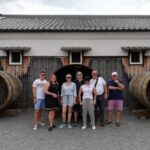
- Small group size (up to 7) keeps questions from getting lost
- Two hands-on culture stops in Fushimi: the museum and Kappa Gallery
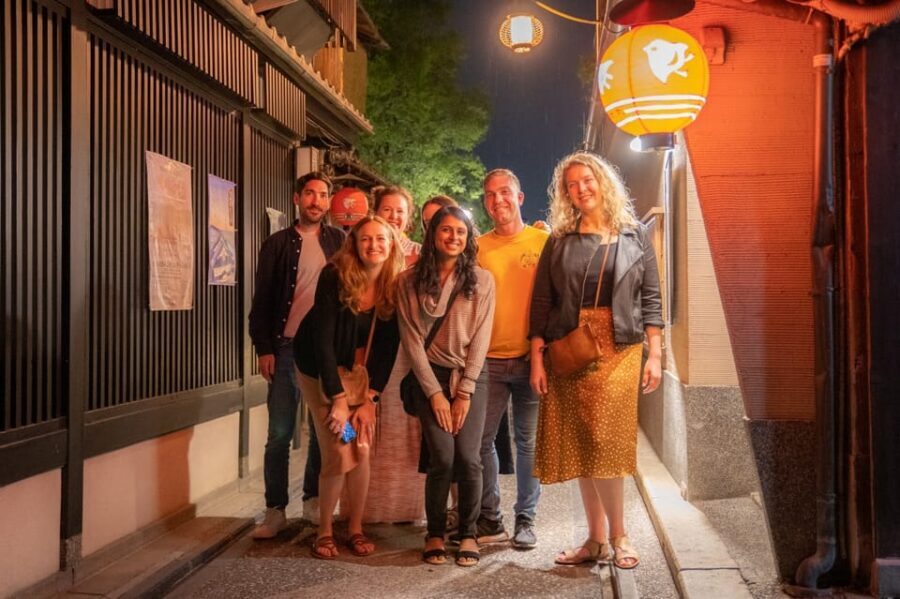
- Photos during the tour take the hassle out of documenting your night/day
- Hot-weather advice matters here: bring water and a hat in summer
In This Review
- A Smart Way To Sample Kyoto Sake in Fushimi
- Chushojima Station Start: Getting Oriented Fast
- Inside the Gekkeikan Okura Sake Museum: Brewing Basics and Brand Roots
- Teradaya Pass-By: Edo-Era Drama in the Middle of Beer District Walking
- Kappa Gallery: Learning Sake Culture Through a Strange Creature
- The Main Tasting Stop: 18 Kinds of Sake and How to Read the Differences
- Using Guide Picks to Order Food and Plan Your Kyoto Sake Shopping
- Price and Value: What You’re Actually Getting for About $99
- Walking Time, Heat, and Other Practical Tips
- Who This Tour Fits Best (and Who Should Skip It)
- Should You Book This Kyoto Sake Brewery & Tasting Walking Tour?
- FAQ
- How long is the Kyoto Sake Brewery & Tasting Walking Tour?
- How much does the tour cost?
- What’s included in the sake tasting?
- Where does the tour start and where does it end?
- What stops are included during the tour?
- Is the tour a small group?
- What if you’re traveling with someone under 20?
- Are meals or additional drinks included?
- Is the tour suitable for people with mobility issues?
A Smart Way To Sample Kyoto Sake in Fushimi
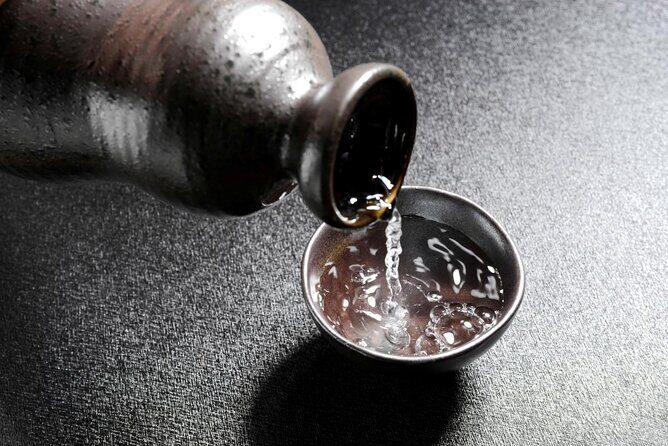
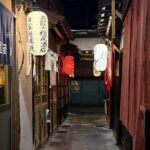
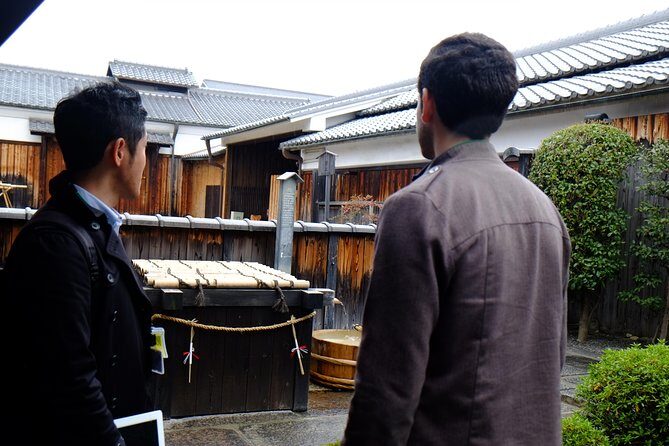
Fushimi is where Kyoto goes for sake. The area is packed with breweries, old stone lanes, and the kind of places where you can feel how long this craft has been part of daily life. What makes this tour work is the pacing: you’re not thrown straight into a tasting bar with no context.
The structure is simple and effective. You learn the basics first, then you test your new understanding against a lineup of different styles. That’s how sake tasting turns from random sips into an actual skill you can use later when you’re shopping or ordering.
Price-wise, you’re not just paying for alcohol. You’re paying for guide time, museum entry, and a set tasting that’s included. If you’re the type who likes to leave with a shortlist of favorites, the format is ideal.
Chushojima Station Start: Getting Oriented Fast
The tour begins at Chushojima Station (in the Fushimi area). Starting at a train station is a practical choice. You can arrive on your schedule, find the group quickly, and stop worrying about where you’re going before you even start tasting.
From the start, you’re moving through the brewery district at an easy walking pace. This matters because it keeps you alert. With sake, the worst plan is to rush, get tired, and then end up over-tasting without noticing the differences.
Also, the tour includes a mobile ticket, so you’re not scrambling with printouts. And since photos are part of the plan, you’ll likely get a couple of guided photo moments instead of doing everything yourself with a shaky phone timer.
Other sake brewery and tasting tours in Kyoto

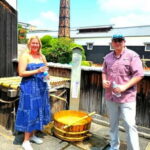
Inside the Gekkeikan Okura Sake Museum: Brewing Basics and Brand Roots
The museum stop is 30 minutes, with admission included. The goal here isn’t just to look at old bottles. You’re learning how sake gets made and how Gekkeikan’s story connects to the craft.
In the museum, you’ll see exhibits that explain the brewing process. Even if you know nothing about sake beyond taste, this is where you get the vocabulary you’ll use later during the tasting. The museum format also helps you spot what you’re tasting: for example, you’ll learn to separate styles like drier profiles versus sweeter ones.
One neat bonus: if you’ve had Gekkeikan back home, it can be a mind-click moment to see the brand’s physical roots in Kyoto. It turns a label you recognize into something you can place geographically and historically.
Could you spend longer here? Sure. But the time is intentional. It keeps the museum from dragging while still giving you enough background to make the tasting section meaningful.
Teradaya Pass-By: Edo-Era Drama in the Middle of Beer District Walking
After the museum, you’ll pass by Teradaya. This is a famous spot connected to the end of the Edo period, with a story tied to Sakamoto Ryoma and the dramatic Teradaya incident.
You might wonder why that belongs on a sake tour. For me, it works because it places sake in a real neighborhood—not a theme park. Fushimi wasn’t built only for brewing. It’s also where major events played out, and the guide’s job is to connect craft, place, and people.
The pass-by also keeps the walking tour feeling like a journey. It’s not just stop, sip, stop, sip. You get a story beat that helps the day stick in your memory.
Kappa Gallery: Learning Sake Culture Through a Strange Creature
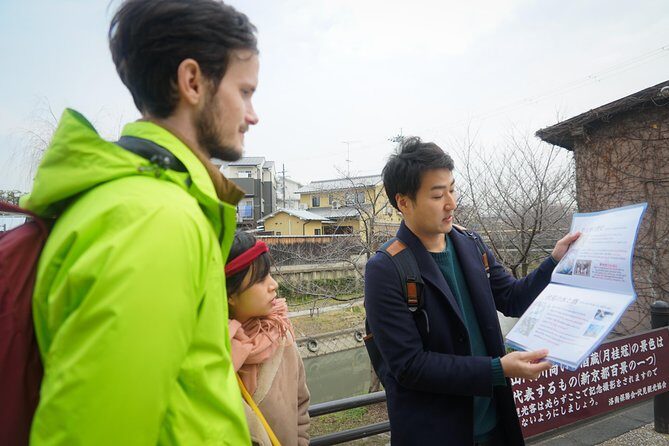
Next up is Kappa Gallery, another 30-minute stop, with admission included. This is where things get delightfully odd—in a good way. The museum is dedicated to kappa, the well-known Japanese creature that shows up in folklore.
Here’s what you should expect: it’s not a random detour into quirky souvenirs. The stop ties back to sake culture and education, with explanations that connect creative local traditions to how people think about brewing and drinking in Japan.
If you like tours that mix atmosphere with information, Kappa Gallery hits a sweet spot. It gives you a break from the strictly educational mode without turning the day into comedy-only. And it helps that you’re still in the Fushimi brewery zone while you’re learning.
The Main Tasting Stop: 18 Kinds of Sake and How to Read the Differences
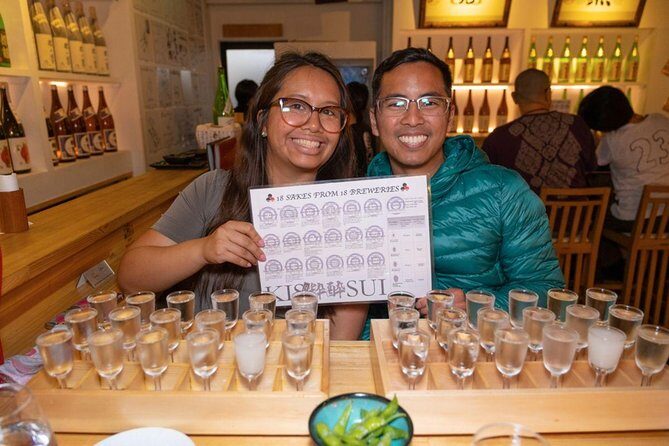
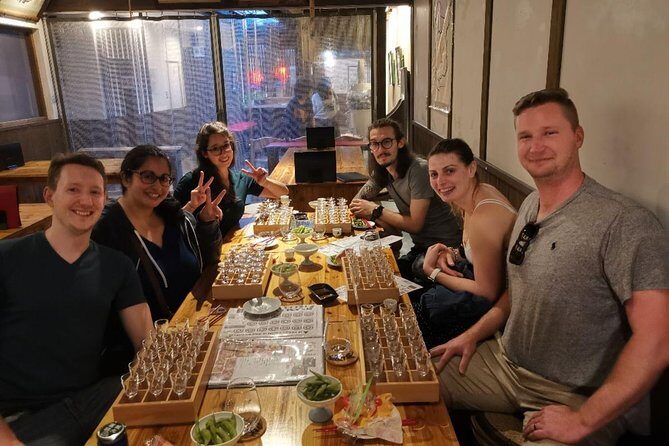
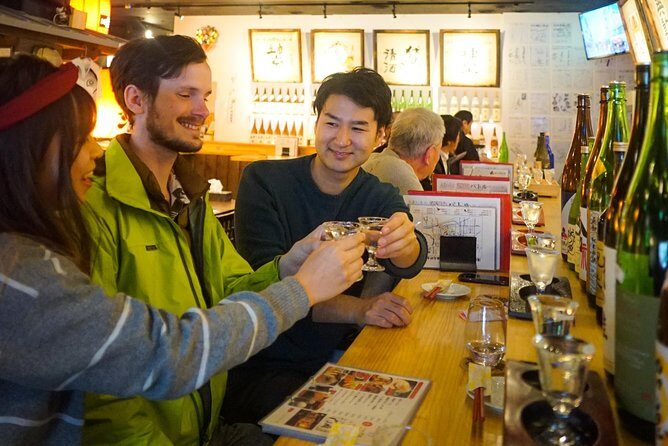
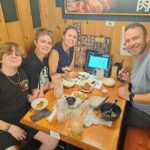
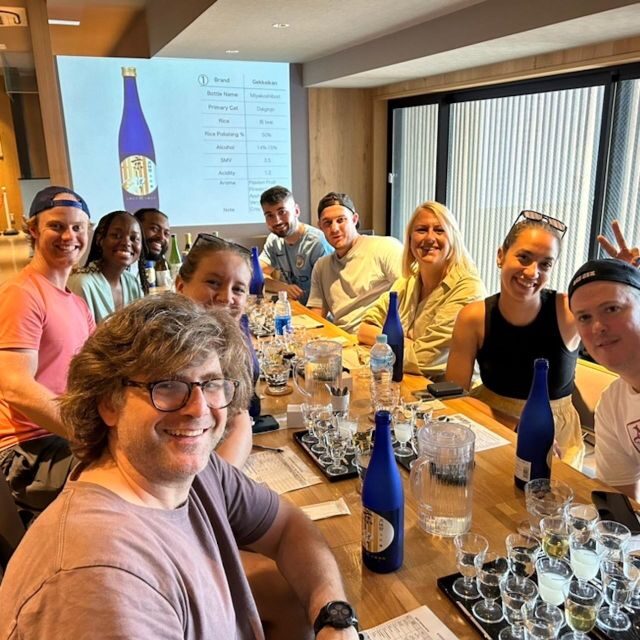
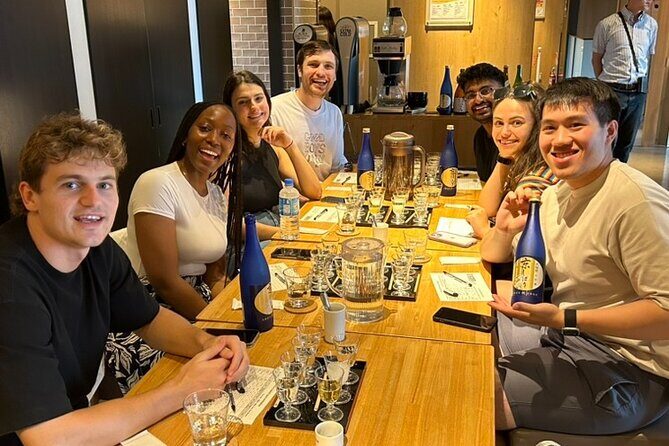
The tour includes sake tasting at a sake restaurant, and the set includes 18 kinds of sake. (If you’re hoping to learn what you like, that number is a gift. You’ll taste enough variety to find patterns rather than one-off surprises.)
This is where your earlier museum knowledge pays off. Dry versus sweet becomes more than a concept—it becomes something you can identify quickly. With multiple samples, you start noticing how aroma, mouthfeel, and finish change from one style to the next.
A practical tip: take notes on a scrap of paper or in your phone. Not a full review—just labels like dry, fruity, light, or warming. When you’re back in the souvenir shop later, you’ll thank yourself for remembering what you liked without re-tasting everything.
Food pairing is also a real part of the day. The tour notes that additional food or drinks are available for purchase, and some stops offer food options that work alongside the different sake styles. That’s important because sake tastes different when you’re not just drinking air.
Also, there’s a sensible alcohol safety structure built in. You’ll have a guided pace, and the tour is only about 3 hours long. Still, if you don’t drink much, go slow early. Your taste buds will thank you later.
Other Kyoto drinking tours we've reviewed in Kyoto




Using Guide Picks to Order Food and Plan Your Kyoto Sake Shopping
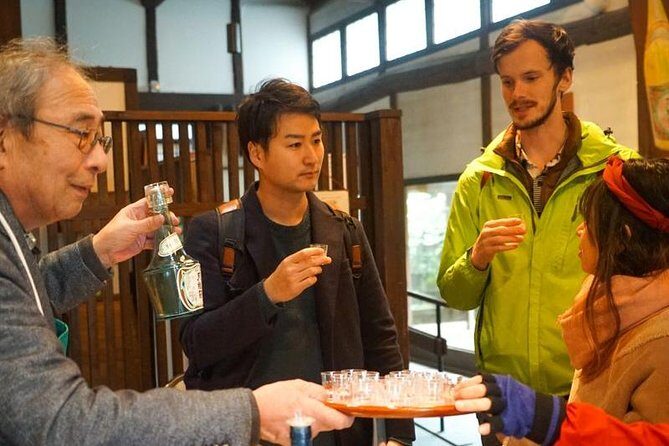
One reason this tour gets such high marks is the people leading it. Guides like Matt, Rika, Yukari, Kumi, Linda (a sake sommelier), Ayu, Danny, Eri, Karin (Karie), and Yuka are mentioned as tour leaders, and the common thread is helpful explanation plus friendly guidance.
What you should take from that: ask questions that match your taste. If you know you like crisp, ask for the drier styles. If you prefer something softer, ask what tends to feel sweeter or rounder. You don’t need to become a sake nerd overnight, but you do want a guide to point your tasting in a direction that fits you.
There’s also a real-world shopping angle. During the tasting stops, you may have chances to buy bottles if a sample hits your taste sweet spot. That’s handy because the tour gives you a short list of candidates instead of sending you into a store blind.
If you want to make this extra useful, think of the tour as a starter pack:
- identify your top 2 or 3 styles
- buy one bottle for a try-at-home night
- keep the rest as inspiration for your next Kyoto stop
Price and Value: What You’re Actually Getting for About $99
At $98.82 per person for roughly 3 hours, this isn’t a cheap snack. But it also isn’t paying just for drinking.
You’re getting:
- Museum admission included (Gekkeikan Okura Sake Museum)
- 18 kinds of sake included in the tasting set
- Photos taken during the tour
- A certified guide through MagicalTrip
- A structured walk through a real sake area, rather than wandering without context
The value piece is the combination. Museum entry alone can eat up a chunk of your budget in Kyoto. Add guided tasting and you’ve got a higher-per-person value than a self-guided pub crawl.
The only costs that commonly come up are simple ones: additional food or drinks at stops you choose to buy from. And if you want to bring a bottle home, you’ll be tempted.
If your goal is to learn and taste in a short time window, the price starts to make a lot of sense. If your goal is only to drink casually with no learning, you might feel the cost more.
Walking Time, Heat, and Other Practical Tips
This is listed as not recommended for people with mobility issues, because it is a walking tour. If walking is a challenge, contact the operator to ask about options for a private tour.
Weather matters too. The tour requires good weather, and if it’s canceled due to poor conditions, you’ll be offered another date or a full refund. That’s worth considering if you’re traveling in rainy shoulder seasons.
And yes, Kyoto summers can be brutal. The tour specifically recommends water and a hat to help prevent heat stroke. I’ll add one more practical rule: start the tour hydrated. If you arrive already dried out from sightseeing earlier in the day, sake will feel stronger and the tasting will be less fun.
Finally, allergies and dietary restrictions aren’t guaranteed to be allergy-free, since the food is prepared in kitchens not operated by MagicalTrip. If you have food allergies, plan carefully and ask questions before you go.
Who This Tour Fits Best (and Who Should Skip It)
This tour fits best if you want:
- a guided introduction to sake styles
- a museum stop that gives you context before tasting
- enough samples to find favorites without spending the whole day chasing bars
It’s also a great fit for both beginners and people who already drink sake casually. Beginners get the core explanations. More experienced sippers can use the lineup to compare styles and build preferences.
Skip it (or get a private option) if:
- walking is hard for you
- you want only brewery tours with long time inside multiple distilleries (this day is museum + tasting + cultural stops, not a marathon of separate industrial tours)
- you prefer drinking without structured guidance
Should You Book This Kyoto Sake Brewery & Tasting Walking Tour?
Book it if you want the best kind of sake day: learn a little, taste a lot, and leave with clear personal favorites. The included museum admission plus 18-kind tasting makes this feel like a real value for Kyoto, not just a paid sip session.
Don’t book it if you’re sensitive to alcohol, hate walking, or you’re expecting a full-day schedule of repeated brewery-only visits. In that case, you might want a different style of sake tour with more time at industrial facilities.
If you do book, go in with one mindset: you’re tasting to learn. Slow down at the start, ask your guide what matches your taste, and take quick notes. That turns 3 hours into something that sticks long after you’ve left Fushimi.
FAQ
How long is the Kyoto Sake Brewery & Tasting Walking Tour?
It’s about 3 hours.
How much does the tour cost?
The price is $98.82 per person.
What’s included in the sake tasting?
You’ll have a sake tasting set that includes 18 kinds of sake at the sake restaurant.
Where does the tour start and where does it end?
It starts at Chushojima Station and ends at Fushimi-Momoyama Station.
What stops are included during the tour?
You’ll visit the Gekkeikan Okura Sake Museum (admission included) and Kappa Gallery (admission included), and you’ll pass by Teradaya.
Is the tour a small group?
Yes. The tour has a maximum of 7 travelers.
What if you’re traveling with someone under 20?
Anyone under 20 will receive some foods or snacks instead of the sake tasting set.
Are meals or additional drinks included?
Food or drinks beyond the tasting set are not included, but you can purchase additional items at stops during the tour.
Is the tour suitable for people with mobility issues?
It’s not recommended for people with mobility issues due to walking. If needed, you should contact the operator about a private option.
More Walking Tours in Kyoto

More Kyoto Drinking Tours in Kyoto
More Sake Brewery Tours in Kyoto
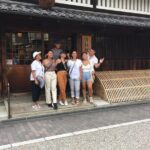
More tours in Kyoto we've reviewed
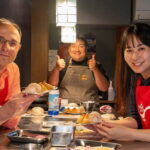


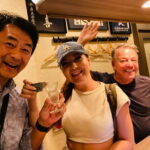
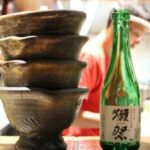


Kyoto Drinking Tours, compared.
 ★ 5.03-Hour Kyoto Insider Sake Brewery Tour with Tastings & PairingsFrom $84
 ★ 4.9Kyoto: Izakaya Bars Guided Walking TourFrom $253 hours
 ★ 5.0Kyoto: Insider Sake Brewery Tour with Sake and Food PairingFrom $873 hours
 ★ 5.0Kyoto Bar Hopping Night TourFrom $105
 ★ 5.0Kyoto Local Bar Crawl in Kawaramachi AreaFrom $28
 ★ 5.01.5-Hour Kyoto Insider Sake Experience with 7 Tastings & PairingsFrom $68
 ★ 5.0Kyoto: Insider Sake Experience with 7 Tastings and SnacksFrom $661h 30m
 ★ 4.9Kyoto: Afternoon Japanese Izakaya Cooking ClassFrom $673 hours
The lists this tour appears in