
Reviewed · TOKYO
Making Japanese desserts Nerikiri & drinking matcha in Tokyo
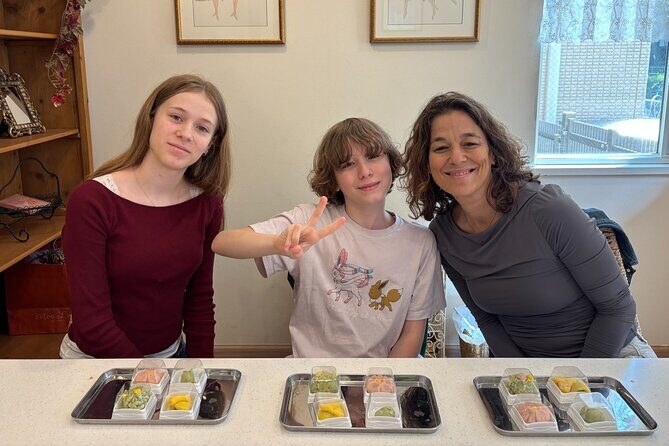
Hands-on sweets beat sightseeing boredom. This Nerikiri and matcha class in Tokyo turns seasonal kneaded dough into delicate Japanese confections, with your tutor explaining the craft and sharing context as you sample a range of treats. I love the small-group size because you get real attention while you’re shaping, not just watching.
You’ll also start with everything ready to go: ingredients, tools, and even the matcha prep. I like that the class is beginner-friendly, with a clear step-by-step process. One consideration: the location can shift between a Shimokitazawa kitchen and Toritsu-Daigaku Station, so you’ll want to read the email you get after booking.
In This Review
- Quick hits
- Nerikiri and matcha in Setagaya: a hands-on Tokyo cultural break
- What you make: three seasonal nerikiri dough types (and why season matters)
- A smart way to prepare before you go
- The matcha moment: what happens after you shape
- Small-group pacing: personal attention you can actually feel
- Where the kitchen is: Shimokitazawa vs Toritsu-Daigaku
- Itinerary breakdown (how the 1.5 hours usually flows)
- Price and value: is $65.69 worth it?
- Who this class suits best (and who should skip it)
- After-class plans: making Setagaya easy to explore
- Should you book this nerikiri and matcha workshop?
- FAQ
- How long does the nerikiri and matcha class take?
- How big is the group?
- What do I make during the class?
- Do you provide ingredients and tools?
- Is matcha included?
- Can I eat what I make during the class?
- Can I take nerikiri home?
- Where does the class take place?
- Can I request specific shapes like an owl or needle mouse?
- Can I cancel and get a full refund?
Quick hits
- Small-group kneading with personal help (max 8)
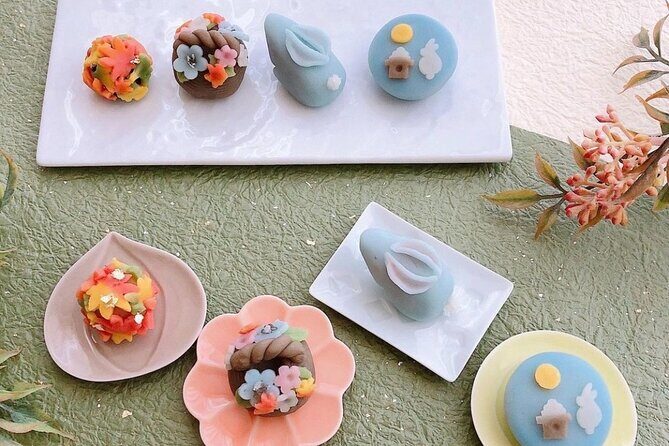
- Seasonal nerikiri made by hand: you’ll create three types
- Matcha made by your instructor and served after shaping
- Eat on the spot or take packets home
- Optional custom shapes like an owl or needle mouse, if you request in time
- Setagaya after-class plans are easy since you’re in the neighborhood already
Nerikiri and matcha in Setagaya: a hands-on Tokyo cultural break
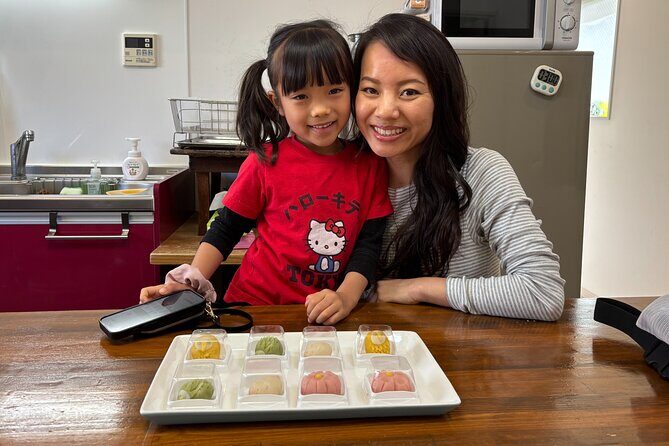
Tokyo has a way of filling your day with lines, lights, and fast movement. This class slows things down on purpose. You’ll spend about 1 hour 30 minutes working with your hands to make seasonal Japanese sweets, then cool off with matcha that’s prepared for the class.
What makes it feel extra practical is that you’re not just collecting photos. You’re learning a process your hands can remember: knead, shape, adjust, and plate. The tutor also talks through the history of Nerikiri confectionery while you taste a range of treats, so the lesson connects to why these sweets change with the seasons.
This is also the kind of activity that works well when your group has mixed interests. One person wants food. Another wants culture. You get both without needing advanced skills.
If you're still narrowing it down, here are other tours in Tokyo we've reviewed.


What you make: three seasonal nerikiri dough types (and why season matters)
The core of the experience is making three types of seasonal kneaded dough for nerikiri. You’ll follow your instructor’s process and do the kneading yourself, which is the difference between a workshop that feels like a demo and one that feels like you actually learned a skill.
The class focuses on the fact that the sweets vary by season. That matters because it changes what you make and how you approach the shaping. It’s not a one-note cookie cutter situation. You’re getting a taste of how Japanese seasonal aesthetics show up in confectionery form.
You should also know there’s flexibility. If you want specific characters, the note says you can request an owl and a needle mouse. But you’ll need to email your request, and the provider notes timing matters and requests may not be possible depending on when you apply.
A smart way to prepare before you go
You don’t need experience. Still, I’d treat it like a calm craft class:
- Wear sleeves that let you move easily with your hands.
- Go in with the mindset that your first shapes might be a little rough, then you’ll get better with the next one.
- If you care about the owl or needle mouse, send that request as early as you can.
The matcha moment: what happens after you shape
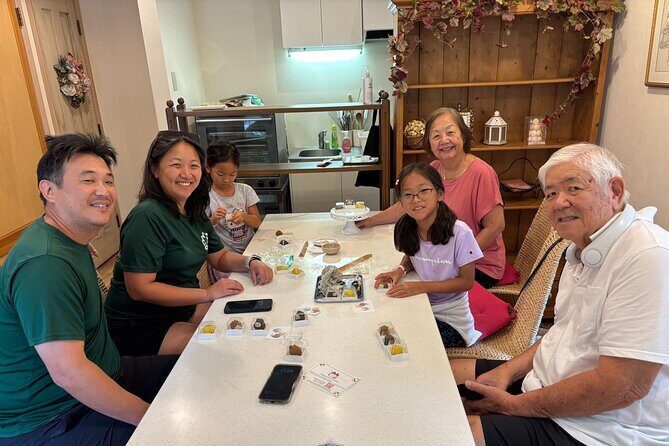
After you make the seasonal nerikiri, the instructor prepares matcha (powdered green tea) for you. This is when the class shifts from hands-on crafting to tasting and slowing down.
Then you get a real choice: you can eat the nerikiri you made on the spot, or you can take them home. Packets for taking home are provided, so you’re not stuck figuring out how to transport delicate sweets.
In other words, the class doesn’t end when your hands stop moving. You get a break, you taste what you produced, and you leave with something to share or enjoy later.
Small-group pacing: personal attention you can actually feel
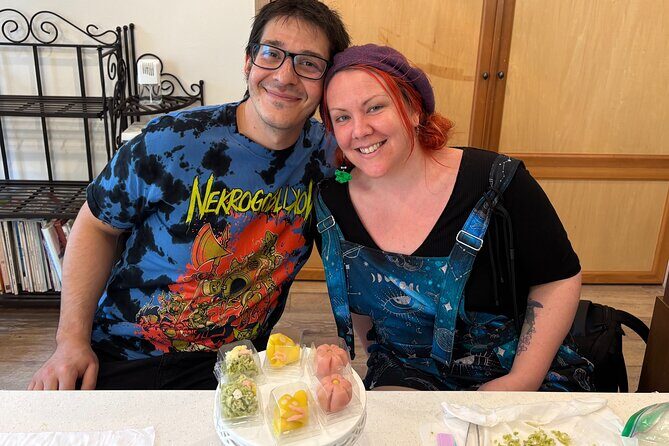
This is a maximum of 8 travelers, which is exactly the size where a tutor can notice your mistakes early. And the whole vibe matches that. The class description emphasizes lots of personal attention, and the feedback summary points out beginner friendliness and the fact that it’s cultural and skill-based.
That beginner-friendliness matters in Japan, because even simple food steps can feel intimidating if you’re the only one figuring it out. Here, you’re not put on stage. You’re working at a station with guidance.
You’ll also get the instructor’s explanations during the making process, not only at the beginning. That helps you adjust while you’re kneading and shaping, rather than discovering issues at the end.



Where the kitchen is: Shimokitazawa vs Toritsu-Daigaku
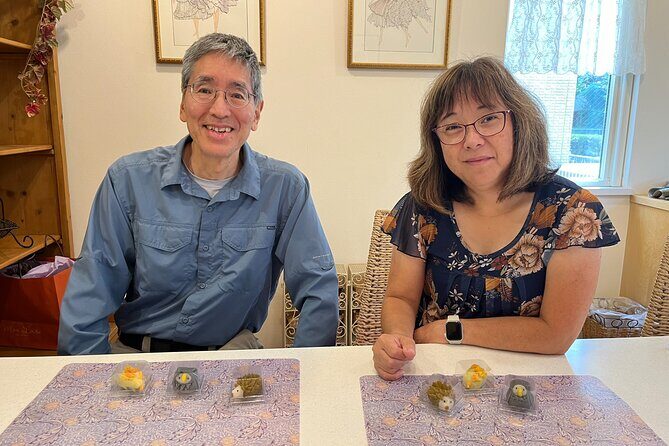
The meeting point is in Setagaya City, and the address provided is 3-chōme-20-4 Kitazawa, Setagaya City, Tokyo 155-0031, Japan. The activity ends back at the meeting point.
Now for the practical detail: the class will basically be held at a kitchen in Shimokitazawa, but if the rental space isn’t available, it may be held at Toritsudaigaku Station. The instructor will contact you by email.
So your homework is simple:
- After you book, watch for the email with the event location details.
- If you’re mapping your day, give yourself a little buffer so you’re not sprinting across town if the location changes.
The good news is that the tour notes it’s near public transportation, so you’re not locked into taxis or complicated transfers.
Itinerary breakdown (how the 1.5 hours usually flows)
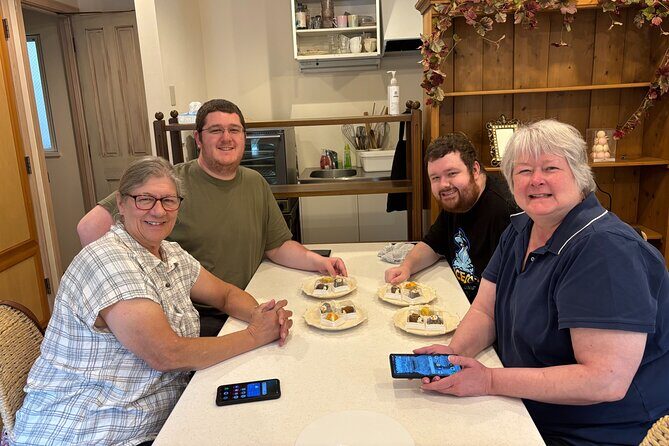
Here’s how the experience is structured based on what’s provided:
1) You receive details by email after reserving
You’ll get location info, especially important because it can shift between Shimokitazawa and Toritsudaigaku Station.
2) You make three types of seasonal kneaded dough
Your tutor explains the process, and you actually do the kneading and shaping yourself.
3) You learn the background while you taste
The class aims to teach the history of nerikiri confectionery by sampling a range of treats, not just one end product.
4) Matcha is prepared for you
After the kneading and shaping, the instructor makes matcha.
5) You eat on the spot or take them home
You can enjoy your nerikiri right away, and you’ll also get packets for taking sweets home.
6) The class ends back at the meeting point
The total time is about 1 hour 30 minutes, so it’s an easy fit into a Tokyo day.
A small plus: you’re not kept for half a day. This class gives you a focused cultural experience without wiping out your schedule.
Price and value: is $65.69 worth it?
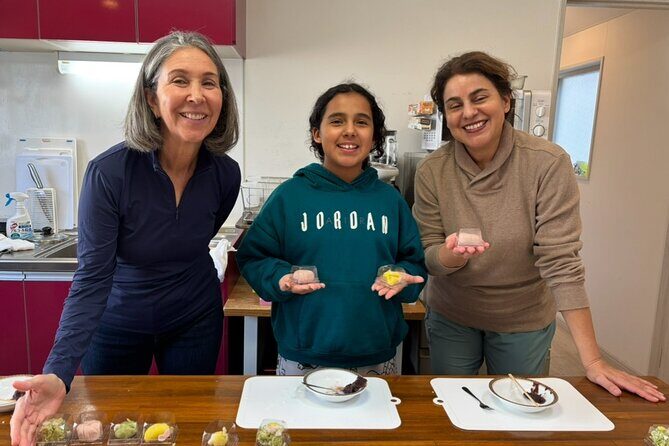
At $65.69 per person for about 1 hour 30 minutes, this isn’t a bargain “just add water” activity. But it does hold up for value because several things are included and you’re paying for instruction plus production materials.
What you’re getting for the money:
- A small-group setup with lots of personal attention
- Ingredients and tools provided, so you’re not buying supplies you won’t use again
- Hands-on instruction as you make three seasonal nerikiri
- Matcha prepared for you
- Food you can eat during the class and take home in packets
If you compare it to buying a single dessert somewhere, the price is higher. But you’re not just tasting—you’re learning a skill and bringing home sweets shaped by your own hands. For many visitors, that’s the sweet spot: you leave with both a memory and something edible.
Also, the experience is commonly booked about 34 days in advance on average, so if your dates are fixed, plan early.
Who this class suits best (and who should skip it)
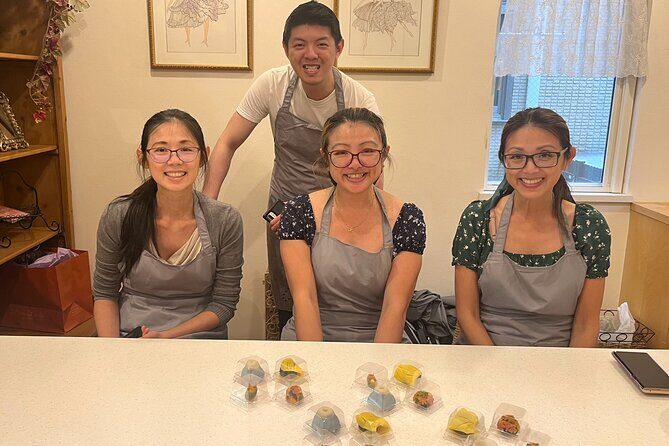
This workshop fits well if you:
- Want a cultural activity that doesn’t require Japanese language skills
- Like food classes where you actively make something
- Prefer smaller groups and personal coaching
- Are traveling with friends or family and want an activity everyone can enjoy
It’s also a solid choice if you care about seasonal differences. Nerikiri here isn’t presented as one static recipe; it changes based on what season the class happens to be in.
You might skip it if:
- You’re not interested in hands-on food work at all
- You can’t handle a location that might shift between Shimokitazawa and Toritsudaigaku Station
- You need a flexible schedule with exact timing guarantees for custom shapes. The owl and needle mouse request depends on time of application and may not be possible.
After-class plans: making Setagaya easy to explore
One of the nicest practical touches is what you can do right after. The description specifically says it’s easy to explore the nearby Setagaya-ku district after the class.
So treat this as a placement in your day. You’re in Setagaya/near Shimokitazawa area, which is often good for casual walking, browsing, and finding your own snack plan afterward. You’ll already have the local-food focus fresh in your brain.
If you’re building a Tokyo itinerary, this is also a great match for pairing with a neighborhood stroll rather than stacking it between two far-apart destinations.
Should you book this nerikiri and matcha workshop?
I’d book it if you want something that’s clearly more than eating dessert. The small-group size, hands-on kneading, and the combination of making plus matcha tasting make it feel worth your time in Tokyo.
Before you hit reserve, do two quick checks:
- Confirm whether you want the owl and needle mouse request, and email early enough to maximize your chances.
- Plan around the possibility that the kitchen location could shift, then rely on the email you receive.
If that sounds like your kind of Tokyo day—food craft, seasonal culture, and a calm pace—this is an excellent choice.
FAQ
How long does the nerikiri and matcha class take?
The class takes about 1 hour 30 minutes.
How big is the group?
The class has a maximum of 8 people.
What do I make during the class?
You’ll make three types of seasonal kneaded dough for nerikiri.
Do you provide ingredients and tools?
Yes. Your class includes all the ingredients and tools you’ll need.
Is matcha included?
Yes. After the nerikiri making, the instructor prepares matcha for you to drink.
Can I eat what I make during the class?
Yes. You may eat the nerikiri you made on the spot.
Can I take nerikiri home?
Yes. Packets for taking the sweets home are provided.
Where does the class take place?
Basically at a kitchen in Shimokitazawa, but if that space isn’t available the class may be held at Toritsudaigaku Station. You’ll get details by email.
Can I request specific shapes like an owl or needle mouse?
You can request it by email, but it depends on the time of application and may not be possible depending on the schedule.
Can I cancel and get a full refund?
Yes, free cancellation is available up to 24 hours before the experience start time for a full refund.
More tours in Tokyo we've reviewed




Tokyo, compared.
 ★ 5.0Tokyo Bar Hopping Tour in Shinjuku (All-You-Can-Drink + Dinner)From $106
 ★ 5.0Best of Shinjuku: Izakaya Food Tour (4 Stops, 14+ Tastings)From $92
 ★ 4.9Tokyo: Shinjuku Local Bar and Izakaya Guided Walking TourFrom $343 hours
 ★ 5.0Shibuya Meltdown Nightlife Tour: All-You-Can-Drink Bar HoppingFrom $106
 ★ 4.5Tokyo: Pub Crawl and Bar TourFrom $275 hours
 ★ 5.0Tokyo: Shinjuku Local Bar & Izakaya Crawl TourFrom $39
 ★ 4.9Tokyo: Shinjuku Bar Hopping with All-You-Can-Drink & DinnerFrom $1083 hours
 ★ 4.9Shibuya: Local Bar & Izakaya CrawlFrom $293 hours
The lists this tour appears in