
Reviewed · BREWERIES
Small-Group Walking Tour of Matsuyama and Minakuchi Brewery
A good walk can feel like a story. This one starts at Dogo Onsen and strings together shrines, temples, bath houses, and finally a real hands-on sake moment. I like the small-group pace (max 8) and the fact that you do something creative with your guide—think of a word tied to Matsuyama, then use it for an original sake label later. One thing to watch: it’s an active walking tour, so June–September heat can be a real factor (plan for sunscreen, water, and shade whenever you can).
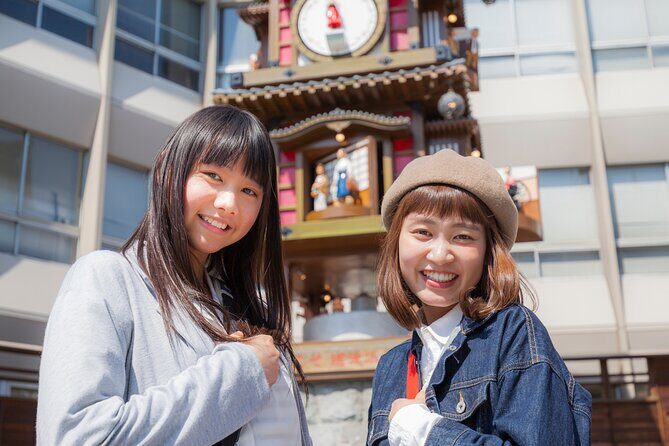
The route is built around the geography of the Dogo area, so you’re not just bouncing between random stops. You start near the Botchan Karakuri Clock and finish at the Minakuchi Shuzo brewery, with plenty of time to look around as you go.
There’s also a practical bonus. Most stops are free to enter, so your money mostly goes to the brewery experience and tasting—what you really came for.
In This Review
- Key highlights you’ll actually feel
- From Botchan Clock to a Dogo Onsen story loop
- Isaniwa Shrine: Matsuyama’s luck stop with real age
- Enmanji Temple at Dogoyuzukicho: Amida Nyorai, built in 812
- Dogo Onsen Honkan: where history becomes your route
- Haikara-dori shopping arcade: souvenirs and snacks, not stress
- Asuka-no-Yu: a “new bath” concept with ancient styling
- Minakuchi Shuzo: make a label and taste Dogo sake
- The original label activity
- Tasting and purchase options
- Price and value: what $68 is paying for
- Rain, heat, and the walking pace you should expect
- Who should book this tour (and who may not need it)
- Should you book? My quick decision guide
- FAQ
- Where does the tour start and where does it end?
- What time does the tour run?
- How long is the walking tour?
- How big are the groups?
- Is the ticket mobile?
- Do shrine and temple stops have admission fees?
- What is included at the brewery?
- What happens if it rains?
- How does the original sake label work?
- Is the tour suitable if I’m not very fit?
Key highlights you’ll actually feel
- Isaniwa Shrine: a long-standing Matsuyama landmark tied to Hachiman-zukuri traditions.
- Dogo Onsen Honkan: one of the oldest hot spring areas in Japan, with an important cultural property main building.
- Haikara-dori arcade time: an easy stretch for snacks and souvenirs between bath spots.
- Asuka-no-Yu (Dogo Onsen Annex): a “new bath” concept with an Asuka-style theme.
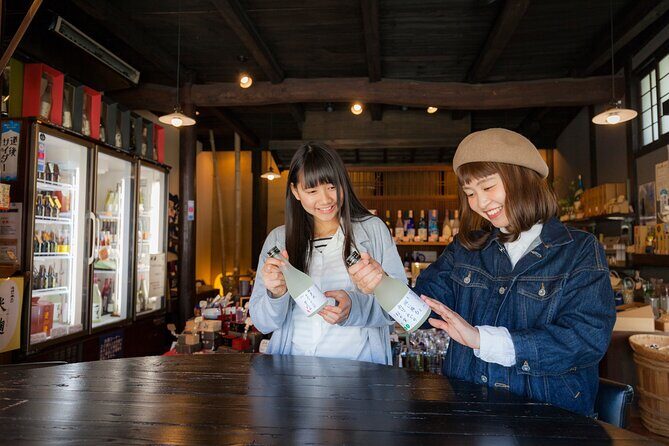
- Minakuchi Shuzo hands-on label: write a word (or your name in Chinese characters with help) and then taste sake samples.
From Botchan Clock to a Dogo Onsen story loop
You’ll start at Botchan Karakuri Clock in Dōgoyunomachi (Matsuyama) at 2:00 pm. The whole outing runs about 2.5 hours, ending at Minakuchi Shuzo Brewery in Dōgokitamachi. Expect a relaxed but steady walking rhythm—enough to see a lot, not enough to feel like you’re sprinting.
What makes this tour smart is how it connects place to meaning. Dogo is famous for its hot spring culture, but this walk also pulls in the spiritual and everyday layers around it: shrines and temples at the start, then the onsen corridor, then the one local brewery that makes sake specifically from the Dogo area.
Also, it’s not one of those “listen for two hours, shop for five minutes” tours. You get time blocks at each stop, including a longer one-hour brewery window where the fun gets practical.
Isaniwa Shrine: Matsuyama’s luck stop with real age
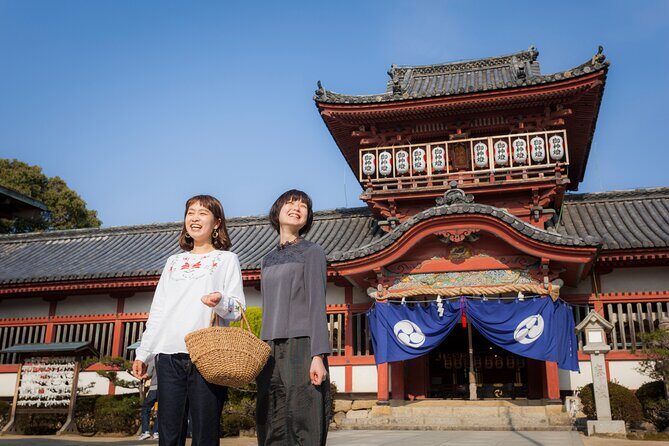
The first stop is Isaniwa Shrine, the site that represents Matsuyama. You’ll get about 25 minutes here, and admission is free.
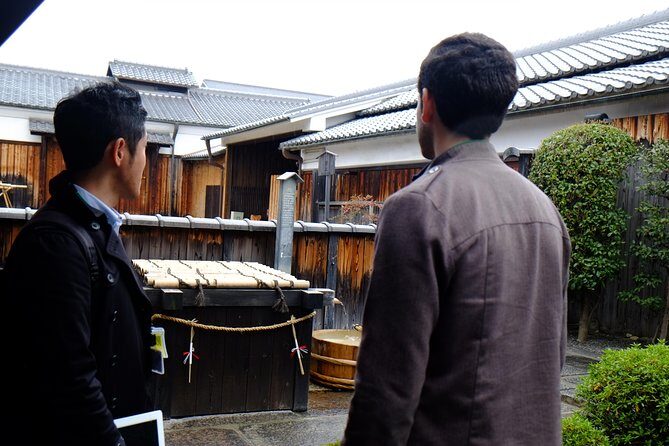
Two details make this more than a quick photo stop. First, it’s said to have been worshiped for over 1,000 years. Second, it’s described as one of Japan’s three major Hachiman-zukuri shrines—and it’s a nationally designated important cultural property.
Why I like this start: it gives you a mental anchor before you hit Dogo’s bath streets. The guide’s focus tends to keep you oriented—why people have visited this area for centuries, and how the onsen story fits into the bigger Matsuyama picture.
Practical note: it’s a shrine visit, so dress like you’re headed to a respectful public place. No need to overthink it, but keep it calm.
Enmanji Temple at Dogoyuzukicho: Amida Nyorai, built in 812
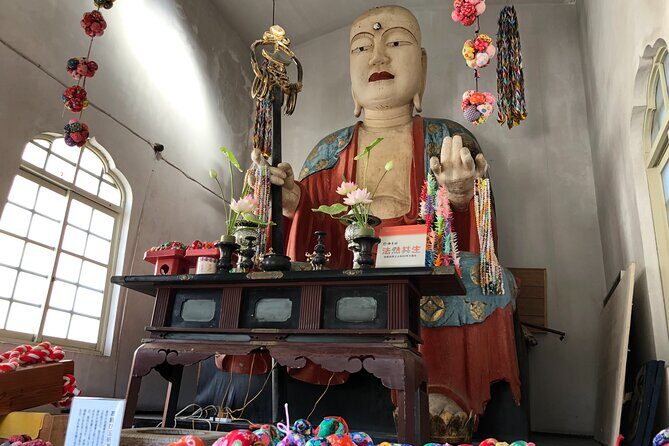
Next you’ll head to Enmanji Temple in Dogoyuzukicho for about 15 minutes (also free). The main temple centers on Amida Nyorai, said to have been built in 812.
This is one of those stops where you can feel the age without being overwhelmed. You’re not expected to memorize dates like a quiz—just to notice that the Dogo area isn’t only about bathhouses. It’s also home to older religious layers that run parallel to the onsen culture.
A small drawback: if you’re the type who wants lots of time inside structures, this stop is short. But the upside is you move on while your energy is still good.
Dogo Onsen Honkan: where history becomes your route
Then you reach the heart of it: Dogo Onsen Honkan, the main building of Dogo Hot Spring. You’ll have about 15 minutes and again, entry is free.
Dogo Onsen is described as one of the oldest hot springs in Japan, with a history of 3,000 years. The main building is also designated as an important cultural property, so you’re seeing a place with official protection, not just a trendy attraction.
What I love here is how the design and atmosphere shape your walking. You naturally slow down. You look up. You notice textures and layout—the stuff that tells you this wasn’t built overnight for Instagram.
Tip for you: even if you don’t go inside right away, take a minute at the edges. The onsen corridor creates a perspective that makes the whole area easier to understand.
Haikara-dori shopping arcade: souvenirs and snacks, not stress
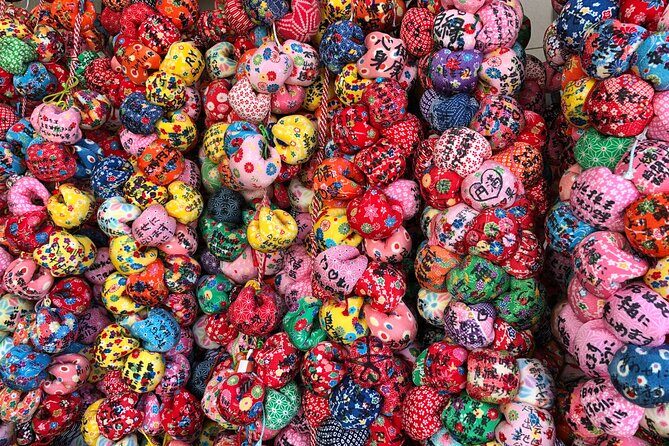
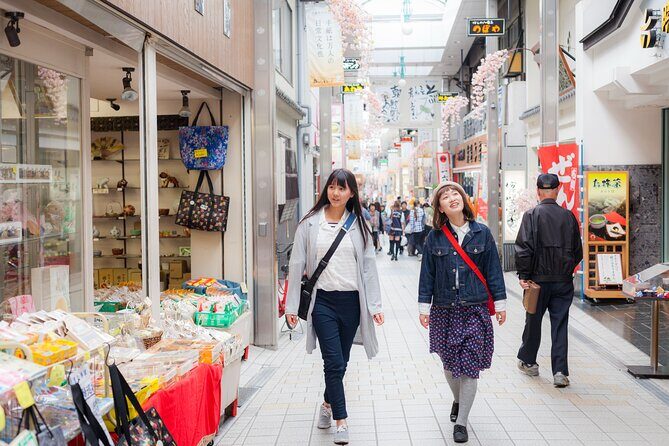
After Honkan, you’ll walk through Dogo Haikara Street, a shopping arcade that runs from the onsen main building toward Dogo Onsen Station. You get about 30 minutes here with free admission.
This segment works because it’s flexible. You can browse souvenir shops, look for sweets, and pass by places tied to bath culture. It’s also a good buffer area if you want to pace yourself and regroup without missing the main story.
One consideration: this is where the tour’s focus shifts from history to practical city life. If you only care about sacred architecture, you might find this section less meaningful. If you like small local purchases and snacks, it’s a nice reward.
Asuka-no-Yu: a “new bath” concept with ancient styling
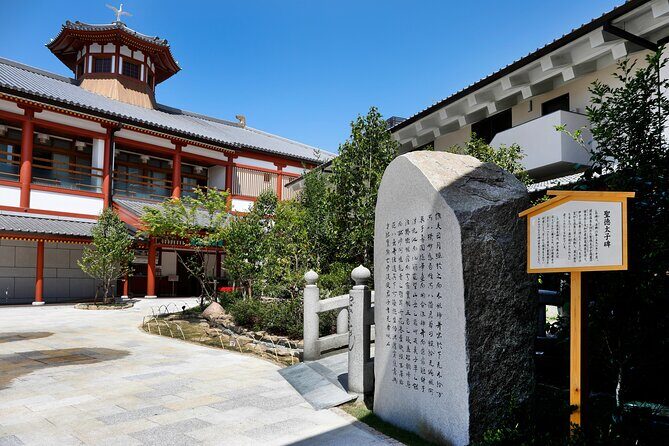
Next is Dogo Onsen Annex Asuka-no-Yu, about 10 minutes (free). The concept here is a public bath style that incorporates Asuka period architectural themes, and the overall idea is described with the phrase Ancient Dogo.
This is a clever stop because it shows a common tension in historic tourist areas: what happens when tradition meets modern visitor needs? Asuka-no-Yu is meant to feel connected to the past while still being a different kind of bath experience than the main Honkan building.
It’s short by design. You’re meant to notice the visual styling and then move on—so you don’t spend the whole tour chasing steam when the real finale is waiting.
Minakuchi Shuzo: make a label and taste Dogo sake
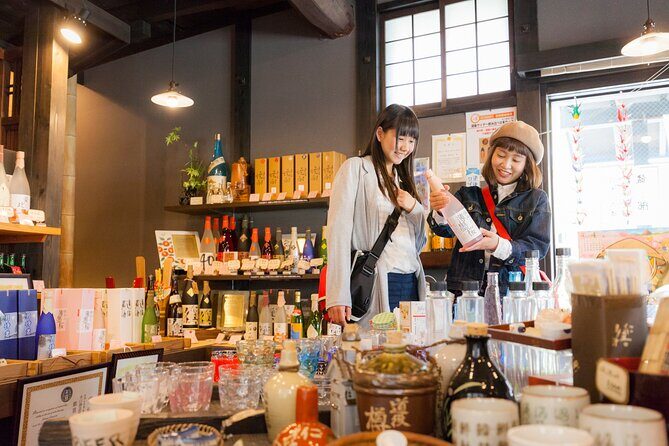
Now for the reason many people book. You’ll spend about 1 hour at Minakuchi Shuzo Brewery. Entry here is included, and tasting is part of the experience.
This brewery matters locally: Minakuchi Shuzo was founded in 1895 (Meiji 28), and it’s described as the only sake brewery in Dogo. That means the tasting isn’t just random sampling—it’s tied to the same region and identity you’ve been walking through.
The original label activity
Here’s the fun, creative piece. While walking (and with the guide’s help), you choose a memorable word that connects to Matsuyama. The examples given include Dogo, Shikoku, or Henro (pilgrimage). Another option is writing your name in Chinese characters with assistance from the English-speaking local guide.
Later at the brewery, that word becomes part of an original sake label. This is the kind of souvenir that feels personal, not generic.
Tasting and purchase options
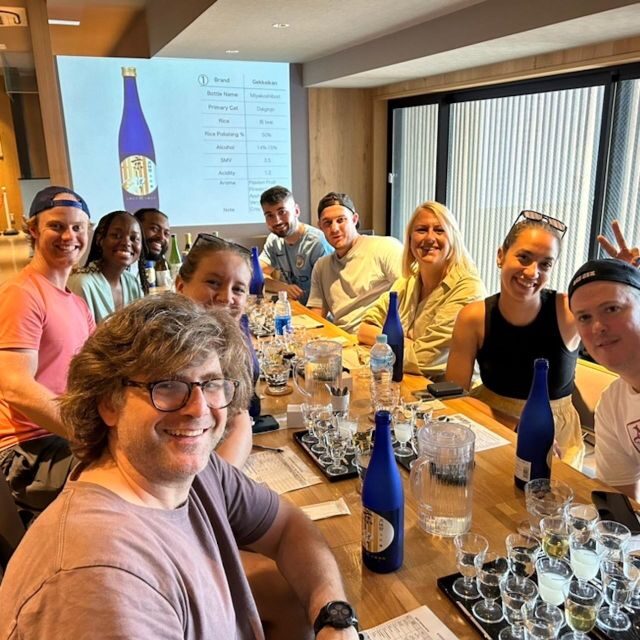
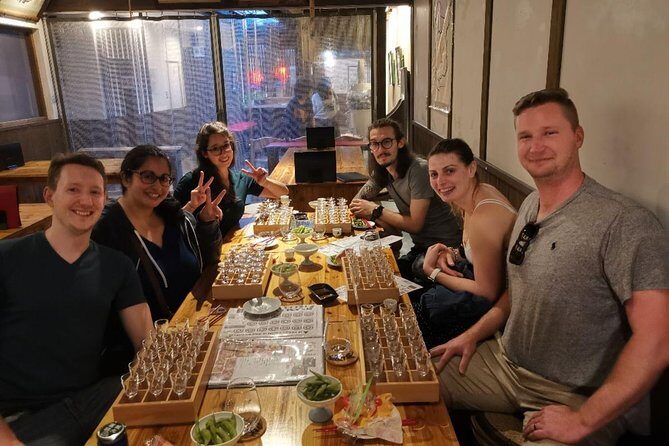
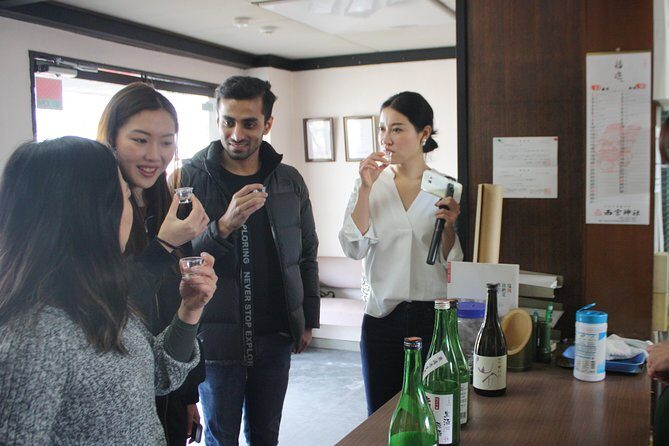
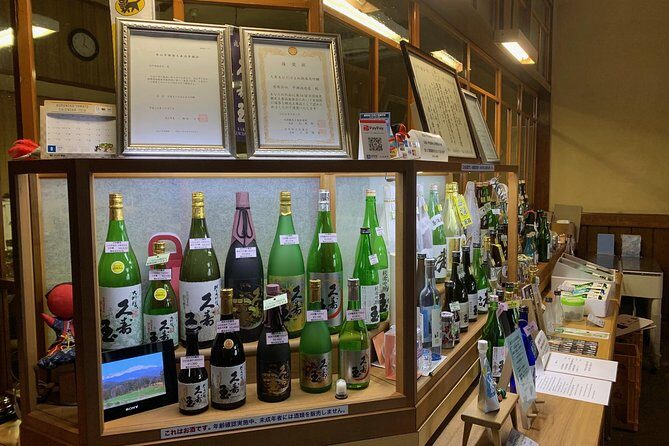
You’ll also get to enjoy sake tasting samples available at the store, with purchase options afterward. The tour itself includes the tasting and labeling time, but you can decide how much you want to take home.
My value-minded take: the tour price makes more sense here than anywhere else. The walk gives context. The brewery gives you something you can touch, drink, and remember.
Price and value: what $68 is paying for
At $68 for about 2 hours 30 minutes, the cost feels fair because most of the walking stops don’t charge you (shrines, temple area, and onsen sections are listed as free). So what you’re really paying for is:
- the guided flow between sites,
- the brewery hour,
- and the hands-on labeling plus sake tasting.
That’s a good deal structure. If you only wanted to see Dogo Onsen Honkan and browse Haikara-dori on your own, you’d spend less money but miss the creative label activity and the tasting setup. If you’re the type who wants an experience, not just sightseeing, this is where your money goes.
One small caution: alcohol-focused tours aren’t always the same in spirit across cultures. Here, tasting is part of the plan, so if you don’t drink, it might still be worth going for the label activity—just know the tasting portion is a core element.
Rain, heat, and the walking pace you should expect
This tour goes rain or shine. You’ll want rain gear if clouds are in the forecast—because the plan keeps moving.
In hot weather, the guidance is clear: from June to September, be careful about heat stroke. That matters because you’re outside for stretches, and while the group is small, you’re still walking. If you book during peak summer, I’d treat the day like a workout with cultural stops: hydrate early, bring sunscreen, and slow down when the guide slows down.
As for cancellation for safety: if management decides the weather makes it hard to ensure participant safety, they can cancel. In practice, that’s the right call—better than pushing through bad conditions.
Who should book this tour (and who may not need it)
Book it if you want:
- a tight 2.5-hour on-foot introduction to Dogo,
- a guided story that connects shrines, temples, and baths,
- and a brewery finale where you make an actual takeaway label.
You’ll especially like it if you enjoy food culture and local production. The whole point is Dogo identity, finished with Minakuchi Shuzo, the Dogo-only sake brewery.
You might skip it if:
- you dislike walking in summer heat,
- you’re not interested in sake tasting at all,
- or you want long indoor time at each religious site. Several stops are intentionally brief so you can reach the brewery on schedule.
Should you book? My quick decision guide
I’d book this tour if you like your sightseeing with a hands-on payoff. The walking part gives you context fast. The brewery part gives you something you made: a label with a word tied to Matsuyama, plus sake tasting that ends the tour on a satisfying note.
If you’re coming to Matsuyama for the first time and want a structured, small-group experience that doesn’t feel like a big bus tour, this hits that sweet spot.
And if weather is a question, don’t overthink it: bring rain gear, respect the heat, and you’ll be fine.
FAQ
Where does the tour start and where does it end?
It starts at Botchan Karakuri Clock (6-7 Dōgoyunomachi, Matsuyama) and ends at Minakuchi Shuzo Brewery (3-23 Dōgokitamachi, Matsuyama).
What time does the tour run?
The start time listed is 2:00 pm.
How long is the walking tour?
It’s about 2 hours 30 minutes.
How big are the groups?
The tour has a maximum of 8 travelers.
Is the ticket mobile?
Yes, it’s listed as a mobile ticket.
Do shrine and temple stops have admission fees?
For the listed stops, admission is free at Isaniwa Shrine, Enmanji Temple, Dogo Onsen Honkan, Dogo Haikara-dori, and Dogo Onsen Annex Asuka-no-Yu.
What is included at the brewery?
At Minakuchi Shuzo Brewery, you get labeling and tasting, and entry is included.
What happens if it rains?
The tour runs rain or shine. You should bring rain gear as needed. If safety can’t be ensured due to weather unsuitable for walking, management may cancel.
How does the original sake label work?
You choose a word you like related to Matsuyama (examples include Dogo, Shikoku, or Henro) and later it’s used to make your original sake label. You can also write your name in Chinese characters with help from the English-speaking local guide.
Is the tour suitable if I’m not very fit?
It’s recommended for travelers with moderate physical fitness, and it does involve walking between stops.
Breweries, compared.
 ★ 5.03-Hour Kyoto Insider Sake Brewery Tour with Tastings & PairingsFrom $84
 ★ 5.0Kyoto: Insider Sake Brewery Tour with Sake and Food PairingFrom $873 hours
 ★ 5.0Kyoto Sake Brewery & Tasting Walking TourFrom $98
 ★ 5.0KOBE Sake Tasting Tour at Breweries (tasting fee included)From $109
 ★ 5.0Hiroshima Saijo Sake Tasting Tour with visit to 7 BreweriesFrom $50
 ★ 5.0Takayama: Authentic Sake Tasting at a Historic BreweryFrom $50
 ★ 5.0Kobe: Guided Sake Breweries Tour with TastingsFrom $1063h 30m
 ★ 5.0Sake Brewery and Japanese Life Experience Tour in KobeFrom $83
The lists this tour appears in