
Reviewed · CRAFT BEER TOURS
Nara – Craft Beer, Sake, and Food Walking Tour
Nara tastes better on foot. This walking tour threads together fresh mochi pounding and Nara’s signature persimmon-leaf sushi, then layers in sake and craft beer with real local nibbles. It’s a simple plan: follow your guide through Naramachi’s older streets and eat your way across the flavors Nara is proud of.
What I like most is how the food isn’t random. You start with a hands-on mochi moment, then you hit Kaki No Ha Zushi, a sushi style tied to Nara. The second thing I like is the drink mix: you’re not just tasting sake and calling it a day—you also get Nara craft beer plus snacks along the route.
One consideration: you’ll walk about 4–5 km and it runs rain or shine. And because several stops are small storefronts (not huge museums), there can be days when access or tasting format is less than you expect—so build in a little flexibility.
In This Review
- Key points to know before you go
- Naramachi on foot: mochi, small streets, and a guided pace
- Mochi pounding at the start: the texture difference is real
- Kaki No Ha Zushi: Nara sushi rolled in persimmon leaves
- Harushika sake brewery store: learning how sake gets made
- Nara craft beer and snack pairing: a drink stop that actually fits the route
- The quieter Naramachi stops: Okuta, lattice house visit, and side-street shopping
- Dinner finish at Shikamaru, then ramen and a traditional sushi stop
- Price and value at $96: what you’re really buying
- Who this tour is best for (and who should skip it)
- Should you book the Nara craft beer, sake, and food tour?
- FAQ
- How long is the Nara craft beer, sake, and food walking tour?
- What languages are available for the guide?
- What’s included in the price?
- What should I budget for that is not included?
- How much walking is involved?
- Where do I meet the guide?
- Can a single traveler book?
Key points to know before you go
- Mochi pounding on the spot for a fresher chew than you’ll get from pre-packed sweets
- Kaki No Ha Zushi in persimmon leaves, a Nara specialty that feels both local and unusual
- Sake tasting with up to five types, plus context on brewing and manufacturing
- Craft beer plus local snacks during the walk, not all at the end
- Side-street shopping opportunities in the Naramachi area, away from the most touristic crowds
- A full food finish with ramen and then a traditional sushi meal style from Nara
Naramachi on foot: mochi, small streets, and a guided pace
This is the kind of tour that makes Nara feel like a place, not a photo checklist. You’ll be walking through the Naramachi district, where the streets and shopfronts feel more lived-in than central tourist lanes. With a live guide (English or French), you also get help noticing the small cues—what to try first and why the locals care.
The tour lasts about 210 minutes, so it’s not a short snack crawl. You’ll have enough time to do a real tasting rhythm: one stop leads to the next, and the food and drink keep coming at a steady pace.
You’ll meet at one of two options tied to the statue of Gyoki-bosatsu, 行基菩薩像, and you’ll also drop off in that same area. That’s handy because it keeps the walk “looped” around a single part of town, rather than dragging you across multiple neighborhoods.
Other craft beer tours we've reviewed in Nara
Mochi pounding at the start: the texture difference is real
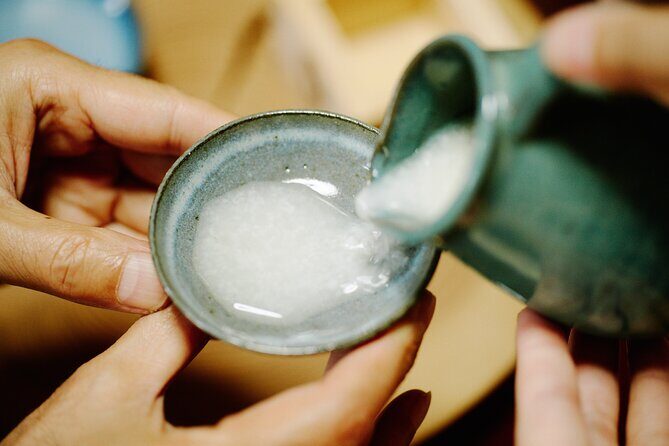
The first big flavor moment is the mochi pounding performance. You’ll watch the mochi get pounded, then get to taste mochi that’s made fresh for the session. This matters because mochi texture changes quickly once it leaves its ideal window—fresh mochi tends to stay softer and springier, not chewy in a dry way.
It’s not just a show. This is the sort of stop where the guide gives you context on what you’re tasting and how locals use mochi in seasonal sweets. You’ll also get a sense for why this tradition still has draw today—because it’s fast, hands-on, and very tied to the moment.
Timing can matter. Mochi pounding demonstrations aren’t a 24/7 machine; one person noted that demonstrations can end earlier in the afternoon on some days. If you’re booking a start time toward the later end of the day, it’s smart to ask your operator whether the mochi pounding slot is guaranteed for your group.
Kaki No Ha Zushi: Nara sushi rolled in persimmon leaves
Next comes a sushi you don’t see everywhere: Kaki No Ha Zushi, sushi rolled in persimmon fruit leaves. This is a Nara specialty built around local ingredients and the flavor idea of the leaf itself. Expect something that feels lighter than the heavy, sauce-forward sushi styles people often default to in tourist areas.
This stop is where the tour gets more interesting than a generic food lineup. Sushi is common in Japan; Kaki No Ha Zushi is not. The persimmon leaf twist gives the bite a different aroma and a subtle wrap-around effect you’ll notice as you take each piece.
Diet notes: I wouldn’t assume every sushi stop can meet every allergy need, but the tour does include food volume presets and tasting portions. If you have a specific restriction, plan to communicate it clearly when you meet your guide so they can guide what you’re offered.
Harushika sake brewery store: learning how sake gets made
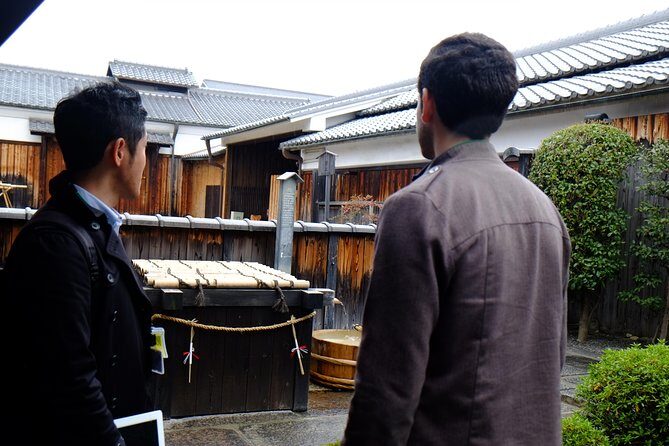
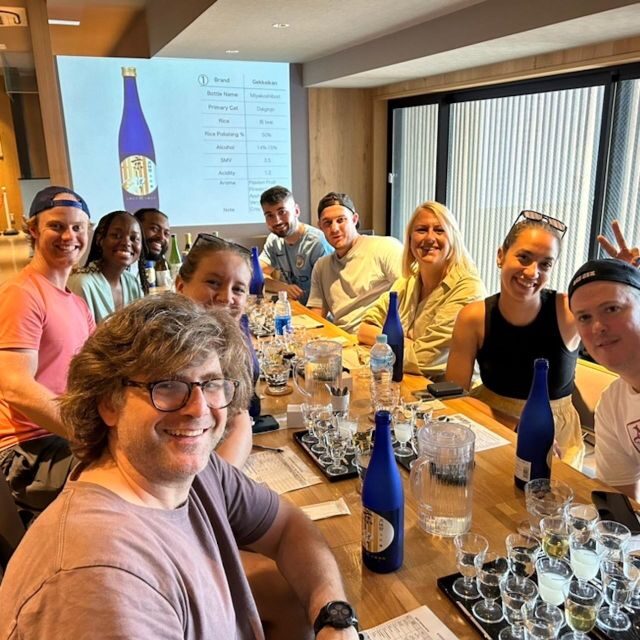
Sake is the tour’s center of gravity. You’ll visit Harushika Sake Brewery store and do a tasting that can reach up to five types of sake. What makes this more than “sip and move on” is the instruction part: you’ll learn about sake history and manufacturing, not just the tasting order.
This is also where the experience becomes educational without turning into a lecture. A good guide helps you connect the flavor differences to the brewing approach, so when you taste, you understand what you’re hunting for—dry versus softer profiles, aroma differences, and how each pour matches the next bite of food.
One thing to keep in mind: the experience you get can be more about tasting and explanation than a full walk-through of every step of production. If you’re specifically hoping for a big manufacturing tour, it’s worth asking ahead of time what level of facility access you’ll have on your date.
Guide language is another practical detail. French isn’t always guaranteed for shared groups, since English may take priority when multiple nationalities are mixed. All guides speak at least English and Japanese, and a guide might switch between English and French depending on the group.
Nara craft beer and snack pairing: a drink stop that actually fits the route
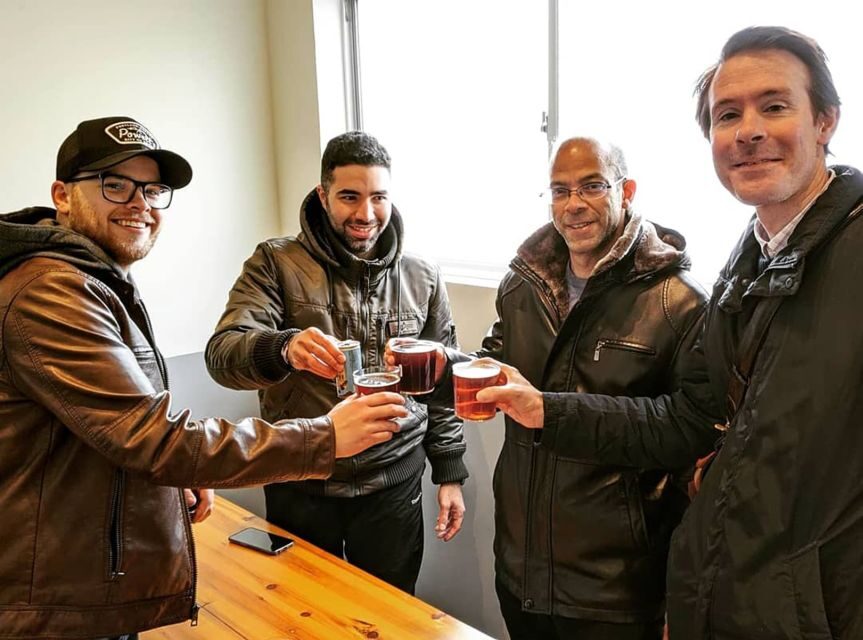
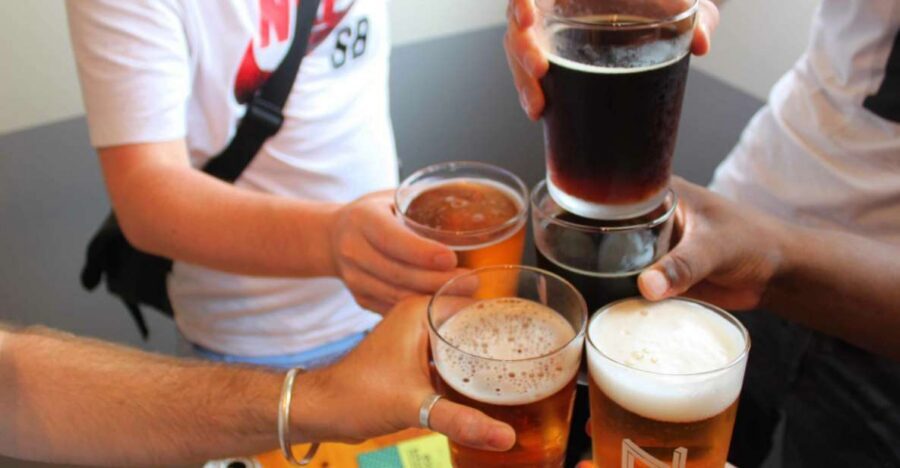
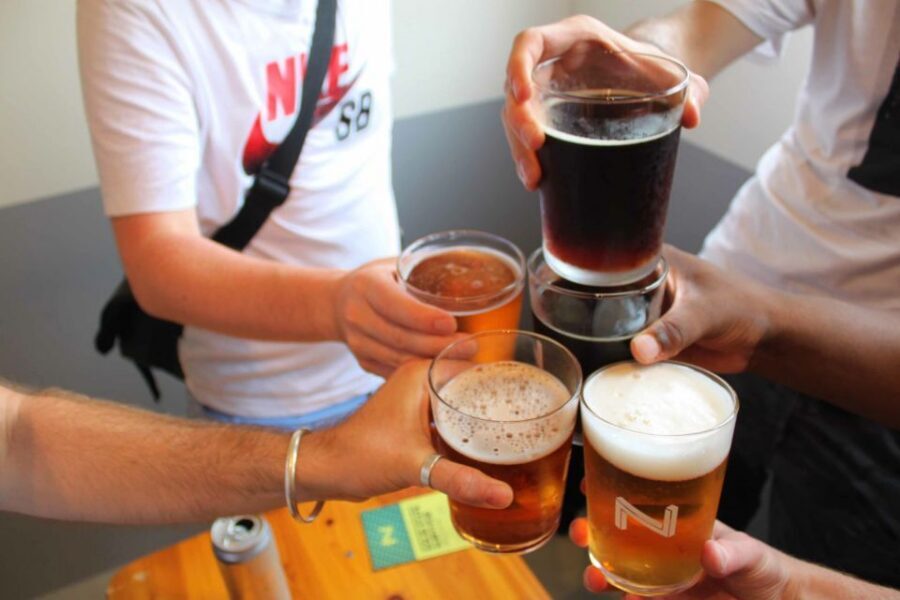
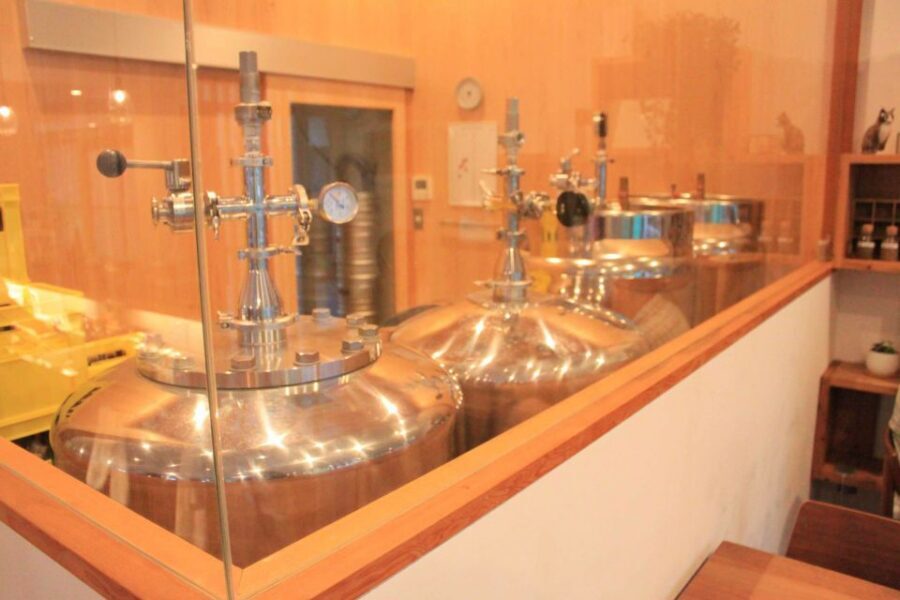
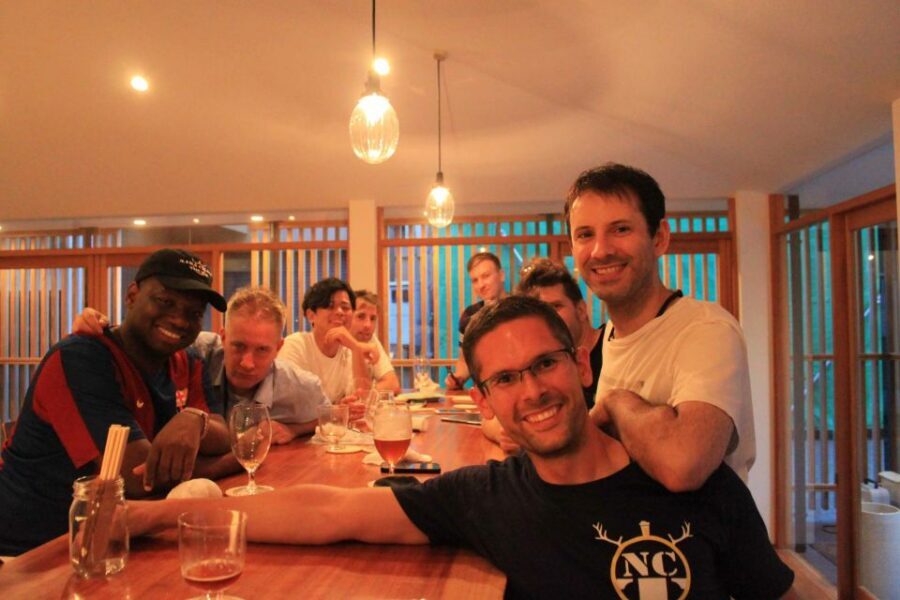
After sake, the tour shifts to craft beer in Nara. You’ll visit a Nara machi craft beer spot and enjoy beer plus Japanese snacks. The drink is included, and the tasting format is designed to keep you moving rather than trap you at one location.
A heads-up from real-world expectations: one account noted they ordered a full-size beer rather than a sampler lineup at the microbrewery. So if what you want is a flight-style tasting of small pours, confirm the tasting format with the operator when you book. The upside is that you still get local snacks and the guide helps you connect the beer choices to the food you’re eating.
This is also a strong point for the “walking tour” feel. The beer stop isn’t an isolated pub detour—it’s paced so you’re ready for the next food moment afterward, not stumbling through a heavy meal too early.
The quieter Naramachi stops: Okuta, lattice house visit, and side-street shopping
Between the main food and drink moments, you’ll have smaller stops that add texture to the day.
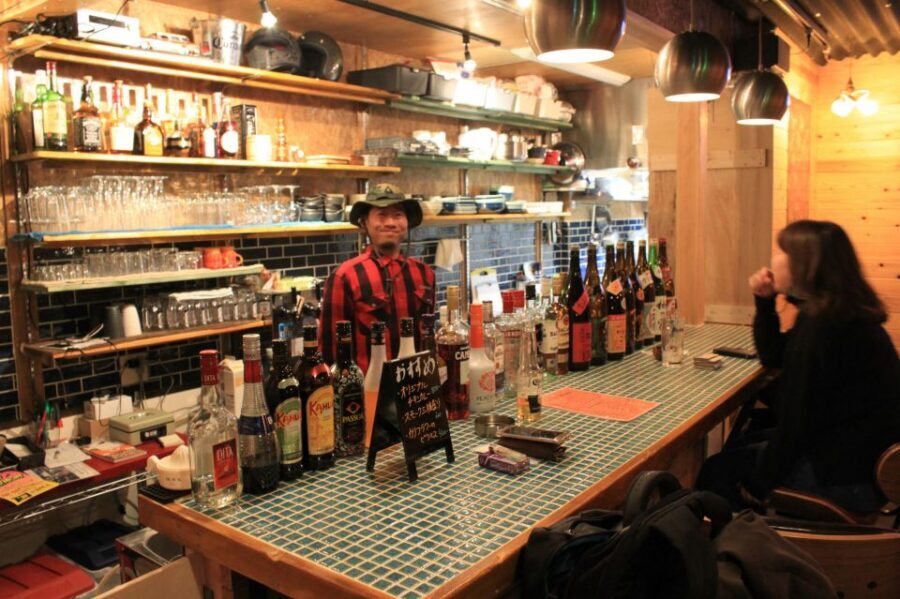
One of them is Okuta (Head Shop & Café), where you get another food tasting. This kind of stop can be the difference between a tour that feels like a checklist and one that feels like you’re actually in Nara at a real time of day.
You’ll also visit Naramachi Koshi-no-Ie (Lattice House). This is a short visit, about 15 minutes, but it gives you something visual and architectural to anchor the taste route. If you like understanding how people built and adapted homes in older districts, this stop helps you connect food and place.
Shopping is another theme here. You get a chance to buy items and souvenirs off the main tourist paths in a way that feels more local than the usual big storefront circuits. Just know shopping isn’t included in the price, so treat it as optional add-on time.
If you’re the type who hates being rushed in souvenir shops, this tour can actually be a good compromise. You’re not sent to a single vending-machine mall. Instead, you’re given side-street access, so your purchases feel like they belong to Naramachi.
Dinner finish at Shikamaru, then ramen and a traditional sushi stop
By the end, you move from tastings into proper comfort-food territory.
You’ll stop for dinner at Shikamaru, with an aperitif and a spread that can include beer, cocktails, regional food, and tapas-style bites, for about an hour. That longer final segment is where the group energy tends to settle—you’re full enough to relax, but you still have plenty to try.
After that, you’ll finish with a ramen restaurant and then a traditional sushi restaurant from Nara that’s described as being about 65 years old. This is the kind of ending that makes the earlier tastings feel earned. You’ve already learned how Nara specialties work, so the final meals land with more meaning than “last stops before you leave.”
A practical note: this is not a light tour. Even if each stop offers controlled portions, the total volume adds up across mochi, multiple tastings, snacks, ramen, and sushi. If you’re hungry, you’ll feel grateful. If you prefer tiny bites only, be ready to choose your pace at dinner.
Price and value at $96: what you’re really buying
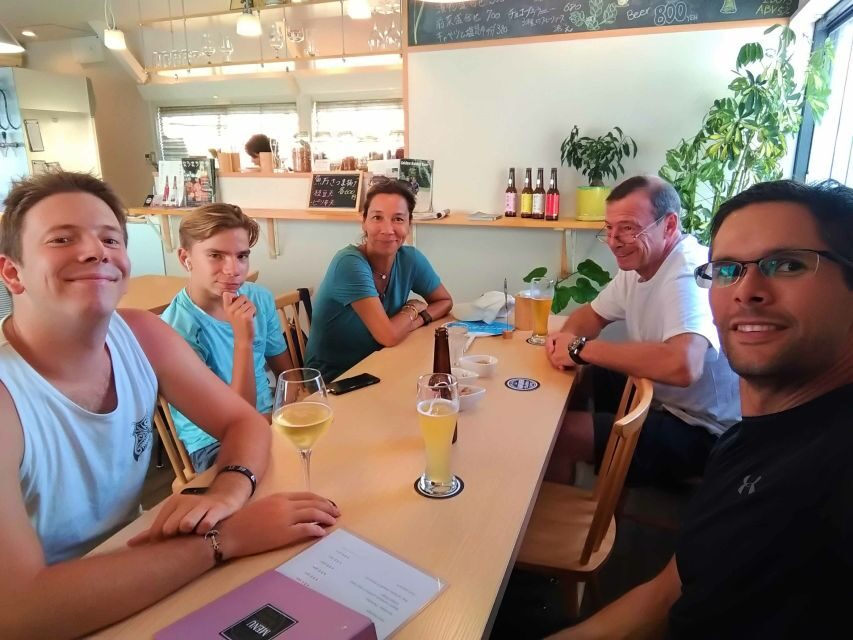
At $96 per person for about 210 minutes, the headline value is the density of inclusions. You’re paying for a guide, a route through Naramachi, and a series of food and drink stops with preset volumes at each location.
Here’s what that usually means in real terms:
- A fresh mochi session you can’t replicate as easily on your own
- Kaki No Ha Zushi that’s specific to Nara, not the generic sushi you can find anywhere
- Up to five sake tastings, with explanation tied to sake making
- Craft beer plus local snacks rather than just one drink
- A full food finish with ramen and then sushi, not just small bites
So yes, you can eat and drink in Nara on your own. But the tour saves you the “which place is legit?” guessing game and bundles it with a guided tasting flow.
That’s also why the walking route matters. You’re getting access to multiple specific places without spending your evening figuring out how to bounce between them efficiently on foot.
The drawback side of the value equation is simple: you’re paying for a planned sequence. If a storefront is closed or a tasting format shifts on the day, the tour can feel less “special” than the concept suggests. Still, the guide’s job is to keep things moving and help you get the best experience possible within what’s open.
Who this tour is best for (and who should skip it)

I’d put this on your shortlist if you like food and drink that’s tied to a place—especially if you want sake tastings and a Nara-specific sushi style. It also suits people who enjoy walking but don’t want to research every stop.
It’s also a good pick if you want a guided blend of tradition and modern drinking culture: mochi pounding, persimmon-leaf sushi, then craft beer, then dinner.
You might skip it if you want a totally flexible choose-your-own-adventure evening. This tour has a fixed rhythm and set tasting volumes. If you strongly prefer beer flights only, or you’re expecting a big distillery walk-through, confirm the tasting style before you book.
Should you book the Nara craft beer, sake, and food tour?
My call: book it if you want a single afternoon that covers Nara’s best edible storylines—mochi, Kaki No Ha Zushi, sake tasting, and local beer—plus dinner that doesn’t end at snacks.
I’d pause only if you have very strict expectations around tasting formats (like flights of multiple beer pours) or if you hate walking in any weather. Also, if you’re counting on French specifically, message ahead so the operator can try to match language needs for your date.
If you go, wear comfortable shoes and come hungry. This tour is designed to feed you, not just entertain you.
FAQ
How long is the Nara craft beer, sake, and food walking tour?
It runs about 210 minutes (around 3.5 hours).
What languages are available for the guide?
The tour offers live guidance in English and French.
What’s included in the price?
The price includes a bilingual local guide, food at each stop within the preset portions, and drinks/snacks at each stop within the preset volumes. It also includes souvenir pictures you can download.
What should I budget for that is not included?
Extra food and extra drinks are not included, and you can buy more yourself if you want. Shopping and souvenirs are also not included in the price.
How much walking is involved?
You’ll walk about 4–5 km, and the tour runs rain or shine.
Where do I meet the guide?
The meeting point can vary by the option booked, and it’s tied to the statue of Gyoki-bosatsu, 行基菩薩像. The tour also has drop-off options in the same area.
Can a single traveler book?
You can book as a single traveler, but there is a 2 guests minimum rule for the tour to operate. If it doesn’t meet the minimum, you’ll be notified and offered a reschedule or a full refund.
If you tell me your travel dates and whether you care more about sake or beer, I can suggest how to time your day around this 3.5-hour walk.
More Food Experiences in Nara
More Walking Tours in Nara
More Craft Beer Tours in Nara
More tours in Nara we've reviewed
Craft Beer Tours, compared.
 ★ 5.03-Hour Kyoto Insider Sake Brewery Tour with Tastings & PairingsFrom $84
 ★ 5.0Kyoto: Insider Sake Brewery Tour with Sake and Food PairingFrom $873 hours
 ★ 4.7Kyoto: Fushimi Sake Brewery Tour – 18 Tastings in 2.5 HoursFrom $932h 30m
 ★ 5.0Unique Brewery Tour and One-of-a-Kind Sake Tasting Near TokyoFrom $100
 ★ 4.5Kyoto Sake Brewery Tour with LunchFrom $227
 ★ 5.0Kobe: Sake Brewery Tour with Tasting and Kobe Beef BitesFrom $83150 minutes - 3 hours
 ★ 4.7Kobe: Sake Brewery Tour with Tasting SakeFrom $833h 30m
 ★ 5.0Visit behind the Scenes: Hiroshima Saijo Sake Brewery TourFrom $117
The lists this tour appears in