
Reviewed · SAKE TASTING EXPERIENCES
Nara: Sake Tasting Tour at the Birthplace of Japanese Sake
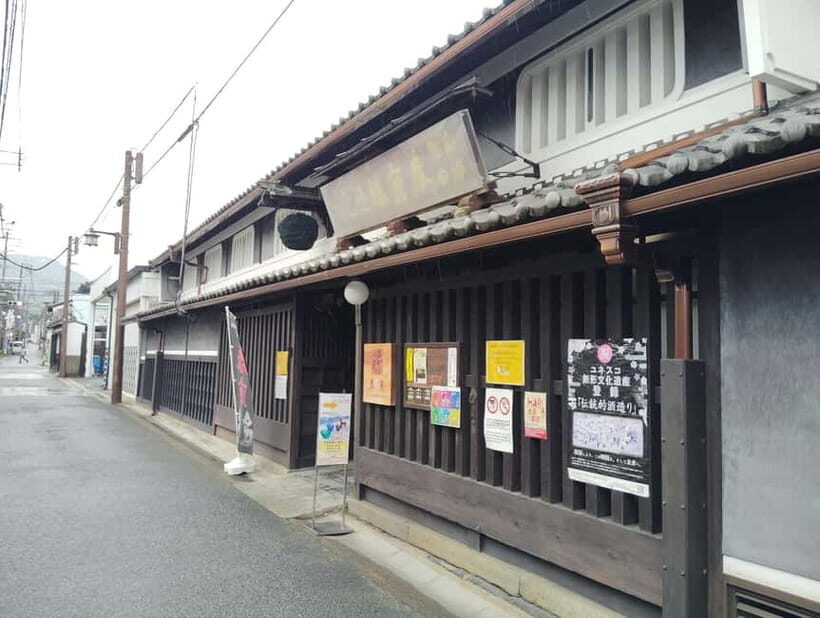
Ancient sake vibes hit fast in Nara. I like that this tour focuses on working breweries (not just souvenir tastings) and that you’ll learn how Nara’s roots connect to sake’s temple origins over a thousand years ago. I also really appreciate the human touch I heard about from guides like Hiro Takeuchi and Takashi, who tailor the experience to the group. One thing to consider: it’s a walk-based tour through sake districts, so if you have mobility limits, plan accordingly.
In about 3 hours, you’ll sample a range of styles from crisp and dry to rich and mellow, guided in English or Japanese. The best part for me is the way the guide ties taste to technique, ingredients, and the different philosophies of each tōji (master brewer). If you’re a sake beginner, you’ll still feel like you understand what you’re drinking.
In This Review
- Key takeaways before you go
- Sake in Nara: what makes this tour feel different
- Meeting at Ukimi-do and getting your bearings fast
- The tasting flow: how four stops teach you to taste
- What to listen for when you taste
- Three working breweries: tasting from the people who make it
- The extra stop at a sake shop: context beyond the brewery walls
- Learning the temple roots of sake in Nara
- Nara’s quiet sake districts: why the walking part matters
- How the tōji philosophy turns into flavor in your glass
- What your 3-hour afternoon feels like
- Who should book this tour (and who might not)
- Value check: is $119 worth it?
- Practical tips to get the most from your tastings
- Should you book Nara’s Sake Tasting Tour?
- FAQ
- How long is the Nara sake tasting tour?
- Where does the tour start and end?
- How many places will we visit for tastings?
- What languages are available for the live guide?
- Is this tour a private group?
- Do I have to pay right away, and can I cancel?
Key takeaways before you go
- Three working breweries where sake is made, not just displayed
- Four tasting stops total, including one sake shop for extra context
- Tōji philosophies explained in a way you can taste immediately
- Quiet Nara sake districts on foot, with sight changes every stop
- A guided range of flavors, from crisp and dry to mellow and rich
Sake in Nara: what makes this tour feel different
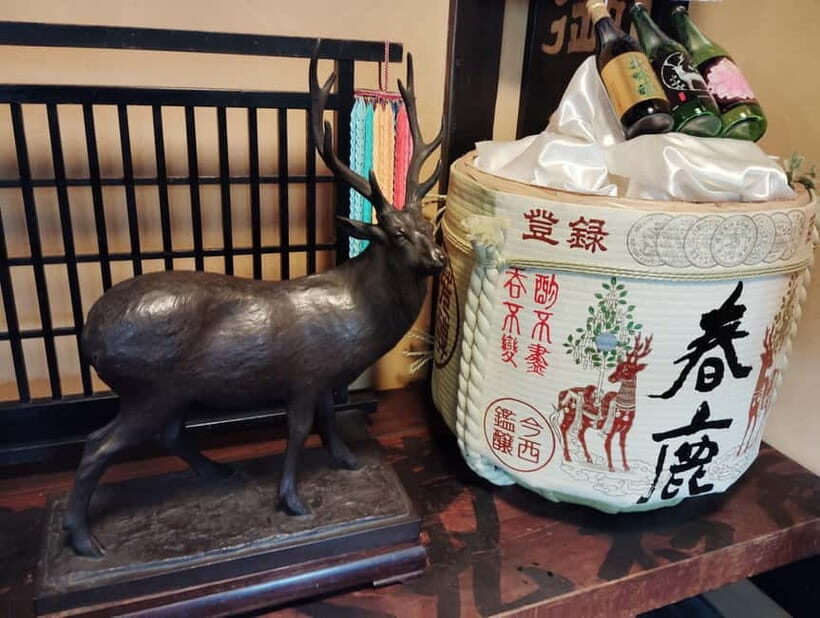
Nara is where sake storylines start to feel real. Not because the facts are abstract, but because the whole area is tied to brewing culture—quiet streets, old-world neighborhoods, and places where the craft is still alive.
What makes this tour stand out is the balance of history + direct tastings. You’re not only learning that sake has deep Japanese roots. You’re tasting styles side by side and hearing how a master brewer’s approach shows up in the glass. That matters because sake can taste simple until someone explains why it isn’t.
Price-wise, at $119 per person for 3 hours, you’re paying for more than samples. You’re paying for an expert guide, a walk through sake districts, four specific stops, and tastings at three working breweries plus a shop. If you’ve ever done a self-guided sake plan and felt like you were guessing, this fixes that by doing the matching of flavors to process for you.
Other sake tasting experiences we've reviewed in Nara

Meeting at Ukimi-do and getting your bearings fast
The tour starts at Ukimi-do Pavilion (浮見堂). It’s a good launch point because it gets you into the mood of Nara right away—less “commercial tasting route,” more “local neighborhood stroll.”
From there, you’ll walk through sake-related areas with your guide. The walking time between stops is part of the design: it keeps the pace easy but also gives you time to reset your palate and compare what you tasted earlier with what you’ll taste next.
If you’re worried about getting oriented, don’t be. The guide meets you with a yellow sign panel, and the experience is set up with a clear start and finish at Kintetsu Nara Station (近鉄奈良駅).
The tasting flow: how four stops teach you to taste
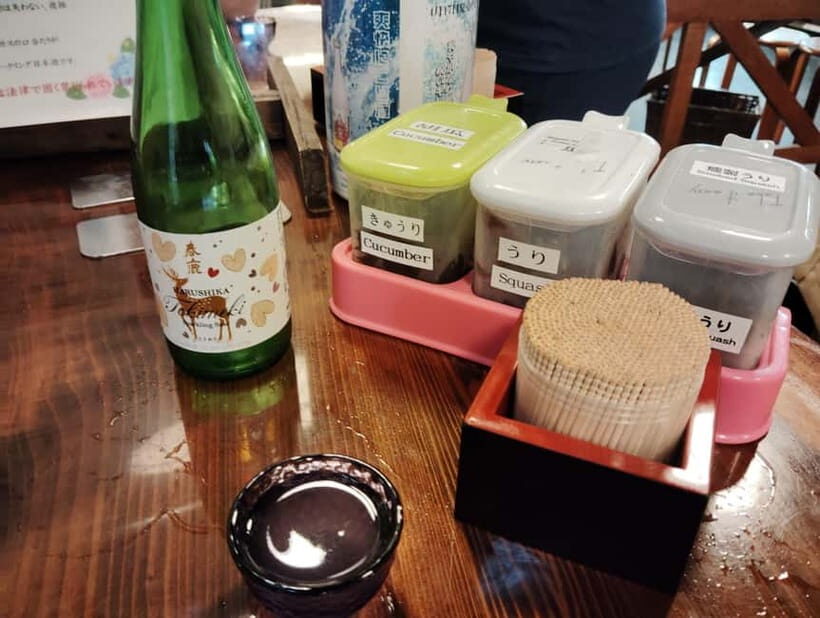
This tour is built around tasting patterns. You’ll move through four tasting locations, with three working breweries where you sample sake directly from the source, plus one sake shop that adds extra perspective.
The guide doesn’t treat tastings like random sips. You’ll get help placing each sake style into the bigger picture, including:
- how dryness and crispness differ from richer, mellow styles
- why ingredients and brewing technique matter
- how the local climate and cuisine connect to what ends up in the glass
That structure is why this tour works for both beginners and people who think they already know sake.
What to listen for when you taste
Here’s what I’d watch for during tastings (because it’ll make your notes in your head better):
- Ask yourself: is this bright and dry or round and mellow?
- Notice whether the sake feels clean and sharp or heavier in flavor.
- When your guide explains the tōji philosophy, try to match it to what you tasted, not the other way around.
You’ll get more out of the tour if you treat it like a guided comparison, not just a tasting flight.
Three working breweries: tasting from the people who make it
The heart of the experience is visiting three working breweries. This is where the tour earns its value, because brewery tastings are different from tasting rooms that only sell. In a working brewery, you can better understand how craft choices show up in flavor.
Even without getting lost in technical jargon, the guide focuses on what each tōji cares about. The big idea you’ll leave with: two breweries can make sake that sounds similar on paper, but the approach—ingredients they cherish, brewing techniques, and the tōji’s philosophy—push the taste in very different directions.
This is also where guides like Hiro Takeuchi and Takashi stand out in the accounts you have here. They don’t just pour and move on. They act like hosts, guiding you through the logic behind the flavors.

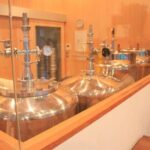
The extra stop at a sake shop: context beyond the brewery walls
After the working-brewery tastings, you’ll also visit one sake shop. That additional stop is useful because it adds perspective: how sake is presented and understood in everyday Nara life.
In practical terms, you’ll likely finish this tour with a better sense of what to buy later—especially if you want to bring something home that matches the styles you enjoyed. You’re not leaving with only knowledge; you’re leaving with a clearer sense of which flavor profiles you actually like.
Learning the temple roots of sake in Nara
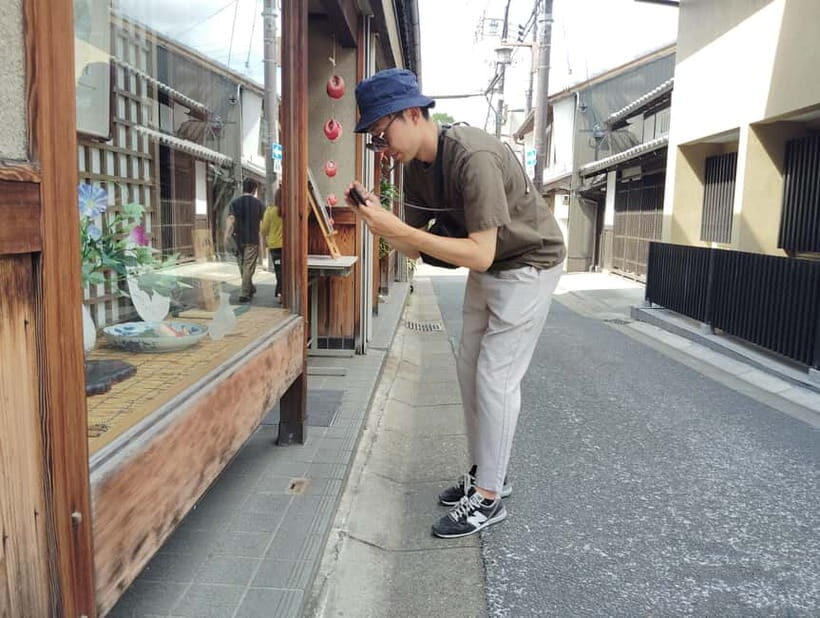
This is not just a modern craft story. The tour frames sake as something that began in Buddhist temple halls more than a thousand years ago, before it became tied to commercial brewing.
That detail changes how you think about the drink. Sake isn’t only a beverage category. In Japan, it has long been connected to seasonal life, food, and spiritual settings. The guide ties that to Nara specifically—how the place helped shape what sake became.
For me, this kind of context makes tastings more meaningful. When you understand the role sake played historically, you pay closer attention to what’s in the glass.
Nara’s quiet sake districts: why the walking part matters
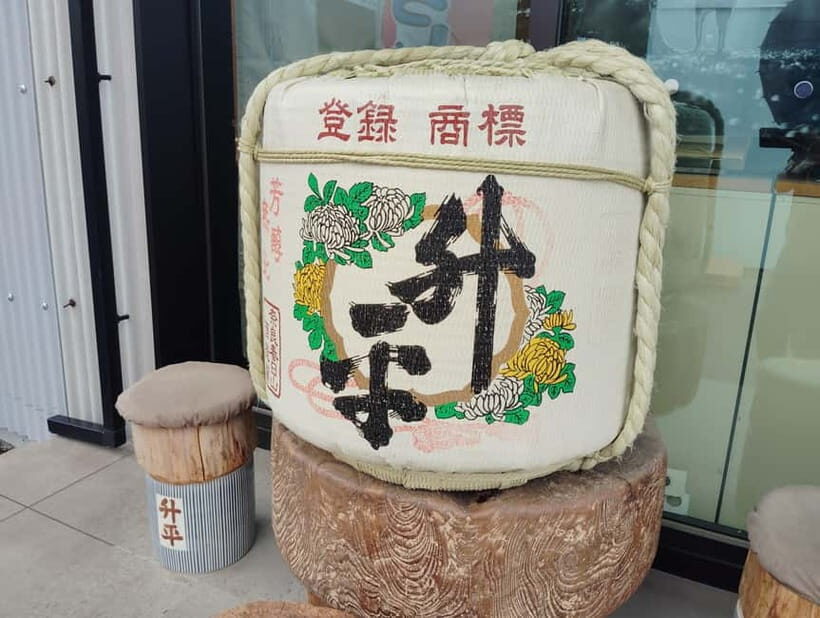
The tour includes time for sightseeing and walking through Nara’s sake districts. This is not just downtime between tastings. It’s how the tour keeps you connected to place.
Quiet streets do something cities don’t: they let the craft feel local instead of staged. As you move from stop to stop, you’ll also get little moments that make your brain map the area—so the next time you’re in Nara, you’ll know where the brewing neighborhoods are, not just where the popular temples are.
One practical note: the format is still built around walking. If you’re traveling with someone who uses a wheelchair or needs extra help, the experience may still work (you’ll want to coordinate). One review specifically highlights a guide being gracious and accommodating with a father in a wheelchair, which suggests the operator takes care with real needs—but you should confirm specifics.
How the tōji philosophy turns into flavor in your glass
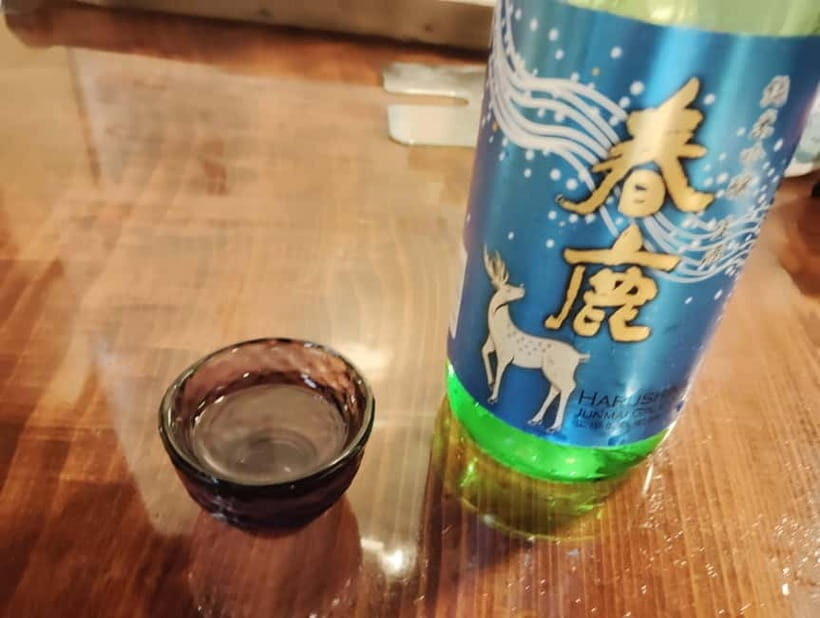
A lot of sake tours talk about tradition. This one focuses on a more useful question: what each tōji believes, and how that philosophy connects to technique and ingredients.
You’ll hear about the kinds of approaches each master brewer uses, and you’ll taste across a range of profiles:
- crisp and dry
- rich and mellow
That range matters because it prevents the classic beginner mistake: thinking all sake tastes the same. By the end, you’ll likely be able to name what you like in plain language and connect it to the style you tasted.
It’s also why I’d recommend the tour even if you’re not a “sake person” yet. You don’t have to become an expert. You just need a guide to help you translate flavor.
What your 3-hour afternoon feels like
This is a 3-hour experience with multiple stops, built around a steady walking rhythm. There’s time to learn, taste, and look around, without feeling rushed into a blur of cups.
You’ll start at Ukimi-do Pavilion, then progress through the sake district stops. There’s even a photo stop along the way, plus guided explanation at each main location.
At the end, you finish at Kintetsu Nara Station, which is convenient if you’re continuing to Osaka or staying flexible with your train plans.
Who should book this tour (and who might not)
This tour is a great fit if you:
- want working brewery tastings in Nara
- enjoy food-and-drink travel with real context
- want to understand sake beyond “dry vs sweet”
- like personalized service in a private group format
It might be less ideal if:
- you don’t enjoy walking around neighborhoods
- you’re looking for a big party atmosphere (this is more calm craft and education)
- you want a long seated meal experience, since the time is structured around tastings and strolling
If you’re the type who likes a guided plan when you land somewhere new, you’ll probably love the way this one is set up.
Value check: is $119 worth it?
In my view, this price makes sense if you care about three things:
- Three working breweries (source tastings are usually the main value driver)
- Four tasting locations that add both craft and context
- A guide who explains why each style tastes the way it does
A 3-hour tour can feel expensive if it’s only pass-and-sip. Here, you’re paying for interpretation—how tōji philosophy and technique link to flavor. Also, the private group format usually helps with pacing and questions, which can turn a good tour into a memorable one.
If you want a sake souvenir, it’s also practical: you’ll taste a range of styles so your shopping at the end (or later) isn’t random.
Practical tips to get the most from your tastings
- Eat a light snack before you go, so you’re not overwhelmed by alcohol on an empty stomach.
- Bring a curious attitude. When the guide talks tōji philosophy, try to match it to what you taste.
- Pace your sips. The tour is designed for comparisons, not speed drinking.
- If you have mobility needs, plan around walking time and confirm details early with the provider.
Should you book Nara’s Sake Tasting Tour?
I’d book it if you’re traveling to Nara and want your afternoon to feel both local and specific. The strongest reason to choose this tour is the combo of working breweries + tōji-focused explanations + a wide flavor range. You come away with real understanding, not just a few samples.
I’d skip or rethink it if you can’t do neighborhood walking or if you’d rather do a more independent, less guided sake plan.
If you’re sitting on the fence, go back to this: sake in Nara is a story about place. This tour is built to show you that story in the only way that counts—through tastings that connect back to history and craft.
FAQ
How long is the Nara sake tasting tour?
The tour lasts 3 hours.
Where does the tour start and end?
It starts at Ukimi-do Pavilion (浮見堂) and finishes at Kintetsu Nara Station (近鉄奈良駅).
How many places will we visit for tastings?
You’ll visit four tasting locations: tastings at three working breweries and one sake shop.
What languages are available for the live guide?
The live tour guide offers Japanese and English.
Is this tour a private group?
Yes, this experience is listed as a private group.
Do I have to pay right away, and can I cancel?
You can reserve now & pay later, and you can cancel up to 24 hours in advance for a full refund.
More Sake Tasting Experiences in Nara
More tours in Nara we've reviewed
Sake Tasting Experiences, compared.
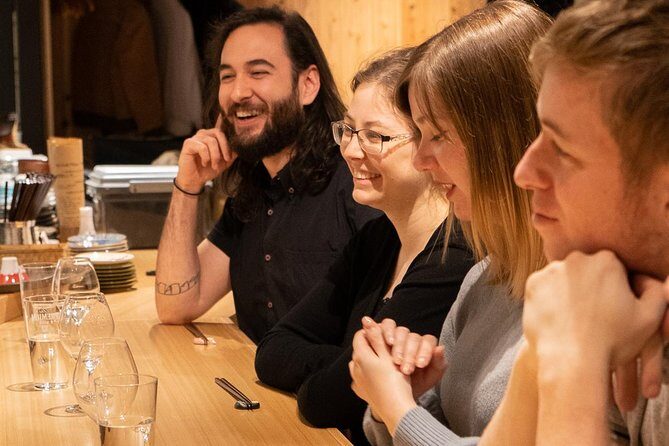 ★ 5.0Sake Tasting Masterclass in Shinjuku (8+ Varieties with a Pro)From $72
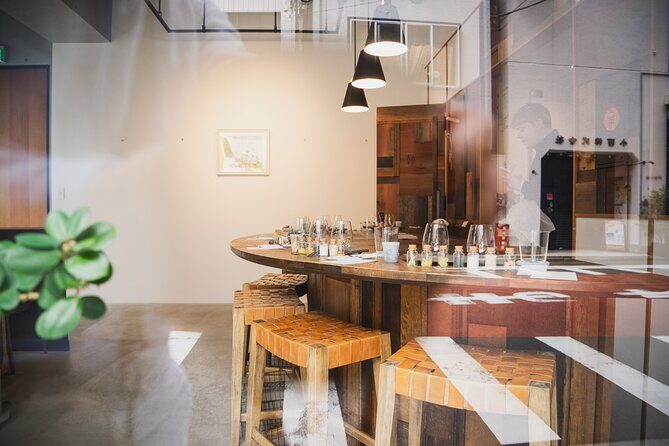 ★ 5.0Sake Omakase in Tokyo: Guided Tasting by Certified SommeliersFrom $79
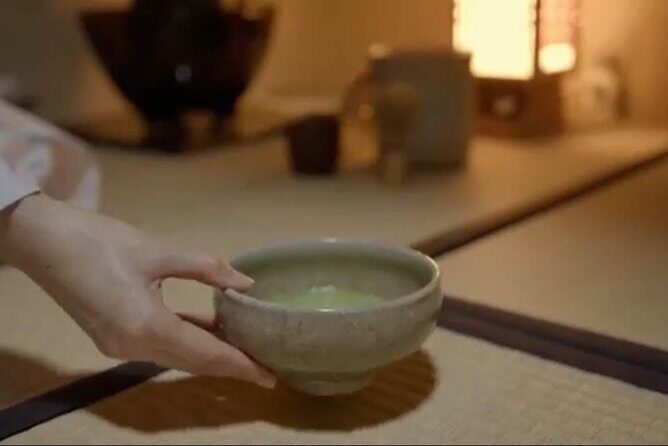 ★ 5.0Private Tea Ceremony and Sake Tasting in Kyoto Samurai HouseFrom $99
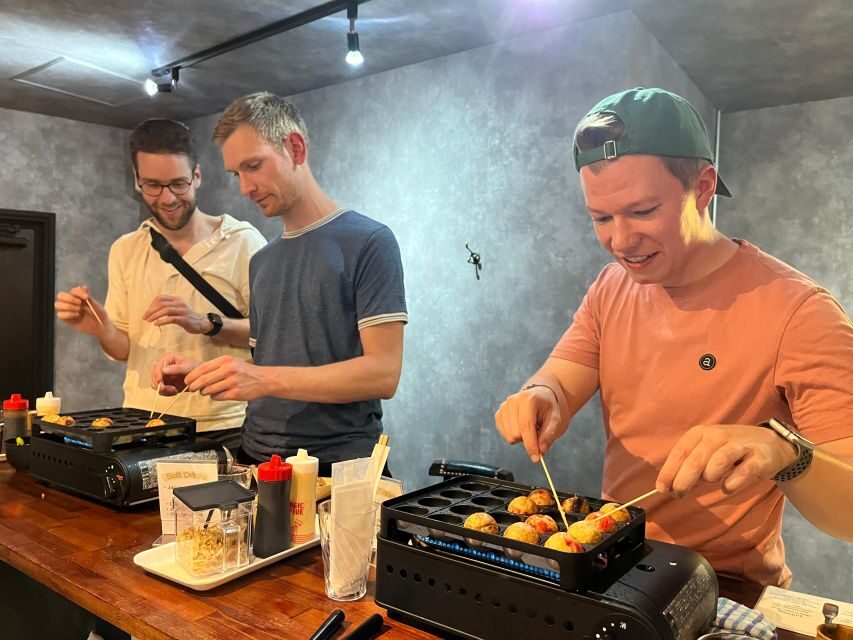 ★ 5.0Osaka Sake Tasting with Takoyaki CookingFrom $702 hours
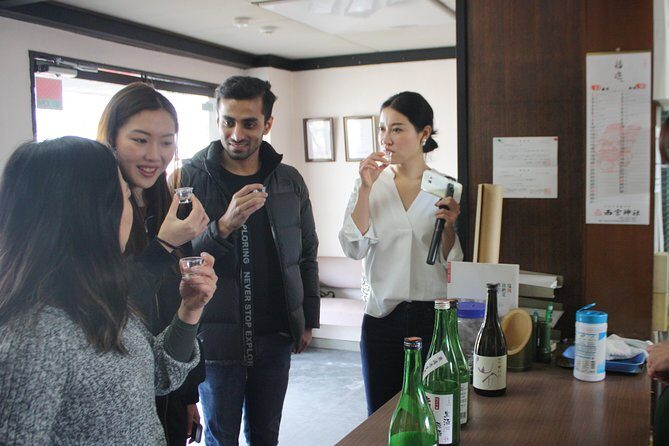 ★ 5.0KOBE Sake Tasting Tour at Breweries (tasting fee included)From $109
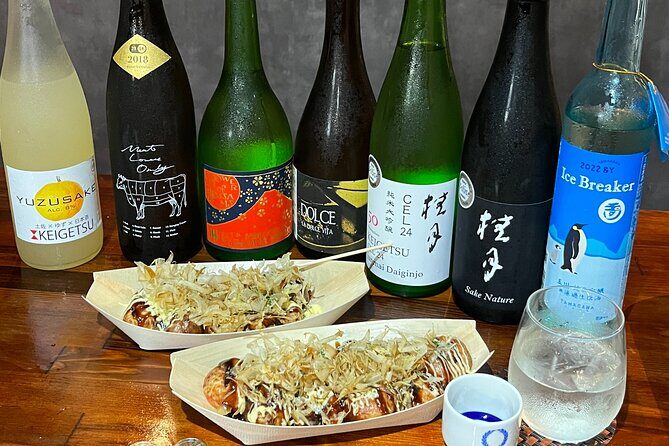 ★ 5.0Osaka Sake Tasting & Takoyaki Cooking ExperienceFrom $72
 ★ 5.0Hiroshima Saijo Sake Tasting Tour with visit to 7 BreweriesFrom $50
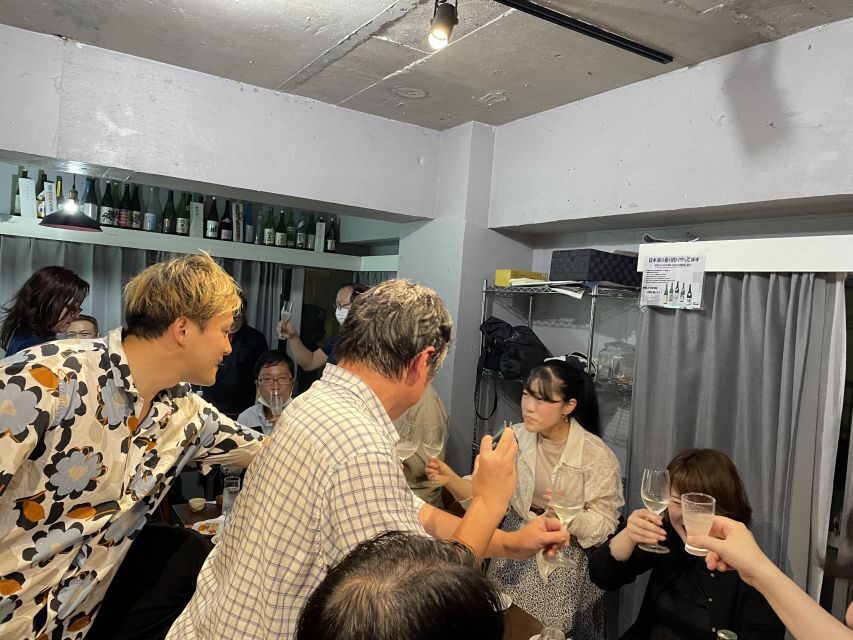 ★ 4.9Tsukiji: Outer Market Walking Tour & Sake Tasting ExperienceFrom $703 hours
The lists this tour appears in