
Reviewed · MARKETS
Nishiki Market, Private Sushi class & Sake Tasting in Townhouse
Kyoto in a few hours.
This private Nishiki Market food walk plus cooking class is built like a hands-on afternoon: you start on a 400-year-old market street, then head into a traditional Kyomachiya townhouse for sake tasting and a step-by-step sushi workshop. You also make miso soup from scratch and finish with a simple Japanese-style dessert, all while a guide keeps the pacing tight and the learning clear.
I especially like that it pairs “watch and taste” with “make and eat.” The market time helps you understand ingredients and local favorites, then you move straight into rolling sushi and cooking miso with a local instructor. I also like the practical extras: English support, a recipe booklet, and lunch included so you’re not spending the afternoon chasing snacks.
One drawback to consider: the whole thing is only about 2 to 3 hours, so you’re getting an experience-focused pass through the market rather than a long shopping spree. Also, snacks are not included, so if you tend to graze, plan to pick up small bites during the walk (or eat lunch well).
In This Review
- Key things to know before you go
- Nishiki Market: Kyoto’s 400-Year-Old Food Street (and how to use your time)
- Nishiki Shrine: a lantern-lit pause with a quieter feel
- Inside the Kyomachiya: how the sake tasting sets the tone
- Rolled sushi and miso soup from scratch: the skills you actually keep
- What you eat: lunch, alcoholic drinks, and a Kyoto-style dessert finish
- English instruction, a recipe booklet, and a truly private group feel
- Price and value: what $121.84 buys you in Kyoto
- Who should book this sushi-and-sake afternoon
- Should you book Nishiki Market + Private Sushi Class and Sake Tasting?
- FAQ
- How long is the Nishiki Market stroll and sushi cooking experience?
- What language is the class offered in?
- What’s included in the price?
- Do you offer vegetarian or vegan options?
- Is this a private tour?
- Where does the tour start and end?
- Can I cancel for a refund?
Key things to know before you go
- Nishiki Market sampling along a 5-block, 100+ shop corridor focused on seasonal ingredients
- Kyomachiya townhouse setting reserved for your group, with a mini sake tasting included
- Hands-on rolled sushi led by a local instructor, plus cooking tips you can use later
- Miso soup from scratch using dashi, not just assembling something quick
- Lunch, alcohol, and dessert included, so your meal plan is mostly handled
- Vegetarian/vegan options available if you request in advance
Nishiki Market: Kyoto’s 400-Year-Old Food Street (and how to use your time)
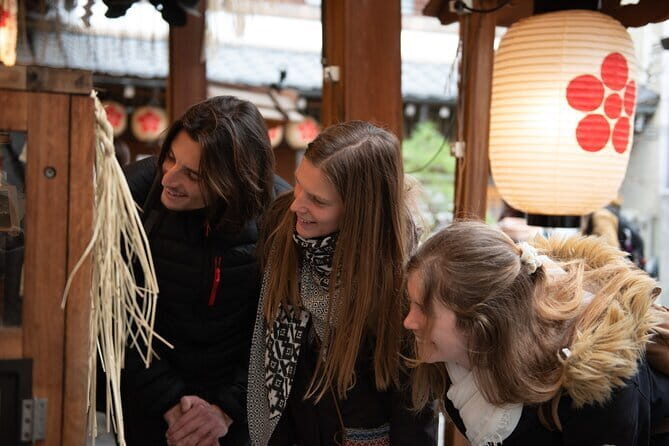
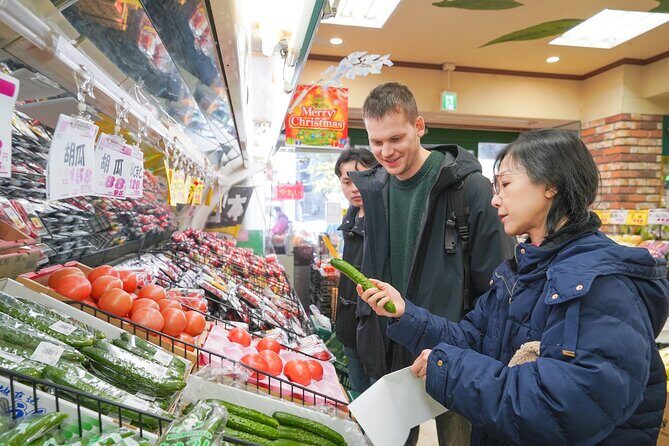
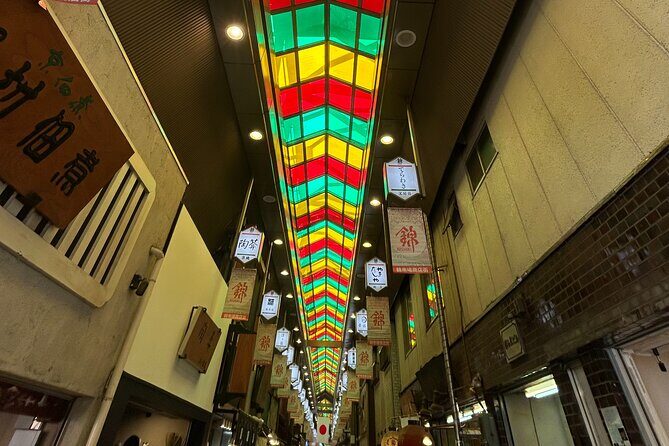
The afternoon starts on Nishiki Market, often called Kyoto’s Kitchen for a reason. This is a well-known, 400-year-old shopping street with roughly five blocks of shops and stands, where you can see and smell what goes into everyday Kyoto-style cooking. The guide’s job here is more than pointing at stalls; they connect what you’re tasting to what the ingredients mean.
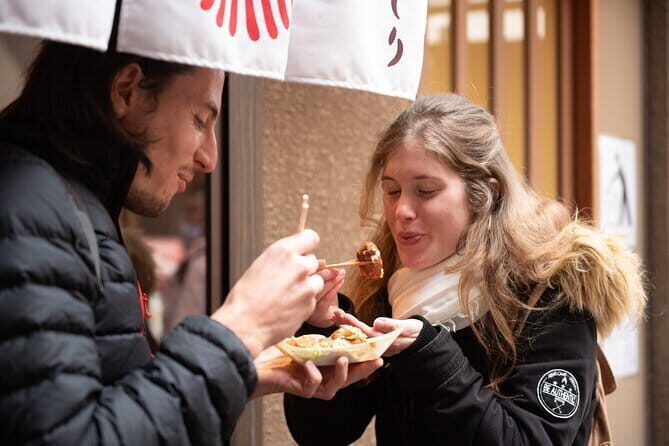
Expect the walk to focus on seasonal bites and traditional items you might not recognize on your own. You’ll pass seafood stalls (including the kind of whole fish display that makes you stop and stare), plus vendors selling pickles, dried foods, and the vegetables and flavors Kyoto cooks are famous for. This is the part of the experience where you get your bearings fast: you learn what people buy, why it’s bought, and how it shows up later in dishes.
One smart way to think about this section is: treat it like ingredient training. If you’re trying to learn Japanese food, Nishiki Market is a shortcut. You don’t need to master a language phrasebook—your guide translates taste into context. And because you’re tasting during the walk, you’re more likely to understand why your next steps (sushi, miso, side dishes) work the way they do.
The pacing is also worth noticing. Since the total tour time is short, you won’t have hours to roam every stall. You’ll hit key areas, taste what the guide suggests, and keep moving. If you want to buy souvenirs or special pantry items, plan to do it with intention—choose a few standout items rather than trying to see everything.
Other sake tasting experiences we've reviewed in Kyoto
Nishiki Shrine: a lantern-lit pause with a quieter feel
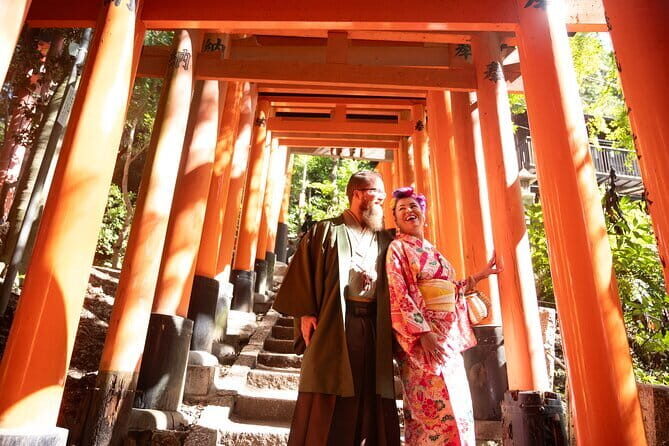
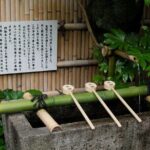
Between the food stops and the townhouse lesson, there’s a brief visit to Nishiki Shrine tucked behind the market area. This is one of those “Kyoto moments” that helps you reset your senses. After the sensory overload of market shopping—steam, salt air, fish displays—this small detour gives you a quieter backdrop.
It’s also a good way to connect the food theme to the broader city. Nishiki Market is about ingredients and commerce, but Kyoto also lives in its shrines and alleyways. Even if you only spend a short time here, the guide’s commentary helps you understand the shrine’s place within the same neighborhood story.
Practically, this stop also breaks up the schedule so you don’t head into cooking lessons already running on empty. If you’re someone who needs a mental gear shift during sightseeing, you’ll appreciate this pause.
Inside the Kyomachiya: how the sake tasting sets the tone
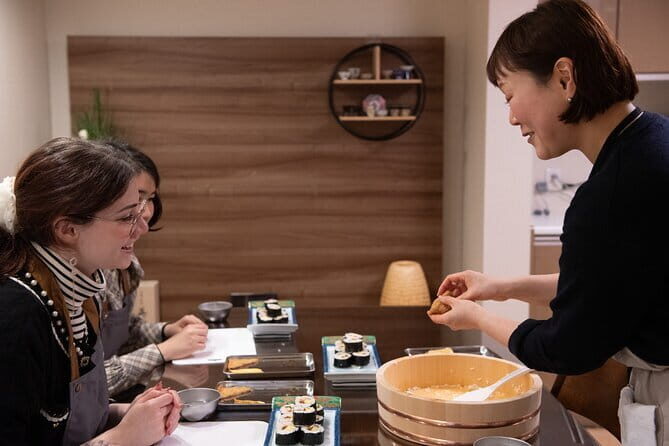
Next you step into a traditional Kyoto townhouse, a Kyomachiya that’s preserved and used exclusively for your group. That word matters. In a regular classroom, cooking lessons can feel like a demo. In a townhouse, it feels more like you’re borrowing someone’s home rhythms—quiet corners, a different sense of space, and a more grounded atmosphere.
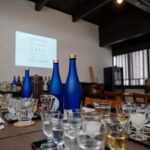
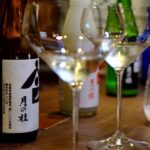
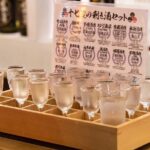
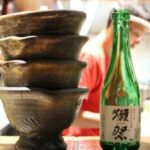
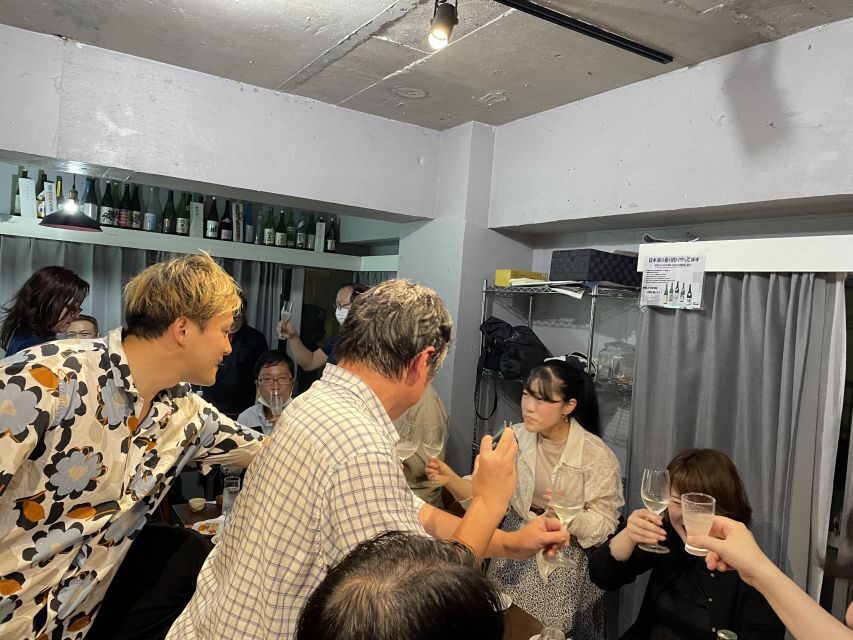
Before the cooking really starts, there’s a mini sake tasting. This isn’t just a sip-and-go activity. You’ll learn about Japan’s sake culture in a way that connects to what you’re cooking and eating. The point is to help you taste with a little more understanding, so your meal isn’t just food—it’s part of a tradition.
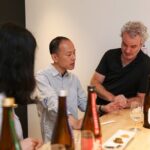
This is also where the “private” part matters. The activity is reserved for your group, and that tends to make the pacing smoother. You can ask questions, get attention when you need it, and avoid the feeling of being rushed through steps while others catch up.
If you’re planning the day, treat this townhouse segment as the emotional center of the experience: it’s where the tour stops being sightseeing and becomes a hands-on craft.
Rolled sushi and miso soup from scratch: the skills you actually keep
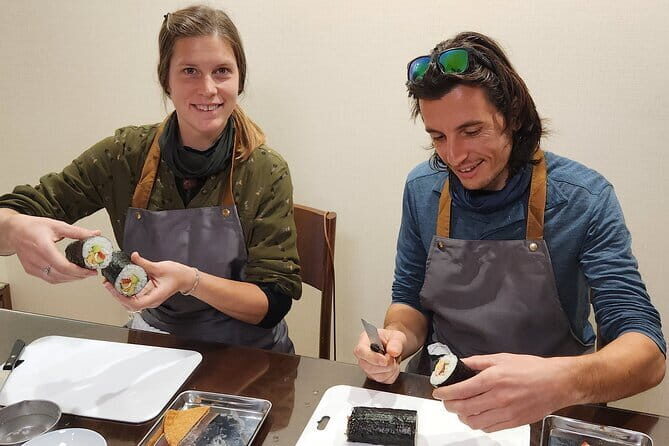
The highlight is the hands-on sushi workshop, where you learn to make rolled sushi with guidance from a local instructor. The big advantage here is that you’re not guessing. You get step-by-step instruction, and you’re doing it yourself rather than only watching.
If it’s your first time rolling sushi, that’s totally fine. The class structure is designed for real beginners—you learn techniques in a sequence that makes sense. And because it’s your group, the instructor can correct common issues (like roll tightness or how ingredients sit inside the roll) without needing to manage a crowd.
Alongside the sushi, you’ll make homemade miso soup from scratch, including dashi. This is a key detail. Miso soup is often treated like a background dish, but cooking it from scratch makes the flavors click. You learn that the soup isn’t just miso mixed with hot water—it’s a base built from ingredients and timing.
You’ll also prepare seasonal Japanese side dishes. Even if you end up eating them quickly, they matter because they round out the meal and show how Japanese cooking balances textures and flavors. That’s useful knowledge if you want to recreate dinner at home later, not just copy a roll.
From a value standpoint, this is where your money really goes. Market tours are fun, but you can’t replicate the muscle memory of learning how a roll is built or how miso soup comes together. This lesson gives you something you can practice again, especially with the included recipe booklet.
What you eat: lunch, alcoholic drinks, and a Kyoto-style dessert finish
This experience includes lunch, alcoholic beverages, and a simple Japanese-style dessert. That means your afternoon has a full arc: you snack while learning in the market, then you eat a structured meal in the townhouse, then you finish with something sweet.
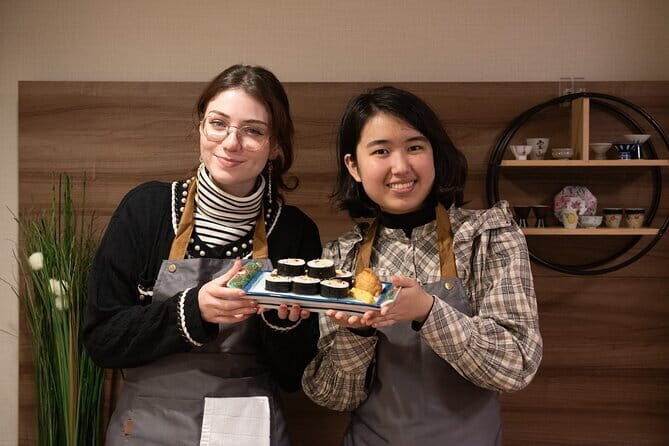
Even the way the menu is organized helps. You get a mix of learning and satisfaction. After you handle sushi and miso, you’re not waiting for dinner hours later. You eat the results of your work, which is a big part of why cooking classes feel worthwhile.
A small note: snacks are not included. That’s not a dealbreaker, but it does influence how you plan your hunger level. If you’re the kind of person who gets peckish between meals, pick up a small market bite during the Nishiki portion where tastings and local snacks are part of the experience.
Other private tours in Kyoto

English instruction, a recipe booklet, and a truly private group feel
The class runs in English, and that’s a practical advantage for most visitors. You’re not relying on gestures while trying to roll sushi like a practiced chef. You can follow explanations about ingredients, technique, and sake culture without constantly asking someone else to translate.
The included recipe booklet is another meaningful detail. It’s what turns the class from a one-day event into something you can repeat. If you like the idea of bringing Kyoto flavors home—miso soup steps, sushi basics, and how the side dishes fit into the meal—having a written guide matters.
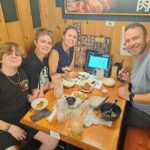
The tour also works well for family groups or small parties who want a structured experience without feeling like they’re part of a big machine. The private format shows up in real ways: clearer attention from the guide, more time for questions, and a calmer pace through cooking steps.
In one standout example, the staff member Sunny was specifically mentioned for being welcoming and helpful. That kind of personal touch is what you want in a hands-on class: someone who can keep you comfortable while you learn.
Price and value: what $121.84 buys you in Kyoto
At about $121.84 per person, this isn’t a low-cost “walk and taste” activity. But it’s also not paying only for a market stroll. You’re paying for multiple layers that would each cost money separately: a guided Nishiki Market walk, time in a preserved Kyomachiya, a sake tasting, hands-on rolled sushi instruction, homemade miso soup with dashi, seasonal side dishes, lunch, and a dessert.
You’re also getting a guide throughout, plus the recipe booklet and alcoholic beverages. For a short 2 to 3 hour experience, that’s a lot packed in, and most of it is interactive rather than passive.
To judge value, I’d think like this: if you wanted to learn sushi and miso on your own, you’d pay for ingredients and instruction, and you’d still miss the ingredient-intro of Nishiki Market. This tour bundles those pieces into one focused afternoon, which is exactly what makes it feel worth it.
Who should book this sushi-and-sake afternoon
This experience is a strong fit if you:
- want a hands-on food lesson rather than just eating your way through Kyoto
- like learning where flavors come from, not just how to pronounce them
- want English instruction and a take-home recipe booklet
- prefer a private group format with more attention during cooking
It’s also a good match if your itinerary is tight. You get multiple “Kyoto” elements in one shot: market culture, shrine context, townhouse atmosphere, and cooking practice.
If you’re already an advanced sushi maker and you’re chasing only the most complex techniques, you might find the class more introductory. But for most visitors, the beginner-friendly structure is the point.
Should you book Nishiki Market + Private Sushi Class and Sake Tasting?
I’d book it if you want a Kyoto experience that teaches you something you can repeat. The combination of Nishiki Market tasting, a Kyomachiya setting, sake context, and real cooking (rolled sushi plus miso soup from scratch) makes this more than a sightseeing add-on.
Skip it or reconsider if your goal is maximum shopping time at Nishiki Market. This tour is experience-focused, and the market portion is time-limited. Also, remember snacks aren’t included, so come hungry (and plan to eat well during the included lunch and tastings).
If you want a practical souvenir that isn’t a fridge magnet, take the recipe booklet home and cook one Kyoto-style meal later. That’s the kind of win this tour is built for.
FAQ
How long is the Nishiki Market stroll and sushi cooking experience?
The experience runs about 2 to 3 hours.
What language is the class offered in?
The experience is offered in English.
What’s included in the price?
Lunch, restroom on board, alcoholic beverages, and a guide are included. A recipe booklet is included as well. Snacks are not included.
Do you offer vegetarian or vegan options?
Yes. Vegetarian and vegan options are available if you request in advance.
Is this a private tour?
Yes. It’s a private tour/activity, and only your group participates.
Where does the tour start and end?
It starts at 79 Nishiuoyachō, 下京区 Kyoto, 京都府 and ends at 96-13 Asazumachō, Shimogyo Ward, Kyoto. The endpoint is about a 5-minute walk from Gojo Subway Station.
Can I cancel for a refund?
Free cancellation is available up to 24 hours in advance for a full refund. Changes within 24 hours of the start time are not accepted.
More Shopping Tours in Kyoto
More Private Tours in Kyoto
More Sake Tasting Experiences in Kyoto
More tours in Kyoto we've reviewed


Markets, compared.
 ★ 5.0Tokyo Washoku 4-hour Cooking Class: From Market to TableFrom $79
 ★ 4.9Tsukiji: Outer Market Walking Tour & Sake Tasting ExperienceFrom $703 hours
 ★ 4.8Osaka: Cooking Class & Sake Tasting with Local Market VisitFrom $904 hours
 ★ 5.0Private Nishiki Market Food & Sake Tour by Young Local GuidesFrom $6
The lists this tour appears in