
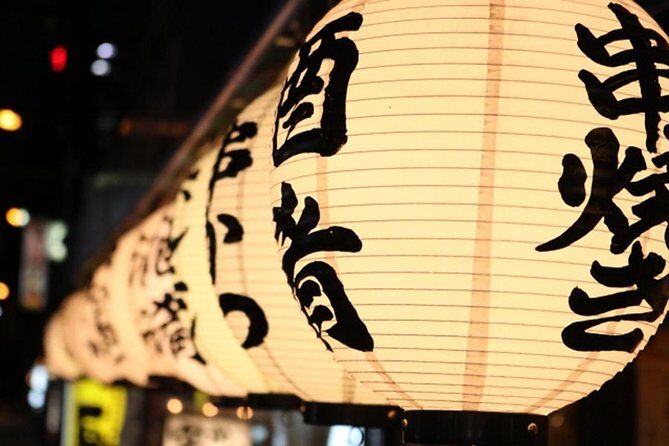
Reviewed · TOKYO
Low-cost local pub & bar crawling
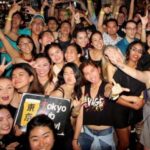
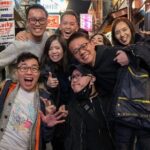
Akabane is where Tokyo gets local. This 3-hour bar and pub crawl takes you off the main tourist track and into the everyday rhythm of neighborhood drinking spots. You’ll head from Shinjuku to Akabane in about 20 minutes, then follow along with a guide who can translate and help you handle Japanese menus without guessing.
I especially like the small group limit of four, because it makes questions and ordering feel doable instead of rushed. I also like the mix of classic Japanese bar culture at three very specific places: Maruken Suisan for old-school oden, Marumasu-ya for river fish vibes, and Maruyoshi for skewers with quick-turn seating.
One thing to consider: alcohol isn’t included (and there’s mention of a minimum drink charge for the tour guide not being covered), so you’ll want to budget for drinks if you plan to fully participate. Also, it’s scheduled for roughly 3 hours, so it’s not the kind of night where you can casually linger at every stop.
In This Review
- Key things I think you’ll care about
- Why Akabane feels different from central Tokyo
- Meet Junko Kato and handle Japanese menus with confidence
- Getting from Shinjuku to Akabane without losing the night
- Stop 1: Maruken Suisan and the charm of oden on a standing counter
- Stop 2: Marumasu-ya izakaya time and river-fish local energy
- Stop 3: Maruyoshi skewers with seat etiquette you should respect
- The pacing: 3 hours, three stops, and why timing matters
- Price and value: how $32.58 turns into a guided local night
- What you really learn: etiquette, ordering, and how to think in local terms
- Who should book this Akabane pub crawl
- Should you book it?
- FAQ
- How long is the Tokyo Akabane pub and bar crawl?
- How much does the tour cost?
- What stops are included?
- Is alcohol included in the tour price?
- Do I need to know Japanese?
- How big is the group?
- Where does the tour start and end?
- Is this tour dependent on weather?
Key things I think you’ll care about
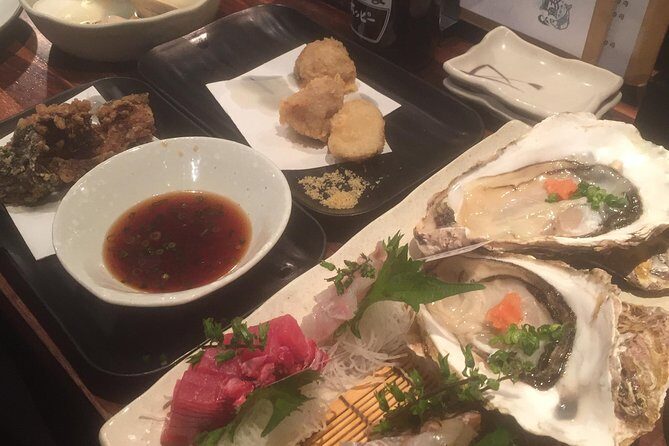
- No language barriers with Junko Kato translating for you at the counter and tables
- Three distinct local stops (oden, izakaya with river fish, and skewer-focused bar food)
- Outside-standing style at Maruken Suisan, where the setting is part of the experience
- Japanese ordering advice so you’re not stuck pointing at a menu
- Seat etiquette matters at Maruyoshi, with a clear reminder to move along
- Free admission at each stop, so your tour money mainly goes to guiding and access
Why Akabane feels different from central Tokyo
Tokyo can feel like one big machine when you stay near the most famous areas. Akabane is on the outskirts, and that shift matters. You trade crowds and signage aimed at visitors for small places that run on local regulars, quick orders, and friendly-but-busy service.
The tour is built around that local feel. You’re guided through a neighborhood where you’ll see the kind of places people choose for an after-work drink, not a curated “Tokyo show.” For me, that’s the whole point: the food and the atmosphere come from real routines, not performance.
If you're still narrowing it down, here are other tours in Tokyo we've reviewed.
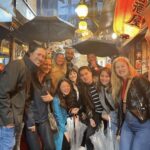
Meet Junko Kato and handle Japanese menus with confidence
The biggest practical advantage here is language support. The guide translates between you and the pub staff, and you also get advice on how to order in Japanese. That’s not a small detail. In izakaya-style places, menus can be entirely in Japanese, and the ordering rhythm can be fast.
With Junko Kato leading, you’re not stuck asking the same questions repeatedly or doing awkward menu translations on your own. You get real-time help, plus guidance that keeps you from wasting time and money on wrong items. If you want to eat well but you’re nervous about the language, this format helps a lot.
You also get the value of small-group pacing. With a limit of up to four people, you’re more likely to get individualized attention instead of being bundled into a big crowd. In practice, that usually means fewer delays at each stop and smoother transitions.
Getting from Shinjuku to Akabane without losing the night
You’ll start near Akabane Station (Akabane, Kita City) and meet up there. The tour uses a mobile ticket, which tends to be simpler on the day than paper check-ins.
You also get a straightforward travel rhythm: about 20 minutes from Shinjuku to Akabane before you begin. That’s long enough to feel like a real change of neighborhood, but short enough that the 3-hour evening doesn’t get eaten up by transit.
The tour ends back at the meeting point, so you don’t have to solve the last-mile problem after you’re full of oden and skewers. That matters if you’re already running on a busy Tokyo schedule.
Stop 1: Maruken Suisan and the charm of oden on a standing counter
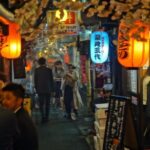
The first stop is Maruken Suisan, an older oden shop with a reputation that locals know. It’s in a small alley, and the setup includes an outside standing bar. That means you’re not just tasting food—you’re stepping into a street-level scene that feels lived-in.
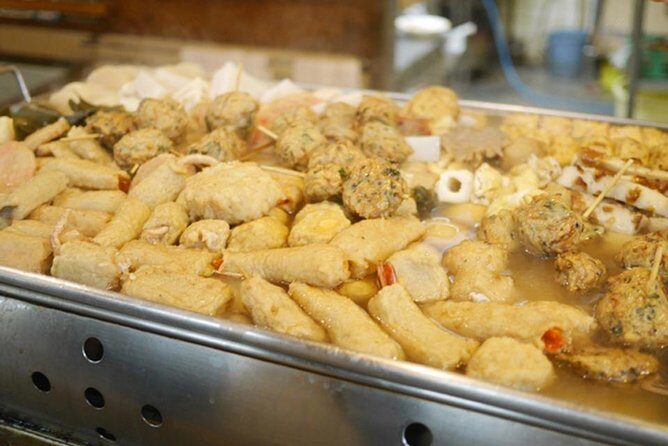
What you’ll eat here is oden, the Japanese comfort stew built for winter nights and casual bar hangouts. The variety you can taste includes items like vegetables, fish balls, and tofu. Since it’s a standing-counter style place, expect a more “snack-and-savor” pace than a long sit-down meal.
Time-wise, you’ll spend about 50 minutes at this stop. That’s a good length for getting oriented: first taste, first translation help, and a chance to learn the rhythm of ordering before you move to the next place.
Possible drawback: standing counters and outdoor setups can be less comfortable if the weather turns cold or wet. The good news is the tour is said to require good weather, and if it’s canceled for weather, you’ll be offered another date or a refund.
Stop 2: Marumasu-ya izakaya time and river-fish local energy
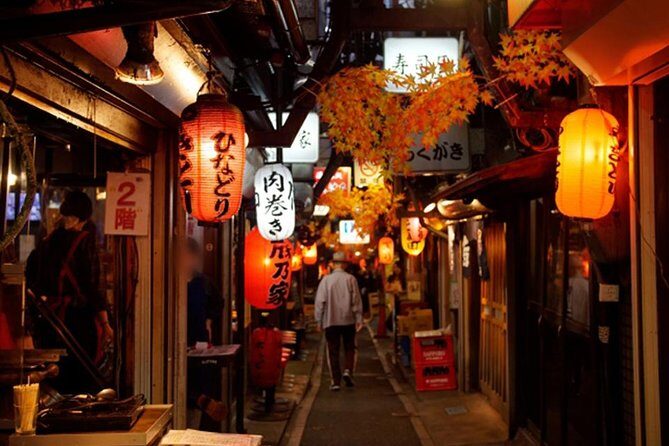
Next up is Marumasu-ya, an izakaya-pub with a long-running reputation. This stop is famous for river fish, and the vibe is described as the kind of old-time atmosphere where locals gather for drinks.
This is your longer stop at about 1 hour 20 minutes. In other words, you have time to slow down, order a few items, and let the place work its magic. If you’re the type of person who likes to settle in rather than rush from one bite to the next, this part of the crawl is where you’ll likely relax the most.
Since menus can be tricky, translation support is extra valuable here. Even if you can read some Japanese, izakaya menus often use food-specific terms and shorthand. Having Junko Kato translate means you’re more likely to try what the place is actually known for, instead of what you can guess.
Possible drawback: if you’re not interested in drinking at all, an izakaya-focused stop can feel like it’s built around alcohol culture. Still, even without a big drink plan, the ordering help can help you choose food you wouldn’t find on your own.
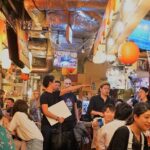

Stop 3: Maruyoshi skewers with seat etiquette you should respect
Your last stop is Maruyoshi, a skewer-focused bar with a reputation for very reasonable prices. Skewers in Japan are often simple on paper but great in execution—especially when the staff know the flow and the shop has a steady stream of regulars.
This stop is around 50 minutes, so it’s not a slow night-cap situation. There’s also a specific piece of etiquette to keep in mind: don’t drink and stay too long, and give your seat for locals. That one line changes the tone of how you experience the place. You’ll want to eat efficiently, enjoy without stretching the time, and be aware that seating is part of how the shop keeps running.
In a crawl like this, the final stop is where you decide how hard you want to go on food. If you follow the guidance to show up with an empty stomach, this is where you’ll appreciate it most—because the skewers tend to disappear fast.
The pacing: 3 hours, three stops, and why timing matters
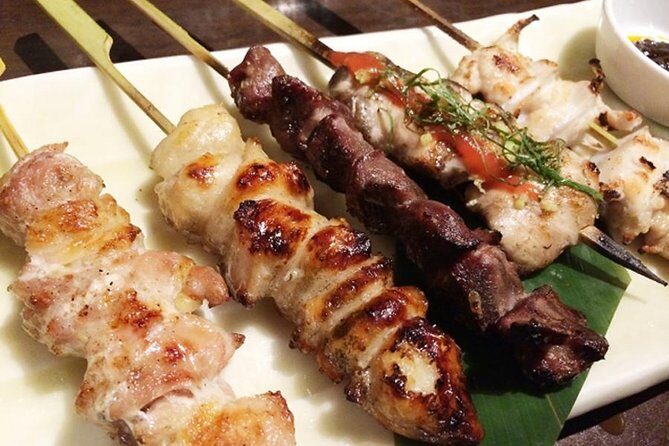
Overall, you’re looking at about 3 hours total across three stops. That pacing is intentional. It’s long enough to experience different styles—standing oden, izakaya with a longer sit, then skewer food that rewards focus. It’s short enough that you won’t feel like you’ve committed an entire evening to a single neighborhood.
Still, you should plan your day with energy in mind. This kind of tour usually works best when you:
- arrive ready to eat and drink,
- keep movement comfortable between places,
- and avoid scheduling something tight right after the last stop.
The best “pro tip” here is simple: keep your stomach open. People are specifically advised to arrive with an empty stomach because there’s great food and you’ll want to try more than you think.
Price and value: how $32.58 turns into a guided local night
At $32.58 per person, this isn’t priced like a full-on private dining experience. It’s more like you’re paying for the key unlocks: a guide, translation help at the places where menus are hard, and advice for ordering in Japanese.
Each stop also lists admission ticket free, which matters. You’re not paying separate entrance fees to see the venues. Your money mostly funds the human part—the guidance and the smooth running of the crawl.
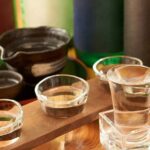
What’s not included is equally important: alcoholic beverages are not included, and the minimum drink charge for the tour guide is also not covered. In plain terms, the base price gets you the structure and the ordering help. If you want the full izakaya experience with multiple drinks, you’ll need extra budget on top.
I think that’s fair. For many people, the cost you’re avoiding is the time and stress of trying to figure out where to go and what to order once you’re already in the neighborhood. This tour does the thinking for you.
What you really learn: etiquette, ordering, and how to think in local terms
This isn’t just about eating three things. The tour’s value is also about learning how to behave in places that operate differently from tourist restaurants.
You’ll get:
- tips on local etiquette,
- basic guidance on how to order in Japanese,
- and translation that helps you understand what you’re actually choosing.
One of the most telling details is the reminder at Maruyoshi about not staying too long. That’s etiquette in action. It also tells you how locals treat time: seats are shared, and the flow matters.
When you go through that with a guide, you’re more likely to enjoy the food instead of worrying about what you’re doing wrong. That’s the kind of “practical learning” that pays off later, too, because Akabane’s izakaya etiquette isn’t unique to that street.
Who should book this Akabane pub crawl
This fits best if you want:
- a local-focused night in Tokyo without spending a week researching places,
- translation help because you’re not confident with Japanese menus yet,
- a small-group experience where you can ask questions and move at a human pace.
It’s also a good match if you like classic Japanese comfort foods like oden and you’re curious about skewer bars where the price is reasonable and the seating rules are real.
You might skip it if you strongly prefer large western-style menus, long sit-down meals, or if you don’t want to participate in the drinking-and-snacking culture at all. The tour is structured around neighborhood pub life, so it leans into that.
Should you book it?
I’d say book it if you want a straightforward way to experience a local side of Tokyo—without language stress and without ending up in places built only for outsiders. The combination of Junko Kato’s translation, explicit ordering advice, and three different food styles gives you a lot of payoff for a modest base price.
Book smart, though: bring extra money for food and especially drinks, and plan to eat with an open stomach. If you’re ready for a quick, friendly, neighborhood-style crawl that respects local flow, this is the kind of Tokyo experience that feels genuinely usable once you’re done.
FAQ
How long is the Tokyo Akabane pub and bar crawl?
It runs for about 3 hours.
How much does the tour cost?
The price is $32.58 per person.
What stops are included?
You’ll visit Maruken Suisan (oden), Marumasu-ya (river-fish izakaya), and Maruyoshi (skewers).
Is alcohol included in the tour price?
No. Alcoholic beverages are not included, and the minimum drink charge for the tour guide is also not included.
Do I need to know Japanese?
You don’t need to know Japanese. The guide translates for you, and you’ll get advice on how to order in Japanese.
How big is the group?
The tour has a maximum of four travelers.
Where does the tour start and end?
It starts at Akabane Station (1 Chome-1 Akabane, Kita City, Tokyo) and ends back at the meeting point.
Is this tour dependent on weather?
Yes. It requires good weather, and if it’s canceled due to poor weather, you’ll be offered a different date or a full refund.
More tours in Tokyo we've reviewed



Tokyo, compared.
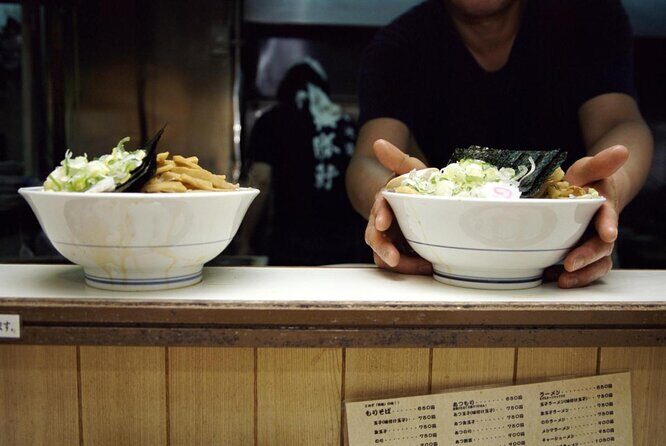 ★ 5.0Tokyo Bar Hopping Tour in Shinjuku (All-You-Can-Drink + Dinner)From $106
 ★ 5.0Best of Shinjuku: Izakaya Food Tour (4 Stops, 14+ Tastings)From $92
 ★ 4.9Tokyo: Shinjuku Local Bar and Izakaya Guided Walking TourFrom $343 hours
 ★ 5.0Shibuya Meltdown Nightlife Tour: All-You-Can-Drink Bar HoppingFrom $106
 ★ 4.5Tokyo: Pub Crawl and Bar TourFrom $275 hours
 ★ 5.0Tokyo: Shinjuku Local Bar & Izakaya Crawl TourFrom $39
 ★ 4.9Tokyo: Shinjuku Bar Hopping with All-You-Can-Drink & DinnerFrom $1083 hours
 ★ 4.9Shibuya: Local Bar & Izakaya CrawlFrom $293 hours
The lists this tour appears in