
Reviewed · SAKE TASTING
Nagano: Snow Monkeys, Zenkoji Temple & Sake Day Trip
Snow monkeys plus temples can be a dream day.
This Nagano trip strings together three very different kinds of winter magic: Japanese macaques in hot springs, a big, moving stop at Zenkoji Temple, and the slower pace of an onsen town. I like that it’s built for real comfort too, since you ride in a private car with an English-speaking driver instead of juggling transfers.
One thing to plan for is the long drive from Tokyo to Nagano (about 3.5 hours). Once you’re on the road, the day runs long, so pack warm layers and a few comfort items before you leave.
In This Review
- Key Things You’ll Notice on This Nagano Winter Day Trip
- Private Transportation That Actually Feels Like a Vacation
- Jigokudani Monkey Park: Snow Monkeys in Hot Springs
- Zenkoji Temple and the Okaidan Passage
- Shibu Onsen: Historic Streets and Winter Steam
- Obuse and Hokusai: Edo-Era Charm Plus Winter Treat Stops
- Yamanouchi: Mountain Town Views That Add Breathing Room
- Matsushiro Castle Ruins (Optional): Samurai-Era Atmosphere Without the Overload
- Price and Value: $525 for Up to 6 People
- Winter Comfort: What to Pack and How to Keep the Day Enjoyable
- Who Should Book This Nagano Tour?
- Should You Book This Nagano Snow Monkey, Zenkoji, and Onsen Day Trip?
- FAQ
- Where can this tour start?
- Is this a private tour?
- How many people can fit in a group for this tour?
- What major stops are included in the tour?
- Is Matsushiro Castle Ruins part of the tour?
- Are entrance fees included?
- How long is the drive from Tokyo to Nagano?
- What should I bring for the day?
- Is the tour suitable for animal allergies, and is smoking allowed in the car?
Key Things You’ll Notice on This Nagano Winter Day Trip
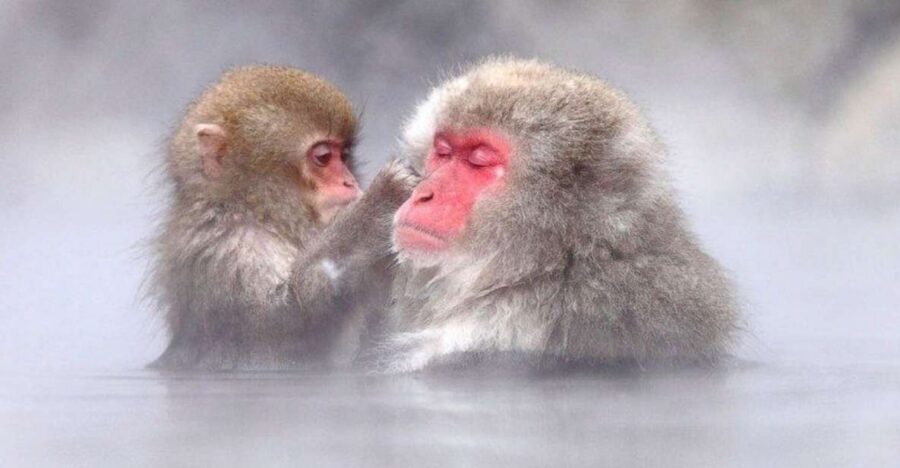
- Jigokudani Monkey Park: macaques relaxing in natural hot springs while snow falls around them
- Zenkoji Temple’s Okaidan Passage: a pitch-black corridor that’s part of the temple experience
- Shibu Onsen stroll time: traditional streets, steam, and easy rhythm to slow down
- Obuse stop for Hokusai and local snacks: Edo-era charm plus chestnut and sightseeing options
- A flexible day plan: you can adjust the order and timing, including an optional Matsushiro stop
Private Transportation That Actually Feels Like a Vacation
This tour is structured around one big advantage: you travel as a group in one comfortable car, guided by an English-speaking driver. That matters in Nagano, where winter roads and timing can turn “easy” public-transport plans into a stress test.
From what’s consistently praised, the drivers are attentive and calm behind the wheel. Names like Sikandar, Busal, and Naroz come up for being friendly and careful drivers who help you get where you need to go without fuss. If you’re traveling with kids or you just hate timing games, private transport is the difference between a day that feels smooth and one that feels rushed.
If you're still narrowing it down, here are other tours in Tokyo we've reviewed.

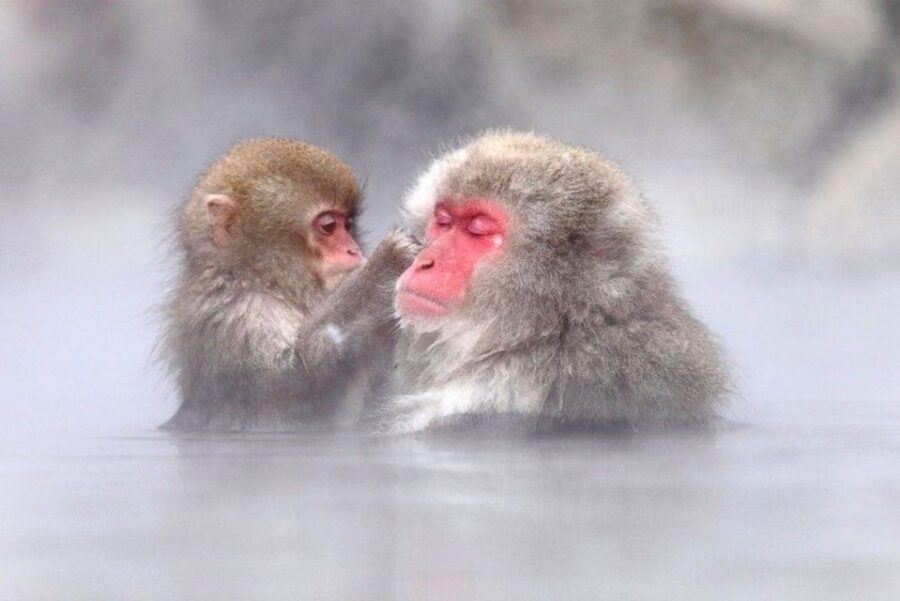
Jigokudani Monkey Park: Snow Monkeys in Hot Springs
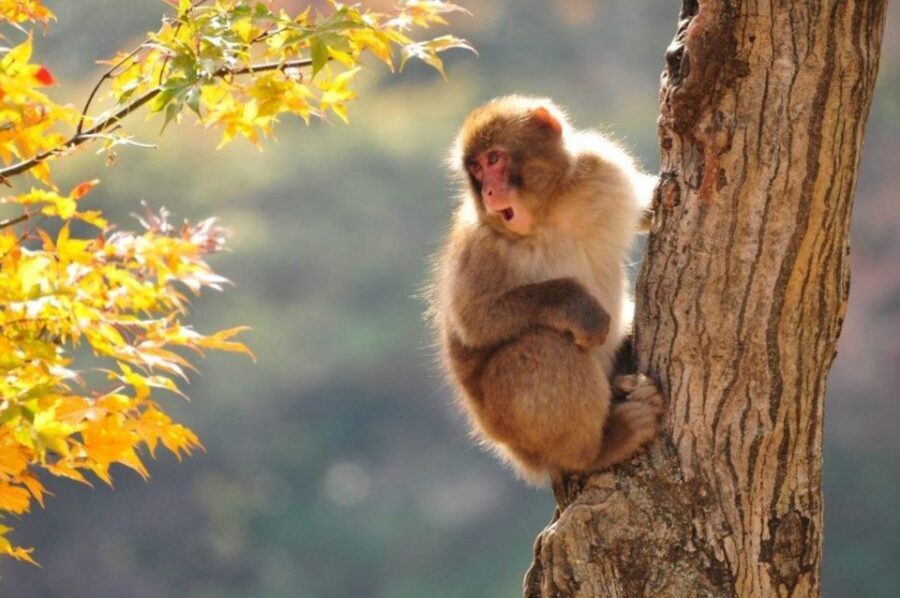
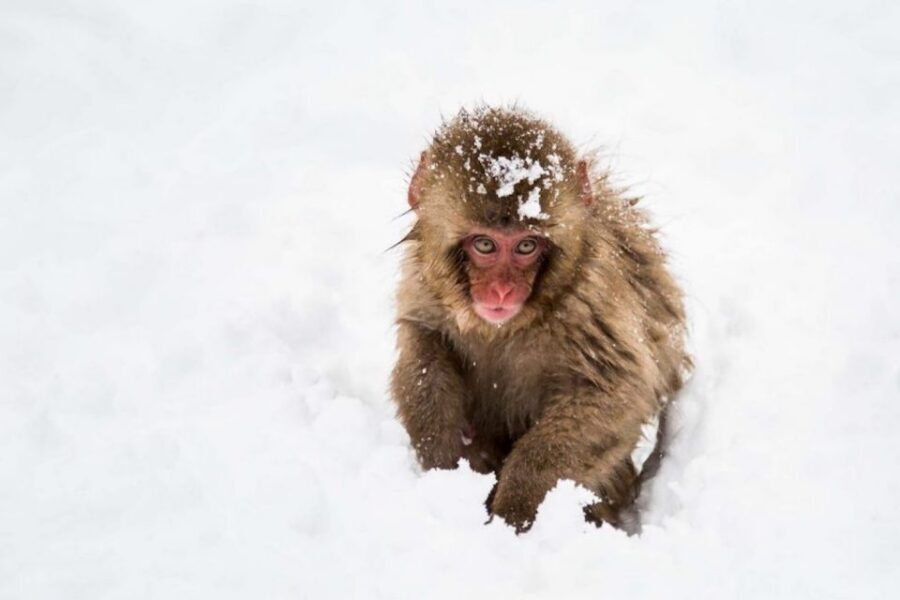
Your day starts with Jigokudani Monkey Park, the famous place where Japanese macaques soak in hot springs right in the winter snow. The effect is simple and unforgettable: you’re walking through a snowy mountain area, then suddenly you’re watching animals that look completely at home in the warm water.
The park experience isn’t only about seeing the monkeys. It’s also about the walk in. You’ll follow a forest trail that gives you scenic views along the way, so even before you reach the hot-spring pools, you’re already in the atmosphere. Once you’re there, watch for small behavior shifts—monkeys moving between groups, interacting, and generally acting like they’ve got a routine.
This stop does come with a practical warning: it’s not suitable if you have animal allergies. Even if you’re not close enough to touch anything, you are in an area with animals, and reactions can still happen. If that’s you, ask your driver about alternative winter stops you can swap in using the customizable format.
Zenkoji Temple and the Okaidan Passage
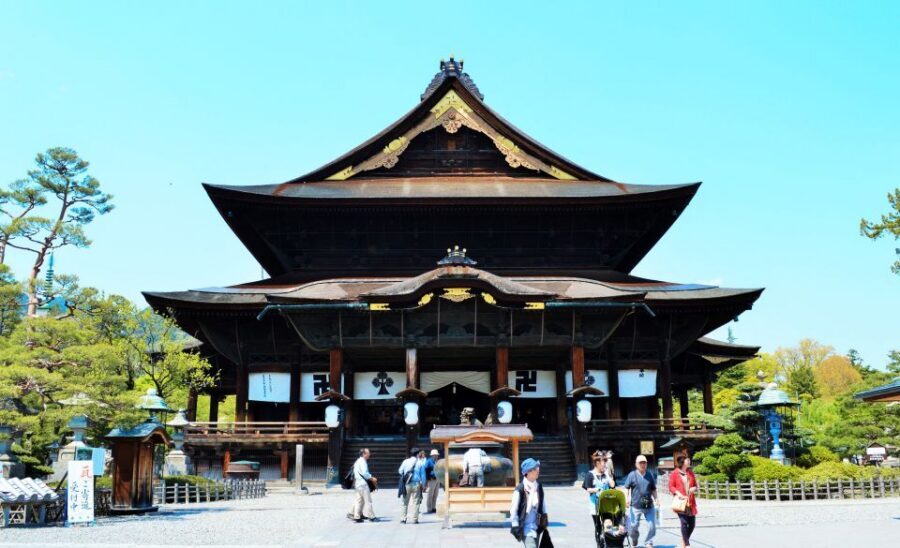
Next comes Zenkoji Temple, one of Japan’s most treasured Buddhist sites. What I like about Zenkoji is how it’s both impressive and grounding. You get those classic temple details—wooden architecture and intricate carvings—plus the feeling that this place is still part of real religious life, not just a photo stop.
A standout element here is the Okaidan Passage, described as a pitch-black corridor under the main hall. The point isn’t just spectacle; it’s meant to represent a journey toward enlightenment, and it’s tied to the idea of seeking the key to paradise. Even if you’re not a Buddhism expert, the experience has a strong emotional “you have to slow down” quality, because visibility disappears and you rely on the moment.
A practical note: a temple stop can be quiet in a way that makes you notice time. I recommend you dress warmly and plan to take your time inside the grounds, especially if you want to watch prayer without feeling like you’re rushing.
Shibu Onsen: Historic Streets and Winter Steam
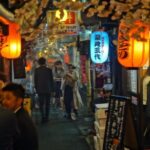
After the temples, you get a more relaxed pace in Shibu Onsen, a traditional hot spring town. This is where Nagano winter turns softer. You’ll stroll through streets lined with classic ryokan-style buildings, and you’ll see steam rising—an easy cue that you’re in a place built around soaking and slow living.
If you have time, there’s also an option to enjoy a bath. The tour info frames it as something you might do if the schedule allows. Just keep in mind that entrance fees aren’t included, so you’ll want to be ready for any onsen-related costs once you decide you want to soak.
What makes Shibu Onsen valuable (beyond the postcard vibe) is that it gives your body a break after cold air and walking trails. It’s the kind of stop that makes the whole day feel balanced: you’ve seen wildlife, you’ve toured a major temple, and now you’re back to being human for a while.
Obuse and Hokusai: Edo-Era Charm Plus Winter Treat Stops
The route often includes Obuse, a town with Edo-era charm and strong ties to arts and food. Obuse is known for chestnut delicacies and for its cultural atmosphere, and it’s also where you can add a stop at the Hokusai Museum, focused on Katsushika Hokusai’s work.
This part of the day is less about one single “must-see” and more about choices. You can browse shops and cafes, and you might also spot sake breweries depending on what’s convenient that day. I like this kind of stop because it gives you room to move at your own speed, especially after the busier wildlife and temple segments.
If you’re traveling with kids, Obuse can be a win: it’s easier to handle than a long indoor museum day, and the food-focused vibe helps keep energy up. Even if you don’t go inside every shop, the walk-through atmosphere adds character to the trip.


Yamanouchi: Mountain Town Views That Add Breathing Room
You’ll also pass through Yamanouchi, a mountainous town area where daily life sits close to the scenery. The tour frames it as a place that offers views and local insights, and that’s exactly what I’d look for here: not a hard-sell “attraction,” but a chance to see how Nagano feels beyond the headline sites.
In a winter full-day itinerary, small view moments matter. They help you reset between stops, and they’re often where you get better context for what you’re seeing—especially after Jigokudani’s snowy valley setting.
Matsushiro Castle Ruins (Optional): Samurai-Era Atmosphere Without the Overload
If you choose it, Matsushiro Castle Ruins add a history layer to the day. You’re not getting a museum lesson; you’re getting a sense of place from the ruins themselves, which can be a good fit in winter when you still want to move but don’t want a long, exhausting hike.
The value of this optional stop is balance. Without it, the day is mostly wildlife + religion + onsen. With it, you get an extra “Japan past” angle. If you’re not into history, skip it and spend more time in Shibu Onsen instead. If you do like samurai-era context, this is the easiest way to add it without disrupting the overall flow.
Price and Value: $525 for Up to 6 People
At $525 per group (up to 6), this isn’t a budget deal. But it also isn’t priced like a luxury tour with extra frills. The value comes from what’s included: private transportation, an English-speaking driver, and multiple key stops across Nagano.
To think about the math in a practical way: if your group fills all six spots, that’s about $87.50 per person for the day’s driving and guidance. If you have fewer people, the per-person cost rises, so it makes the most sense when you’re traveling with family or friends.
I also like that you’re not paying entrance fees for each site inside the tour price. Since entrance fees aren’t included, you can decide what you actually want to enter. That flexibility can help you match the day to your interests instead of being forced into a fixed checklist.
Winter Comfort: What to Pack and How to Keep the Day Enjoyable
This is a winter plan, so you’ll feel the cold if you show up underdressed. Bring comfortable shoes, warm clothing, a camera, and snacks and water. Those last two are more important than they sound on a full day, because the drive time and stop timing can make it hard to find exactly what you want when you’re hungry or thirsty.
Also, note the rule: no smoking in the vehicle. If you need breaks, ask your driver, but don’t plan on smoking as part of the comfort strategy.
If you’re sensitive to cold, wear layers you can peel on the car ride and during indoor temple moments. A big winter comfort win is being able to breathe without overheating when you’re walking.
Who Should Book This Nagano Tour?
This is a great fit if you want the big-name Nagano winter hits without the logistics pain. It’s especially good for:
- families who want a smoother day with kids
- couples who want privacy and flexibility
- small groups who can split the cost across up to 6 people
- anyone who likes seeing different sides of one region in a single full day
It’s less ideal if you:
- have animal allergies (since the tour’s core stop is the Snow Monkey Park)
- hate long drives (the Tokyo-to-Nagano drive is about 3.5 hours)
Should You Book This Nagano Snow Monkey, Zenkoji, and Onsen Day Trip?
Yes—if your priority is a stress-free, winter-focused day that hits wildlife, spirituality, and hot spring atmosphere in a practical order. The private car setup is the backbone here, and the most consistently praised feature from past guests is the driving experience plus how smoothly the day runs.
I’d book this if you want your Nagano trip to feel organized without feeling rigid. And if you’re traveling with others, the group price can turn a “sounds expensive” outing into a very fair deal. If you can handle the cold and you’re okay with the length of the drive, this tour is a smart way to see what makes Nagano special.
FAQ
Where can this tour start?
You can start either from Tokyo or from Nagano, depending on what option you choose.
Is this a private tour?
Yes. It’s a private day trip with private transportation in a comfortable car.
How many people can fit in a group for this tour?
The price is $525 per group up to 6 people.
What major stops are included in the tour?
Included stops include Jigokudani Monkey Park (Snow Monkey Park), Zenkoji Temple, and a stroll through Shibu Onsen. The itinerary can also include Obuse and Yamanouchi, and Matsushiro Castle Ruins is optional.
Is Matsushiro Castle Ruins part of the tour?
It’s an optional visit. You can add it if time and your preferences allow.
Are entrance fees included?
No. Entrance fees at attractions are not included.
How long is the drive from Tokyo to Nagano?
The drive from Tokyo to Nagano is approximately 3.5 hours.
What should I bring for the day?
Bring comfortable shoes, warm clothing, a camera, snacks, and water.
Is the tour suitable for animal allergies, and is smoking allowed in the car?
It’s not suitable for people with animal allergies. Also, smoking isn’t allowed in the vehicle.
More tours in Tokyo we've reviewed


Sake Tasting, compared.
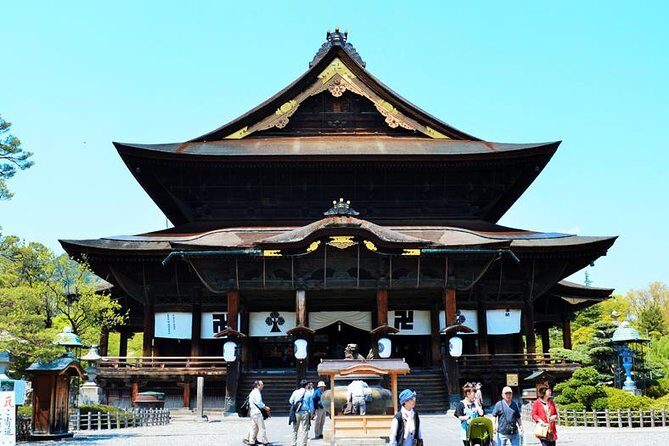 ★ 5.01-Day Snow Monkeys, Zenko-ji Temple & Sake in NaganoFrom $151
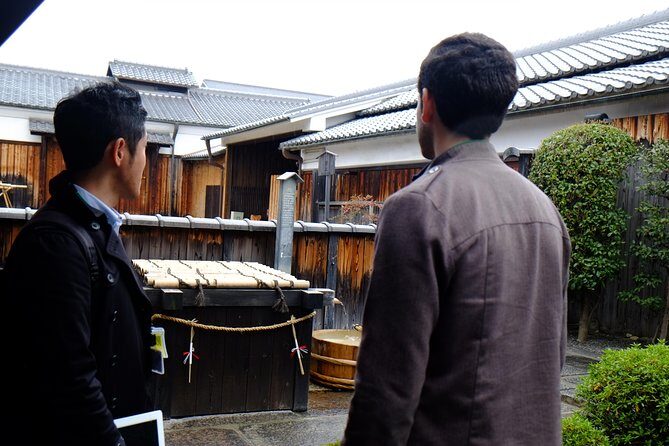 ★ 5.03-Hour Kyoto Insider Sake Brewery Tour with Tastings & PairingsFrom $84
★ 4.9Nagano: Snow Monkeys, Zenkoji Temple & Sake Day TripFrom $1358 - 12 hours
★ 5.03-Hour Kyoto Insider Sake Brewery Tour with Tastings & PairingsFrom $84
★ 4.9Nagano: Snow Monkeys, Zenkoji Temple & Sake Day TripFrom $1358 - 12 hours
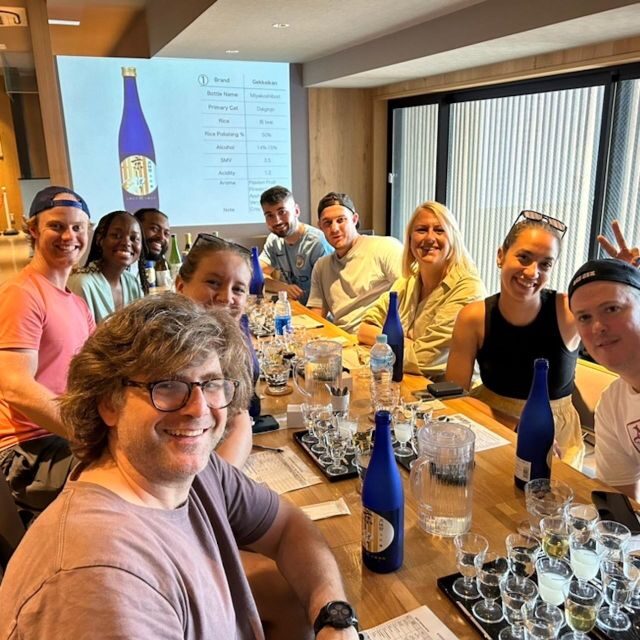 ★ 5.0Kyoto: Insider Sake Brewery Tour with Sake and Food PairingFrom $873 hours
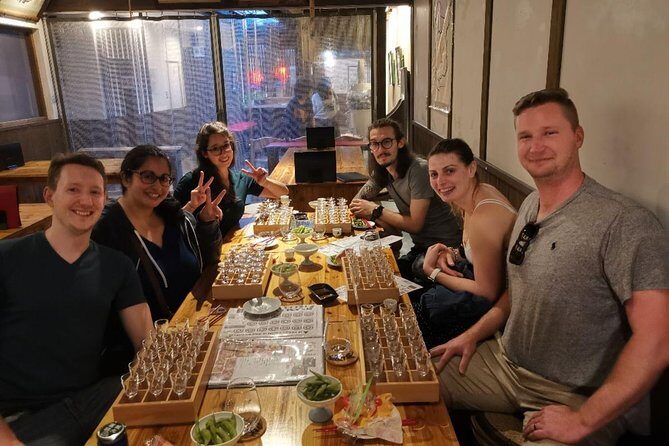 ★ 5.0Kyoto Sake Brewery & Tasting Walking TourFrom $98
 ★ 5.01.5-Hour Kyoto Insider Sake Experience with 7 Tastings & PairingsFrom $68
 ★ 5.0Ramen and Sushi Cooking Class with Sake Pairing Set in TokyoFrom $79
 ★ 5.0Sake Tasting Masterclass in Shinjuku (8+ Varieties with a Pro)From $72
The lists this tour appears in