
Reviewed · BAR HOPPING TOURS
Onsen Spa in Tokyo and Asakusa Bar Hopping with Local Guide
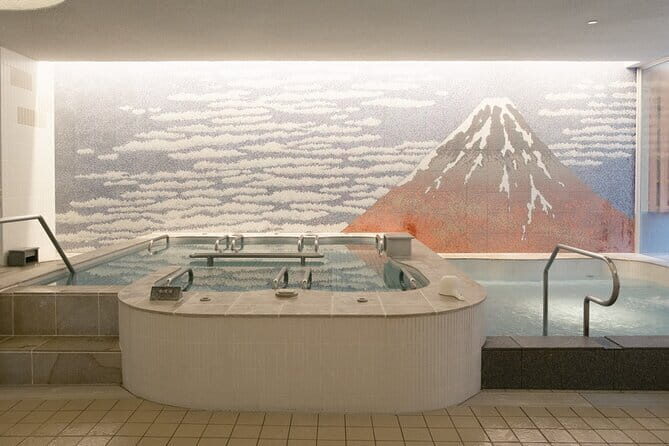
Onsen etiquette made easy. This half-day Tokyo experience is built around the stuff that actually makes an onsen day go smoothly: you get onsen-step guidance and then you still have privacy once you’re in the bath facilities. The setting at Edoyu is geared for comfort too, with a clean, modern feel and a menu of baths and relaxing spaces that most guidebook stops don’t map out for you. One consideration: heavy tattoos are prohibited, though they note there may be ways to enter in some cases—so you’ll want to check ahead.
I also like the pacing: you spend a full block of time at the onsen (so you’re not rushing through), then you move to Asakusa for local drinking streets and practical help ordering. The small group size (max 8) means you can ask questions and get clear answers before you head off on your own inside. The only drawback I’d plan around is that the guide doesn’t accompany you into the spa, so if you want hands-on guidance during bathing, you’ll need to rely on what you learn beforehand.
In This Review
- Key takeaways before you book
- First stop: Edoyu onsen and bedrock bath comfort
- What makes it feel authentic (not touristy)
- Onsen etiquette and attire: what you need to know
- Tattoo policy and what to do
- The guide setup: Q&A first, then you go in
- Small group size changes the vibe
- From Edoyu to Asakusa: getting to the drinking streets
- Hoppy Street in Asakusa: yakitori, okonomiyaki, and motsuni
- Why the guide translation matters
- Cost reality check: what’s on you
- Price and value: is $161.28 worth it?
- Logistics that matter on the day
- Who this tour is best for
- Should you book this Onsen Spa and Asakusa Bar Hopping tour?
- FAQ
- How long is the tour?
- Where does the tour start and end?
- What onsen items are provided?
- Is the onsen admission included?
- Are tattoos allowed?
- How many people are in the group?
Key takeaways before you book
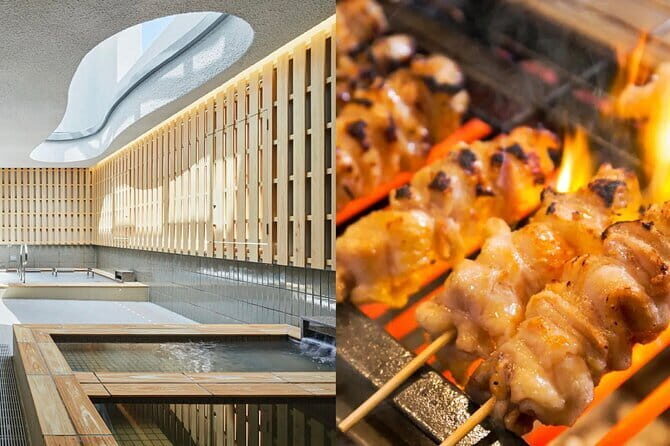
- Edoyu’s variety: 6 baths, 3 saunas, 3 bedrock baths, treatment spas, and multiple lounge types, so you can mix and match your mood.
- Privacy by design: the guide helps you get set, then you go in on your own for a calmer, less staged experience.
- Tattoo check matters: heavy tattoos are prohibited, but they specifically invite you to contact them about possible options.
- Asakusa locals-only energy: you’ll head to a real drinking area where yakitori, okonomiyaki, and motsuni are the kind of food you eat like locals.
- Language support where it counts: your English guide translates so you can order without guessing.
- Good value for a guided half-day: you’re paying for guided onboarding, a timed onsen visit, and the on-the-street food help—restaurant costs stay separate.
First stop: Edoyu onsen and bedrock bath comfort
Edoyu is the kind of onsen Tokyo locals actually talk about on a day off. It’s a local facility within the city, housed in a fairly new building that keeps the inside feeling clean and easy to navigate. The important part is that it’s not just one pool and done—you get a real selection.
Here’s what you can expect to work with once you’re inside:
- 6 onsens (baths) to rotate through
- 3 saunas if you want that heat-and-cool rhythm
- 3 bedrock baths, which are a distinctive style you don’t always see in city onsen
- 4 treatment spas
- 4 types of relaxing lounges for that slow-down after soaking
You’ll spend about 3 hours here, and that time block is a gift. Too many tours rush the onsen like it’s a checklist. This one gives you room to try something gentle first, then decide if you want to go warmer, firmer, or longer.
One more smart touch: you’re provided with towels, gowns/robes, and soap, so you’re not scrambling for gear right before you walk into the bath area. That’s especially helpful in Tokyo, where you’ll often be juggling trains, umbrellas, and your last-minute packing choices.
Other bar hopping tours we've reviewed in Tokyo
What makes it feel authentic (not touristy)
This is not presented as a performance. Instead, it’s set up like what you’d do if you were taking an onsen break as a Tokyo regular: you come in, follow the flow, settle into the spaces, and then relax. Even the guide approach supports that. You get explanations up front so you don’t feel clueless, but once you’re in the baths, the experience becomes yours.
If you enjoy structure, you’ll like the way the tour frames onsen etiquette as something you learn and then apply. That’s also where the glowing feedback makes sense—people really liked the clear step-by-step nature of the guidance.
Onsen etiquette and attire: what you need to know
Tokyo onsen etiquette can feel intimidating until someone breaks it down in plain language. This tour is built for that moment right before you enter: it’s designed to make the rules feel manageable instead of mysterious.
A few practical points based on what’s provided and emphasized:
- You don’t need to bring onsen clothes. Gowns/robes and towels are provided.
- Soap is included for your onsen prep.
- The facility layout matters less once you understand the order of steps, and that’s where the guide’s explanations come in handy.
Tattoo policy and what to do
This is the one rule you should treat as non-negotiable. Heavy tattoos are prohibited. The tour information also says there can be ways to enter in some cases by hiding tattoos, but they’re clear that you should contact them to see what’s possible for your situation.
If you have tattoos, I’d handle this before you book anything else in Tokyo. Don’t wait until the day-of. Even if you think yours might be small enough to manage, their policy is specific about heavy tattoos, and the tour wants you to confirm options.
The guide setup: Q&A first, then you go in
The format here is one of the better versions of the guided-onions genre. You’re not dealing with a guide constantly hovering in your personal space, and you’re not left completely alone at the start either.
What you’ll get:
- Lots of chances to ask questions before the onsen part
- An English-speaking guide who helps you understand the steps you need to follow
- A setup where your guide won’t accompany you inside the spa, which means you can soak without feeling like you’re on display
That “learn it first, then relax” approach matches the strongest feedback from the experience: people loved the relaxing education part and found the etiquette explanations straightforward and easy to follow. In other words, the guidance isn’t just generic talk—it’s the kind of practical briefing that makes you feel comfortable.
Other guided tours in Tokyo
Small group size changes the vibe
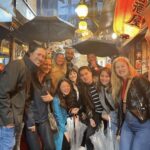
With a maximum of 8 travelers, you’re not squeezed into a rigid herd. It’s big enough to meet other people if you want, but small enough that you can actually get answers tailored to your questions. I like that because onsen rules have a lot of tiny steps, and you don’t want to guess.
From Edoyu to Asakusa: getting to the drinking streets
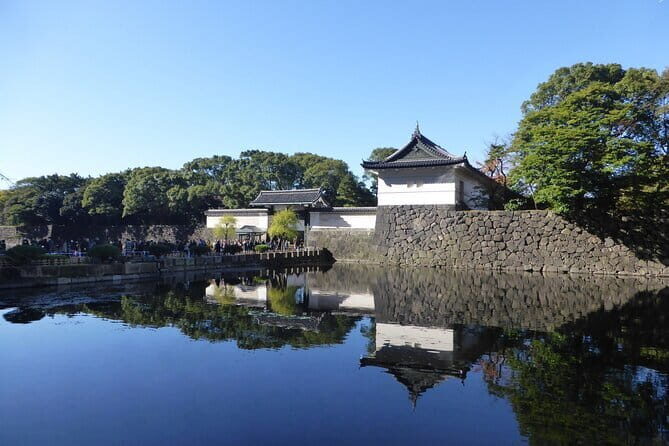
The tour starts near Ryōgoku Station and ends at Asakusa Station, which is a nice flow if you plan to keep exploring after. You’re also close to public transportation, so you’re not stuck planning your whole day around one complicated pickup.
Timing-wise, the day runs about 6 hours total, with two major blocks of roughly 3 hours each:
- Onsen time at Edoyu
- Food and bar hopping time in Asakusa’s local drinking area
Asakusa is a great place to end because it’s lively without needing a huge commute to keep your night going. If you’re the kind of traveler who likes a plan with room for your own wander afterward, this routing works well.
Hoppy Street in Asakusa: yakitori, okonomiyaki, and motsuni
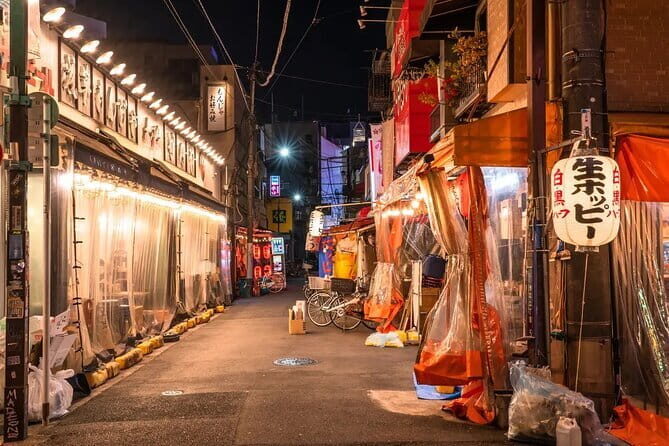
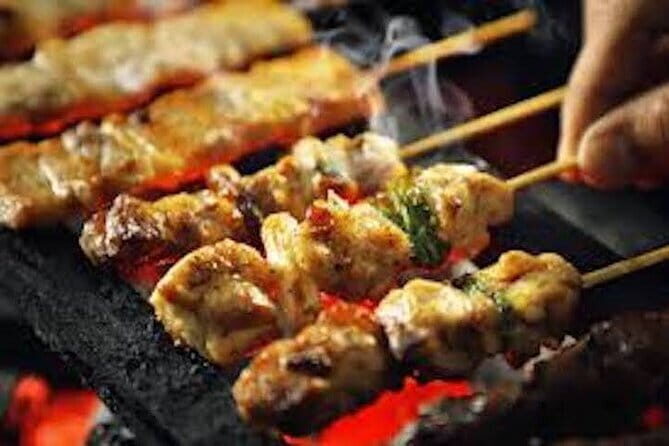
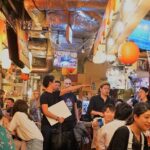
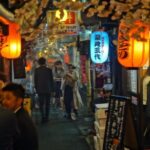
After the baths, the energy flips to hungry and social. The tour brings you to Hoppy Street in Asakusa, described as a very local drinking area for hanging out with food and a few drinks.
This is where the tour leans into everyday Tokyo life. Instead of steering you toward a fancy, staged meal, it points you toward classic choices you can eat without making it a big production:
- Yakitori
- Okonomiyaki
- Motsuni (if you’ve never tried it, this is the kind of dish you’ll learn about by being in the right place and ordering with help)
Why the guide translation matters
Food ordering in Japan can be simple, but it’s still stressful if you don’t read menus well. This tour specifically notes that your English guide will translate the communication you need for ordering, so you’re not standing there doing hand gestures and hoping.
That’s a big deal because it keeps you focused on enjoying the meal. You’ll also get flexibility: the tour says they can customize the timing for a late lunch or early dinner if you have preferences. In practice, that means you’re not locked into one strict meal window if your day needs to shift.
Cost reality check: what’s on you
Restaurant fees are not included, so you should plan to pay for your food and drinks during the Hoppy Street portion. The upside is that prices here are described as relatively reasonable, and the tour’s value is in getting you to the right places with the right language support.
Price and value: is $161.28 worth it?
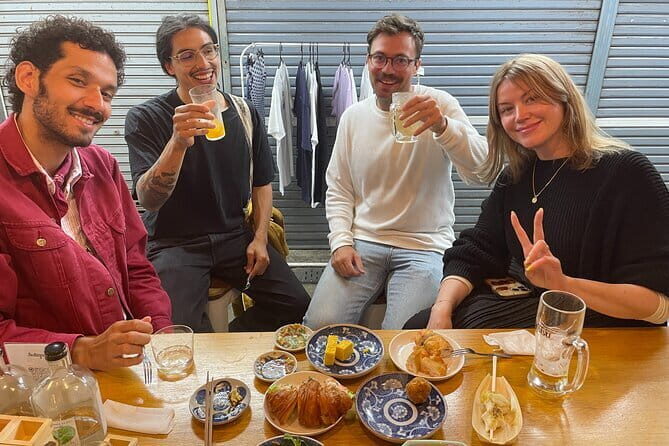
At $161.28 per person for about 6 hours, this isn’t a budget-only option. But it is priced like a tour that provides real services: an English guide, a guided onsen onboarding, and a structured time window with transportation-adjacent starting and ending points.
Here’s what you’re effectively paying for:
- The onsen preparation and etiquette guidance before you go in
- The onsen essentials: towels, gowns/robes, and soap
- The timed entry portion at the onsen facility (Edoyu’s admission is described as covered for the onsen stop)
- The Asakusa part where translation helps you order, plus the guidance to a local drinking area
- A small group experience with time to ask questions
Where costs can add up:
- Food and drinks during bar hopping
- Any on-the-spot decisions you make for extra snacks or drinks
To me, this price makes sense if you want less uncertainty. If you’re the type who hates standing in front of a menu guessing or worrying you’ll break some onsen rule, this tour reduces that friction fast. You’re not paying mainly for walking around; you’re paying for clarity and time in two very specific Tokyo settings.
Logistics that matter on the day

A few details that are worth planning around so you don’t lose energy:
- Meeting point: near Ryōgoku Station (Yokoami, Sumida City area)
- Ending point: Asakusa Station
- Group size: maximum 8 travelers
- Mobile ticket: you should have access to your phone ticket
- Operating window: it runs Tuesday through Thursday, within a 1:00 PM–9:00 PM window (over the broader date range provided)
Also, because it’s a popular experience, bookings often happen ahead. The average booking lead time listed is 71 days, which usually means you’ll want to lock it in early if you’re traveling during a busy period.
Who this tour is best for
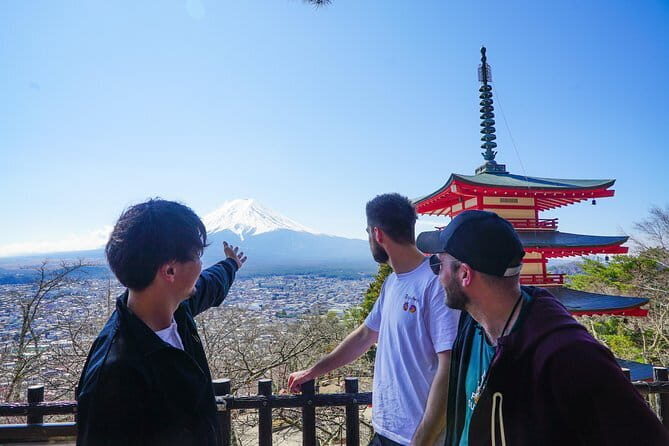
This tour fits travelers who want Tokyo in a way that feels normal to locals, not just a list of famous stops.
You’ll likely love it if:
- You want an onsen experience but don’t want to figure out etiquette alone
- You like structured time blocks where you’re not rushing
- You plan to eat in Asakusa and want to order confidently
- You prefer small-group tours where questions are welcome
You might want to reconsider if:
- You have heavy tattoos and need guaranteed entry (the policy is restrictive and they ask you to check)
- You’re expecting the guide to accompany you inside the spa facilities (they won’t)
Should you book this Onsen Spa and Asakusa Bar Hopping tour?
Yes, I think it’s a smart booking for the right traveler. If you want a guided onsen day that actually helps you avoid awkward mistakes—and you also want a realistic Asakusa food-and-drinks evening without menu guesswork—this tour delivers the core value: clear onsen prep, privacy during bathing, and translation where it matters.
Book it if your priority is comfort and confidence more than saving every dollar. Skip it only if the tattoo policy is a deal-breaker for you or if you specifically want a fully guided experience inside the bath area.
FAQ
How long is the tour?
It runs for about 6 hours total, with about 3 hours at the onsen and about 3 hours in Asakusa’s Hoppy Street area.
Where does the tour start and end?
The tour starts near Ryōgoku Station and ends at Asakusa Station.
What onsen items are provided?
You’re provided with towels, gowns/robes, and soap for the onsen portion.
Is the onsen admission included?
The Edoyu stop states that onsen entry fees are included, while restaurant fees during the Asakusa portion are not included.
Are tattoos allowed?
Heavy tattoos are prohibited. The tour info says you should contact them to see what they can do, and that in some cases there may be ways to enter by hiding the tattoo.
How many people are in the group?
The tour is a small group with a maximum of 8 travelers.
More Nightlife Experiences in Tokyo
More Guided Tours in Tokyo
More Bar Hopping Tours in Tokyo
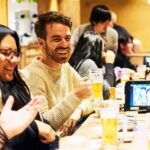
More tours in Tokyo we've reviewed
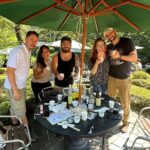
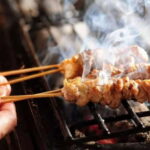
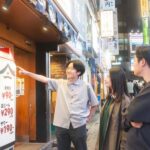


Bar Hopping Tours, compared.
 ★ 5.0Tokyo Bar Hopping Tour in Shinjuku (All-You-Can-Drink + Dinner)From $106
 ★ 5.0Shibuya Meltdown Nightlife Tour: All-You-Can-Drink Bar HoppingFrom $106
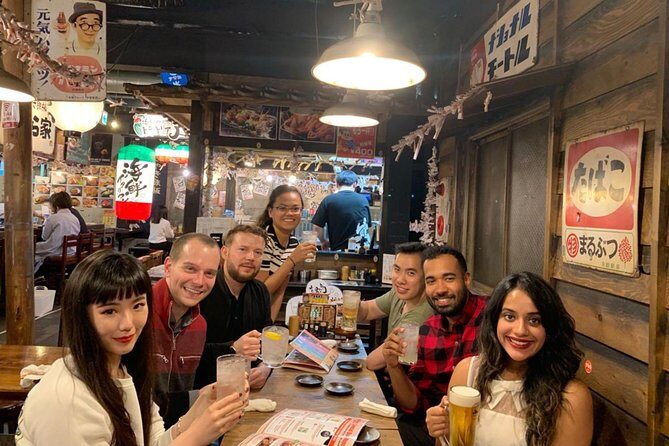 ★ 5.0Osaka Bar Hopping Night Walking Tour in Namba (3 bars, 6 tastes)From $98
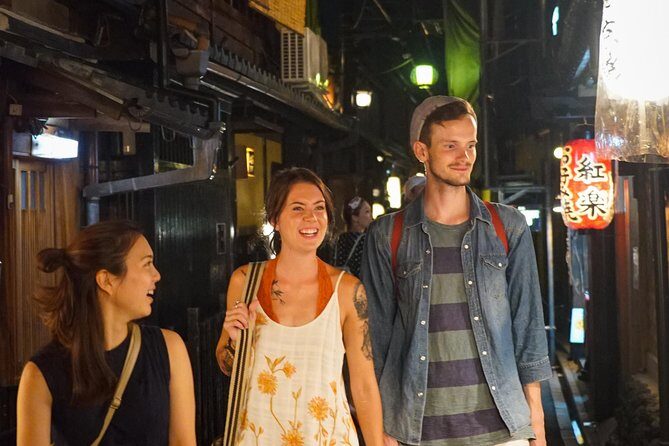 ★ 5.0Kyoto Bar Hopping Night TourFrom $105
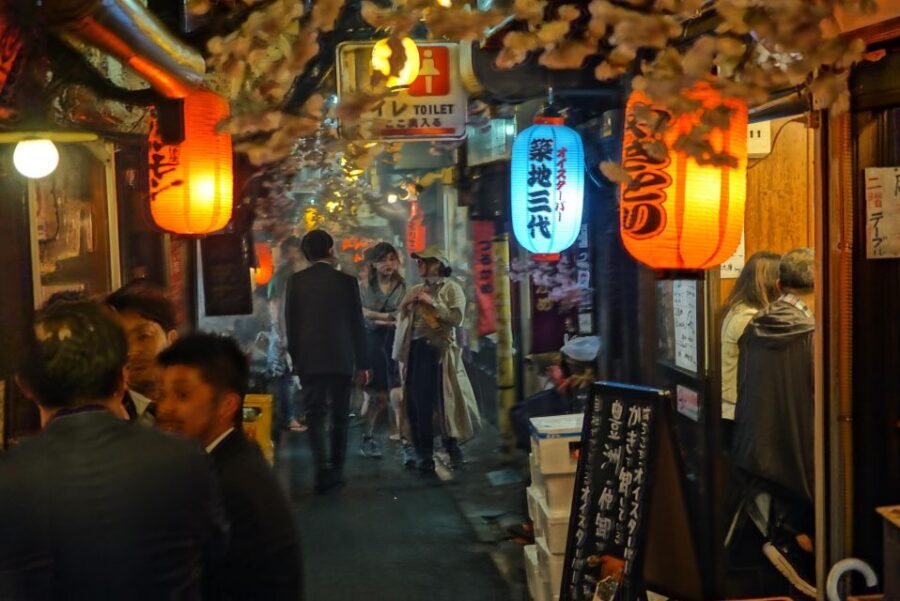 ★ 4.9Tokyo: Shinjuku Bar Hopping with All-You-Can-Drink & DinnerFrom $1083 hours
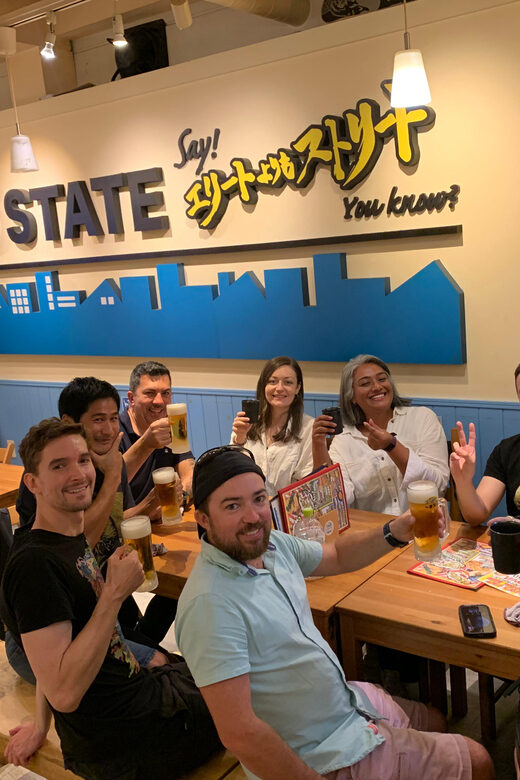 ★ 4.9Osaka: Namba Pub Bar Crawl with a Local GuideFrom $303h 30m
 ★ 5.0Kyoto Local Bar Crawl in Kawaramachi AreaFrom $28
 ★ 5.0Sapporo Bar Hopping Food TourFrom $108
The lists this tour appears in