
Reviewed · KYOTO DRINKING TOURS
Kyoto Udon & Tempura Cooking Class with Professional Chefs
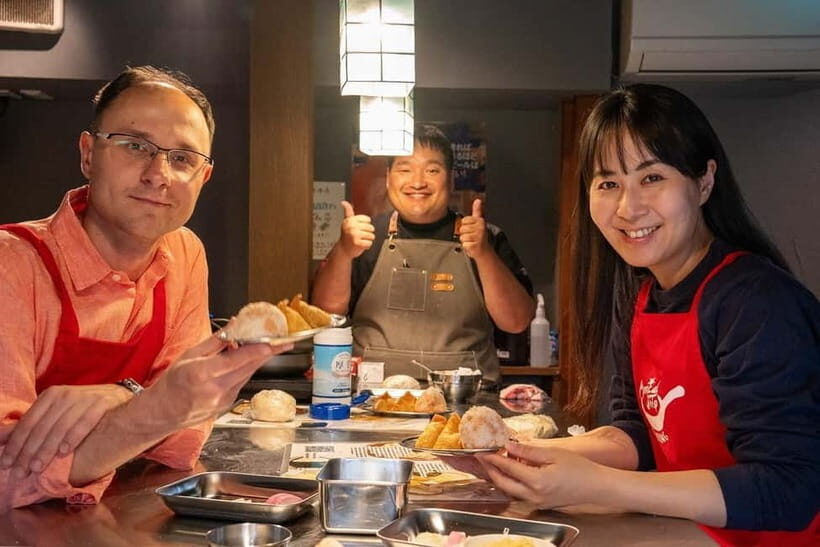
Kyoto tastes better when you make it. This hands-on udon-focused cooking class turns flour and water into chewy noodles, then adds inari sushi rice shaping and crispy tempura frying, all explained in English by a local guide alongside an udon master. I especially like the chance to work with your hands the whole time and the friendly small-group pace. One thing to keep in mind: depending on how your session runs, you may spend less time on certain finishing steps than the full menu description suggests, and the class can come out shorter.
You’ll also get to eat what you make right away, paired with a mini sake moment and included drinks. Plus, you leave with an English recipe set and photos, which is what lets this food lesson actually travel back home with you.
In This Review
- Key takeaways before you go
- A hands-on Kyoto cooking class that starts with flour
- From flour and water to chewy udon noodles
- Inari sushi and onigiri: seasoning rice and shaping by hand
- Tempura frying: crisp technique, heat control, and your own golden bites
- Eating your udon, inari sushi, and tempura with mini sake
- English recipes and tour photos you’ll actually use
- Price and value: what $83 covers in a 2-hour class
- Meeting point at Kyoto Kawaramachi: quick access near two stations
- Timing and expectations: when the session may feel shorter
- Who should book this Kyoto udon and tempura class
- Should you book this Kyoto Udon & Tempura class?
- FAQ
- Do I need prior cooking experience?
- How long is the cooking class?
- Is the class taught in English?
- How many people are in the group?
- What will I eat and drink during the class?
- Where is the meeting point?
- Can I cancel or pay later?
Key takeaways before you go
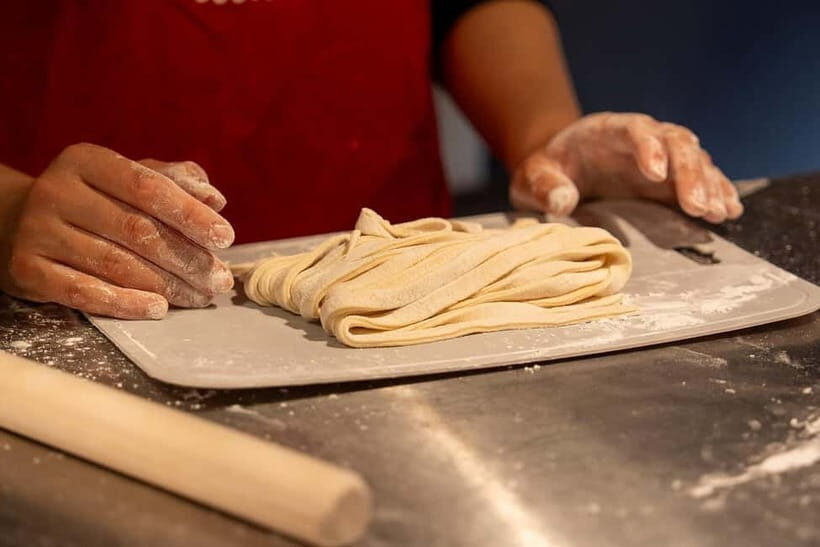
- Udon from flour and water: knead, roll, and shape the dough step by step
- Inari sushi rice shaping: learn seasoning and form onigiri and inari sushi
- Tempura technique and frying: watch the method, then fry your own golden bites
- Small group (up to 8): more hands-on attention, less crowd noise
- Mini sake tasting with your meal: a simple flavor-education finish
- Take-home English recipes + photos: good for repeating the dishes later
A hands-on Kyoto cooking class that starts with flour
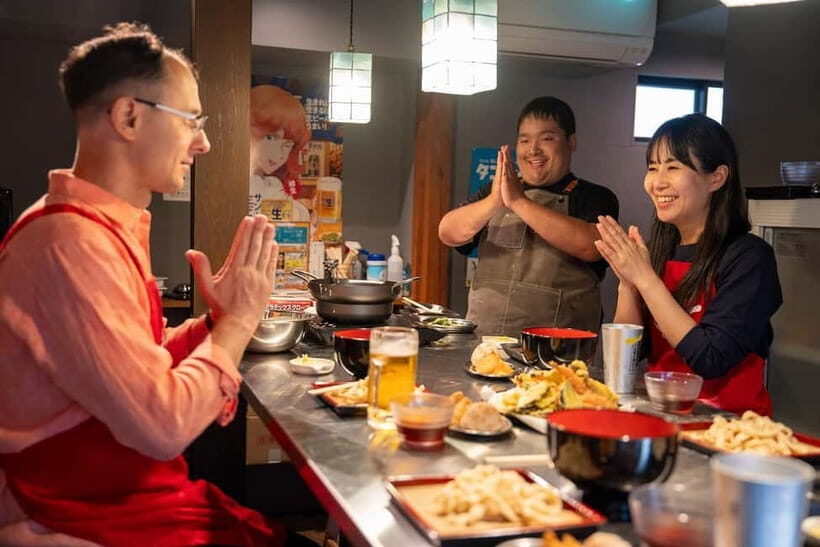
This is the kind of class that feels practical from the first minute. You begin with basic ingredients and build up to three classic Japanese dishes: udon noodles, inari sushi, and tempura.
What makes it especially appealing for visitors is the balance. You get real technique coaching from a professional udon master, while an English-speaking local guide helps you understand what to do, why it matters, and how not to panic when dough feels strange at first.
And because it’s capped at 8 participants, you’re not stuck watching from the sidelines. The goal here is simple: you work, you learn, you eat, and you walk away with a recipe set you can actually follow.
Other Kyoto drinking tours we've reviewed in Kyoto


From flour and water to chewy udon noodles
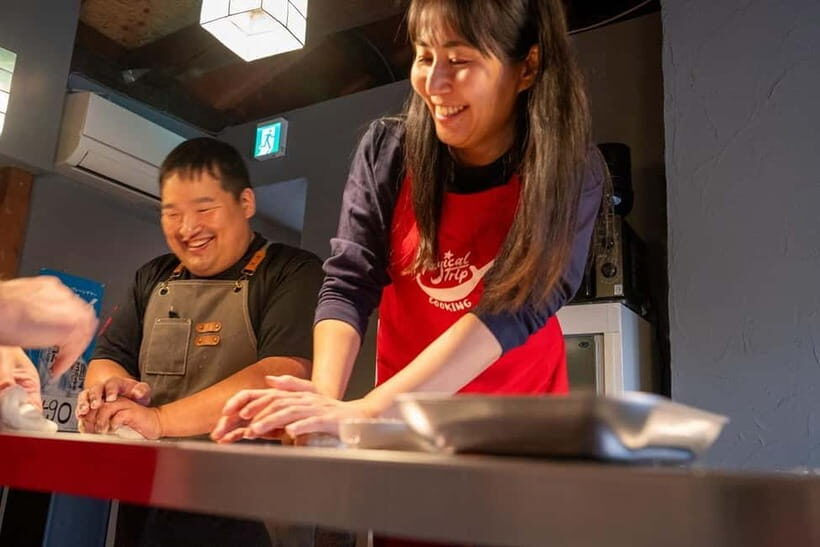
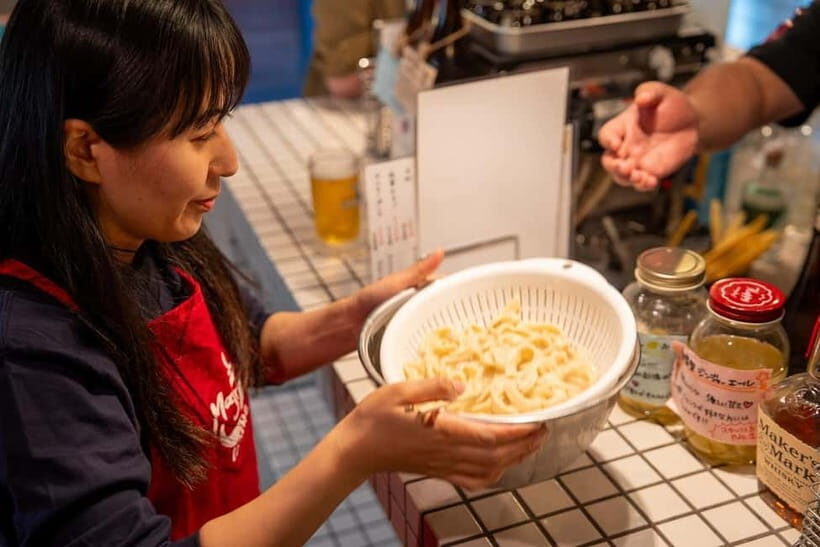
The udon portion is the heart of the experience. You start with flour and water, then move through the core physical steps: mixing, kneading, and rolling the dough by hand. The professional teaches you how to read the dough with your fingers, not just by watching a timer.
Here’s what I like about this approach. Udon isn’t fussy food, but it does depend on feel. When you knead and roll, you start to understand how gluten development and thickness affect that signature chew you see in Kyoto bowl shops.
Inari sushi and tempura come after, but the udon lesson sets your rhythm. Expect to spend real time stretching and rolling, with the guide and chef correcting technique as you go. If you’re a beginner, good news: the class is designed for people with no cooking background, and ingredients are provided.
A small practical thought: if you love the idea of learning one thing deeply, udon is that thing. Even if later steps vary by session, the noodle-making muscle memory is the piece you’ll keep.
Inari sushi and onigiri: seasoning rice and shaping by hand
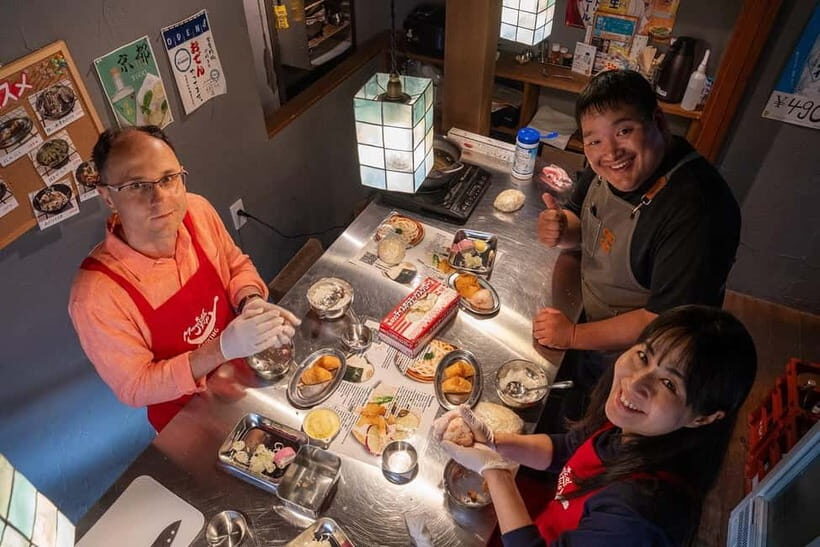
Next you shift from dough work to rice work. You’re taught how to season freshly steamed rice for inari sushi, then how to shape it into onigiri and inari sushi forms.
This part is more than “make a ball and hope.” Rice seasoning changes everything: it affects stickiness, flavor, and how well it holds its shape. When you do the shaping yourself, you also learn the difference between rice that’s just warm and rice that’s seasoned at the right moment.
If you’ve ever liked inari sushi but wondered why it tastes so much better at a good shop, this is where it clicks. You’ll get a clear idea of the flavor logic behind the rice, not just the final bite.
And yes, this is still hands-on. You’ll be shaping your own pieces, not just watching someone else do it. That’s the fastest way to understand how firm the rice should feel and how much you should compress without turning it into paste.
Tempura frying: crisp technique, heat control, and your own golden bites
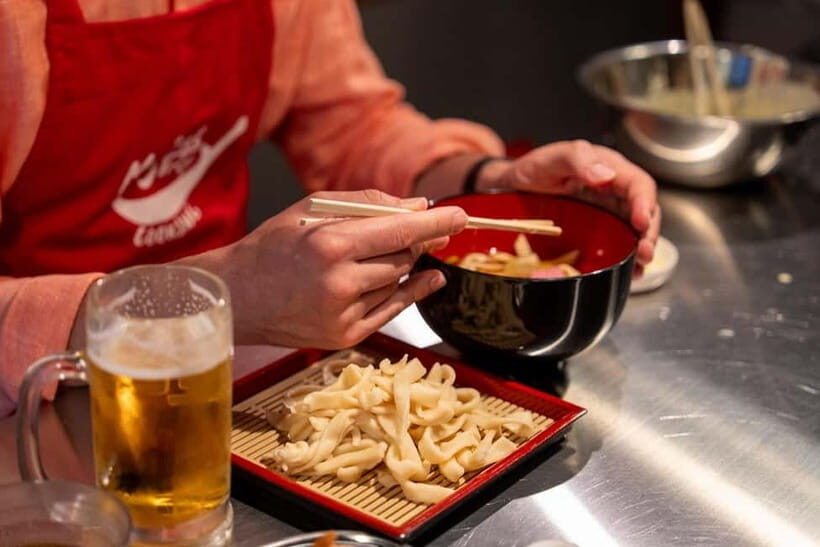
Then comes tempura, and it’s the part many people remember most. You watch the steps, learn what to do with the ingredients, and then you fry your own pieces until they’re crisp and golden.
Tempura is simple in concept—light batter and fast frying—but it’s picky in practice. The guide’s job is to help you avoid the two classic mistakes: batter that’s too heavy or cooking that drags on. The class structure gives you a chance to see the timing and texture cues you can’t get from a recipe alone.
One thing to consider before you go: while the experience is presented as learning tempura from scratch, some sessions may focus more on frying and dipping than fully preparing batter. If you care specifically about batter mixing as a taught step, it’s worth checking with the provider when you book so your expectations match your day’s workflow.
Still, even if your session emphasizes the frying mechanics, tempura is one of the best “I can do this now” skills to take home. Once you understand how the pan heat and batter thickness work together, you can reproduce the crunch at home with less guesswork.
Eating your udon, inari sushi, and tempura with mini sake
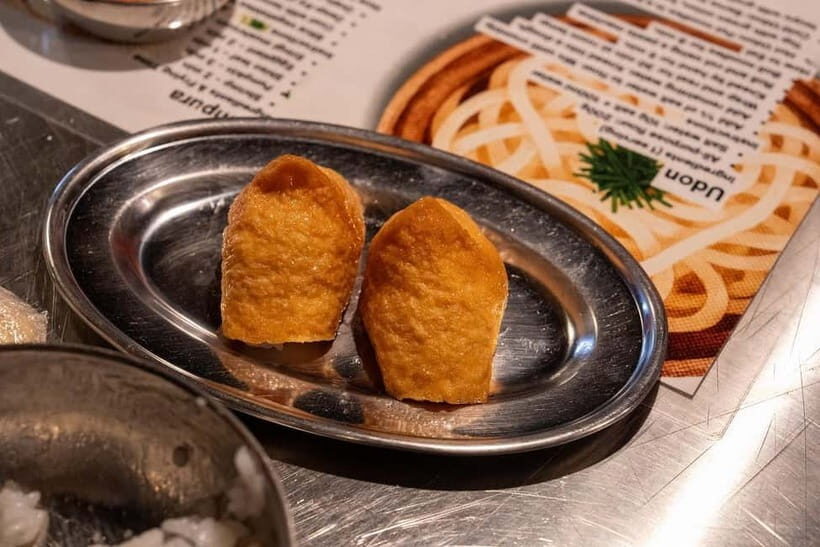
After all that work, you get to enjoy the food right away. You’ll savor the udon noodles, inari sushi, and tempura you made as part of the class meal.
This is not just a reward. Eating what you made while the techniques are still fresh in your mind helps you connect cause and effect. If your udon feels springy or your tempura is crisp, you understand what you did in the dough and frying steps that led to that result.
You’ll also have a mini sake tasting experience. It’s a small addition, but it helps tie Kyoto food culture to the meal. The point isn’t to turn it into a lecture—it’s to give you a quick flavor pairing moment so you leave with something memorable beyond the cooking.
Also included are two drinks, so you’re not left scrambling to find something to sip during or after.
Other cooking classes in Kyoto
English recipes and tour photos you’ll actually use
A lot of cooking classes hand you something that looks nice but doesn’t help much. This one includes an English recipe set designed to recreate the dishes using ingredients you can find at home.
That matters more than it sounds. Japanese cooking is full of small ingredient differences, and without guidance, you can end up making something that’s close but not quite right. With a practical recipe set, you can shop smarter and cook with better odds.
You also get tour photos. Those are handy for two reasons: they help you remember what you built, and they can serve as a visual checklist when you try again later.
If you’re the type who likes to bring home “doable souvenirs,” recipes and photos are the best kind. They turn this into a repeatable experience, not just a nice two-hour memory.
Price and value: what $83 covers in a 2-hour class
At $83 per person, you’re paying for more than ingredients and a meal. You’re paying for guided technique—an udon master, a local English guide, and a small-group setting where someone actually watches your hands and corrects you.
In this kind of class, the value comes from three buckets:
- Instruction for multiple dishes, not just one
- Hands-on practice with provided ingredients
- Added extras like drinks, mini sake tasting, photos, and take-home recipes
You’re also getting a practical use of your time in Kyoto. Instead of spending a chunk of the day in line-and-wait mode, you’re in a structured workshop where every moment moves you forward.
Could it be less expensive if you only want one dish? Sure. But if you want a quick, guided, culturally rooted “cook three things” experience with a clear takeaway, this price lands in a reasonable zone for the service you receive.
Meeting point at Kyoto Kawaramachi: quick access near two stations
You meet at 7-Eleven – Kyoto Kawaramachi-Takoyakushi. It’s about a 3-minute walk from Exit B3 of Kyoto-Kawaramachi Station on the Keihan Kyoto Line, or a 9-minute walk from Exit 3 of Gion-Shijo Station on the Keihan Main Line.
This is a good setup for visitors because those areas are easy to reach from central Kyoto. If you’re staying near Kawaramachi or Gion, you’ll likely have a simple commute.
My practical tip: arrive a few minutes early even if you’re close. Cooking classes depend on everyone starting together, and being present helps you get settled before the first dough step.
Timing and expectations: when the session may feel shorter
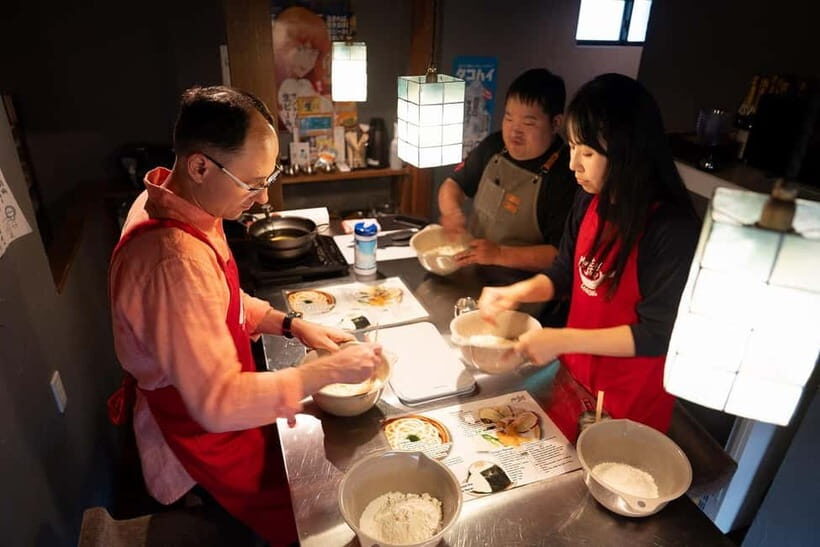
The experience is described as lasting 2 hours. Still, one key consideration is that the real tempo can vary depending on how the class moves through each component.
In some cases, the focus may skew toward the hands-on parts like dough kneading and rolling, while other steps (like cooking or fully preparing every component end-to-end) may receive less time. Timing can also land closer to around 1 hour 20 minutes including the meal rather than a full two hours, depending on your session flow.
So here’s the best way to protect your expectations: think of this as a workshop built around technique practice, not a TV-style production where every final form is made from start to finish with unlimited time.
If you’re mainly there for the udon lesson and you’re open to the rest being taught in a practical, time-efficient way, you’ll likely find it satisfying. If you want a guaranteed, fully scripted sequence where every element is cooked and finished by you, send a quick question at booking time to confirm how your class is structured.
Who should book this Kyoto udon and tempura class
This works well if you want Kyoto culture in a hands-on format. You don’t need special skills, and the class is suitable for all ages.
It’s especially a good fit for:
- Food lovers who learn faster by doing
- First-time visitors who want a meaningful experience that doesn’t require deep Japanese
- Travelers who like taking something tangible home (recipes and photos)
- Couples or small friend groups who want a guided workshop without a big crowd
If you’re traveling with kids, it’s also a friendly setup because the process is active. Just note that cooking involves heat and timing, so you’ll want to follow the guide’s instructions closely.
Should you book this Kyoto Udon & Tempura class?
I’d book it if you want a hands-on Kyoto experience with clear takeaways: udon technique, rice shaping for inari sushi, and a real tempura frying moment. The small group size, English support, and included recipes make it feel like more than a one-time meal.
Skip or double-check if your top priority is very specific end-to-end finishing (for example, every component fully cooked and prepared from scratch within the session) and you’re strict about timing. In that case, ask how your class allocates time so the day matches what you’re hoping to do.
For most visitors, the decision is simple. If you want to leave Kyoto with noodle-making skills and an at-home plan, this class gives you that in a compact, friendly format.
FAQ
Do I need prior cooking experience?
No. The class is designed for people with no prior cooking experience, and ingredients are provided.
How long is the cooking class?
The duration is listed as 2 hours.
Is the class taught in English?
Yes. The instruction is English, with an English-speaking guide.
How many people are in the group?
It’s a small group limited to 8 participants.
What will I eat and drink during the class?
You’ll eat the udon, tempura, and inari sushi you make, with a mini sake tasting experience and two included drinks.
Where is the meeting point?
Meet at 7-Eleven – Kyoto Kawaramachi-Takoyakushi, near Kyoto-Kawaramachi Station (Exit B3) or Gion-Shijo Station (Exit 3).
Can I cancel or pay later?
You can cancel up to 24 hours in advance for a full refund. You can also reserve now and pay later to keep your plans flexible.
More Workshops & Classes in Kyoto
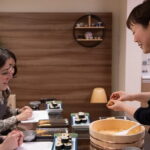
More Cooking Classes in Kyoto
More Kyoto Drinking Tours in Kyoto


More tours in Kyoto we've reviewed





Kyoto Drinking Tours, compared.
 ★ 5.03-Hour Kyoto Insider Sake Brewery Tour with Tastings & PairingsFrom $84
 ★ 4.9Kyoto: Izakaya Bars Guided Walking TourFrom $253 hours
 ★ 5.0Kyoto: Insider Sake Brewery Tour with Sake and Food PairingFrom $873 hours
 ★ 5.0Kyoto Sake Brewery & Tasting Walking TourFrom $98
 ★ 5.0Kyoto Bar Hopping Night TourFrom $105
 ★ 5.0Kyoto Local Bar Crawl in Kawaramachi AreaFrom $28
 ★ 5.01.5-Hour Kyoto Insider Sake Experience with 7 Tastings & PairingsFrom $68
 ★ 5.0Kyoto: Insider Sake Experience with 7 Tastings and SnacksFrom $661h 30m
The lists this tour appears in