
Reviewed · KYOTO DRINKING TOURS
Kyoto Sake Brewery Tour
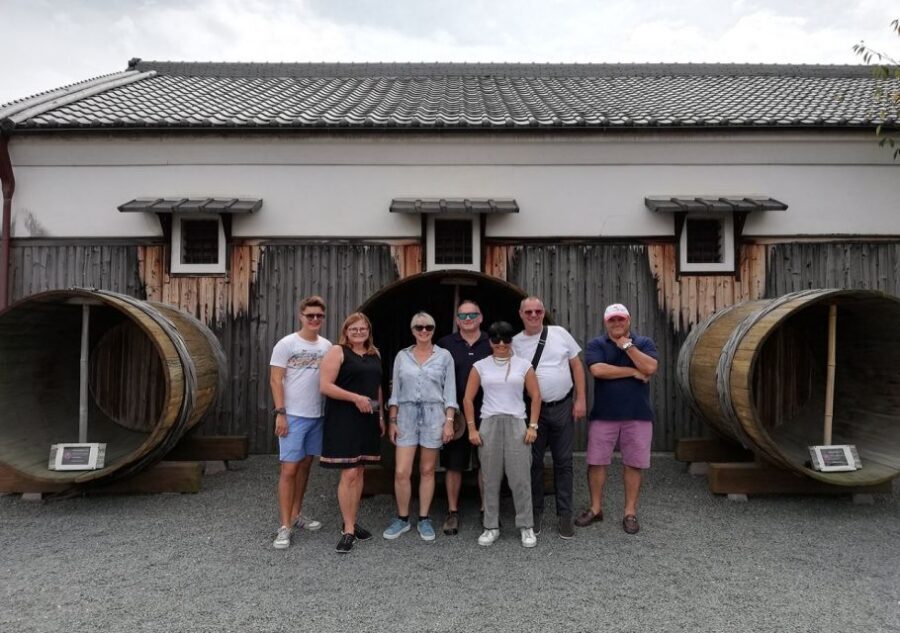
Sake in Fushimi can be a revelation. This 3-hour guided walk through Kyoto’s best-known sake district mixes tastings, street-level atmosphere, and practical explanations of how flavor gets made. You get the kind of context that turns a casual pour into something you can actually taste and talk about.
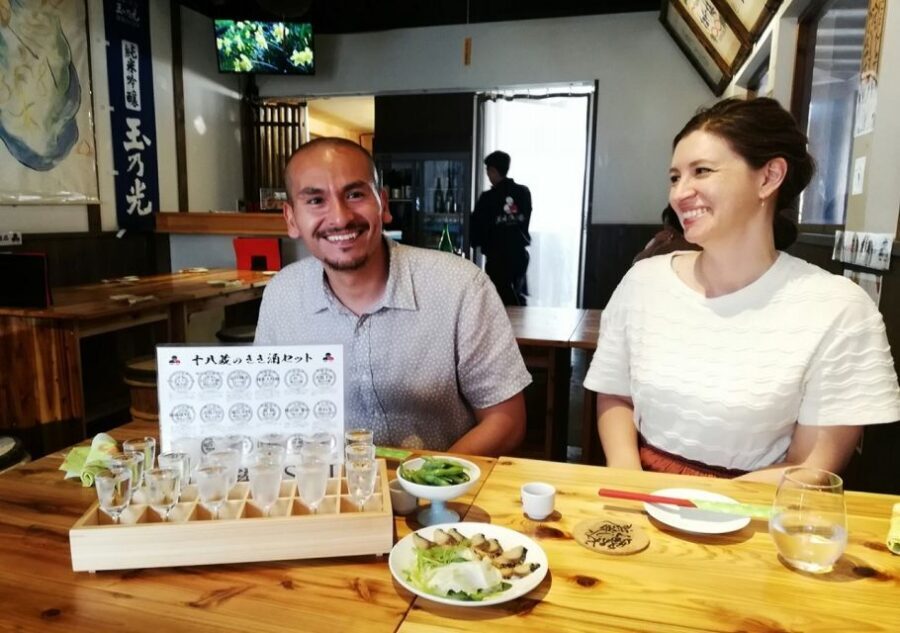
I especially like the guided sampling of different sake styles, from crisp to more aromatic and lush. And I really enjoy the lunch element, because the food isn’t an afterthought; it’s meant to match what you’re drinking.
One thing to consider: some stops may be affected by closures (for example, holiday timing), and Japanese brewing areas are not open for visitors. If your goal is mostly to watch the brewing process, you may find you get more storytelling and tasting than behind-the-scenes visuals.
In This Review
- Key Points Worth Your Time
- Fushimi Sake District: Why This Area Changes How You Taste
- Meeting Point and Getting There Without a Hassle
- The 3-Hour Flow: Walk, Learn, Taste, Eat, Repeat
- Brewery Visits and the Closed-Door Reality (What You Do See)
- Tasting Tips That Make the Lesson Stick
- Lunch Pairings: The Part Many Food-and-Drink Tours Get Wrong
- Guide Matters: English Storytelling and Real Explanations
- Price and Value: Is $177 Fair for a 3-Hour Tour?
- Age Rules and What to Know Before You Go
- Who Should Book This Tour (and Who Might Skip It)
- Should You Book the Kyoto Sake Brewery Tour?
- FAQ
- Where is the meeting point for the Kyoto sake tour?
- How long is the tour?
- What’s included in the price?
- How do I get there using public transit?
- Can I see the actual sake brewing process?
- Is this tour suitable for kids or teens?
- What do I need to bring?
- Is there a cancellation policy?
Key Points Worth Your Time
- Fushimi’s sake-focused streets make the whole experience feel grounded, not staged.
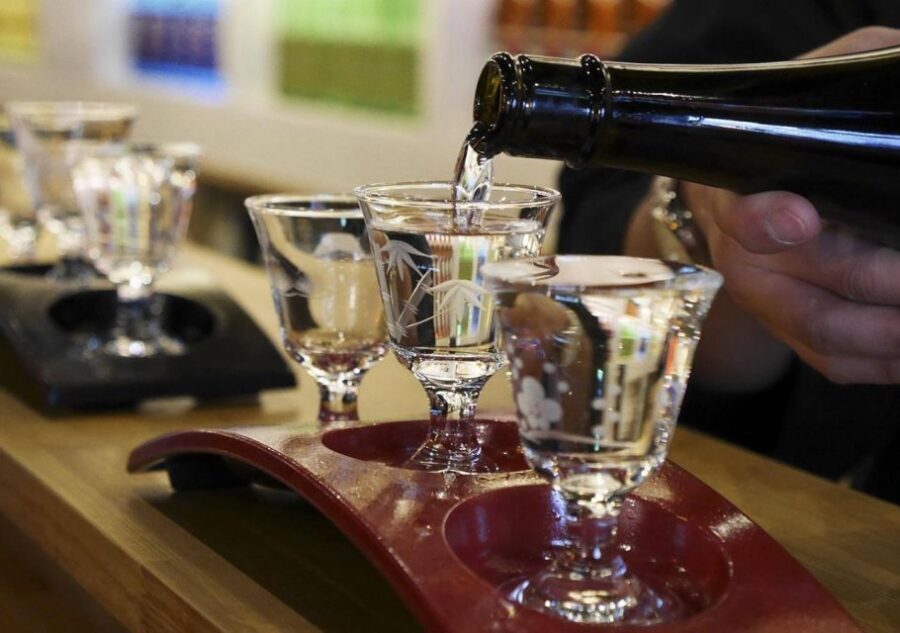
- A guided tasting set helps you notice differences in sweetness, acidity, and umami.
- Lunch + pairings turn the meal into part of the tasting lesson.
- Small group size (up to 6) keeps questions from getting lost.
- You won’t see brewing rooms, but you still learn the art-and-science behind the craft.
- Passport required, and age rules apply for alcohol stops.
Fushimi Sake District: Why This Area Changes How You Taste
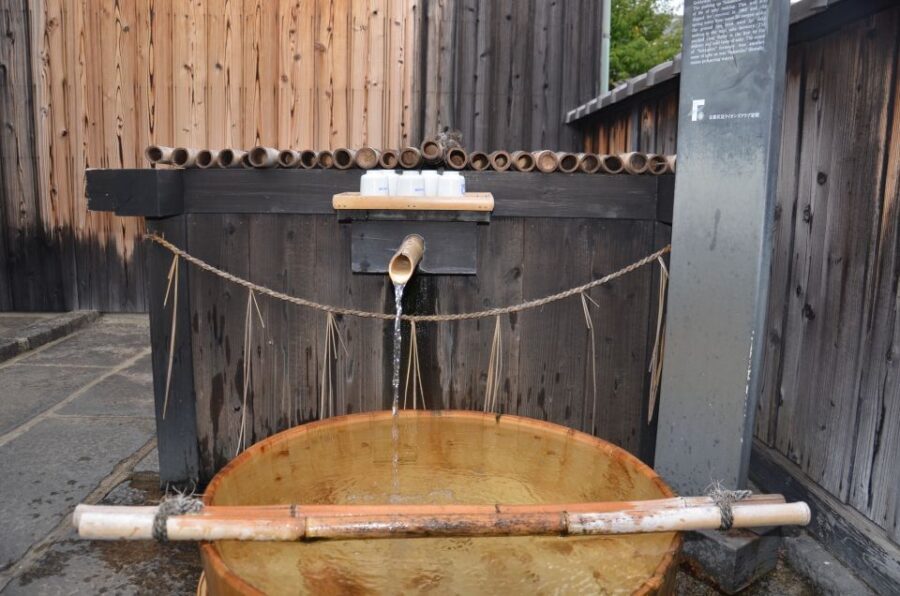
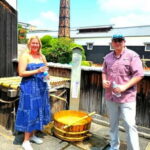
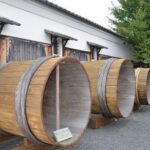
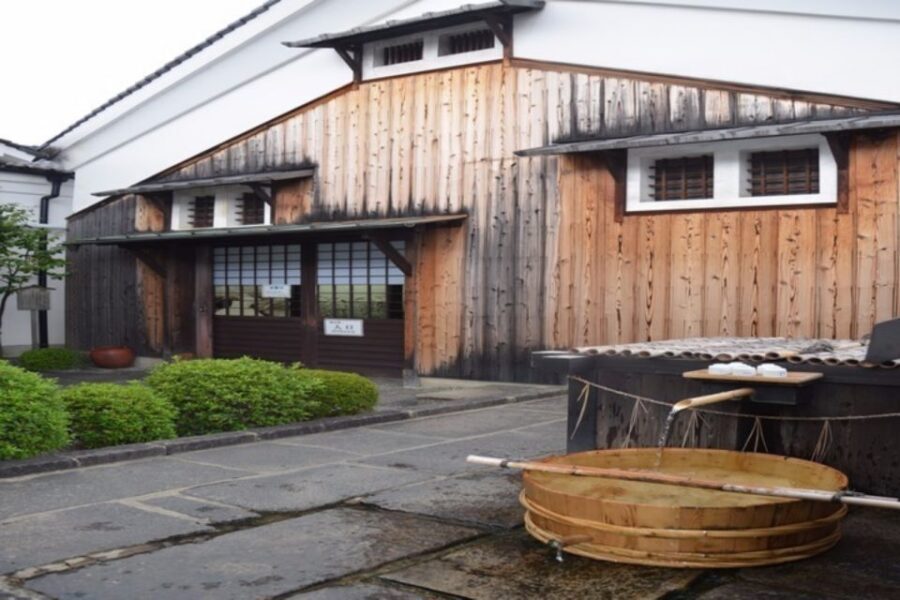
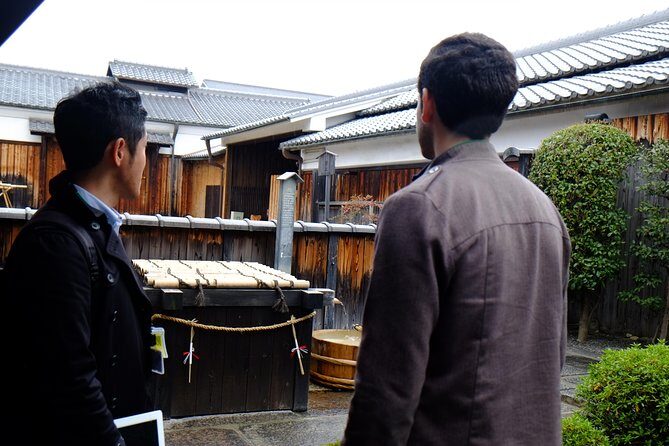
Kyoto’s Fushimi district is one of Japan’s oldest and most famous sake regions, and it shows in the way the neighborhood feels. Even before you start tasting, you’re surrounded by cues that this is a place built around rice fermentation. The tour description leans into that sensory side: expect to catch the fragrant aroma of fermenting rice, a scent that has lingered here for centuries.
That matters because sake tasting is not just about finding a flavor you like. It’s about understanding why flavors land the way they do. When you’re in the right place, those lessons stick better. I like that the tour frames sake as a craft with precision, not as a one-note party drink.
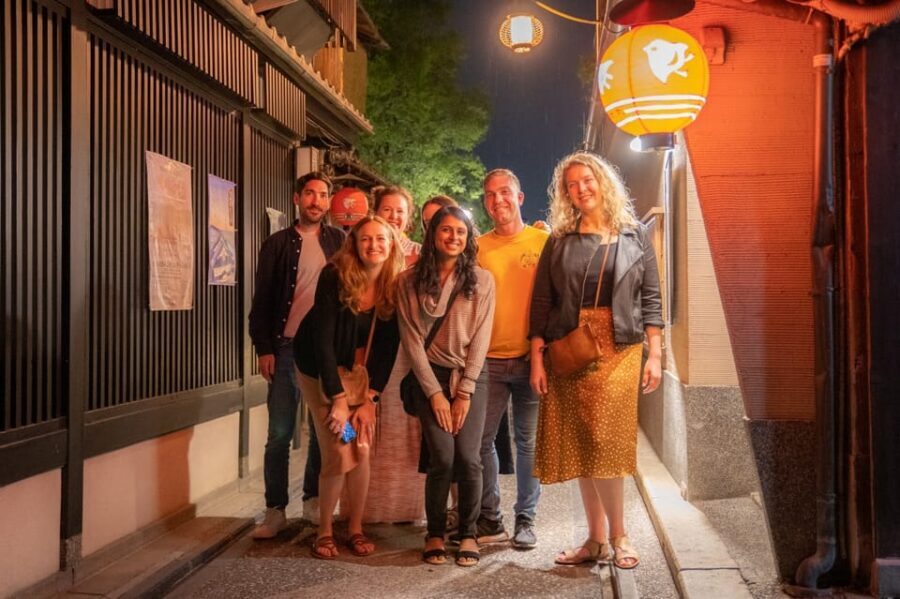
Also, Fushimi isn’t only traditional. You’ll move between charming streets and modern tasting rooms, which helps you see how sake culture works now, not only how it used to work.
Other sake brewery and tasting tours in Kyoto

Meeting Point and Getting There Without a Hassle
You meet at the front of a SoftBank shop near: 4-291-1 Ryogaemachi, Fushimi-ku, Kyoto-shi (612-8082). It’s a clear landmark, which is great when you’re arriving on a tight schedule.
Getting there is straightforward with two train options:
- Keihan Line to Fushimi Momoyama Station
- Kintetsu Line to Momoyama Goriyo Station
The tour does not include hotel pickup or drop-off, so plan to arrive a little early and take a moment to orient yourself in Fushimi. This part is small, but it can make the difference between starting the tour relaxed or starting it already stressed.
The 3-Hour Flow: Walk, Learn, Taste, Eat, Repeat
This is not a long museum day. It’s a fast, focused 3-hour loop designed to keep your palate engaged and your feet moving at a comfortable pace.
Here’s the rhythm you should expect:
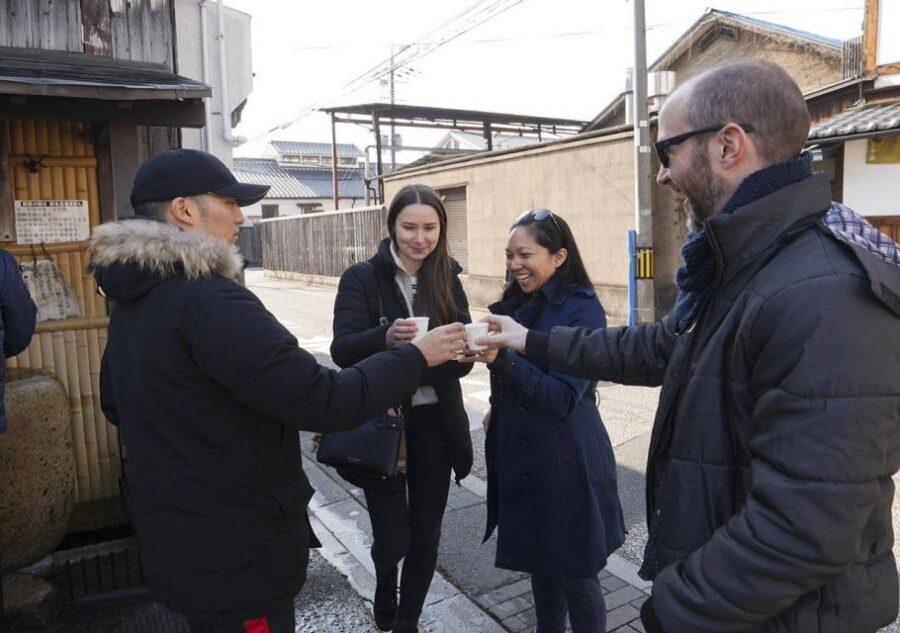
- You start with a guided walk through Fushimi, with the guide explaining what you’re seeing and why it matters.
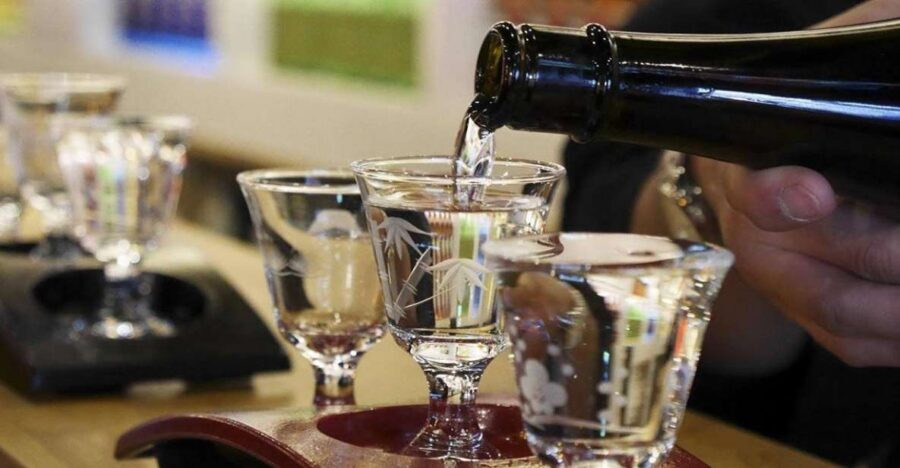
- Then you move into tastings in different settings, where you try multiple sake styles.
- You take a lunch break that includes local food designed to go with the sakes you’ve been tasting.
- After lunch, you typically continue with more tastings and then get shopping time to pick up bottles or souvenirs you actually want.
Because the tour is small (limited to 6 participants), you’re less likely to get herded. That matters when you’re doing tastings, since you might want to ask what you’re noticing in your glass.
One practical note from how the day is structured: it’s a drinking-and-eating experience, so don’t schedule something demanding right afterward unless you like moving at tour speed. Plan a calmer second half of your day.
Brewery Visits and the Closed-Door Reality (What You Do See)
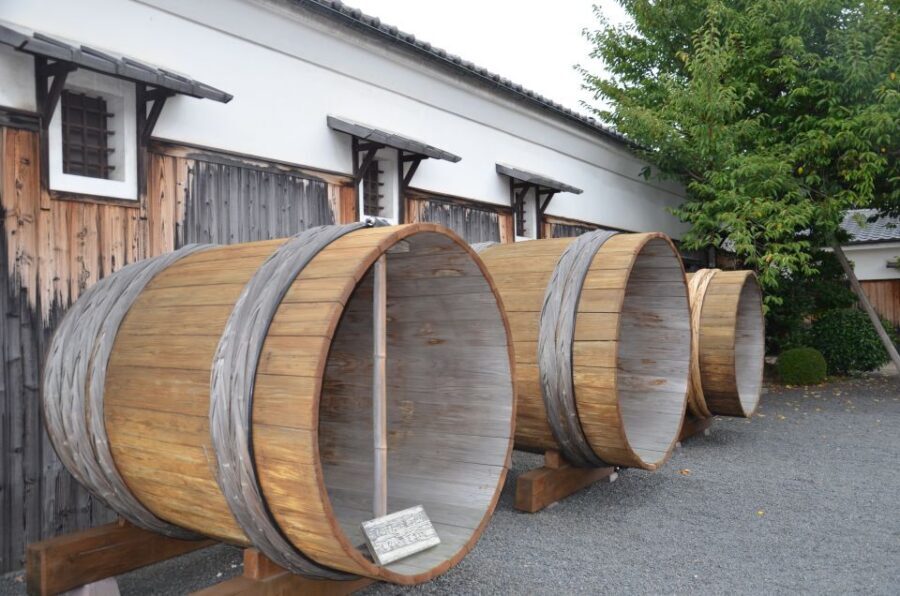
The tour description is honest: you won’t get to view the actual brewing areas. Japan has safety and sanitation rules, and some brewery zones simply aren’t open to visitors.
So what do you get instead? You get what I think is the “useful” alternative: hands-on learning through stories, displays, and expert explanations. You’ll hear about dedicated brewers who refined the craft over generations and the balance of art and science that shapes flavor.
You also get the chance to visit a variety of breweries, including both historic and more contemporary tasting settings. That mix helps you understand something important: sake quality isn’t only one tradition or one method. It’s a spectrum influenced by people, ingredients, and choices.
One extra factor you should keep in mind: if your tour date lines up with holiday closures, some background-style visits (like museums or factory areas) may be limited. When that happens, the day can skew more toward tasting and less toward the deeper “how it’s made” museum-style context. It can still be fun, but it changes what you’re getting out of the learning portion.
Tasting Tips That Make the Lesson Stick
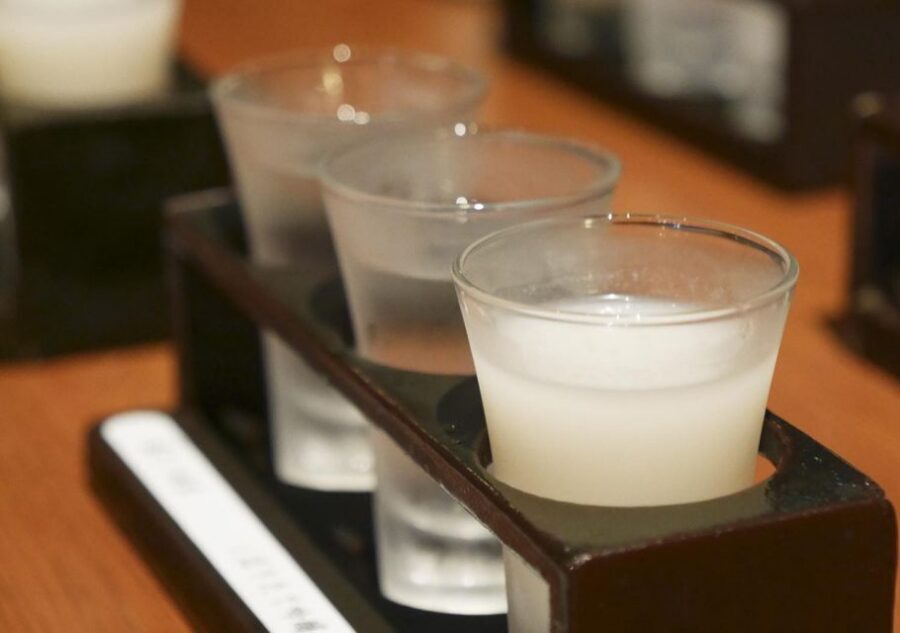
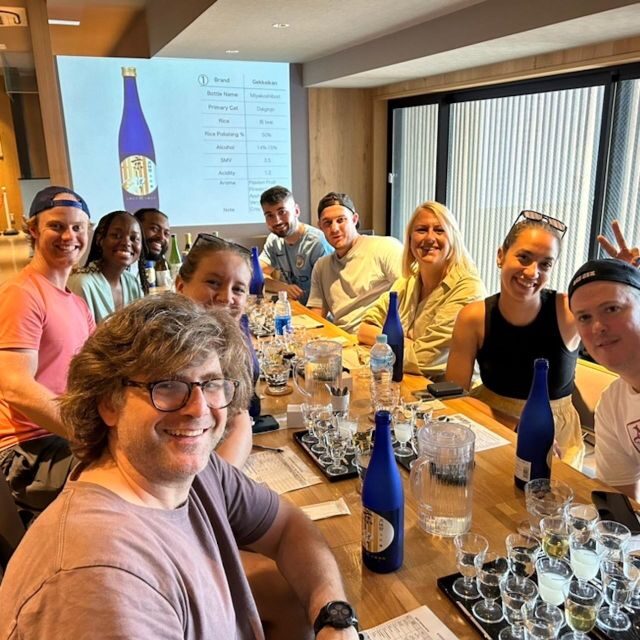
The tasting portion is one of the strongest reasons to book. You’ll sample several sakes, and the guide will steer you toward the kind of tasting that goes beyond liking or not liking.
What you’ll want to pay attention to:
- Aroma first, before you taste. Sake can smell way more distinct than you expect.
- Sweetness level, because some sakes feel rounded while others feel dry.
- Acidity, which can make a sip feel crisp or mouthwatering.
- Umami and texture, which can bring depth even when the flavor seems subtle.
The tour description promises a range from crisp to luscious and aromatic. That’s exactly what you need if you’ve only ever had sake at restaurants. The guide’s job is to help you build a mental map. By the end, you’re not just drinking; you’re recognizing patterns.
If you like going “serious” with your senses, this is a good match. It’s also a solid option if you’re new to sake, because you’re not left alone with a flight and a confused face.
Other craft beer tours we've reviewed in Kyoto
Lunch Pairings: The Part Many Food-and-Drink Tours Get Wrong
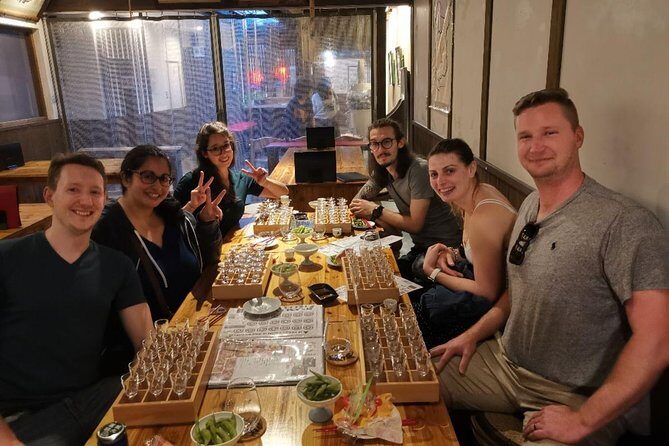
I like that this tour includes lunch with food pairings that are chosen to complement the sakes you’re trying. Food pairing is where a lot of drink tours get lazy. Here, the emphasis is on pairing as a learning tool.
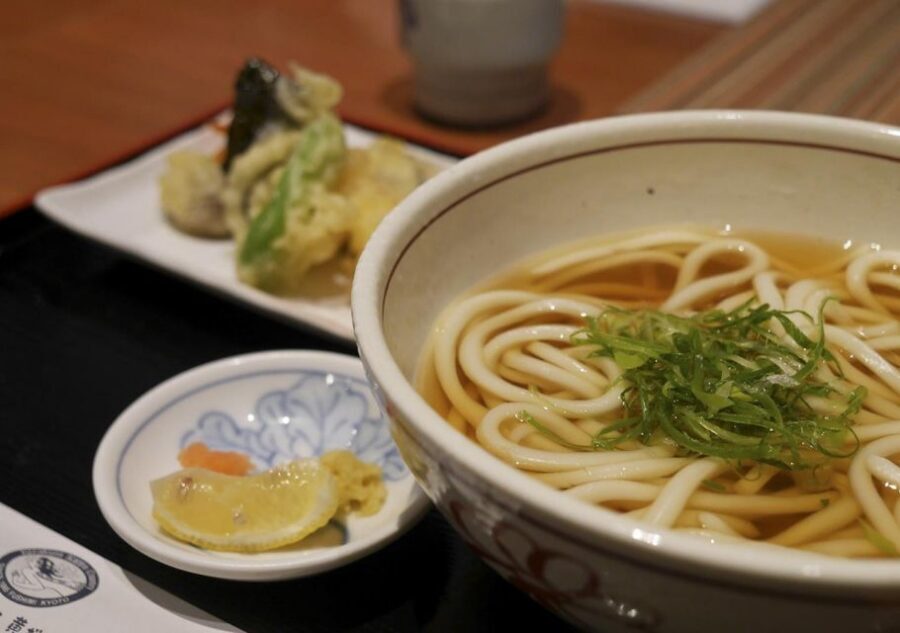
Expect a local lunch served in an atmospheric restaurant setting. The idea is simple: as you eat, you should notice how the flavor experience shifts. That’s not just “yummy food.” It’s chemistry and balance in a way you can actually understand.
If you’re the type who wants your money’s worth, lunch helps justify the total price. You’re getting a planned meal instead of just snack-sized tastings that leave you hungry.
And yes, you’ll likely finish the tour ready for a calmer sit-down meal later. The tasting portion plus lunch can be filling in both senses.
Guide Matters: English Storytelling and Real Explanations
The tour includes a local English-speaking guide, and this is where the experience can swing from good to great. When the guide is strong, the tastings become educational without becoming boring.
In past groups, the tour has been led by guides such as Hiroe and Akari, and both were praised for explaining the history and making the sampling feel structured. That’s the sweet spot: you want a guide who can talk about sake clearly while still keeping the pace human.
What you’re looking for in a good sake guide:
- Clear explanations of why sakes taste different
- Helpful tasting guidance, not just pouring and moving
- Smooth transitions between tastings and food
Small group size helps here. You can ask a question and actually get an answer that fits your palate, not just the loudest person in the group.
Price and Value: Is $177 Fair for a 3-Hour Tour?
$177 per person is not “impulse-buy” pricing, so I’d judge it on value, not vibes.
Here’s what you’re paying for, based on what’s included:
- Several sake tastings
- Local lunch with pairings
- Shopping time
- An English guide
- A structured experience through Fushimi with multiple tasting stops
You’re also paying for convenience. Meeting at a known landmark and having the walking plan plus tasting sequencing means you don’t have to research which places are good on your own.
Where value might feel weaker:
- If you’re hoping for lots of hands-on production visibility, you won’t get it.
- If stops are impacted by closures on your date, the learning portion may feel shorter or less varied.
My practical take: this tour is worth it if you want guided tasting structure plus lunch, and you like learning while you drink (in a controlled, respectful way). If your main goal is to watch brewing or if you only care about one or two sakes, you could find cheaper options. But then you’ll also lose the pairing and the guide-led tasting coaching.
Age Rules and What to Know Before You Go
This tour has legal restrictions at some stops:
- All group members must be 20 years old or older
- The minimum drinking age is 21
So even if you’re close to the limit, the policy matters. If you have teens or younger adults in your group, double-check eligibility before booking. Unaccompanied minors are not allowed, and children must be accompanied by an adult.
Also bring your passport. The tour information says a passport copy is required for children aged 10 and older.
Who Should Book This Tour (and Who Might Skip It)
Book this if:
- You want a guided introduction to sake beyond the basics
- You care about food pairing as part of tasting
- You prefer small groups and a clear plan for 3 hours
- You’re okay with the closed-door brewing reality in Japan
Consider skipping if:
- Your top priority is seeing brewing steps up close
- You only want to drink one style and you don’t care about tasting comparisons
- You’re traveling with limited time and you’re worried about date-dependent closures affecting museum-style stops
Should You Book the Kyoto Sake Brewery Tour?
If you’re planning a Kyoto day and you want to understand sake in a way that actually changes how you choose bottles afterward, I think this tour is a good buy. The big wins are the guided tasting variety, the structured palate education, and the lunch pairing that ties the whole experience together.
Just go in with realistic expectations: this is not a brewing-floor walkthrough. And your date matters. If you’re traveling around times when some museums or factories may be shut, you may get fewer “history room” moments and more tasting-focused time. Still enjoyable, but less “watch it happen” than you might picture.
If that sounds like your kind of day, book it. If you want hands-on production viewing more than tasting instruction, plan differently.
FAQ
Where is the meeting point for the Kyoto sake tour?
You meet at the front of a SoftBank shop at 4-291-1 Ryogaemachi, Fushimi-ku, Kyoto-shi, Kyoto-fu, Japan (612-8082).
How long is the tour?
The tour lasts about 3 hours.
What’s included in the price?
It includes a local lunch, several sake tastings, shopping time, and an English-speaking local guide.
How do I get there using public transit?
You can take the Keihan Train Line to Fushimi Momoyama Station, or the Kintetsu Line to Momoyama Goriyo Station.
Can I see the actual sake brewing process?
You won’t be able to see the actual brewing areas. The tour focuses on brewery insights through displays and expert explanations instead.
Is this tour suitable for kids or teens?
Children must be accompanied by an adult, unaccompanied minors are not allowed, and the minimum drinking age is 21. Also, all group members must be 20 or older due to legal restrictions at some stops.
What do I need to bring?
Bring your passport. A passport copy is required for children aged 10 and older.
Is there a cancellation policy?
Yes. Free cancellation is available up to 24 hours in advance for a full refund.
More Kyoto Drinking Tours in Kyoto


More Craft Beer Tours in Kyoto
More Sake Brewery Tours in Kyoto
More tours in Kyoto we've reviewed




Kyoto Drinking Tours, compared.
 ★ 5.03-Hour Kyoto Insider Sake Brewery Tour with Tastings & PairingsFrom $84
 ★ 4.9Kyoto: Izakaya Bars Guided Walking TourFrom $253 hours
 ★ 5.0Kyoto: Insider Sake Brewery Tour with Sake and Food PairingFrom $873 hours
 ★ 5.0Kyoto Sake Brewery & Tasting Walking TourFrom $98
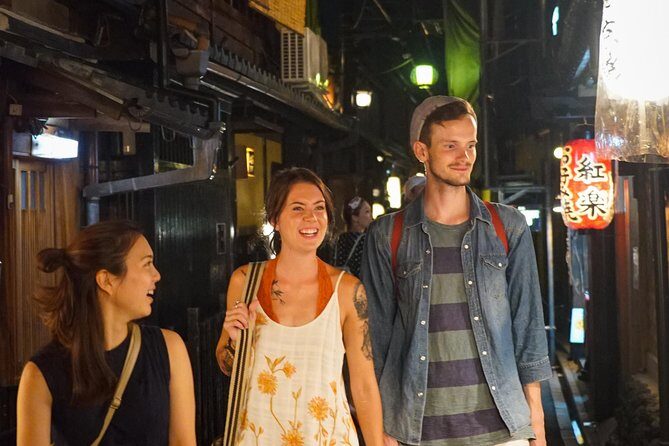 ★ 5.0Kyoto Bar Hopping Night TourFrom $105
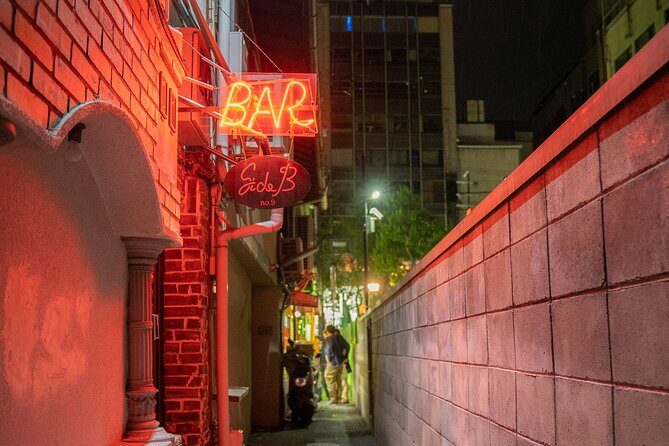 ★ 5.0Kyoto Local Bar Crawl in Kawaramachi AreaFrom $28
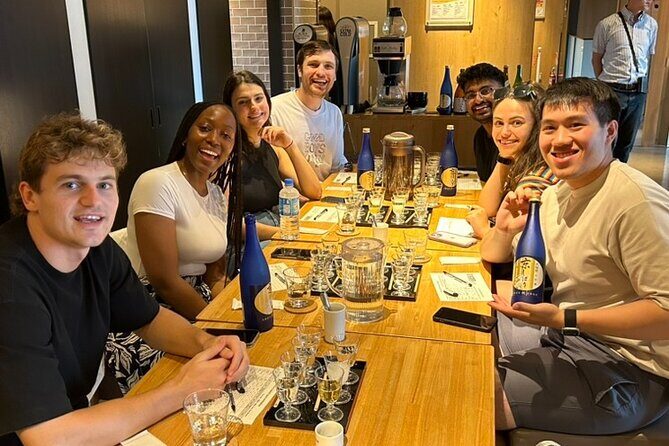 ★ 5.01.5-Hour Kyoto Insider Sake Experience with 7 Tastings & PairingsFrom $68
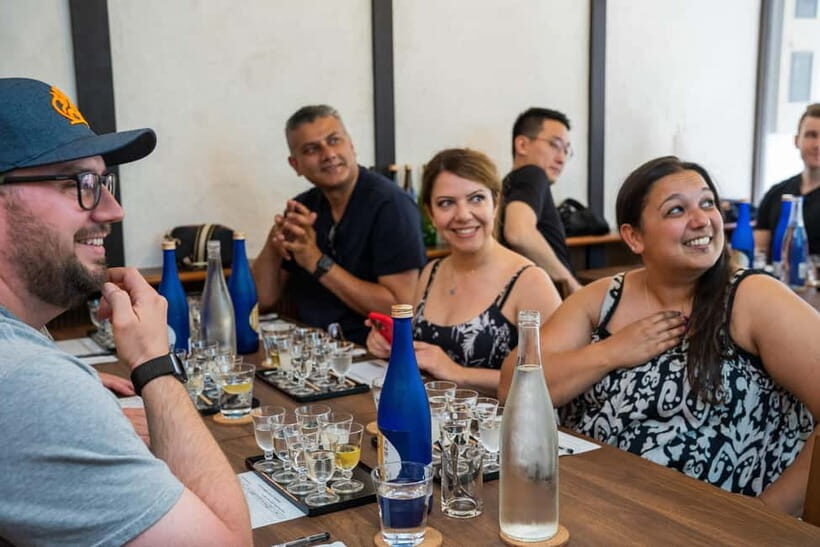 ★ 5.0Kyoto: Insider Sake Experience with 7 Tastings and SnacksFrom $661h 30m
The lists this tour appears in