
Reviewed · KYOTO DRINKING TOURS
Kyoto Sake Brewery Tour with Lunch
Sake is a little easier to read here. In Kyoto’s Fushimi area, this 3-hour tour mixes brewery visits, the Gekkeikan Okura sake museum, and tastings with a real local lunch. I like that you get both scale (small vs large brewery feel) and hands-on sake tastings, not just museum photos and lectures.
The biggest practical detail to keep in mind: parts of the actual brewing process are off-limits, so you’ll see how it works without stepping into active production areas. Also, the guide’s explanations can lean on printed sheets, so if you’re the type who learns best from lots of spontaneous back-and-forth, that style might feel a bit rigid.
In This Review
- Key tour highlights at a glance
- Fushimi’s sake district: starting at Otesuji Shotengai
- From the meeting point to Fushimi Inari Taisha: a quick orientation loop
- Gekkeikan Okura Sake Museum + seasonal Yakitori lunch
- How the breweries compare: small vs large production scale
- Tastings and pacing over 3 hours: what to expect
- The Fushimi stroll after the museum: temples and local stops
- Price and value: what $227 buys you in Kyoto
- The one real drawback to plan for
- Should you book it?
- FAQ
- Do I need a ticket for this tour?
- How long is the Kyoto sake brewery tour?
- Is lunch included?
- What’s included besides lunch?
- Do I need to be 21 to participate?
- Can I enter active brewing areas?
- Where is the meeting point and when does it start?
- How big is the group?
- Is it okay if I have dietary restrictions?
- Can I cancel for a full refund?
Key tour highlights at a glance
- Small + large brewery contrast: same product, different setup, and you’ll taste along the way
- Gekkeikan Okura sake museum: learn how rice wine traditions connect to techniques
- Lunch paired with local sake: a seasonal meal with Yakitori to anchor the day
- Low-stress group size: max 10 people, with a local English-speaking guide
- Fushimi sights on foot: the route includes stops like Fushimi Inari Taisha and Daigo-ji
Fushimi’s sake district: starting at Otesuji Shotengai
Your tour begins near the Softbank Fushimi-Momoyama area in Otesuji Shotengai, then you’re set up to spend time in Kyoto’s famous sake neighborhood. The vibe here is smart for first-timers: you’re in a working district, but you also get the classic Kyoto streetscapes and shopfront texture as you walk.
You’ll meet at a clear, modern landmark, then the group moves together through the area. That matters because the tour is short, and you want your time to go toward tasting and seeing, not figuring out where to stand.
Other sake brewery and tasting tours in Kyoto

From the meeting point to Fushimi Inari Taisha: a quick orientation loop
One of the first sights on the route is Fushimi Inari Taisha, a name you already know if you’ve even glanced at Kyoto. This stop works as a reset for your senses: it breaks up the “museum and food” rhythm and gets you grounded in the district you’ll be exploring.
The walk isn’t described as strenuous, but you should have moderate physical fitness, since the day includes multiple stops and walking between points. If you wear comfortable shoes, you’ll enjoy this part more, even if you’re not a temple-hopper.
Gekkeikan Okura Sake Museum + seasonal Yakitori lunch
This is the heart of the experience: you eat a seasonal lunch at a local restaurant, then head to the Gekkeikan Okura sake museum. The order is good because lunch gives you a real-world break, then the museum helps translate what you tasted into something you can recognize later.
At the museum, you can understand sake’s story through the long timeline of Japanese rice wine making. You’re not just collecting facts; you’re building a mental map of how tradition and technique feed into the final flavor.
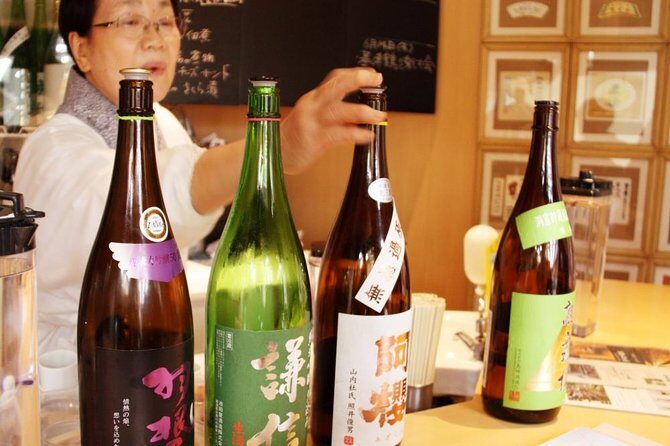
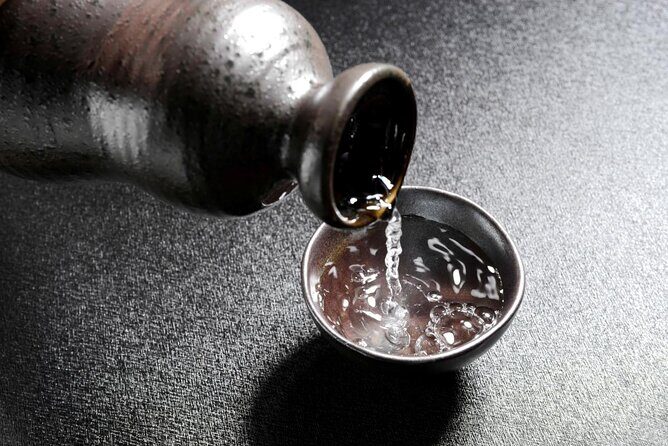
Then the tastings make sense. Sake is a confusing drink at first because names and categories don’t always “click.” Here, you get to sample, then hear how the process shapes what’s in the glass, which helps you stop thinking of sake as one thing and start hearing it as a range.
How the breweries compare: small vs large production scale
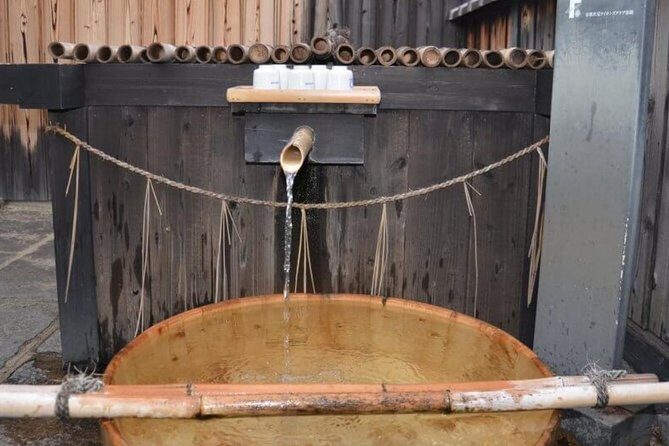
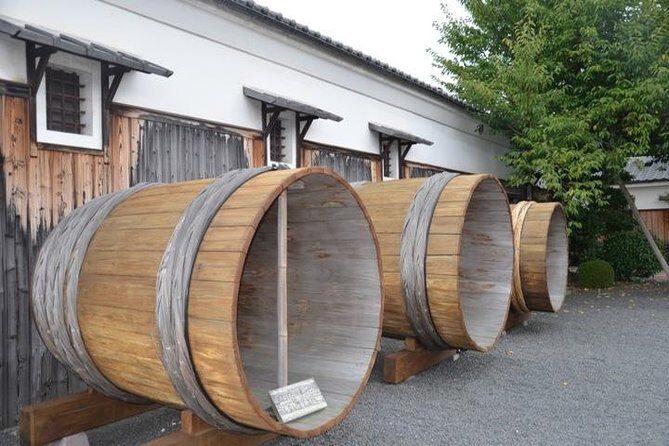
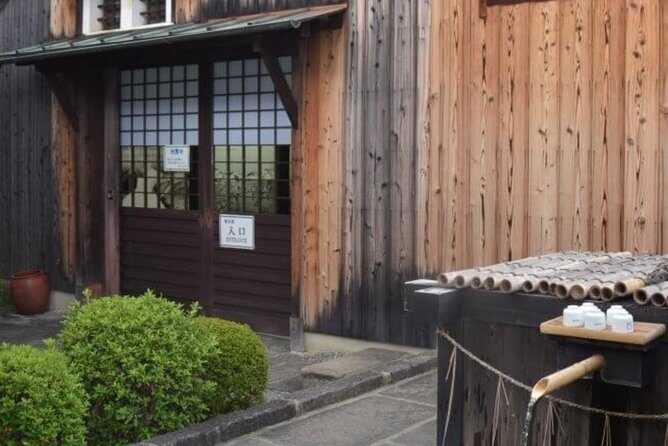
A standout part of the tour is that you visit both a small and a large sake brewery. Even without stepping into active brewing rooms, the contrast is the point: the equipment, workflow, and atmosphere tend to feel different when production is built for one scale versus another.
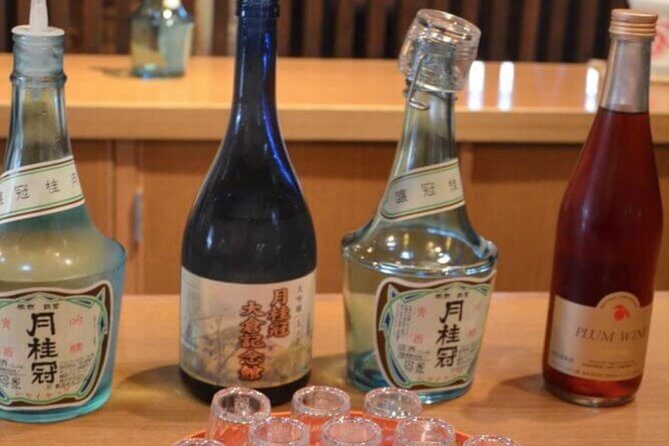
And you’ll try sake and other produced items along the way. That’s not just extra eating. It helps you notice that “sake tour” doesn’t have to mean only one-drink sampling. You start building a palate for how the same rice wine idea can shift in character depending on production choices.
One detail worth knowing early: actual active brewing areas are inaccessible. You’ll still see how a brewery works in practice, just not with the full behind-the-scenes access you might imagine. In other words, go in expecting a guided overview with tastings, not a hands-on factory visit.
Tastings and pacing over 3 hours: what to expect
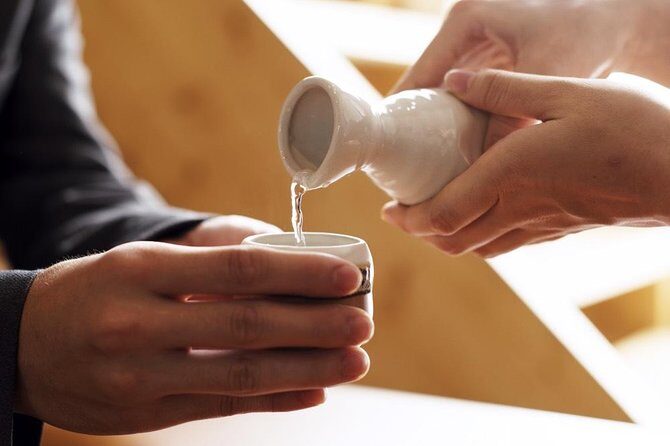
The tour runs about 3 hours, which is a smart length if you want value without losing a whole half day. You’ll move between sights and learn in short bursts, then taste at multiple moments so the information doesn’t float around by itself.
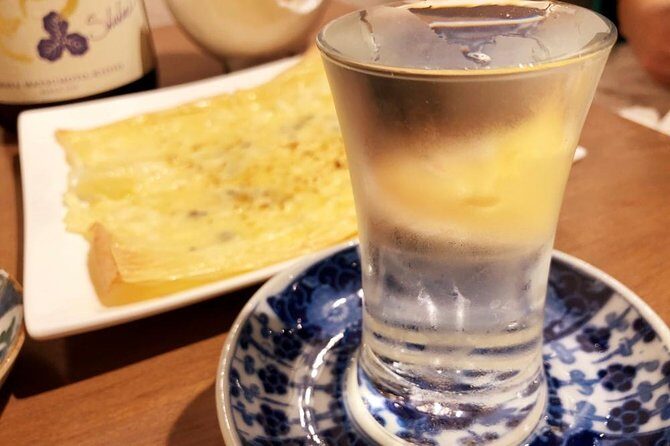
There’s also a clear pairing theme: lunch is Yakitori, and it’s paired with delicious sake. For many first-timers, pairing is the fastest way to understand what you actually like, since you taste in a context that mirrors real life, not just neat little samples.
Small group size helps the pacing. With a maximum of 10 travelers, it tends to stay manageable, and you’re more likely to ask follow-up questions if anything in the explanations doesn’t click.
Other craft beer tours we've reviewed in Kyoto
The Fushimi stroll after the museum: temples and local stops
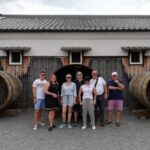
After the museum time, the route continues with a relaxed stroll through the district, including Chokenji temple, Fushimi Park, and stops such as Teradaya and Daigo-ji. Even when you’re not deep inside each place, these stops help you experience the area as more than a single attraction.
This stretch is also where you feel the tour’s “local day out” feel. You’re not stuck on a rigid checklist; you’re moving through real Kyoto neighborhoods, seeing what’s around your next tasting moment.
Because the tour includes several points, keep an eye on your energy level. The day isn’t described as hardcore hiking, but it’s still a walking loop, and you’ll enjoy it more if you go in fed and comfortable.
Price and value: what $227 buys you in Kyoto
At $227 per person, this isn’t a bargain basement activity, so the question is value. In my view, it makes sense if you’ll actually use the tastings, the lunch, and the brewery contrast.
You’re getting several tastings plus a local English-speaking guide, and the lunch is included. That’s important because sake tasting alone can cost extra once you start adding venues, and museum entry isn’t always free on the same day as dining.
The other value lever is the guided structure. Sake can be intimidating if you don’t know the basic logic behind production. Here, the tour helps translate what you taste into why it tastes the way it does, so you leave with more than just a buzz.
The one real drawback to plan for
The main consideration is how the guide delivers the brewing process and history. One downside that can show up is a teaching style that leans heavily on laminated sheets, where some concepts may not land as smoothly if you’re hoping for more interactive, back-and-forth explanations.
That said, the overall experience still tends to work for most people because the tastings and food provide real anchors. If you’re flexible, you can treat the printed explanations as “reference,” and let the samples do the convincing.
Should you book it?
You should book this tour if you want an organized way to understand sake in Kyoto’s Fushimi area, with tastings, museum learning, and a real meal at Yakitori lunch time. It’s also a strong pick for small groups who want a short day that feels local instead of like a rushed checklist.
Skip it if you’re expecting full access to working brewing floors or a highly hands-on style. And if you learn best through highly conversational, improvised explanations, you may prefer a more discussion-driven format.
FAQ
Do I need a ticket for this tour?
You’ll use a mobile ticket, and you’ll receive confirmation at the time of booking.
How long is the Kyoto sake brewery tour?
It runs about 3 hours (approx.).
Is lunch included?
Yes. You’ll have a seasonal lunch at a local restaurant, and it includes Yakitori.
What’s included besides lunch?
The tour includes several sake tastings and a local English-speaking guide.
Do I need to be 21 to participate?
Yes. The minimum drinking age is 21 years old.
Can I enter active brewing areas?
No. Actual active brewing areas are inaccessible, but you’ll still see how a brewery works as part of the tour.
Where is the meeting point and when does it start?
The meeting point is at 4-chōme-291 Ryōgaemachi, Fushimi Ward, Kyoto. The start time is 11:00 am, and the end point is in the Fushimi-Momoyama Station area.
How big is the group?
The tour has a maximum of 10 travelers.
Is it okay if I have dietary restrictions?
The tour is listed as vegan, vegetarian, pescetarian, and gluten-free friendly.
Can I cancel for a full refund?
Yes. It has free cancellation, and you can cancel up to 24 hours before the experience start time for a full refund. If it’s canceled due to poor weather, you’ll be offered a different date or a full refund.
More Kyoto Drinking Tours in Kyoto


More Craft Beer Tours in Kyoto
More Sake Brewery Tours in Kyoto
More tours in Kyoto we've reviewed




Kyoto Drinking Tours, compared.
 ★ 5.03-Hour Kyoto Insider Sake Brewery Tour with Tastings & PairingsFrom $84
 ★ 4.9Kyoto: Izakaya Bars Guided Walking TourFrom $253 hours
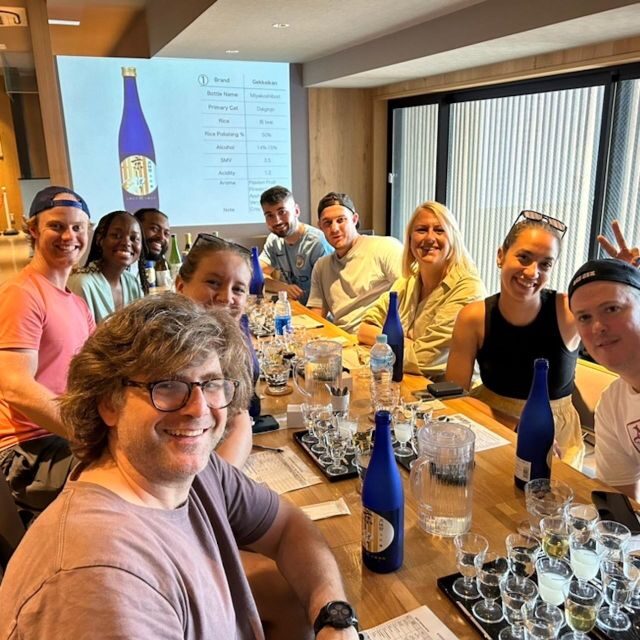 ★ 5.0Kyoto: Insider Sake Brewery Tour with Sake and Food PairingFrom $873 hours
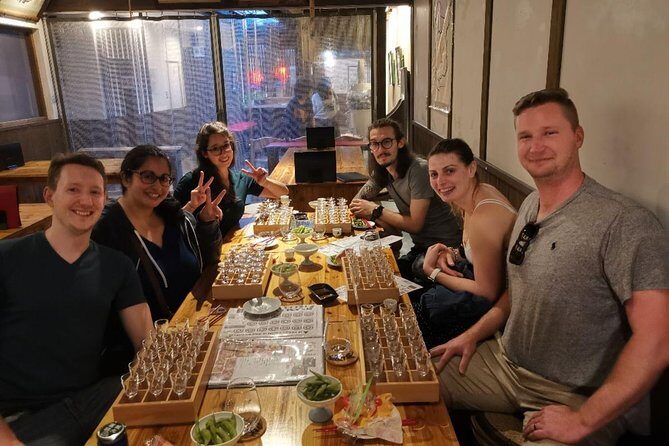 ★ 5.0Kyoto Sake Brewery & Tasting Walking TourFrom $98
 ★ 5.0Kyoto Bar Hopping Night TourFrom $105
 ★ 5.0Kyoto Local Bar Crawl in Kawaramachi AreaFrom $28
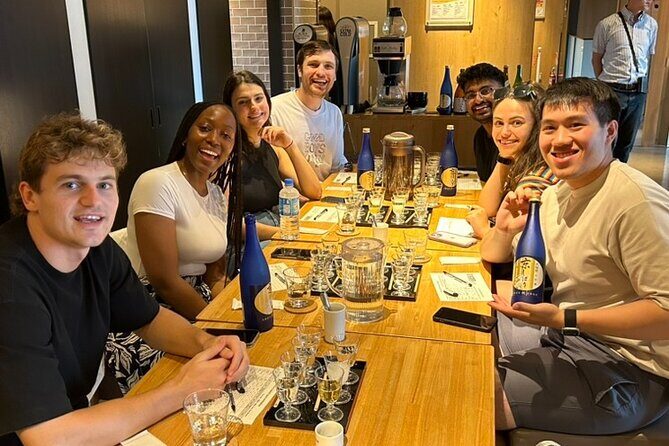 ★ 5.01.5-Hour Kyoto Insider Sake Experience with 7 Tastings & PairingsFrom $68
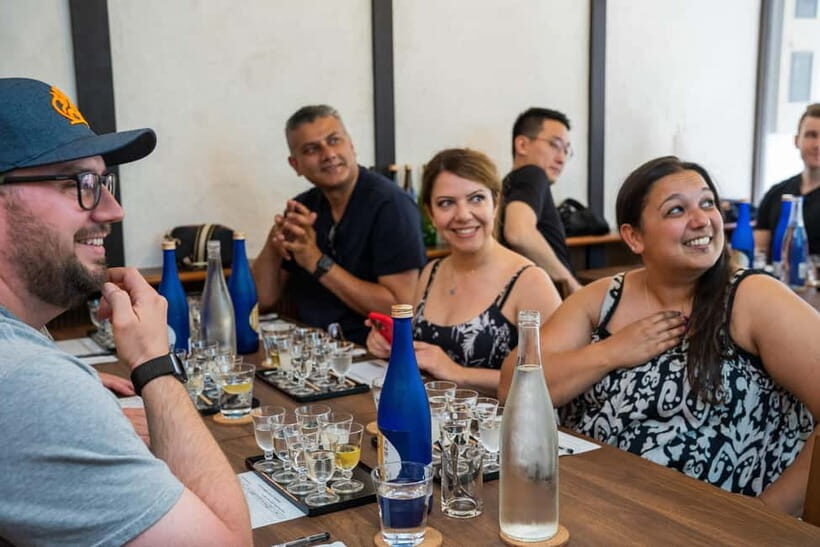 ★ 5.0Kyoto: Insider Sake Experience with 7 Tastings and SnacksFrom $661h 30m
The lists this tour appears in