
Reviewed · KYOTO DRINKING TOURS
Kyoto: Izakaya Nightlife Tour with Local Guide
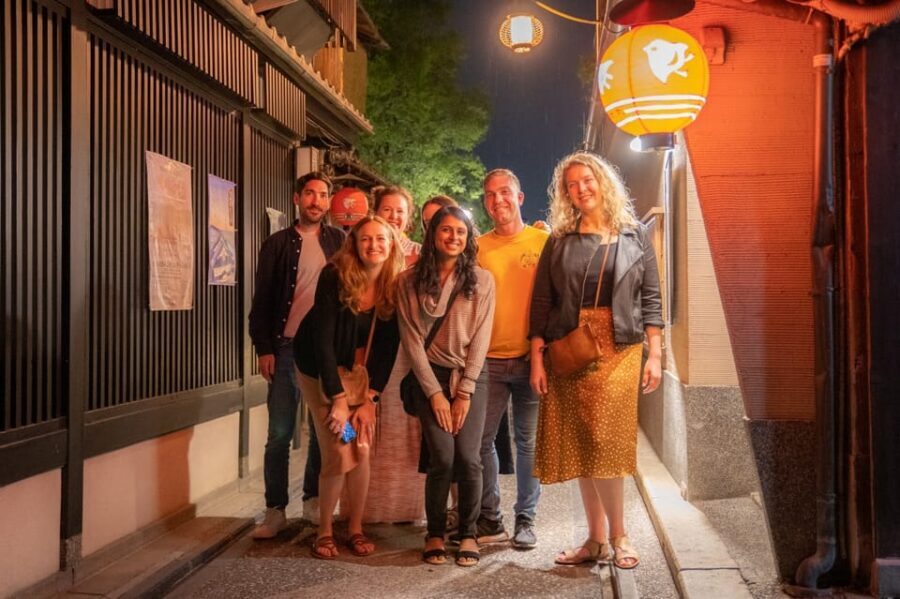
Kyoto after dark hits different. This 3-hour izakaya night tour trades the usual sightseeing grind for food-first wandering with a local English-speaking guide. You’ll move through the lantern-lit lanes around Kiyamachi, Pontocho, Gion, and Yasaka, then eat and drink your way through the places that locals actually choose.
I really like two things here. First, you start with a proper first stop near Minamiza, so you get a real dinner-and-drinks flow instead of snack-hopping. Second, the guide experience can be personal in a good way—Hiro is described as fluent in English (and good German), answers questions about everyday Japan, and helps you feel comfortable ordering.
One caution: it’s a walking tour. You’ll want comfortable shoes, and there can be extra cost if you go beyond the included 2500 yen per person for food and drinks. Also, the info lists wheelchair accessibility but separately says it’s not suitable for people with mobility impairments—if that applies to you, check directly before booking.
In This Review
- Key highlights you’ll care about
- Kyoto’s izakaya night: why this tour feels different
- Minamiza meeting point: get oriented fast
- The first hour: dinner and drinks without the ordering stress
- Pontocho and Kiyamachi at night: walking Kyoto like a local
- Gion guided hour: old district, modern nightlife
- Hiro’s role: stress-free ordering and real conversation
- What you’ll eat and drink (and how to handle your pacing)
- Price and value: is $80 a fair deal?
- Timing, shoes, and the photo benefit
- Who should book this tour
- Who should think twice
- Should you book Kyoto Izakaya Nightlife Tour with a Local Guide?
- FAQ
- How long is the Kyoto izakaya nightlife tour?
- How much does the tour cost?
- What is included in the price?
- Do I need to speak Japanese?
- How many izakaya restaurants will we visit?
- Where is the meeting point?
- Which areas of Kyoto does the tour cover?
- What language is the guide?
- Will I receive photos from the tour?
- Is the tour wheelchair accessible or suitable for mobility impairments?
- Is there free cancellation?
Key highlights you’ll care about
- Hiro orders for you or negotiates so you don’t fight menus and politeness rules.
- 1–2 izakaya stops keeps the night focused on eating, not long detours.
- Route through Kiyamachi, Pontocho, Gion, and Yasaka for classic Kyoto evening vibes.
- Pictures are part of the deal: the guide takes photos and you get them after the tour.
- Meeting at Minamiza (南座) puts you right by major Gion access points.
Kyoto’s izakaya night: why this tour feels different
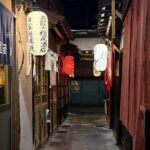
Kyoto at night is quieter than Tokyo, but it’s not sleepy. It’s all small scenes: wooden storefronts, side streets that get dim and warm, and the smell of grilling that drifts out when an izakaya door opens. This tour leans into that. Instead of collecting temples, you collect plates.
The best part is what you don’t have to do. In Japan, ordering can be a whole process—browsing, pointing, checking names, asking about ingredients, learning what’s reasonable to order for one person. Here, your guide handles the heavy lifting. That means you spend your energy on tasting and asking questions, not on decoding kanji at the moment of hunger.
And yes, you’ll still get to see the famous areas. But the goal is practical: you’ll walk through Kyoto nightlife districts while eating at the places the guide thinks are worth your time.
Other izakaya food tours we've reviewed in Kyoto

Minamiza meeting point: get oriented fast
You meet at 南座 (Minamiza), Kyoto’s famous Kabuki theatre. The good news: it’s not hidden. Gion Shijo Station and Kyoto Kawaramachi Station are nearby, and then it’s just a few minutes on foot to the meeting spot.
This matters because Kyoto’s evening streets can be confusing when you’re trying to arrive on time. Starting at a landmark theatre keeps things simple, especially if you’re coming from Osaka or another part of Kyoto.
Practical tip: plan to arrive a bit early and do a quick check of your route to Minamiza. Once you’re there, the guide handles the rest.
The first hour: dinner and drinks without the ordering stress
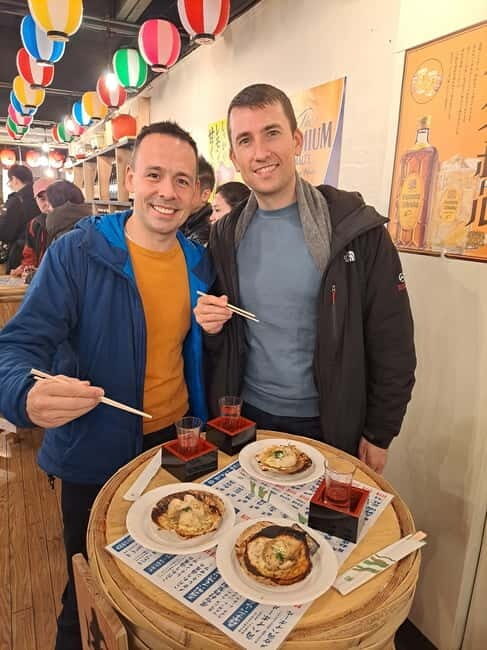
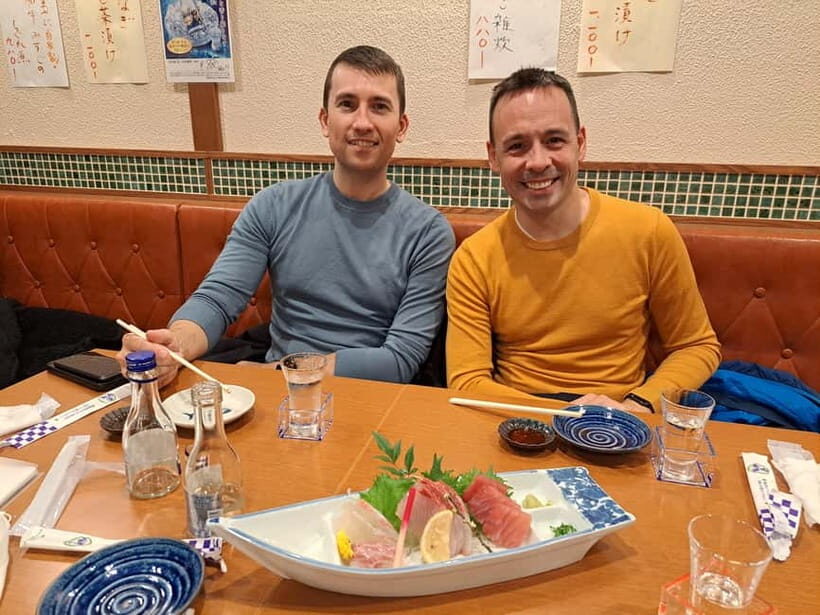
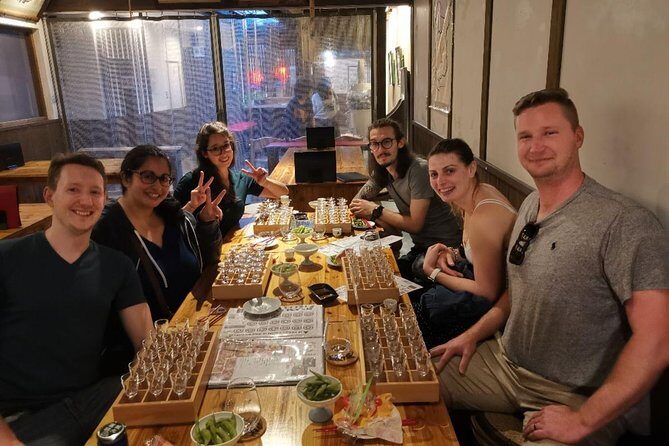
Your night usually begins with a local restaurant stop that includes beer, dinner, local snacks, and a food tasting component for about an hour. This is a smart start. You’re hungry, it’s dark out, and you want your first taste experience to land fast.
Even better, this first stop helps you learn the rhythm of an izakaya. You see how people order, how meals show up over time, and how the atmosphere works—loud enough to feel lively, small enough to feel personal.
One more practical detail: the included food-and-drink value is 2500 yen per person. That doesn’t mean you’ll automatically max it out, but it does set the baseline. You can treat the first hour as your plan anchor, then decide later if you want to keep drinking at the same pace or go slower.
Pontocho and Kiyamachi at night: walking Kyoto like a local
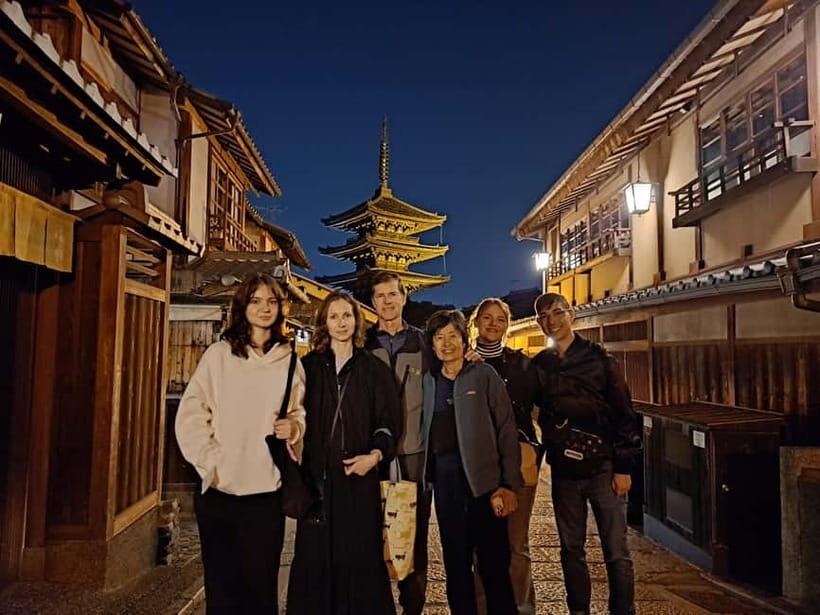
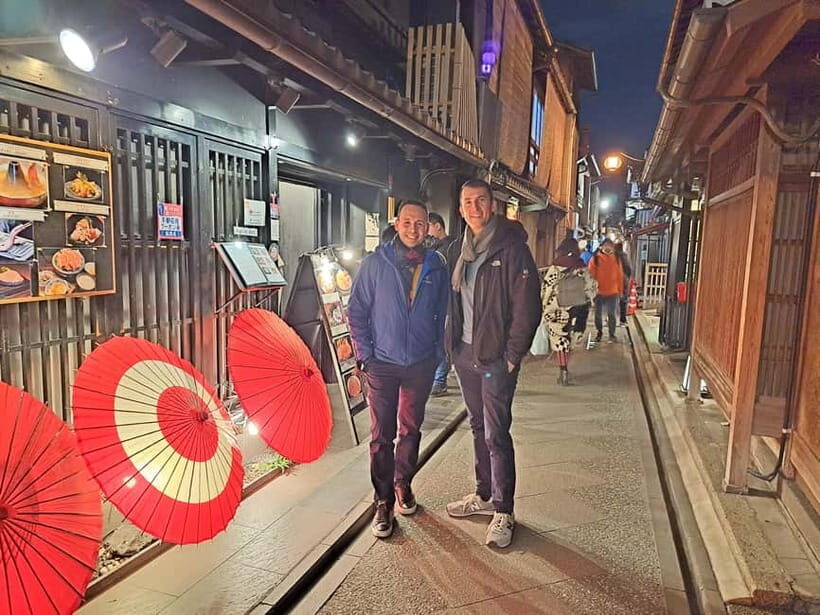
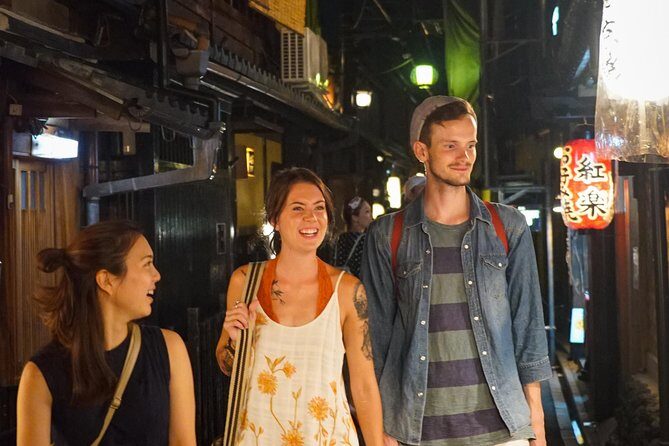
After your first plates, the tour moves you through Kyoto’s evening streets. You’ll spend time around Pontocho, a narrow alley known for traditional wooden buildings and iconic izakaya energy. It’s the kind of place where you understand why Kyoto has a reputation for atmosphere: the lanes feel human scale, and restaurants seem built for after-dark hangouts.
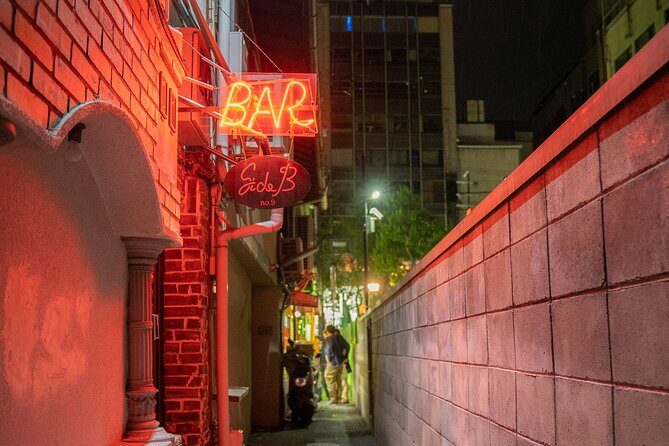
Next, you’ll head toward Kiyamachi, where riverside bars and evening lights create a different mood than the main streets. This area is less about big viewpoints and more about small impressions: illuminated signage, the glow spilling out from doorways, and the way the whole neighborhood slows down at night.
What makes this part valuable is the guidance. Kyoto can be gorgeous in daylight. At night, though, it’s easy to drift into the wrong street or miss the places that feel right. Your guide’s job is to keep you in the best-flow areas—without you playing detective.
Gion guided hour: old district, modern nightlife
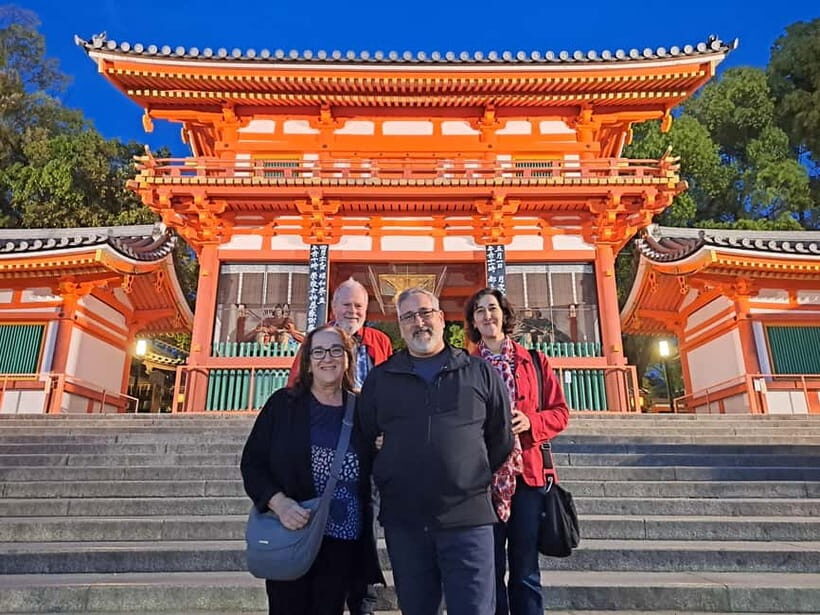
You’ll also spend time in Gion with guided context for about an hour. Gion is the geisha district people recognize immediately, and at night it shifts from daytime postcard to living neighborhood. You’ll see it come alive with modern twists on traditional entertainment.
This hour is where a local guide can really change the experience. Instead of just passing buildings, you get explanation—how the district fits into Kyoto’s culture, and what you’re seeing beyond the surface.
It’s also a useful reset if you’ve been walking all day. The pacing here is calm enough to take in the details, ask questions, and keep your night moving at a friendly pace.
If you’re the type who likes to understand why places look the way they do—rather than only where they are—this hour will land well.



Hiro’s role: stress-free ordering and real conversation
What turns this from a normal food tour into a story-based evening is the guide. Hiro is repeatedly described as friendly and personable, with strong English and good German. More importantly, he answers questions about Japanese everyday life and how people think—not just facts about Kyoto landmarks.
That matters because izakaya culture is about more than food. It’s about social pace, casual conversation, and comfort. When you can ask questions and get straight answers, your meal stops being a checklist task.
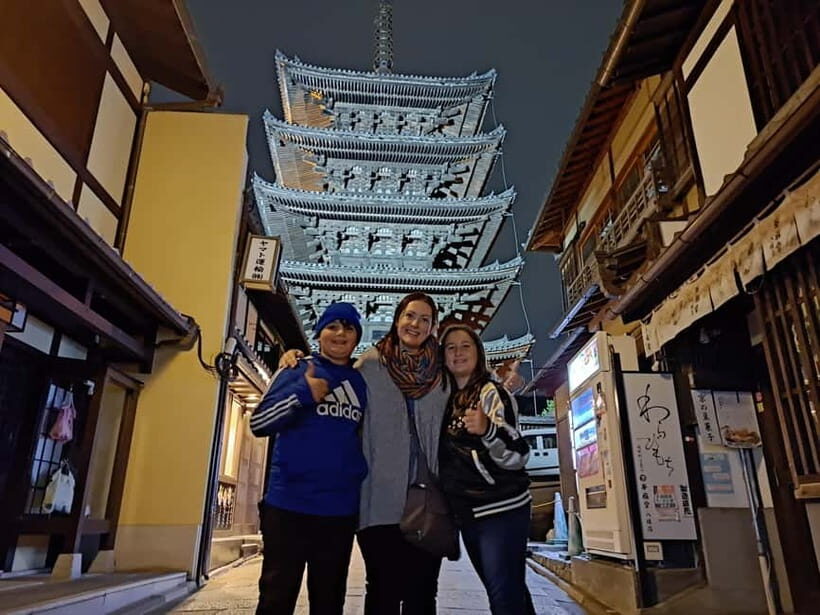
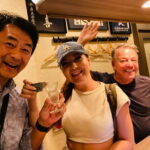
There’s also a practical perk: the guide takes pictures. One detailed note from a past group says the photos were shared the next morning. If you’re traveling with a partner or friends and you want memories without doing constant phone-photo wrangling, this is a simple win.
One more detail you might appreciate: in at least one case, Hiro proactively connected before the tour on WhatsApp to introduce himself and help guests feel at ease. Even if yours doesn’t, you can expect the guide to help you get comfortable quickly once you meet.
What you’ll eat and drink (and how to handle your pacing)
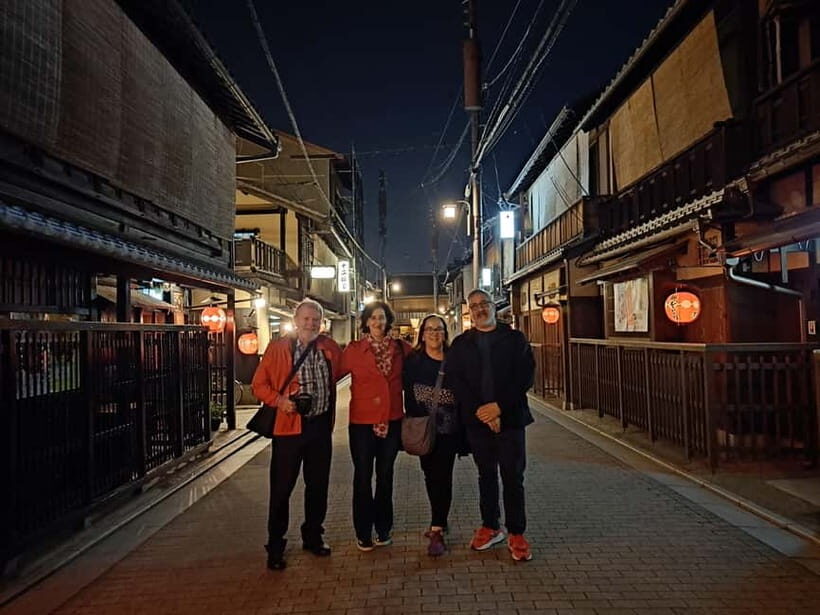
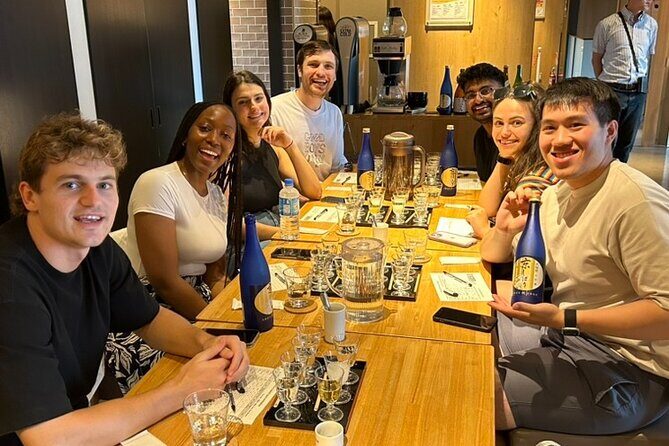
You’ll be tasting Japanese food and drinks at your izakaya stops. The tour description specifically points to options like beer and sake, plus classics such as yakitori and gyoza. You may also see skewers like kushiyaki, since they come up often in izakaya settings.
The best approach for most people: don’t over-plan your expectations. Izakaya nights work through variety, not through one perfect dish. Let the guide guide the order, then adjust to your own appetite.
If you have a strong preference—no alcohol, no pork, spice limits—say it early. Your guide is there to make the night work smoothly, including negotiating or ordering for you.
Also, keep an eye on the 2500 yen included value. If you want extra rounds beyond that, it becomes personal expense. That’s not a problem; it just means you should budget a little so there are no surprise moments when the bill logic comes up.
Price and value: is $80 a fair deal?
$80 for a 3-hour private group with an English-speaking local guide sounds reasonable when you compare what’s included and what’s handled for you. Your money covers:
- the guide service
- food and drinks at izakaya restaurants, with an included value of 2500 yen per person
For many visitors, the “value” part isn’t only the food. It’s the reduced friction. You’re not stressing about ordering, not guessing where to go for the best atmosphere, and not navigating Kyoto nightlife districts on your own after dark.
If you’re the type who would spend 2500 yen anyway on dinner plus a drink, then the guide becomes the big value driver. If you tend to drink less or eat lightly, you might want to confirm how the included value is likely to be used for you, so you feel in control of the night.
Either way, it’s a good fit if you want an evening that feels like Kyoto, not like a generic restaurant circuit.
Timing, shoes, and the photo benefit
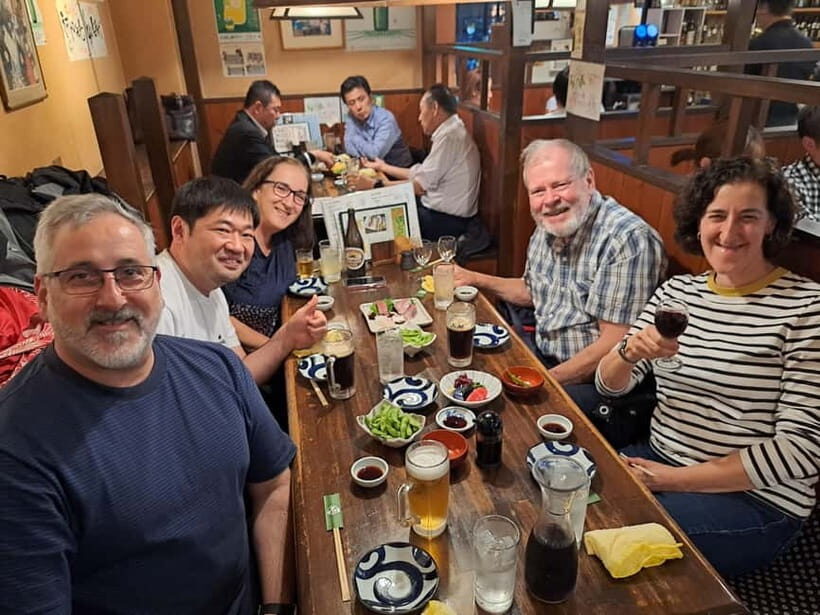
This tour runs about 3 hours, and it’s walking-focused. Comfortable shoes are a must. Kyoto streets are not made for uncomfortable shoes, especially at night when surfaces can be uneven and lighting is uneven.
Bring a light layer if you’re traveling in cooler months. The tour doesn’t mention weather gear, so you’re responsible for your comfort.
One more thing: the guide takes photos and shares them with you afterward. If you care about photos but don’t want to stop every few minutes, this helps you relax. You’ll spend more time watching the street and less time posing.
Who should book this tour
This is a strong choice if you:
- want a low-stress way to try Kyoto izakaya culture
- like asking questions and learning about everyday Japanese life
- prefer experience over “only famous sights”
- want a private group evening with a local guide in English
You’ll probably enjoy it even more if you’re hungry at the start, because the first stop is built around food and tasting.
Who should think twice
This tour may not be ideal if you:
- have mobility limitations. The info includes both wheelchair accessibility and a note that it’s not suitable for people with mobility impairments, so you’ll want to confirm details before booking.
- hate walking or short-distance neighborhoods. It’s only three hours, but it’s still walking.
Also consider whether you’re the type who likes structured pacing. If you prefer independent wandering with no guide involvement, you might feel guided a bit too much. If you like decisions made for you, this will feel relaxing.
Should you book Kyoto Izakaya Nightlife Tour with a Local Guide?
Book it if you want Kyoto at night the practical way: good food, handled ordering, and guided context through the places that feel right after sunset. The included 2500 yen value helps keep it grounded, and the guide’s English (plus Hiro’s described German ability) makes the experience smoother if you’re not confident with Japanese.
Skip or double-check if you’re concerned about mobility needs, or if you’d rather control every order and route yourself. For most people, though, this is one of those simple, high-satisfaction evenings: you eat well, you learn what matters, and you leave with photos and stories instead of just memories of streets.
FAQ
How long is the Kyoto izakaya nightlife tour?
It lasts 3 hours.
How much does the tour cost?
The price is $80 per person.
What is included in the price?
You get a local guide and food and drinks at izakaya restaurants, with an included value of 2500 yen per person.
Do I need to speak Japanese?
No. The guide will negotiate or order foods and drinks for you, so you won’t have to handle the language barrier.
How many izakaya restaurants will we visit?
You’ll visit 1 or 2 izakaya restaurants.
Where is the meeting point?
The meeting point is 南座 (Minamiza). Gion Shijo Station and Kyoto Kawaramachi Station are nearby.
Which areas of Kyoto does the tour cover?
You’ll explore areas around Kiyamachi, Pontocho, Gion, and Yasaka.
What language is the guide?
The live guide speaks English.
Will I receive photos from the tour?
Yes. The guide takes pictures, and you will receive photos after the tour.
Is the tour wheelchair accessible or suitable for mobility impairments?
The info lists wheelchair accessible, but it also states it is not suitable for people with mobility impairments. Because walking is involved, you should confirm the specifics with the provider before booking.
Is there free cancellation?
Yes. You can cancel up to 24 hours in advance for a full refund.
More Kyoto Drinking Tours in Kyoto
More Izakaya Food Tours in Kyoto

More tours in Kyoto we've reviewed




Kyoto Drinking Tours, compared.
 ★ 5.03-Hour Kyoto Insider Sake Brewery Tour with Tastings & PairingsFrom $84
 ★ 4.9Kyoto: Izakaya Bars Guided Walking TourFrom $253 hours
 ★ 5.0Kyoto: Insider Sake Brewery Tour with Sake and Food PairingFrom $873 hours
 ★ 5.0Kyoto Sake Brewery & Tasting Walking TourFrom $98
 ★ 5.0Kyoto Bar Hopping Night TourFrom $105
 ★ 5.0Kyoto Local Bar Crawl in Kawaramachi AreaFrom $28
 ★ 5.01.5-Hour Kyoto Insider Sake Experience with 7 Tastings & PairingsFrom $68
 ★ 5.0Kyoto: Insider Sake Experience with 7 Tastings and SnacksFrom $661h 30m
The lists this tour appears in