
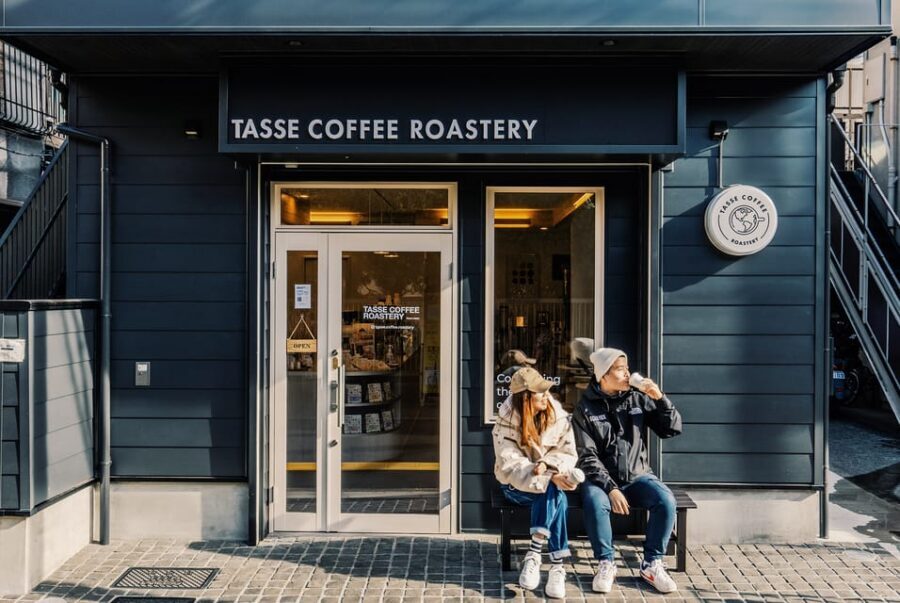
Reviewed · BREWERIES
Discover Japanese Coffee Brewing Experience at Tokyo
Coffee has a secret life.
This Tokyo workshop at Tasse Coffee Roastery turns it into something you can see, smell, and sip. In just 2 hours, you learn the steps behind Japanese-style coffee brewing and hear how Japanese coffee culture became its own thing. I love the calm, wooden-toned roastery setting—it makes the whole session feel focused, not rushed.
I also like the hands-on rhythm: you practice hand drip techniques, then compare them with two showpiece methods, siphon and Kyūsu (急須). You get structured help through brewing and a guided cupping exercise so you’re not just tasting, you’re learning what you’re tasting. One possible drawback: it’s not a long class, so you won’t leave with every technique perfected. Still, you’ll leave with repeatable methods and a trained palate.
In This Review
- Key Things I’d Put on Your Radar
- Inside Tasse Coffee Roastery in Tokyo: Calm, Practical, and Built for Tasting
- Coffee Foundations First: Beans, Roasts, and the Farm-to-Cup Story
- The Cupping Exercise: Learn to Taste Like You Mean It
- Brewing Japanese-Style Coffee with Three Methods in One Session
- Siphon: Japanese Traditional Brew with a Show-and-Flavor Lesson
- Kyūsu (急須) Method: A Japanese Teapot Adapted for Coffee
- Hand Drip: Water Temperature and Pour Control You Can Actually Use
- Tasting Comparisons: Turning Brewing into Real Learning
- Price and Value in Tokyo: Is $116 Worth It?
- Who Should Book This Workshop (and Who Might Want Something Else)
- FAQ
- FAQ
- How long is the Japanese coffee brewing workshop in Tokyo?
- Where does the experience take place?
- What brewing methods will I learn?
- Do they provide equipment and coffee?
- Is cupping part of the class?
- What languages are available for the instruction?
- Is this experience suitable for kids?
- What’s the cancellation and payment policy?
- Should You Book This Tokyo Coffee Workshop?
Key Things I’d Put on Your Radar
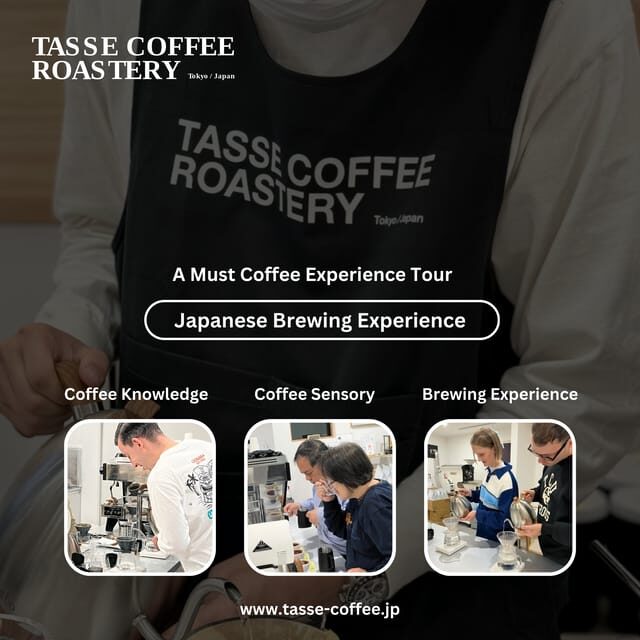
- Siphon brewing practice: learn the elegant method and how it changes flavor
- Kyūsu (急須) for coffee: a Japanese teapot style that gives a different cup
- Guided cupping training: learn what aromas, acidity, body, and aftertaste mean
- Three brewing styles in one session: you can compare, not just collect tips
- Small, private-group feel: you can ask questions during the hands-on parts
- Tasting blends in Tokyo: you learn by tasting your way through different profiles
Inside Tasse Coffee Roastery in Tokyo: Calm, Practical, and Built for Tasting
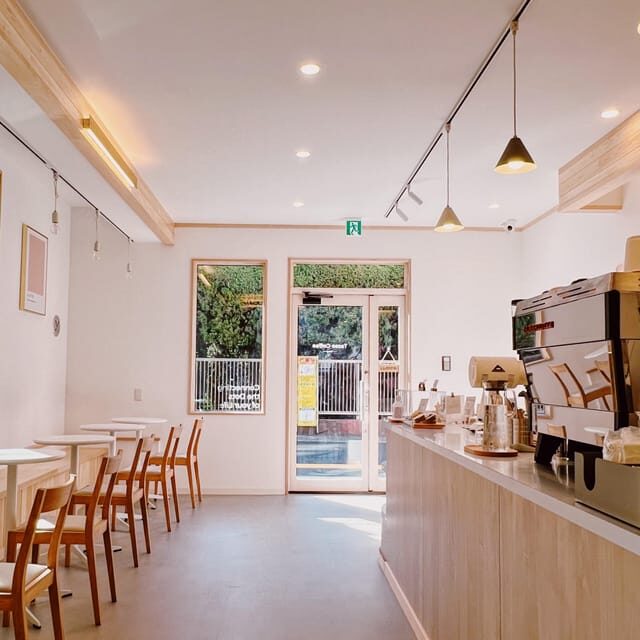
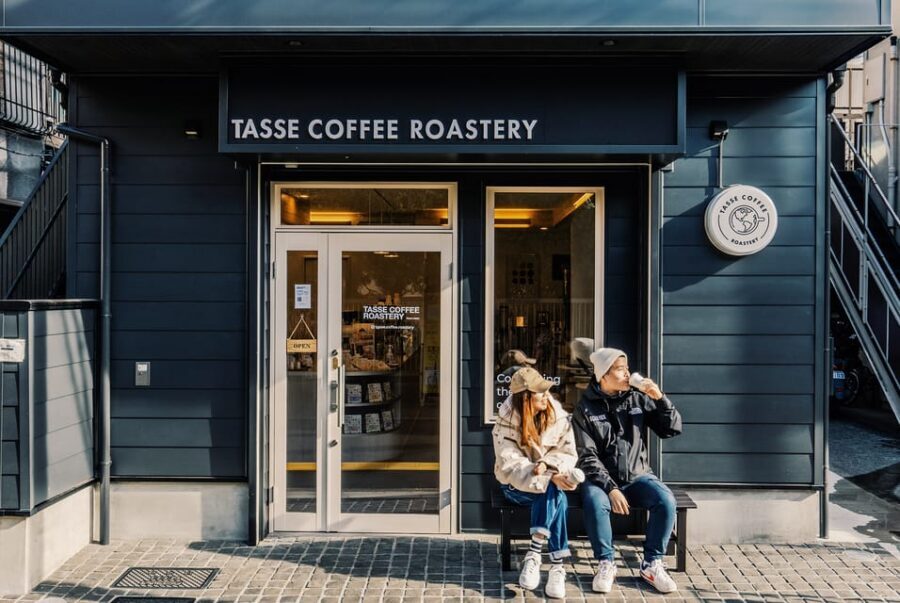
Walking into the roastery, you get the immediate vibe: warm, natural wood tones, and a space designed for learning rather than just selling coffee. That matters, because coffee brewing is picky. If the setting is chaotic, it’s hard to pay attention to grind, water, and timing. Here, the environment supports the work.
This is also a workshop, not a performance. You won’t just watch someone pour and nod. You’ll be taught, then you’ll do. The workshop format keeps things moving in a logical order: foundations first, then cupping, then three brewing methods. By the time you’re in the hands-on part, you understand what the instructor is trying to make you notice.
A few more Tokyo tours and experiences worth a look
Coffee Foundations First: Beans, Roasts, and the Farm-to-Cup Story
You start with intro coffee knowledge that helps you stop guessing. The class covers coffee history and culture in Japan, then connects that story to what ends up in your cup. You also cover the basics of beans and roasts. This is the part that makes the rest of the session make sense.
You’ll learn the journey of coffee from farm to cup. Even when you’re familiar with the idea, hearing it explained with Japanese coffee culture in mind gives you a more grounded perspective. It’s not about memorizing trivia. It’s about understanding why different coffees taste the way they do, and why brewing technique can highlight or mute certain flavors.
The Cupping Exercise: Learn to Taste Like You Mean It
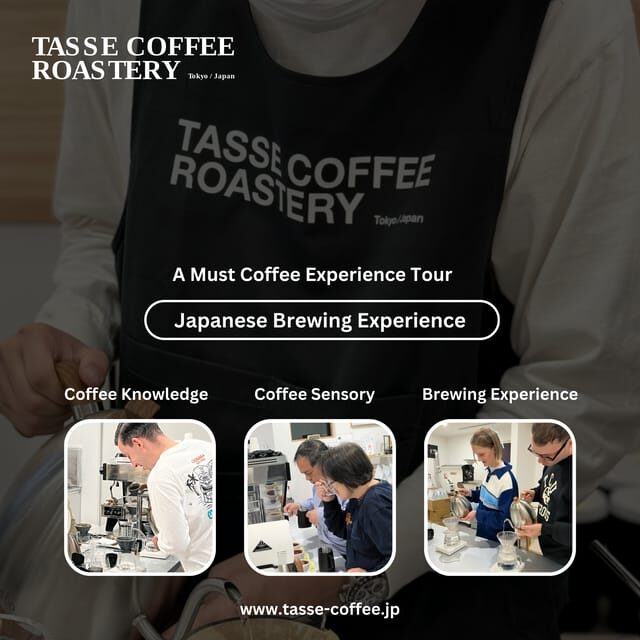
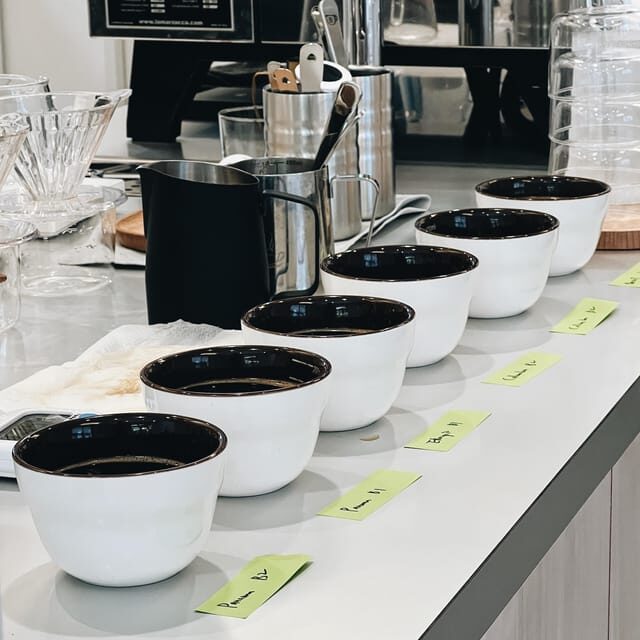
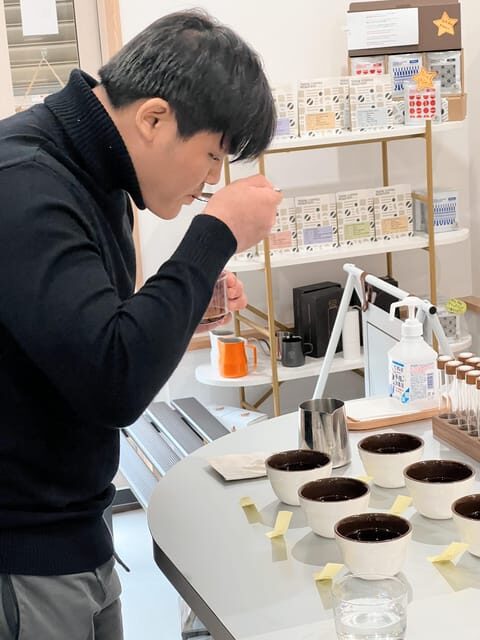
Next comes cupping, and this is where your brain really starts doing useful work. You’re guided through the idea of cupping and why it’s such a standard tool for judging coffee. You’re taught what to look for: aromas, acidity, body, and aftertaste.
Practically speaking, cupping teaches you to slow down. Instead of drinking on autopilot, you learn to identify flavors by paying attention to the order they show up in your mouth. That alone is valuable if you want to be a better customer in cafes back home. You’ll know how to describe what you taste, not just whether it tastes good.
From the feedback on this experience, people specifically loved the training angle—getting hands-on practice with tasting and preparation. That’s exactly what cupping does. It gives you a method, not just a moment.
Brewing Japanese-Style Coffee with Three Methods in One Session
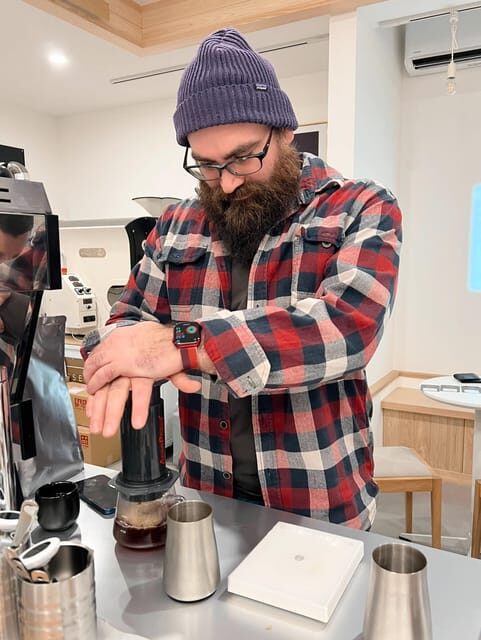
The heart of the workshop is brewing practice. You move through three methods: siphon, Kyūsu (急須), and hand drip. Each one has its own personality. And the best part is you compare them, so you don’t just collect recipes—you learn the differences.
Siphon: Japanese Traditional Brew with a Show-and-Flavor Lesson
The siphon method is visually satisfying, but the class focuses on the point: what the method does to coffee flavor. You explore the history and elegance of siphon brewing, then you get a demonstration and practice.
In a short workshop, the goal isn’t mastery in every detail. It’s learning the key mechanics and what they do to the final cup. When you compare siphon results to the other methods later, you’ll start noticing how technique changes perceived sweetness, clarity, and overall balance.



Kyūsu (急須) Method: A Japanese Teapot Adapted for Coffee
Kyūsu (急須) is a clever adaptation—using the Japanese teapot style for coffee brewing. You’ll learn the techniques for brewing coffee in a Kyūsu and then taste how the profile compares to the other methods.
This part is especially interesting for people who love Japanese everyday objects. The idea is simple: familiar tools, applied in a new way. The taste difference is the payoff. It helps you see brewing as a system of choices, not one magic trick.
Hand Drip: Water Temperature and Pour Control You Can Actually Use
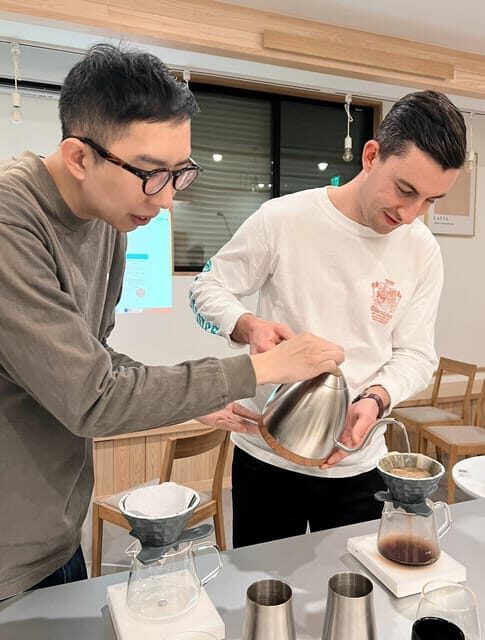
Finally, you get the hand drip method, which is both classic and very practical. The workshop teaches you the art of hand drip brewing with attention to two things that matter a lot: water temperature and pouring technique.
You practice. Then you taste and compare. This section is often where the learning sticks for people because it’s the most portable method. You can do hand drip at home with the right gear and with the same habits you learn here.
One thing I like about this structure: you don’t treat hand drip as separate. You see it after siphon and Kyūsu, which makes it easier to understand what’s consistent across methods and what changes.
Tasting Comparisons: Turning Brewing into Real Learning
Between brewing practice and cupping, you’ll taste multiple cups made during the session. You’ll compare different flavors and brews, and that comparison is the real education. Coffee doesn’t teach you in one sip. It teaches you by repetition and contrast.
This is also why the small, private-group setup feels important. When the pace is reasonable, you can ask questions and connect your taste to what the instructor just showed. In feedback for this class, people highlighted how helpful the tutors were and how the exercises guided them toward better results. That lines up with how the workshop is built: instruction, practice, then tasting to check what you did.
Price and Value in Tokyo: Is $116 Worth It?
At $116 per person for a 2-hour workshop, the main value isn’t the romance of coffee. It’s the package deal of time, equipment, and guided feedback.
Here’s what you’re getting that pushes it into “value” territory:
- Expert instruction during cupping and three brewing methods
- All necessary equipment provided, so you’re not buying gear to learn
- A selection of quality coffee beans used during the workshop
- Tasting sessions and comparisons included, so you can calibrate your palate
- A comfortable, well-equipped venue designed for learning
If you’ve ever tried to learn brewing from videos, you know the problem: you’re missing feedback. This workshop pays for that feedback and gives you a structured path in one sitting.
Could it be “too short” for someone who wants deep technical training? Sure. But for most people wanting strong fundamentals plus hands-on confidence, two hours is a sweet spot. You’ll leave with methods you can repeat, not just notes you might forget.
Who Should Book This Workshop (and Who Might Want Something Else)
This experience is best for:
- Coffee lovers who want to learn beyond ordering
- People who enjoy hands-on technique, not just tasting
- Travelers in Tokyo who want an active, cultural food-and-drink experience
- Anyone curious about how Japanese coffee culture connects to brewing style
It may not be ideal if you want a long, step-by-step brewing course. Also, it’s not suitable for children under 16.
One more practical point: the workshop includes multiple tastings and beverage samples. If you prefer one coffee and done, you might find the tasting volume a bit more than you like. If you’re there to learn, though, that’s exactly the point.
FAQ
FAQ
How long is the Japanese coffee brewing workshop in Tokyo?
It lasts 2 hours.
Where does the experience take place?
It’s held in Tokyo, at Tasse Coffee Roastery.
What brewing methods will I learn?
You’ll get hands-on practice with siphon, Kyūsu (急須), and hand drip.
Do they provide equipment and coffee?
Yes. The workshop includes all necessary brewing and tasting equipment and uses quality coffee beans during the session.
Is cupping part of the class?
Yes. You’ll do a guided coffee cupping exercise and learn to taste different flavor profiles.
What languages are available for the instruction?
The instructor speaks English and Japanese.
Is this experience suitable for kids?
No, it’s not suitable for children under 16.
What’s the cancellation and payment policy?
You can cancel up to 24 hours in advance for a full refund. There’s also a reserve now & pay later option.
Should You Book This Tokyo Coffee Workshop?
If you want a Tokyo experience that’s genuinely active—learning technique, smelling and tasting with purpose—this is a strong choice. You’ll get three brewing methods, a cupping session, and structured coffee knowledge in a single, efficient 2-hour format. The value also holds up because equipment and tasting are included, and the setting is built for learning.
I’d book it if you like hands-on classes, enjoy comparing flavors, and want a practical skill you can use after you leave Japan. If you only want a quick coffee stop with minimal effort, you’ll probably be happier with a cafe. But if you want to come away with real brewing habits, this one does the job.
More Breweries in Tokyo
More tours in Tokyo we've reviewed







Breweries, compared.
 ★ 5.03-Hour Kyoto Insider Sake Brewery Tour with Tastings & PairingsFrom $84
 ★ 5.0Kyoto: Insider Sake Brewery Tour with Sake and Food PairingFrom $873 hours
 ★ 5.0Kyoto Sake Brewery & Tasting Walking TourFrom $98
 ★ 5.0KOBE Sake Tasting Tour at Breweries (tasting fee included)From $109
 ★ 5.0Hiroshima Saijo Sake Tasting Tour with visit to 7 BreweriesFrom $50
 ★ 5.0Takayama: Authentic Sake Tasting at a Historic BreweryFrom $50
 ★ 5.0Kobe: Guided Sake Breweries Tour with TastingsFrom $1063h 30m
 ★ 5.0Sake Brewery and Japanese Life Experience Tour in KobeFrom $83
The lists this tour appears in