
Reviewed · SAKE TASTING
1-Day Winter Tour From Nozawa Onsen: Snow Monkeys, Zenko-ji Temple & Sake
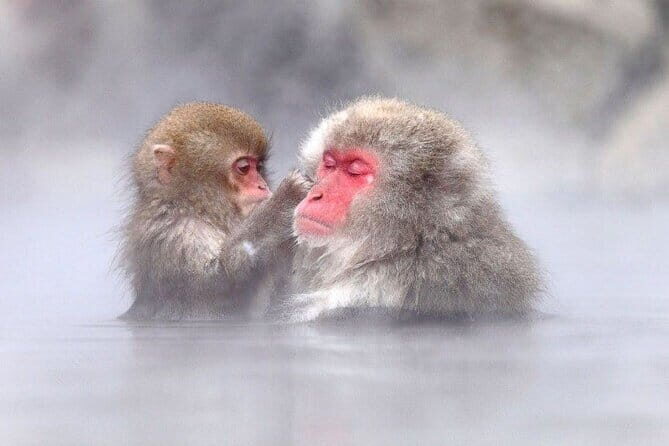
Hot-spring snow monkeys feel unbelievably close. This winter day trip from Nozawa Onsen strings together Jigokudani Snow Monkey Park, a warm lunch break, Zenko-ji, and a guided stop at Nishinomon-Yoshinoya Sake Brewery. I especially love the up-close monkey viewing—there are no barriers—and I also like the rhythm: cold morning outdoors, then culture and comfort indoors.
Do note the winter walking and rules. You’ll do about a 1.6 km (1 mile) forest trail on unsealed paths that can turn icy from mid-December to early-April, and you must keep your distance because the monkeys are wild and unprotected.
In This Review
- Key highlights you’ll feel on the day
- Why this winter day trip works from Nozawa Onsen
- Jigokudani Snow Monkey Park: hot springs, wild rules, close viewing
- What you should expect on arrival
- The walk in winter (the part to plan for)
- A winter reality check: timing and monkey behavior
- Winter lunch at Japanese Dining GOEN: warm food without fuss
- Zenko-ji Temple: why this stop feels grounding in cold weather
- What makes Zenko-ji special
- Inner sanctuary note
- Winter pacing tip
- Nishinomon-Yoshinoya Sake Brewery: a guided tasting that ends the day right
- Timing and logistics: what the day feels like from start to finish
- Group size matters in winter
- Transport from Nozawa Onsen is included
- Mobile ticket
- Price and value: is $150.89 a fair deal?
- Who should book this tour, and who might skip it
- Should you book this winter tour from Nozawa Onsen?
- FAQ
- How long is the tour?
- What’s included in the price?
- Is Zenko-ji completely free to enter?
- How far do I walk to reach the snow monkeys?
- Will the monkeys be guaranteed to be in the hot spring?
- Are there barriers between visitors and the monkeys?
- Can I touch or feed the monkeys?
- What should I wear in mid-December through early-April?
- How many people are in the group?
- Is free cancellation available?
Key highlights you’ll feel on the day
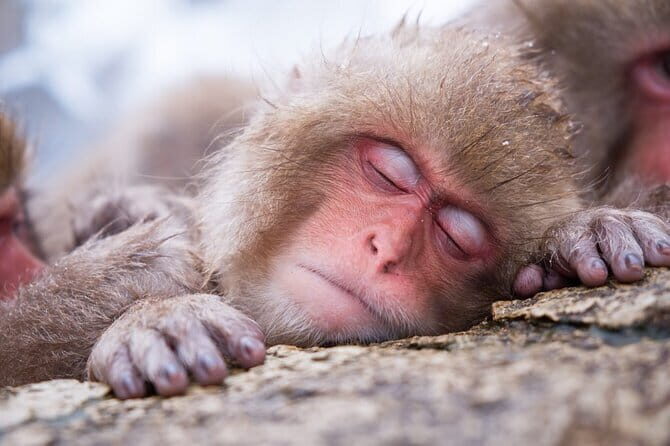
- Hot-spring monkeys with no barriers: keep a minimum 1–2 meter distance and follow all park rules
- A short but real winter walk: about 1.6 km along a forest trail; rental boots and crampons are available nearby if needed
- Warm lunch at Japanese Dining GOEN: a welcome reset after the cold park visit
- Zenko-ji in winter focus: one of Japan’s oldest major temples, with optional extra entry for inner areas
- Guided sake tasting at Nishinomon-Yoshinoya: a small stop that adds a local flavor punch
- English-speaking local guide + transport included: makes a winter day feel manageable without transit stress
Why this winter day trip works from Nozawa Onsen
This tour is built for winter timing and winter tiredness. You’re picked up and returned to Nozawa Onsen, then you spend your day moving between three very different kinds of “Nagano moments”: wild animals, a major Buddhist temple, and a sake stop.
I like that it’s not just sightseeing for sightseeing’s sake. The monkey park is a cold-weather magnet. Zenko-ji gives you something calmer and historical once your hands need a break from the wind. Then the sake tasting is a natural winter finishing touch—warmth with flavor, not just photos.
The best part is also the part that needs a little common sense: the monkey viewing setup is intentionally close. That’s thrilling, but it means you have to respect the spacing and the behavior rules.
A few more Nagano tours and experiences worth a look
Jigokudani Snow Monkey Park: hot springs, wild rules, close viewing
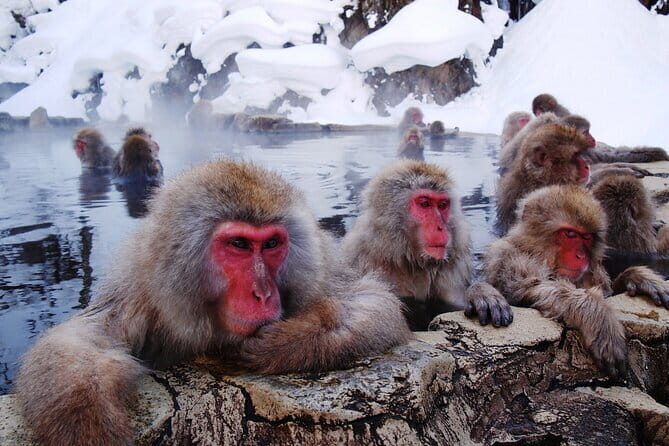
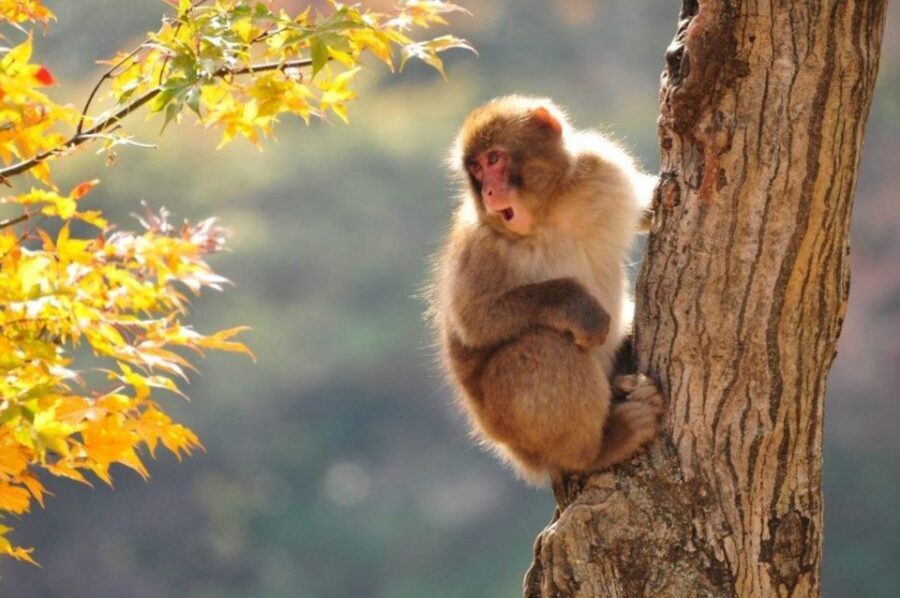
Jigokudani is where the famous “snow monkey in a hot spring” story turns real. The park is home to the only troop in the world known to bathe in hot springs, and in winter the scene can look almost staged—until you remember they’re wild and move on their own schedule.
What you should expect on arrival
You’ll enter the park and see monkeys using the hot springs right there in the same viewing area. The tour info makes one thing crystal clear: there are no barriers separating you from the monkeys. Your job is to keep your distance—minimum 1 to 2 meters—and to follow the rules exactly.
No touching. No holding. No feeding. No bathing with the monkeys. The guide will walk you through what’s allowed before you head in, and you’ll want to listen closely—winter conditions can make it easy to rush, slip, or forget.
The walk in winter (the part to plan for)
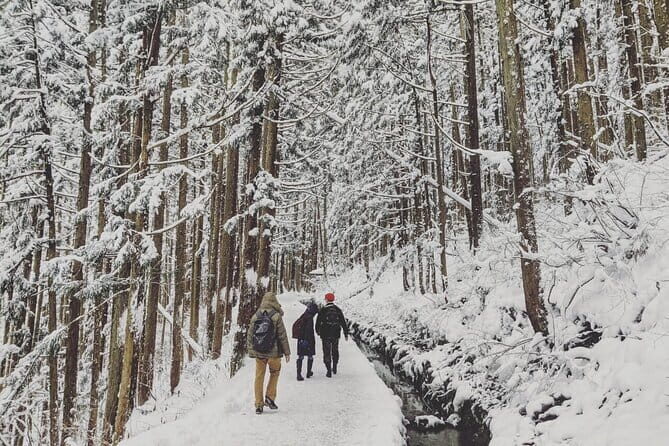
Getting to the park involves a walk of about 1.6 km (1 mile) along an unsealed forest trail. From mid-December until early-April, snow and ice are likely. If you’re visiting during that window, assume you’ll need real traction.
The tour notes that rental boots are available close to the monkey park, and crampons (metal spikes) can also be purchased if conditions are rough. If temperatures are potentially below 0°C (and as low as -10°C), dress like it’s actually winter, not like it’s just chilly.
Practical tip: wear footwear you trust. If your boots are stiff and dry, you’ll enjoy the walk more. If they’re slick or thin, you’ll spend the morning thinking about your footing instead of the monkeys.
A winter reality check: timing and monkey behavior
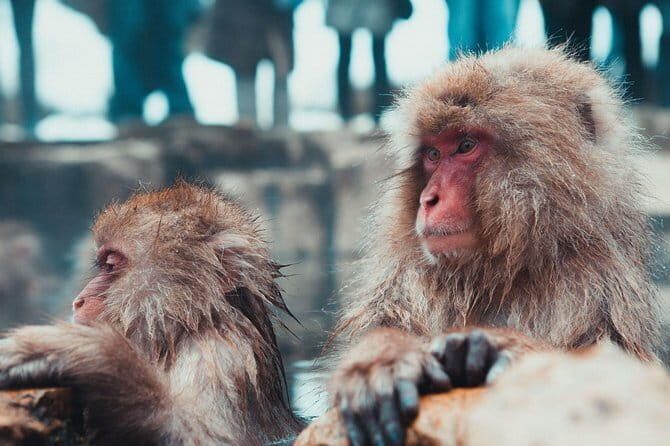
Sometimes the monkeys may be in the water in winter. Sometimes they may pause their bathing. The tour info is honest about this: since they’re wild animals, there’s no guarantee you’ll see them in the bath at exactly the moment you arrive.
Also, a few days per year can bring delays, late arrivals, or early departures at the park. It’s unlikely, but winter weather has a vote, and you’ll have to roll with it.
Still, even when they’re not in the bath, watching wild monkeys in their own winter routine is the kind of experience that’s hard to replicate anywhere else.

Winter lunch at Japanese Dining GOEN: warm food without fuss
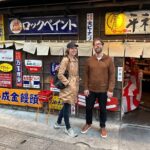
After the monkey park, you get a winter lunch at Japanese Dining GOEN, located about 5 minutes by drive from the park. This is not a “snack and keep moving” lunch. You’ll get a proper break to warm up and reset before the temple portion.
The restaurant is described as popular locally, and the tour includes the lunch as part of the package. One helpful detail: on rare occasions, they may not be able to use the exact restaurant, and they’ll switch to another comparable option. Menus can also change over time.
If you’re the kind of person who thinks, I just need something hot, this stop hits the sweet spot. Also, GOEN being close to the park means you spend less time freezing and more time eating.
Zenko-ji Temple: why this stop feels grounding in cold weather
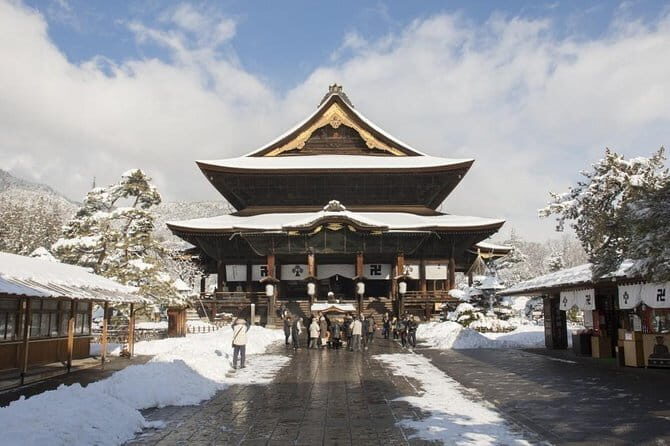
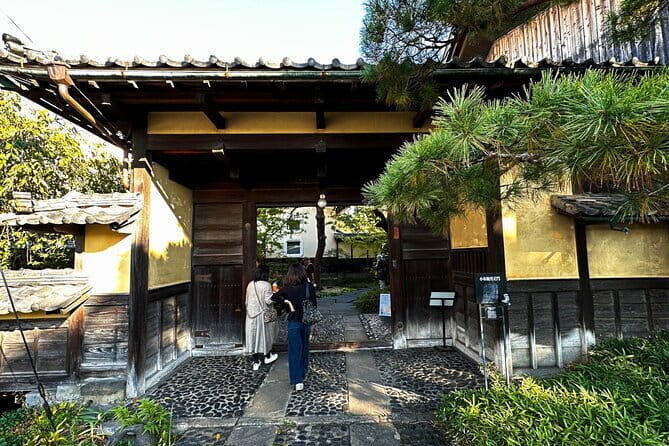
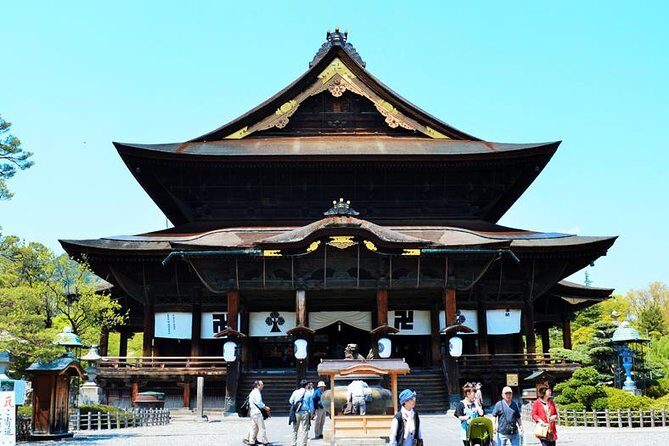
Zenko-ji is the spiritual heart of Nagano, and it’s one of Japan’s oldest and most important Buddhist temples. Expect something more than a quick photo stop here. You’ll get guided exploration, and the visit is included.
What makes Zenko-ji special
Zenko-ji has near-1400 years of history and is recognized as a National Treasure. In practical terms, that means you’re not just seeing modern temple decoration. You’re stepping into a place that has been central to this region for a very long time, with legends that shaped how people understand this site.
Inner sanctuary note
The tour includes a guided temple experience, but there’s an optional extra entrance fee if you want to go into the inner sanctuary. So you can decide how deep you want to go based on your time and budget.
Winter pacing tip
Winter temple visits can be deceptively tiring. You’re outdoors earlier in the day, then you’ll likely walk on stone and uneven paths. I find it helps to keep your hands warm and plan for slow, steady steps. If your feet and fingers feel good, Zenko-ji becomes much more enjoyable.
Nishinomon-Yoshinoya Sake Brewery: a guided tasting that ends the day right
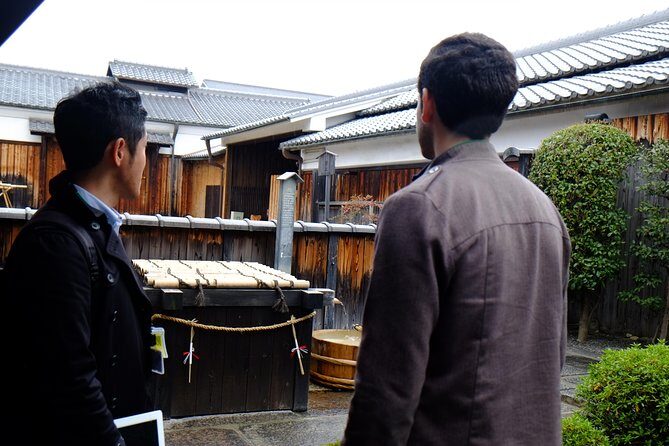
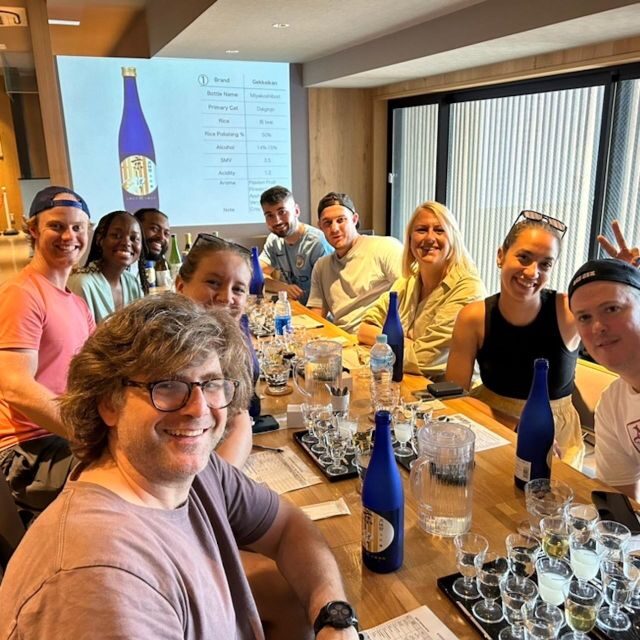
Sake belongs in Nagano, and this tour makes it part of the itinerary rather than a random add-on. You’ll visit Nishinomon-Yoshinoya Sake Brewery and get a guided sake tasting.
This is a short stop—about 20 minutes—but the value is in being guided. You’re not just tasting and guessing. The tour’s guide introduces the complex world of sake, which helps you connect flavors to basics without needing a course in brewing.
I like this kind of finishing step because it matches the day you’ve had. You’ve been cold outdoors and then sheltered indoors. A small tasting at the end gives you a satisfying local flavor payoff.
Timing and logistics: what the day feels like from start to finish
Plan for an 8 to 9 hour day. The tour is scheduled to conclude at Nozawa Onsen by 18:00, but winter weather and road conditions mean they can’t guarantee the exact end time.
That’s a big deal in winter because everything depends on traction, visibility, and road clearing. If you’re connecting to dinner or other plans, give yourself a little buffer.
Group size matters in winter
The tour has a maximum of 44 travelers. That’s big enough to keep it efficient, but small enough to avoid the chaos of massive bus tours. You still want to move as a group during transfers and during the monkey park rules briefing.
Transport from Nozawa Onsen is included
Transport to and from the listed stops is part of the price. In a winter schedule, that convenience is worth real money. It saves you from worrying about local buses, taxis, or changing plans when snow hits.
Mobile ticket
You’ll receive a mobile ticket. For winter travel, anything that reduces paper handling in cold hands is a win.
Price and value: is $150.89 a fair deal?
At $150.89 per person, this isn’t a budget bargain. But it also isn’t an expensive splurge for what you get.
Here’s why the value makes sense:
- Transport from and back to Nozawa Onsen saves you both time and hassle
- Jigokudani Snow Monkey Park entry is included
- Lunch at Japanese Dining GOEN is included
- Guided Zenko-ji visit is included
- Guided sake tasting at Nishinomon-Yoshinoya is included
So you’re paying for a full day that stitches together multiple ticketed stops plus guides plus transportation. If you tried to DIY all of it in winter, you’d likely spend money on rides and lose time coordinating. If your goal is to get the highlights without the stress, this price starts to look reasonable.
One caution: optional extras exist (like the Zenko-ji inner sanctuary fee). If you want that, plan a little extra cash.
Who should book this tour, and who might skip it
This is a great match if:
- you want a structured winter day with highlights that are hard to coordinate on your own
- you’re comfortable with walking on snowy or icy ground with proper footwear
- you like guided context at temples and during tastings
You might want to think twice if:
- you have trouble walking longer winter paths
- you prefer not to follow strict animal-viewing distance rules
- you want more freedom to linger and wander without a set schedule
Also, if you’re traveling with kids, this can be an especially memorable day. The snow monkeys are famous for a reason, and the park experience is built around close observation.
Should you book this winter tour from Nozawa Onsen?
If your dream Nagano winter day includes snow monkeys up close, plus a major temple, plus a local sake tasting, then yes—this is a solid booking. The tour does a good job of bundling the moving parts that make winter travel annoying: transport, tickets, and warm breaks.
Just be honest about the winter walking. Pack traction-minded footwear and dress for real cold. If you respect the monkey rules and show up prepared, you’ll get a day that feels both fun and genuinely local—without needing to figure out logistics while it’s snowing.
FAQ
How long is the tour?
The tour runs about 8 to 9 hours.
What’s included in the price?
Transport from and to Nozawa Onsen, Jigokudani Snow Monkey Park entry, lunch at Japanese Dining GOEN, guided tour at Zenko-ji, and a guided sake-tasting experience.
Is Zenko-ji completely free to enter?
Entry to Zenko-ji is included for the guided experience, but the inner sanctuary has an optional entrance fee.
How far do I walk to reach the snow monkeys?
You walk about 1.6 km (1 mile) along a forest trail. In winter, snow and ice can affect conditions.
Will the monkeys be guaranteed to be in the hot spring?
No. The monkeys are wild animals, so there’s no guarantee they will be bathing at the exact time you visit.
Are there barriers between visitors and the monkeys?
No. The park has no barriers separating you from the monkeys, so you must keep at least 1 to 2 meters distance.
Can I touch or feed the monkeys?
No. You are not permitted to touch, hold, feed, or bathe with the monkeys.
What should I wear in mid-December through early-April?
Wear warm clothing suitable for temperatures potentially below 0°C and as low as -10°C, and wear appropriate footwear for snow and ice.
How many people are in the group?
The tour has a maximum of 44 travelers.
Is free cancellation available?
Yes. You can cancel up to 24 hours in advance for a full refund. If you cancel less than 24 hours before the start time, the amount paid is not refunded.
More 1-Day Tours in Nagano
More Spa & Hot Springs in Nagano
More Winter Activities in Nagano
More tours in Nagano we've reviewed
Sake Tasting, compared.
 ★ 5.01-Day Snow Monkeys, Zenko-ji Temple & Sake in NaganoFrom $151
 ★ 5.03-Hour Kyoto Insider Sake Brewery Tour with Tastings & PairingsFrom $84
 ★ 4.9Nagano: Snow Monkeys, Zenkoji Temple & Sake Day TripFrom $1358 - 12 hours
 ★ 5.0Kyoto: Insider Sake Brewery Tour with Sake and Food PairingFrom $873 hours
 ★ 5.0Kyoto Sake Brewery & Tasting Walking TourFrom $98
 ★ 5.01.5-Hour Kyoto Insider Sake Experience with 7 Tastings & PairingsFrom $68
 ★ 5.0Ramen and Sushi Cooking Class with Sake Pairing Set in TokyoFrom $79
 ★ 5.0Sake Tasting Masterclass in Shinjuku (8+ Varieties with a Pro)From $72
The lists this tour appears in