
Reviewed · WAGYU & SAKE PAIRINGS
Japanese Sake Tasting & Wagyu Sukiyaki Cooking Class in Tokyo
Sake can change fast. That is the heart of this Tokyo class: you taste Japanese sake across different temperatures, then you cook and eat premium Wagyu sukiyaki while a chef adds a showy vegetable carving moment. It is a practical, food-first way to understand how Japanese culinary culture works, not just a lecture.
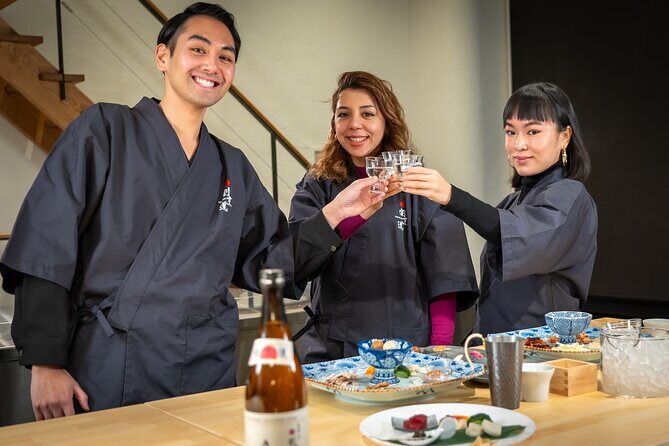
I especially like the temperature comparison in the sake lesson and the hands-on sukiyaki portion. The class is built around watching flavor shift when sake is served chilled, at room temperature, and warm, plus pairing pours with snacks that make those differences easier to notice.
One thing to consider: it is a group session capped at 8 people, so if you want maximum one-on-one time or very long time in the kitchen, this format may feel a bit tight.
In This Review
- Key highlights before you go
- Nishiazabu studio setup: how the 11:00 meeting works
- Sake tasting with temperature changes and pairing snacks
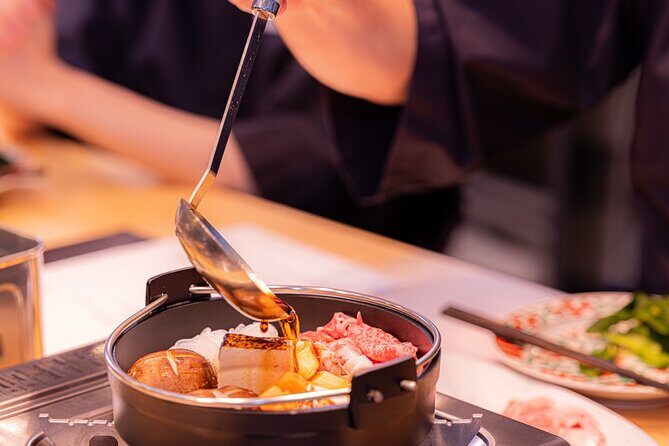
- Wagyu sukiyaki cooking: your hot pot, plus a vegetable carving show
- What you’ll notice while it cooks
- Lunch value: what you get for the $129 price
- Timing and flow: what happens during the 2-hour session
- Who this Tokyo workshop is best for
- Practical tips for your sake and sukiyaki day
- Should you book the Wagyu sukiyaki and sake tasting class?
- FAQ
- FAQ
- What time does the Japanese Sake Tasting & Wagyu Sukiyaki Cooking Class start?
- How many people are in the group?
- What’s included in the price?
- Do I need to bring transportation?
- Where do we meet?
- What kind of sake will I try?
- Is there a chef demonstration during the cooking?
- Is free cancellation available?
Key highlights before you go
- Three sake temperatures plus other styles, with comparisons you can actually taste right away
- Snack pairings that help you connect aroma and flavor to what you drink
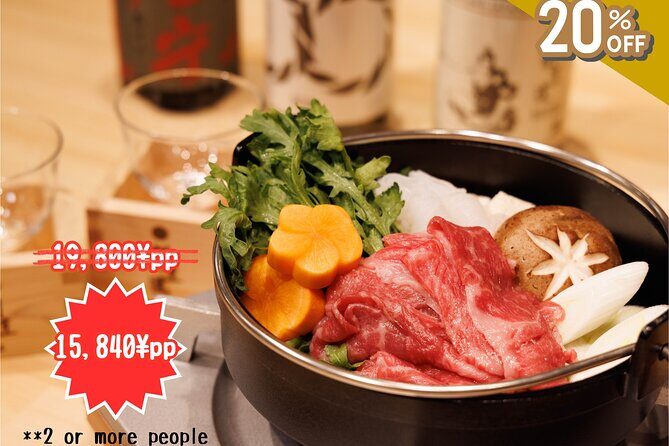
- Hands-on Wagyu sukiyaki with a hot pot you cook and then eat
- Live vegetable carving demo by a pro chef while your sukiyaki simmers
- Small group (max 8) in a modern Tokyo kitchen studio, with a participation certificate afterward
Nishiazabu studio setup: how the 11:00 meeting works
This experience starts at 11:00 am at Kappodo H.Q / Tokyo D kitchen Studio in Nishiazabu (Minato City). The address is listed as 2-chōme2112 DKビル, 106-0031 Tokyo, which is useful if you’re using a map app. The location is also described as near public transportation, so you should be able to reach it without a car—just keep a close eye on the building number.
The studio format matters. With a maximum group size of 8 travelers, you’re not stuck watching from the edge of the room. You’ll be able to move through the steps—tasting, pairing, cooking—without the “big class shuffle” energy you sometimes get in larger food tours. You’ll also get a mobile ticket, which typically keeps check-in smoother.
Plan to arrive a few minutes early. Even if it is not strictly stated, it helps. You’ll want time to settle in, get your station, and be ready for the sake lesson right as the clock starts.
Other sake tasting experiences we've reviewed in Tokyo


Sake tasting with temperature changes and pairing snacks
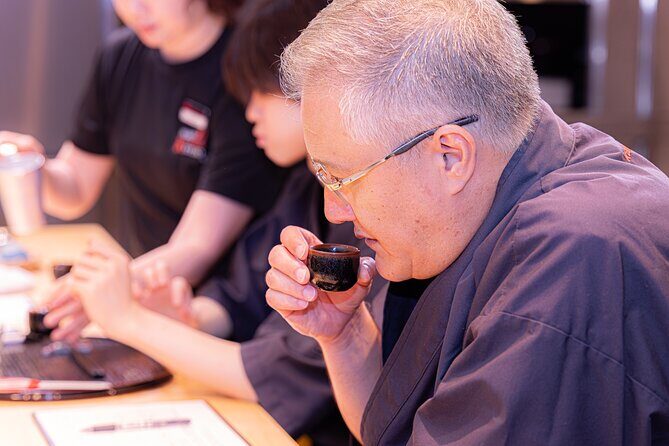
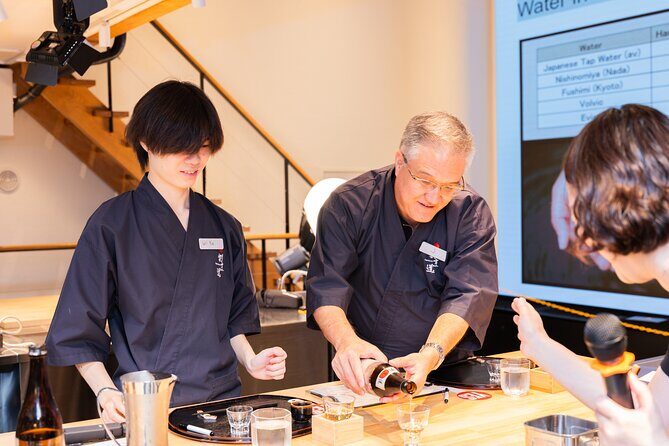
The sake portion is the smart warm-up. You begin with a concise tasting led by an expert, where you compare the same sake served chilled, at room temperature, and warm. That is not just trivia. Temperature changes how aroma comes through and how the taste lands on your palate.
Here’s what I think this teaches you in a way a menu never can: sake is not one fixed flavor. When you change the serving temperature, you can shift the emphasis between subtle sweetness, acidity, and body. You also learn that the vessel you drink from can affect perception. That matters if you’ve ever wondered why the same drink tastes different at different places in Japan.
You also get pairing snacks with each pour. This is a big deal for two reasons. First, snacks turn the tasting into a practical exercise—you can compare one sip and one bite without guessing. Second, it gives you a simple way to remember what you liked. If you figure out, for example, which temperature felt better with a salty or crunchy bite, that becomes a real-life ordering strategy later in Tokyo.
From past participants, the instructors are often singled out by name—Hiromi-san is mentioned as fun and engaging, and another cooking instructor is described as excellent. That combination usually means you’ll get both structure and personality, which helps a short tasting feel like more than “sip, nod, move on.”
Wagyu sukiyaki cooking: your hot pot, plus a vegetable carving show
After the sake tasting, the class moves into the main event: cooking Wagyu sukiyaki. You’ll join a hands-on workshop where your sukiyaki simmers while a chef performs a decorative vegetable carving demonstration. Even if you’re not a “knife person,” it’s worth watching. The carving is visual, but it also helps explain how Japanese cooking treats ingredients like they matter, not just ingredients that go into a pot.
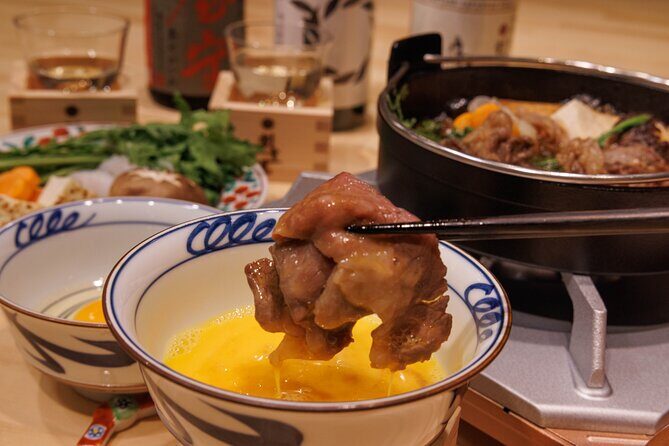
Then you cook and savor your own hot pot. The wording in the class description is clear on the goal: you’re not only eating a prepared meal. You’re learning the process well enough to feel like you made it, and then you get to enjoy it at the table.
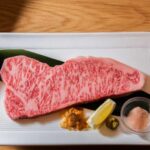
Premium Wagyu is included, and that changes the comfort level of the dish. If you’ve had sukiyaki before, you know the experience can depend on the quality of the beef. Here, you’re working with better raw material from the start. That makes the whole class feel more rewarding, because you taste the result quickly, not after hoping the ingredients are good.
From the reviews, the chefs involved are praised for both skill and teaching style. One participant named Naoya-san as an excellent cook, and another mentioned a Kano-style sukiyaki approach with Kimagai. Even if you can’t predict exactly who you’ll get on your date, that track record points to a team that can explain what you’re doing while still keeping the energy friendly for a mixed group.
What you’ll notice while it cooks
Sukiyaki isn’t only about the ingredients. It’s also about timing—when the pot is ready, how flavors develop as it simmers, and how you build bites by combining beef, vegetables, and sauce. Because the class includes a live demo happening while your pot is working, you get a natural rhythm: watch, learn, then eat.
Lunch value: what you get for the $129 price
At $129 per person for about 2 hours, this is priced like a true food experience, not like a quick tasting add-on. And the value is easier to see when you look at what’s included.
You get:
- Sake in three temperature ranges, plus other types
- Lunch: Wagyu beef sukiyaki
- All equipment used in the sake pairing lesson
- A certificate of participation
- A 10% discount at the 1F Shop on the same day of your workshop visit
That discount detail is practical. If you like what you taste, it gives you an easy next step without needing to research brands on the spot. Even if you just buy a small bottle or snack items, you’re turning a one-time class into a souvenir you’ll actually use.
Also, you’re not paying extra for “transportation coordination.” The tour does not include private transportation, but since it meets at a specific studio near public transit, you’re likely already doing your own subway/walk anyway in central Tokyo. That keeps the overall cost from ballooning.
For a first-time Japan food class, I’d call this a fair deal. Two hours is short enough to fit a busy day, but long enough to include multiple tastings and a full cooked meal. The small group size helps too—you’re paying for interaction, not just access to a table.
Other wagyu & sake pairings we've reviewed in Tokyo

Timing and flow: what happens during the 2-hour session
The schedule is described in a straightforward sequence, and it’s built to keep you busy the whole time.
You start with the sake tasting in the studio. You taste sake across temperature ranges, learn how flavor changes, and drink paired with selected Japanese snacks. Then the cooking portion begins.
While the sukiyaki simmers, a professional chef handles a vegetable carving demonstration. That’s one of those Tokyo “watch this while you wait” moments, but it stays tied to the cooking because it happens in the same kitchen environment as your meal.
Finally, you eat the sukiyaki you cooked, and you complete the pairing with sake. That pairing finish is important. Many classes stop right after the cooking. Here, you’re encouraged to connect taste and drink at the moment the meal is at its best.
At the end, the activity returns to the meeting point. So you’re not guessing where you’ll be dropped off. You’re also not relying on a long transfer or a complicated schedule.
Who this Tokyo workshop is best for
This is a strong pick if you:
- want a hands-on Japanese food lesson in a short time window
- like tasting experiences where you can compare temperature and flavor
- enjoy family-style group meals and cooking together
- want something more interactive than a museum-style food stop
The reviews you provided also point to family-friendly energy, with multiple comments about enjoying the workshop together and having staff who are friendly and helpful. If your group includes beginners who don’t know how sake works, this format still makes sense because it teaches through doing: sip at different temps, pair with snacks, then eat a classic hot pot.
It may be less ideal if you:
- dislike alcohol tastings
- want a long, slow course with lots of extra cooking time
- are looking for a private class (this one is a small group max 8)
Practical tips for your sake and sukiyaki day
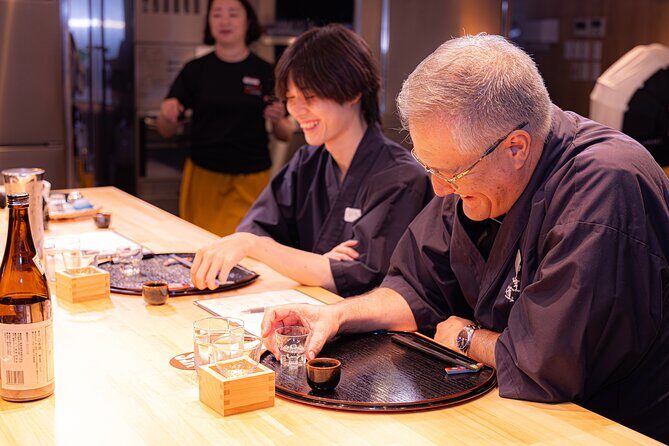
You’ll get the most out of this if you treat it like a tasting workout, not just a meal.
- Pace yourself. Sake tastings across temperatures can add up quickly. Take your time between sips, and use the snack pairings as an anchor for what you’re noticing.
- Plan for water. Even though water isn’t listed, it’s smart common sense during alcohol-focused experiences. You’ll enjoy the sukiyaki more if you don’t feel rushed.
- Come hungry. You’re getting lunch, but you’ll taste and cook first. A normal appetite helps you appreciate the differences in the final hot pot.
- Ask about what you like. If a certain temperature feels better to you, mention it. The class is designed around learning how temperature and serving choices influence flavor, so your questions will plug into the lesson.
Finally, wear comfortable clothes. You’ll be in a kitchen setting for hands-on cooking and tasting, and you’ll want freedom of movement for the station work.
Should you book the Wagyu sukiyaki and sake tasting class?
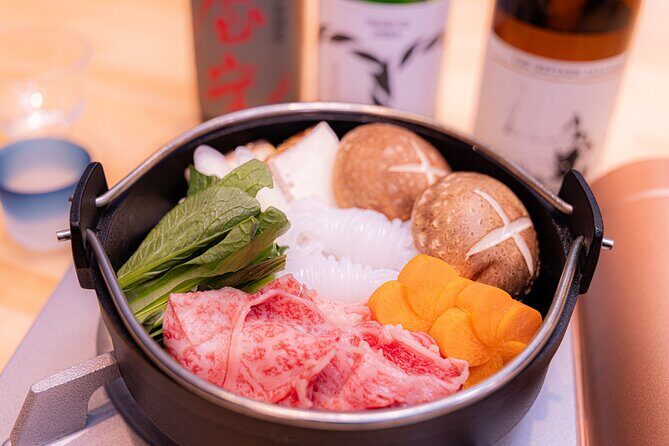
I’d book this if you want a focused Tokyo food experience that mixes sake tasting you can taste immediately with a real cooking payoff—and you’re happy with a small-group format. The included Wagyu sukiyaki lunch and the structured tasting across temperature ranges give you two “wins” in one session, instead of forcing you to choose between drink or food.
Skip it if alcohol sampling is a deal-breaker for your group or if you want a long, detailed private cooking class. But for most people, $129 for a 2-hour, small-group workshop that feeds you and teaches you how to think about sake temperature is a solid value.
FAQ
FAQ
What time does the Japanese Sake Tasting & Wagyu Sukiyaki Cooking Class start?
It starts at 11:00 am and lasts about 2 hours.
How many people are in the group?
This experience has a maximum of 8 travelers.
What’s included in the price?
Sake tasting (including sake served in three temperature ranges), lunch (Wagyu beef sukiyaki), equipment for the sake pairing lesson, a certificate of participation, and a same-day 10% discount at the 1F Shop.
Do I need to bring transportation?
Private transportation is not included, but the meeting point is near public transportation.
Where do we meet?
Meet at Kappodo H.Q / Tokyo D kitchen Studio (Cooking Workshop) at Nishiazabu, Minato City, 106-0031 Tokyo, 2-chōme2112 DKビル.
What kind of sake will I try?
You’ll taste sake across three temperature ranges, plus other types of sake.
Is there a chef demonstration during the cooking?
Yes. A professional chef does a decorative vegetable carving demonstration while your sukiyaki simmers.
Is free cancellation available?
Yes. You can cancel up to 24 hours in advance for a full refund.
If you tell me your travel dates and who you’re going with (foodies, family, anyone who avoids alcohol), I can help you judge whether this slot fits your Tokyo day plan.
More Cooking Classes in Tokyo

More Wagyu & Sake Pairings in Tokyo
More Sake Tasting Experiences in Tokyo

More tours in Tokyo we've reviewed





Wagyu & Sake Pairings, compared.
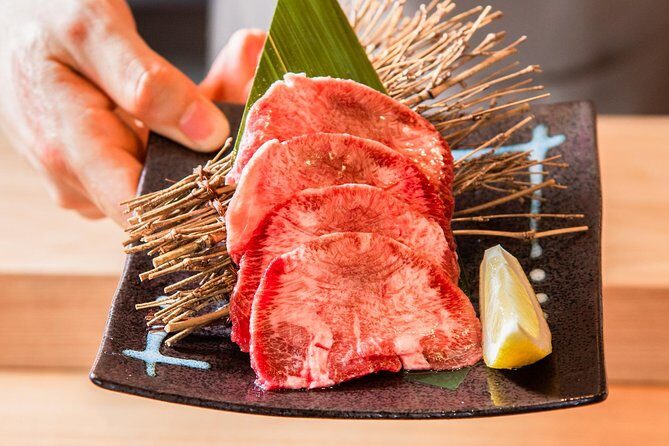 ★ 5.0Wagyu & Sake Pairing in Shinjuku – Steak, Shabu-Shabu & MoreFrom $148
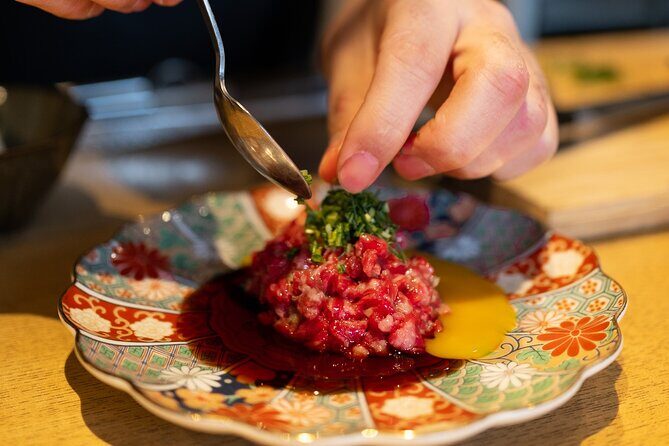 ★ 5.0Tokyo Wagyu & Sake Pairing Tasting Experience with Local FlavorsFrom $151
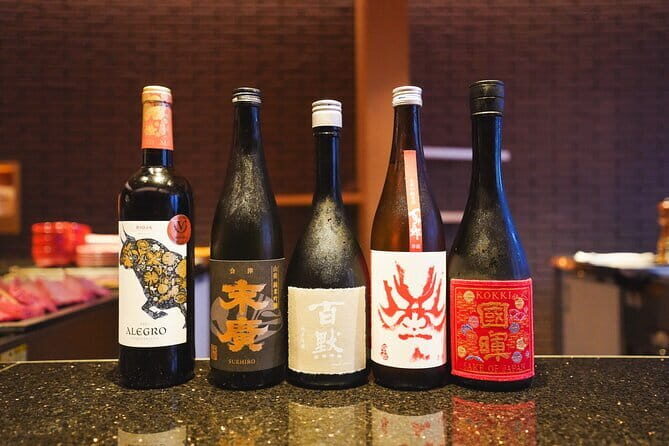 ★ 5.0Wagyu Beef and Sake Pairing Foodie Tour in TokyoFrom $218
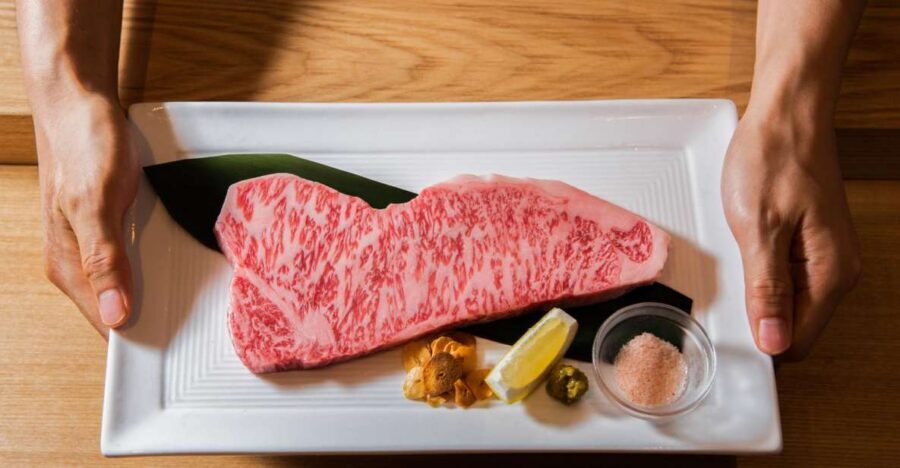 ★ 4.9Wagyu & Sake 8 Course Tasting Dinner in ShinjukuFrom $1452h 30m
 ★ 5.0Wagyu Beef & Sake Pairing Foodie Tour in TokyoFrom $1803h 30m
 ★ 5.0Tokyo Shinjuku Bar Hopping –Wagyu , Ramen & 7 DishesFrom $94
The lists this tour appears in