
Reviewed · MARKETS
Tsukiji: Outer Market Walking Tour & Sake Tasting Experience
Tsukiji goes way beyond sushi.
This tour strings together three things you rarely get in one afternoon: a brief lesson in Hongwanji Temple prayer etiquette, a guided walk through Tsukiji Outer Market, and an extensive sake session with unlimited pours. I like that the market part is practical (where to go, what to try, and how to not miss the good stops), and I also like that the sake side is guided so you get meaning, not just drinking. One consideration: it runs rain or shine and you will be on your feet, plus the tasting is alcohol-focused, so pace yourself.
If you want Tokyo flavor with local rhythm, this is a strong use of a half-day. The walking tour and tasting are 3 hours total, and the meeting point is easy to find right at the temple gate. One small heads-up: the Outer Market is closed on Sundays and national holidays (and some stores on Wednesdays), so check your day before you book.
In This Review
- Key reasons this Tsukiji tour works
- Hongwanji Temple prayer etiquette before you hit the market
- Tsukiji Outer Market: guided stops, real local texture, and smart snack strategy
- Unlimited sake tasting in a private salon: snacks, temperatures, and how to learn fast
- 50 to 60 sake options: how to make unlimited tastings feel controlled
- Kids and families: a Tsukiji food culture moment that doesn’t feel like a chore
- Price and value: what $70 buys you in a 3-hour half-day
- Timing, closures, and getting there without stress
- What to bring: simple stuff that saves the day
- Who should book this Tsukiji Outer Market and sake tasting?
- Should you book it?
- FAQ
- How long is the Tsukiji Outer Market walking tour and sake tasting?
- What is the meeting point?
- Is the tour held rain or shine?
- Are the sake tastings unlimited?
- How many types of sake are available to taste?
- Does the tour include snacks?
- Is food included in the price?
- Will kids be able to participate?
- What days is the Outer Market closed?
- Do I need an ID or passport?
Key reasons this Tsukiji tour works
- Hongwanji Temple prayer: you learn what to do before you step into the temple flow
- Insider market choices: you get food and produce recommendations that are hard to figure out alone
- Unlimited sake tastings: sample widely, with a guide explaining each bottle
- Temperature changes: you taste sake in different serving temperatures to notice flavor shifts
- Family-friendly setup: kids get tea/soft drinks plus snacks during the tasting
Hongwanji Temple prayer etiquette before you hit the market
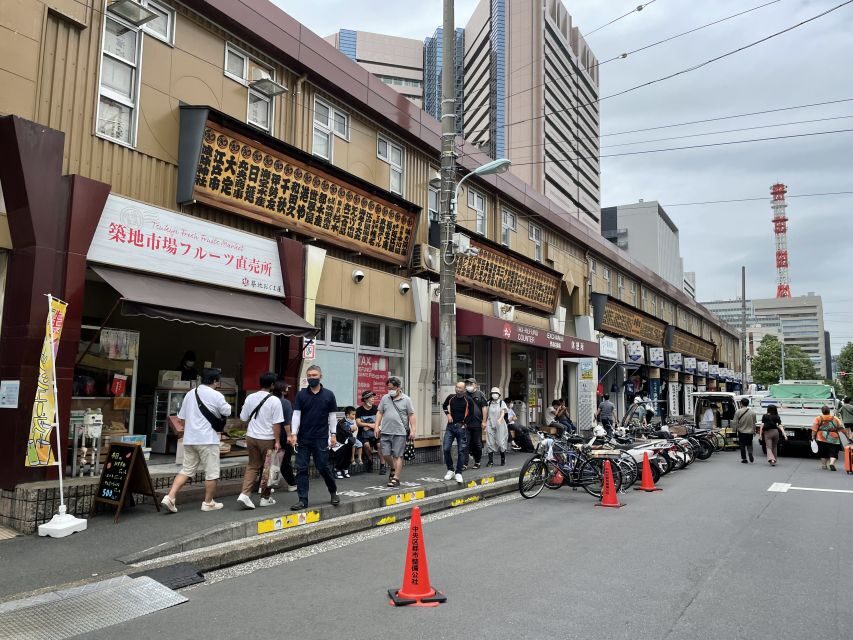
The day starts with a stop that sets a respectful tone fast. Meet your guide in front of the main entrance gate of Tsukiji Hongwanji Temple, then step in to learn how to pray like a local. This is not just a photo moment. You get guidance on the sequence and etiquette so you know what you’re doing, which makes the temple feel less like a curbside stop and more like part of your visit.
A lot of people come to Tsukiji for food and skip the spiritual context. I like that this tour gives you a minute to slow down and understand why the area has long attracted ritual and community life, not only customers with shopping lists. It also helps you start your afternoon with clear energy: you’re focused, you’re walking with purpose, and your guide can keep the group moving once you’re outside.
Practical tip: wear shoes that don’t punish you for standing and walking. You’ll be transitioning quickly from temple to street.
Other sake tasting experiences we've reviewed in Tokyo


Tsukiji Outer Market: guided stops, real local texture, and smart snack strategy
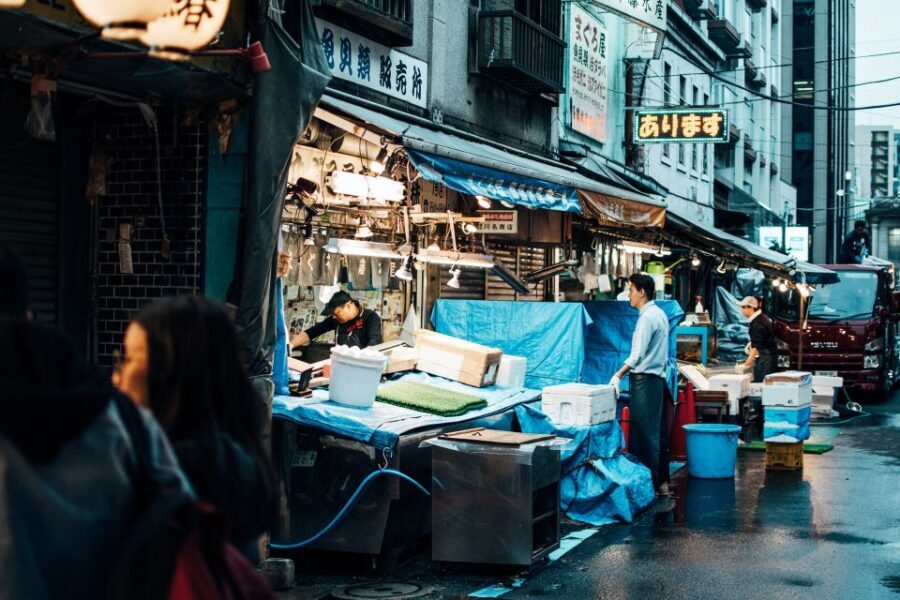
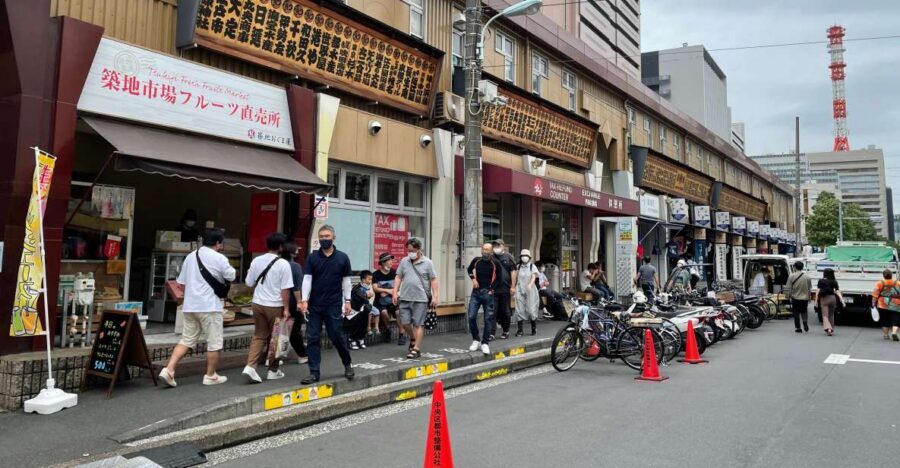
After the temple, you head into Tsukiji Outer Market with an expert food guide. The market can feel overwhelming at first glance—crowds, loud counters, and more seafood-adjacent smells than most people can process in one go. The value here is simple: you don’t wander randomly. You move from stop to stop with someone who knows what’s worth your time and what tends to be a letdown.
In real terms, the guidance shows up in a few ways:
- you get help choosing what to eat on the spot
- you can sample without committing to one huge purchase
- you get pointers for nearby places you might want later
Some guides also write down extra suggestions for you, which is handy because Tsukiji’s layout is big, and it’s easy to lose track once you start grabbing snacks. One more useful thing: the group pacing can flex. If you’re hungrier, your guide can steer you toward more bites. If you want lighter snacks, you can keep it under control.
Important detail for your budget: the tour includes the walking part and the tasting snacks, but food in the market is not included. That means you should plan to spend a bit if you want to buy produce or eat additional items during the walk. Think of it like sampling with guardrails—you’re paying to taste, not to be handed a full meal.
Unlimited sake tasting in a private salon: snacks, temperatures, and how to learn fast
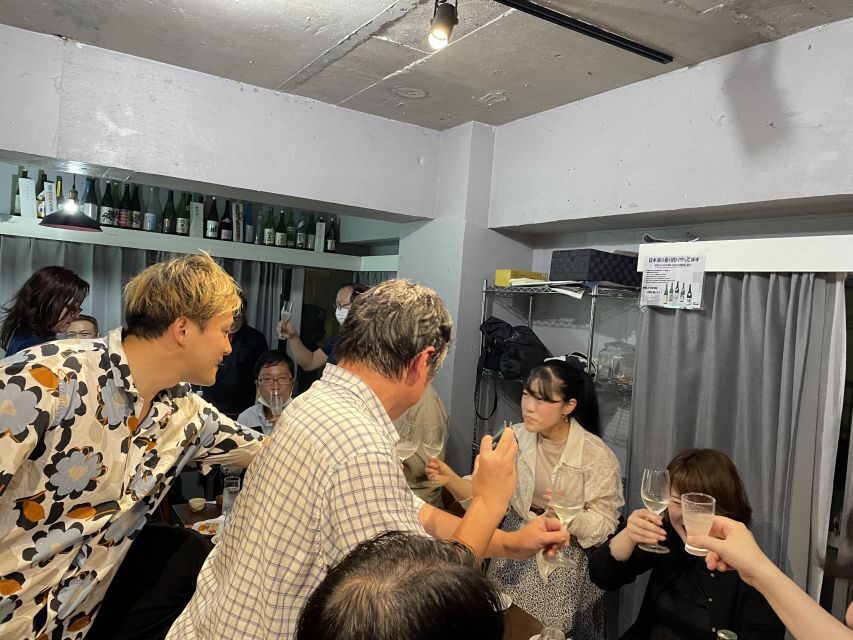
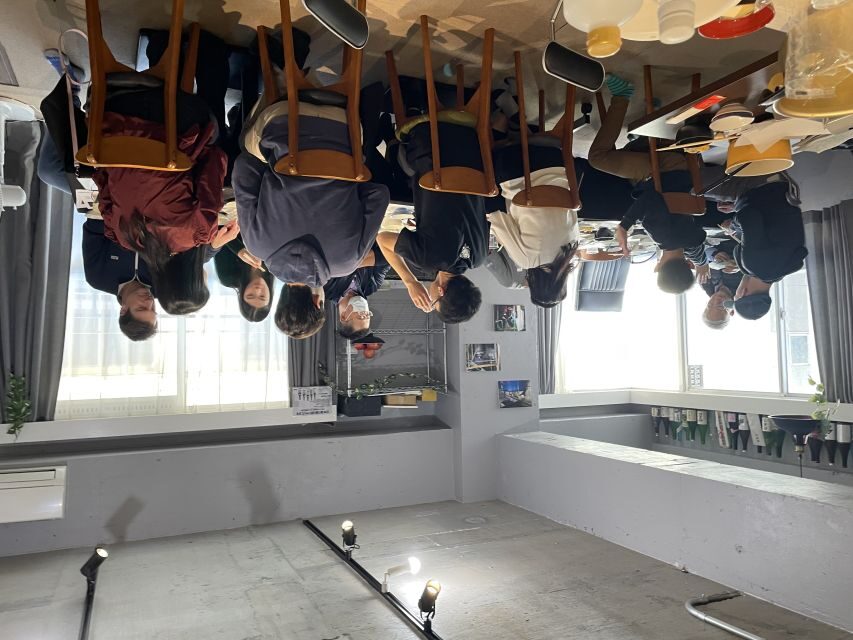
Once the market walking phase ends, you move to a private sake salon nearby. The location is only a few minutes from either Tsukiji Station or Shintomicho Station, so you’re not dealing with a long transfer.
Here’s why this part feels like the main event. You get an extended sake tasting with a sommelier and unlimited sampling. That doesn’t just mean more sips. It means you can keep going until you understand what you actually like.
You’ll also have snacks available during the session. That matters. Sake flavors can look different when you’re eating something salty, rich, or sweet. The snacks are there to help your palate pay attention instead of just tasting alcohol.
Then there’s the temperature lesson. You’ll try sake at different temperatures, so you can notice how aroma and taste shift depending on how the bottle is served. It’s one of the quickest ways to learn something real about sake beyond the basics.
For kids, the tasting experience includes soft drinks and tea plus snacks. That keeps the afternoon from being an adults-only event with everyone else stuck waiting around.
50 to 60 sake options: how to make unlimited tastings feel controlled
The tour offers 50 to 60 different kinds of sake on the menu, and the tastings are unlimited. In practice, most people end up sampling around 20 or so during the session, with some groups going higher. Either way, the point is the same: you get a wide range, and you can compare styles without committing to one bottle right away.
What I like most is that the sommelier doesn’t treat this like a random flight. You get explanations tied to each bottle’s story—history, brewery background, and what makes the flavors different. Guides on this tour include names like Kumi and Kyoko, and they’re often described as warm, hospitable, and very good at answering questions as the tasting progresses.
How to choose while you’re sampling:
- start with something mild if you’re new to sake
- move toward stronger or drier styles as you learn your preferences
- keep checking your palate with the snacks so you don’t just run on alcohol heat
Also, consider what you want your takeaway to be. If you want a crowd-pleaser, focus on smooth and easy sips. If you want to impress yourself at a future bar, pay attention to how temperature and style change perception.
One extra perk: some groups report being able to buy the sake they like at the end. If shopping matters to you, stick around and check what bottles are available after the tasting.
Kids and families: a Tsukiji food culture moment that doesn’t feel like a chore
This tour can be a fun way to show kids Japan’s food culture without turning the afternoon into a lecture. The walking portion is guided, which helps keep it from becoming a free-for-all with lots of stopping and re-starting.
During the sake portion, kids get non-alcohol drinks—soft drinks and tea—plus snacks. That makes the experience feel like it includes them rather than just tagging them along. You still get the structure of the lesson, which helps families stay engaged.
One practical consideration: the tour is not suitable for wheelchair users, and it is also not suitable for pregnant women. If your family includes someone with mobility limits or pregnancy concerns, you’ll need to choose a different plan.
Other walking tours we've reviewed in Tokyo




Price and value: what $70 buys you in a 3-hour half-day
At $70 per person for about 3 hours, the price makes sense only if you take the included value seriously. Here’s where the money goes:
- the guided walking tour
- the unlimited sake tasting with a sommelier
- snacks during the tasting
The market food part is not included, so the total “all-in” cost depends on how much you choose to eat or buy during the walk. But that’s also why this works for different appetites. If you want light snacking, you spend less. If you want a bigger food haul, you can do that too.
The sake portion is the biggest driver of value. Unlimited tasting with many different sake styles is rare in a short tour window, and the sommelier explanations are what turn it from party-time into something you can actually use later when you order sake on your own.
In short: this is a good deal when you want guidance both in the market and in the tasting room. If you already know exactly what you want to eat in Tsukiji and you don’t want alcohol education, you might feel less benefit.
Timing, closures, and getting there without stress
This tour runs rain or shine. That’s convenient, but it also means you should plan for wet sidewalks and crowded indoor shop lines. The market gets busy, so bring patience for the flow of foot traffic. The upside of having a guide is that you don’t have to fight the crowd alone—you’re moving with a plan.
Closures matter. The Outer Market is closed on Sundays and national holidays, and some stores are closed on Wednesdays. If your schedule is tight, pick a day when you’re confident the places you want to see will actually be open.
You’ll meet at Tsukiji Hongwanji Temple’s main entrance gate. The tour ends a few minutes from Tsukiji Station or Shintomicho Station, which is handy when you’re trying to line up your next activity without a long ride.
What to bring: simple stuff that saves the day
Bring comfortable shoes. You’re walking through a dense market area and transitioning between locations, so you’ll feel every step if your footwear is off.
Bring a passport or ID card. A copy is accepted, which makes it easier for some people who don’t want to carry the original everywhere.
If you’re joining with kids, plan to keep water handy, especially since the tasting session includes snacks and non-alcohol drinks for them. And for adults: since unlimited tastings are the point, it’s smart to pace yourself.
Who should book this Tsukiji Outer Market and sake tasting?
This tour fits you best if:
- you want a guided Tsukiji afternoon that includes both food and sake
- you’re curious about sake styles and want someone to explain the differences
- you like the idea of trying many options without buying one bottle first
- you’re traveling with kids who can enjoy non-alcohol drinks and snacks
It may not fit as well if:
- you dislike alcohol or don’t want any tasting
- you’re looking for a full meal included in the price
- you need wheelchair access or have pregnancy-related concerns
Should you book it?
Yes, I think it’s worth booking if you want one organized half-day that covers the big themes of Tsukiji: temple etiquette, market flavors, and a guided sake lesson. The best reason to book is the combination—market guidance plus unlimited sake tastings with explanations—so you leave with a clearer palate, not just a stack of photos.
If your travel day hits a Sunday, national holiday, or a Wednesday with store closures, you’ll need to adjust your plan. Otherwise, this is a smart way to use time in Tokyo: you get culture first, then food, then a sake session where the guide helps you understand what you’re drinking.
FAQ
How long is the Tsukiji Outer Market walking tour and sake tasting?
It lasts 3 hours.
What is the meeting point?
Meet your guide in front of the main entrance gate of Tsukiji Hongwanji Temple.
Is the tour held rain or shine?
Yes, it runs rain or shine.
Are the sake tastings unlimited?
Yes. The experience includes unlimited sake tastings.
How many types of sake are available to taste?
There are 50 to 60 different kinds offered.
Does the tour include snacks?
Yes. Snacks are included during the tasting session.
Is food included in the price?
No. Food is not included (you’ll handle market purchases separately if you want to eat or buy items during the walk).
Will kids be able to participate?
Yes. Kids are provided with soft drinks and tea plus snacks during the tasting session.
What days is the Outer Market closed?
The Outer Market is closed on Sundays and national holidays, and some stores are closed on Wednesdays.
Do I need an ID or passport?
You should bring a passport or ID card, and a copy is accepted.
More Shopping Tours in Tokyo
More Walking Tours in Tokyo
More Sake Tasting Experiences in Tokyo

More tours in Tokyo we've reviewed





Markets, compared.
 ★ 5.0Tokyo Washoku 4-hour Cooking Class: From Market to TableFrom $79
 ★ 4.8Osaka: Cooking Class & Sake Tasting with Local Market VisitFrom $904 hours
 ★ 5.0Private Nishiki Market Food & Sake Tour by Young Local GuidesFrom $6
 ★ 5.0Nishiki Market, Private Sushi class & Sake Tasting in TownhouseFrom $121
The lists this tour appears in