
Reviewed · HISTORICAL TOURS
Historic Kanda Sake Tasting at Tokyo’s Oldest Shop (1596)
Sake in Tokyo is easy. Learning it well is the trick. This tour starts inside a legendary shop in Kanda that traces back to 1596, so you’re not just sampling alcohol—you’re getting the story and the context right from the source area that built a drinking culture for Japanese salarymen.
What I like most is how the tasting is structured for real learning: you sample multiple varieties in small cups, guided step by step. I also like the guide’s style—clear explanations in fluent English, plus practical recommendations so you can keep exploring after the tasting is done.
One consideration: this is a strict, start-to-finish experience. You must be at least 20, bring valid ID, and you can’t join from the middle. Show up late and you may miss your spot.
In This Review
- Key Things You’ll Really Notice
- How Kanda and a 1596 Sake Shop Change the Whole Experience
- The 2-Hour Rhythm: Meeting at NewDays and Staying on Track
- Stop One: Walking Through Kanda’s Shop Streets for Context
- Stop Two: Toshimaya Rita-Shop and the Tasting Room Setup
- The Sake Lesson You’ll Actually Use: Compare, Not Just Sip
- What the 10–20ml Pours Mean for Your Night
- Buying Sake Without Feeling Pressured
- Kanda Izakaya Recommendations: The Tour’s Smart Exit
- Price and Value: What $38 Gets You (and Why It’s Not Just Alcohol)
- Who This Tour Fits Best (and Who Should Skip It)
- Tips to Make Your Sake Tour Smoother
- Should You Book Historic Kanda Sake Tasting at Tokyo’s Oldest Shop?
- FAQ
- How long is the sake tasting tour?
- What is the price per person?
- What language is the tour guide?
- Where do we meet for the tour?
- How many people are in the group?
- Is food included in the tour?
- How many sake tastings are included?
- Do I need an ID or passport?
- Is there an age limit?
- What if I arrive late or miss the start?
- Can I cancel and get a refund?
Key Things You’ll Really Notice
- 1596-established shop setting in Kanda, where Tokyo drinking culture has roots
- 7 small sake tastings (each pour is about 10–20ml) to compare styles without getting overwhelmed
- English-first guidance that helps both beginners and experienced drinkers ask smart questions
- Season-dependent selection, so the exact sake you taste can vary
- Buy if you find a favorite, then return to browse and shop at the end
- Local izakaya recommendations after the tasting, so you leave with a plan
How Kanda and a 1596 Sake Shop Change the Whole Experience
Kanda is a famous Tokyo drinking zone, the kind of place where after-work life used to (and still does) revolve around casual sake and izakaya nights. That matters because this isn’t a generic tasting room. You’re learning sake in the neighborhood that helped make it everyday—simple, repeatable, social.
And starting at Tokyo’s oldest sake shop style of landmark (established in 1596) puts you in the right mindset. You’re paying attention to details like aroma, flavor balance, and how different sake styles behave when compared side by side. If you’ve ever felt like sake listings all blur together, this “compare-in-order” format helps your brain do the sorting.
Other sake tasting experiences we've reviewed in Tokyo


The 2-Hour Rhythm: Meeting at NewDays and Staying on Track
The tour meets at NewDays Kanda South Entrance at Kanda Station. NewDays is a convenience-store brand, so it’s easy to spot, and the guide will be holding a sign that indicates the tour. Plan to arrive early. You can only wait about 5 minutes, and the tour doesn’t allow catching up once it starts.
You should also know the pace is tight by design: the whole experience is about 2 hours, and it’s built around moving through two guided phases—first a short orientation walk, then a long tasting session. That time structure is part of the value. You get a focused guide-led lesson, and then you’re released with recommendations so you can continue your night on your own terms.
Stop One: Walking Through Kanda’s Shop Streets for Context
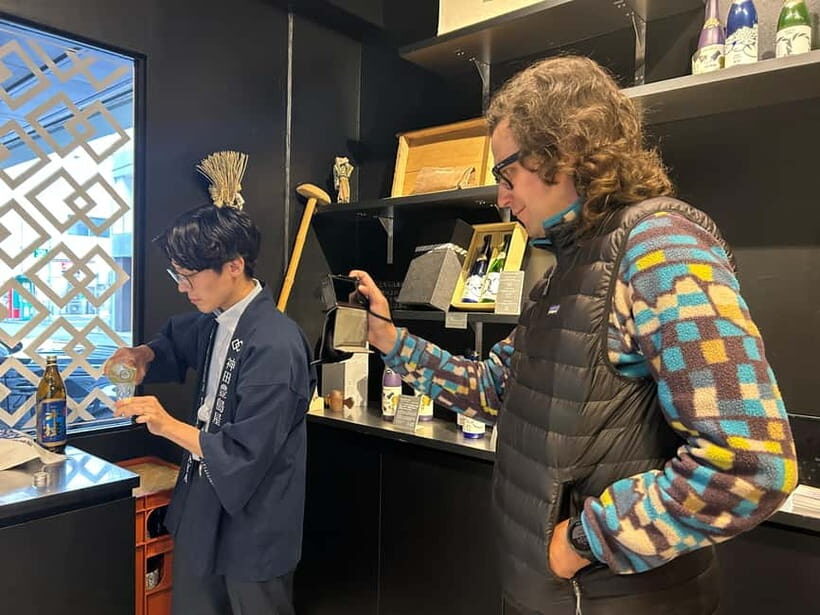
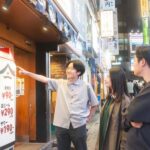
After meeting, you’ll take a guided walk along the nearby shop area around the station. This segment is short (about 20 minutes), but it sets expectations. You’re not just there to drink—you’re learning how the area and the shop connect to Tokyo’s modern salaryman routine.
This is also where you get your bearings fast. In a neighborhood like Kanda, streets can feel similar. A brief local-guided route helps you avoid the awkward moment of standing there, map app open, while everyone else already understands where they are.
Practical tip: wear comfortable shoes. You’ll be on your feet during the orientation, and you’ll want to move smoothly between rooms later.
Stop Two: Toshimaya Rita-Shop and the Tasting Room Setup
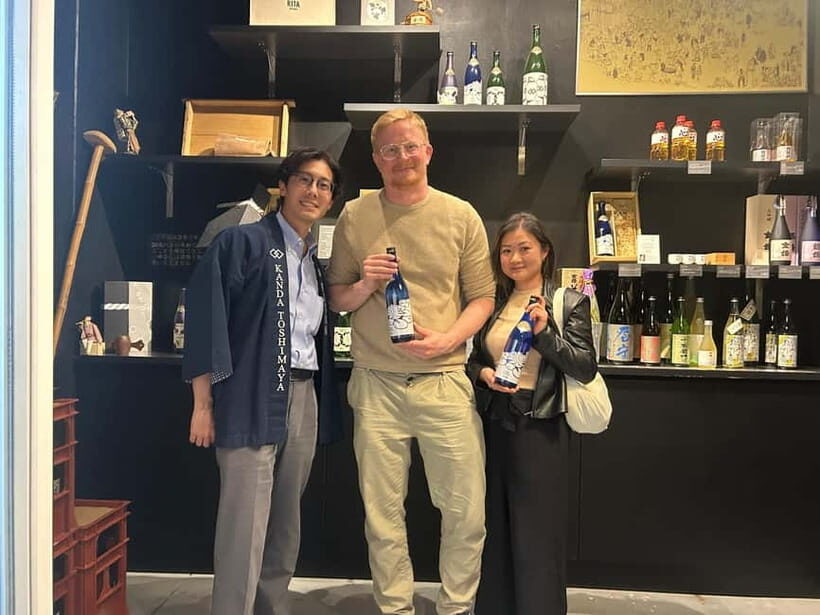
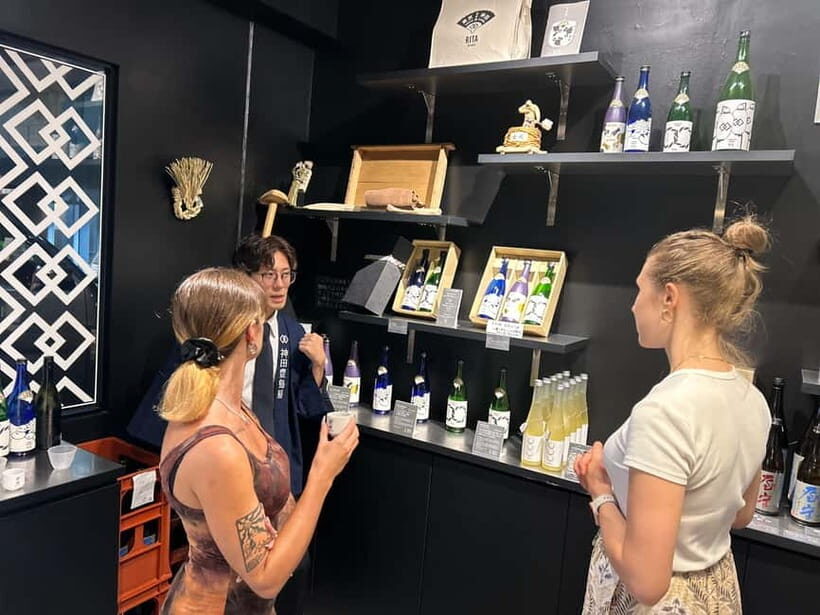
Next you move to Toshimaya Rita-Shop, where the main guided portion happens. This part is about 1.5 hours, and it’s the heart of the tour.
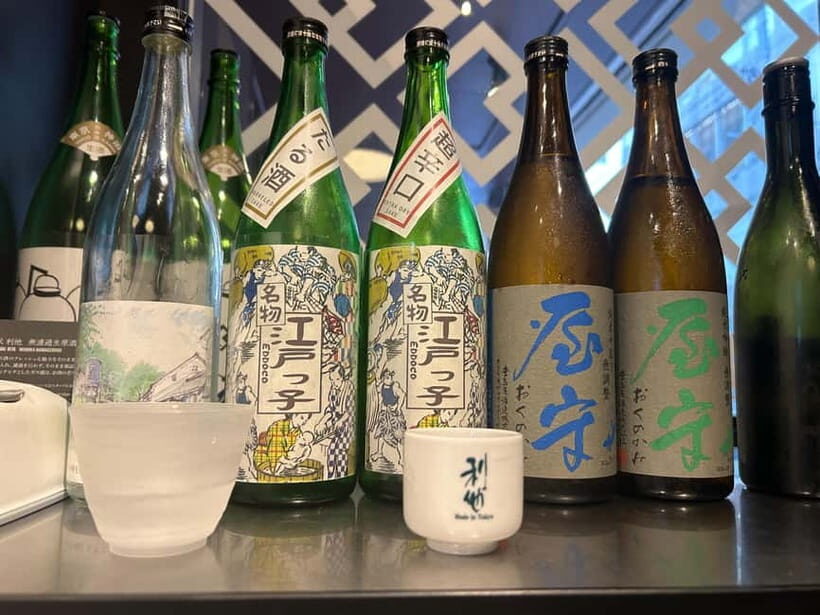
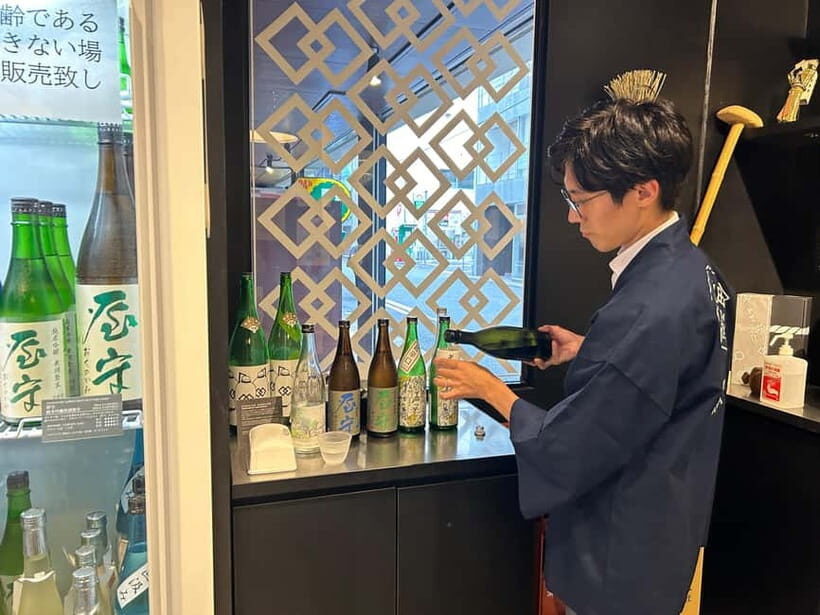
Here’s what the tasting experience feels like in practice: you’ll learn first, then taste, then compare. The tasting cups are small, and each pour is about 10–20ml. That’s a smart size. You can focus on differences between styles without turning the lesson into a blur.
The selection can change based on season and timing. That’s normal in Japan—sake inventories and seasonal releases shift. The good news is the guide still teaches you how to think about what you’re drinking, so you’re not just following a script of flavors. Even if the lineup changes, the comparisons still work.
The Sake Lesson You’ll Actually Use: Compare, Not Just Sip
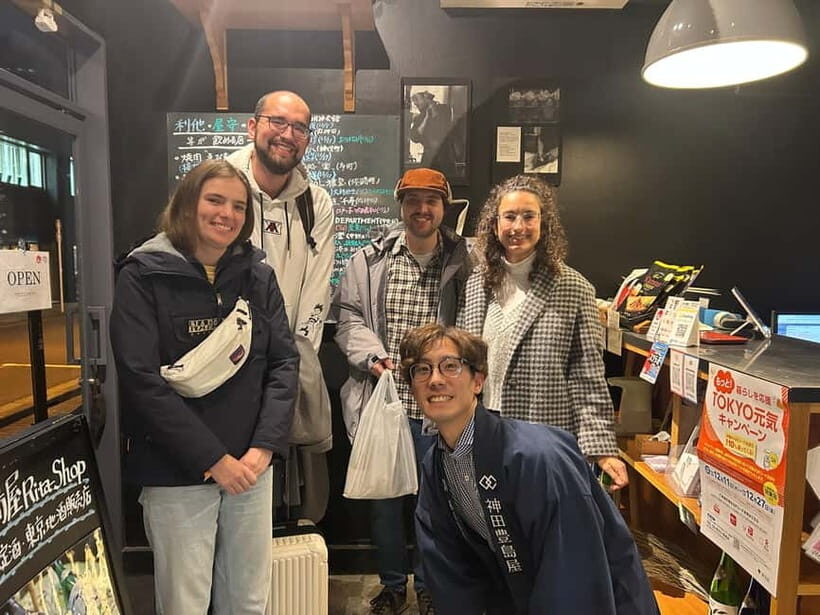
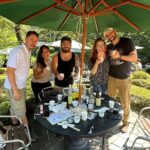
This tour is built for tasting like a pro, even if you’re brand new. You’ll try multiple sake varieties sold by the shop, and the guide explains how they differ and what to notice when you taste.
A few practical ways this helps you once you’re out in Tokyo:
- You learn the language of taste so you can ask better questions at bottle shops.
- You start noticing what you personally prefer—dry vs. rounder styles, aroma level, and how flavors change as you move from one pour to the next.
- You get a reference point. After this, reading a menu in an izakaya won’t feel like guessing.
And the guide will answer questions. In particular, the tone reported in English-speaking tours is friendly and responsive, with guides like Fumino-San noted for excellent English and clear explanations. That matters because sake is a topic people often overcomplicate. You don’t need to. A good guide makes it simple enough to enjoy, but detailed enough to learn.
Other historical tours in Tokyo
What the 10–20ml Pours Mean for Your Night
Small pours are not a “safety” detail only. They’re part of how you learn.
When each pour is around 10–20ml, you can taste, pause, and reset. You can keep your attention on aroma and finish. You also avoid the common problem where people get tipsy early and stop paying attention. On this kind of tour, paying attention is the whole point.
Also, the tour is not meant to replace dinner. Food isn’t included, and food isn’t allowed during the activity. If you’re hungry, eat before you go. Otherwise, your brain will trade “taste notes” for “where’s dinner” in about 20 minutes.
Buying Sake Without Feeling Pressured
Here’s the deal with the shopping part: if you find a sake you like, you can purchase it. That’s not unusual in a shop-based experience, and the key is that the tasting gives you real information first. You’re not buying blindly. You’ve already sampled the styles and you’ve got a sense of what you enjoyed.
After the tasting, you’ll return to the shop area where you can browse and shop. This timing helps: you’re still in the learning mindset, but you have the freedom to take your time.
Also, buying can be a fun souvenir that isn’t just a label. If you brought friends (or you plan to bring gifts back), having a bottle that connects to what you learned in that exact Kanda shop feels better than a generic tourist bottle.
Kanda Izakaya Recommendations: The Tour’s Smart Exit
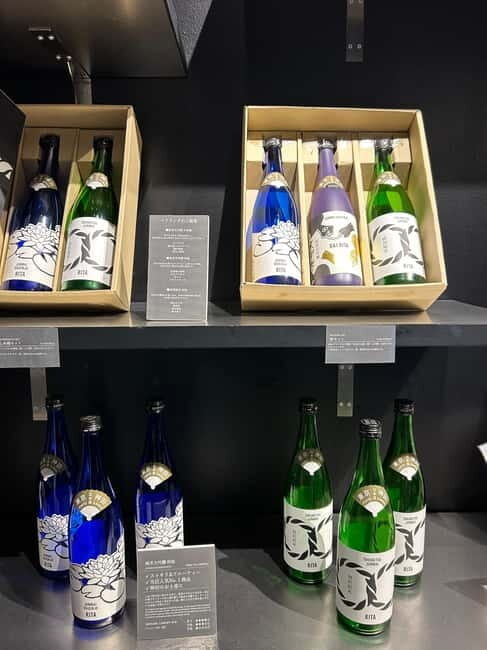
After the tasting, the guide introduces nearby places where you can enjoy sake and izakayas. This is a big value moment that people often overlook. The tour gives you a starting point for your next steps, so you don’t have to spend your whole evening hunting down where to go.
Even if you already have a plan, I like getting local suggestions from someone who knows what visitors tend to miss. A good guide’s recommendations can save you from the classic situation: walking into a place that’s fine, but not quite right for your mood or your sake preferences.
And because the tour guide is a local expert who conducts tours in Tokyo, you’ll often get extra Tokyo recommendations beyond just the drinking plan.
Price and Value: What $38 Gets You (and Why It’s Not Just Alcohol)
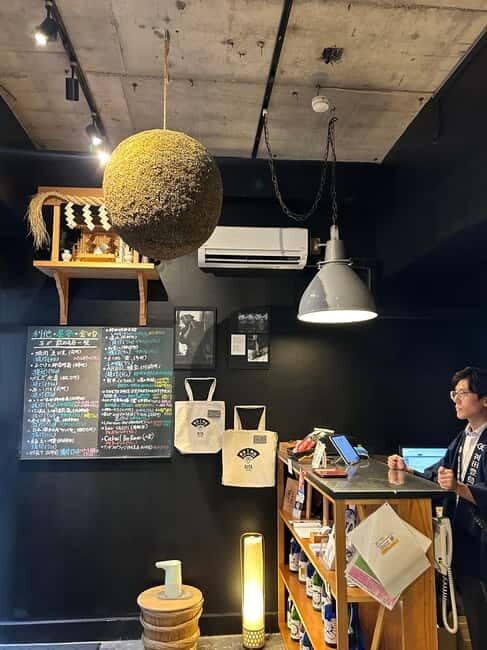
At $38 per person for a 2-hour tour, you’re paying for three things:
- A local guide with English instructions and structured tasting guidance
- Multiple tasting pours (included) that let you compare styles
- Access to a shop atmosphere tied to a shop with roots in 1596
Is it cheaper to buy sake on your own? Sure. But the value here is the comparison and the explanation. Sake menus can be tricky, especially when you’re staring at categories you don’t fully understand. This tour gives you a framework quickly, so you can make better choices later.
The group size is also capped at 10 participants, which helps the experience feel more personal. Smaller groups usually mean the guide can actually respond to questions instead of rushing past everyone’s curiosity.
Who This Tour Fits Best (and Who Should Skip It)
This tour is a good fit if you:
- Want a short, guided Tokyo experience that’s not just wandering
- Like learning while doing something social
- Appreciate a tasting format where you compare multiple sakes in small servings
- Enjoy neighborhoods with character, not just landmark photos
It’s not a fit if you:
- Are under 20. The tour requires participants be at least 20 and you’ll need ID verification
- Are pregnant, or you’re dealing with a cold
- Don’t like shop-based experiences where tasting can lead to buying
If you’re unsure, focus on one thing: this is primarily an educational tasting experience. If you mainly want a party with big pours and no structure, look for a different style of tour.
Tips to Make Your Sake Tour Smoother
- Eat something beforehand. Food isn’t included, and food isn’t allowed during the tour.
- Bring a passport or ID card. Age verification is part of the process.
- Wear comfortable clothes and shoes. You’re doing guided walking plus time in the shop rooms.
- Be on time at NewDays Kanda Station South Entrance. You only have about a 5-minute buffer.
- Don’t stress about the lineup changing. The guide adjusts teaching to what’s being poured that day.
Should You Book Historic Kanda Sake Tasting at Tokyo’s Oldest Shop?
Yes, if you want a focused, English-guided sake lesson in the real Kanda area where Tokyo drinking culture developed. The best part is the tasting structure: small pours, clear guidance, and enough context from a shop tied to 1596 to make the whole thing feel meaningful, not just consumable.
I’d only skip it if you’re not interested in learning (you just want to drink) or if age/health limits apply. If you’re in the target group, this is one of those rare tours that gives you both a fun hour-and-a-half of tasting and a plan for what to do next in the neighborhood.
FAQ
How long is the sake tasting tour?
The tour lasts about 2 hours.
What is the price per person?
The price is $38 per person.
What language is the tour guide?
The live tour guide speaks English.
Where do we meet for the tour?
Meet at NewDays Kanda South Entrance at Kanda Station. The guide will hold a sign for the Sake Tasting Tour.
How many people are in the group?
It’s a small group limited to 10 participants.
Is food included in the tour?
No. Food is not included, and food is also not allowed during the tour.
How many sake tastings are included?
The tour includes 7 sake tastings, with each pour about 10–20ml.
Do I need an ID or passport?
Yes. The tour requires age verification, and you should bring a valid ID or passport.
Is there an age limit?
Participants must be at least 20 years old, the legal drinking age in Japan.
What if I arrive late or miss the start?
You can only wait about 5 minutes, and you can’t join from the middle of the tour.
Can I cancel and get a refund?
You can cancel up to 24 hours in advance for a full refund.
More Historical Tours in Tokyo
More Sake Tasting Experiences in Tokyo

More tours in Tokyo we've reviewed




Historical Tours, compared.
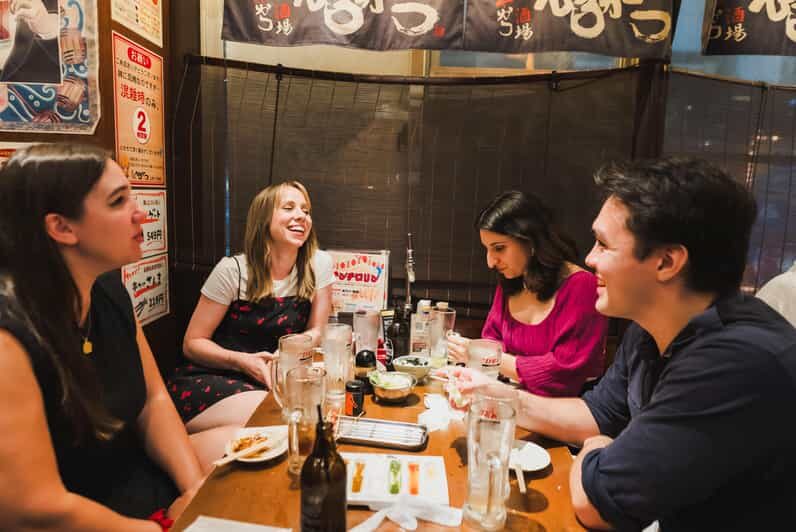 ★ 4.9Tokyo: The Best of Izakaya in Shinjuku Food & Cultural TourFrom $1293 hours
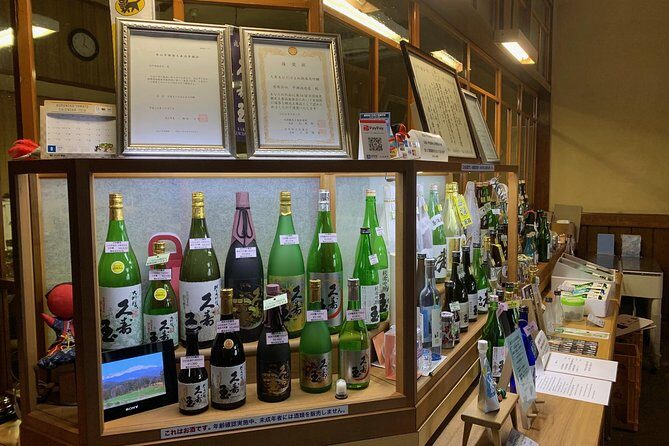 ★ 5.0Takayama: Authentic Sake Tasting at a Historic BreweryFrom $50
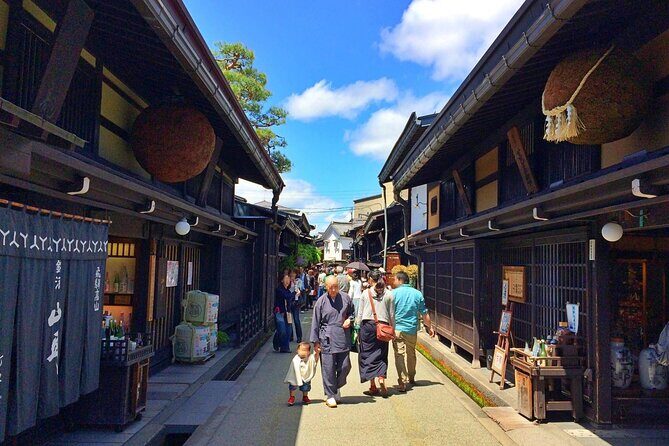 ★ 5.0Takayama Local Cuisine, Food & Sake Cultural Tour with Government-Licensed GuideFrom $154
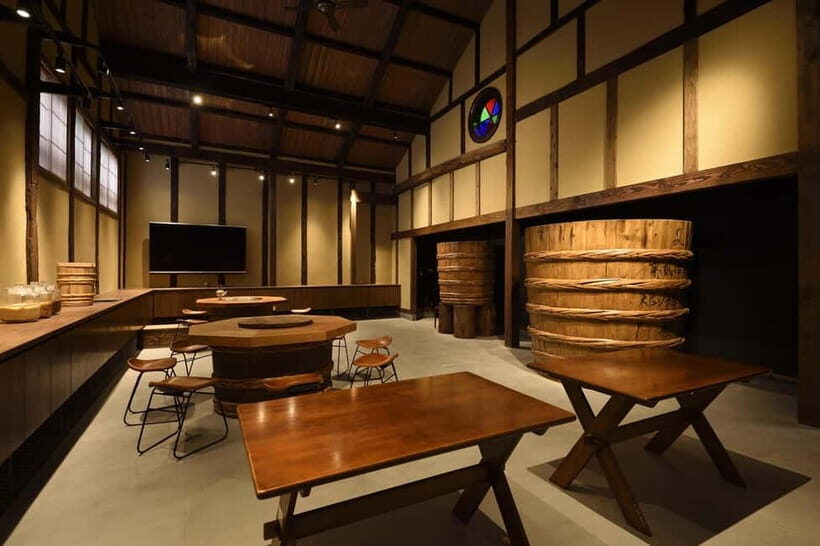 ★ 4.9Kanazawa Historic Brewery: Fermentation Tour, Tasting, LunchFrom $772h 30m
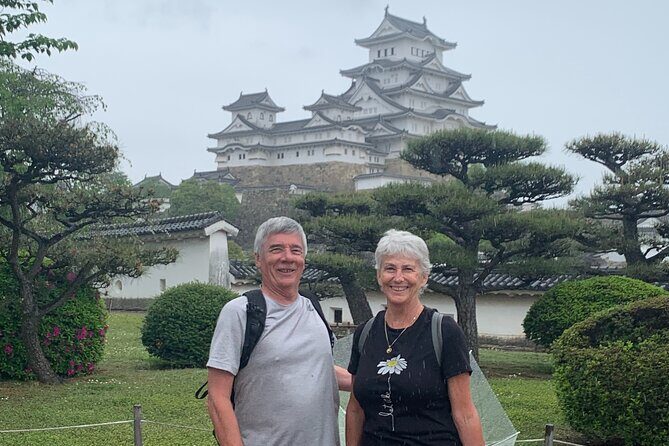 ★ 4.5World Heritage Himeji Castle & Sake Breweries Private TourFrom $101
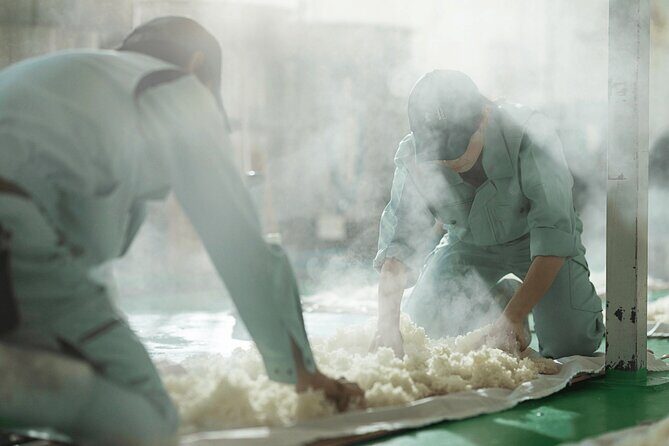 ★ 5.0Sake Heritage Nagoya Brewer’s Insights and Tastings tourFrom $208
 ★ 5.01-Day Sapporo Historical Village and Sapporo Beer Museum TourFrom $1808 hours (approx.)
The lists this tour appears in