
Reviewed · SAKE TASTING EXPERIENCES
Tokyo: 7 Kinds of Sake Tasting with Japanese Food Pairings
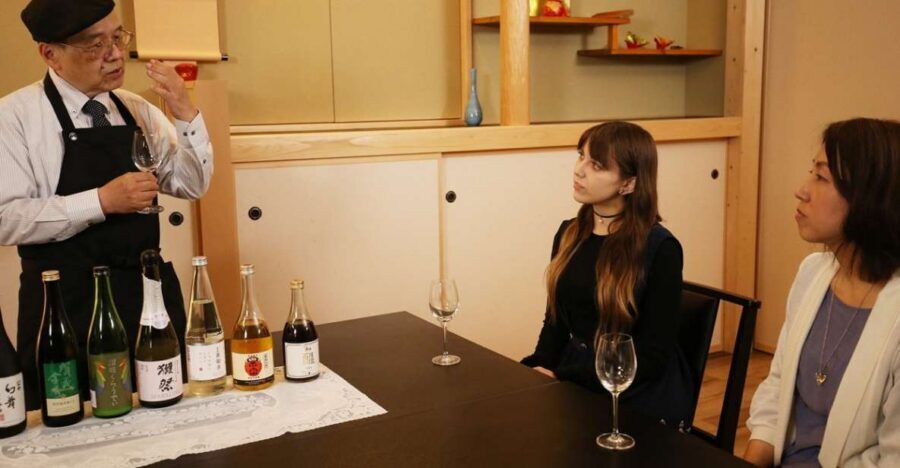
Sake tastes better when food is in the room. This 75-minute tasting in Minato City lets you sample seven sake styles, from sparkling to sweet (and yes, dessert-style), with a multi-course set of Japanese and Western bites. You’ll also get the story of sake’s place in Japanese life, explained by an English instructor and (in my mind) the kind of guide who makes complicated things feel simple, including names like Tanaka-san or Taka-san.
Two things I’d prioritize if I were booking: the 7 sake samples are varied enough to show real differences (sweet to savory), and the pairing format helps you understand why each sake works with specific foods. One possible drawback to keep in mind: the meeting point can be a little tricky to spot inside the Kikai Shinko Kaikan building, and you’ll want to arrive ready to ask for directions.
In This Review
- Key Highlights That Make This One Worth Your Time
- Sake, Tokyo Tower, and a 75-Minute Plan You Can Actually Fit
- What You Taste: Seven Sake Styles, From Sparkling to Dessert
- Why the Sake Instructor Talk Really Changes the Tasting
- The Food Pairings: Japanese and Western Bites That Don’t Feel Random
- How the Pairing Game Works for Your Taste Buds
- Meeting Point Near Kikai Shinko Kaikan: Avoid the Basement Panic
- Price and Value: What $106 Buys You in Real Terms
- Who This Tour Is Best For (And Who Should Skip It)
- Should You Book This Sake and Food Pairing Experience?
- FAQ
- How long is the Tokyo sake tasting experience?
- How many sake samples and food pairings are included?
- Is the instructor English-speaking?
- Where do I meet the instructor?
- Is the tour suitable for wheelchair users?
- Is there an age requirement?
- What does the pricing include?
Key Highlights That Make This One Worth Your Time
- Seven-style tasting in one compact session, including dessert-style sake at the end
- Food pairings you can use later, not just random bites
- Sake history + production basics explained in a way you can follow in English
- Small group size (up to 10) for a more personal pace
- Near Tokyo Tower, so it’s easy to combine with other sights that same day
- Pairings can include Japanese-style items alongside Western-friendly dishes
Sake, Tokyo Tower, and a 75-Minute Plan You Can Actually Fit
This is a tight, focused tasting session that hits the sweet spot between “I want to learn” and “I still want to see Tokyo.” At 75 minutes, you get seven tastings and seven food pairings without turning your evening into a full-day mission.
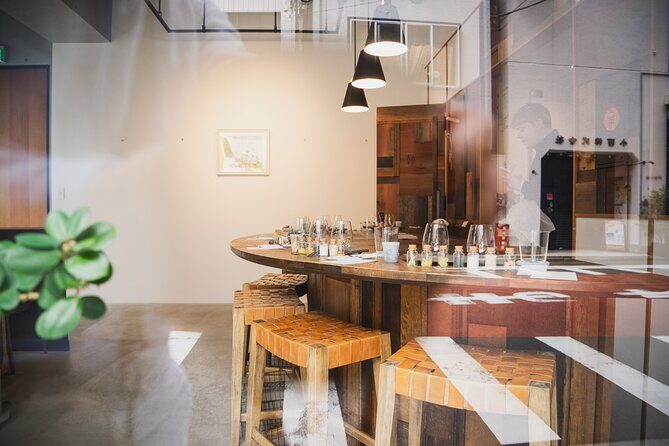
The setting is in Minato City, inside the Kikai Shinko Kaikan building, which sits right by Tokyo Tower. That location matters because you can build a sensible day around it: tower views nearby, dinner plans after, and less travel time eating up your energy.
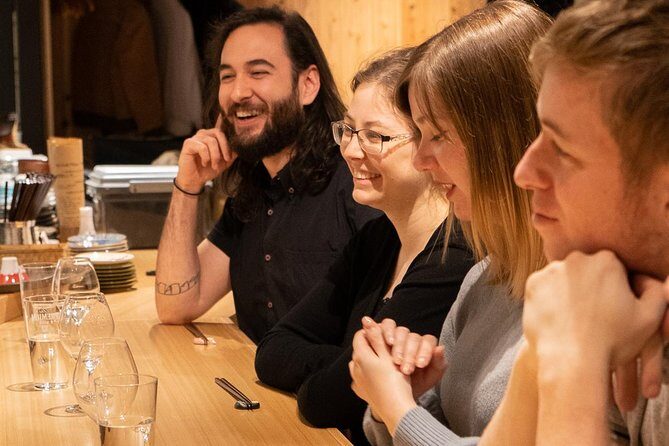
Also, the group size stays small, with a cap of 10 participants. That tends to translate into better pacing and more time for questions, which is exactly what you want when tasting alcohol is involved.
Other sake tasting experiences we've reviewed in Tokyo


What You Taste: Seven Sake Styles, From Sparkling to Dessert
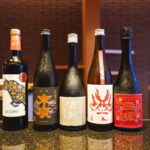
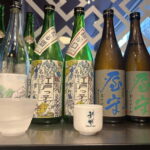
The heart of the experience is the lineup of seven sake varieties. You’re not stuck with just one “house style.” Instead, you move through a range designed to show how flavor and serving style change the experience.
Here’s the practical takeaway for you: tasting across types makes it easier to spot your preferences. If you usually think sake is too light, too sweet, or too dry, this format helps you figure out whether your tastes are about the sake style, the serving temperature idea, or the pairing with food.
And the ending matters. You finish with a dessert-style sake sample, so you’re not just closing on something sharp or dry. It’s a smart arc: start broad, then land on something sweeter so your last memory is pleasant.
Also worth knowing: the tasting includes variety such as sparkling and sweet options, plus styles that can lean more savory. That gives you a chance to compare how carbonation, sweetness, and rice character show up in your mouth.
Why the Sake Instructor Talk Really Changes the Tasting
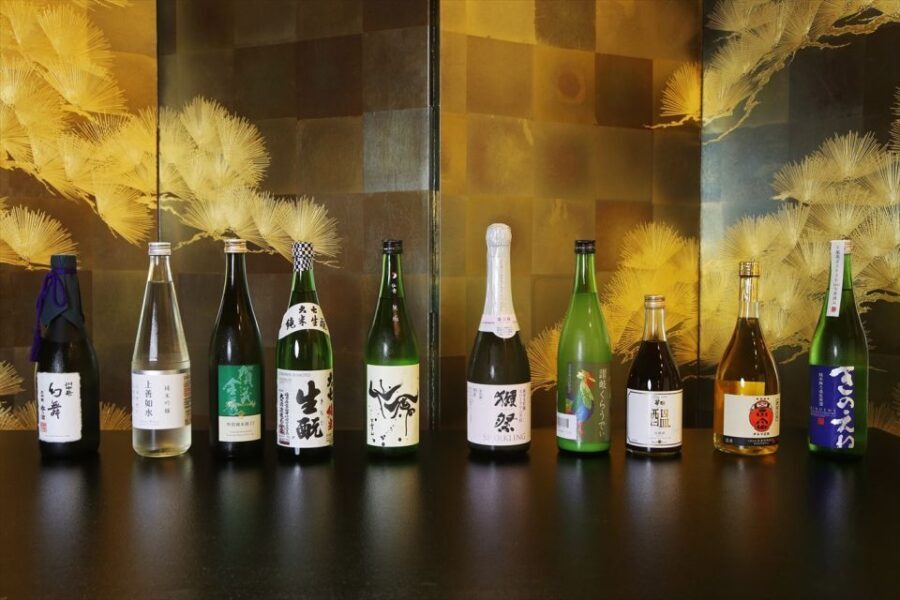
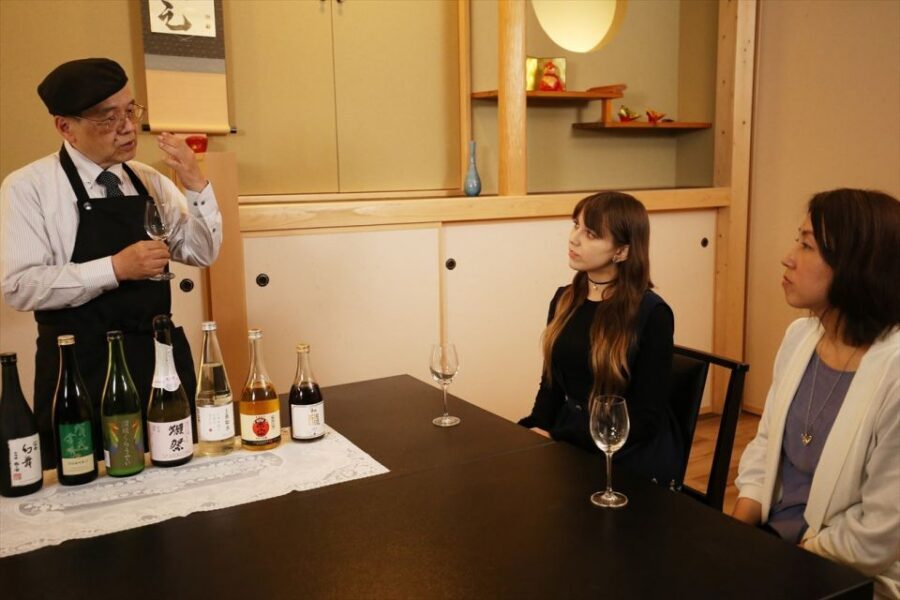
A tasting becomes more fun when you understand what you’re tasting. This session is led by a nationally accredited sake instructor (English-speaking), who explains sake’s history and production basics, plus how to think about different sake types.
Even if you’re new to sake, the goal isn’t to hand you a textbook. It’s to give you mental hooks. For example, you’ll hear about sake’s long connection to Japanese religion and tradition, not just modern bar culture. That context helps you see why sake is treated differently from typical alcohol—especially in how it’s offered, served, and paired.
One more thing I like: the experience doesn’t pretend you’ll master sake in 75 minutes. It gives you enough structure to keep learning on your own later, whether that means ordering confidently in a restaurant or buying bottles that match the flavors you enjoyed.
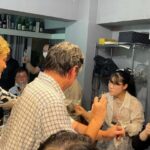
On the human side, the guides can make the session feel relaxed. You might meet instructors such as Tanaka-san or Taka-san, and the style is described as both welcoming and fun, not stiff or “lecture-y.” That matters because sake tasting can get awkward if the room goes silent between pours.
The Food Pairings: Japanese and Western Bites That Don’t Feel Random
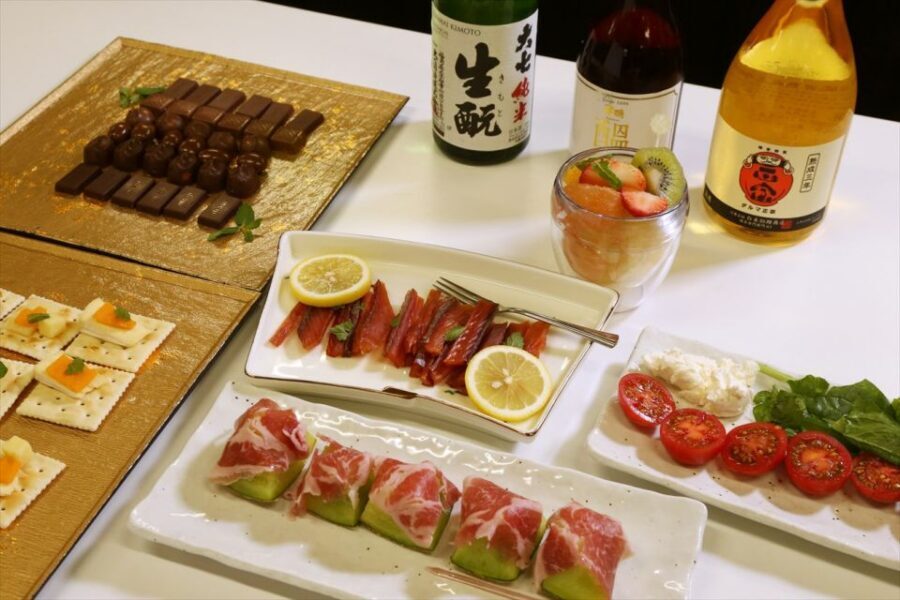
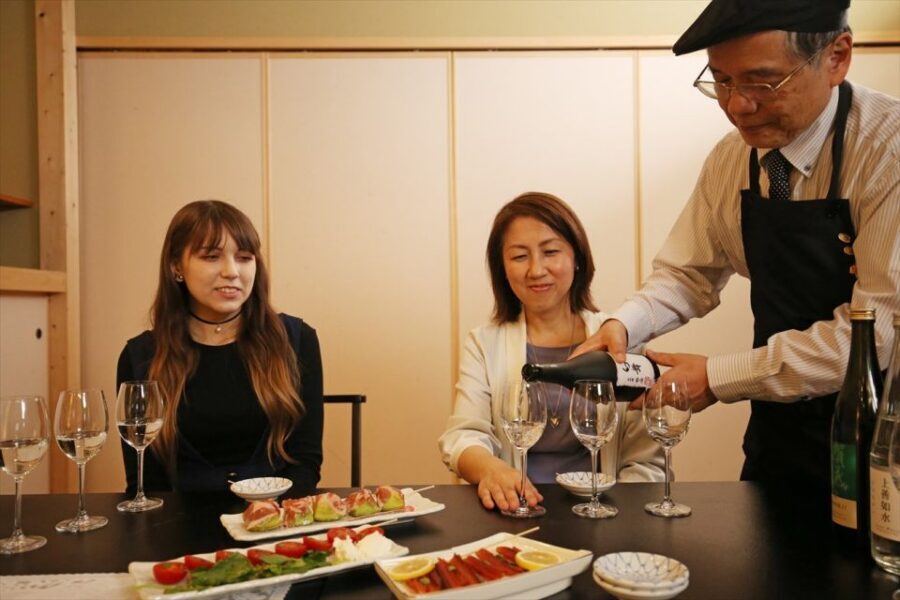
The pairing part is where this experience becomes more than just drinking. You’ll get seven food pairings designed to match the seven sake samples, with both Japanese and Western dishes in the mix.
In practice, that means you’re not stuck eating only one cuisine while trying to learn an alcohol pairing. You get variety, and it’s easier to notice how certain flavors interact with sweetness, dryness, acidity, or aroma in the sake.
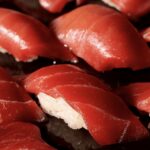
Some pairings may include items like Japanese cheese, crudités, and even duck. You might also see bites cooked in front of you during the meal flow, so you’re not just eating cold plates while tasting. If that happens, it’s a real comfort: hot food keeps your palate alert instead of numbing it.
One practical benefit: pairings teach you what to do when you’re on your own later. If you walk out thinking only, I liked the sake, you’ll struggle to repeat it. If you walk out thinking, This sake style worked with this kind of flavor, you can actually order smarter.
How the Pairing Game Works for Your Taste Buds
Here’s how you should think about the tasting while you’re there. Each sake sample isn’t just a new drink. It’s a new flavor balance, and the pairing is designed to either soften edges or spotlight aromas.
If a sake feels sweet, the food pairing often helps prevent it from tasting one-note. If a sake leans more savory, the food can bring out rice character or umami without making everything taste heavy.
If you’re tasting sparkling options, pay attention to how carbonation changes what you notice between bites. Bubbles can reset your mouth fast. That makes the sequence feel more distinct and can help you compare sakes without your palate blurring the differences.
This is also why dessert-style sake at the end works. After you’ve gone through the range, a sweeter landing gives you closure. Your last taste feels like a finish, not an obligation to keep going when you’re already full or tired.
A few more Tokyo tours and experiences worth a look



Meeting Point Near Kikai Shinko Kaikan: Avoid the Basement Panic
Location is the big logistic issue here. The meeting point is inside the Kikai Shinko Kaikan building. You should meet your instructor at the main entrance on the 1st floor, and the building is opposite Tokyo Tower.
But if you can’t find your instructor quickly, there’s a backup plan: visit True Japan Tour (Room B109) on the B1 floor.
That extra step is helpful, but it also hints at the real-world problem: it can be easy to miss the correct room if you arrive fast, hungry, and looking in the wrong hallway. One improvement you can make for yourself is simple: arrive a few minutes early and take the building directory seriously.
My advice if you’re worried: plan to walk up to the entrance, scan for signage, and ask immediately. If you end up escorted or redirected, it saves time versus wandering and guessing.
Also, there’s no hotel pickup or drop-off, so you’ll be using your own route planning. The payoff is that once you’re there, everything stays straightforward and you don’t lose time in transit.
Price and Value: What $106 Buys You in Real Terms
This costs $106 per person for 75 minutes. At first glance, it’s not cheap, especially if you’re used to buying drinks at bars.
But you’re paying for a package, not just alcohol. You get:
- 7 sake samples
- 7 food pairings
- instruction by a nationally accredited sake instructor (English)
When you compare it to buying sake one bottle at a time plus ordering a full meal separately, the “all-in” structure starts to look reasonable. You also get education built into the timing, so you’re not just consuming—you’re learning how to taste and how to pair.
It’s also a good value for the type of experience it is. Sake tasting with pairings isn’t rare, but the combination of a structured multi-sake lineup, pairing meals, and an instructor-led flow is what makes the money feel justified.
Who This Tour Is Best For (And Who Should Skip It)
This tour fits best if you’re one of these:
- a sake fan who wants variety, not just one style
- a food lover who likes pairing theory you can use later
- a first-timer who wants a guided start with real explanations
- anyone who wants a compact activity near Tokyo Tower
A key limitation: it’s not suitable for people under 20. That’s a big filter, but it’s also a sign the session is designed for adult tasting.
It’s also wheelchair accessible, and the group stays small, so it can work well for people who prefer not to be stuck in a large crowd.
Potential skip: if you hate structured tasting events, you might feel impatient. This one is guided, paced, and food-and-sake focused. If you want wandering and spontaneity instead, you’ll probably prefer a different kind of tour.
Should You Book This Sake and Food Pairing Experience?
Book it if you want a clear, structured way to understand sake without spending hours researching labels. The biggest reason I’d say yes: you leave with a sensory comparison across seven sake types, and you learn how food pairing changes what you taste.
I’d think twice if logistics stress you out. The meeting point is reachable—especially near Tokyo Tower—but you should plan to arrive early and use the backup room option if needed.
If your schedule allows it, this is the kind of activity that makes a Tokyo evening feel purposeful. You get culture, hands-on tasting, and real food pairings in under 2 hours. That’s hard to beat.
FAQ
How long is the Tokyo sake tasting experience?
It lasts 75 minutes.
How many sake samples and food pairings are included?
You’ll taste 7 sake samples and have 7 food pairings.
Is the instructor English-speaking?
Yes, the instructor speaks English.
Where do I meet the instructor?
Meet at the main entrance of the Kikai Shinko Kaikan building on the 1st floor. If you can’t find them, go to True Japan Tour (Room B109) on the B1 floor.
Is the tour suitable for wheelchair users?
Yes, it is wheelchair accessible.
Is there an age requirement?
Yes. It is not suitable for people under 20.
What does the pricing include?
The price includes the nationally accredited sake instructor, 7 sake samples, and 7 food pairings. Hotel pickup and drop-off are not included.
More Food Experiences in Tokyo
More Sake Tasting Experiences in Tokyo
More tours in Tokyo we've reviewed




Sake Tasting Experiences, compared.
 ★ 5.0Sake Tasting Masterclass in Shinjuku (8+ Varieties with a Pro)From $72
 ★ 5.0Sake Omakase in Tokyo: Guided Tasting by Certified SommeliersFrom $79
 ★ 5.0Private Tea Ceremony and Sake Tasting in Kyoto Samurai HouseFrom $99
 ★ 5.0Osaka Sake Tasting with Takoyaki CookingFrom $702 hours
 ★ 5.0KOBE Sake Tasting Tour at Breweries (tasting fee included)From $109
 ★ 5.0Osaka Sake Tasting & Takoyaki Cooking ExperienceFrom $72
 ★ 5.0Hiroshima Saijo Sake Tasting Tour with visit to 7 BreweriesFrom $50
 ★ 4.9Tsukiji: Outer Market Walking Tour & Sake Tasting ExperienceFrom $703 hours
The lists this tour appears in