
Reviewed · COOKING CLASSES
Beauty Vegan Dessert Cooking Class + Sake Kasu Hand Mask Trial!
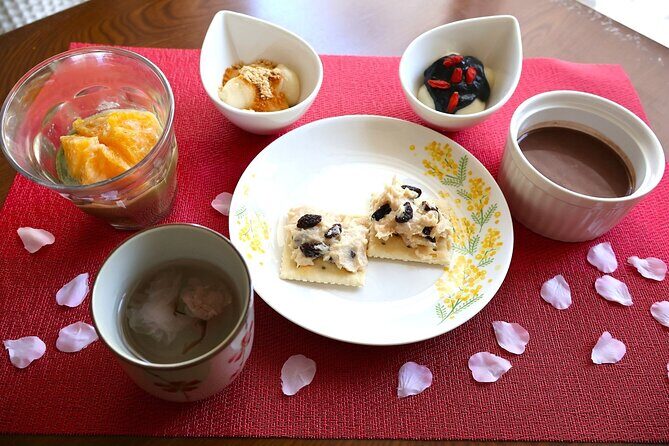
Fermentation, dessert, and skincare in one class. In Tokyo, this 2-hour vegan cooking class uses amazake and sake kasu to show you how fermented foods fit into Japanese everyday food and beauty ideas. I love the hands-on dessert making, and I love that you leave with a recipe handout you can actually use later. One catch: the sake kasu hand mask involves sake kasu with about 8% alcohol, and it’s not for people with cuts or wounds on their hands.
I also like the practical setup: you meet near Akasaka-Mitsuke Station, it’s in the heart of Tokyo (about 10 minutes from Shibuya), and the whole thing is short enough to fit any busy schedule. The class stays indoors, the group is capped at 6, and the dessert menu changes by season. You’ll finish with Japanese-style tea time, including sakura tea, along with coffee and/or tea.
In This Review
- Key things to know before you go
- A 2-hour Tokyo vegan dessert class built around amazake and sake kasu
- Where you’ll meet and how the timing works (so you don’t stress)
- The fermentation lesson: what amazake and sake kasu mean in real food
- Cooking the vegan desserts together: hands-on, not a demo
- Sakura tea and Japanese-style tea time to reset your palate
- The sake kasu hand mask trial: beauty-focused, but plan for the rules
- Who this class suits best (and who should skip it)
- The value play: why this feels like a smart use of money
- Pair it with the 11am fermented lunch class for a sweet bonus
- Should you book this Tokyo vegan dessert and beauty class?
- FAQ
- How long is the cooking class?
- Is the class vegan?
- What fermented ingredients do you use?
- Does sake kasu contain alcohol?
- What if I don’t drink alcohol or I’m under 20?
- Is the hand mask included, and who should avoid it?
- What drinks and food are included?
- Can I cancel for a full refund?
Key things to know before you go
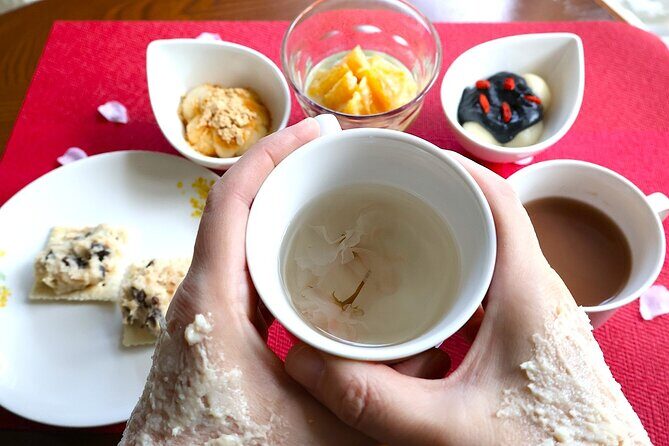
- Seasonal vegan snacks and desserts: the menu changes, so you’re not stuck with the same limited set every time.
- Amazake + sake kasu in dessert form: you learn what makes these fermented ingredients useful in sweet recipes.
- Sake kasu hand mask trial: it’s beauty-focused and hands-on, but only if your hands are unbroken.
- Alcohol warning is real: sake kasu contains around 8% alcohol, and you should not drive after the class.
- Banana option exists: for participants under 20 and for people who don’t drink alcohol, banana can be used instead.
- Pair it with the 11am fermented lunch class: do both in one day and you get a gift of rice koji amazake (the dessert class uses it too).
A 2-hour Tokyo vegan dessert class built around amazake and sake kasu
If you like food that has a story, this class is a smart choice. Fermented ingredients can sound technical, but the way this experience is framed is simple: you make vegan desserts with Japanese staples like amazake (sweet fermented rice) and sake kasu (sake lees). The focus is on taste first, then on why these ingredients matter for health and beauty.
At $64.09 per person, the price feels reasonable for Tokyo because you’re not just watching. You get instruction, an apron, the snacks and desserts you make together, plus tea/coffee. You also get a lecture handout with recipes, which is the part many cooking classes forget. The hand mask trial is included too, so you’re getting both a food lesson and a beauty trial without paying extra for a separate add-on.
The other big practical win: it lasts about 2 hours. That’s a sweet spot in Tokyo, where time is tight and weather can be unpredictable. The venue is in central Tokyo and you won’t be stuck traveling around for long stretches.
A few more Tokyo tours and experiences worth a look

Where you’ll meet and how the timing works (so you don’t stress)
You’ll meet at Akasaka-Mitsuke Station area, specifically 3-chōme-1-6 Akasaka, Minato City, Tokyo. The class starts at 2:00 pm and ends back at the meeting point, so you don’t have to plan a complicated second commute.
The format is also small-group friendly. With a maximum of 6 travelers, you’re more likely to get help during the cooking and feel comfortable asking questions. If you don’t love big group chaos, this size is a plus.
You’ll receive a mobile ticket, so bring your phone. And since the menu changes seasonally, you can’t count on the exact same desserts every time, but you can count on the same fermented-food approach and vegan setup.
The fermentation lesson: what amazake and sake kasu mean in real food
This is not a lecture that stays locked in theory. You’ll learn while you work, and the ingredient choices make the “why” pretty tangible.
- Amazake is described here as a traditional fermented rice paste/drink that’s very sweet without sugar. That matters for dessert because you can use the sweetness coming from fermentation instead of relying on added sugar.
- Sake kasu is the nutrient-rich byproduct from pressing sake. The class positions it as helpful for glowing skin and gut health, and it’s used in what you make and also in the beauty trial.
There’s also a key safety note you should take seriously: sake kasu contains around 8% alcohol. That’s not just for legal fine print. It affects your decisions after the class, especially if you plan to drive.
If you’re curious about fermented foods in Japanese culture, this is the kind of class where the ingredients aren’t abstract. They show up in sweet recipes, and you get a chance to see how they behave in desserts rather than only hearing about them at a distance.
Cooking the vegan desserts together: hands-on, not a demo
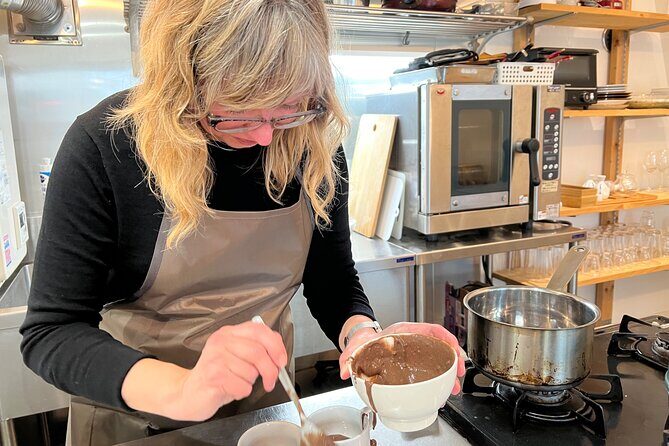
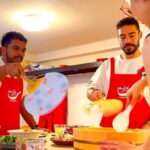
The core of the experience is learning how to use fermented ingredients in vegan desserts. You’ll make the snacks and desserts together, guided by the instructor, and you’ll also get coffee and/or tea as part of the session.
Because the menu changes by season, the exact items aren’t listed here. What you can expect is that the recipes center on amazake and sake kasu, and they’re built to be vegan. That’s a helpful distinction: if you’ve ever taken a dessert class that quietly sneaks in eggs or dairy, this one won’t.
Practical benefit for you: the lecture handout with recipe material means you’re not leaving Tokyo with just a full stomach and vague memories. You should be able to follow what you learned back home, including how these fermented ingredients can function in sweet preparations.
And yes, the learning is also part of the fun. The reviews you’ll find for this class focus on the mix of education and enjoyment, with people calling it fun, tasty, and something they’d repeat if they return to Japan. The most consistent praise is how the instructor keeps the class approachable while you still learn real techniques.
Sakura tea and Japanese-style tea time to reset your palate
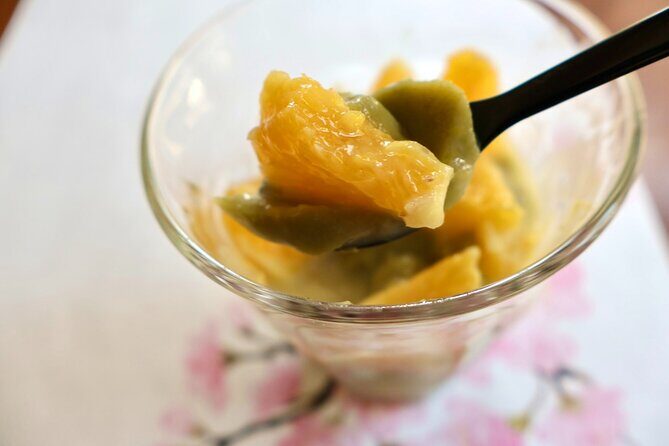
One of the smartest parts of the experience is that it doesn’t end right at the stove. You get Japanese beauty afternoon tea vibes, including sakura tea. You’ll also have coffee and/or tea—so even if you’re not a tea person, you’re not stuck with just one drink.
Why this matters: fermentation-based sweets can taste very different from Western desserts. Pairing them with tea makes it easier to notice flavors and textures without overwhelming your palate. It also turns the class into an actual afternoon break, not just a stop-and-go workshop.
This tea-time element helps the whole experience feel more like Japanese daily life than a rushed activity between train stations.
Other cooking classes in Tokyo
The sake kasu hand mask trial: beauty-focused, but plan for the rules
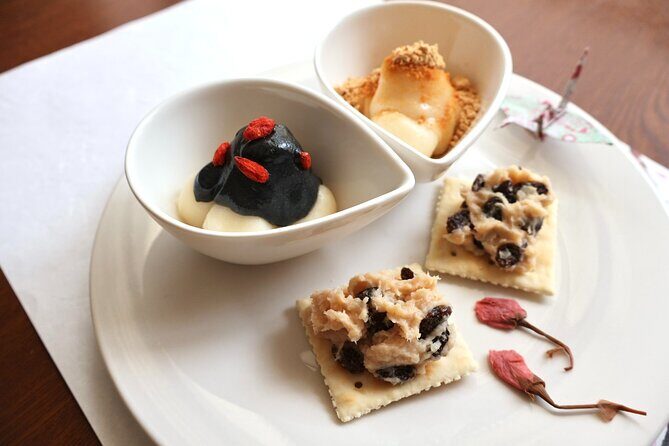
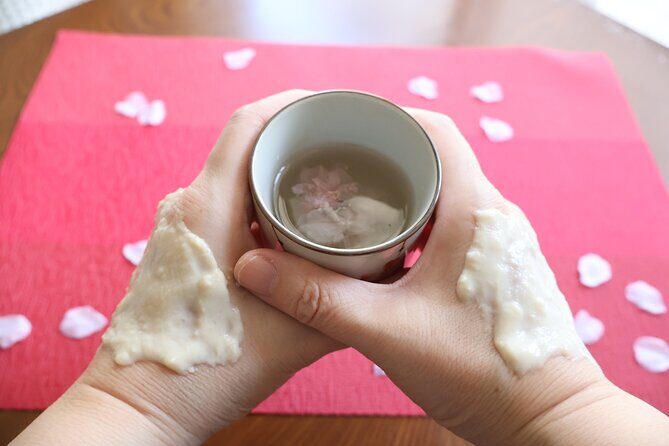
This is the part that makes the class feel different from standard cooking classes. You get a sake kasu hand mask trial, which ties the ingredient’s beauty angle directly to your skin.
Before you go, read the important notes carefully:
- Sake kasu may not suit everyone’s skin and could cause irritation, especially if you have sensitive skin.
- The experience is not available if you have any cuts or wounds on your hands.
- If you’re not drinking alcohol, the class notes that for people under 20 and for those who do not drink alcohol, they use banana instead.
So what should you do? If you’re considering the hand mask, check your skin condition that day. If you have sensitive skin, be realistic about the risk, and ask about options when you book.
Also plan responsibly: because sake kasu contains around 8% alcohol, you’re advised not to drive a car after the class.
Who this class suits best (and who should skip it)
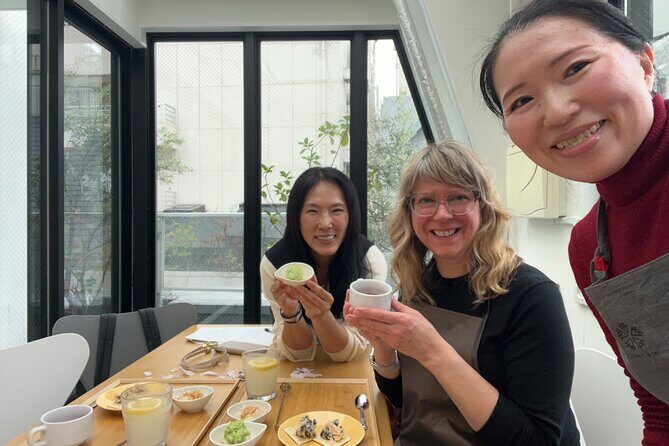
This experience fits you if you want Japanese food culture that’s practical, hands-on, and focused on ingredients you can’t easily replicate from memory alone. It’s especially good if:
- you like vegan cooking or you’re actively trying more plant-based Japanese dishes
- you want to understand fermentation beyond basic explanations
- you’re interested in beauty-from-food concepts, not just recipes
It might not be ideal if:
- you have sensitive skin or concerns about applying sake kasu to your hands
- you have any cuts or wounds on your hands
- you’re traveling with small children, since the class may be difficult for kids 6 and under
- you plan to drive right after, due to the alcohol content in sake kasu
The small group size also makes it a good option for travelers who hate feeling like they’re in the way during hands-on cooking.
The value play: why this feels like a smart use of money
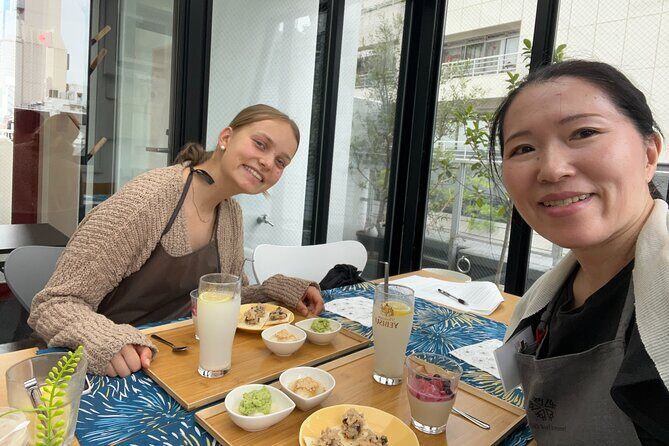
Here’s how I think about the price. For $64.09, you’re getting:
- snacks and desserts you make together (not just tasting)
- an apron
- coffee and/or tea
- a lecture handout with recipe material
- the sake kasu hand mask trial
- a short, weather-friendly session near major subway access
In Tokyo, ingredient-heavy classes add up quickly, and the fact that this one includes fermented ingredients (and a beauty trial) pushes it toward better value than the typical “pay for instruction, buy ingredients extra” model.
If you’re the type who likes to bring skills home, the recipe handout is the sleeper value. It’s the difference between eating something great and actually learning something you can repeat.
Pair it with the 11am fermented lunch class for a sweet bonus
There’s a promotion built into the experience: there’s another class called the fermented food lunch class that starts at 11am. If you join both classes on the same day, you receive a special gift of rice koji amazake, the same ingredient used in the dessert class.
Even if you’re not planning to do both, it’s useful to know the option exists. It’s a good way to turn one day in Tokyo into a themed fermented-food day without having to hunt for restaurants or science-y explanations on your own.
Should you book this Tokyo vegan dessert and beauty class?
Book it if you want a short, indoor, well-priced activity that mixes cooking, Japanese fermented-food culture, and a beauty trial you can’t easily recreate. You’ll likely leave with both recipes and a clearer sense of how amazake and sake kasu work in sweet dishes.
Skip it if you know your skin is reactive, you have any hand wounds, or you’re planning to drive right after. And if you’re only looking for a simple dessert tasting with no learning component, this may be more structured than you want.
If you’re the kind of traveler who likes smart food experiences, this class is one of those “do it once, then actually use what you learned” stops.
FAQ
How long is the cooking class?
The class lasts about 2 hours.
Is the class vegan?
Yes. The snacks and desserts you make together are vegan.
What fermented ingredients do you use?
The class uses amazake and sake kasu. Amazake is traditional fermented rice paste/drink, and sake kasu are sake lees (the byproduct after pressing sake).
Does sake kasu contain alcohol?
Yes. Sake kasu contains around 8% alcohol. The class notes that you should not drive a car after the class.
What if I don’t drink alcohol or I’m under 20?
The class notes that for the age less than 20 and for people who do not drink alcohol, they use banana instead. You’ll want to note this when booking.
Is the hand mask included, and who should avoid it?
The sake kasu hand mask trial is included. The experience is not available if you have any cuts or wounds on your hands, and sake kasu may not suit everyone’s skin.
What drinks and food are included?
You’ll get the snacks and desserts you make together, plus coffee and/or tea (including green tea or other Japanese tea). You’ll also enjoy sakura tea.
Can I cancel for a full refund?
Yes. You can cancel up to 24 hours in advance for a full refund. If you cancel less than 24 hours before the start time, the amount paid is not refunded.
More Cooking Classes in Tokyo
More Food Experiences in Tokyo


More tours in Tokyo we've reviewed






Cooking Classes, compared.
 ★ 5.0Ramen and Sushi Cooking Class with Sake Pairing Set in TokyoFrom $79
 ★ 5.0Tokyo Washoku 4-hour Cooking Class: From Market to TableFrom $79
 ★ 4.9Kyoto: Afternoon Japanese Izakaya Cooking ClassFrom $673 hours
 ★ 5.0Izakaya Style Cooking ClassFrom $71
 ★ 5.0Osaka Sake Tasting with Takoyaki CookingFrom $702 hours
 ★ 5.0Osaka Sake Tasting & Takoyaki Cooking ExperienceFrom $72
 ★ 5.0Tokyo: Sushi and Ramen Cooking Class with Sake Pairing SetFrom $1293 hours
 ★ 5.0Osaka Cooking Class and Sake Tasting with Local Supermarket VisitFrom $92
The lists this tour appears in