
Reviewed · SAKE TASTING EXPERIENCES
Sake Omakase in Tokyo: Guided Tasting by Certified Sommeliers
Seven sakes. One smart lesson.
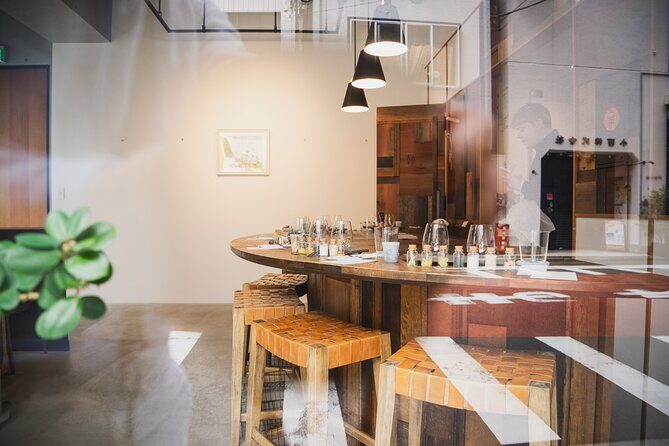
In central Tokyo, this sake omakase has you tasting 7 Japan-only selections in a designer room built around a beautiful Showa-era wood table. You get a guided, themed progression of pours, plus small bites, all paced for real comparisons—not just drinking.
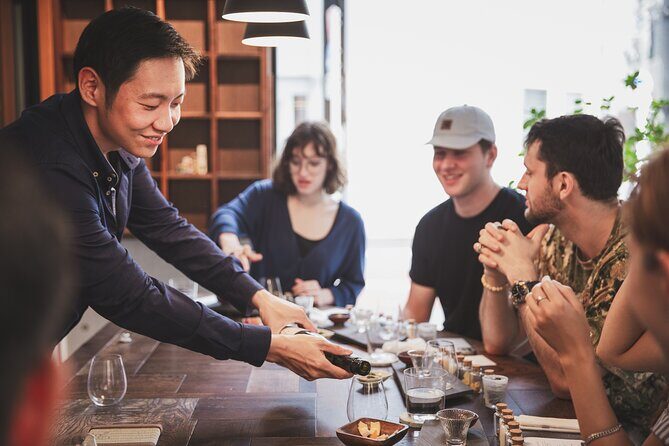
I really like the way the session is taught. The sommeliers speak native English and also use Japanese and Chinese, so questions land fast and you don’t get stuck guessing. I also love the tasting themes like sake at five temperatures and rice comparisons, because you learn what creates flavor differences instead of memorizing labels.
One thing to consider: this is an alcohol-forward experience, with unlimited refills across 4 courses. If you have an alcohol allergy (or you know you can’t comfortably pace through multiple pours), you should skip it.
In This Review
- Key things to know
- Getting to Linden House in Kanda Ogawamachi
- How the 4-course, 7-sake flow fits into 2 hours
- Certified sommeliers and the multilingual Q&A that actually helps
- Rice comparisons and five temperatures you can taste side by side
- Spice, herb infusions, and why vessels change taste
- Snack pairings: pickles, cheese, cured meats, and dessert
- Value check: what $79.52 gets you in central Tokyo
- Who this sake omakase suits best (and when to skip)
- Final verdict: should you book this Tokyo sake tasting?
- FAQ
- How long is the sake omakase experience?
- How many sakes will I taste?
- Are refills included?
- Is food included or do I need to eat before?
- Who hosts the tasting?
- What group size should I expect?
- Where does it meet and where does it end?
- Is transportation included?
- Can I get a mobile ticket?
- What if I need to cancel?
Key things to know
- Seven Japan-exclusive sakes served over four themed courses with unlimited refills
- Showa-era reclaimed wood table creates a warm, focused tasting setting
- Native English-led sommeliers with deep industry experience and multilingual support
- Theme-driven lessons: rice comparison, five temperatures, spice/herb infusions, and vessel effects
- Food pairings every course, including pickles, cheese, cured meats, and dessert
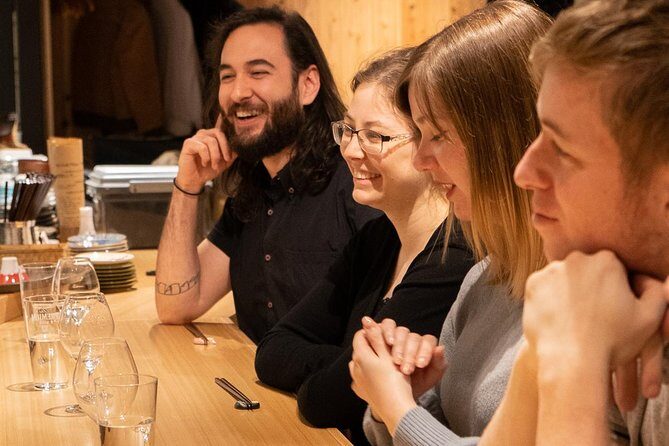
- Max group size of 6, so you get real conversation, not lectures
Getting to Linden House in Kanda Ogawamachi
This experience starts at Linden House, located at 1-chōme-9-9 Kanda Ogawamachi in Chiyoda. It’s central enough that getting there by public transportation is reasonable, and the activity ends back at the same meeting point.
What I like about this setup is how it keeps the day simple. You’re not trying to line up taxis or long transfers around a two-hour window. If you’re doing other things in central Tokyo, you can treat this like a tight, low-stress block in your itinerary.
Other sake tasting experiences we've reviewed in Tokyo

How the 4-course, 7-sake flow fits into 2 hours
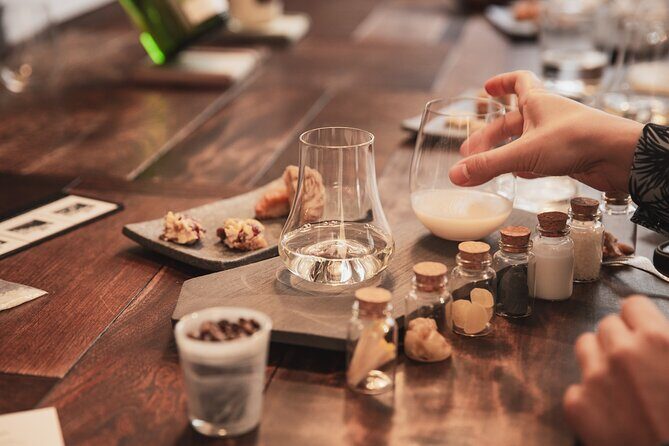
Plan for about 2 hours and a group capped at 6. That small size changes the whole vibe. You get time to ask why a sake tastes the way it does, and you can actually catch up if your palate needs a slow moment.
The core structure is 4 themed courses with 7 sake varieties and unlimited refills. The sakes don’t arrive randomly. Each course is built around a teaching goal, and the small bites are there to reset your palate as the flavors shift.
A practical note: unlimited refills sound casual, but the pacing still matters. If you go in with an empty stomach, you’ll feel it. A small meal beforehand (even something light) can make the whole session more comfortable and enjoyable.
Certified sommeliers and the multilingual Q&A that actually helps
The host team is described as certified sommeliers, and the language support is a big part of why this tasting works for English speakers. You get native English guidance, and the sommeliers can also explain details in Japanese and Chinese.
In other words, it’s not just a speech. You’re encouraged to ask questions and get direct answers about things like flavor profiles and what to pair with your preferred style. One review highlighted the friendly, thorough approach by guides like Eric, while others mentioned Aaron and Frank for clear explanations. Another set called out Phillip and Aaron for presenting sake-making and style differences step-by-step.
That matters because sake is confusing if you’re stuck reading labels. Here, the tasting itself teaches you the language: sweetness vs. dryness, aromatic lift vs. texture, and why temperature changes what you notice first.
Rice comparisons and five temperatures you can taste side by side
One of the smartest parts of the menu is how it teaches you to compare. This experience includes themes such as rice comparison and tasting sake at five different temperatures.
Rice comparison helps because it turns a vague idea into something concrete. Instead of thinking of sake as one drink, you start hearing it as a set of ingredients and processes that create texture and aroma. You’ll get better at noticing the difference between styles that feel clean and crisp versus those that feel rounder or more aromatic.
The temperature lesson is where most people get surprised. Warmer pours can emphasize aroma and softness. Cooler pours often sharpen clarity and can make subtle flavors feel more defined. By the time you’ve had the same kind of thinking applied across multiple temperatures, you stop treating serving temp like trivia and start treating it like a flavor tool.
Spice, herb infusions, and why vessels change taste
The menu also includes spice/herb infusions and a theme tied to the influence of drinking vessels on taste. This is the part that makes sake feel more like a craft than a product.
Infusions are a good way to learn how sake interacts with new flavors. You notice how the base drink either supports herbs and spices or gets overpowered. It’s a controlled lesson in balance, even if you don’t know all the technical terms.
The vessel theme is often overlooked in casual tastings, but it can matter. Different cups and glasses can change how aroma reaches you and how the first sip lands. When you taste with the vessel factor in mind, you start understanding why the same sake can feel different in your mouth.
Other guided tours in Tokyo



Snack pairings: pickles, cheese, cured meats, and dessert
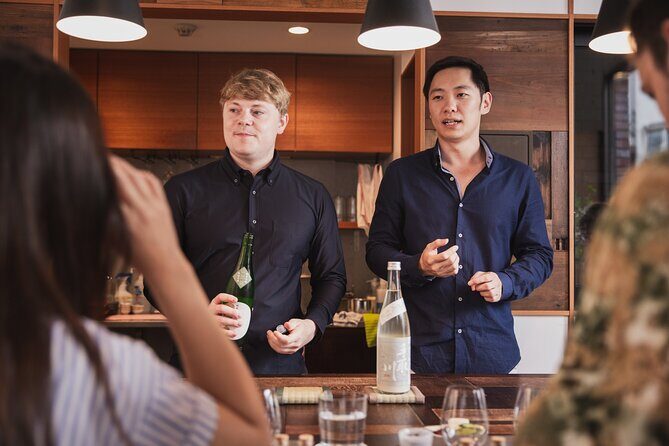
You’ll get small bites with each course. The menu mentions snacks like pickles, cheeses, cured meats, and dessert, and they’re there for a reason: sake changes flavor as your palate resets.
These pairings also make it easier to drink multiple pours without getting lost. Salty or acidic bites can cut through certain textures. Creamy or fatty bites can soften sharper notes. Sweet elements at the end help you close out the arc of the tasting without that heavy, dull feeling.
I also like that the bites are described as small and course-timed rather than a full meal replacement. It means you stay in tasting mode. You’re not digging into a big plate while you’re supposed to be noticing temperature, aroma, and texture.
Value check: what $79.52 gets you in central Tokyo
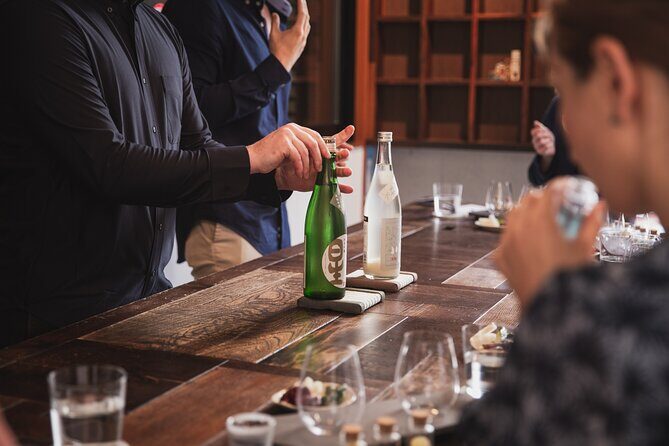
At $79.52 per person, this isn’t a budget activity. But for Tokyo, it’s priced like a guided experience with real structure: seven sake varieties, four themed courses, unlimited refills, and food pairings included.
Here’s the key value point: you’re paying for comparisons you can’t easily recreate on your own. Most casual sake tastings let you sample a handful of pours. This one is built around specific lessons—temperature differences, rice comparisons, infusion styles, and vessel effects—so the cost ties directly to learning and variety.
Add in the max group size of 6 and native English guidance, and the per-person value starts to make more sense. It’s less like buying drinks, more like buying a short, high-quality class where the drinks are the curriculum.
Who this sake omakase suits best (and when to skip)
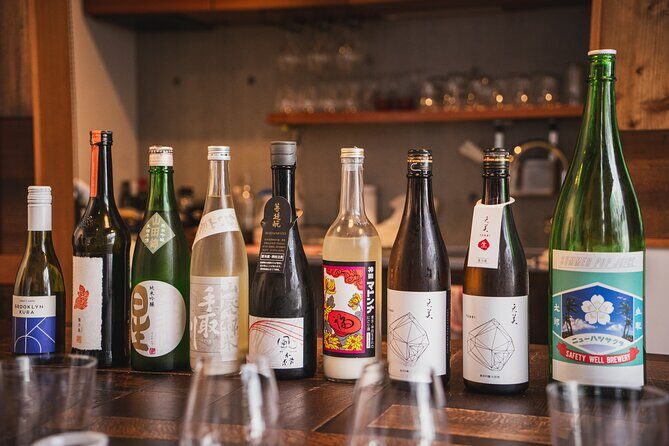
This is a great fit if you want to leave with more than a few labels remembered. If you like hands-on learning, tasting-by-tasting explanations, and asking lots of questions, you’ll likely have a fun time with this format.
It’s also a good choice for:
- First-time sake drinkers who want to understand why flavors feel different
- People who already like sake and want more precision about what they’re tasting
- Anyone who appreciates small groups and direct conversation with the host
Skip or reconsider if:
- You have an alcohol allergy
- You know you can’t handle multiple pours over two hours
- You prefer self-guided tastings with no structured progression
Final verdict: should you book this Tokyo sake tasting?
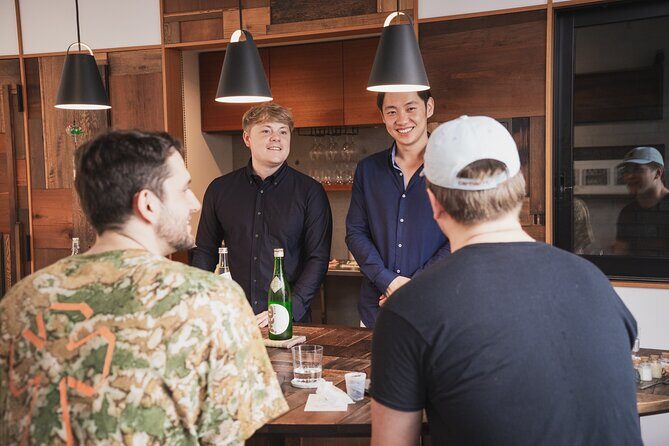
If you want sake education with a friendly pace, this is easy to recommend. The combination of native English-guided sommeliers, a small group of 6, and a tasting built around specific themes (rice, five temperatures, infusions, and vessels) makes it feel like more than a drink stop.
Book it if you’re aiming to learn and have a relaxed, social evening. Skip it if you’re looking for a quick, casual “taste and go” experience or you can’t comfortably drink throughout all four courses.
FAQ
How long is the sake omakase experience?
It lasts about 2 hours.
How many sakes will I taste?
You’ll taste 7 varieties of sake over 4 themed courses.
Are refills included?
Yes. Unlimited refills are included throughout the courses.
Is food included or do I need to eat before?
Small bites are included with each course. You may still find it helpful to eat a light meal beforehand to pace yourself.
Who hosts the tasting?
Certified sommeliers host the experience. They guide you in native English, and they can also speak Japanese and Chinese.
What group size should I expect?
The session is limited to a maximum of 6 travelers.
Where does it meet and where does it end?
It starts at Linden House, 1-chōme-9-9 Kanda Ogawamachi, Chiyoda City, Tokyo, and ends back at the same meeting point.
Is transportation included?
No. Transportation to and from attractions is not included.
Can I get a mobile ticket?
Yes. The experience includes a mobile ticket.
What if I need to cancel?
Cancellation is free up to 24 hours in advance for a full refund, based on the experience’s local time. If the minimum number of travelers isn’t met, you may be offered another date or a full refund.
More Guided Tours in Tokyo
More Sake Tasting Experiences in Tokyo

More tours in Tokyo we've reviewed





Sake Tasting Experiences, compared.
 ★ 5.0Sake Tasting Masterclass in Shinjuku (8+ Varieties with a Pro)From $72
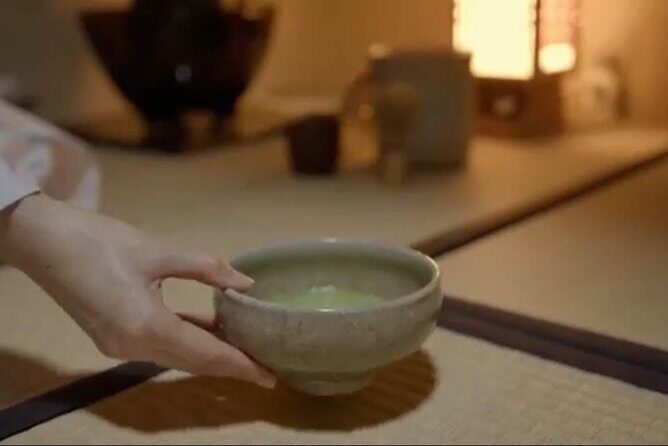 ★ 5.0Private Tea Ceremony and Sake Tasting in Kyoto Samurai HouseFrom $99
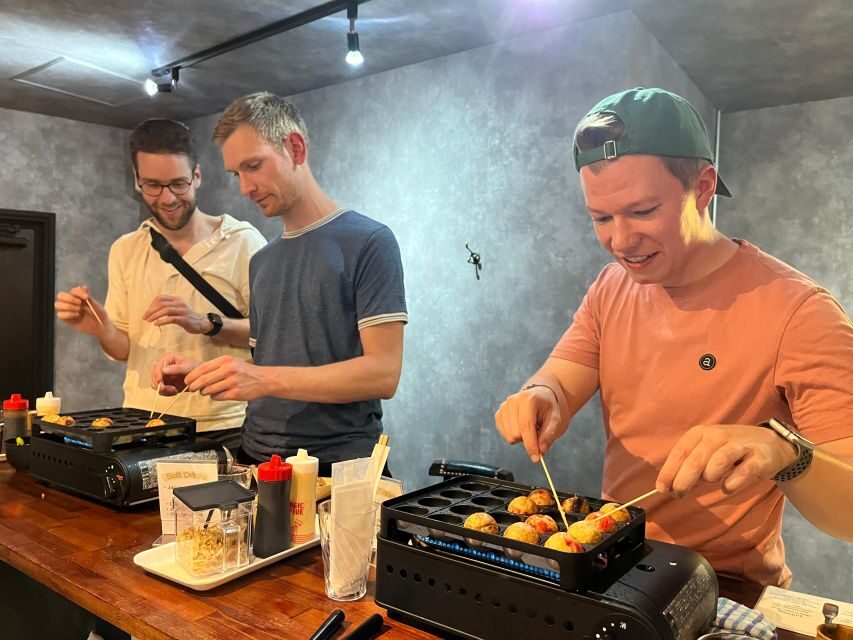 ★ 5.0Osaka Sake Tasting with Takoyaki CookingFrom $702 hours
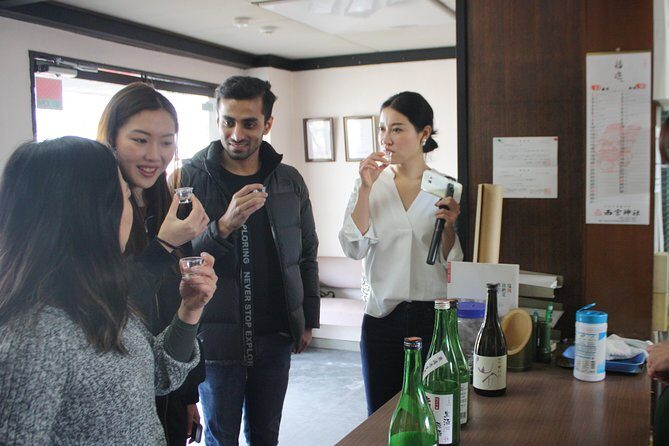 ★ 5.0KOBE Sake Tasting Tour at Breweries (tasting fee included)From $109
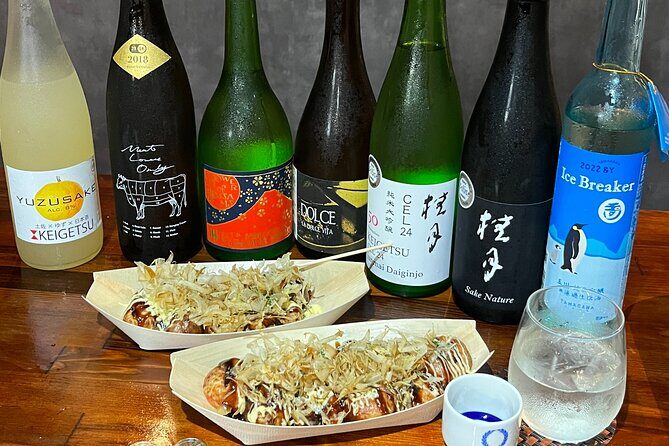 ★ 5.0Osaka Sake Tasting & Takoyaki Cooking ExperienceFrom $72
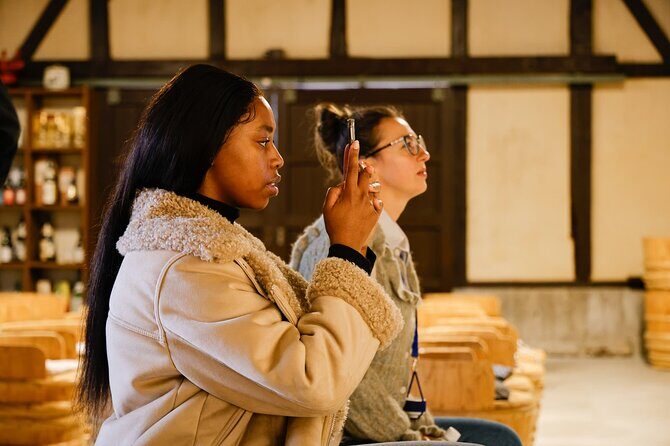 ★ 5.0Hiroshima Saijo Sake Tasting Tour with visit to 7 BreweriesFrom $50
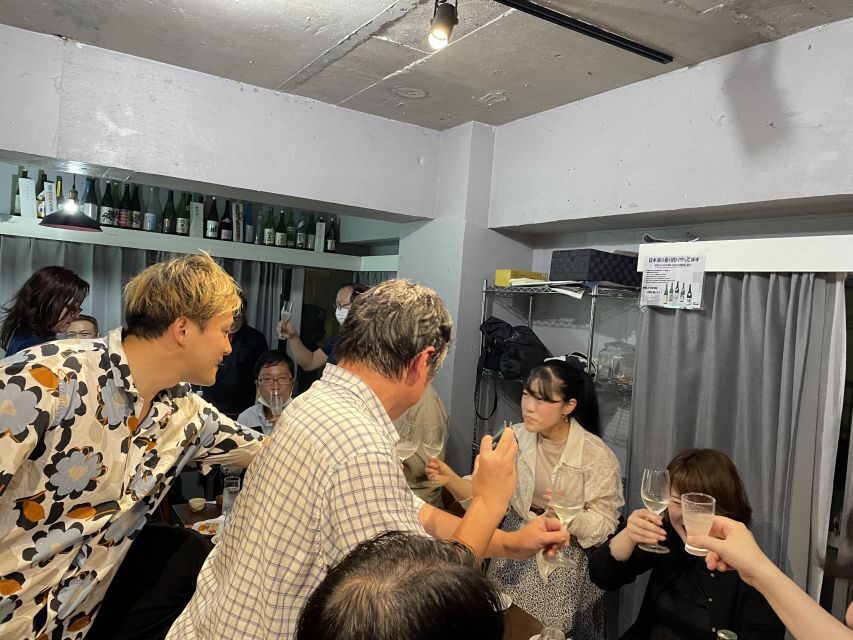 ★ 4.9Tsukiji: Outer Market Walking Tour & Sake Tasting ExperienceFrom $703 hours
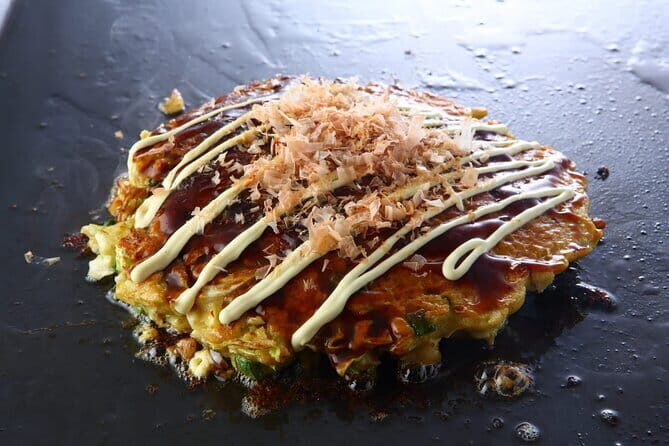 ★ 5.0Osaka Cooking Class and Sake Tasting with Local Supermarket VisitFrom $92
The lists this tour appears in