
Reviewed · SHINJUKU DRINKING TOURS
Wagyu & Sake Pairing in Shinjuku – Steak, Shabu-Shabu & More
Sake and wagyu, neatly paired. This Shinjuku food experience turns dinner into a tasting lesson, with each wagyu course matched to a different style of Japanese sake. You’ll hear about how wagyu and sake differ by region, and how pairing changes what you taste.
I especially like the small group size (max 8), which makes it easier to ask questions instead of shouting over a room of strangers. I also love the hands-on, practical angle: you get help deciphering menus in Japanese, plus tailored foodie tips you can use for the rest of your Tokyo stay.
One thing to consider: this is in a compact restaurant setup. One review noted a very small space where people sat close together, and the welcome felt less warm than expected, even though the food was still excellent.
In This Review
- Key highlights you’ll actually notice
- Meeting Ushinobi Shinjuku and getting your bearings fast
- The 6:00pm aperitif briefing: how sake and wagyu connect
- Wagyu full-course meal: tongue to tataki to nigori steak
- Craft sake pairings: different styles for each wagyu dish
- Small-group dining in Shinjuku: conversation, tips, and food volume
- Price and value for a 3-hour wagyu + sake lesson ($148.65)
- Should you book this Shinjuku wagyu and sake pairing night?
- FAQ
- What time does the experience start?
- Where does the tour start?
- How long is the tour?
- How many people are in the group?
- What is included in the price?
- Are drinks like beer included?
- Is help provided for Japanese menus?
- What if I have food restrictions?
- What wagyu dishes are typically served?
- Can I get a full refund if I cancel?
Key highlights you’ll actually notice
- Menu help in Japanese, so you’re not just eating—you’re learning what to look for later
- Full-course wagyu meal with multiple regions and multiple cuts
- Sake pairings for every course, including different preparation styles
- Some original sake cocktail-style pairings designed specifically for wagyu
- Small-group attention (up to 8 people) with lots of conversation time
- A “bring your appetite” format, with more food than you likely expect
Meeting Ushinobi Shinjuku and getting your bearings fast
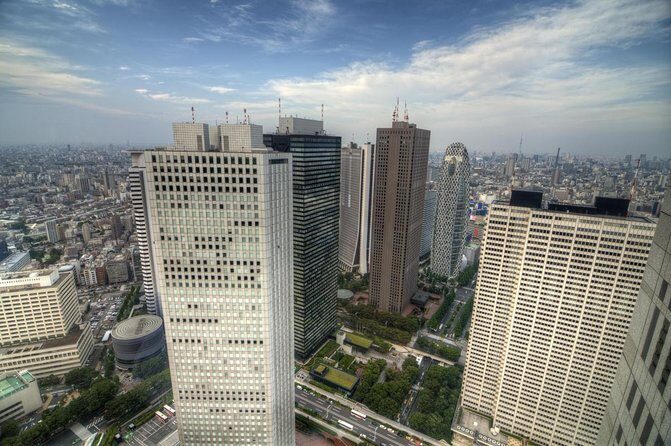
This starts at Ushinobi Shinjuku in the NSK Building area in Shinjuku (NSK Building, 201, 1-chōme-22-1 Hyakuninchō, Shinjuku City, Tokyo 169-0073). The tour runs at 6:00pm for about 3 hours, and it ends back at the same meeting point.
You’ll get a mobile ticket, which is convenient if you’re juggling a day pack, a transit card, and a bunch of receipts. It also helps that the meeting spot is near public transportation, so you’re not stuck sprinting through side streets after dark.
Once you arrive, the vibe is more “food lesson in a restaurant” than “big show.” That matters because it sets expectations: you’ll be eating in courses, asking questions, and listening to explanations about wagyu and sake. If you’re the type who likes to understand what you’re ordering (instead of just guessing), this format fits you.
If you have dietary needs, read this part carefully. Vegan, vegetarian, and gluten free options are limited, and you’re asked to message the team at least a week before your tour date for possible accommodations. Last-minute changes can’t be guaranteed.
Other wagyu & sake pairings we've reviewed in Tokyo
The 6:00pm aperitif briefing: how sake and wagyu connect
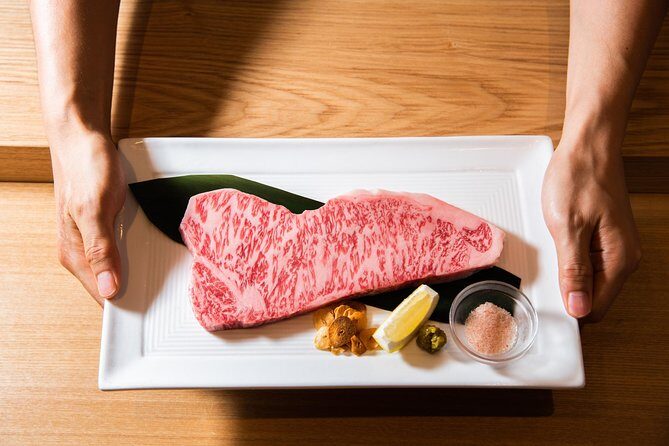
Right when you sit down, you’ll be welcomed into the restaurant and served an aperitif made up of Japanese drinks. Then the host talks through sake and wagyu—history, why they matter in Japan, and how regional differences show up in taste.
This is where the experience earns its keep. A lot of tastings fail at one thing: they give you food and drink but don’t teach you how to taste it. Here, you get language and context so you can tell the difference between styles. One review even mentioned learning the wagyu grading system, which is huge if you want to order confidently later.
Hosts like Chi, Tadashi, Joe, Andrea, and Miyuki show up in the feedback in different combinations, but the common thread is clear: you’ll get explanations in a way that keeps the group engaged. Since you’ll be in a small party, it’s easier to ask questions about what’s confusing—like why one sake tastes drier, or why a fatty wagyu bite can feel cleaner when paired a certain way.
Also, you’re not stuck with a lecture. It’s staged so the talk leads directly into the meal courses, which keeps it from feeling like a class you didn’t sign up for.
Wagyu full-course meal: tongue to tataki to nigori steak
The heart of the night is a wagyu full-course meal, sourced from different regions in Japan. The exact cuts served can vary based on what’s available for your date, but the experience is built around variety—traditional methods, plus some more modern takes.
Here’s the example course flow they describe, and what it means for your appetite:
- Two kinds of appetizers to open the meal
This matters because it sets the palate. You’re not jumping straight into steak without a warm-up.
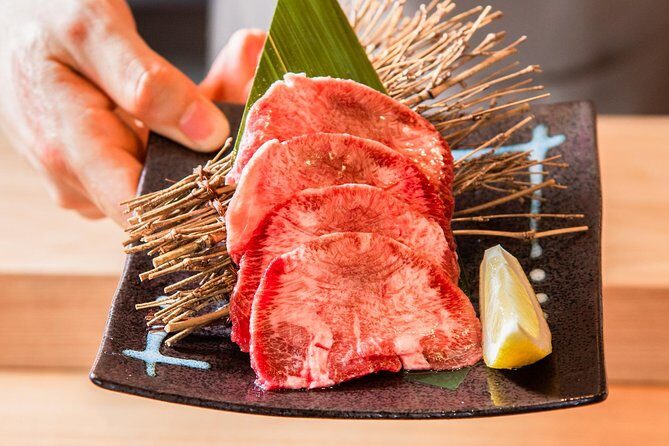
- Grilled wagyu beef tongue, paired with an original sake cocktail
Tongue is rich and distinctive, and grilled preparation gives it a deeper, savory edge. Pairing it with a cocktail-style sake drink helps highlight fat without making it heavy.
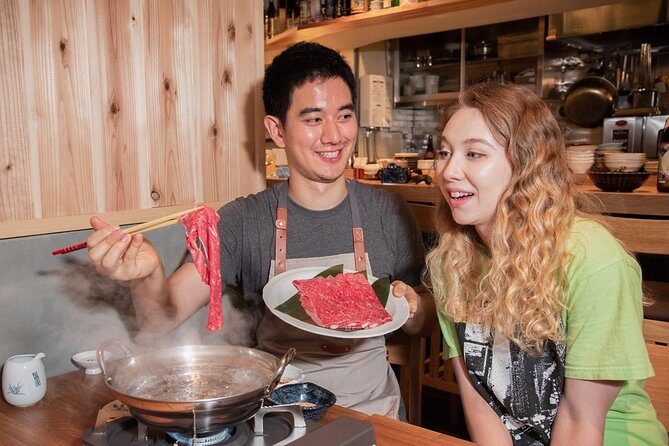
- Wagyu chuck flap tataki, paired with warm sake
Tataki is all about contrast—surface sear versus tender center. Warm sake can feel softer on the palate than chilled versions, which can change how you perceive smokiness and umami.
- Seasonal salad
This is your palate reset between richer courses. It’s one of those simple things that makes the rest of the menu more enjoyable.
- Wagyu sirloin steak, paired with nigori (cloudy) sake
Nigori sake typically brings more texture and sweetness/creaminess compared to clearer sakes. Against tender sirloin, it’s a good reminder that the pairing isn’t only about flavor—it’s also about mouthfeel.
- Wagyu chuck hotpot, paired with unpasteurized sake
This is one of the most interesting combinations in the whole schedule. Hotpot-style cooking softens and rounds flavors, and unpasteurized sake adds complexity that can feel more “alive” on the tongue.
- Wagyu dashi udon
You’re moving from meat-focused bites into comfort carbs. If you like savory broth and gelatinous beef flavor, this is where satisfaction spikes.
- Dessert: sake with a surprise
The point isn’t just sweetness. The surprise element keeps you paying attention and gives the night a Japanese twist.
One more thing: wagyu is served in multiple ways, so you’ll actually learn what changes when you alter cut and cooking. One review called out learning what separates wagyu from other beef—this menu is built to make that lesson practical, not theoretical.
Craft sake pairings: different styles for each wagyu dish
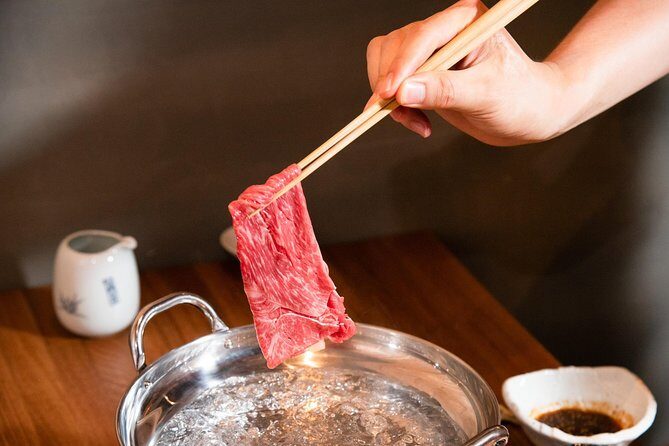
Sake is not treated like one drink you sip all night. For each wagyu dish, you’ll be served Japanese craft sake prepared in a different way—and sometimes, in an original pairing format.
A few specific examples from the experience details stand out:
- Original sake cocktail-style drinks designed to work with certain wagyu dishes (like the grilled tongue course)
- Warm sake paired with tataki
- Nigori sake paired with sirloin steak
- Unpasteurized sake paired with the hotpot course
- Dessert described as sake with a surprise
If you’re new to sake, this is a smart structure. You taste one style with one dish, then move on. Your brain can actually connect cause and effect. And if you’ve tried only one type before, this is where you can realize sake has more range than you expected.
The reviews also highlight that many people try aged and fermented sake for the first time during this kind of night. Even if you’re not chasing “advanced” flavors, that variety makes the tasting feel like a journey instead of a repeat.
You’ll also get guidance on how sake is made, which helps you order on your own later. One review specifically mentioned helpful tips for purchasing sake, which is exactly what I’d want after a tasting—so you can translate the experience into real shopping and ordering decisions.
One practical consideration: sake is the main included drink, and other drinks like beer aren’t included. If you like switching between beers and wine during meals, plan to treat this night as a sake-focused evening rather than a mixed-drinks buffet.
Small-group dining in Shinjuku: conversation, tips, and food volume
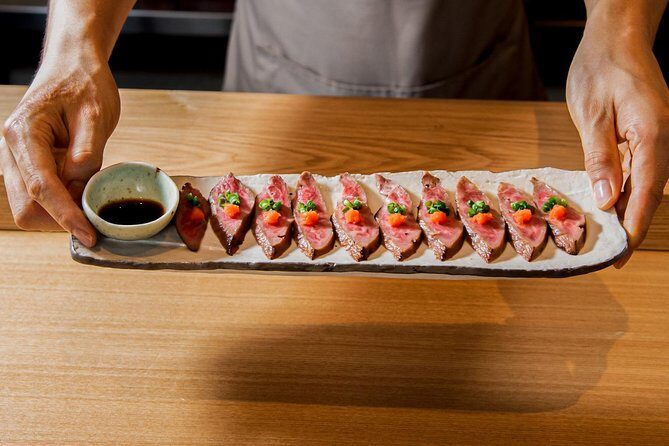
This runs with a maximum of 8 travelers, which is the sweet spot for this format. You’ll get personalized attention, and the host can move the pace based on what your group is asking.
The best part is how the evening ties into what you’ll do after. You’ll take away tailored foodie tips for the rest of your trip, plus help deciphering menus in Japanese. That’s not a throwaway add-on. In Tokyo, menu-reading is half the battle, especially with things like sake styles, cooking terms, and meat grading language.
Also, the vibe is social in a good way. Reviews describe hosts as friendly and engaging, with lots of conversation. People mention English-speaking hosts in the feedback, which matters because it keeps you from nodding along while key details slide past.
Food volume is another common theme. Many reviews say there’s more food and sake than expected, and the portions are generous. One review even used the phrase endless pours of sake. So don’t plan to squeeze in dessert somewhere else right after. Treat this as your main meal of the night.
If you’re sensitive to noise or seating density, keep in mind that one review said the restaurant felt very small with everyone seated close together. That doesn’t automatically mean every night is cramped, but it’s a fair heads-up that this is not a spacious, hangout-style dining room.
Other Shinjuku drinking tours we've reviewed in Tokyo

Price and value for a 3-hour wagyu + sake lesson ($148.65)
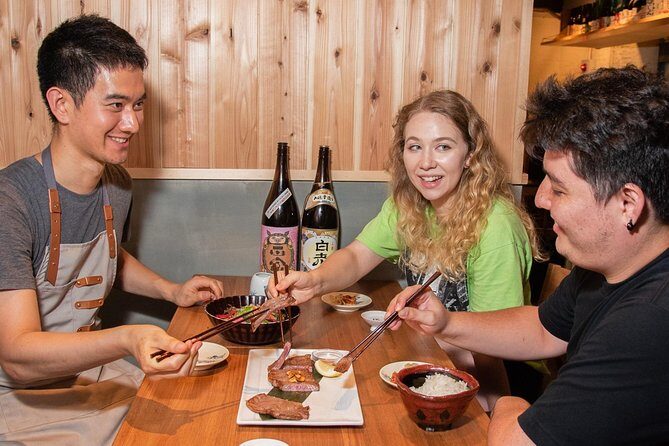
At $148.65 per person, you’re paying for more than steak. This isn’t a quick tasting with a couple bites and one drink. You’re getting a full-course wagyu meal, plus multiple craft sake pairings matched to each dish.
So where does the value come from?
- Multiple wagyu cuts and preparations from different regions, rather than one “signature” plate
- Sake variety by preparation style, including examples like nigori and unpasteurized
- Guided instruction: you’ll learn about wagyu grading and sake making, not just taste
- Practical takeaways: menu help in Japanese and personalized tips you can use later
Is it expensive compared to grabbing a meal solo? Sure. But Tokyo can be tricky for non-Japanese speakers, especially if you don’t know what to order. Here, you’re buying a translator, a tasting framework, and a chef-hosted set menu in one.
The main downside is drink scope: additional drinks besides the sake pairings (like beer) aren’t included. If you’re someone who typically orders extra alcohol at restaurants, you might spend more than expected. Still, if you’re happy to focus on sake for the night, this is a strong value.
For dietary requirements, the limitations matter. Vegan, vegetarian, and gluten free options are limited, and you must request accommodations at least a week ahead for the best chance. If your needs are strict, message the provider early so you don’t end up disappointed.
Should you book this Shinjuku wagyu and sake pairing night?
Book it if you want a Tokyo food experience that teaches you how to taste. I think it’s especially good for first-timers who feel overwhelmed by menus, and for food lovers who want more than one wagyu cut and more than one sake style in the same evening.
Skip it or think twice if you:
- need a fully vegan/vegetarian/gluten free menu (options are limited)
- hate compact seating or close conversations
- plan to drink lots of non-sake beverages beyond the pairings
If you like the idea of pairing your way through wagyu tongue, tataki, sirloin with nigori sake, hotpot with unpasteurized sake, and finishing with a sake-touched dessert, this is an efficient way to get your bearings in Shinjuku cuisine.
FAQ
What time does the experience start?
The start time is 6:00pm.
Where does the tour start?
It starts at Ushinobi Shinjuku in the NSK Building area: 201, 1-chōme-22-1 Hyakuninchō, Shinjuku City, Tokyo 169-0073, Japan.
How long is the tour?
It lasts about 3 hours.
How many people are in the group?
The experience has a maximum of 8 travelers.
What is included in the price?
The price includes a full course meal.
Are drinks like beer included?
No. Only sake pairings are included; additional drinks such as beer are not included.
Is help provided for Japanese menus?
Yes. The experience includes help deciphering menus in Japanese.
What if I have food restrictions?
If you have food restrictions, message the provider at least a week before your tour date. They cannot accommodate last minute requests, and vegan/vegetarian/gluten free options are limited.
What wagyu dishes are typically served?
An example full-course menu includes: grilled wagyu beef tongue, wagyu chuck flap tataki, seasonal salad, wagyu sirloin steak, wagyu chuck hotpot, wagyu dashi udon, and dessert described as sake with a surprise.
Can I get a full refund if I cancel?
Yes. You can cancel for a full refund if you cancel at least 24 hours before the experience starts. Free cancellation is available under that window.
More Shinjuku Drinking Tours in Tokyo
More Wagyu & Sake Pairings in Tokyo

More tours in Tokyo we've reviewed




Shinjuku Drinking Tours, compared.
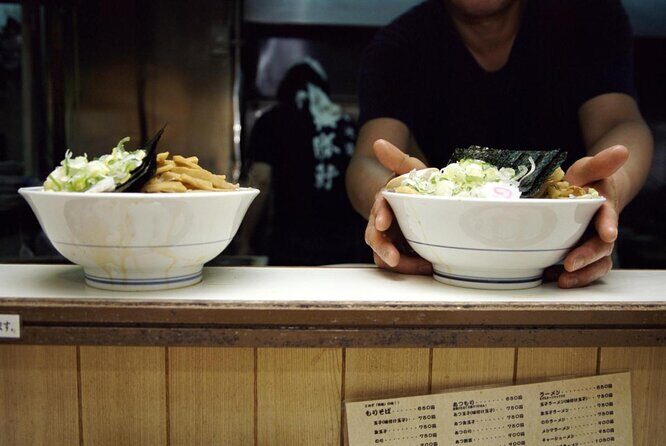 ★ 5.0Tokyo Bar Hopping Tour in Shinjuku (All-You-Can-Drink + Dinner)From $106
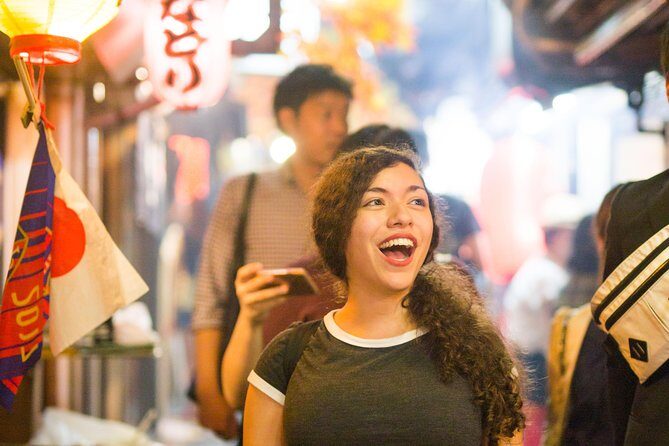 ★ 5.0Best of Shinjuku: Izakaya Food Tour (4 Stops, 14+ Tastings)From $92
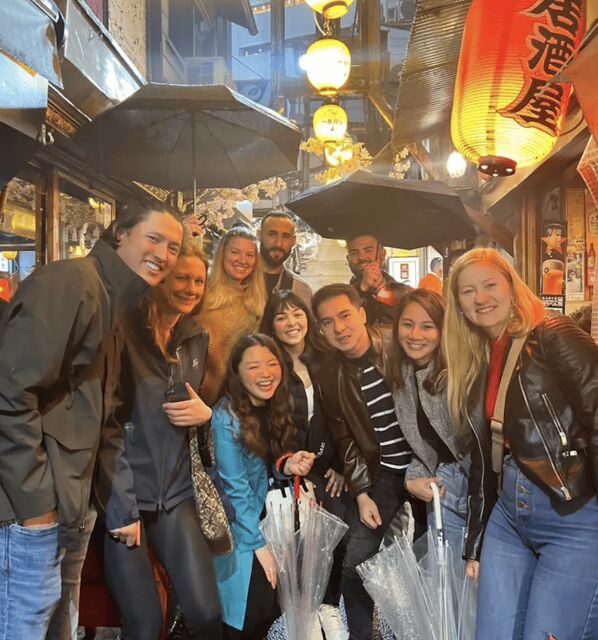 ★ 4.9Tokyo: Shinjuku Local Bar and Izakaya Guided Walking TourFrom $343 hours
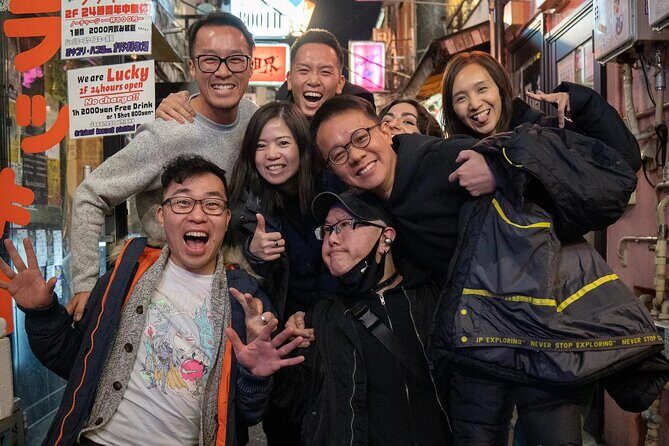 ★ 5.0Tokyo: Shinjuku Local Bar & Izakaya Crawl TourFrom $39
 ★ 4.9Tokyo: Shinjuku Bar Hopping with All-You-Can-Drink & DinnerFrom $1083 hours
 ★ 5.0Sake Tasting Masterclass in Shinjuku (8+ Varieties with a Pro)From $72
 ★ 4.8Tokyo: Shinjuku Nightlife & Secret Backstreets Walking TourFrom $221h 30m
 ★ 4.9Tokyo: The Best of Izakaya in Shinjuku Food & Cultural TourFrom $1293 hours
The lists this tour appears in