
Reviewed · WAGYU & SAKE PAIRINGS
Tokyo Wagyu & Sake Pairing Tasting Experience with Local Flavors
Wagyu and sake, on a tight schedule.
This dinner experience around Tokyo Skytree turns meat into a lesson: you eat multiple wagyu beef cuts and each dish is matched with sake. I love the small-group feel, and I love how the hosts explain what you’re tasting so you can actually tell the difference. One thing to consider is that seating is cozy and sometimes geared more toward the bar, so if you’re hoping for a big social hangout, this isn’t that kind of night.
The spot itself is part of the charm. You’ll meet in Oshiage and then head into EMC, a compact room that feels tucked-away but serious about food. From the outside it can look modest, but the evening is built around a tight flow of courses, pairing talk, and food prep you can usually watch.
Also, plan your timing around the rules. Alcohol service is part of the experience, and people under 20 can’t participate. If you don’t drink alcohol, you can still join for up to three glasses of craft juice, which is a decent backup plan.
In This Review
- Key highlights I’d circle before booking
- Tokyo Skytree area meet-up and why it sets the tone
- Inside EMC: a compact room built for wagyu focus
- The wagyu and sake course flow: what you’re really buying
- Tokyo wagyu cut variety and the meat-to-sake lesson
- The sake rules: alcohol, craft juice, and planning your night
- Timing and what 2 hours feels like with small courses
- Price and value: is $151.96 worth it?
- Who should book this wagyu and sake tasting?
- Should you book this Tokyo wagyu and sake experience?
- FAQ
- FAQ
- How long is the Tokyo wagyu and sake pairing tasting?
- How many people are in the group?
- Can anyone under 20 join?
- What if I don’t drink alcohol?
- Is gluten-free food available?
- Where is the meeting point?
- What’s the cancellation policy?
Key highlights I’d circle before booking
- Small max group size (12) makes the pairings feel personal instead of rushed
- Seasonal wagyu course flow with sake pairing at every step
- EMC is close to Tokyo Skytree and easy to reach via public transport
- English-friendly hosting with clear explanations about cuts and sake
- Diet accommodations available for gluten-free with 24-hour notice
Tokyo Skytree area meet-up and why it sets the tone
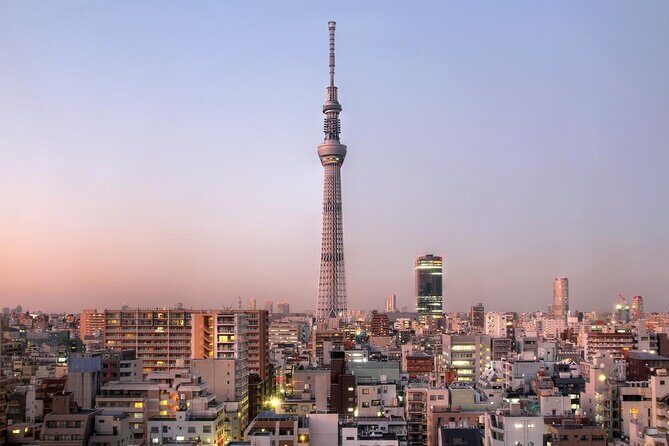
You start in the Oshiage neighborhood, not far from Tokyo Skytree. The meeting point is at emcJapan, 131-0045 Tokyo, Sumida City, Oshiage, 3-chōme2517 Lohビル 1F. It’s the kind of location that works well if you want to pair the tasting with other Skytree-area plans, because you’re not forced into a complicated neighborhood shuffle.
What I like about meeting in this area is the vibe shift. Tokyo Skytree can feel like a landmark-and-crowds day, then you walk toward EMC and the night turns quieter and more focused on dinner. One review even describes it as tucked down a quiet street under the Skytree lights, which matches the general feel here: small, intentional, and food-first.
If you’re using transit, go with the simplest route you can manage. No private transportation is included, so you’ll rely on your own walking/subway rhythm. Also, build in a little buffer: if they can’t reach you within 30 minutes of your reservation time, the booking can be canceled. That’s not a “gotcha” rule; it’s how tight the service window stays.
Other wagyu & sake pairings we've reviewed in Tokyo
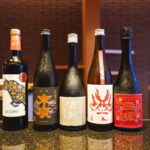
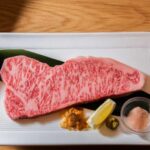
Inside EMC: a compact room built for wagyu focus
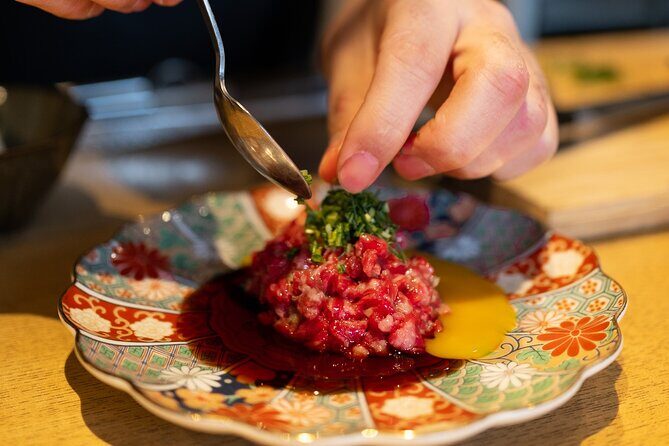
EMC (Enjoy Meat Club) is not a big restaurant with wandering tables. It’s a compact setup designed for an omakase-style flow. Expect a small dining area and a setup where you can see food prep and cooking during the evening. Even with limited space, the room is arranged so the courses land in sequence instead of turning into a waiting game.
One review notes that the venue can feel like a separate room behind a small bar. That matters because it changes the feel of the evening. If you’re hoping to mingle with everyone all night, seating can affect that. On the flip side, if you want the attention on your plate and on what the chef/hosts are explaining, this setup is very efficient.
You should also expect a “presentations are part of the meal” tone. Reviews call out friendly, engaging hosts, good English, and explanations that connect the cut of wagyu to the type of sake you’re drinking. That is a big part of the value here. You’re paying not only for meat and alcohol, but also for the translation of what to notice.
And yes, there’s comfort trade-off. One comment mentions the chairs could be better. So if you have strong preferences about seating, arrive with realistic expectations: this is a tasting experience, not a long-table lounge.
The wagyu and sake course flow: what you’re really buying
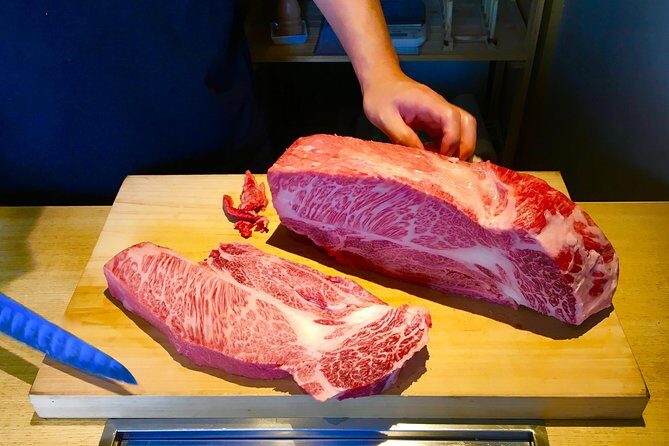
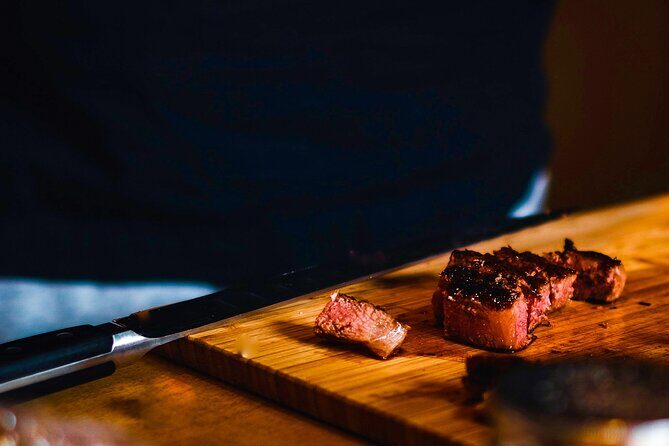
The core promise is simple: you’ll eat different parts of wagyu, and each dish gets a sake pairing. The course content changes by season, so you’re not just booking a generic menu. That seasonal rotation is part of why repeat visitors come back, and why it can feel fresh even if you’ve eaten wagyu before in Japan.
Here’s the detail that helps you set expectations: the description talks about seven dishes paired with sake, and it also describes a 10-course omakase-style program. Practically, that means you’re in for a multi-course arc with multiple wagyu cuts and a sake pairing throughout, but the exact “course count” can depend on how the operator breaks it down on the day.
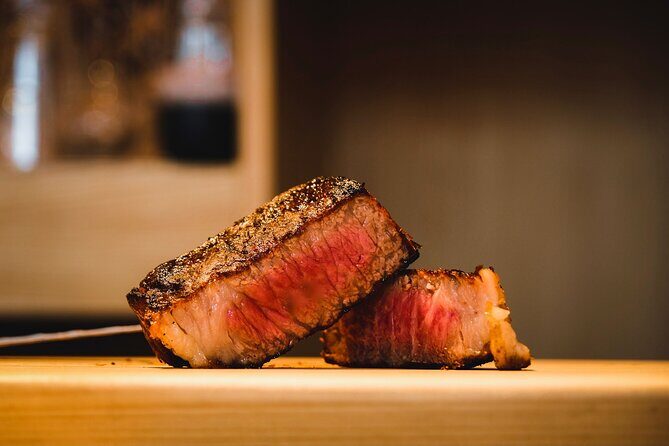
What stays consistent is the idea of progression. You’ll get different styles of wagyu preparation and different flavors built with traditional Japanese touches. The pairings are then chosen to match what you’re eating—fat levels, seasoning direction, and the way each bite lands. If you care about learning instead of just eating, this is the “why” behind the experience.
Seasonal changes also matter for budget value. When a menu rotates, you’re not paying for the same plate someone ate last month. You’re paying for that specific evening’s selections, including seasonal ingredients and the sake choices paired to them.
Tokyo wagyu cut variety and the meat-to-sake lesson
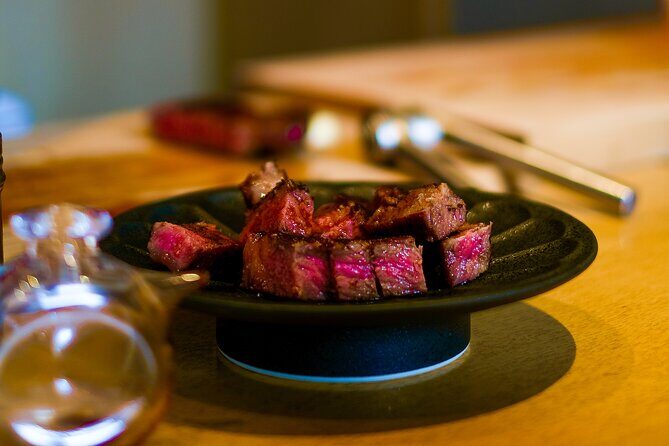
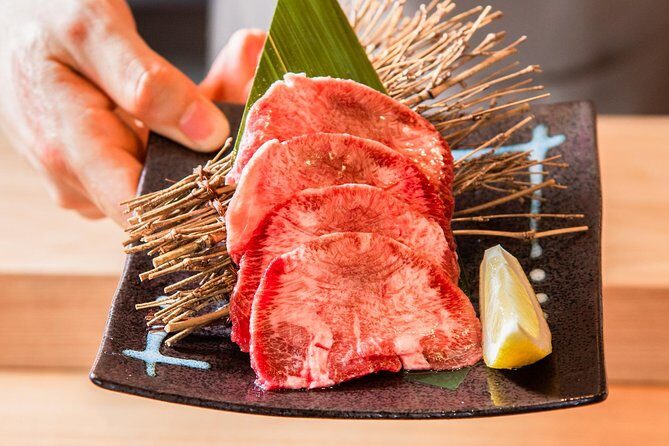
This is where most people get wowed, and it makes sense. Wagyu isn’t one flavor. Different cuts and preparations change the mouthfeel, the richness, and how your taste buds handle the next bite. The evening leans into that logic.
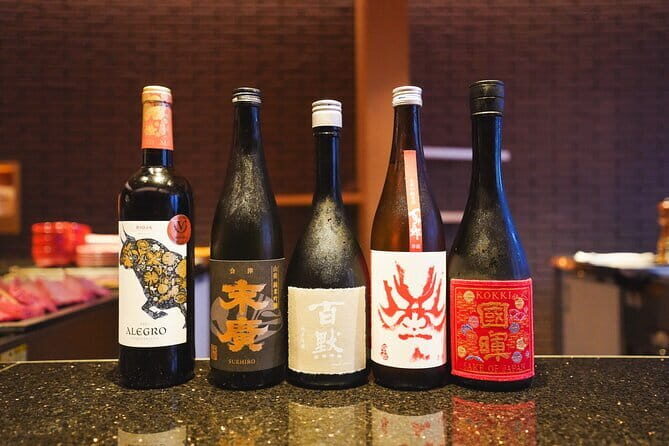
You’ll hear explanations of the different wagyu parts as they’re served, and then the host pairs each course with a sake selection that fits. Reviews highlight that the hosts and chef give clear breakdowns, and that you can even take pictures of sake bottles so you can track down favorites later. That’s a practical bonus: you leave with a short list of sakes you can actually remember, not just vague labels.
If you’re new to Japanese sake, don’t worry. The experience is structured for learning in a normal, human way. Instead of forcing deep technical talk, the hosts guide you through what to notice as you drink: how the sake complements the fat, how it changes the flavor of the beef, and how each pairing feels compared to the last one.
One strong review also calls out accommodation for a soy allergy. While gluten-free accommodation is clearly listed with 24-hour notice, that soy-allergy example is a good signal that the team takes allergies seriously when informed in advance. If you have any allergy, message them ahead of time and be specific.
The sake rules: alcohol, craft juice, and planning your night
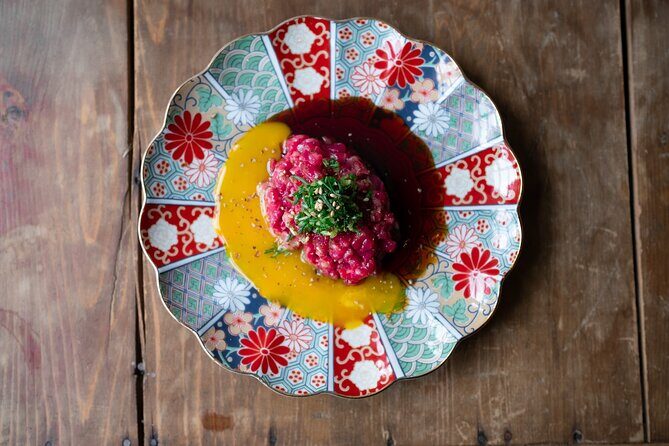
Sake is part of the design, not a side option. Alcohol is served during the experience, and people under 20 can’t participate. That rule is worth considering if you’re traveling as a family or you’ve got younger teens in your group.
If you don’t drink alcohol, you can still join. The listing says you’ll get up to three glasses of craft juice instead. That means you won’t be forced into a full sake program, but you also won’t lose the core rhythm of the meal. It’s a decent compromise if you want the wagyu and the pairing explanations without drinking sake.
One more practical point: the night is timed. You have about 2 hours from start to finish. So go in hydrated, and don’t plan a long detour beforehand. If you want to do Tokyo Skytree sightseeing that day, schedule it so you’re not rushing to get to EMC.

Timing and what 2 hours feels like with small courses
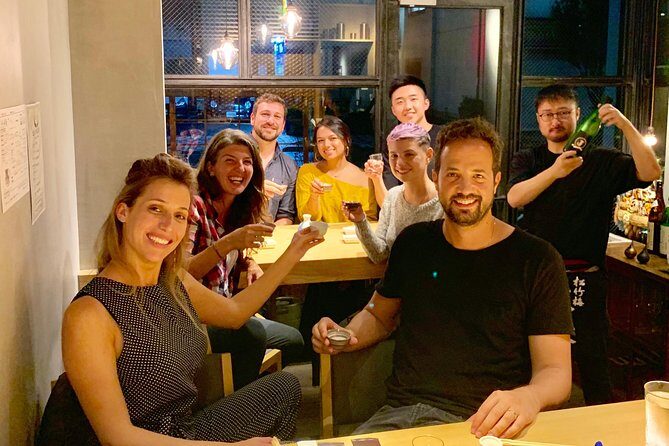
The experience is about 2 hours long, and that time window is deliberate. Multi-course tasting sounds like it could stretch forever, but here it’s tight enough to keep the evening energetic. You’re not stuck waiting between plates for ages, and the sake pairings don’t get watered down by long gaps.
The trade-off is that you’ll probably leave thinking you wanted a bit more. Several reviews use that exact feeling: it’s filling and satisfying, but it can also make you wish there were extra courses. That’s not a flaw so much as the nature of a guided tasting: you get focused variety instead of an endless buffet.
Also, because the group size maxes at 12, service doesn’t feel like a big production. You get enough attention that the explanations land, but not so much that you lose momentum.
Price and value: is $151.96 worth it?
At $151.96 per person, this isn’t a “cheap eats” night. You’re paying for three things at once:
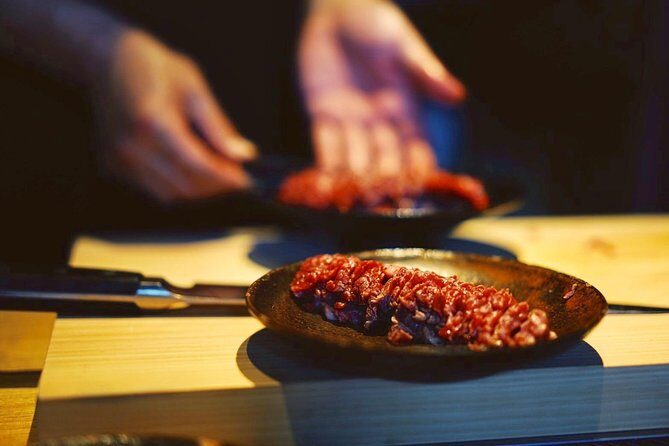
1) High-end wagyu served in multiple cuts
2) Hand-selected sake pairings matched to each dish
3) Guided explanations that teach you what you’re eating
If you’ve ever had good wagyu elsewhere in Japan, you know the big gap isn’t just beef quality. It’s the pairing and the context. A regular dinner can be great, but you often don’t get a structured map for tasting. Here, you do.
So the value test for you is this: do you want to walk away able to talk about why each bite worked, and do you enjoy sake enough to want it paired through a sequence? If yes, the price makes more sense fast. If you mainly want to eat wagyu without explanations and without drinking, the cost may feel steep compared to a straightforward wagyu restaurant.
Also remember: the menu changes seasonally, so you’re not just paying for a fixed item list. You’re paying for the operator’s choices that night.
Who should book this wagyu and sake tasting?
I think this experience fits best if you’re the type of traveler who wants a planned food night, not a wandering meal. It’s a strong choice for:
- Couples who want an intimate dinner with attention on flavor
- Food lovers who enjoy learning about cuts and sake, not just eating
- Travelers who like meeting a few people but don’t need big group games
- People who plan to be in the Skytree/Oshiage area for an evening
It may be less ideal if your priority is a social, chat-at-every-table kind of night. One review even gently pushes back on that idea, saying the experience isn’t built for socializing. Another mentions being seated at a bar away from the main group, which can affect conversation. If you’re sensitive to that, you’ll want to check in with the team before you arrive and be okay with a more focused setup.
Should you book this Tokyo wagyu and sake experience?
If you want a high-quality wagyu dinner with sake pairings and real explanations, I’d say yes. The biggest selling points are the small-group format, the consistent sense of “meat + matching sake,” and the way the hosts talk you through what matters on your plate.
The only reasons to hesitate are practical: the experience is short (about 2 hours), seating can be cozy, and alcohol rules mean you’ll need a clear plan if you’re not drinking. If that fits your travel style, this is exactly the kind of Tokyo meal that makes the city feel personal and specific, not generic.
FAQ
FAQ
How long is the Tokyo wagyu and sake pairing tasting?
It runs for about 2 hours.
How many people are in the group?
The experience has a maximum of 12 travelers.
Can anyone under 20 join?
No. Alcohol is served, and people under 20 cannot participate.
What if I don’t drink alcohol?
If you don’t drink alcohol, you can take part and receive up to three glasses of craft juice.
Is gluten-free food available?
Yes, gluten-free guests can be accommodated with 24-hour notice.
Where is the meeting point?
You meet at emcJapan, 131-0045 Tokyo, Sumida City, Oshiage, 3-chōme2517 Lohビル 1F.
What’s the cancellation policy?
You can cancel for a full refund up to 24 hours before the experience starts. If you cancel less than 24 hours in advance, the amount paid is not refunded. The experience may also be canceled due to poor weather, in which case you’ll be offered another date or a full refund.
More Wagyu & Sake Pairings in Tokyo
More tours in Tokyo we've reviewed




Wagyu & Sake Pairings, compared.
 ★ 5.0Wagyu & Sake Pairing in Shinjuku – Steak, Shabu-Shabu & MoreFrom $148
 ★ 5.0Wagyu Beef and Sake Pairing Foodie Tour in TokyoFrom $218
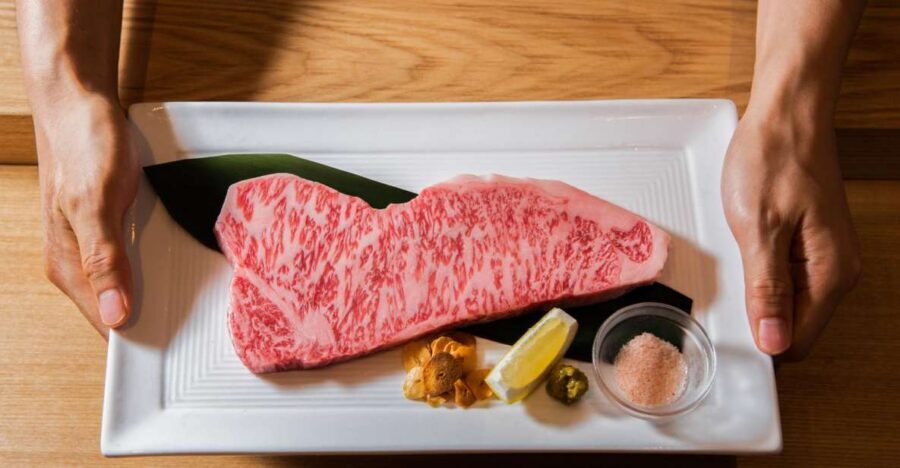 ★ 4.9Wagyu & Sake 8 Course Tasting Dinner in ShinjukuFrom $1452h 30m
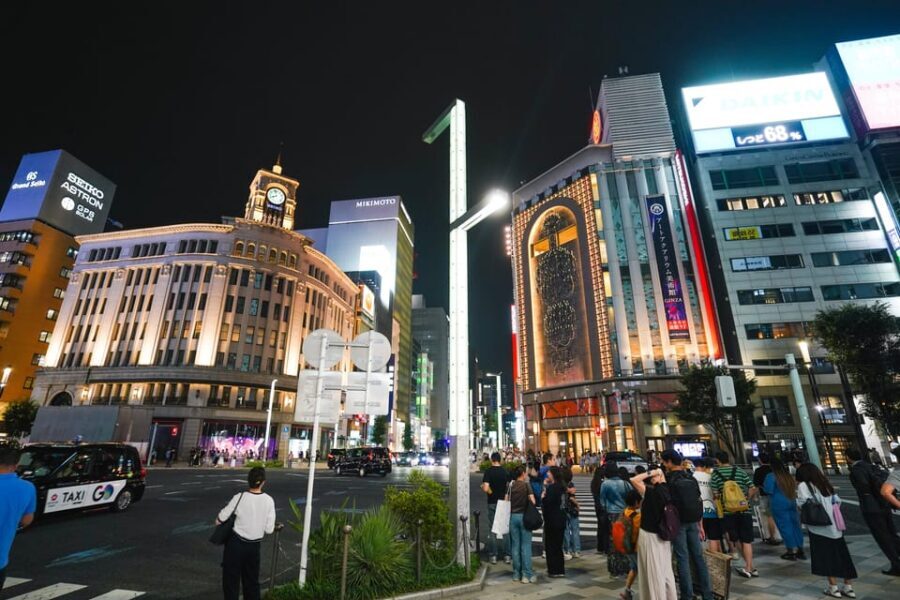 ★ 5.0Wagyu Beef & Sake Pairing Foodie Tour in TokyoFrom $1803h 30m
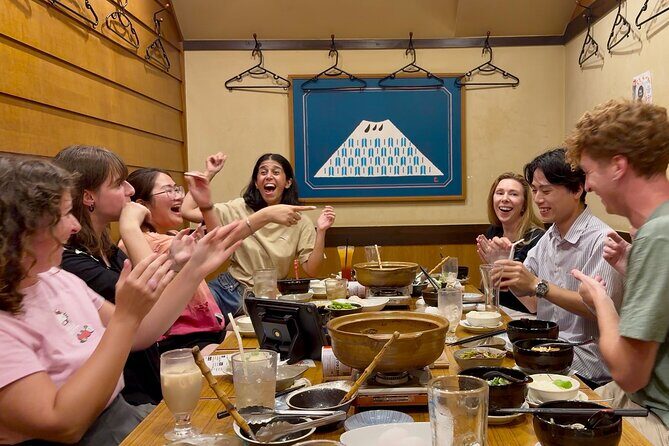 ★ 5.0Tokyo Shinjuku Bar Hopping –Wagyu , Ramen & 7 DishesFrom $94
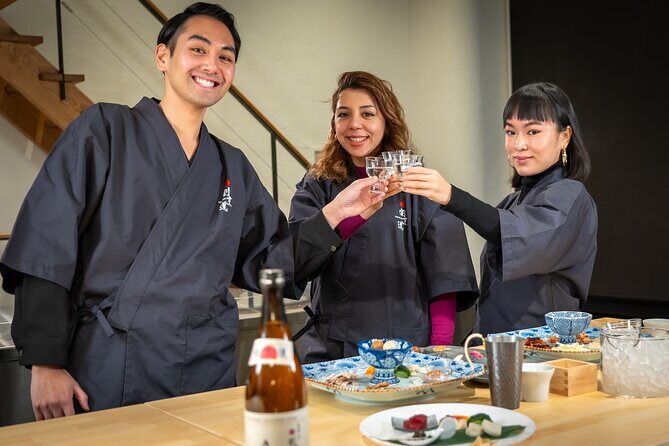 ★ 5.0Japanese Sake Tasting & Wagyu Sukiyaki Cooking Class in TokyoFrom $129
The lists this tour appears in